Garden Blog - Top Tropicals

Date: 3 Apr 2019

Clay or plastic?

TopTropicals.com

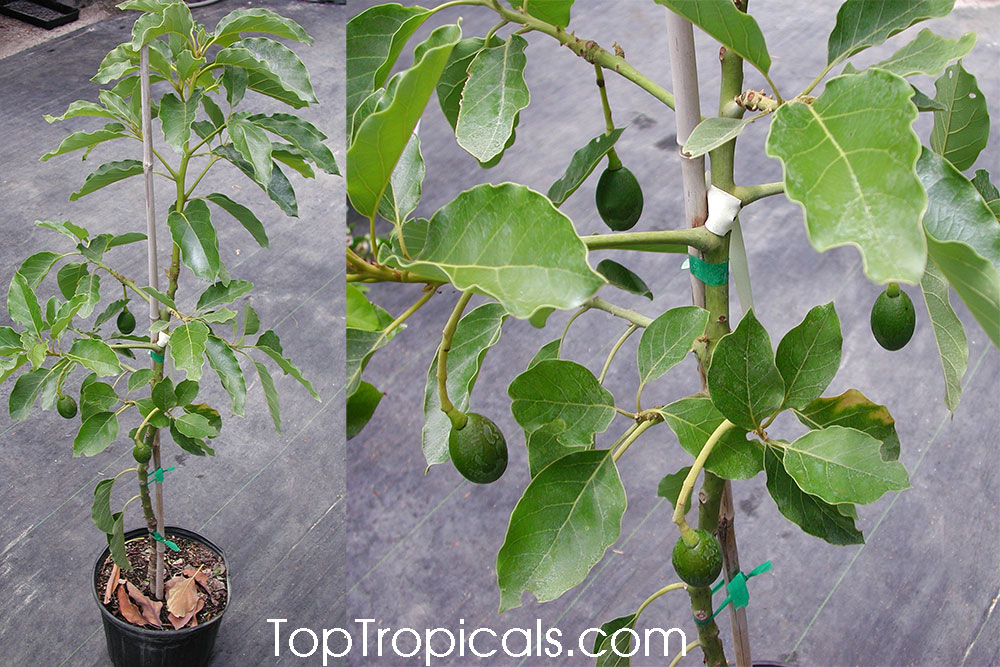
Q: I purchased an Avocado tree and planted it in a nice clay pot that I bought in a special pottery place. My tree looked very healthy when arrived but after a week leaves become droopy and started yellowing. I was advised this was a sign of over-watering. I watered the tree only once since I got it 2 weeks ago. What is wrong with my plant?

A: Unfortunately, the fancy pot may be the reason. Although clay pots (plain clay, without glaze) are considered to be good for root health, however, the root system is hard to control and difficult to check without disturbing. Clay pots with fancy glaze and painting may have a drainage problem. We have noticed that cone-shaped pots are usually problematic for drainage, and a plant always has "wet feet". Avocados like watering, but cannot tolerate sitting in water. If you want to avoid root problems and still like to keep a beautiful look of your treasure plant, you may use a fancy planter, where you can put your plant growing in a plain plastic black nursery pot of much smaller size than a planter: its vertical walls are perfect for drainage, and the pot is easy to remove for re-potting or inspecting. Make sure to put a layer of drainage rock on the bottom of the planter so your efforts won't be in vain.

Date: 23 Sep 2024

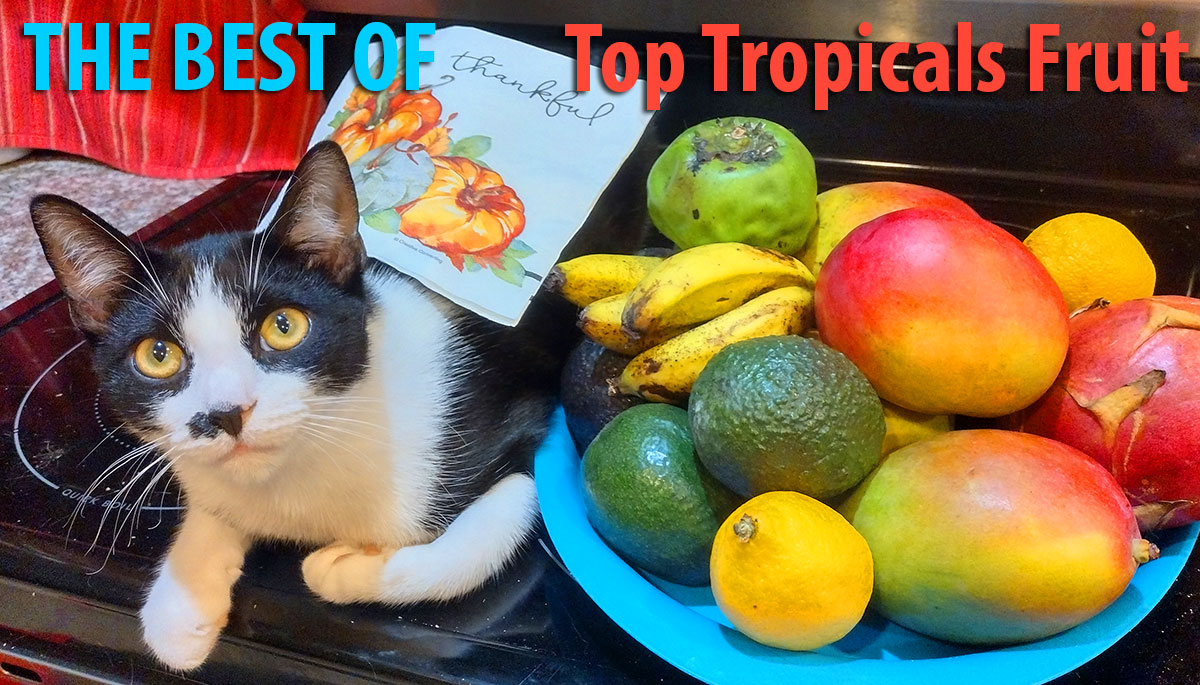
Ten top fruiting plants you'll ever need
for your health benefits

Top  Tropicals  Fruit

Q: I planted Mango and Avocado trees, and I still have room for more trees but want to use the space wisely. What other trees should I plant to get the most benefits out of the fruit?

A: Everyone loves planting Mango or Avocado trees for their well-known benefits. But did you know that adding a variety of other fruit trees to your garden can expand those benefits even more? If you plant just one of each of these 10 trees, you'll have a complete spectrum of nutrients and health-boosting ingredients you ever need. With a diverse range of healthy fruits, you'll boost your diet, improve your health, and elevate your lifestyle. Let's check out the TOP TEN most rewarding and useful fruit...

1. Guava
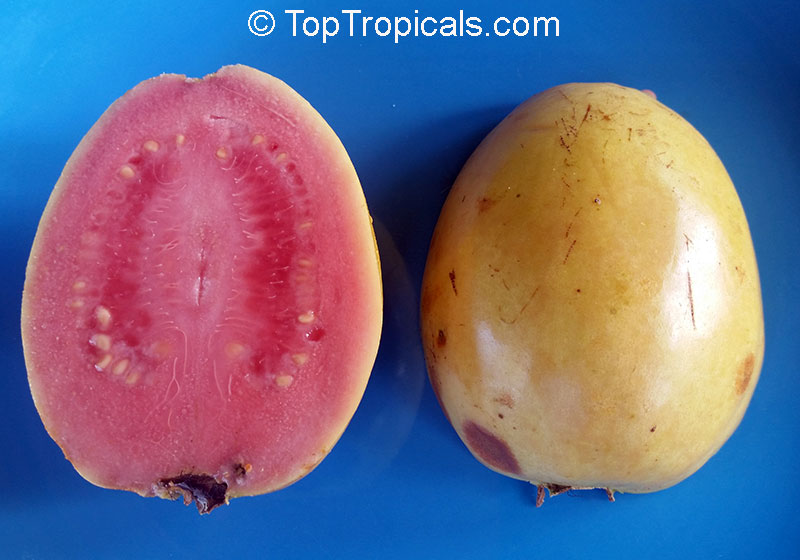
Guava  fruit

Guava is rich in vitamin C, which boosts the immune system and helps protect against colds and infections.
Guava helps regulate blood sugar levels, making it a good option for people with diabetes.
Its potassium content helps maintain healthy blood pressure.
Guava's antioxidants, like lycopene and vitamin C, contribute to glowing skin and may reduce the risk of cancer.
Guava is eaten fresh, made into juices, jams, and jellies, or added to desserts and smoothies.

2. Coffee
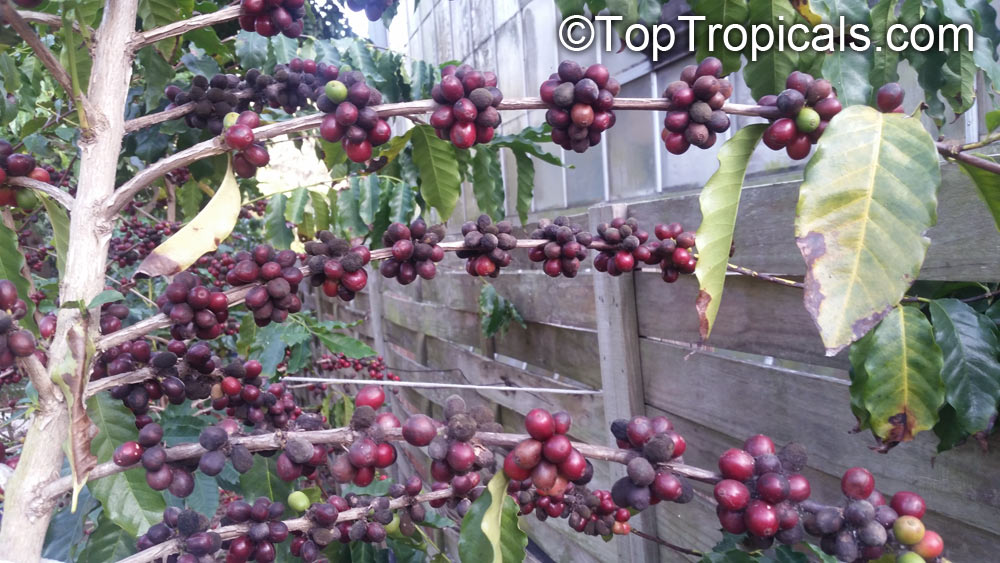
Coffee  fruit

Coffee is widely enjoyed as a beverage and is used in various desserts and drinks.
It is rich in antioxidants, which may reduce inflammation and lower the risk of chronic diseases.
It improves focus and mental alertness due to its caffeine content.
Coffee boosts metabolism and aid in fat burning, supporting weight management.

3. Noni
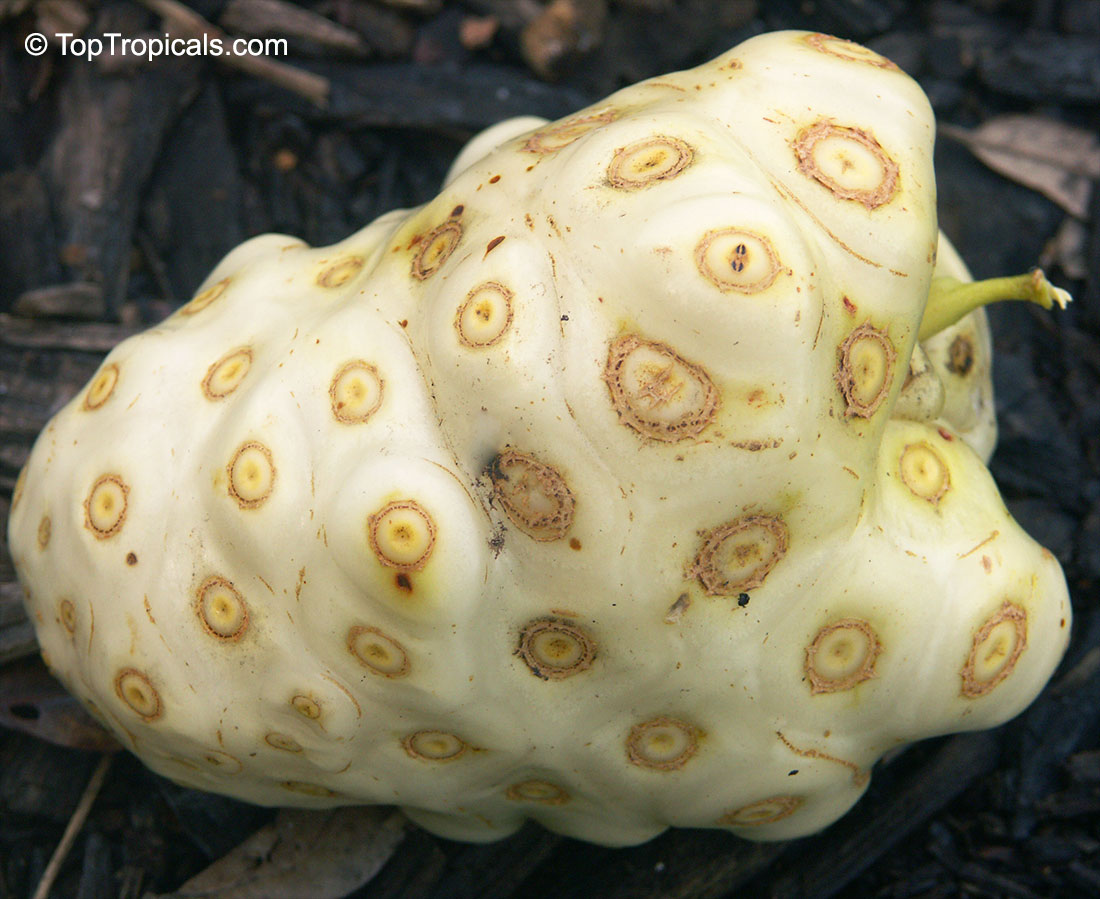
Noni  fruit

Noni is known for its anti-inflammatory properties and may help reduce joint pain and arthritis symptoms.
Fresh noni fruit and juice are popular in traditional herbal medicine and drinks.
It boosts the immune system due to its rich vitamin C content.
Noni juice is used traditionally to improve digestion and fight infections.

4. Papaya
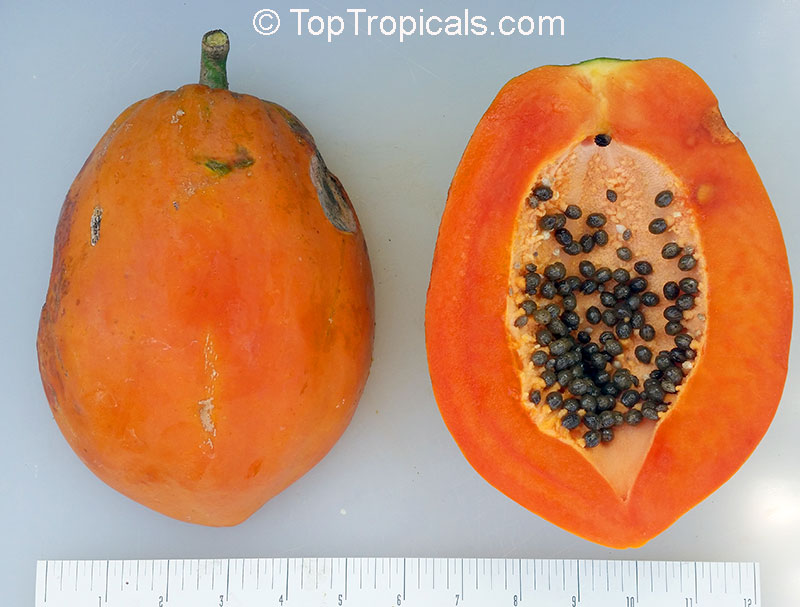
Papaya  fruit

Papaya is a popular ingredient in salads, smoothies, and tropical desserts.
It contains enzymes like papain that aid digestion and reduce bloating.
It is high in vitamin C and vitamin A, the antioxidants in papaya may protect against heart disease and reduce cancer risk.

5. Banana
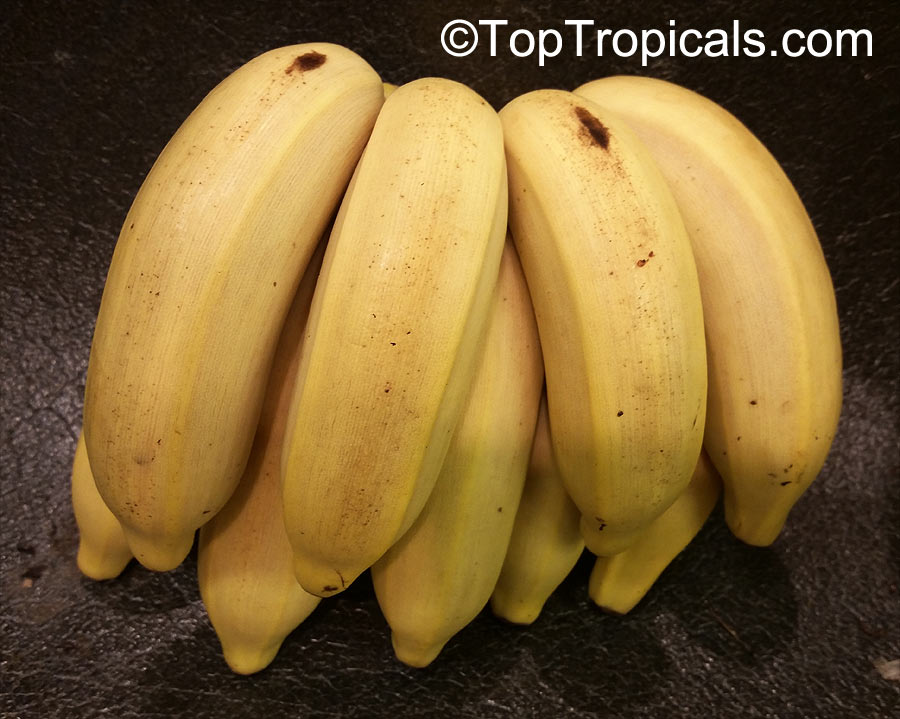
Persimmon  fruit

Bananas are rich in potassium, which helps regulate blood pressure and supports heart health.
They provide a quick source of energy and are great for post-workout recovery.
The fiber in bananas aids digestion and promotes gut health.
East them fresh, add to smoothies, bake into breads and desserts, or use in various savory dishes.

6. Dragon fruit
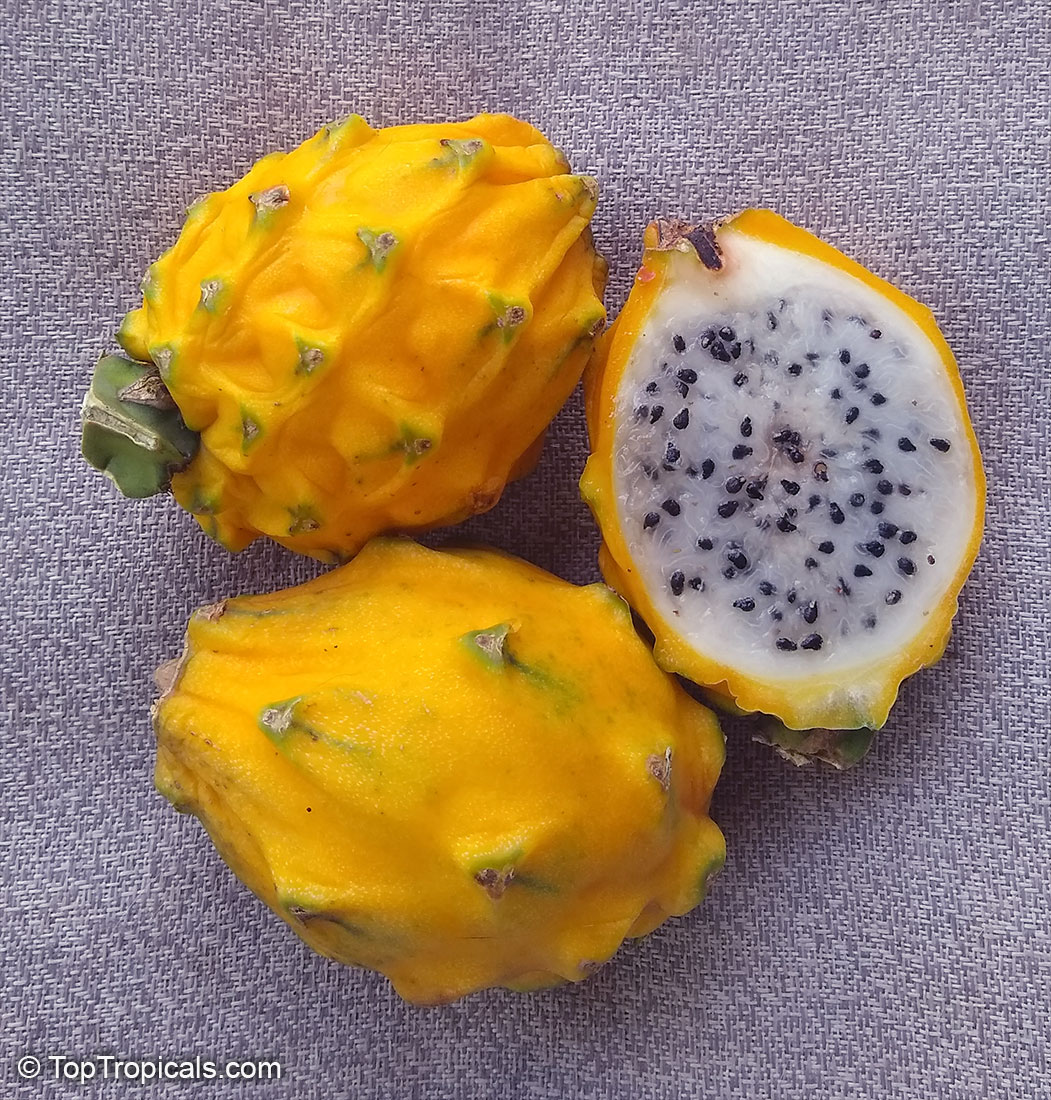
Dragon  fruit

Dragon fruit is often used in smoothies, fruit salads, and refreshing drinks.
It is high in fiber, aiding digestion and promoting gut health. Low in calories and packed with nutrients, it's great for weight management.

7. Tamarind

Tamarind  fruit

Tamarind is a common ingredient in sauces, chutneys, and beverages.
Rich in antioxidants, it protects the liver and reduces inflammation.
It contains natural compounds that help lower cholesterol and improve heart health. Tamarind has a mild laxative effect, aiding digestion and relieving constipation.

8. Loilita (Surinam) Cherry
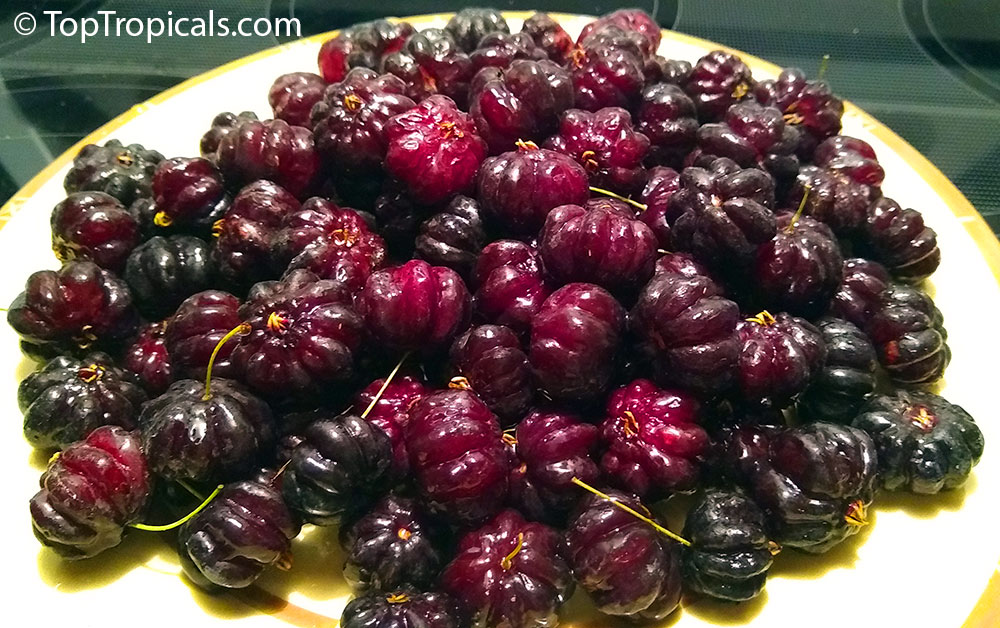
Surinam  cherry  fruit

Surinam cherry is rich in vitamin C, boosting the immune system and skin health.
Its antioxidants reduce inflammation and protect against free radical damage. It contains fiber, which supports healthy digestion.
Surinam cherries are used in jams, sauces, and desserts or eaten fresh.

9. Nescafe
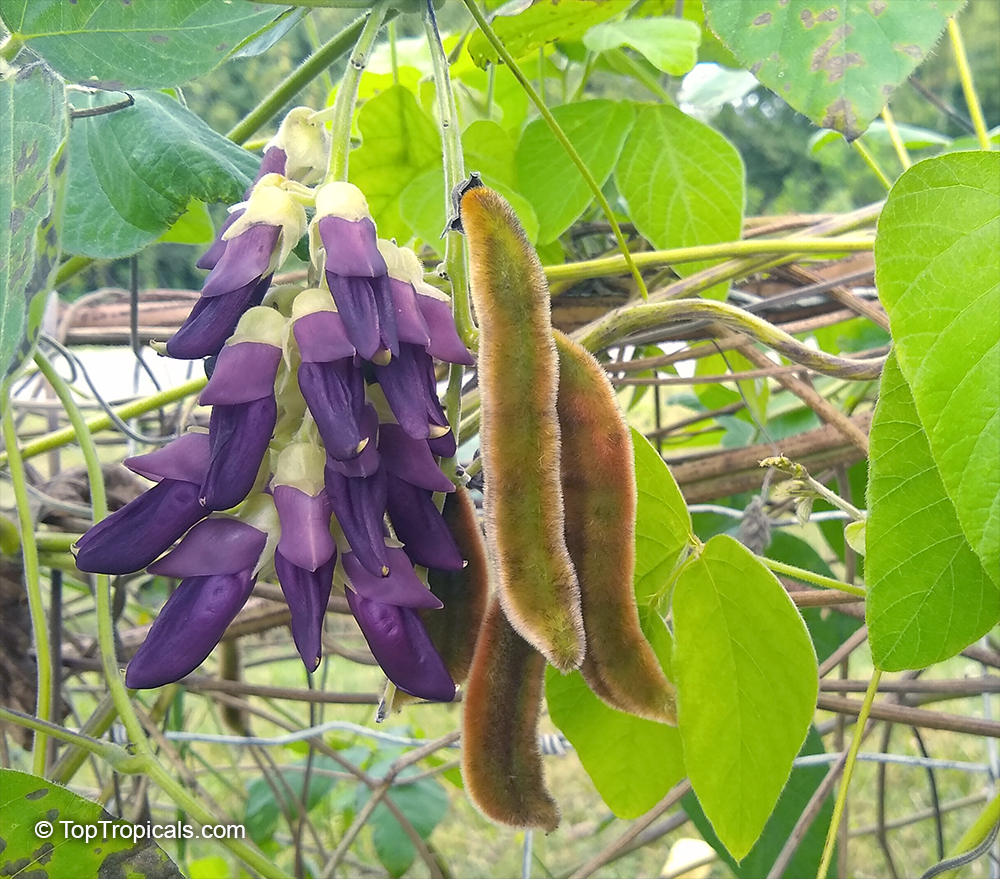
Nescafe

Nescafe - Mucuna pruriens - is used in herbal supplements or ground into powder for teas and health drinks.
It is known for its potential to boost dopamine levels, improving mood and reducing stress.
It supports cognitive function, muscle growth and increases energy levels.

10. Loquat
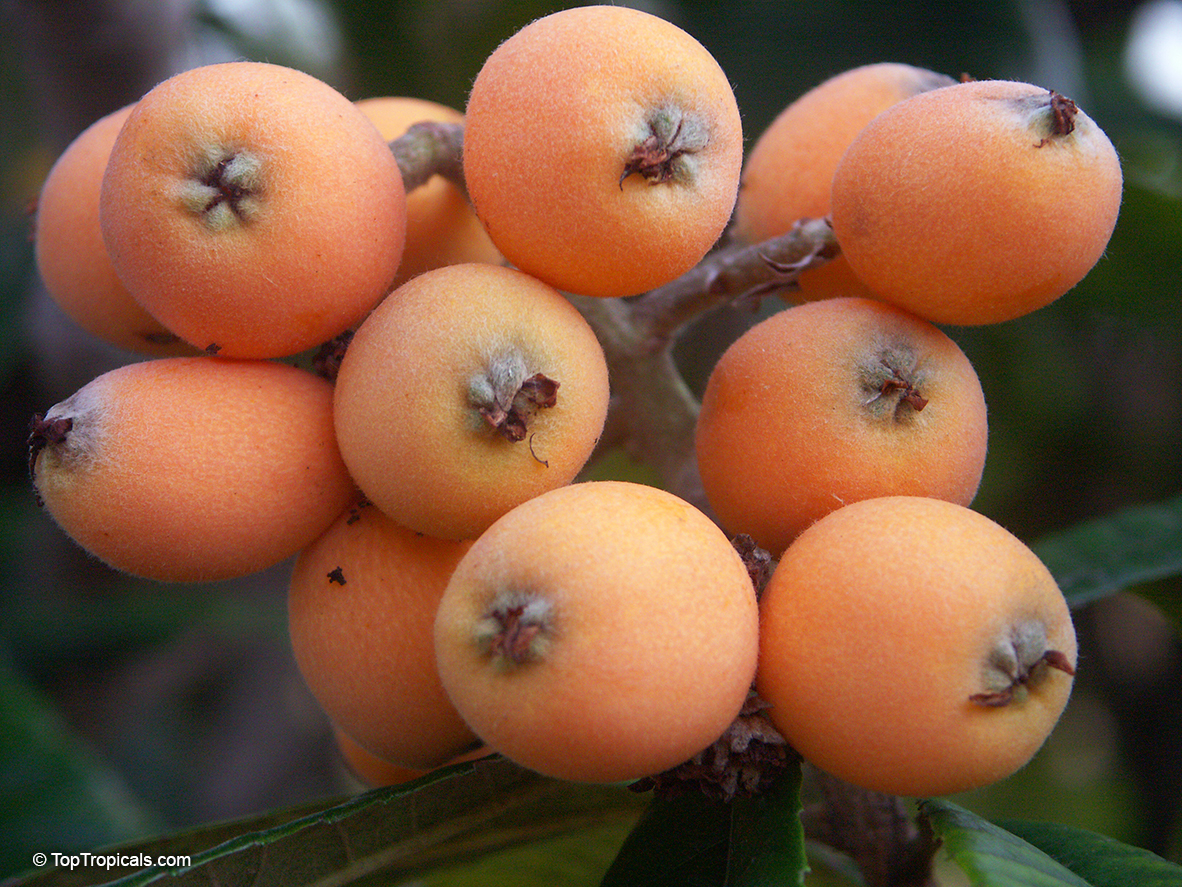
Loquat  fruit

Loquat are very popular and are eaten fresh or used in making jams, jellies, pies, and fruit salads.
Loquat is rich in vitamin A, supporting eye health. It contains antioxidants that help fight inflammation and reduce the risk of chronic diseases. The fiber in loquats aids digestion and helps maintain healthy blood sugar levels.

By planting these 10 diverse fruit trees, you'll not only enjoy a delicious and abundant harvest but also ensure your garden provides all the nutrients needed for a healthier, more vibrant life.
Date: 21 Mar 2025

Spring is calling - let's plant some trees!

March 21: World Planting Day
Big Tree Sale and Specials

Cat  planting  a  tree

Spring is Officially Here! March 20, 2025, marked the Spring Equinox - the first day of Spring - a season of growth, renewal, and fresh beginnings! And on March 21, we celebrate International Day of Forests - the perfect time to plant a tree!

Happen to live in Florida? You're in luck: Top Tropicals is right around the corner! Not only do we offer a massive online selection of flowering and fruiting tropical trees, but we also have large, ready-to-go trees in 7-gal, 15-gal, and 25-gal sizes - already mature and ready to bloom and fruit! No waiting years for results! Mango, Avocado, Champaka and other hot selling trees are available in large size.

And here's the best part - FREE DELIVERY! (see offer details below ). Visit our Garden Center in Ft. Myers or our B-Farm in Sebring, Florida to check out our large tree selection. Our friendly team is ready to help you find the perfect trees, discuss delivery options, and even install them for you!

Yes, we install! We bring the trees, soil, mulch, fertilizer, and all necessary supplies for a hassle-free garden upgrade! Discounts and special deals are available based on order size and plant type. Enjoy our free delivery deal this week only! See offer details below.

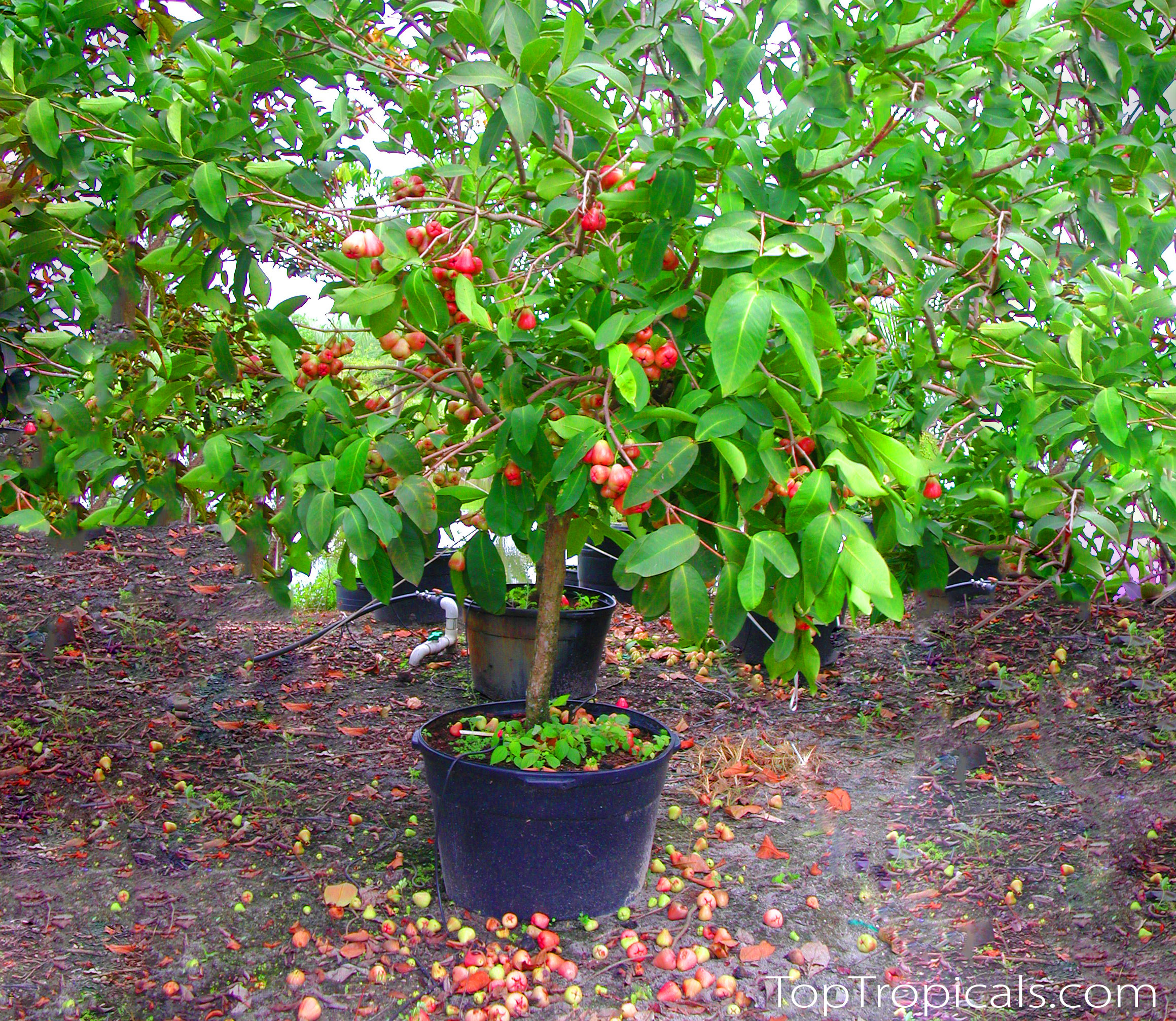
Fruiting  Wax  Jamboo  in  25  gal  pot
Fruiting Wax Jamboo in 25 gal pot

FREE DELIVERY+
7 gal - $25 off regular price
15 gal - $75 off regular price
25 gal - $125 off regular price
Purchase over $300 in big trees, install only $30 for 15g, $60 for 25g
Purchase over $600 in big trees, install only $20 each

For walk ins only. Min order $200 for free delivery to Lee, Collier, Highlands counties and more (check with our office). Exp. 3-28-25

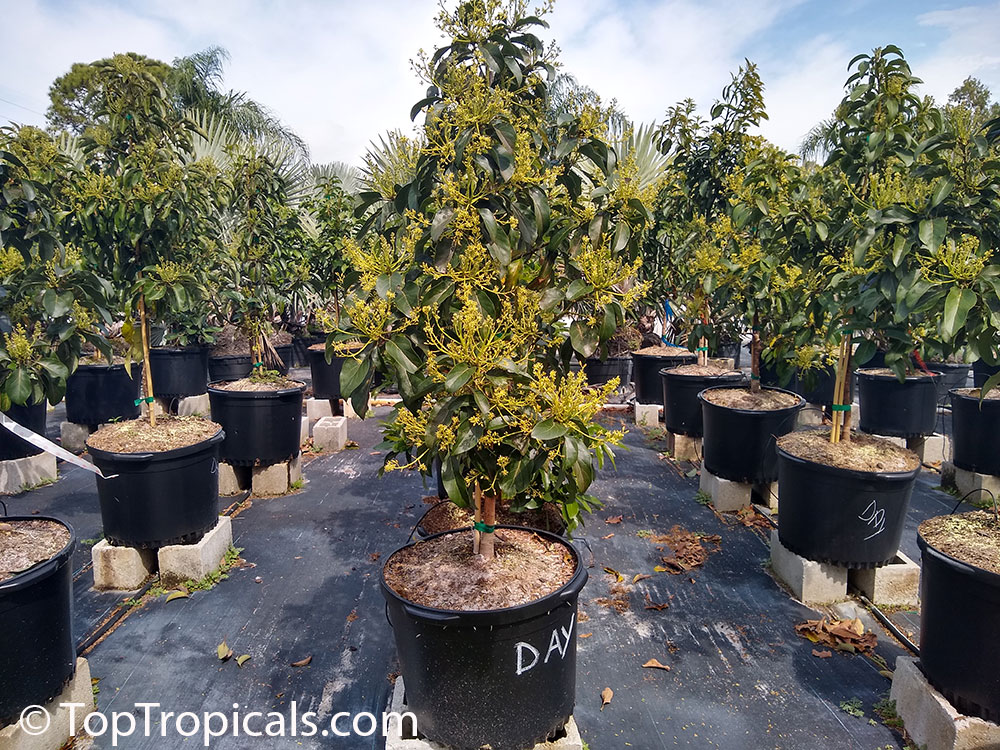
Avocado  trees  in  15  gal  pots

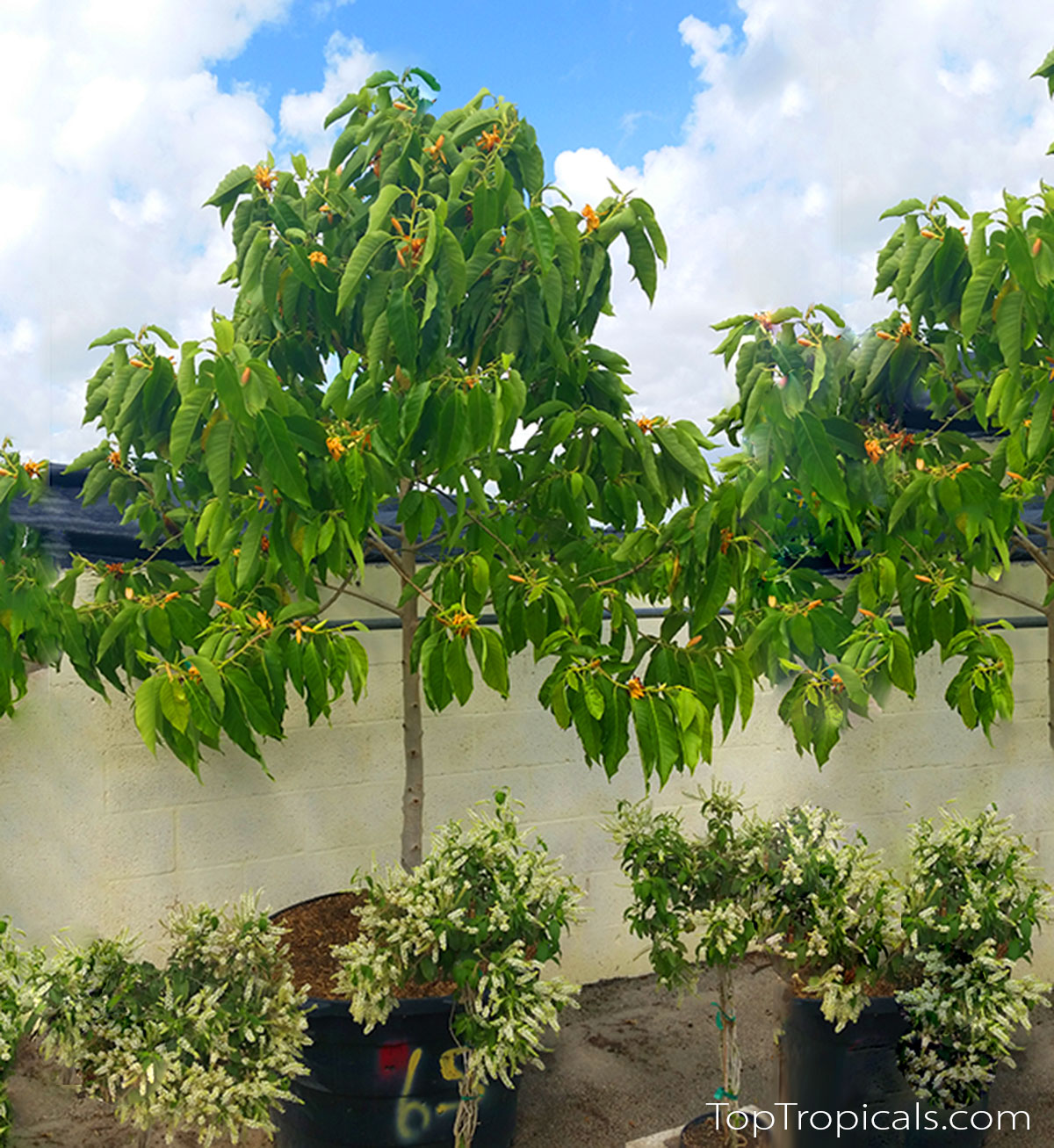
Champaka  trees  in  15  gal  pots

Date: 24 Jun 2018

TopTropicals

Avocado, Lychee and Mango setting fruit... give them some FOOD!

Q: Do I need to fertilize tropical fruit when they set fruit?

A: It is traditionally believed that mango and other tropical fruit shouldn't be fertilized during fruiting period. It is true to an extent: you don't want fruit to burst from fast excessive growing. Instead, try to feed fruit trees wisely, because they still need proper nutrition to produce flowers and fruit.
Our spring specials of Lychee, Avocado and Mango are full of buds and some already set tiny fruit (see examples on the photo). Here is the feeding plan for these plants once you receive your mail order:
1) Once received the plant, pot it into container size of the root ball and let establish for couple weeks. Use SUNSHINE-E to help the plant recover from shipping stress and establish root system.
2) Apply SUNSHINE-Honey right before flowering, and next time at setting fruit, to provide sweeter and bigger fruit, eliminate fruit cracks and help resist fungus and other fruit diseases.
3) Use balanced granulated fertilizer, 1 tsp per each gallon of soil. Apply once a month during Spring-Summer season. This gives the plant balanced macro-elements (NPK) necessary for overall plant health. Do not use on fruit trees fertilizers with high Nitrogen content.
4) Apply SUNSHINE SuperFood micro-element booster to keep fruit trees vigorous, develop strong root system and avoid deficiencies.
5) In case of signs of chlorosis (yellowing leaves with darker veins), give the tree SUNSHINE-GreenLeaf and watch the leaves turning green quickly.
After harvesting, don't forget to make another treatment of SUNSHINE-Honey as a preparation for the next year flowering and fruiting season.

Date: 20 Oct 2025

11 tropical fruits to eat instead of taking a fiber supplement

Tropical fruits to eat instead of taking a fiber supplement

Tropical fruits to eat instead of taking a fiber supplement

🍑 11 tropical fruits to eat instead of taking a fiber supplement

  • When we think of tropical fruit, we picture sweetness, sunshine, and exotic flavors packed with vitamin C. But beneath all that juicy goodness lies another gift: dietary fiber - quietly working to support digestion, feed the gut microbiome, and help keep blood sugar steady.
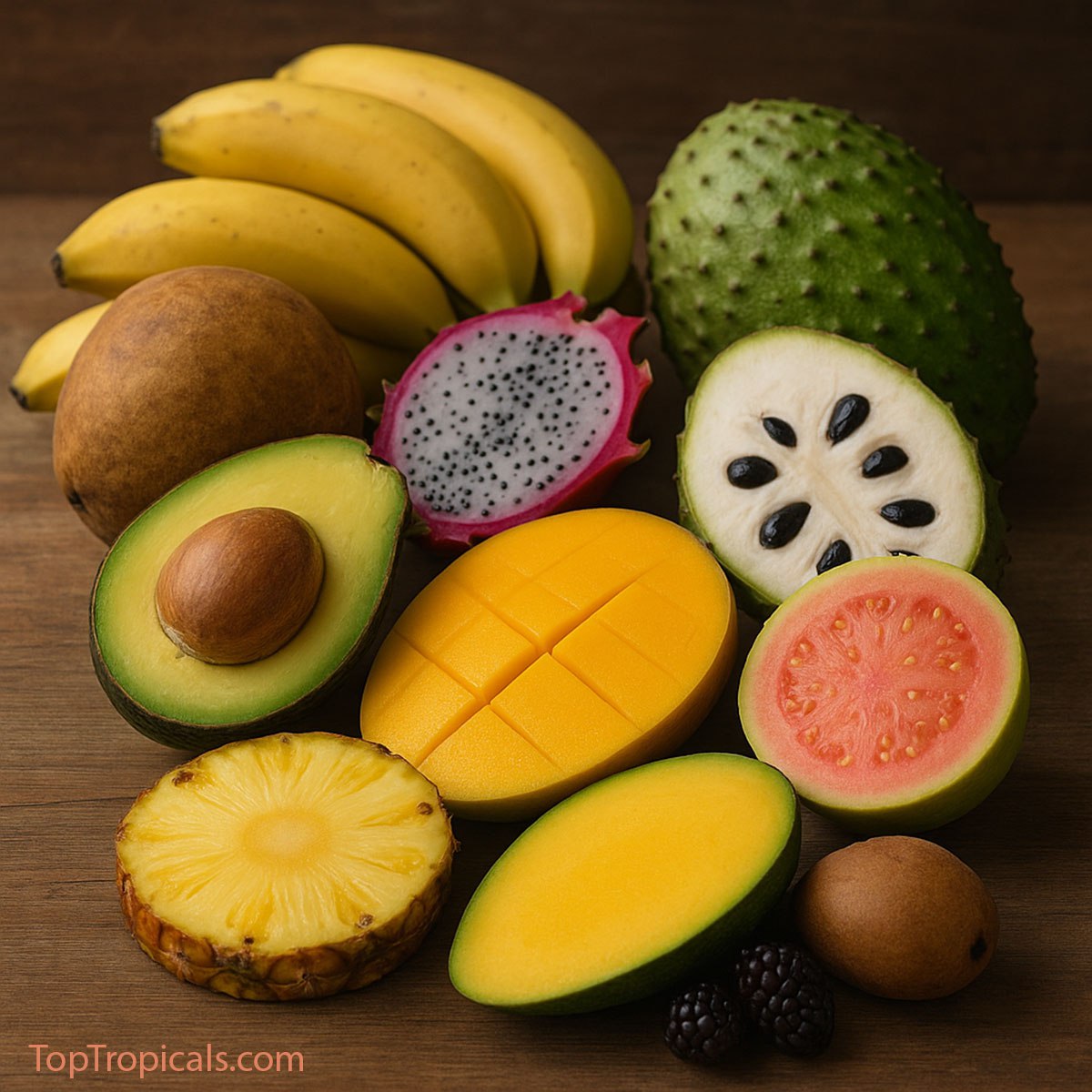
  • Avocado leads the pack among tropical fruits for fiber content. One creamy, ripe fruit can provide around 10 grams of fiber, roughly a third of an adult’s daily need. And there’s more to avocado than fiber - it’s also rich in healthy fats, micronutrients, and that silky texture everyone loves.
  • Other tropical fruits bring their own kind of fiber strength. Guava delivers up to 9 grams per cup, plus a burst of vitamin C.
  • Mango offers about 3 grams in half a fruit, especially when eaten with some of the skin.
  • Pineapple, though not always seen as a fiber powerhouse, still contributes around 2 grams per cup, along with bromelain, the enzyme that helps digestion.
  • Jackfruit’s fibrous pulp makes it another standout - it’s so meaty, it’s even used as a plant-based substitute in savory dishes.
  • Sapote fruit (Mamey, Canistel) and Sapodilla add fiber with a smooth, custard-like texture.
  • Adventurous tropical varieties like Annona (custard apple, soursop) may not top the charts in fiber numbers, but their soft, fibrous flesh still adds value: about 1.3 grams of fiber per 100 grams of fruit.
  • Bananas contain both soluble and insoluble fiber; the soluble part (mainly pectin) helps control blood sugar and appetite, while the insoluble fiber aids regularity.
  • Mulberries are rich in insoluble fiber, especially in their skin, supporting digestion and promoting healthy bowel movements.
  • Dragon fruit offers a mix of soluble fiber in its juicy flesh and insoluble fiber from its tiny edible seeds, which help support gut health and feed good bacteria.

These fruits aren’t just delicious - they help you meet your daily fiber needs in ways that are far more enjoyable (and sustainable) than taking supplements. And when home gardeners, farmers, or tropical communities grow and share them, it’s a double win: nutrition and tradition hand in hand.

✔️ Tropical fiber power: tips for getting more fiber from tropical fruits

  • ⏺Eat whole, not juiced. Most of the fiber is in the pulp, skin, and seeds. Juicing removes much of that goodness.
  • ⏺Mix it up. Tropical fruits are great, but balance them with legumes, whole grains, nuts, and veggies for a full fiber range.
  • ⏺Take it slow. If your diet is low in fiber, increase gradually to avoid bloating or discomfort.
  • ⏺Drink plenty of water. Fiber works best when paired with hydration.
  • ⏺Mind the ripeness. Unripe fruits can have more resistant starch, another form of fiber.
  • ⏺Get creative. Toss tropical fruits into smoothies, salsas, breakfast bowls, or even desserts - a tasty stealth-fiber strategy.


🛒 Plant a fruit tree to harvest your fruit tomorrow

📚 Learn more:


Tropical fruit health benefits guide - what fruit and edibles can help with health issues and vitamin deficiencies, Part 1 and Part 2.

#Food_Forest #Remedies #Discover #How_to

🟢 Join 👉 TopTropicals