👍 If you are lucky to have a large bathroom with a skylight, you can create your little tropical oasis! Plants on the video are the easiest candidates that require minimum care:
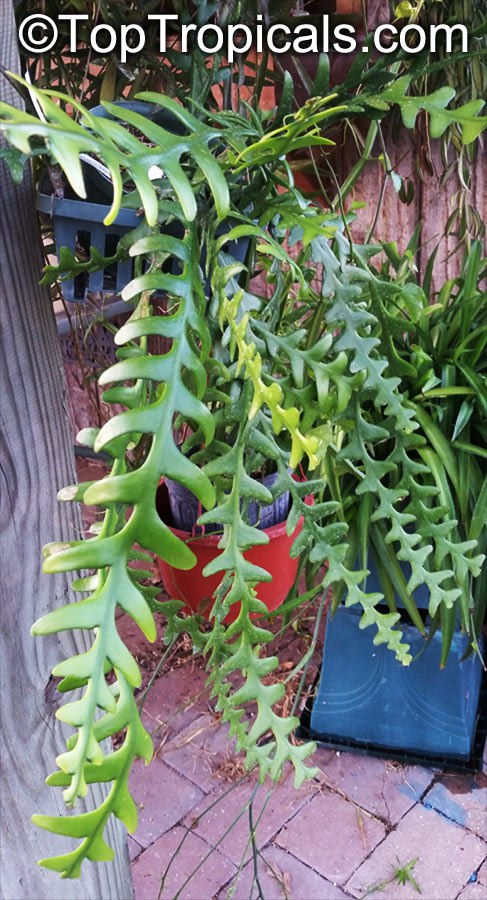
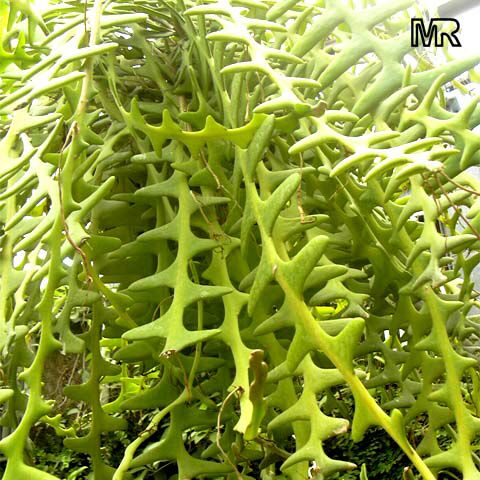
⚡️Cryptocereus (Selenicereus) anthonyanus - Zig-Zag Cactus. Also known as Anthony's Rick-Rack or Fishbone Cactus, this oddball epiphyte is famous for its zigzagging, succulent leaves that look like a green lightning bolt.
⚡️ In nature, it climbs trees using aerial roots, but it's happy in a pot too.
⚡️Give it bright, indirect light and let the soil dry out completely between waterings.
⚡️In spring, it may reward you with a rare night-blooming flower that lasts just one magical evening.
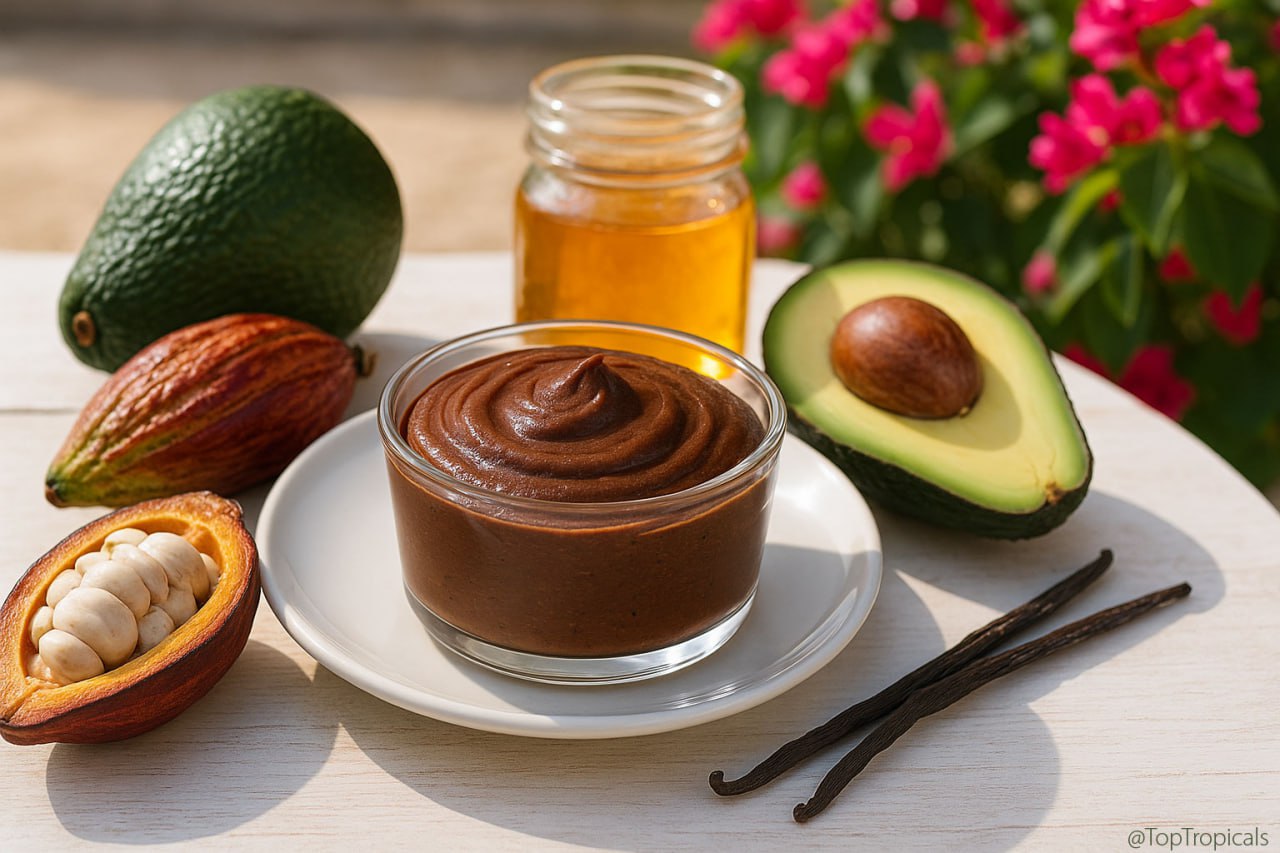
🟢Blend ripe avocado with cocoa powder, honey, and a splash of vanilla. 🟢Chill and serve like chocolate pudding. 🟢Nobody will guess the secret ingredient! 🟢Healthy and tasty!
Most tropical flowers bring in pollinators, and bees are usually first in line. But what if you’d rather avoid them? Maybe you’re allergic, or just don’t want bees buzzing around. Good news: some flowers attract butterflies, hummingbirds, moths, or even flies - but not bees.
👉 Quick rules:
✔️ Night-blooming + strong fragrance = moths or bats, not bees. ✔️ Red tubular flowers with little scent = hummingbirds or butterflies, not bees. ✔️ Rotten or fermented smell = flies, not bees. ✔️ Carnivorous plants = trap insects, no bee nectar.
1.
Night-blooming, fragrant - moth and bat flowers
Bees forage by day, so many night-fragrant flowers skip them.
Brugmansia - Angel’s Trumpet - big, hanging blooms, moth and bat pollinated. Cestrum nocturnum - Night-blooming Jasmine - powerful night scent, moths only. Hylocereus Dragon Fruit - huge cactus flowers, bats and moths. Brunfelsia - Lady of the Night - sweet fragrance at dusk, no bee interest.
2.
Hummingbird and butterfly flowers
Bees don’t see red well. Tubular reds, oranges, and yellows usually go to birds and butterflies.
Some flowers smell bad to us but irresistible to flies.
Amorphophallus (Voodoo Lily) - rotting meat scent. Tacca (Bat Head Lily) - spooky black flowers, fly-pollinated. Stapelia (Carrion Flower) - also fly-pollinated. Aristolochia (Pelican Flower) - giant, bizarre fly-traps.
4.
🌸 Specialized orchids
Not all orchids rely on bees. Many use moths, butterflies, or beetles instead.
Vanilla orchid - its natural bee pollinator is absent in most regions, so no bee appeal elsewhere. Brassavola nodosa and others - open at night for moths, not bees.
5.
🕷 Bonus: carnivorous curiosities
Carnivorous plants don’t offer nectar. They trap insects instead, so bees stay away.
Nepenthes (Pitcher Plant) - uses pitchers of liquid to lure and digest insects.
These flowers keep the beauty, fragrance, and wildlife appeal - but without making your garden a bee hotspot.
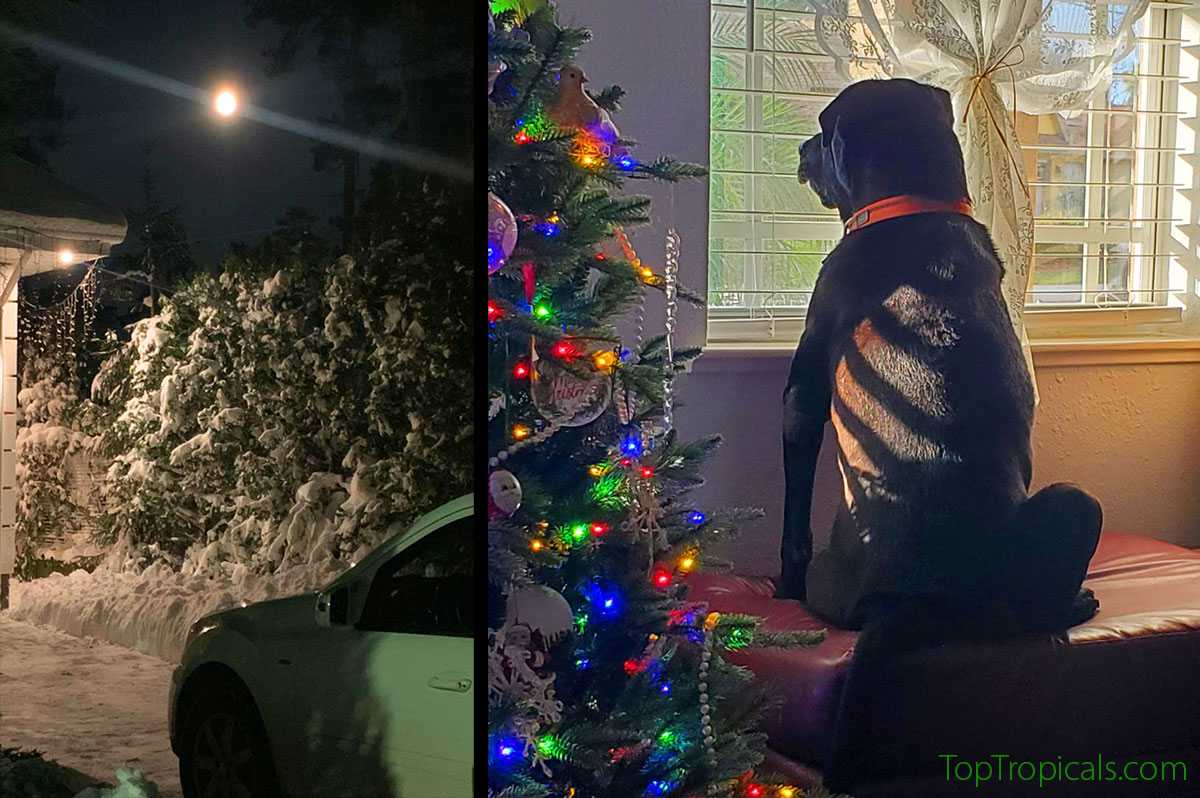
Photo above: Christmas time in Ukraine (left) and Florida (right)
Q: Are there any tropical plants that will do well if I order them in Winter?
We just bought a house in New Jersey with a large sunroom, and I can't wait to
fill it with tropical beauties! Should I wait until Spring, or do you have something for a Winter start?
A: This is indeed a very good question, as many tropical plant collectors grow their treasures
outside the tropics. The short answer is - yes! You can start filling your tropical sunroom any time of the year, but some plants
are easier to deal with in Winter than others. Below are some guidelines.
6. Winter plant care. During Winter the daylight is shorter and temperatures are
cooler.
- Reduce watering
- Use only liquid amino-acid based fertilizer Sunshine Boosters (safe to use year around)
- Monitor insects.
7. Shipping in Winter. We ship year around. However, if it gets
below freezing in your area, you may use FedEx Hold location, they are temperature controlled so you don't have
to worry about a box being dropped off at your cold porch outside.
8. A note for mild climate residents. Most tropical plants can be
planted in the ground year around. Some ultra-tropical tender species such
Chocolate tree, Ylang Ylang, or small size Mango trees can be grown in pots until Spring and planted out once
chances of cold spell are gone. Until then, they can be moved indoors for cold
nights.
Think outside the box and bring tropical paradise indoors during the
time when we need warmth the most! Tropical plants will brighten your short winter days and help you to have truly HAPPY HOLIDAYS!