Garden Blog - Top Tropicals

Date: 23 Jan 2026

A leaf you grow, not a pill you buy

Insulin Ginger (Chamaecostus cuspidatus)

Insulin Ginger (Chamaecostus cuspidatus)

❣️ A leaf you grow, not a pill you buy: Insulin ginger - the plant people actually use
  • ❣️ Costus igneus (Chamaecostus cuspidatus) - Insulin Ginger, Fiery Costus or Spiral Flag - I love this plant! And that’s not something I say lightly.
  • ❣️ Customers often ask me about medicinal plants that may help with diabetes, and Insulin Ginger always comes up - for a good reason. This is one of those plants people grow on purpose, not just because it looks nice. Imagine stepping into your garden and picking a leaf instead of opening a pill bottle. That idea alone makes people pause.
  • ❣️ In everyday use, Insulin Ginger is valued for supporting healthy blood sugar and helping the body respond better to insulin. It’s also packed with antioxidants, which gardeners like to think of as quiet helpers for organs that get stressed when sugar balance is off. No lab talk, no big claims - just a plant people have trusted and used for a long time.
  • ❣️ From a gardener’s point of view, it’s hard not to love. You can harvest leaves year-round, and the more you pick, the better it grows. One plant quickly turns into many, which means you’ll have enough for yourself and extras to share with friends and family.
  • ❣️ It’s one of those plants people don’t regret planting. Easy to grow. Easy to share. Easy to use.


🛒 Add Insulin Ginger to your medicinal herb garden

📚 Learn more:


#Food_Forest #Remedies #Shade_Garden #Discover

🟢 Join 👉 TopTropicals
Date: 10 Jan 2026

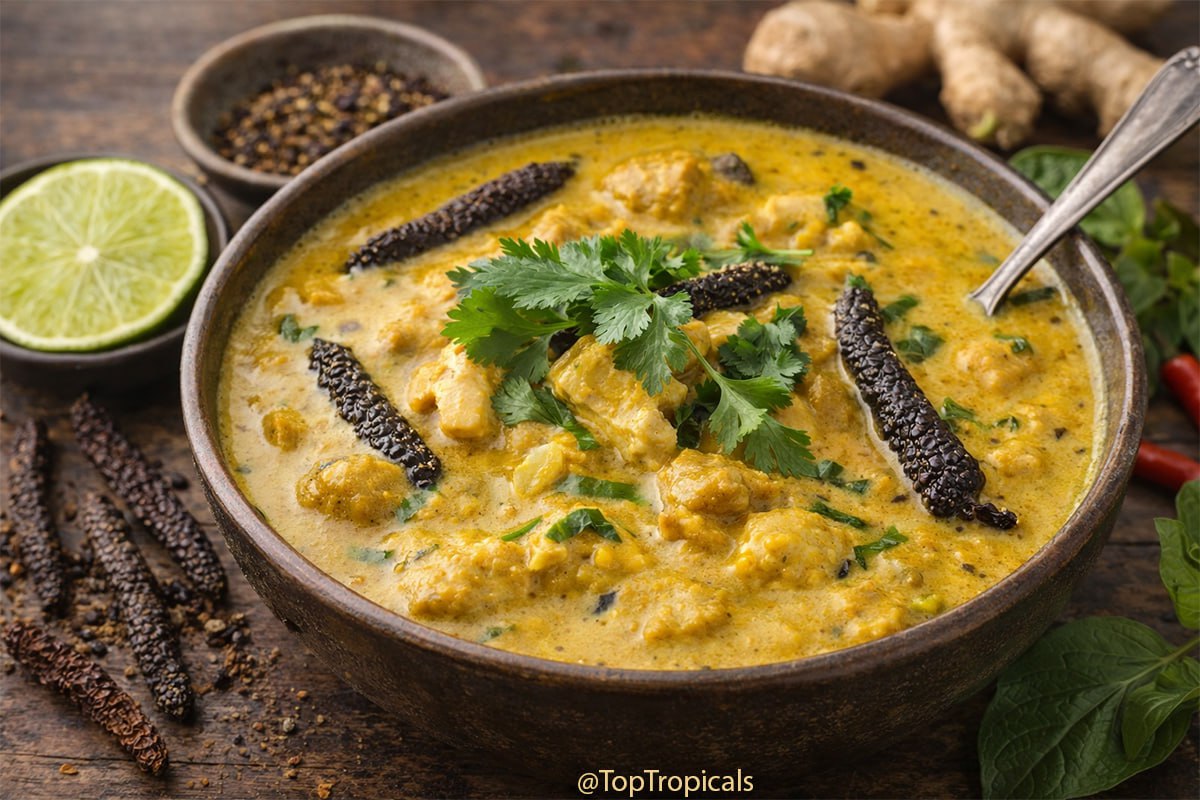
Long pepper curry: quick-n-fun exotic recipes

Long pepper curry

Long pepper curry

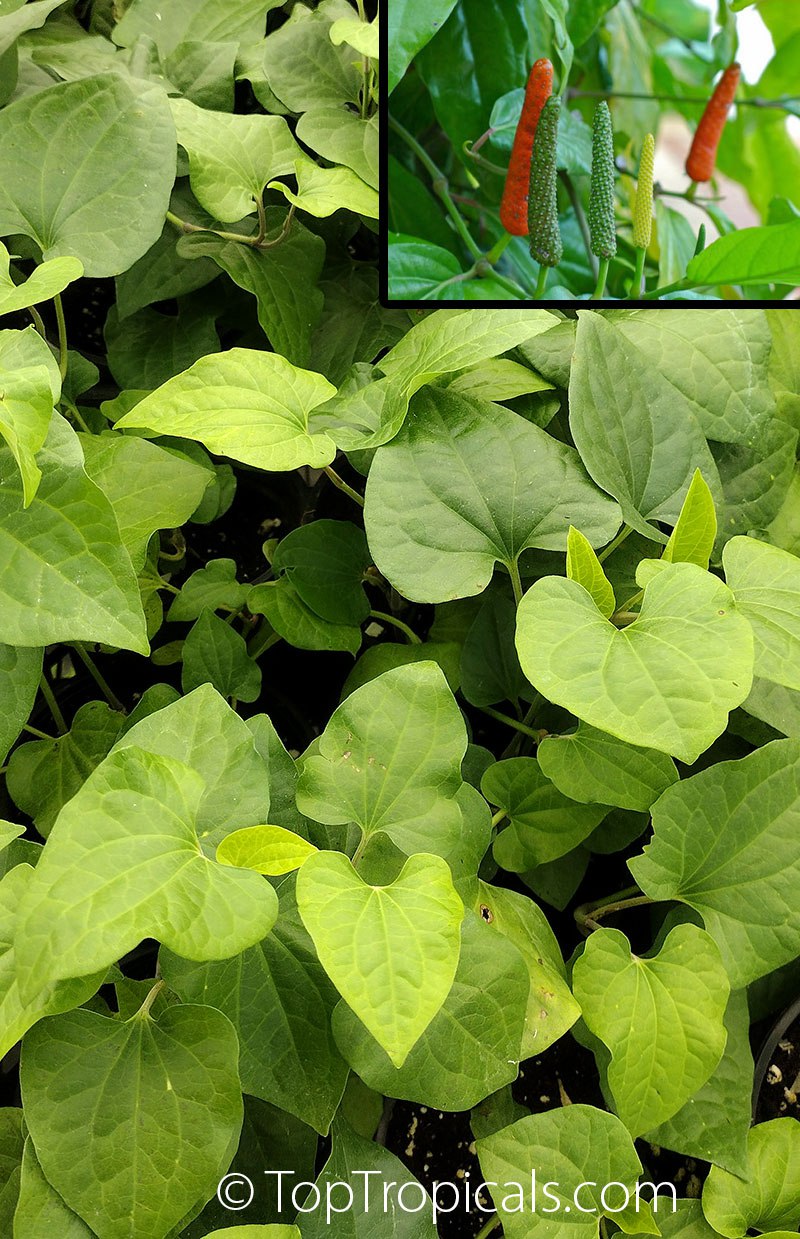
Piper longum - Indian Long Pepper, Bengal Pepper or Pippali

Piper longum - Indian Long Pepper, Bengal Pepper or Pippali

🍴 Long Pepper Curry (Quick-n-Fun Exotic Recipe)

Ingredients

  • 1 can (13.5 oz) coconut milk
  • 1/2 tsp crushed dried long pepper (Piper longum)
  • 1 tbsp vegetable or coconut oil
  • 1 small onion, finely chopped
  • 2 cloves garlic, minced
  • 1 tsp fresh grated ginger
  • 1/2 tsp turmeric
  • Salt to taste
  • Fresh cilantro for garnish (optional)

Instructions

  1. Heat oil in a pan over medium heat.
  2. Add onion and saute until soft and translucent.
  3. Add garlic, ginger, turmeric, and crushed long pepper. Stir for 30 seconds.
  4. Pour in coconut milk and bring to a gentle simmer.
  5. Cook for 8 to 10 minutes, stirring occasionally.
  6. Season with salt and garnish with cilantro before serving.

🌿 About the plant:


Indian long pepper, also known as Pippali or Bengal pepper (Piper longum), is an ancient spice and medicinal plant from South Asia. Closely related to black pepper, it has a warmer, slightly sweeter heat and a complex aroma. Long pepper has been used for centuries in traditional medicine for respiratory and digestive support, including coughs, congestion, and stomach discomfort.

🌱 In the garden:


Piper longum grows as a climbing vine or shrubby climber that can be trained on a trellis, fence, or tree. It prefers warm conditions, regular moisture, and shade to partial shade. The plant starts with heart-shaped leaves that become more elongated as it matures, making it both useful and ornamental in tropical and subtropical gardens.

🛒 Add an easy plant - Indian Long Pepper - to your garden

📚 Learn more:


#Food_Forest #Recipes #Remedies

🟢 Join 👉 TopTropicals

Date: 2 Jan 2026

Velvet Nopal tacos: quick-n-fun exotic recipes

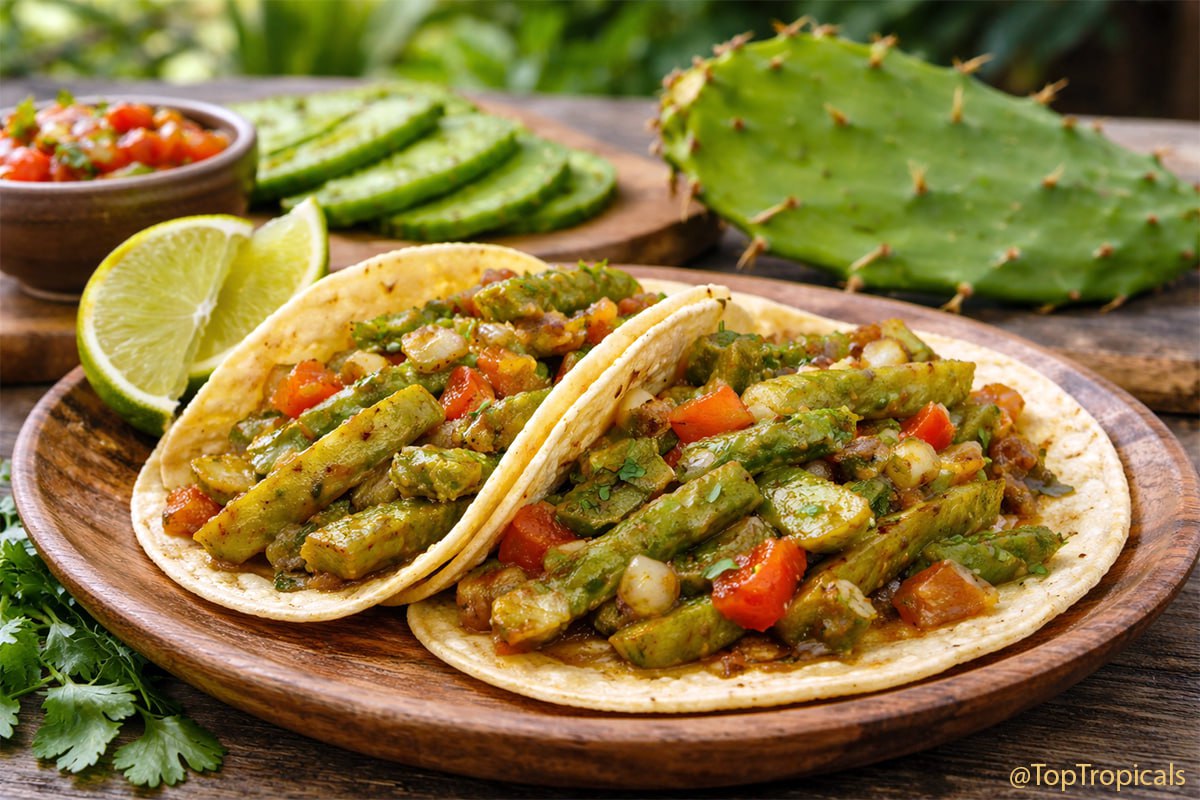
Velvet Nopal tacos

Velvet Nopal tacos

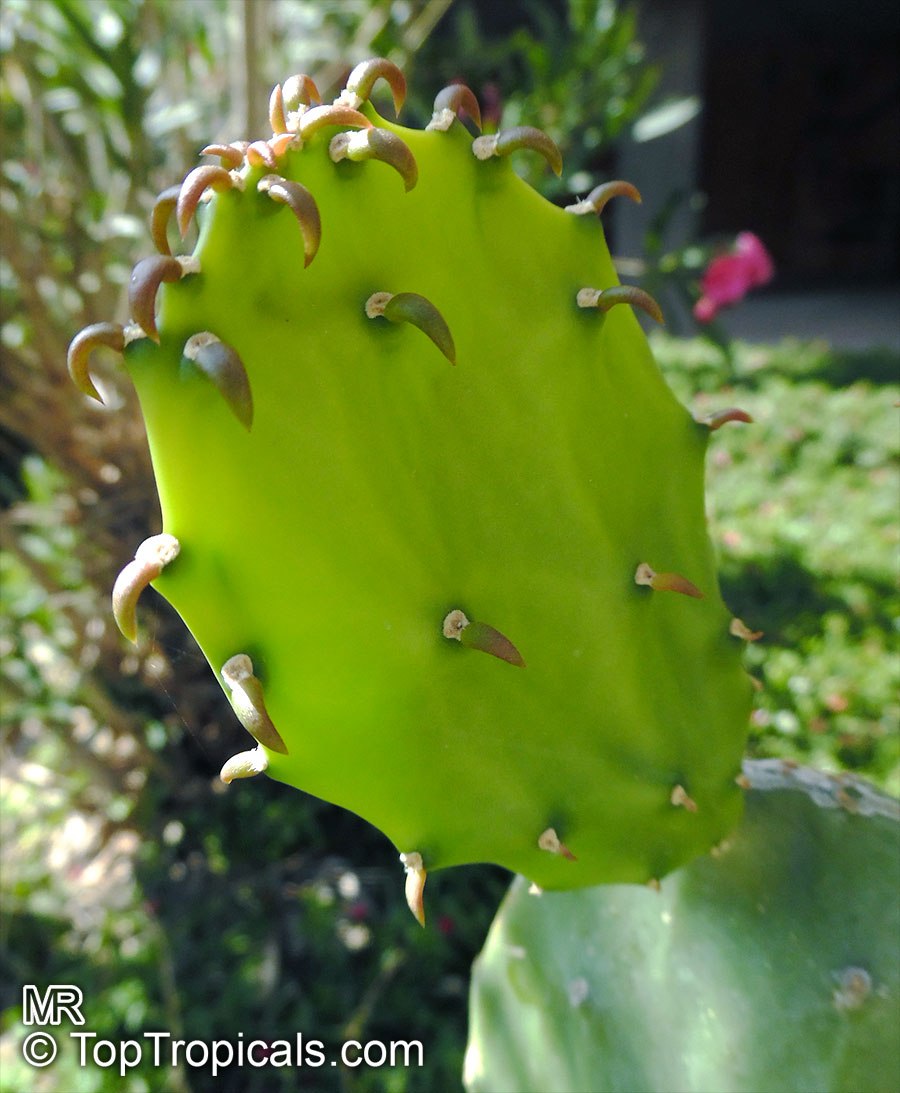
Opuntia cochenillifera - Velvet Nopal Cactus, Prickly Pear

Opuntia cochenillifera - Velvet Nopal Cactus, Prickly Pear

🍴 Velvet Nopal Tacos

Ingredients

  • 2 to 3 tender velvet nopal pads (Opuntia cochenillifera)
  • 1 small onion, diced
  • 1 small tomato, diced
  • 1 tablespoon vegetable oil
  • Salt to taste
  • Corn tortillas

Instructions

  1. Remove spines from nopal pads and slice into strips.
  2. Boil the sliced nopal for 5 minutes, then drain well.
  3. Heat oil in a pan and saute onion until soft.
  4. Add tomato and cooked nopal, season with salt, and saute until tender.
  5. Serve warm in corn tortillas.

🌵 About the plant:


Nopal Opuntia (prickly pear cactus pads) is a cornerstone vegetable in Mexican cuisine and a long-standing staple across Central and South America. It is valued both as food and medicine. Traditionally eaten sauteed, grilled, or stewed, nopal is rich in fiber, minerals, and antioxidants. It is especially well known for its role in blood sugar management - many people who eat it regularly report significant improvement in diabetes control.

🌱 In the garden:


Prickly pear is a fast-growing, tough desert plant with showy red flowers. It thrives on neglect, tolerates drought, and also handles Florida rain surprisingly well. Easy to grow, productive, and edible, it is one of the most practical food plants you can add to your landscape.

🛒 Add Nopal Cactus to your kitchen garden

📚 Learn more:


#Food_Forest #Recipes #Remedies

🟢 Join 👉 TopTropicals

Date: 4 Feb 2026

Top nine plants of love, desire, and the senses: aphrodisiacs and sensory connections

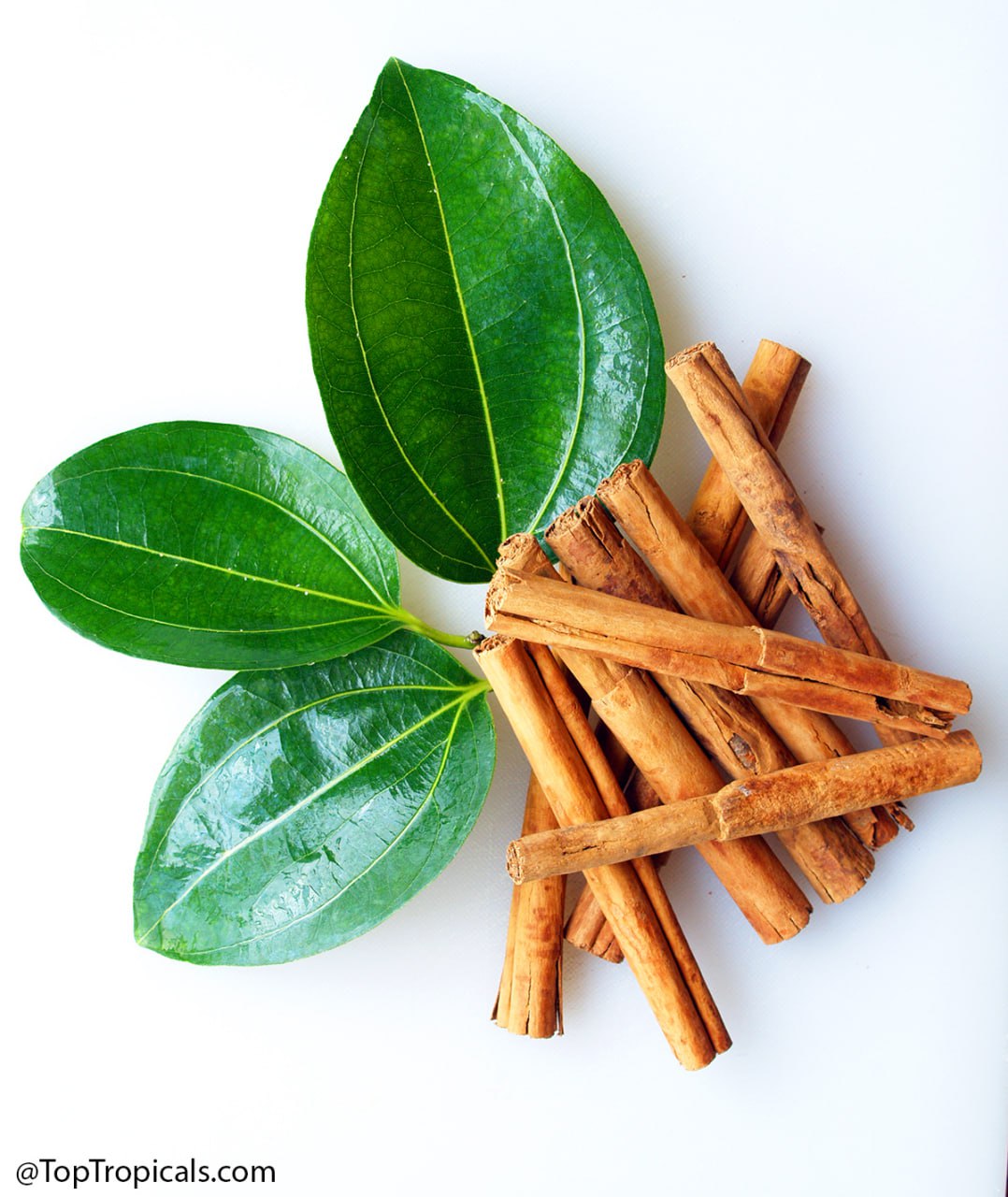
Cinnamon (Cinnamomum zeylanicum)

Cinnamon (Cinnamomum zeylanicum)

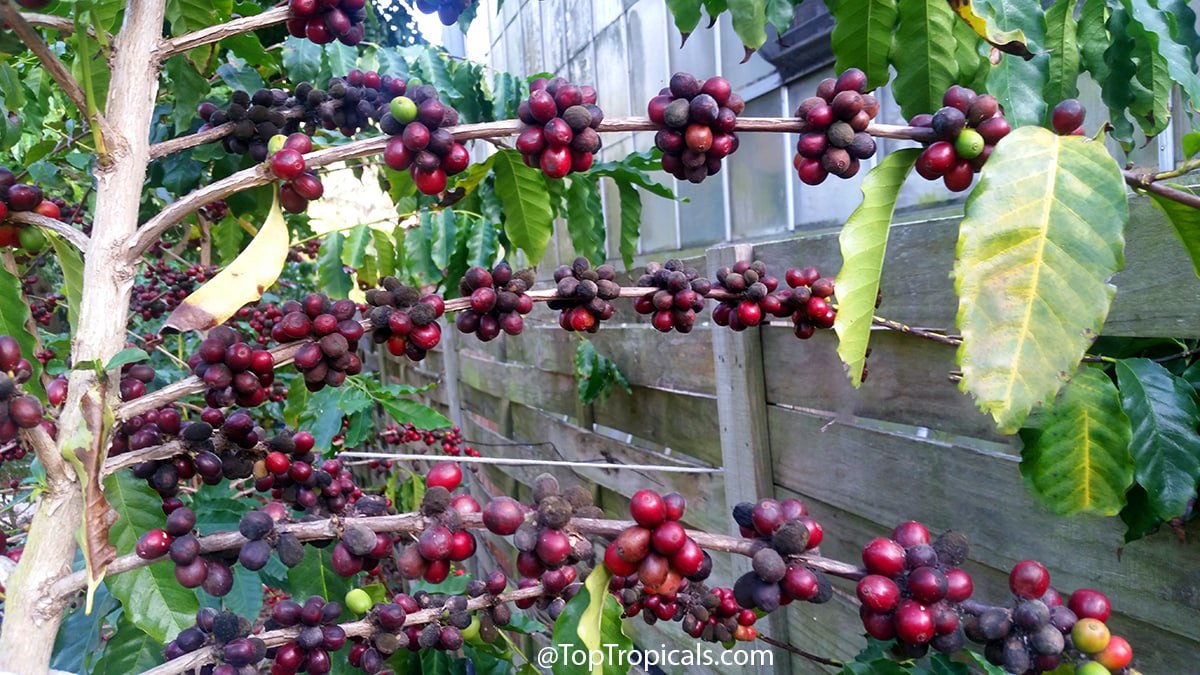
Coffee - Coffea arabica

Coffee - Coffea arabica

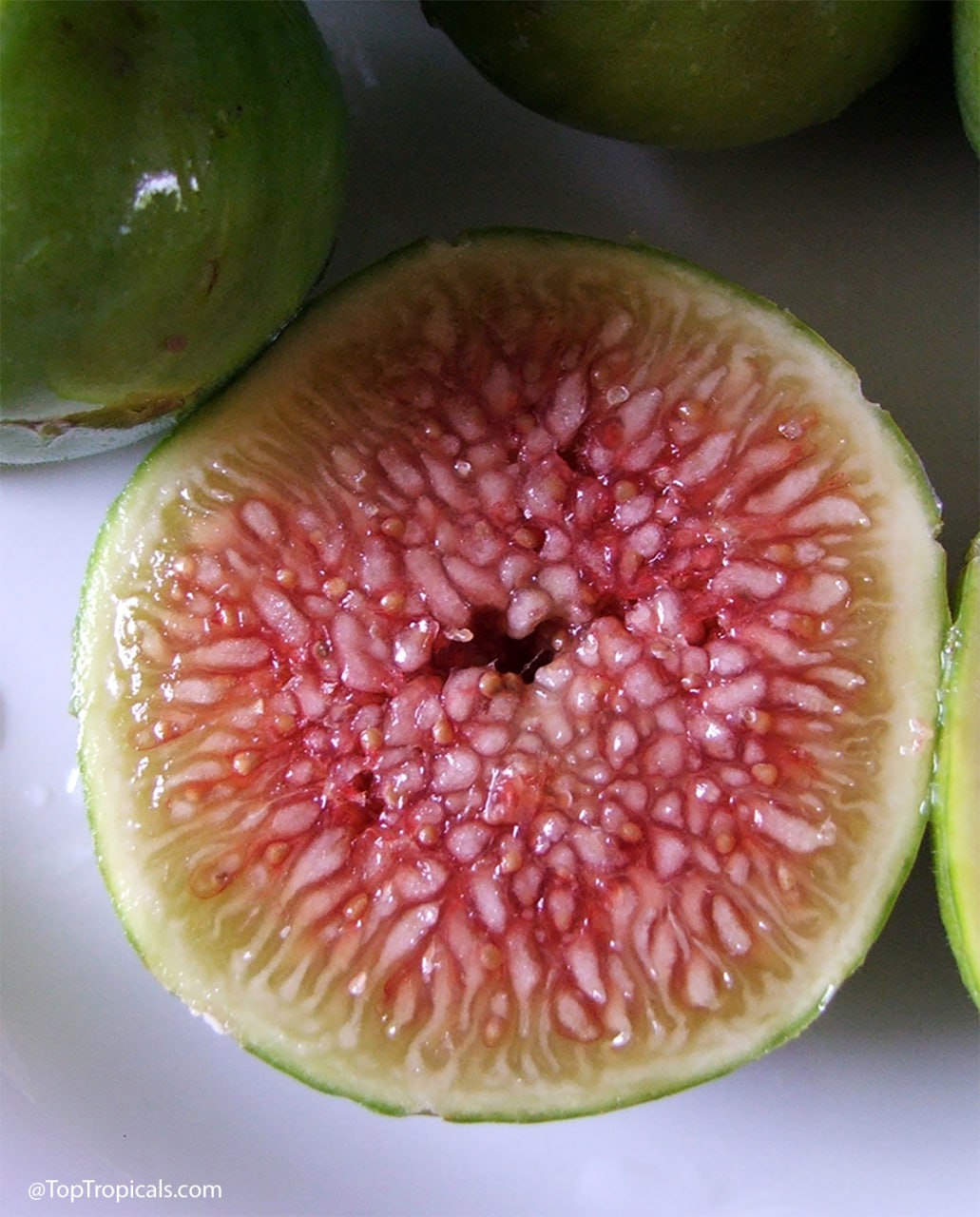
Fig tree fruit (Ficus carica)

Fig tree fruit (Ficus carica)

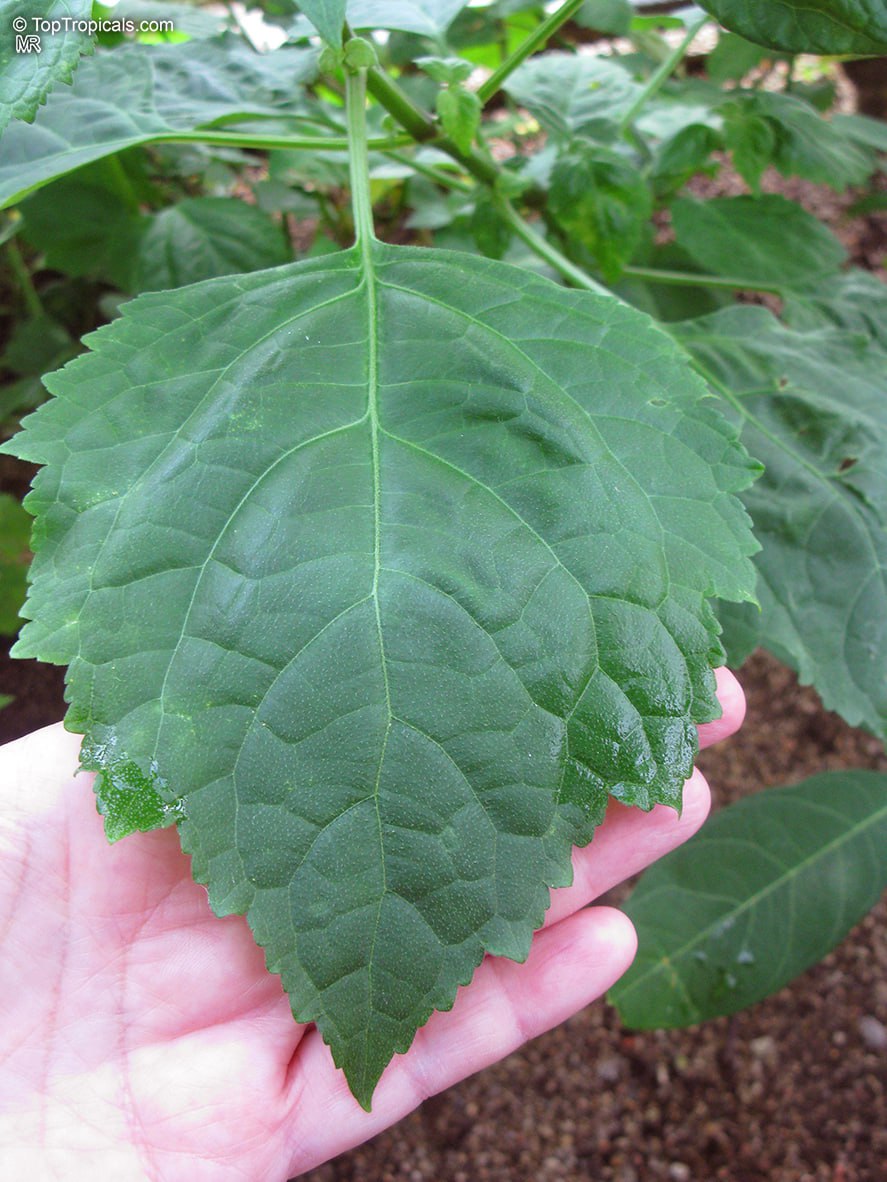
Patchouli - Pogostemon cablin

Patchouli - Pogostemon cablin

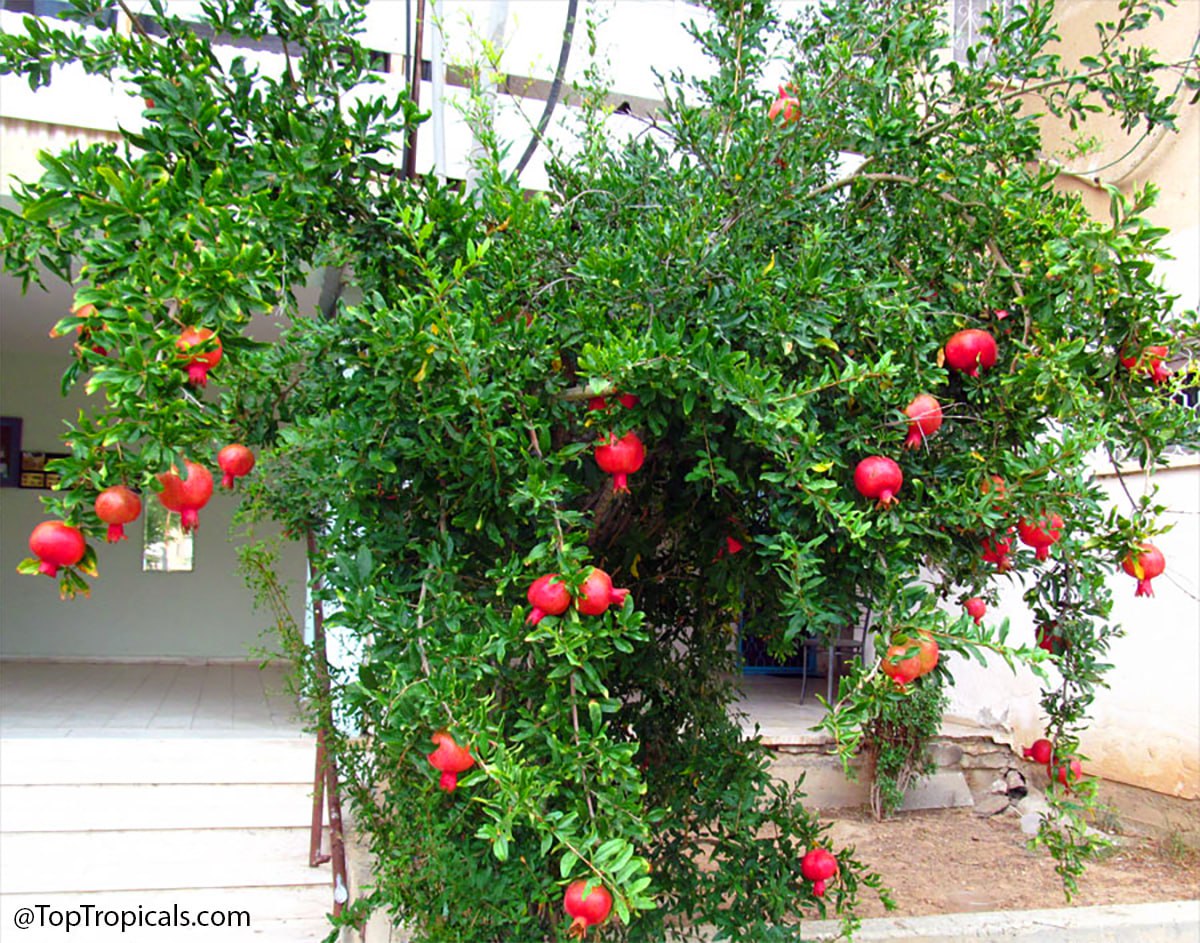
Pomegranate (Punica granatum)

Pomegranate (Punica granatum)

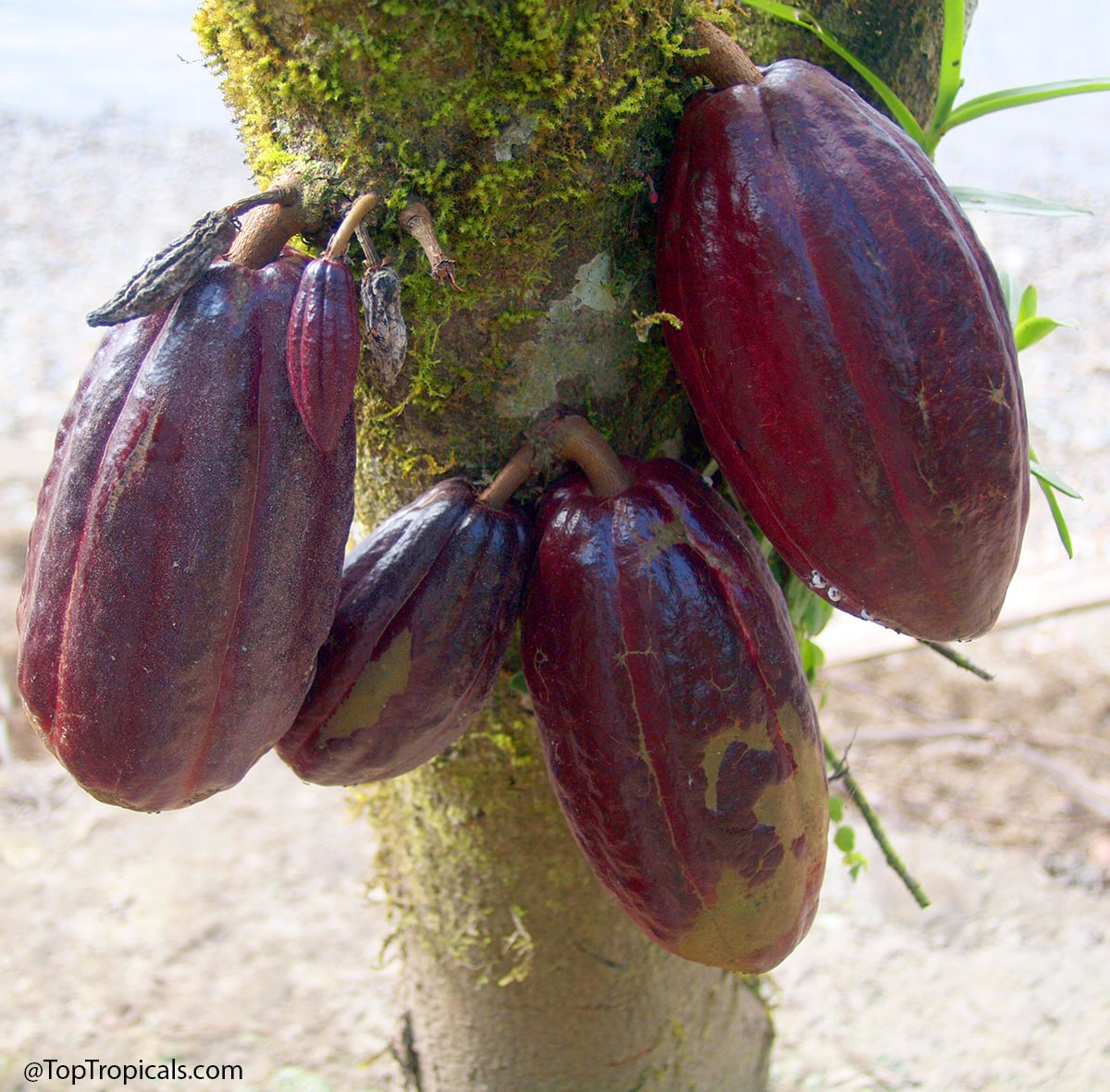
Cacao - Chocolate Tree (Theobroma cacao)

Cacao - Chocolate Tree (Theobroma cacao)

💖 Top nine plants of love, desire, and the senses: aphrodisiacs and sensory connections


Across cultures, love has also been expressed through taste, scent, warmth, and shared ritual. These tropical plants were valued not just for beauty, but for how they awaken the body and deepen connection.
  • 💘 1. Cacao


    Cacao - Chocolate Tree (Theobroma cacao) - has one of the strongest global associations with love. Revered by the Aztecs as a “food of the gods”, it was consumed to increase desire and emotional bonding. Chocolate contains compounds linked to feelings of pleasure and infatuation, making cacao a natural Valentine symbol.

👉 Chocolate Tree gift
  • 💘 2. Vanilla Orchid


    Vanilla (Vanilla planifolia) is both an orchid and one of the most sensual plant aromas known. Historically paired with cacao in love remedies, vanilla represents intimacy, warmth, and attraction. Its fragrance alone carries powerful emotional associations.

👉 Vanilla orchid gift
  • 💘 3. Ginger


    Ginger symbolizes heat, vitality, and passion. Used worldwide to stimulate circulation and warm the body, it represents spark, chemistry, and physical energy.

👉 Ginger gift
  • 💘 4. Cinnamon


    Cinnamon (Cinnamomum zeylanicum) has long been associated with attraction and stimulation. Its warm, lingering aroma makes it a classic plant of desire, comfort, and emotional warmth.

👉 Cinnamon gift
  • 💘 5. Pomegranate


    Pomegranate (Punica granatum) has long symbolized love, fertility, and union, with its many ruby-red seeds representing abundance and deep connection. In ancient traditions, it was linked to goddesses of love and marriage and remains a symbol of passion balanced by continuity and commitment.

👉 Pomegranate gift
  • 💘 6. Coffee


    Coffee (Coffea arabica) represents connection through shared ritual. Sacred to African Sufis for its stimulating properties, coffee symbolizes conversation, alertness, and social bonding rather than purely romantic love.

👉 Coffee tree gift
  • 💘 7. Fig Tree


    Figs (Ficus carica) have ancient associations with fertility, sensuality, and indulgence. Their voluptuous form, sweet flesh, and rich texture made them symbols of desire and abundance in many cultures.

👉 Fig tree gift
  • 💘 8. Betel Leaf and Betel Nut


    Betel Leaf (Piper betle) is a powerful symbol of love, respect, and partnership across South and Southeast Asia. It is exchanged in courtship, weddings, and ceremonies, representing acceptance and shared experience. Its heart-shaped leaves reinforce its Valentine symbolism.
    Betel nut (Areca catechu) - traditionally used as a stimulant and aphrodisiac, betel nut represents intensity, ritual, and sensory awakening. In this context, it is best presented as a cultural symbol rather than a casual love plant.

👉 Betel gift

💘 9. Patchouli


Patchouli (Pogostemon cablin) represents deep attraction and emotional grounding. Its earthy, musky scent has long been associated with intimacy and physical presence. Unlike sweet florals, patchouli symbolizes mature, rooted love that lingers.

🛒 Explore gift plants
🎁 Get a Gift Card

📚 Learn more:


🎥 Secret Sex Life of Vanilla Orchid: how to produce your own vanilla

#Shade_Garden #Container_Garden

🟢 Join 👉 TopTropicals

Date: 26 Feb 2026

Stop Sugar Crashes: 5 Tropical Fruit Hacks for Healthy Dessert

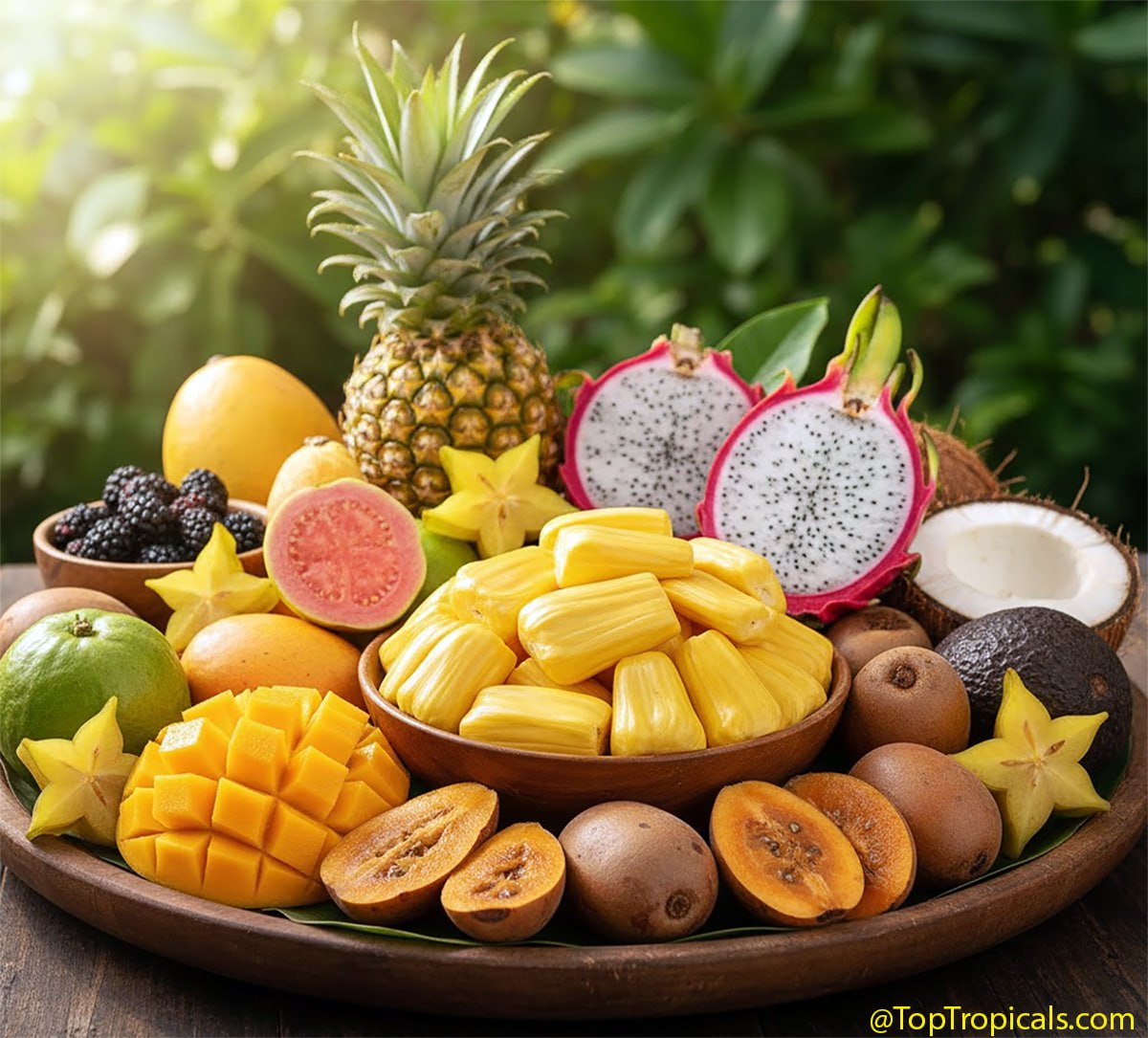
Exotic Tropical Fruits for Blood Sugar Management

Exotic Tropical Fruits for Blood Sugar Management

🍨 Stop Sugar Crashes: 5 Tropical Fruit Hacks for Healthy Dessert


The smarter way to handle sugar cravings - no restriction required

Tired of the post-cookie slump? Sugar cravings are a physiological response to blood glucose fluctuations, not a lack of willpower. Refined sugars trigger an insulin spike followed by a hypoglycemic crash, trapping you in a cycle of fatigue and hunger.
The secret to metabolic health is managing glycemic load. By choosing nutrient-dense tropical fruits, you satisfy your sweet tooth while maintaining stable energy homeostasis.
The solution is not to give up dessert. It is to change what dessert means. Here is how to use tropical horticulture to hack your biology and regulate insulin:
  • 🍭 1. Choose fruit that comes with fiber


    Whole tropical fruits deliver sweetness wrapped in fiber, water, and nutrients. That slows sugar absorption and keeps energy steady.
    Try:

· Mango, chilled and sliced
  • · Sapodilla - naturally caramel-sweet
  • · Mulberries by the handful
  • · Loquat halves straight from the fridge
  • · Dragon Fruit for light, clean sweetness
Same pleasure. Less crash.
  • 🍭 2. Pair sweet with fat to blunt the glucose spike


    Healthy lipids are a biological hack for your metabolism. Fats slow gastric emptying, ensuring a steady glucose release rather than an inflammatory spike. Furthermore, lipids trigger cholecystokinin (CCK) - the hormone that signals satiety to the brain - effectively "turning off" cravings at the source.

· Avocado blended into a chocolate-style mousse: The monounsaturated fats create a creamy texture while blunting the sugar response.
  • · Banana with nut butter: Combining fast-acting fruit sugars with dense protein and fats.
  • · Pineapple with raw nuts: The bromelain in pineapple aids digestion, while the fats in nuts provide long-lasting satiety.
  • · Mango mixed into full-fat yogurt: The combination of probiotics, protein, and lipids turns a simple fruit into a complete, low-glycemic snack.
When fruit is balanced with fat, cravings calm down instead of escalating.
  • 🍭 3. Use naturally rich fruits in place of sugar


    Some tropical fruits taste like dessert already.

· Jackfruit has candy-like sweetness
  • · Sapote is creamy and custard-like
  • · Guava brings floral depth
  • · Cherries add brightness
  • · Mash Banana into baking instead of white sugar.
  • · Blend Mango into yogurt instead of syrup.
  • · Top oatmeal with Mulberry instead of brown sugar.
Dessert stays. The crash disappears.
  • 🍭 4. Balance sweet with tart


    Adding contrast reduces the urge to overeat sweetness.

· Carambola adds crisp tang.
  • · Pineapple brightens the palate.
  • · Loquat gives gentle acidity.
Balanced flavors satisfy faster.
  • 🍭 5. Start the day right


    Skipping breakfast increases late-day sugar cravings.
    A morning smoothie with Avocado, Banana, and Mango prevents the afternoon energy dip. Hydration also matters - thirst often disguises itself as a sweet craving.
  • 🍭 In essence


    Dessert is not the enemy. Refined sugar is.
    When sweetness comes from nature's bounty, it nourishes instead of draining energy.
    You do not need to quit dessert.
    You just need to let nature handle it.

    Consult with a healthcare professional before making significant dietary changes, especially if you have diabetes or metabolic conditions


🛒 Start your tropical fruit journey

Annona · Guava · Mango · Sapodilla · Mulberry · Pineapple · Avocado · Banana · Loquat · Dragon fruit · Jackfruit · Sapote · Cherries · Carambola

📚 Learn more:


#Food_Forest #Remedies #Discover

🟢 Join 👉 TopTropicals