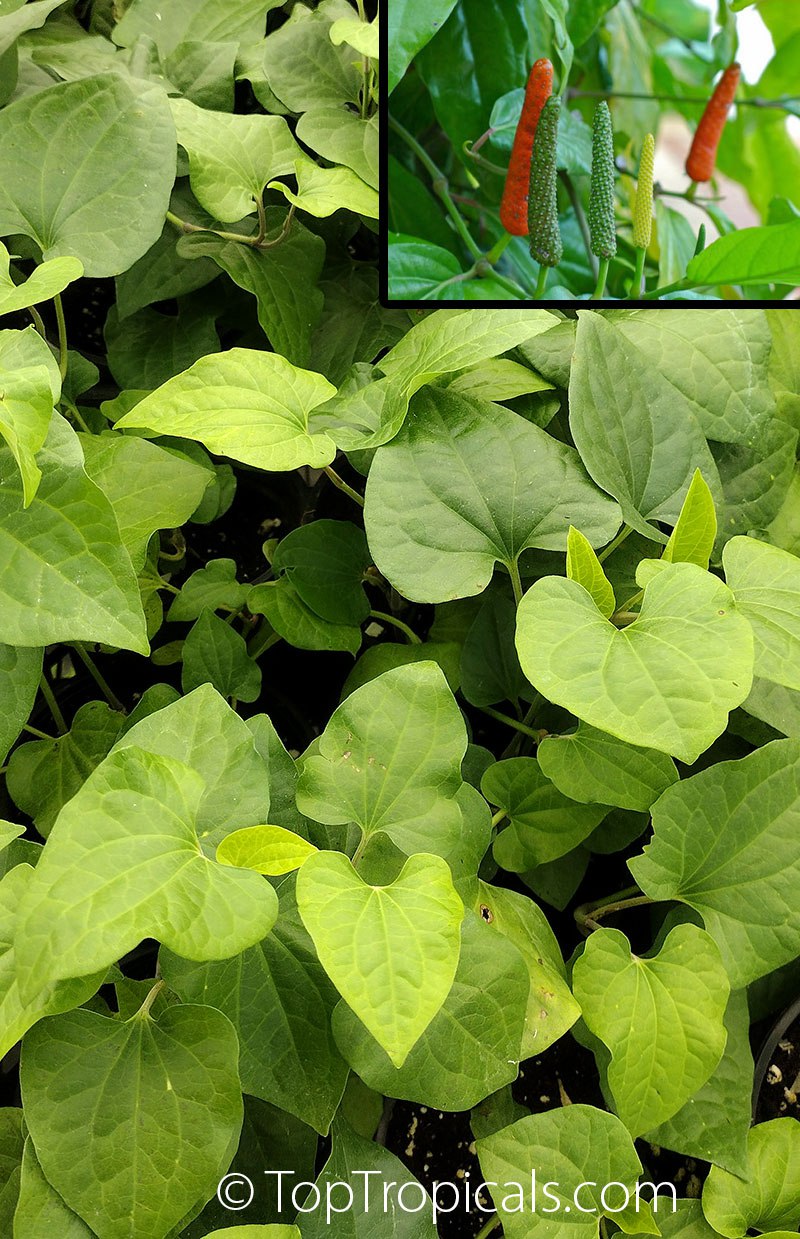
Piper longum - Indian Long Pepper, Bengal Pepper or Pippali
🍴 Long Pepper Curry (Quick-n-Fun Exotic Recipe)
Ingredients
1 can (13.5 oz) coconut milk
1/2 tsp crushed dried long pepper (Piper longum)
1 tbsp vegetable or coconut oil
1 small onion, finely chopped
2 cloves garlic, minced
1 tsp fresh grated ginger
1/2 tsp turmeric
Salt to taste
Fresh cilantro for garnish (optional)
Instructions
Heat oil in a pan over medium heat.
Add onion and saute until soft and translucent.
Add garlic, ginger, turmeric, and crushed long pepper. Stir for 30 seconds.
Pour in coconut milk and bring to a gentle simmer.
Cook for 8 to 10 minutes, stirring occasionally.
Season with salt and garnish with cilantro before serving.
🌿 About the plant:
Indian long pepper, also known as Pippali or Bengal pepper (Piper longum), is an ancient spice and medicinal plant from South Asia. Closely related to black pepper, it has a warmer, slightly sweeter heat and a complex aroma. Long pepper has been used for centuries in traditional medicine for respiratory and digestive support, including coughs, congestion, and stomach discomfort.
🌱 In the garden:
Piper longum grows as a climbing vine or shrubby climber that can be trained on a trellis, fence, or tree. It prefers warm conditions, regular moisture, and shade to partial shade. The plant starts with heart-shaped leaves that become more elongated as it matures, making it both useful and ornamental in tropical and subtropical gardens.
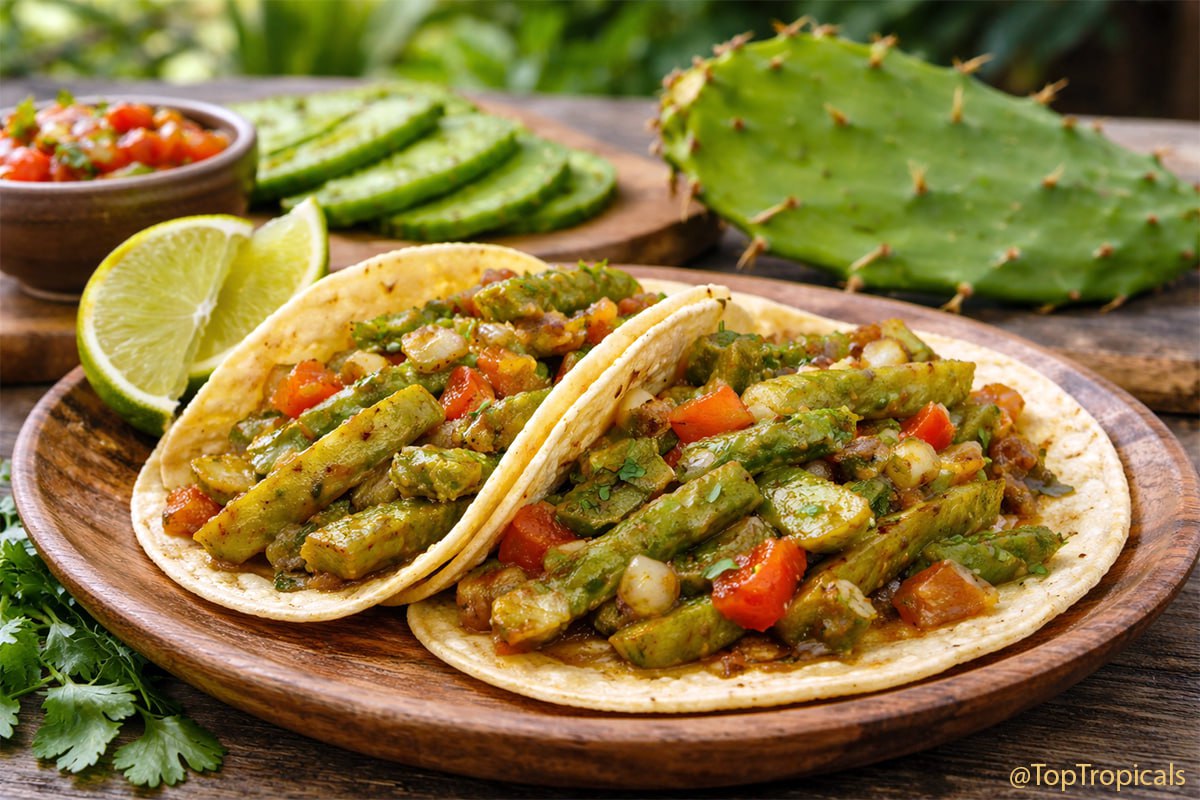
2 to 3 tender velvet nopal pads (Opuntia cochenillifera)
1 small onion, diced
1 small tomato, diced
1 tablespoon vegetable oil
Salt to taste
Corn tortillas
Instructions
Remove spines from nopal pads and slice into strips.
Boil the sliced nopal for 5 minutes, then drain well.
Heat oil in a pan and saute onion until soft.
Add tomato and cooked nopal, season with salt, and saute until tender.
Serve warm in corn tortillas.
🌵 About the plant:
Nopal Opuntia (prickly pear cactus pads) is a cornerstone vegetable in Mexican cuisine and a long-standing staple across Central and South America. It is valued both as food and medicine. Traditionally eaten sauteed, grilled, or stewed, nopal is rich in fiber, minerals, and antioxidants. It is especially well known for its role in blood sugar management - many people who eat it regularly report significant improvement in diabetes control.
🌱 In the garden:
Prickly pear is a fast-growing, tough desert plant with showy red flowers. It thrives on neglect, tolerates drought, and also handles Florida rain surprisingly well. Easy to grow, productive, and edible, it is one of the most practical food plants you can add to your landscape.
Piper auritum - Root Beer Plant, Acuyo, False Kava-Kava - is a close relative of Piper methysticum (Kava-Kava), and Piper nigrum (Black Pepper). It is very often confused with Kava-Kava, and probably has some similar medicinal effects.
This herb originated from Tropical America and grows also in the South Pacific.
Large-leaved perennial, known for its leaves, which are used for their spicy aromatic scent and flavor, some liken to root beer, others to anise-clove. It can be used for making a root beer-flavoted drink.
This species is easily identified by its huge leaves which can grow over a foot long in older specimens.
The leaves are chopped and used for flavoring, as well as used whole, as wrappings for meats, tamales, etc. 📚 Learn more about Piper plants
🌸 Transform your garden with the Chinaberry Tree (Melia azedarach) - a fast-growing, fragrant beauty that doubles in size in just one season!
🌸 Its lilac flowers and sweet vanilla-like scent will fill your garden with elegance, while its hardy nature ensures it thrives even in colder climates.
🌸 Enjoy lush, green foliage and a lovely shade canopy, all with minimal care. Plus, it's low-maintenance, pest-resistant, and has medicinal benefits!
Ready to add this aromatic gem to your landscape? Don't wait bring home the Chinaberry Tree today!
Stop Sugar Crashes: 5 Tropical Fruit Hacks for Healthy Dessert
Exotic Tropical Fruits for Blood Sugar Management. Stop the sugar crash cycle. Learn how to manage glucose levels and insulin spikes using tropical fruits, healthy fats, and metabolic hacks for healthy dessert.
🍨 Stop Sugar Crashes: 5 Tropical Fruit Hacks for Healthy Dessert
The smarter way to handle sugar cravings - no restriction required
Tired of the post-cookie slump? Sugar cravings are a physiological response to blood glucose fluctuations, not a lack of willpower. Refined sugars trigger an insulin spike followed by a hypoglycemic crash, trapping you in a cycle of fatigue and hunger.
The secret to metabolic health is managing glycemic load. By choosing nutrient-dense tropical fruits, you satisfy your sweet tooth while maintaining stable energy homeostasis.
The solution is not to give up dessert. It is to change what dessert means. Here is how to use tropical horticulture to hack your biology and regulate insulin:
🍭 1. Choose fruit that comes with fiber
Whole tropical fruits deliver sweetness wrapped in fiber, water, and nutrients. That slows sugar absorption and keeps energy steady.
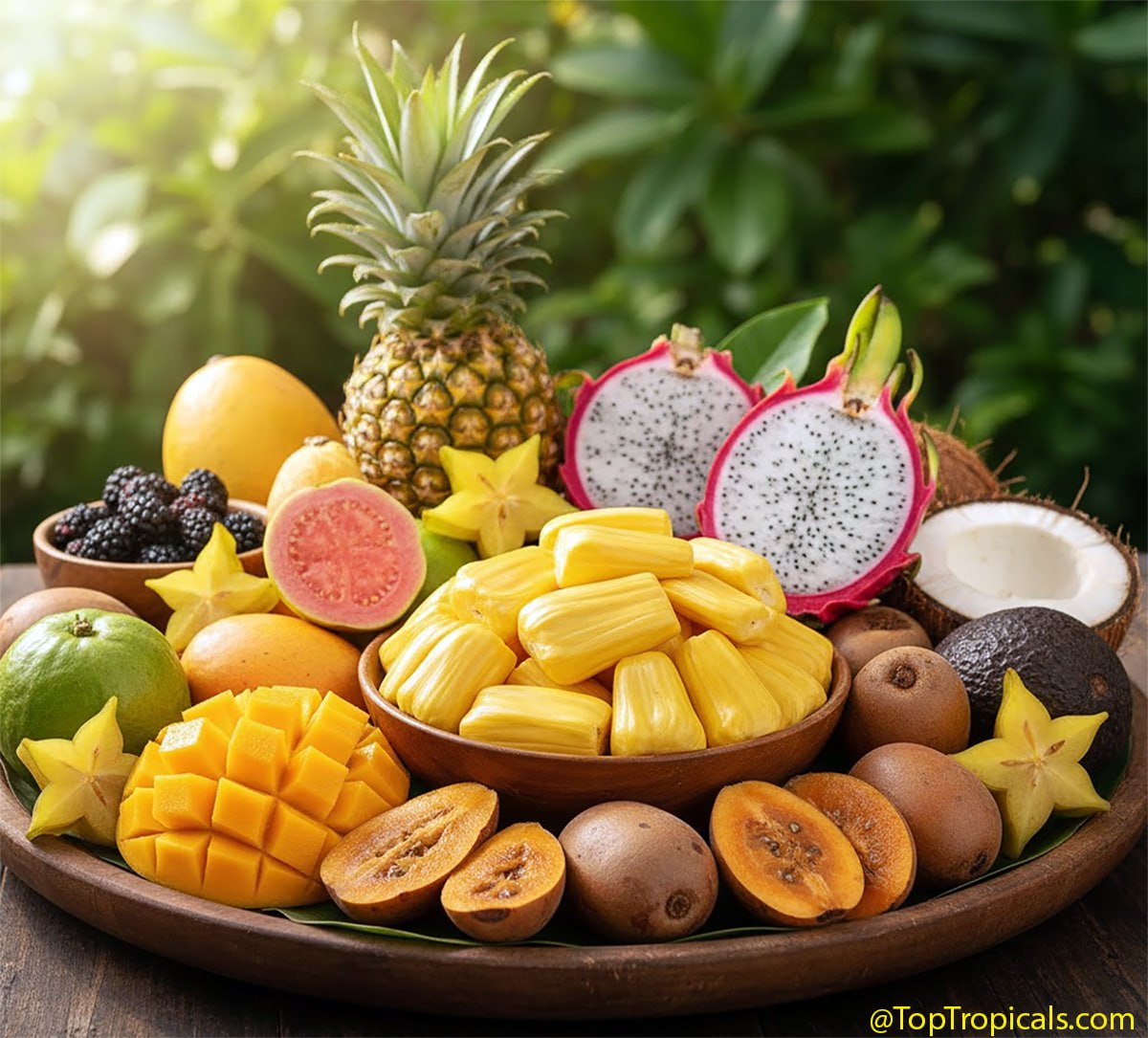
Try: · Mango, chilled and sliced
Mango Plant Facts
Botanical name: Mangifera indica Also known as: Mango
USDA Zone: 9 - 11
Highligths
· Sapodilla - naturally caramel-sweet · Mulberries by the handful · Loquat halves straight from the fridge · Dragon Fruit for light, clean sweetness
Same pleasure. Less crash.
🍭 2. Pair sweet with fat to blunt the glucose spike
Healthy lipids are a biological hack for your metabolism. Fats slow gastric emptying, ensuring a steady glucose release rather than an inflammatory spike. Furthermore, lipids trigger cholecystokinin (CCK) - the hormone that signals satiety to the brain - effectively "turning off" cravings at the source. · Avocado blended into a chocolate-style mousse: The monounsaturated fats create a creamy texture while blunting the sugar response.
Avocado Plant Facts
Botanical name: Persea americana, Persea gratissima Also known as: Avocado, Alligator Pear, Aguacate, Abacate
USDA Zone: 9 - 11
Highligths
· Banana with nut butter: Combining fast-acting fruit sugars with dense protein and fats. · Pineapple with raw nuts: The bromelain in pineapple aids digestion, while the fats in nuts provide long-lasting satiety.
Pineapple Plant Facts
Botanical name: Ananas comosus Also known as: Pineapple, Pina
USDA Zone: 9 - 11
Highligths
· Mango mixed into full-fat yogurt: The combination of probiotics, protein, and lipids turns a simple fruit into a complete, low-glycemic snack.
When fruit is balanced with fat, cravings calm down instead of escalating.
🍭 3. Use naturally rich fruits in place of sugar
Some tropical fruits taste like dessert already. · Jackfruit has candy-like sweetness · Sapote is creamy and custard-like · Guava brings floral depth · Cherries add brightness · Mash Banana into baking instead of white sugar. · Blend Mango into yogurt instead of syrup. · Top oatmeal with Mulberry instead of brown sugar.
Dessert stays. The crash disappears.
🍭 4. Balance sweet with tart
Adding contrast reduces the urge to overeat sweetness. · Carambola adds crisp tang. · Pineapple brightens the palate. · Loquat gives gentle acidity.
Balanced flavors satisfy faster.
🍭 5. Start the day right
Skipping breakfast increases late-day sugar cravings.
A morning smoothie with Avocado, Banana, and Mango prevents the afternoon energy dip. Hydration also matters - thirst often disguises itself as a sweet craving.
🍭 In essence
Dessert is not the enemy. Refined sugar is.
When sweetness comes from nature's bounty, it nourishes instead of draining energy.
You do not need to quit dessert.
You just need to let nature handle it.
Consult with a healthcare professional before making significant dietary changes, especially if you have diabetes or metabolic conditions