Garden Blog - Top Tropicals

Date: 1 Mar 2026

Skip the lemon - 5 better fruits for a cough
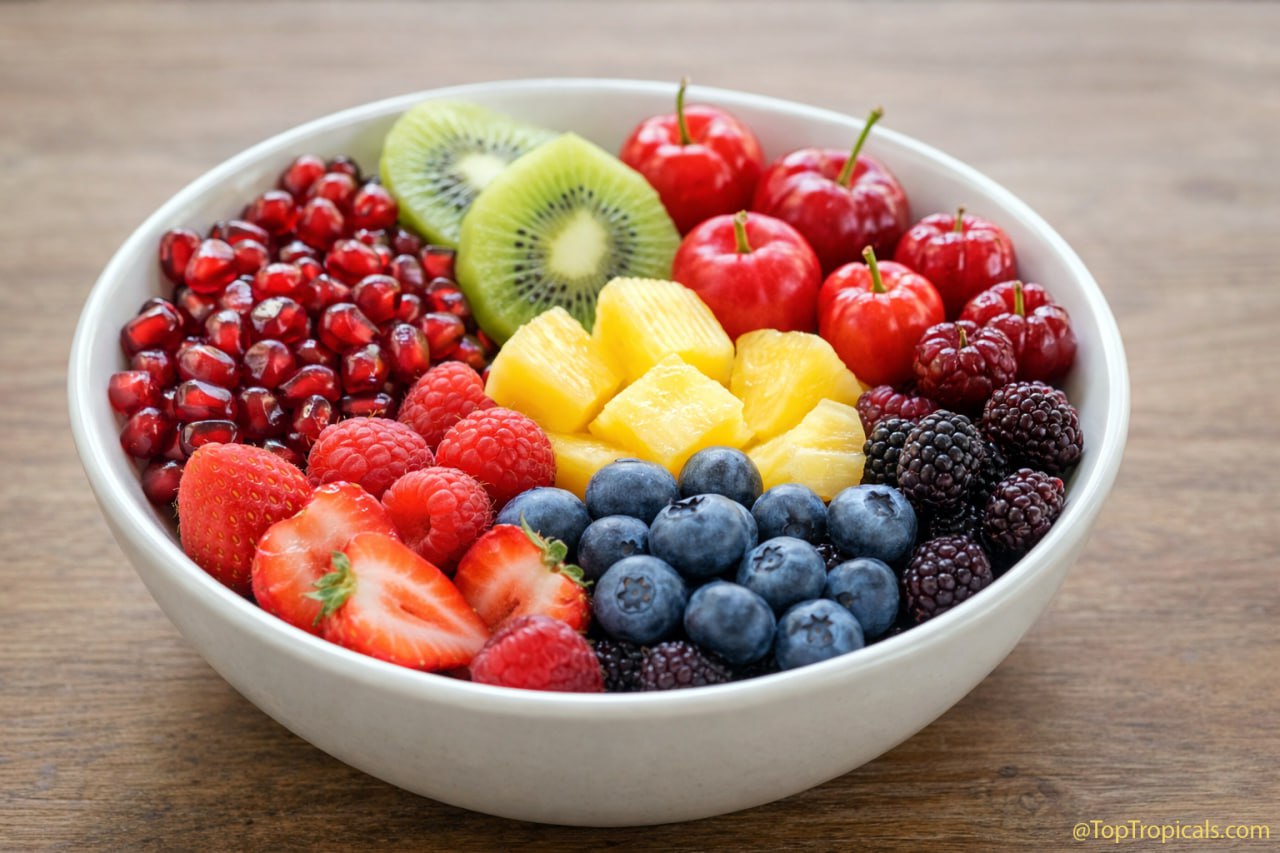
Best fruits for a cough

Best fruits for a cough

Skip the lemon - 5 better fruits for a cough 😰

5 fruits to eat when you have a cough or cold - backed by research

When you are fighting a cough or cold, your immune system works overtime. While no fruit can cure a viral infection, certain fruits contain nutrients and bioactive compounds that may help reduce inflammation, support immune defenses, and ease respiratory discomfort.
Here are five fruits supported by nutrition research that may help during cold season.

1. Pomegranate 🍅

Pomegranate is rich in polyphenols, especially punicalagin, known for antiviral activity.

Pomegranate Plant Facts

Botanical name: Punica granatum
Also known as: Pomegranate, Granada, Grenade, Pomegranate, Granada, Anar, Granaatappel, Pomo Granato, Romeira, Melo Grano
USDA Zone: 8 - 11
Highligths Large shrub 5-10 ft tallSmall tree 10-20 ftFull sunWatering: Moderate. Water when top soil feels dryRed, crimson, vinous flowersThorny or spinyEdible plantDeciduous plantEthnomedical plant.
Plants marked as ethnomedical and/or described as medicinal, are not offered as medicine but rather as ornamentals or plant collectibles.
Ethnomedical statements / products have not been evaluated by the FDA and are not intended to diagnose, treat, cure, or prevent any disease. We urge all customers to consult a physician before using any supplements, herbals or medicines advertised here or elsewhere.Subtropical plant. Mature plant cold hardy at least to 30s F for a short timeSeaside, salt tolerant plant
Get personalized tips for your region

According to a study published in PubMed, pomegranate polyphenol extract suppressed replication of influenza A virus in cultured cells and showed direct virucidal effects. Researchers identified punicalagin as a key compound involved in blocking viral RNA replication. These findings suggest pomegranate extracts may help reduce viral load during respiratory infections.

2. Kiwi

Kiwi is exceptionally high in vitamin C, a nutrient closely linked to immune function and respiratory health.
A study published in Antioxidants (MDPI) found that consuming two SunGold kiwifruit daily for six weeks restored adequate plasma vitamin C levels in adults with a history of severe respiratory infections. Researchers concluded that kiwi consumption can directly support antioxidant defenses during respiratory illness.

3. Tropical cherries 🍒

Instead of traditional lemon, consider tropical cherries such as Malpighia (acerola cherry) and Eugenia (Surinam cherry).
Acerola (Malpighia glabra - Barbados Cherry) is one of the richest natural sources of vitamin C. Clinical research shows that adequate vitamin C intake is associated with reduced duration and severity of common cold symptoms. Vitamin C supports immune cell function and helps maintain the respiratory tract's protective barrier.

Barbados Cherry Plant Facts

Botanical name: Malpighia glabra
Also known as: Barbados Cherry, Acerola, Malphigia, Cerejeira
USDA Zone: 9 - 11
Highligths Plant used for bonsaiLarge shrub 5-10 ft tallSmall tree 10-20 ftFull sunWatering: Moderate. Water when top soil feels dryPink flowersEdible plantSubtropical plant. Mature plant cold hardy at least to 30s F for a short time
Get personalized tips for your region

Eugenia species (Tropical Cherries) contain anthocyanins and phenolic compounds with antioxidant and anti-inflammatory properties, which may help reduce oxidative stress during illness.

4. Pineapple🍍

Pineapple contains bromelain, a group of proteolytic enzymes known for anti-inflammatory effects.
According to a study published in PubMed, bromelain significantly reduced inflammatory cell infiltration in the lungs in a mouse model of airway inflammation. These findings suggest bromelain may help ease airway inflammation and congestion.

5. Berries and including mulberries

Strawberries, blueberries, raspberries, blackberries and mulberries are rich in flavonoids and vitamin C.
Although direct clinical trials on berries for colds are limited, nutrition reviews highlight their immunomodulatory potential. Flavonoids such as quercetin, anthocyanins, and catechins have demonstrated antioxidant effects and possible antiviral activity in laboratory studies.
Mulberries provide additional anthocyanins and resveratrol-like compounds, offering strong antioxidant support during illness.

Practical tips when you are unwell ❤️‍�

🔻Choose room-temperature or lightly warmed fruit to avoid throat irritation.
🔻Prefer whole fruit over juice to retain fiber and stabilize blood sugar.
🔻Pair fruit with warm herbal tea or honey if appropriate.
🔻Rotate fruits to benefit from diverse phytonutrients.
🔻If symptoms persist, worsen, or include high fever or breathing difficulty, seek medical care.

🛒 Grow your own vitamin-rich fruit

📚 Learn more:


One bite, your whole day of vitamin C: Barbados Cherry that outdoes oranges!
What fruit can help with health issues and VITAMIN deficiencies
Top 10 fruit you'll ever need for your health benefits: Lolita (Surinam) Cherry

#Food_Forest #Remedies #Discover

🟢 Join 👉 TopTropicals

Date: 24 Jul 2023

Easy, stress-free plants
for Summer planting

Cat  with  Bananas

Q: With the rising temperatures, I'm concerned about shipping my plants safely. Can they withstand the heat during transit? Also, is it okay to plant them in the ground now, or should I wait for cooler Fall weather?

A: Your concern about shipping plants in hot weather is valid. For sensitive plants, we'll delay shipping until conditions are more favorable in your area. However, there are plenty of heat-tolerant tropical plants that handle shipping well with minimal stress. These plants adapt easily when planted during the hot summer months. Simply follow the included planting instructions, gradually acclimate them to full sun, and they should thrive.

Certain flowering tropical plants, such as Allamandas, Calliandras, Caesalpinias, Adeniums, and Clerodendrums, are excellent options for shipping and establishing during the summer. Flowering vines like Jasmines also adapt well. Consider using Sunshine Booster fertilizers to promote robust growth, they are safe to use right after planting.

Additionally, many fruit trees flourish in heat. Mangoes, Avocados, Pomegranates, Pineapples, Loquats, Eugenias - Tropical cherries, Bananas, Jackfruits, Dragon Fruit, and Olive trees are great choices for summer planting. Noni trees are hardy survivors and usually ship and grow well during the summer, in spite of their lush tropical leaves.

Feel free to check with us about the specific plant you plan to order for its suitability in summer shipping. We're here to take care of your green babies and address your year-round planting needs!

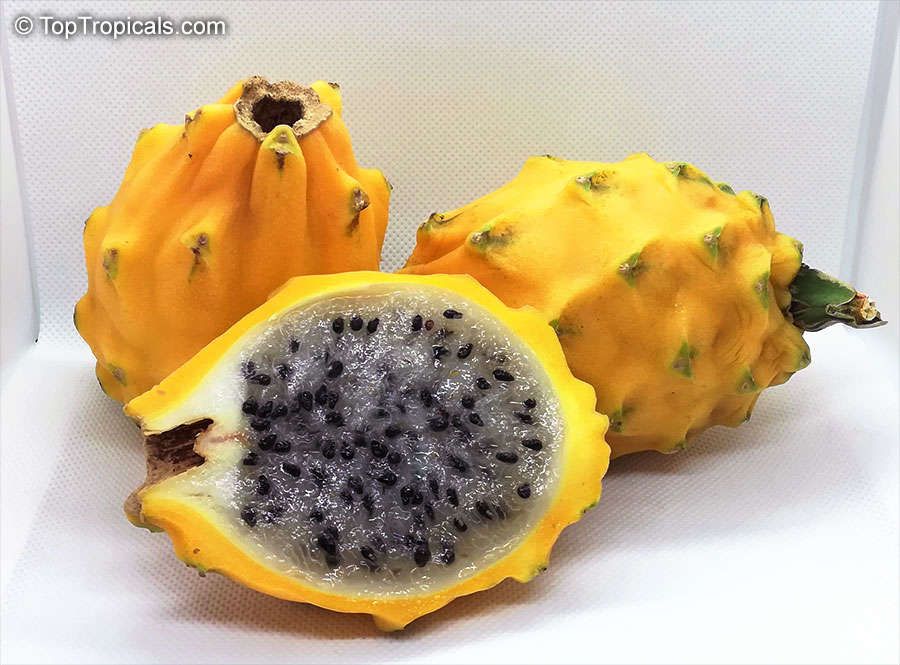
Pitaya  Yellow  Dragon  Fruit,  Selenicereus  megalanthus

Pitaya, Yellow Dragon Fruit, Selenicereus megalanthus

Cat  with  Bananas

Jasminum sambac Maid of Orleans thrives and blooms in hot sun

Cat  with  Bananas

Kalanchoe synsepala Magnificent - Walking Cup Kalanchoe, spectacular plant, loves dry and hot conditions

Date: 4 Jan 2023

Ten steps to Happy Gardening in 2023

Beginning of the year checklist

Lagerstroemia  flowering  tree  on  crossroads

To assist our customers in creating a happy and enjoyable gardening experience this year, we consulted with our horticulturist to compile a list of ten recommended items. Here are the results...

1. A favorite. Get yourself a favorite small flowering plant that is compact, manageable, and easy. Such as Ground Orchid. Keep it in a pot or plant in the ground by the entryway where it can be seen often and enjoyed.
2. A fruit of your labor. You need at least one (or one more) fruit tree for your garden, or for container culture if you live in colder climate. Growing and especially harvesting tropical fruit will make you happy. The Winner of the last year was Cherry Lolita - an easy, compact fruit tree that can produce almost year around. Some fruit trees will fruit right away!
3. Be exclusive. A rare plant is a must for every gardener. It can be a useful gem such as Noni Tree or an unusual-looking like a Bat Lily - Tacca. Show your friends and neighbors something different they have never seen!
4. Make it cool. Finally plant that shade tree by your driveway. Yes it takes time to grow, but the sooner you plant it, the sooner you get that shade! There are some fast growing species, some only take a couple of years to the mature size.
5. Beauty. If you have an ugly fence or unwanted view in your yard, cover it with a flowering vine. Look at the beauty every day and make your life better. Replace a boring standard hedge with colorful flowering shrubs that will make you smile.
6. Scent. Add some fragrant plants to your landscape and inhale their healing magic.
7. Tropical. For a shady corner, select a showy tropical with lush foliage such as Philodendron or Monstera, or all time favorite Banana. Get a feel of tropics.
8. Happiness of giving. Buy a gift plant for someone you care about but don't know how to thank them. Live plant is the best expression of love and gratitude. If you are unsure what plant to pick, ask our Team or simply buy a Gift Certificate that will never expire - let them chose the plant they like.
9. Food for all. A set of quality liquid fertilizers is a must - try Sunshine Boosters that can be used year around. They will make your plants healthy, strong, fast growing, cold hardy and disease-resistant. You can choose formulas for different plant types from our selection, or simply buy online a Nutrition Kit of 8 bottles that will cover all your needs and save you 50% on fertilizer cost!
10. Share. Subscribe your friend to TopTropicals Newsletter so they can get a weekly Piece of Tropics in their mailbox. Cool Cat Photos come as a bonus!

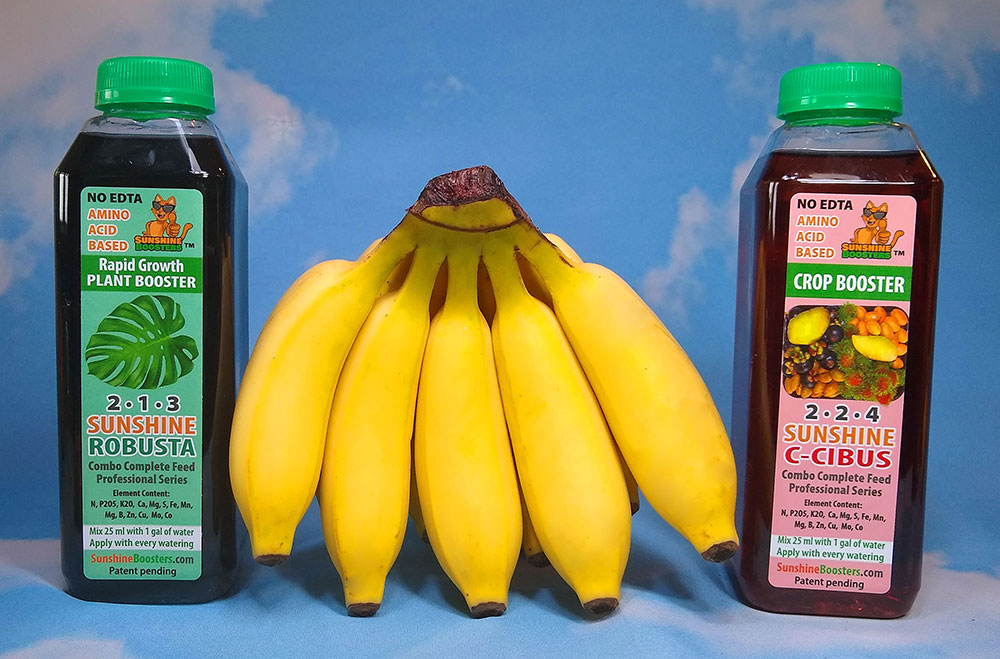
Sunshine  boosters  Robusta  and  C-Cibus  with  a  bunch  of  bananas

Make sure to always have on hand at least 2 main formulas of Sunshine Boosters - Robusta for vegetative growth, and C-Cibus that will satisfy plant needs for both fruit production and profuse flowering

Date: 13 Apr 2021

Healthy Plants: Q&A from Mr Booster

Why my Avocado is not flowering?

Q: I have 5 avocados. Three of your cold hardy varieties and two others that have all flowered and set fruit in the past. The last two years including this year, not a single one of them has put out any flowers. I am getting lots of new growth like one would expect on a tree too young to flower. The last two years have been very mild with out any damaging frost where in previous years they lost all their leaves due to frost yet started putting out flowers once winter was over. I am confused because they have all flowered and set fruit previous years. Any ideas would be appreciated.

A: From information you provided, and considering the trees get lots of full sun and cold was not an issue, the only explanation is - lack of nutrients. Here is an example.
Very common situation: you get a small 2-3 ft Avocado or Mango tree in 3 gal pot (or even smaller) from a nursery, full of flowers, and sometimes even a small fruit. You bring it home, plant it in the ground or a bigger pot, it looks happy and grows like crazy. Then next year - oops, no fruit, sometimes not even flowers. What happened?
When the tree lived in a nursery, it was provided with all necessary nutrients through the injector systems (continuous feed); or some nurseries may use top dress smart release on regular schedule. Regardless of fertilizer type, professional grower's set up delivers plant food non-stop, on regular basis, with balanced formulas. Plants are not only growing fast but also ready to produce, since nutrients are always available for a full growth cycle.
When you plant a tree in the ground (or larger pot), conditions change. They may be beneficial for the plant: lots of room for roots to establish, hence lots of vegetative growth. Even if you planted it using good quality fertile soil, this soil may contain mostly nutrients responsible for vegetative growth (branches and leaves). Chances are, your soil may be rich in Nitrogen (good for green growth), but poor in other elements responsible for flowering and fruiting (Phosphorous, Potassium, and many important micro-elements such as Molybdenum, Boron, Iron, etc.). Besides, existing soil gets exhausted quickly, and within a year a two, if you don't add fertilizer, flowering and fruiting may be reduced or even stopped. This is why fertilizing program is very important for fruit trees that are expected to bring a crop soon.

We recommend:

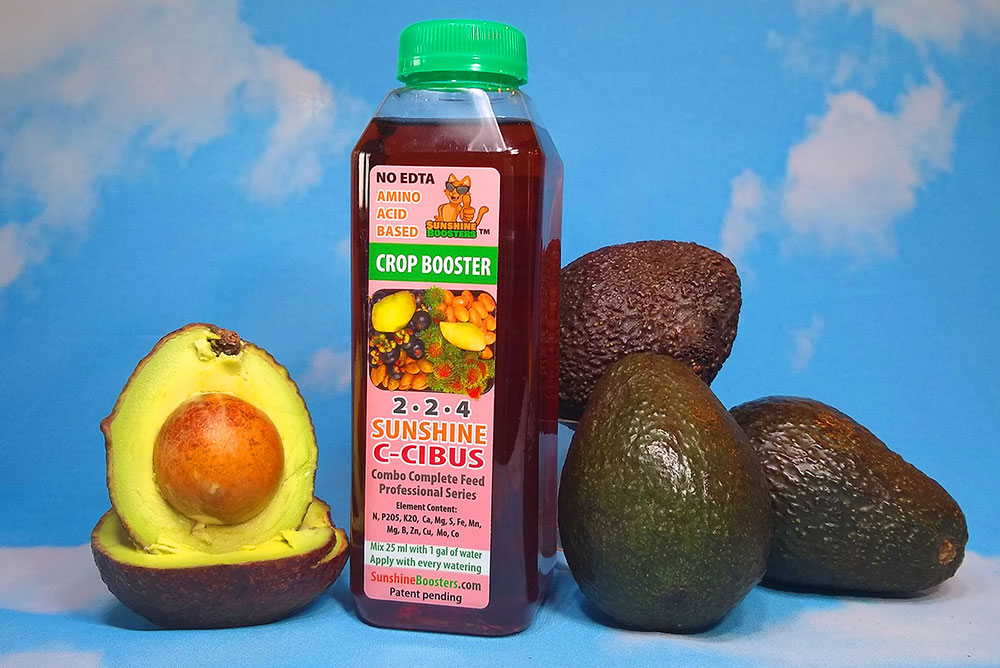
- SUNSHINE C-Cibus - Crop Nutrition Booster - balanced food for fruit trees
- SUNSHINE-Honey - sugar booster - promotes more efficient blossoming and pollination, makes flowers bigger and reduces bud drop
- SUNSHINE SuperFood - for improving fruit trees production

Also keep in mind that some fruit trees have a habit of "skipping" a year and may either produce less or not produce at all every other year. In any case, balanced nutrition program can help to fix this "bad habit".

Date: 7 Jul 2024

Why is it called Passion flower and Passion fruit?

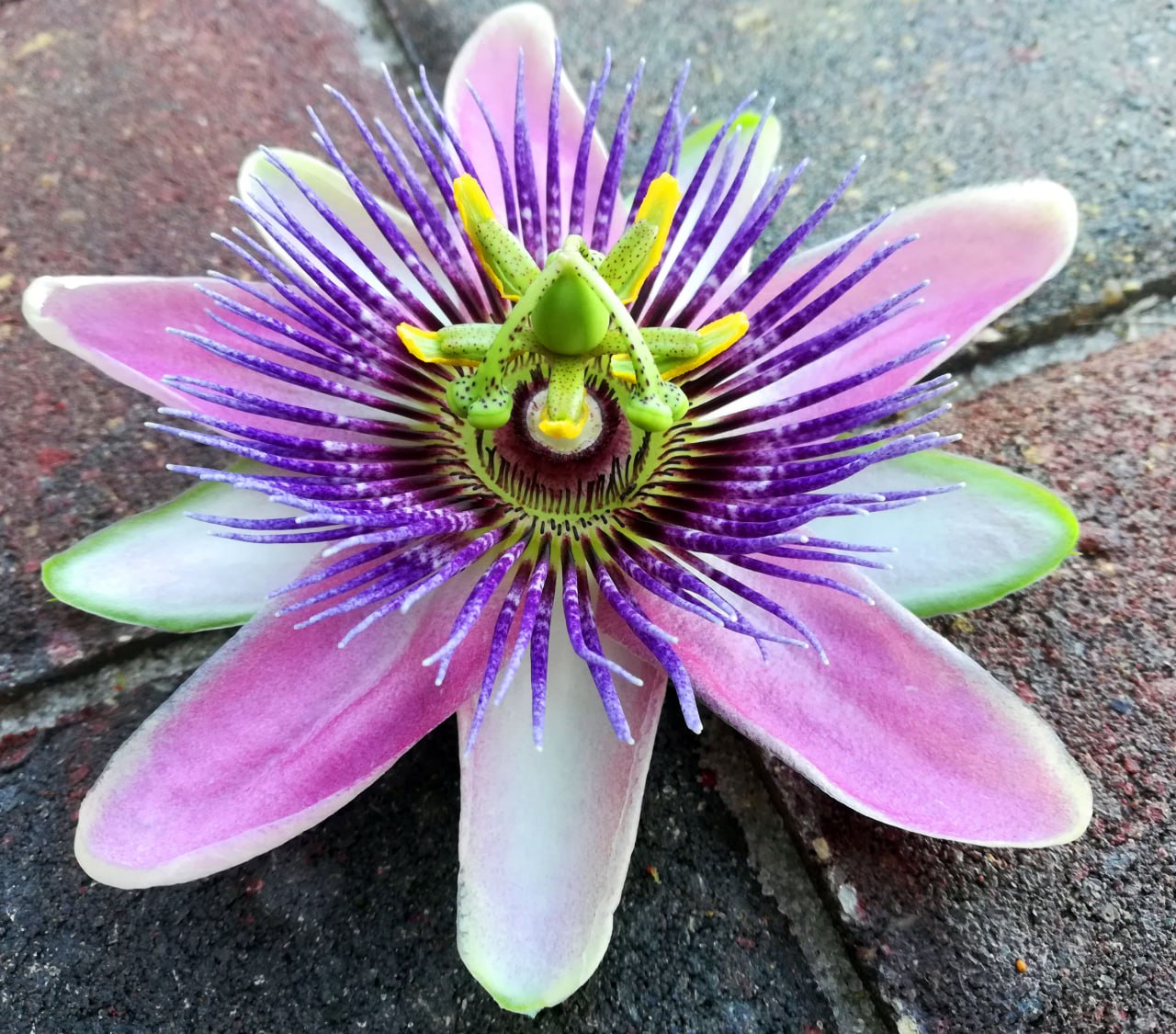
Passion flower - Passiflora

Passion flower - Passiflora

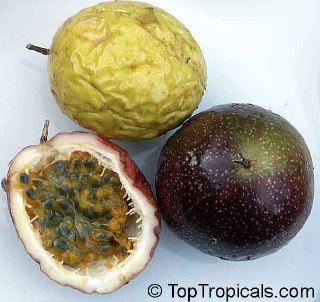
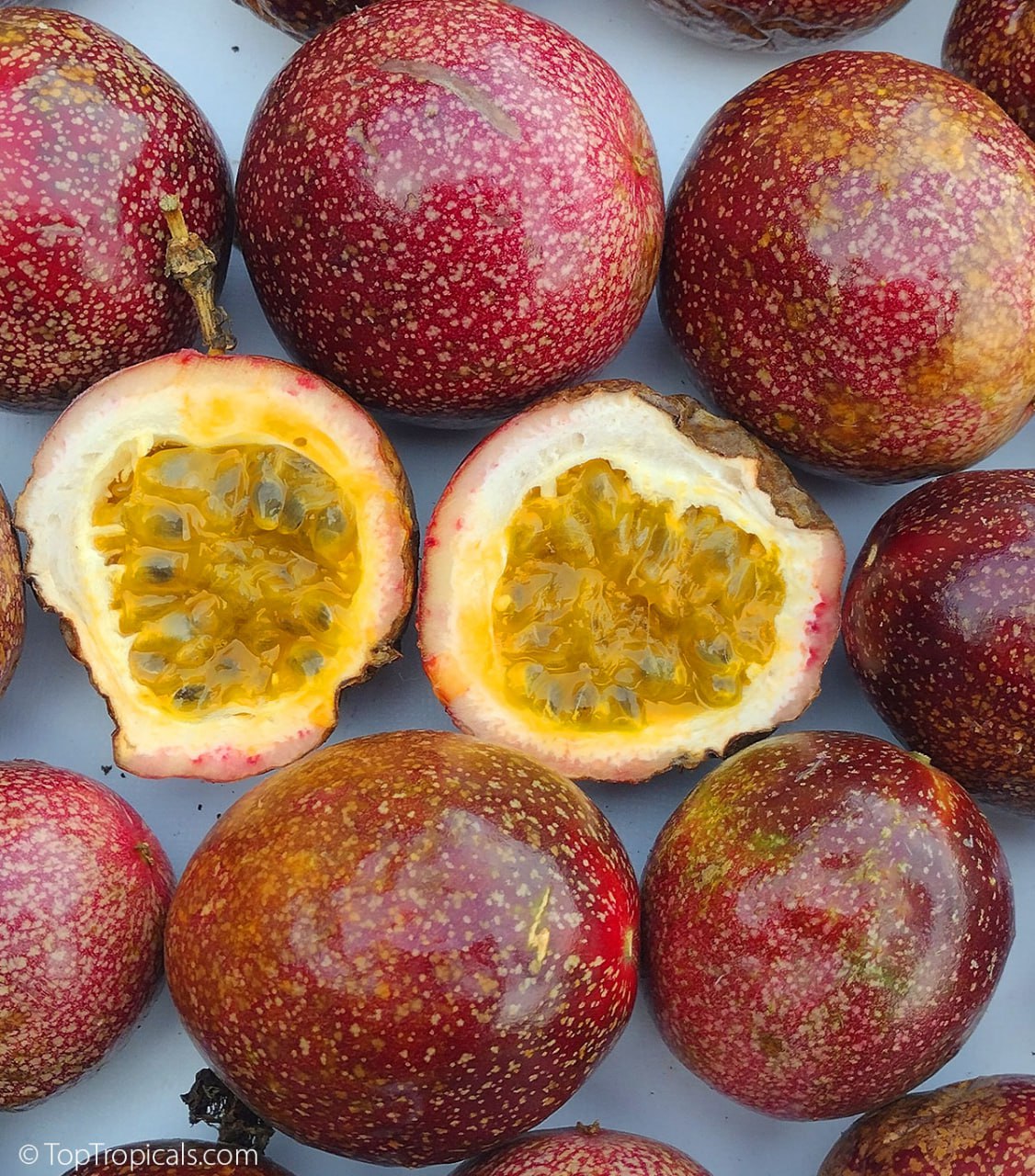
Passion fruit - Passiflora

Passion fruit - Passiflora

Passion fruit - Passiflora

Passion fruit - Passiflora

☸️ The truth about Passion flower and Passion fruit.

Passion vines, passion flowers, and passion fruits - these are all Passiflora - fascinating plants with a rich history. These vines come from tropical and subtropical regions of the Americas.

Medicinal: Various parts of the passion vine have been used in traditional medicine to treat ailments such as anxiety, insomnia, and hypertension.

Host for Butterflies: Passion vines serve as host plants for several butterfly species.

Passion of Christ: the passion flower's complex structure with five sepals, five petals often used to symbolize the Passion of Christ in Christian tradition. Spanish Christian missionaries in South America saw the flower's structure as a representation of Christ's crucifixion, which led to the name Passion Flower.

Passion Fruit (Passiflora edulis) - Maracuya - is highly nutritious, rich in vitamins A and C, fiber, and antioxidants.

Delicious pulp: the fruit is popular in many cuisines around the world, used in beverages, desserts.

Two main types of passion fruit: the purple sweeter variety (Passiflora edulis) and the yellow variety larger and more acidic (Passiflora x flavicarpa).

Fast growing vine in no time: known for their rapid growth, Passifloras need strong support as they can quickly cover large areas.

📚 Learn more: The Passion Fruit – Juicy Maracuya

🛒 Shop Passiflora plants

#Food_Forest #Hedges_with_benefits

🏵 TopTropicals