Kiwi - Plant Encyclopedia Results
| Number of plants found: 6 |
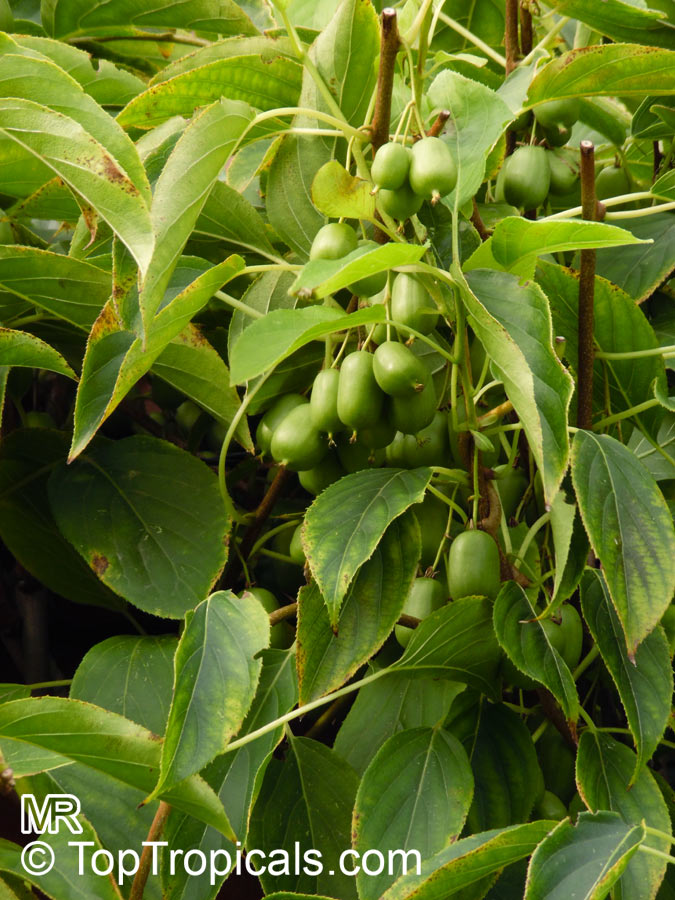
Botanical name: Actinidia sp.
Common names: Actinidia, Kiwi
Family: Actinidiaceae
Origin: Eastern Asia
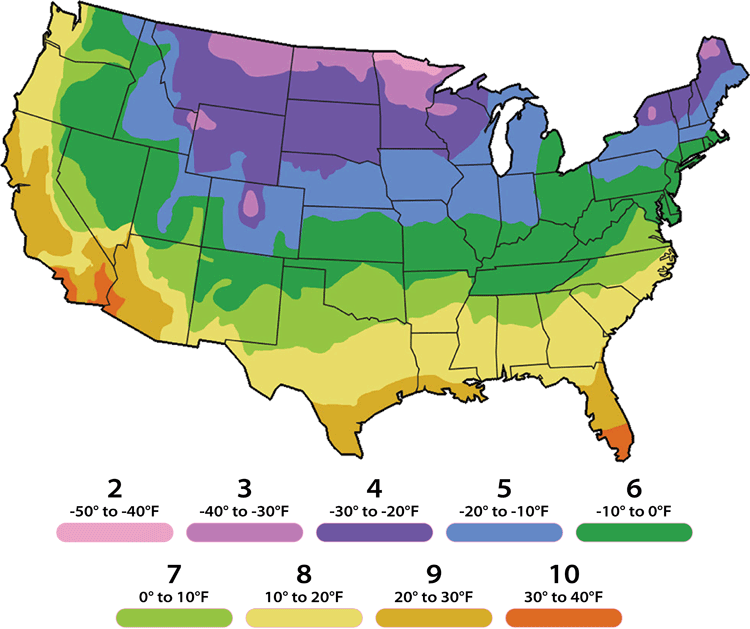
USDA Zone: 8-10


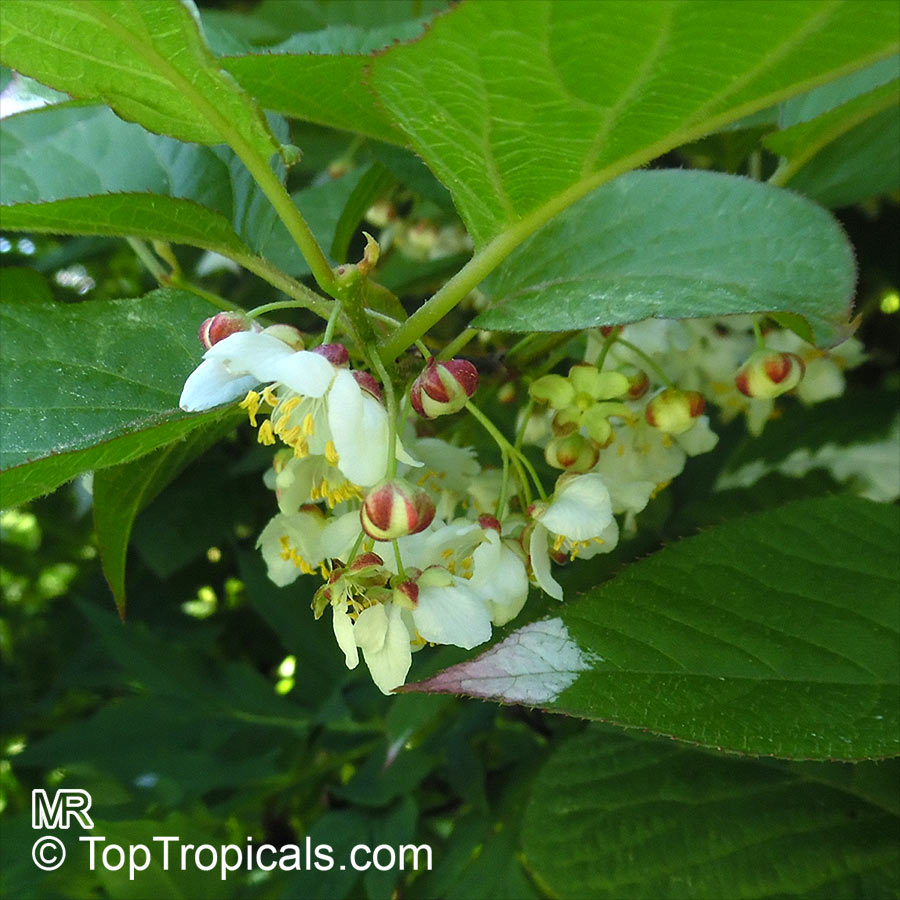
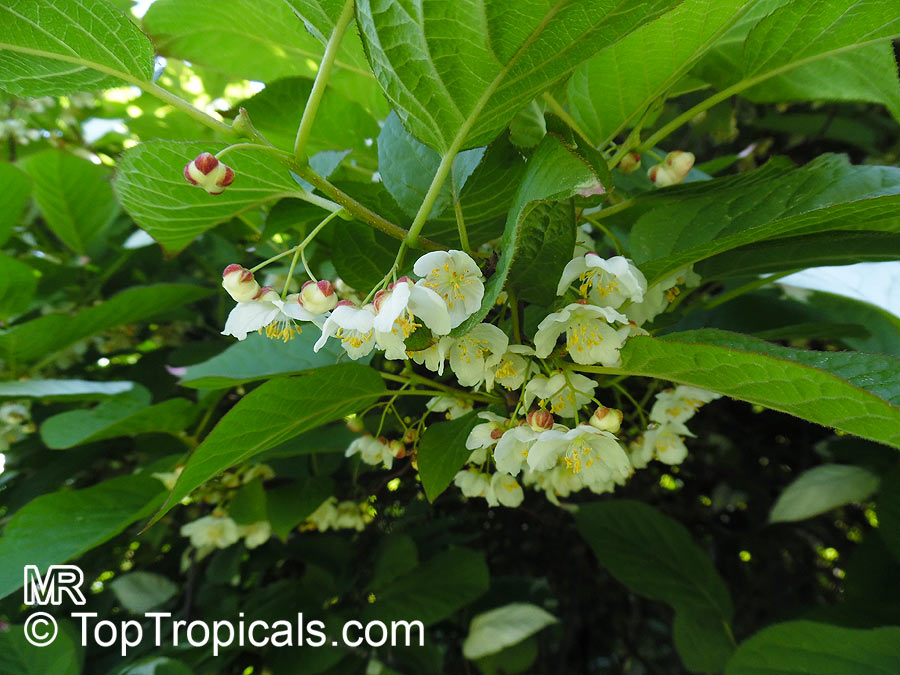
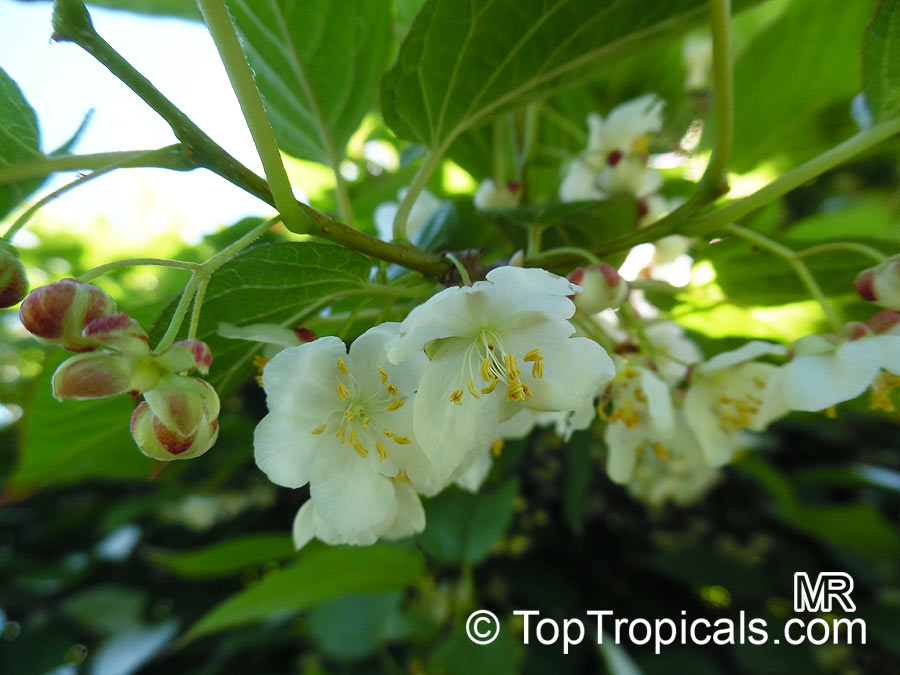
Actinidia sp. (Actinidia) is an attractive and fast-growing perennial plant native to eastern Asia. It typically will reach a mature size of 5-10 feet tall, either as a large shrub or as a vine or creeper. This plant is well-suited for full sun and semi-shade areas, and requires regular water for good growth. Actinidia sp. produces white and off-white flowers, which are especially attractive in spring and summer.
Ethnomedical uses of Actinidia include edible Kiwi fruits; the fruits are high in vitamin C and other healthy elements. Depending on the species, a mature plant can produce a range of up to a few hundred fruits per season. The fruits can be tart or sweet, and are usually eaten fresh or canned as juices or jams.
Actinidia is a hardy plant, able to withstand cold temperatures at least to 30s F for a short time. It is optimally grown in USDA Zone 8-10 and is an excellent choice for gardeners in cold climates who would like to try growing the plant in a pot. To do this successfully, it is important to make sure the container is of an appropriate size and is stored in an area free from harsh winter winds. Potting soil should be kept moist and watered as needed, and if temperatures are expected to drop far below freezing, the pot should be covered.
Overall, Actinidia is a beautiful and versatile plant that is easy to care for and produce a bounty of edible fruits which are high in vitamins and other essential nutrients. While it is hardy to moderately cold temperatures, careful precautions should be taken if grown in a pot to ensure the Actinidia is able to survive the winter and produce healthful fruit for many seasons to come.
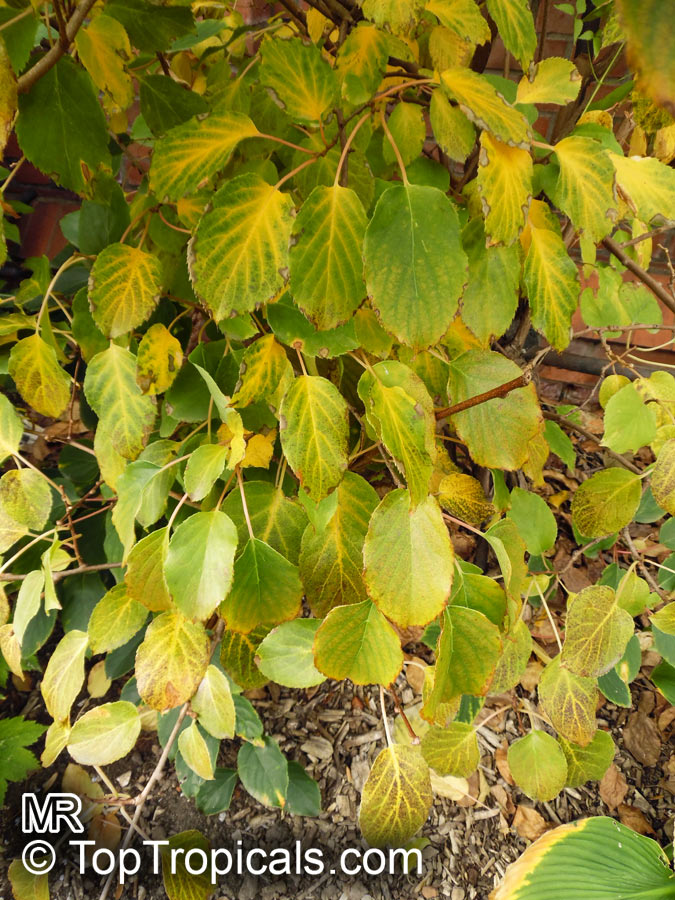
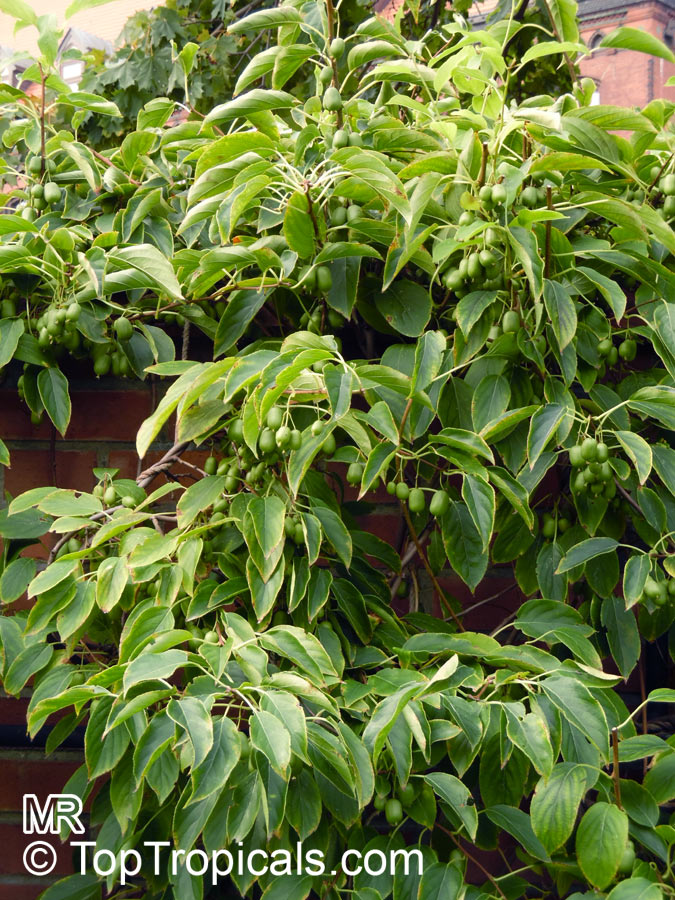
Botanical name: Actinidia chinensis
Common name: Kiwi Fruit
Family: Actinidiaceae
Origin: China
USDA Zone: 7-9
Cold tolerance: 10°F

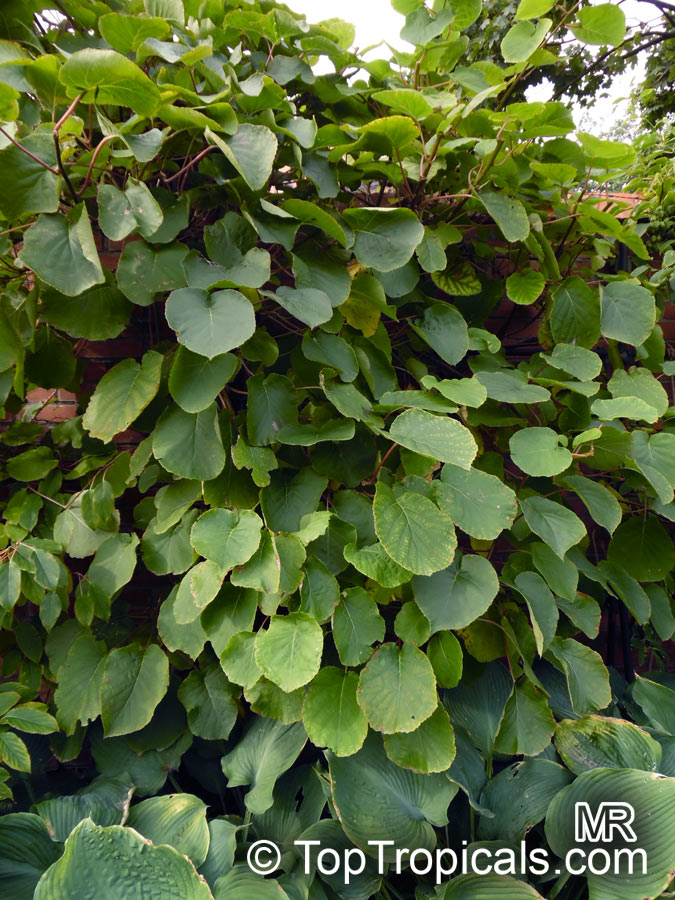
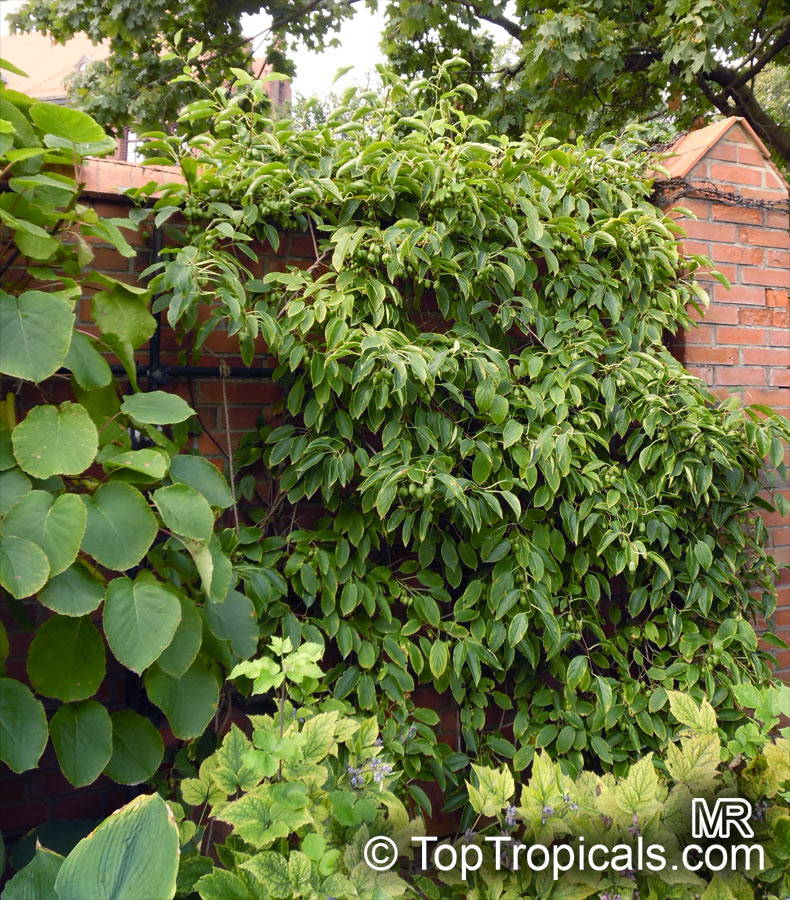
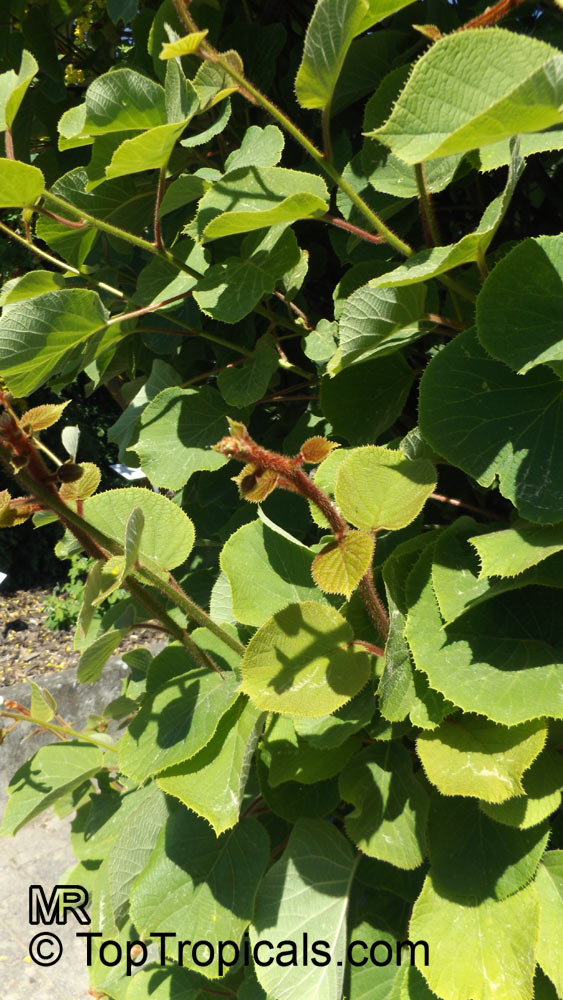
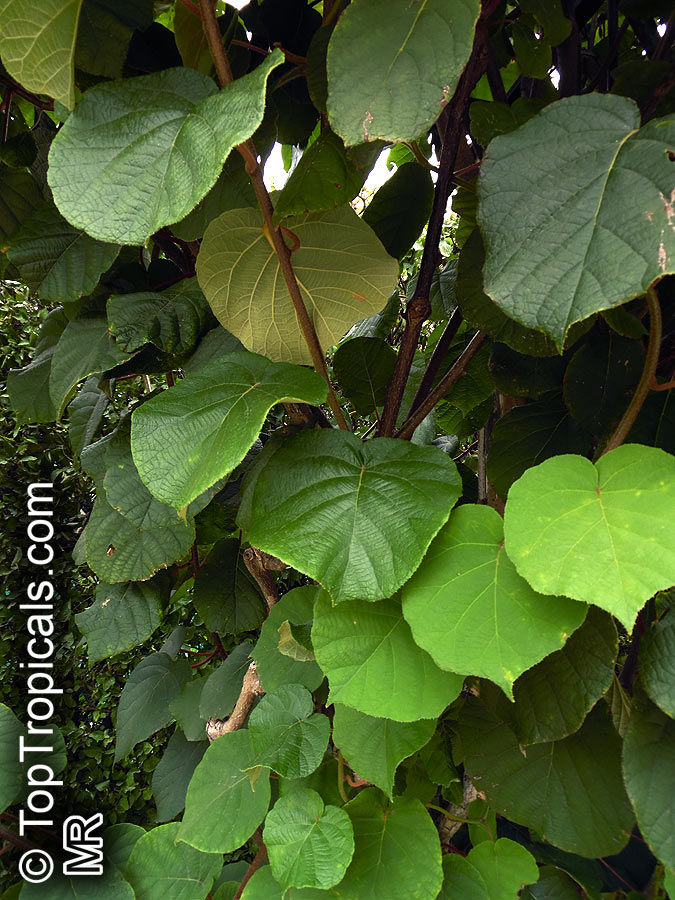
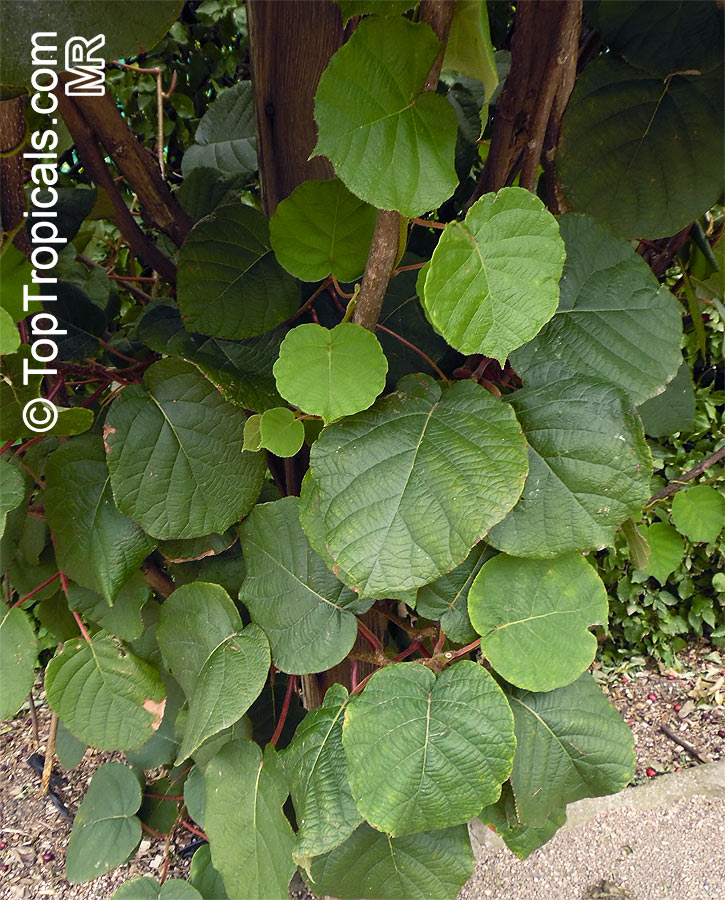
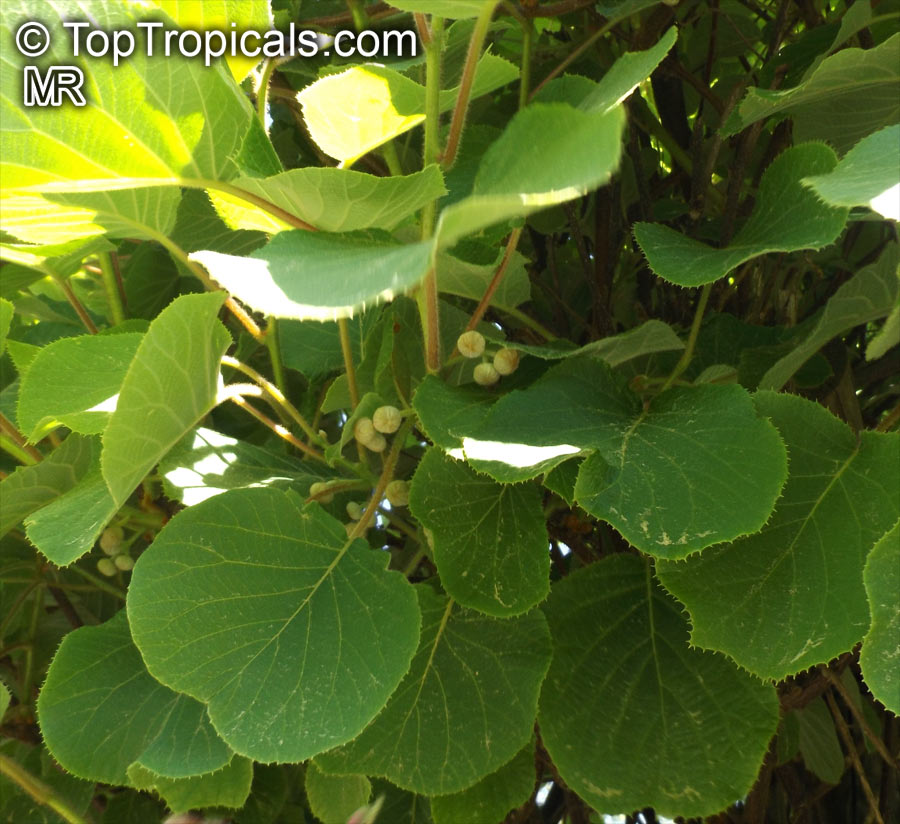
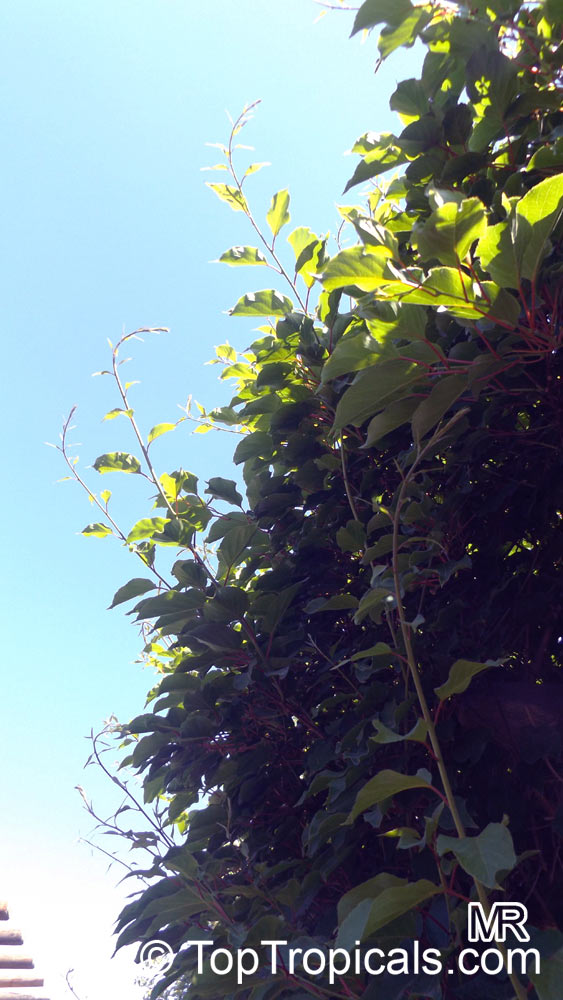
Actinidia chinensis is a vigorous deciduous climbing vine native to central and southern China. When supported by a trellis, arbor, or fence, it can stretch to about 30 feet, covering the structure with a lush canopy of broad, heart-shaped leaves. In warm months the vine grows quickly, often filling its allotted space within two or three seasons.
The plant thrives in full sun and fertile, well-drained soil enriched with compost, although a touch of afternoon shade is welcome in hot climates. Consistent moisture throughout summer is essential, as dry spells can noticeably reduce both fruit size and quality. In late spring, creamy-white to pale yellow flowers open, usually on separate male and female plants. Female vines that receive good pollination produce the familiar fuzzy brown fruits by late autumn. Depending on the variety and ripeness, the fruit may be tangy, sweet-tart, or mellow in flavor, with sweetness varying widely.
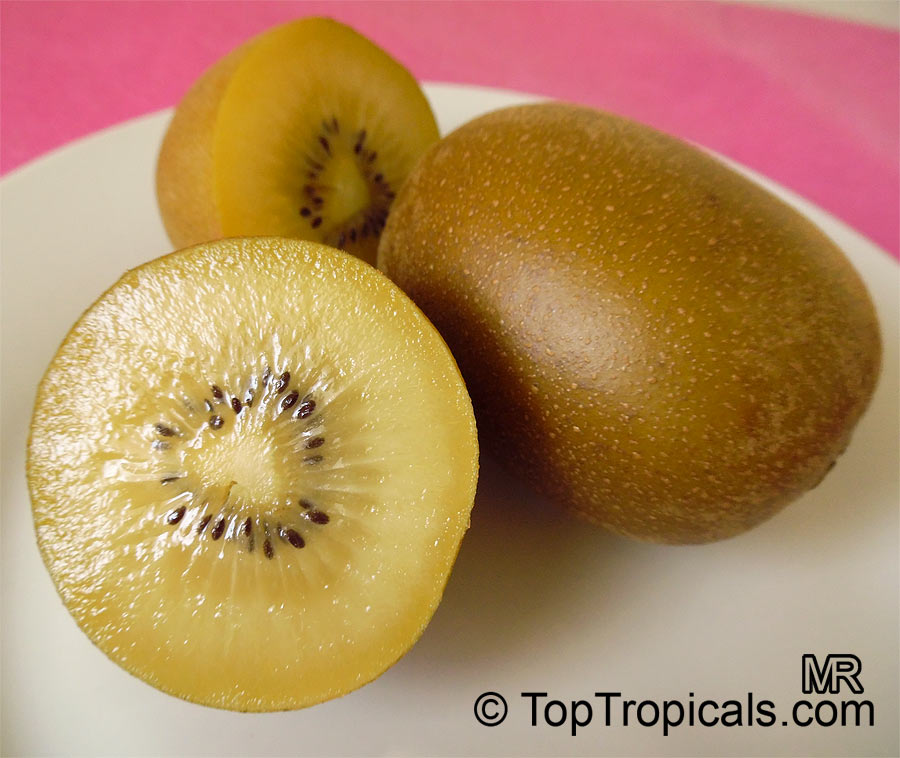
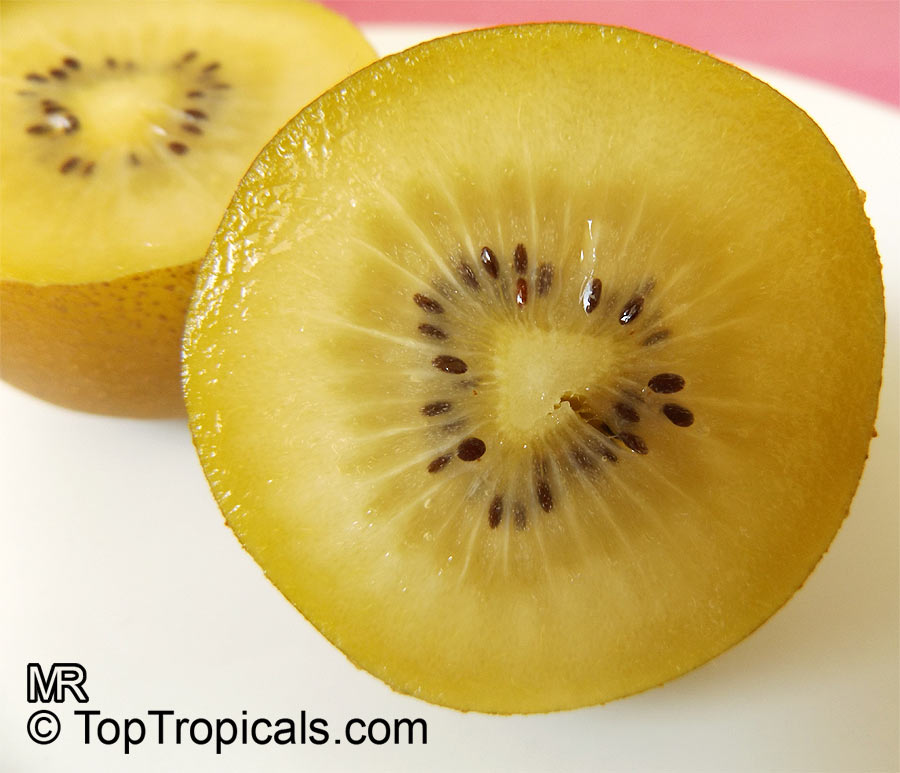
The first domesticated form of kiwifruit was Actinidia chinensis var. deliciosa, also treated in the literature as Actinidia deliciosa. This green, fuzzy kiwifruit originates from central southern China, where it grows naturally at elevations of 800 to 1,400 m. It became the first kiwifruit vine to enter large-scale commercial cultivation and remains the foundation of the traditional green kiwifruit market. The golden-fleshed cultivar Actinidia chinensis 'Sun Gold', often seen in markets, is notably sweeter and less tangy than many other selections.
While best suited to USDA Zones 8 9, it can be grown in sheltered spots in Zone 7 with winter and late frost protection. Young shoots are sensitive to cold snaps in spring. The vine can also be managed in a large container with regular pruning and a compact trellis, though this demands attentive watering and feeding. Fruits are enjoyed fresh, blended into drinks, or preserved as jam.


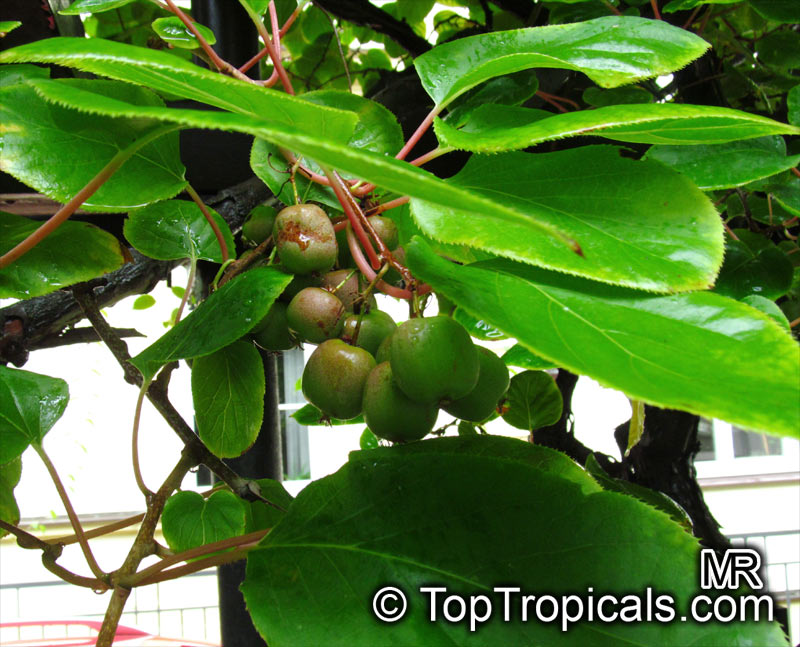
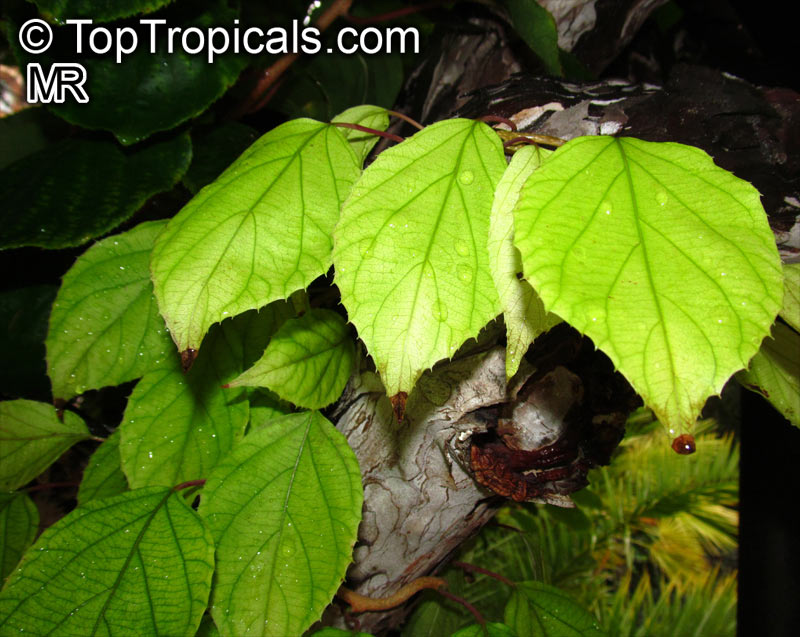
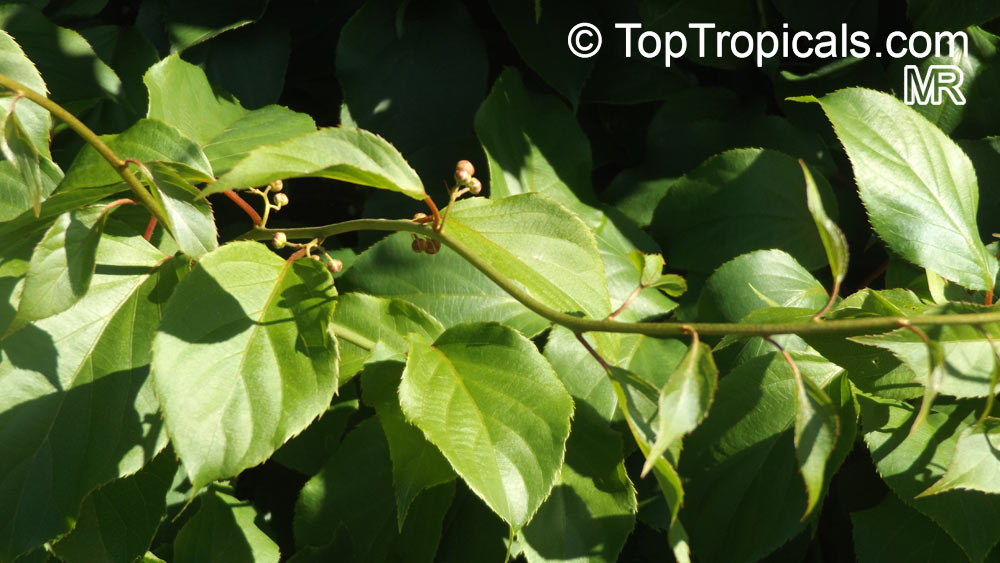
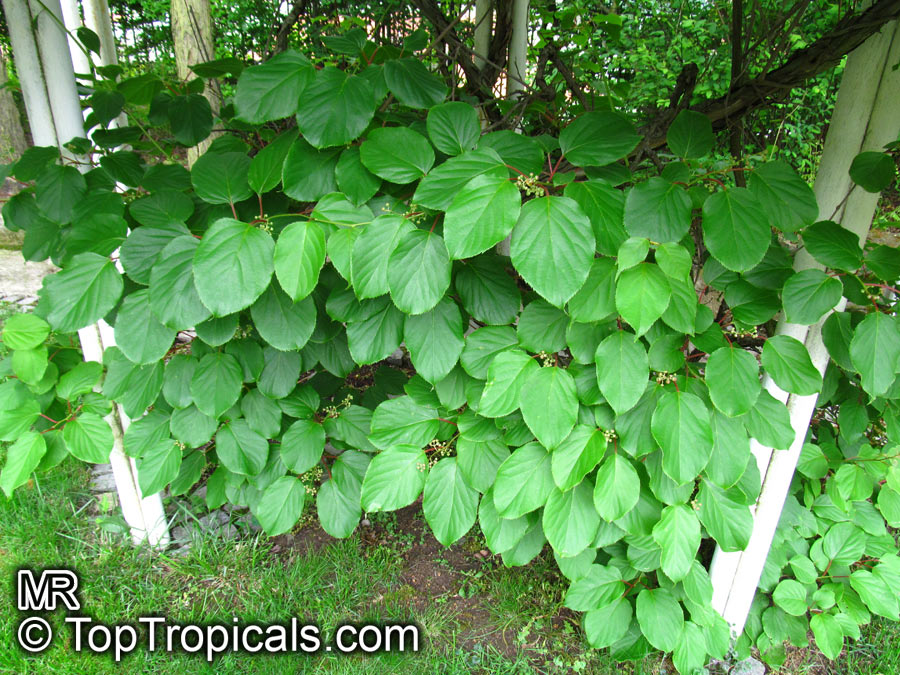
Botanical name: Actinidia arguta
Common names: Hardy Kiwifruit, Kiwi Berry, Arctic Kiwi, Baby Kiwi, Dessert Kiwi, Grape Kiwi, Northern Kiwi
Family: Actinidiaceae
Origin: Japan, Korea, Northern China
USDA Zone: 3-9

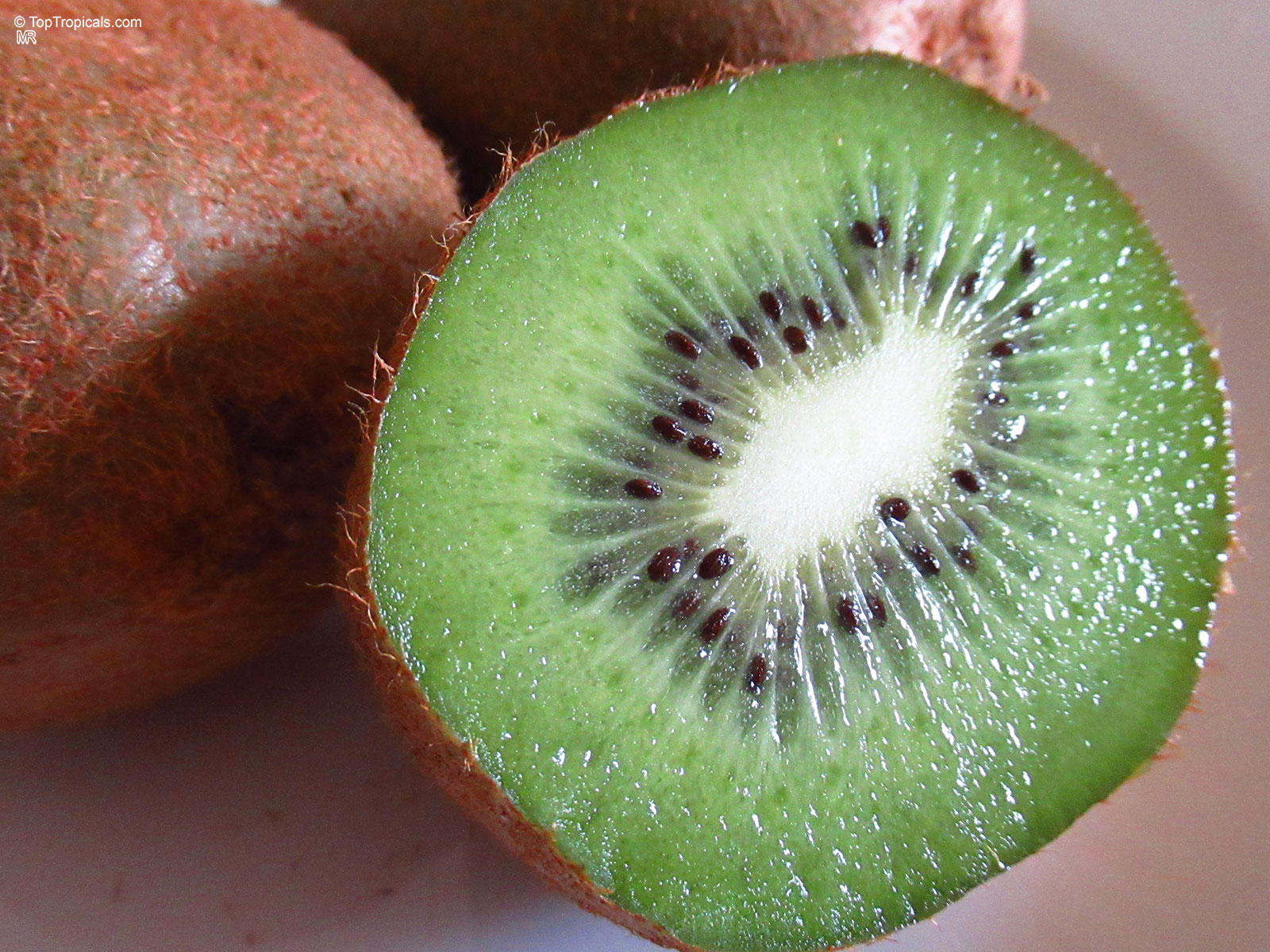
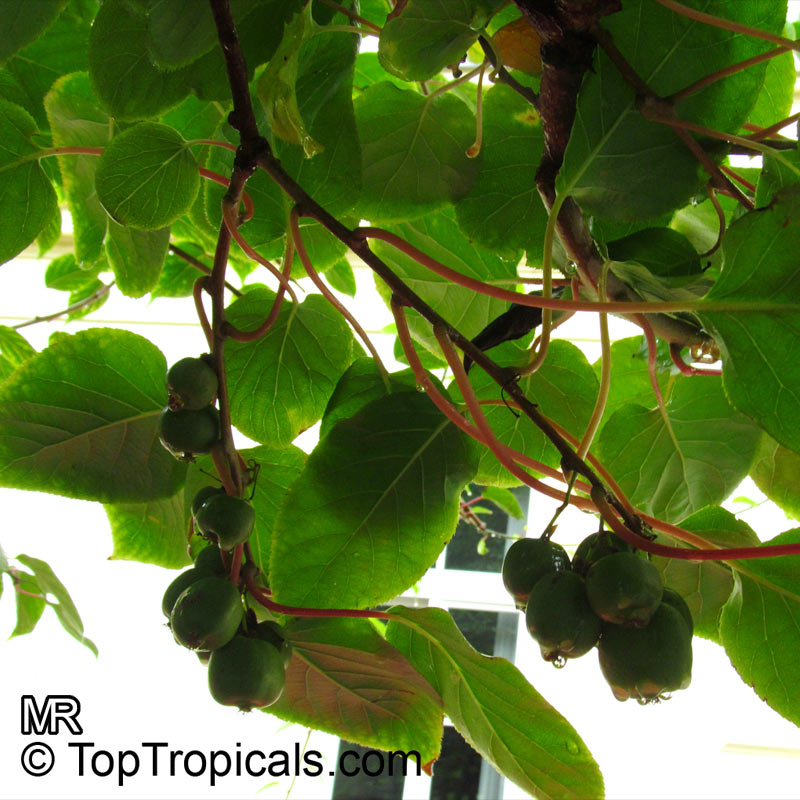
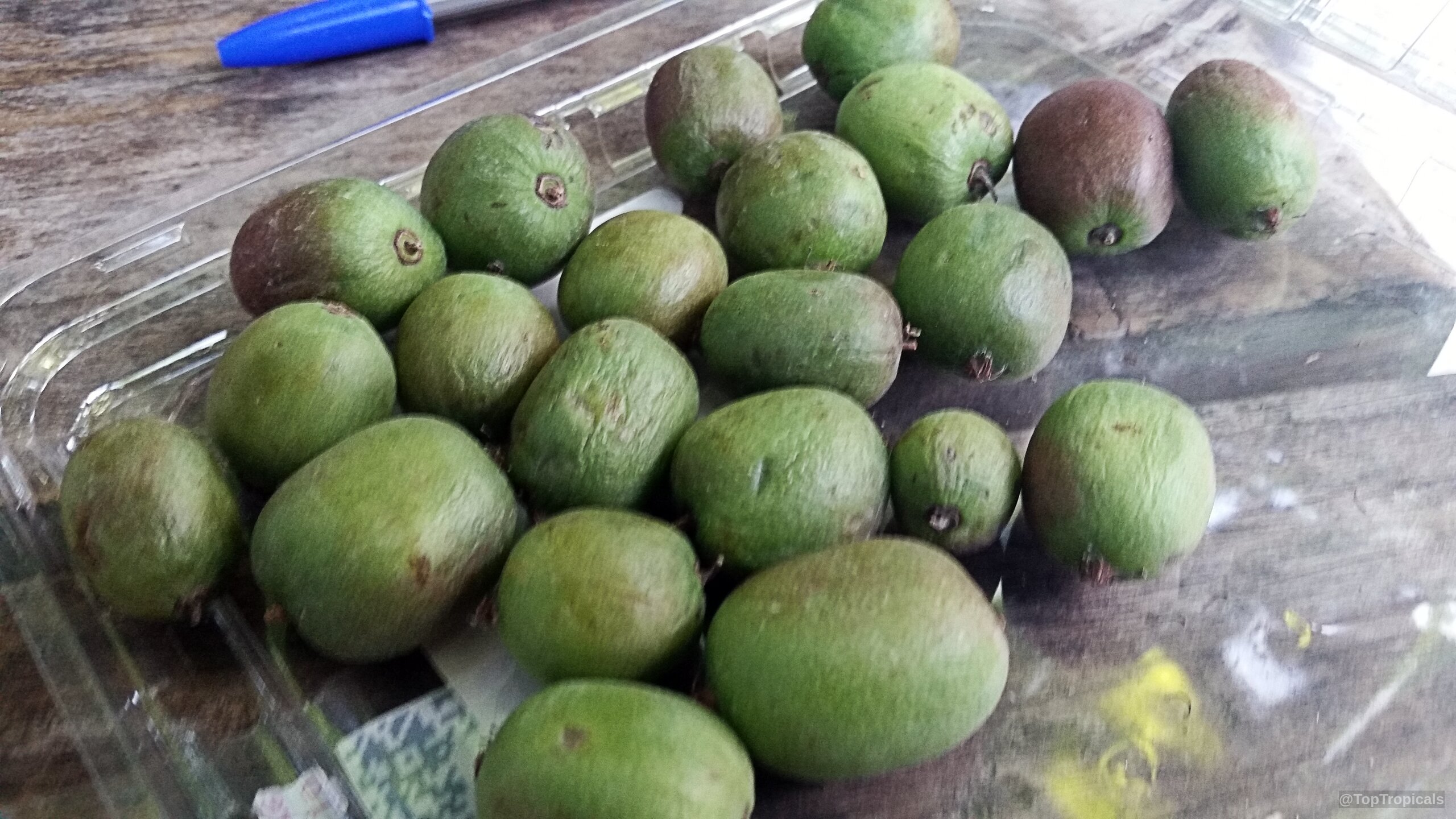
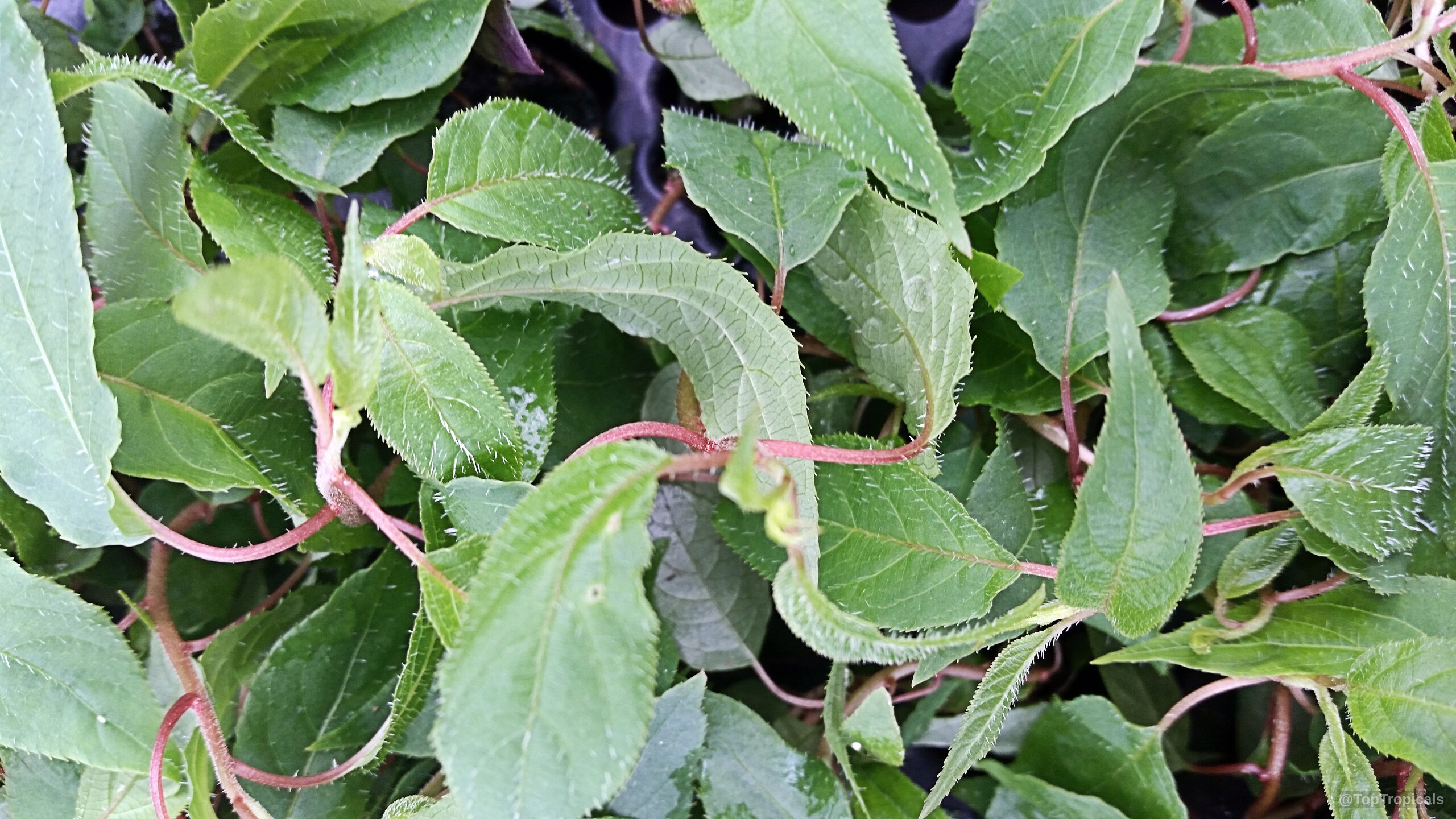
The fast-growing, climbing vine is very hardy, and is capable of surviving slow temperature drops to -34 C (-30 F), although young shoots can be vulnerable to frost in the spring. This vine needs a strong (vines are heavy) support structure on which to grow such as a trellis, arbor, patio overhead, fence or wall.
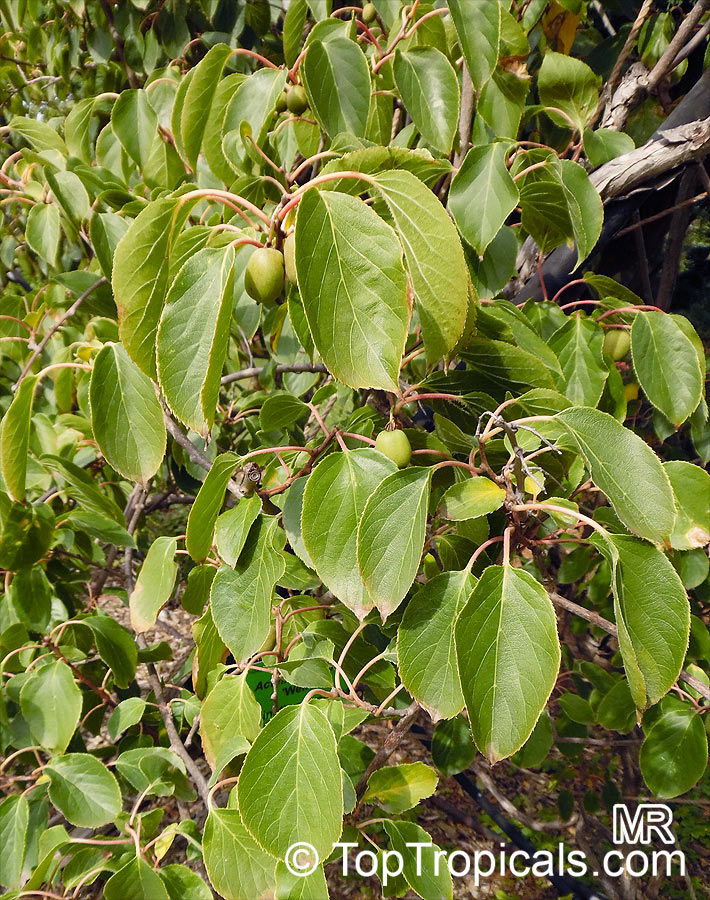
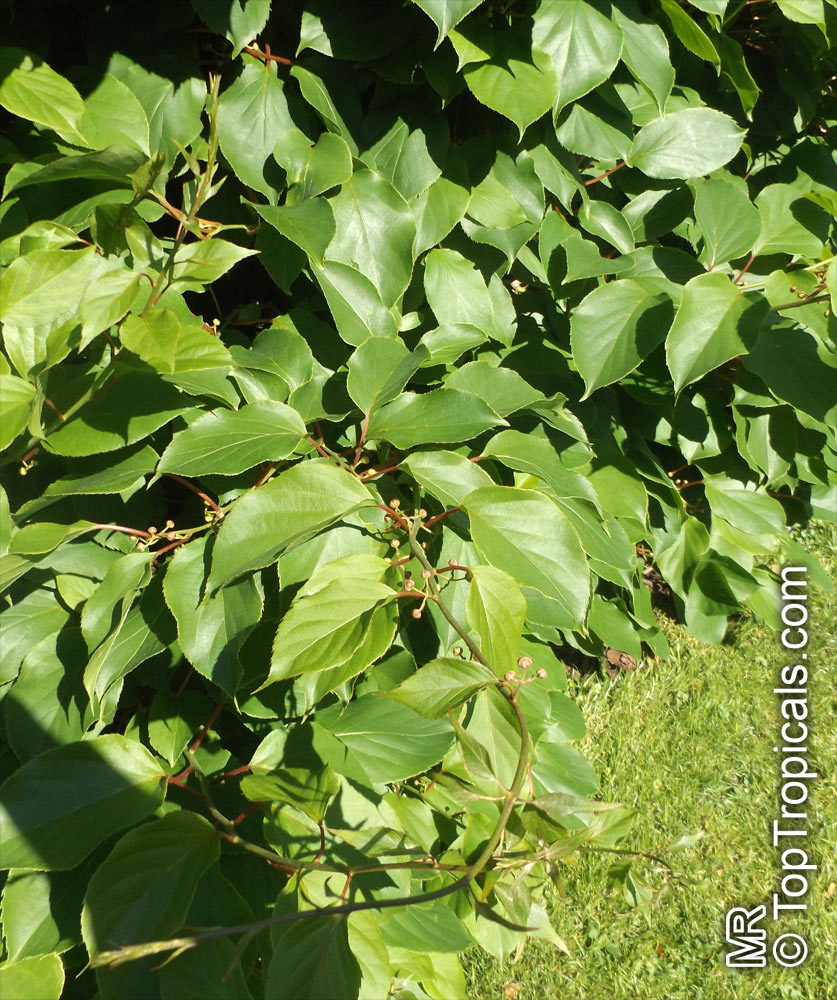
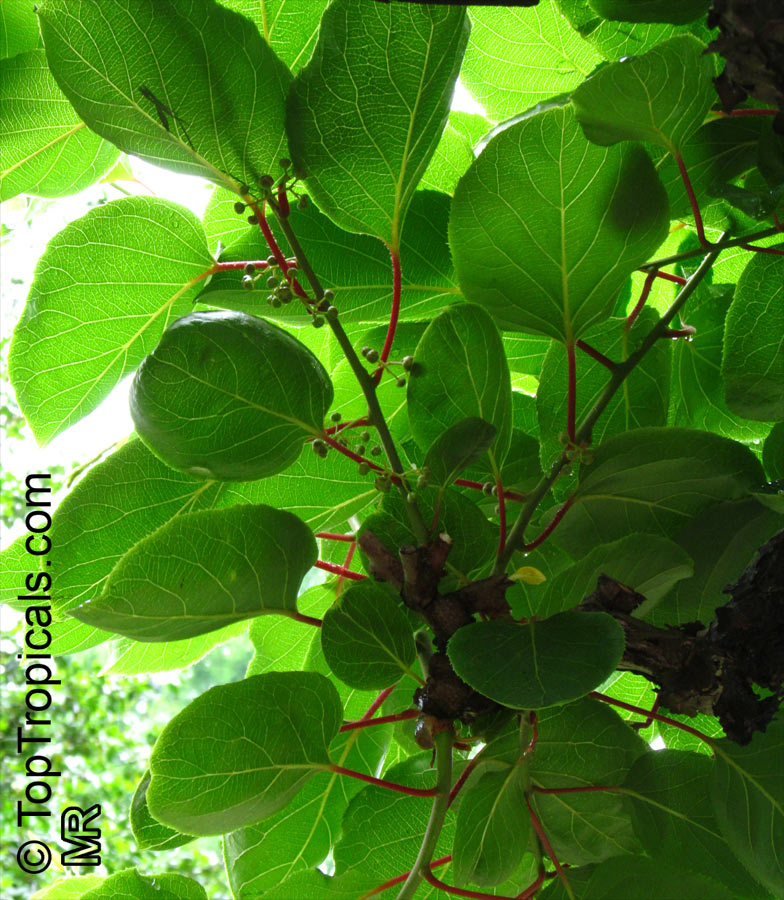
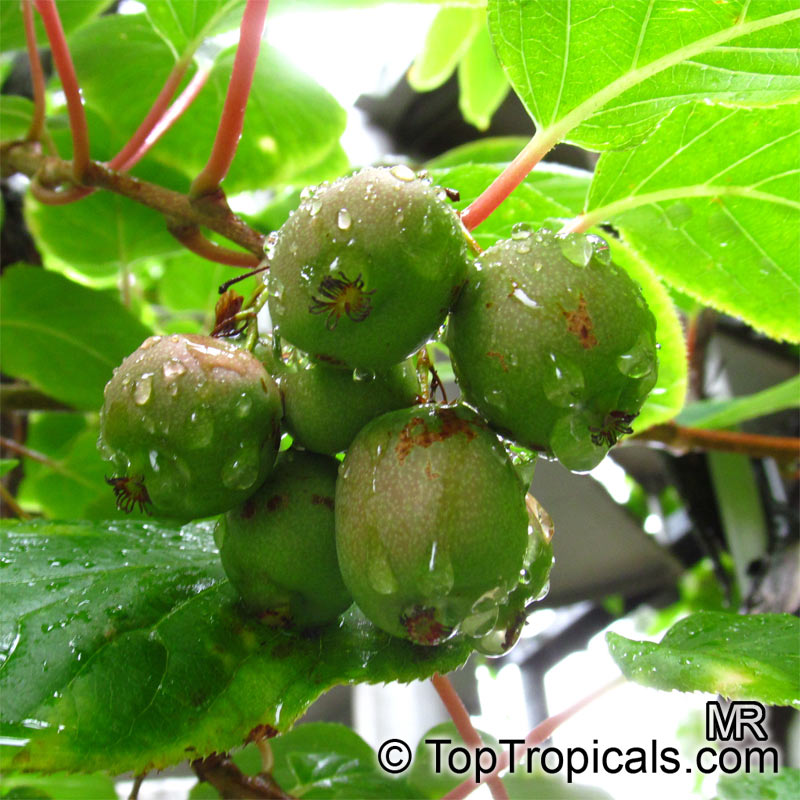
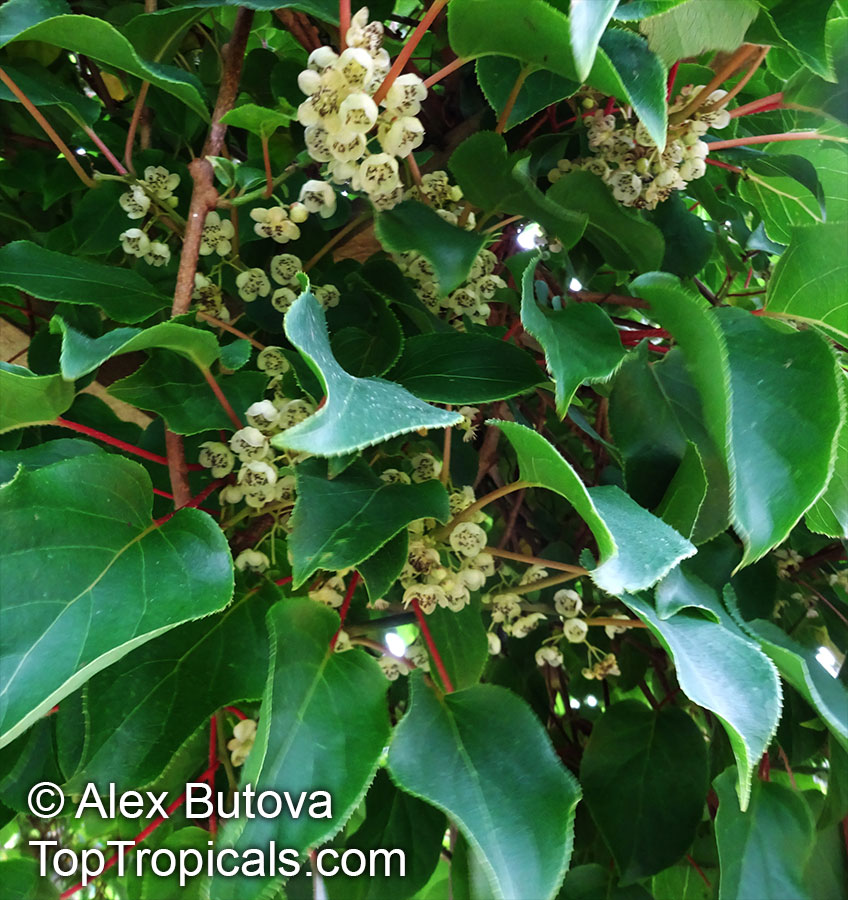
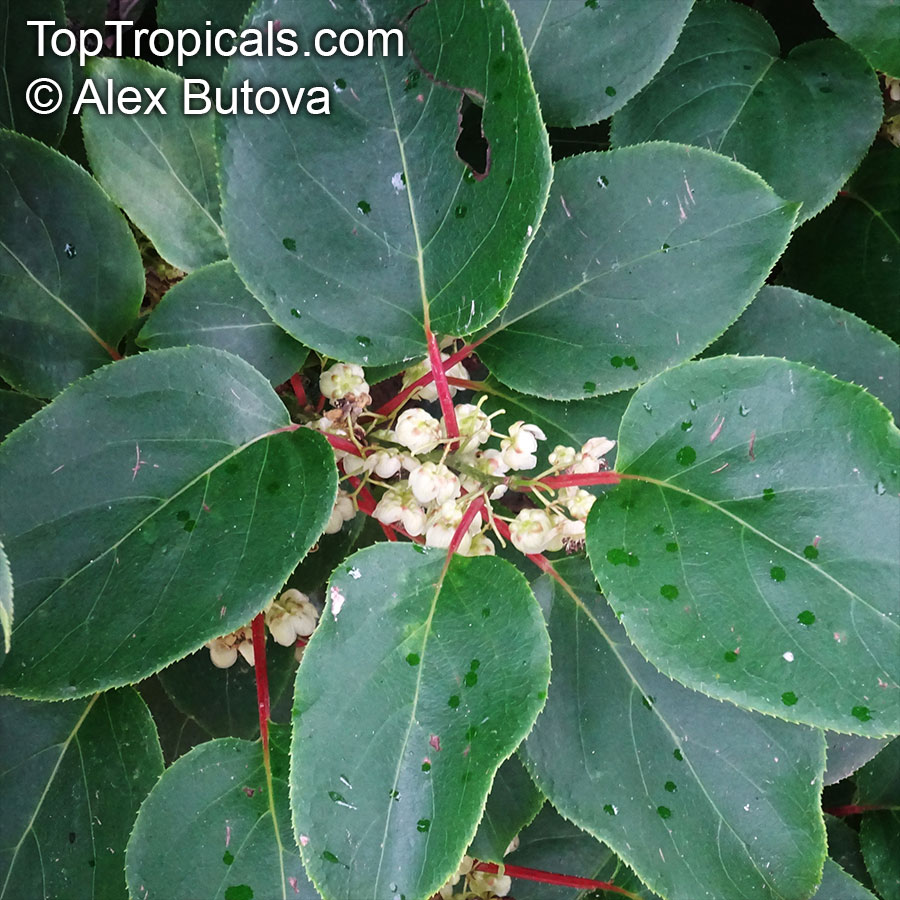
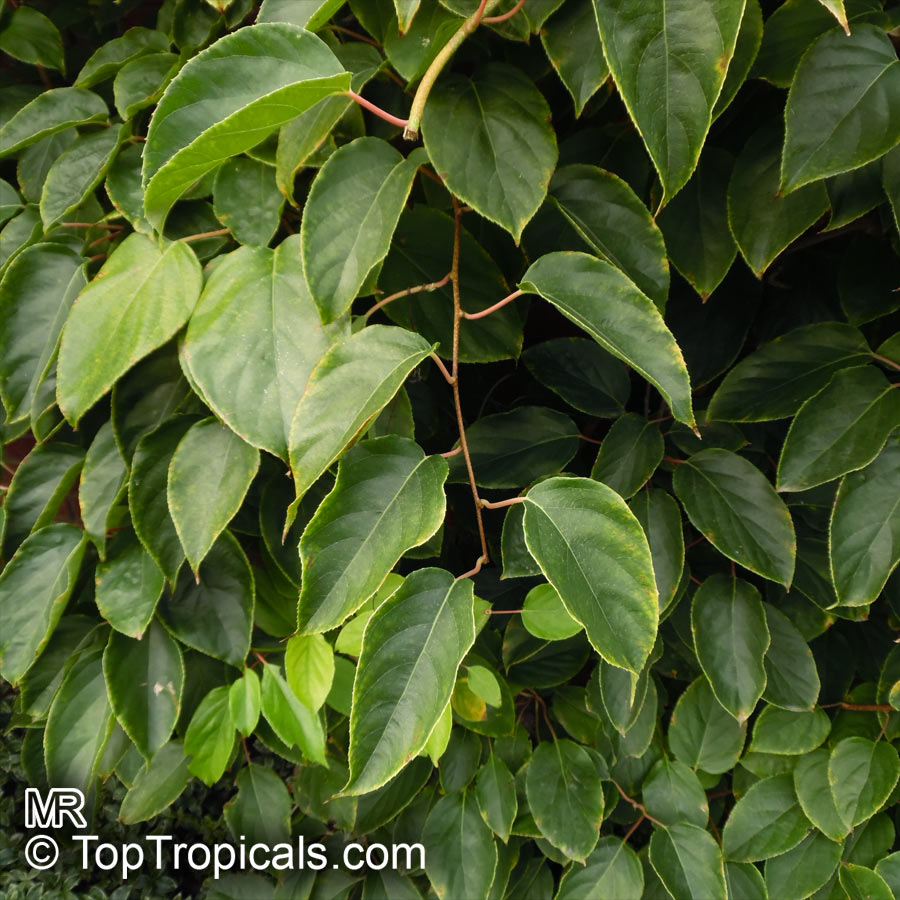
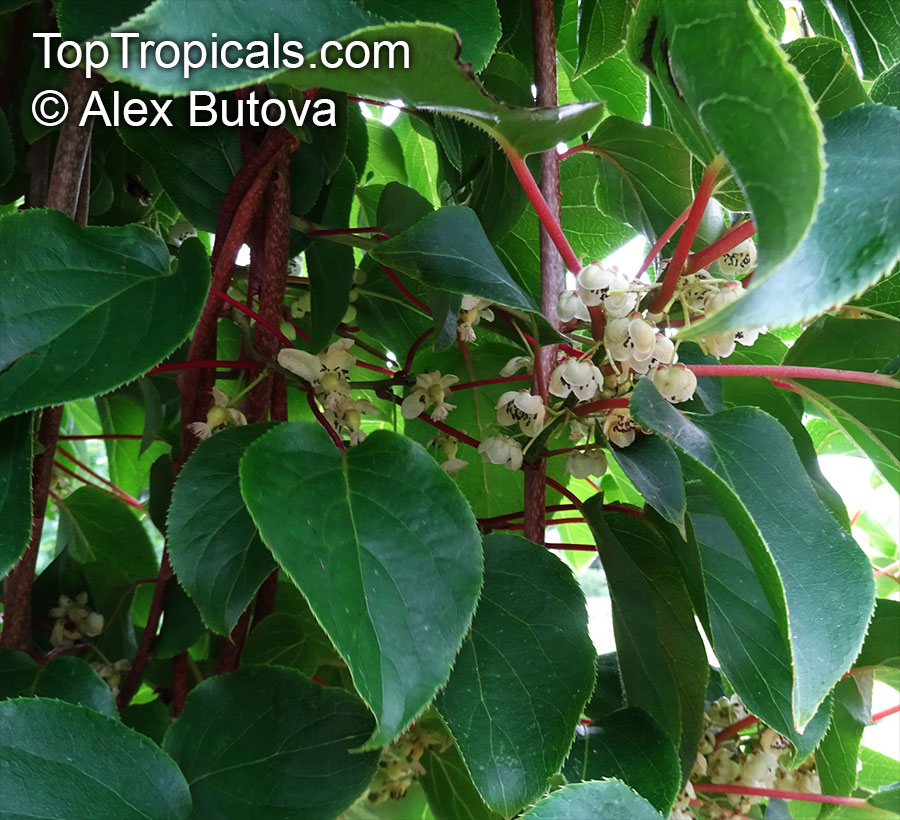
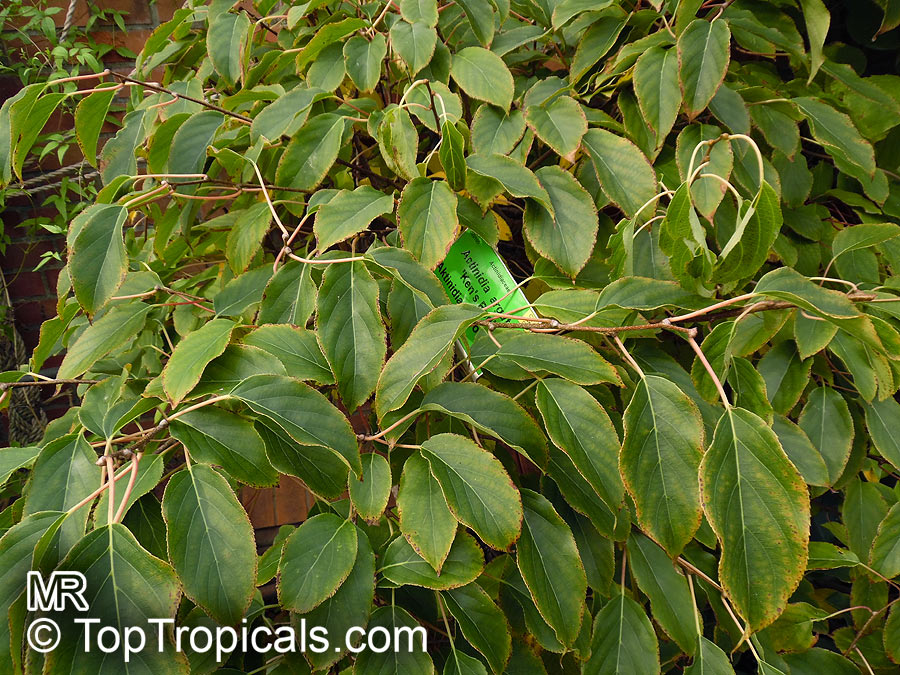
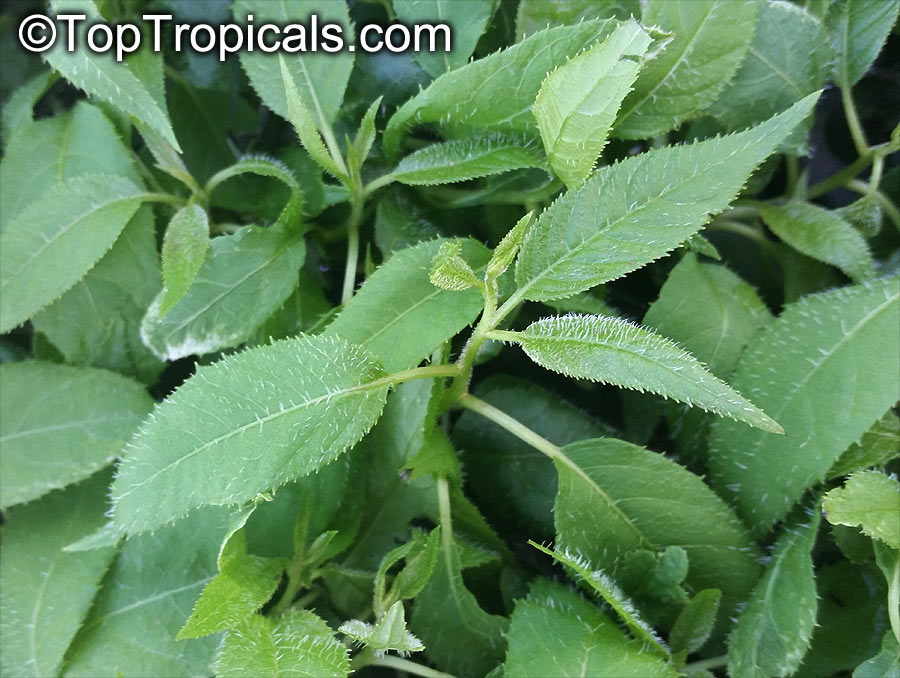
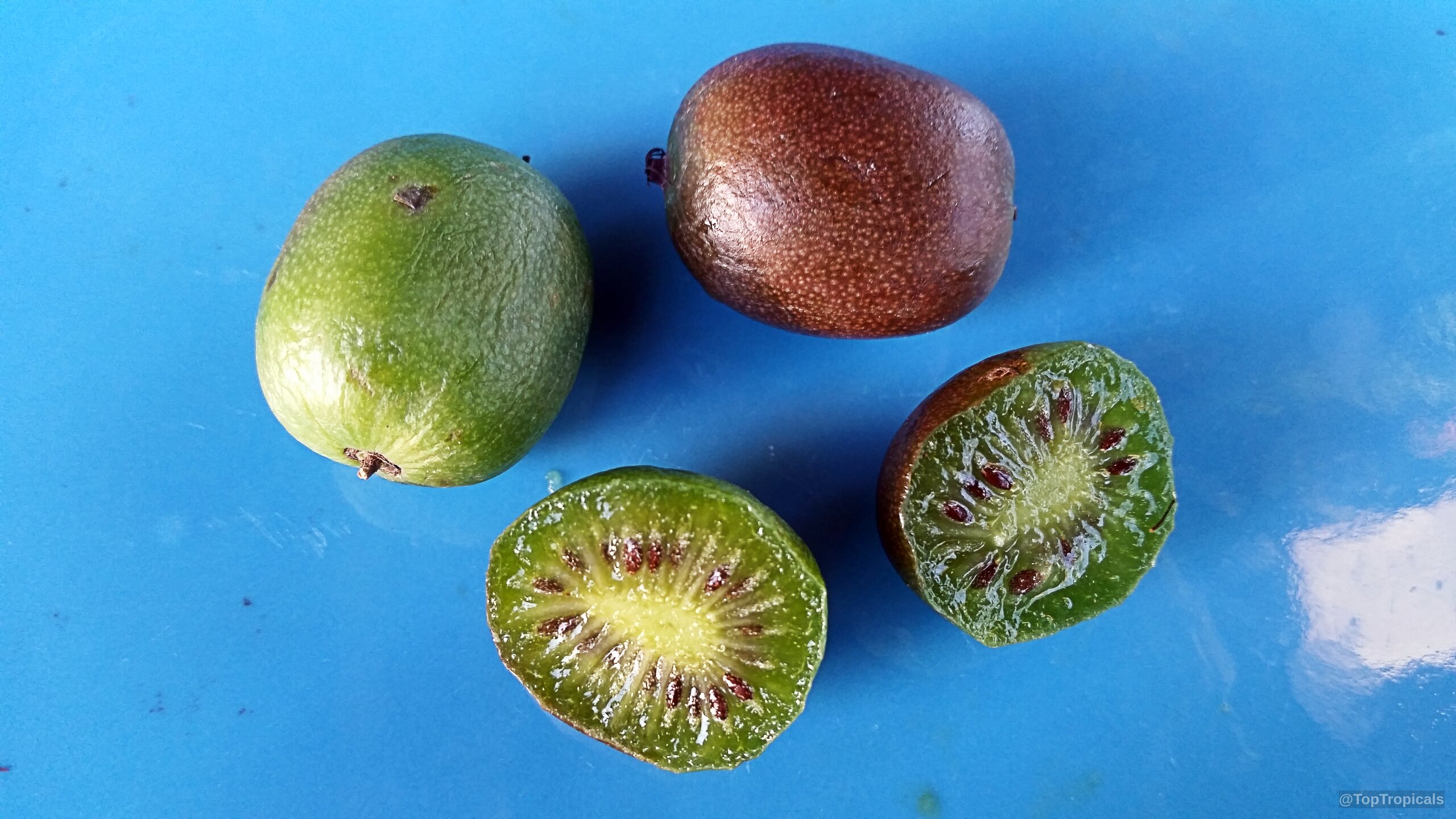
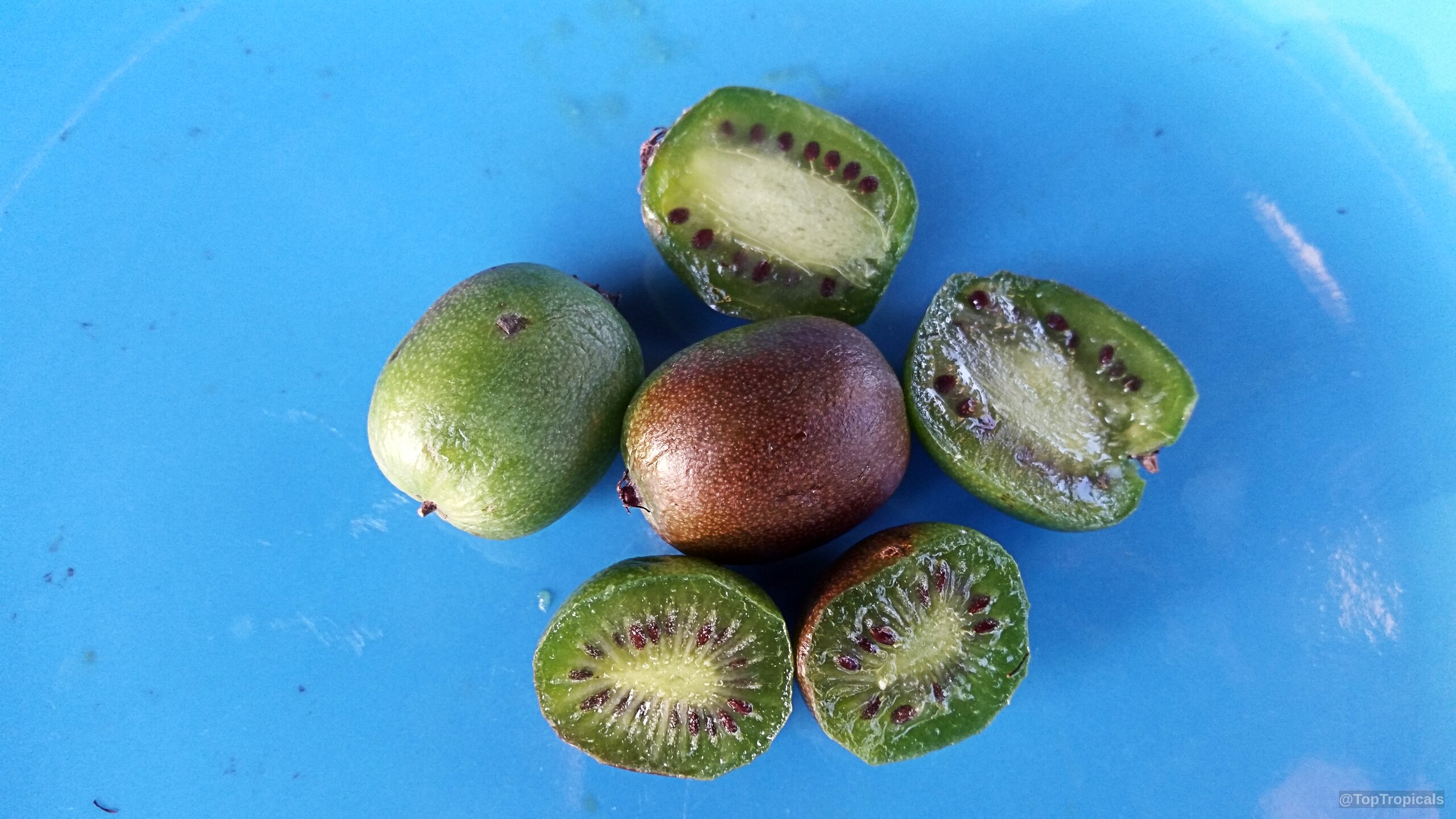
Botanical name: Actinidia kolomikta
Common name: Kiwi
Family: Actinidiaceae
Origin: East Asia
USDA Zone: 4-9

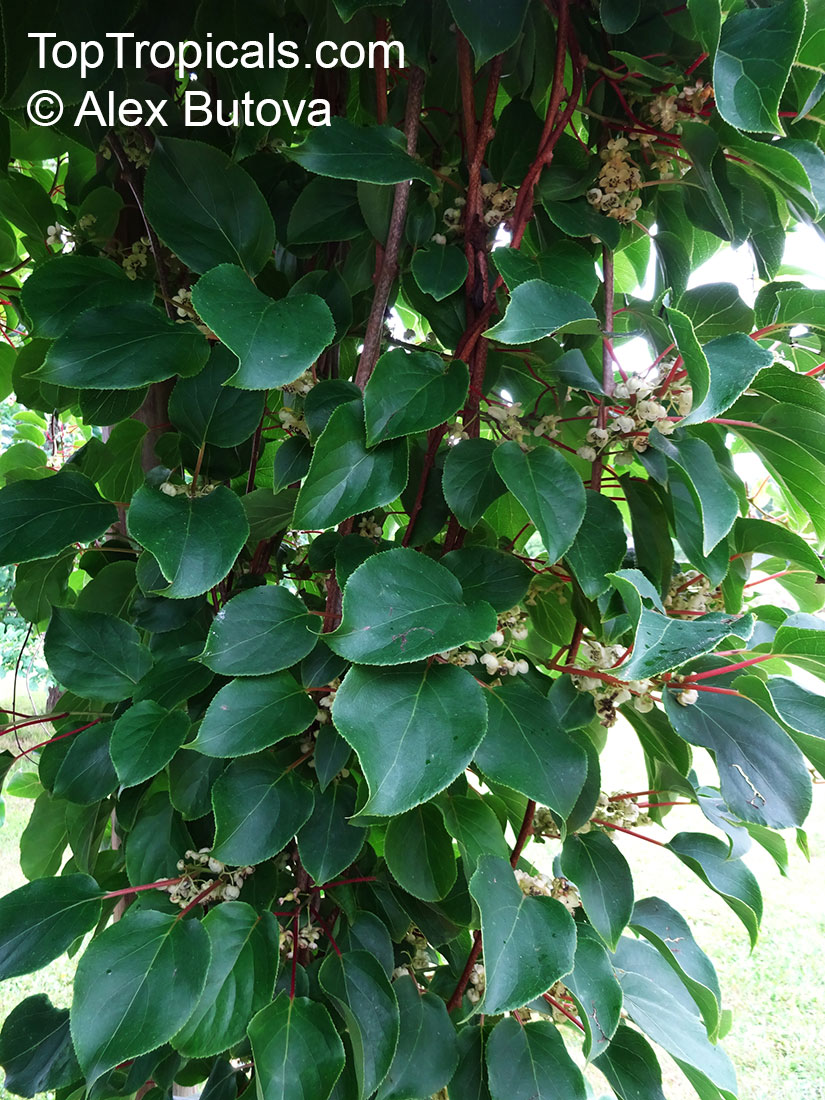
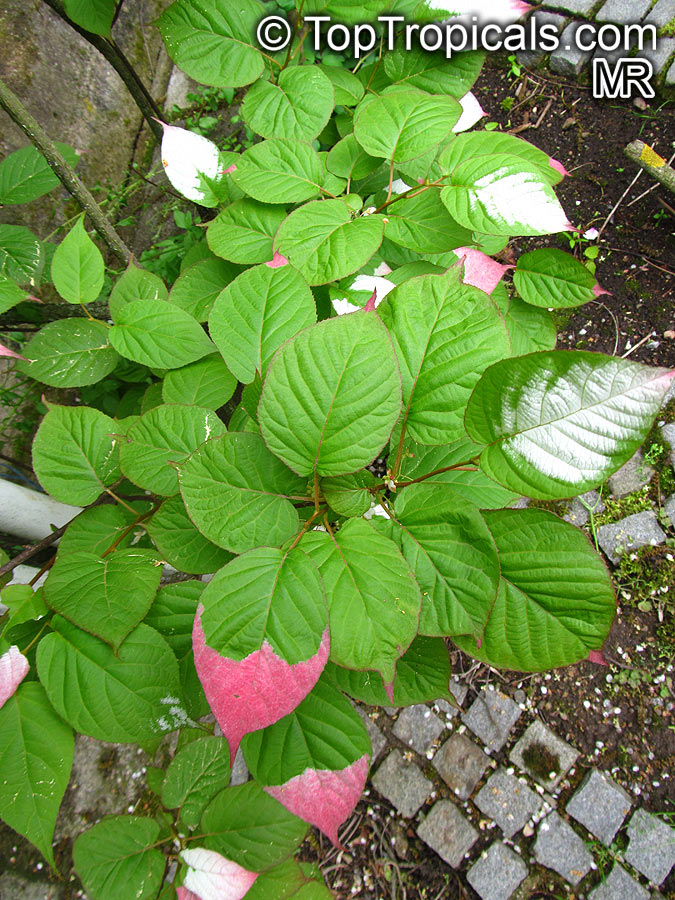
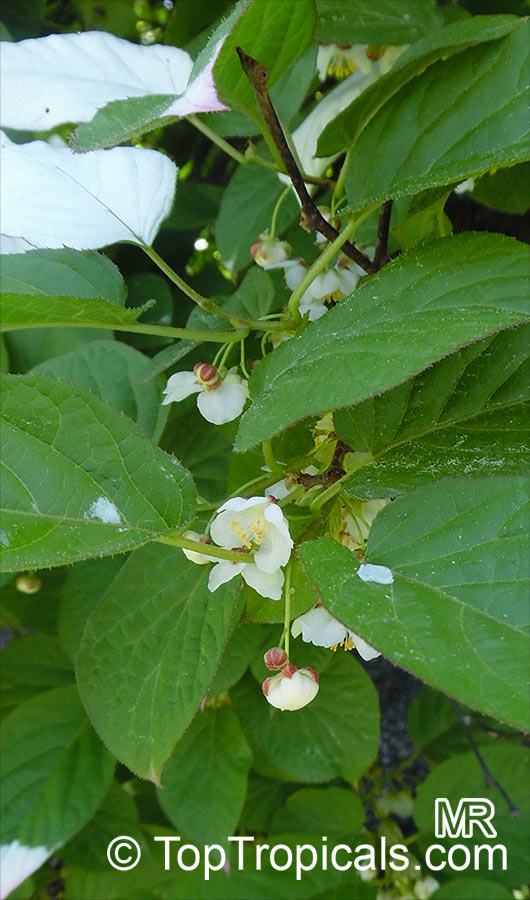
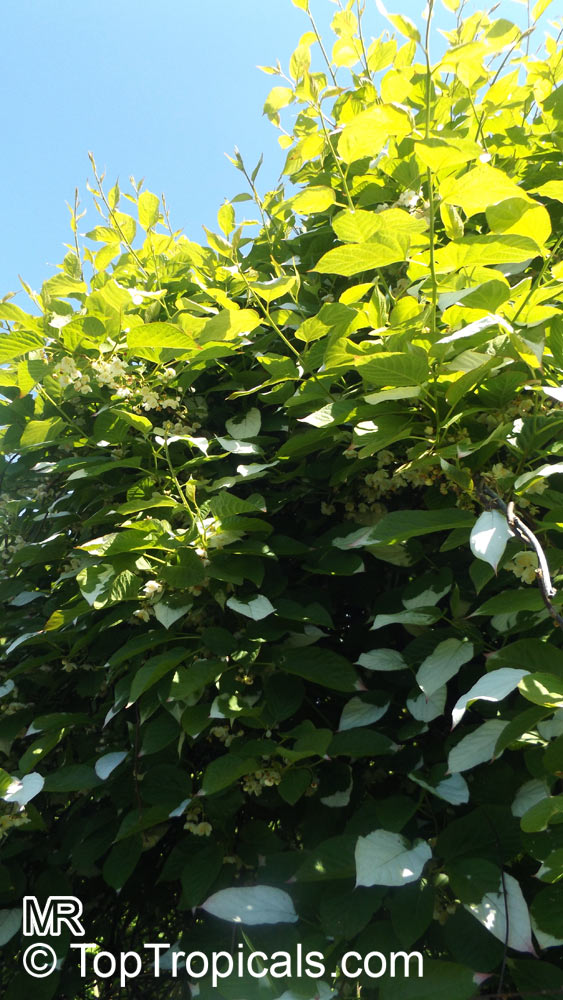
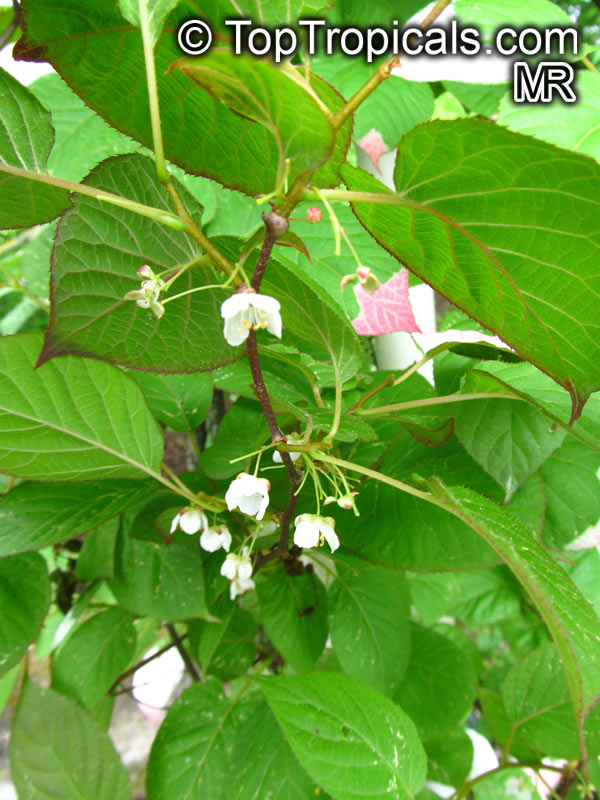
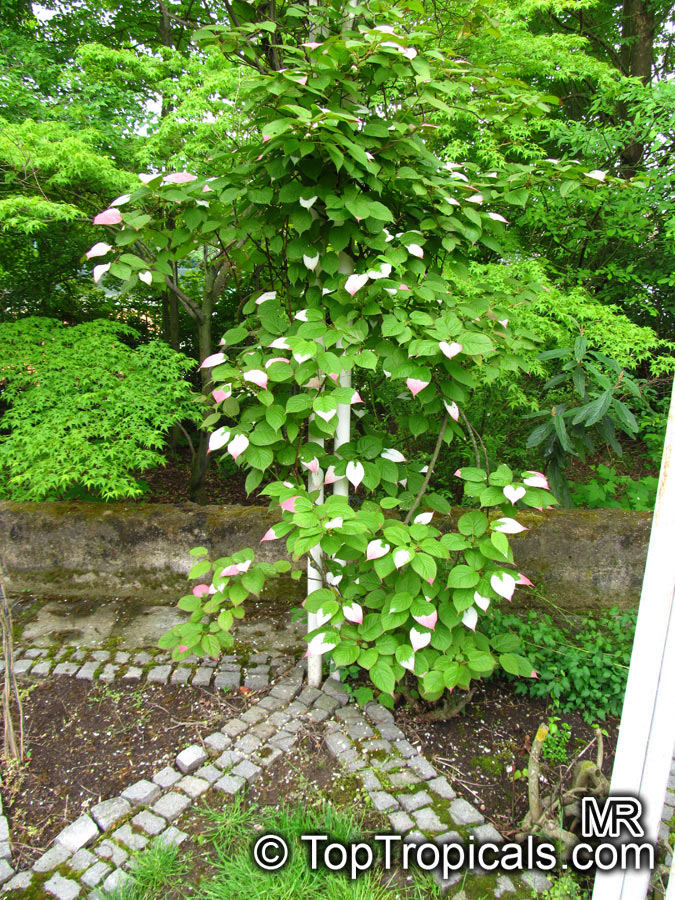
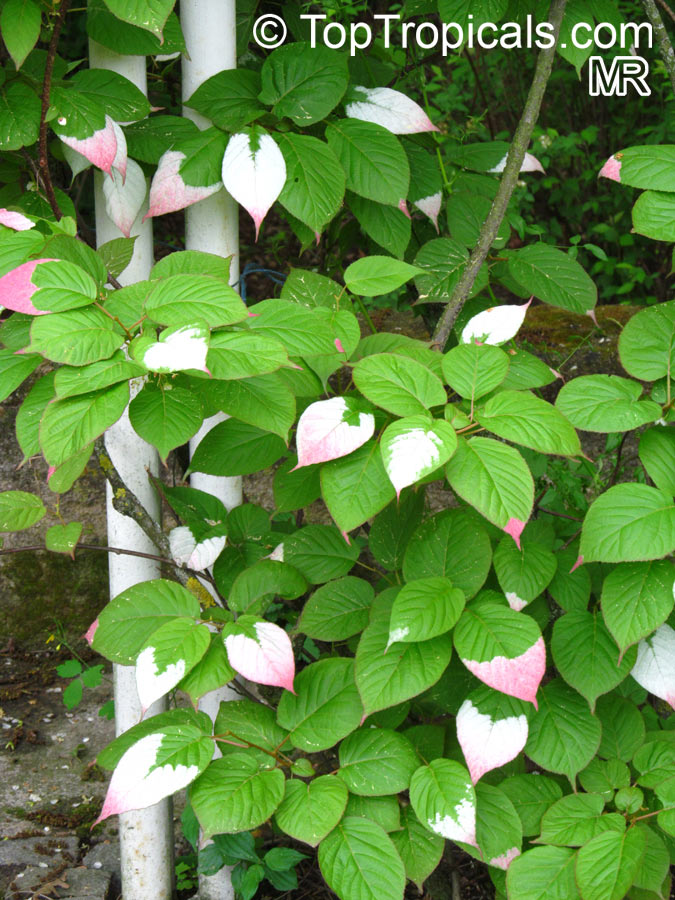
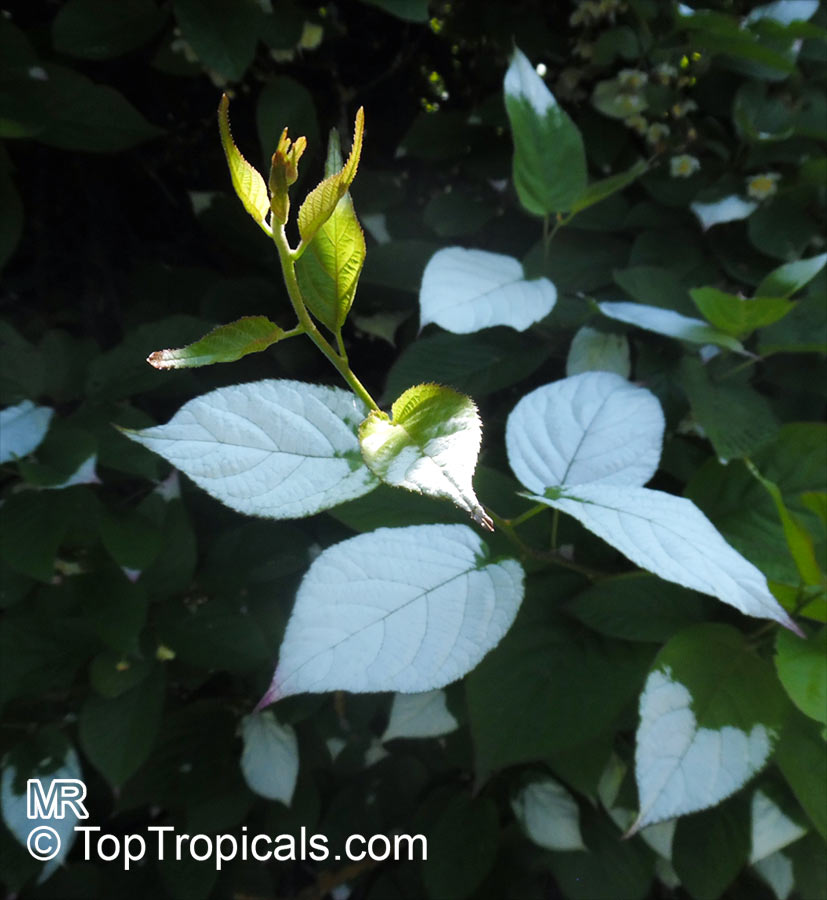
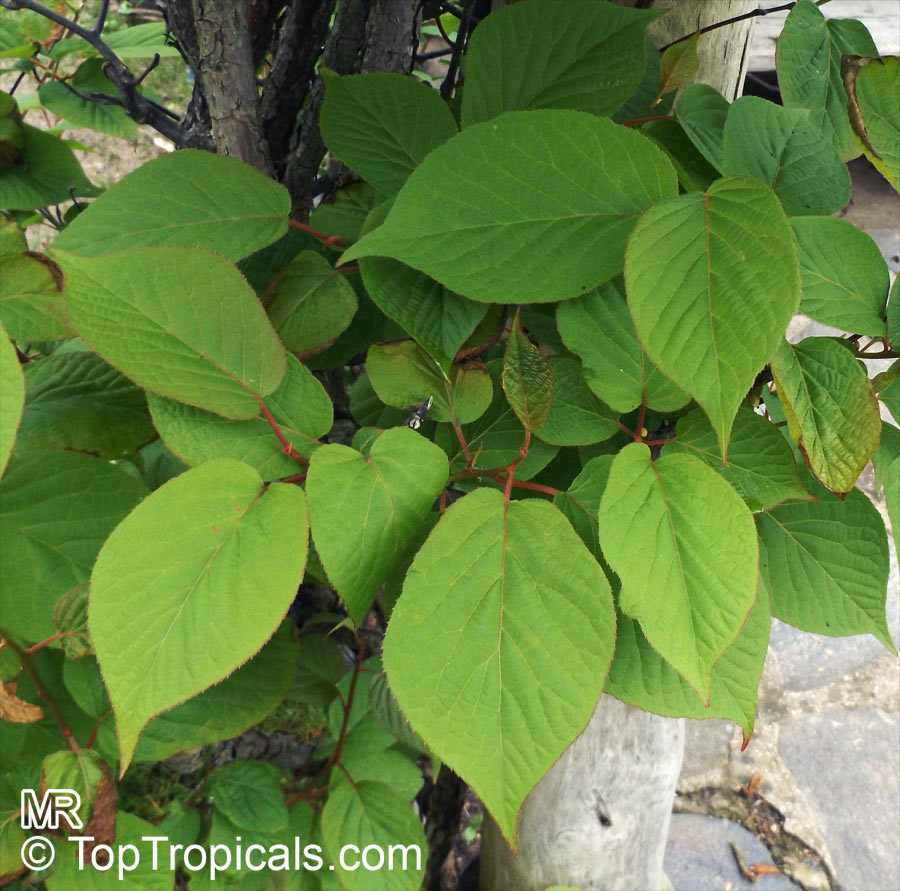
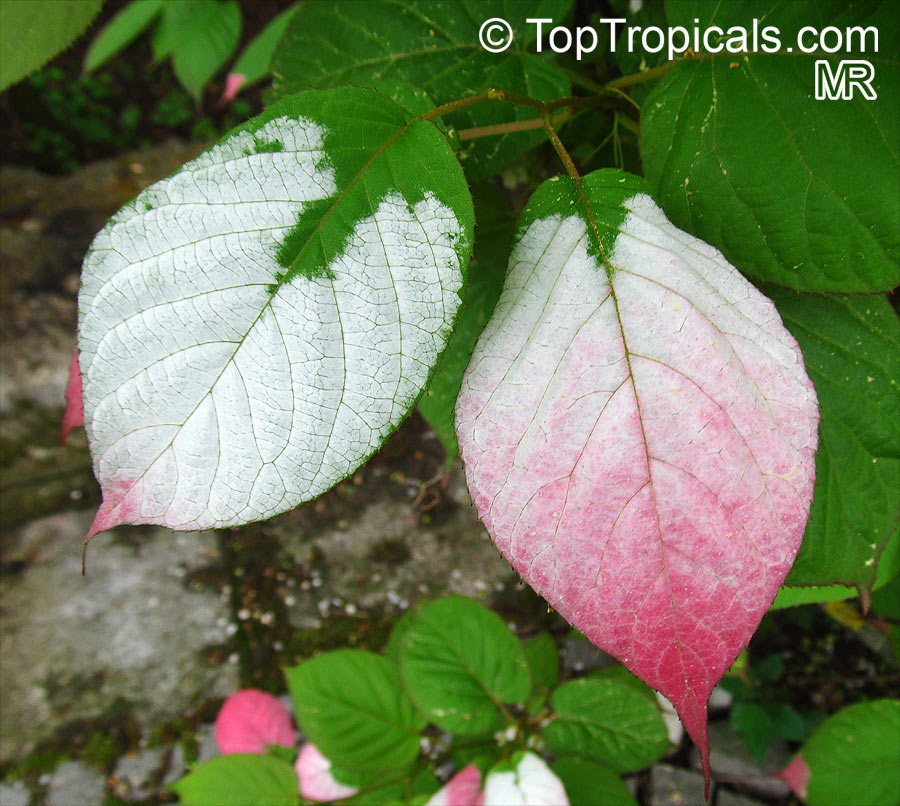
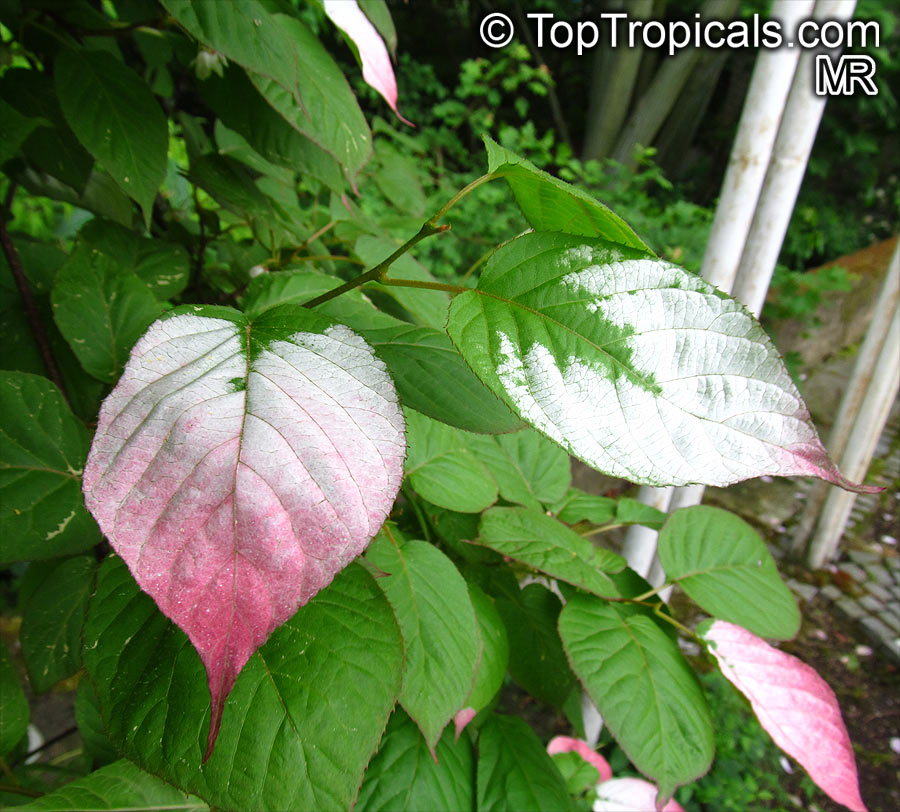
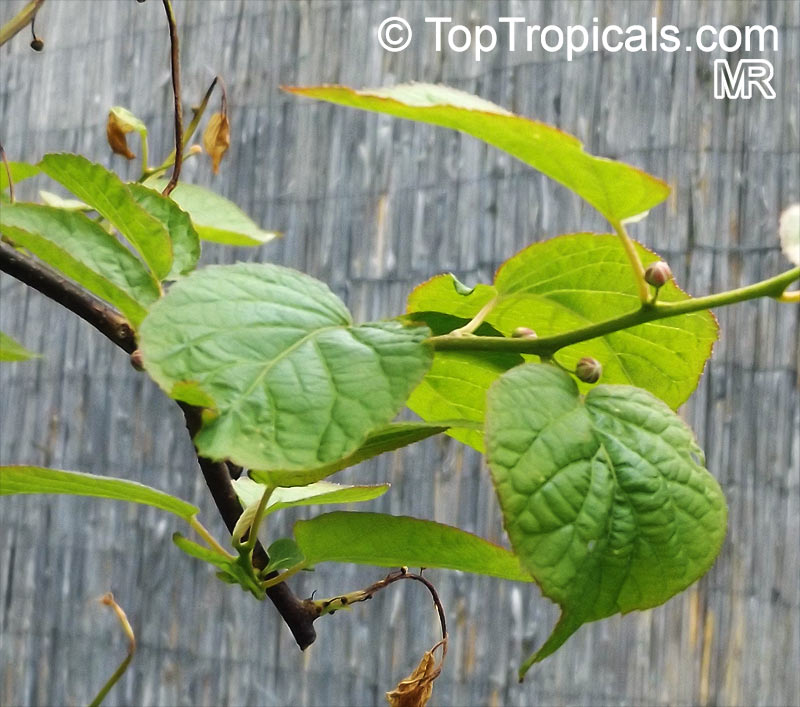
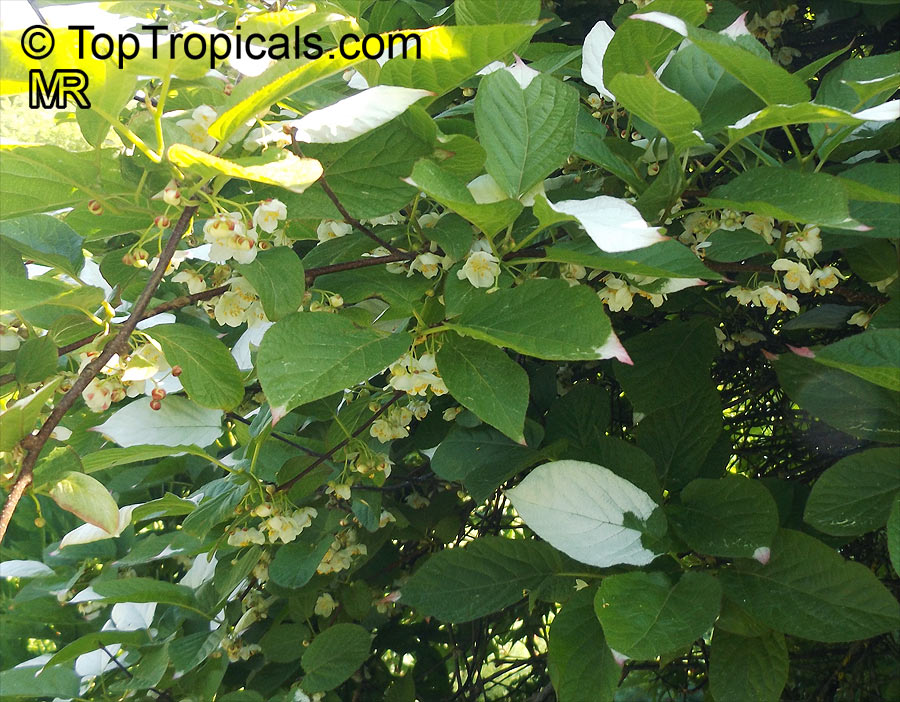
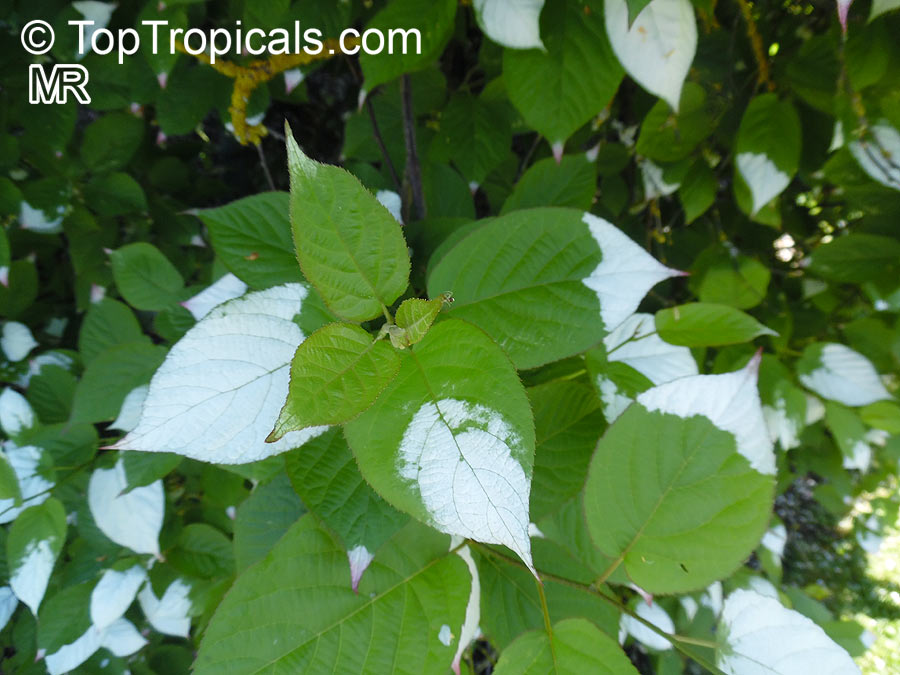
Actinidia kolomikta is a vine or creeper from the Actinidiaceae family, originating from East Asia. It has decorative foliage, with leaves turning red, pink and white in the fall. The leaves are green and creamy white and can be up to 4 inches long. It is a deciduous plant, which means it loses its leaves in the winter.
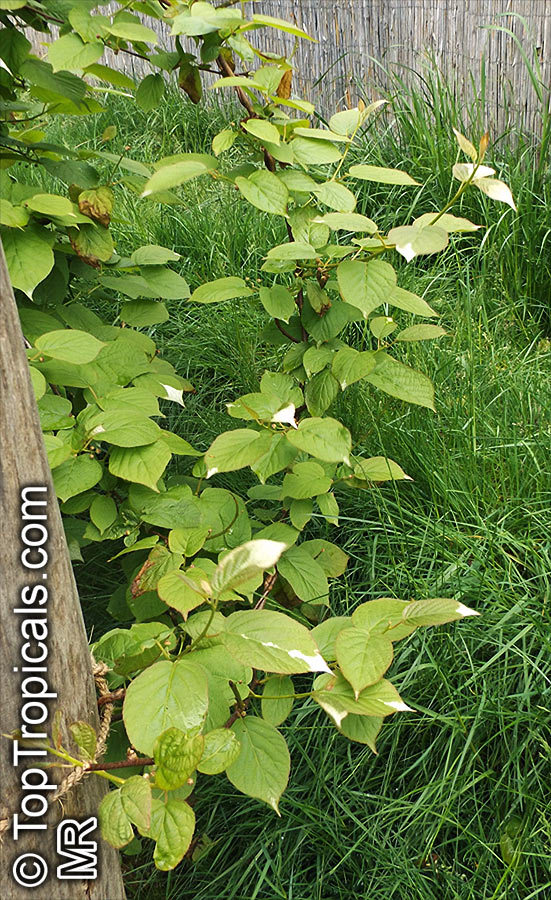
Actinidia kolomikta prefers semi-shade and regular water, but can tolerate moderate water. It is a fast growing plant, reaching up to 30 ft. It requires support to grow and climb, however it will not produce fruit without both a male and female plant. It is grown in USDA Zone 4-9.
The fruit of the Actinidia kolomikta is sweet and grape-sized, with a yellow or light orange skin. The green, juicy flesh has a light, sour flavor. It can be eaten fresh or cooked, and is a good source of Vitamin C, Vitamin A, and dietary fibers. The fruit can also be used to make jams and jellies. A mature plant can produce up to 100 fruits per season, depending on the care and conditions.
Actinidia kolomikta is an edible, ornamental plant that is easy to care for and can provide a good harvest of sweet, juicy fruit.
Botanical names: Cordyline fruticosa, Cordyline terminalis
Common name: Hawaiian Ti Leaf
Family: Asparagaceae (Formerly:Laxmanniaceae)
Subfamily: Lomandroideae
Origin: Eastern Asia to Polynesia
USDA Zone: 10-11
Cold tolerance: 30°F


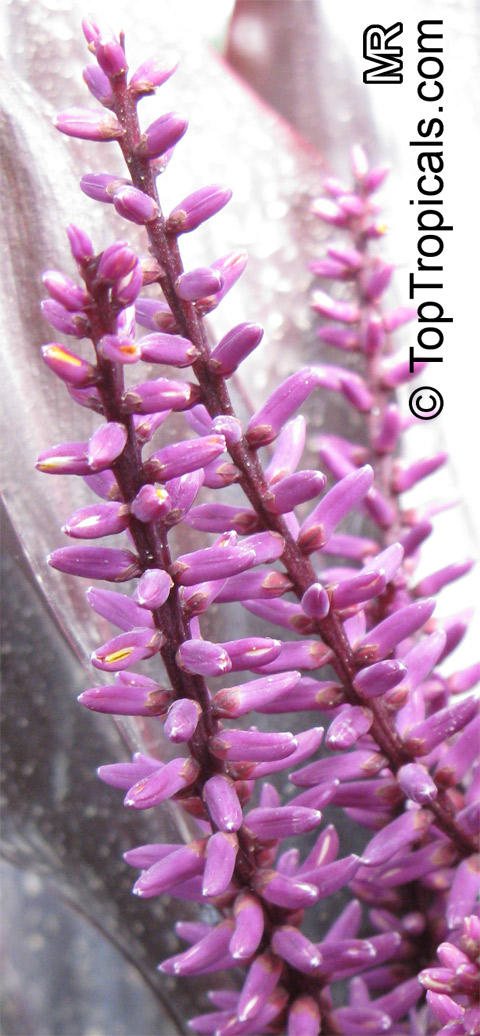
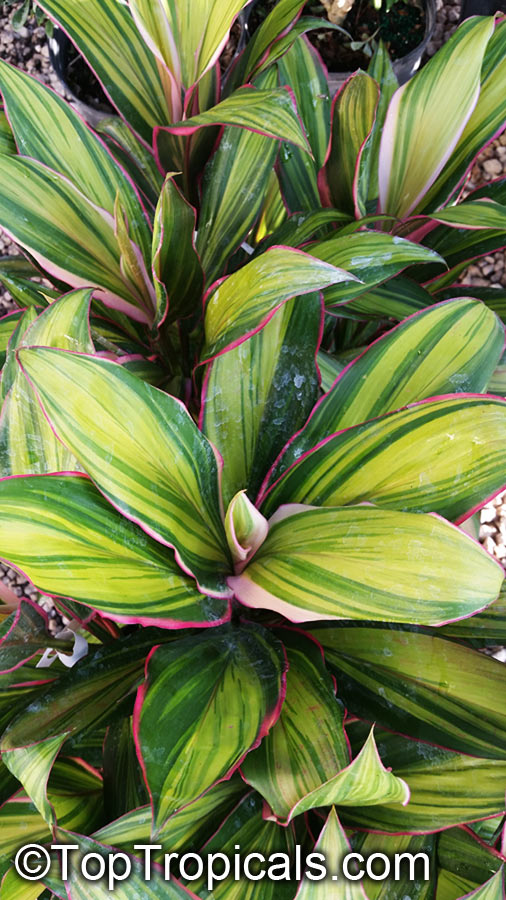
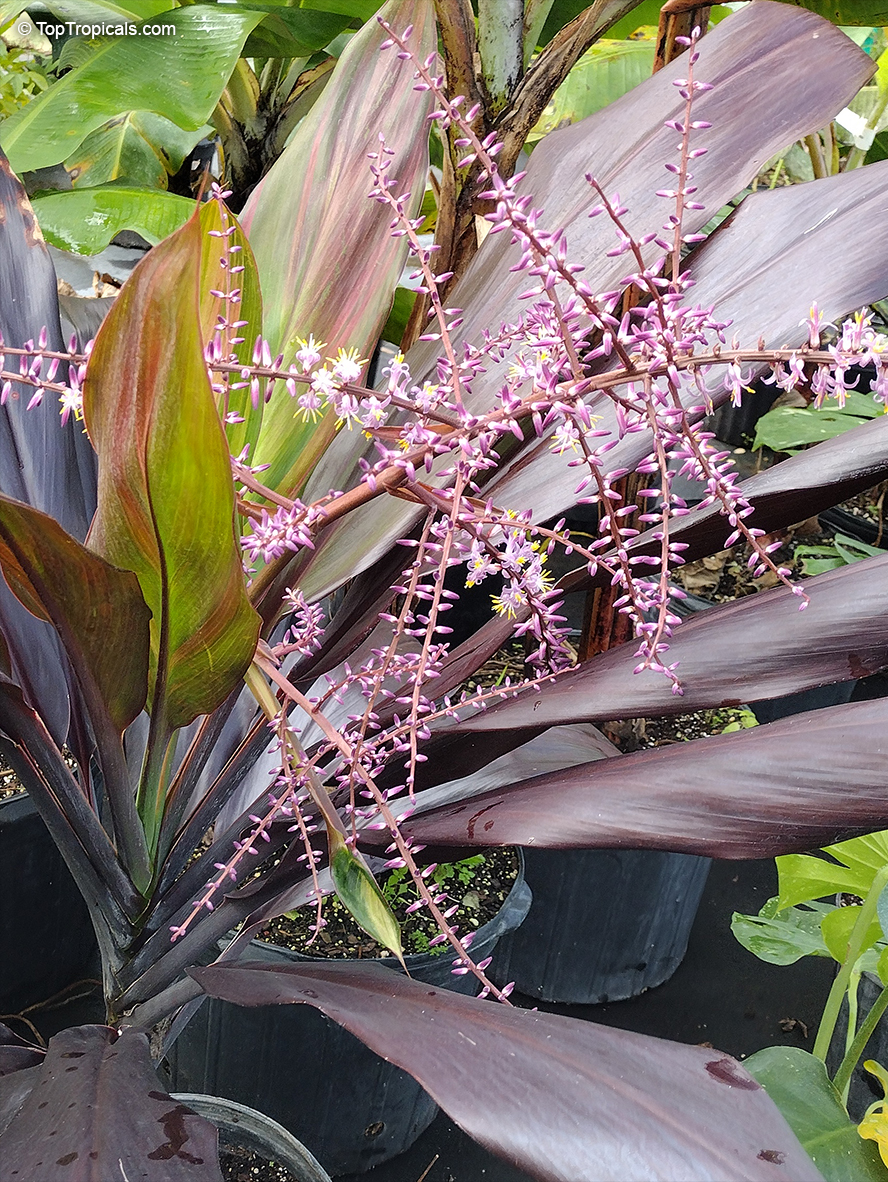
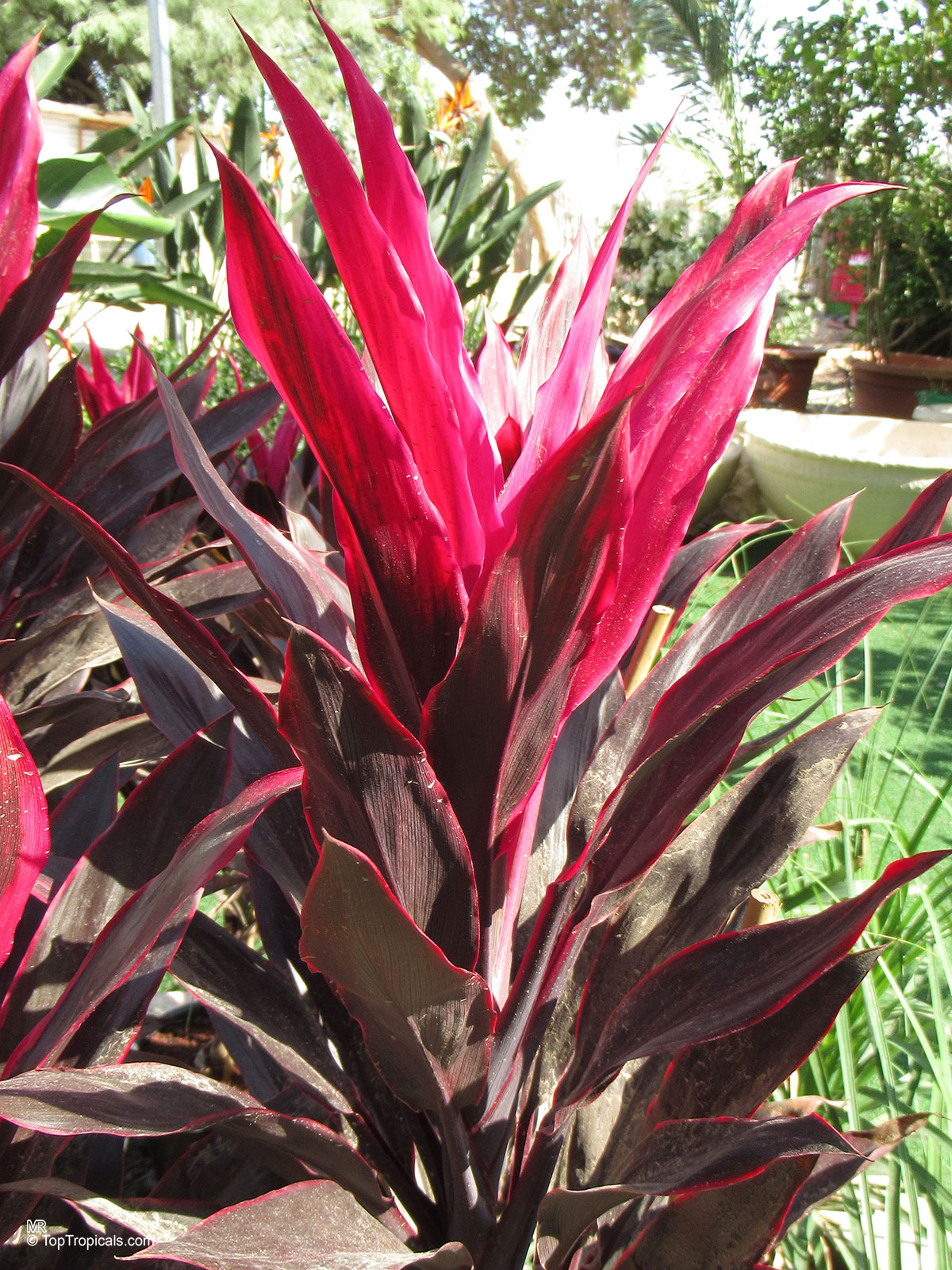
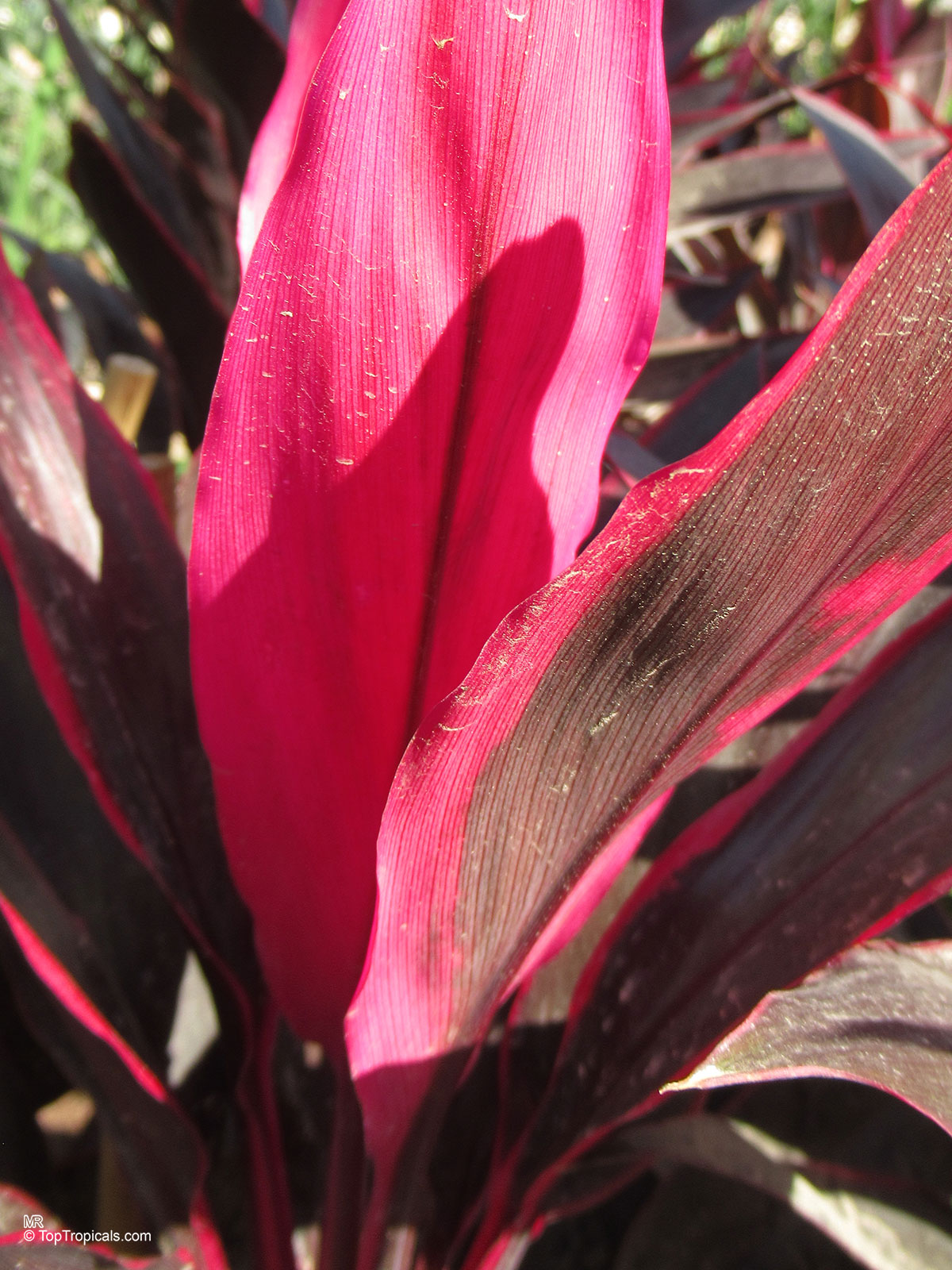
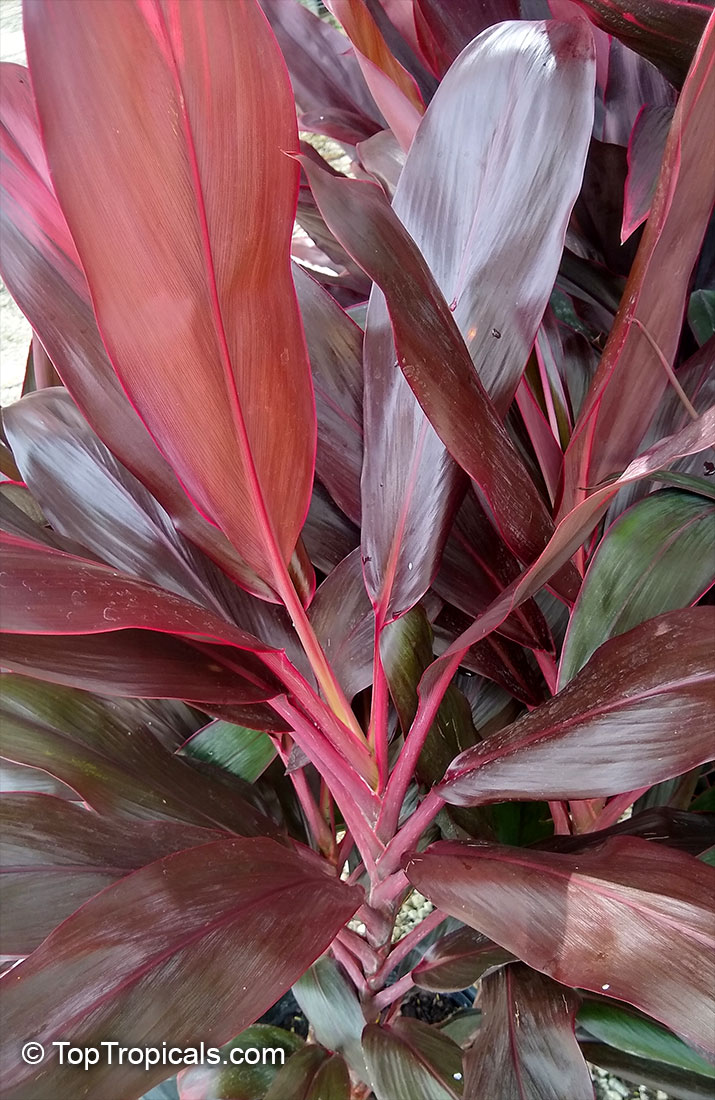
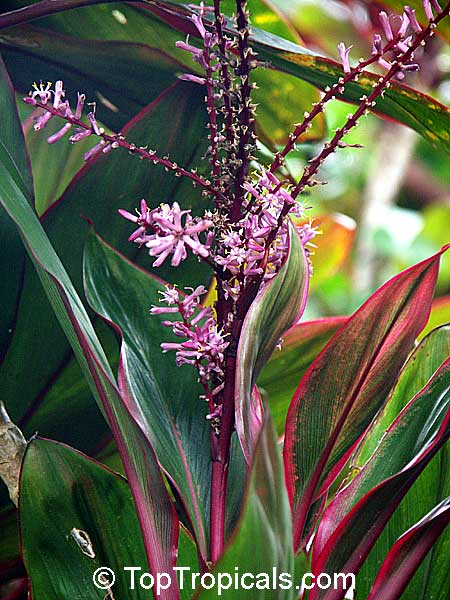
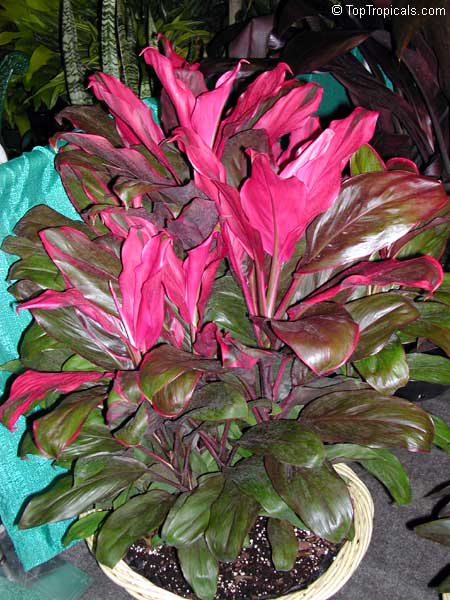
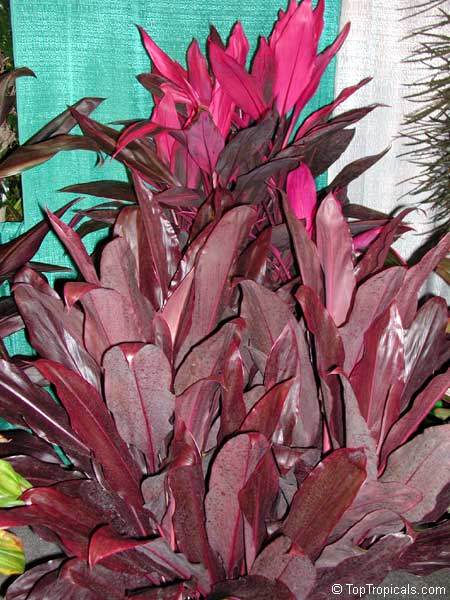
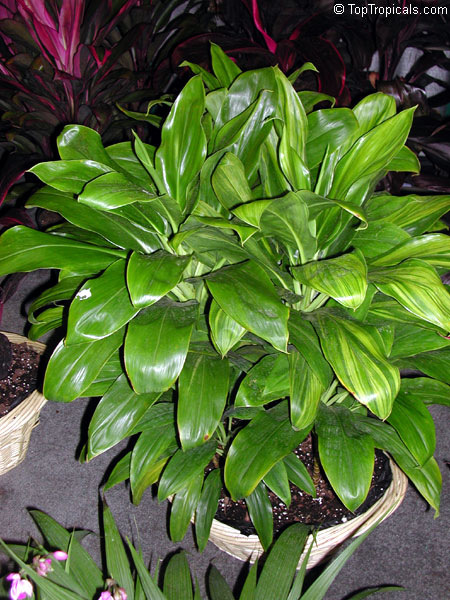
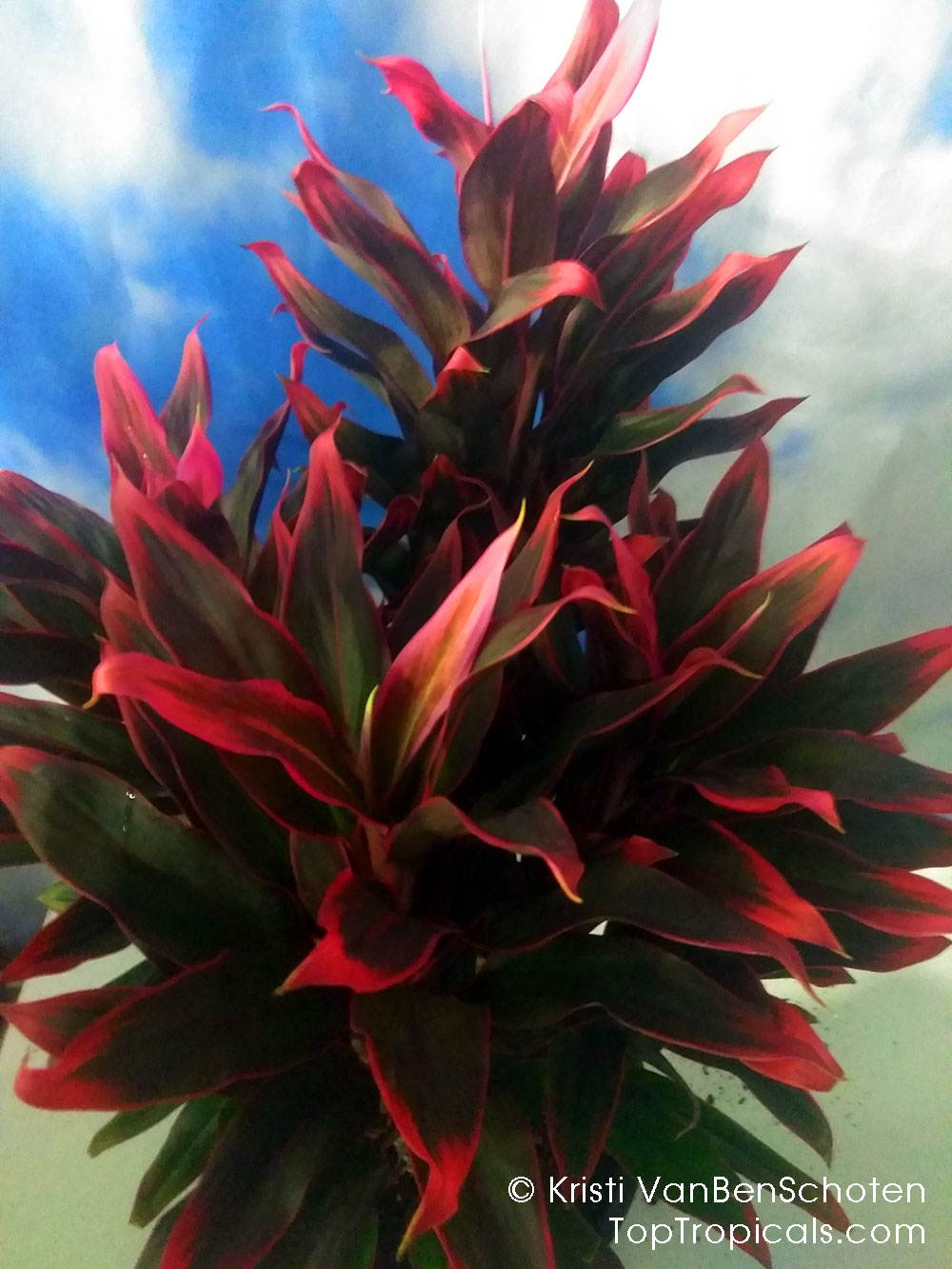
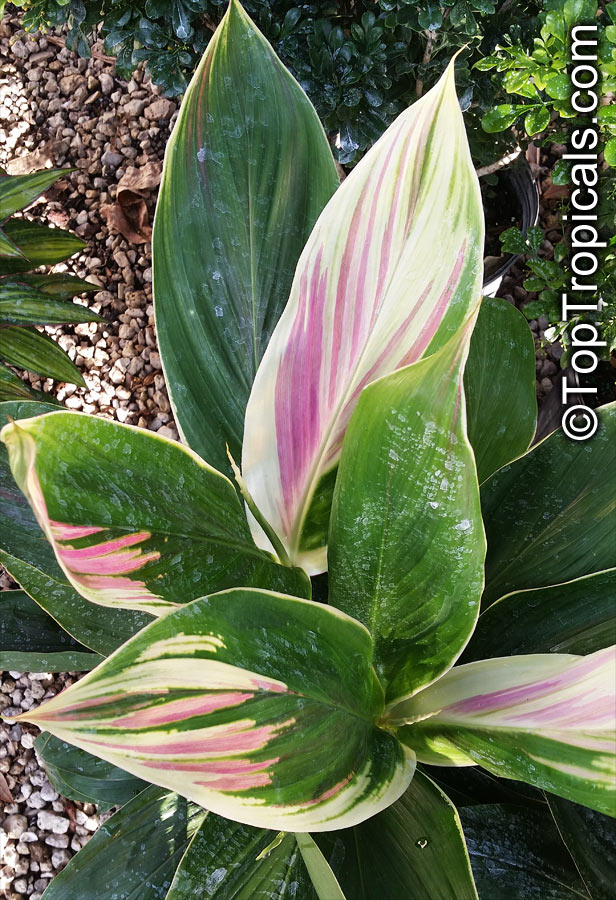
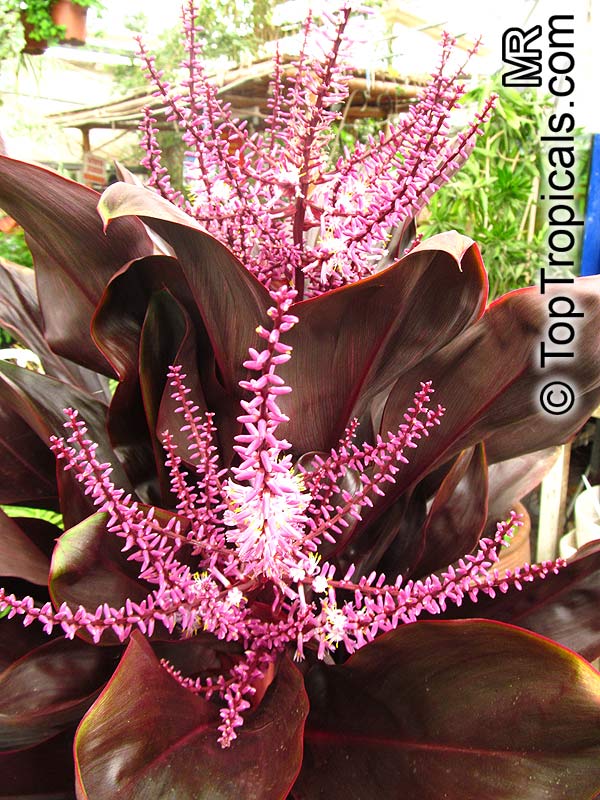
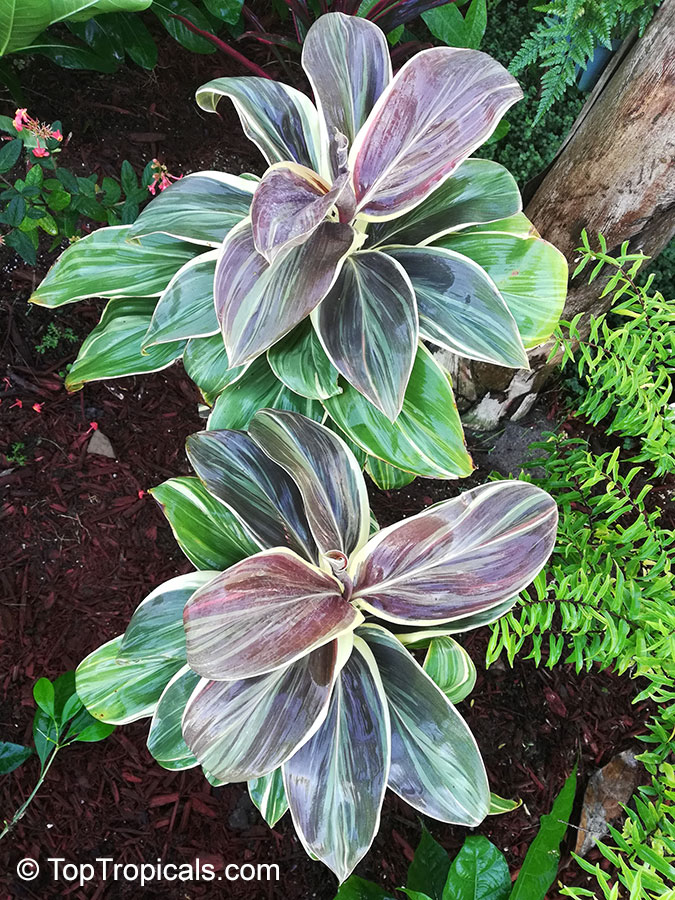
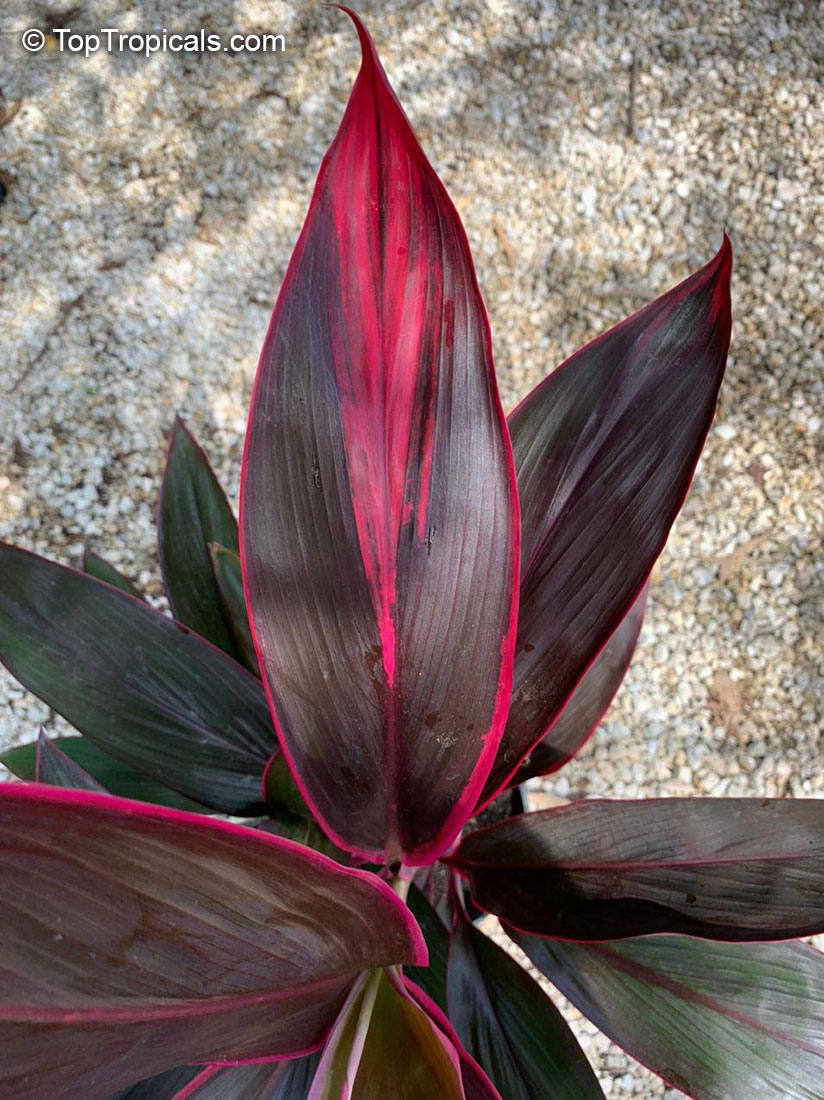
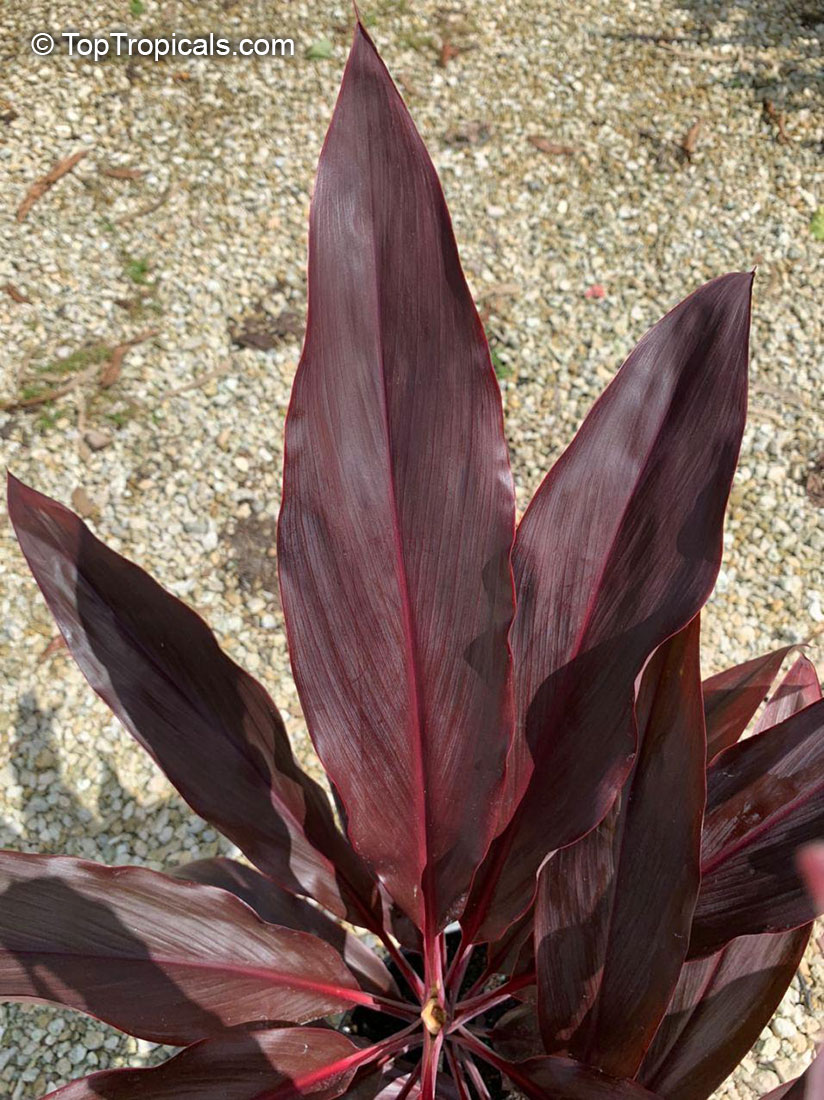
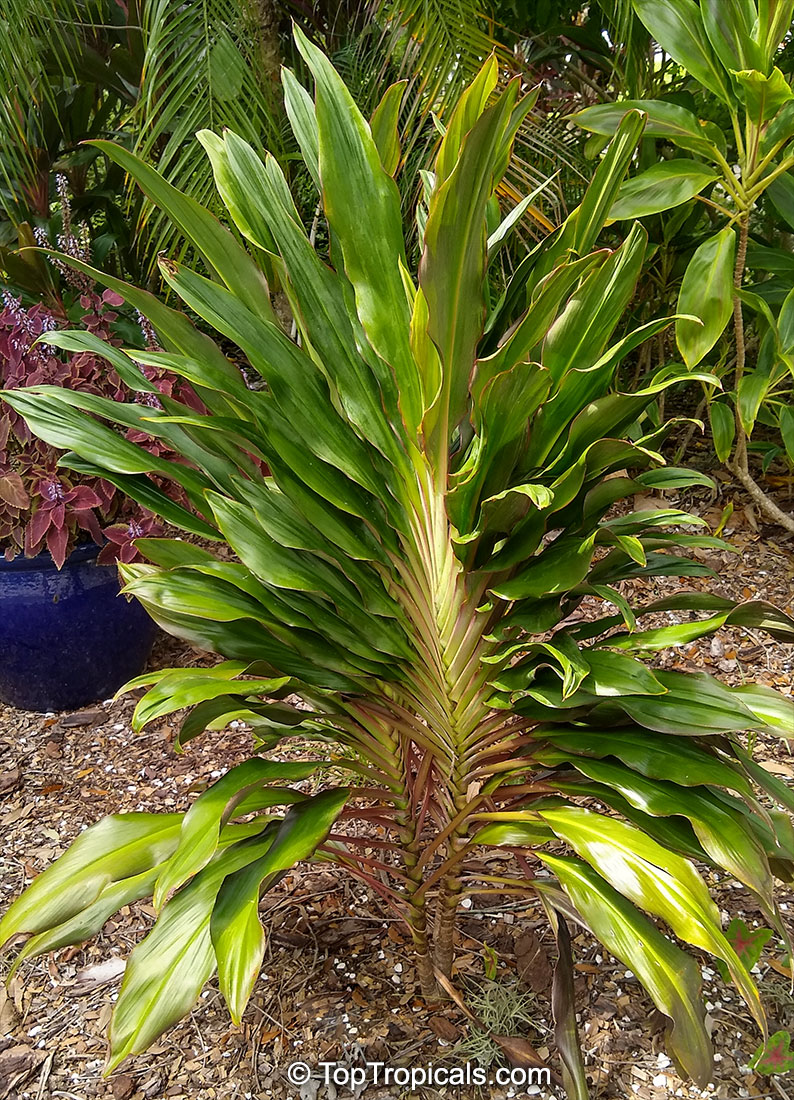
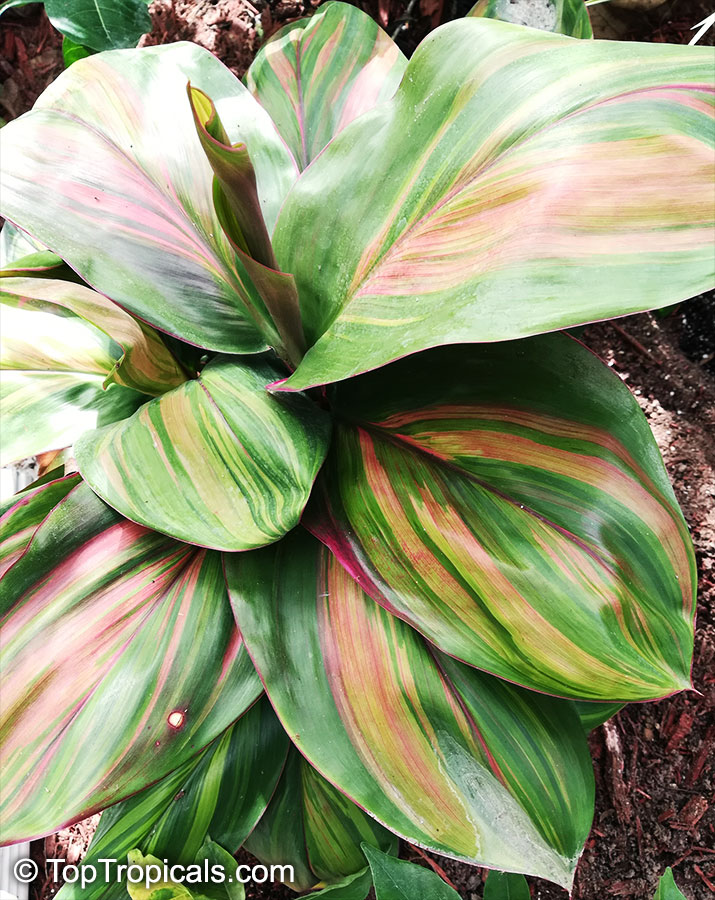
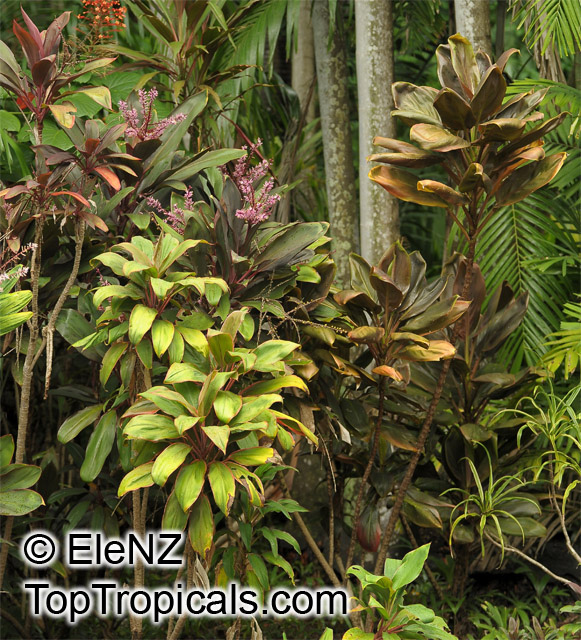
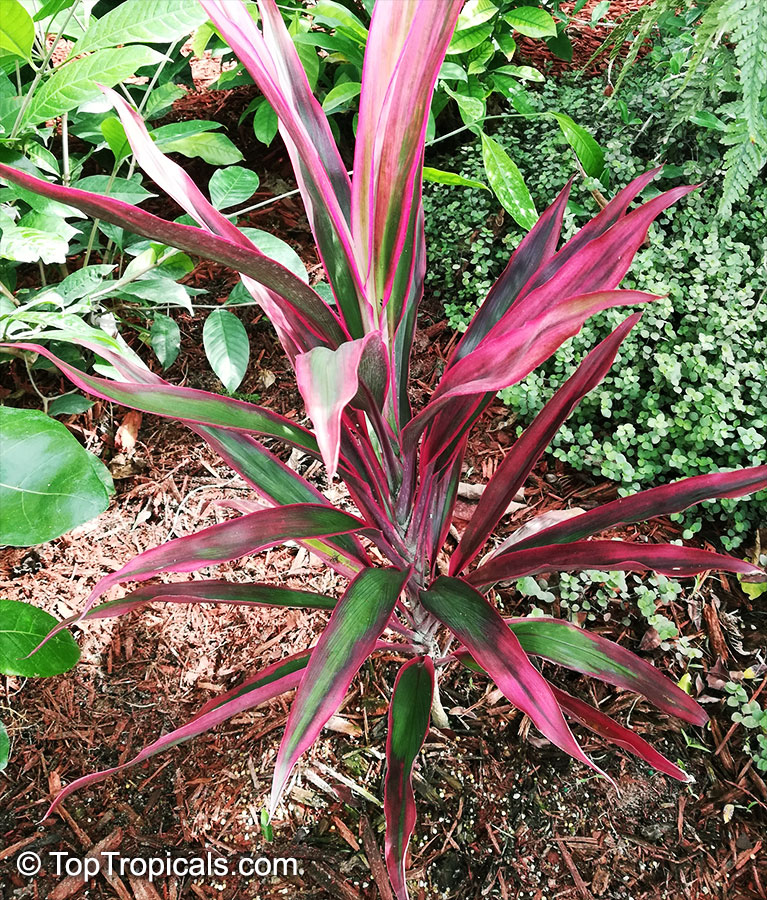
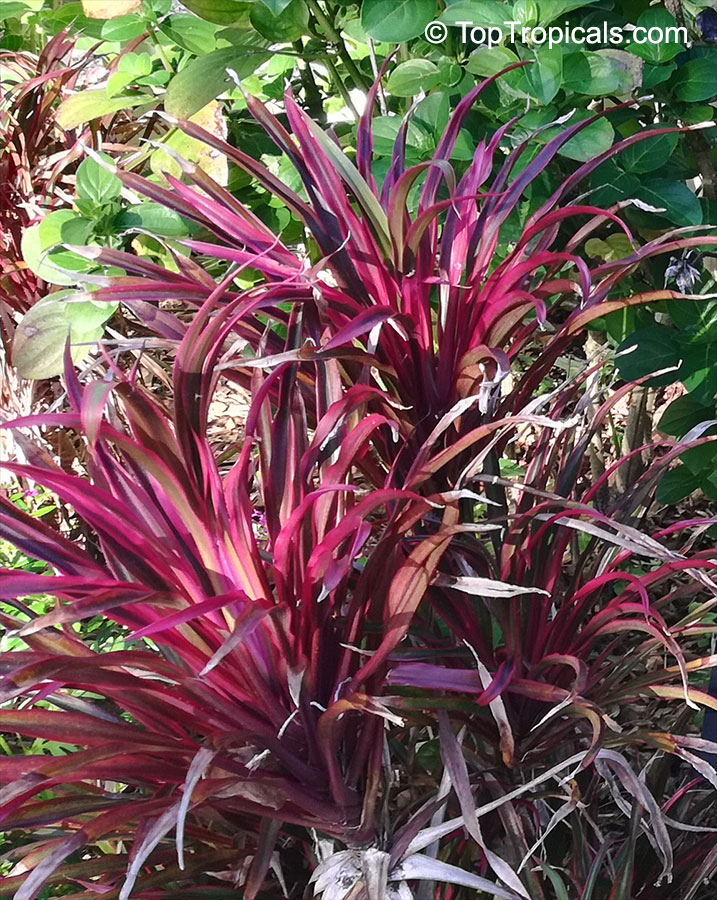
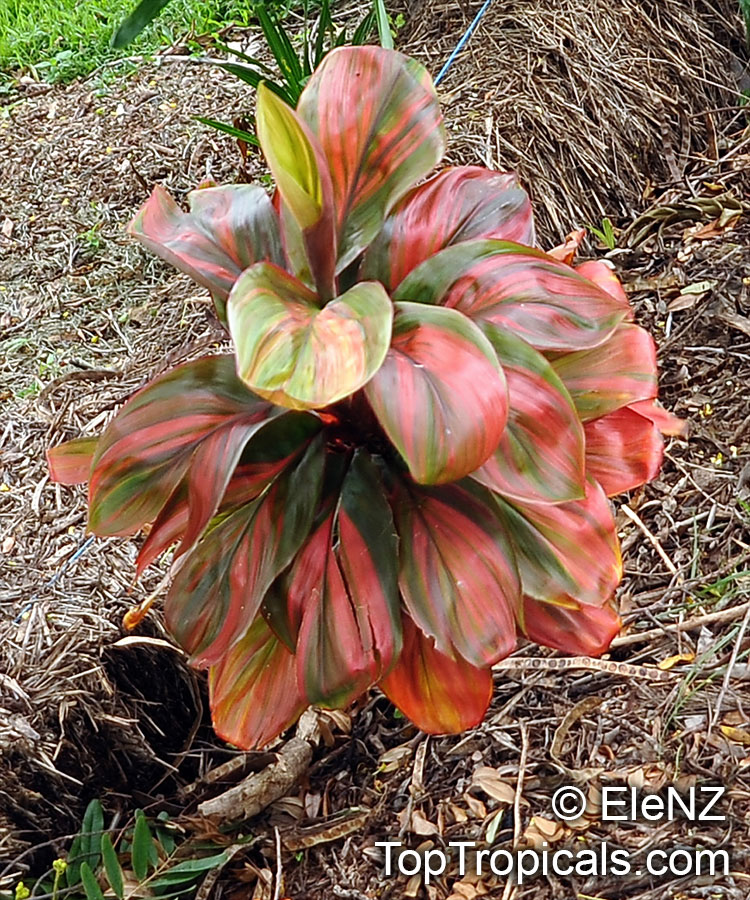
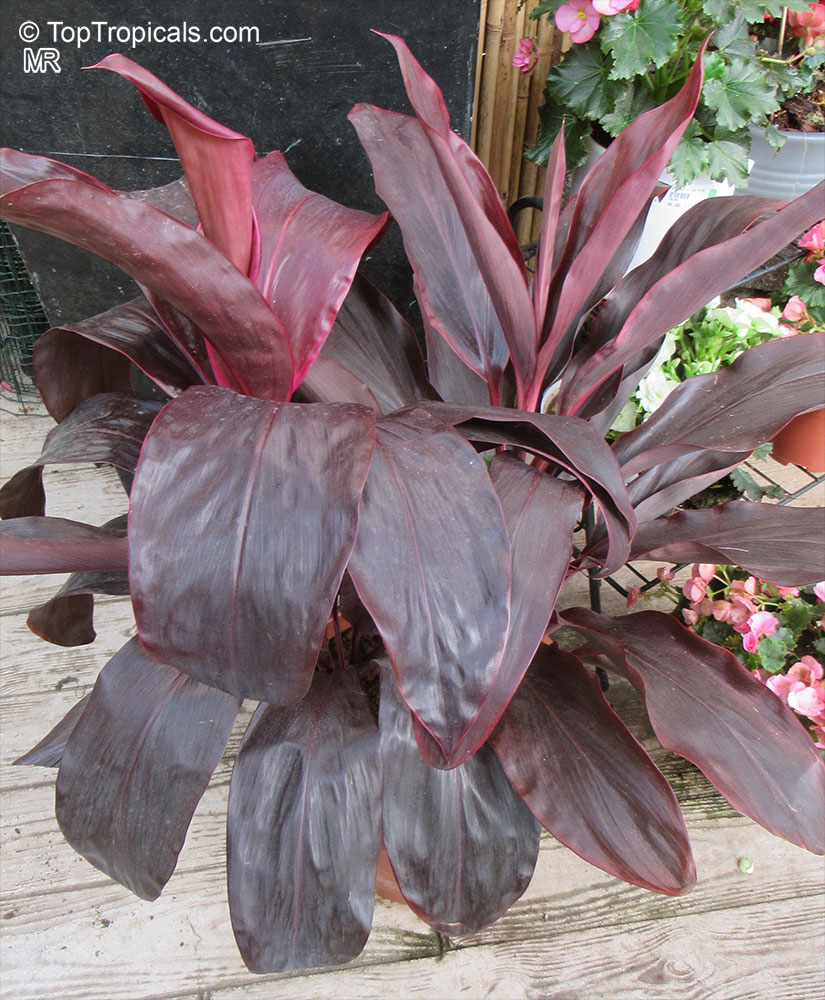
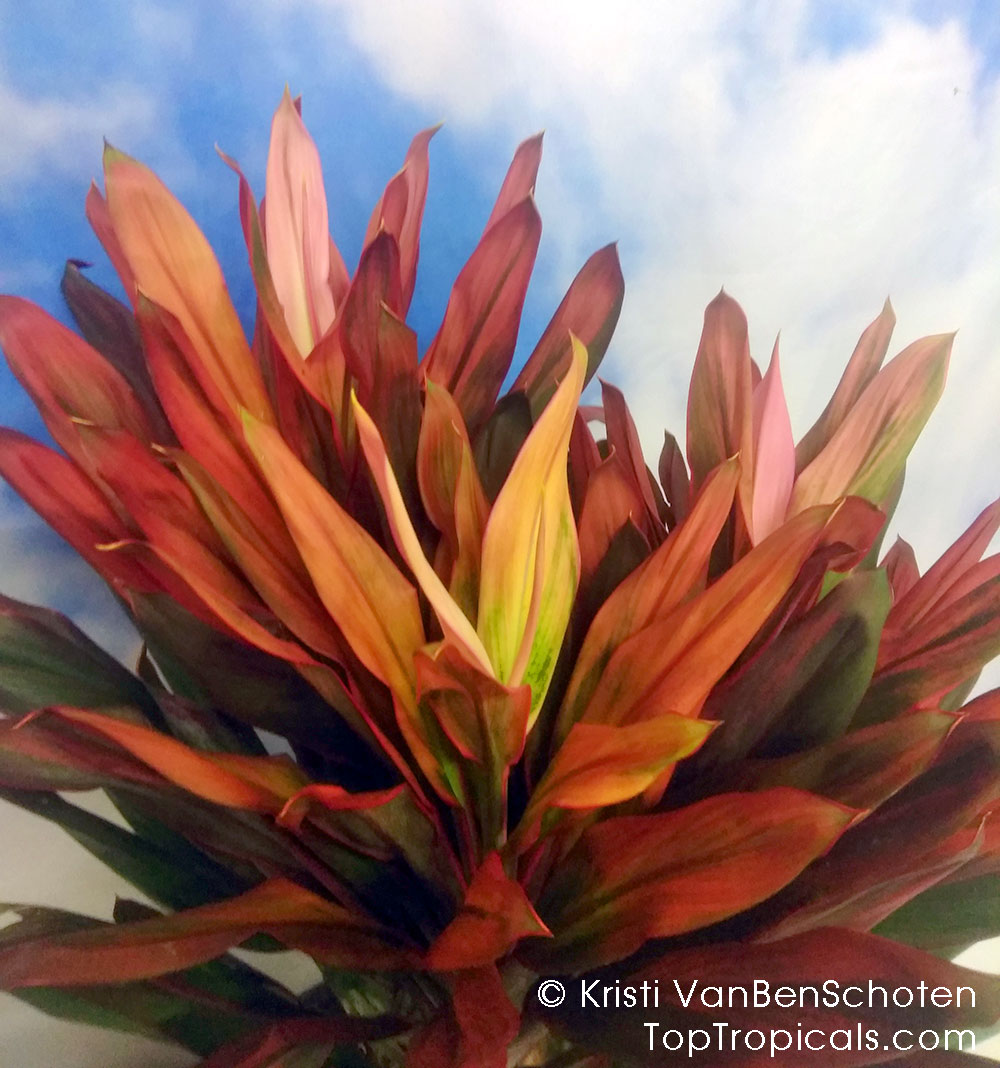
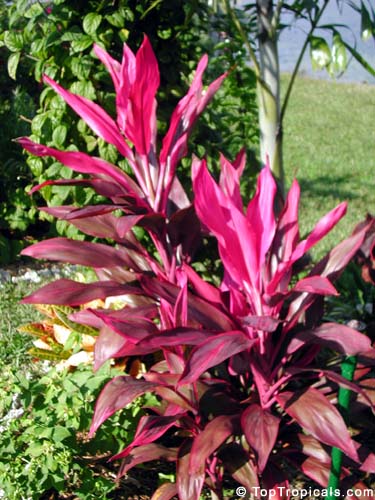
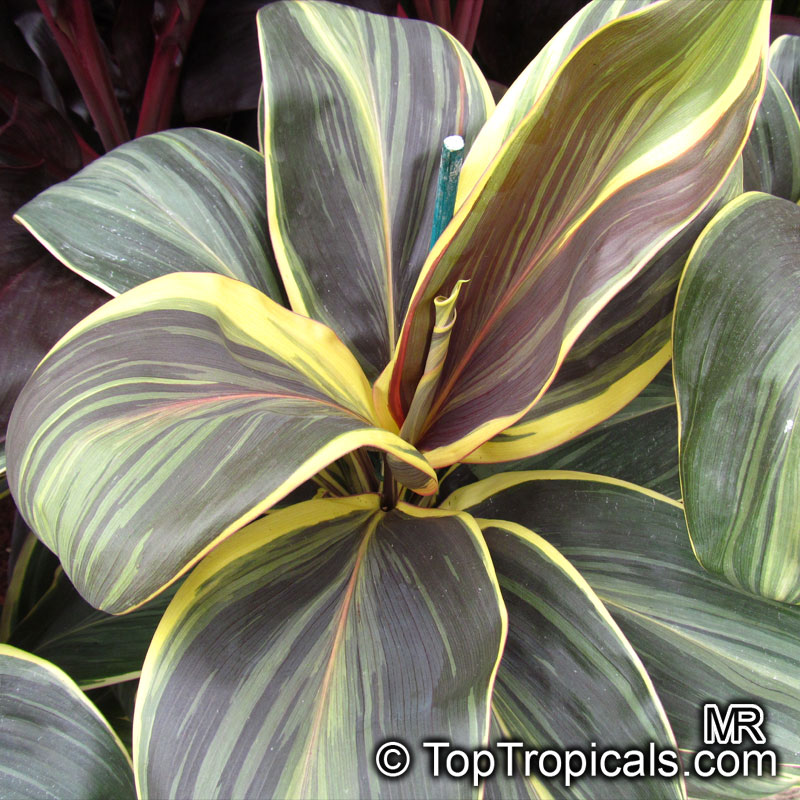
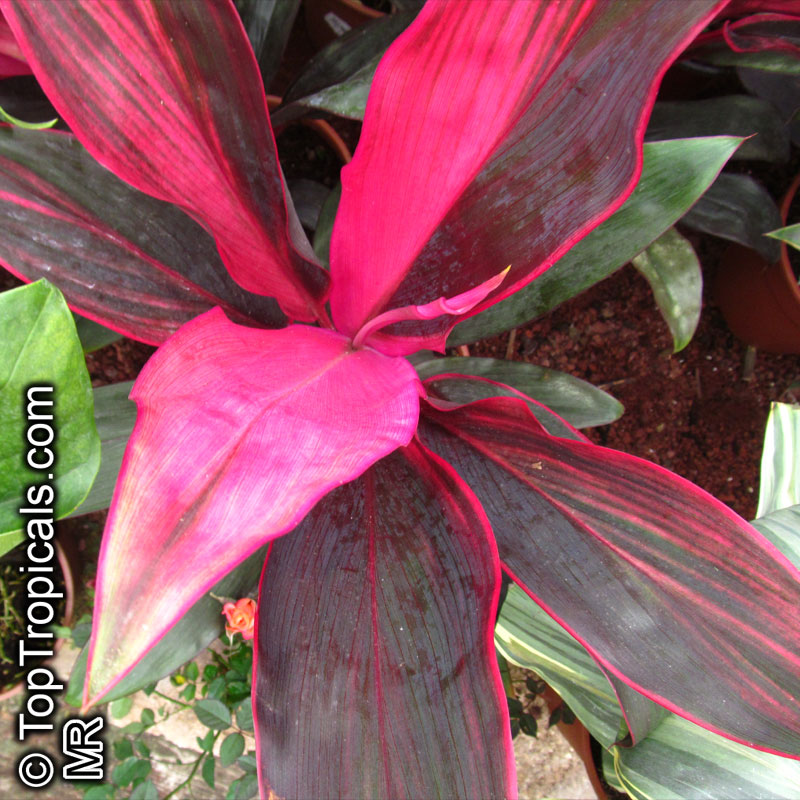
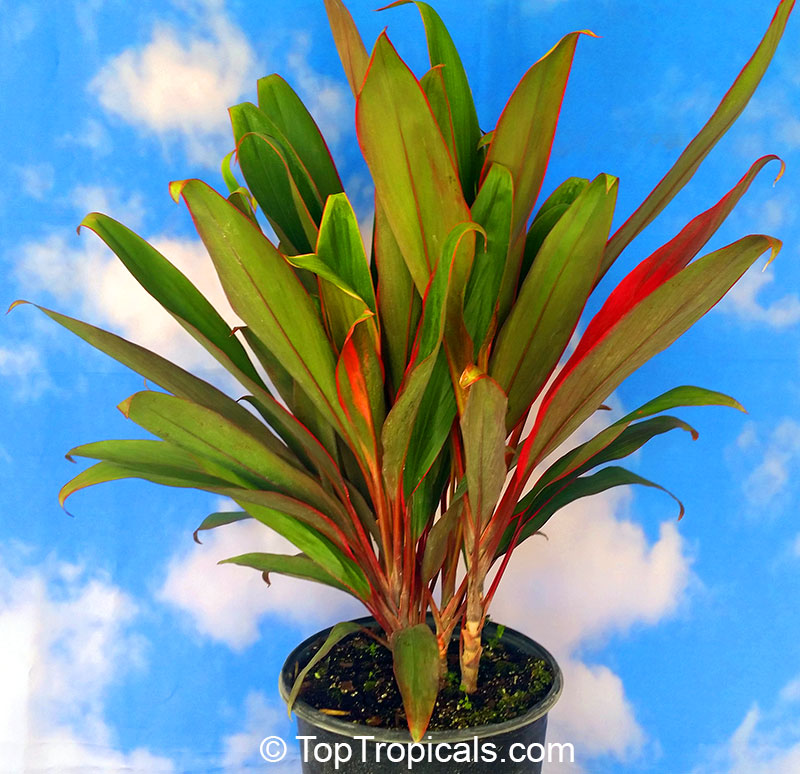
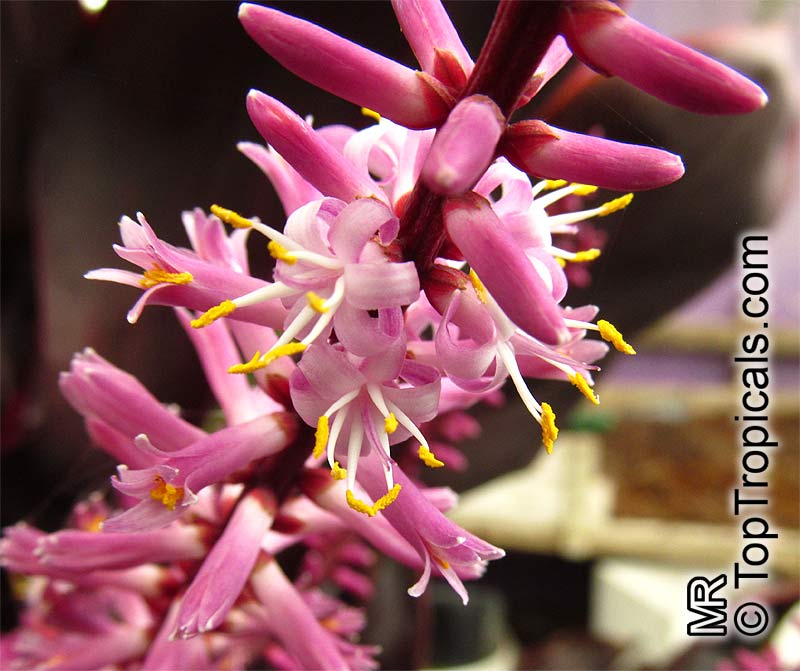
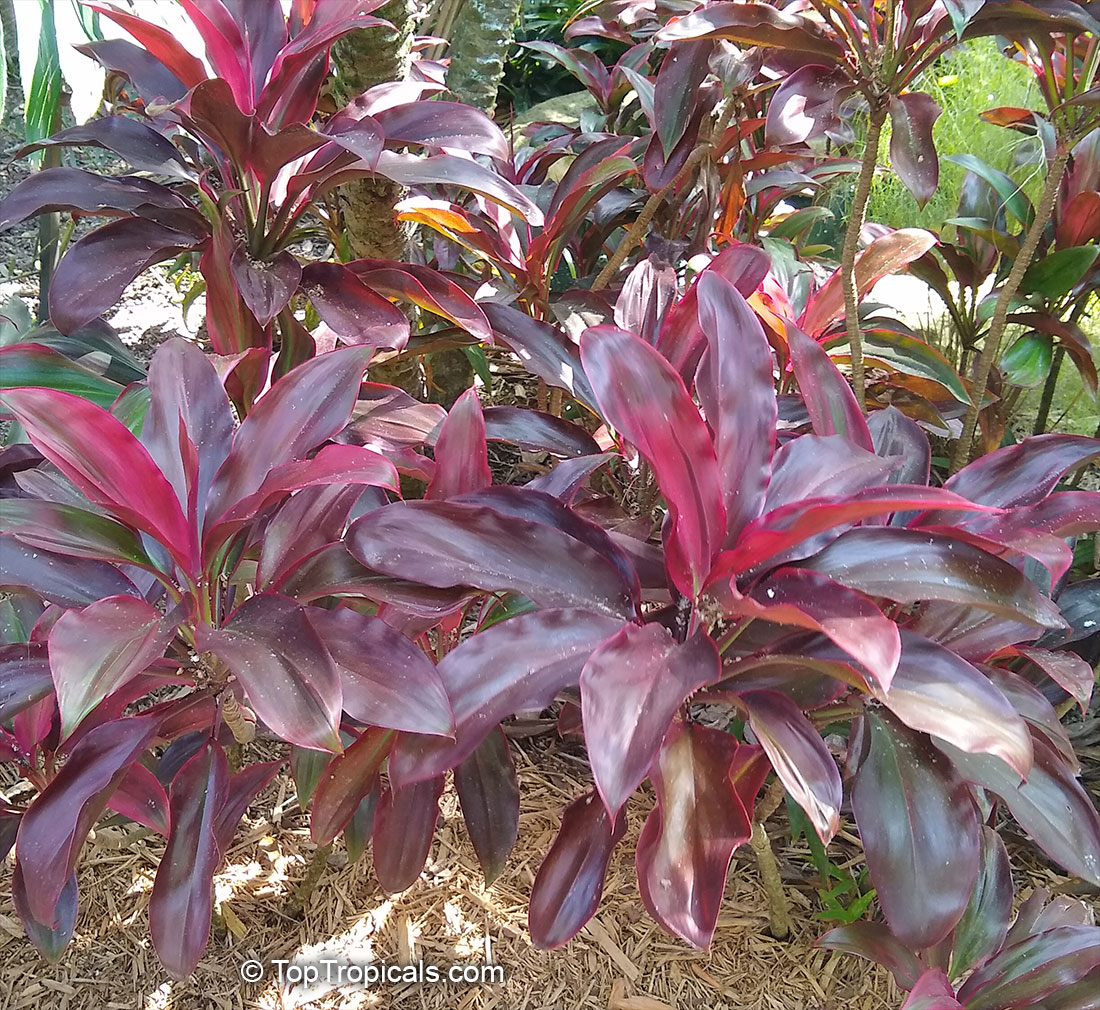
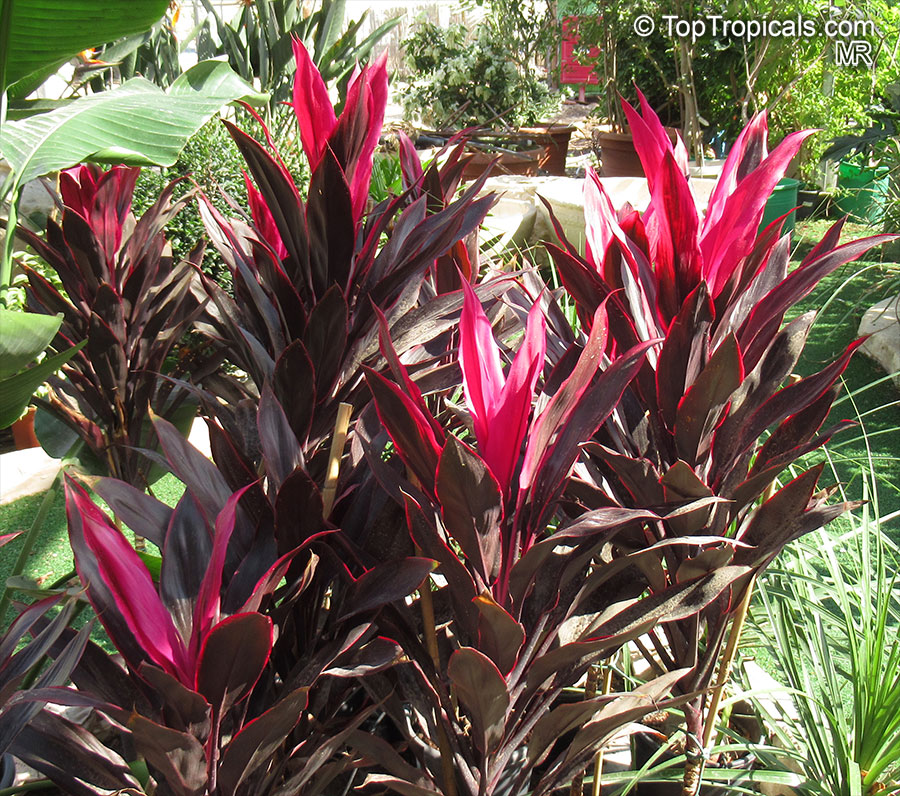
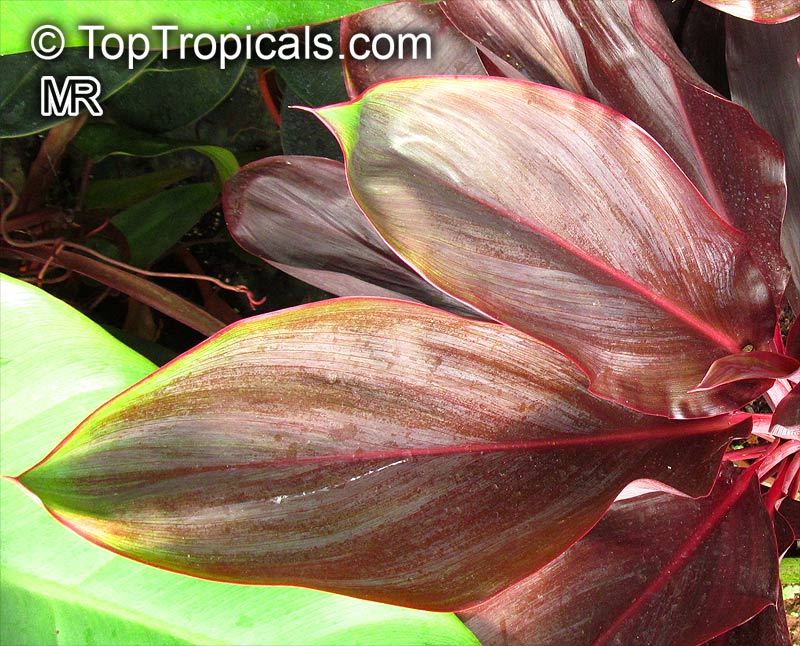
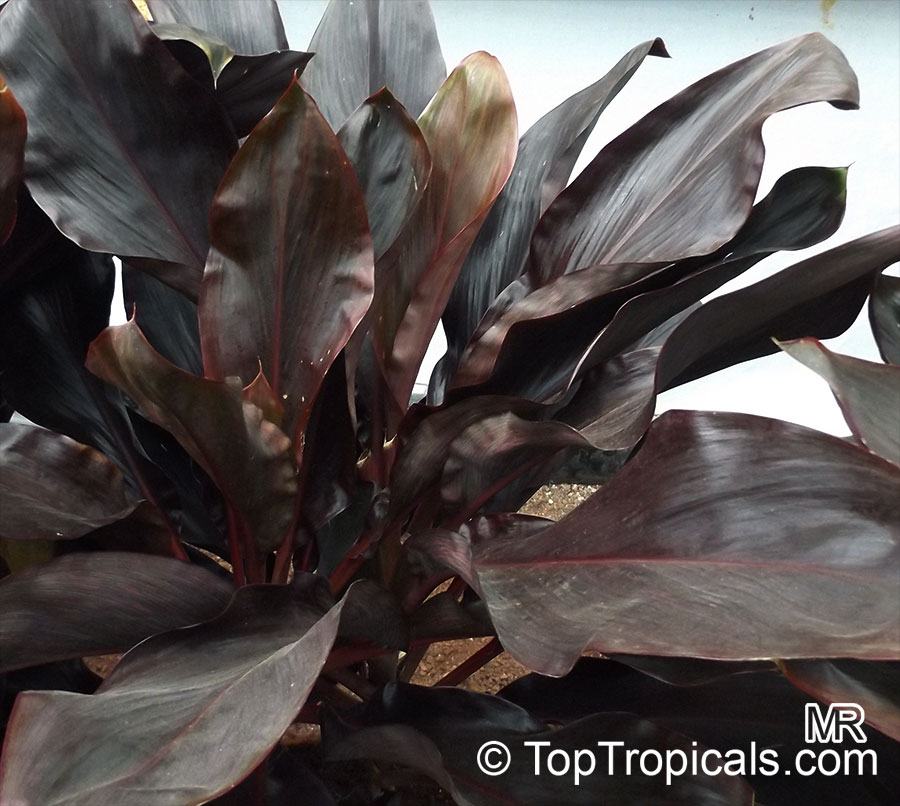
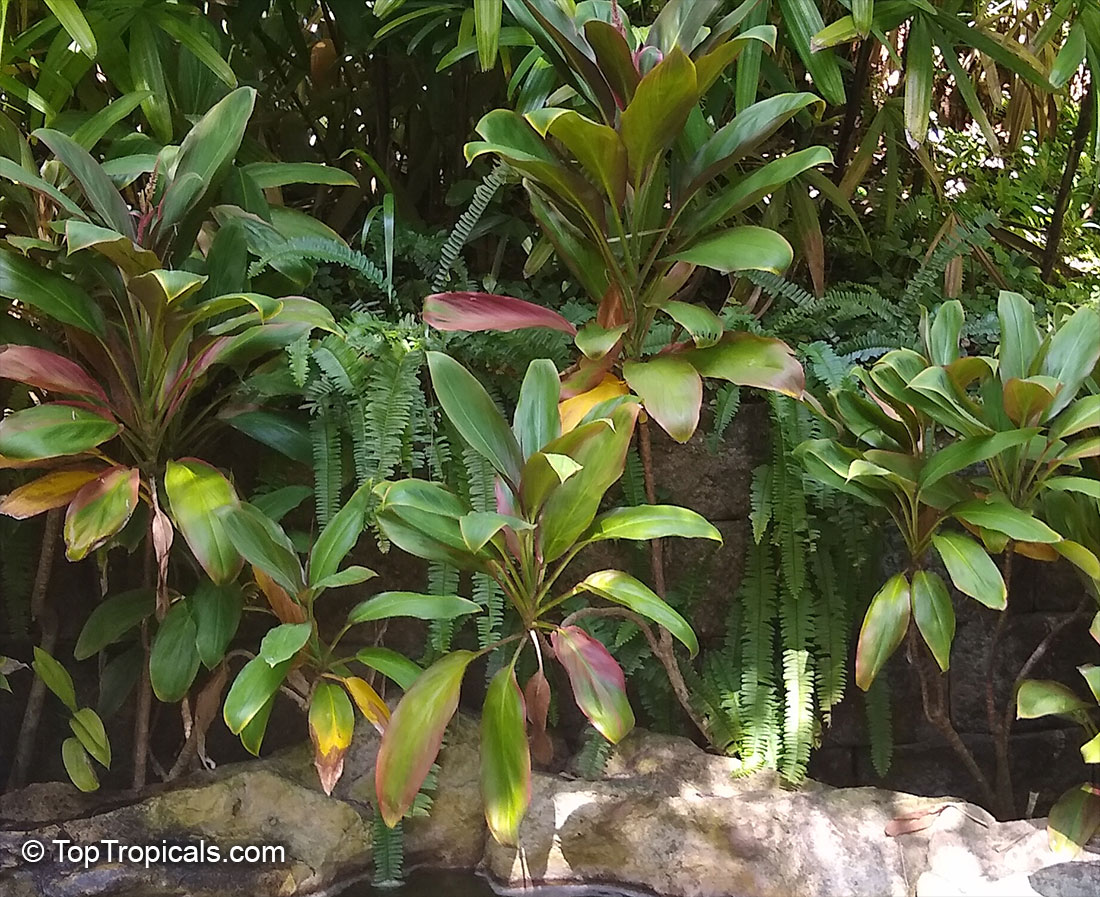
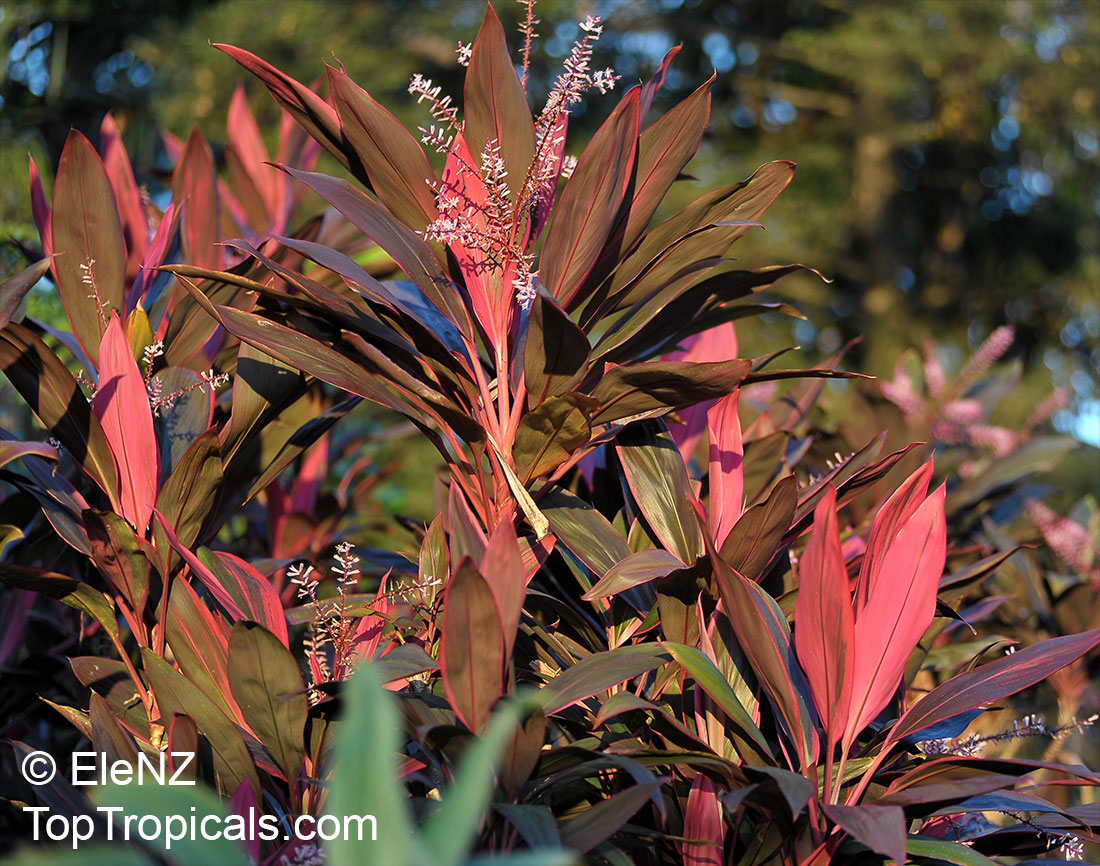
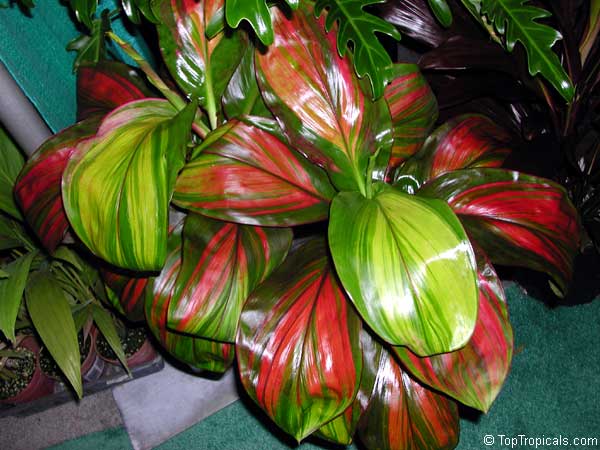
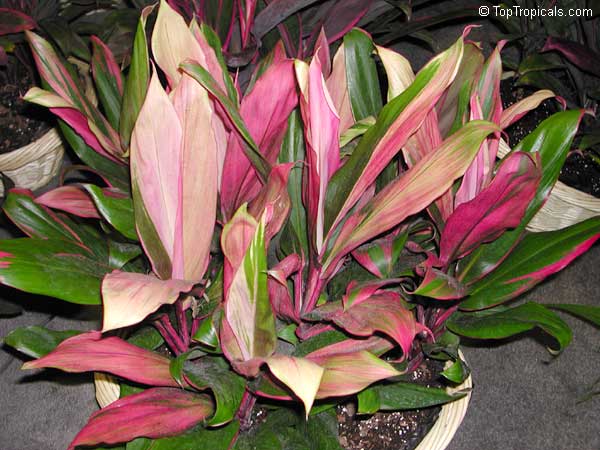
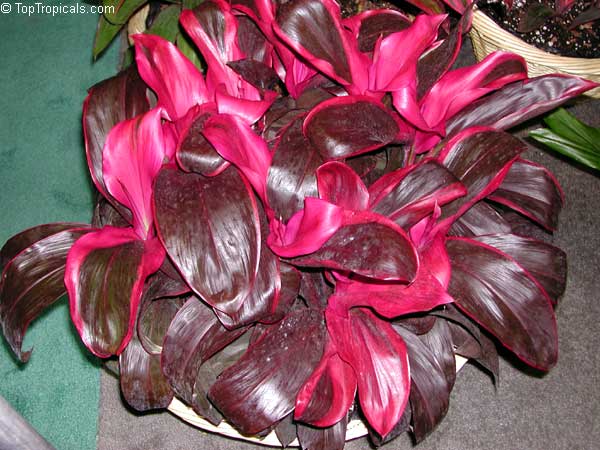
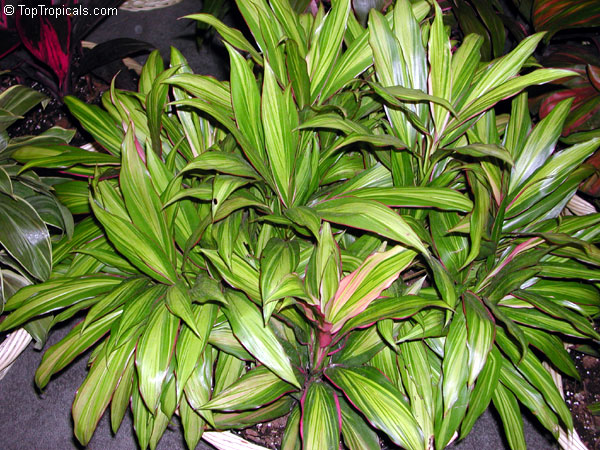
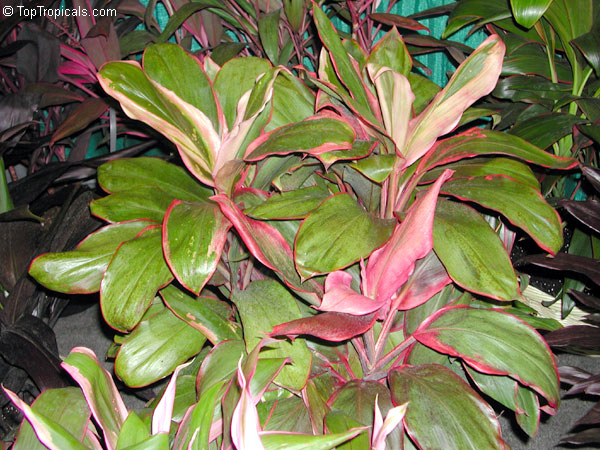
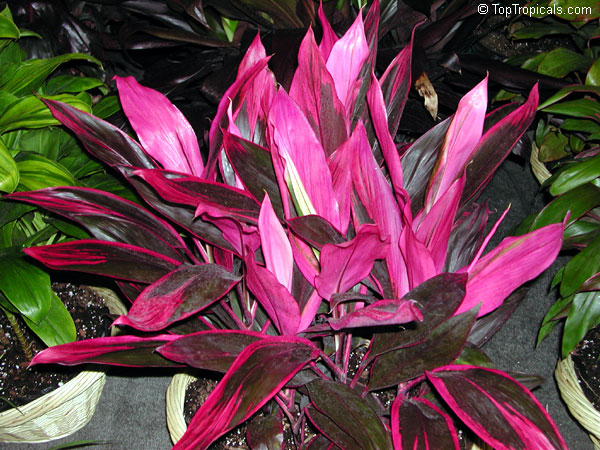
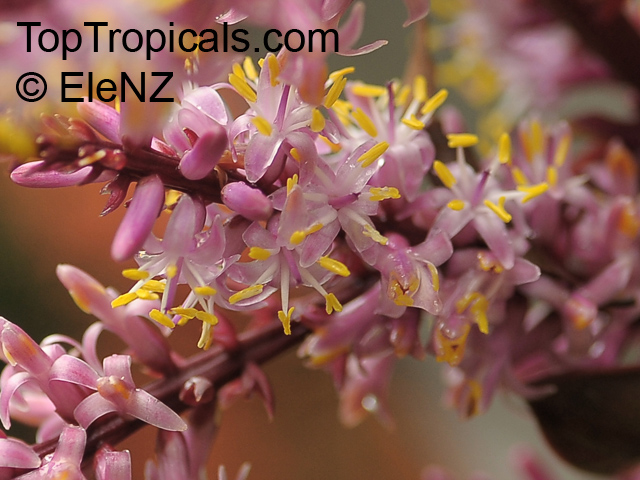
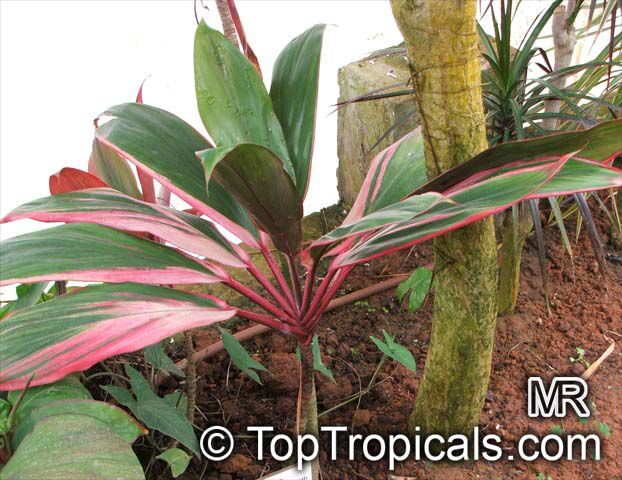
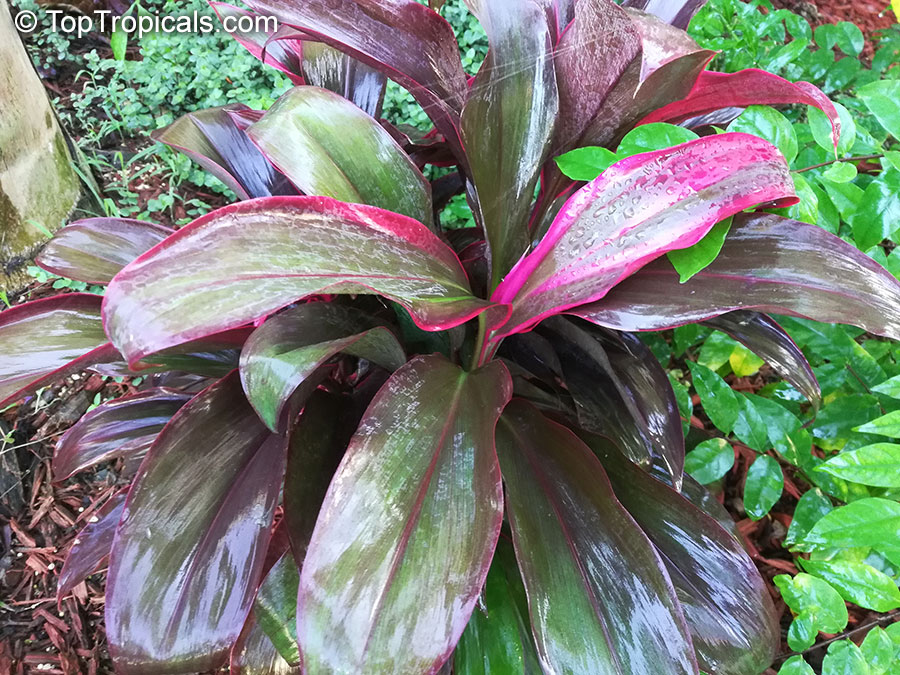
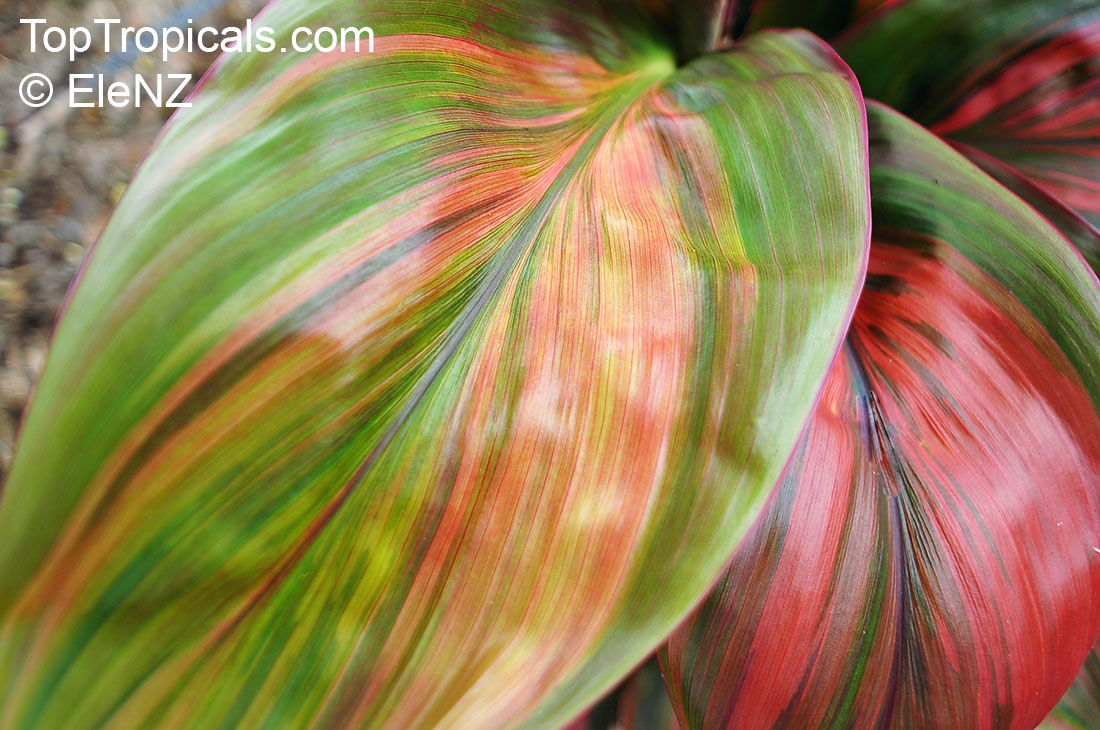
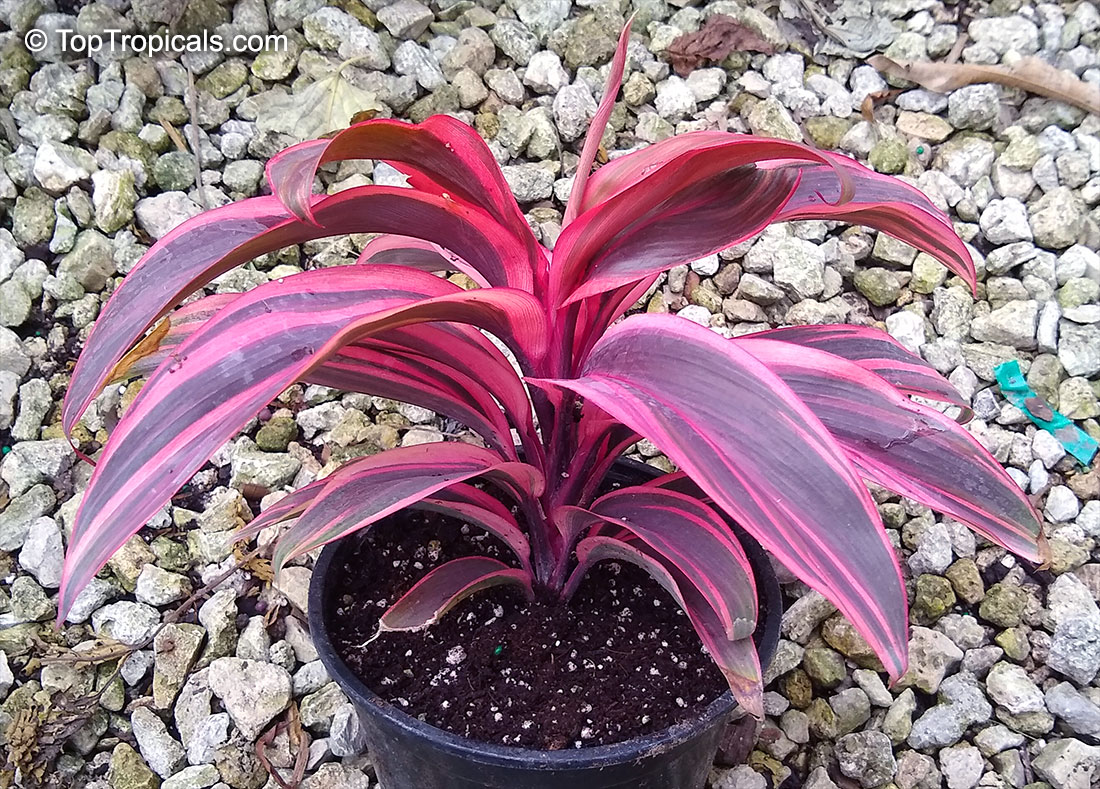
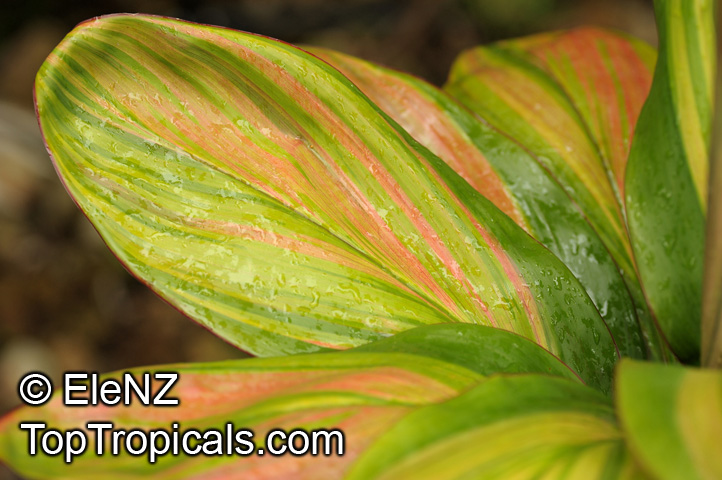
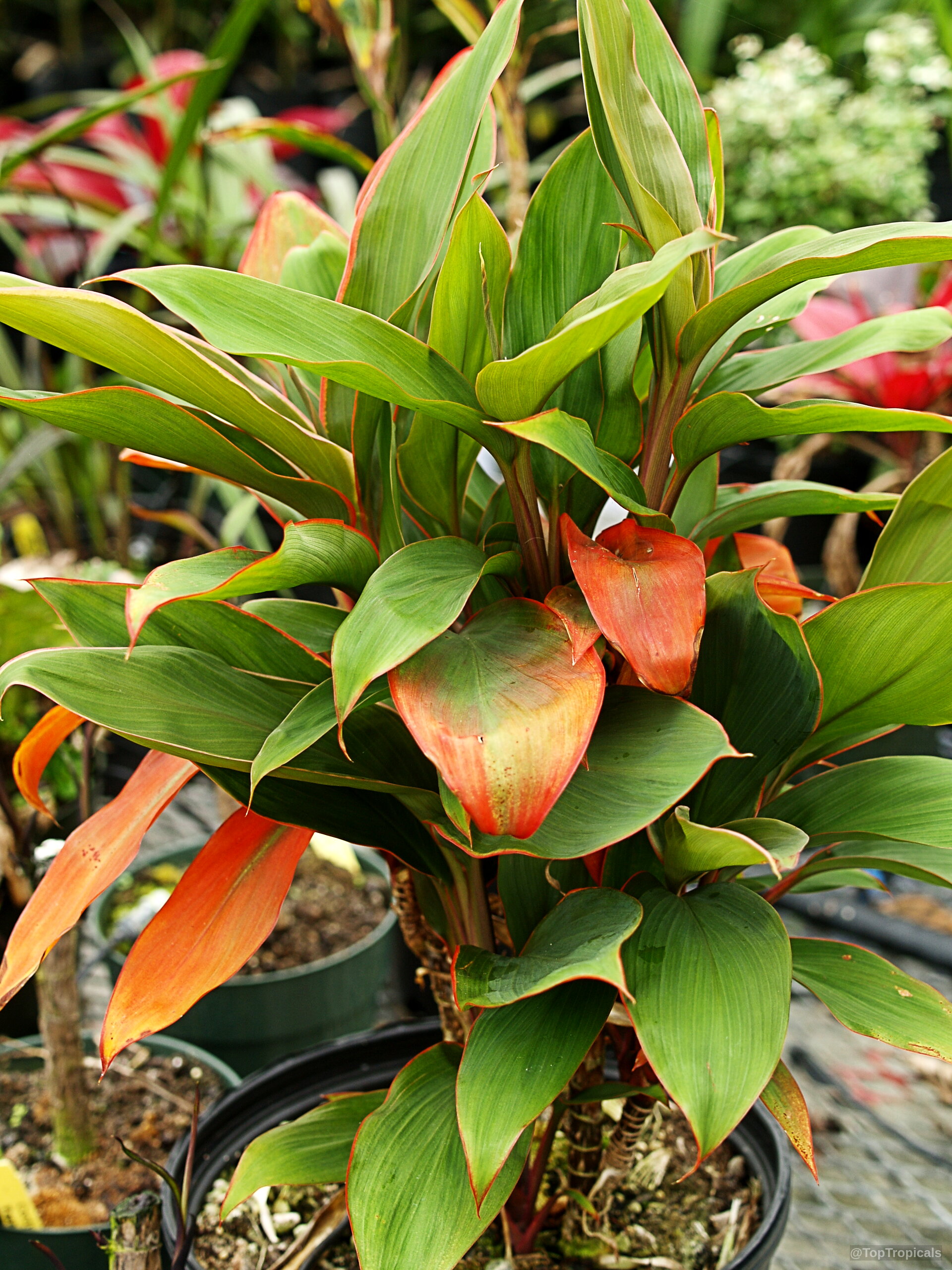
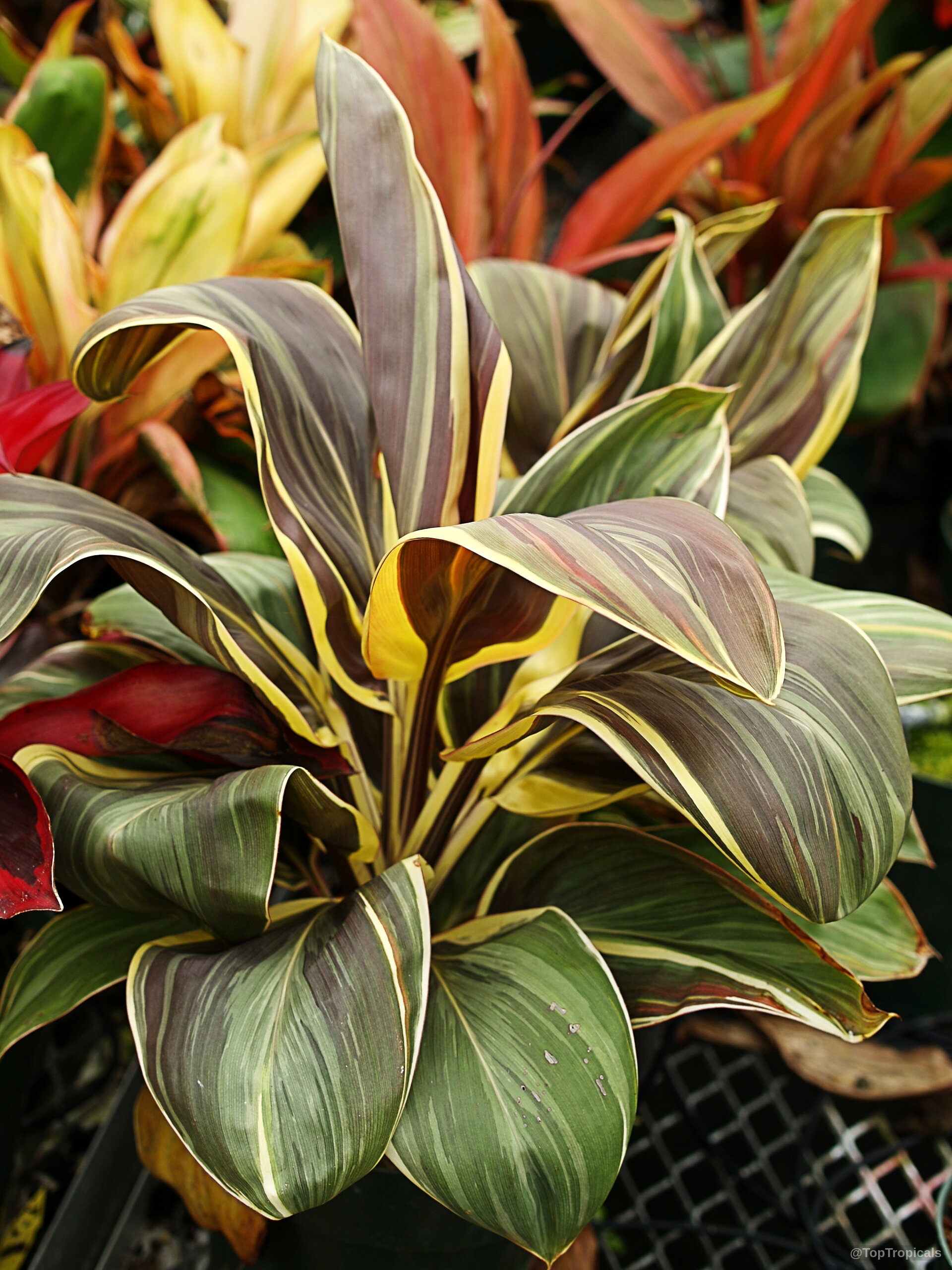
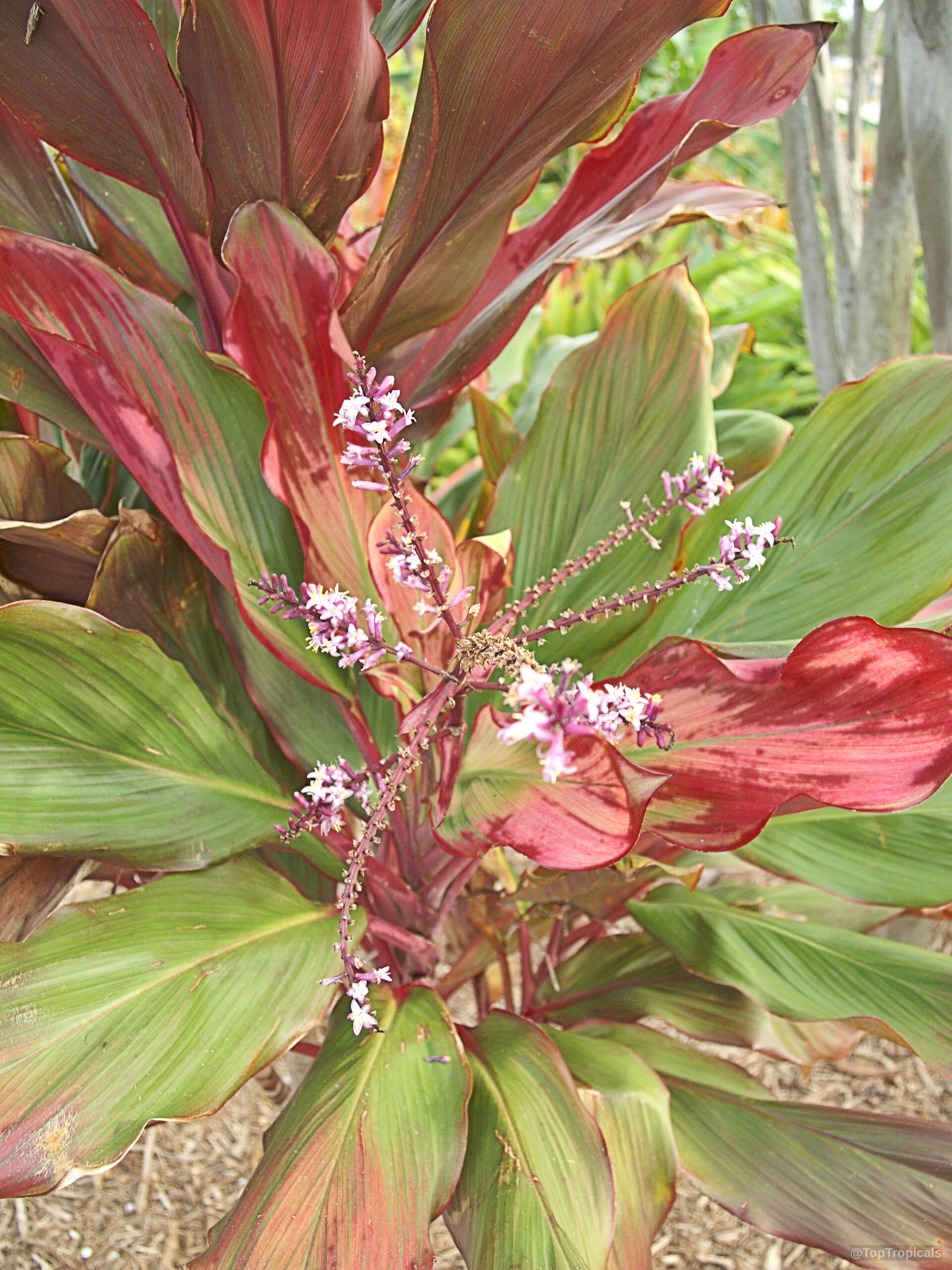
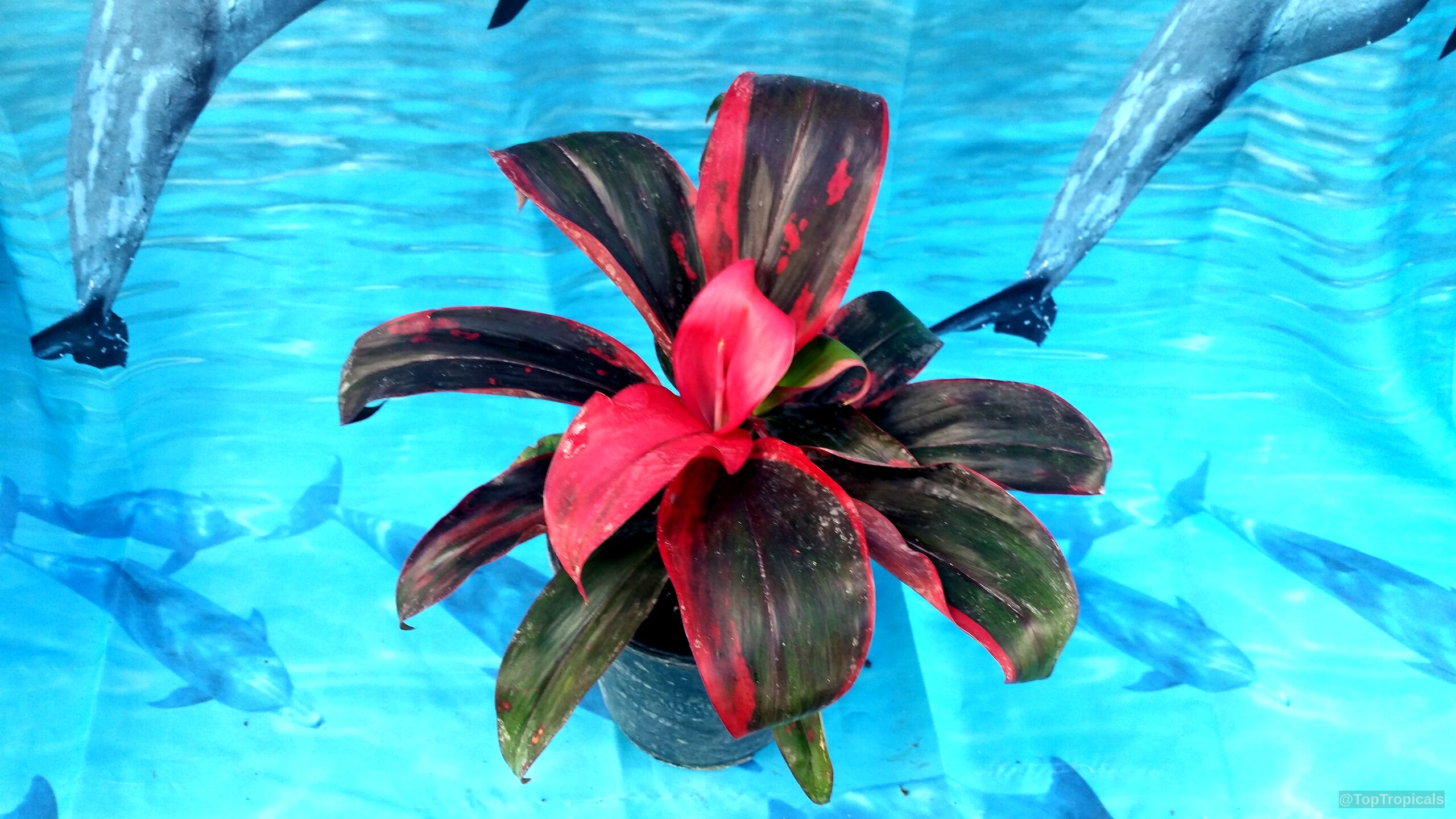
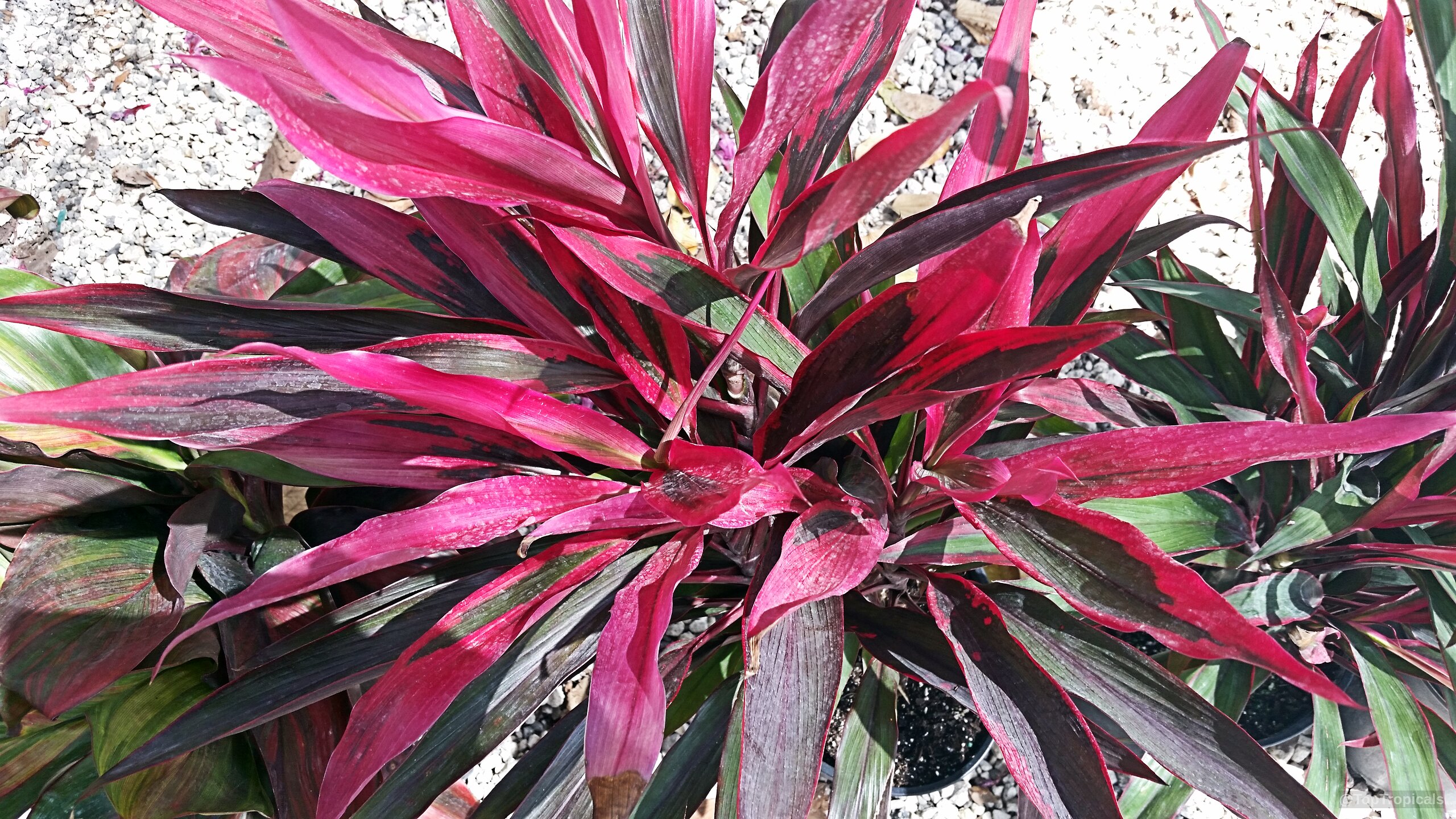
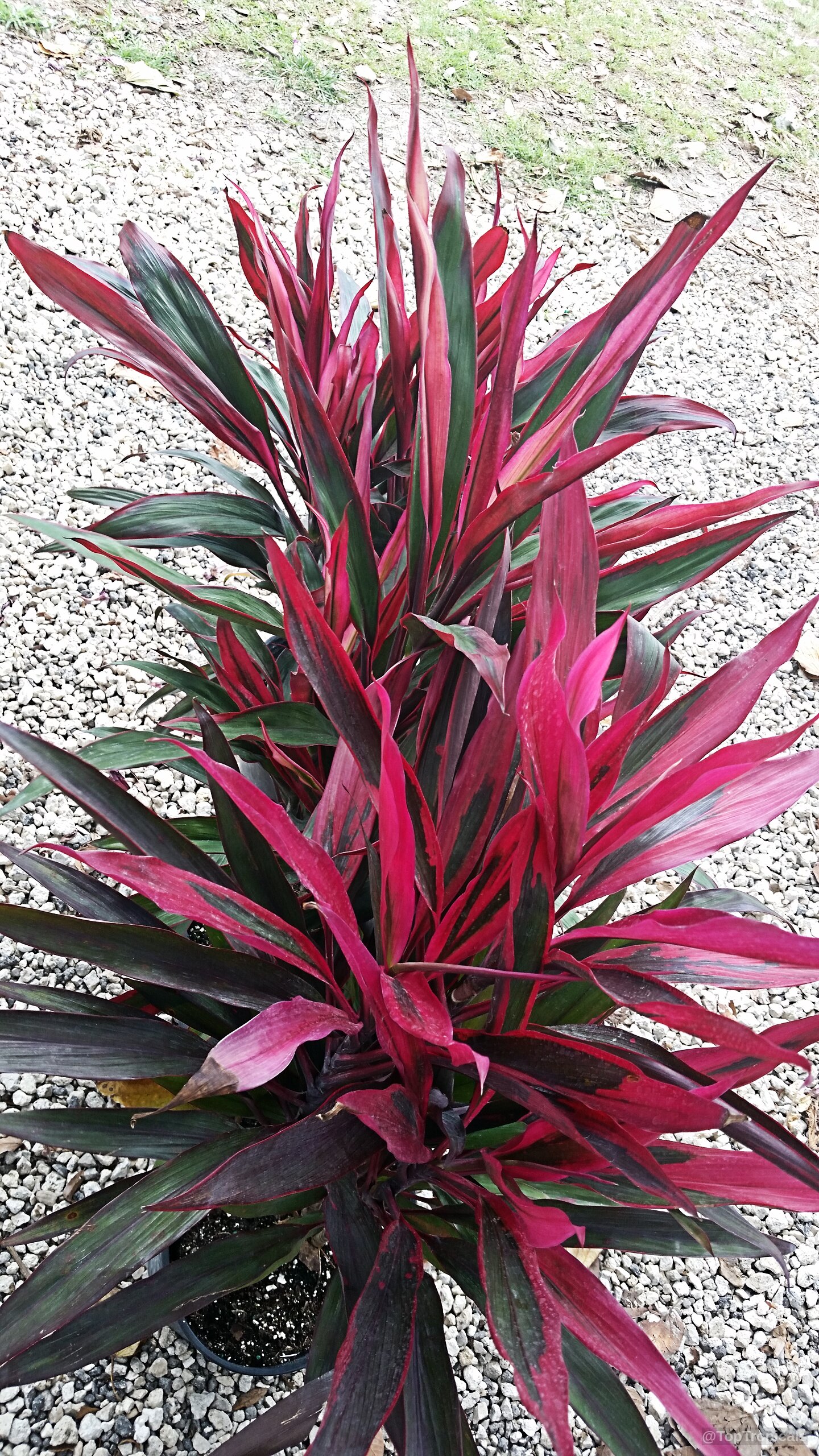
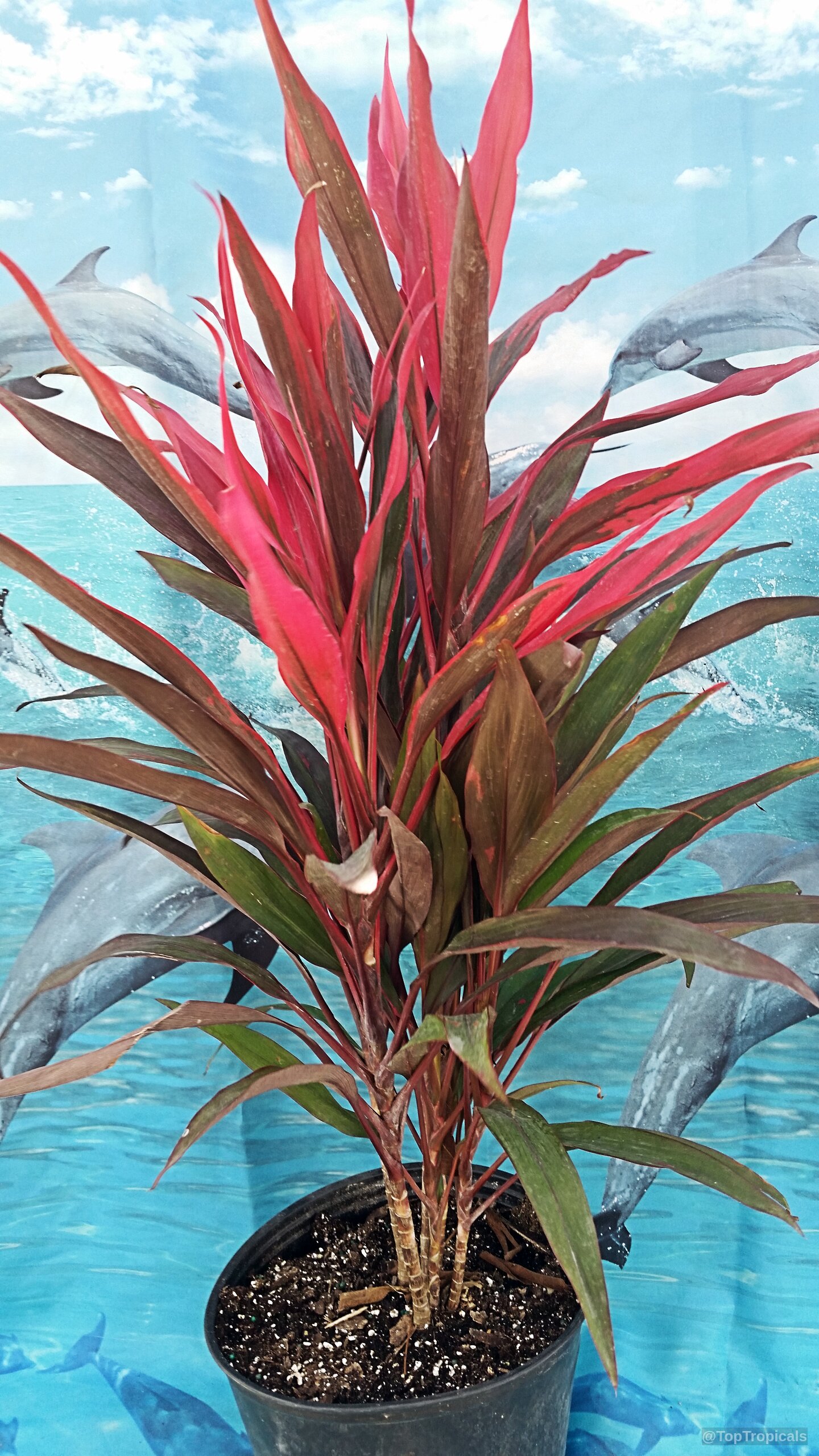
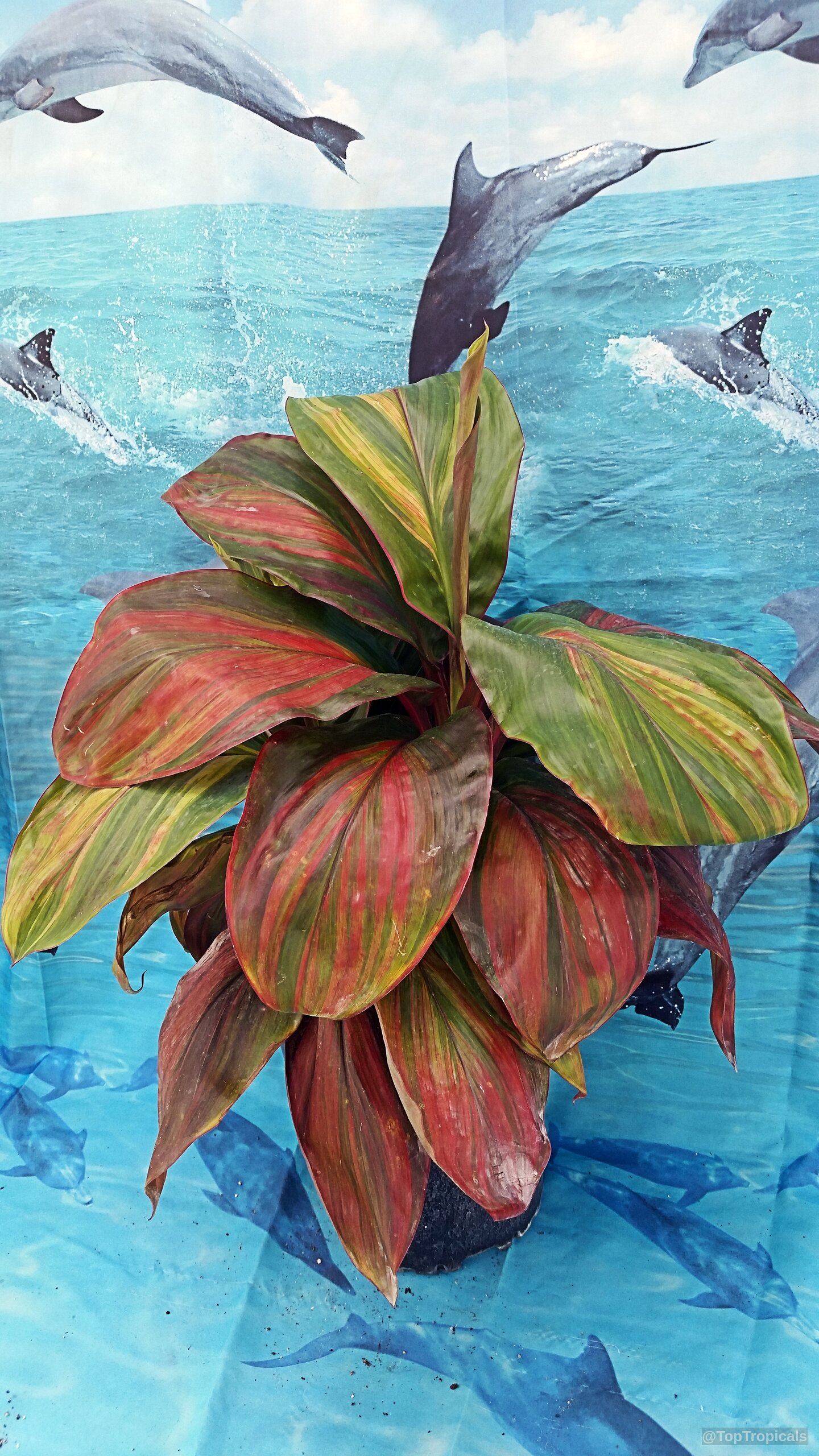
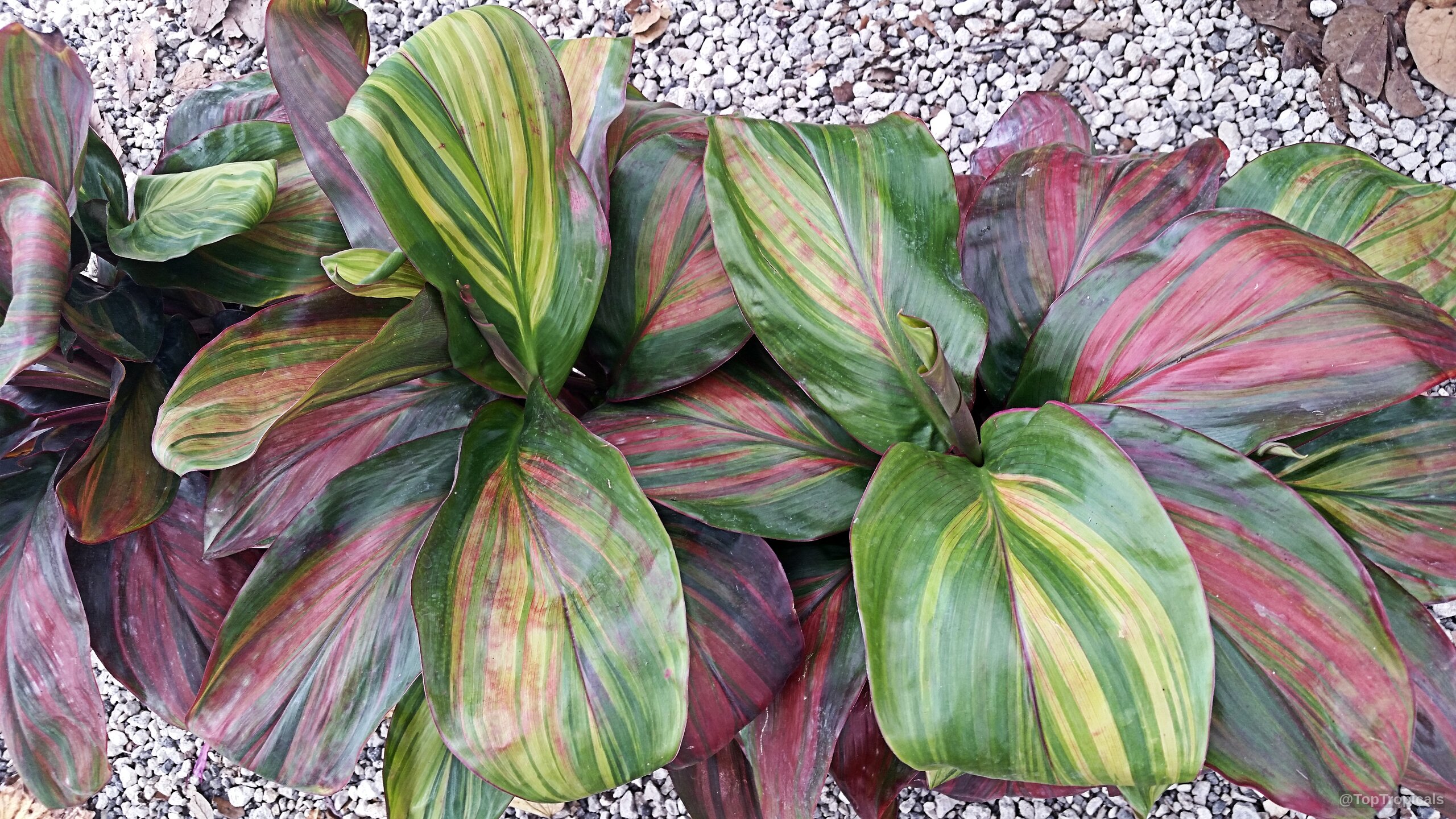
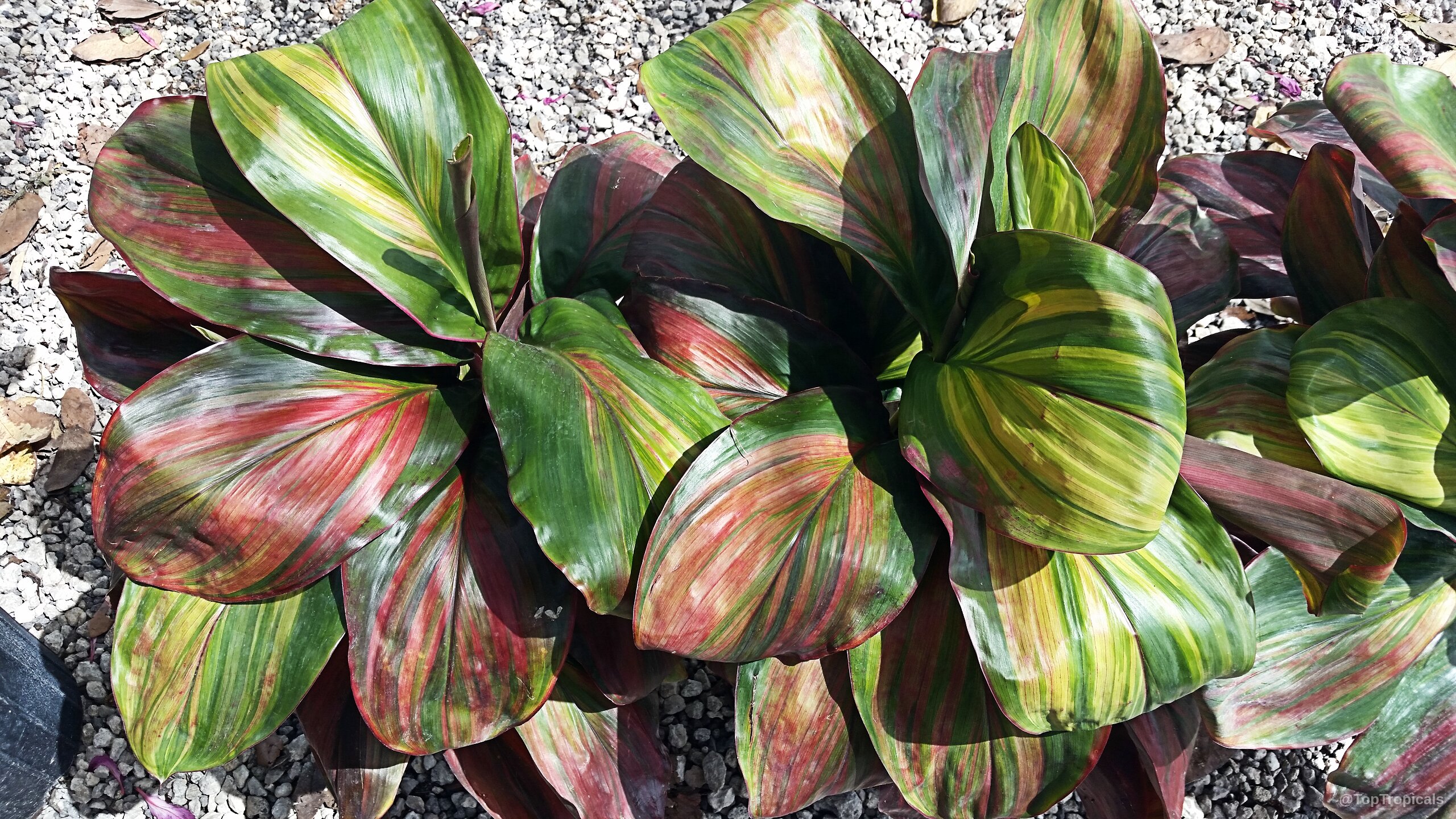
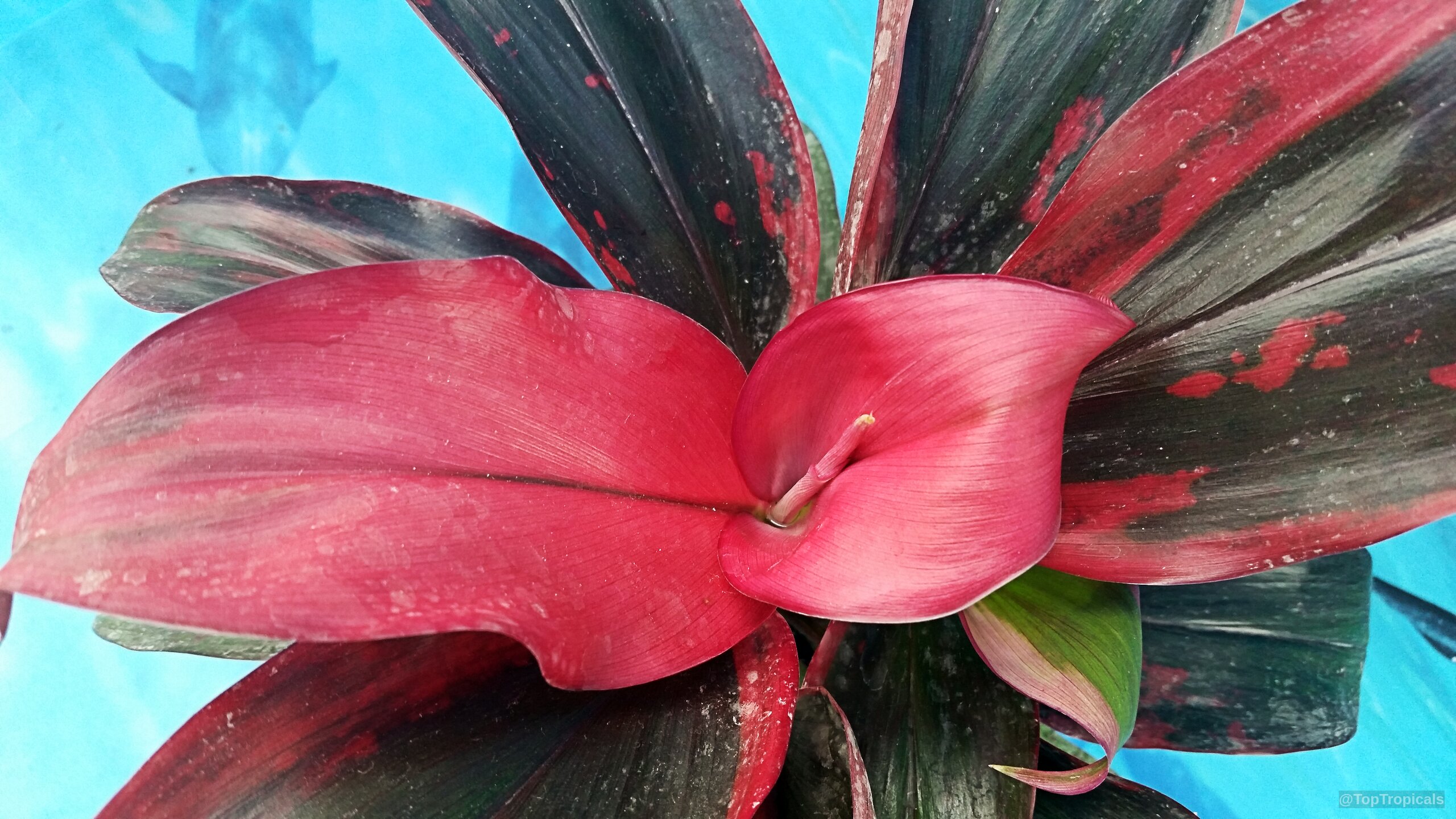
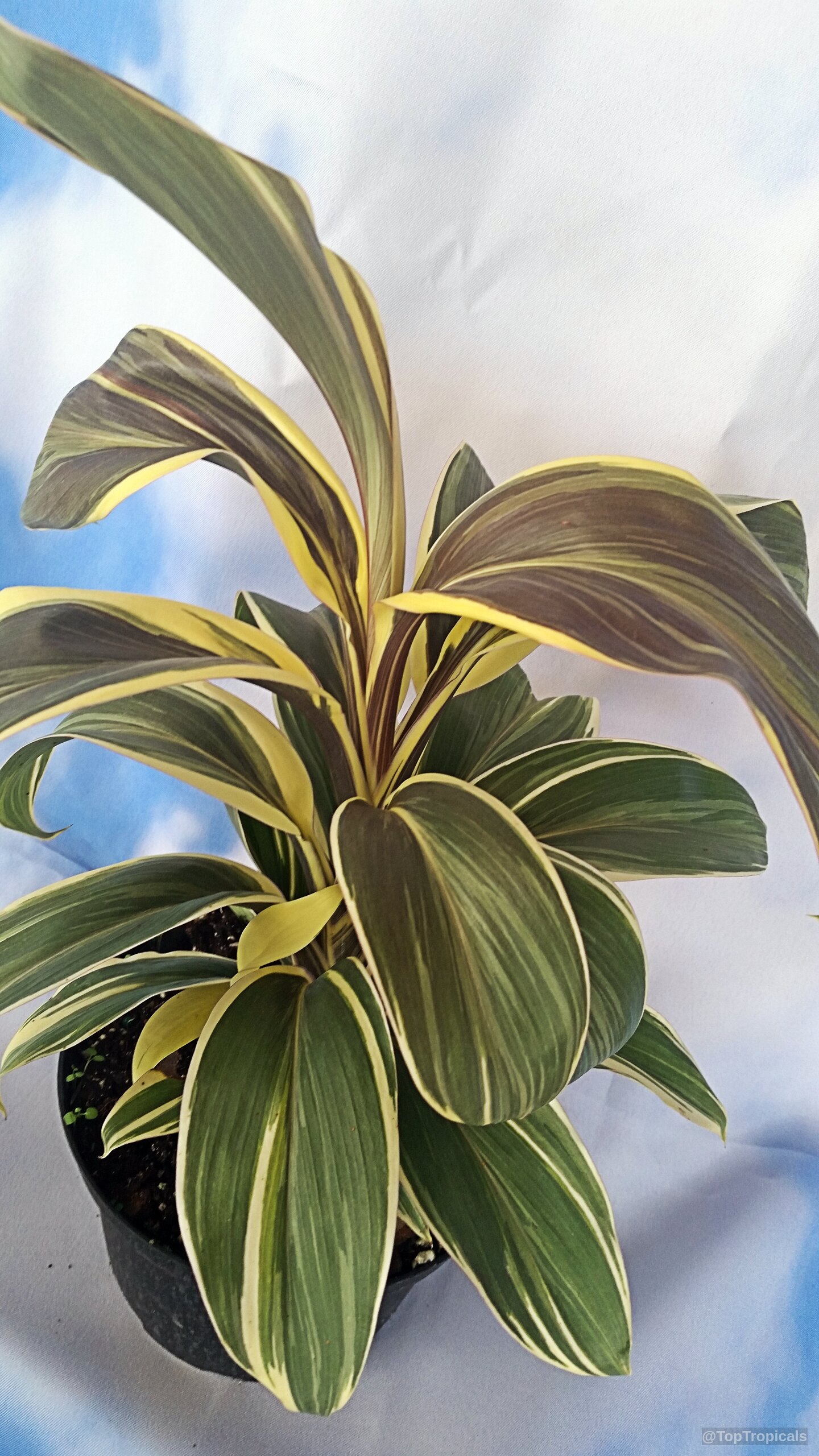
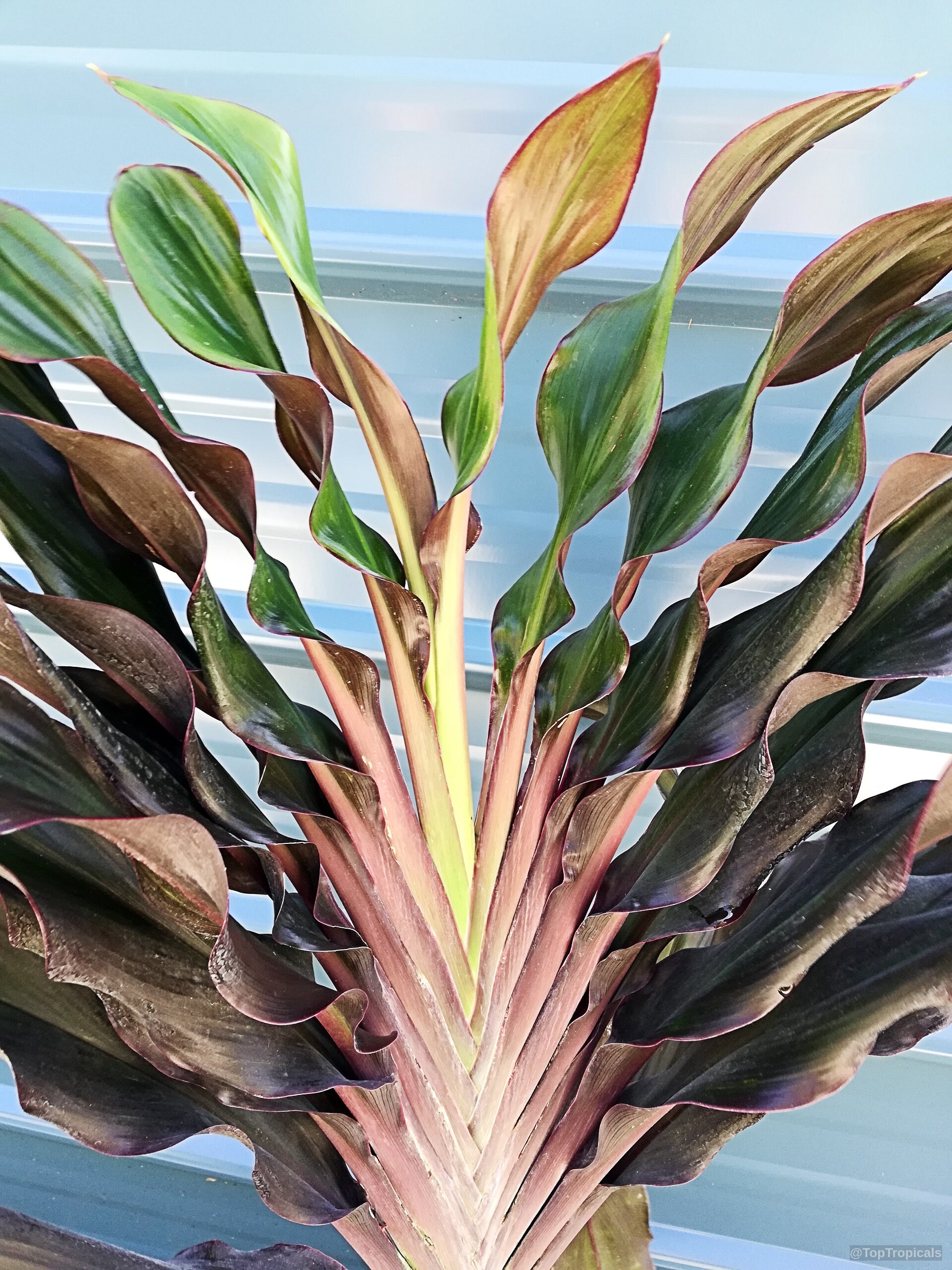
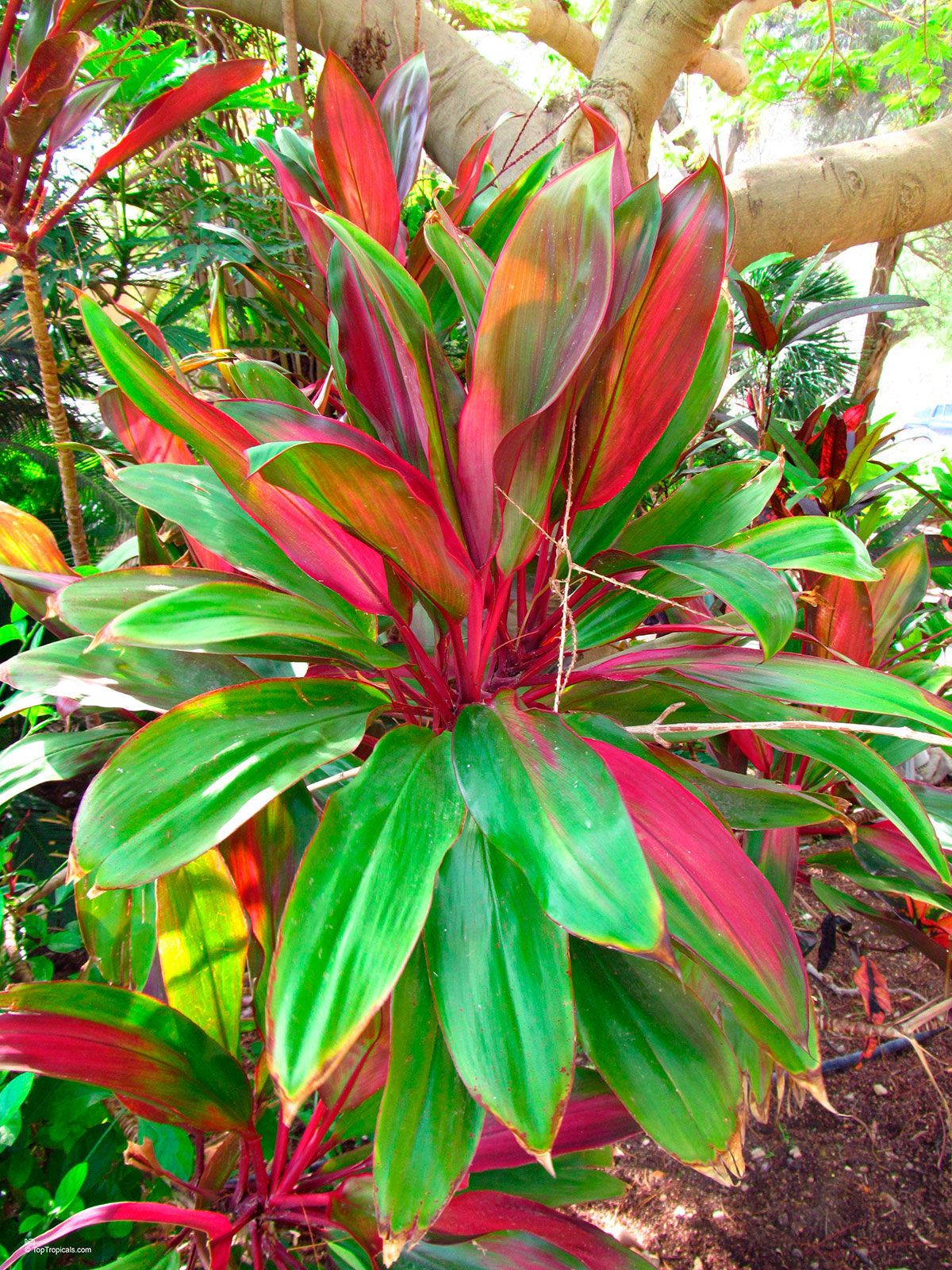
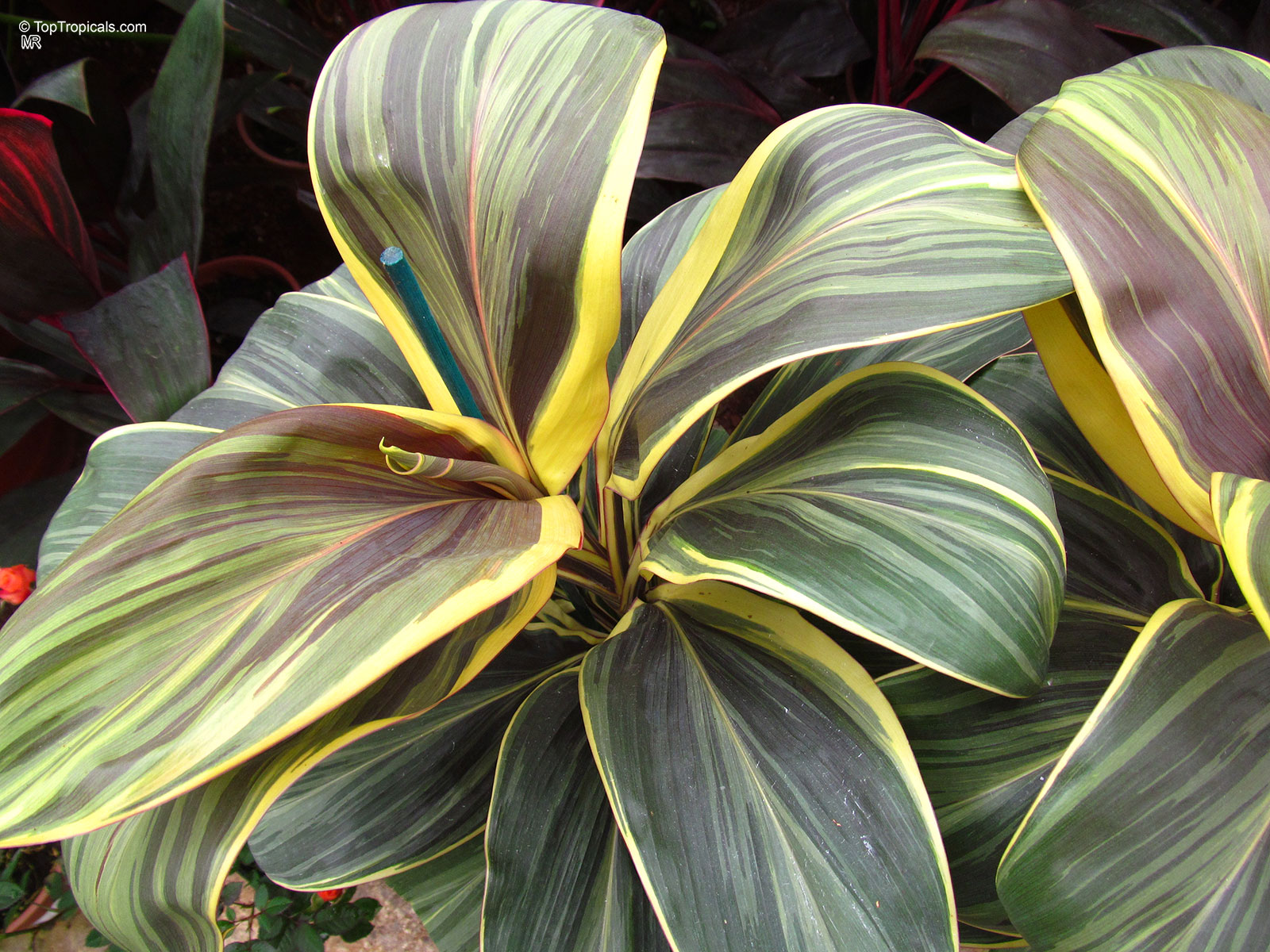
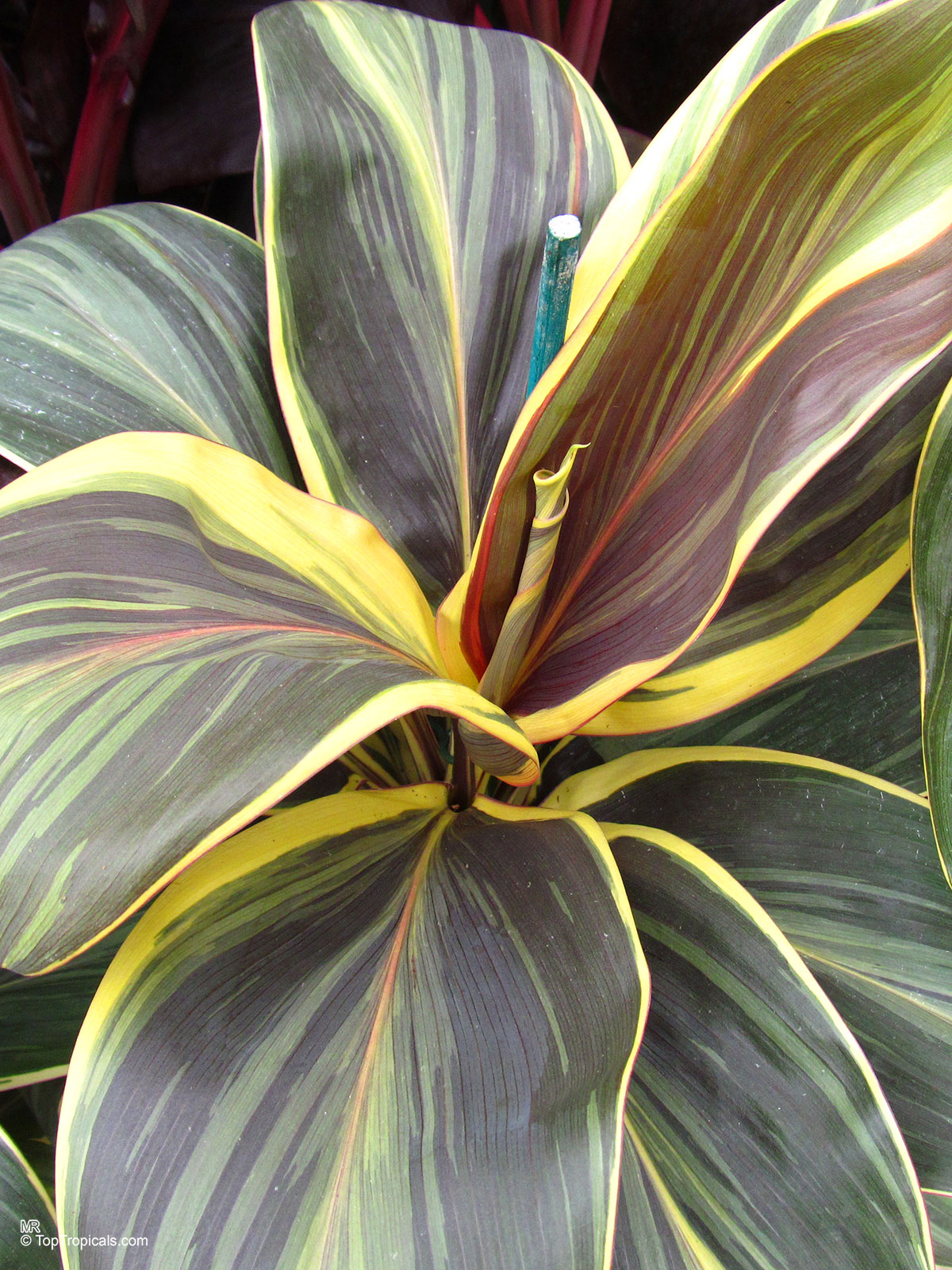
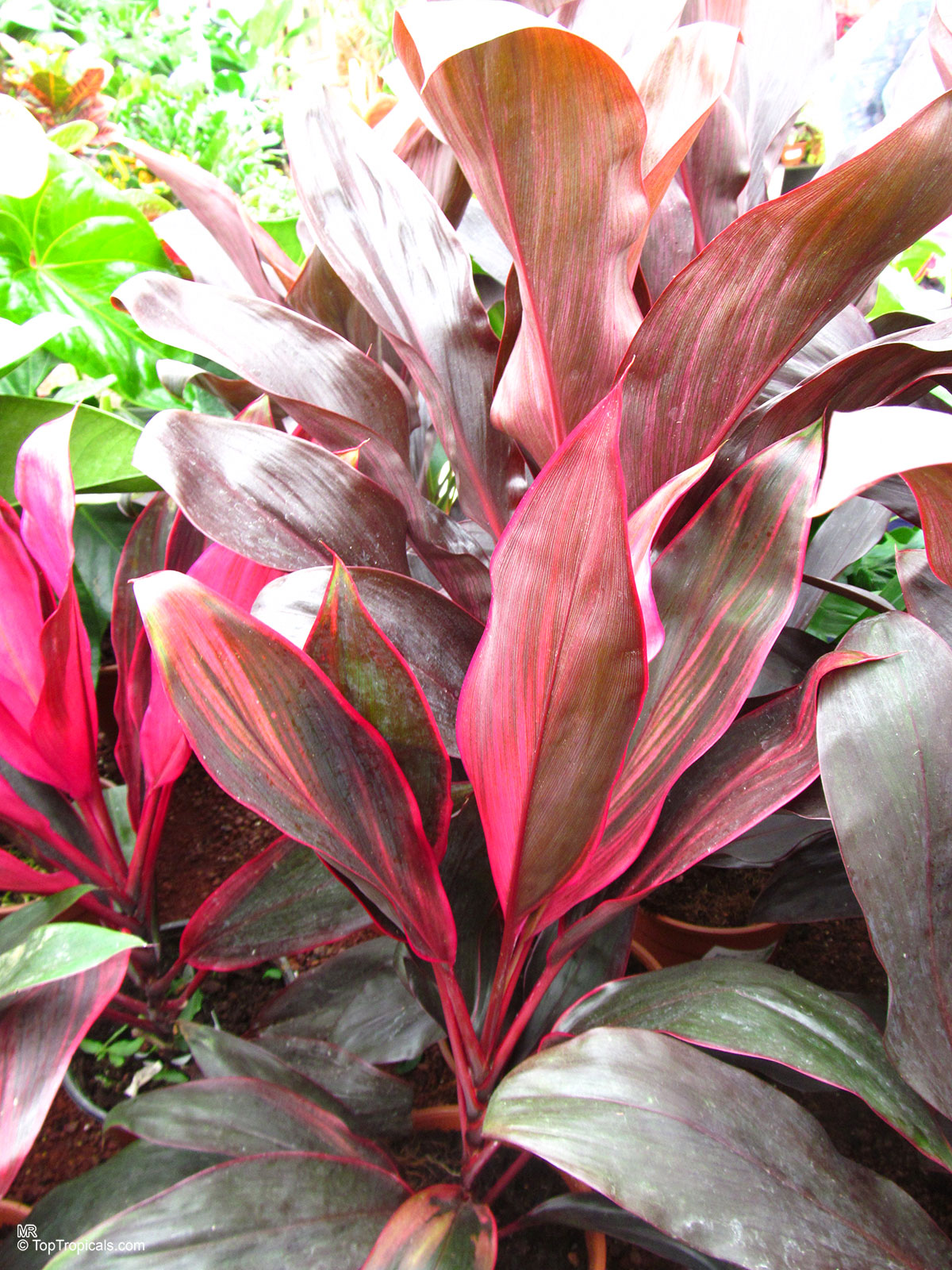
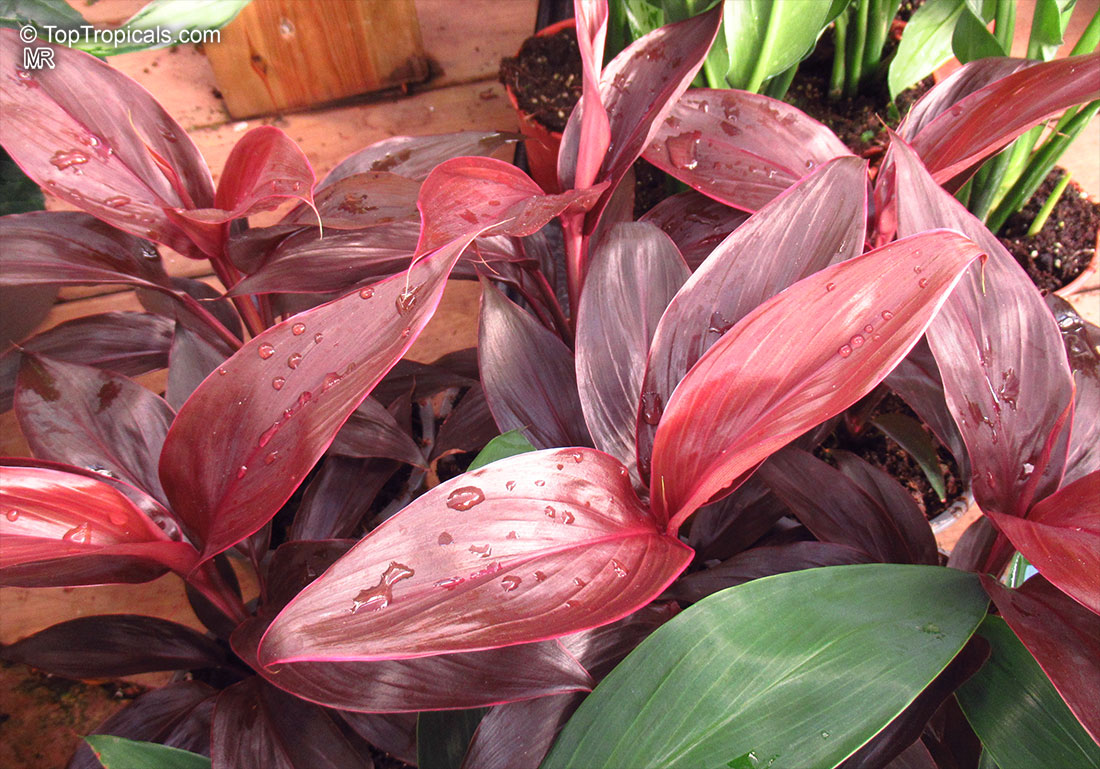
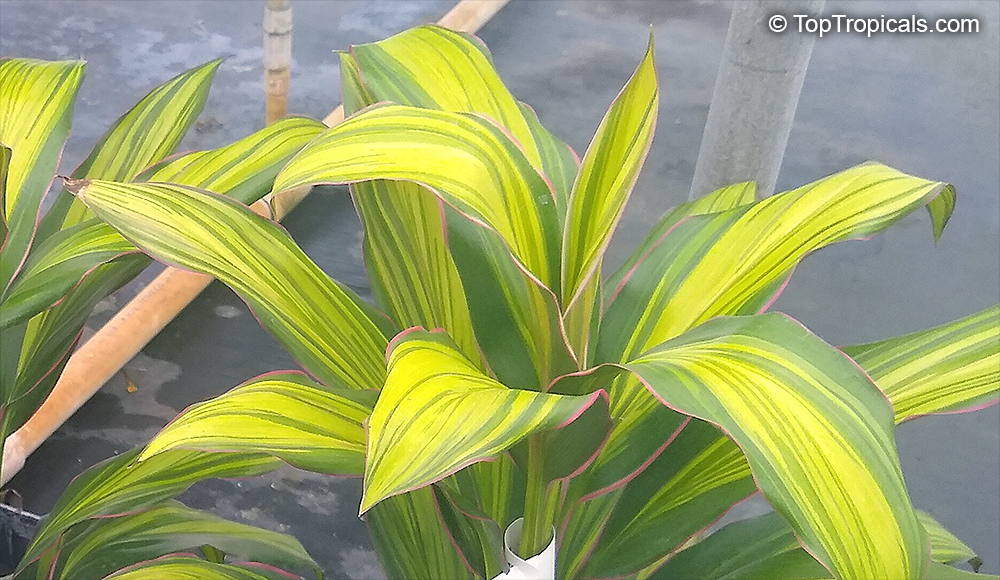
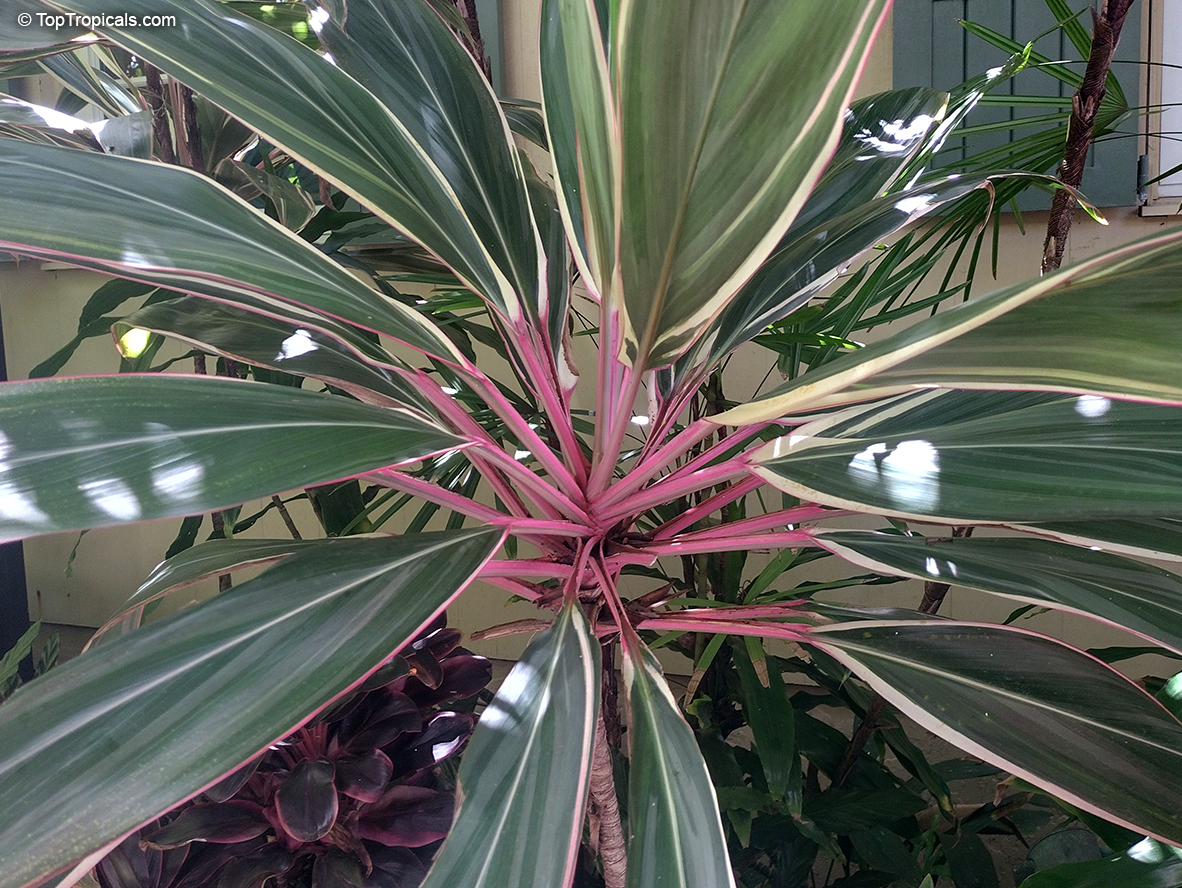
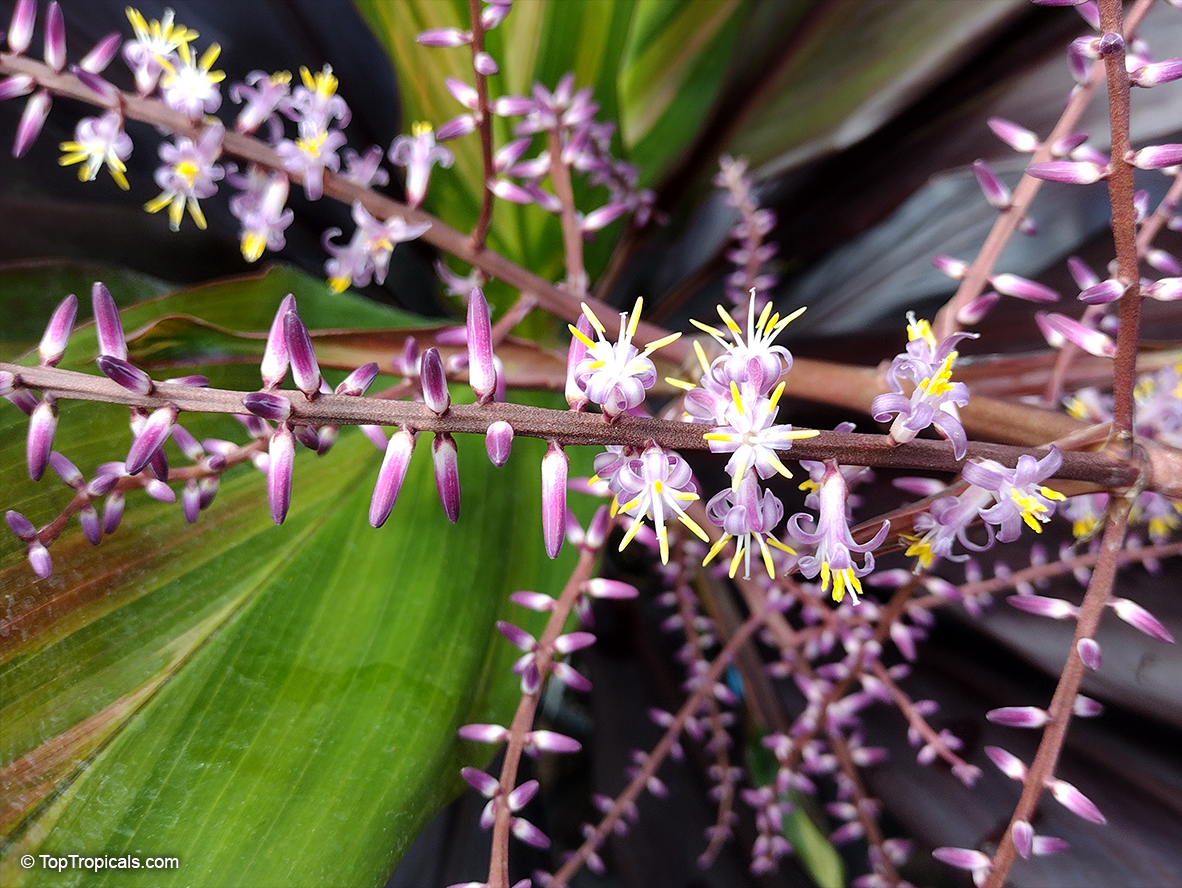
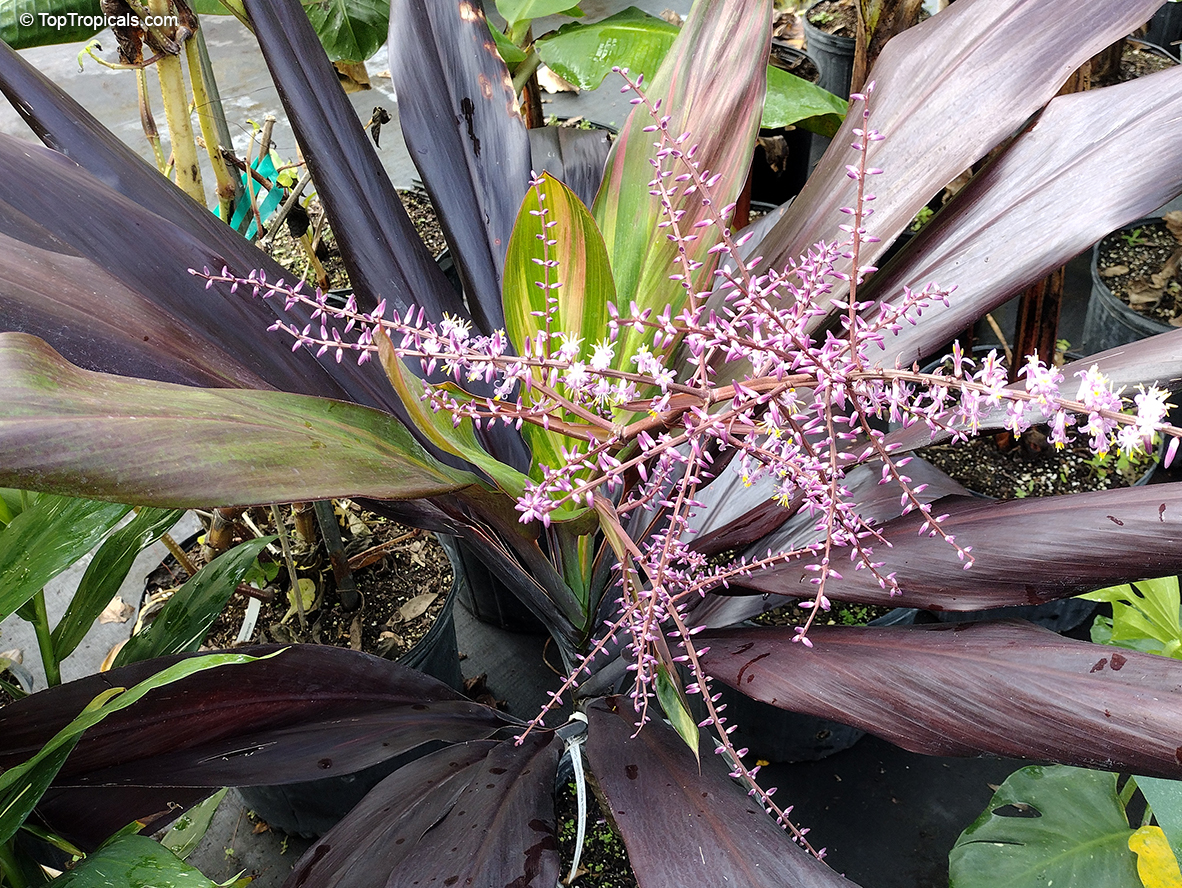
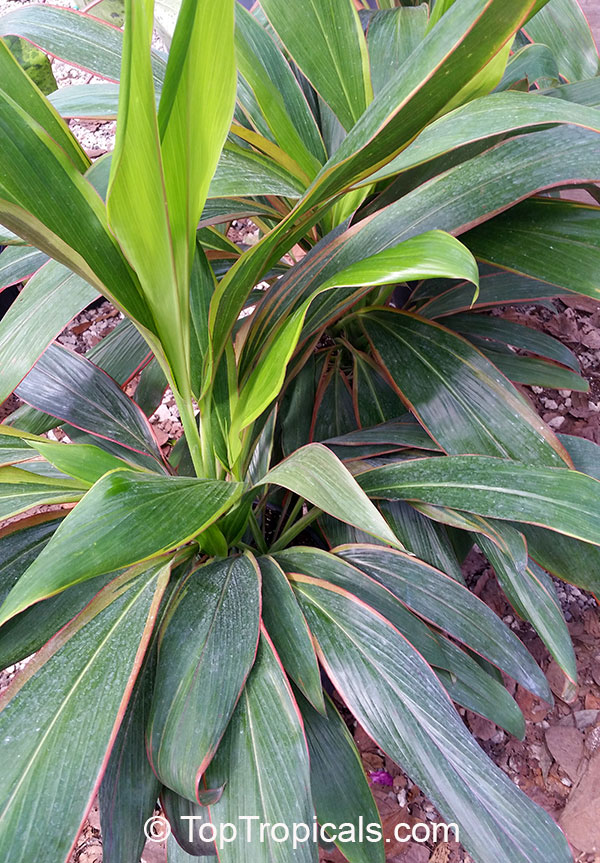
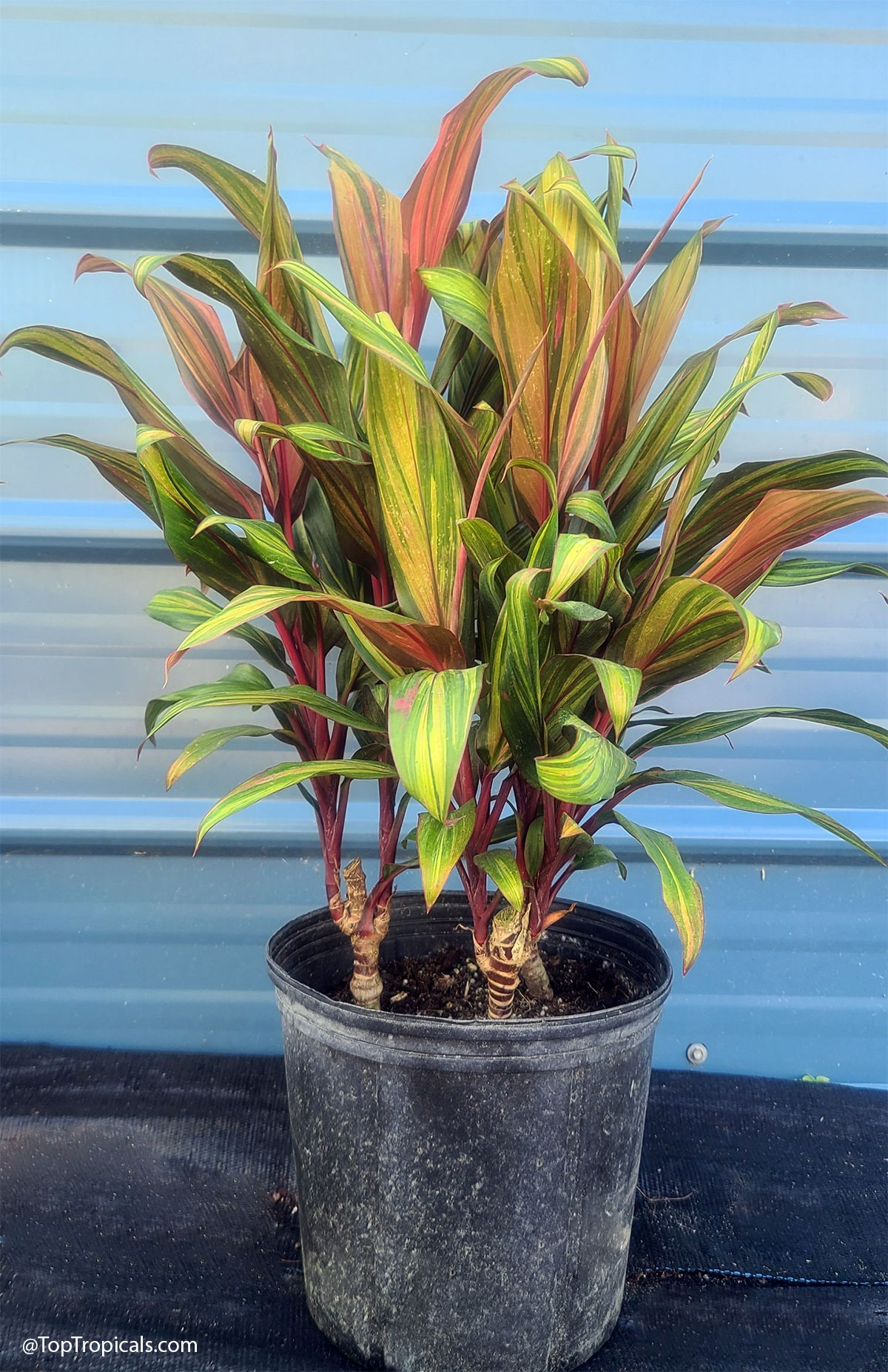
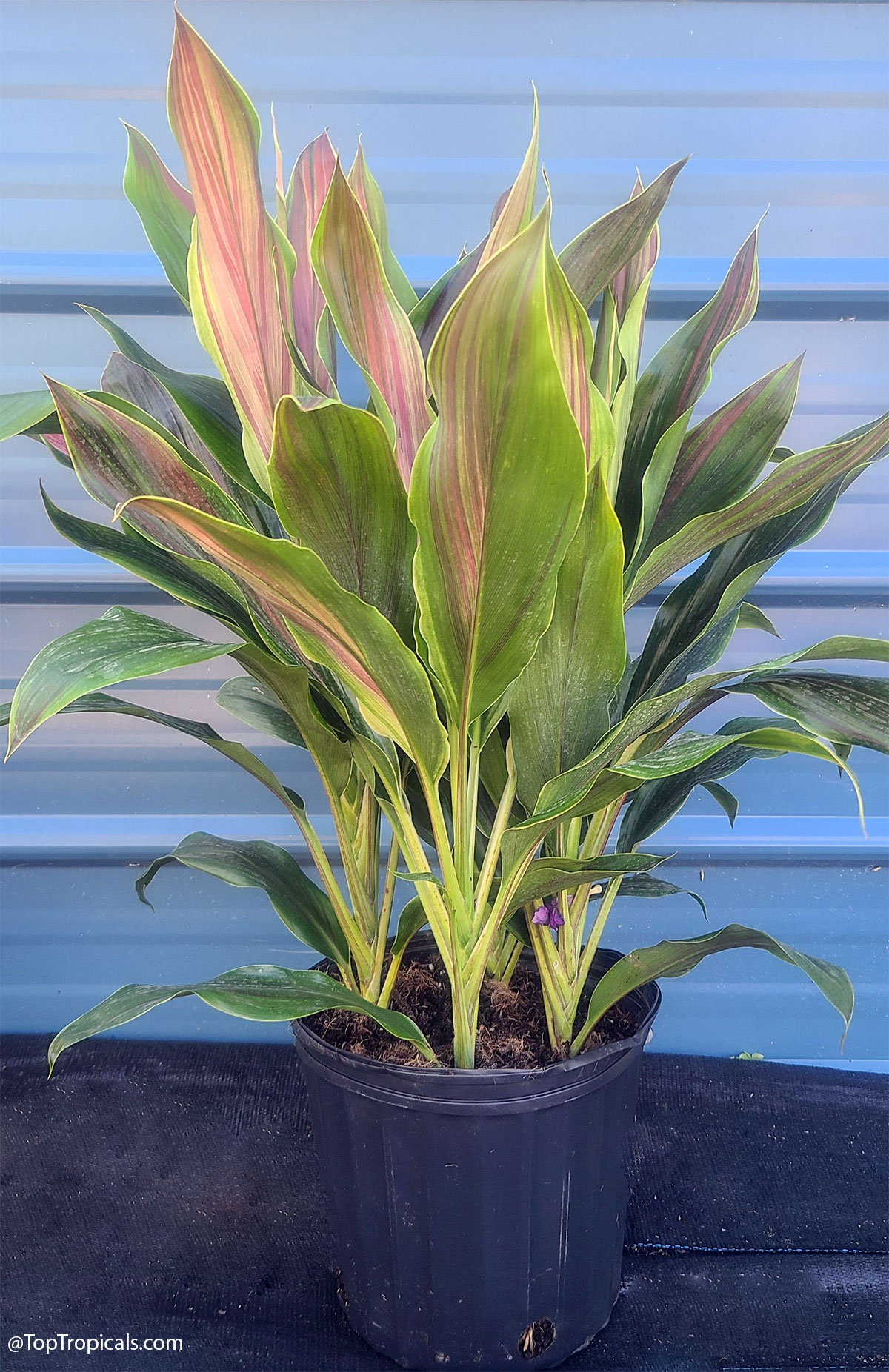
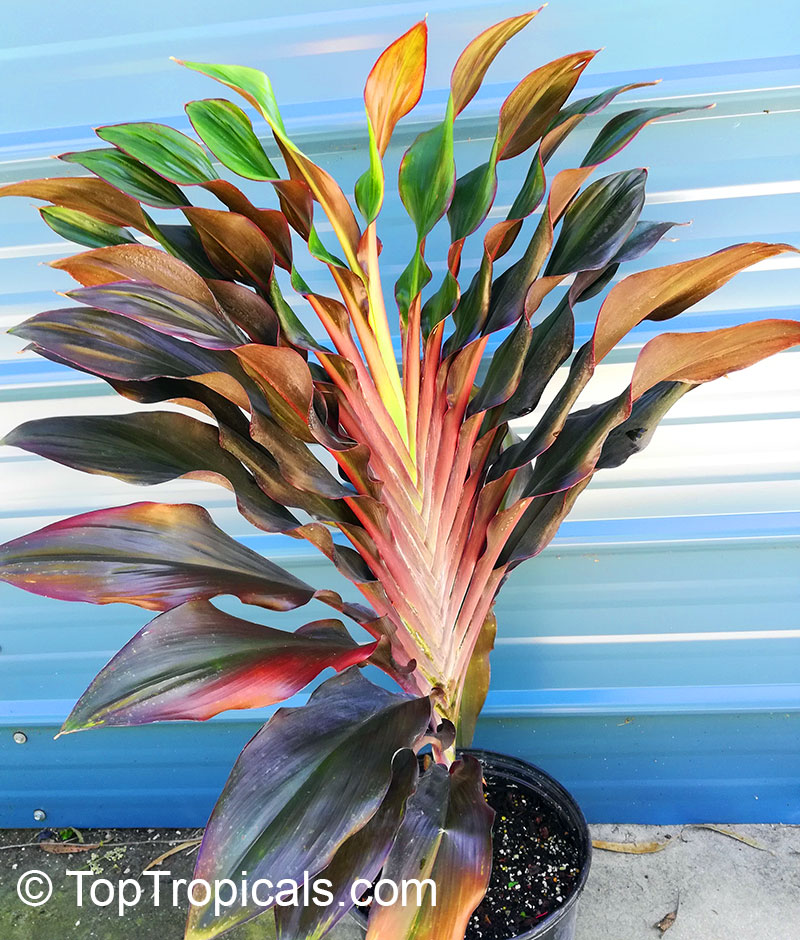
Cordyline fruticosa, or the Hawaiian Ti Leaf, originates from Eastern Asia to Polynesia and is a popular ornamental plant. There are number of varieties available, such as large shrubs up to 10 feet tall, and small plants that grow up to 5 feet. They are well known for their glossy, variegated, sword-shaped leaves and small fragrant pink flowers that can bloom in late winters. The unusually colored foliage makes them an ideal choice for landscaping and can be used both as an accent and backbone of the landscape.
In terms of care, a cordyline requires full sun to semi-shade and regular water for proper growth. The soil should be well-drained and rich in organic matter. Depending on the variety, a mature cordyline is cold hardy down to the mid-30s Fahrenheit for a short period of time.
For cordyline grown in cold regions in a pot, it is essential to provide a well-draining container, as it helps to hold the optimum moisture level for the plant. The container should be big enough to provide the roots with enough space to grow. To protect the plant from frost, it is necessary to take it indoors in winter.
Cordyline fruticosa is an attractive, ornamental, and low-maintenance foliage, making it a great choice for any garden. When in need of a splash of color and unusual foliage, give a Ti plant a try!







Recommended Fertilizer: SUNSHINE Robusta - Rapid Growth Booster
Recommended Fertilizer: SUNSHINE Robusta - Rapid Growth Booster
Recommended Fertilizer: SUNSHINE Robusta - Rapid Growth Booster
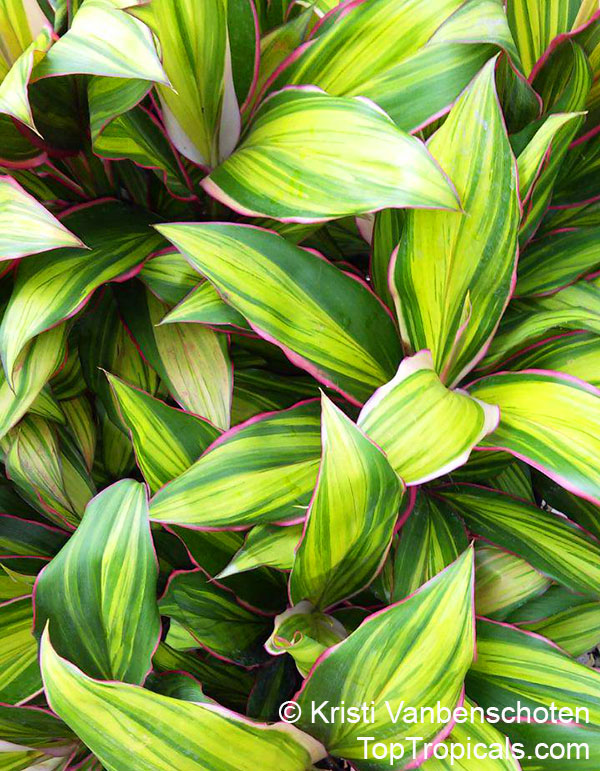
Ti plants or cordylines, also known as ti and Hawaiian gook-luck plant, are very popular for their intense leaf colors and leaf shapes producing interest and contrasts even in deep shade.
Recommended Fertilizer: SUNSHINE Robusta - Rapid Growth Booster
Recommended Fertilizer: SUNSHINE Robusta - Rapid Growth Booster
Recommended Fertilizer: SUNSHINE Robusta - Rapid Growth Booster
Recommended Fertilizer: SUNSHINE Robusta - Rapid Growth Booster
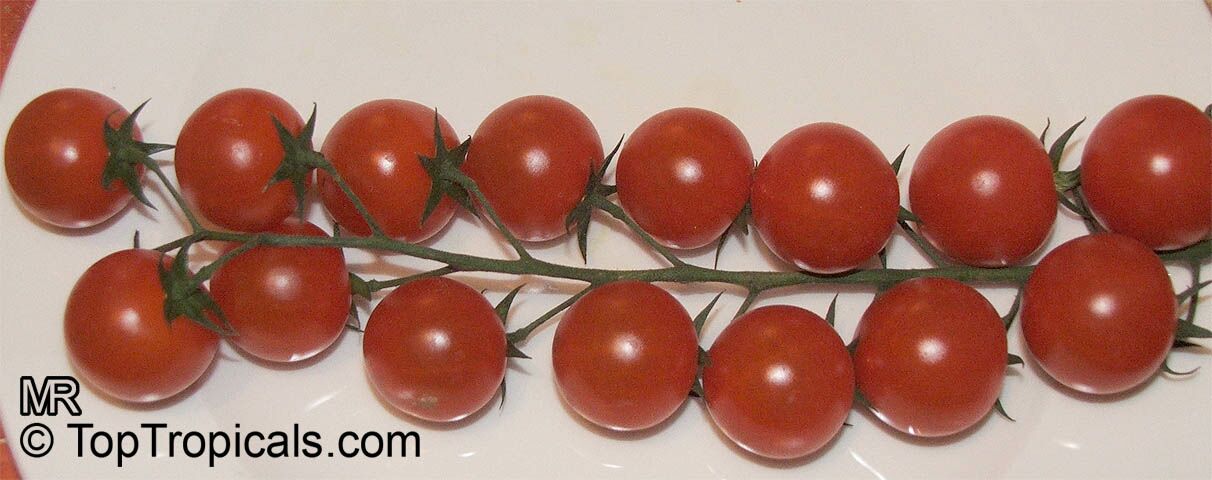
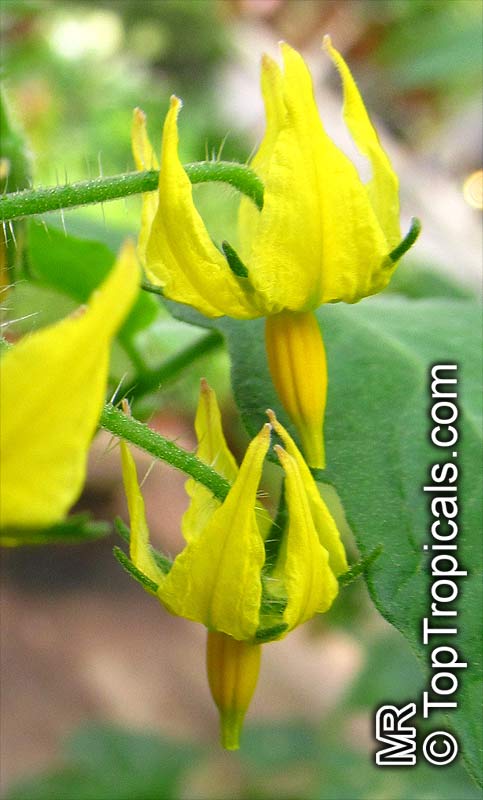
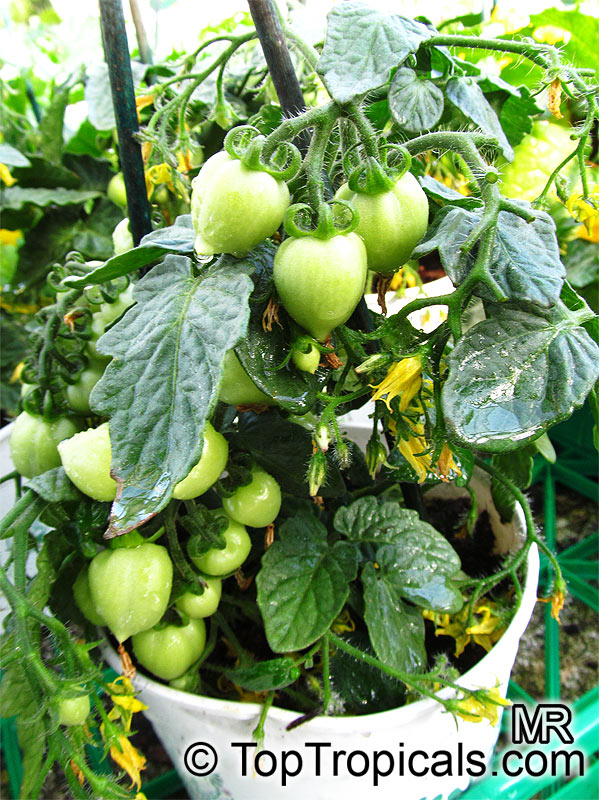
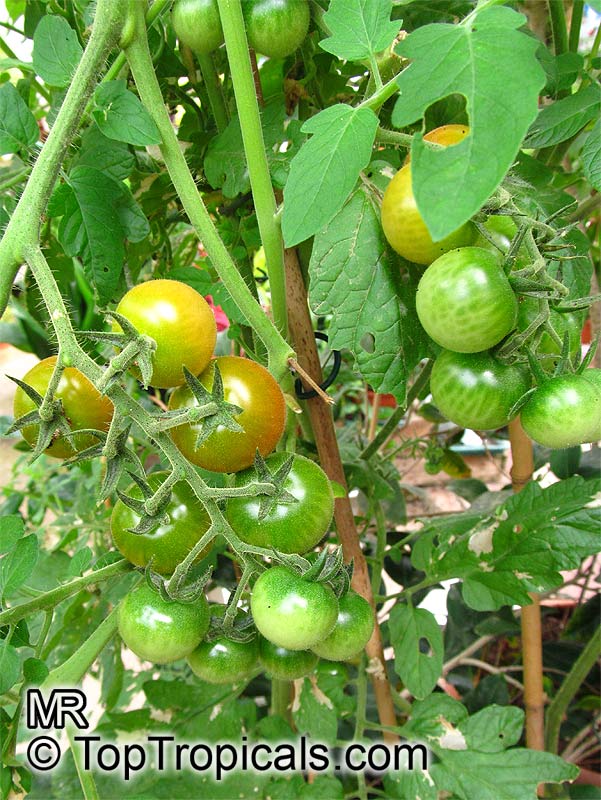
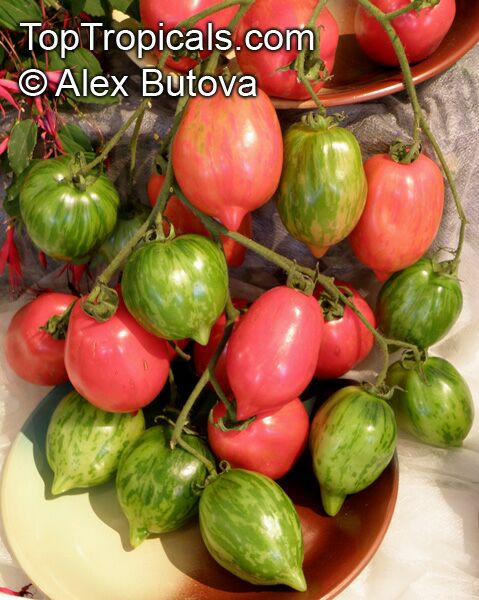
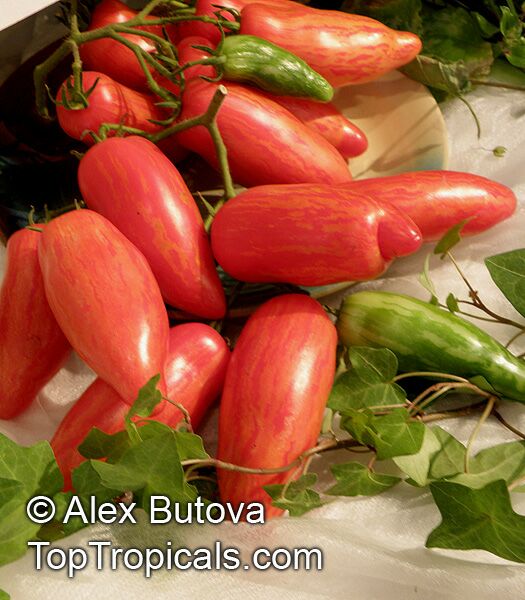
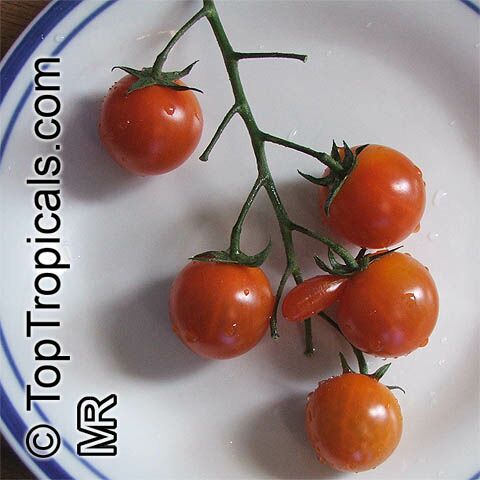
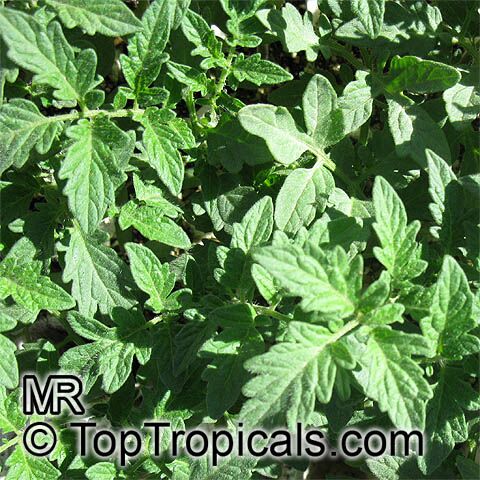
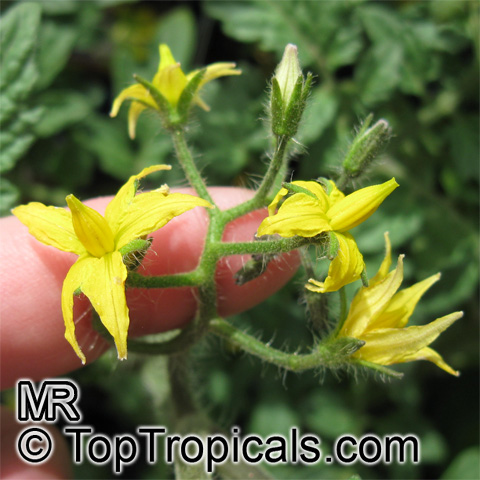
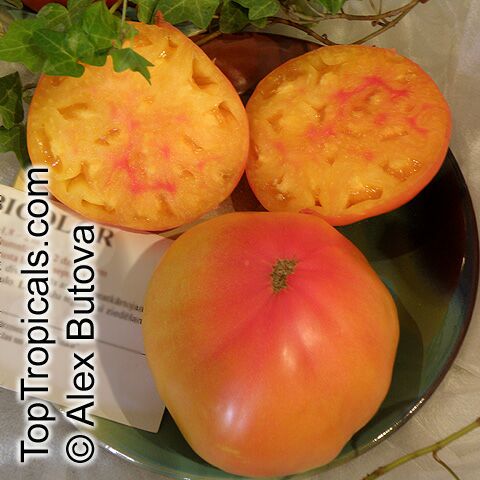
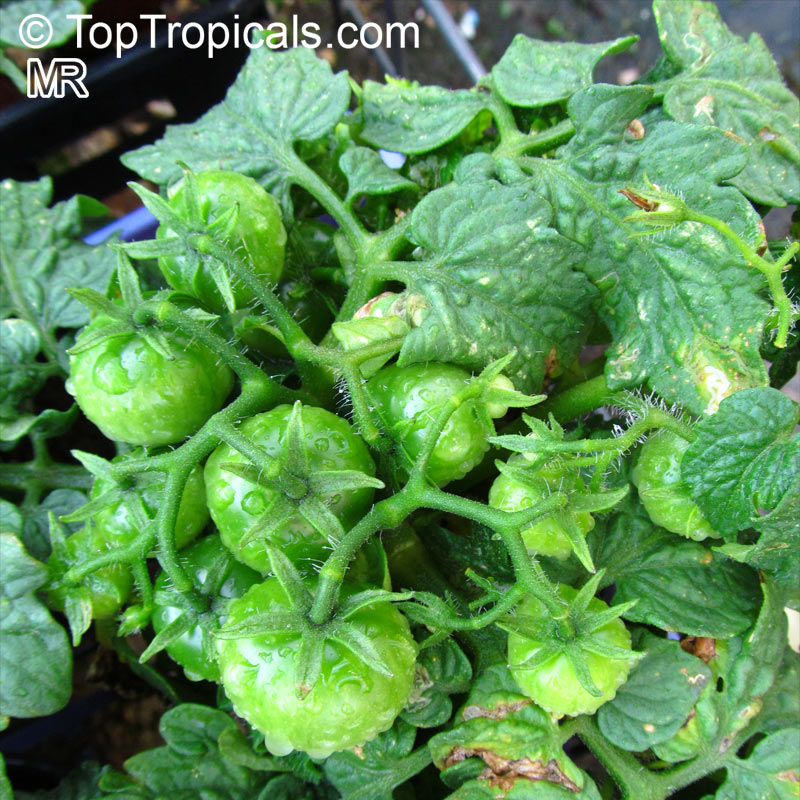
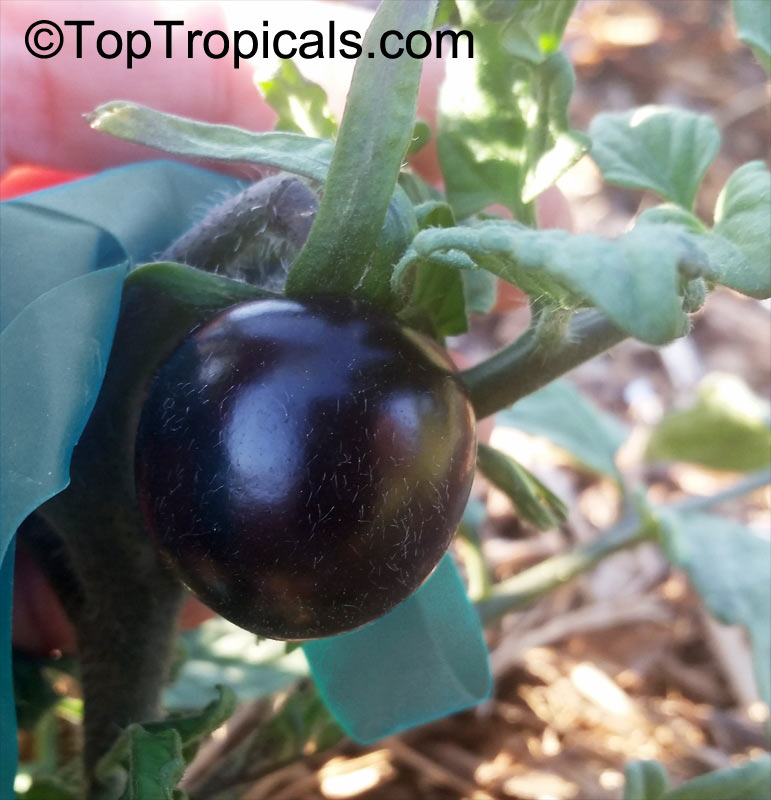
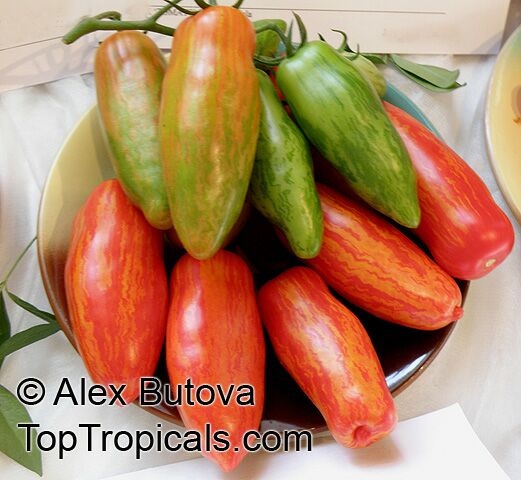
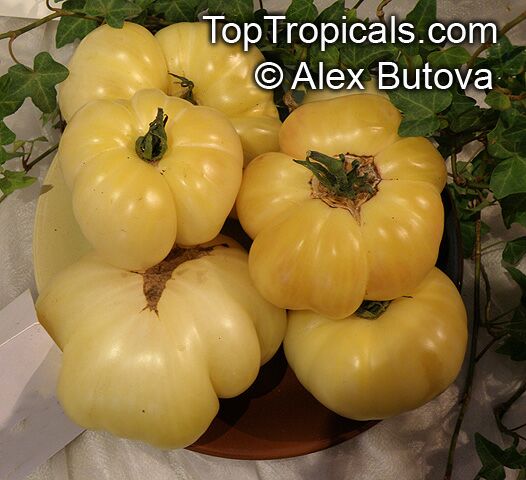
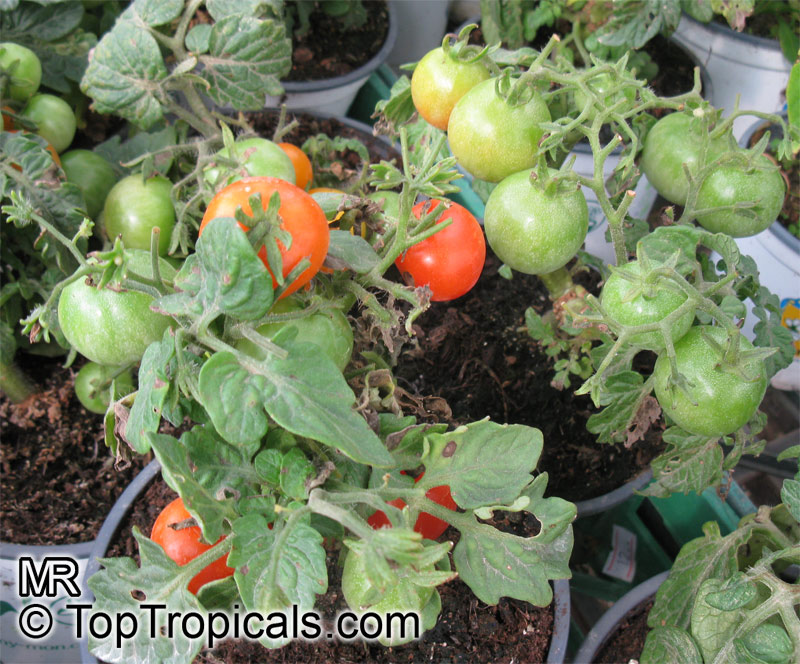
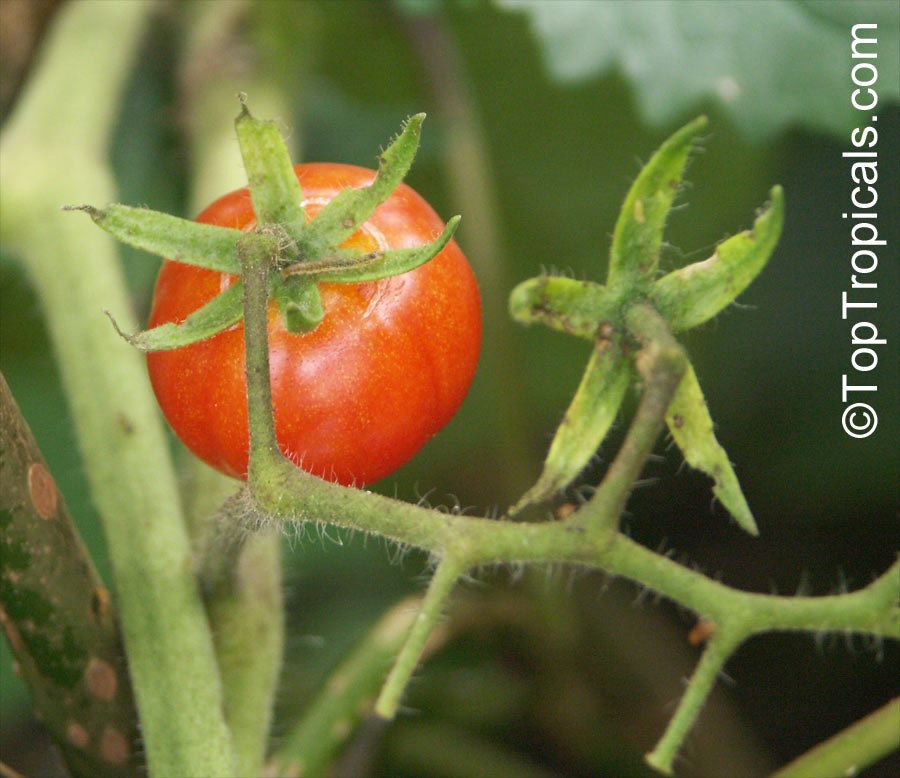
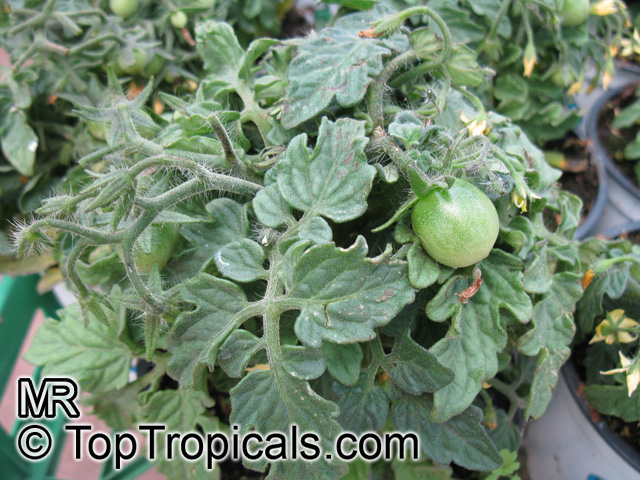
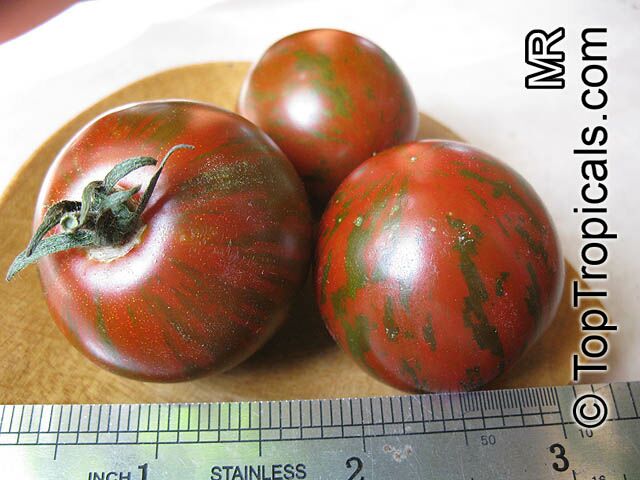
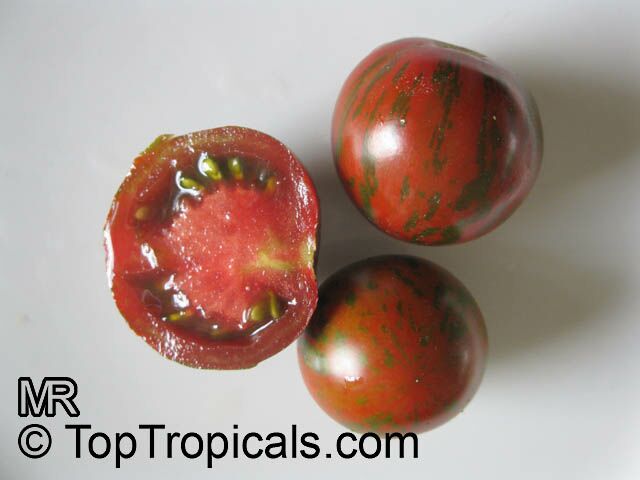
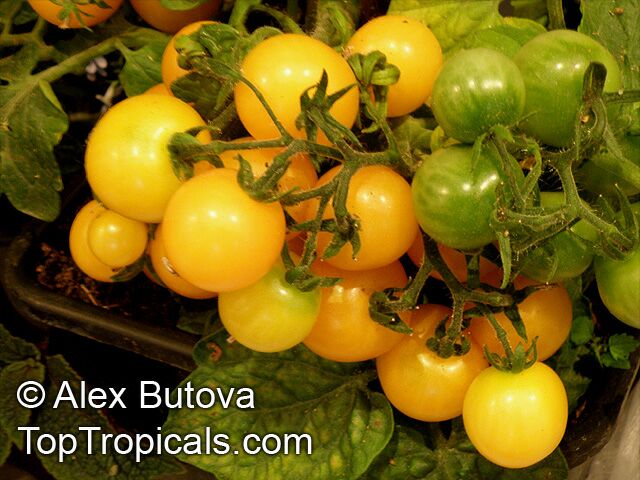
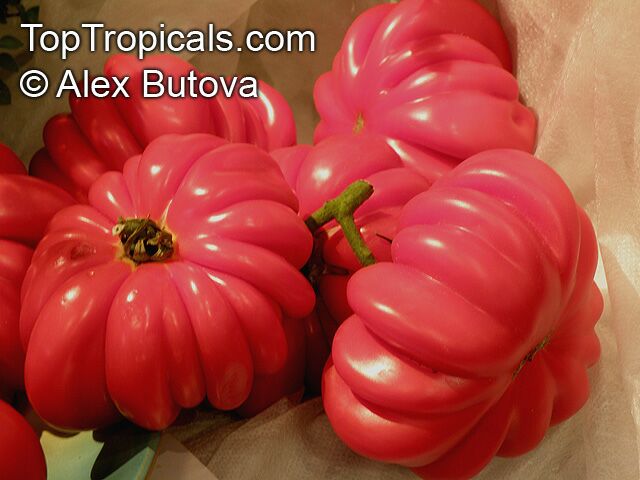
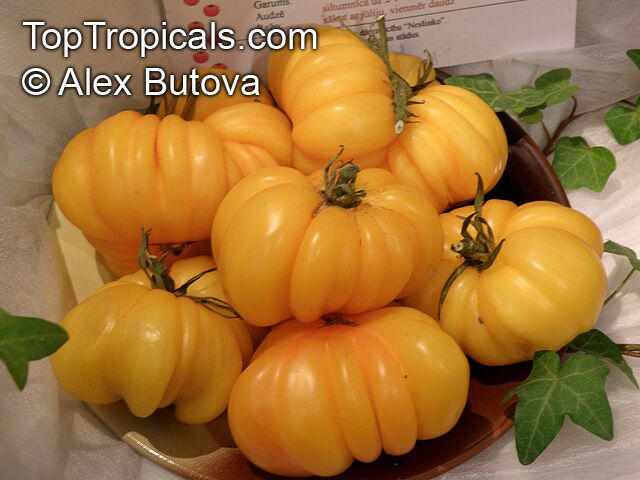
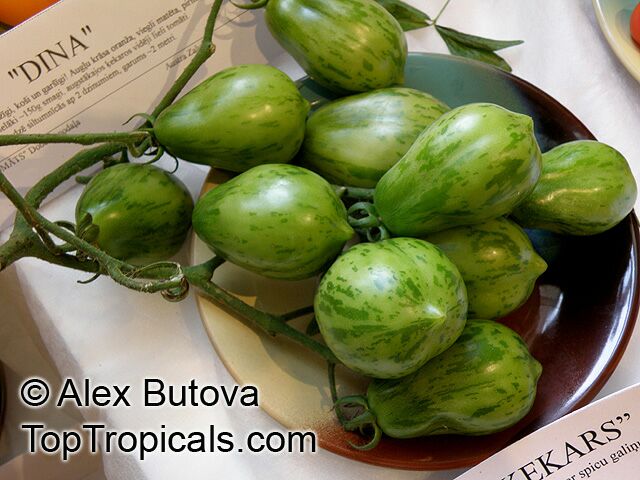
Botanical names: Solanum lycopersicum, Lycopersicon lycopersicum, Lycopersicon esculentum
Common name: Tomato
Family: Solanaceae
Origin: South America
USDA Zone: 3-11

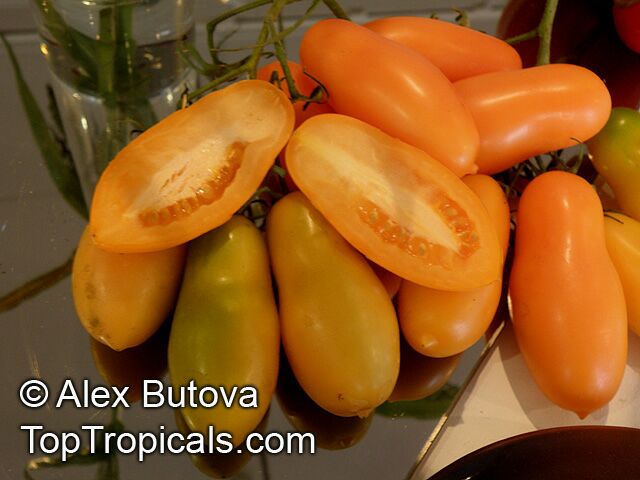
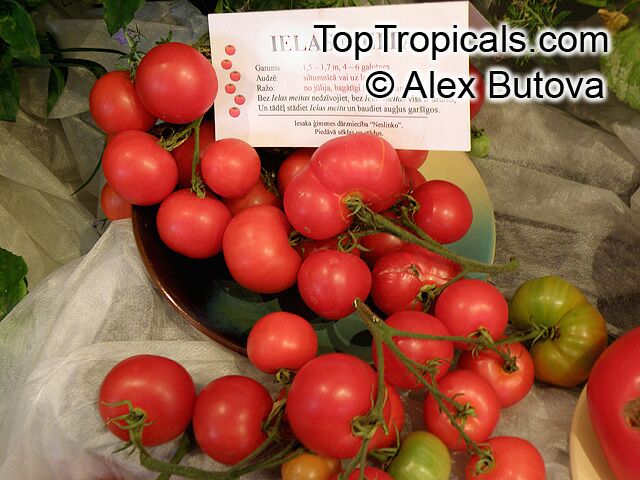
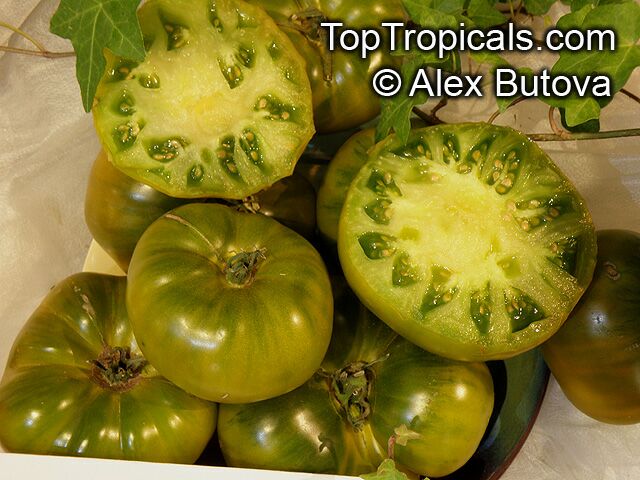
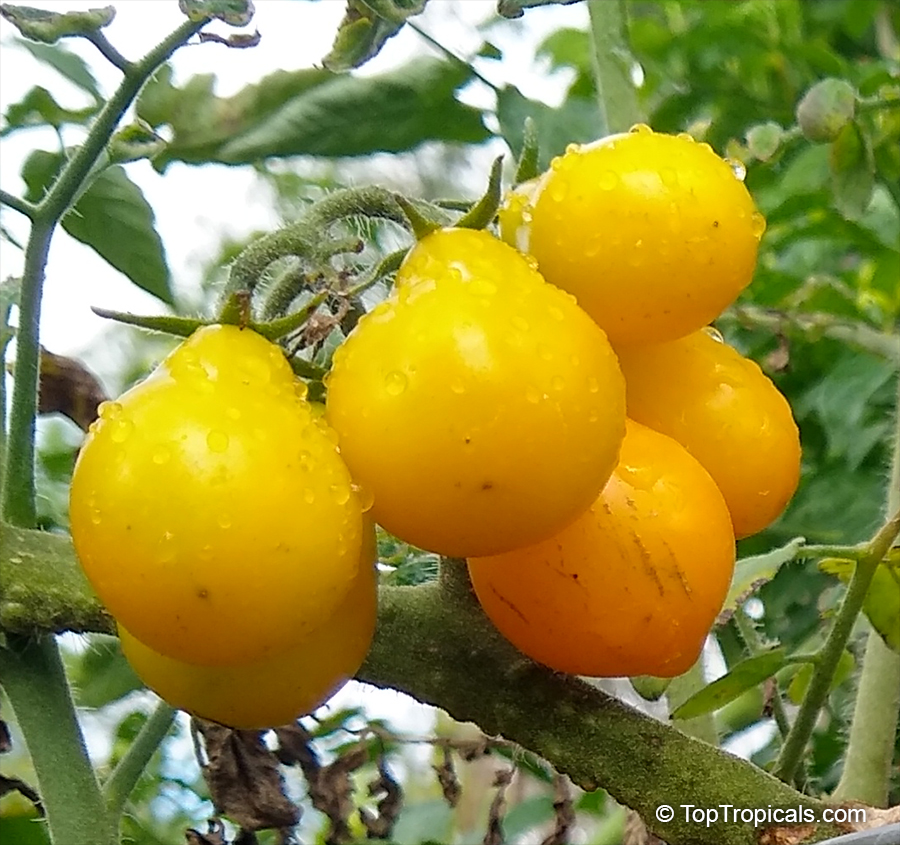
The leaves, stems, and green unripe fruit of the Tomato plant, as a member of the plant genus Solanum, contain the poison solanine, which is toxic to humans and animals.
Use link to repeat this search:
https://toptropicals.com/cgi-bin/garden_catalog/cat.cgi?find=kiwi&search_op=and&keyword_op=and&language=e&number=10
&no_change_lang=1&user=tt&sale=1&first=0