Q: We leave in zone 6a, could you tell us what is the list of
different types of mango plants that could be planted indoor and that they can
bear fruits?
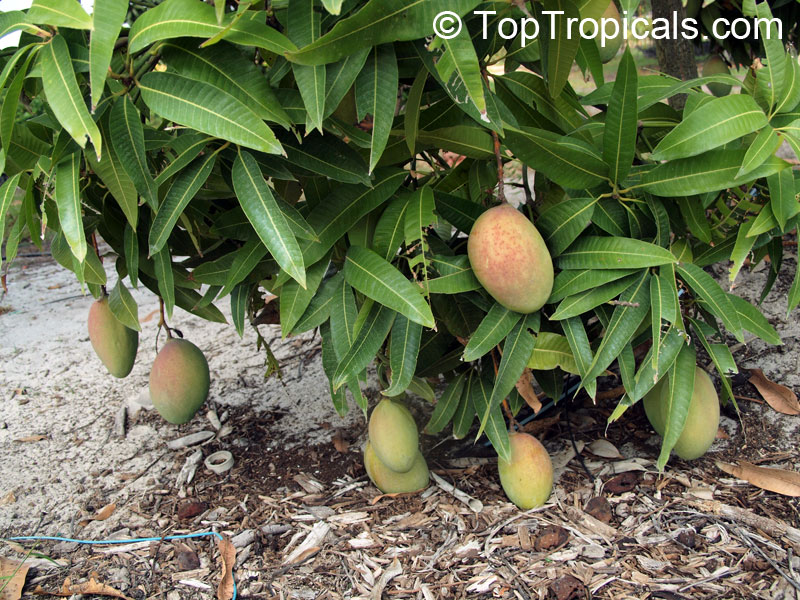
A:There is a large group of mangoes called "Condo Mango" - they
literally can be grown in your apartment! Those are dwarf varieties that can
remain compact in containers with minimal pruning and successfully bear fruit
providing bright light and proper care, including plant food.
They produce juicy, fiberless sweet fruit. Julie is also a very popular
dwarf variety, however, it is very cold sensitive and not the easiest to
grow. If you get a 3 gal size mango, step it up to 7 gal when the plant reaches 4
ft; you may use a bigger container as the root system grows, up to 15 gal or
even 25 gal, space permitting. Trim the tree under 6-8 ft after production
season is over (summer-fall).
Q: I had
a mango tree, the fruit was very large and no one knew the
name of it. Can you please tell me the name of it or
something about it? I have never seen this variety before.
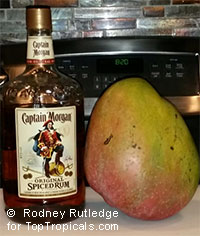
It weighed in at 7 lbs, it smells a little like bubble
gum, its flesh is fiberless and the taste is watery with a
little sweet. And do you have it for sale? I don't have
the tree anymore. My pictures are about a year or two old,
lighting struck the tree and it died so I have been trying
ever since then to find another tree but I don't know what
kind it is. I originally bought the tree on side of the
road cause I always wanted a mango tree so I didn't care
at the time what kind it was so I bought it but I was
shocked at how big the mango was. However I collected
rotten mangoes off the ground and planted the seeds. Only
one germinated.
A: This
mango is called Elephant. We will try to
find this grafted variety and let you know when we have
it. Unfortunately seedlings take many years to fruit (8-15
for mango) and usually do not come trues to seed.
The closest variety by fruit size is Lancetilla, it is a giant 5
lb fruit, of a very good quality. And the best tasting and
the most popular - Nam Doc Mai
Date: 26 Feb 2026
Stop Sugar Crashes: 5 Tropical Fruit Hacks for Healthy Dessert
Exotic Tropical Fruits for Blood Sugar Management. Stop the sugar crash cycle. Learn how to manage glucose levels and insulin spikes using tropical fruits, healthy fats, and metabolic hacks for healthy dessert.
🍨 Stop Sugar Crashes: 5 Tropical Fruit Hacks for Healthy Dessert
The smarter way to handle sugar cravings - no restriction required
Tired of the post-cookie slump? Sugar cravings are a physiological response to blood glucose fluctuations, not a lack of willpower. Refined sugars trigger an insulin spike followed by a hypoglycemic crash, trapping you in a cycle of fatigue and hunger.
The secret to metabolic health is managing glycemic load. By choosing nutrient-dense tropical fruits, you satisfy your sweet tooth while maintaining stable energy homeostasis.
The solution is not to give up dessert. It is to change what dessert means. Here is how to use tropical horticulture to hack your biology and regulate insulin:
🍭 1. Choose fruit that comes with fiber
Whole tropical fruits deliver sweetness wrapped in fiber, water, and nutrients. That slows sugar absorption and keeps energy steady.
Try:
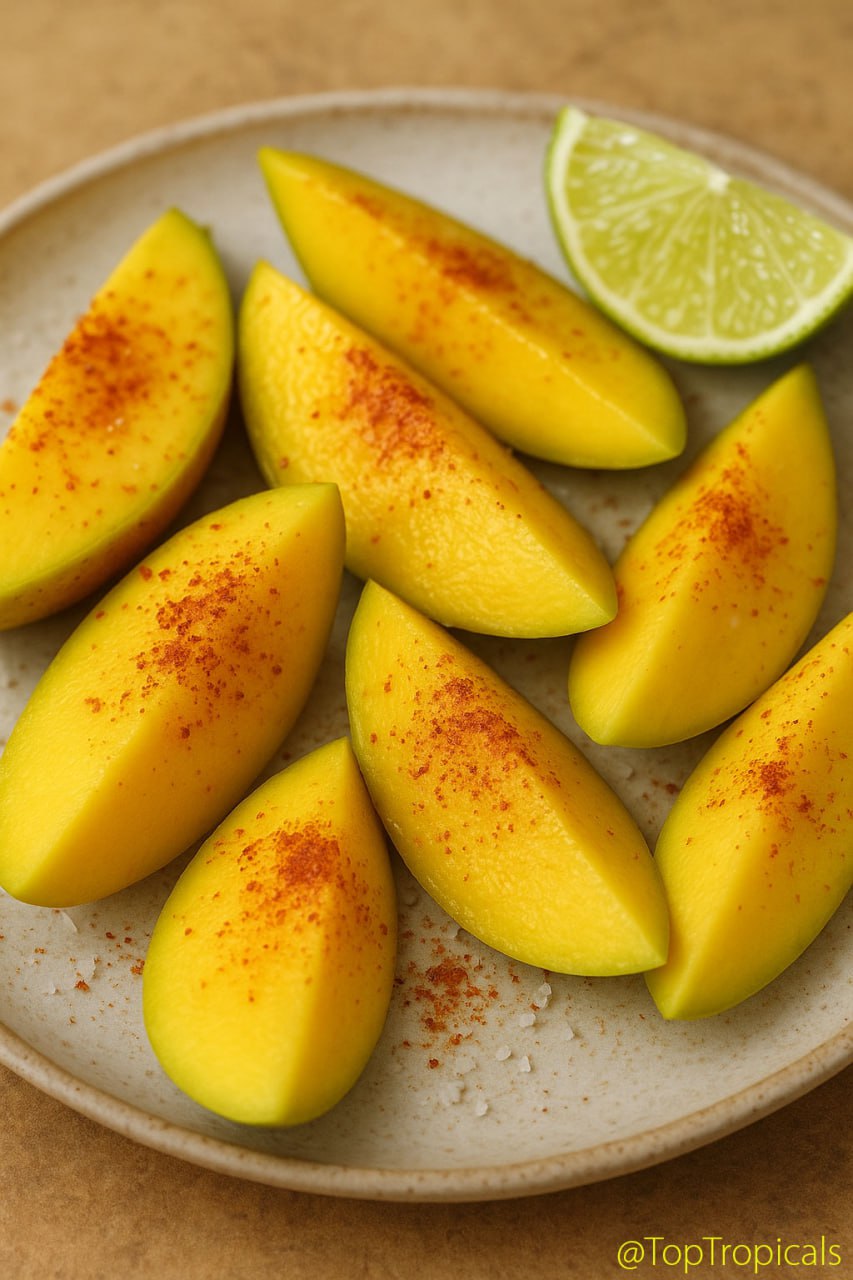
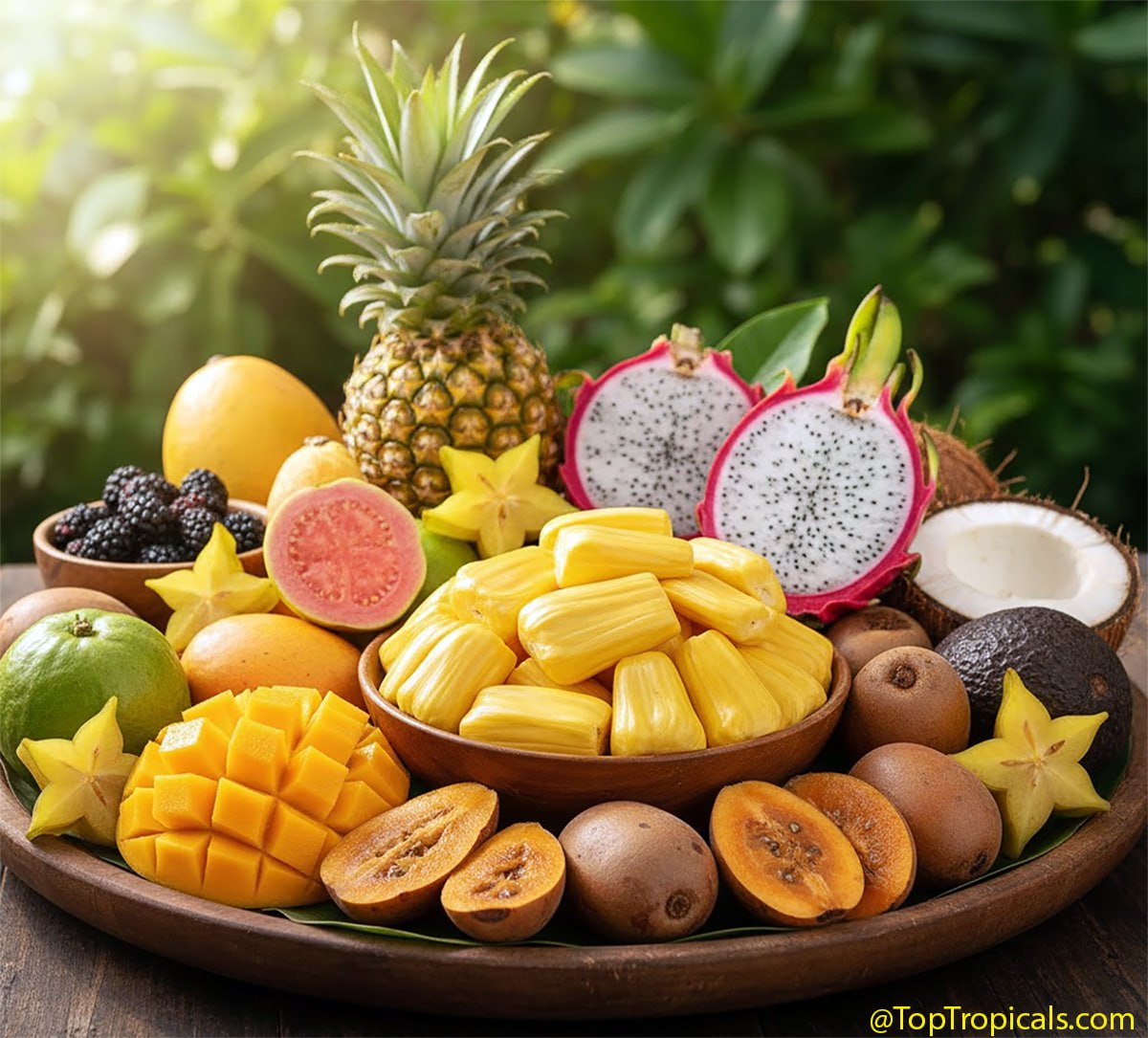
· Mango, chilled and sliced
· Sapodilla - naturally caramel-sweet
· Mulberries by the handful
· Loquat halves straight from the fridge
· Dragon Fruit for light, clean sweetness
Same pleasure. Less crash.
🍭 2. Pair sweet with fat to blunt the glucose spike
Healthy lipids are a biological hack for your metabolism. Fats slow gastric emptying, ensuring a steady glucose release rather than an inflammatory spike. Furthermore, lipids trigger cholecystokinin (CCK) - the hormone that signals satiety to the brain - effectively "turning off" cravings at the source.
· Avocado blended into a chocolate-style mousse: The monounsaturated fats create a creamy texture while blunting the sugar response.
· Banana with nut butter: Combining fast-acting fruit sugars with dense protein and fats.
· Pineapple with raw nuts: The bromelain in pineapple aids digestion, while the fats in nuts provide long-lasting satiety.
· Mango mixed into full-fat yogurt: The combination of probiotics, protein, and lipids turns a simple fruit into a complete, low-glycemic snack.
When fruit is balanced with fat, cravings calm down instead of escalating.
🍭 3. Use naturally rich fruits in place of sugar
Some tropical fruits taste like dessert already.
· Jackfruit has candy-like sweetness
· Sapote is creamy and custard-like
· Guava brings floral depth
· Cherries add brightness
· Mash Banana into baking instead of white sugar.
· Blend Mango into yogurt instead of syrup.
· Top oatmeal with Mulberry instead of brown sugar.
Dessert stays. The crash disappears.
🍭 4. Balance sweet with tart
Adding contrast reduces the urge to overeat sweetness.
· Carambola adds crisp tang.
· Pineapple brightens the palate.
· Loquat gives gentle acidity.
Balanced flavors satisfy faster.
🍭 5. Start the day right
Skipping breakfast increases late-day sugar cravings.
A morning smoothie with Avocado, Banana, and Mango prevents the afternoon energy dip. Hydration also matters - thirst often disguises itself as a sweet craving.
🍭 In essence
Dessert is not the enemy. Refined sugar is.
When sweetness comes from nature's bounty, it nourishes instead of draining energy.
You do not need to quit dessert.
You just need to let nature handle it.
Consult with a healthcare professional before making significant dietary changes, especially if you have diabetes or metabolic conditions
Q: I want to grow my own pineapples, which
varieties do you recommend for the best production? Do I need any special organic
fertilizer?
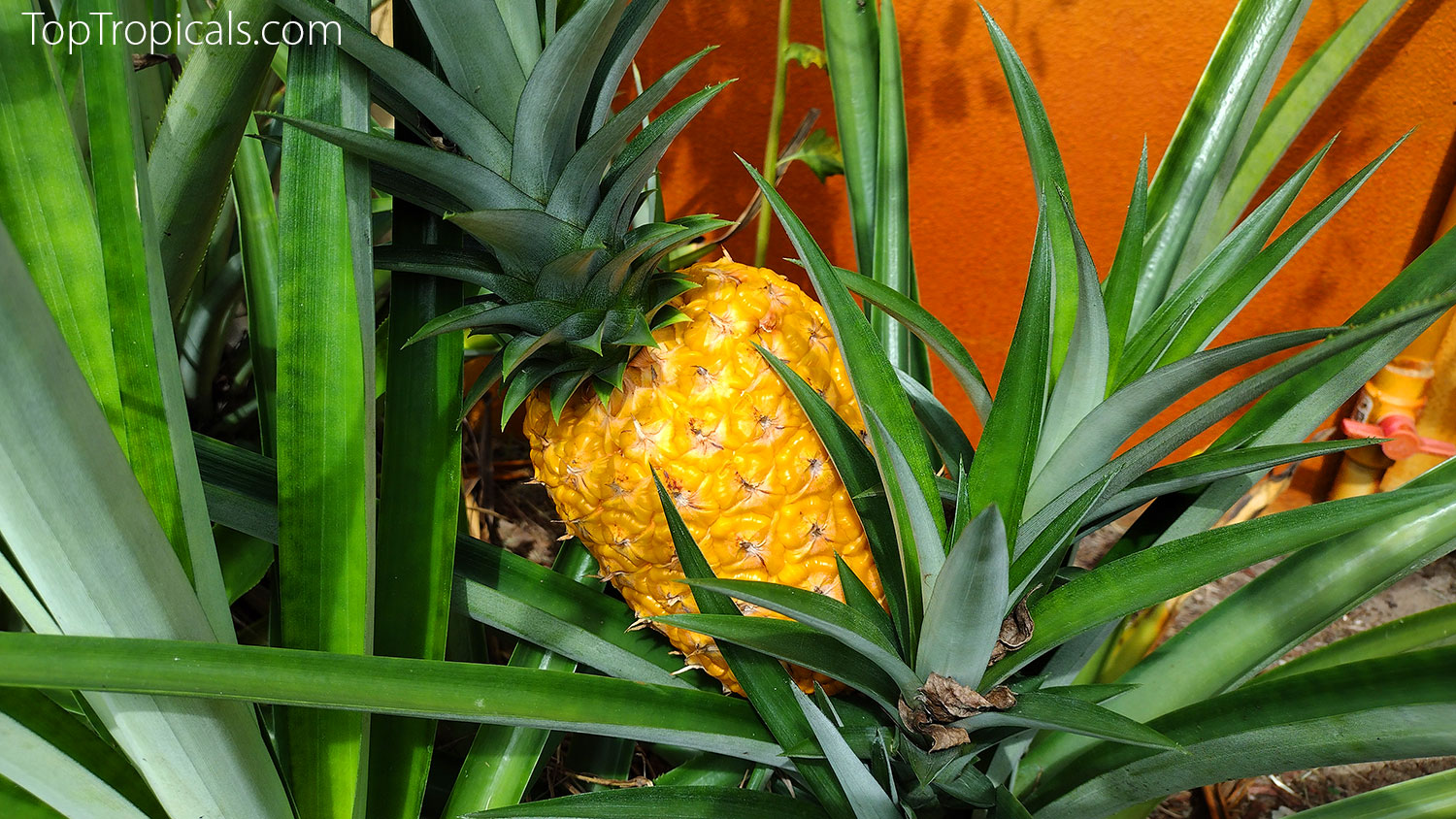
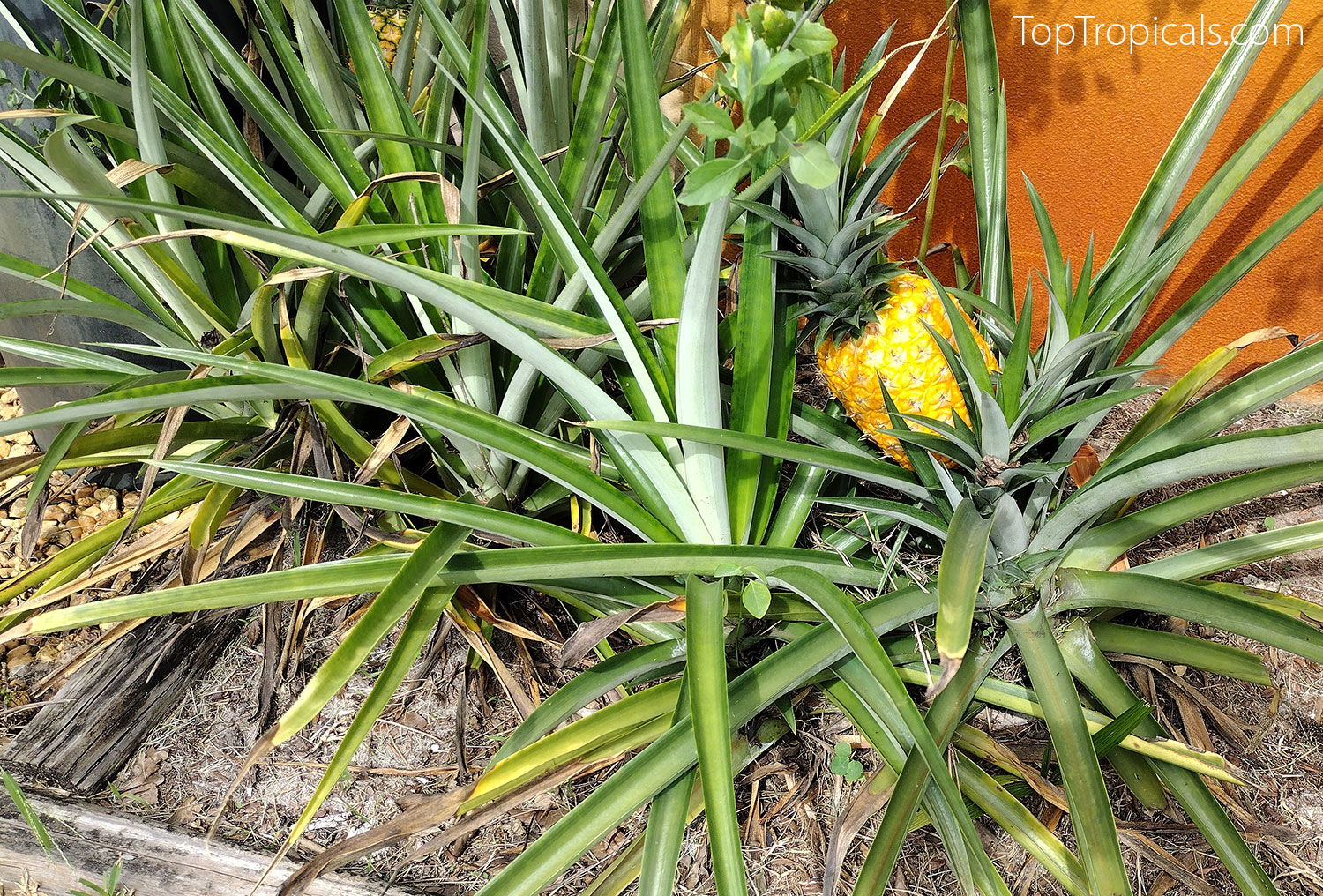
A: Growing your own pineapple is pure bliss. Watching the transformation from a small crown
into a luscious fruit is immensely rewarding. Every tropical gardener should
experience the joy of growing this tropical gem and relishing its sun-kissed
sweetness straight from the garden. Pineapples are easy to grow and can
fruit in containers too, so if you live in a colder climate, no problem! They
will take very little space in your greenhouse or sunroom. Just remember to feed
your pineapple plants with Sunshine Boosters so they will feed you the biggest and the sweetest
fruit! Sunshine Boosters are natural, organic-amino-acid based plant nutrients
that are perfect for any edibles.
There are several varieties of pineapples in commercial cultivation. Below
are the most interesting cultivars. Discover the pineapple paradise!
Elite Gold:
Bursting with tropical flavor and vibrant gold flesh, Elite Gold dazzles with
its unique taste and ornamental beauty.
Florida
Special: Perfectly balanced sweetness and acidity, this variety thrives in warmer
climates, gifting you a taste of Florida's sunshine.
Sugar Loaf:
Irresistibly sweet with a hint of citrus, Sugar Loaf's compact size makes it
an ideal choice for container gardening.
White Jade
(Spineless Sweet): Exceptionally sweet and without spines, White Jade pampers
you with a delectable, thorn-free harvest.
Lava Burst
(Burgundy Variegated Rainbow): This visually stunning ornamental pineapple
variety boasts striking burgundy and green leaves, resembling a rainbow of
colors. Its fruit edible but small; its exceptional beauty adds a touch of exotic
elegance to any garden or indoor space. Lava Burst is a delightful
conversation starter and a captivating addition to your plant collection, making it a
favorite among pineapple enthusiasts for its aesthetic appeal.
Embrace the sense of accomplishment and the satisfaction of savoring
homegrown, mouthwatering pineapples - nature's sweetest gift!