Garden Blog - Top Tropicals

Date: 18 Apr 2020

Fast-fruiting trees

Grafted trees, including Mango and Avocado, will start flowering and fruiting right away

Q: It would be easier for us buyers, if we could search for plants that produce fruit in 2 years or less... I don't have the patience to wait longer than that for fruit. I'm trying to buy for a fairly good sized garden but want some fast growers and fruit produced in 2 yrs. Can you help me out?

A: Fruiting time depends on many factors (growing conditions, fertilizing, and even specific variety), this is why we can not just put a simple icon "will fruit within 2 years". However, most grafted and air-layered fruit trees, including all Mango, Avocado, Loquat, Sapote, Sapodilla, Longan, Peaches and Nectarines - will fruit right away.
If you see in our store "grafted" or "air-layered" in plant description - these trees will fruit soon. Some of them are already flowering and fruiting!

Some non-grafted trees will fruit within a couple of years or even sooner (those from cuttings, root division or even seedlings) - such as: Annona, Artocarpus (Jackfruit), Eugenia, Guava, Banana, Dragon fruit, Mulberry, Blackberry/Raspberry. Banana, Mulberry, Dragon fruit, Blackberry-Raspberry - usually fruit within a year. You may refer to our store directory page for fruit specials.

Also, all spice trees like Bay Leaf, Bay Rum, Allspice and many more - will produce spice for you right away, so you don't need to wait at all!

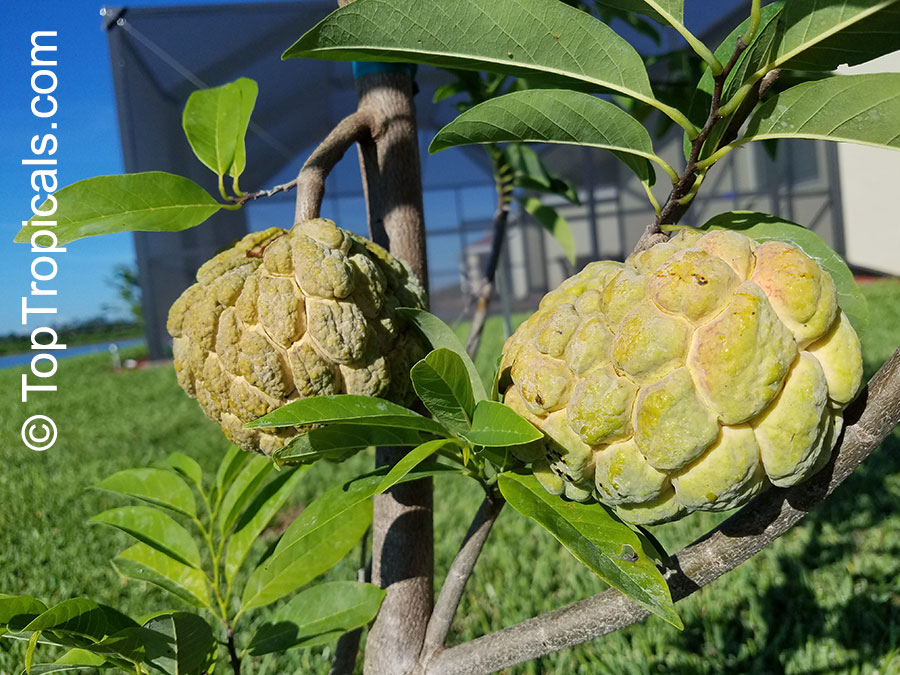
Annonas start fruiting within 3 years from seed and are the most popular fruit trees for both container culture and small gardens.

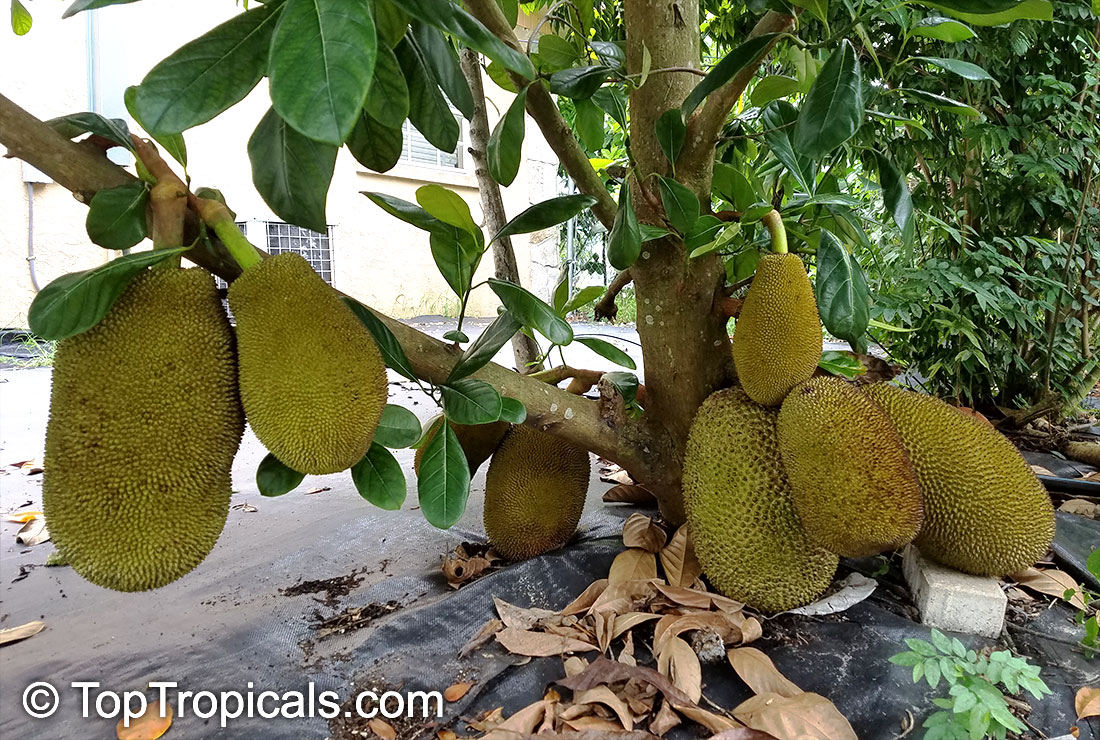
This Jackfruit started fruiting on the second year after planting in the ground.

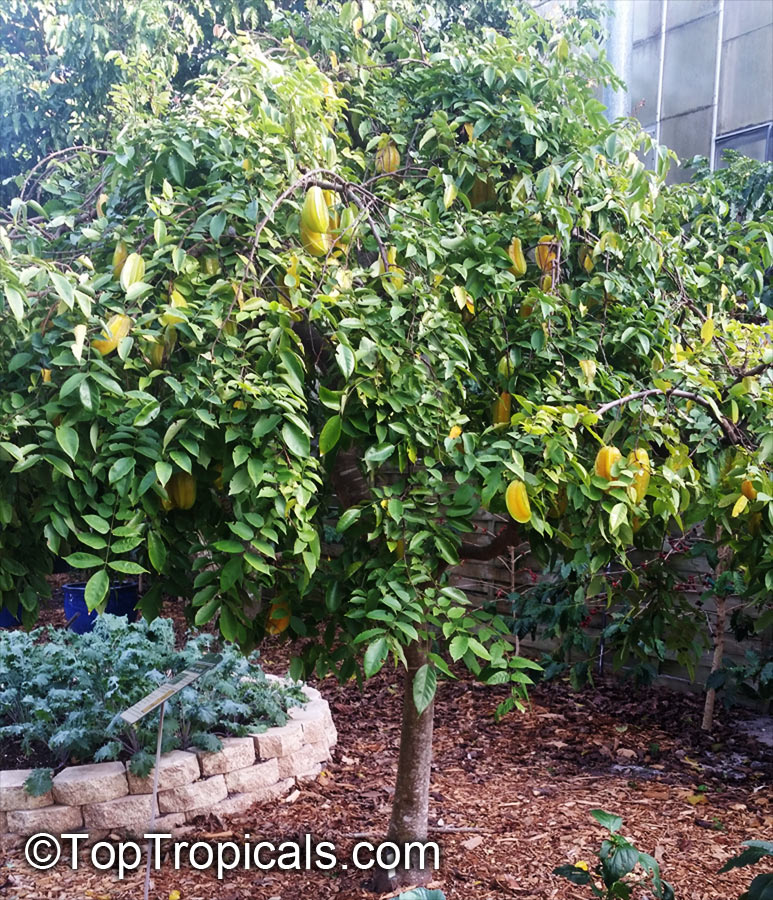
Carambola - Start Fruit - will start producing fruit the same year or next year. We have them fruiting in pots, sometimes as small as 1 gal pots!

Date: 30 May 2019

Selecting the right jasmine

TopTropicals.com

Q: Would you please help me select the right jasmine? I want to find a jasmine that smells like lily of the valley or honeysuckle or roses, not the one that smells like gardenia. I'm in Missouri, zone 6, so I want a jasmine for my deck for the summer, so I want it to bloom this season.

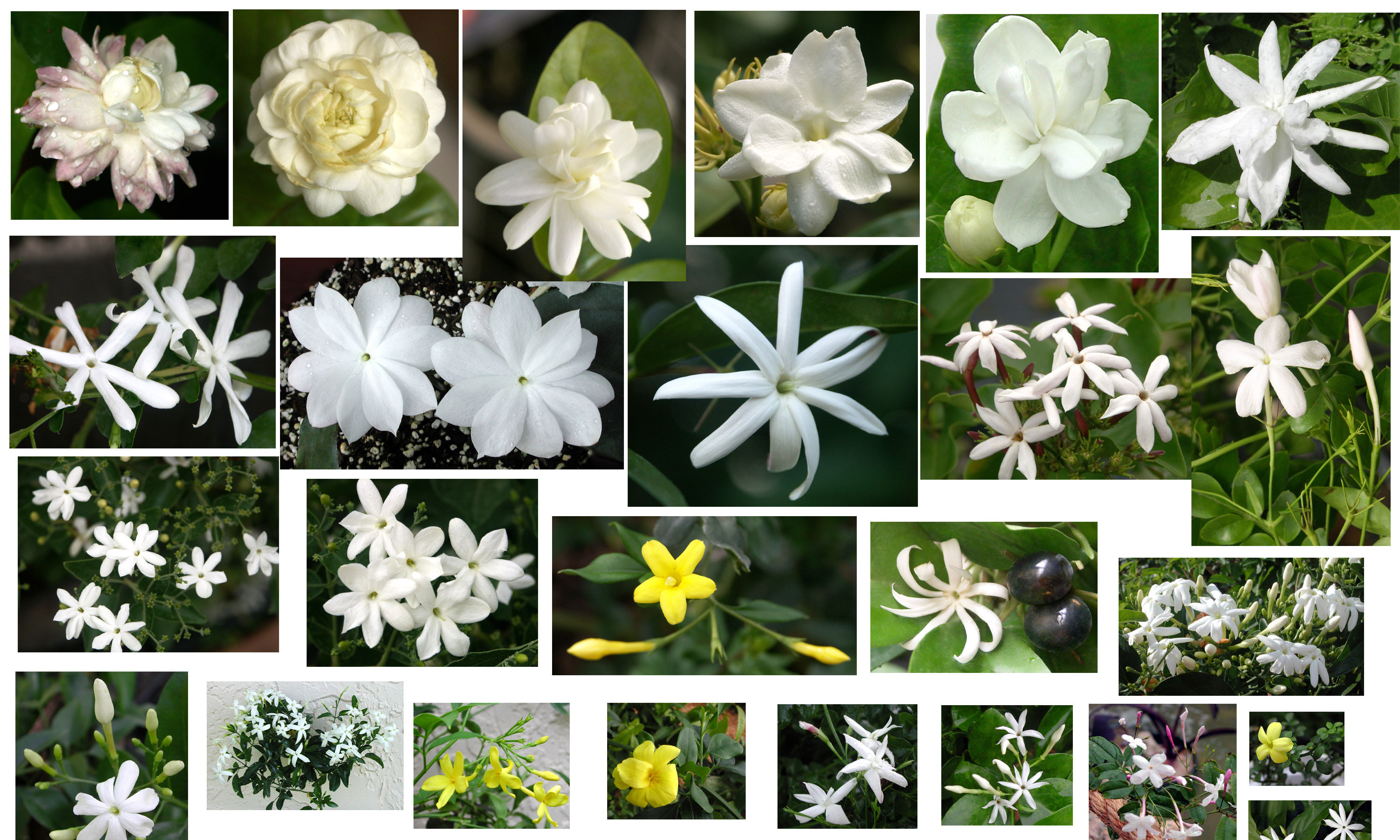
A: There are 3 major types of tropical flower fragrances - Sweet, Fresh, and Fruity (including Lemony). Below are the most interesting fragrant tropical flowers, excluding Gardenias (which are sweet type). These are all same-year bloomers, so you can enjoy the fragrance this year assuming proper care and bloom booster feeding.

* - The fastest growers that can be treated as annuals. Others can be grown in a pot and brought inside for winter, and be enjoyed every year.

Sweet

* Aloysia virgata - Almond Bush
* Cestrum diurnum - White Chocolate Jasmine, Day Blooming Jasmine
* Cestrum nocturnum - Night blooming jasmine
* Heliotropium peruviana - Turnsole, Cherry Pie
Portlandia Cubanola domingensis - Cubanola (Warm white Chocolate)
Portlandia grandiflora - Glorious Flower of Cuba (Warm white Chocolate)

Fresh

Beaumontia grandiflora - Easter Lily Vine
* Brugmansia Jean Pasco - Yellow Angels Trumpet
* Brugmansia Variegated Orange Angel Trumpet
* Brunfelsia americana - Lady of the night
* Brunfelsia lactea - Lady of the night
* Brunfelsia nitida - Lady of the night
Crinum Queen Emma - Spider lily
* Eucharis grandiflora - Amazon Lily
* Hedychium coronarium - Butterfly Ginger
Hiptage benghalensis - Helicopter Flower
Hoya odorata - Fragrant Hoya
Ixora hybrid Sea Green
Ixora odorata - Fragrant Ixora
* Jasminum azoricum - River Jasmine
* Jasminum Molle - Indian Jui
Jasminum nitidum - Star Jasmine
* Jasminum officinale Flore Pleno - French Perfume Jasmine
* Jasminum polyanthum - Pink Winter Jasmine
* Jasminum sambac Belle of India
* Jasminum sambac Grand Duke
* Jasminum sambac Maid of Orleans
* Polianthes tuberosa - Tuberose
*Sclerochiton harveyanus - Blue Lips, Mazabuka (Lavender-violet-like)

Fruity

Aglaia odorata - Chinese Perfume Plant (Lemony)
Artabotrys siamensis - Climbing Ylang-Ylang (Lemony)
Cananga fruticosa - Dwarf Ylang-Ylang
Carissa grandiflora - Natal Plum
Cerbera x manghas hybrid - Enchanted Incense
* Jasminum dichotomum - Rose Bud Jasmine
* Lonicera japonica - Japanese Honeysuckle
Magnolia figo - Banana Magnolia (Banana-like)
Magnolia x Alba grafted (Bubble-gum-like)
* Mirabilis jalapa - Four oclock plant
Oxyceros horridus, Randia siamensis
* Quisqualis - Rangoon Creeper
* Radermachera Kunming - Dwarf Tree Jasmine
* Stephanotis floribunda - Bridal Bouquet
Strophanthus gratus - Climbing Oleander
Telosoma cordata - Pakalana vine (Lemony)

Fertilizers for profuse flowering:

Pink N Good Daily Plant Food - Flower Booster
Tropical Allure - Smart-Release Booster
SUNSHINE-Superfood micro-elements

Date: 23 Sep 2024

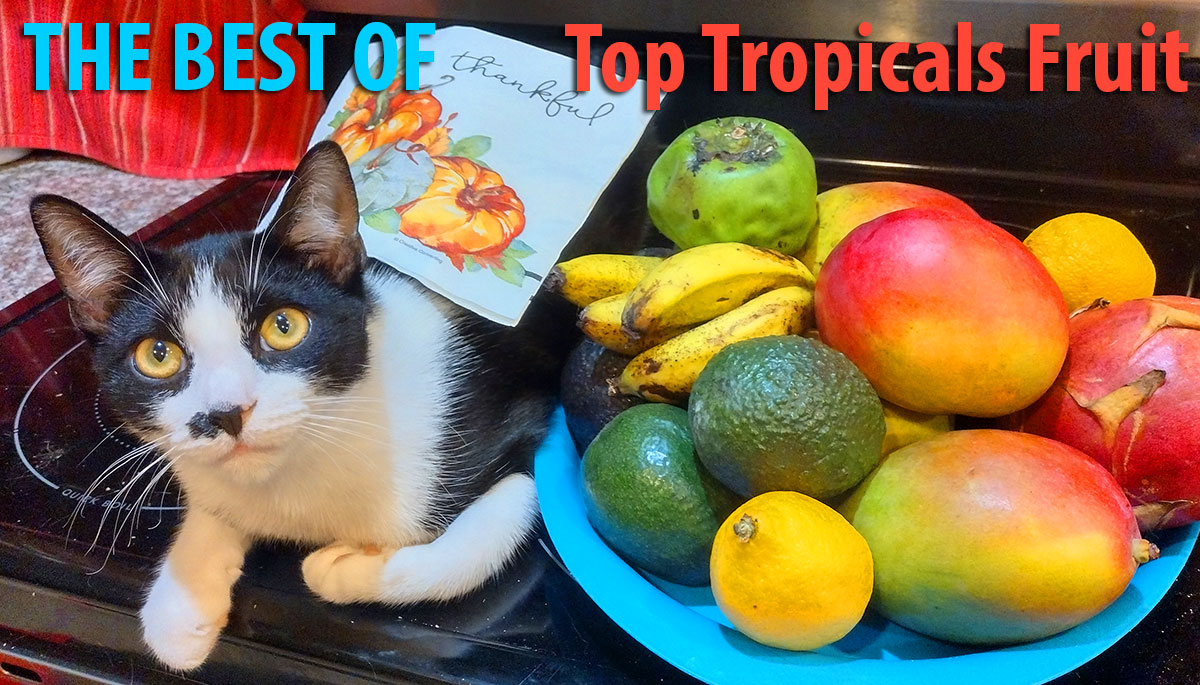
Ten top fruiting plants you'll ever need
for your health benefits

Top  Tropicals  Fruit

Q: I planted Mango and Avocado trees, and I still have room for more trees but want to use the space wisely. What other trees should I plant to get the most benefits out of the fruit?

A: Everyone loves planting Mango or Avocado trees for their well-known benefits. But did you know that adding a variety of other fruit trees to your garden can expand those benefits even more? If you plant just one of each of these 10 trees, you'll have a complete spectrum of nutrients and health-boosting ingredients you ever need. With a diverse range of healthy fruits, you'll boost your diet, improve your health, and elevate your lifestyle. Let's check out the TOP TEN most rewarding and useful fruit...

1. Guava
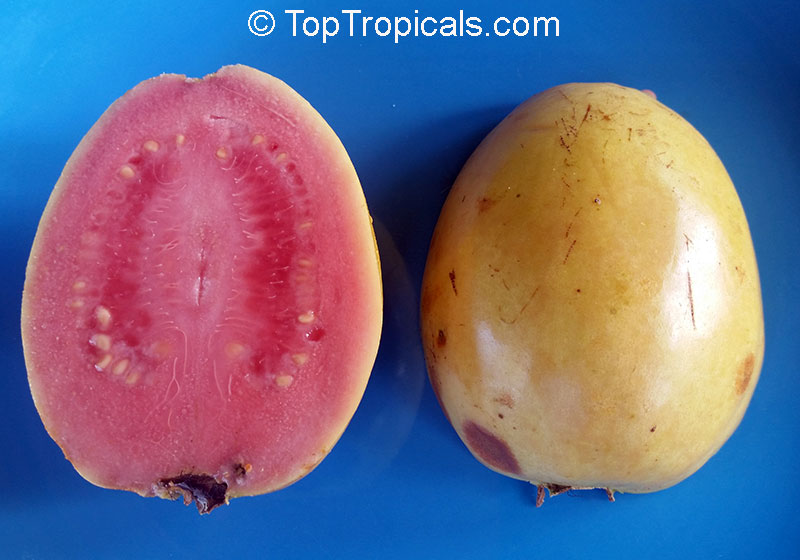
Guava  fruit

Guava is rich in vitamin C, which boosts the immune system and helps protect against colds and infections.
Guava helps regulate blood sugar levels, making it a good option for people with diabetes.
Its potassium content helps maintain healthy blood pressure.
Guava's antioxidants, like lycopene and vitamin C, contribute to glowing skin and may reduce the risk of cancer.
Guava is eaten fresh, made into juices, jams, and jellies, or added to desserts and smoothies.

2. Coffee
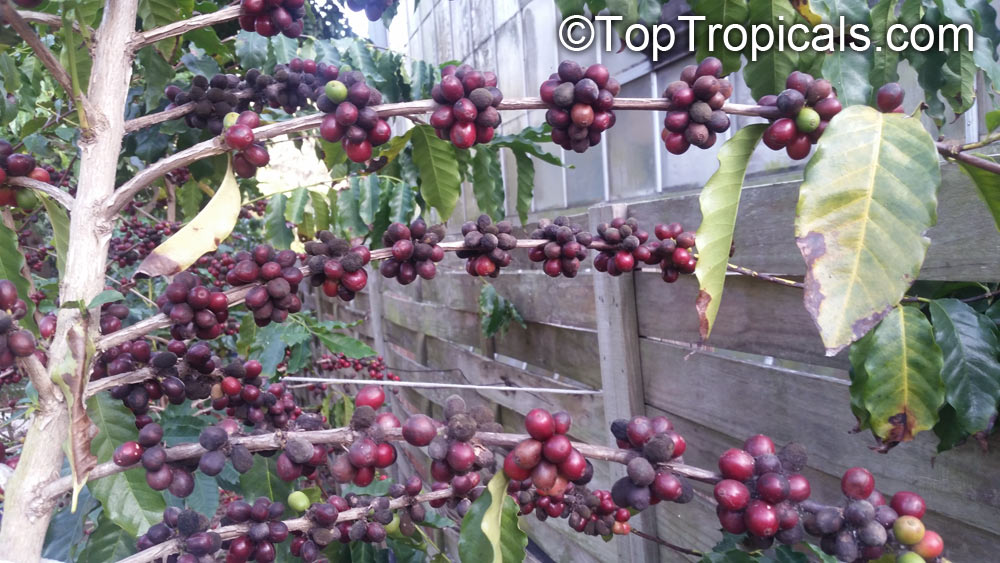
Coffee  fruit

Coffee is widely enjoyed as a beverage and is used in various desserts and drinks.
It is rich in antioxidants, which may reduce inflammation and lower the risk of chronic diseases.
It improves focus and mental alertness due to its caffeine content.
Coffee boosts metabolism and aid in fat burning, supporting weight management.

3. Noni
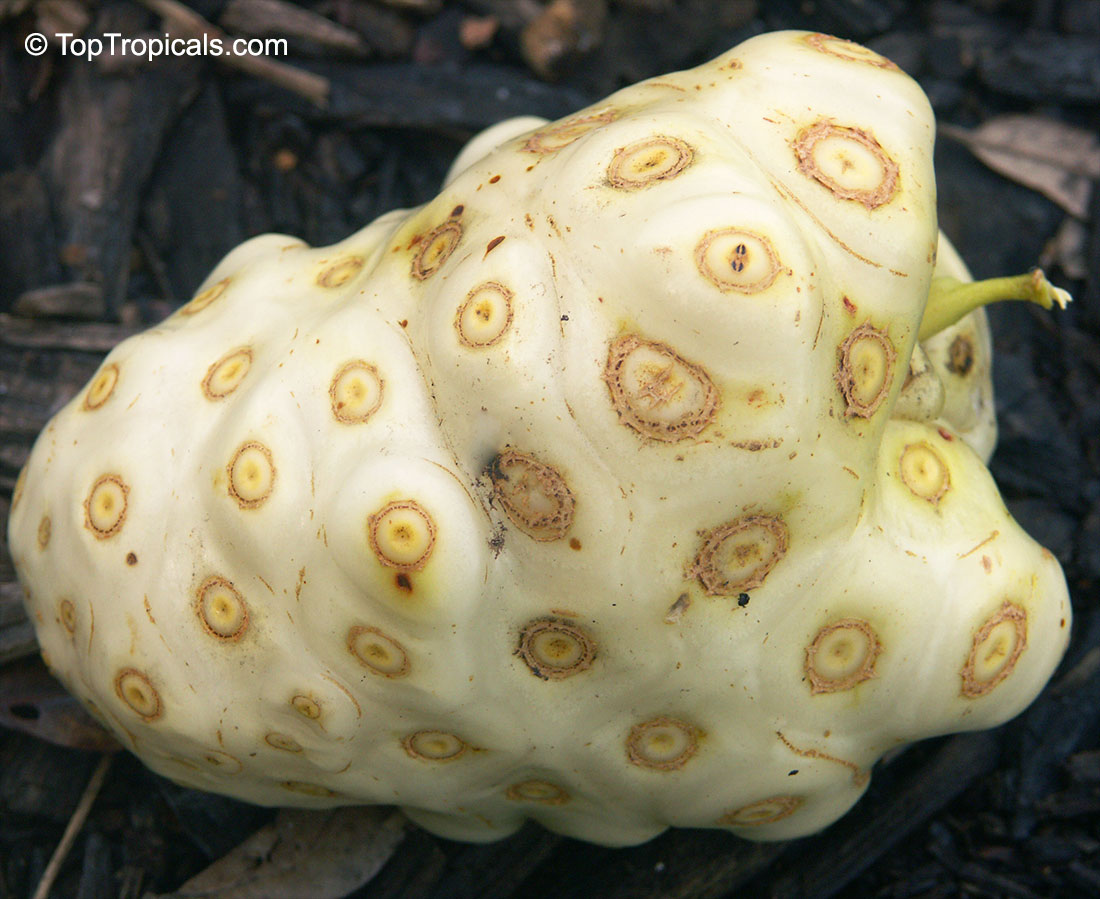
Noni  fruit

Noni is known for its anti-inflammatory properties and may help reduce joint pain and arthritis symptoms.
Fresh noni fruit and juice are popular in traditional herbal medicine and drinks.
It boosts the immune system due to its rich vitamin C content.
Noni juice is used traditionally to improve digestion and fight infections.

4. Papaya
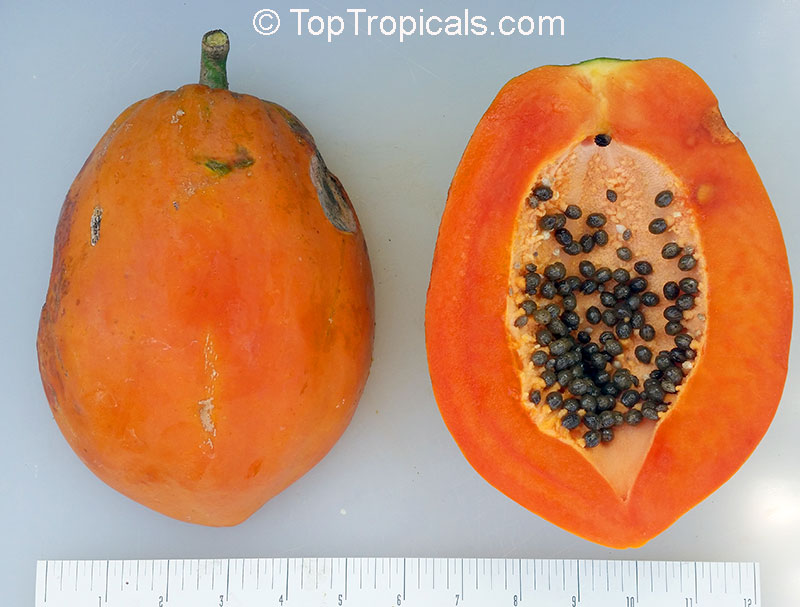
Papaya  fruit

Papaya is a popular ingredient in salads, smoothies, and tropical desserts.
It contains enzymes like papain that aid digestion and reduce bloating.
It is high in vitamin C and vitamin A, the antioxidants in papaya may protect against heart disease and reduce cancer risk.

5. Banana
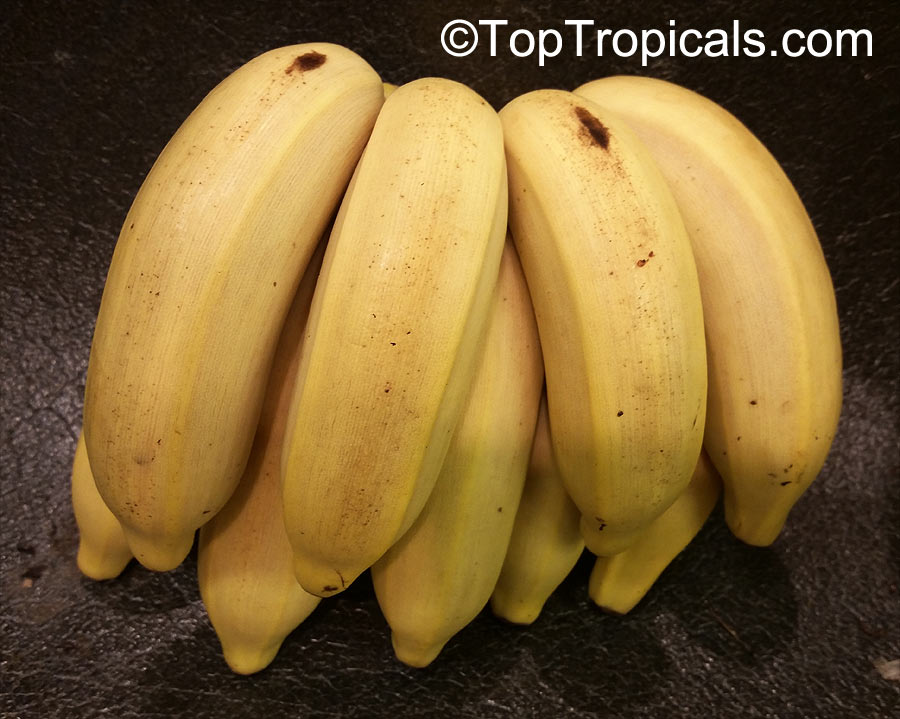
Persimmon  fruit

Bananas are rich in potassium, which helps regulate blood pressure and supports heart health.
They provide a quick source of energy and are great for post-workout recovery.
The fiber in bananas aids digestion and promotes gut health.
East them fresh, add to smoothies, bake into breads and desserts, or use in various savory dishes.

6. Dragon fruit
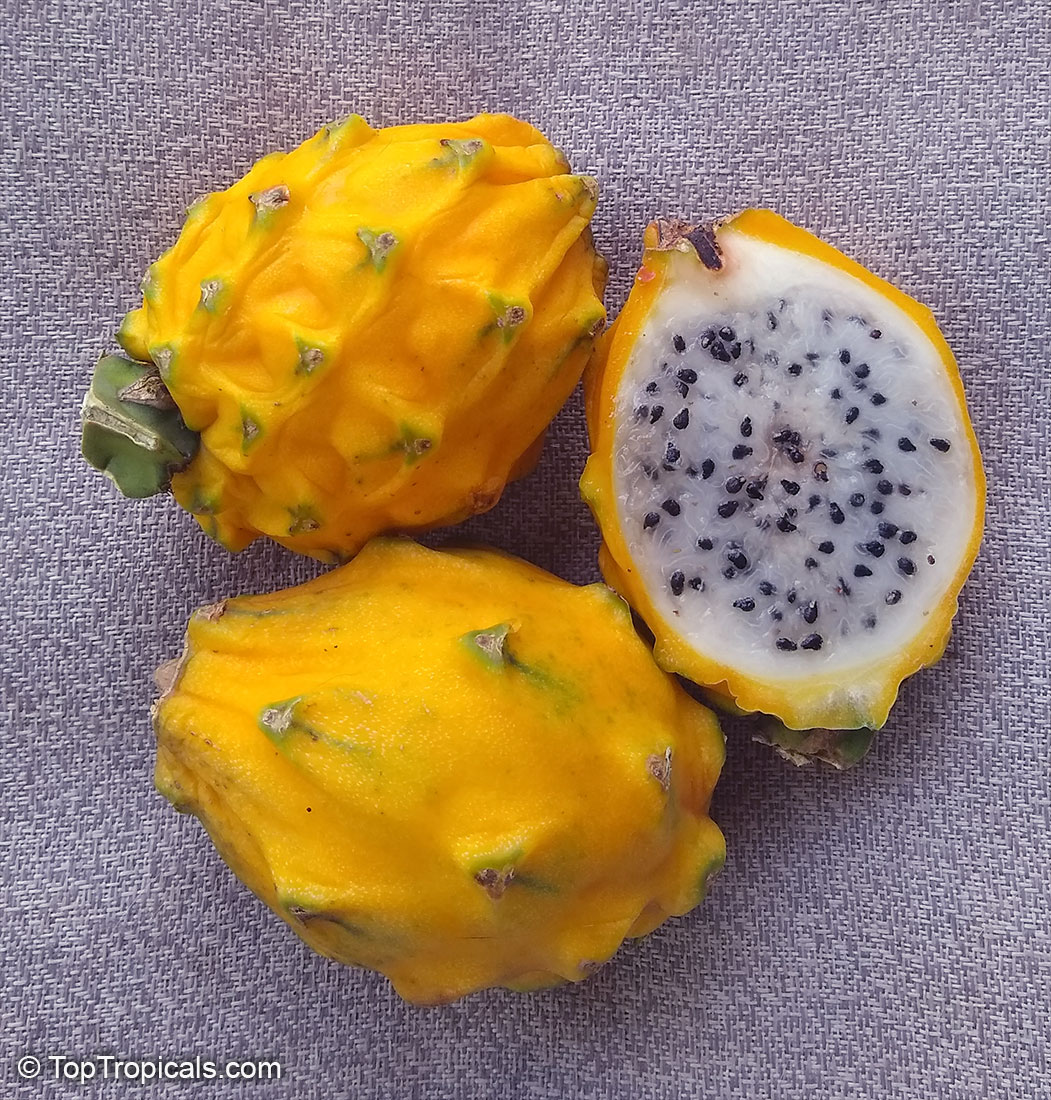
Dragon  fruit

Dragon fruit is often used in smoothies, fruit salads, and refreshing drinks.
It is high in fiber, aiding digestion and promoting gut health. Low in calories and packed with nutrients, it's great for weight management.

7. Tamarind

Tamarind  fruit

Tamarind is a common ingredient in sauces, chutneys, and beverages.
Rich in antioxidants, it protects the liver and reduces inflammation.
It contains natural compounds that help lower cholesterol and improve heart health. Tamarind has a mild laxative effect, aiding digestion and relieving constipation.

8. Loilita (Surinam) Cherry
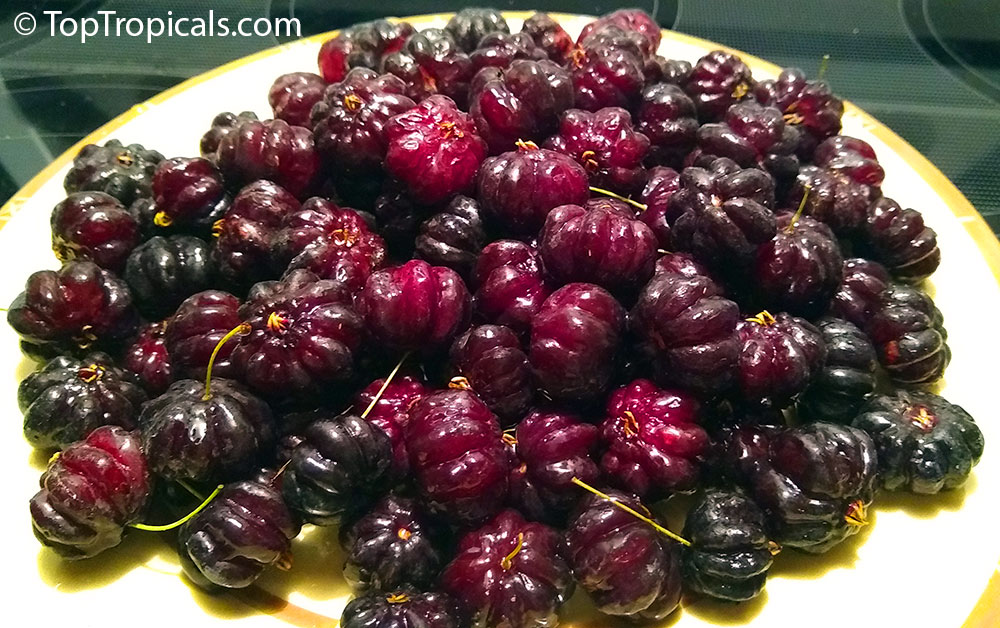
Surinam  cherry  fruit

Surinam cherry is rich in vitamin C, boosting the immune system and skin health.
Its antioxidants reduce inflammation and protect against free radical damage. It contains fiber, which supports healthy digestion.
Surinam cherries are used in jams, sauces, and desserts or eaten fresh.

9. Nescafe
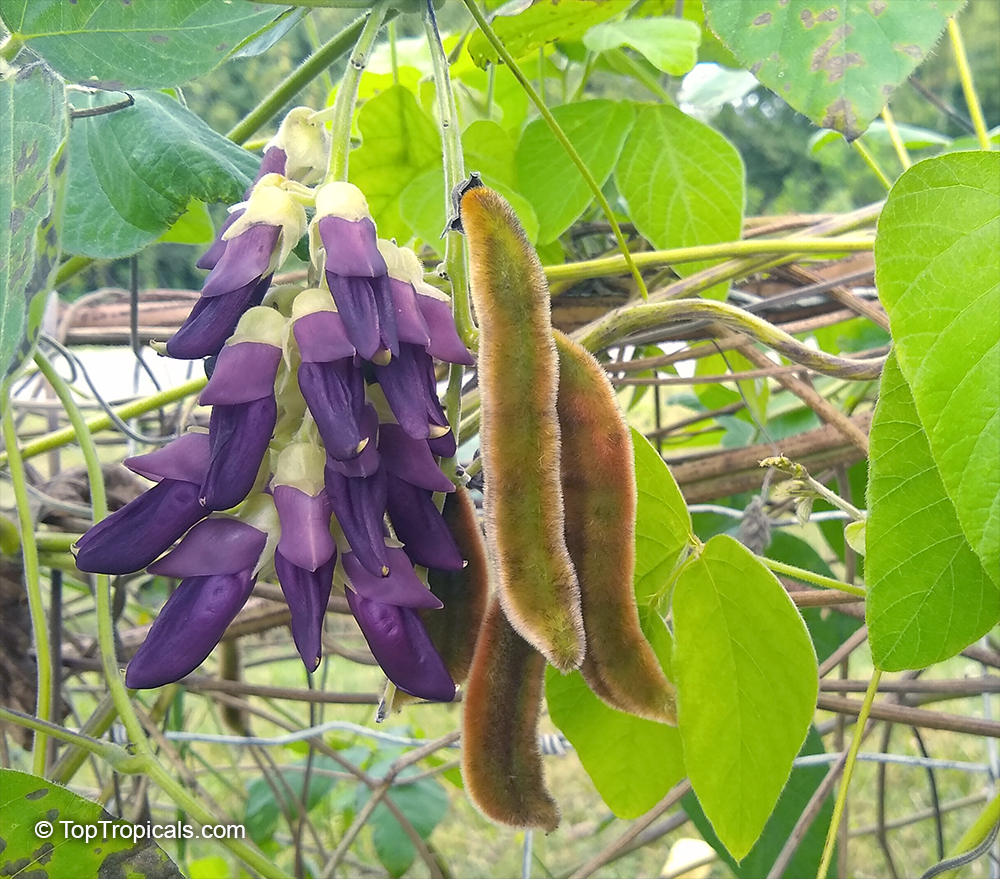
Nescafe

Nescafe - Mucuna pruriens - is used in herbal supplements or ground into powder for teas and health drinks.
It is known for its potential to boost dopamine levels, improving mood and reducing stress.
It supports cognitive function, muscle growth and increases energy levels.

10. Loquat
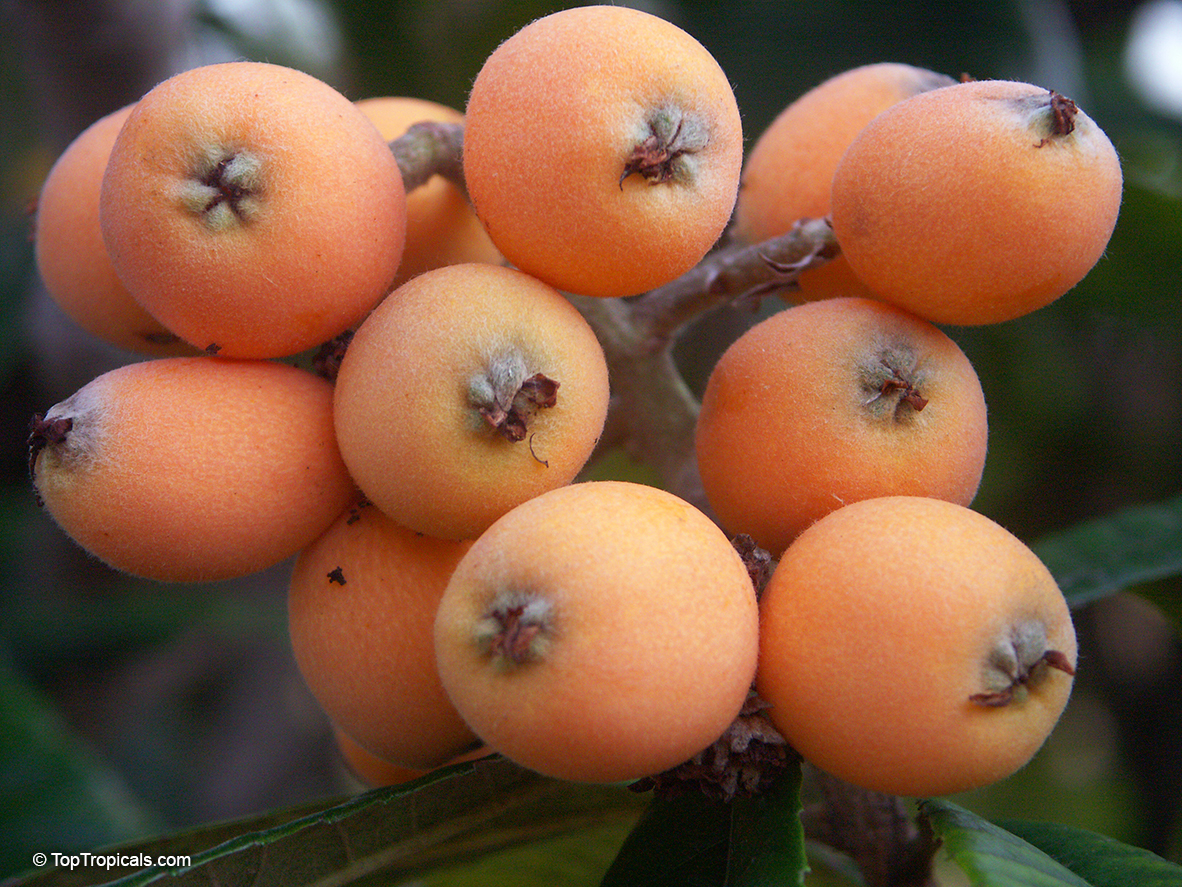
Loquat  fruit

Loquat are very popular and are eaten fresh or used in making jams, jellies, pies, and fruit salads.
Loquat is rich in vitamin A, supporting eye health. It contains antioxidants that help fight inflammation and reduce the risk of chronic diseases. The fiber in loquats aids digestion and helps maintain healthy blood sugar levels.

By planting these 10 diverse fruit trees, you'll not only enjoy a delicious and abundant harvest but also ensure your garden provides all the nutrients needed for a healthier, more vibrant life.

Date: 11 Aug 2018

From Anna Banana: Shipping and planting during hot weather

TopTropicals

Q: I received email notification that my order was delayed due to hot weather. Why? And do I need to do anything special if I plant when it is hot?

A: When plants are shipped via FedEx Ground, it is hot in the truck! According to our FedEx area manager information, if outside temperature is 100 degrees, inside the truck it can be 130! We don't want to put your plants through that much stress. We monitor the weather at destination, and as soon as it cools down a little bit, your order will be shipped.

Planting during hot weather:
1. For a mail-ordered plant follow planting instructions and never plant it from the box directly into the ground. Keep it in a pot the size of a root ball until the plant recovers from shipping stress, re-grows root system and adjusts from several days of darkness to a bright light. Move the pot gradually into brighter light, eventually into a spot of its permanent home. Do not over water the pot. Once you see new growth - the plant is ready to be transplanted into the ground.
2. Use only quality soil, containing lots of organic matter (compost, peat moss); soil conditioner is beneficial (pine bark). Plant it on a little hill, so growing point is elevated 1-1.5" above the rest of the surface.
3. Put a good layer of mulch around the plant, at least 1-2" thick, and not too close to the trunk as it may cause stem rot on contact.
4. Water daily with a garden hose until the plant shows active growth - then watering may be reduced every other day or less, or you may rely on sprinklers and/or rains.
5. If the sun is too hot, use shade cloth (or simply a white bed sheet) to cover the plant for the first few days (use bamboo sticks for support). It will help the plant to establish without heat stress. If leaves start dropping - this may be a sign of excessive light and heat. Shading is the way to reduce it.
6. Use SUNSHINE booster to help plants overcome heat stress, and shipping stress. It really works!

Remember that a plant has a very slow nature, unlike creatures from animal world. Give it some time and never rush it into new conditions. Go slowly and patiently - this is the only way to get a reward of a fruit crop or a beautiful flower.

Date: 10 Nov 2025

❄️ How to Prepare Your Tropical Garden for Winter

Two  cats  in  a  tropical  garden  at  sunset.  Smokey,  a  black-and-white 


tuxedo  cat  wearing  a  wool  cap,  holds  a  thermometer  while  Sunshine,  a  fluffy 


orange  tabby,  sits  beside  mulch  and  folded  frost  cloths  surrounded  by  banana
 
 
  and  hibiscus  plants.

Smokey and Sunshine Wrap Up the Garden with Frost Cloth Before the Chill.

Smokey: "Thermometer says 45. Time to wrap the bananas!"
Sunshine: "You wrap the bananas. I’ll guard the mulch… from this sunny spot."
Smokey: "Teamwork, Sunshine. Teamwork."

🌡️ Cold nights are coming - but your tropicals do not need to shiver!

Even in sunny Florida and other warm zones, one cold snap can undo months of growth. Preparation is everything. Tropical plants can handle a lot, but they dislike surprises. Let’s make sure your garden stays safe, strong, and happy all winter long.

Tips from Tatiana Anderson, Top Tropicals Plant Expert

👉 Group and Check Your Plants

You already know which plants are in pots and which are in the ground. What matters now is prioritizing by cold sensitivity. Identify the tender tropicals – papaya, banana, plumeria, adenium, heliconia – and decide which ones get covered first when temperatures drop. Keep frost cloths or old sheets near those areas, ready to grab fast. If your garden is large, label protection zones or mark plants that always need extra care. The goal is to have a plan, not a panic, when the cold alert hits.

Once you know your priorities, you can plan the rest of your protection strategy.

👉 Feed and Mulch

Stop using high-nitrogen fertilizers by late fall. They push soft new growth that freezes easily. Add compost around the base of your plants and top with 3 to 4 inches of mulch. Mulch acts like a blanket: it keeps warmth in, protects the roots, and keeps soil moisture steady. Just make sure the soil drains well; cold and soggy soil leads to root rot. In raised beds, check that water flows away easily.

After you feed and mulch, it is time to look at how your local zone changes the game.

👉 Zone-by-Zone Tips

Woman  sitting  between  two  large  potted  tropical  plants  on  a  wooden  deck
 
 
  in  front  of  a  house,  preparing  to  move  them  indoors  for  the  winter.

Moving Tropical Plants Indoors for Winter Protection

  • Zone 10: You are lucky! This is mostly a maintenance season. Watch for root rot after heavy rain, trim lightly if needed, and protect tender young trees during surprise chills. Keep some frost cloth ready just in case.
  • Zone 9: This is the main action zone. Nights can dip into the 30s. Deep-water your trees once before cold nights to insulate the roots. Apply heavy mulch, and have frost protection ready to go. If you grow tropical fruit like mango or guava, consider wrapping young trunks in burlap or foam pipe insulation.
  • Zone 8: This is where tropical gardening becomes creative. Stick to cold-hardy tropicals such as loquat, guava, or cold-hardy avocado varieties. Use portable greenhouses, wrap trunks, and move smaller plants indoors or to a heated porch when frost threatens.

Now that the garden beds are set, let’s look at your pots and containers – your most mobile plants.

👉 Container and Patio Plants

Potted plants are the easiest to protect but also the quickest to freeze. Start reducing watering now so roots do not stay too wet in cooler weather. Before moving them, check for insects hiding under leaves or in the soil. Group your pots close to a wall for reflected heat and wind protection. If you plan to bring them indoors, do it gradually. Move them closer to the house for a few days before bringing them all the way inside to help them adjust to lower light and humidity.

When the chill starts, many gardeners rush to move everything inside at once – but a smooth transition works much better.

👉 Indoor Plants

When bringing plants inside, give them a good rinse to remove dust and bugs, and flush the soil to wash out salts from summer fertilizing. Keep them separate from your houseplants for a week to make sure no pests come along. Expect some leaf drop – it is normal as they adjust to lower light. Give them bright light near a window, and cut watering by about half until spring. Avoid misting too much; good airflow matters more than humidity during winter.

Many tropicals, like hibiscus, brugmansia, and crotons, may look tired for a while, but they will bounce back quickly once days get longer.

👉 Timing Is Everything

The key is to prepare before the first cold warning. Check your weather app regularly once nights start dropping into the 50s. Keep covers, mulch, and supplies ready so you are not running outside at midnight with a flashlight and a frozen hose. Have your frost cloths labeled by plant group and stored in an easy spot. A little organization now saves a lot of stress later.

Many tropicals, like hibiscus, brugmansia, and crotons, may look tired for a while, but they will bounce back quickly once days get longer.

Remember: the goal is to help your plants rest safely. Many gardeners prune or fertilize too late in the season – we will talk about why that can be risky next week." — says Tatiana Anderson, Top Tropicals Plant Expert

Coming next mail-list: The best gadgets for cold protection (lights, heaters, frost covers) and what NOT to do in winter.

📚 Learn more from Top Tropicals Blog:

Cold protection - winter action for your plant collection

What plants are good to order in Winter?

How to take care of house plants in Winter

How to protect tropical plants in Winter

How to take care of a mango tree in winter

How to protect Avocado from cold

Overwintering Adeniums outside of tropics

Rows  of  tropical  plants  in  black  pots  covered  with  frost  cloth  and 


plastic  sheeting  for  winter  protection  at  Top  Tropicals  nursery.

Protecting Tropical Plants with Frost Covers at Top Tropicals Nursery