Garden Blog - Top Tropicals

Date: 12 Sep 2019

Helping Citrus and other fruit trees with Nutritional Supplements
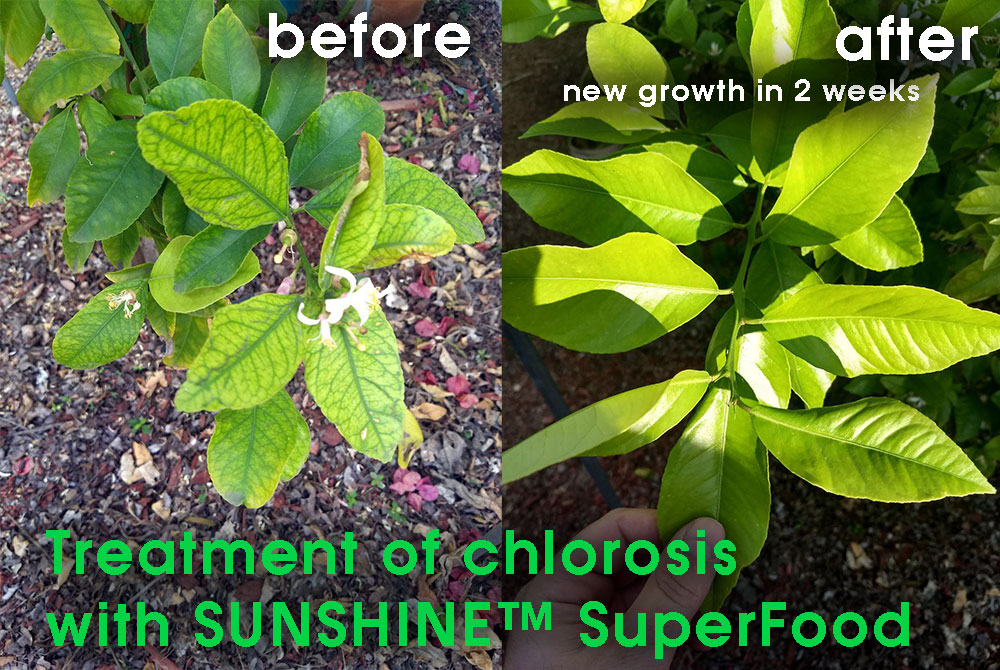
Q: Can you recommended a product to help with my citrus? Combating greening and chlorosis.

A: Citrus greening is spread by an insect called the Asian citrus psyllid. The psyllid feeds on the stems and leaves of the trees, infecting the trees with the bacteria that causes citrus greening. Florida Citrus growers dedicated the last decade to researching citrus greening. Officially, currently there is still no cure, however, some Nutritional solutions have shown promising results. To slow the progression of citrus greening in infected trees, nutrients are applied to the leaves and to the roots. Providing better nutrition helps trees fight against citrus greening and enables them to continue to produce quality fruit.

We recommend the following products for use on regular basis:

SUNSHINE Epi is a natural Brassinosteroid plant hormone and a bio-stimulant that may be very effective as citrus greening treatment. It works through plant's immune system and shows amazing results of recovery of weak and sick plants.

SUNSHINE Superfood, a complex micro-element supplement, maintains plant's health and provides vigorous growth.

SUNSHINE-Honey is a basic nutritional complement, it contains essential plant micronutrients Boron (B) and Molybdenum (Mo). These elements are essential to vegetative and reproductive growth, cell expansion, tissue growth, and fertility. A very common problem for most unimproved garden soils is lack of Molybdenum and Boron as soil micro-component. This results in underdeveloped / low quality fruit and/or premature fruit drop. Applying SUNSHINE Honey on your fruit trees will fill that gap and help a fruit tree to form a healthy fruit.

Macro-nutrients should be applied in combination with micro-nutrients on regular basis:

Mango-Food - Smart Release Fruit Tree Booster (works great for all tropical fruit trees)
Fruit Festival Plant Food - Ideal blend designed to improve fruit trees health and vigor, and increase crop yield.

See SUNSHINE Boosters page for the complete list of plant boosters.

Date: 4 Jun 2024

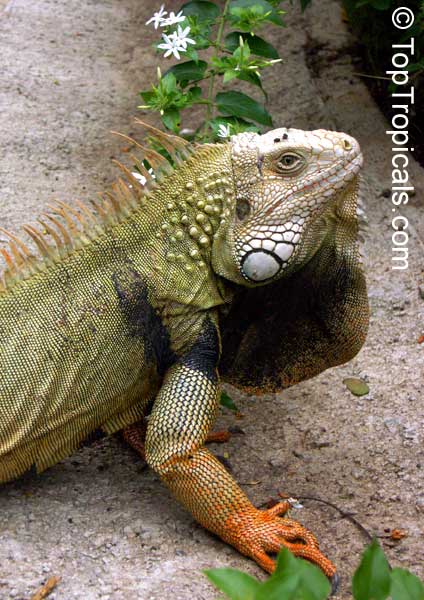
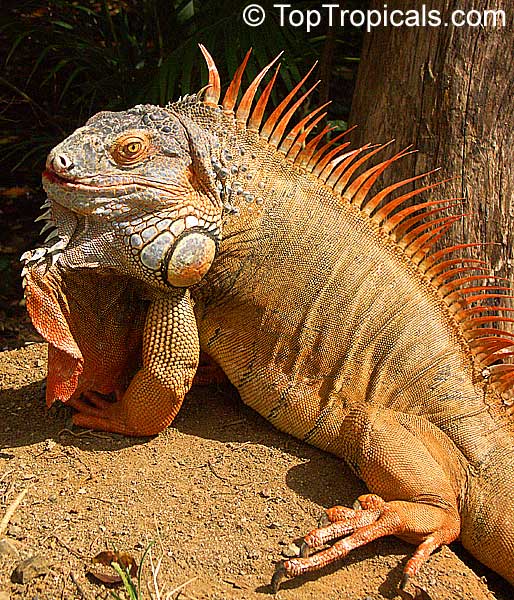
Iguana attacking!

Iguana attacking! Iguana attacking! Iguana attacking! Iguana attacking!

Iguana attacking! your plants...


Q: I am having a hard time keeping iguanas eating everything! Any solution to keep them out?

Iguanas may become quite a problem in the garden. Our first suggestion would be - get a Duck as we have (Duck Dobi), she is so dominant and keeps any wild animals away from the property, including gators... and cats! They are scared of her! Dobi thinks she owns the place.

Here are a few other ways to control iguana problem in your backyard:

  • Rid your lawn of dropped fruits. Iguanas love fruit. And they love low-hanging fruit or fruit that's easy to get to. If you have fruit trees, take the time to pick up your yard and dispose of any dropped fruit.

  • Keep a lid on a garbage can. Put your garbage cans in a place they can't get to, or put a cinder block on your can lid.

  • Do not leave pet food out. If you're putting a bowl of dog food or a plate of cat food out for your pets, you're inviting iguanas into your yard.

  • Fill iguana holes. Iguanas like to dig. Wherever you see a hole, fill it. Stuff rocks into the hole first, then fill it with dirt and top it with sod. The iguana may return to dig again, but he won't dig through large rocks.

  • Do NOT feed the iguanas. Don't be friendly with them, so they won't come back.

  • Wire netting around plants. You can use wire netting or screens to prevent iguanas from entering plants and shrubs.

  • Spray them with a hose. When you see an iguana in the yard, spray them with the hose. They also hate loud noises. Constant "harassment" can keep them from returning.

  • Keep your yard clean. Excessive overgrowth or yard storage are great places for iguanas to hide.

  • Do not leave food out, unattended. Iguanas are mainly herbivores but that doesn't mean they won't smell something good and want to eat it. They will TRY anything.

Hopefully these tips help keep your iguana problems to a minimum!

#How_to

🏵 TopTropicals

Date: 16 Jul 2024

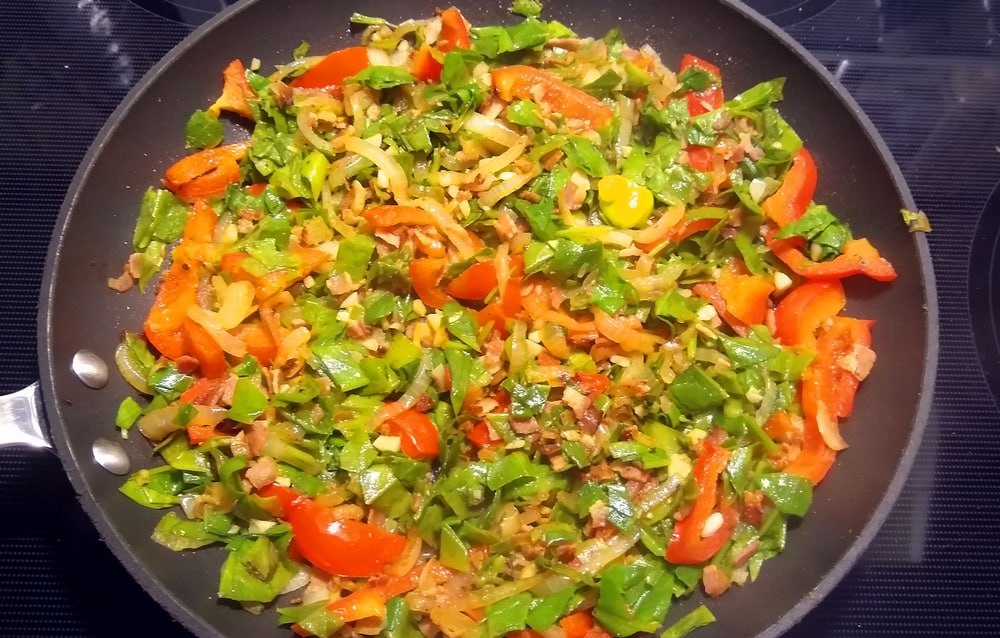
How to make healthy food taste delicious? Longevity Spinach Super-food Recipes

Longevity Spinach recipe

Longevity Spinach recipe

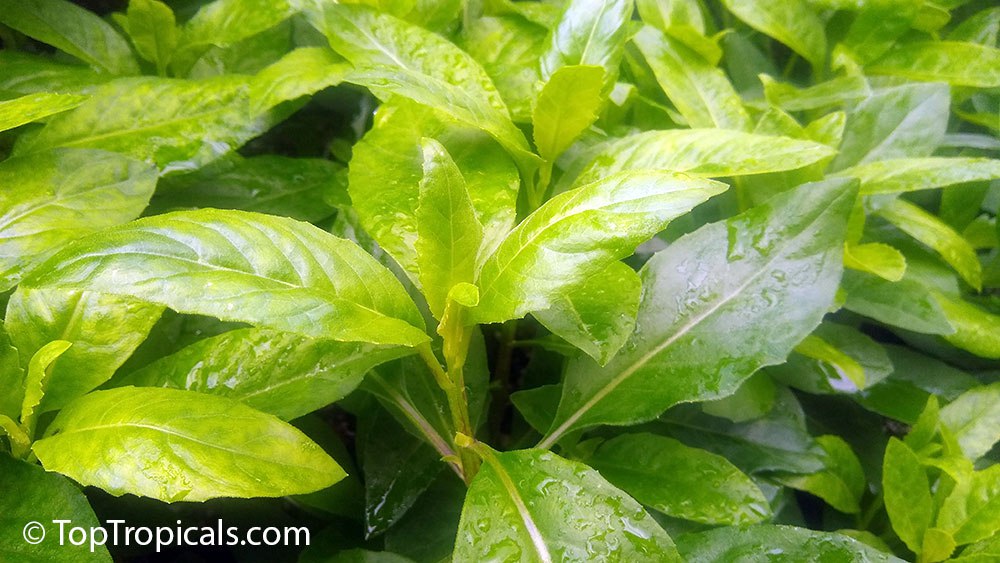
Gynura procubens (Longevity Spinach, Okinawa Spinach)

Gynura procubens (Longevity Spinach, Okinawa Spinach)

How to make healthy food taste delicious? Longevity Spinach Super-food Recipes.

  • ☘️ Gynura procubens (Longevity Spinach, Okinawa Spinach) is one of the Superfoods, known for its longevity-promoting properties in traditional medicine.
  • ☘️ Native to Indonesia, commercially grown in China. It is a relatively hardy perennial that once planted, you will have these healthy greens for many years!
  • ☘️ Both the stems and the leaves are edible and nutritious, can be eaten raw or cooked. They have a unique flavor with a faint hint of pine, and will add a beautiful aesthetic element to cuisine.
  • ☘️ This green is also known as cholesterol spinach, and there are many claims that it lowers can cholesterol.
  • ☘️ Perfect for hot and humid climates unlike traditional Spinach that only grown in cooler areas. It will thrive in any type of soil, any type of light other than dark shade, and is pest-free.
  • ☘️ Very adaptable to container gardening and even grows well on a windowsill.
  • ☘️ The leaves and young shoot tips can be steamed, used in stir fry, tempura, stews, and soups. Just add them at the very end.

Check out the recipes⬇️⬇️⬇️

📚 Gynura: Longevity Spinach Superfood Recipes

🎥

🛒 Plant Longevity Spinach and live long

#Food_Forest #Recipes #Remedies

🏵 TopTropicals

Date: 24 Jul 2024

How to grow your own Pepper plants

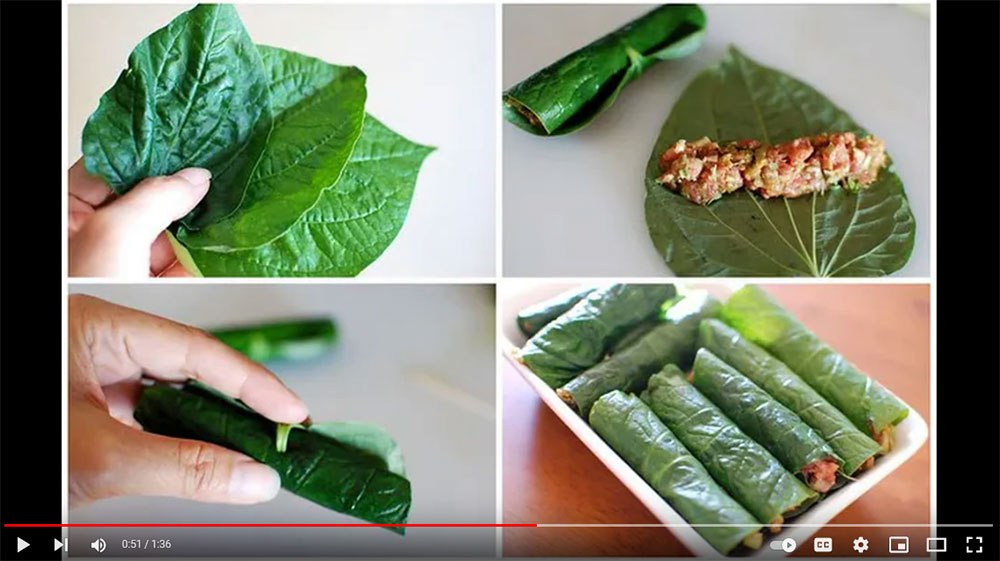
Piper sarmentosum - Vietnamese Pepper, Lalot leaves wraps

Piper sarmentosum - Vietnamese Pepper, Lalot leaves wraps

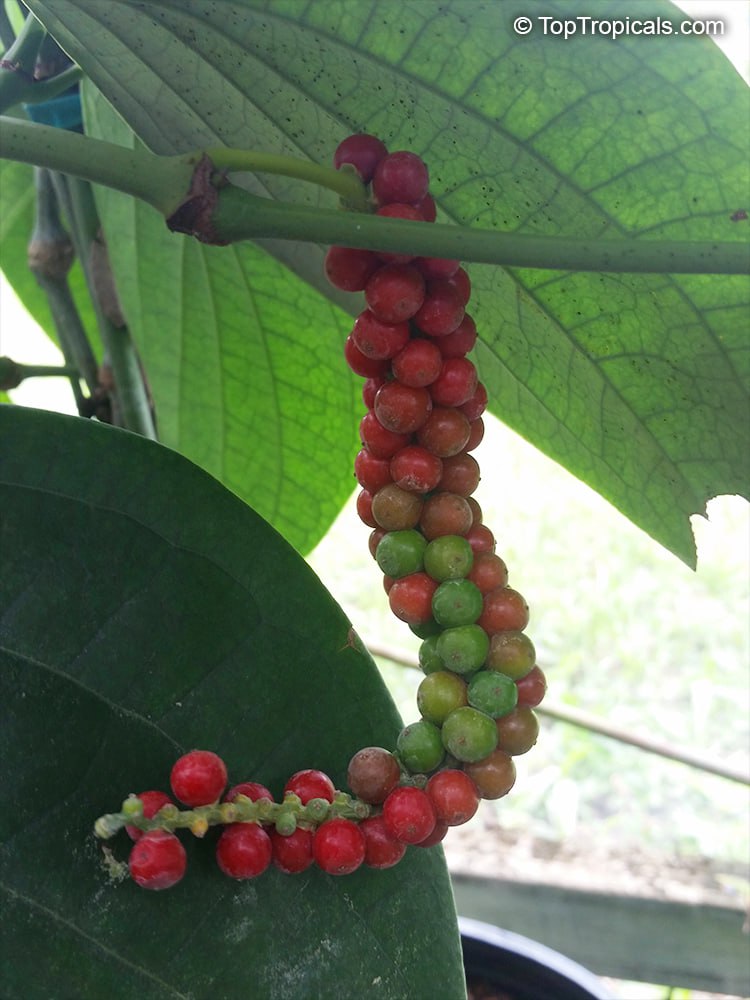
Piper nigrum - Black Pepper

Piper nigrum - Black Pepper

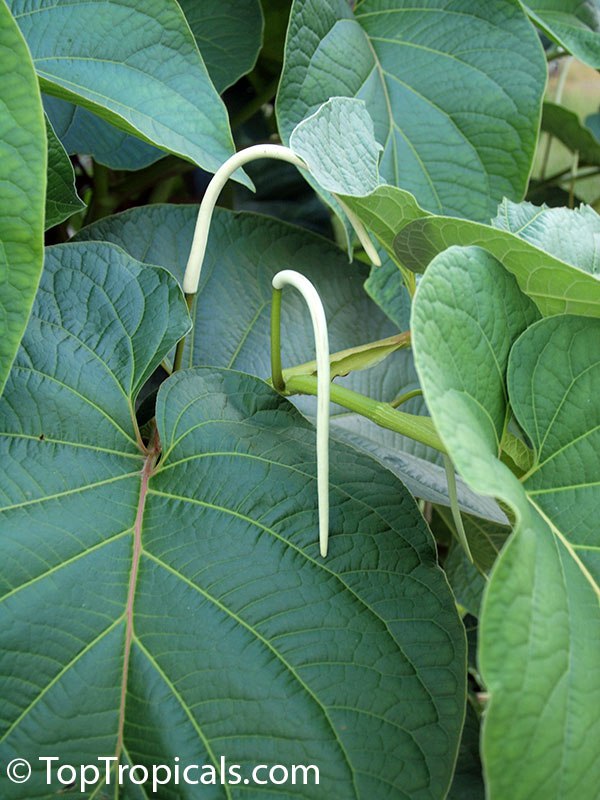
Piper auritum - Root Beer Plant, False Kava-Kava

Piper auritum - Root Beer Plant, False Kava-Kava

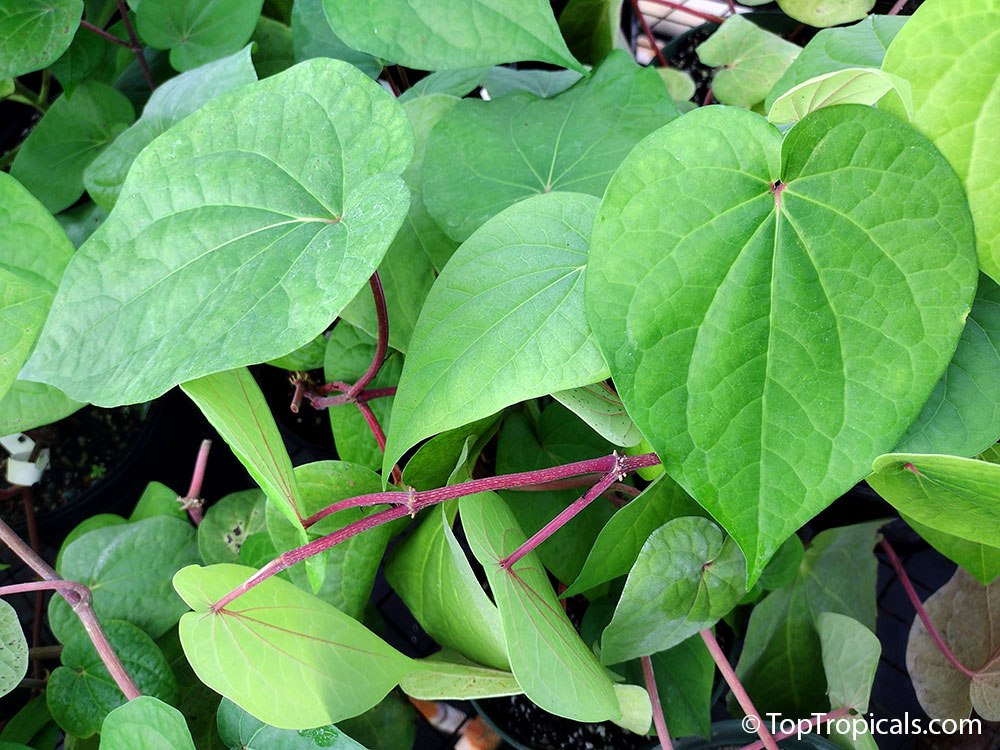
Piper betle - Betel leaf

Piper betle - Betel leaf

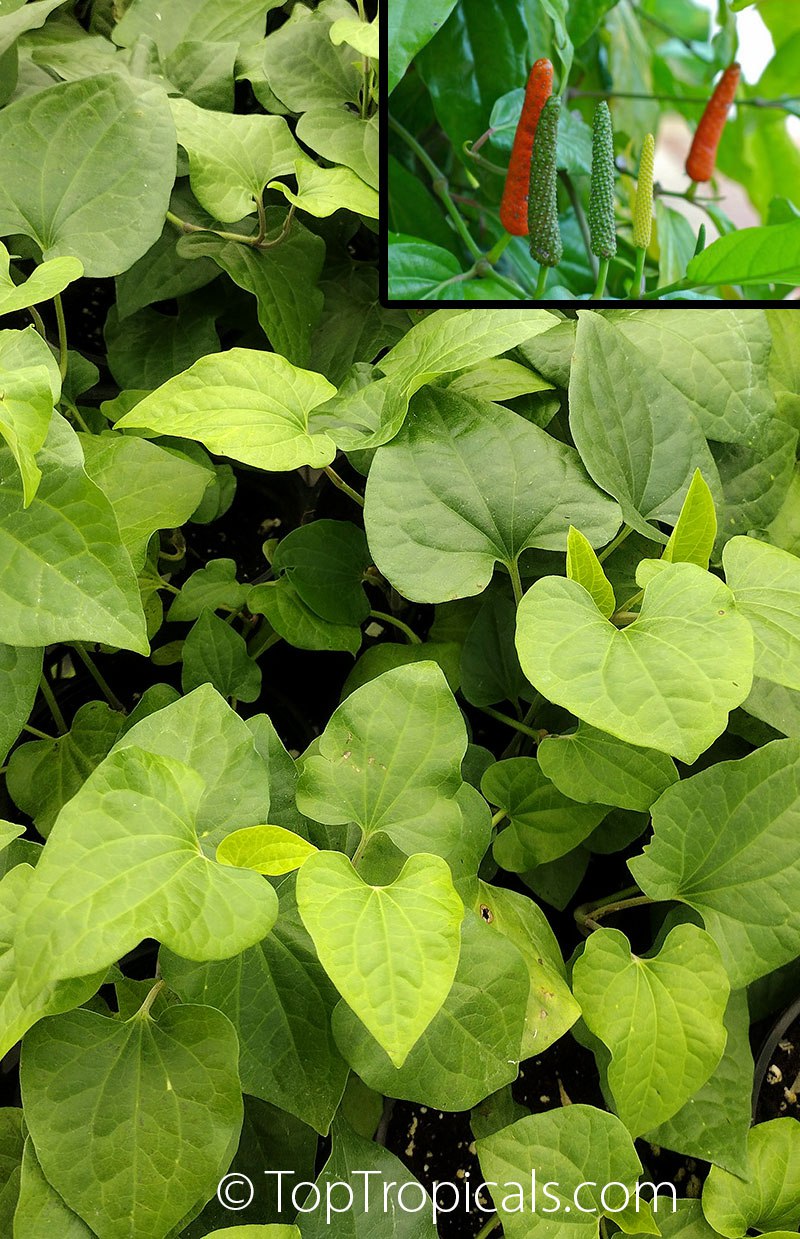
Piper longum - Indian Long Pepper, Pippali, Bengal Peppe

Piper longum - Indian Long Pepper, Pippali, Bengal Peppe

🔥 How to grow your own Pepper plants. Five most valuable 'Pipers'.

ℹ️ Leafy Pepper plants - Pipers - are a source of black pepper and many other "peppery" flavors. These plants come from the Piperaceae family and are used as a spice for their pungent, peppery flavor. Don't confuse them with with Capsicum peppers, such as bell and chili peppers.
  • 🔻Piper sarmentosum - Vietnamese Pepper, Lalot: it is eaten raw in salads or cooked with other greens or dishes, or wrap meats and cook in oven or on stove or grill. It is used medicinally in India and SE Asia. The root is also chewed with Betel Nut as a tonic and medicine. The leaves are used as food (food wraps) in Vietnam.
  • 🔻 Piper nigrum - Black Pepper: While black and white pepper were already known in antiquity, but green pepper (and even more, red pepper) is a recent invention. Pungent and aromatic. The pungency is strongest in white pepper and weakest in green pepper, while black and green pepper are more aromatic than the white one. Moderate growing vine that can be grown on a trellis. Prefers shade to semi-shade.
  • 🔻 Piper auritum - Root Beer Plant, False Kava-Kava: close relative of Piper methysticum (Kava-Kava) and probably has some similar tonic effects. It is used for its spicy aromatic scent and flavor, liken to root beer, or to anise-clove. Huge leaves can grow over a foot long. The leaves are used for flavoring, as wrappings for meats and tamales.
  • 🔻 Piper betle - Betel leaf: very popular Indian spice with medicinal properties. Chewed with Betel Nut as a tonic and medicine. Great for wrapping food (similar to grape leaves).
  • 🔻 Piper longum - Indian Long Pepper, Pippali, Bengal Pepper: edible and medicinal plant used as spice and in traditional Chinese medicine. Fruit used as a spice and seasoning. It has sweeter and less pungent taste than Black pepper. Highly valued medicinal plant used to treat respiratory infections, stomachache, bronchitis, cough, and much more.

Learn more:
📚 Vietnamese Pepper - Lalot food wraps BBQ recipe
🎥

🛒 Shop pepper plants: Pipers

#Food_Forest #Recipes #Container_Garden #How_to


🔴 Join 👉 TopTropicals

Date: 28 Dec 2022

The food of the Gods:
A legend of the Guanabana

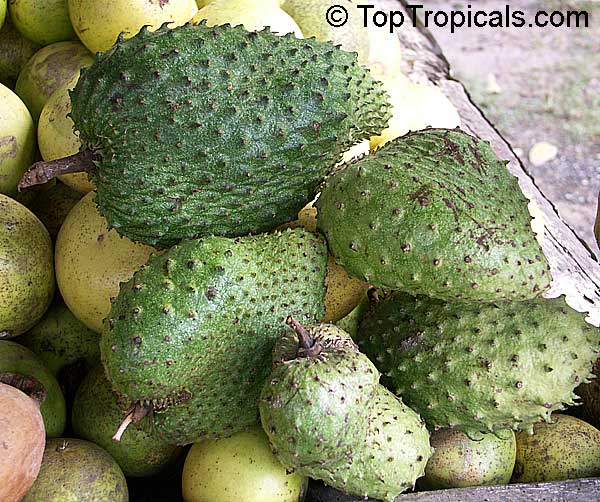
Guanabana  fruit

Grow Your Own Food

Guanabana, also known as Soursop, is a tropical fruit native to Central and South America. It is known for its sweet, juicy flesh and has a variety of medicinal properties.

According to legend, Guanabana was once a rare and coveted fruit that only grew in the highest reaches of the Andes Mountains. It was said to have mystical powers and was believed to be the food of the Gods. Those who ate the fruit were said to be blessed with good health and long life.

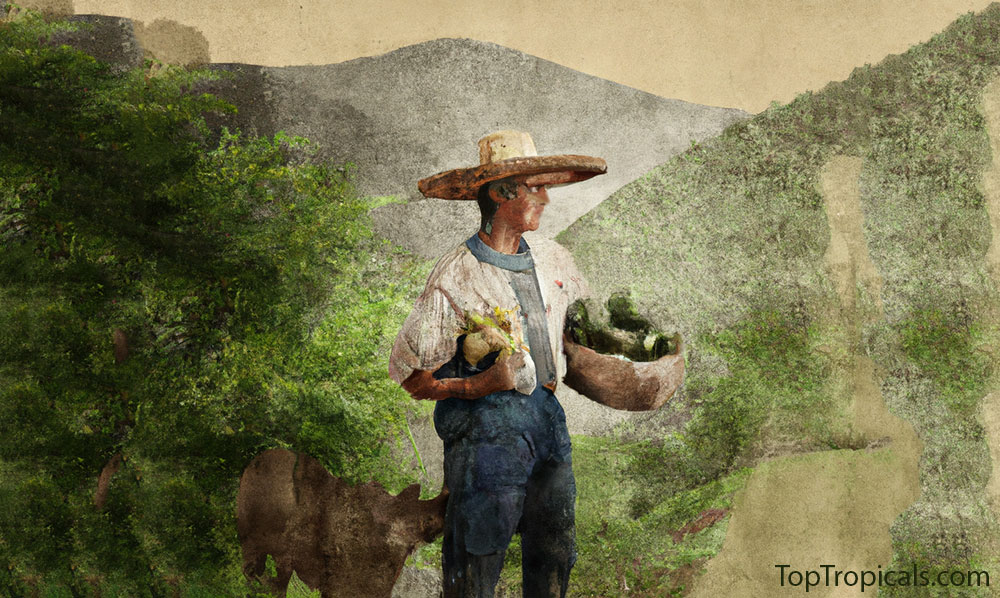
One day, a young shepherd boy came across a guanabana tree growing in a remote valley. He plucked a fruit from the tree and tasted it, finding it to be the most delicious thing he had ever eaten. The boy returned to his village and told everyone about the magical fruit he had discovered. Soon, word of the Guanabana spread far and wide, and people came from all over to try the fruit for themselves.

Painting  of  a  shepherd  in  a  valley  holding  guanabana  fruit

As the demand for Guanabana grew, the fruit began to be cultivated and grown in other parts of the world. Today, it is enjoyed by people all over the world and is known for its unique flavor and health benefits.

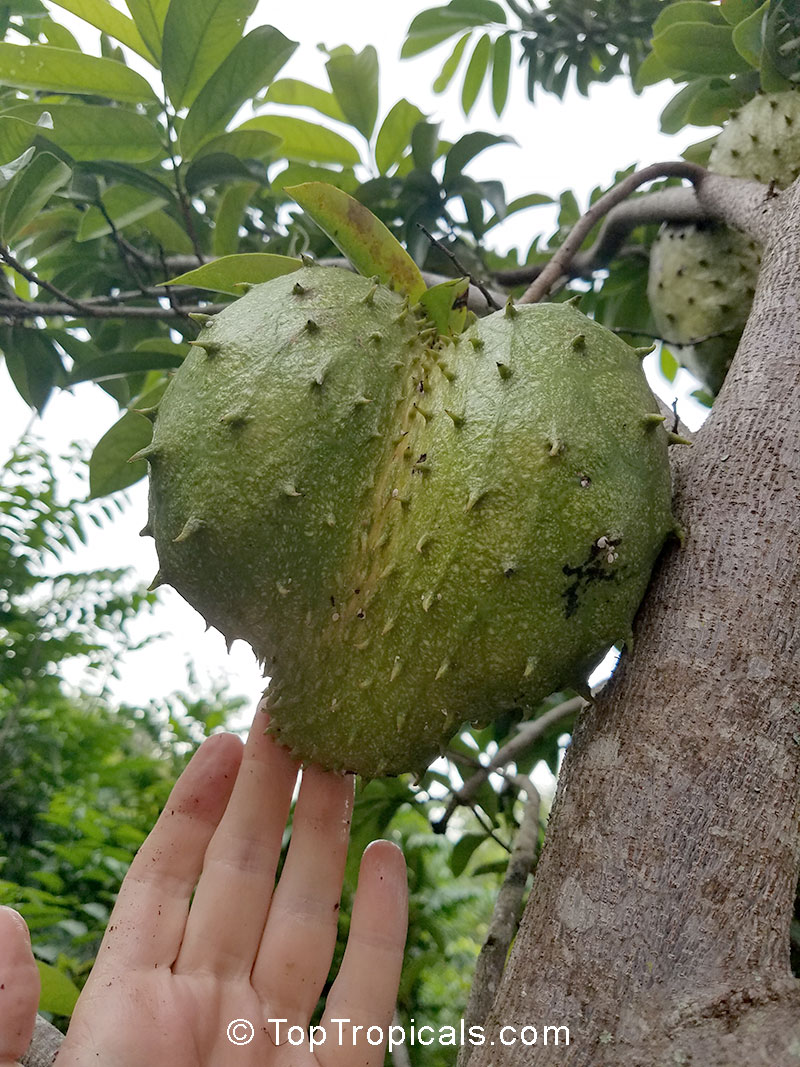
Download Article from Tropical Treasures Magazine: How to grow Guanabana indoors. Hand-pollinating and fruiting.

Guanabana  fruit  on  a  tree  by  a  hand