Garden Blog - Top Tropicals

Date: 4 Jun 2024

Iguana attacking!

Iguana attacking! Iguana attacking! Iguana attacking! Iguana attacking!

Iguana attacking! your plants...


Q: I am having a hard time keeping iguanas eating everything! Any solution to keep them out?

Iguanas may become quite a problem in the garden. Our first suggestion would be - get a Duck as we have (Duck Dobi), she is so dominant and keeps any wild animals away from the property, including gators... and cats! They are scared of her! Dobi thinks she owns the place.

Here are a few other ways to control iguana problem in your backyard:

  • Rid your lawn of dropped fruits. Iguanas love fruit. And they love low-hanging fruit or fruit that's easy to get to. If you have fruit trees, take the time to pick up your yard and dispose of any dropped fruit.

  • Keep a lid on a garbage can. Put your garbage cans in a place they can't get to, or put a cinder block on your can lid.

  • Do not leave pet food out. If you're putting a bowl of dog food or a plate of cat food out for your pets, you're inviting iguanas into your yard.

  • Fill iguana holes. Iguanas like to dig. Wherever you see a hole, fill it. Stuff rocks into the hole first, then fill it with dirt and top it with sod. The iguana may return to dig again, but he won't dig through large rocks.

  • Do NOT feed the iguanas. Don't be friendly with them, so they won't come back.

  • Wire netting around plants. You can use wire netting or screens to prevent iguanas from entering plants and shrubs.

  • Spray them with a hose. When you see an iguana in the yard, spray them with the hose. They also hate loud noises. Constant "harassment" can keep them from returning.

  • Keep your yard clean. Excessive overgrowth or yard storage are great places for iguanas to hide.

  • Do not leave food out, unattended. Iguanas are mainly herbivores but that doesn't mean they won't smell something good and want to eat it. They will TRY anything.

Hopefully these tips help keep your iguana problems to a minimum!

#How_to

🏵 TopTropicals

Date: 16 Jul 2024

How to make healthy food taste delicious? Longevity Spinach Super-food Recipes

Longevity Spinach recipe

Longevity Spinach recipe

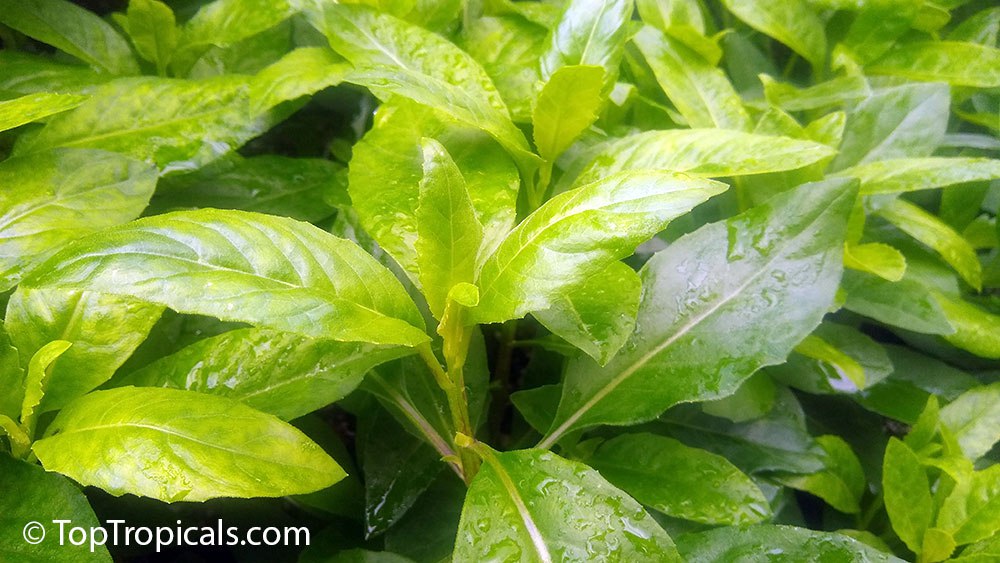
Gynura procubens (Longevity Spinach, Okinawa Spinach)

Gynura procubens (Longevity Spinach, Okinawa Spinach)

How to make healthy food taste delicious? Longevity Spinach Super-food Recipes.

  • ☘️ Gynura procubens (Longevity Spinach, Okinawa Spinach) is one of the Superfoods, known for its longevity-promoting properties in traditional medicine.
  • ☘️ Native to Indonesia, commercially grown in China. It is a relatively hardy perennial that once planted, you will have these healthy greens for many years!
  • ☘️ Both the stems and the leaves are edible and nutritious, can be eaten raw or cooked. They have a unique flavor with a faint hint of pine, and will add a beautiful aesthetic element to cuisine.
  • ☘️ This green is also known as cholesterol spinach, and there are many claims that it lowers can cholesterol.
  • ☘️ Perfect for hot and humid climates unlike traditional Spinach that only grown in cooler areas. It will thrive in any type of soil, any type of light other than dark shade, and is pest-free.
  • ☘️ Very adaptable to container gardening and even grows well on a windowsill.
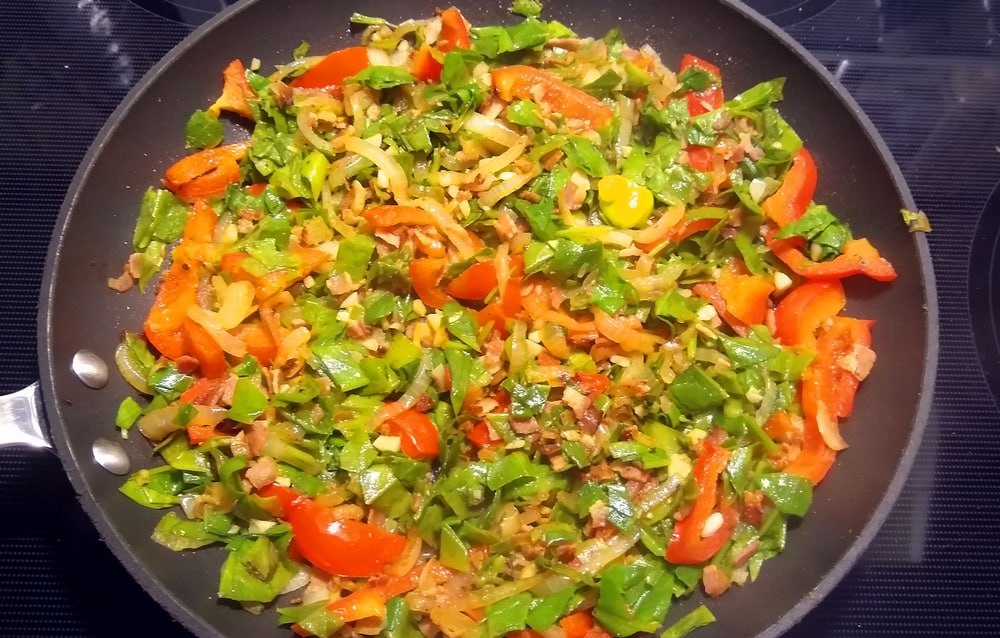
  • ☘️ The leaves and young shoot tips can be steamed, used in stir fry, tempura, stews, and soups. Just add them at the very end.

Check out the recipes⬇️⬇️⬇️

📚 Gynura: Longevity Spinach Superfood Recipes

🎥

🛒 Plant Longevity Spinach and live long

#Food_Forest #Recipes #Remedies

🏵 TopTropicals

Date: 24 Jul 2024

How to grow your own Pepper plants

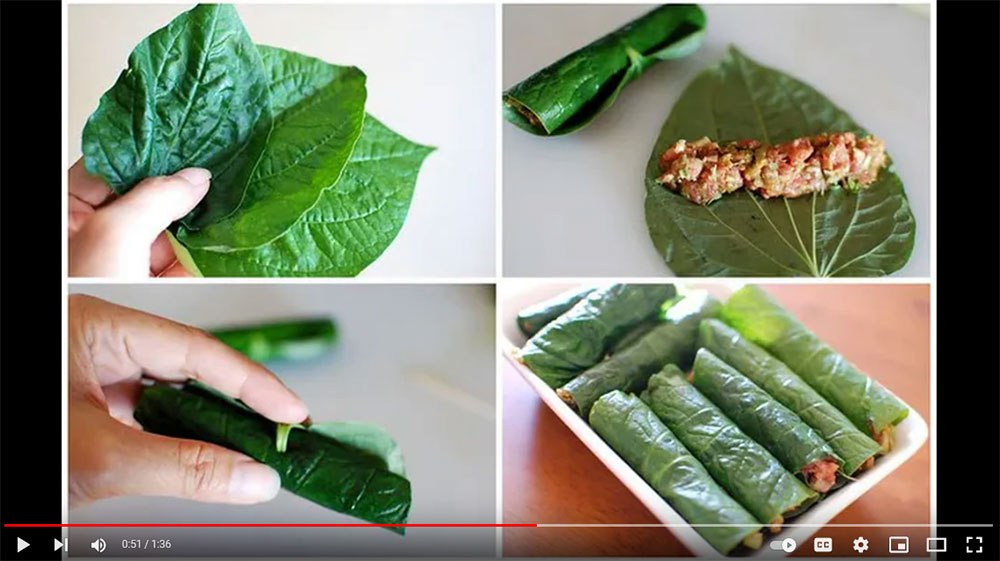
Piper sarmentosum - Vietnamese Pepper, Lalot leaves wraps

Piper sarmentosum - Vietnamese Pepper, Lalot leaves wraps

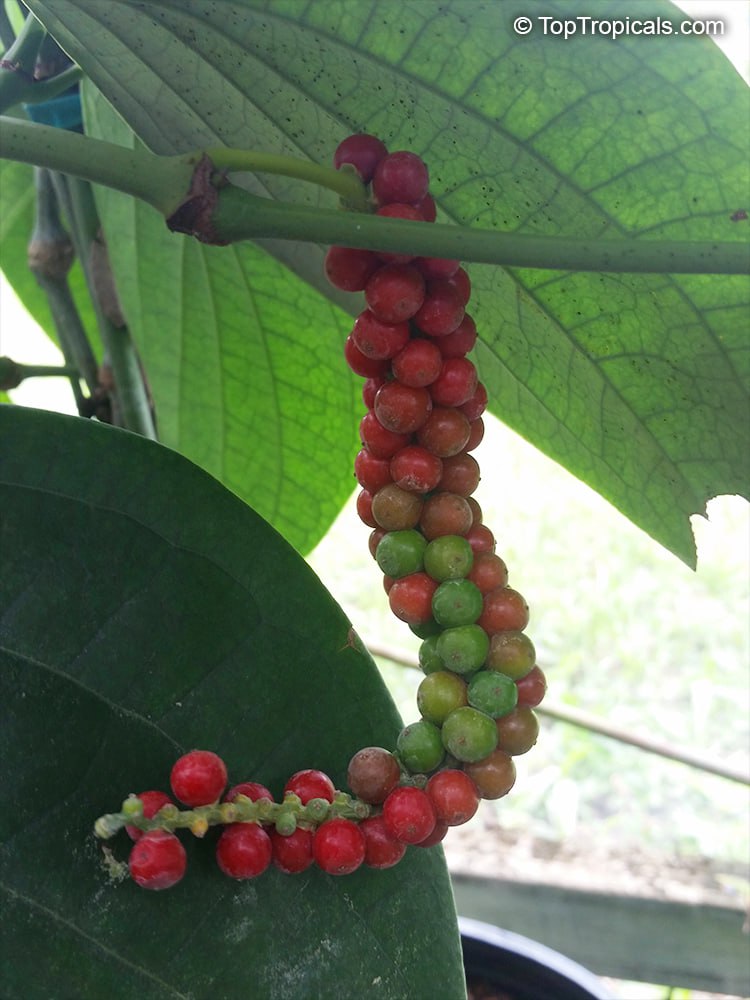
Piper nigrum - Black Pepper

Piper nigrum - Black Pepper

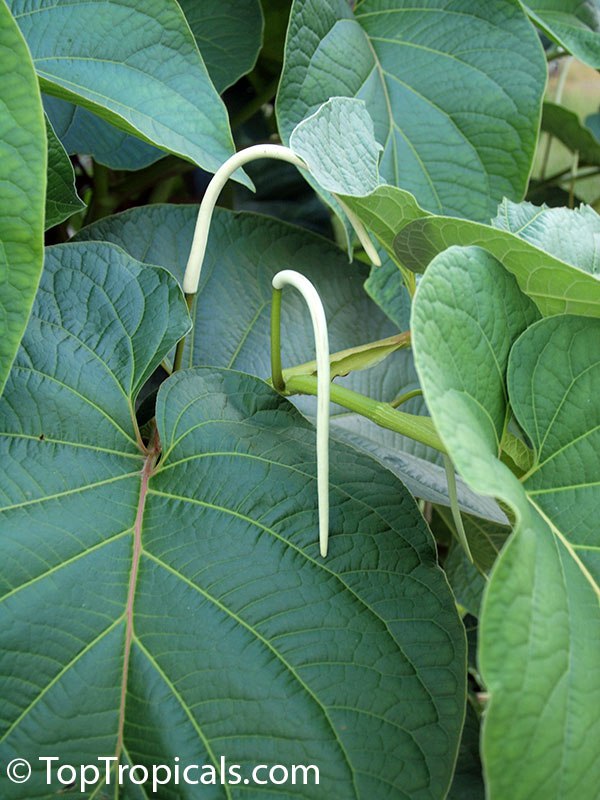
Piper auritum - Root Beer Plant, False Kava-Kava

Piper auritum - Root Beer Plant, False Kava-Kava

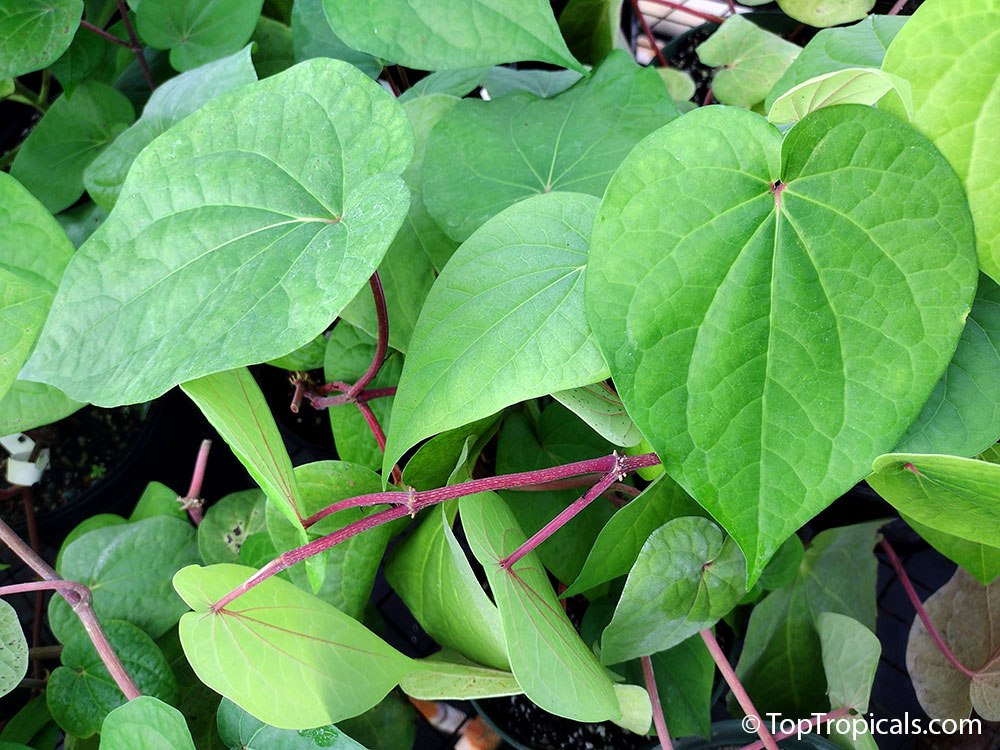
Piper betle - Betel leaf

Piper betle - Betel leaf

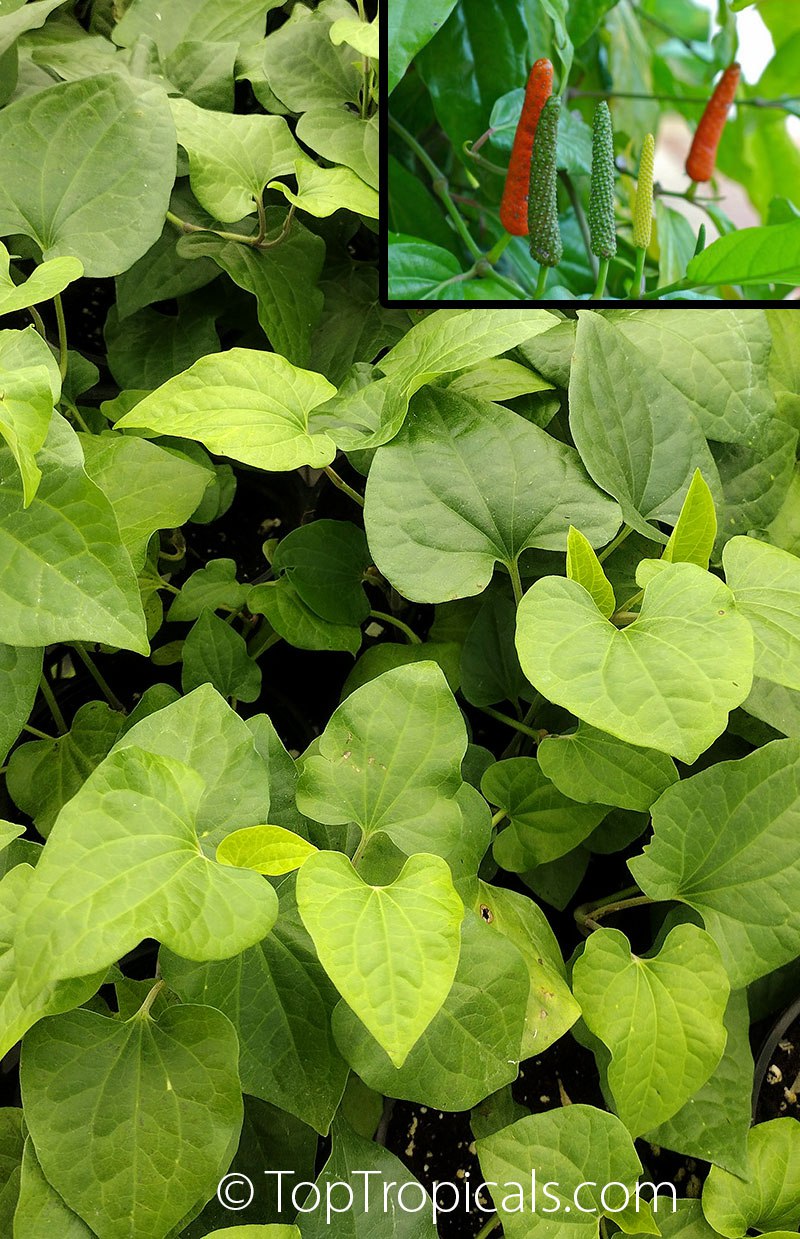
Piper longum - Indian Long Pepper, Pippali, Bengal Peppe

Piper longum - Indian Long Pepper, Pippali, Bengal Peppe

🔥 How to grow your own Pepper plants. Five most valuable 'Pipers'.

ℹ️ Leafy Pepper plants - Pipers - are a source of black pepper and many other "peppery" flavors. These plants come from the Piperaceae family and are used as a spice for their pungent, peppery flavor. Don't confuse them with with Capsicum peppers, such as bell and chili peppers.
  • 🔻Piper sarmentosum - Vietnamese Pepper, Lalot: it is eaten raw in salads or cooked with other greens or dishes, or wrap meats and cook in oven or on stove or grill. It is used medicinally in India and SE Asia. The root is also chewed with Betel Nut as a tonic and medicine. The leaves are used as food (food wraps) in Vietnam.
  • 🔻 Piper nigrum - Black Pepper: While black and white pepper were already known in antiquity, but green pepper (and even more, red pepper) is a recent invention. Pungent and aromatic. The pungency is strongest in white pepper and weakest in green pepper, while black and green pepper are more aromatic than the white one. Moderate growing vine that can be grown on a trellis. Prefers shade to semi-shade.
  • 🔻 Piper auritum - Root Beer Plant, False Kava-Kava: close relative of Piper methysticum (Kava-Kava) and probably has some similar tonic effects. It is used for its spicy aromatic scent and flavor, liken to root beer, or to anise-clove. Huge leaves can grow over a foot long. The leaves are used for flavoring, as wrappings for meats and tamales.
  • 🔻 Piper betle - Betel leaf: very popular Indian spice with medicinal properties. Chewed with Betel Nut as a tonic and medicine. Great for wrapping food (similar to grape leaves).
  • 🔻 Piper longum - Indian Long Pepper, Pippali, Bengal Pepper: edible and medicinal plant used as spice and in traditional Chinese medicine. Fruit used as a spice and seasoning. It has sweeter and less pungent taste than Black pepper. Highly valued medicinal plant used to treat respiratory infections, stomachache, bronchitis, cough, and much more.

Learn more:
📚 Vietnamese Pepper - Lalot food wraps BBQ recipe
🎥

🛒 Shop pepper plants: Pipers

#Food_Forest #Recipes #Container_Garden #How_to


🔴 Join 👉 TopTropicals

Date: 28 Dec 2022

The food of the Gods:
A legend of the Guanabana

Guanabana  fruit

Grow Your Own Food

Guanabana, also known as Soursop, is a tropical fruit native to Central and South America. It is known for its sweet, juicy flesh and has a variety of medicinal properties.

According to legend, Guanabana was once a rare and coveted fruit that only grew in the highest reaches of the Andes Mountains. It was said to have mystical powers and was believed to be the food of the Gods. Those who ate the fruit were said to be blessed with good health and long life.

One day, a young shepherd boy came across a guanabana tree growing in a remote valley. He plucked a fruit from the tree and tasted it, finding it to be the most delicious thing he had ever eaten. The boy returned to his village and told everyone about the magical fruit he had discovered. Soon, word of the Guanabana spread far and wide, and people came from all over to try the fruit for themselves.

Painting  of  a  shepherd  in  a  valley  holding  guanabana  fruit

As the demand for Guanabana grew, the fruit began to be cultivated and grown in other parts of the world. Today, it is enjoyed by people all over the world and is known for its unique flavor and health benefits.

Download Article from Tropical Treasures Magazine: How to grow Guanabana indoors. Hand-pollinating and fruiting.

Guanabana  fruit  on  a  tree  by  a  hand

Date: 25 Nov 2019

Flavor of Feijoa Superfood

by Onika Amell, tropical plant specialist

Q: What exactly is Feijoa - Pineapple Guava? Does the fruit really taste like pineapple? I am curious to know if it is easy to grow.

A: Feijoa is certainly one of the easiest fruit trees to grow as it does not require much care. It is an attractive, evergreen tree or large shrub with dark green, oval, leathery leaves. It has an abundance of uses in the garden and produces lovely edible flowers and fruit! The fruit is eaten fresh, added to smoothies or fruit salad and is also commonly used to make delicious jams and wicked chutneys. Feijoa fruit go a long way in flavor.
This plant is drought tolerant and will grow in almost any soil type. It loves full sun or partial shade and is wind resistant. A lot of gardeners like to grow it as a wind barrier for this reason. It can easily be shaped into a dense, informal hedge or screen that needs very little pruning. Because of this density, it provides excellent shelter for all kinds of wildlife. Butterflies, birds, and butterflies will all love you for growing Feijoa!
Space the plant five feet apart to create a wind barrier hedge. Heat does no not bother it at all and it will also withstand temperatures to 10 degrees F.
The plant gets its names from the delicious perfume it emits. Some folks seem the fruit taste like pineapple, with a slight minty undertone. Others feel the flavor reminds them of juicy fruit gum! The texture is described as smooth and slightly gritty - almost like a pear, but firmer.
If you prefer to grow this plant as a tree rather than a large shrub, simply remove the lower branches up to one-third of the tree's height over a period of time. The Pineapple Guava can grow up to 15 feet wide and tall. They also do really well as a container plant on patios where you can truly enjoy the lovely fragrance of the fruit. It prefers rich, organic, well-drained soil and will need light fertilization every other month in most soils.

We recommend:

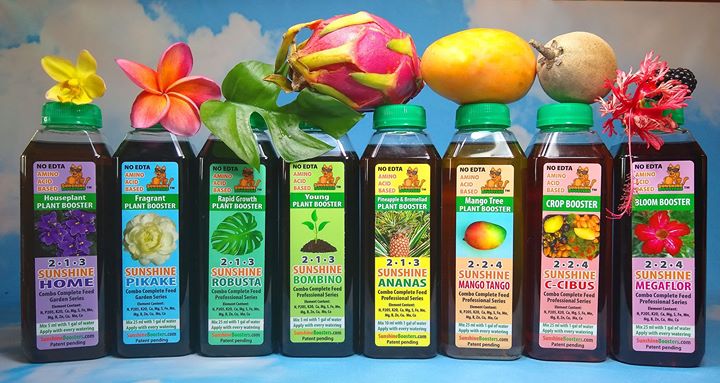
Fruit Festival Plant Food - Super Crop Booster
Mango-Food - Smart Release Fruit Tree Booster
SUNSHINE-Honey - Sugar booster
SUNSHINE C-Cibus - Crop Nutrition Booster

Pretty, pink, edible flowers will wow you from May to June, followed in late summer or fall by the delicious and fragrant fruit. An interesting thing about this fruit is that you don't pick it. It falls to the ground when it is ripe. Or simply place something under your tree, like a tarp, and shake the tree. The ripe fruit will fall off. You can store the fruit in your refrigerator for up to a week. And remember! The fruit of the Feijoa is not only a very rich source of soluble dietary fiber, but also an excellent source of Vitamin C, and very rich in antioxidants. They are also low in calories. Each fruit only holds 55 calories.