Garden Blog - Top Tropicals
Date: 22 Nov 2026
A Thanksgiving letter from everyone at Top Tropicals
🍩Smokey and Sunshine's Thanksgiving
For Thanksgiving, Sunshine hosted dinner at the nursery, with turkey, pumpkin pie, donuts and a plate for every plant. Smokey was not impressed.
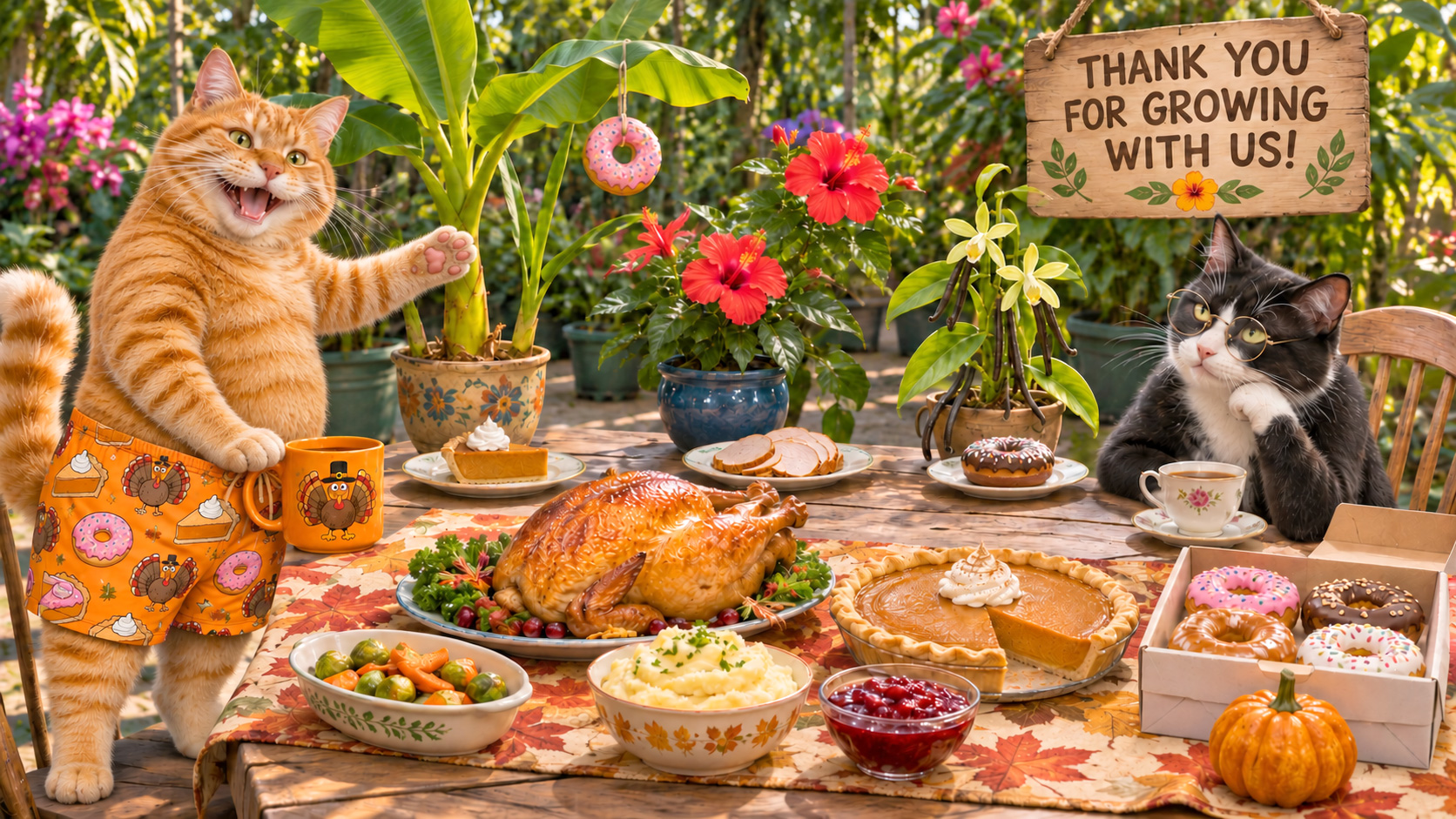
Smokey: Even the plants?
Sunshine: Of course! We have so much to thank them for!
Smokey: Then why is the banana plant getting pumpkin pie while I'm getting nothing?
The banana plant had no comment.

❤️ What we are thankful for
👨👩👧👧 The people who work here
Our employees are the reason this nursery is still here.
Nursery work is hard on the body. We know what it does to your back, knees and hands. It means long days in heat, humidity, sun, rain and mud, lifting thousands of pots, watering, pruning, checking for pests and noticing the one plant in a row that does not look right. And it means packing a plant so it survives a trip across the country. Knowing whether a plant is thirsty or drowning takes years to learn, and our people know.
In February a record freeze dropped temperatures at our Sebring nursery to about 25 degrees F. Our crew protected the plants through several cold, windy nights, then spent weeks nursing the damaged ones. Not everything survived, but their work saved many plants that might otherwise have been lost.
Behind every healthy plant a customer receives, there is a person who potted it, watered it hundreds of times, moved it, pruned it and packed it. Most customers never meet them. We want our crew to know how grateful we are.

👩❤️👨 Our customers
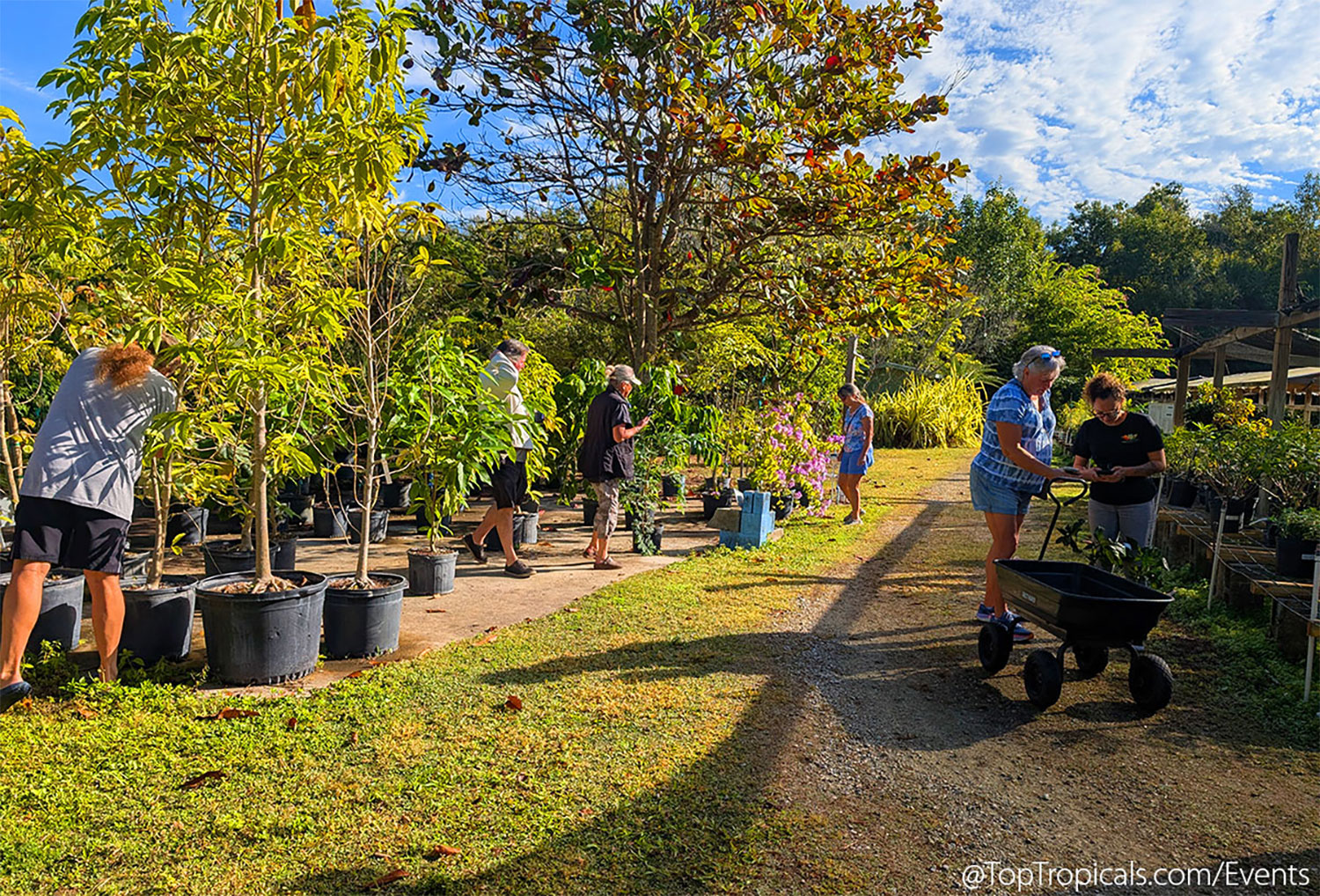
Some of you have grown with us for many years. You send photos of trees in flower, sometimes from plants you bought so long ago we have to look them up. You ask questions, share what worked and tell us honestly when something failed, which is often more useful.
You grow our plants in Florida, California, Minnesota and many other places. Someone in San Diego is enjoying tropical flowers outdoors in November, while someone in Minneapolis keeps a tropical tree alive under a grow light. Some of you are experienced collectors. Others are buying a first tropical plant and feel a little nervous. Thank you for supporting a family-owned nursery and letting us share what we love.
🌺 The plants themselves
The plants give us flowers, fragrance, strange fruits and considerable stubbornness.
A tree sulks for three years in perfect conditions, then blooms the week you are away. A seedling forgotten under a bench outgrows the one you fussed over. A plant every book calls easy dies for no reason, and one that should not survive your climate thrives out of spite. Plants teach patience and humility, and they do not read our schedules.
This spring, finding new buds on branches we had nearly given up on felt like good news every time.

🐈⬛🐈 Our rescued cats
More than 30 rescued cats live at PeopleCats Botanical Garden. They do not help with transplanting or weeding, and they have no interest in packing orders unless there is an empty box. They nap under the trees, inspect deliveries, sit on whatever label you are trying to read and contribute their own peculiar version of happiness.
We welcomed new rescued cats to the garden this year:

And a special thank-you to Smokey and Sunshine, who stayed with us through the whole year. Smokey checked every plan twice and found a flaw in most of them, which is exactly what a good engineer is for. Sunshine kept everyone cheerful, even on the cold February mornings, and watched the donut supply closely. Smokey considers his advice indispensable. Sunshine says the same about the donuts.
Now, about the food.
The Tropical Guests at Your Thanksgiving Table
Thanksgiving is about as American as a holiday gets. Turkey, cranberries, pumpkins and pecans are all native to North America.
Look a little closer at the table, and the guest list changes. Cinnamon comes from trees native to Sri Lanka, Indonesia, China or Vietnam. Ginger originated in tropical Asia, allspice in the Caribbean and Central America, and vanilla in Mexico and Central America. The black pepper in the gravy traces its origins to southern India, and sweet potatoes to tropical America. A Thanksgiving dinner is practically a botanical international conference, and many of the delegates would not survive a November night outdoors in much of the country.
🍧 Vanilla: an orchid in your ice cream
Real vanilla is the fruit of an orchid, Vanilla planifolia. It is a climbing vine with thick green stems and aerial roots that grip tree bark.
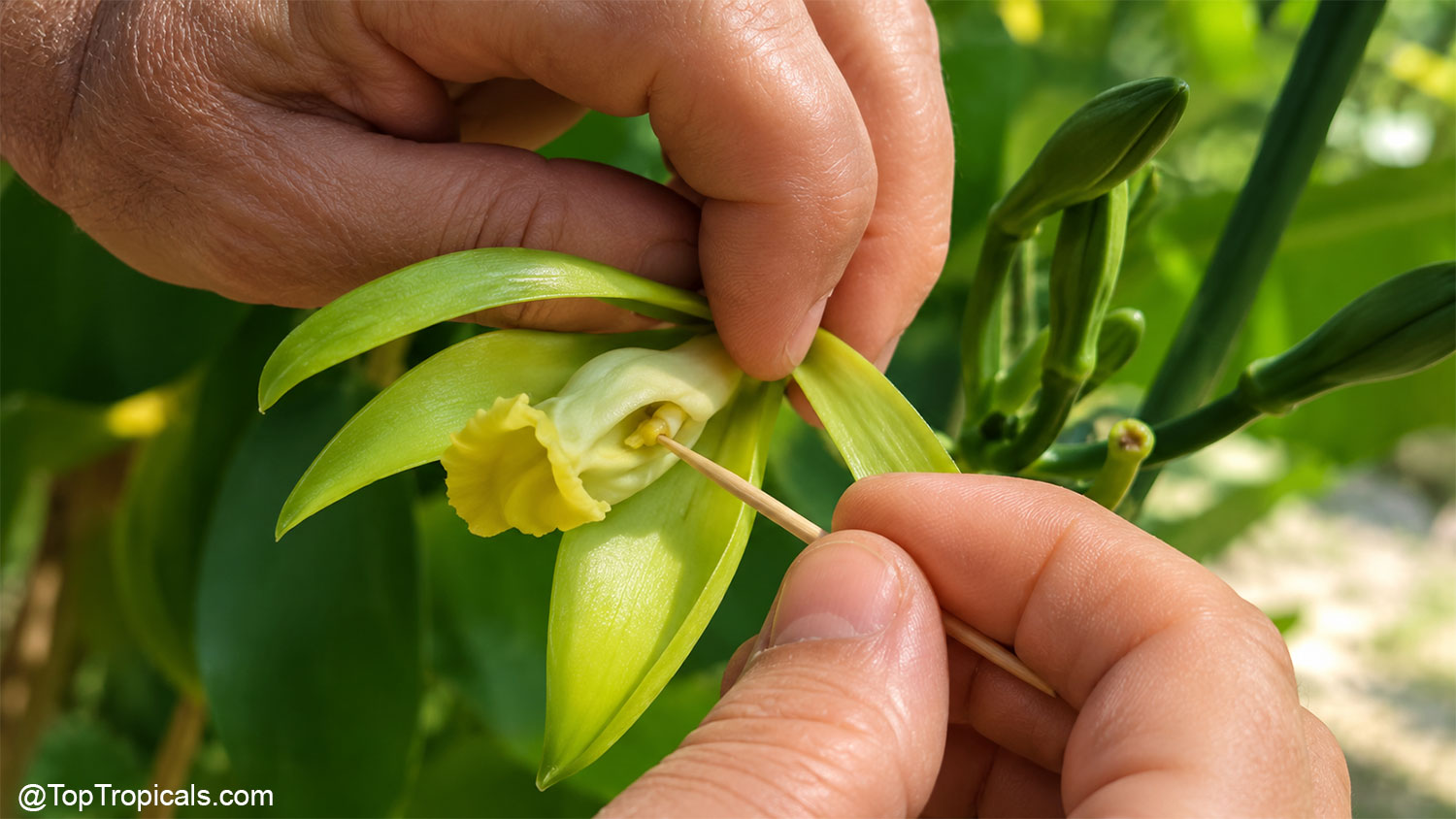
Each flower stays open for about a day. Outside its native range, vanilla is pollinated by hand, one flower at a time, using a technique worked out in 1841 on the island of Reunion by Edmond Albius, a twelve-year-old enslaved boy. The pod takes most of a year to mature and has almost no smell when picked. The flavor develops during months of curing, which means heating, sweating, drying and resting. That is why real vanilla is expensive, and why most "vanilla flavor"is synthetic.
As a houseplant, vanilla is easy to keep alive and hard to bring into flower. It wants warmth, humidity, bright filtered light and something to climb, and it usually will not bloom until the vine is long and mature, which takes years. In South Florida it can grow outdoors on a tree in a sheltered, shady spot, as long as you are ready to protect it on cold nights. In the north it makes a fine foliage vine indoors. Heated homes are very dry in winter, so a humidifier helps. A flower there is an event, and if one opens, you will have to pollinate it yourself that same day, the way Albius did. 👉 Learn more...
Cinnamon: the real thing and its cousins
Cinnamon is the inner bark of tropical Cinnamomum trees, peeled from young shoots and dried into quills.
True or Ceylon cinnamon, Cinnamomum zeylanicum, comes from Sri Lanka. Its quills are thin papery layers rolled like a cigar, and the flavor is mild and sweet. Most cinnamon in American supermarkets belongs to the broader cassia group, which includes Indonesian cinnamon (Cinnamomum burmannii), Chinese cassia ( Cinnamomum cassia) and Vietnamese cinnamon (Cinnamomum loureiroi). Their bark is generally thicker and their flavor stronger. Any of them is fine for pumpkin pie and sweet potatoes.
The tree is an attractive evergreen with three strong veins on each leaf and new growth that flushes pink to red. Frost damages it. In frost-free parts of Florida it can grow in the ground. Elsewhere, grow it in a large container and bring it in before cold weather. Floridians already live with a relative, the camphor tree, Cinnamomum camphora, now invasive here. Crush a leaf and it smells strongly of camphor. Just do not put it in your pie. 👉 Learn more...

♨️ Allspice: one berry, several opinions
Allspice is the dried unripe berry of Pimenta dioica. Jamaica is its classic home. The English named it allspice because it seemed to taste like cinnamon, nutmeg and cloves at once. Its main aromatic compound is eugenol, the same one that gives cloves their smell, and the rest of its oils overlap with nutmeg, cinnamon and pepper. Allspice ends up in pumpkin pie spice, spice cake and mulled cider.
The leaves smell of allspice too, and the tree has smooth bark that peels in patches.
There is a catch for gardeners, hidden in the name."Dioica"refers to the fact that allspice trees generally function as either male or female, so a single tree can flower beautifully for years without producing berries. If you want fruit, start with a known fruiting tree and ask the grower about pollination requirements. Seedlings are also slow to start flowering. Young trees are tender to frost. 👉 Learn more...
Ginger: the root that is really a stem
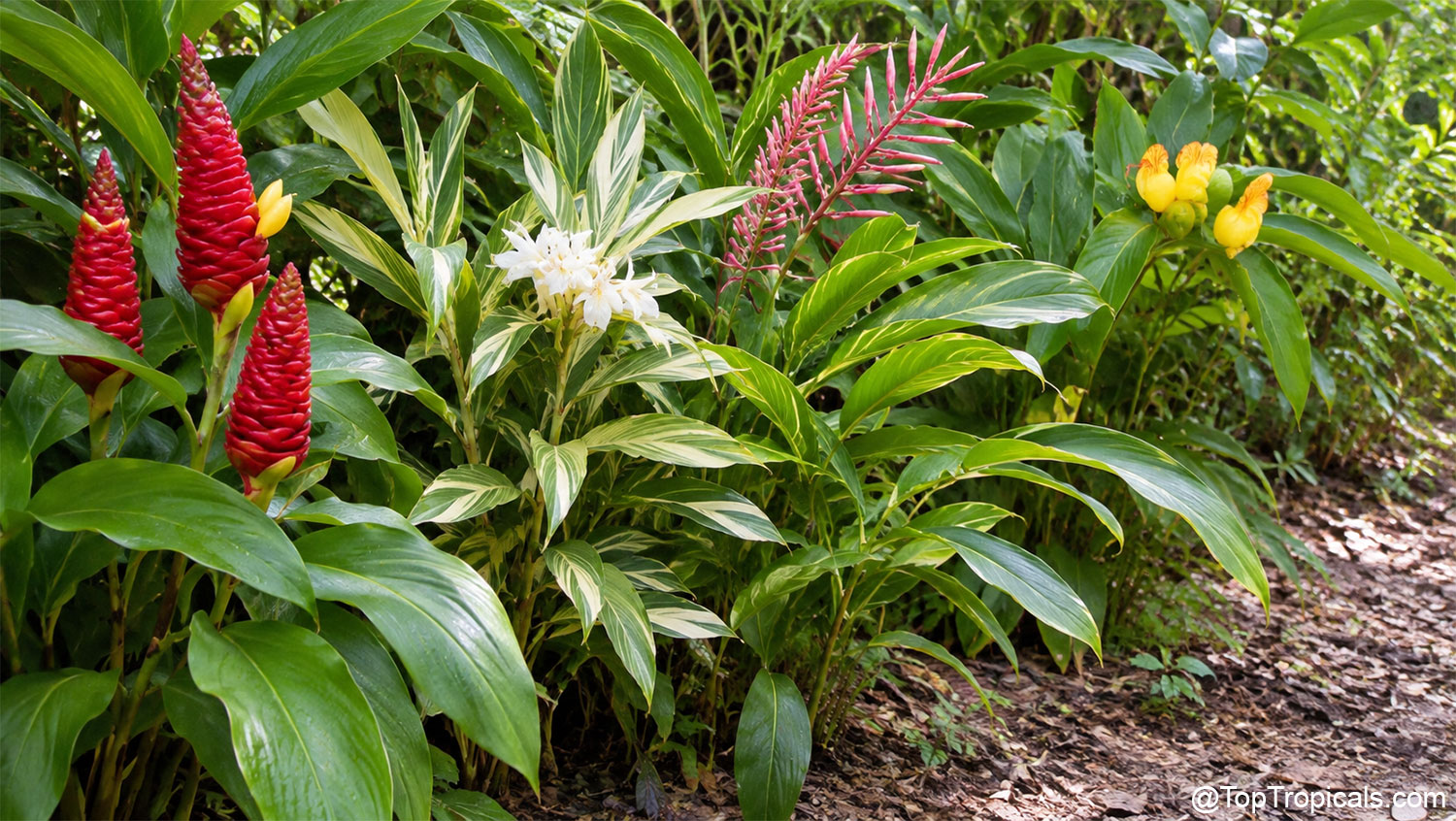
The part of Zingiber officinale we eat is a rhizome, an underground stem. It goes into gingerbread, gingersnaps and pumpkin pie spice.
In Florida, ginger is one of the easier spices to grow. Plant pieces of rhizome with visible buds in spring, in partial shade and rich soil that drains well, and keep them watered through the warm months. In late fall or early winter the stems turn yellow and die back. That is dormancy, not death, and it is the signal that the rhizomes are ready to dig. In colder climates, grow it in a wide, shallow container. Start it indoors in late winter, move it outside once nights stay warm and bring it back in before they turn cold.
The most common way people kill ginger is with kindness. A dormant rhizome in cold, wet soil rots. When the leaves go, the watering can should go with them, and the pot should stay nearly dry until new shoots appear in spring.
Two more notes. Some grocery ginger may have been treated to prevent sprouting, so planting stock or organic ginger is a safer start. And the ornamental gingers (shell ginger, butterfly ginger and the rest) are relatives grown for their flowers. They will not make your gingerbread taste like gingerbread. 👉 Learn more...
Black pepper: the vine with a past
Black pepper is the hardest-working guest at the table and the one nobody thinks about. Centuries ago, ships sailed around the world for it.
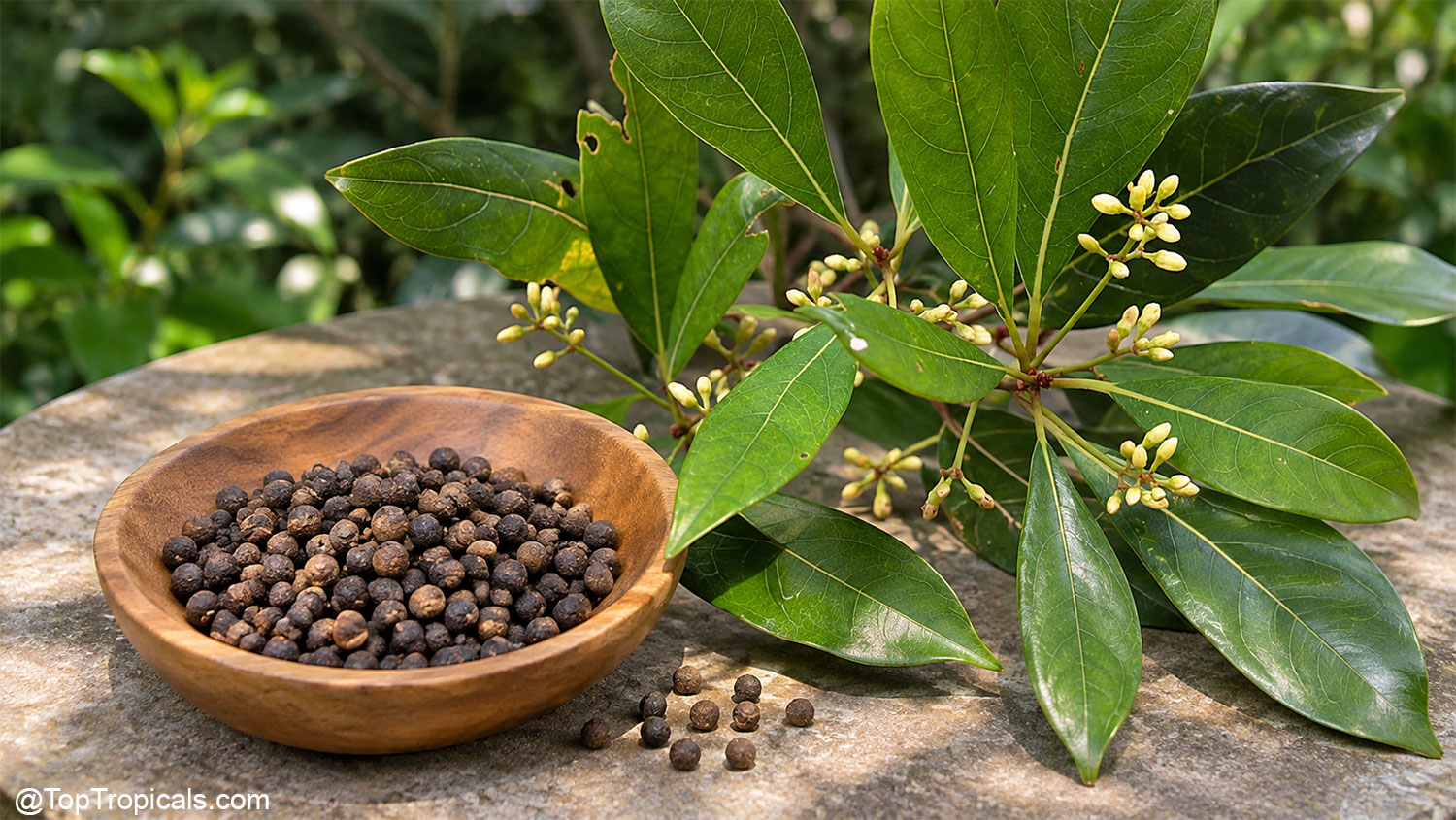
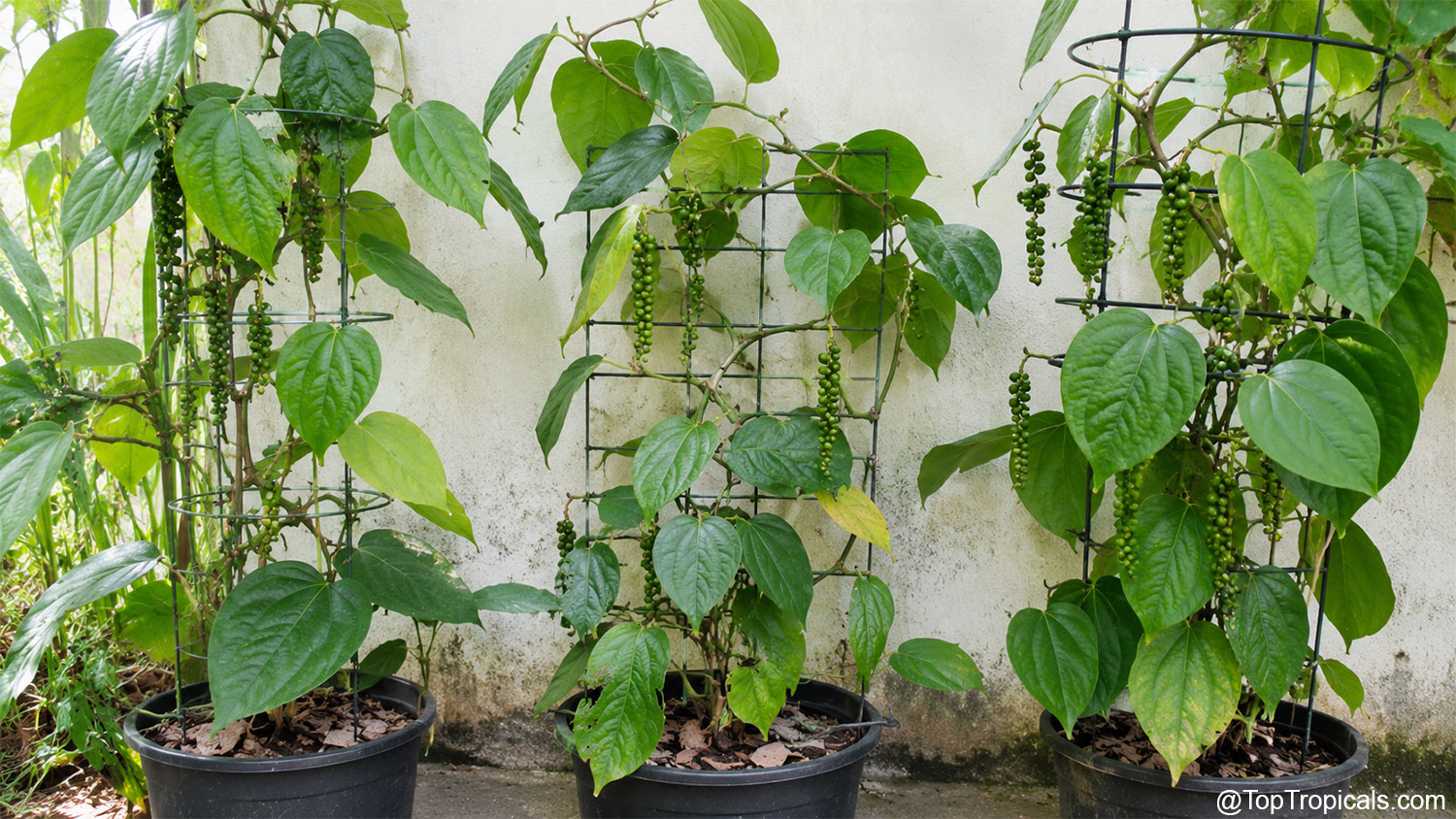
Piper nigrum is a woody climbing vine from the Malabar Coast of India, with glossy heart-shaped leaves. Its tiny flowers hang in spikes that become strings of small fruits. Black pepper is the unripe green fruit, dried until dark and wrinkled. White pepper is riper fruit with the outer layer removed. Pink peppercorns are not related to it at all. Many come from the Brazilian pepper tree, one of Florida's worst invasive plants. Floridians pay to remove a tree whose berries other people buy in gourmet jars.
A pepper vine needs real tropical conditions, meaning steady warmth, humidity, filtered light, rich soil that drains, something to climb and no frost. In South Florida it can grow outdoors on a tree trunk or post in light shade, with a cover ready when a cold front comes through. In a bright, humid spot indoors it can, with patience, produce a few strings of its own peppercorns. 👉 Learn more...
🎥 Watch the video:
Black Pepper Leaves Secret Culinary Uses
🍠 Sweet potato: a morning glory in the casserole
Ipomoea batatas belongs to the morning glory family and was domesticated in tropical America. It is not a potato. A potato is a tuber, a swollen stem, while a sweet potato is a storage root. It is not a yam either. The orange"yams"in American stores are almost always sweet potatoes.
Anyone who has grown them in a Florida summer knows how vigorous they are. The vines run across the bed, under the fence and toward the neighbor's yard. A few slips planted in spring can become a serious tangle by fall. Up north they grow well as a summer crop, planted once the soil is warm.
A tropical vine spent a long time evolving to store energy in its roots for hard times. Then Americans baked it with brown sugar and covered it with marshmallows. It probably did not plan for that, but it has adapted to worse.
Nutmeg, cloves, sugarcane, coffee and chocolate are tropical too. By the time the dishes are cleared, the turkey and cranberries are badly outnumbered. 👉 Learn more...

🎂 Happy Thanksgiving
Our motto has always been"We Grow Happiness."This year it took more work than usual, and a lot of help.
Whether you celebrate with family, friends, pets or a quiet day in the garden, we wish you a very happy Thanksgiving. When you sprinkle cinnamon on the pie, spare a thought for the tree.
Tatiana Anderson
&
Michael Dubinovsky Co-founders, Top Tropicals
and the entire Top Tropicals Team
📚 Learn more from Top Tropicals Garden Blog:
- All you need to know about Vanilla orchids.
- How to Grow Your Own Cinnamon Tree Spice and Health Right by the Kitchen
- Growing Allspice: The Tropical Tree Behind a Favorite Spice
- Beyond Basil: 6 Tropical Edibles You've Probably Never Tried
- The most interesting edible gingers