Cinnamomum - Plant Encyclopedia Results
| Number of plants found: 7 |

Botanical names: Cinnamomum aromaticum, Cinnamomum cassia
Common names: Cassia cinnamon, Chinese cinnamon
Family: Lauraceae
Origin: Sri Lanka, Thailand
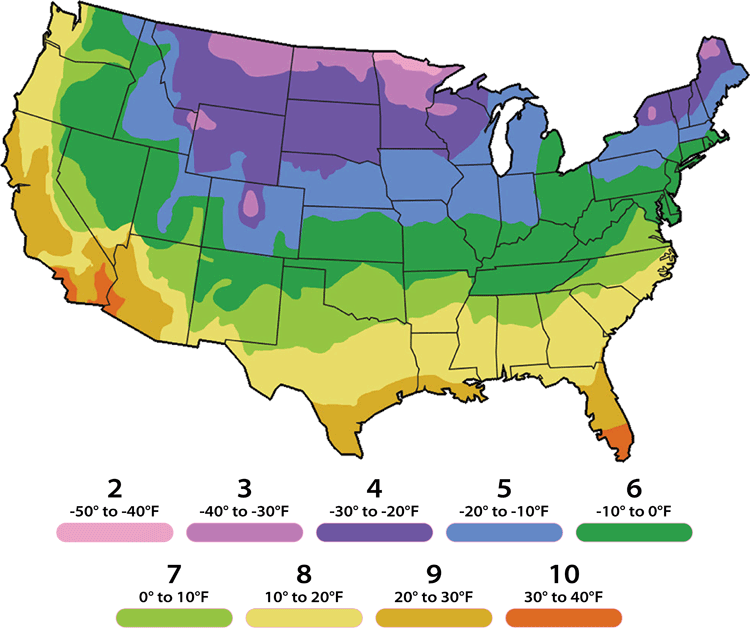
USDA Zone: 9-11


This variety of cinnamon has large 10"-12" long leaves which are highly aromatic as much as bark that is used for commercial cinnamon. Cinnamon is an evergreen shrub or small tree with dark, leathery, aromatic, veined leaves, numerous inconspicuous yellow flowers and blackish berries. In cultivation young trees are cut back twice a year and sucker shoots develop from the roots. These long slender shoots furnish the bark that is the commercial product. Leaves are used as tea. Cinnamon is a very popular culinary spice and is also used in candy, gum, incense, toothpaste and perfumes. The oil is used in medicine as a carminative, antiseptic and astringent and source of cinnamon extract.
See article about Cinnamomum aromaticum


It has elongated leaves which are highly aromatic as much as bark that is used for commercial cinnamon. Leaves are used as tea. Cinnamon is a very popular culinary spice and is also used in candy, gum, incense, toothpaste and perfumes. The oil is used in medicine as a carminative, antiseptic and astringent and source of cinnamon extract. Cold hardy plant to upper 20's F.
Read more about Cinnamon.
Recommended Fertilizer: SUNSHINE Robusta - Rapid Growth Booster
Shipped at customers risk, no replacements or refunds. Leaf drop possible. We guarantee healthy plant to be shipped and the best packaging. Express shipping optional.
 SUNSHINE C-Cibus (NPK 2-2-4) - Crop Booster for every watering.
 SUNSHINE C-Cibus (NPK 2-2-4) - Crop Booster for every watering.
Last one
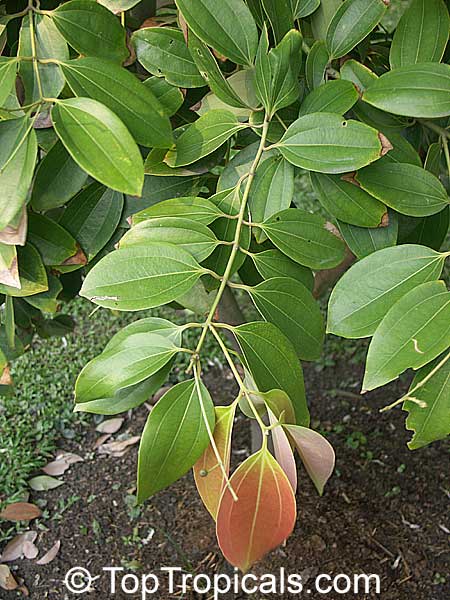
Botanical name: Cinnamomum iners
Common name: Cinnamon
Family: Lauraceae
Origin: Thailand
USDA Zone: 9-10
Cinnamomum iners, also known as Cinnamon, is an evergreen plant native to Thailand and other parts of Southeast Asia. This large shrub or small tree grows 5-10 feet tall in ideal conditions and prefers full sun and regular watering, making it an ideal choice for warmer climates or temperate climates with enough consistently warm weather. In the US, it grows best in USDA hardiness zones 9-11, producing best when it receives ample sunlight and water.
The ornamental foliage of this plant is highly fragrant, making it a common choice as an ornamental and a popular choice for residential gardens and landscapes where its unique scent can be enjoyed. The cinnamon sweet aroma and delicate leaflets provide a beautiful texture to any garden.
Cinnamomum iners has ethnomedicinal uses and the inner bark of the tree is used to make teas for treating nausea, relieving fatigue, and for cardiotonic purposes. Not only is this not toxic, Cinnamomum iners is actually edible and the flowers, leaves, and fruits can be eaten. The berries that grow on this plant come in white and light violet, and are about 1-2 inches in diameter. While not renowned for being particularly flavor-packed, fruits of this plant are used as a source of vitamins and minerals and even as a flavorful additive to steamed rice.
Grown in containers, Cinnamomum iners is somewhat hardy and tolerant of moderate frosts. To bring the plant into bloom, however, plants growing in containers will need to be brought indoors and put in a warm, bright area when cold winter temperatures move in. When grown in the ground it can withstand temperatures of 30°F. In colder climates, taking plants indoors during active season and then re-planting them in spring is a good choice. This will protect them from low freezing temperatures while they are in active growth.
Cinnamomum iners is a beautiful, aromatic and versatile tree with a range of ethnomedicinal uses, edible fruits, and fragrant leaves. It is easy to care for and will bring its beauty to any garden or landscape.
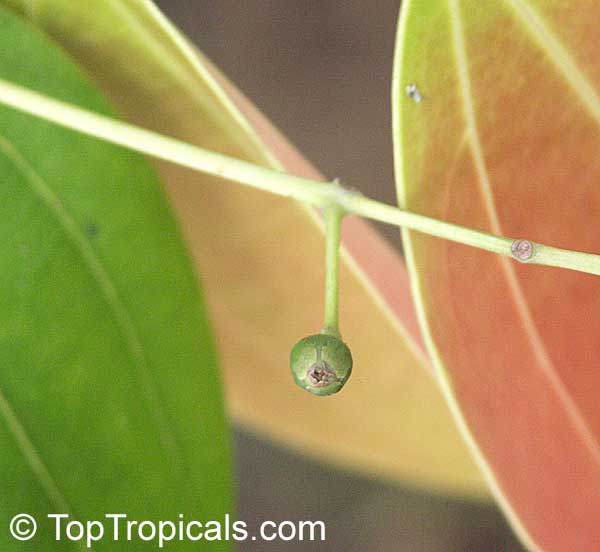
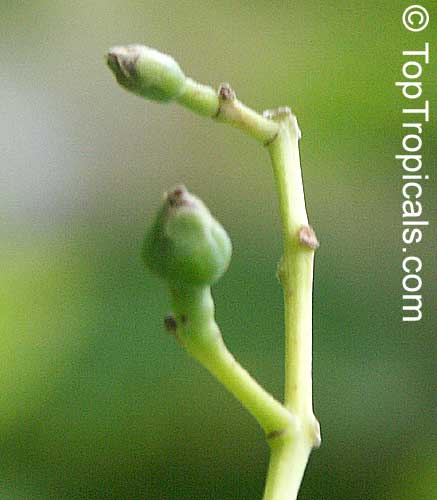
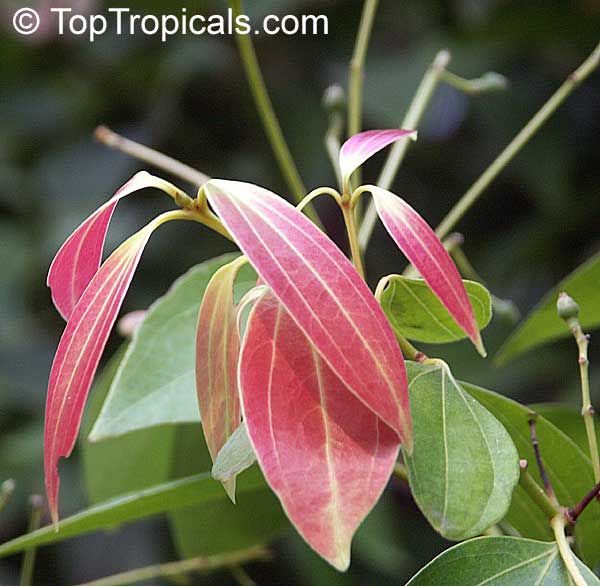
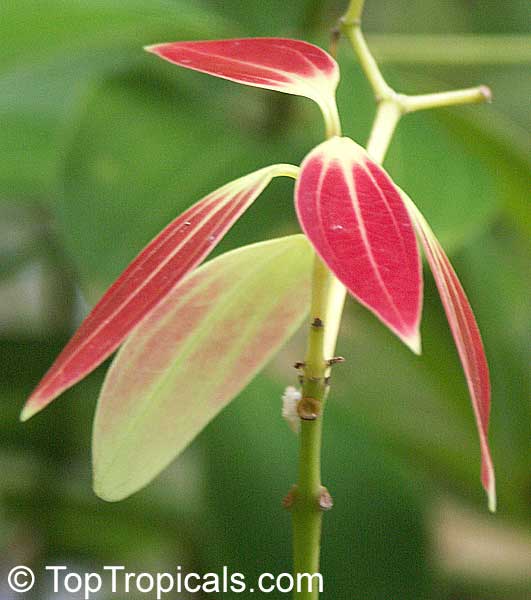
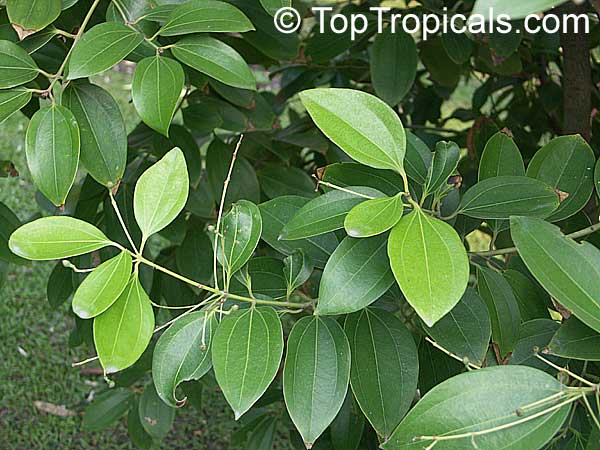

Botanical name: Cinnamomum sp.
Common name: Cinnamon
Family: Lauraceae
USDA Zone: 9-10
The species of Cinnamomum have aromatic oils in their leaves and bark.
Species:
Cinnamomum javanicum


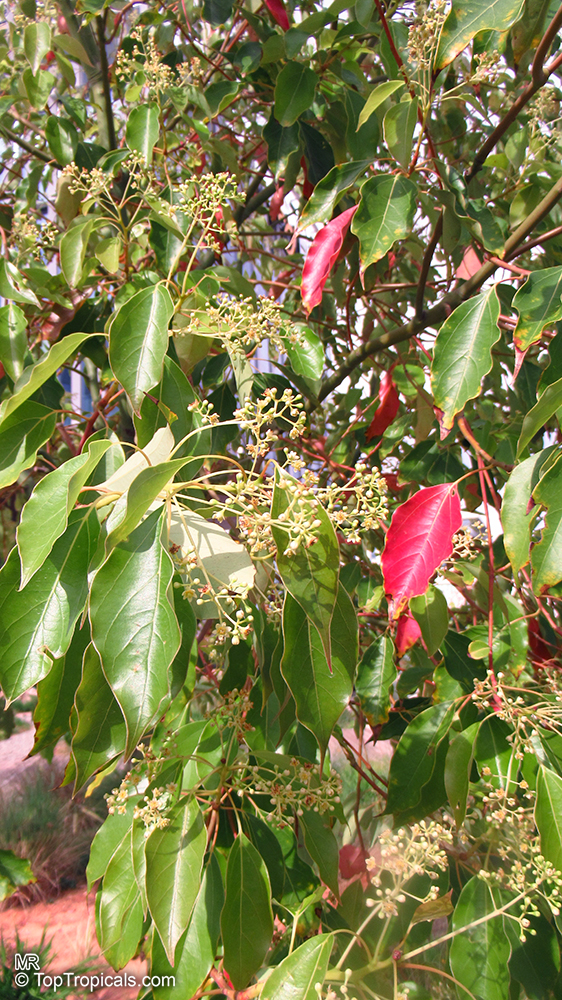
Botanical name: Cinnamomum camphora
Common names: Camphor Tree, Camphor Laurel
Family: Lauraceae
Origin: China, Japan
USDA Zone: 8-11
Cold tolerance: 15°F


This is an exotic tree that has been widely cultivated for more than a century as a shade and ornamental tree in Florida and elsewhere. This is the aromatic tree from which camphor was derived (used in medicines and mothballs), until camphor oil began to be made artificially in the 1920s. The camphor quickly grows into a good-looking shade tree which is frequented by berry-eating birds. The camphor tree is a broad-leaved evergreen that is often twice as wide as it is tall. It grows to 50 to 100 feet tall. Where trees are present, the ground is often well-populated with camphor seedlings or small trees; of course this is when they are easiest to control. A quick way to identify camphor is to crush some leaves in order to smell the pungent camphor odor. Camphor trees are densely covered with shiny oval and elliptical leaves, up to 5 inches long. Young leaves are reddish. In spring, the tree grows 3 inch spikes of very small yellowish-white flowers, which are soon replaced by black pea-sized berries. Camphors grow either in full sun or light shade, and prefer well-drained, sandy soil.
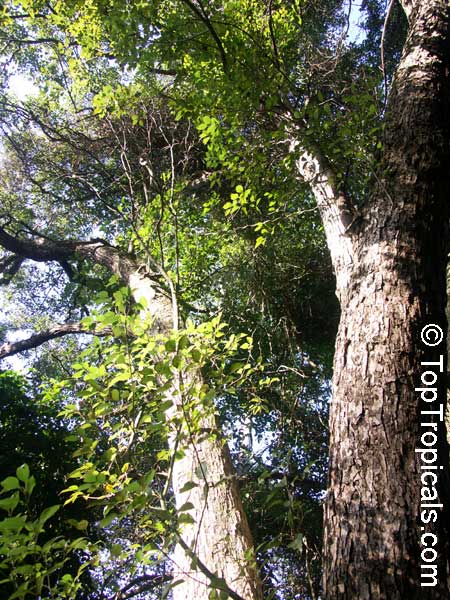
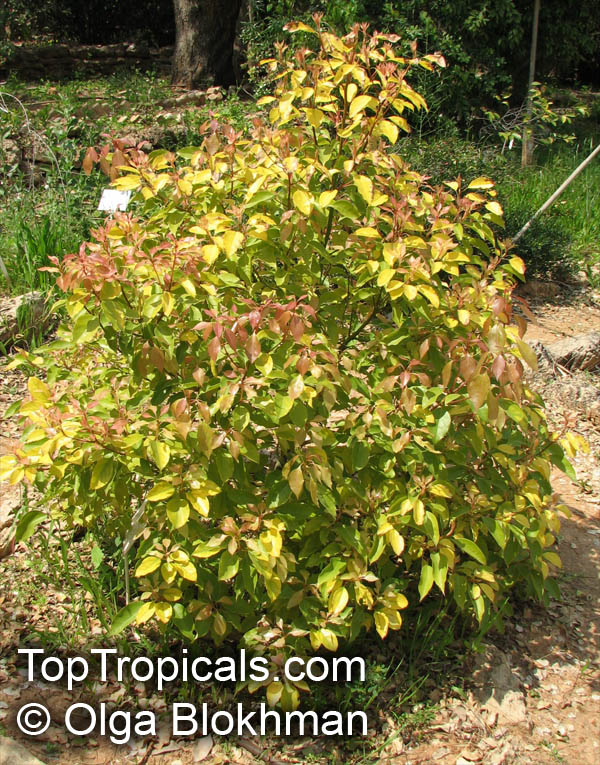
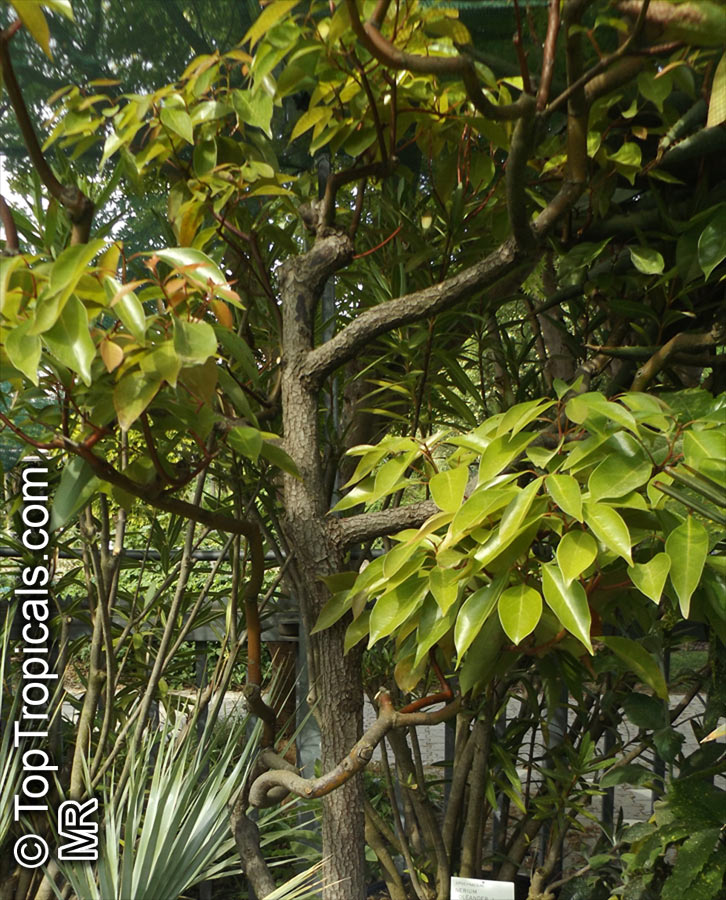
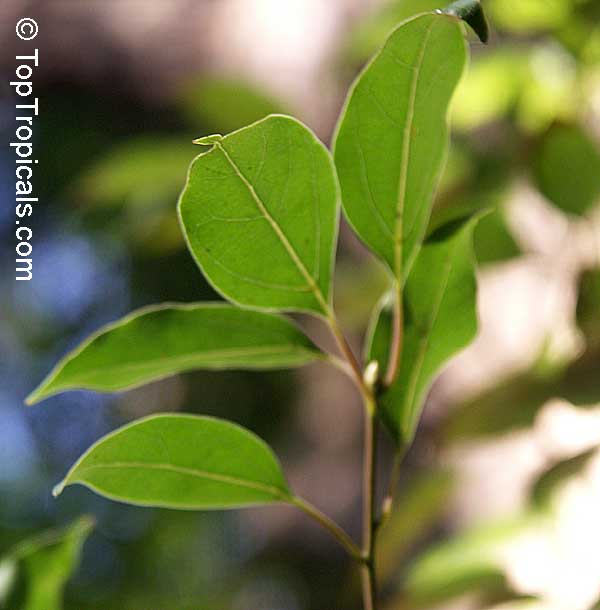
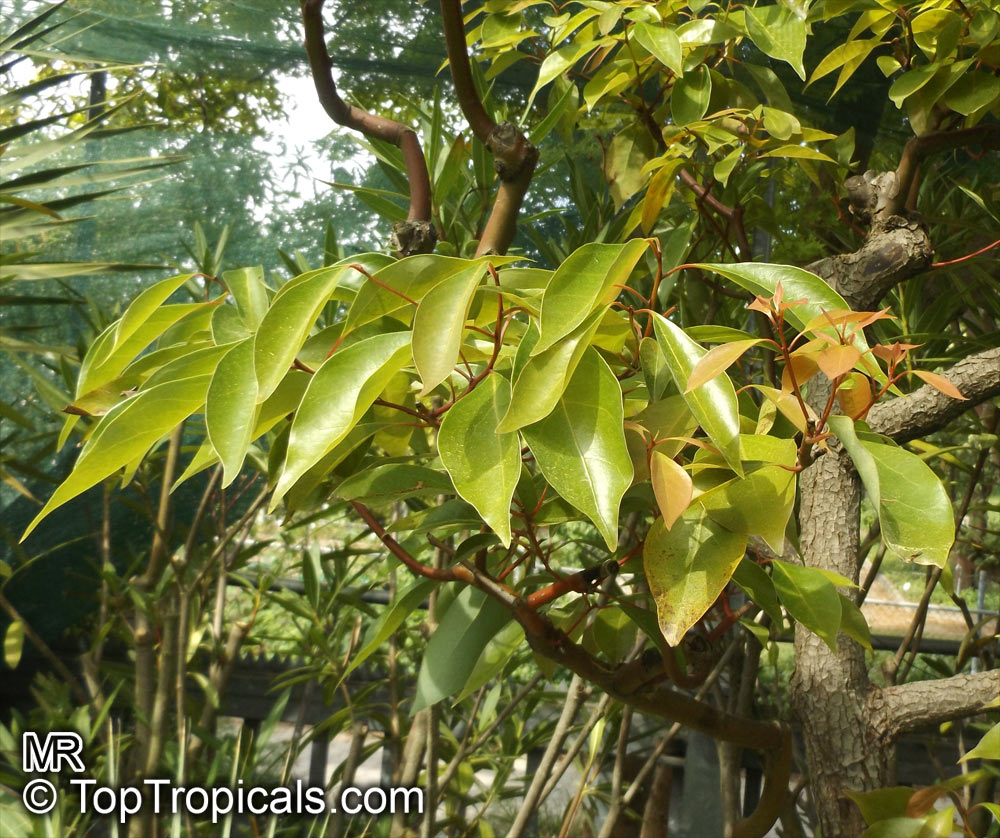
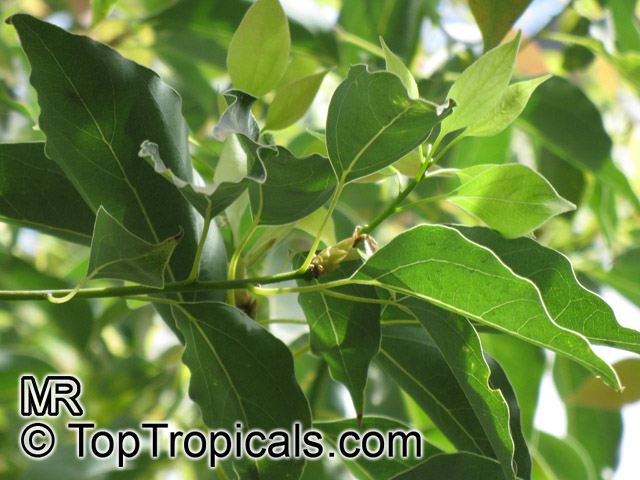
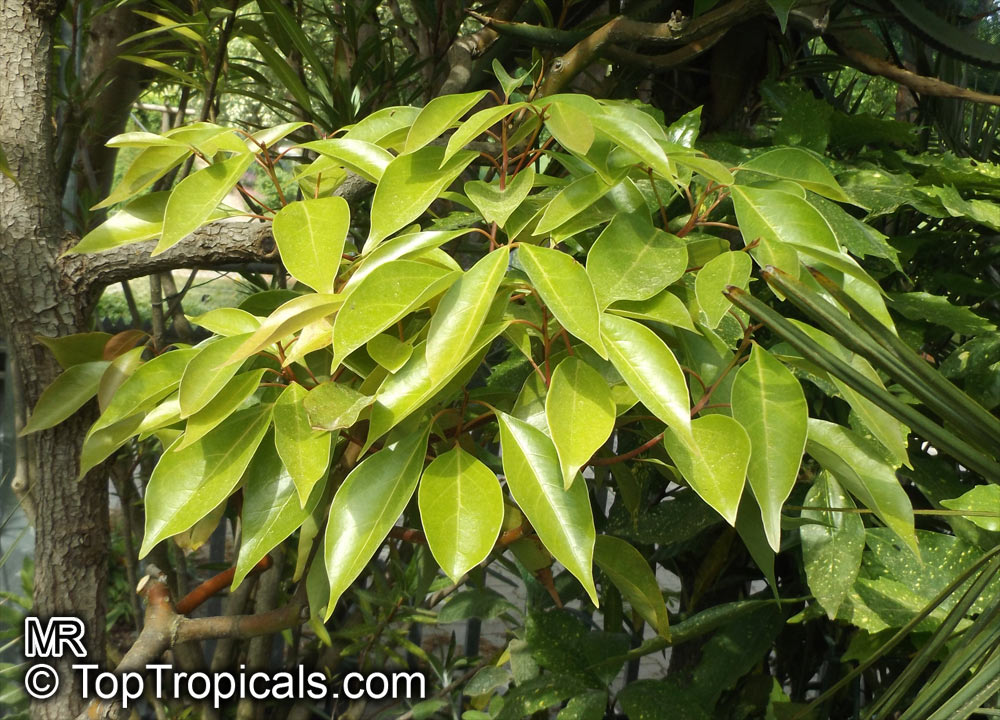
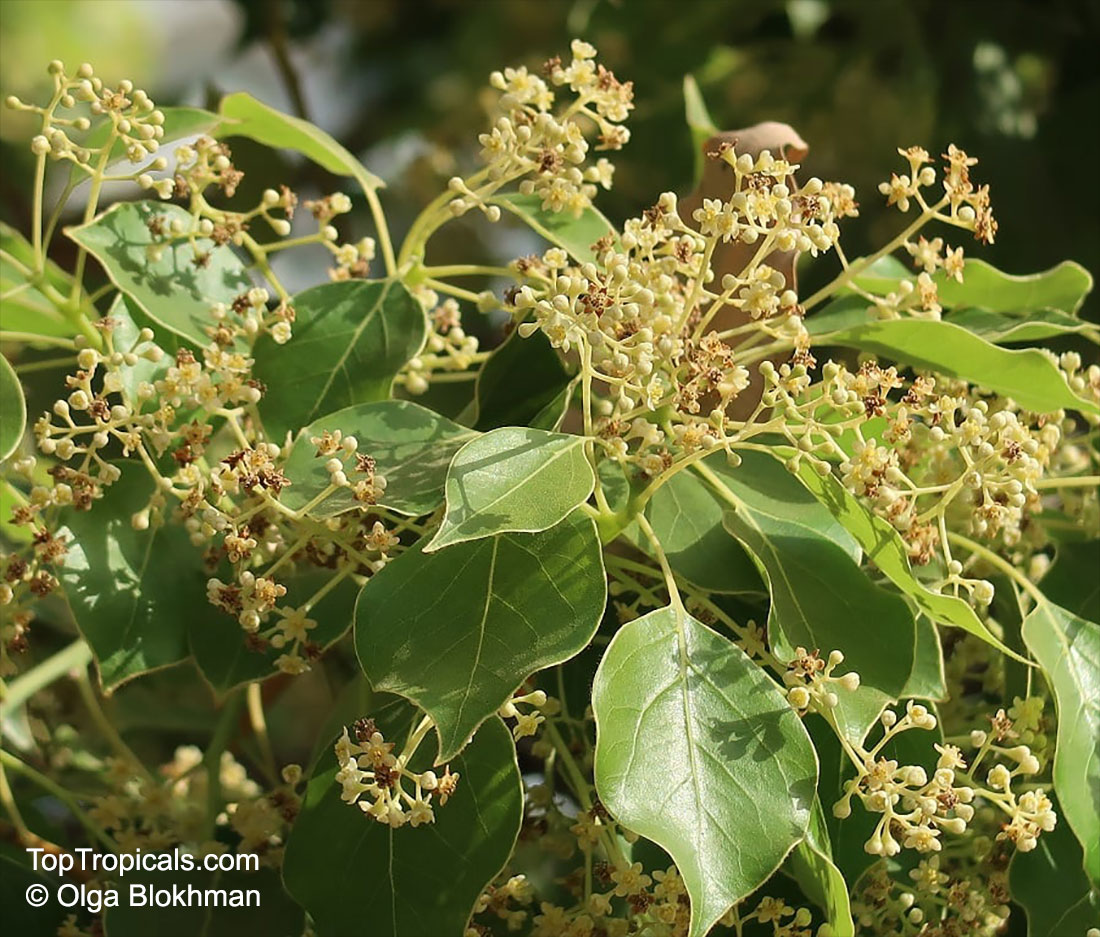
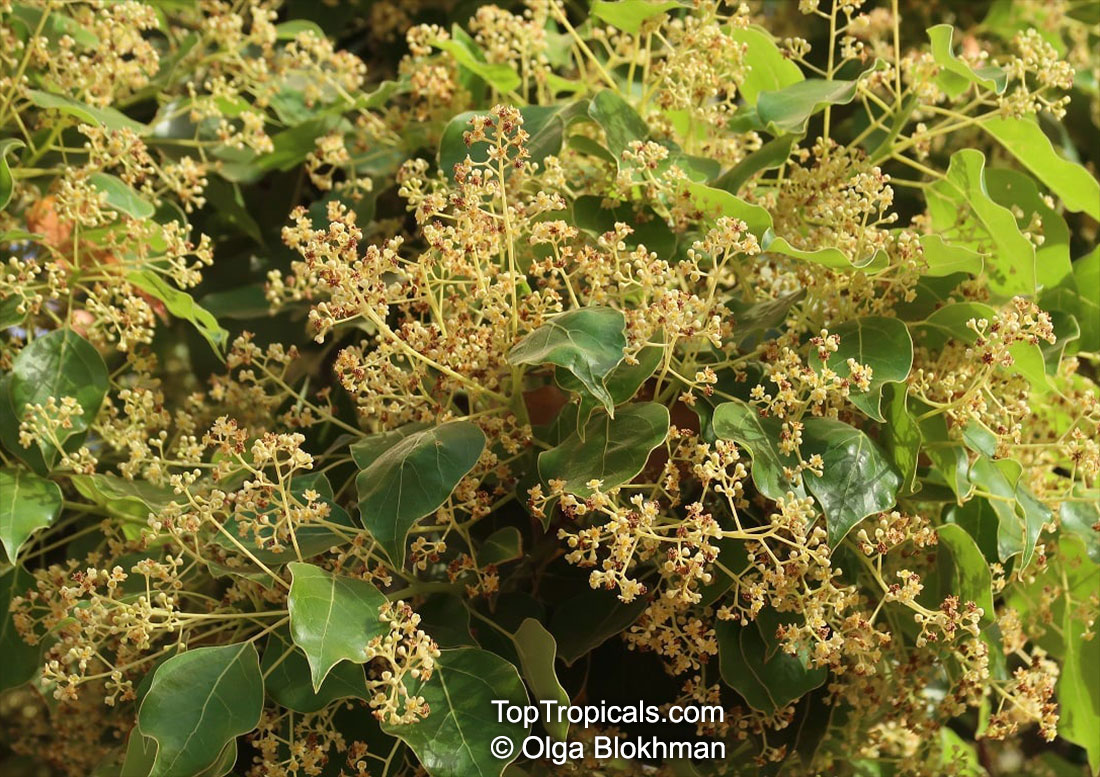
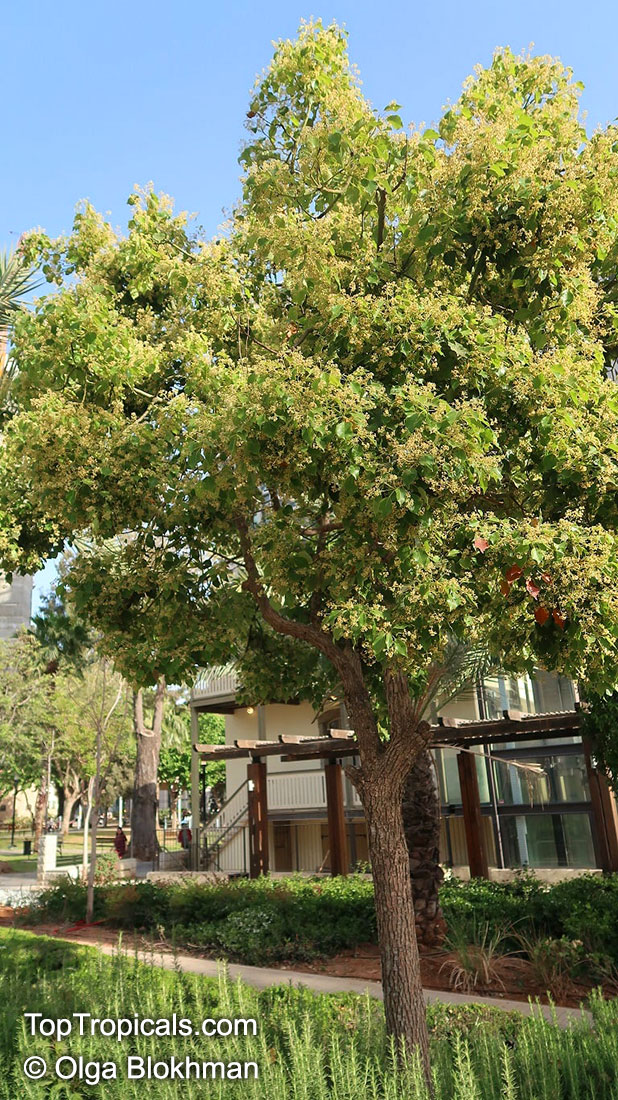
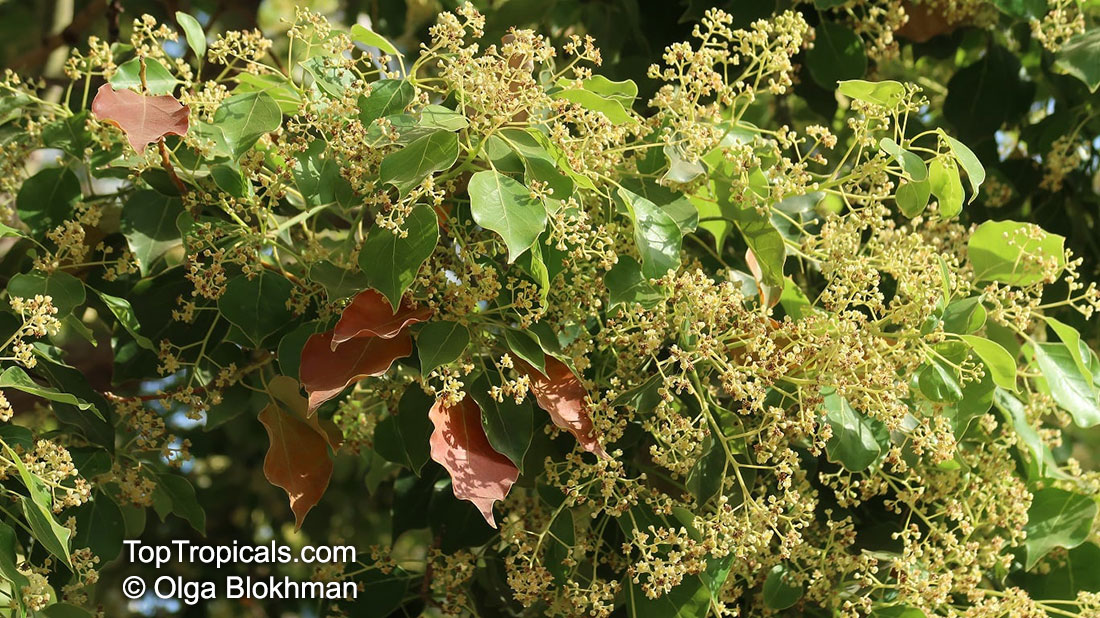
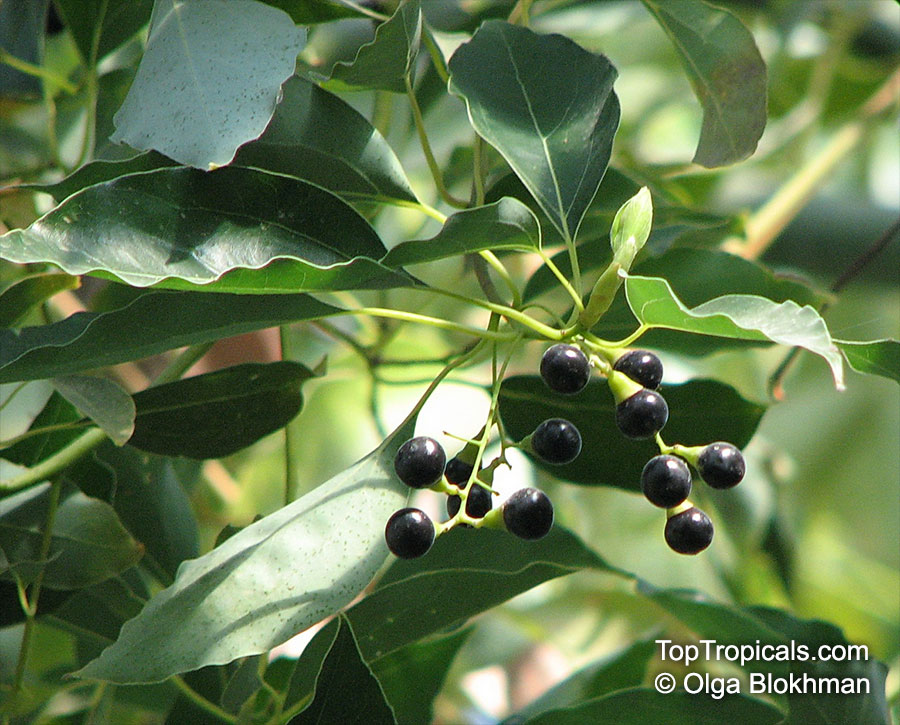
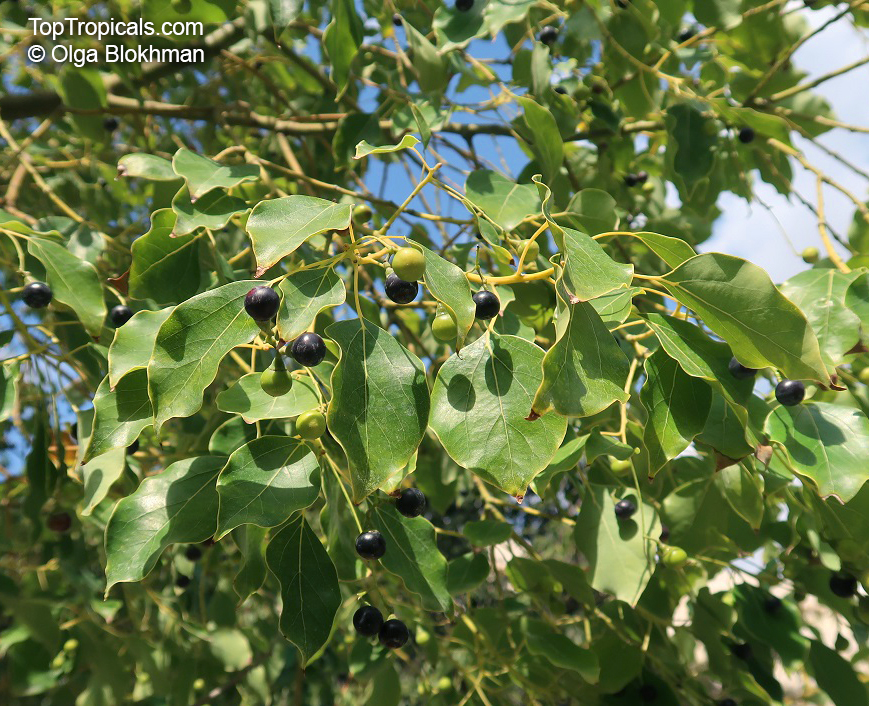
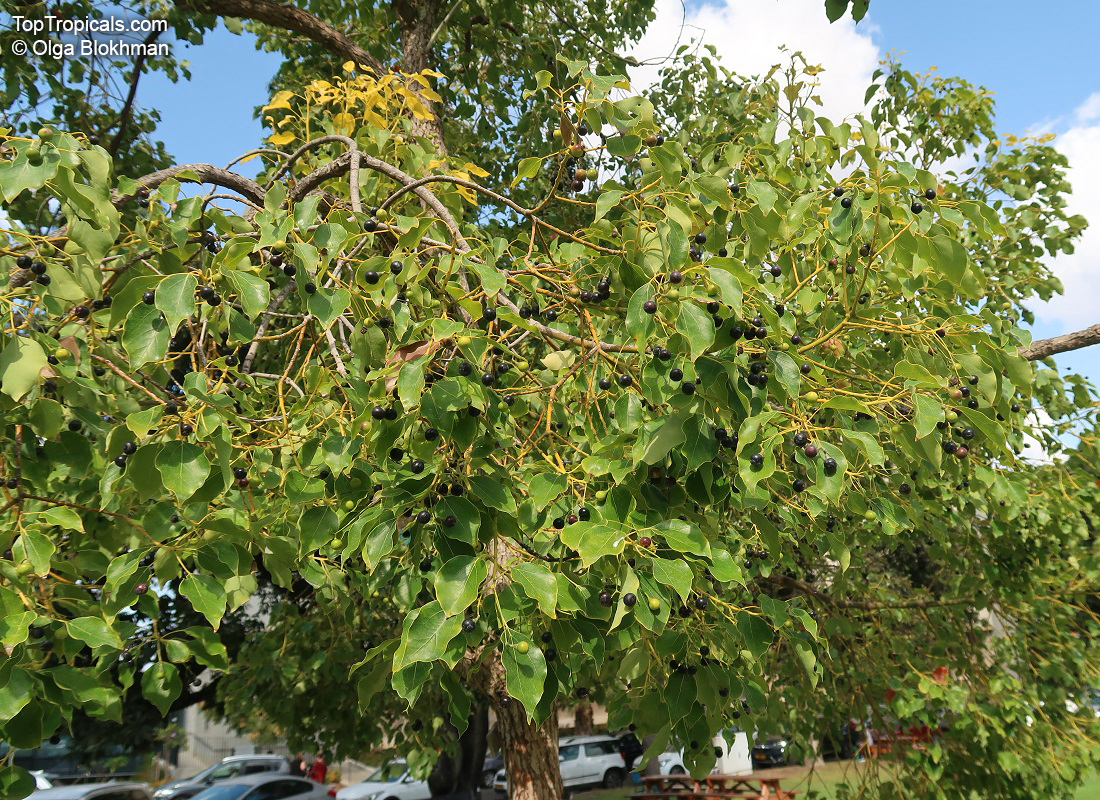
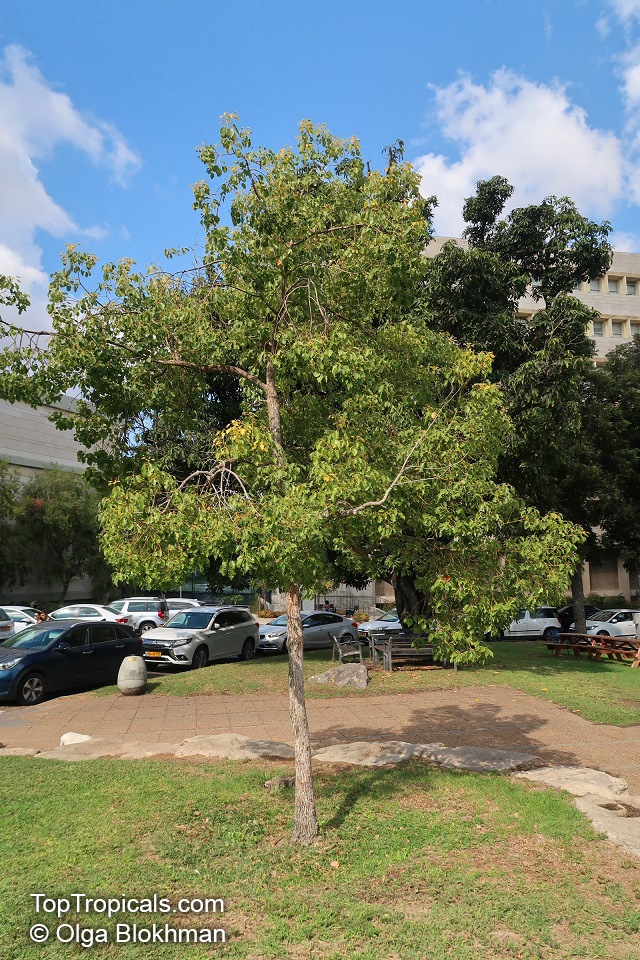
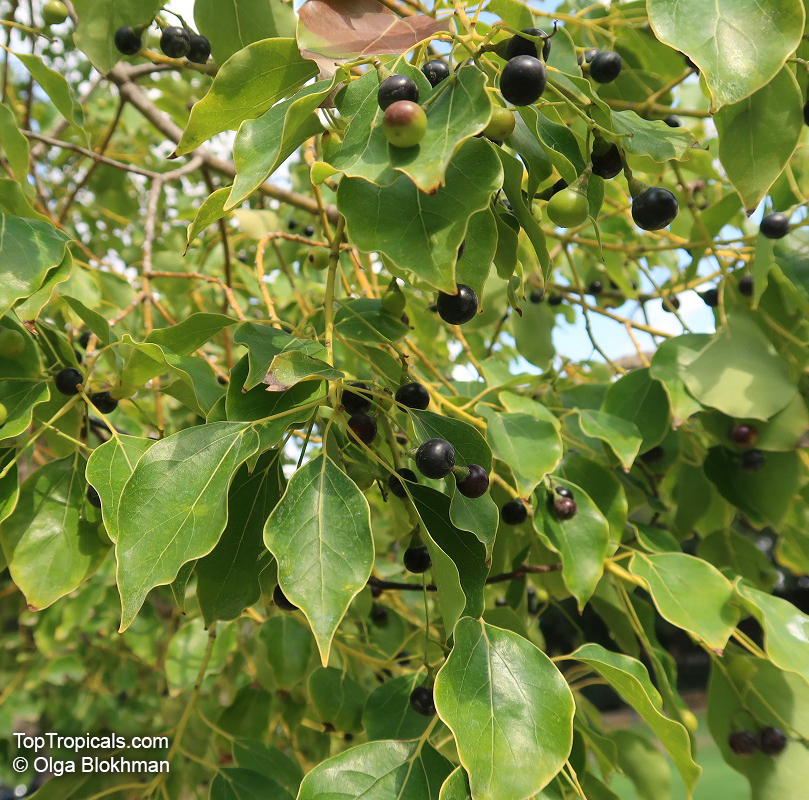
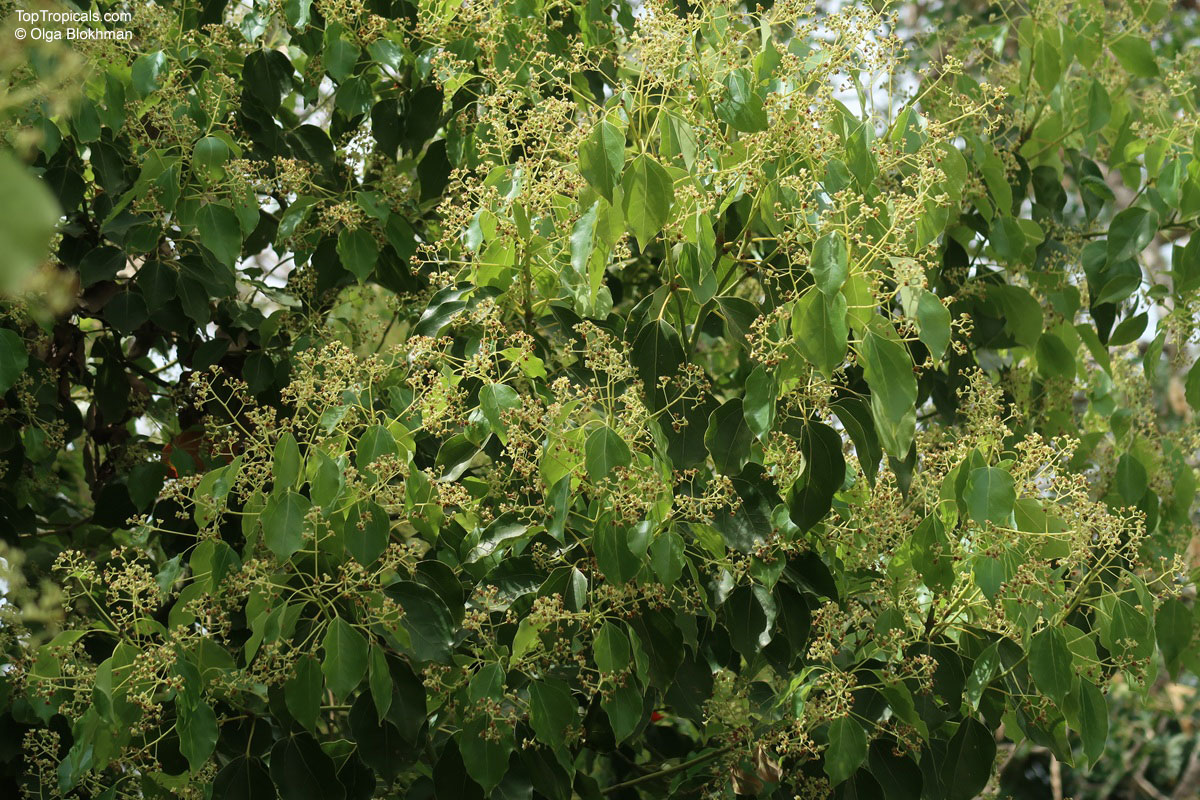
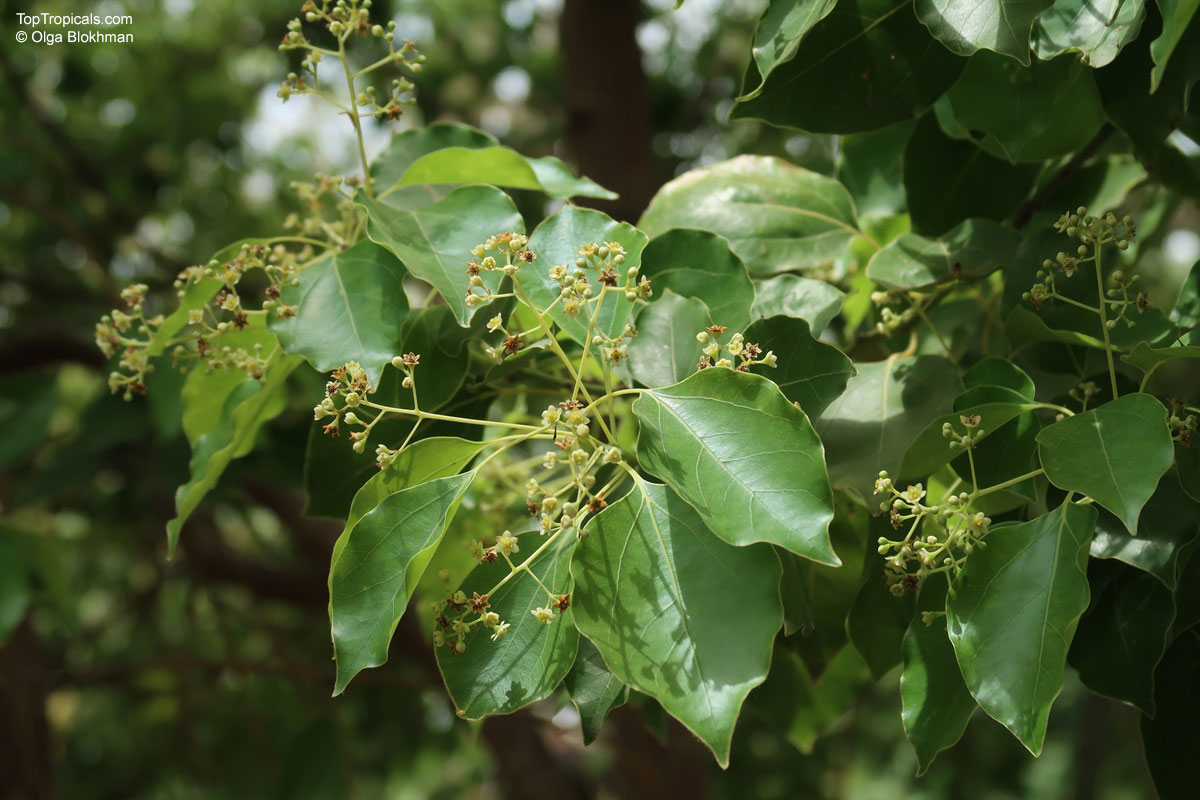
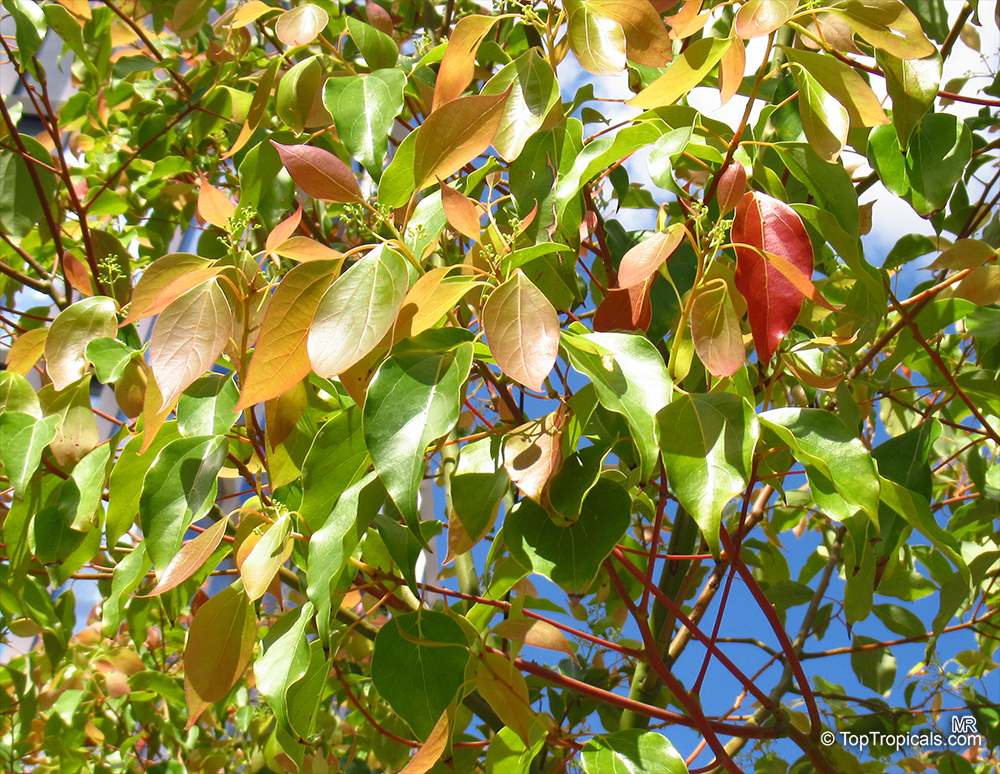
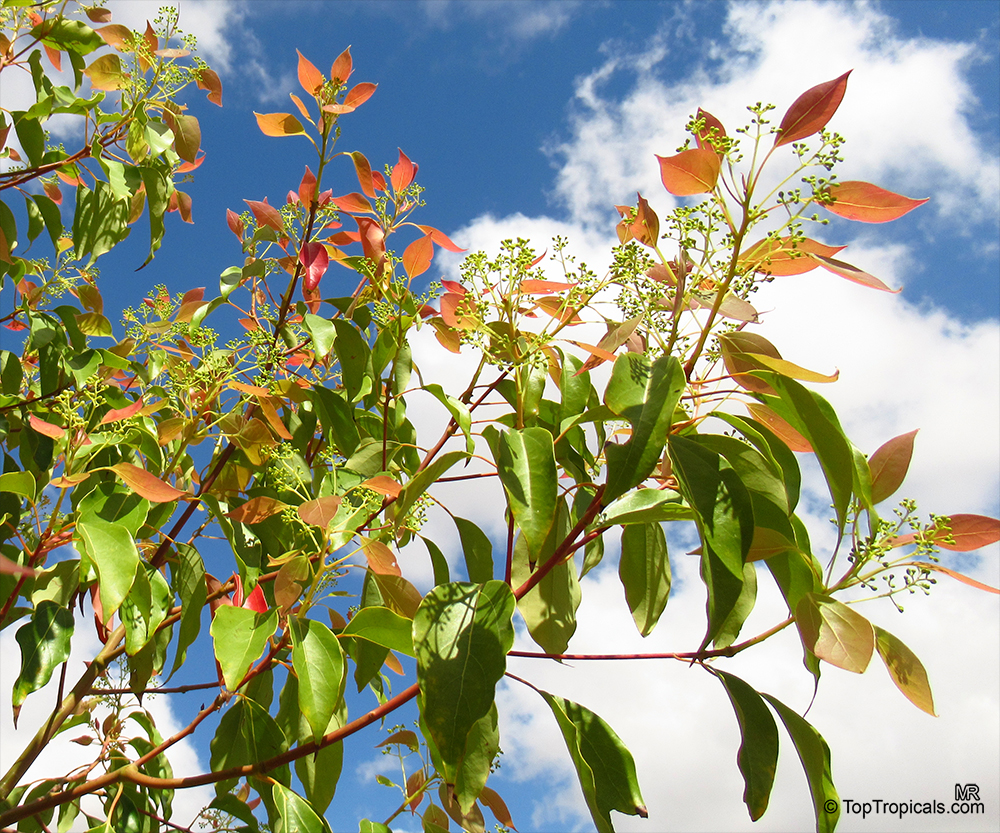
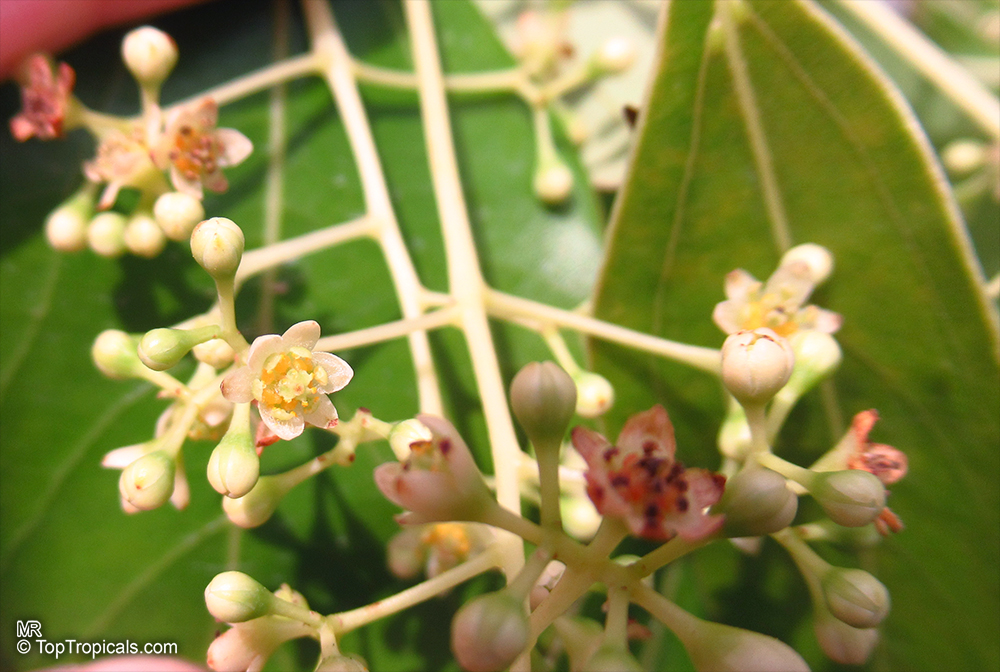
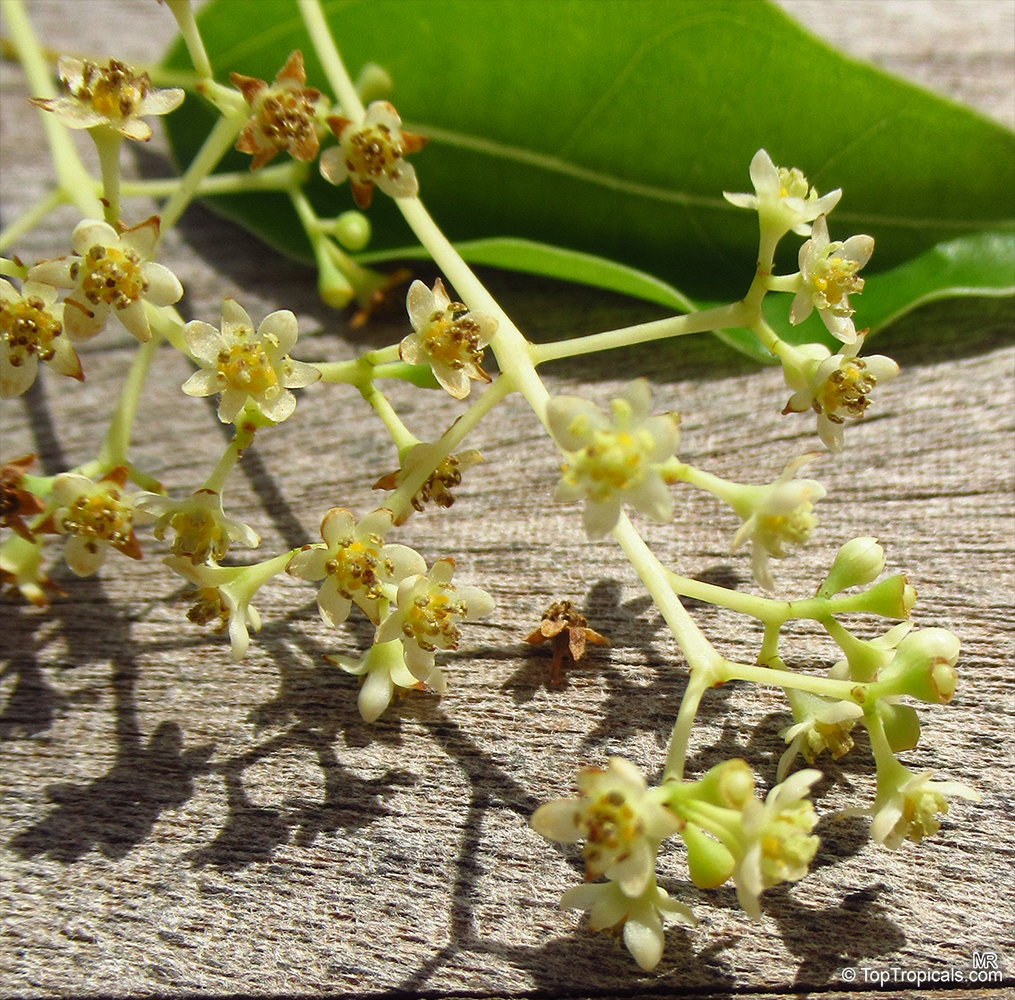
Branches and leaves are used for aromatic medicinal sauna.
Last one

Botanical name: Cinnamomum kotoense
Common names: Canela, Cinnamon Plant
Family: Lauraceae
Origin: Taiwan, Province of China
USDA Zone: 9-11

A beautiful small tree restricted to a few small subpopulations on Lanyu Island. Endangered species. This species is mostly used for ornamental purposes, although it is closely related to Cinnamon spice plants (C. zeylanicum, C. cassia). It makes a great container plant and indoor collectible, tolerates filtered light, grows even more beautiful leaves in shade.


Botanical name: Cinnamomum sintok
Common name: Sintok
Family: Lauraceae
Origin: Java, Sumatra
USDA Zone: 9-10


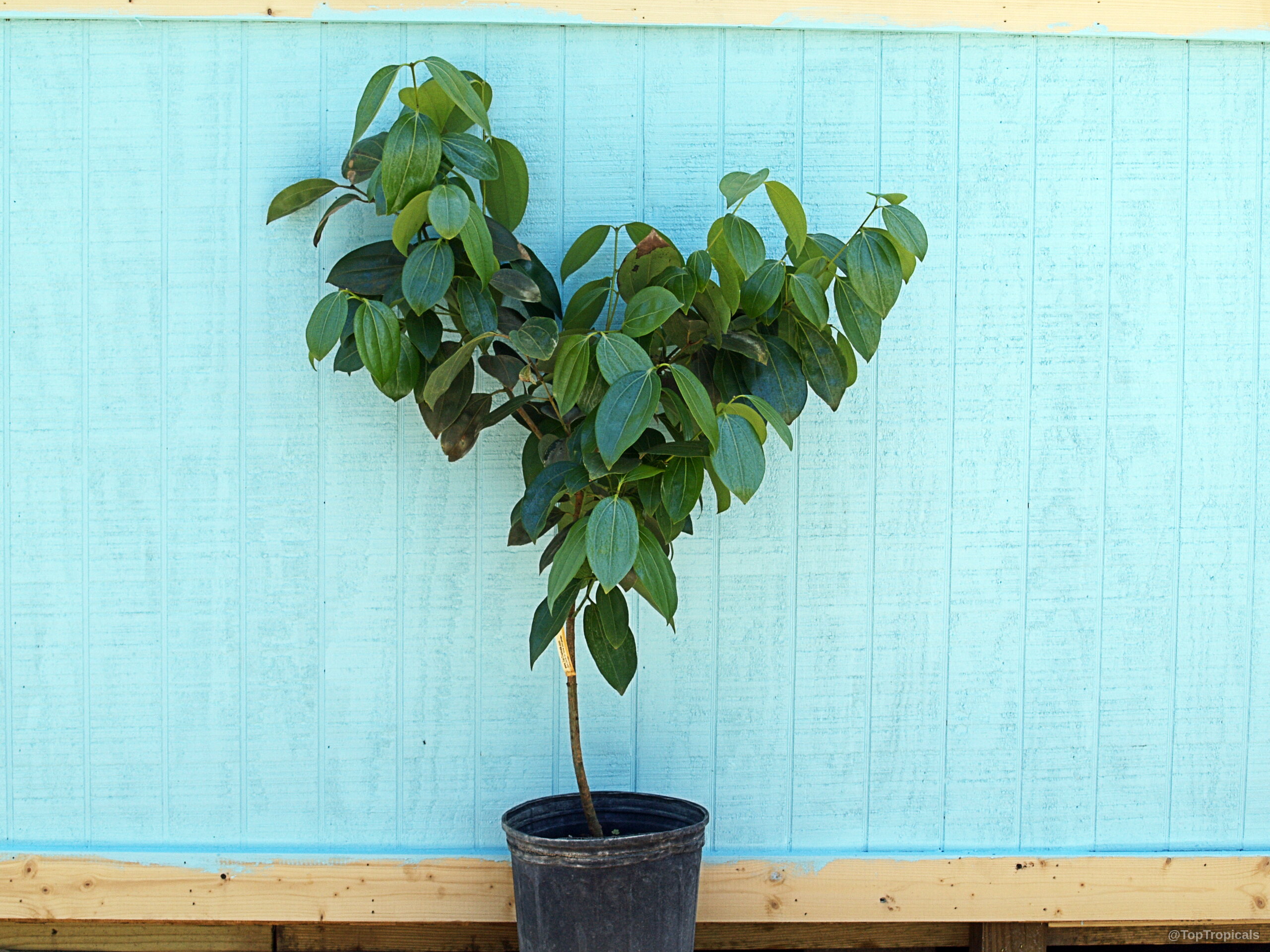
Botanical names: Cinnamomum zeylanicum, Cinnamomum verum
Common name: Cinnamon
Family: Lauraceae
Origin: Sri Lanka (Ceylon)
USDA Zone: 9-11

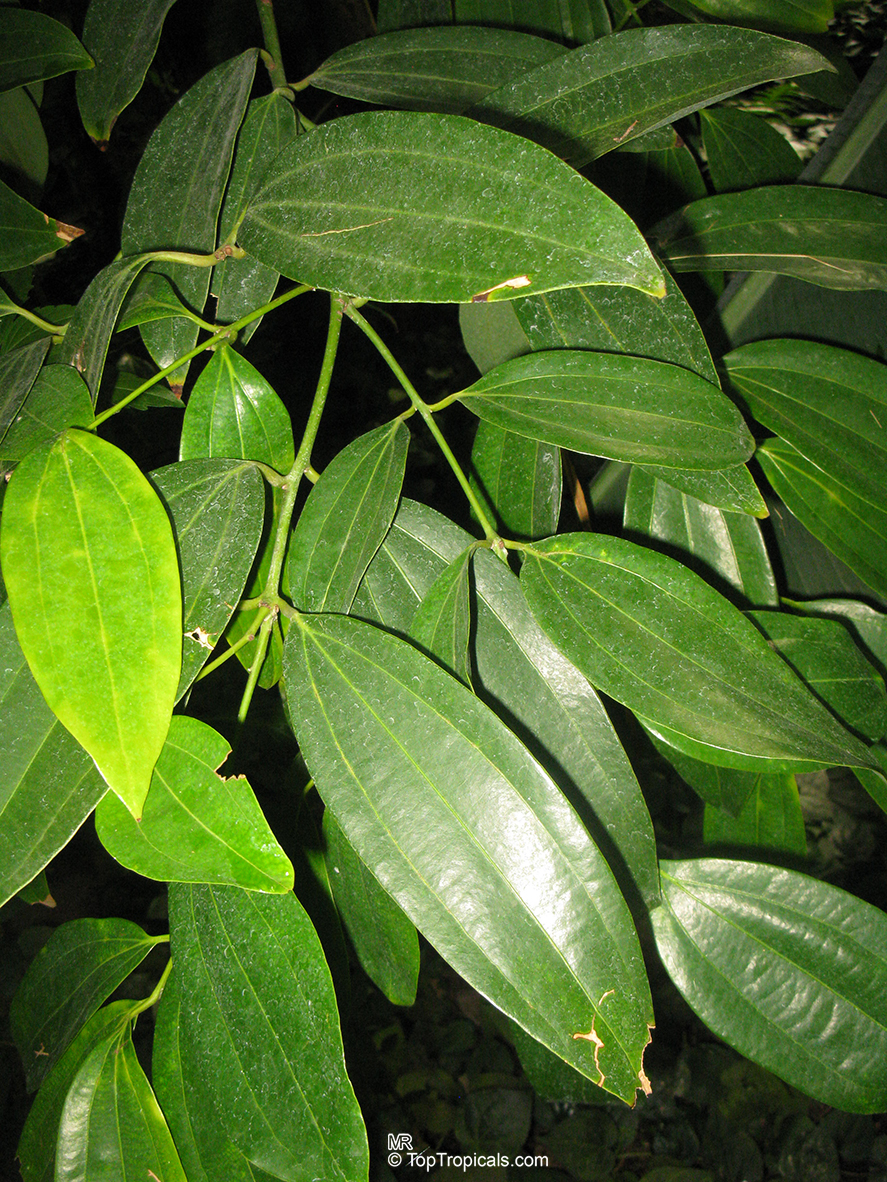
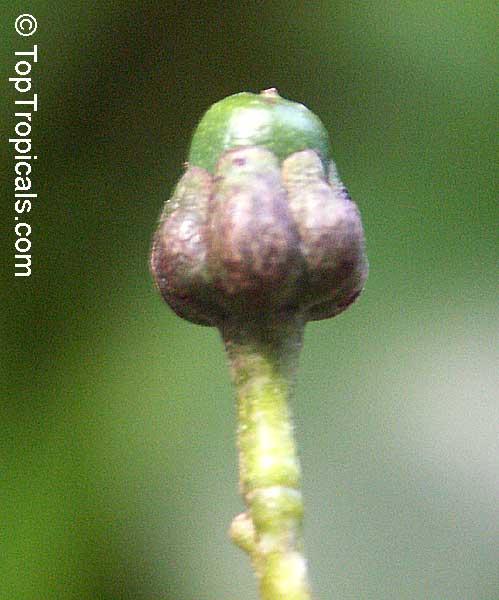
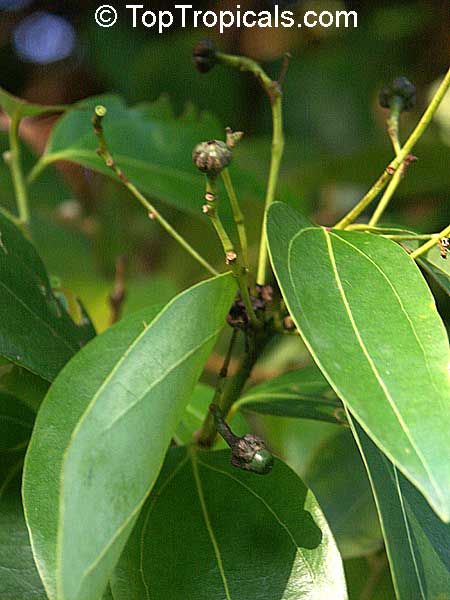
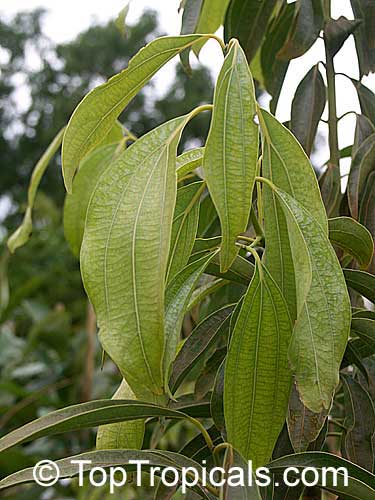
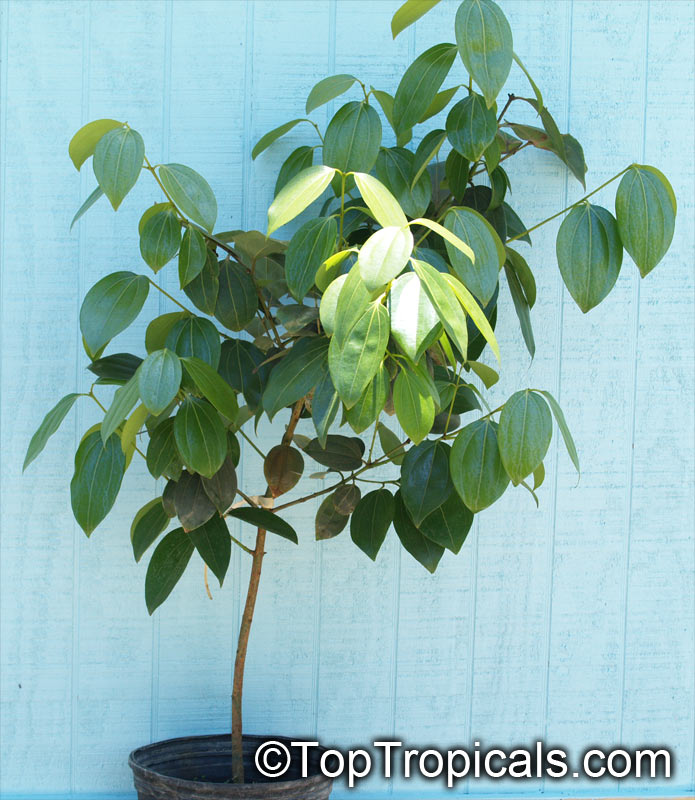
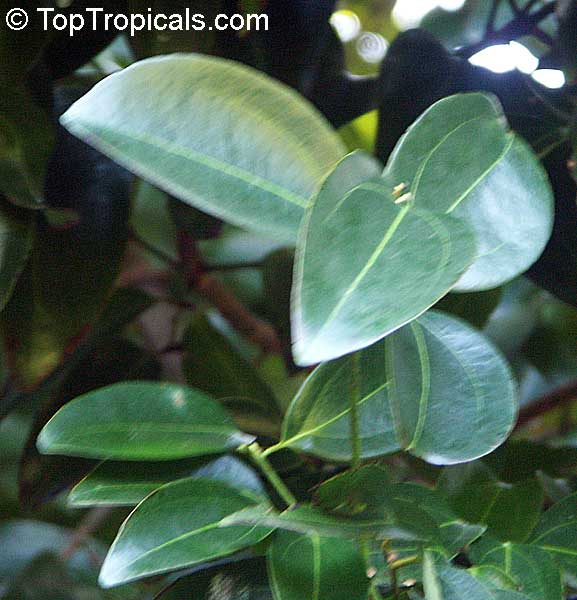
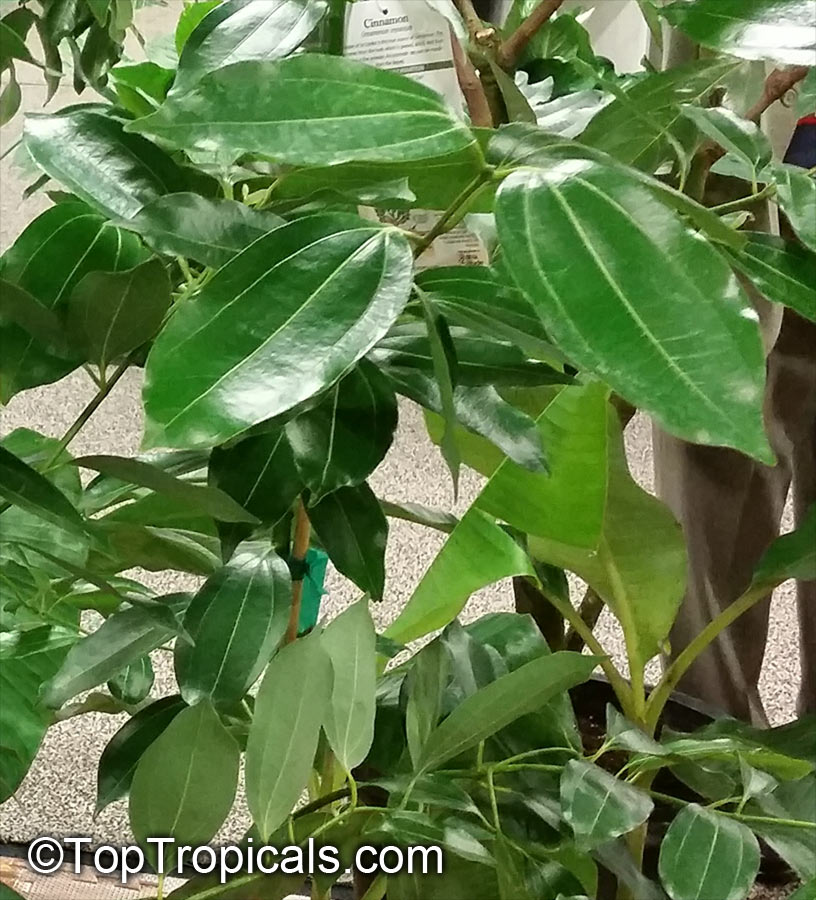
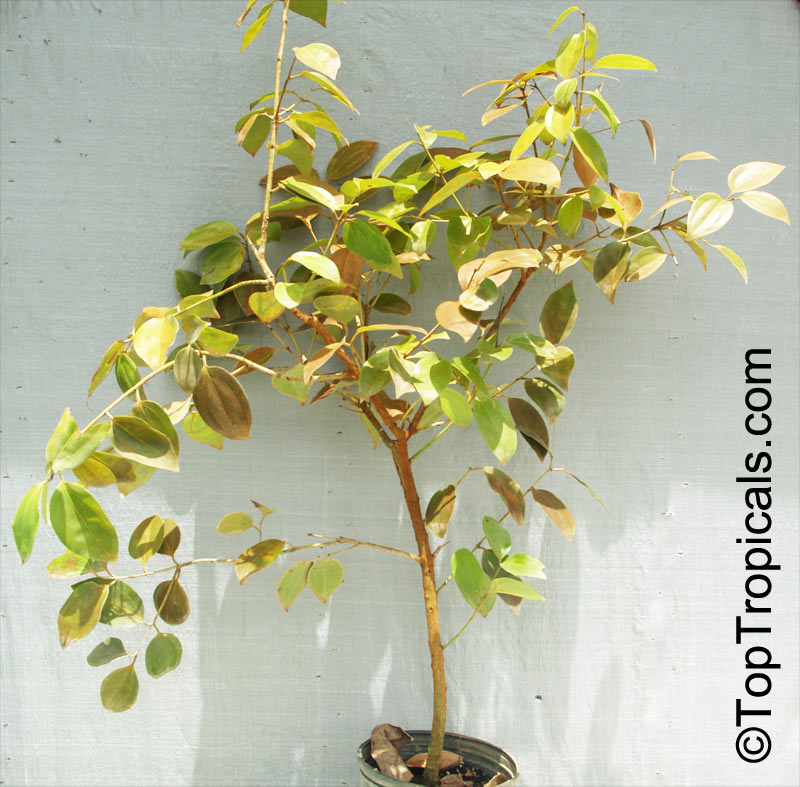
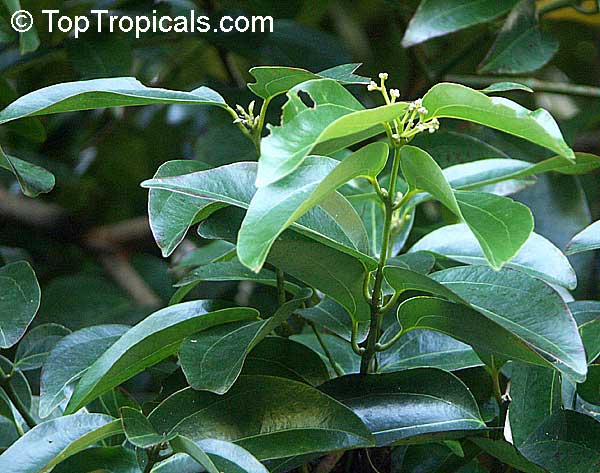
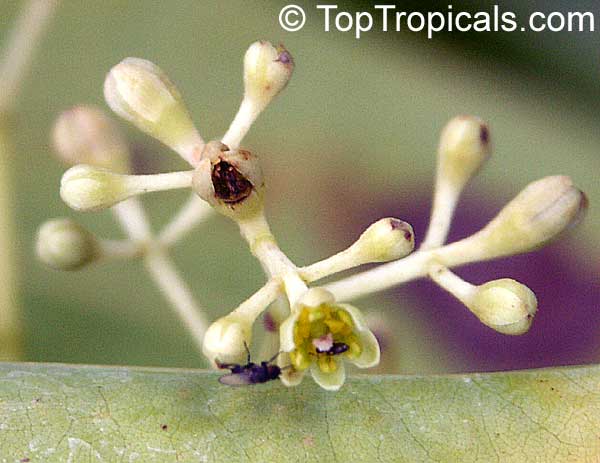
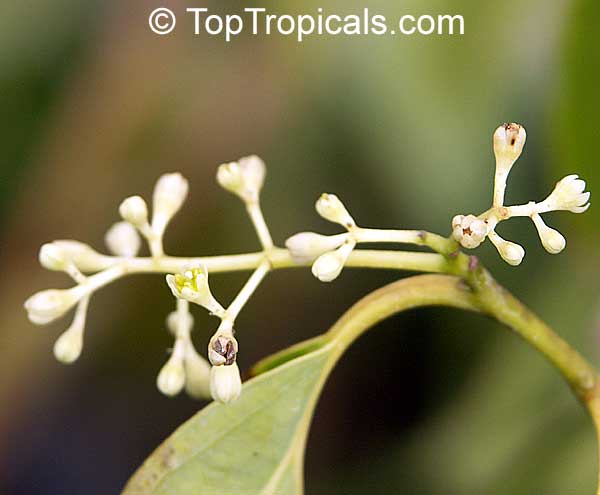
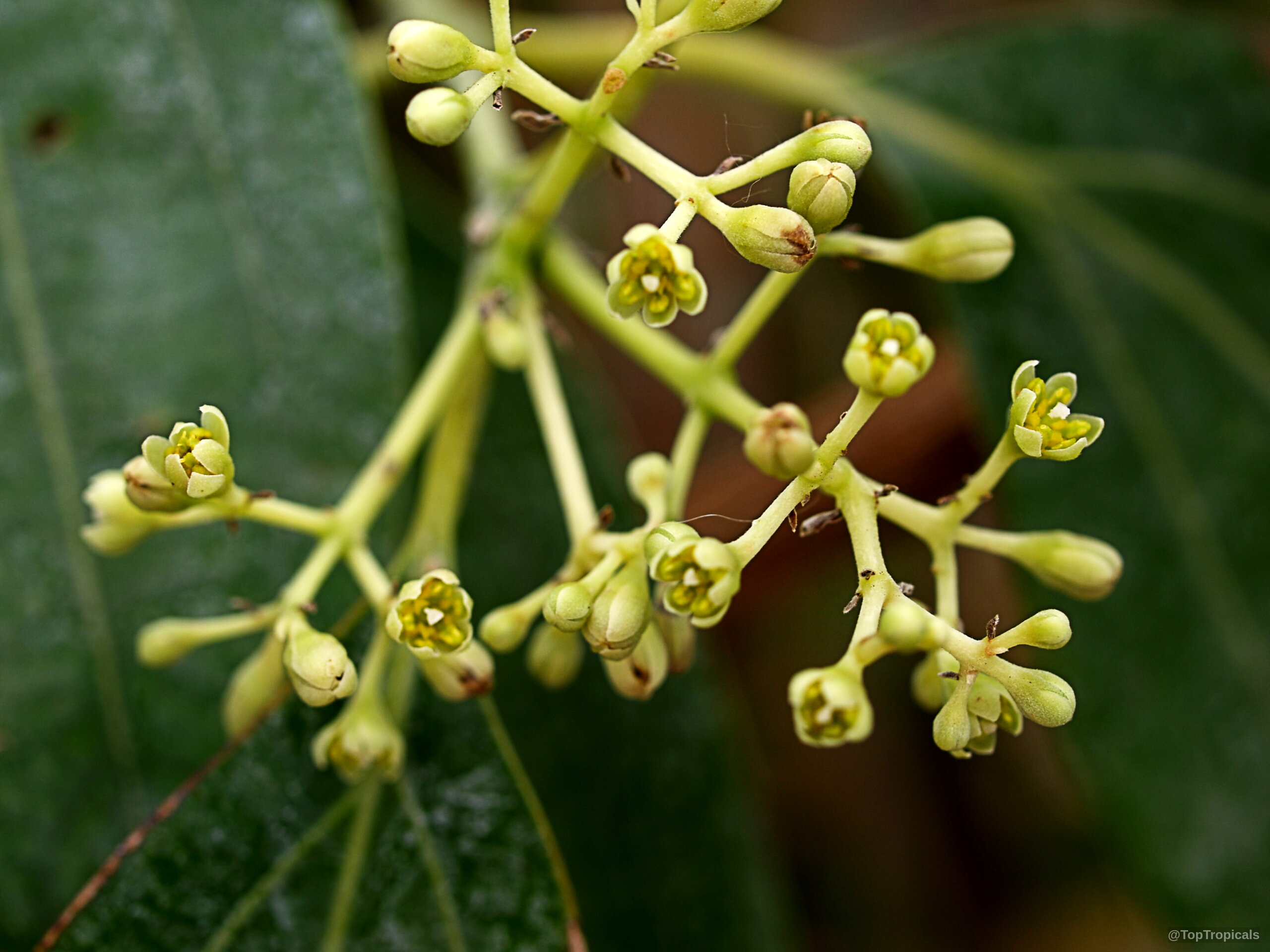
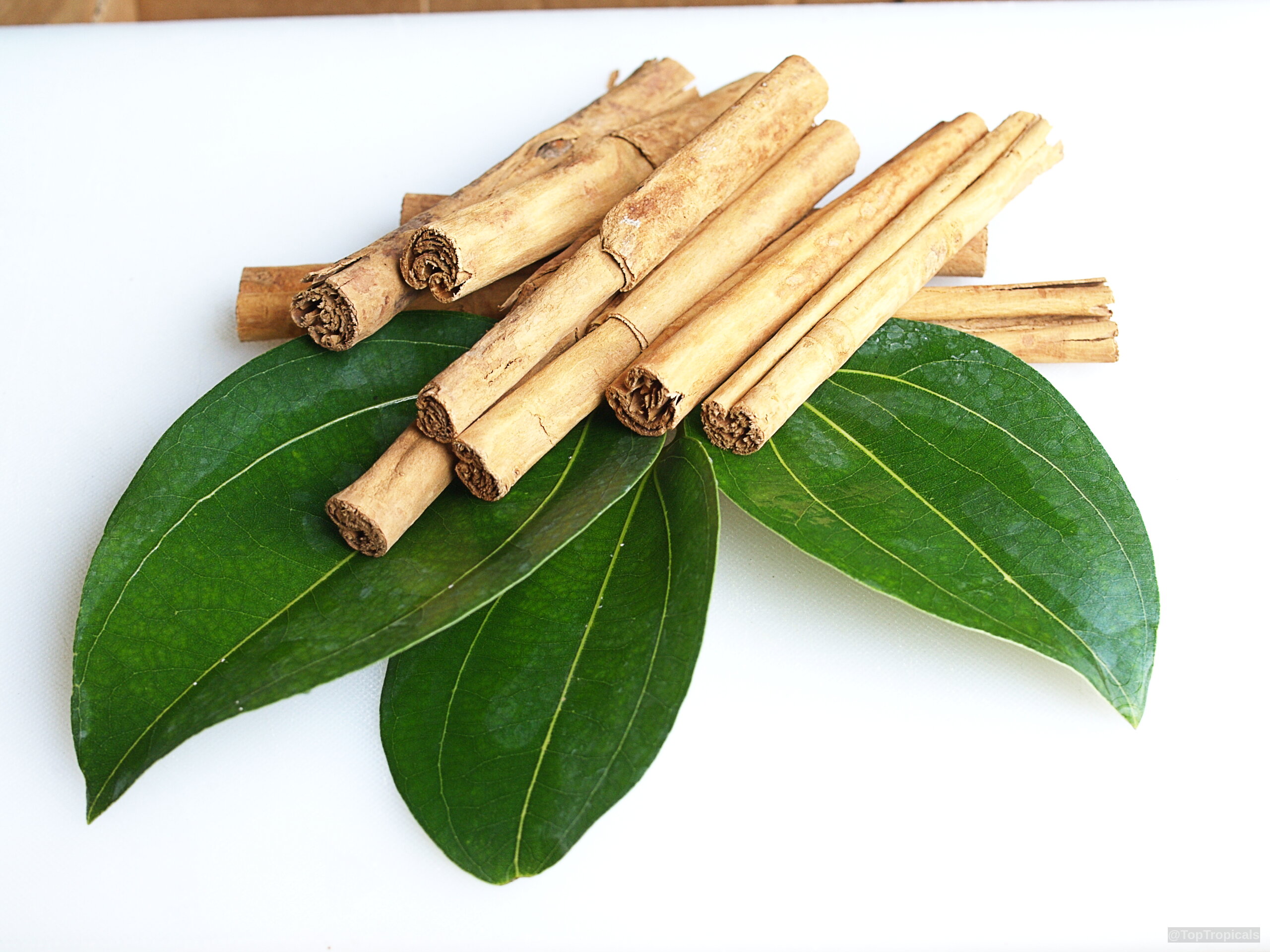
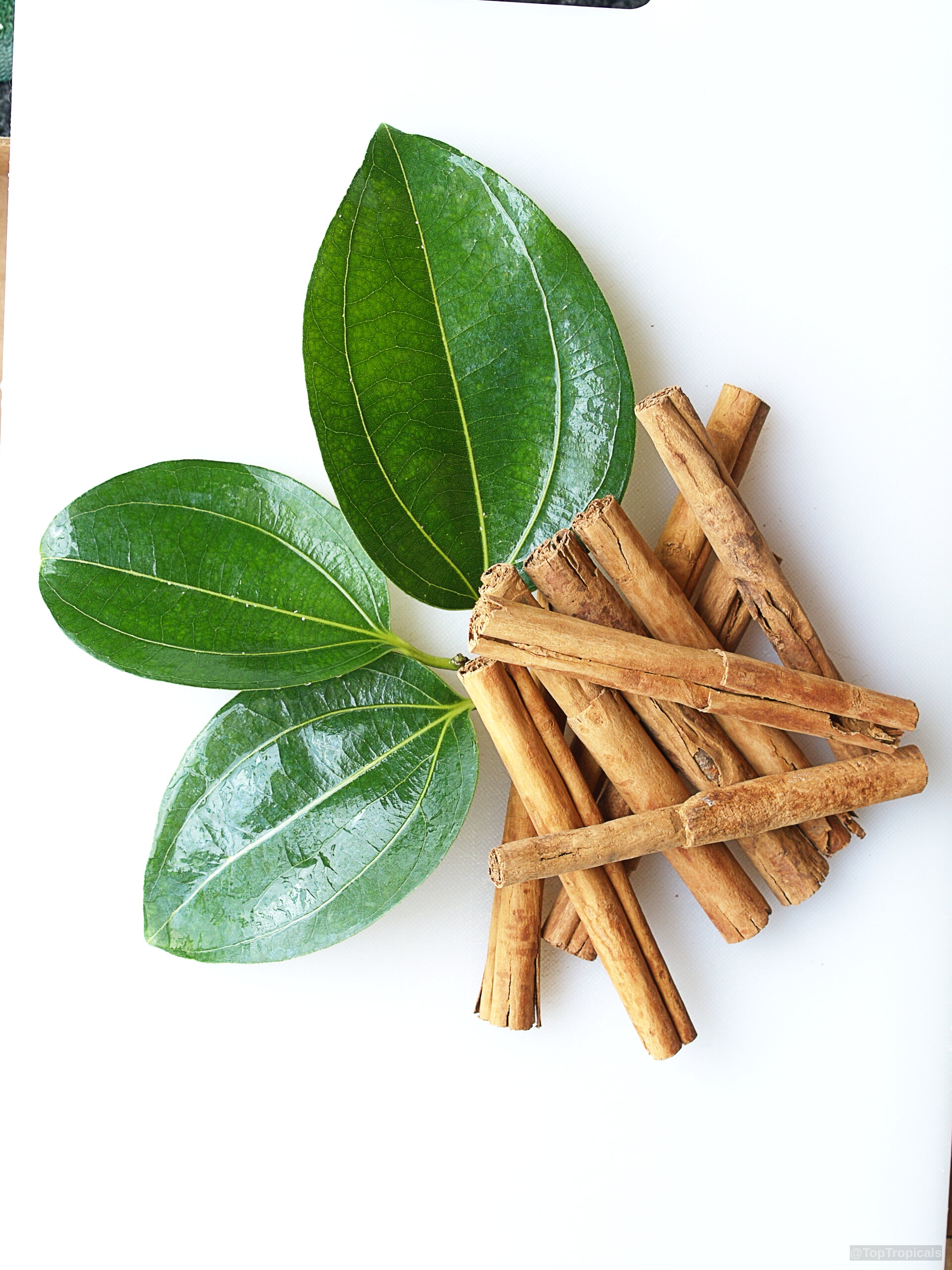
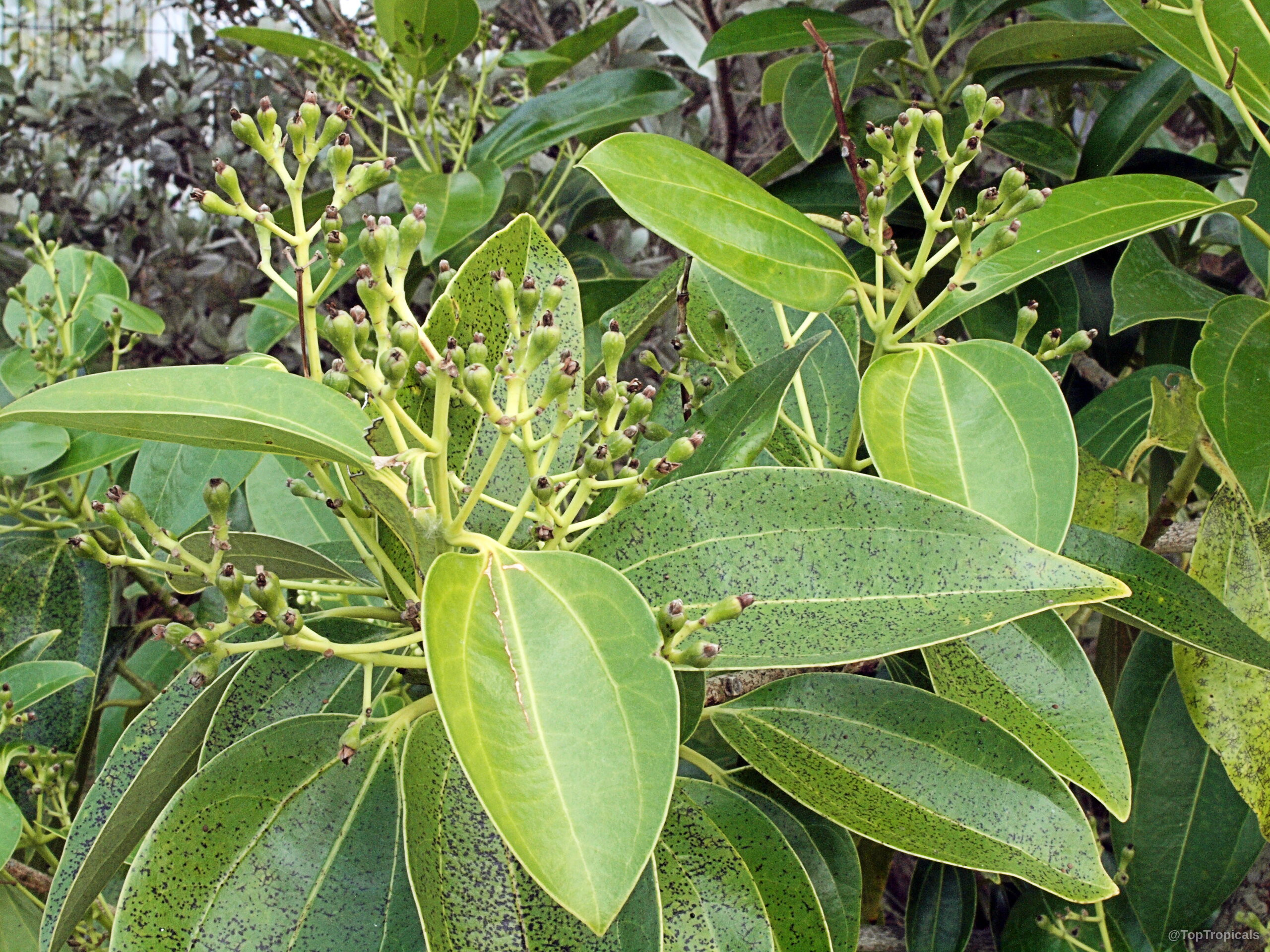
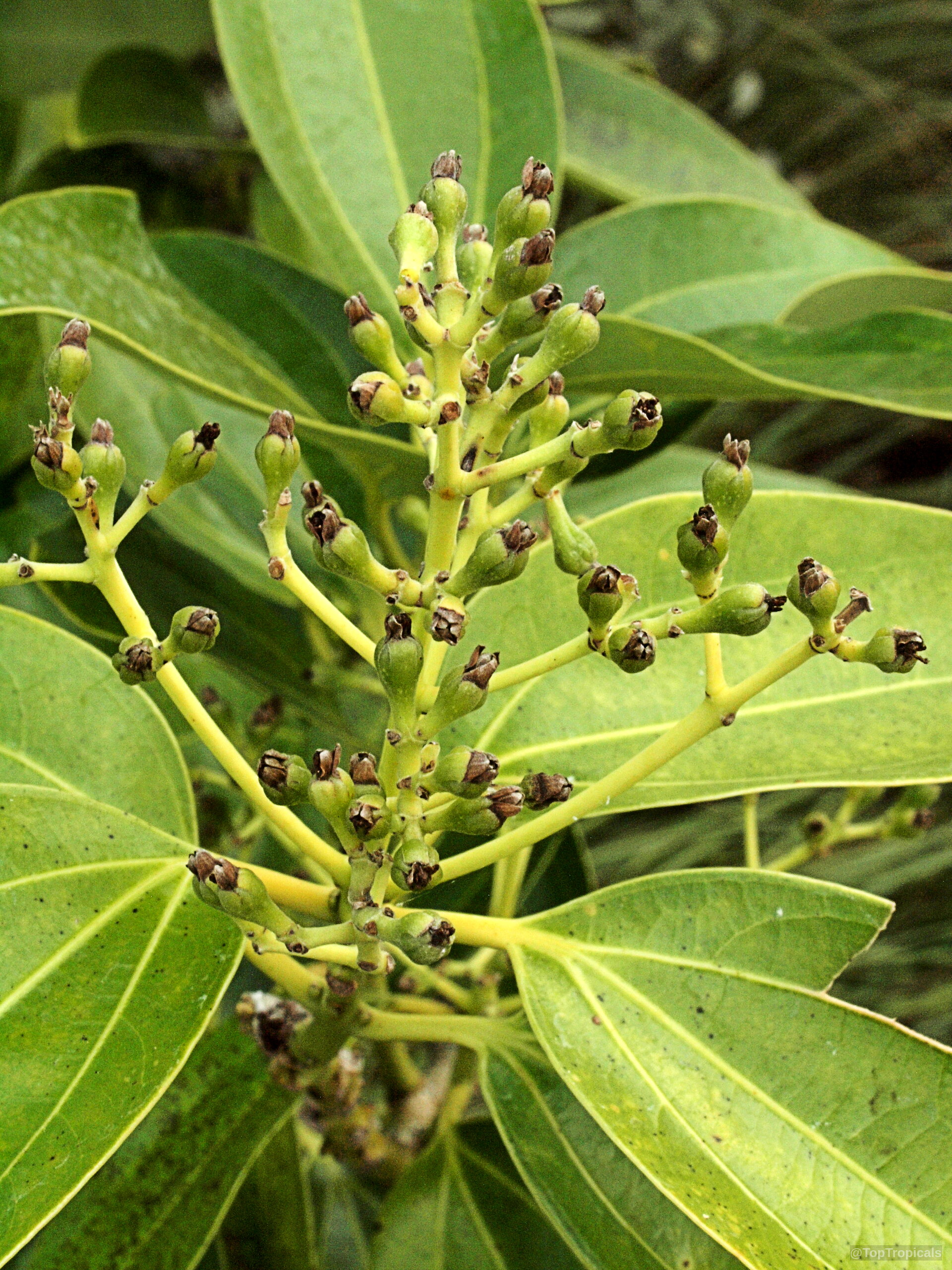
Evergreen shrub or small tree with dark, leathery, aromatic, veined leaves, numerous inconspicuous yellow flowers and blackish berries. In cultivation young trees are cut back twice a year and sucker shoots develop from the roots. These long slender shoots furnish the bark that is the commercial product. Leaves are used as tea. Cinnamon is a very popular culinary spice and is also used in candy, gum, incense, toothpaste and perfumes. The oil is used in medicine as a carminative, antiseptic and astringent and source of cinnamon extract. According to the recent studies, Cinnamon may prevent or at least delay a type of diabetes that develops with age, say researchers in the US.
Clinical trials of a cinnamon extract are due to begin within a year, but nutritionist Richard Anderson says patients with type II or non-insulin-dependent diabetes could benefit now by adding the spice to their food or drink. "We recommend people take a quarter to a full teaspoon a day of cinnamon, perhaps in orange juice, coffee or on oatmeal," he says.




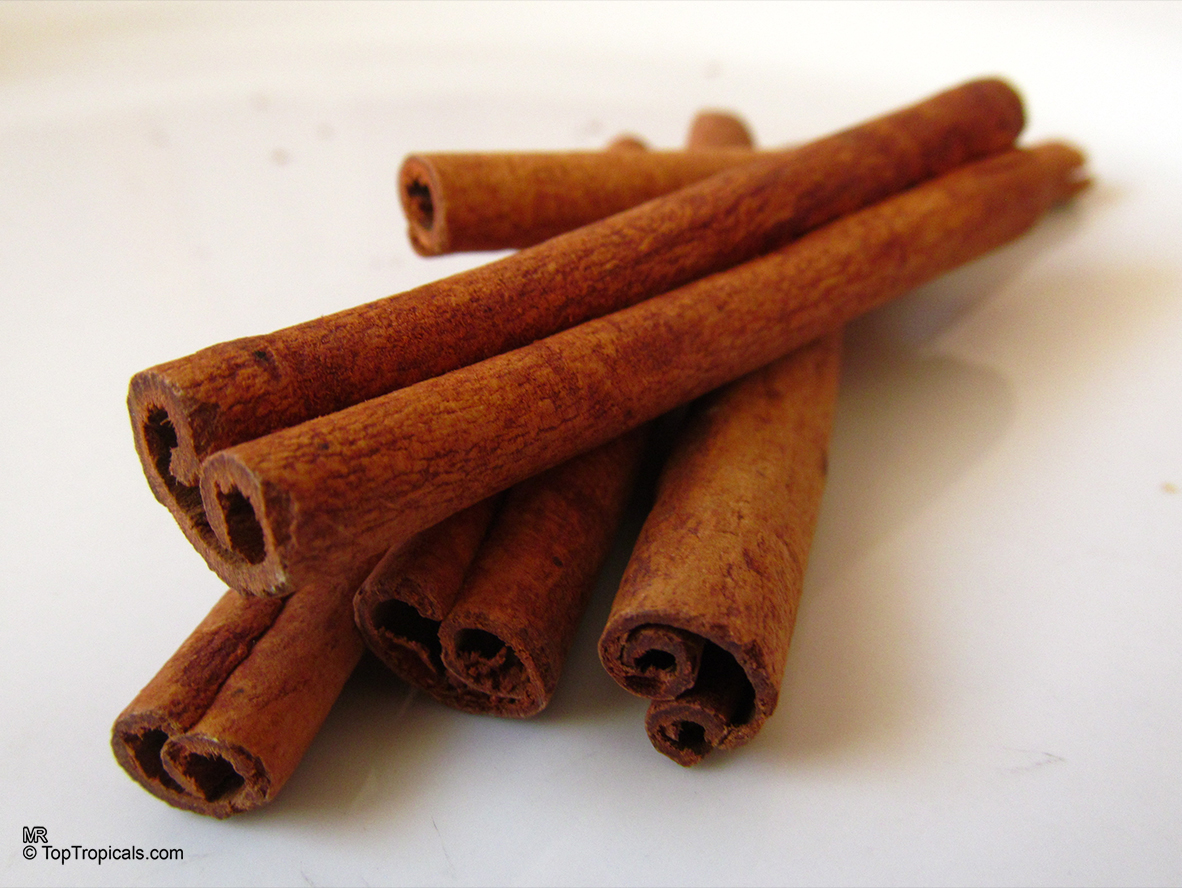
Read more about Cinnamon.
Recommended Fertilizer: SUNSHINE Robusta - Rapid Growth Booster
Use link to repeat this search:
https://toptropicals.com/cgi-bin/garden_catalog/cat.cgi?find=cinnamomum&search_op=and&keyword_op=and&language=e&number=10
&no_change_lang=1&user=tt&sale=1&first=0