Pimenta - Plant Encyclopedia Results
| Number of plants found: 2 |

Botanical names: Pimenta dioica, Pimenta officinalis
Common names: Allspice, Jamaica Pepper, Pimento Tree, Alspice
Family: Myrtaceae
Origin: southern Mexico through Central America and the Caribbean
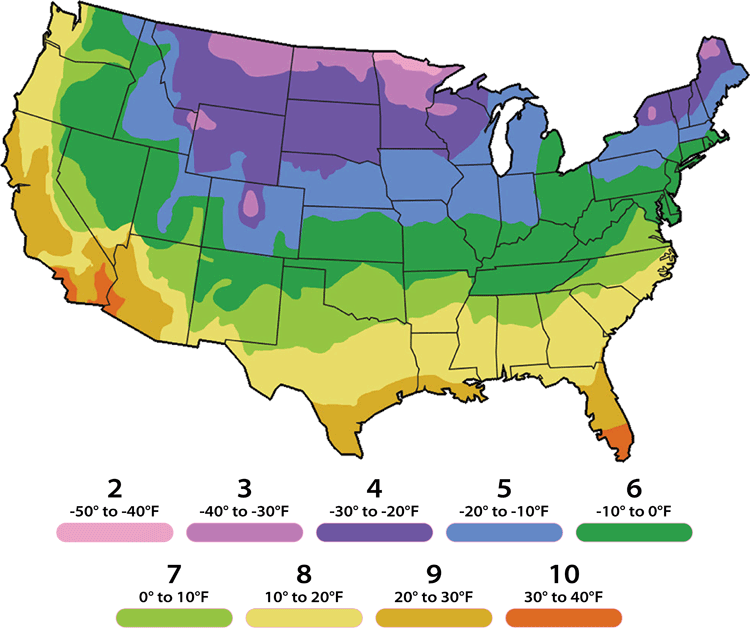
USDA Zone: 10-11


Ground allspice is not a mixture of spices, as some people believe. Rather, it is the dried fruit of the Pimenta dioica plant. This is a slow growing, beautiful little tree with aromatic leaves. It was discovered in Mexico in 16th century by Spanish explorers who called it "pimienta", confusing it with black pepper. The spice made from the dried, unripe fruit of this plant, is a brown powder that smells like cloves, black pepper, cinnamon and nutmeg altogether, hence the common name.
Allspice is the only spice whose commercial production is entirely confined to the New World. Nowadays allspice is grown commercially in Mexico, Honduras, Trinidad, Cuba, and especially in Jamaica, which practically has a monopoly and exports about 5,000 tons a year. To protect the Allspice trade, for long time the plant was guarded against export from Jamaica. Many attempts were made at growing the plant from seeds, but all failed. At one time it was thought that the plant would grow nowhere else except in Jamaica where the plant was readily spread by birds. Eventually it was realized that passage through the bird gut, due to the acidity and the elevated temperature, was essential for germinating the seeds.
The fruit is picked when it is green and unripe and, traditionally, dried in the sun. When dry, the fruits are brown and resemble large brown peppercorns. The whole fruits have a longer shelf life than the powdered allspice and produce a more aromatic product when freshly ground before use.
Allspice is one of the most important ingredients of Caribbean cuisine. The leaves are also used in cooking: they are similar in texture to bay leaves, infused during cooking and then removed before serving. Unlike bay leaves, they lose much flavor when dried and stored. The leaves and wood are often used for smoking meats. Allspice is used in pickles, marinades, and to flavor pumpkin pies, cakes and candies. An oil pressed from the fruits is used in perfumes and cosmetics. The liqueurs, Benedictine and Chartreuse, contain allspice flavoring. Allspice can also be found in essential oil form. The principal essential oil is eugenol, the same as found in cloves. Being an antimicrobial agent, it is used as an anesthetic for tooth aches and as a digestive aid.
Pimenta dioica is valued as a specimen tree with attractive peeling bark and fragrant leaves. It needs near-tropical conditions to survive; can be grown outdoors in the tropics and subtropics with normal garden soil and watering. Smaller plants can be killed by frost, although larger plants are more cold tolerant. Mature trees will stand short periods of light frost, to 26F. The plant adapts well to container and makes an excellent plant for indoor or greenhouse culture. It is dioecious, and hence male and female plants must be kept in proximity in order to allow fruits to develop. It may not flower and fruit outside its native range, but the big glossy aromatic leaves are an attraction.


This plant has antimicrobial properties.
Recommended Fertilizer: SUNSHINE Robusta - Rapid Growth Booster

Botanical names: Pimenta racemosa, Caryophyllus racemosus
Common name: Bay Rum Tree
Family: Myrtaceae
Origin: West Indies
USDA Zone: 9-11


This is a small sized tree related to the Allspice, with leaves containing and aromatic oil that somewhat resembles clove oil. This essential oil is distilled from the leaves and is used in perfumes. A type of cologne named 'Bay Rum' was historically made in the early 20th century by distilling the oil using rum and water, hence the common name of the plant. The cologne has its spicy notes from the bay and its smoky, woody tones from the rum aged in casks. The essential oil of bay rum has two distinct fractions upon distillation. The first fraction distills out quickly and is a light weight oil that floats on water. The second fraction distills more slowly and is a heavy weight oil that sinks in water. The two oils are recombined to make oleum pimentae foliorum, or 'oil of pimento leaves'.
Bay Rum inflorescence has small white flowers resembling tiny bouquets of sparkly cotton candy. They are followed by a small black ovoid fruit. The fruit is not edible, the bay rum (used for cologne) and essential oil itself are toxic and should not be ingested. However, leaves of Pimenta racemosa can be used in cooking and tea.
For generations, Bay Rum has been used in folk medicine for sore muscles, strains, and sprains. Later it was discovered that the essential oil contains a diterpene that has anti-bacterial properties.
If you are looking for a slow-growing, columnar tree with a mature height of 20 ft, the Bay Rum, a magical charmer with healing properties, is the best choice. If you rub the leaves, the fragrance will linger with you all day, the plant will never run out of fragrance.
Plant care and hardiness is similar to Allspice. Grow this tree in full sun or light shade, and provide regular watering.
Pimenta racemosa var. citrfolia "Lemon Scent" (Lemon Bay Rum Tree, Citrus Bay) is a hard-to-find variety. All plant parts have strong lemon scent, very pleasant and relaxing. This cultivar can be propagated from seeds, but only 10-20 percent of the seedlings come true to type, others come out as regular Bay Rum; cuttings are hard to root. The Citrus Bay plants seem to be much hardier than regular Bay Rum and have better resistance to leaf fungus.


Recommended Fertilizer: SUNSHINE Robusta - Rapid Growth Booster
Use link to repeat this search:
https://toptropicals.com/cgi-bin/garden_catalog/cat.cgi?find=pimenta&search_op=and&keyword_op=and&language=e&number=10
&no_change_lang=1&user=tt&sale=1&first=0