Ground, orchid - Plant Encyclopedia Results
| Number of plants found: 18 | Next | 
|
Go to page: | 1 | 2 |

Botanical name: Phaius tankervilleae
Common names: Chinese Ground Orchid, Nun Orchid
Family: Orchidaceae
Origin: Southern China, North India, Malaysia, Indonesia, Australia and the Pacific Islands
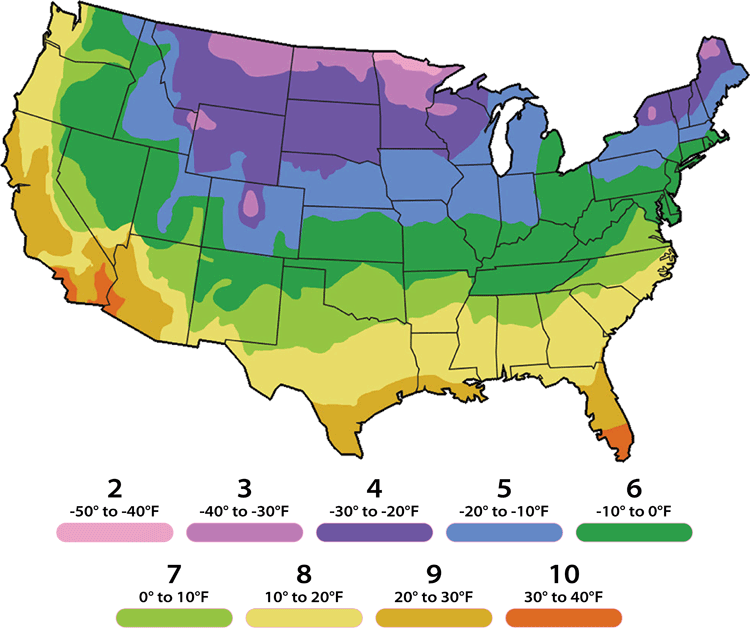
USDA Zone: 9-11


This orchid has established itself throughout the Islands mostly in moist forests. This plant forms large clumps with inflorescences as tall as four feet bearing 10-20 fragrant flowers, opening up in succession. Sword shaped leaves develop as the tall inflorescens of white, rose and brown flowers reaches full bloom in the late spring. The species produces a new plant on a short bulb-like runner every year and flowers magnificently during March and April. It prefers the shade of trees and can take a long dry period before the flowering season. Use it for mass plantings or as a speciment in part shade. It is also good used as a potted plant.
See video about Ground Orchids.


See video about Ground Orchids.
Recommended Fertilizer: SUNSHINE Megaflor - Bloom Nutrition Booster

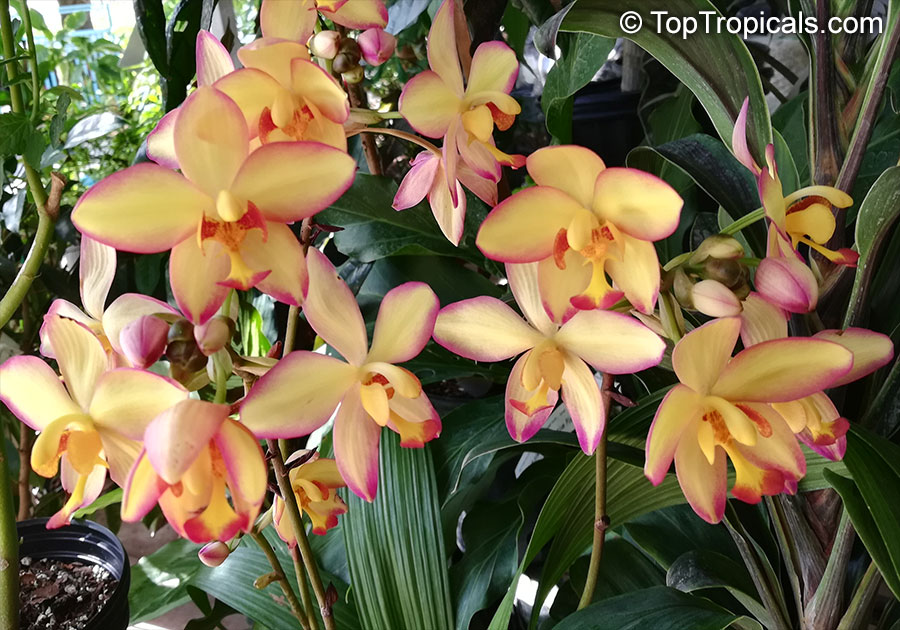
Botanical name: Spathoglottis plicata
Common names: Ground Orchid, Garden Orchid
Family: Orchidaceae
Origin: Australia, Singapore
USDA Zone: 9-11


Spathoglottis plicata is the most common terrestrial (ground dwelling) orchid. Softly textured, pleated leaves to 3Ft long emerge in February from egg-shaped pseudobulbs about 2" in diameter. The flowers range in color from white to purple and are borne on erect spikes to 3 ft tall. Flowers open a few at a time at the top of the stem and each stem can last for months. In Sri Lanka to the Pacific Islands it blooms throughout the year. Over the last century, Spathoglottis plicata has become naturalized in tropical and semitropical areas of the U.S., such as in Hawaii and Florida, where it grows in the wild and is used for landscaping. S. plicata was among the first plants to recolonize the land around Mt. Krakatoa after this mighty volcano exploded in 1883 and decimated the Indonesian island of Krakatau.
See video about Ground Orchids.




Recommended Fertilizer: SUNSHINE Megaflor - Bloom Nutrition Booster
Recommended Fertilizer: SUNSHINE Megaflor - Bloom Nutrition Booster
Recommended Fertilizer: SUNSHINE Megaflor - Bloom Nutrition Booster

Recommended Fertilizer: SUNSHINE Megaflor - Bloom Nutrition Booster
Recommended Fertilizer: SUNSHINE Megaflor - Bloom Nutrition Booster

Recommended Fertilizer: SUNSHINE Megaflor - Bloom Nutrition Booster

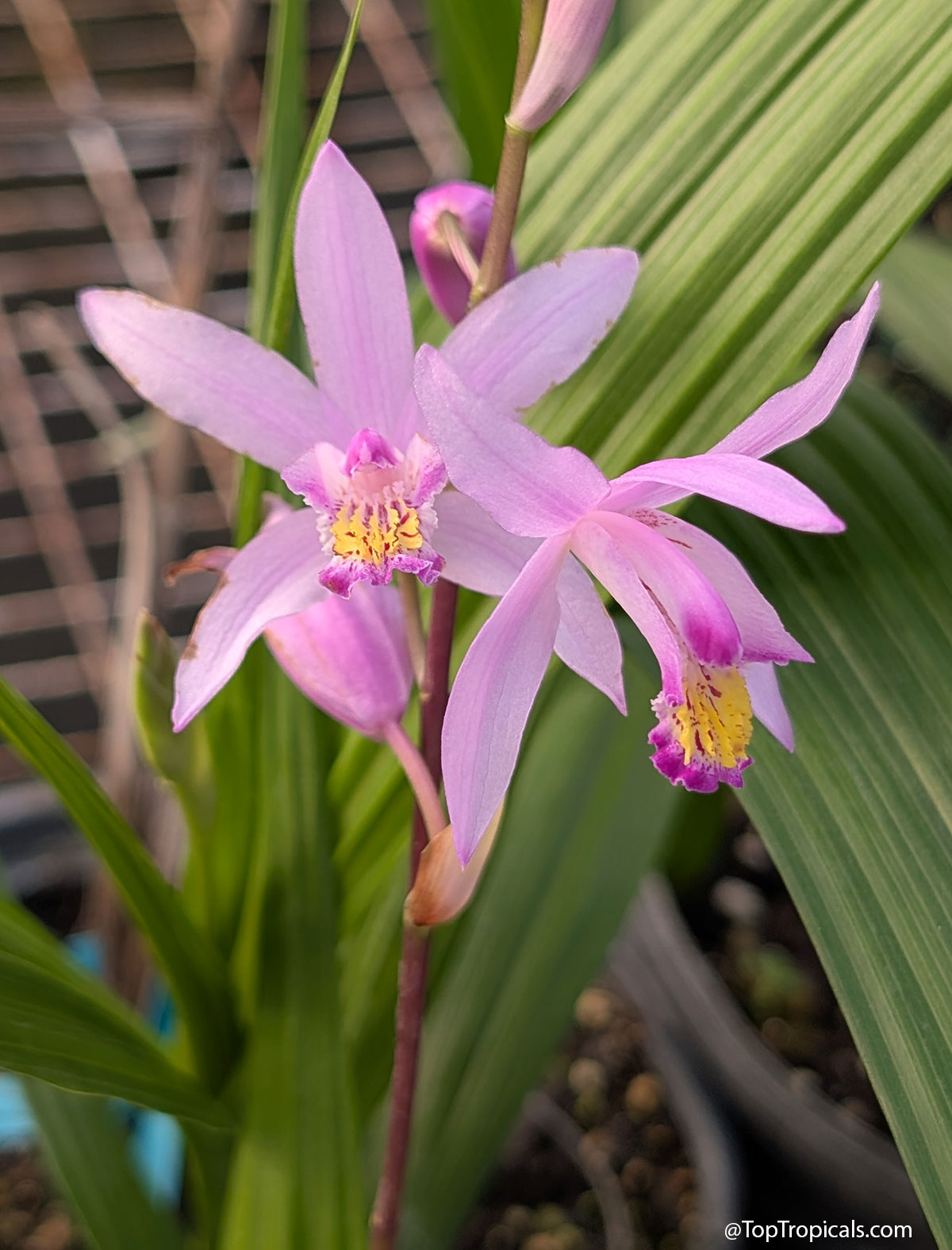
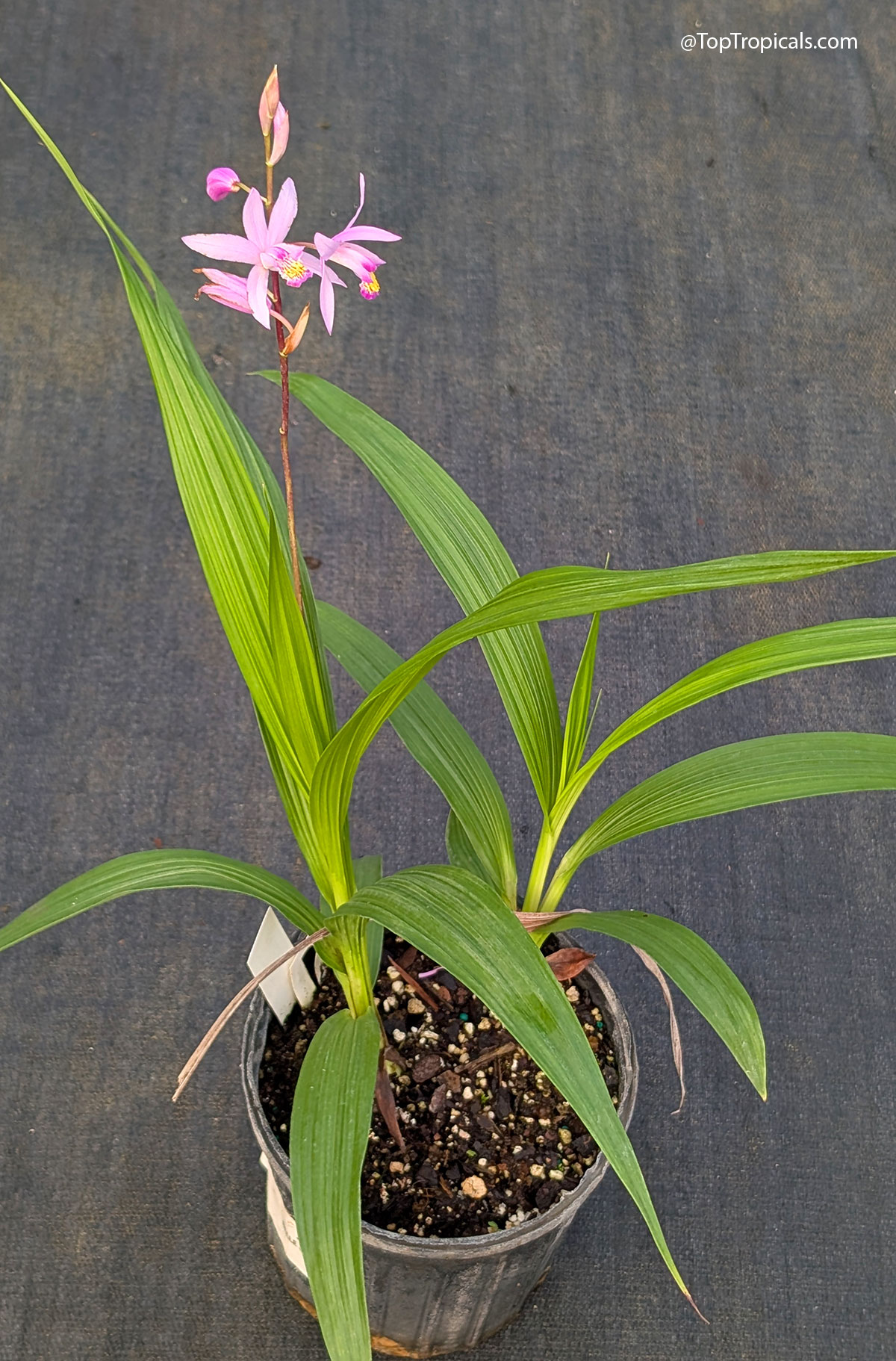
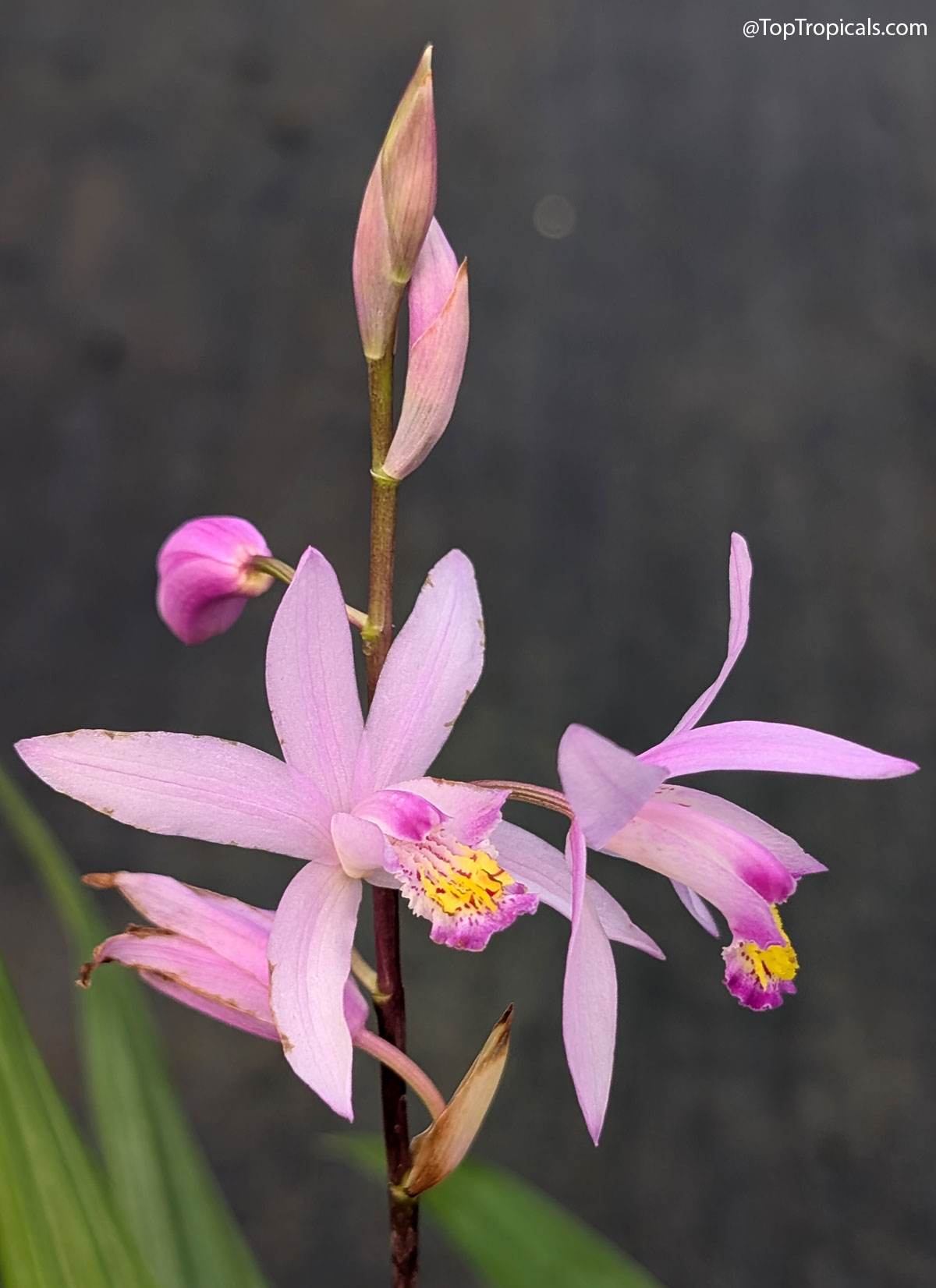
Botanical name: Bletilla striata
Common names: Hyacinth Orchid, Chinese Ground Orchid
Family: Orchidaceae
Origin: Southeastern Asia
USDA Zone: 6-10

Bletilla striata is a perennial, deciduous orchid of open environments.
It is hardy in gardens from USDA Zones 5 (with protection) to 9.


Recommended Fertilizer: SUNSHINE Megaflor - Bloom Nutrition Booster
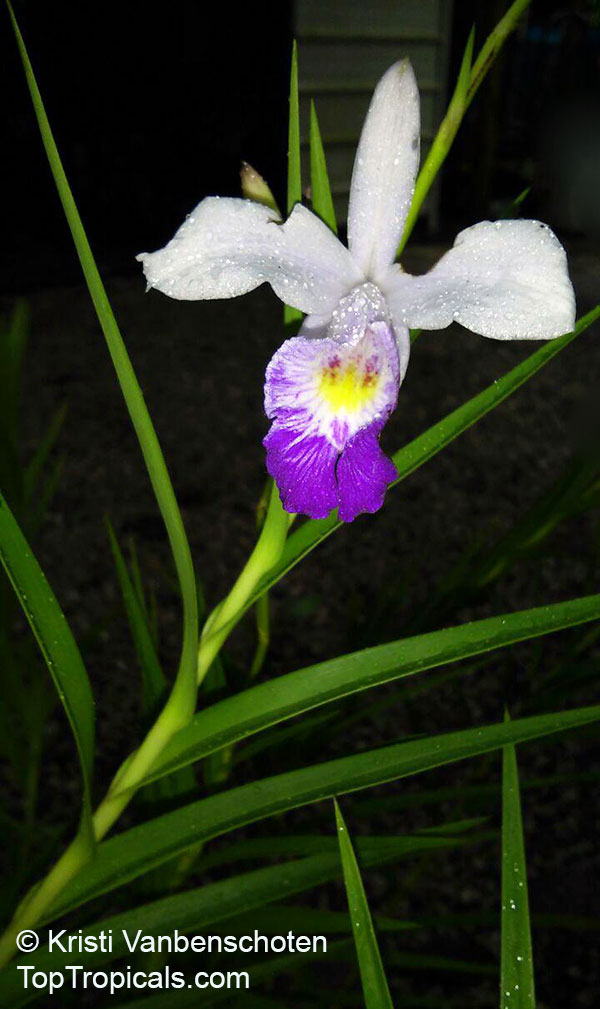
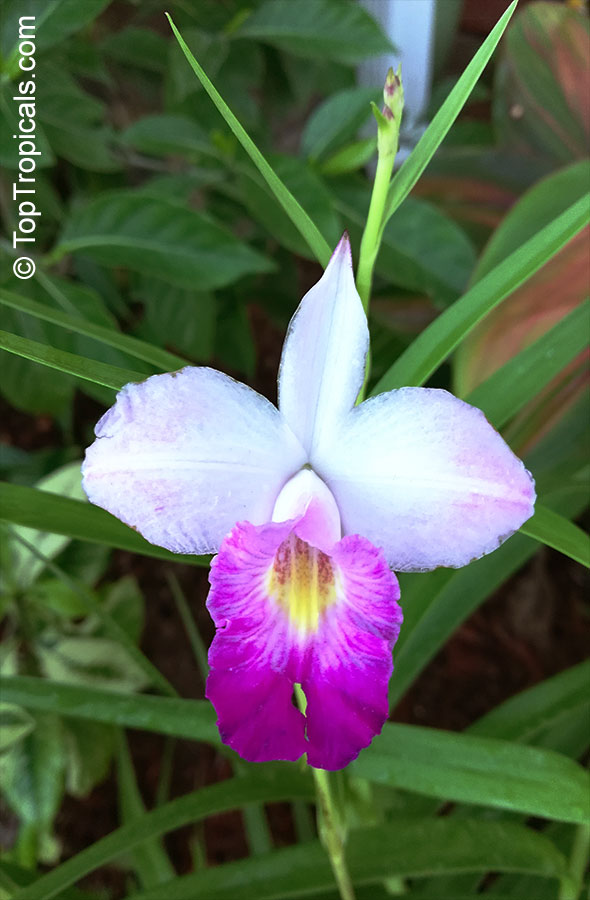
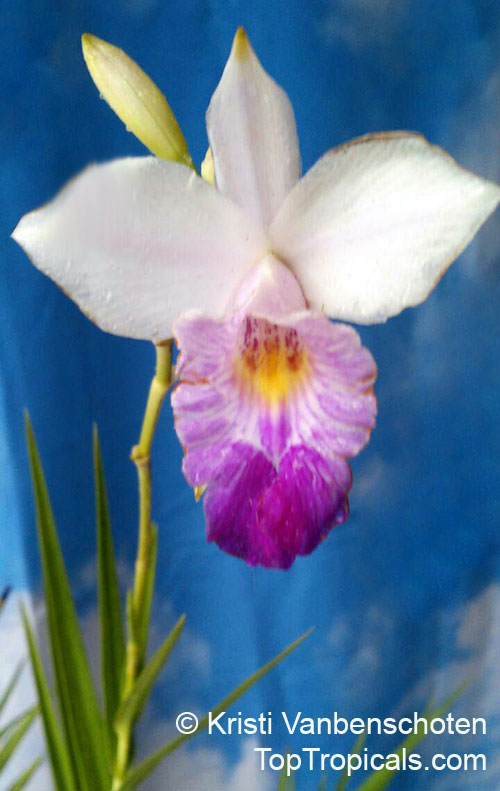
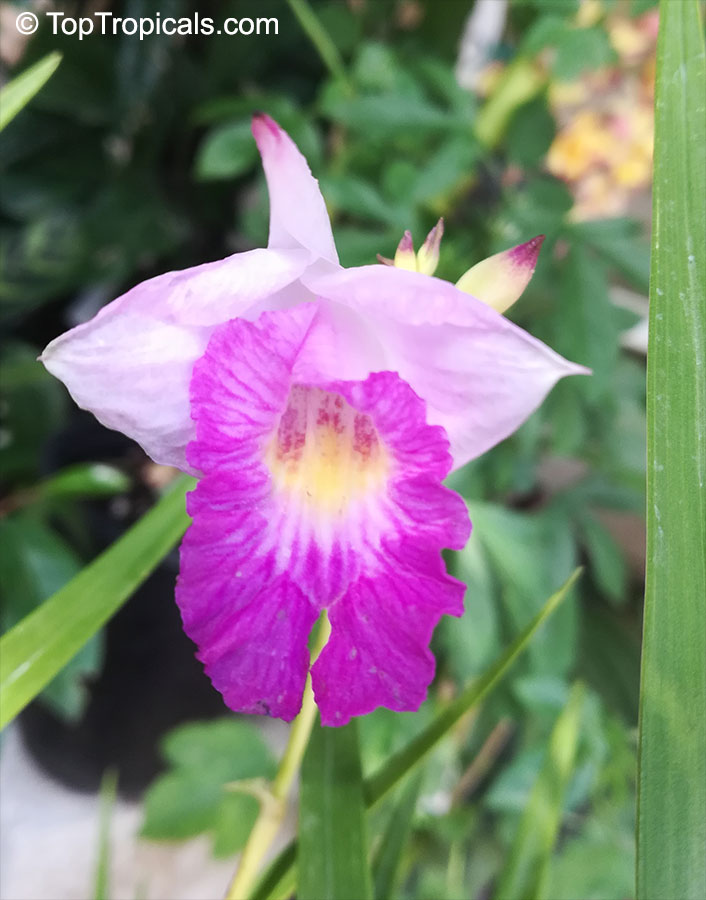
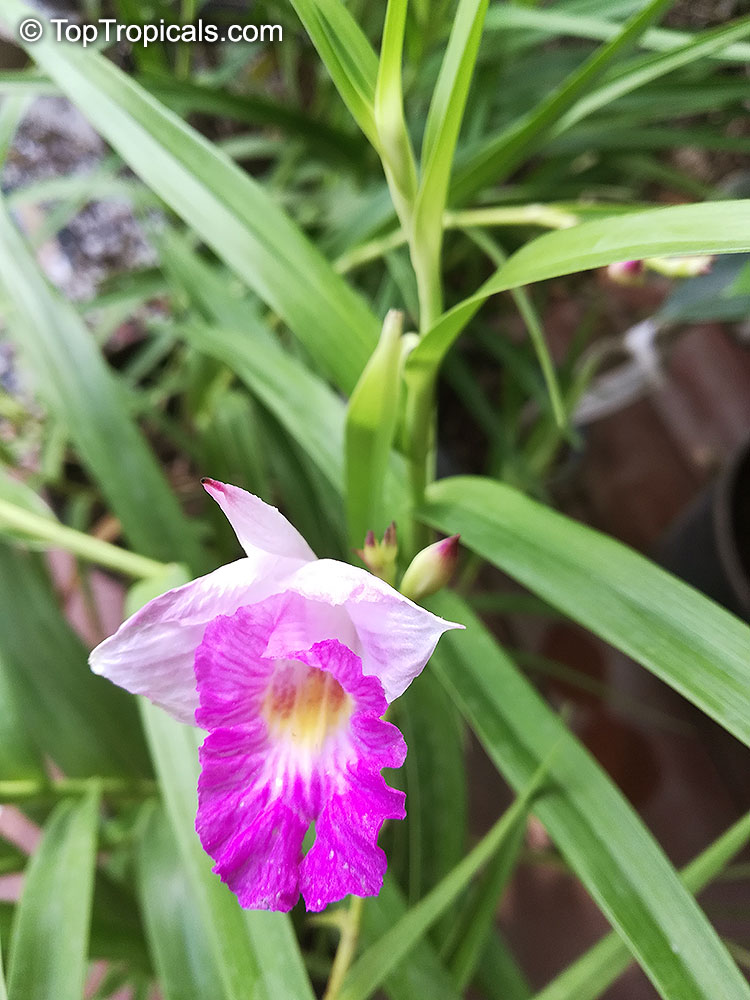
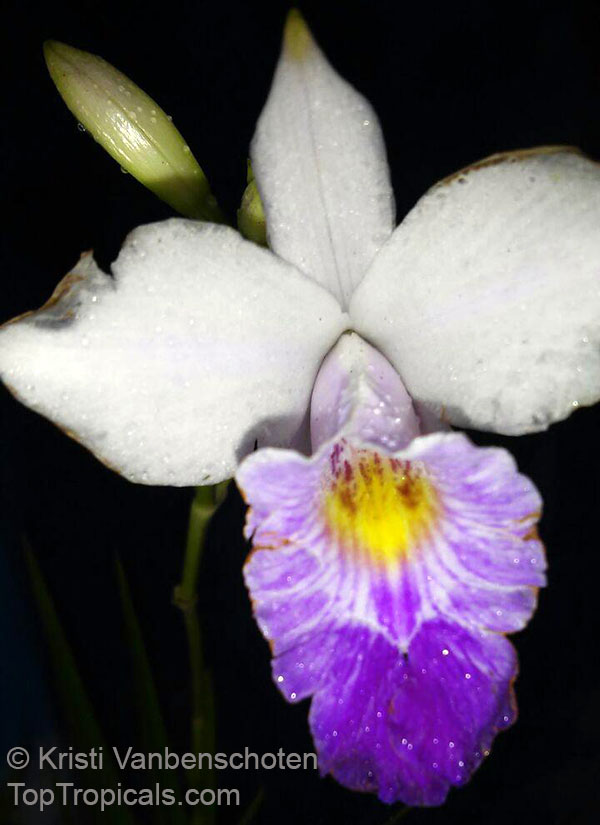
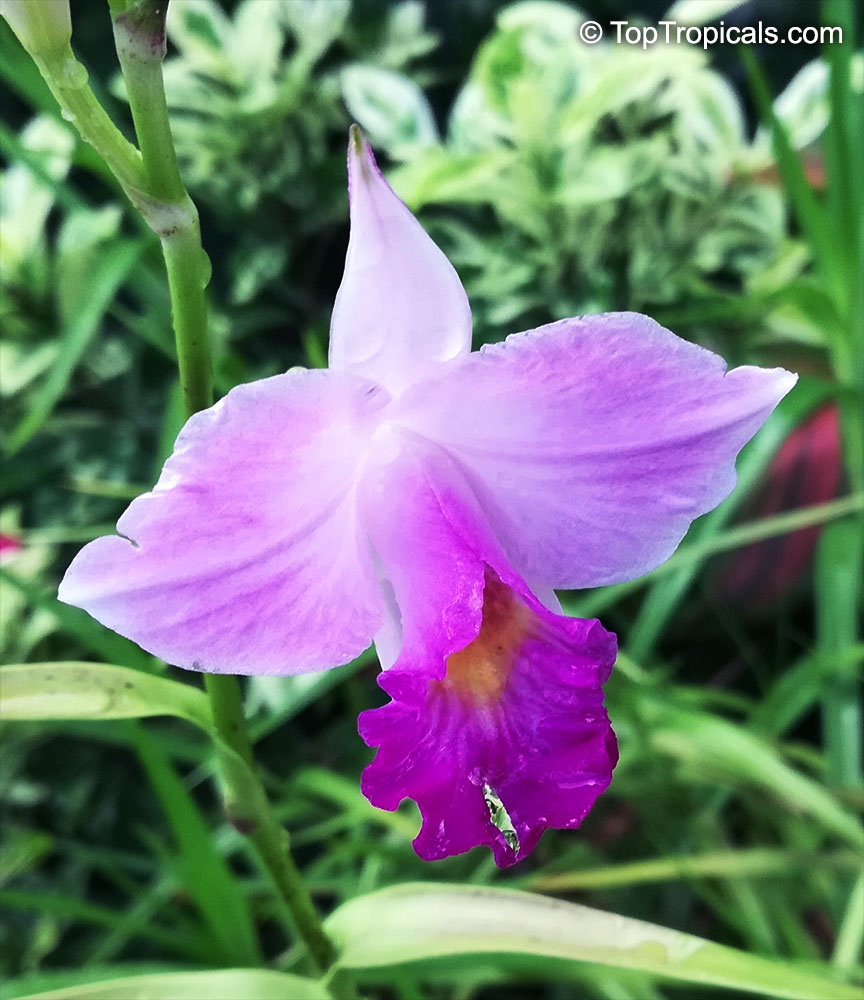
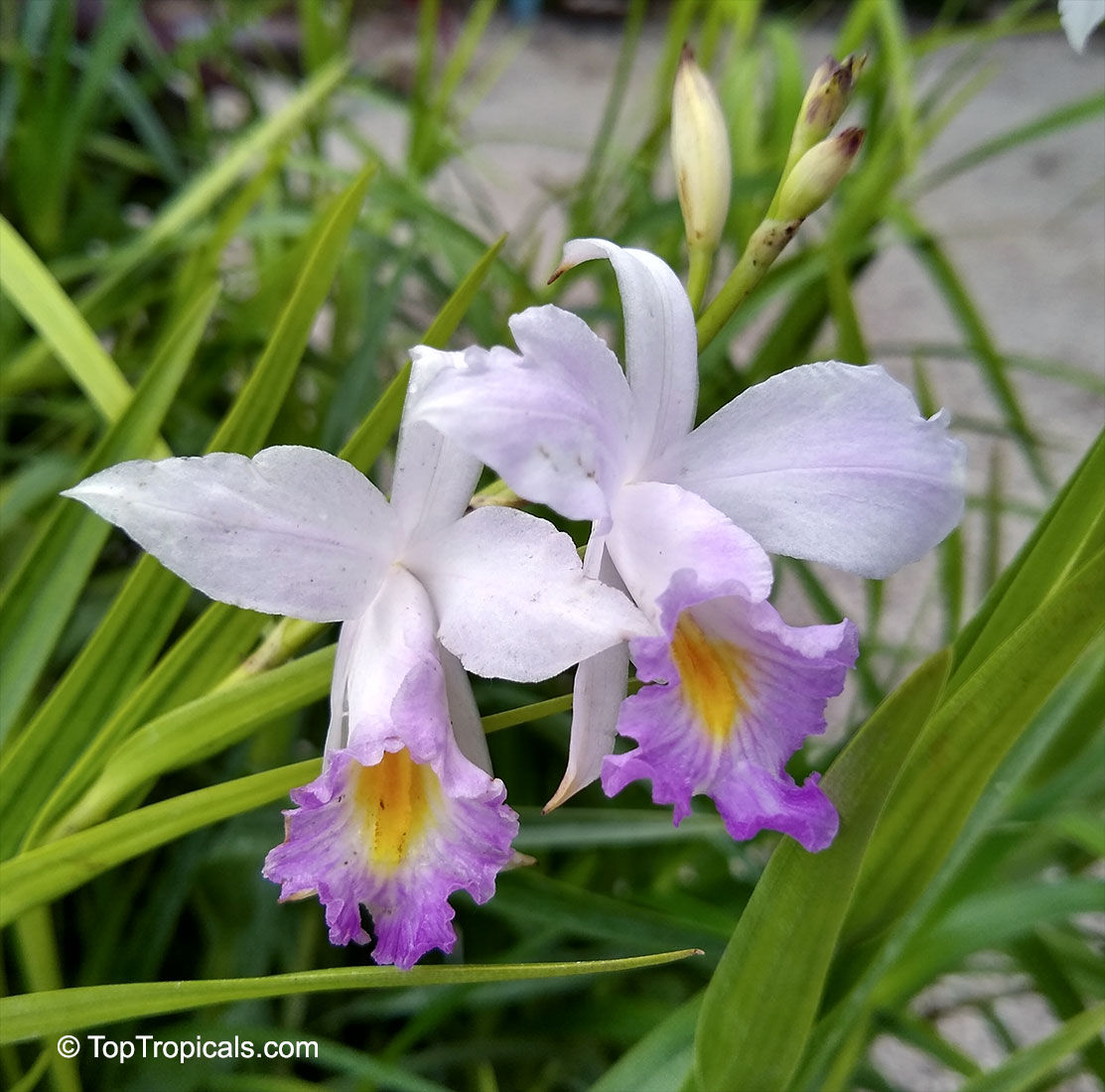
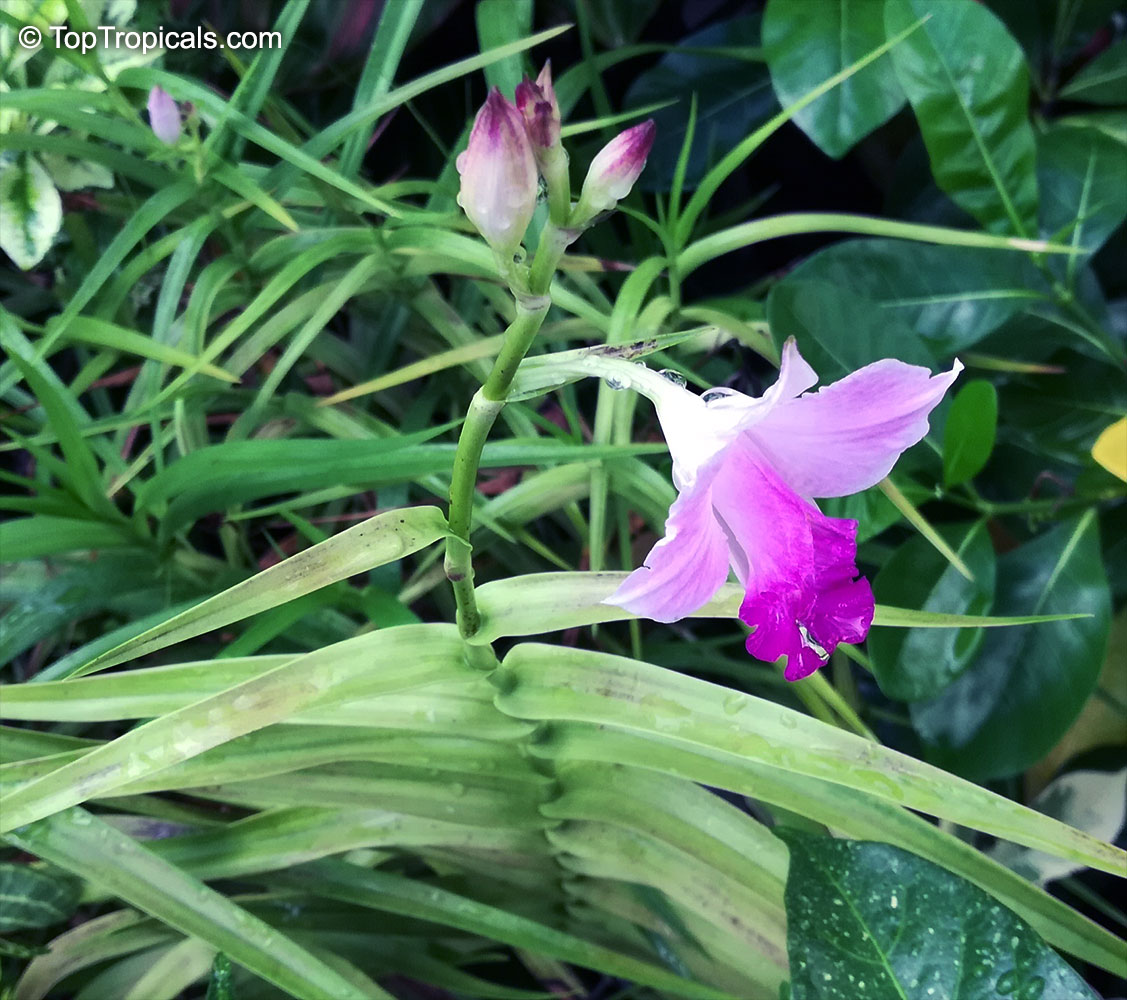
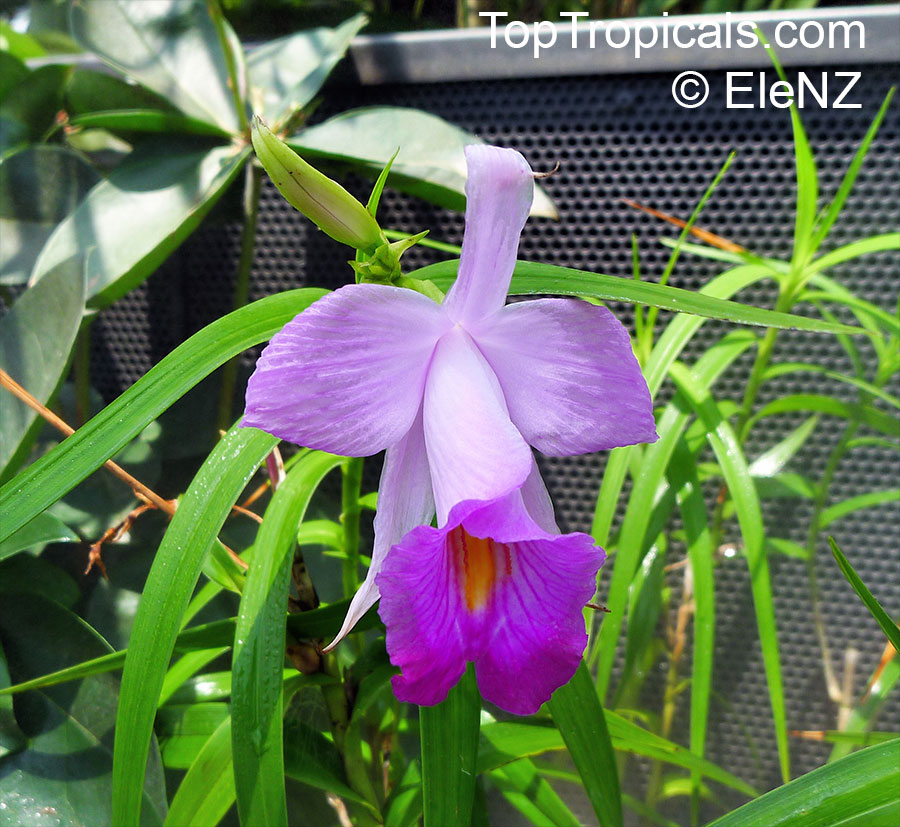
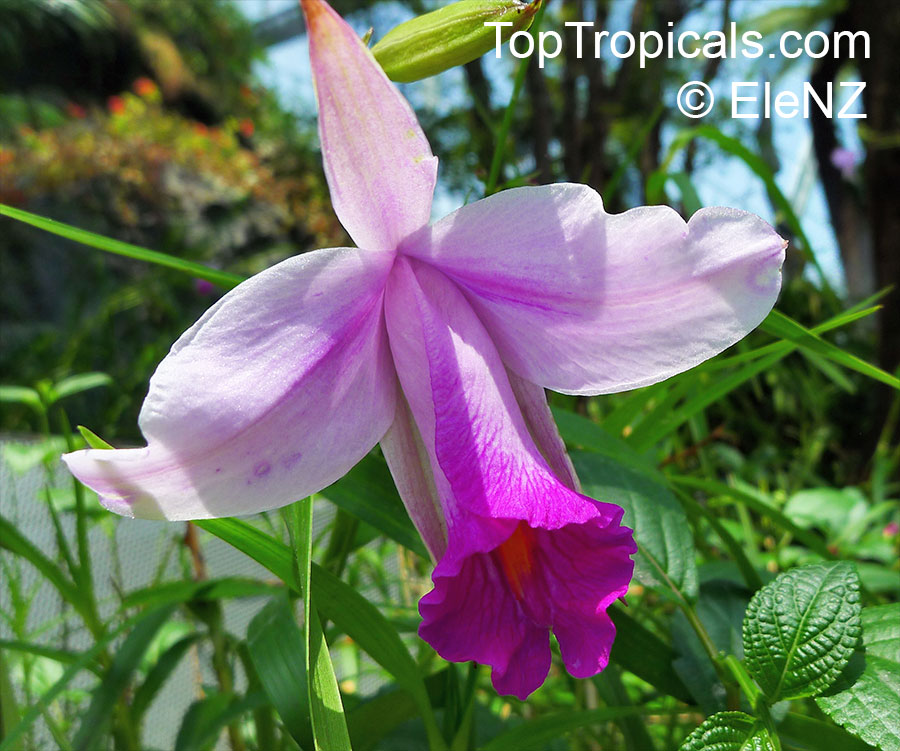
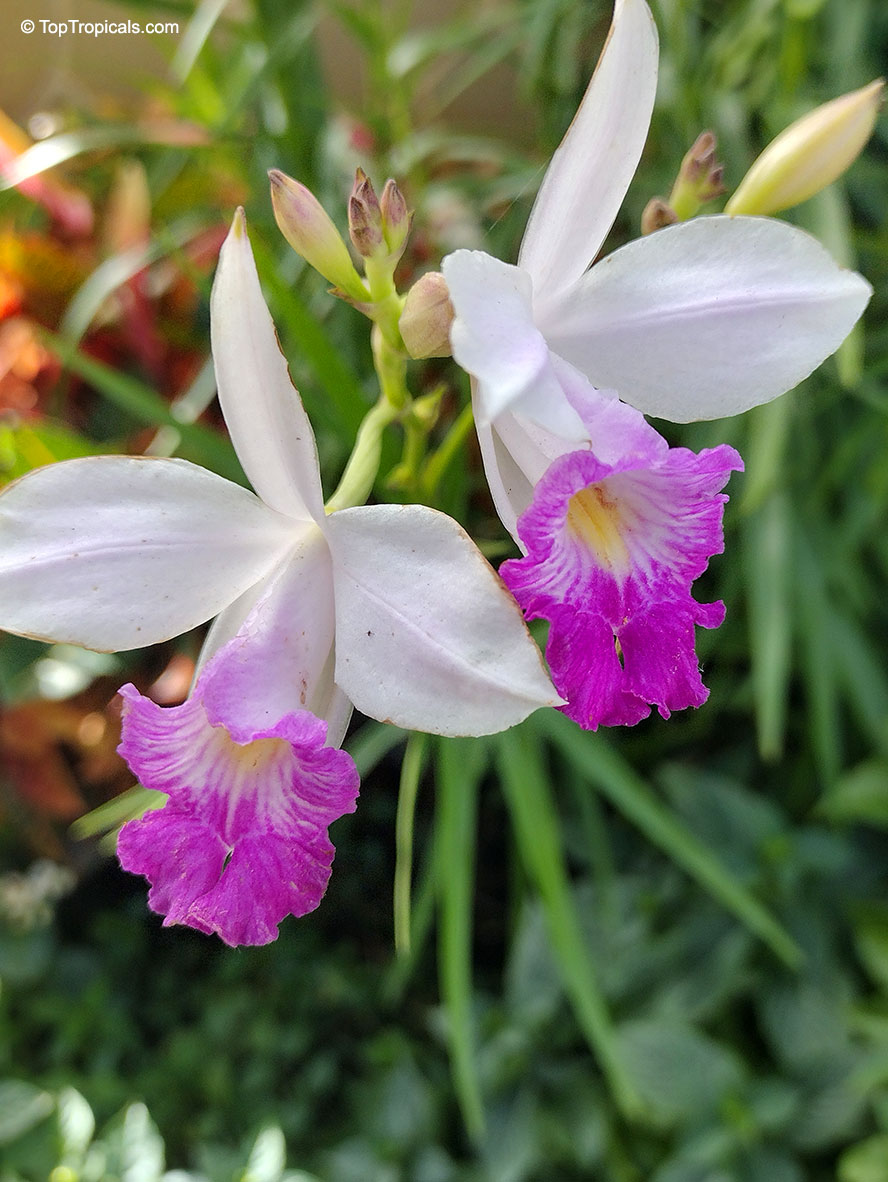
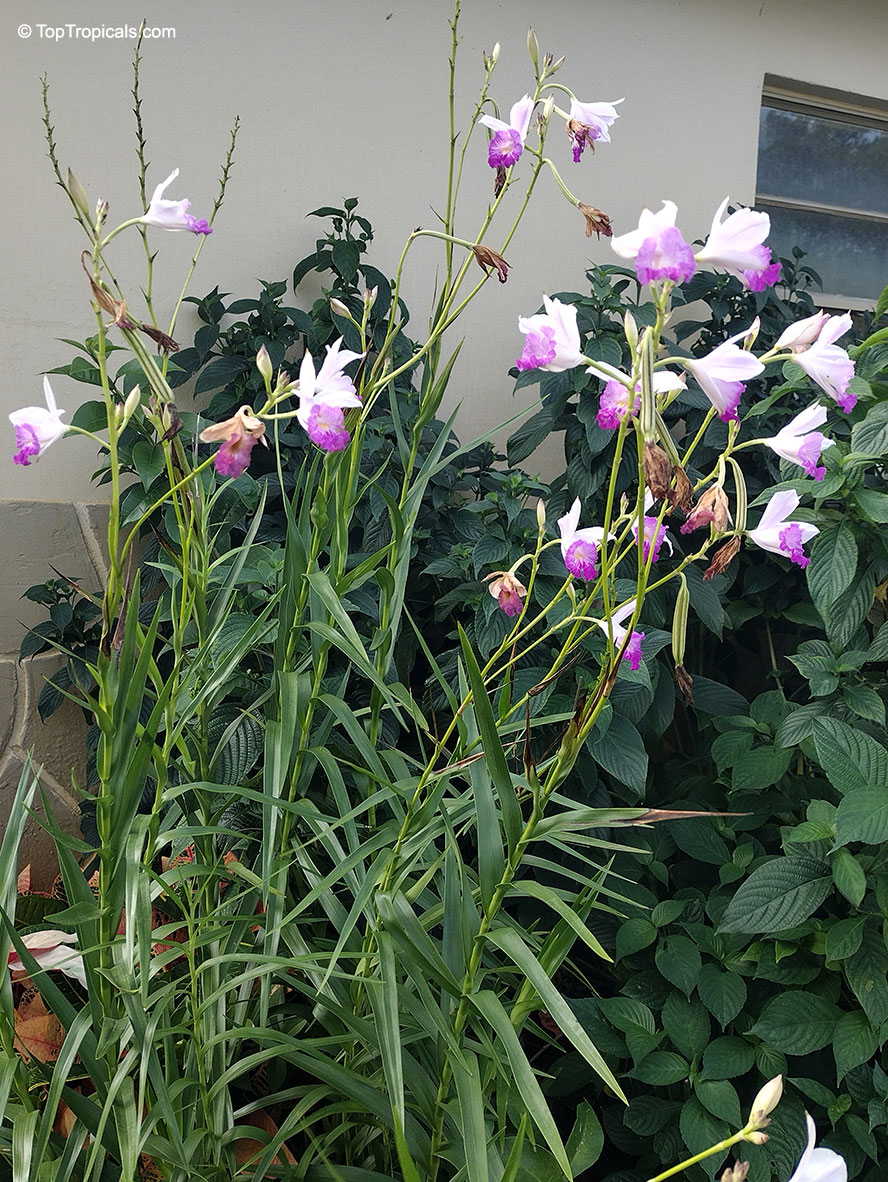
Botanical names: Arundina graminifolia, Arundina affinis, Bletia graminifolia
Common names: Bamboo Orchid, Bird Orchid
Family: Orchidaceae
Origin: SE Asia
USDA Zone: 9-10


The bamboo orchid, Arundina graminifolia, is a species of orchid and the sole accepted species of the genus Arundina. This tropical Asiatic genus extends from India, Sri Lanka, Nepal, Thailand, Vietnam, the Ryukyu Islands, Malaysia, Singapore, China to Indonesia, the Philippines and New Guinea. It has become naturalized in Reunion, Fiji, French Polynesia, Micronesia, the West Indies, Costa Rica, Panama and Hawaii.
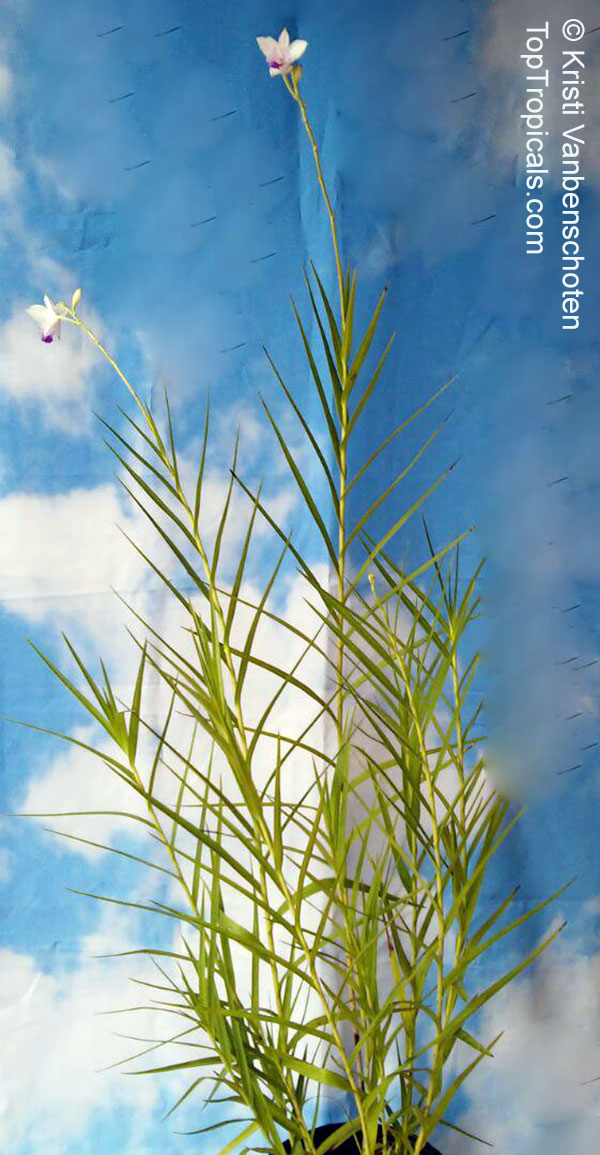
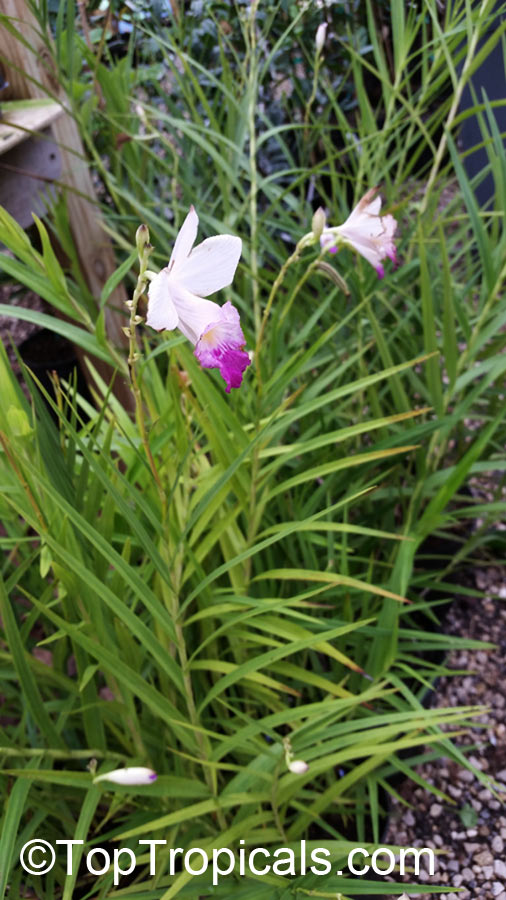
Arundina graminifolia is a terrestrial, perennial orchid with reedy stems, forming into large clumps. This orchid blooms in summer and autumn, showing rather open clusters of showy terminal flowers, ten at the most. They bloom in succession on the terminal racemes. These flowers are a rosy lilac and white disk with a purple lip. The bracts are wide triangular and surround the main stalk of the flower cluster. The occasional fertilized seed pods contain minute powdery seeds, and small plants often develop near the cane ends after flowering, and likely aid in propagation if allowed to reach the soil.
With only 200 of the plant to be recorded growing naturally in Singapore, the species is close to extinction there, largely caused by the destruction of its natural habitat, namely the rainforests and mangrove forests. The remaining plants, commonly called Tapah weeds, can be found in the secondary forests or at the forest fringes. It is however very common in road cuts and other disturbed areas in full sun in Sarawak, East Malaysia, where it often is the most common flowering plant to be seen along the roadsides.
Bamboo Orchid produces pinkish flowers at the top of tall cane-like pseudobulbs. It's the only species in the genus. The plants are quite tall; they'll reach at least hip level, possibly over your head, and their vegetative resemblance to bamboo can be uncanny. The long pseudobulbs have leaves alternating along their length, similar to Epidendrum orchids. The flower stems, which emerge from the top of the canes, produce several flowers sequentially, so that there will be one at a time over an extended period. The flowers are white with a purple-to-pink lip, and shaped similarly to a Cattleya orchid flower. They are 2-3 inches across, and can appear for much of the year, especially in summer.
Arundinas readily propagate themselves by keikis, which frequently develop along the pseudobulbs. Once a keiki has roots a couple inches long (several cm), you can carefully cut it off and pot it separately. The canes do not grow rigidly upright, they'll sometimes tip over; in nature, this allows the keikis to get established nearby, so it's a major vegetative propagation strategy for these plants; it helps them rapidly grow into large clumps. These plants like colonizing disturbed habitats, often growing as roadside weeds in much of Southeast Asia; being able to grow quickly helps them succeed in such places.
These plants are tough: they are quite robust and forgiving of less-than-attentive care. They are terrestrial orchids, so they like a denser potting mix than most orchids. It should still drain freely, however, and not be as dense as soil. A good starting point is equal parts sand, sphagnum moss, and fine fir bark. Bamboo orchids should be watered as they approach dryness; don't let them dry out too thoroughly. If you grow them outdoors, either if you live in a warm climate or if you just brought it outdoors for the summer, rainfall might water it often enough in some areas; but if it's starting to dry out water it thoroughly. If you grow orchids indoors, these plants are often too big to take to the sink; the easiest way to water will often be to dunk the pot in a bucket, then pull it out. Any aerial roots, such as on keikis, should be misted regularly. Fertilize regularly; the usual recommendation is to use a fertilizer especially formulated for orchids feeding weakly. Most orchid fertilizers are designed to be dissolved in the plant's water. They like high light: 2000-3000 footcandles is ideal, similar to the low end of Cattleya lighting. In nature, they commonly grow in direct sunlight. As long as the lighting isn't too dim you're probably fine. If it doesn't bloom, try increasing the lighting. You'll get the best results growing them at warm temperatures. It's OK if the temperature varies more widely than this; they can actually withstand mild freezes occasionally, though it's quite stressful for them. Any temperature that's reasonably comfortable (or a bit hot and muggy) for humans is going to be fine for bamboo orchids. They like good humidity, perhaps 70%, though this isn't critical. If the humidity is low, the plant should be misted regularly, especially if it has any keikis.
See video about Ground Orchids.
See video about Ground Orchids.
Recommended Fertilizer: SUNSHINE Megaflor - Bloom Nutrition Booster
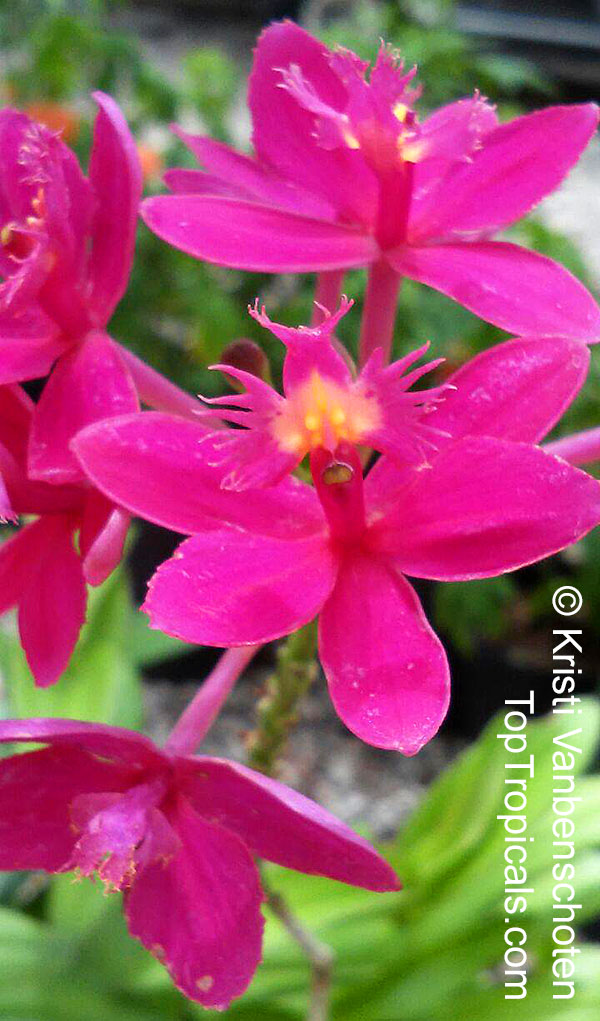
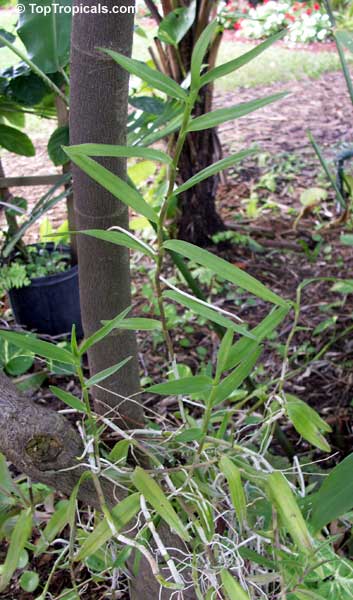
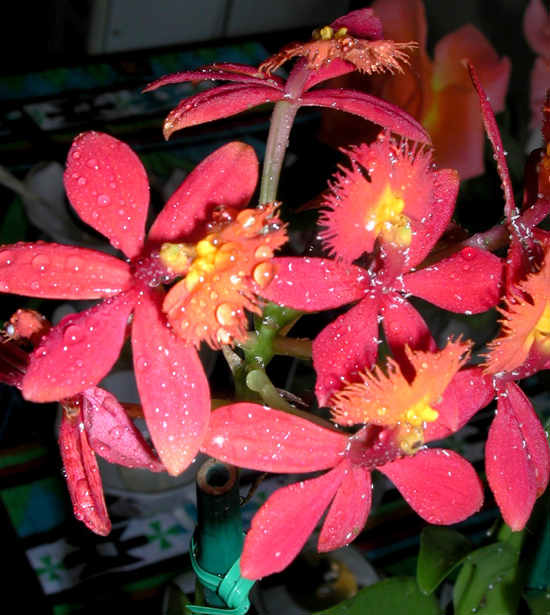
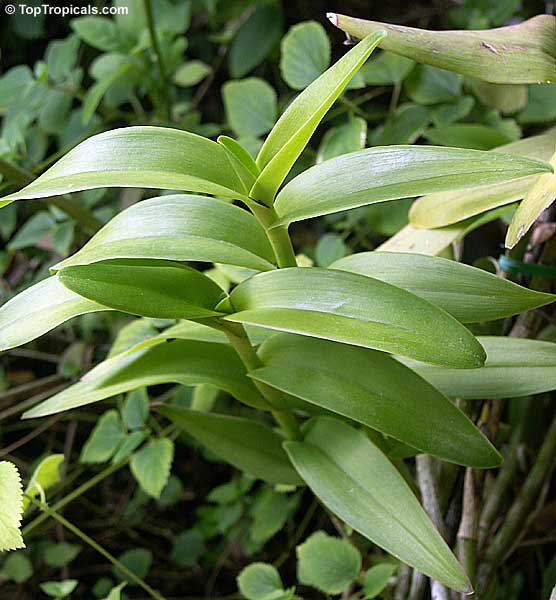
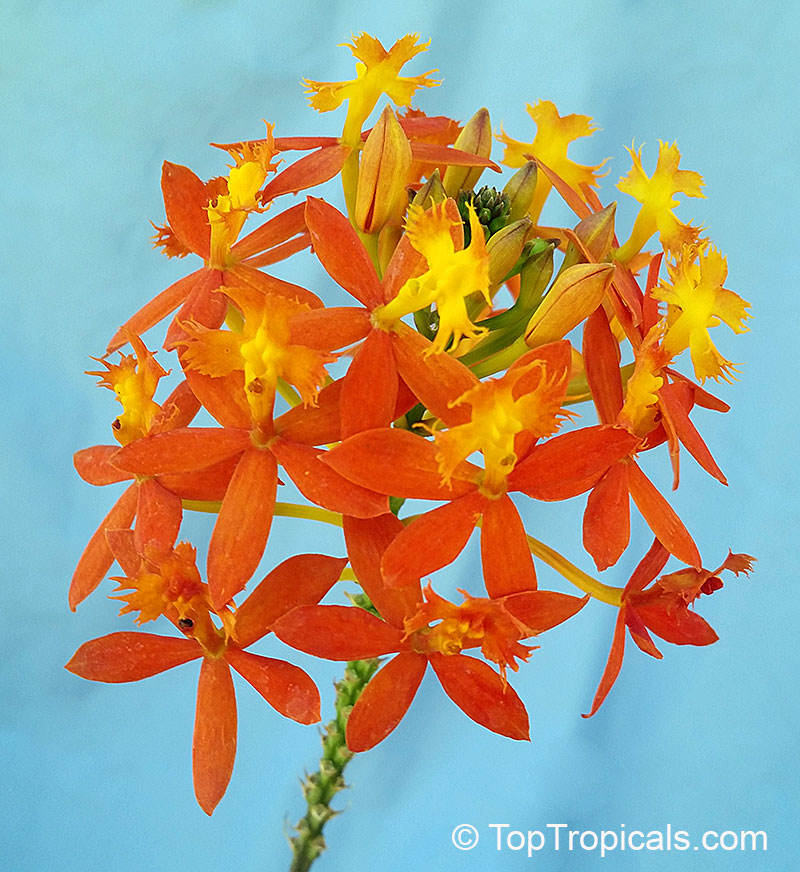
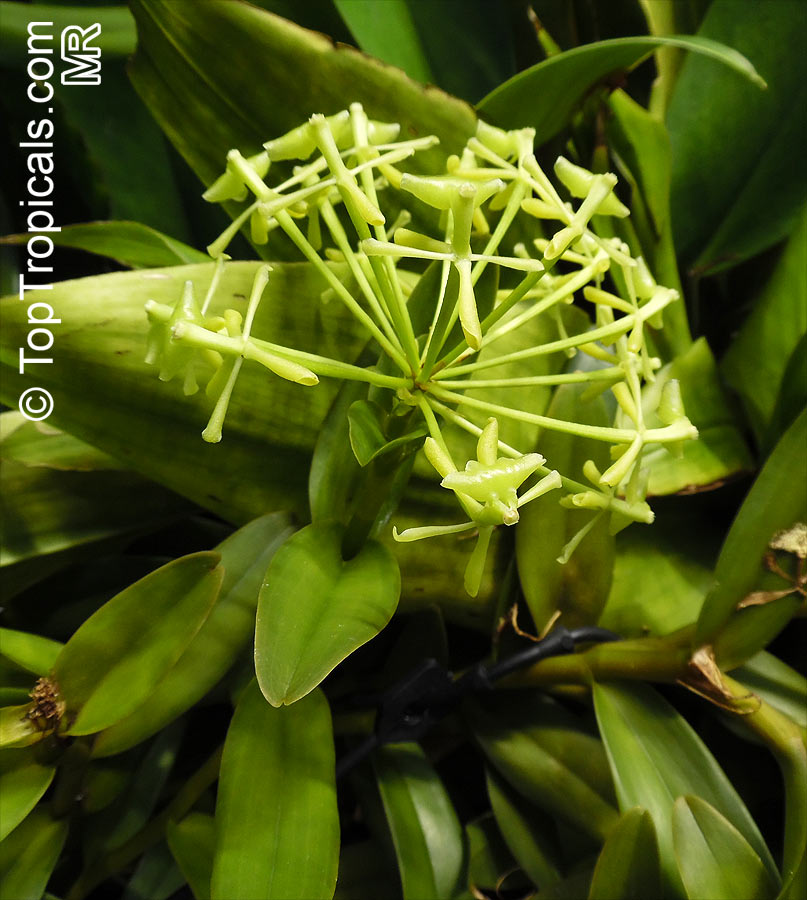
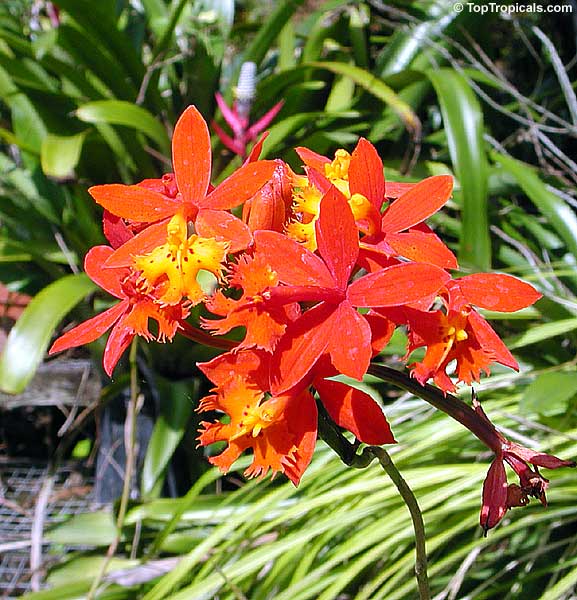
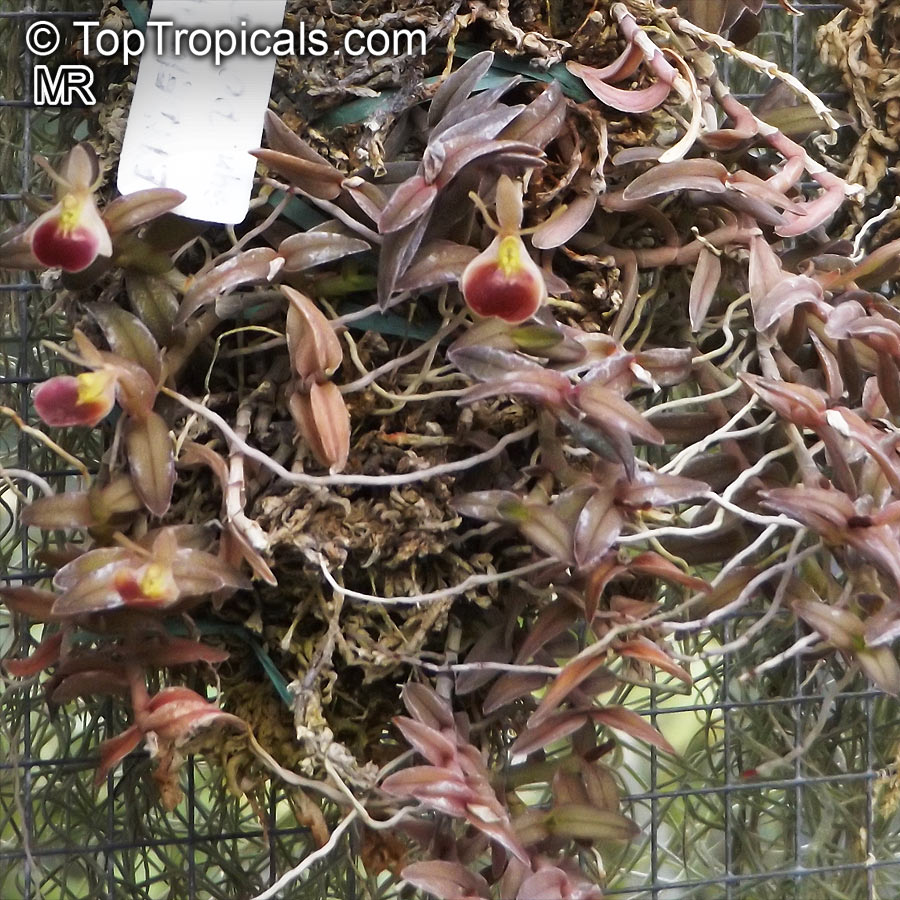
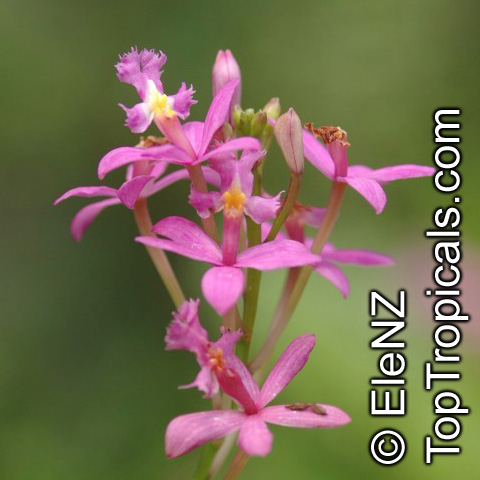
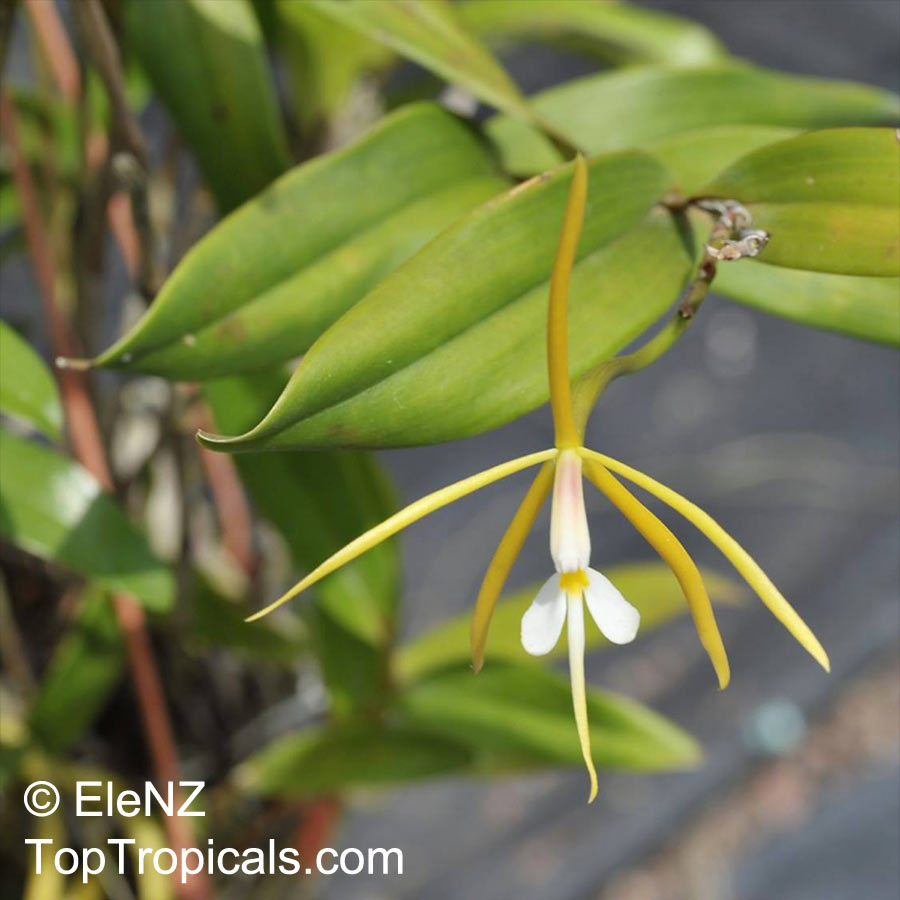
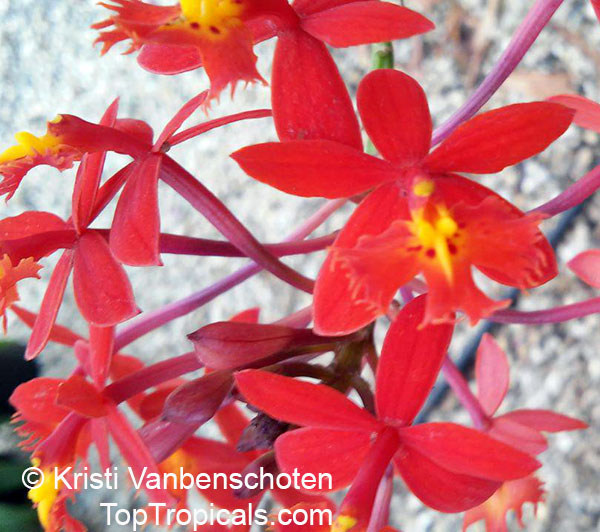
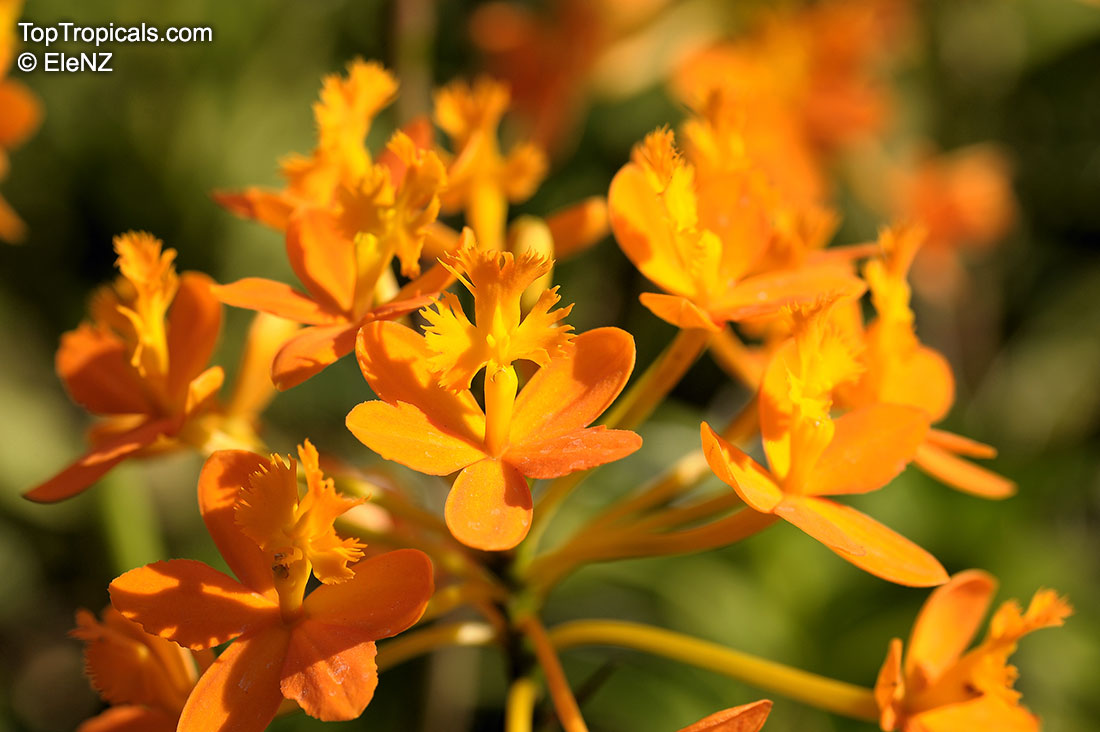
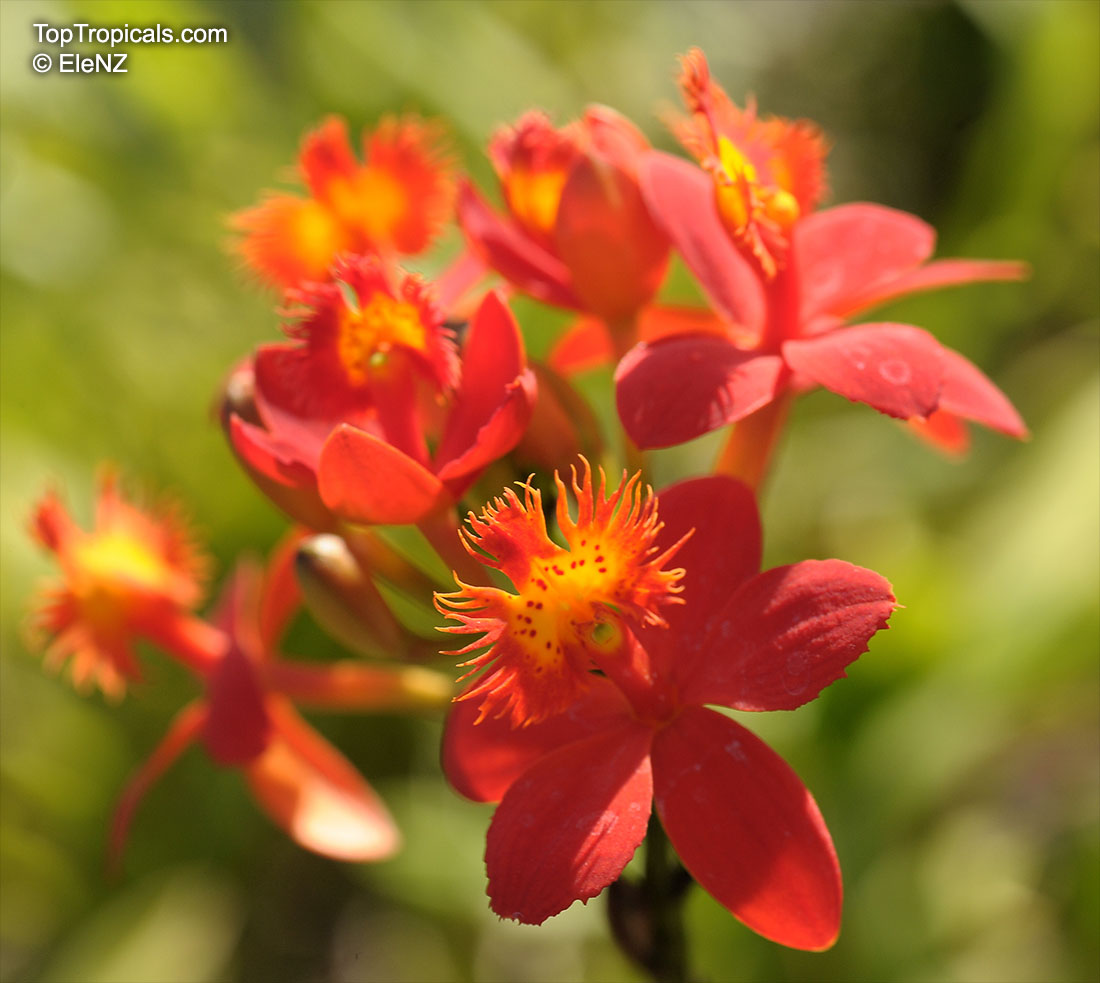
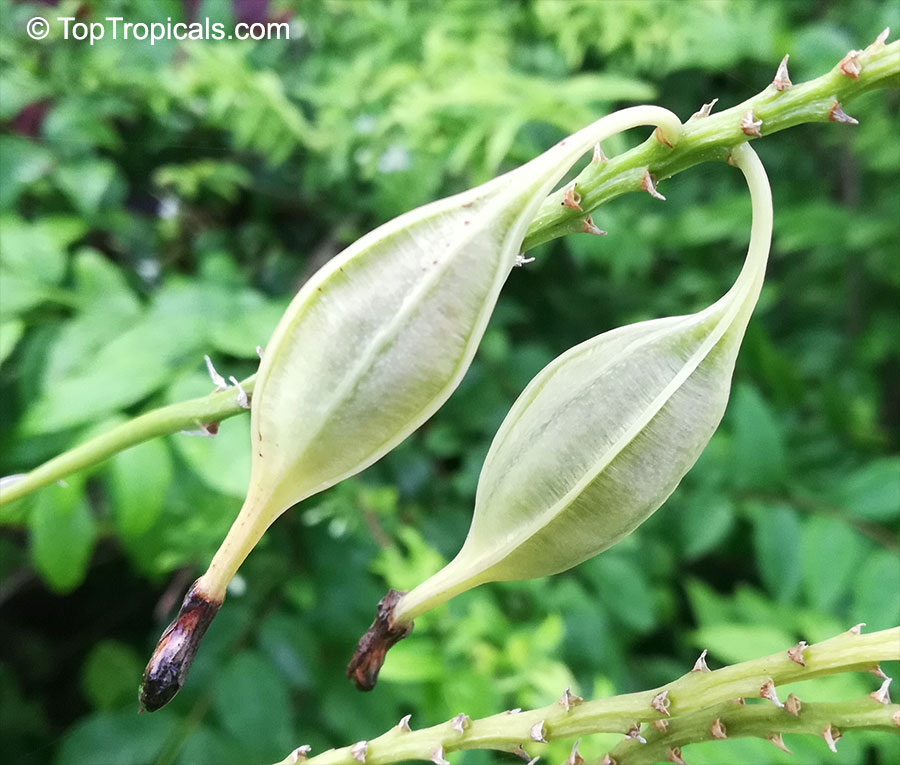
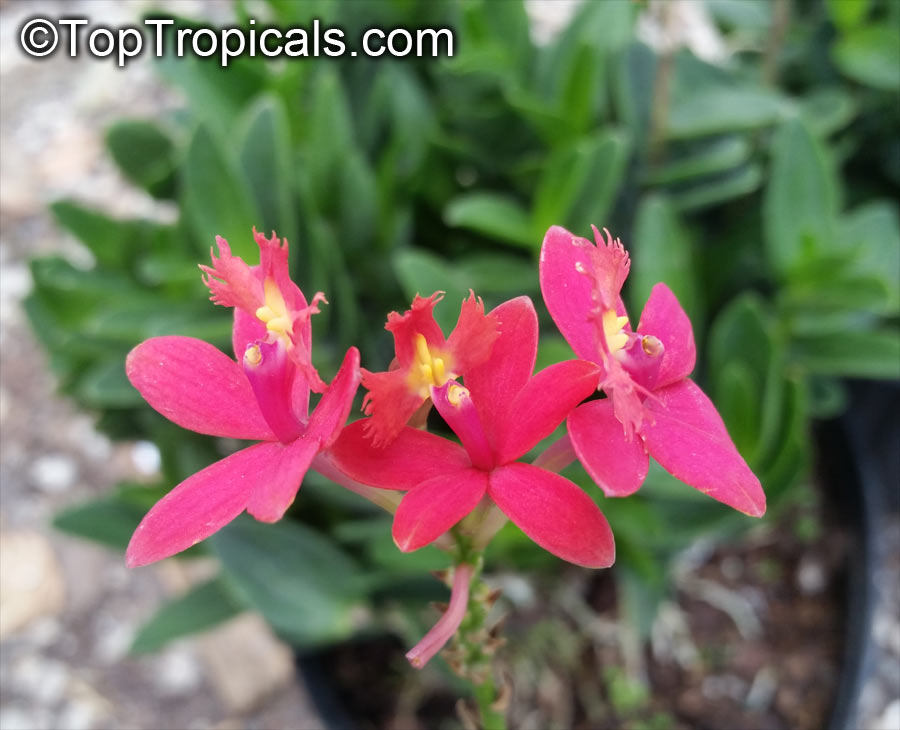
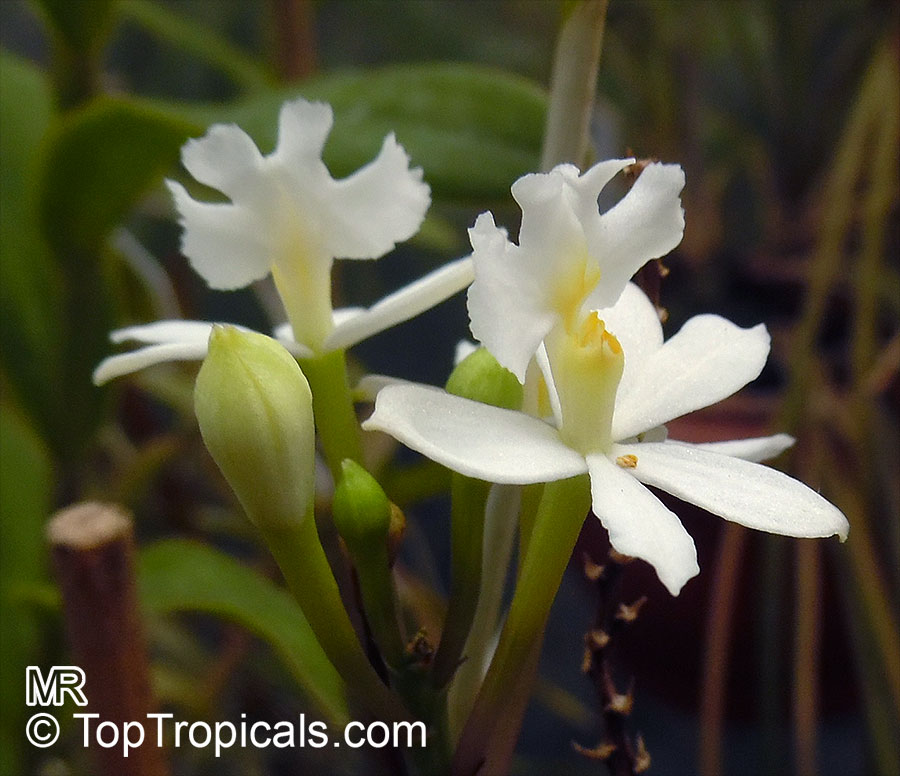
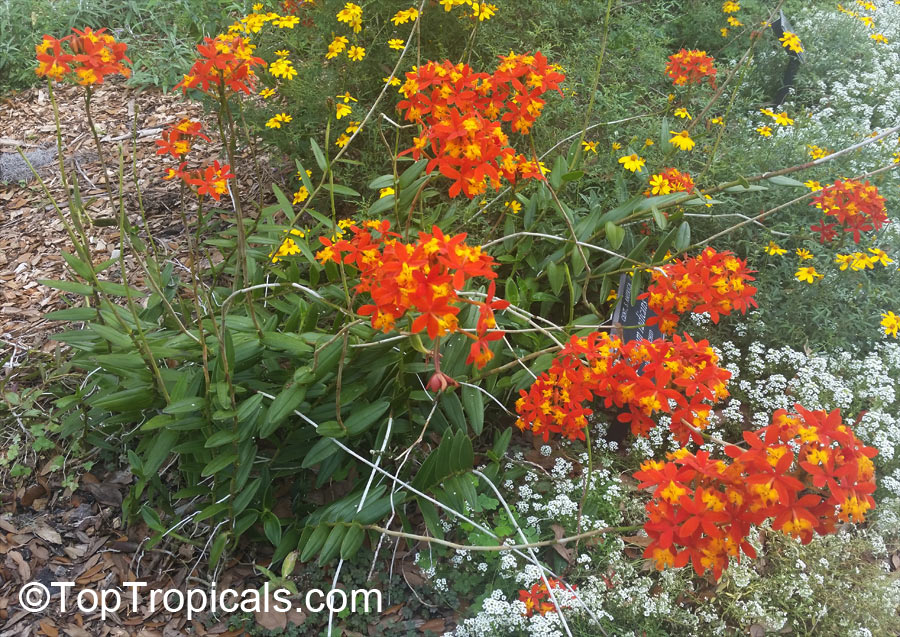
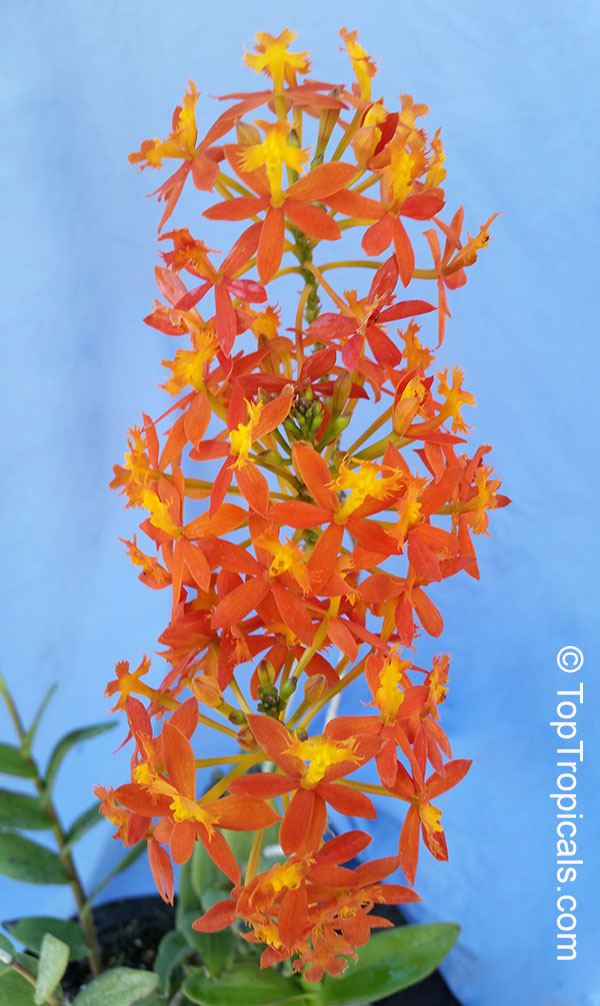
Botanical name: Epidendrum sp.
Common names: Reed Orchid, Epidendrum Orchid, Clustered Flowers Orchid, Crucifix Orchid
Family: Orchidaceae
USDA Zone: 9-11
Cold tolerance: 25°F


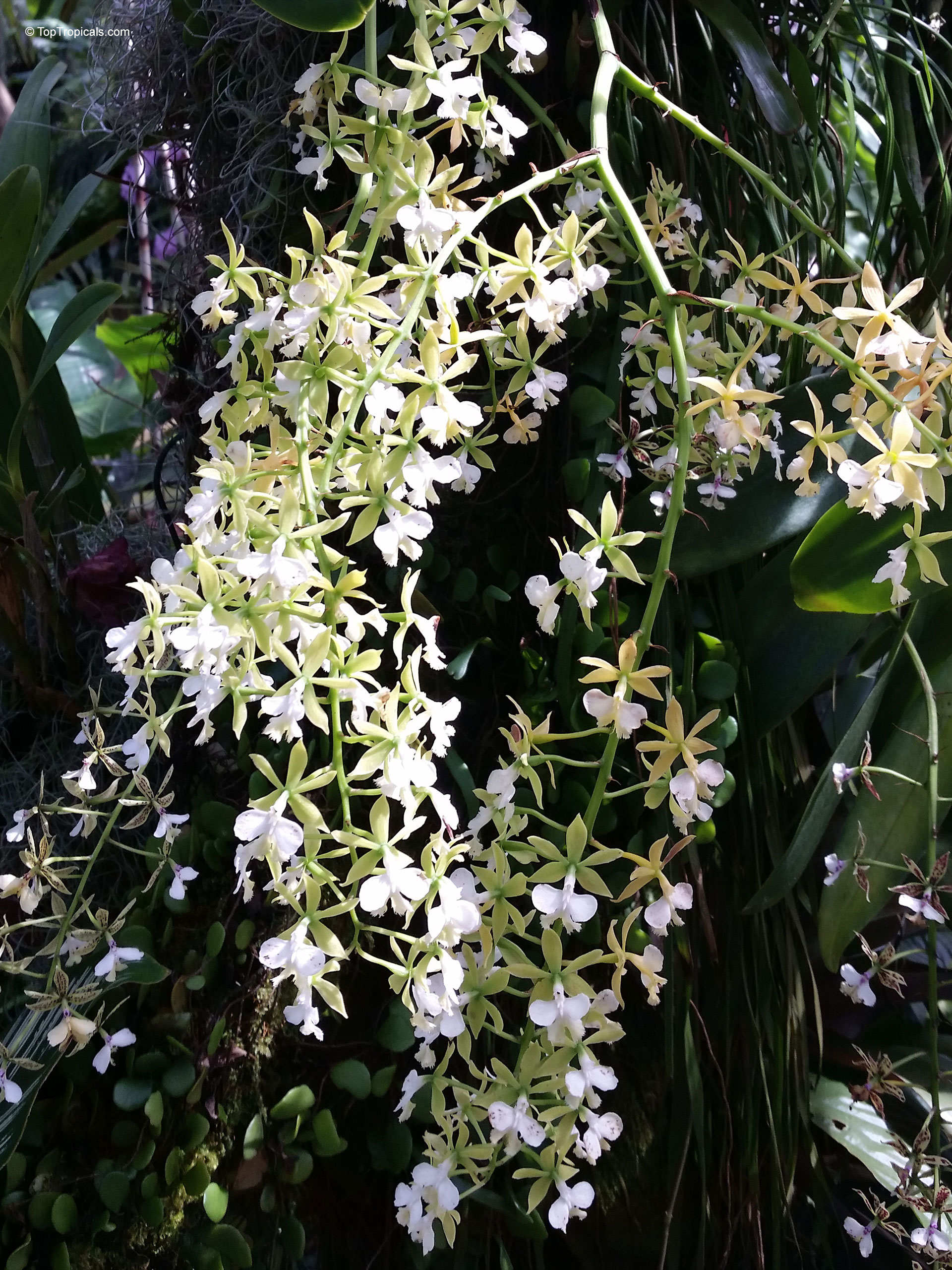
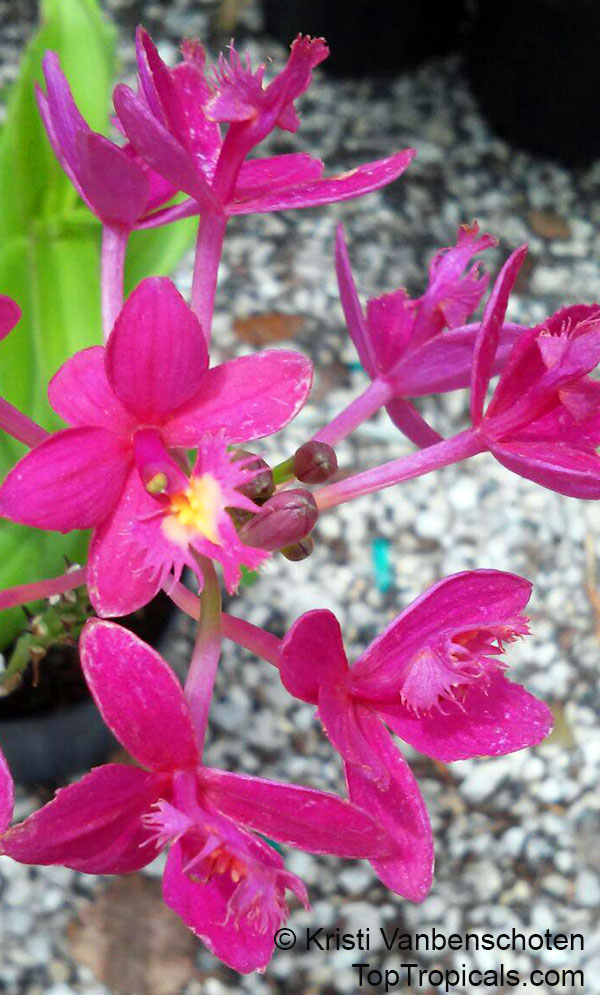
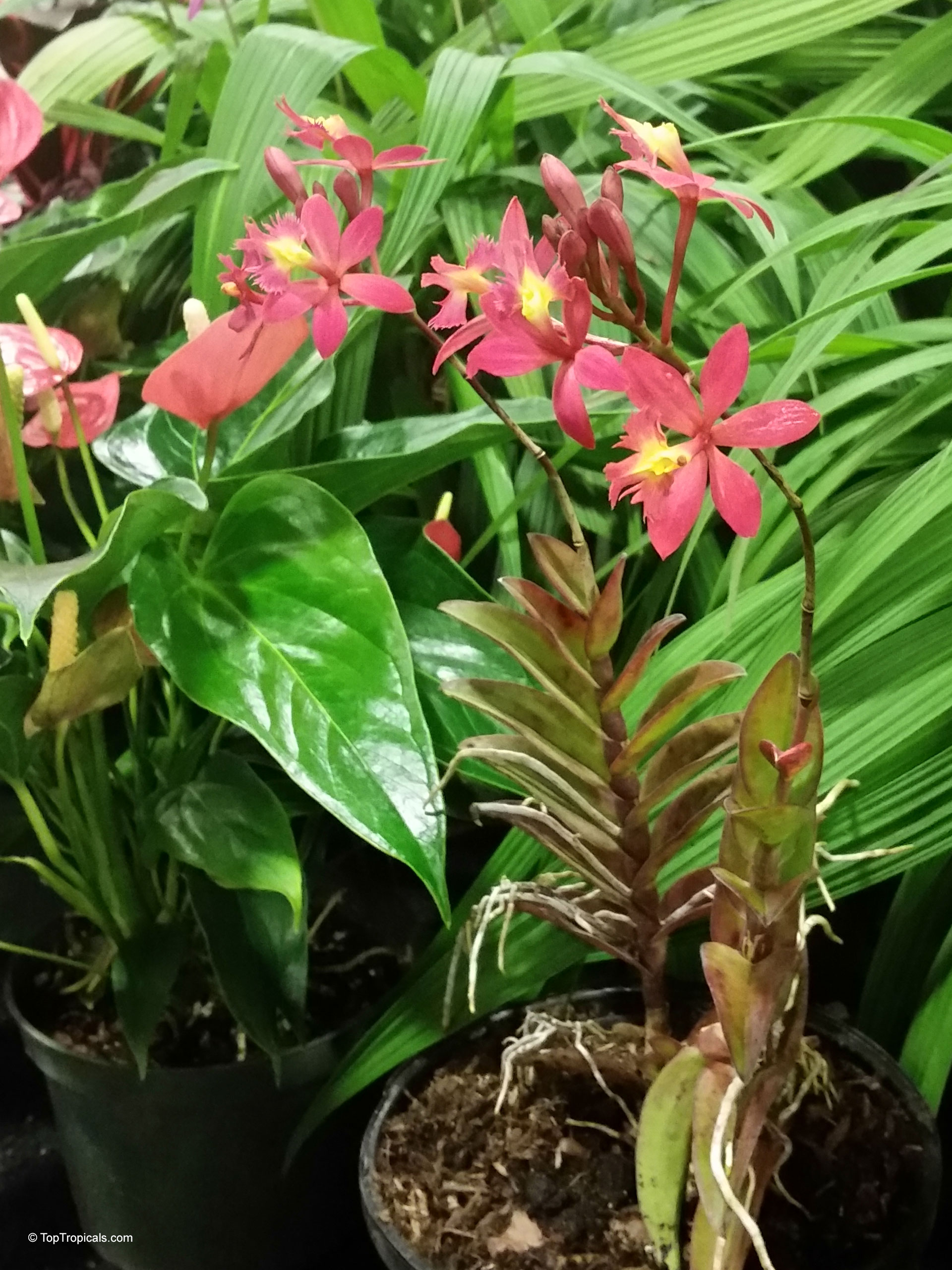
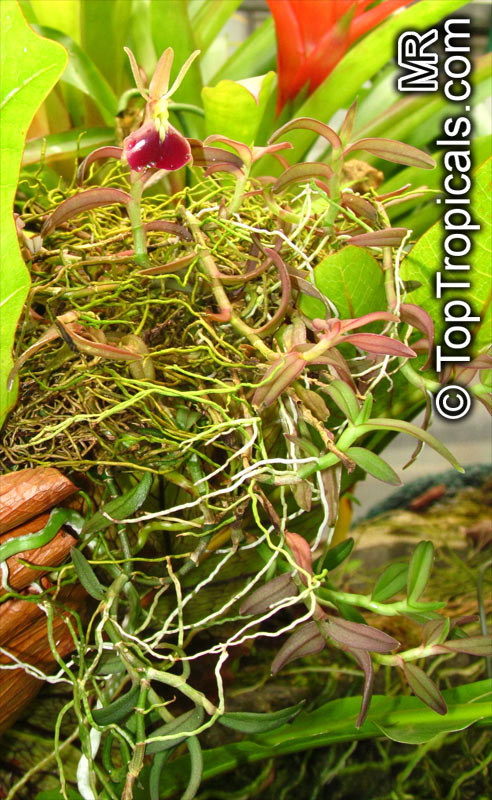
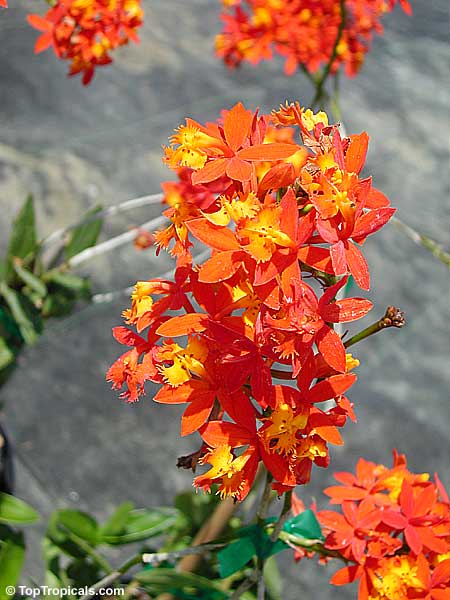
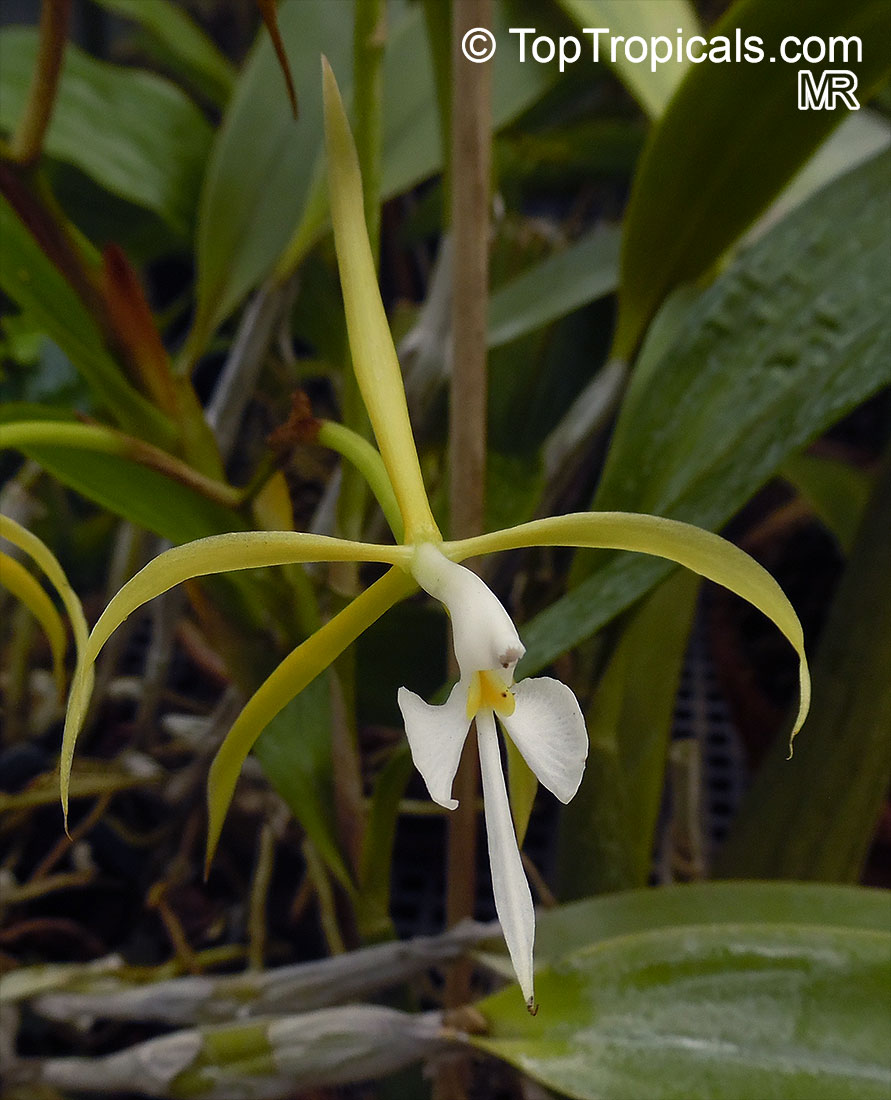
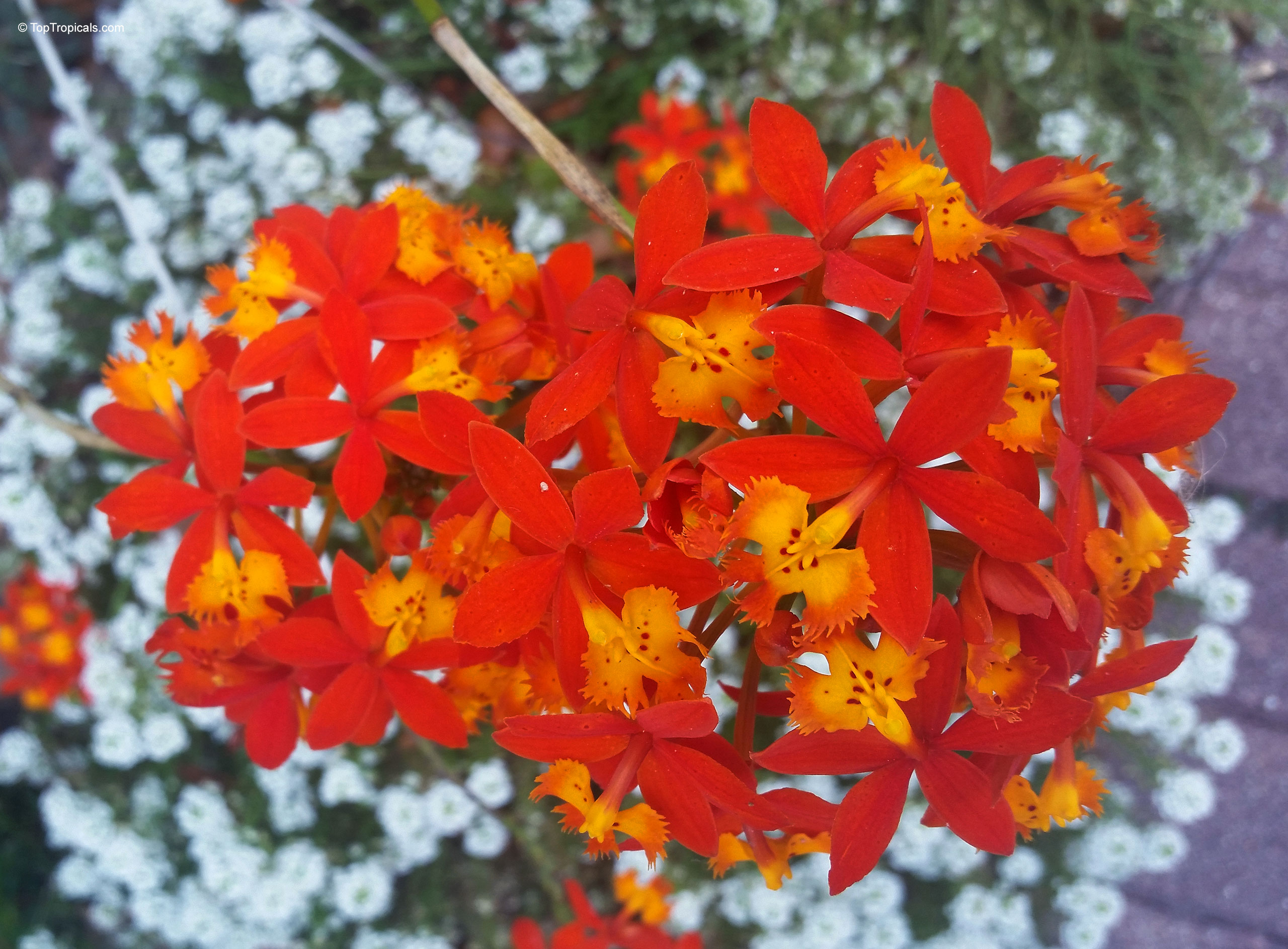
Epidendrum is a very large and morphologically diverse genus of orchids in the Orchidaceae family, native to tropical and subtropical regions of the Americas. Its species occupy habitats ranging from humid lowland forests to cool mountain regions and may grow as epiphytes, lithophytes, or terrestrial plants. Growth forms vary greatly, from compact orchids to large plants with elongated stems, and flowers range from small and inconspicuous to large and brightly colored. Many species have a distinctive lip that is partly or completely fused to the column. The popular reed-stem Epidendrums, with upright cane-like stems and showy terminal clusters of red, orange, pink, yellow, or purple flowers, represent only one horticulturally important group and should not be regarded as typical of the genus as a whole.
Cultivation requirements vary considerably among species because of the genus's enormous ecological range. Many commonly cultivated Epidendrums prefer bright filtered light to partial sun, good air circulation, and an open, well-drained orchid medium, with regular moisture during active growth. Reed-stem types are particularly adaptable and are widely grown in tropical and subtropical gardens as well as containers. Numerous species and hybrids are cultivated, and Epidendrum has also contributed to many intergeneric orchid hybrids. Cold tolerance varies greatly; tropical garden types generally require frost-free or nearly frost-free conditions, while cooler-growing species should be cultivated according to the climate of their native habitats.
See Orchid page for pictures of different orchids and care info.
See video about Ground Orchids.

Recommended Fertilizer: SUNSHINE Megaflor - Bloom Nutrition Booster
Epidendrum is a diverse neotropical genus that has flowers characterized by a frilly or fringed lip. This feature is occasionally diagnostic to distinguish between species. These orchids are widely cultivated and may be hybridized with Sophronitis, another South American genus. The flowers are usually small and delicately colored, and borne on a dense inflorescence. Many species have a fragrance. These well established plants are a red raspberry color.
See video about Ground Orchids.
Recommended Fertilizer: SUNSHINE Megaflor - Bloom Nutrition Booster
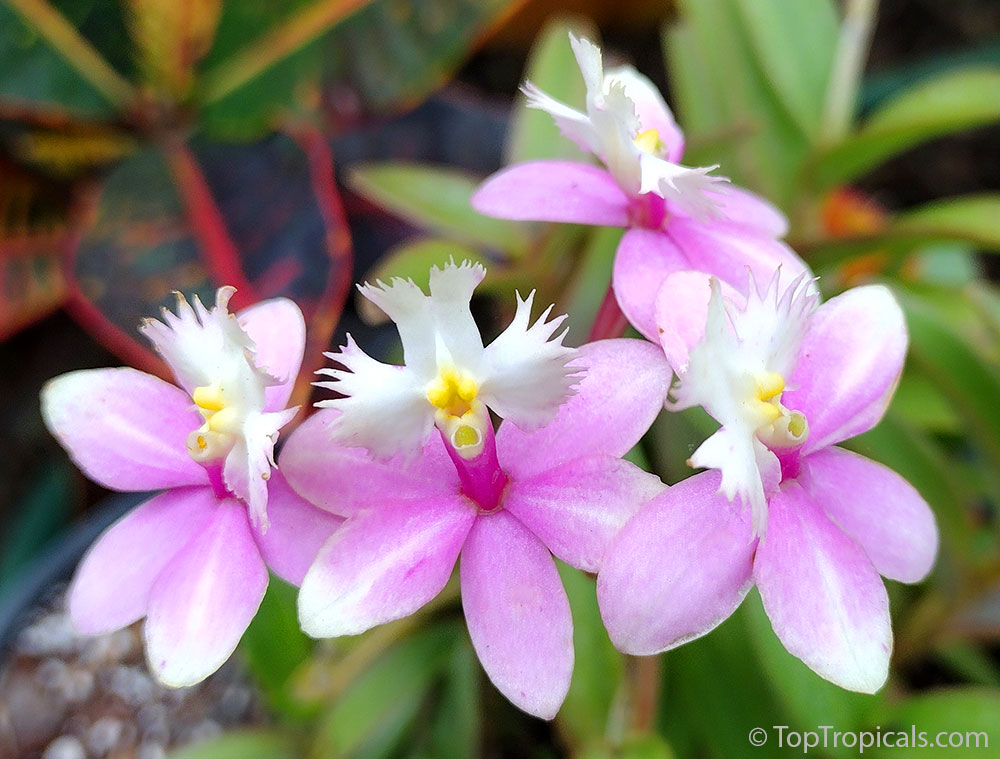
Epidendrum is a diverse neotropical genus that has flowers characterized by a frilly or fringed lip. This feature is occasionally diagnostic to distinguish between species. These orchids are widely cultivated and may be hybridized with Sophronitis, another South American genus. The flowers are usually small and delicately colored, and borne on a dense inflorescence. Many species have a fragrance.
See video about Ground Orchids.
Recommended Fertilizer: SUNSHINE Megaflor - Bloom Nutrition Booster
Recommended Fertilizer: SUNSHINE Megaflor - Bloom Nutrition Booster

Botanical name: Eulophia graminea
Common name: Chinese Crown Orchid
Family: Orchidaceae
Origin: Asia
USDA Zone: 9-10

A fascinating terrestrial orchid that surprises many gardeners with how easy it is to grow, Chinese Crown Orchid produces tall, elegant spikes of unusual greenish-yellow to brownish miniature flowers with a striking purple lip, giving each bloom a delicate, exotic look. Unlike many orchids that cling to trees, this one grows in the ground from underground bulbs, forming attractive clumps of grassy foliage.
Native to Asia and now naturalized in parts of Florida, Eulophia graminea thrives in warm climates and adapts well to containers or garden beds. Flower spikes can rise 2-4 ft above the foliage in summer, creating a graceful display that looks almost wild and tropical at the same time. It enjoys bright light to partial shade and regular watering, and once established it proves surprisingly tough and easygoing.
An unusual orchid for collectors and tropical gardeners alike - perfect for adding something unexpected to your garden or patio collection.
Keep in a dry side; plant in orchid mix. Do not overeater. Bright light.
Recommended Fertilizer: SUNSHINE Home - Houseplant Booster
Botanical name: Spathoglottis kimballiana
Common names: Ground Orchid, Garden Orchid
Family: Orchidaceae
Origin: Philippines
USDA Zone: 9-10
Large heavy textured bright yellow flowers.


Botanical name: Spathoglottis sp.
Common name: Ground Orchid
Family: Orchidaceae
USDA Zone: 9-10
Spathoglottis sp. is a small shrub that can grow between 2-5 ft (0.6-1.5 m) tall. It has large clusters of long-lived flowers with distinct colors, such as pink, white, off-white, red, crimson, vinous and yellow-orange. Being a tropical plant, it needs heat and high humidity, but can tolerate semi-shade. Thus it is the ideal choice for the tropical and sub-tropical regions USDA Zone: 9-11.
Spathoglottis sp. requires regular watering and mulching to maintain humidity and minimize weeds. If grown in a pot, it is advised to use a medium-sized container with good drainage. To ensure that your plant grows in cold regions, use a pot with a plastic cover to keep the heat trapped and help resist cold temperatures. For general care, you should prune the stems for the correct size and shape and remove old, withered flowers regularly.
The Spathoglottis sp. is a stunning plant, and easy to look after. It will be a delightful addition to any garden or houseplant collection with its pleasant and vibrant colors. With proper care, it will reward you with its long-lasting, magnificent flowers.


Botanical names: Habenaria repens, Orchis repens, Platanthera repens
Common names: Water-spider Bog Orchid, Floating Orchid
Family: Orchidaceae
Origin: Southeastern United States, Mexico, Florida
USDA Zone: 8-11


If you look closely, this native orchid really does look like it is dancing. The tiny, spidery flowers of Habenaria repens seem to hover in motion, giving rise to its charming common name - Water-spider Bog Orchid, also called Floating Orchid.
Habenaria repens is one of the few orchids that can live both on land and in water. It naturally grows in wet ditches, marshes, meadows, and along pond and lake edges, and it can even form floating mats in still water. In warm climates, it may bloom almost year-round, sending up tall flower spikes packed with 10-50 delicate greenish-white blooms. The narrow, spider-like petals and lip are designed to attract pollinators, while the light green sepals blend perfectly into wetland surroundings.
This orchid produces several yellow-green leaves along its stem, with smaller leaves near the flower spike. It prefers consistently moist to wet conditions and slightly acidic soil. In cultivation, it does best in bog gardens, shallow pond margins, alongside carnivorous plants like pitcher plants, or even in containers kept very wet.
Small, subtle, and easy to overlook at first glance, Habenaria repens rewards anyone who stops and looks closely. Once you see that little flower dancing, you will never forget it.
Habenaria repens blooms throughout the year in wet ditches, meadows, marshes and along shorelines.
It can be a terrestrial or truly aquatic orchid species and has been known to form floating mats in stagnant pools. This species produces 3-8 yellow green leaves that emerge from the stem and gradually reduce in size towards the inflorescence. The inflorescence has 10-50 flowers arranged in a densely flowered raceme. The sepals are light green and the petals and lip of each flower are a greenish white and spidery looking.


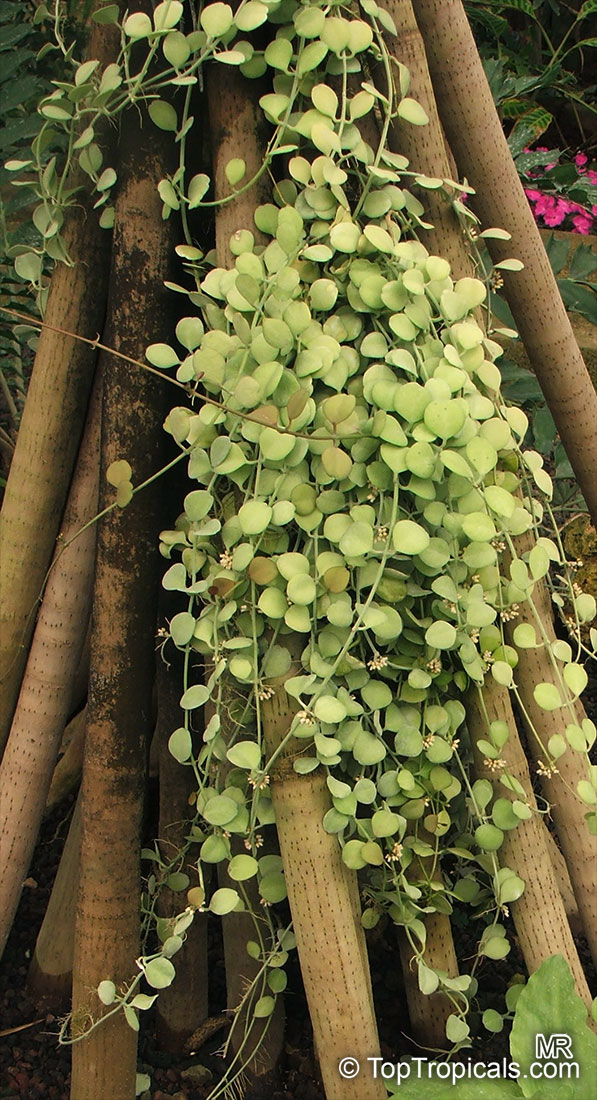
Botanical names: Dischidia minor, Dischidia nummularia
Common names: Kadul, Button Orchid
Family: Apocynaceae (Formerly:Asclepiadaceae)
Subfamily: Asclepiadoideae
Origin: Malaya, Australia
USDA Zone: 9-10

Dischidia minor is a unique and captivating plant native to Malaya and Australia. Also known as Kadul and groundcover, the low-growing vine or creeper can reach a height of 2ft and is perfect for using as an ornamental foliage. It has pendent stems, and small button-like, silver-grey leaves, along with inflorescence that is an umbel of small white tubular flowers with a ring of sparse hairs inside. After the blooms have faded, masses of fluffy seeds develop.
Preferring a semi-shade position, Dischidia minor is an epiphyte and loves moderate water. It is also known for living in various environments, such as on paperbark trees, moss or bark, terrariums, and hanging baskets or pots. For drainage, the pot should have organic matter and coarse sand, and it should be semi-shaded. Bright light is suitable for the plant, but it should be kept out of direct sun.
In USDA zones 9-11, caring for a Dischidia minor includes watering, feeding, and misting. Water the plant moderately and only when the soil has dried out. Liquid feeding once a month with half strength is advised, and it's also recommended to mist the plant once or twice a week. In colder regions, it is best to grow the plant in a pot so that it can be moved indoors during winter.

Recommended Fertilizer: SUNSHINE Orchidasm - Rapid Growth Booster
| Next | |
Use link to repeat this search:
https://toptropicals.com/cgi-bin/garden_catalog/cat.cgi?find=ground orchid&search_op=and&keyword_op=and&language=e&number=10
&no_change_lang=1&user=tt&sale=1&first=0