Jatropha - Plant Encyclopedia Results
| Number of plants found: 10 |

Botanical name: Jatropha berlandieri
Common names: Jatropha Buddah Belly, Baseball Plant
Family: Euphorbiaceae
Origin: Texas and Mexico
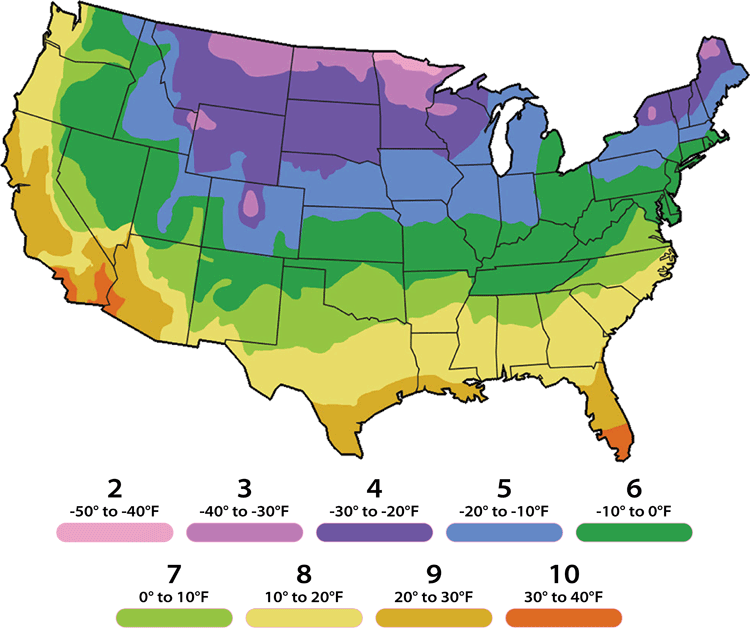
USDA Zone: 9-10


Jatropha berlandieri, commonly known as Jatropha Buddah Belly, is native to Texas and Mexico. It is an evergreen perennial shrub that makes an ideal low-growing groundcover, growing up to a maximum of two feet in height. It has an ornamental foliage and its poppy-red, crimson and vinous flowers attract butterflies and hummingbirds.
This plant is hardy in USDA Zones 9-11 and is tolerant of seaside and salt conditions. As it is drought-tolerant, moderate watering and well-draining soil should be provided. A mulch around the base of the plant helps to keep in moisture and control weeds.
In colder regions, the plant can be grown in pots. These should be moved indoors during the winter months to avoid the risk of frost and keep the soil more moist than in its outdoor environment.
It's important to note that the sap of this plant can be irritating to the skin so great care must be taken when handling this jatropha.
Jatropha berlandieri is a low-maintenance plant that is easy to grow, but with its low-stress needs comes a long lifespan. With the right care and attention, this plant can thrive for years to come.


Botanical names: Jatropha integerrima, Jatropha pandurata
Common names: Peregrina, Spicy Jatropha, Coral Plant, Physic Nut
Family: Euphorbiaceae
Origin: Cuba
USDA Zone: 9-11


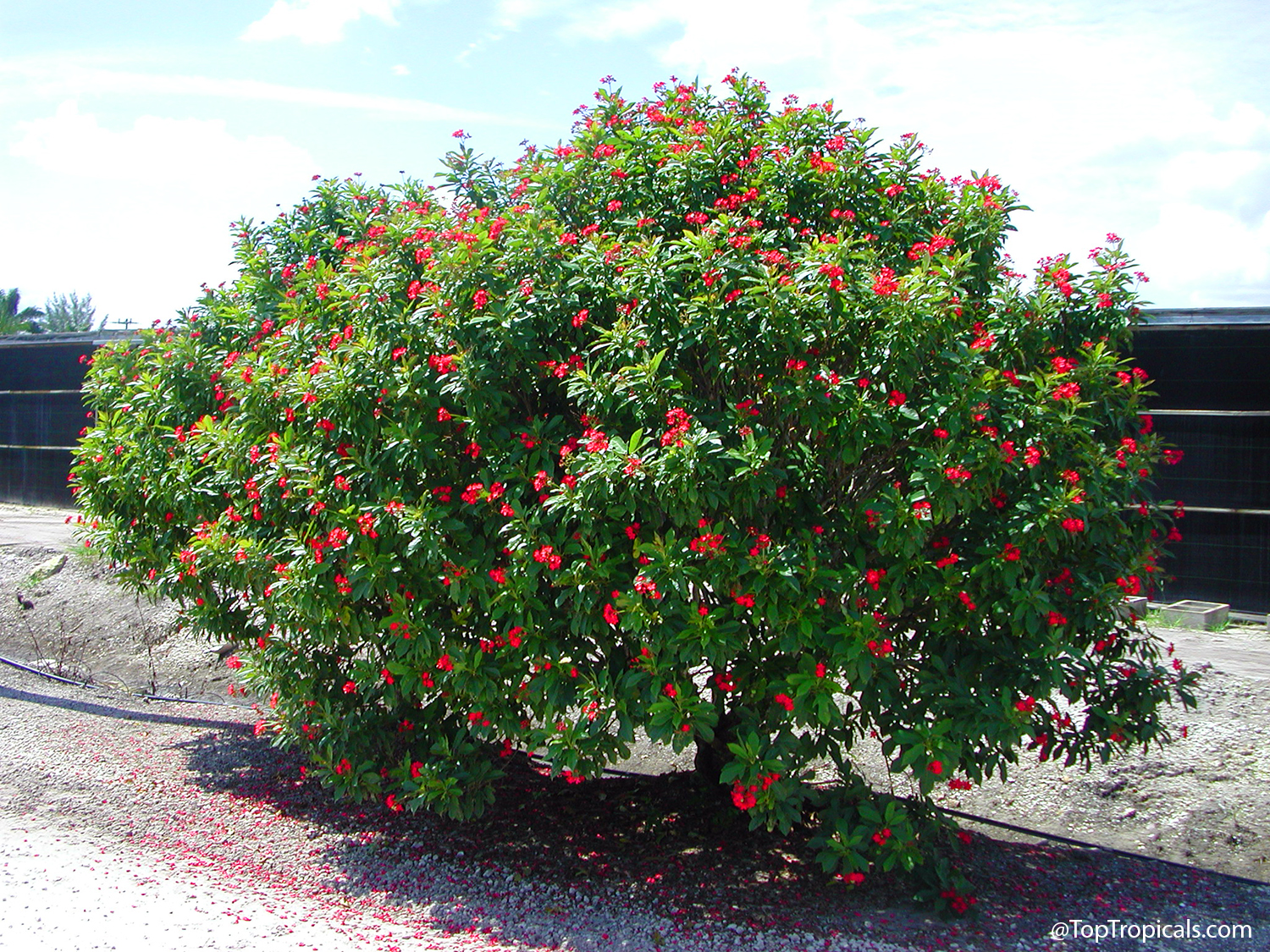
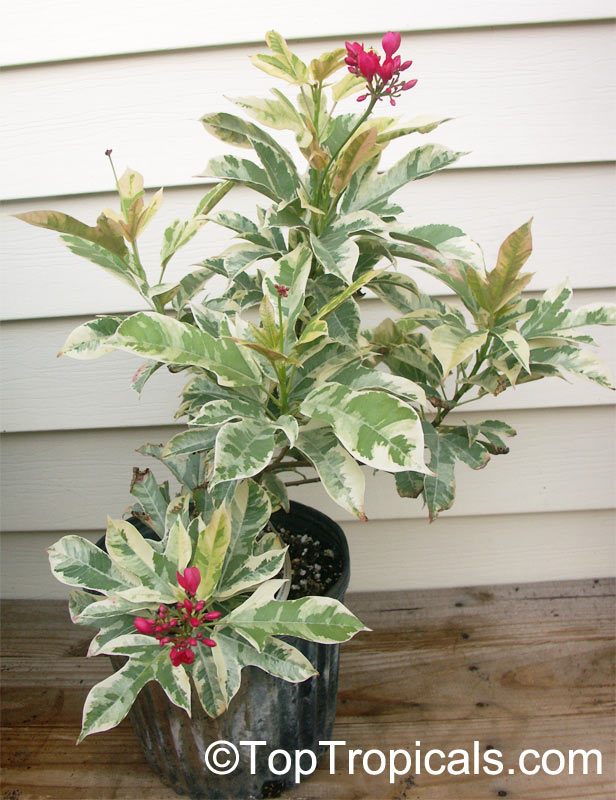
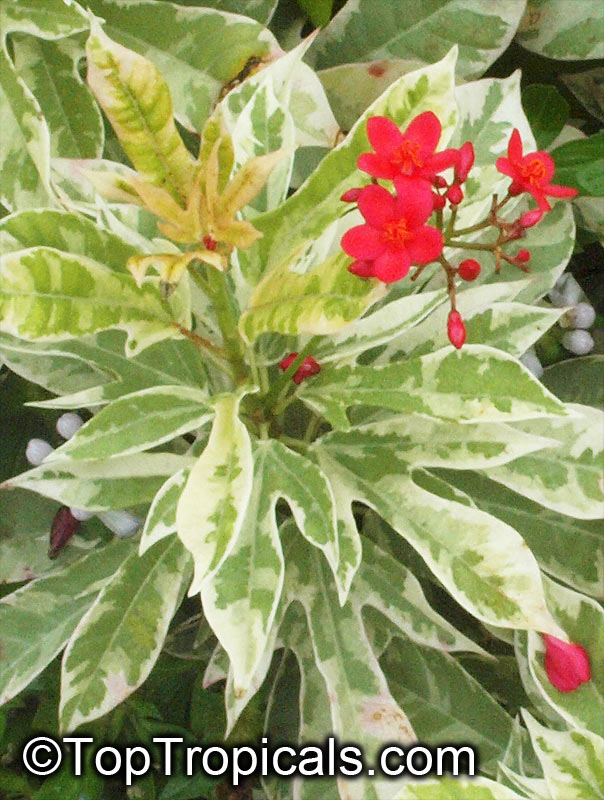
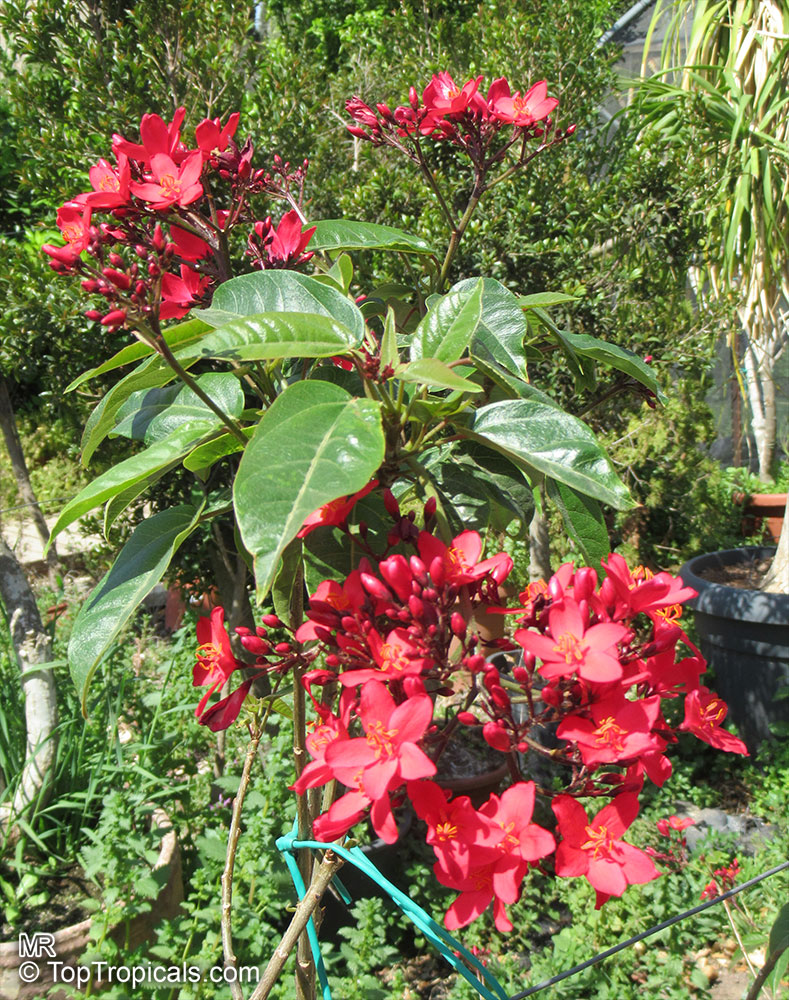
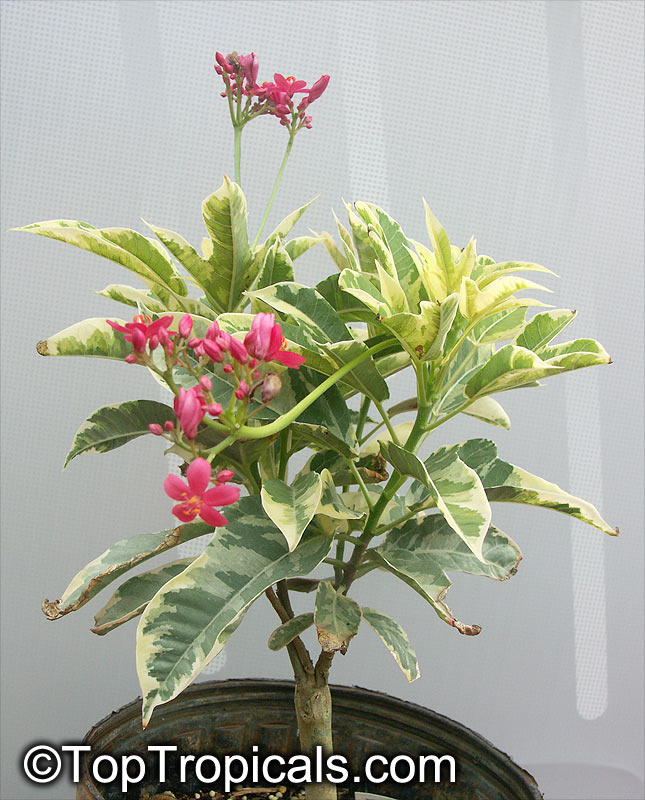
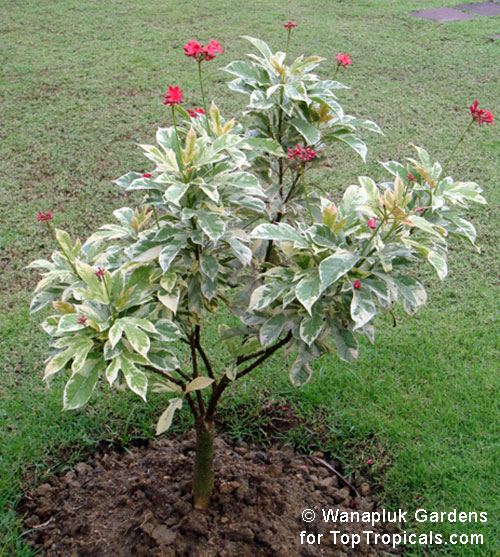
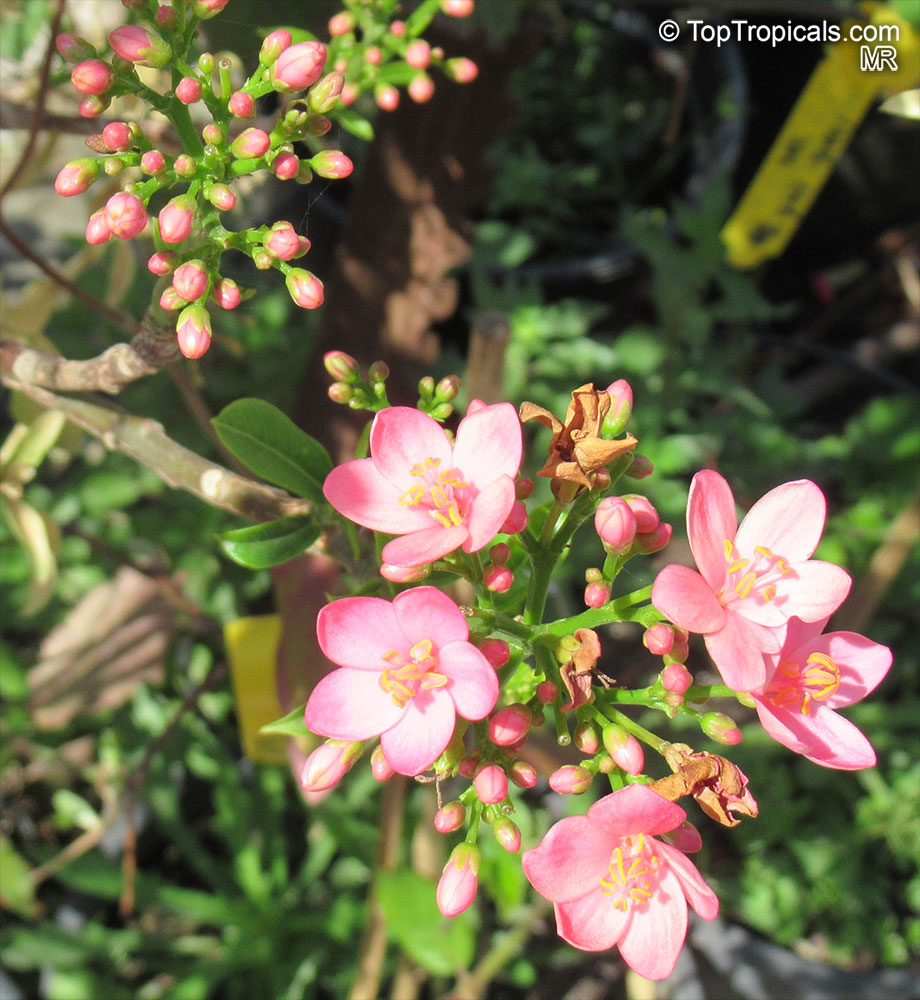
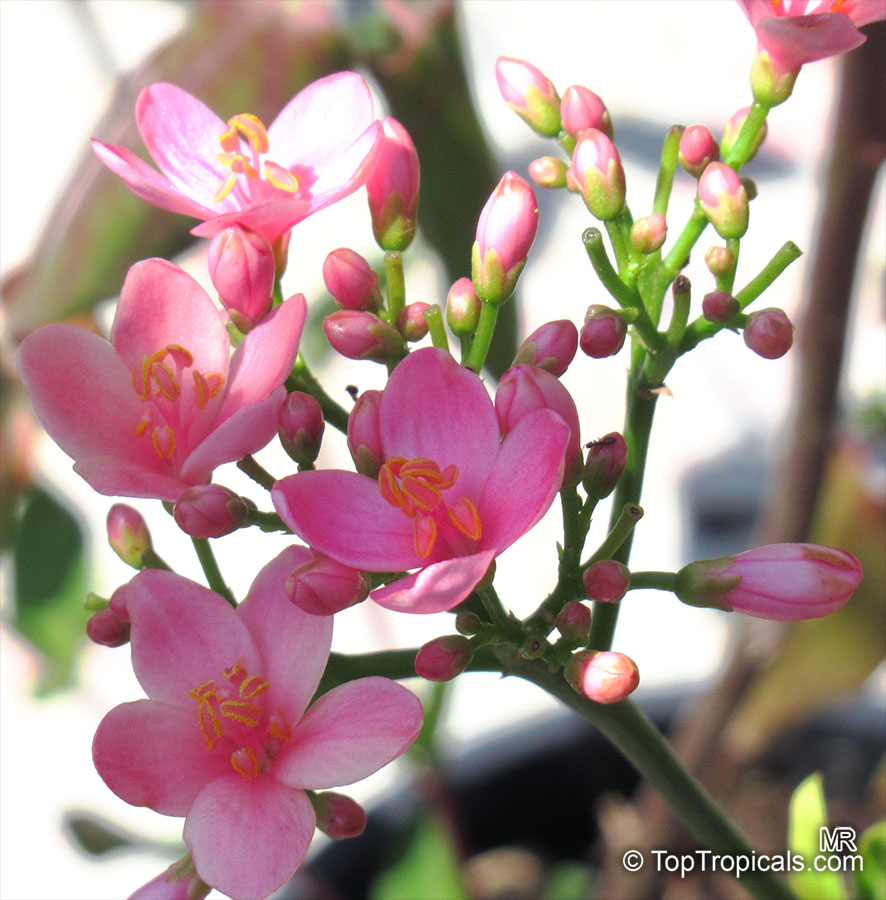
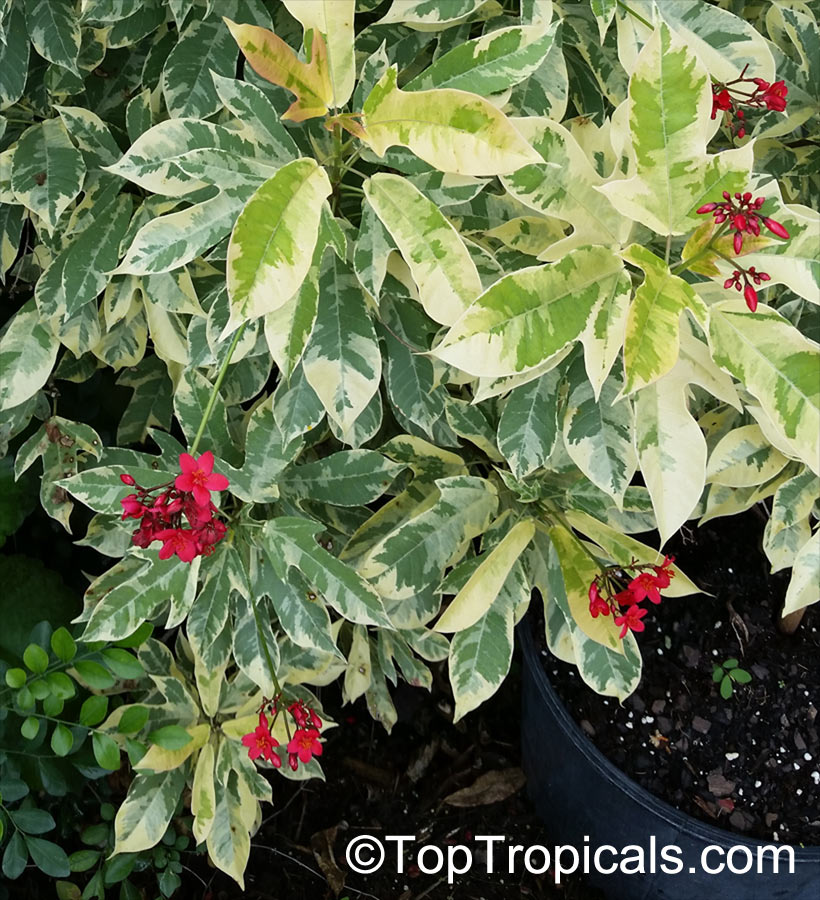
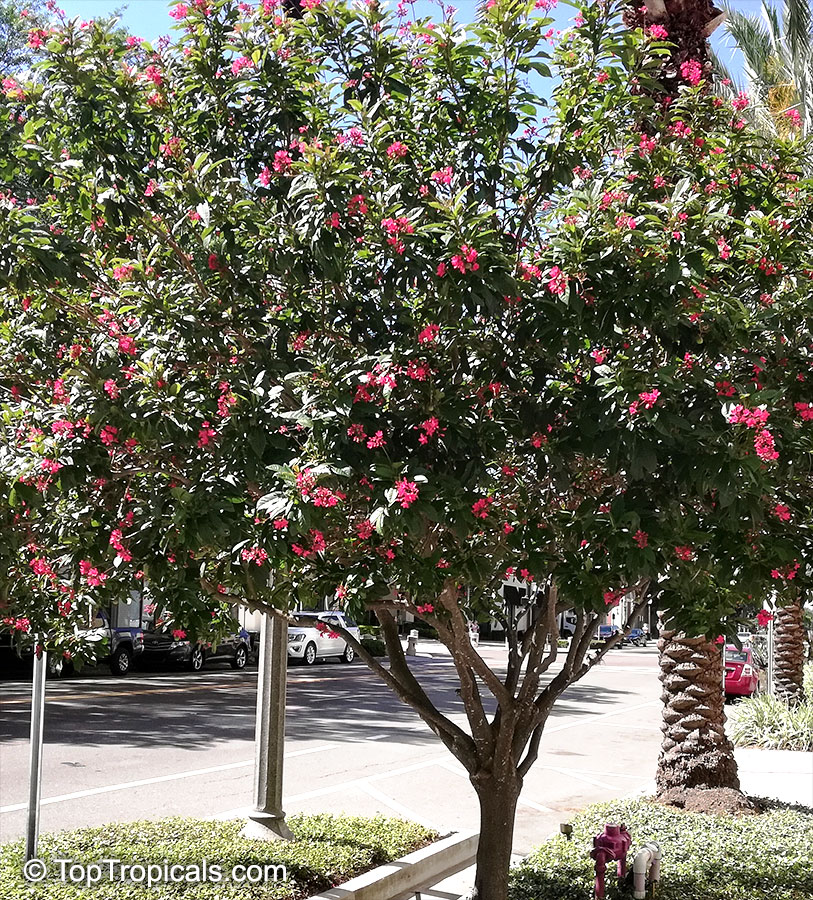
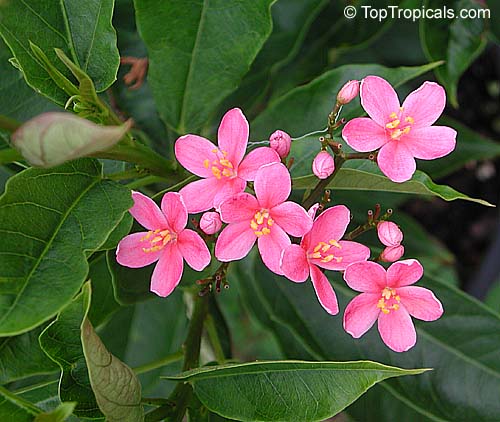
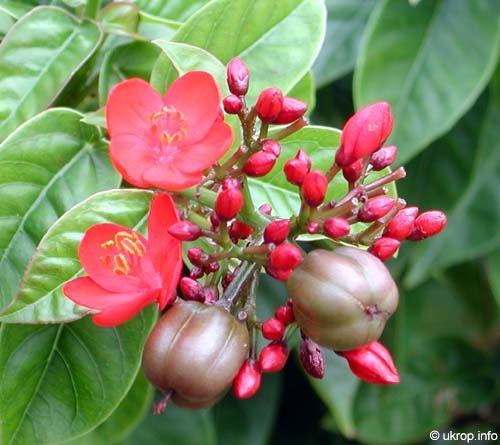
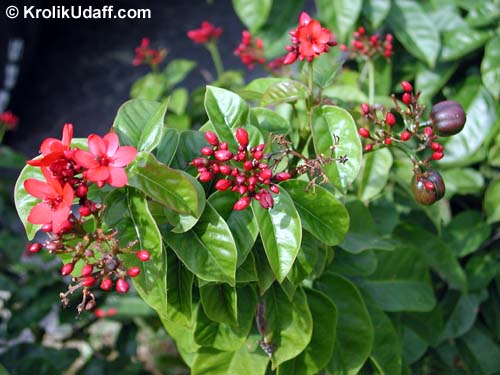
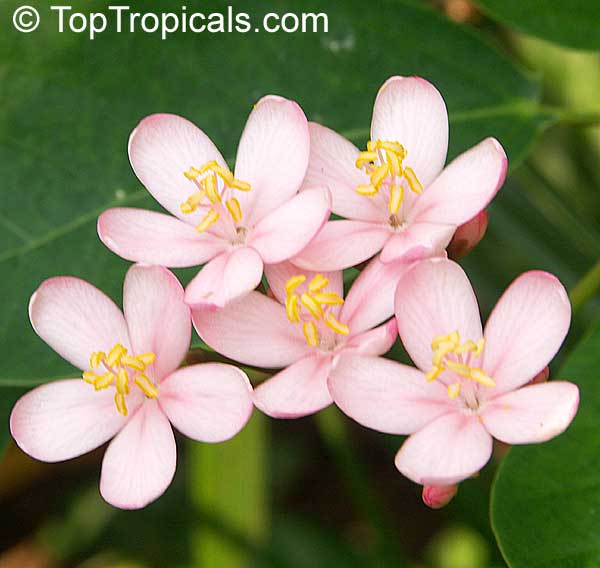
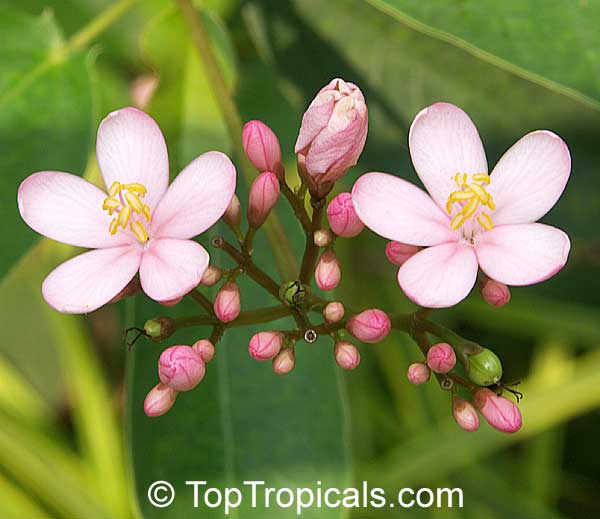
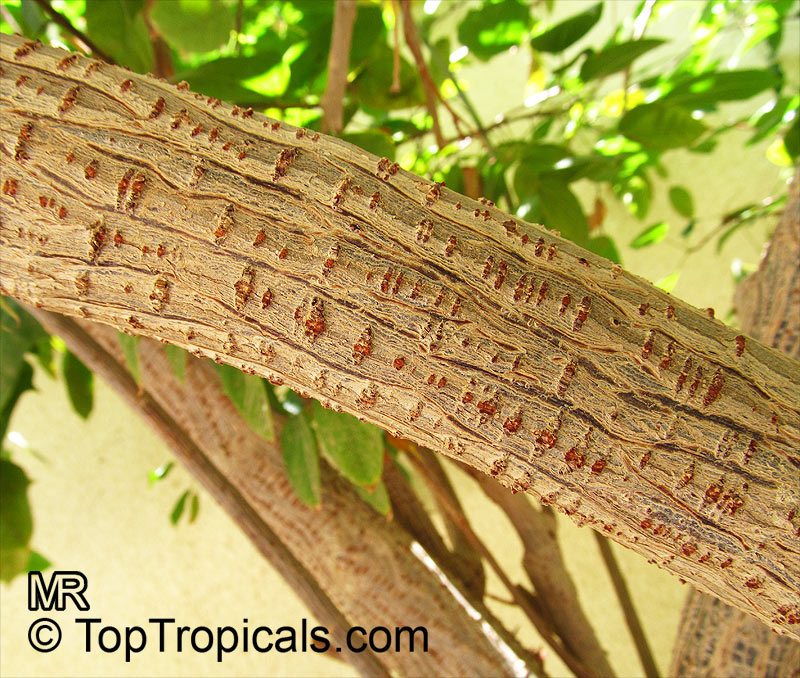
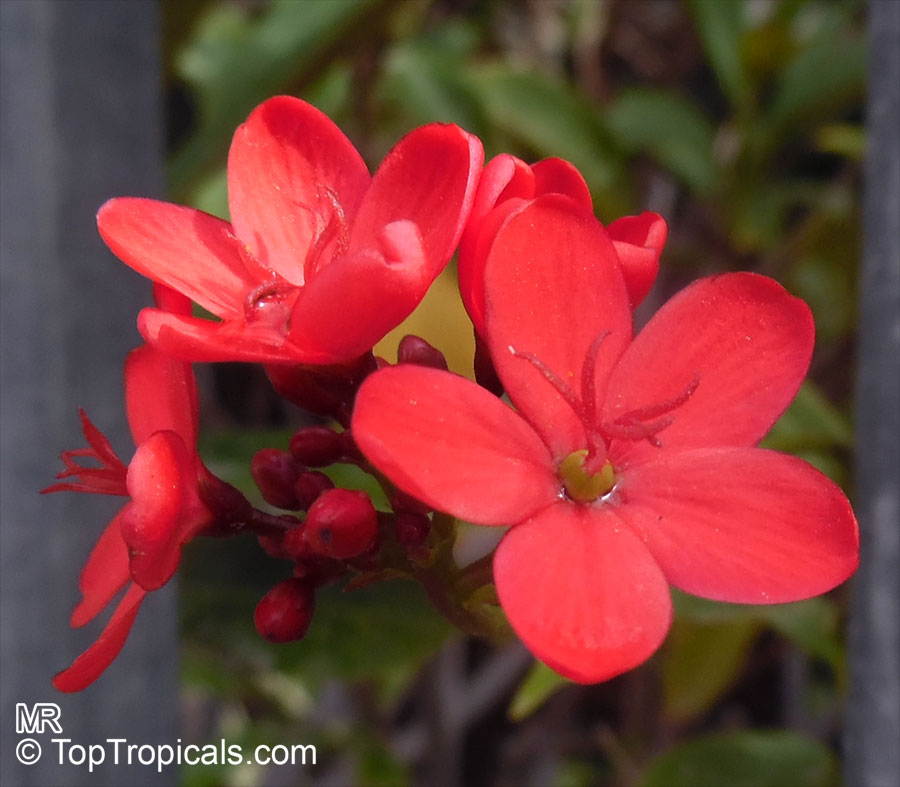
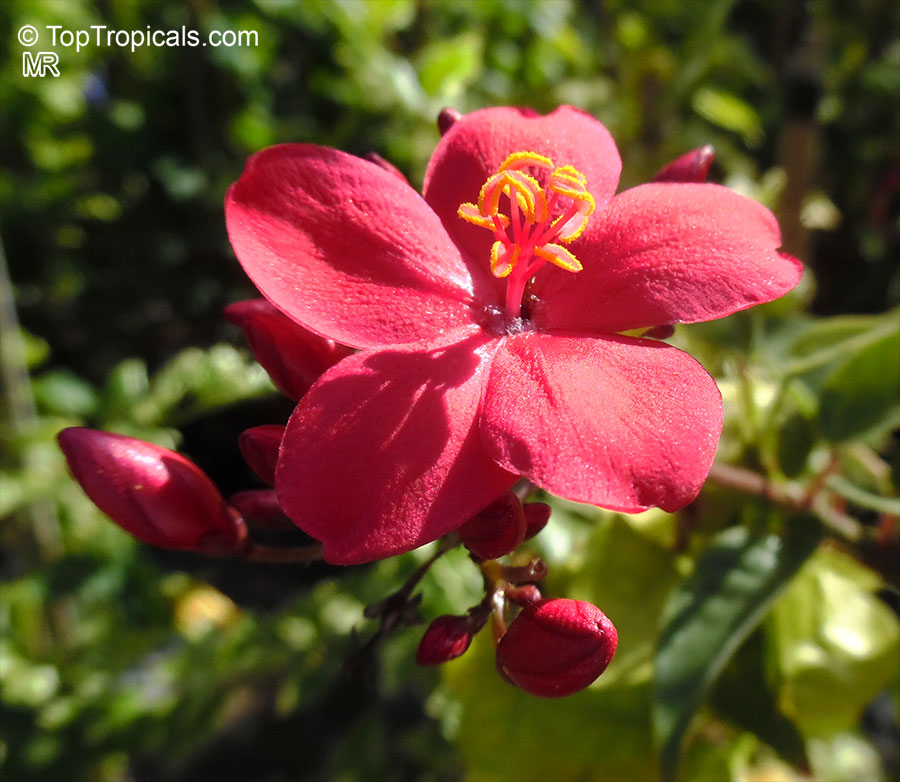
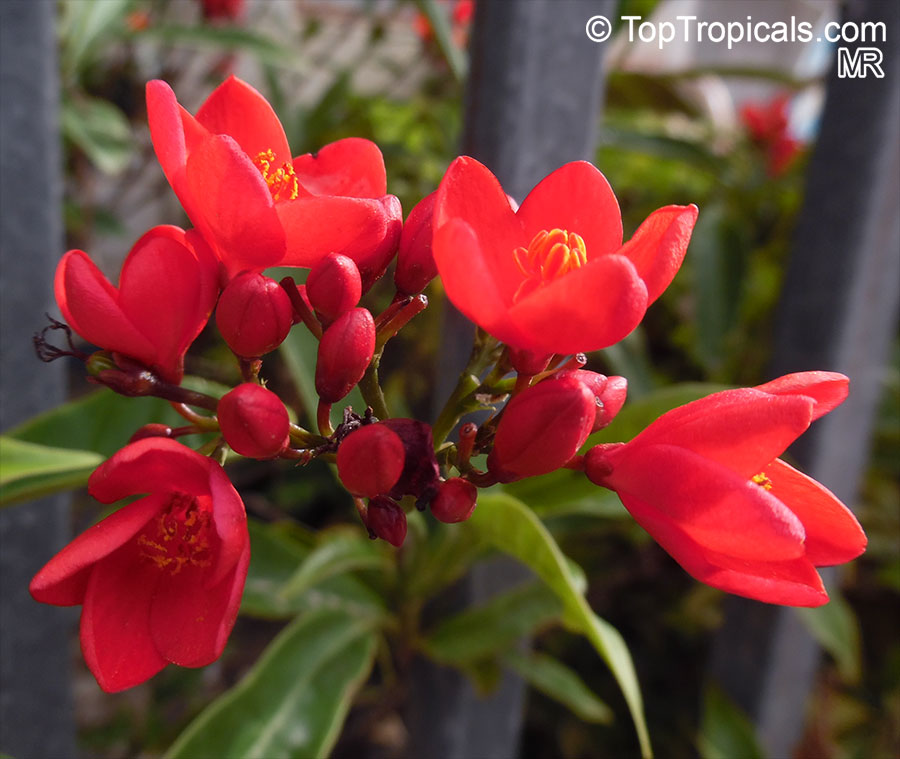
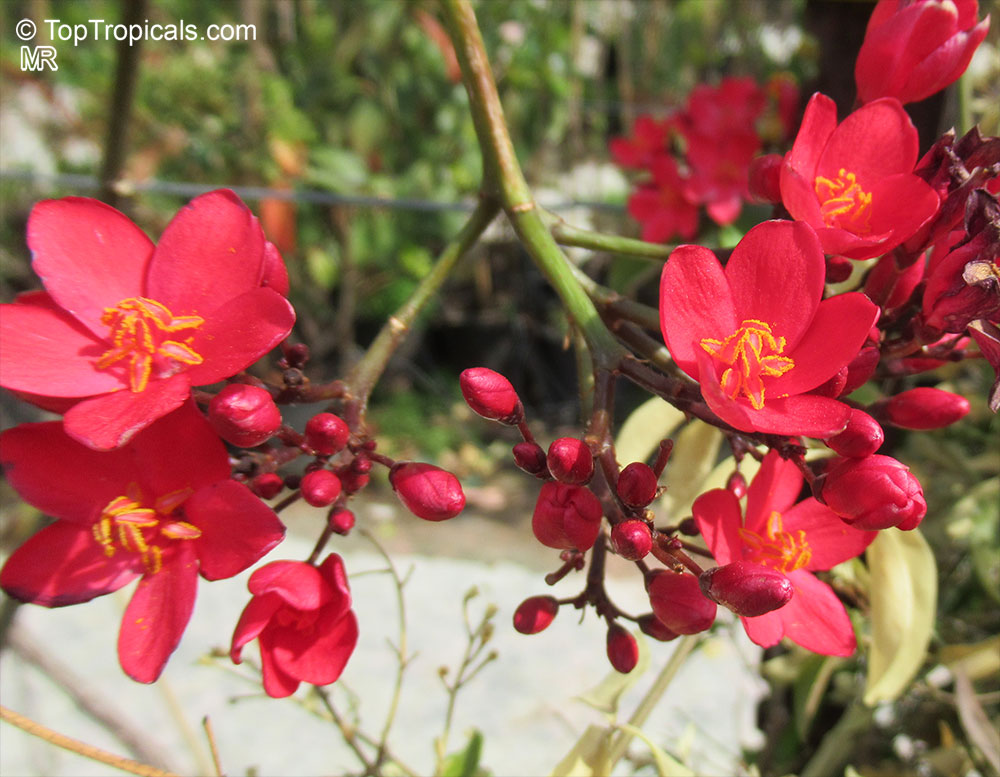
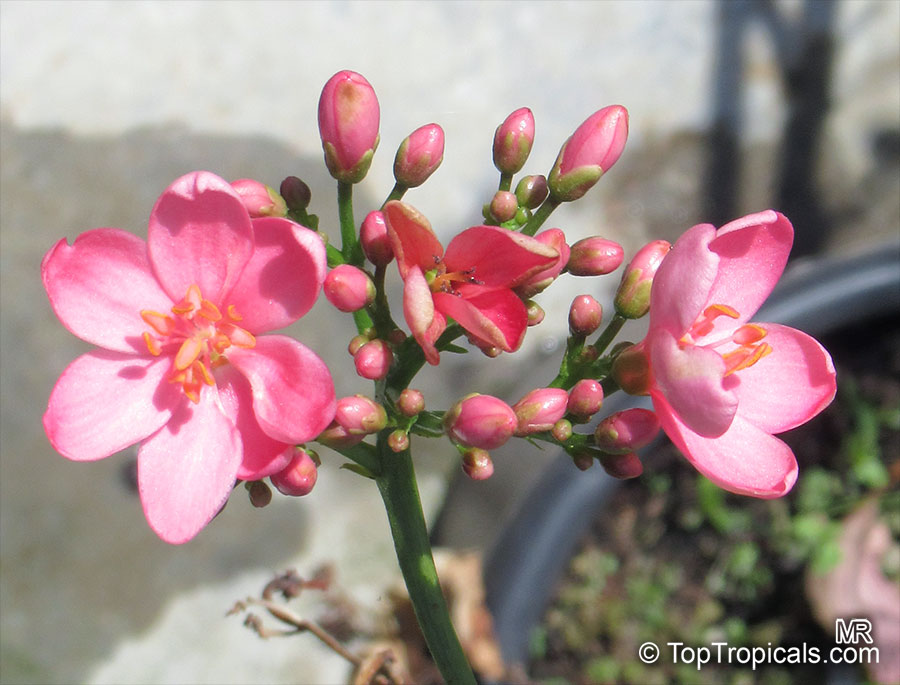
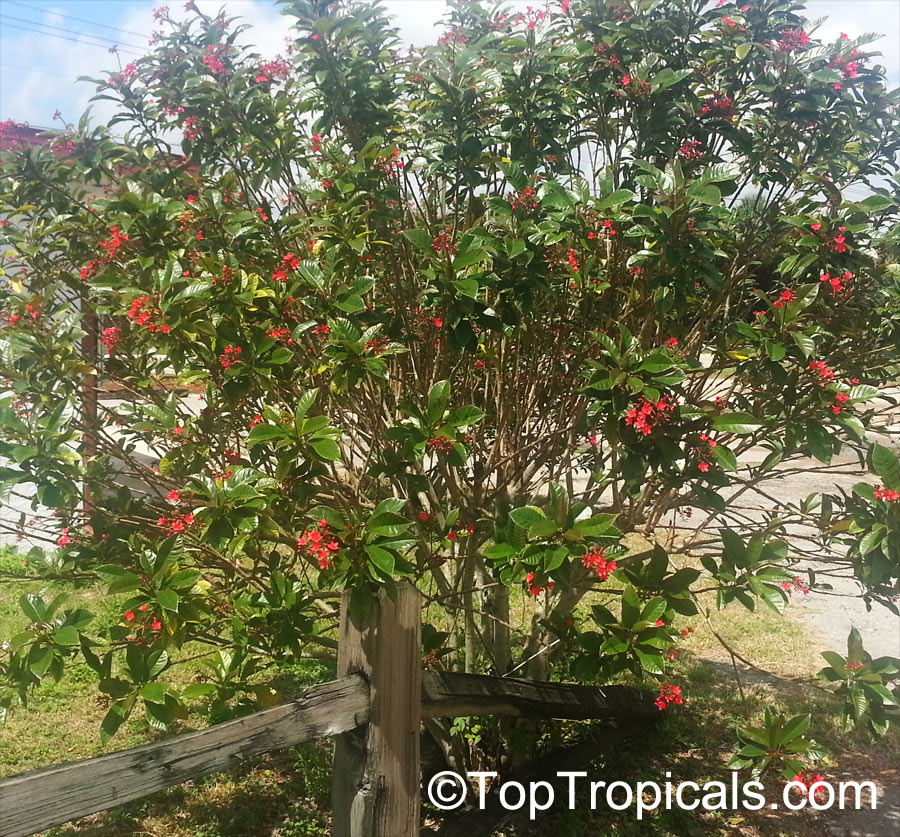
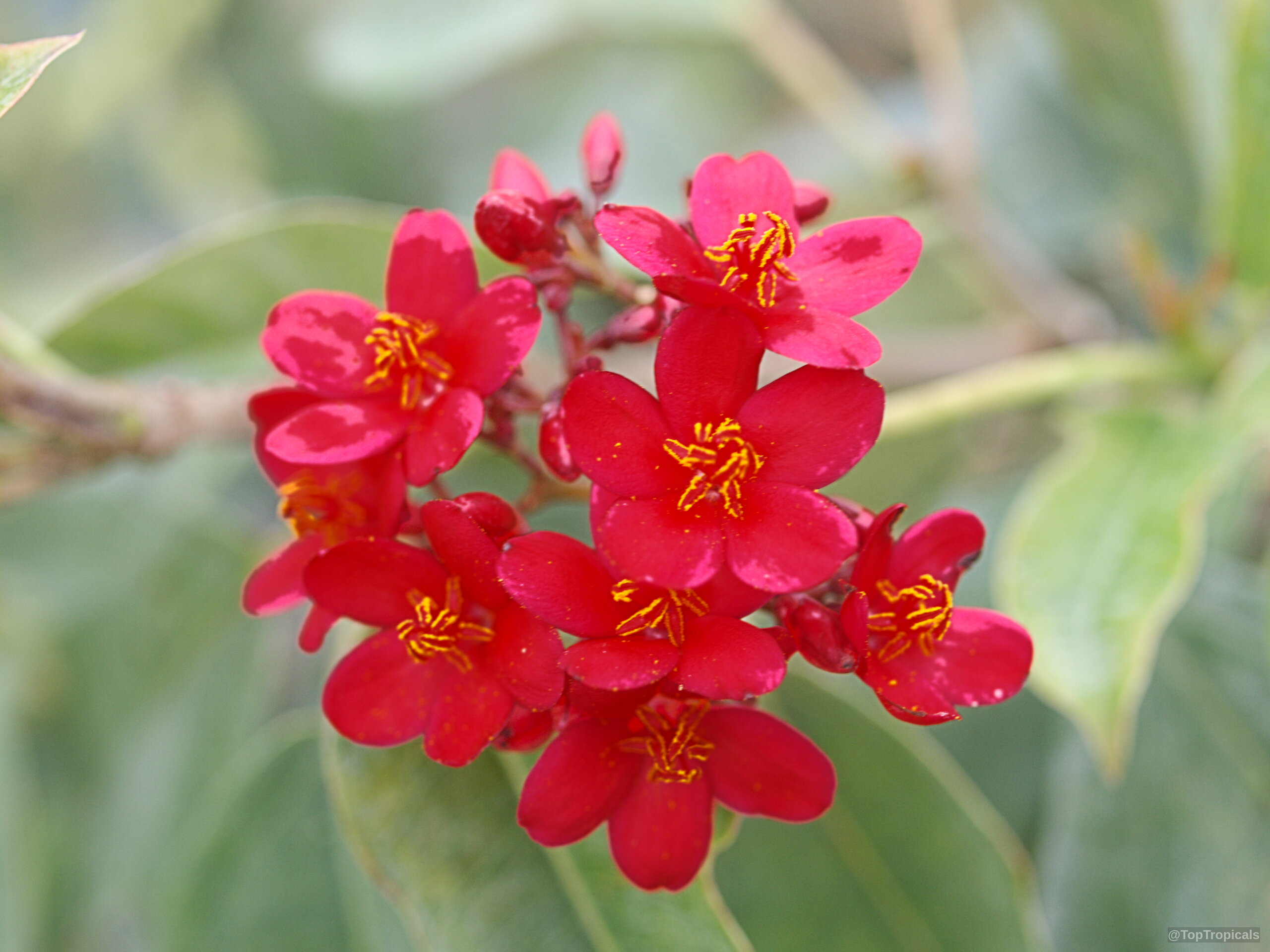
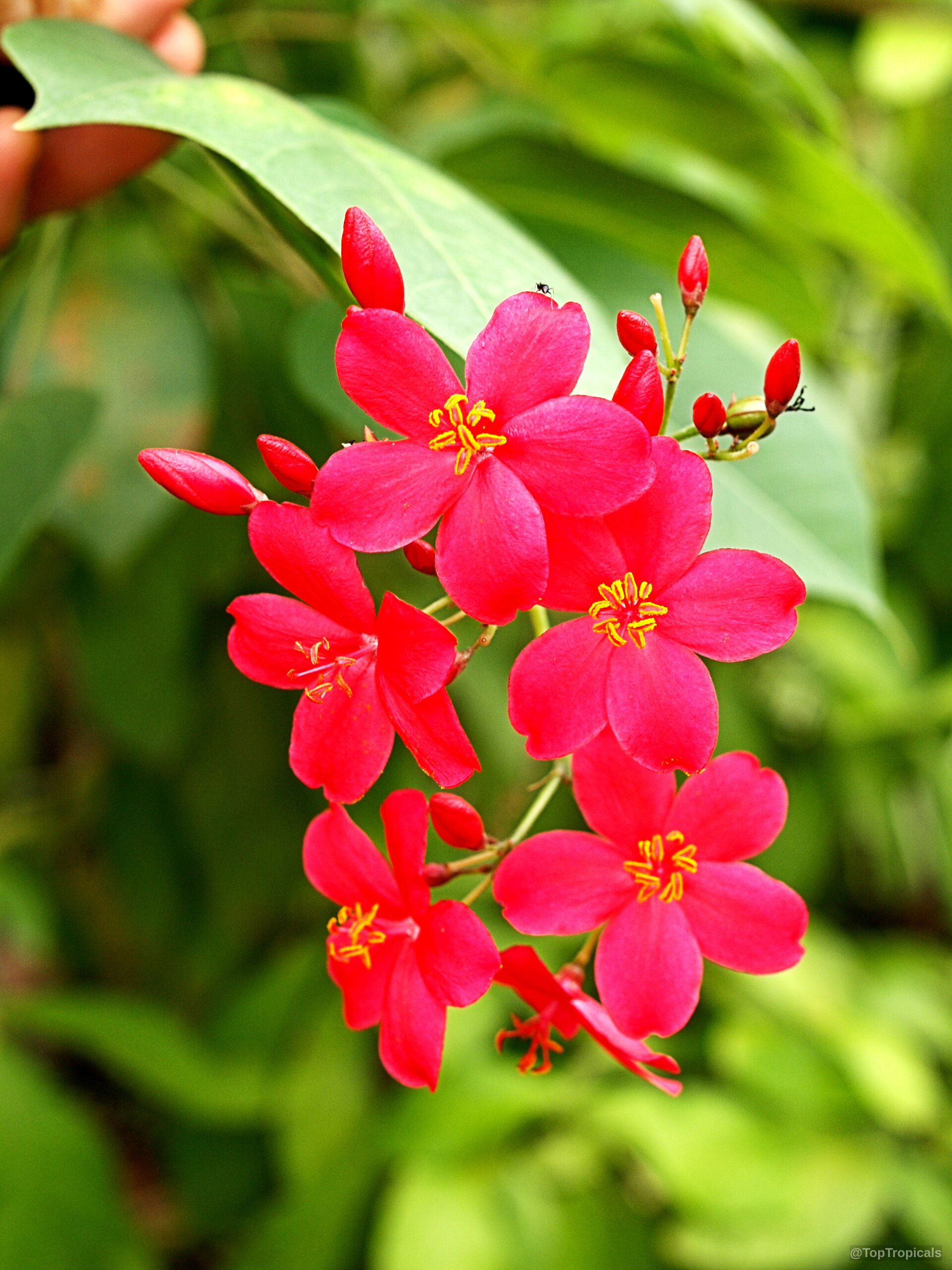
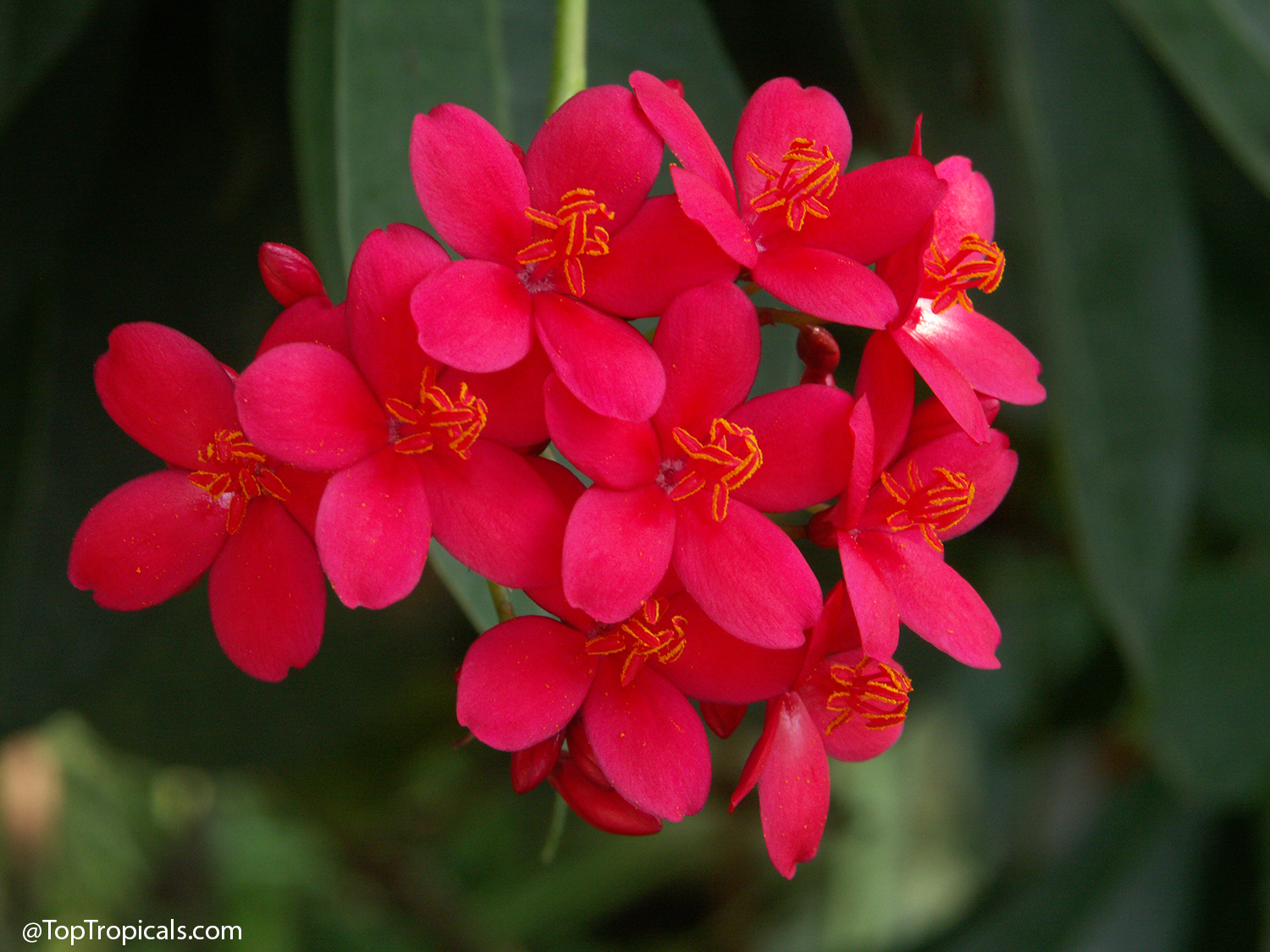
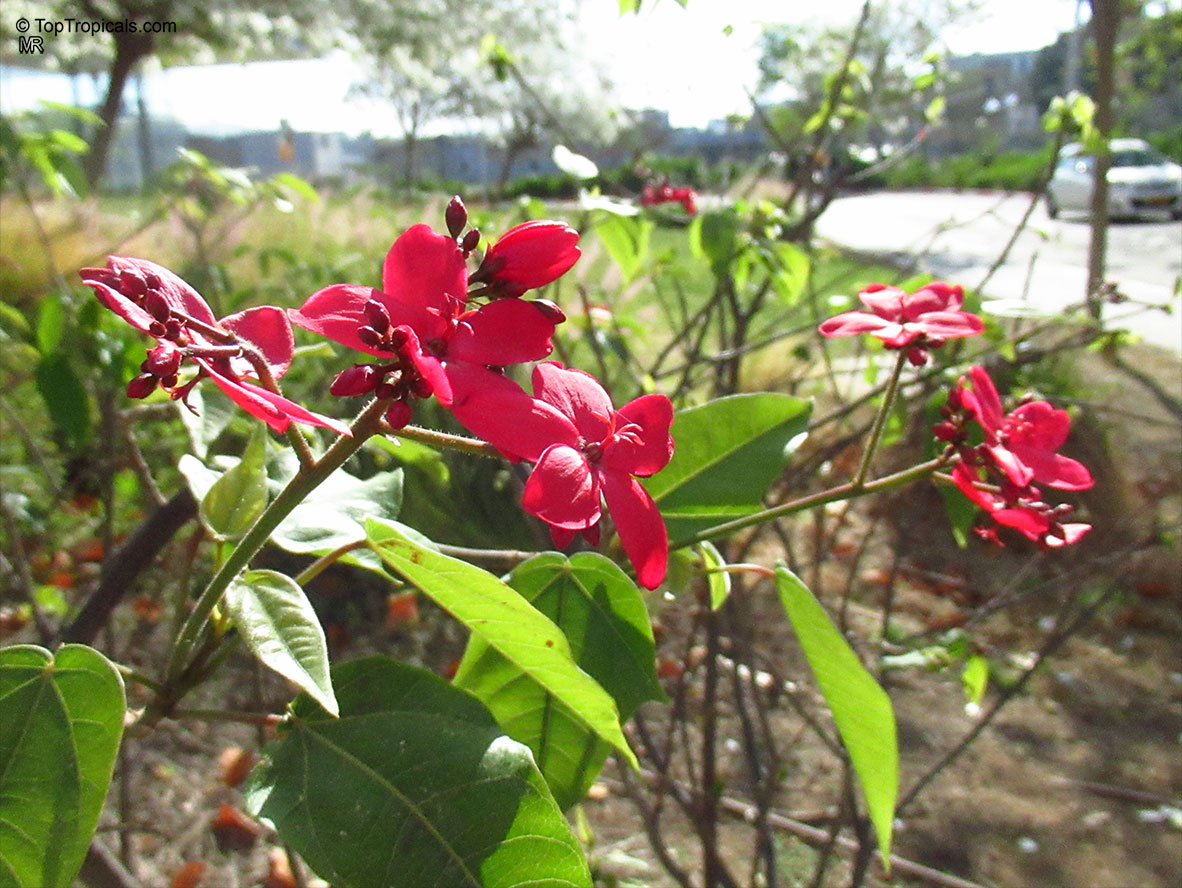
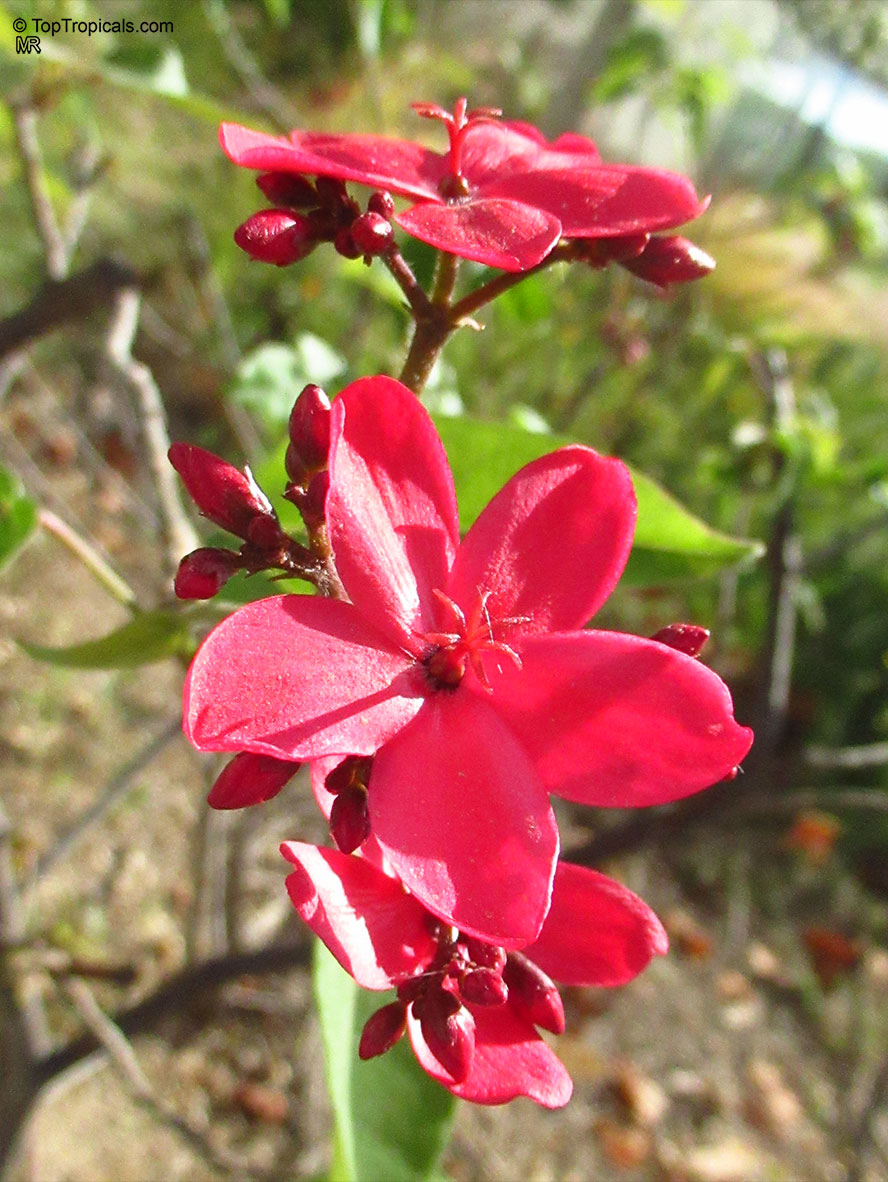
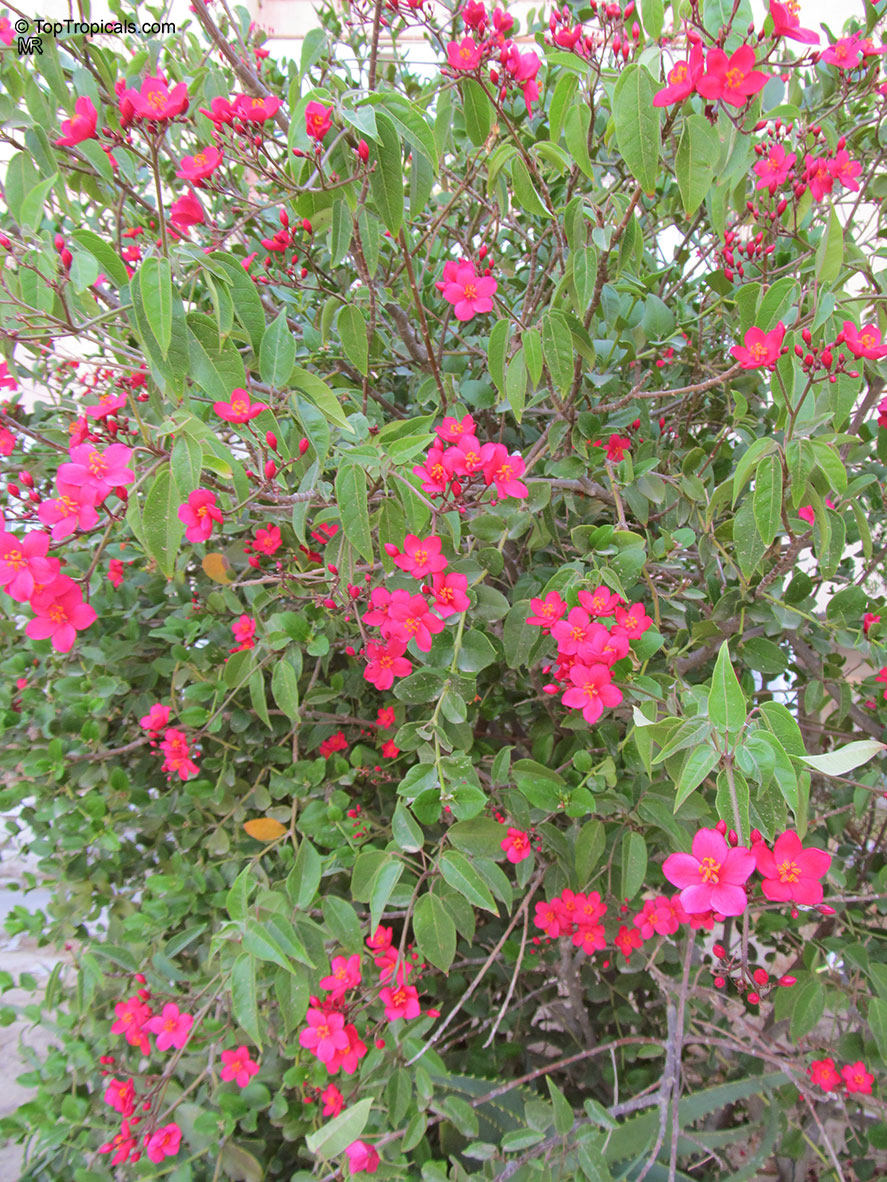
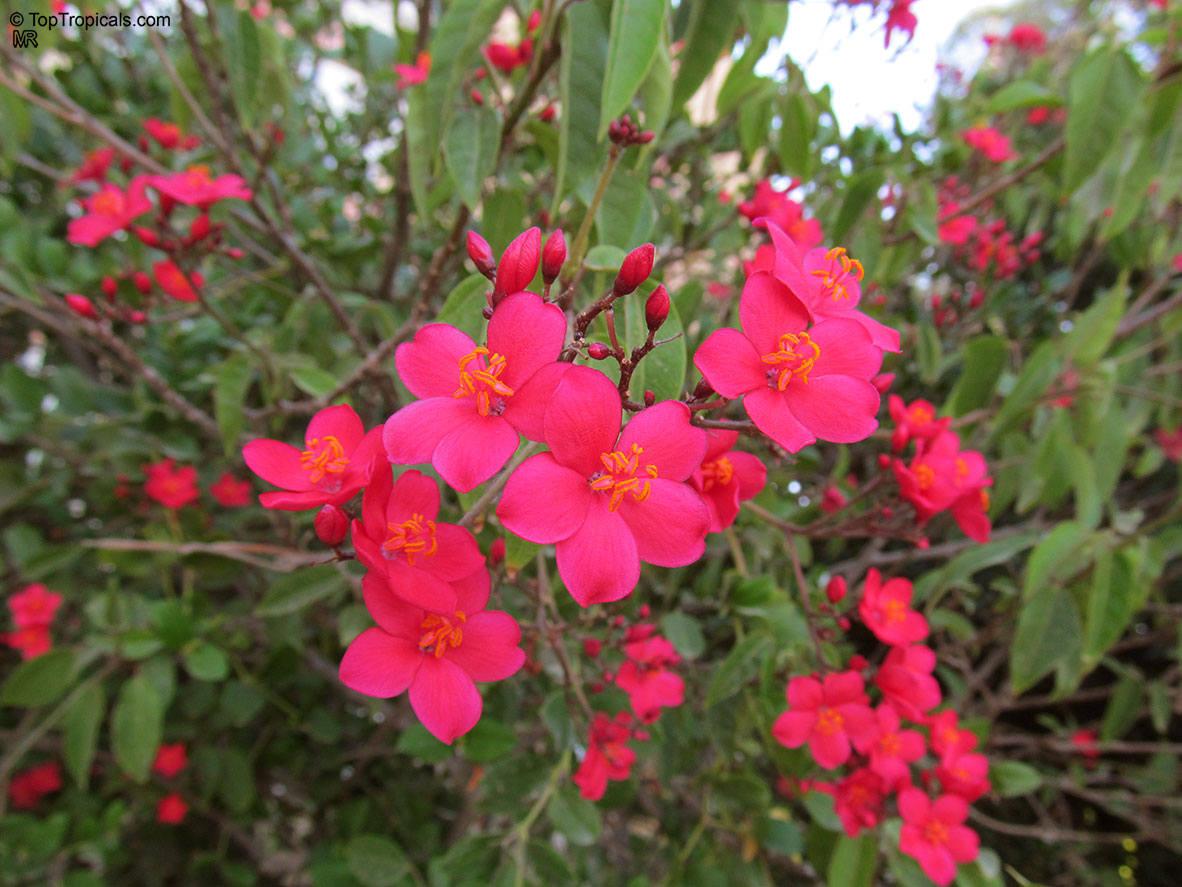
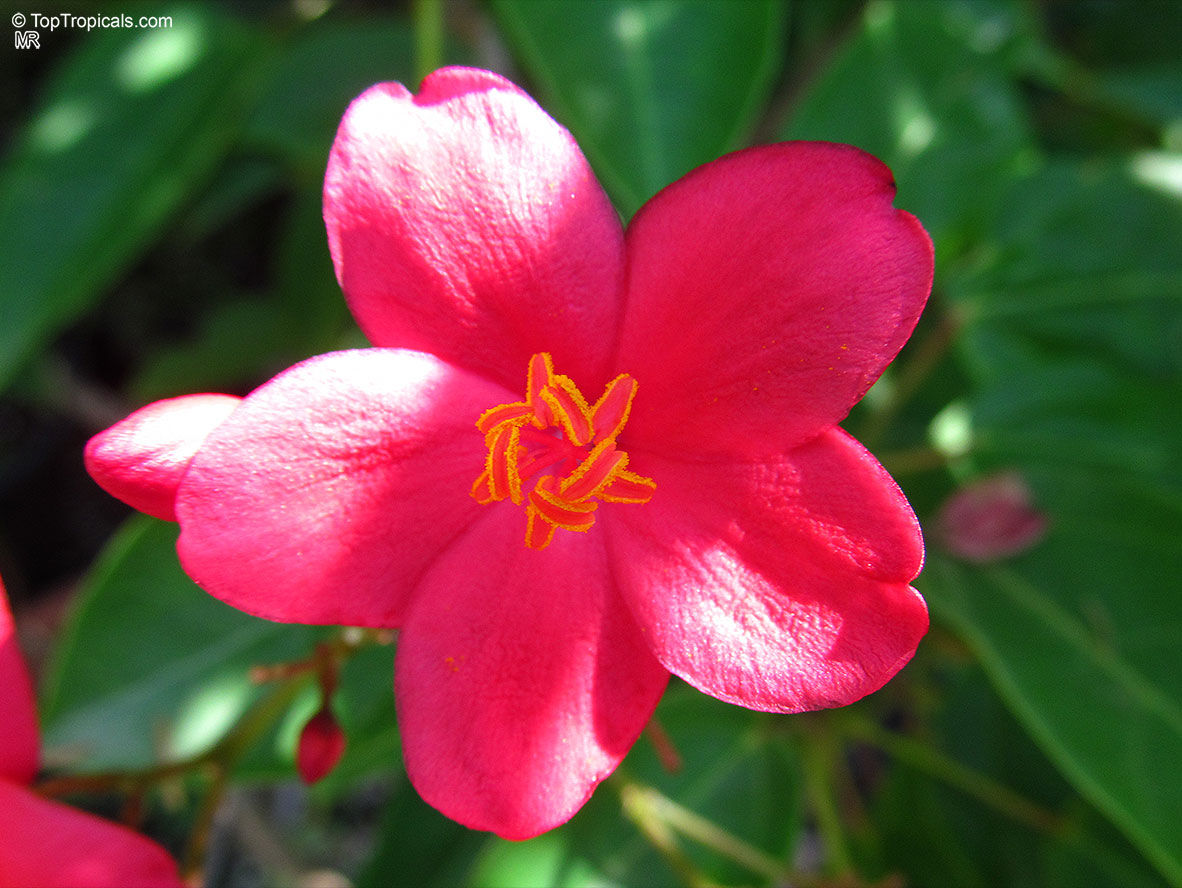
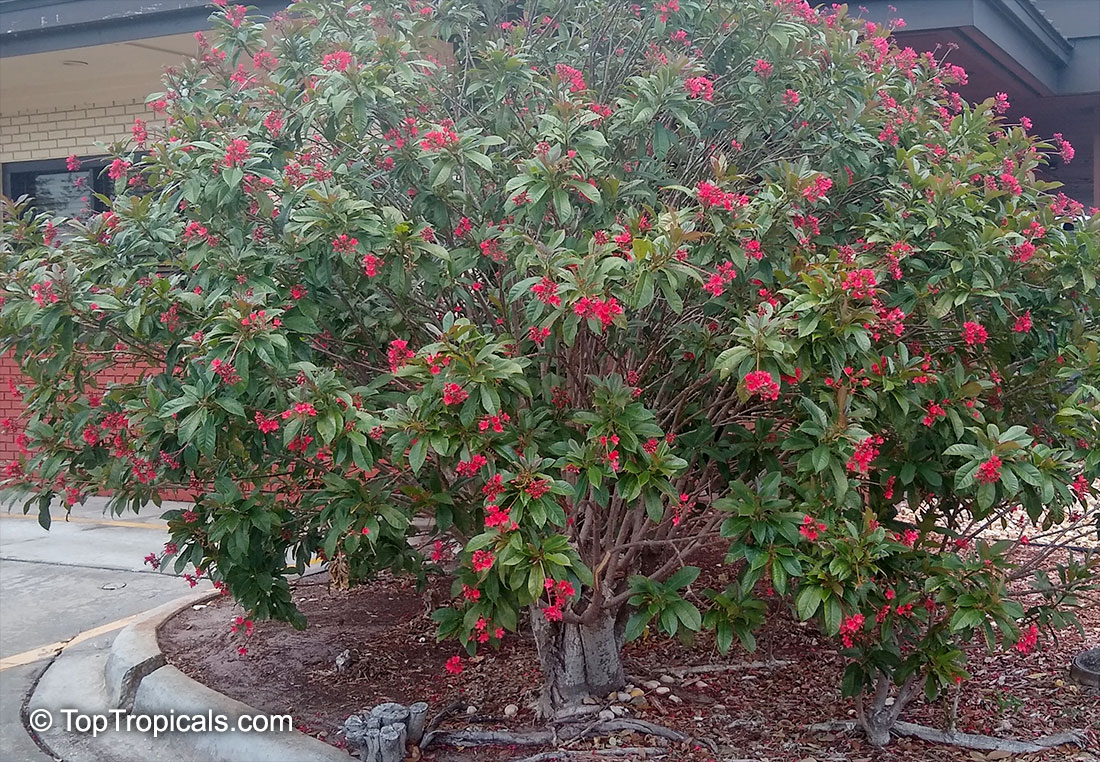
Jatropha integerrima, also known as Peregrina, is a striking plant with glossy leaves and clusters of scarlet flowers. It grows into a shrub or small tree with a rounded or narrow domed form, reaching a height of up to 15 feet and a spread of 10 feet. In cultivation, it is often smaller and may have several slender trunks, although it can be pruned to a single trunk. The leaves of Peregrina are highly variable, ranging from entire and elliptic or oval to fiddle-shaped or three-lobed. They are bronze when young and brownish on the underside. The flowers, which are about an inch across, appear in multi-flowered terminal clusters almost all year round. There is also a smaller, more compact cultivar called 'Compacta.'
Peregrina is tolerant of a wide range of soil types as long as they are well-draining. It blooms on the current year's growth, so it can be pruned at any time. It responds well to pruning and can be kept as a shrub, trained into a tree form, or used in espalier. It is also drought-tolerant and attracts butterflies and hummingbirds.
In addition to being a beautiful addition to gardens, Peregrina is also a good plant for seaside gardens due to its salt tolerance. While it can withstand temperatures down to the mid-30s for a short period of time, it is not reliably cold hardy in USDA Zone 9 and southward. In colder zones, it can be grown in a container and brought indoors during the winter. To plant Peregrina, choose a location with full sun to part shade and provide regular water. If grown in a container, use a well-draining soil mix and water regularly. When planting in the ground, enrich the soil with compost or rotted manure and mulch with a thick layer of organic material to retain moisture. Prune as needed to maintain the desired shape and size. It is important to note that Jatropha, like many euphorbias, contains a milky sap that can irritate sensitive skin and all parts of the plant are poisonous if ingested.





Recommended Fertilizer: SUNSHINE Megaflor - Bloom Nutrition Booster

Botanical names: Jatropha multifida, Adenoropium multifidum
Common name: Jatropha Tree
Family: Euphorbiaceae
Origin: Puerto Rico
USDA Zone: 9-10

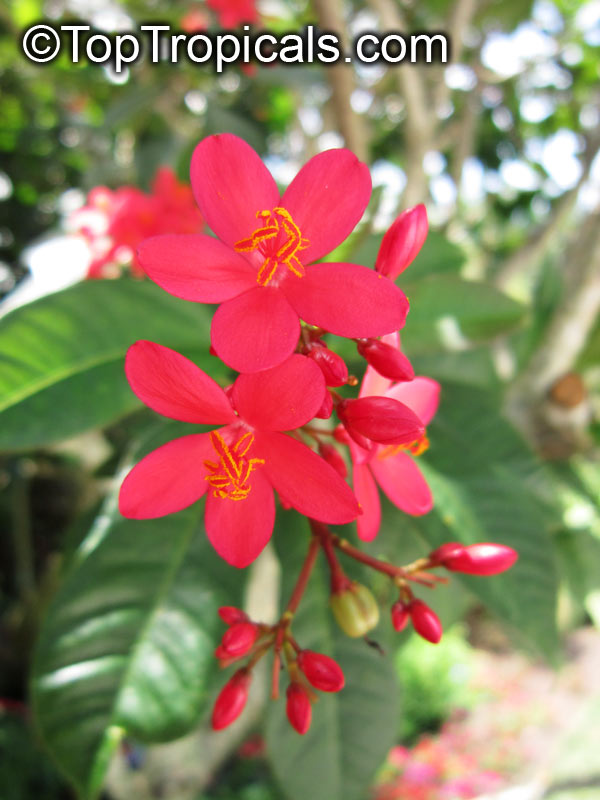
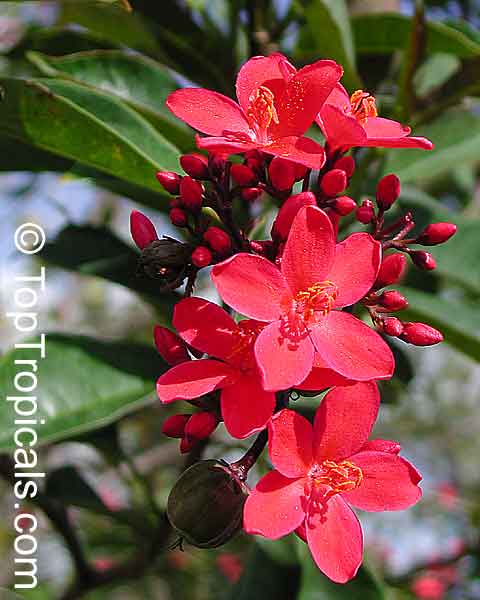
This lovely, everblooming species of Jatropha is native to Puerto Rico and can be grown in USDA zones 9-11. It's a large shrub that can reach up to 10 feet tall, and can easily be pruned to form a small tree. It's a great option for bonsai and container growers, as it can be grown in a pot indoors or on a patio.
Jatropha multifida is quite a showy plant, with bright red and crimson vinous flowers that pop against its glossy dark green foliage. It's very easy to grow from seed and is fast-growing, and will attract plenty of butterflies and hummingbirds to your garden. It prefers full sun and dry conditions, and is very salt and seaside tolerant, making it great for coastal places.
When growing Jatropha multifida in areas with cold climates, it's best to keep the plant in a container so you can bring it indoors during the winter. Plant it in well-draining soil, and water it regularly while keeping in mind that it tolerates periods of drought. It's quite a tough plant and is able to resist common pests, but watch out for its irritating sap.
In conclusion, Jatropha multifida is a beautiful, everblooming and sun-loving plant that will bring plenty of color and butterflies to your garden. With its hardy, salt-tolerant nature and easy-to-grow-from-seeds habit, it's a great choice for any kind of landscape, even in colder climates. Just keep an eye on its irritating sap and enjoy its attractive showy flowers and abundant yellow fruits.


Recommended Fertilizer: SUNSHINE Megaflor - Bloom Nutrition Booster

Botanical name: Jatropha unicostata
Common name: Jatropha
Family: Euphorbiaceae
Origin: Socotra
USDA Zone: 9-10


Jatropha unicostata is endemic to Socotra island Yemen.


Botanical name: Jatropha mahafalensis
Common name: Jatropha
Family: Euphorbiaceae
Origin: Madagascar
USDA Zone: 9-10


Botanical name: Jatropha curcas
Common names: Physic Nut, Purging Nut
Family: Euphorbiaceae
Origin: South America
USDA Zone: 9-11


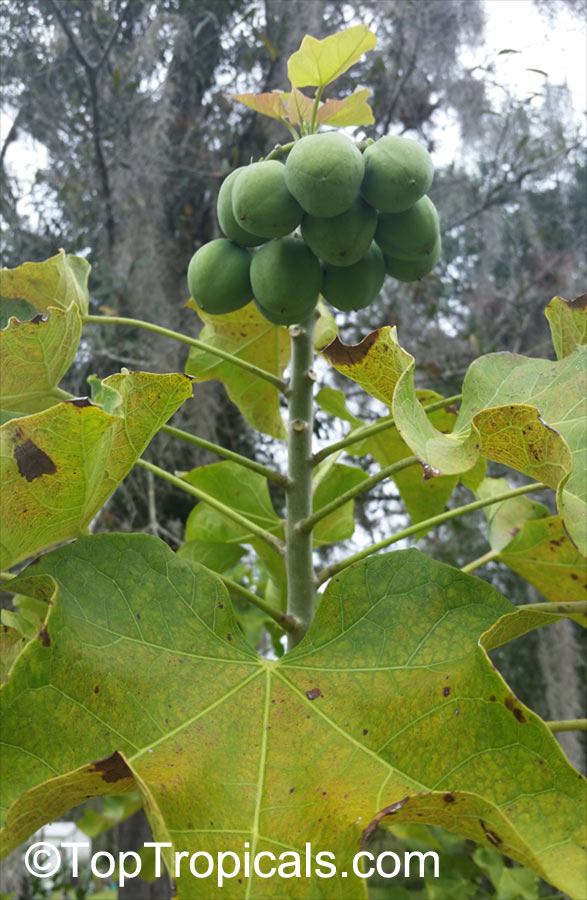
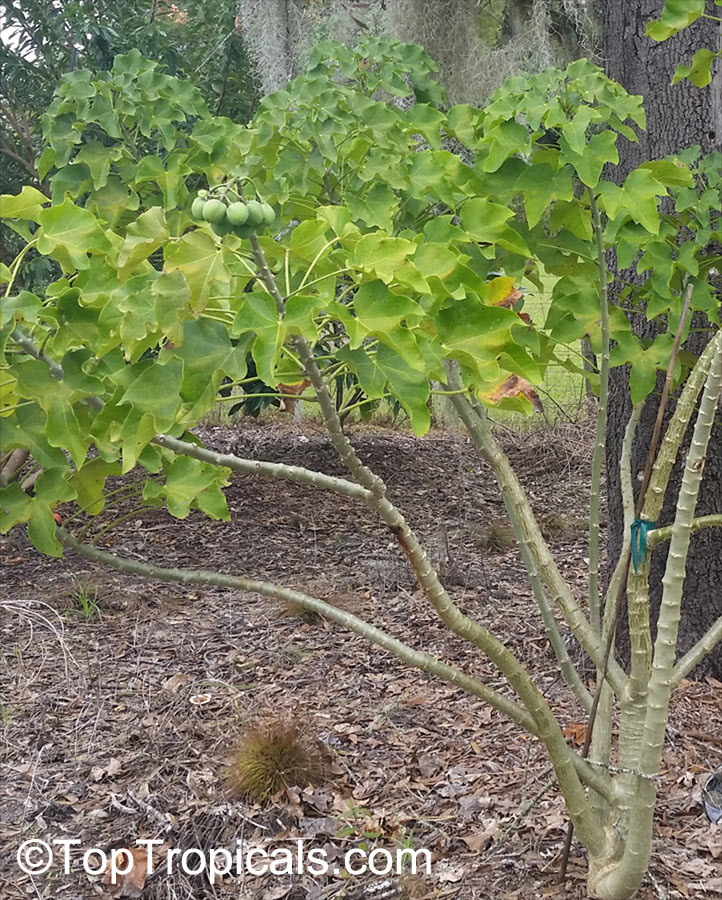
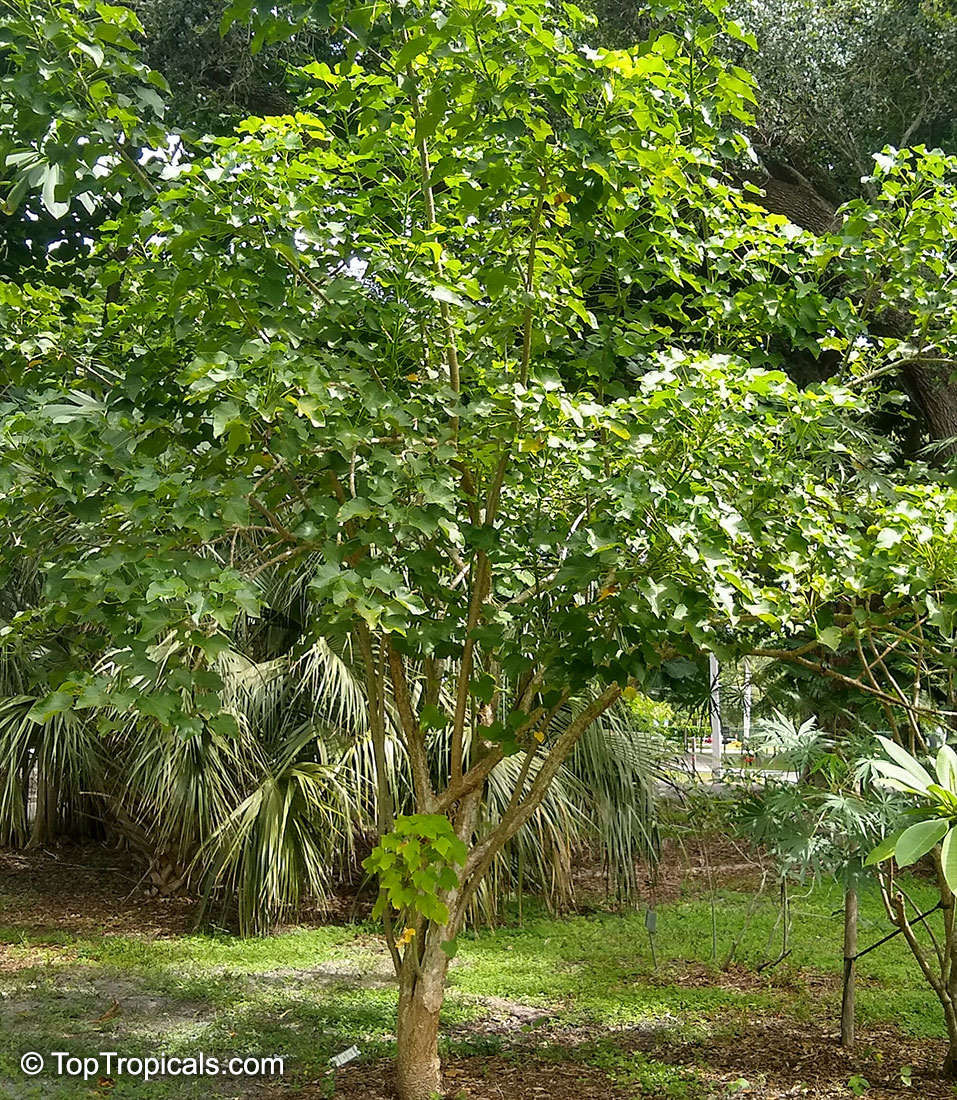
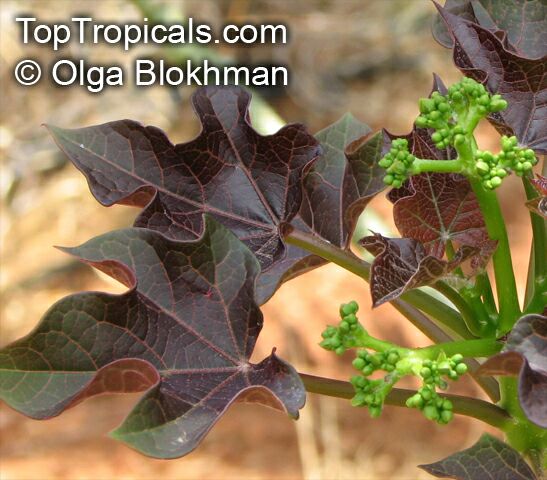
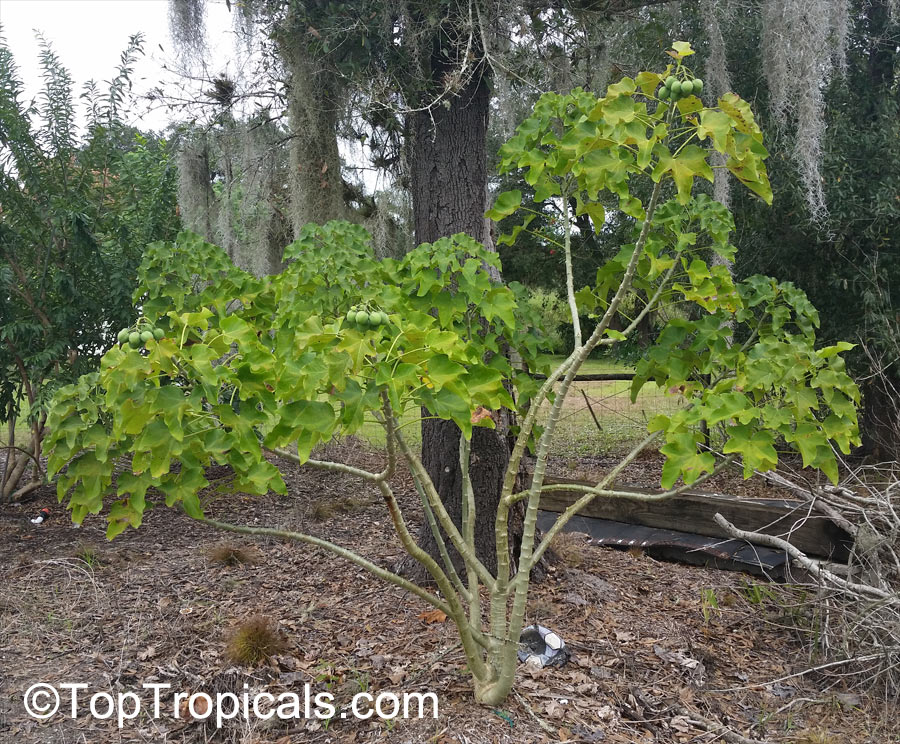
Jatropha curcas (Physic Nut) is a shrub, growing to heights up to 10 feet tall. It is a deciduous plant which is native to South America and is now cultivated in tropical and subtropical regions of the world. The leaves are green and the flowers are white to off-white in color. The plant is valued for its ornamental foliage and pleasing contrast.
Medicinal and ethnomedical uses of Jatropha curcas have been known for a long time, chiefly for its extremely toxic seeds and fruits. The plant has also been used for its oil, primarily for making candles and soap. Furthermore, the oil has industrial purposes and is now used as a feedstock for producing biodiesel. Jatropha curcas can be grown in USDA hardiness zones 9-11 in full sun or partial shade. It needs moderate water during its growing season and prefers well-drained soils. However, it is drought tolerant and can tolerate periods of drought and heat.
When grown in pots, Jatropha curcas can - with proper care - tolerate cold temperatures down to the 30s F for a short period of time. It should be moved indoors, to a bright area, when temperatures drop to freezing. During winter, the plant should be watered once every two weeks. In the spring, when the plant starts growing, more frequent watering is preferred and fertilizer can be added every once in a while to promote growth and blooming. Deadheading of flowers is also helpful as it encourages more blooming. During hot summer months, the plant should be protected from direct sunlight and hot winds.
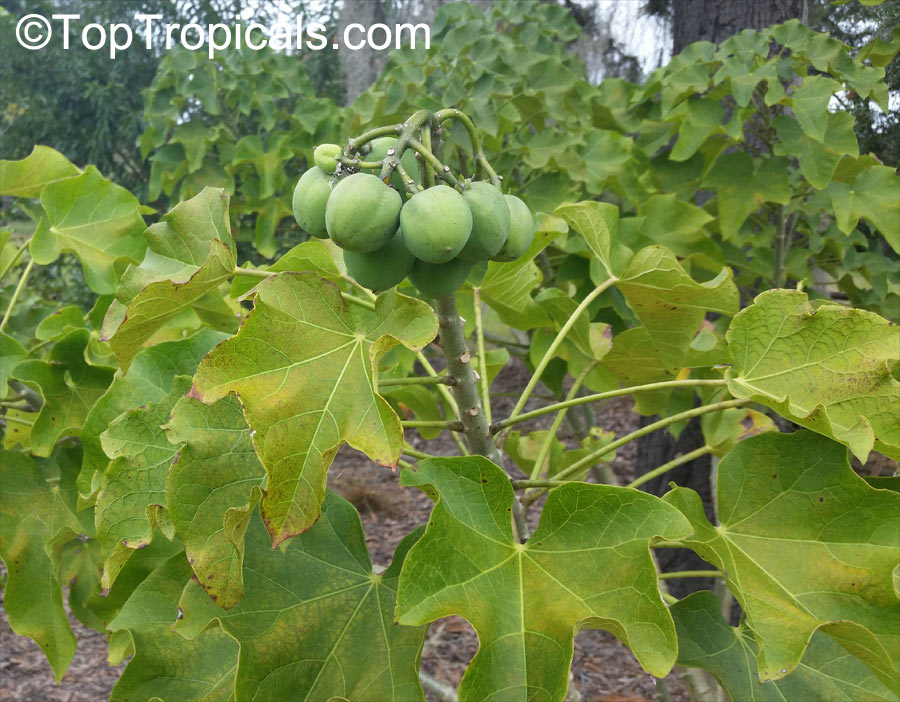
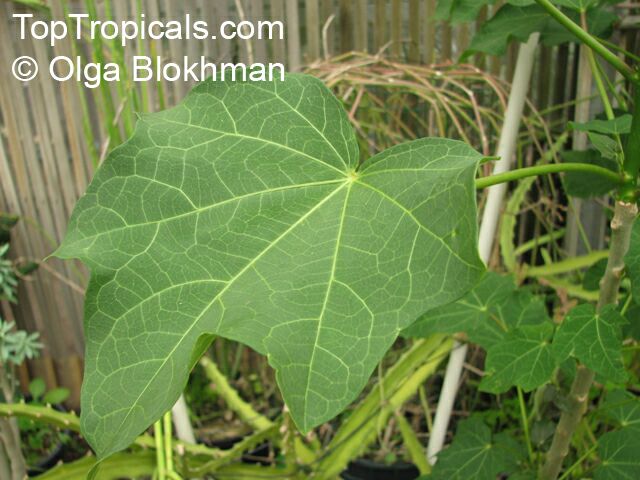
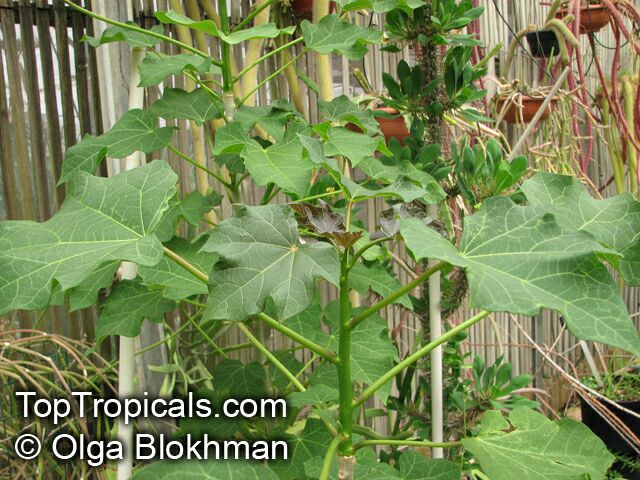
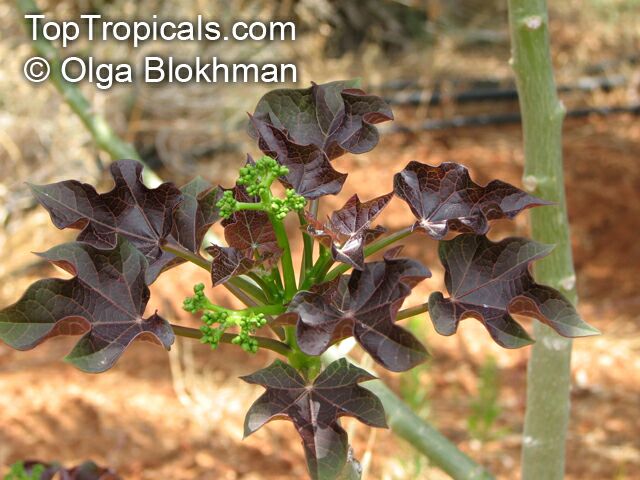

Botanical name: Jatropha gossypiifolia
Common names: Bellyache bush, Cotton Leaf, Physic nut, Sibidigua, Tua-Tua
Family: Euphorbiaceae
Origin: Tropical America
USDA Zone: 8-11

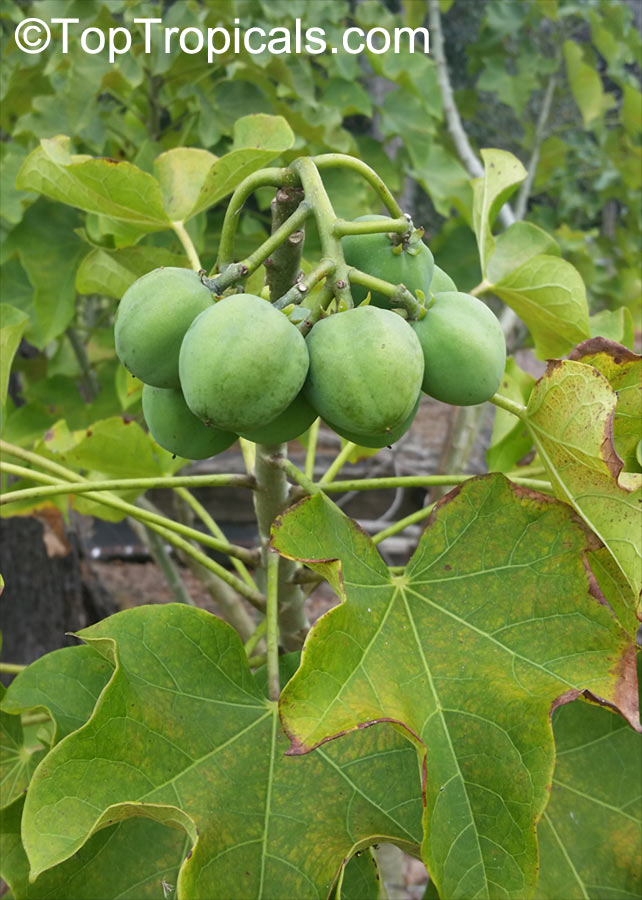
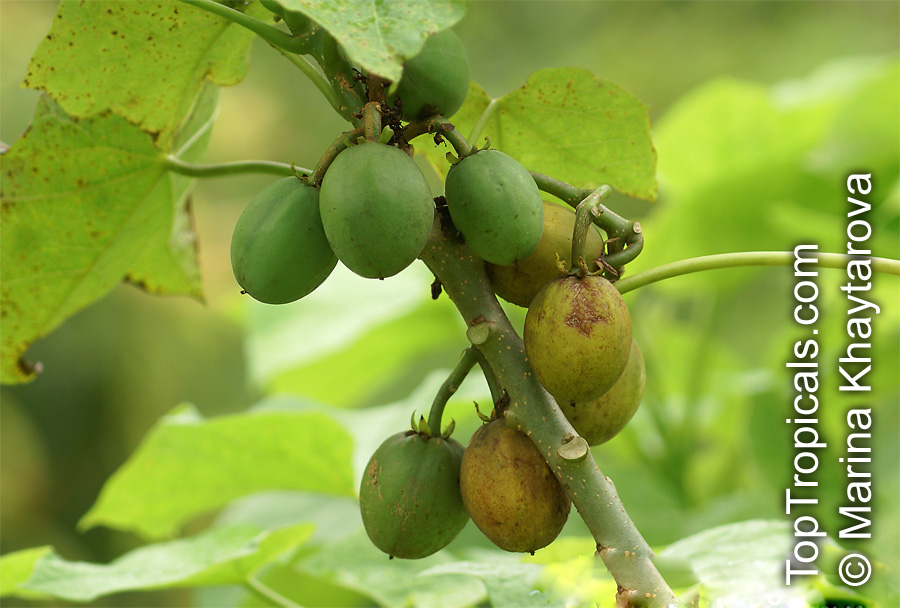
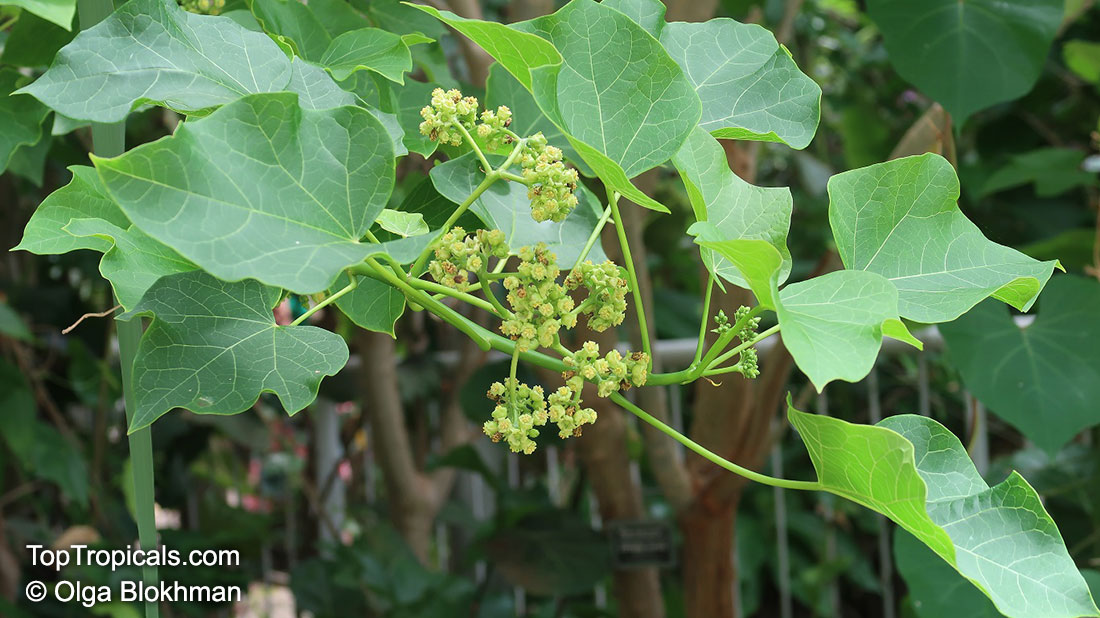
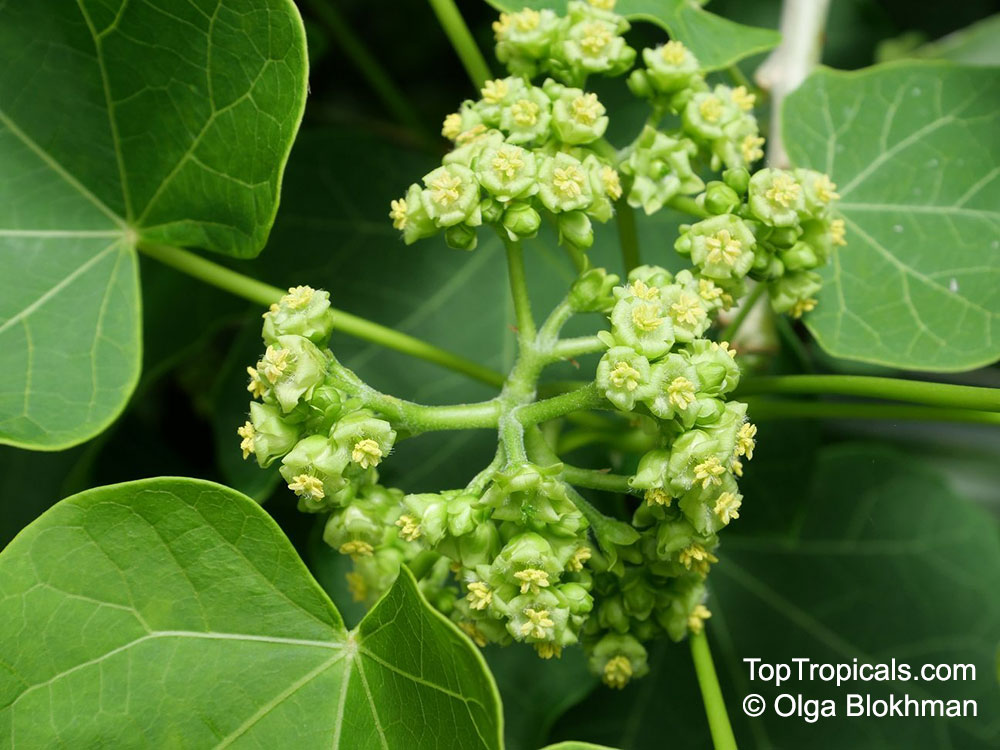
Jatropha gossypiifolia (Bellyache bush) is a large shrub that typically grows up to 5-10 ft tall and is native to tropical regions of America. The plant requires full sun or semi-shaded conditions and regular watering. The vibrant red or crimson flowers of the plant have a vinous odor and are known to attract butterflies and hummingbirds. In addition, the plant has medicinal properties and is used as an ethnomedical plant, though the sap may be irritating on contact. Jatropha gossypifolia is similar to Jatropha curcas but the leaf stalks are covered with coarse dark brown hairs and the young leaves are sticky.
Jatropha gossypifolia, the plant is suitable for growing in USDA Zones 9-11 and does well in large pots or containers in colder regions. Due to its narrow root system, it's important to keep the potting mix consistently moist, but not wet, throughout all seasons. In order to maintain best performance, the soil should be well-draining and of the highest quality organic compost. Regular applications of fertilizer during the growing season will result in more flowers and better overall plant health. As the plant is strongly susceptible to fungal diseases, it is recommended to avoid over-watering and regularly inspect for signs of fungal infection.
The capsular fruit contains three tiny brown seeds. All parts are considered toxic but in particular the seeds.


Botanical name: Jatropha podagrica
Common names: Gout Plant, Gout Stick, Buddha Belly, Guatemala Rhubarb, Tartogo
Family: Euphorbiaceae
Origin: Guatemala, Honduras, Nicaragua
USDA Zone: 10-11

Jatropha podagrica, commonly known as Buddha Belly Plant, Gout Plant, or Bottle Plant, is a deciduous, caudiciform succulent shrub in the Euphorbiaceae family, native to seasonally dry tropical forests of Central America, particularly Guatemala, Honduras, and Nicaragua. It develops a distinctive swollen, bottle-shaped trunk, often reaching three to six feet tall, with a narrow upper stem bearing large, long-stalked, palmately lobed leaves. The foliage is bright green, usually with three to five broad lobes, and may be shed during dry or cool periods. Showy clusters of small, bright coral-red to orange-red flowers appear on long stalks above the leaves. The fruits are three-lobed capsules that split explosively when ripe, scattering the seeds.
Jatropha podagrica grows best in full sun to partial shade and well-drained soil, with moderate watering during active growth and reduced moisture during winter dormancy. The swollen trunk stores water, allowing the plant to tolerate dry periods, but prolonged wetness can cause root rot. It is frost-sensitive and suitable for outdoor cultivation in USDA Zones 10-11; in colder climates it makes an excellent container plant. Flowering may continue even when the plant is leafless. All parts are poisonous, especially the seeds, and the milky sap can irritate the skin.




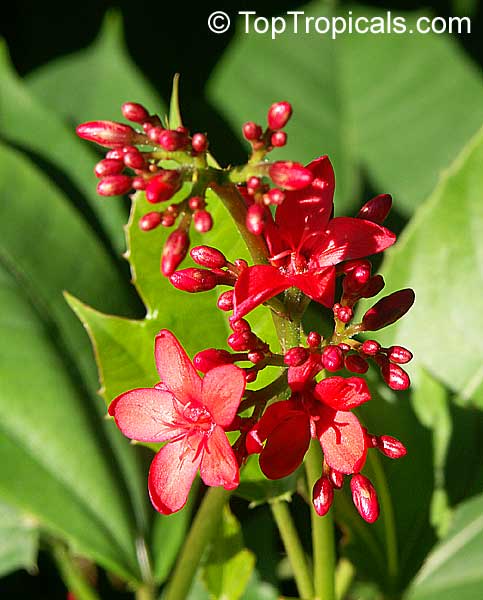
Botanical name: Jatropha sp.
Common name: Coral Plant
Family: Euphorbiaceae
USDA Zone: 9-12

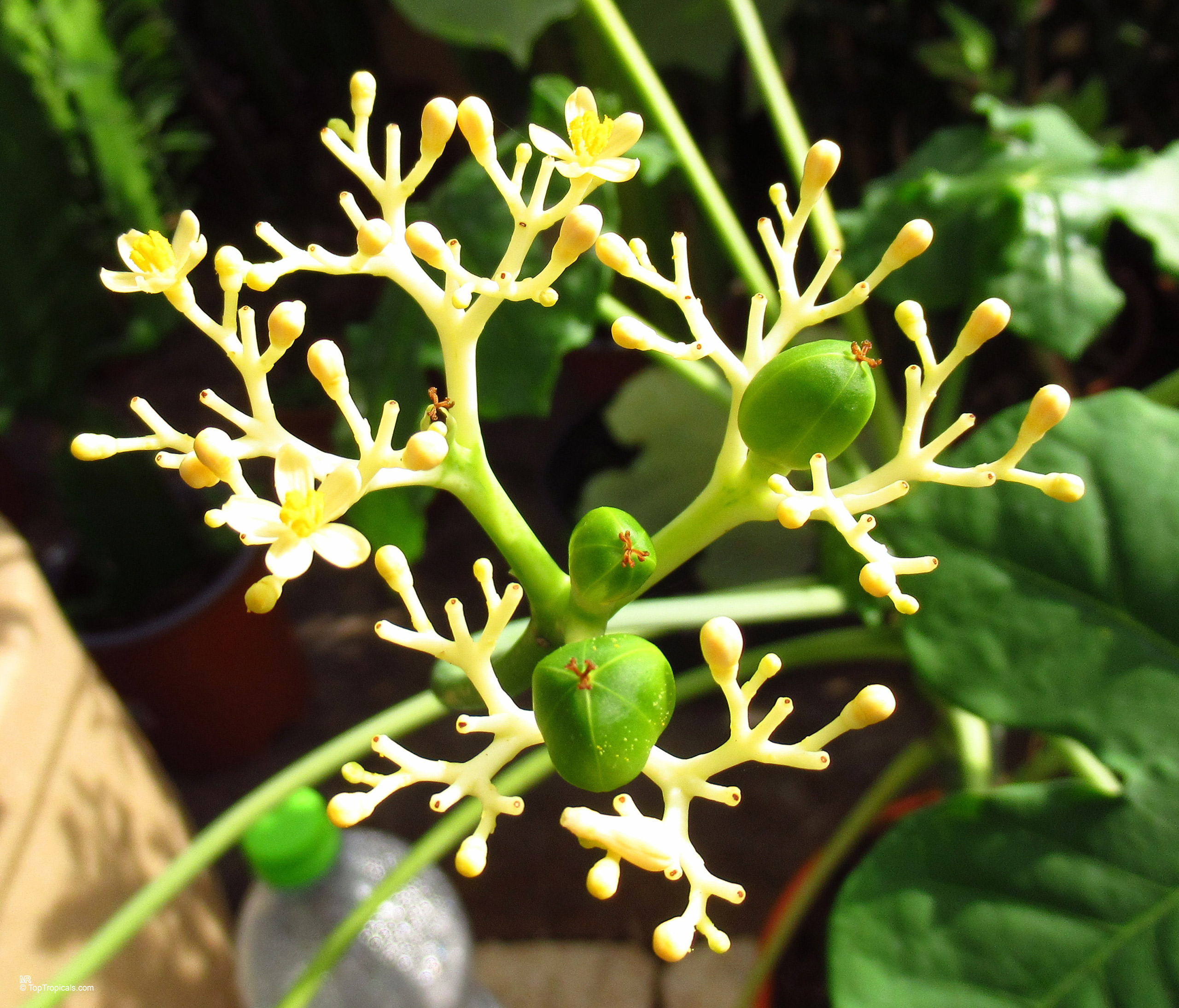
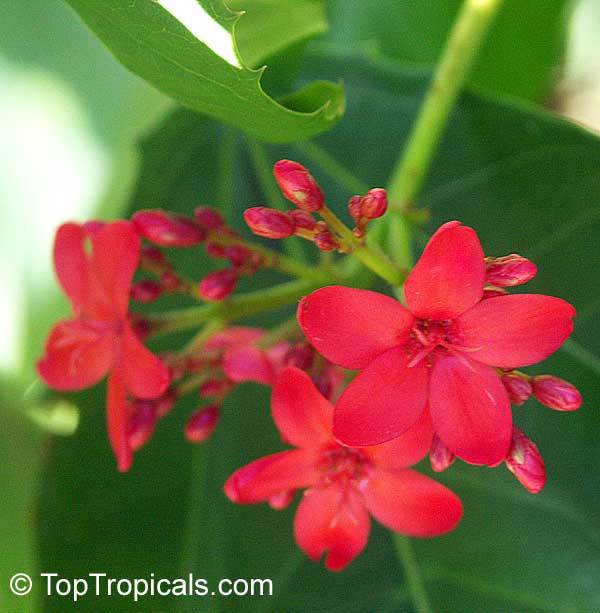
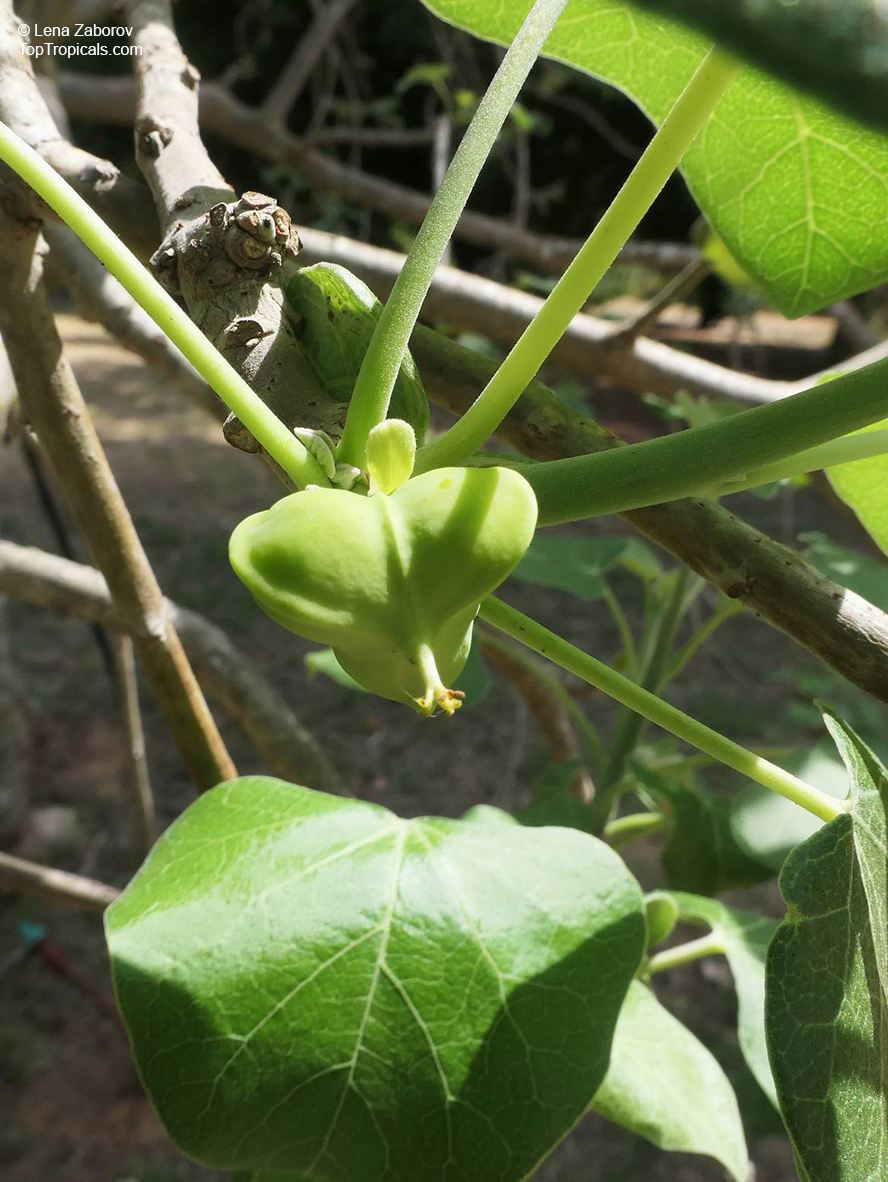
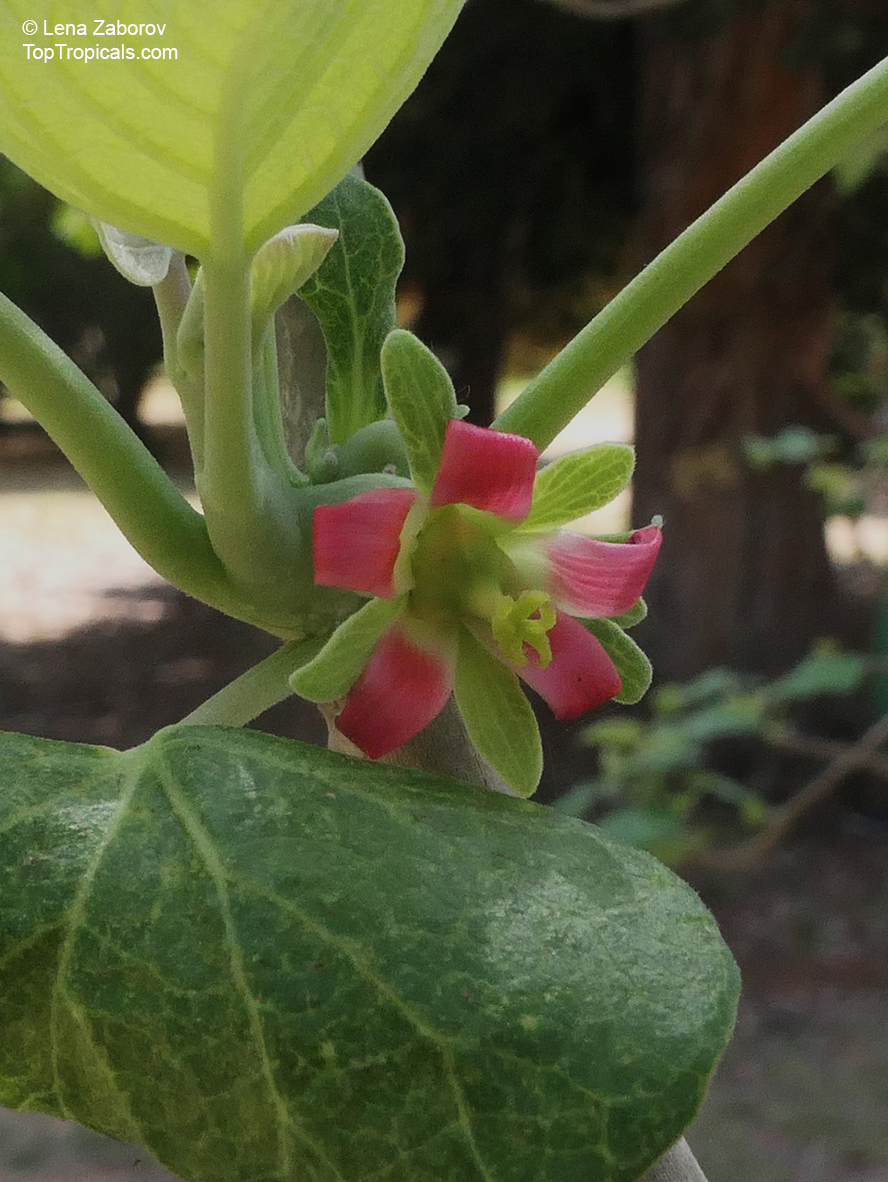
This is a decorative small specimen tree or shrub with sparse branches that grows up to 10 ft. The light green leaves , the flowers small but bright red or pink and appearing in considerable numbers on red stems. Makes a good potted plant but can also be used in a small garden and as border plant. Partial sun and a well-drained soil are preferred.
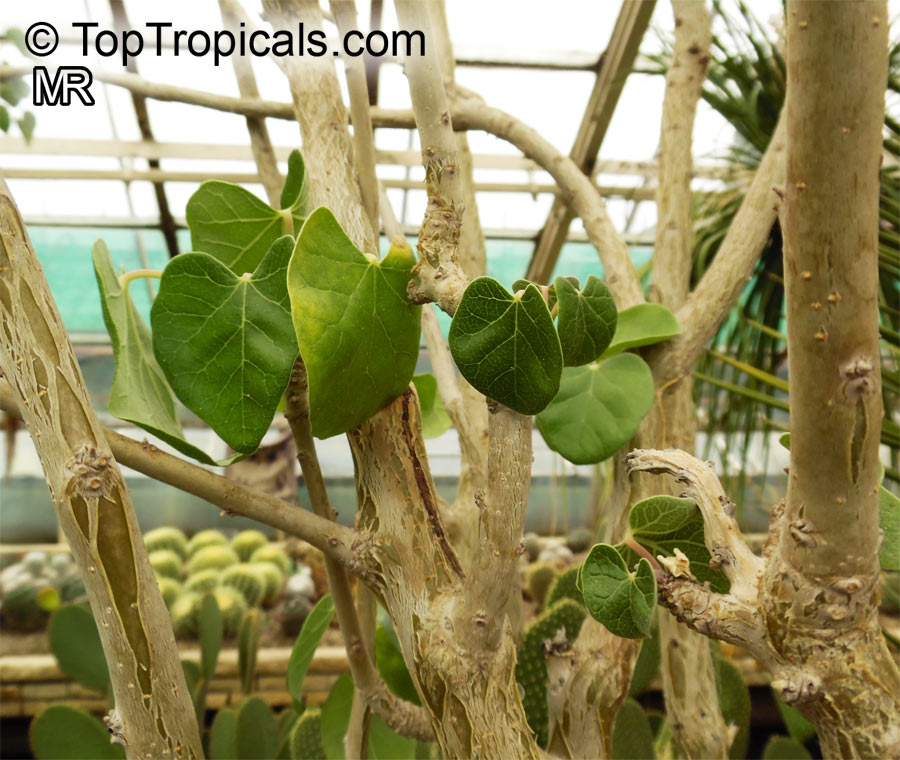
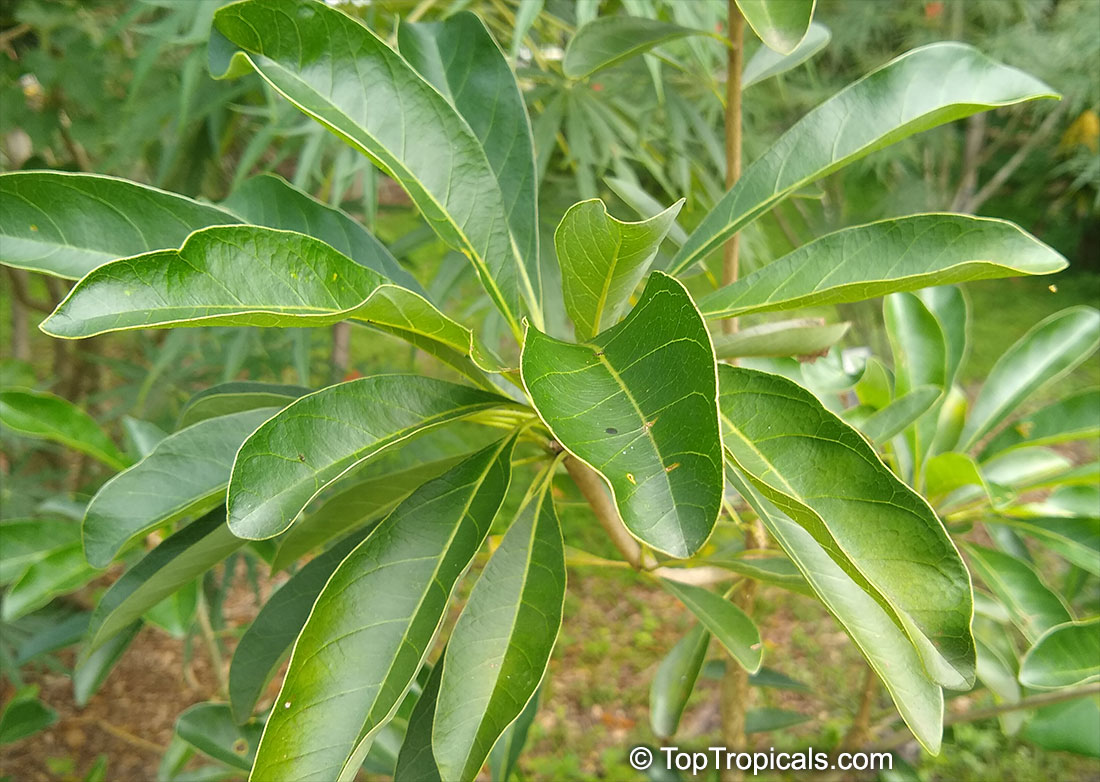
Botanical name: Cnidoscolus aconitifolius
Common names: Spinach Tree, Tread Softly, Cabbage Star, Chaya
Family: Euphorbiaceae
Origin: Central America, Mexico
USDA Zone: 9-11
Cold tolerance: 30°F


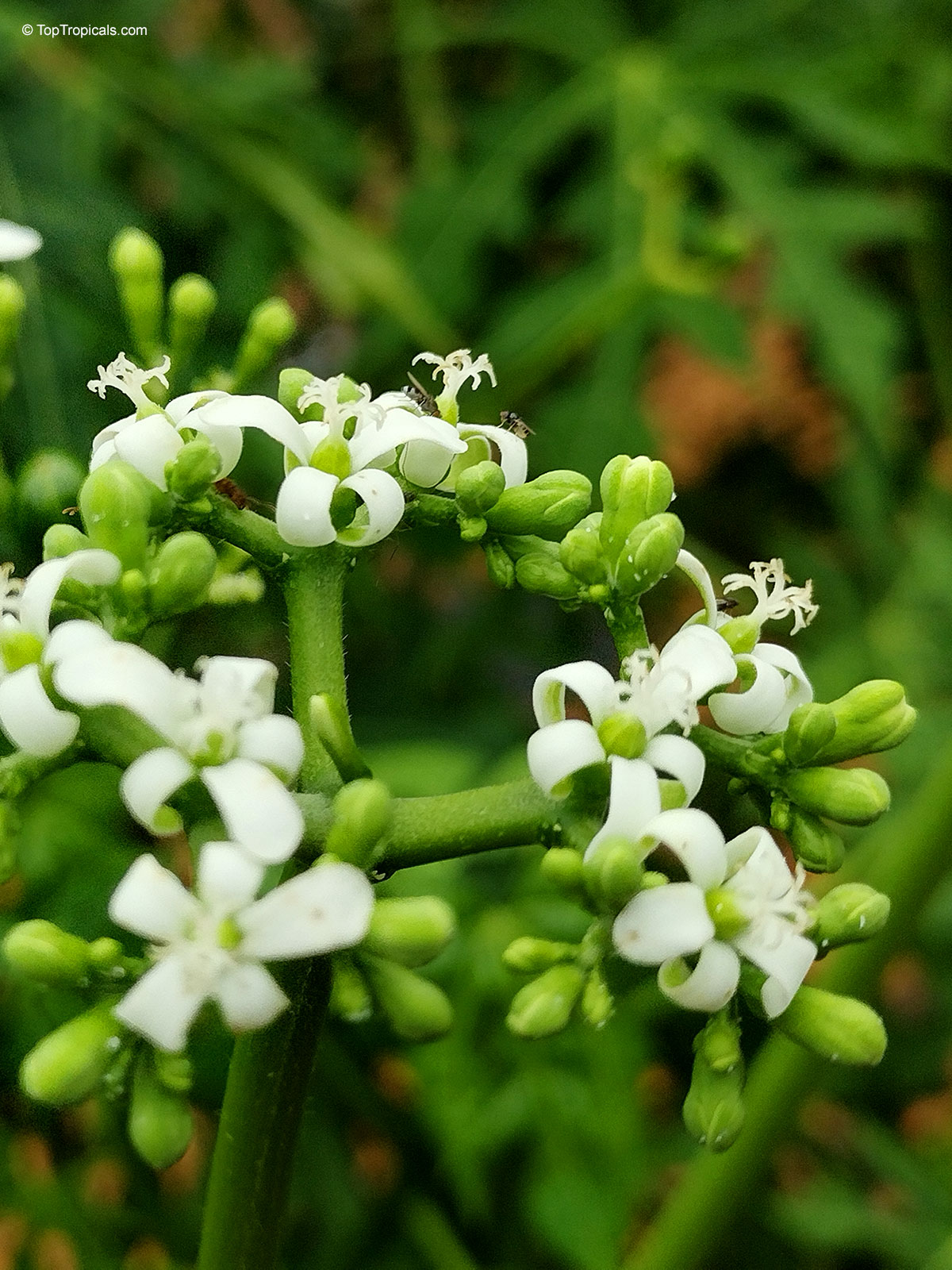
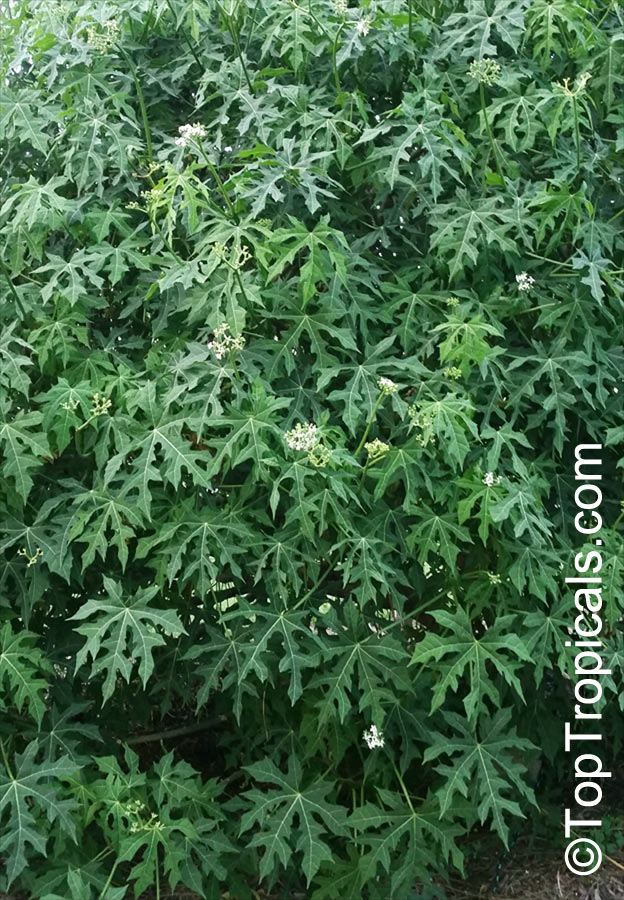
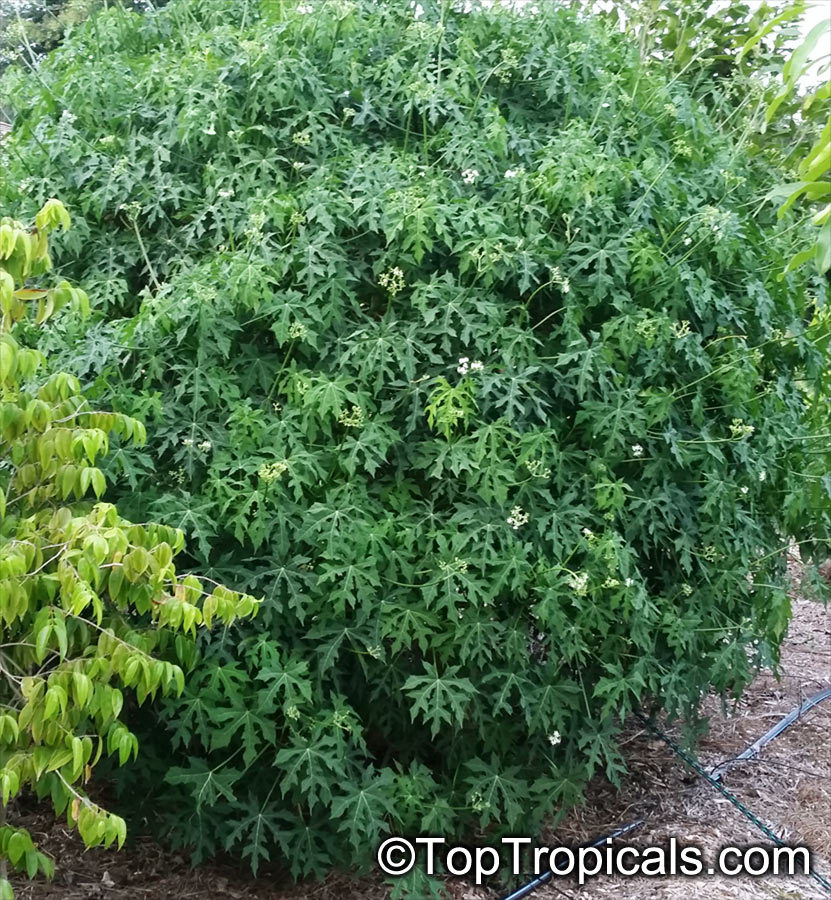
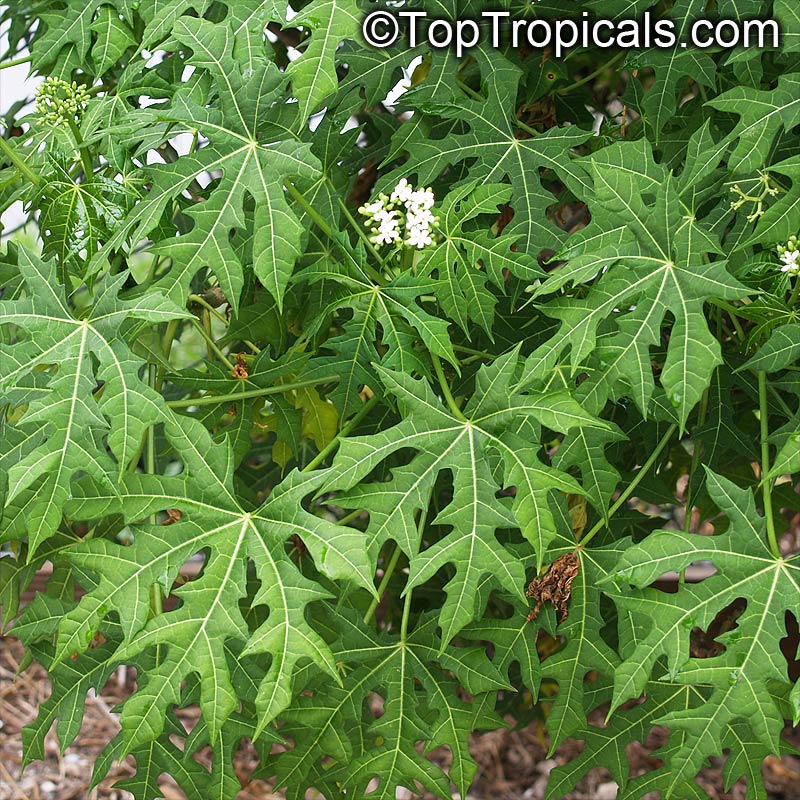
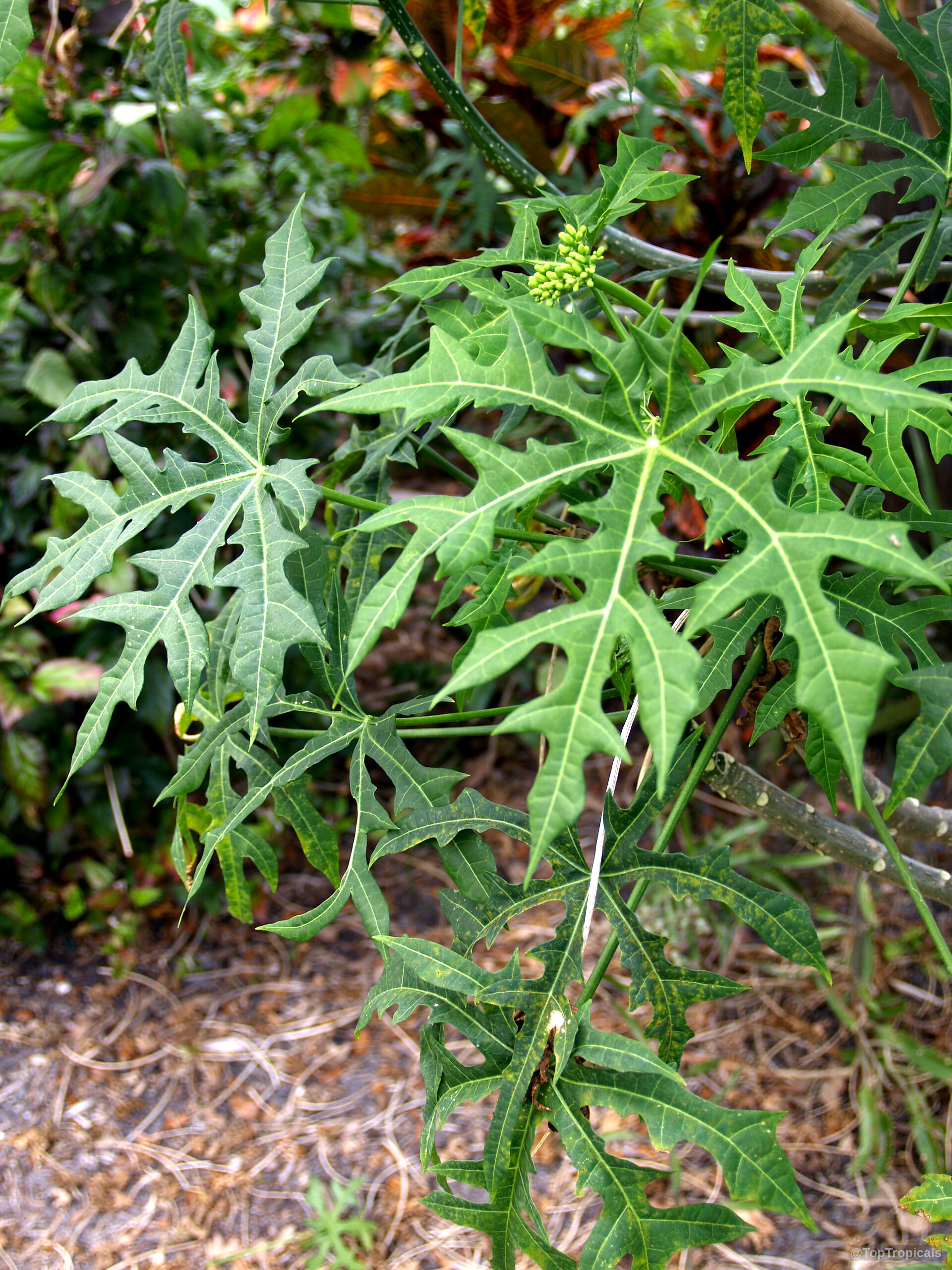
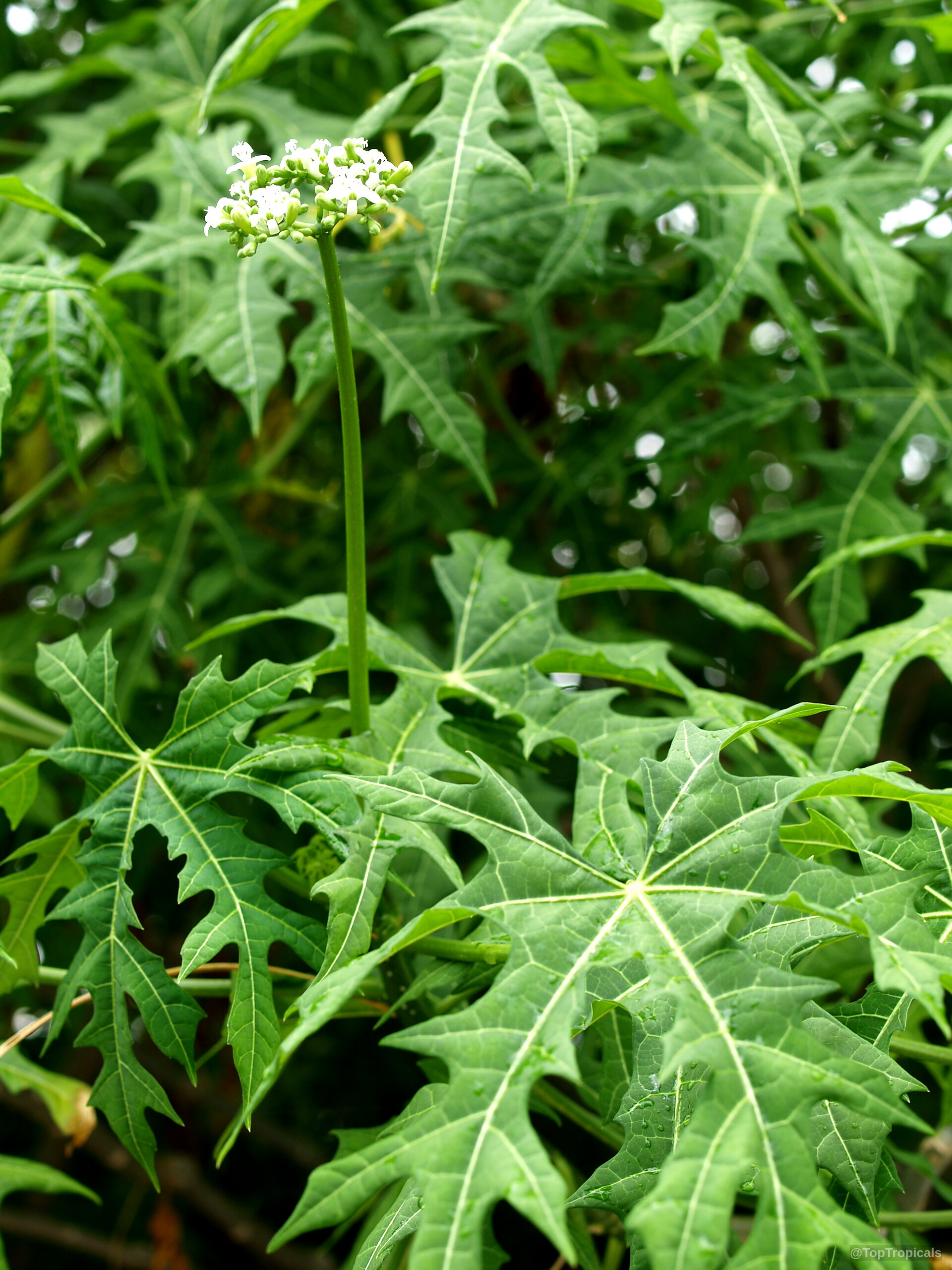
Chaya is a highly nutritious leafy green native to the Yucatan Peninsula. Rich in protein, calcium, iron, and vitamins A and C, Chaya offers a host of health benefits. Traditional uses include aiding digestion, improving circulation, and promoting lactation. Additionally, it has been utilized in folk medicine to address conditions such as diabetes, anemia, and high blood pressure.
However, it's crucial to note that chaya leaves must always be thoroughly cooked - boiled for at least 5 to 15 minutes - to neutralize hydrocyanic glycosides compounds and make them safe to eat.
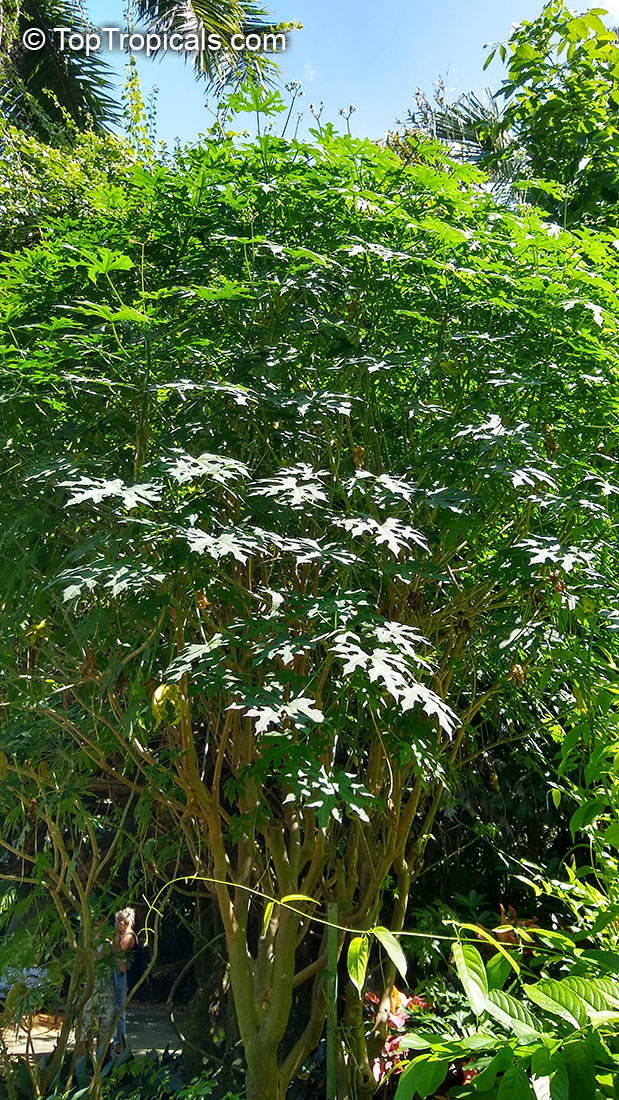
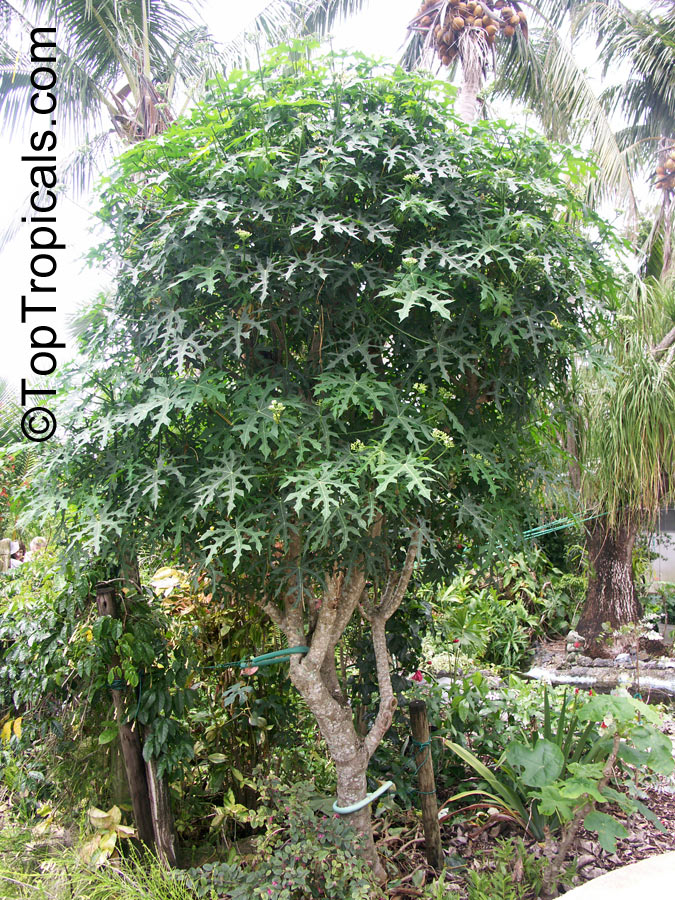
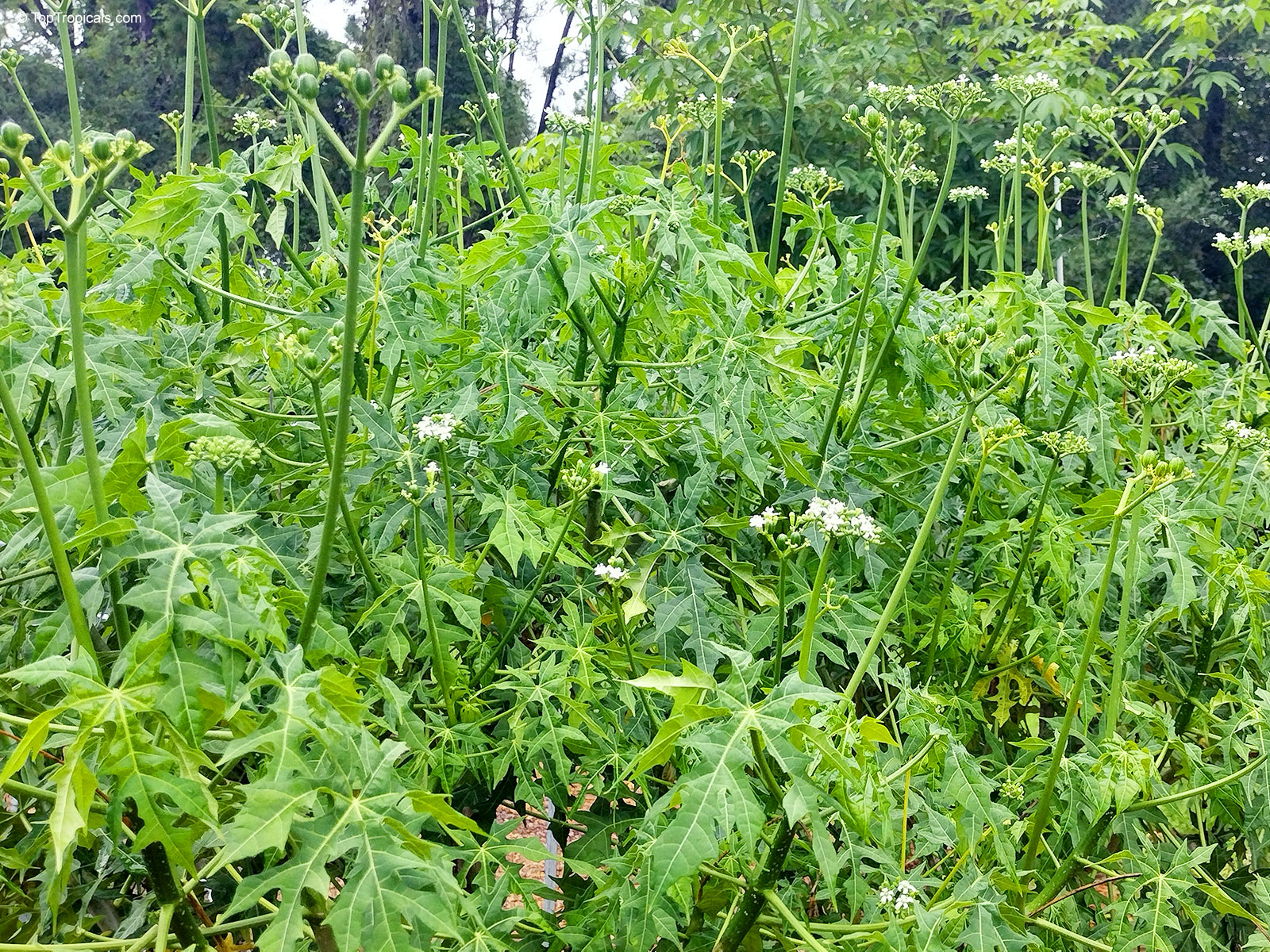
Growing chaya is both fun and rewarding, especially in warm climates like Florida. This fast-growing perennial thrives in full sun to partial shade and is well-suited for food forests or backyard gardens. Propagation is typically done through 6-12 inch woody stem cuttings, which root easily when planted in well-draining soil. Once established, chaya plants can reach heights of 6 to 8 feet and can be harvested continuously, provided no more than 50 persent of the foliage is removed at a time to ensure healthy new growth.
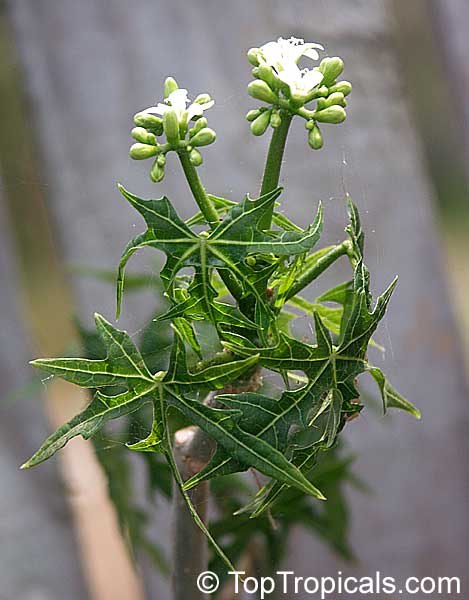
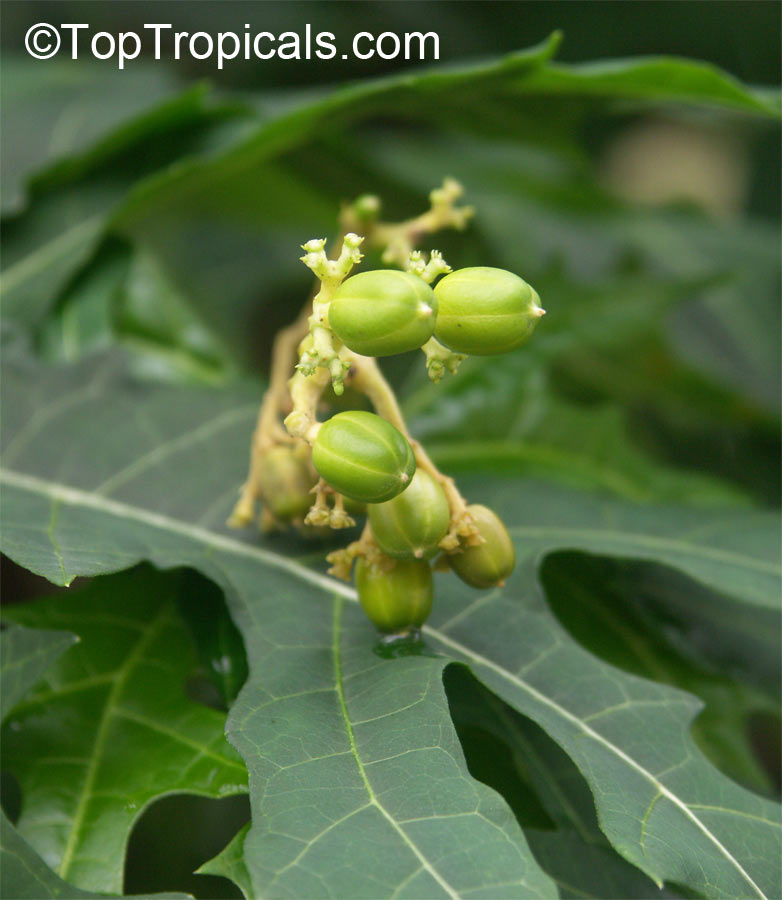
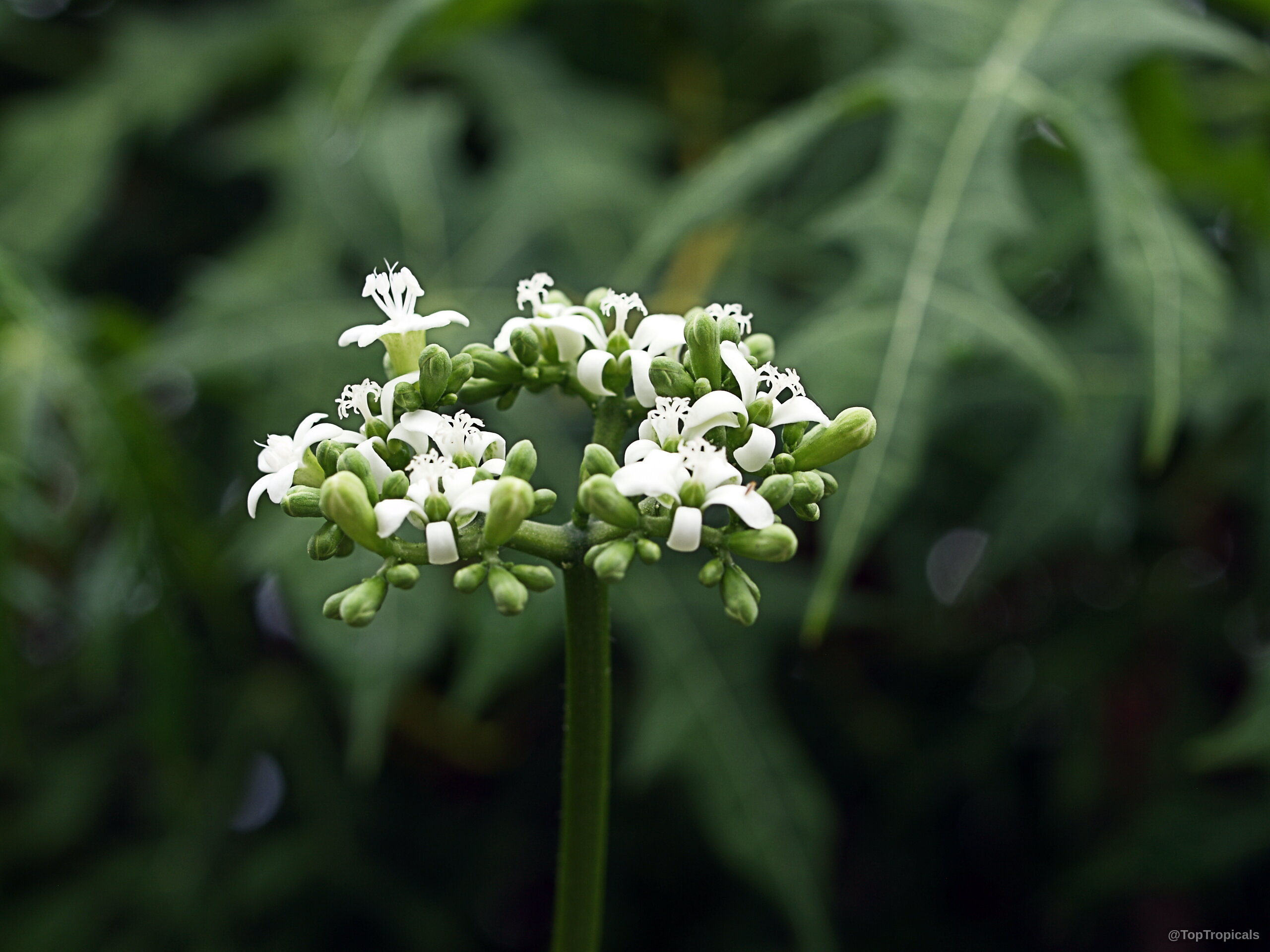
Beyond its nutritional and medicinal value, chaya is a beautiful addition to the garden, attracting butterflies and hummingbirds with its white flowers. Its resilience to drought and ability to thrive in various soil conditions make it an excellent choice for sustainable gardening.
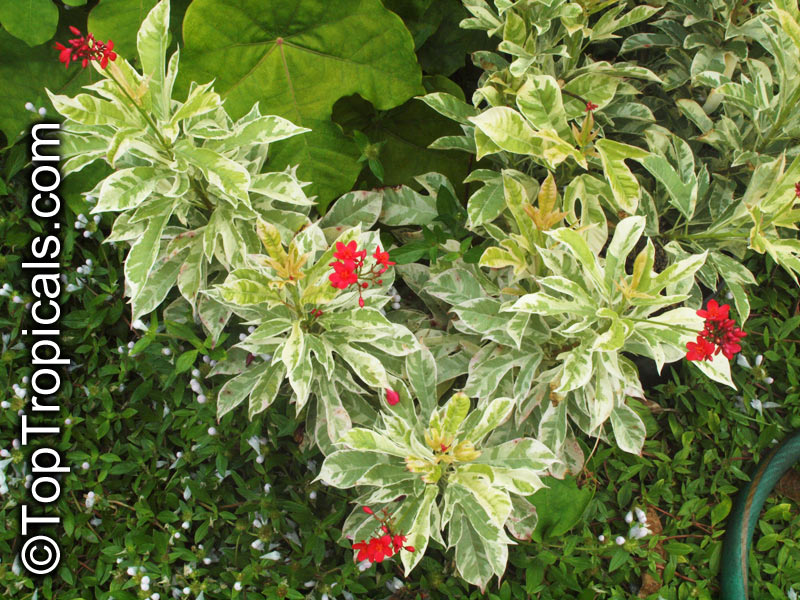
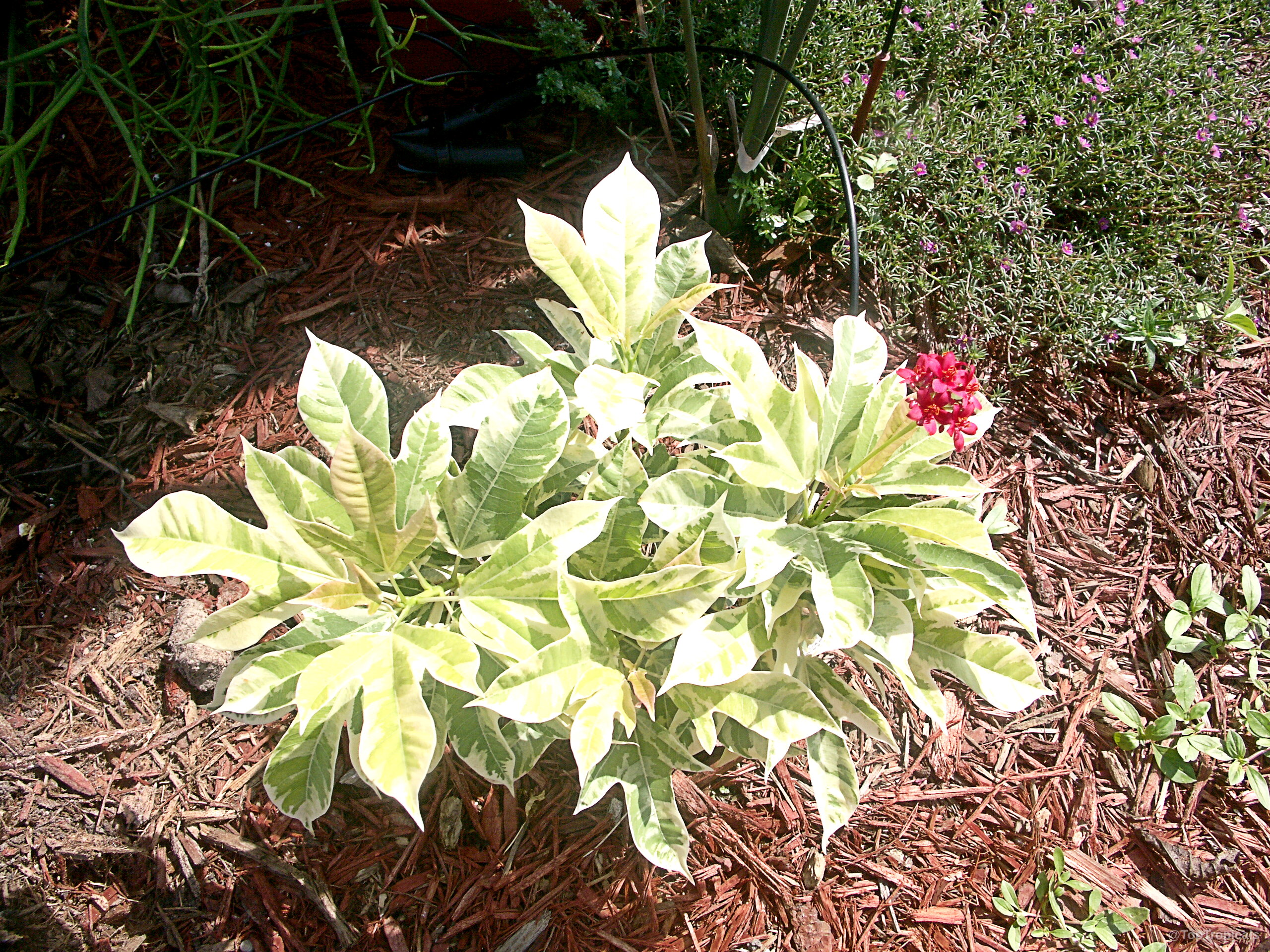
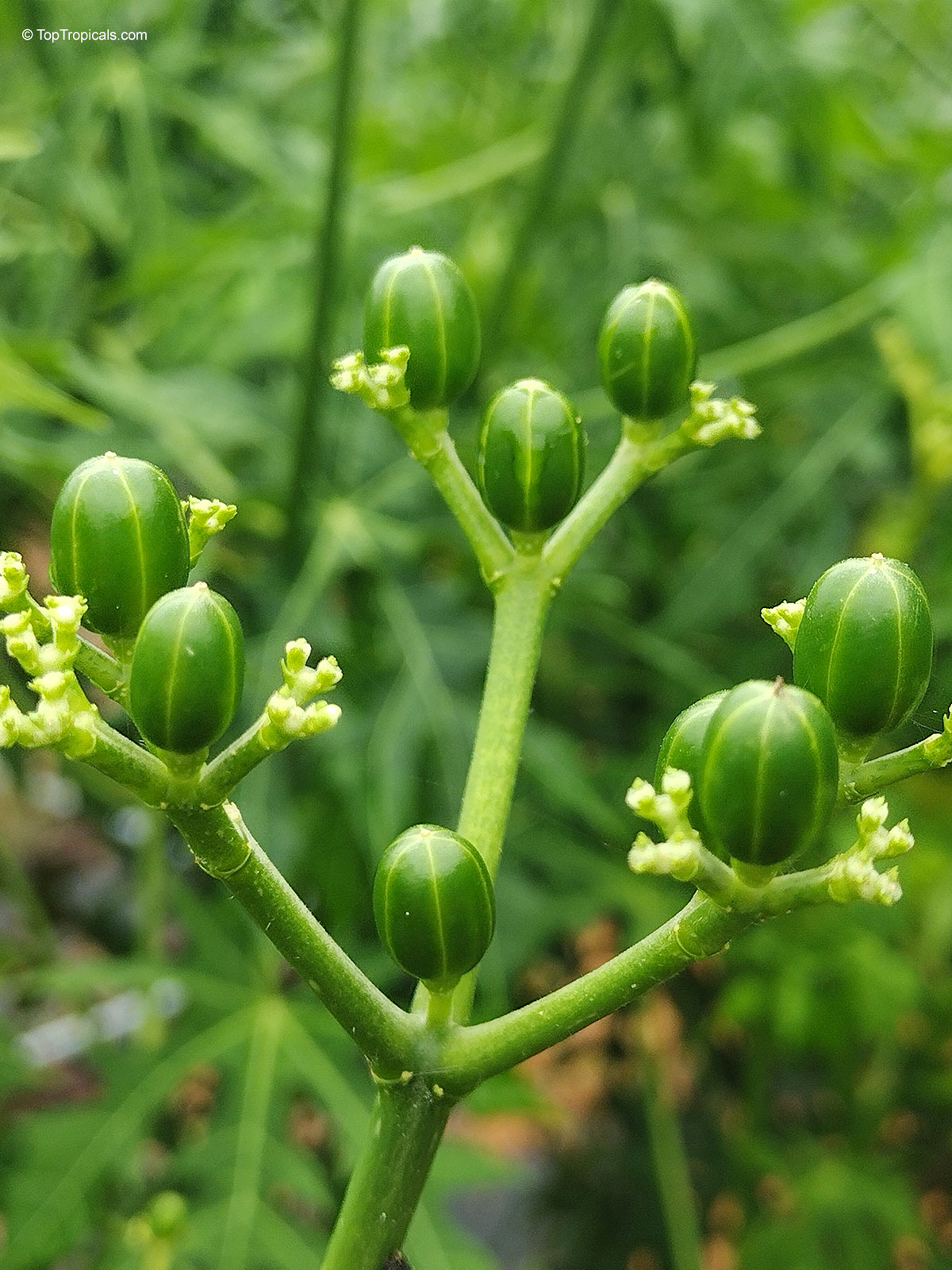
Variegated Maya Spinach Tree is also called Cnidoscolus aconitifolius variegatus cv. Jatropha, or Variegated Chaya, Variegated Tree Spinach. It is a succulent perennial shrub or small tree with showy cut foliage in heavily divided fans with a creamy variegation. It sends out small clusters of white flowers, a nice bonus. Sunny location dry between watering. The leaves can be cooked and eaten, similar to spinach (but are toxic raw). But, really it's just stunning as an ornamental alone!
Use link to repeat this search:
https://toptropicals.com/cgi-bin/garden_catalog/cat.cgi?find=jatropha&search_op=and&keyword_op=and&language=e&number=10
&no_change_lang=1&user=tt&sale=1&first=0