Garden Blog - Top Tropicals

Date: 9 Mar 2026

Dont Wait Years: 8 Fruit Plants You Can Harvest the Same Season
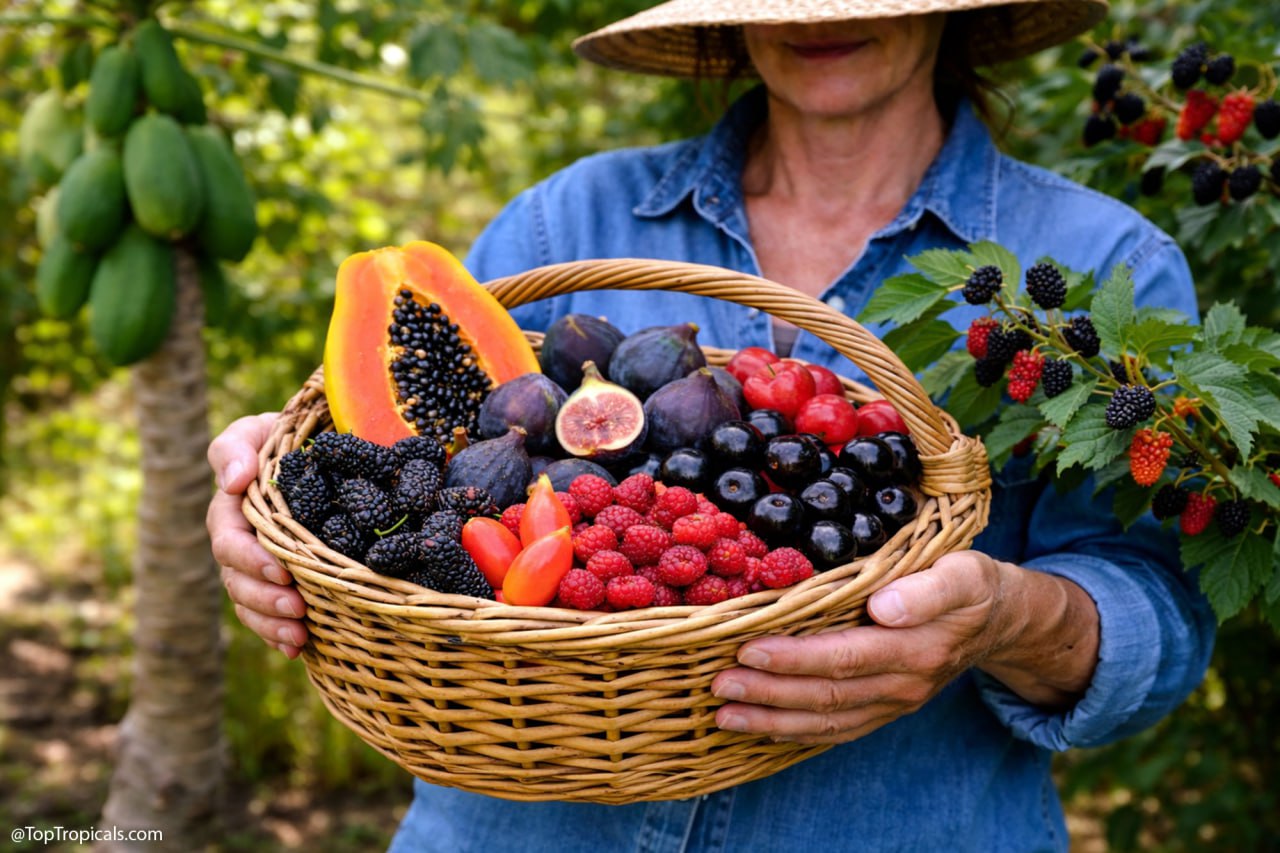
Don't wait years for fruit! Harvest papayas, berries, figs, and more in the very same season you plant them with these fast-growing varieties.

Don't wait years for fruit! Harvest papayas, berries, figs, and more in the very same season you plant them with these fast-growing varieties.

Don't Wait Years: 8 Fruit Plants You Can Harvest the Same Season 🍒

Growing fruit at home usually requires years of patience. Most gardeners view fruit trees as a long-term investment that may not pay off for a decade.
But you don't have to wait.
Certain tropical and subtropical plants are "fast-track" growers. In warm climates like Florida, choosing the right varieties means you can see flowers and fruit within months of planting - often in the very same season.
If you want a backyard harvest without the wait, here are the fastest-producing fruits you can plant today.


🍓 1. Blackberry Jam Fruit (Randia formosa)


A compact shrub perfect for containers. It produces star-shaped flowers and dark purple fruit that tastes exactly like blackberry preserves. Established plants often fruit in their first season.

Blackberry Jam Fruit Plant Facts

Botanical name: Randia formosa, Mussaenda formosa, Randia mussaenda, Rosenbergiodendron formosum
Also known as: Blackberry Jam Fruit, Jasmin de rosa
USDA Zone: 9 - 11
Highligths Large shrub 5-10 ft tallSmall tree 10-20 ftSemi-shadeFull sunKeep soil moistWhite, off-white flowersEdible plantPlant attracts butterflies, hummingbirdsFragrant plantSubtropical plant. Mature plant cold hardy at least to 30s F for a short time
Get personalized tips for your region


🍓 2. Peanut Butter Fruit (Bunchosia)


This fast-growing large shrub produces orange pulp with the uncanny flavor and texture of peanut butter. Expect flowers and bright red berries within months of planting in warm conditions.

🍓 3. Papaya (Carica papaya)


The "giant herb" of the fruit world. Papayas are legendary for their speed, often flowering just months after planting and providing sweet, vitamin-rich fruit within the same year.

Papaya Plant Facts

Botanical name: Carica papaya
Also known as: Papaya
USDA Zone: 9 - 11
Highligths Small tree 10-20 ftFull sunWater Requirement: Low. Allow soil to dry out between wateringsWatering: Moderate. Water when top soil feels dryYellow, orange flowersWhite, off-white flowersEdible plantEthnomedical plant.
Plants marked as ethnomedical and/or described as medicinal, are not offered as medicine but rather as ornamentals or plant collectibles.
Ethnomedical statements / products have not been evaluated by the FDA and are not intended to diagnose, treat, cure, or prevent any disease. We urge all customers to consult a physician before using any supplements, herbals or medicines advertised here or elsewhere.Subtropical plant. Mature plant cold hardy at least to 30s F for a short time
Get personalized tips for your region


🍓 4. Grumichama Cherry (Eugenia brasiliensis)


A stunning Brazilian evergreen. Grafted plants can fruit the same season they are planted, offering glossy, dark cherries with a sweet, mild finish.

Grumichama Plant Facts

Botanical name: Eugenia brasiliensis, Eugenia dombeyi
Also known as: Grumichama, Brazilian Cherry
USDA Zone: 9 - 11
Highligths Small tree 10-20 ftSemi-shadeFull sunWatering: Moderate. Water when top soil feels dryEdible plantSubtropical plant. Mature plant cold hardy at least to 30s F for a short timeSeaside, salt tolerant plant
Get personalized tips for your region


🍓 5. Black Surinam Cherry (Eugenia uniflora var. Lolita)


The 'Lolita' cultivar is a game-changer. It grows quickly as an edible hedge and produces nearly black, resin-free fruit that is significantly sweeter than the common red varieties.

Surinam Cherry Plant Facts

Botanical name: Eugenia uniflora, Eugenia michelii
Also known as: Surinam Cherry, Pitanga, Brazilian Cherry
USDA Zone: 9 - 11
Highligths Plant used for bonsaiLarge shrub 5-10 ft tallSmall tree 10-20 ftSemi-shadeFull sunWatering: Moderate. Water when top soil feels dryWatering: Regular. Let topsoil dry slightlyWhite, off-white flowersEdible plantFragrant plantSubtropical plant. Mature plant cold hardy at least to 30s F for a short time
Get personalized tips for your region


🍓 6. Mysore Raspberry and Tropical Blackberries (Rubus sp.)


Unlike traditional berries that require chill hours, these Rubus species thrive in the heat. Their vigorous canes grow rapidly, often fruiting the same season they hit the soil.

Holy Bramble Plant Facts

Botanical name: Rubus sanctus, Rubus ulmifolius subsp. sanctus
Also known as: Holy Bramble, Burning Bush of the Bible
USDA Zone: 7 - 11
Highligths Large shrub 5-10 ft tallGroundcover and low-growing 2ft plantFull sunWatering: Moderate. Water when top soil feels dryPink flowersThorny or spinyEdible plantPlant attracts butterflies, hummingbirdsEthnomedical plant.
Plants marked as ethnomedical and/or described as medicinal, are not offered as medicine but rather as ornamentals or plant collectibles.
Ethnomedical statements / products have not been evaluated by the FDA and are not intended to diagnose, treat, cure, or prevent any disease. We urge all customers to consult a physician before using any supplements, herbals or medicines advertised here or elsewhere.Subtropical plant. Mature plant cold hardy at least to 30s F for a short time
Get personalized tips for your region


🍓 7. Everbearing Mulberry (Morus sp.)


Mulberries are incredibly generous. Everbearing varieties produce sweet berries over an extended window and often begin fruiting the very first year they are planted.

Mulberry Plant Facts

Botanical name: Morus sp.
Also known as: Mulberry
USDA Zone: 8 - 11
Highligths Large tree taller than 20 ftSmall tree 10-20 ftFull sunWatering: Regular. Let topsoil dry slightlyEdible plant
Get personalized tips for your region


🍓 8. Fig Trees (Ficus carica)


Figs are the champions of container gardening. They are highly drought-tolerant and famous for setting honey-sweet fruit even at a very young age—often just months after being established.

Fig Tree Plant Facts

Botanical name: Ficus carica
Also known as: Fig Tree, Brevo
USDA Zone: 7 - 10
Highligths Plant used for bonsaiSmall tree 10-20 ftFull sunWatering: Moderate. Water when top soil feels dryOrnamental foliageEdible plantDeciduous plantSubtropical plant. Mature plant cold hardy at least to 30s F for a short timeFlood tolerant plantSeaside, salt tolerant plant
Get personalized tips for your region


🏡 Where to plant them?

👉 Tips for Faster Results


•  Start Large: Buy "nursery-established" plants rather than seeds.
•  Feed the Need: Use high-quality organic fertilizer to support rapid growth.
•  Sun is Fuel: Most of these varieties require at least 6-8 hours of direct sunlight to trigger flowering.

🛒 Plant these fruits now - some can produce within months

📷 Freshly picked tropical fruit bounty: don't wait years for fruit! Harvest papayas, berries, figs, and more in the very same season you plant them with these fast-growing varieties.

#Food_forest #How_to #Discover

🟢 Join 👉 TopTropicals
Date: 9 Mar 2026

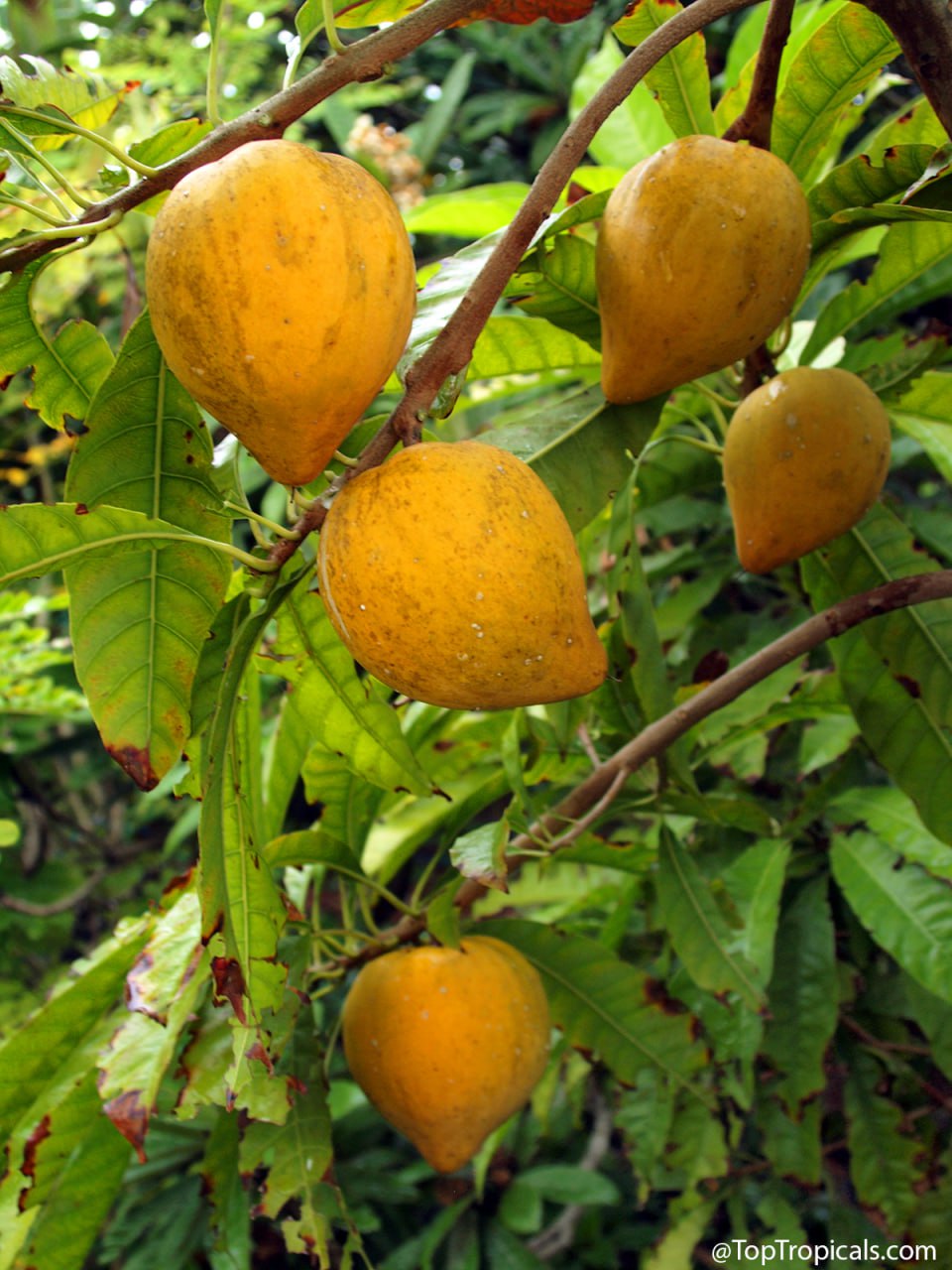
Golden canistel cream: quick-n-fun exotic recipes

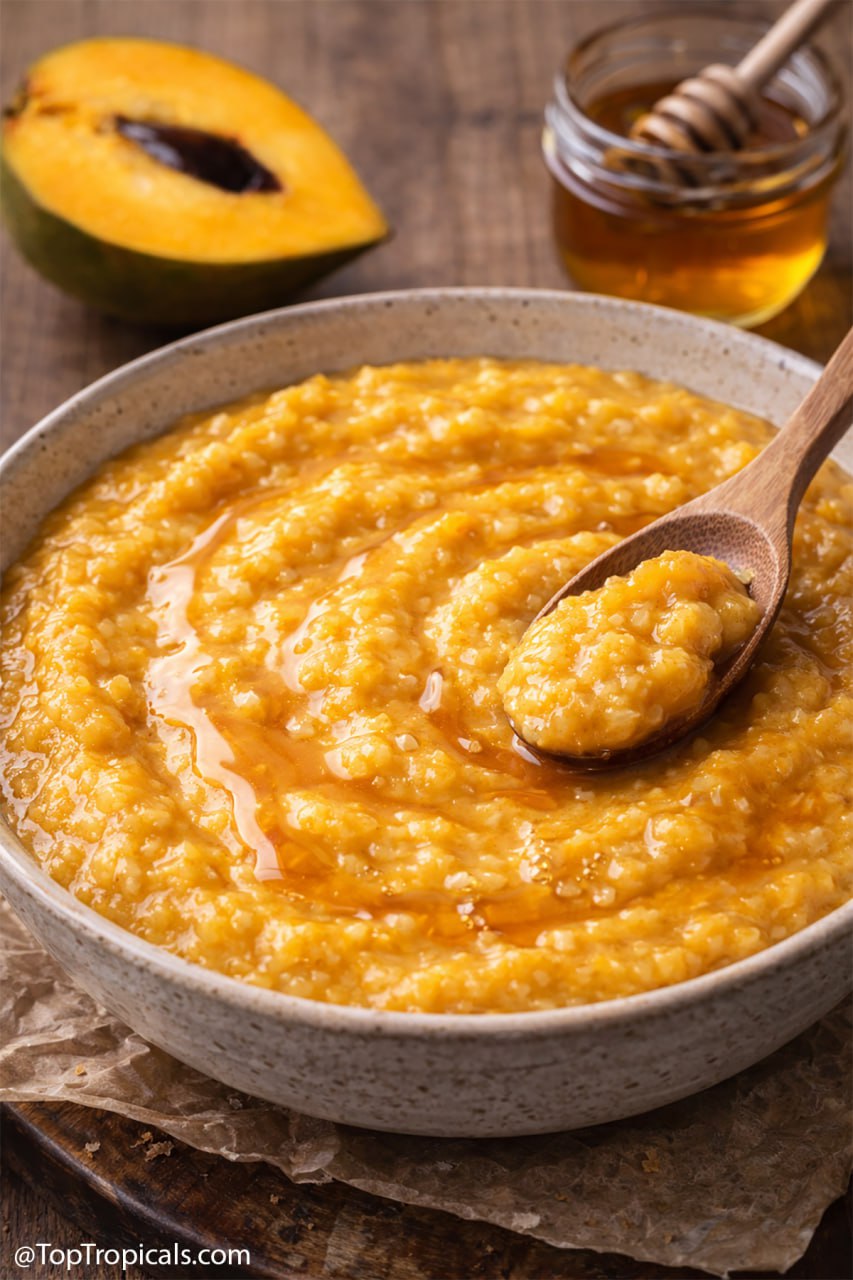
Golden canistel cream

Golden canistel cream

Pouteria campechiana - Canistel, Eggfruit

Pouteria campechiana - Canistel, Eggfruit

🍴 Golden canistel cream: quick-n-fun exotic recipes


Golden Canistel Cream

Ingredients

  • 1 ripe canistel (eggfruit)
  • 2 to 3 tbsp milk
  • 1 to 2 tsp honey

Instructions

  1. Scoop the ripe canistel flesh into a bowl.
  2. Add milk and honey.
  3. Mash until smooth and creamy.
  4. Warm gently in a small pan if desired.
  5. Serve warm like a thick tropical porridge.

🌿 About the plant:


Also called Eggfruit, canistel has bright yellow flesh that is dense and slightly dry when ripe.

🏡 In the garden:


Grows well in warm climates with good drainage. Compact growth makes it suitable for small yards.

🛒 Plant Canistel Egg Fruit tree - grows well in container too

📚 Learn more:

Canistel Plant Facts

Botanical name: Pouteria campechiana
Also known as: Canistel, Eggfruit, Chesa
USDA Zone: 9 - 11
Highligths Large tree taller than 20 ftSmall tree 10-20 ftFull sunWatering: Regular. Let topsoil dry slightlyEdible plant
Get personalized tips for your region

Pouteria campechiana - Canistel, Eggfruit - in Plant Encyclopedia
This old-school tropical fruit is making a quiet comeback: Eggfruit - Canistel
Canistel breakfast mash: quick-n-fun exotic recipes
Health Benefits of Canistel Fruit
Pouteria campechiana - Canistel, the curious heart-shaped Egg Super-Fruit

#Food_Forest #Recipes

🟢 Join 👉 TopTropicals

Date: 7 Mar 2026

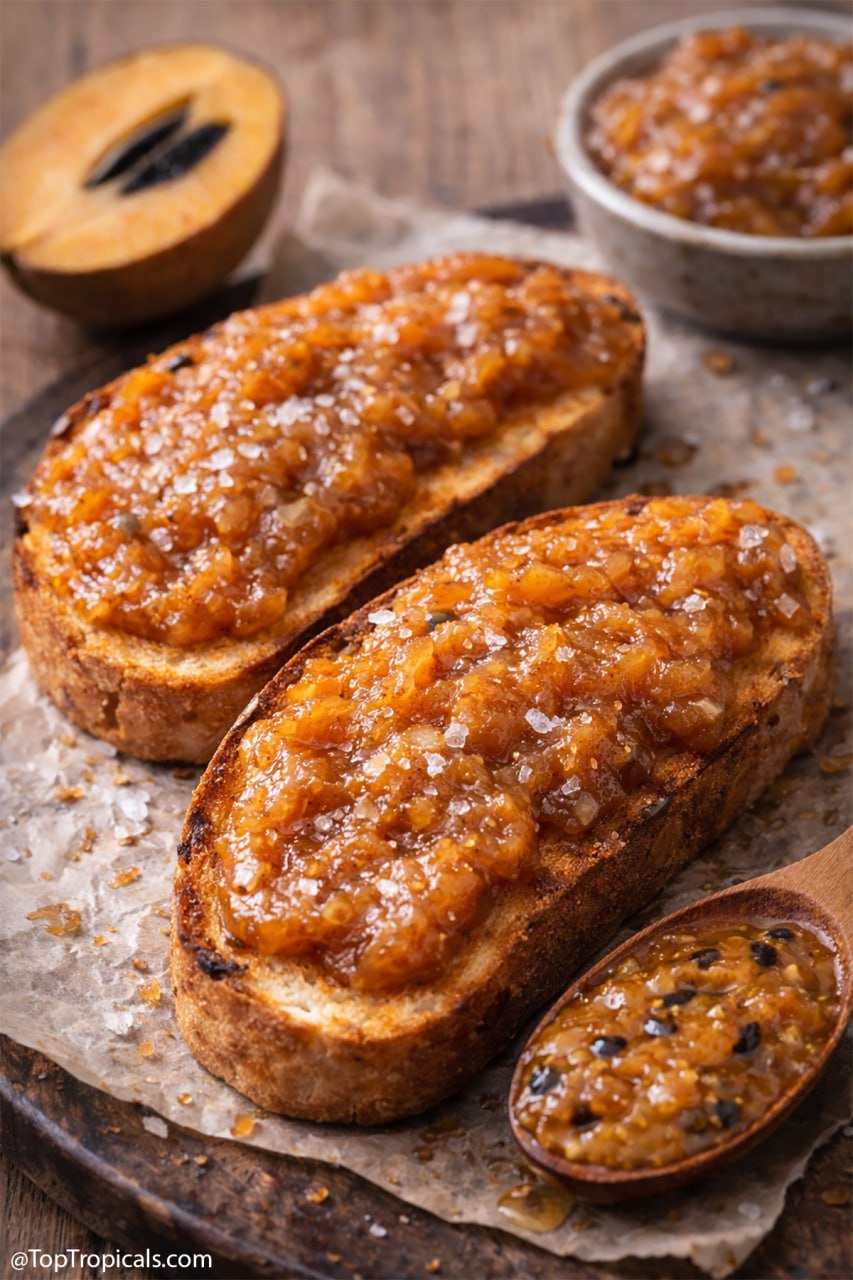
Sapodilla caramel toast: quick-n-fun exotic recipes

Sapodilla caramel toast

Sapodilla caramel toast

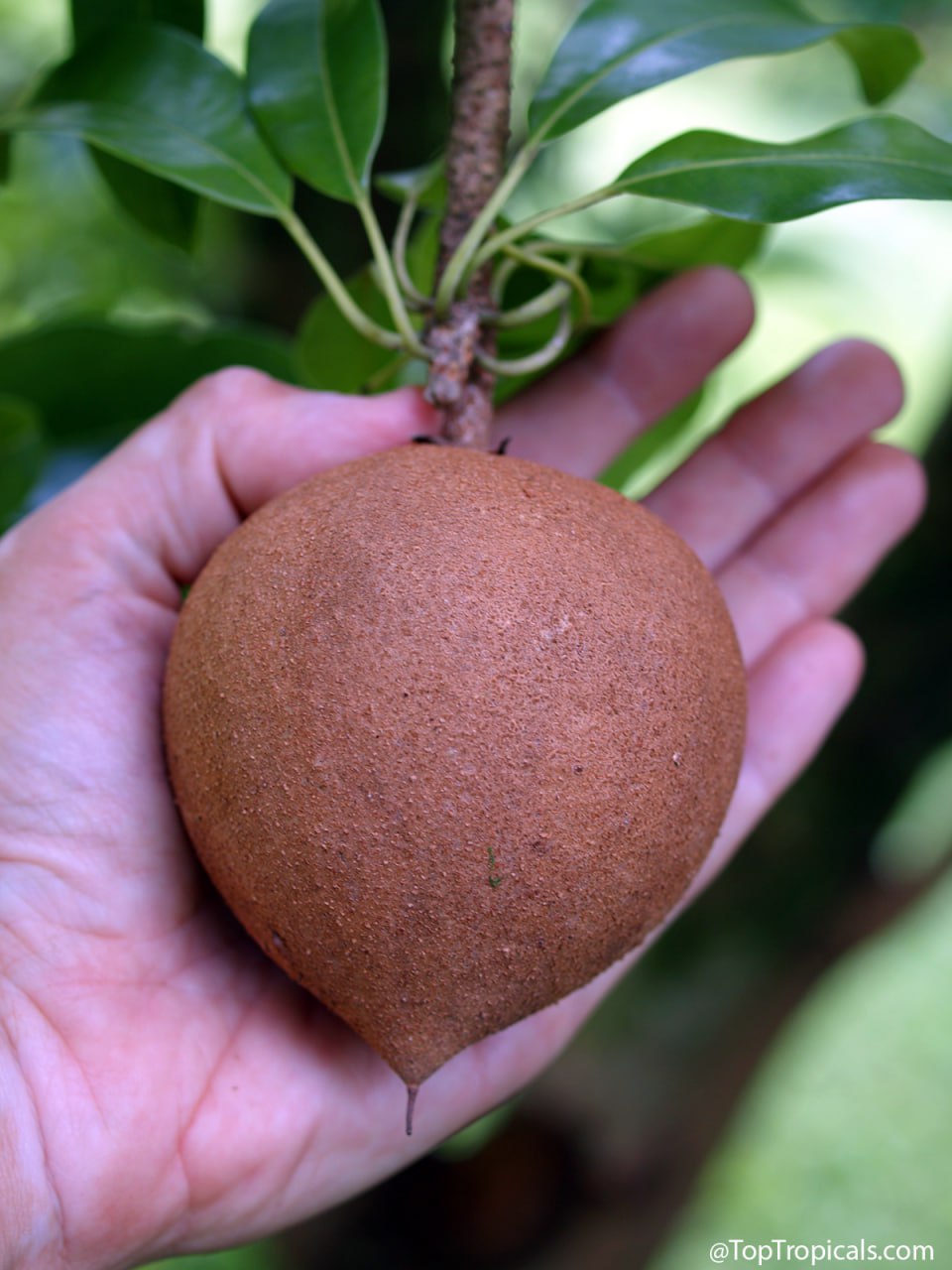
Sapodilla (Achras zapota) fruit

Sapodilla (Achras zapota) fruit

🍴 Sapodilla caramel toast: quick-n-fun exotic recipes

Sapodilla Caramel Toast

Ingredients

  • 1 ripe sapodilla
  • 2 slices toasted bread
  • Pinch of salt

Instructions

  1. Mash the ripe sapodilla flesh in a small pan.
  2. Warm gently until it becomes thick and caramel-like.
  3. Spread the warm sapodilla mixture over toasted bread.
  4. Finish with a small pinch of salt to balance the sweetness.


🌿 About the plant:


Sapodilla is a tropical evergreen producing brown fruit with sweet, brown-sugar flavored flesh.

🏡 In the garden:


Likes heat and humidity. Grafted or air layered trees fruit earlier. Drought tolerant once established but best with regular watering.

🛒 Add Sapodilla - Brown Sugar Fruit tree to your Food Forest

📚 Learn more:

Sapodilla Plant Facts

Botanical name: Manilkara zapota, Manilkara achras, Achras sapota
Also known as: Sapodilla, Ciku, Naseberry, Nispero, Sapote, Brown Sugar Fruit
USDA Zone: 9 - 11
Highligths Large tree taller than 20 ftSemi-shadeFull sunWatering: Regular. Let topsoil dry slightlyEdible plantSubtropical plant. Mature plant cold hardy at least to 30s F for a short timeSeaside, salt tolerant plant
Get personalized tips for your region

Sapodilla (Achras zapota) in Plant Encyclopedia
How to make Sapodilla fruit profusely?
A sugar that’s good for your health
When does Sapodilla start fruiting and what is the best variety
New variety of Sapodilla: Thai Brownie

#Food_Forest #Recipes

🟢 Join 👉 TopTropicals

Date: 5 Mar 2026

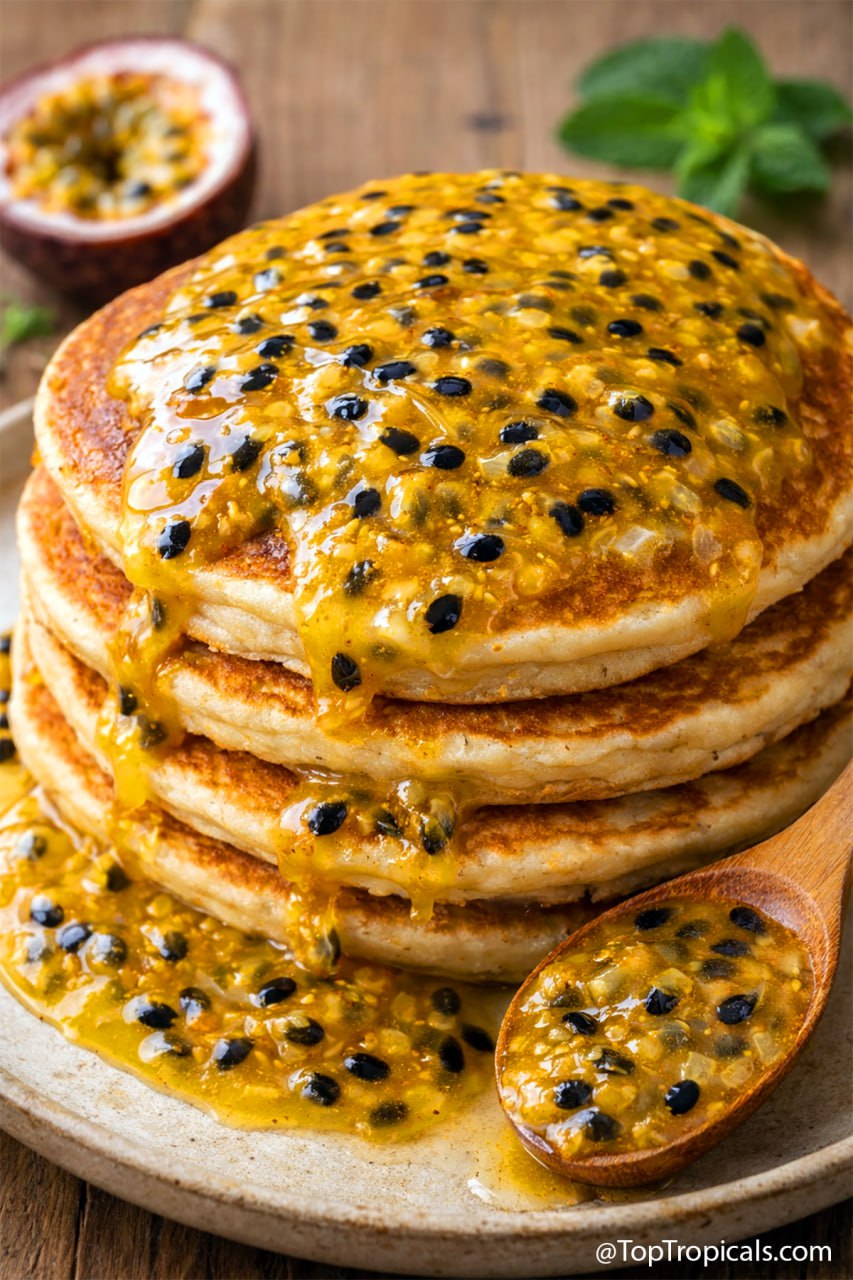
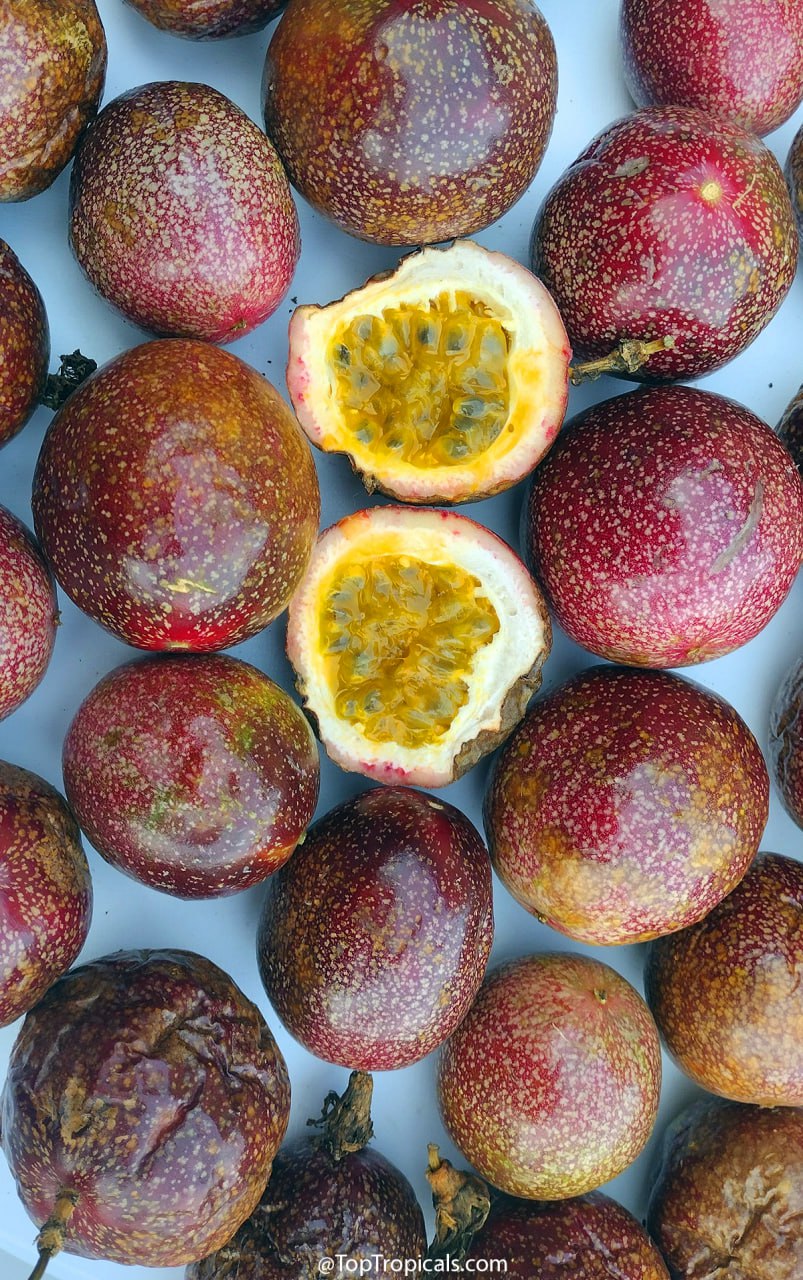
Passion fruit butter glaze: quick-n-fun exotic recipes

Passion fruit butter glaze

Passion fruit butter glaze

Passion fruit - Passiflora edulis

Passion fruit - Passiflora edulis

🍴 Passion fruit butter glaze: quick-n-fun exotic recipes

Passion Fruit Butter Glaze

Ingredients

  • 2 passion fruits
  • 1 tablespoon butter
  • 1 teaspoon sugar

Instructions

  1. Scoop the pulp from the passion fruits into a small saucepan.
  2. Add butter and a small amount of sugar.
  3. Simmer gently while stirring until the mixture thickens.
  4. Spoon the warm glaze over pancakes, toast, or grilled pineapple.


🌿 About the plant:


A fast-growing vine with exotic flowers and intensely aromatic fruit filled with juicy seeds.

🏡 In the garden:


Needs strong support, full sun, and warmth. Very fast growth in zones 9-11. Prune to keep productive.

🛒 Plant Passionfruit Vine - fast growing and rewarding

📚 Learn more:

Passion Fruit Plant Facts

Botanical name: Passiflora edulis
Also known as: Passion Fruit, Parcha, Maracuya, Granadilla
USDA Zone: 8 - 11
Highligths Vine or creeper plantFull sunWatering: Moderate. Water when top soil feels dryBlue, lavender, purple flowersWhite, off-white flowersEdible plantSubtropical plant. Mature plant cold hardy at least to 30s F for a short time
Get personalized tips for your region

Passiflora edulis in Plant Encyclopedia
The truth about Passion flower and Passion fruit.

#Food_Forest #Recipes

🟢 Join 👉 TopTropicals

Date: 3 Mar 2026

Jaboticaba reduction sauce: quick-n-fun exotic recipes

Jaboticaba reduction sauce

Jaboticaba reduction sauce

Myrciaria cauliflora - Jaboticaba fruit

Myrciaria cauliflora - Jaboticaba fruit

🍴 Jaboticaba reduction sauce: quick-n-fun exotic recipes

Jaboticaba Reduction Sauce

Ingredients

  • 1 cup ripe jaboticaba fruit
  • 1 tablespoon sugar
  • 1 tablespoon water

Instructions

  1. Crush the jaboticaba fruit in a small saucepan.
  2. Add sugar and a little water.
  3. Simmer gently until the mixture thickens and becomes glossy.
  4. Strain the sauce to remove skins.
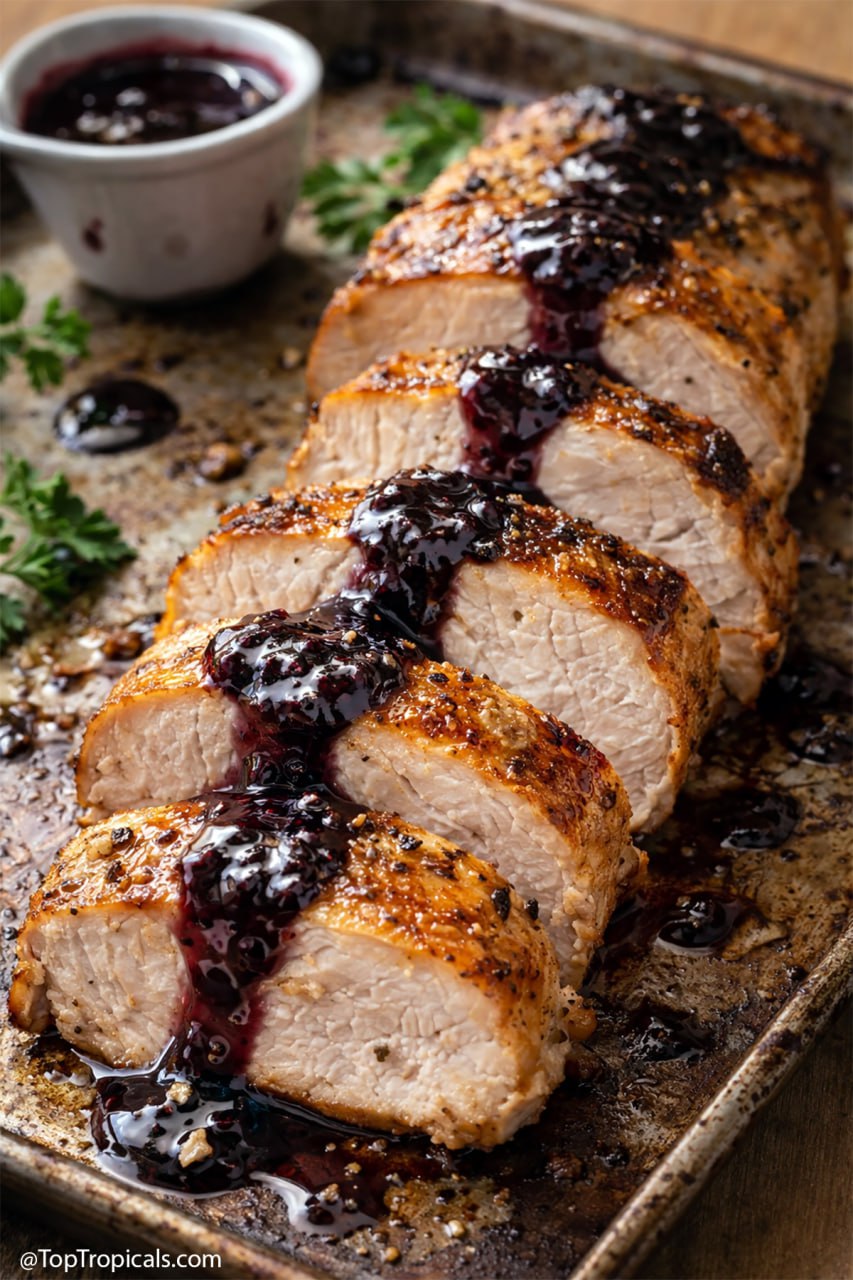
  5. Drizzle over roasted pork, chicken, or grilled vegetables.


🌿 About the plant:


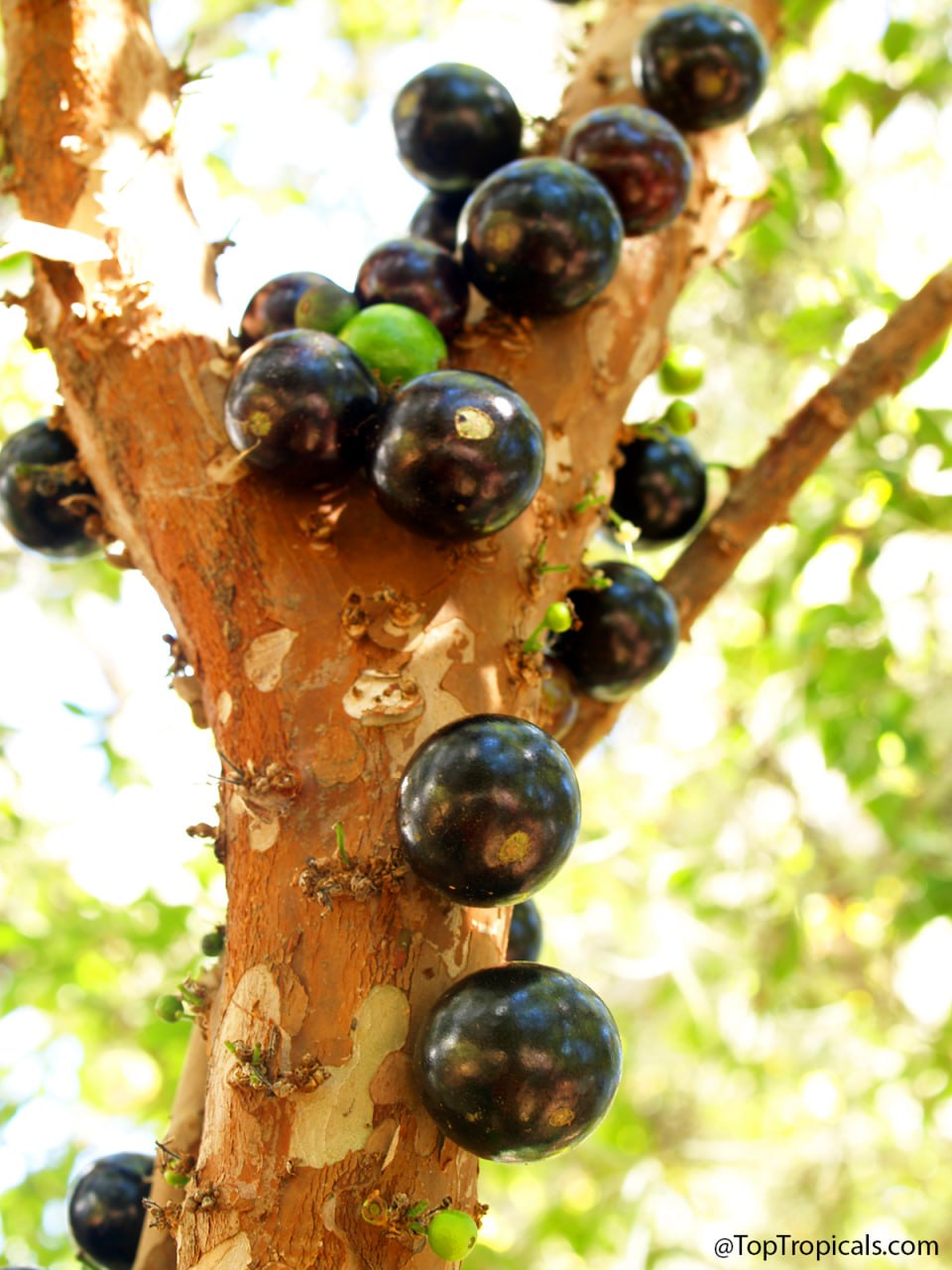
A Brazilian tree that fruits directly on the trunk. The grape-like fruit has a thick skin and juicy pulp inside.

🏡 In the garden:


Grows well in warm, humid climates. Slow growing but very ornamental. Can be grown in large pots when young.

🛒 Plant Jaboticaba tree now, don't wait - it's slow growing!

📚 Learn more:

Jaboticaba Plant Facts

Botanical name: Myrciaria cauliflora, Plinia cauliflora, Eugenia cauliflora
Also known as: Jaboticaba, Duhat
USDA Zone: 9 - 11
Highligths Plant used for bonsaiSmall tree 10-20 ftFull sunKeep soil moistEdible plantSubtropical plant. Mature plant cold hardy at least to 30s F for a short timeFlood tolerant plant
Get personalized tips for your region

Jaboticaba (Myrciaria cauliflora) in Plant Encyclopedia
Before you open a bottle of wine, meet the Secret Wine Tree from Brazil
What does Blue Jaboticaba taste like?
How Blue Jaboticaba is different from regular Jaboticaba?
What is Jaboticaba? I like the sound of this word!


#Food_Forest #Recipes

🟢 Join 👉 TopTropicals

Date: 2 Mar 2026

Beyond fruit: how this African tree supports wildlife and garden health

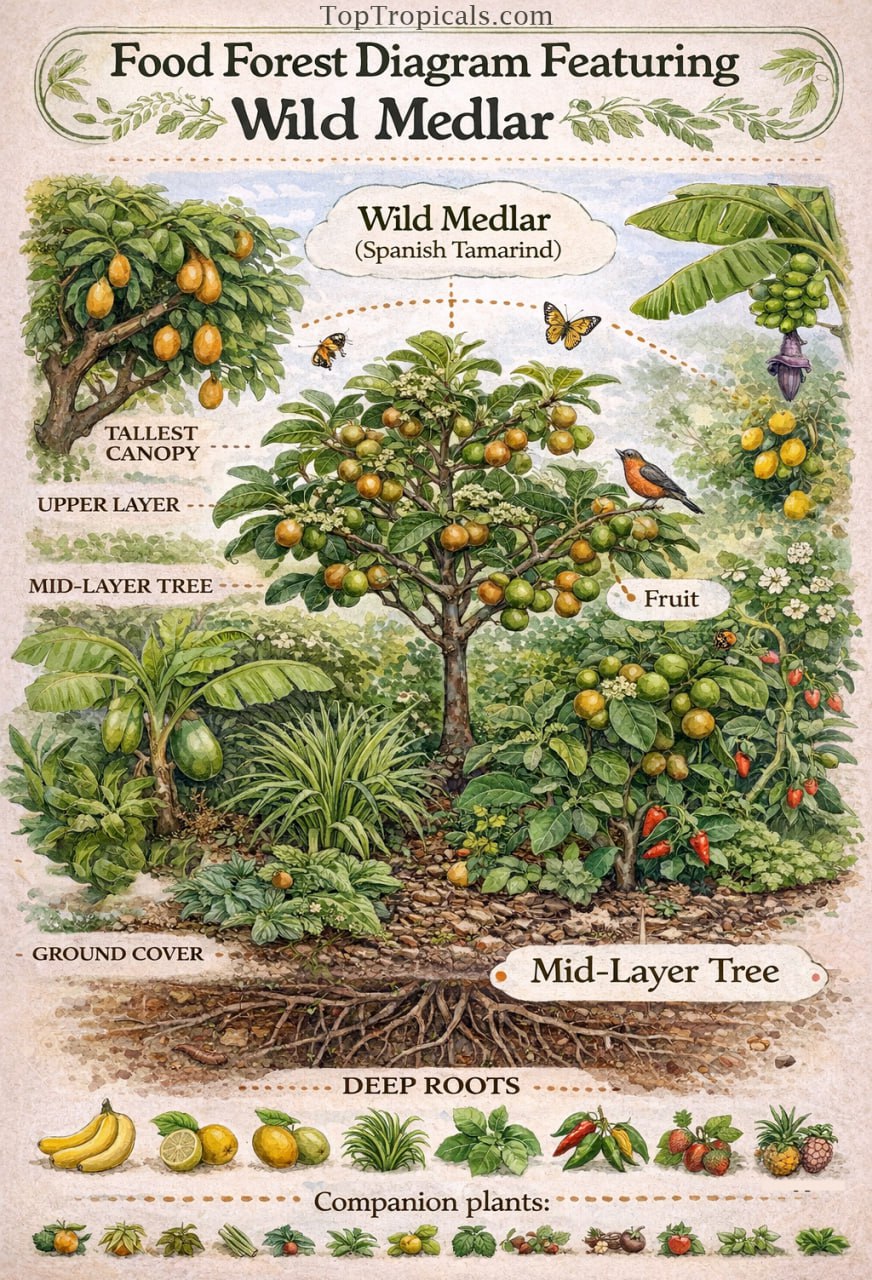
Vangueria infausta - Spanish Tamarind

Vangueria infausta - Spanish Tamarind

Beyond fruit: how this African tree supports wildlife and garden health: Wild Medlar in the ecological food forest 🍊

Vangueria infausta (Spanish Tamarind, Wild Medlar) might win your heart for its sweet-tart fruit and folk medicine magic - but did you know it’s also a quiet hero in the ecosystem? Whether you’re planting a full-blown food forest or just a mixed backyard garden, Vangueria infausta brings more than fruit to the table. It brings balance, beauty, and biodiversity.

Wild Medlar Plant Facts

Botanical name: Vangueria infausta
Also known as: Wild Medlar, Spanish Tamarind
USDA Zone: 9 - 11
Highligths Small tree 10-20 ftFull sunWatering: Moderate. Water when top soil feels dryEdible plantDeciduous plantEthnomedical plant.
Plants marked as ethnomedical and/or described as medicinal, are not offered as medicine but rather as ornamentals or plant collectibles.
Ethnomedical statements / products have not been evaluated by the FDA and are not intended to diagnose, treat, cure, or prevent any disease. We urge all customers to consult a physician before using any supplements, herbals or medicines advertised here or elsewhere.Subtropical plant. Mature plant cold hardy at least to 30s F for a short time
Get personalized tips for your region


🐝 Pollinator power


When in bloom, this tree produces nectar-rich flowers that attract bees, butterflies, and other pollinators. These beneficial insects don’t just help the Wild Medlar fruit - they boost productivity in your entire garden.
If you grow mangos, citrus, guava, or veggies nearby, Spanish Tamarind helps keep the pollinator traffic moving.

🐦 Bird magnet


Birds are big fans of this tree. They nest in its dense branching, snack on overripe fruit, and help spread seeds. In return, they’ll help keep down pests like caterpillars and beetles.
Even in a small garden, one Wild Medlar can be a micro-habitat for birds, insects, and other helpful wildlife.

🌱 Soil stabilizer


With its deep roots and drought-hardy nature, Wild Medlar helps hold soil in place, especially on slopes or rocky patches. It improves drainage and reduces erosion, which makes it a great addition to food forests in challenging spots.

🍂 Natural mulch & green cleanup


The tree drops a modest amount of leaf litter, which breaks down into soft, rich mulch. In a diverse planting, that means fewer weeds, better soil structure, and less watering needed.

🌿 Companion planting & food forest stacking
· Works great as a mid-layer tree in multi-tiered systems
· Provides light shade for herbs or smaller fruiting plants
· Plays well with bananas, papaya, guava, lemongrass, and ground covers
In zones 9-11, it can live happily in a mixed border or permaculture guild. In colder zones, just keep it potted and move it around as needed - it still offers many of the same benefits.

🛡 Pest and disease resistant


One more bonus: Spanish Tamarind is incredibly low-maintenance. It resists most common pests and doesn’t suffer from fungal issues like many tropical fruit trees do. That means fewer chemicals and more harmony in your garden ecosystem.

✍️ Ready to plant something that gives back?


Think you need more than just another fruit tree? More life. More movement. More meaning in your garden?
Grow Wild Medlar for the fruit - but keep it for everything else it brings. The pollinators. The shade. The quiet medicine. The steady presence that makes your space feel alive.
If you’re building a food forest - or simply want a tree that earns its place every single season - this one doesn’t just sit there. It contributes.

🛒 Plant Spanish Tamarind in your Food Forest for a happy wildlife

📚 Learn more:


Vangueria infausta - Spanish Tamarind in Plant Encyclopedia
10 ways to enjoy Wild Medlar - Spanish Tamarind
7 steps for a care-free Spanish Tamarind - the easiest rare fruit to grow
The wild fruit with a secret: health benefits of rare Spanish Tamarind - the exotic fruit you've never heard of

#Food_Forest #Discover

🟢 Join 👉 TopTropicals

Date: 1 Mar 2026

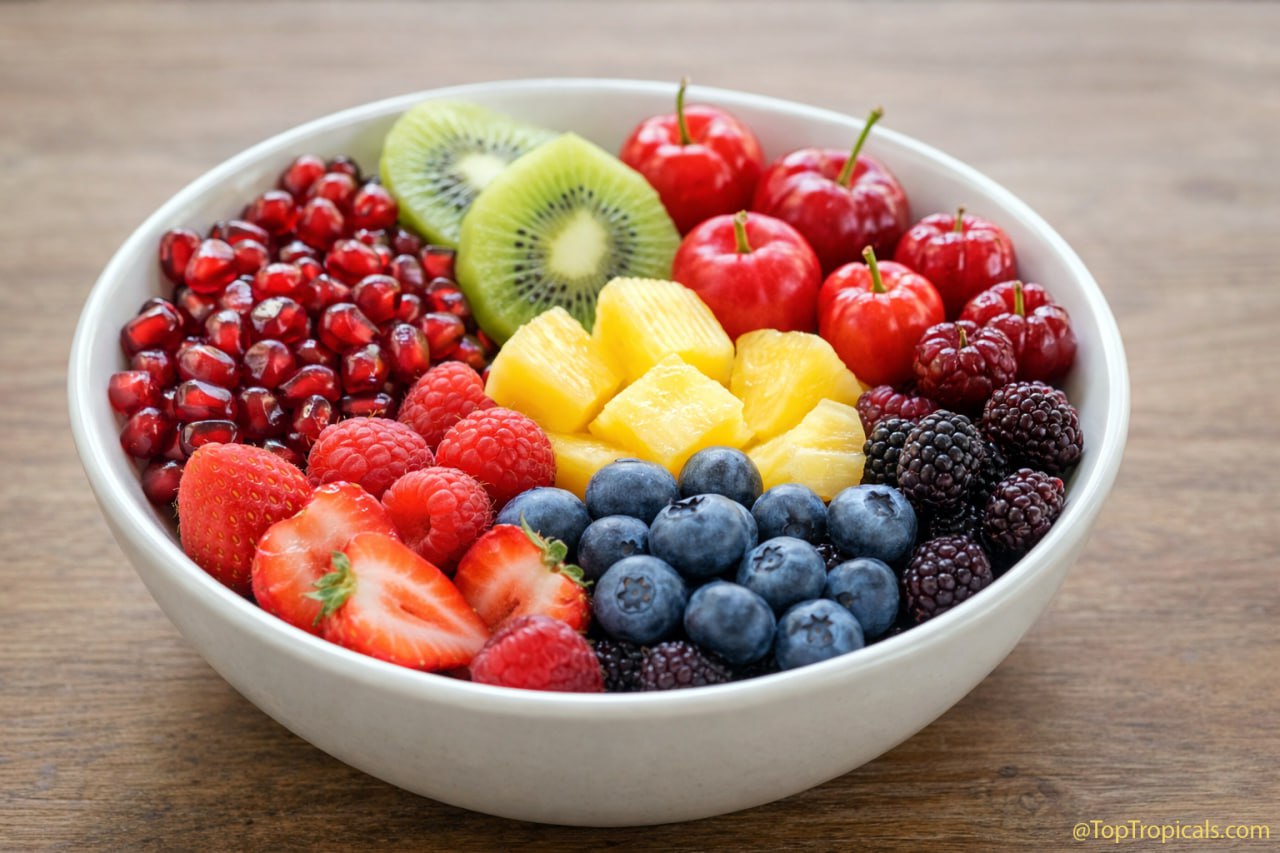
Skip the lemon - 5 better fruits for a cough

Best fruits for a cough

Best fruits for a cough

Skip the lemon - 5 better fruits for a cough 😰

5 fruits to eat when you have a cough or cold - backed by research

When you are fighting a cough or cold, your immune system works overtime. While no fruit can cure a viral infection, certain fruits contain nutrients and bioactive compounds that may help reduce inflammation, support immune defenses, and ease respiratory discomfort.
Here are five fruits supported by nutrition research that may help during cold season.

1. Pomegranate 🍅

Pomegranate is rich in polyphenols, especially punicalagin, known for antiviral activity.

Pomegranate Plant Facts

Botanical name: Punica granatum
Also known as: Pomegranate, Granada, Grenade, Pomegranate, Granada, Anar, Granaatappel, Pomo Granato, Romeira, Melo Grano
USDA Zone: 8 - 11
Highligths Large shrub 5-10 ft tallSmall tree 10-20 ftFull sunWatering: Moderate. Water when top soil feels dryRed, crimson, vinous flowersThorny or spinyEdible plantDeciduous plantEthnomedical plant.
Plants marked as ethnomedical and/or described as medicinal, are not offered as medicine but rather as ornamentals or plant collectibles.
Ethnomedical statements / products have not been evaluated by the FDA and are not intended to diagnose, treat, cure, or prevent any disease. We urge all customers to consult a physician before using any supplements, herbals or medicines advertised here or elsewhere.Subtropical plant. Mature plant cold hardy at least to 30s F for a short timeSeaside, salt tolerant plant
Get personalized tips for your region

According to a study published in PubMed, pomegranate polyphenol extract suppressed replication of influenza A virus in cultured cells and showed direct virucidal effects. Researchers identified punicalagin as a key compound involved in blocking viral RNA replication. These findings suggest pomegranate extracts may help reduce viral load during respiratory infections.

2. Kiwi

Kiwi is exceptionally high in vitamin C, a nutrient closely linked to immune function and respiratory health.
A study published in Antioxidants (MDPI) found that consuming two SunGold kiwifruit daily for six weeks restored adequate plasma vitamin C levels in adults with a history of severe respiratory infections. Researchers concluded that kiwi consumption can directly support antioxidant defenses during respiratory illness.

3. Tropical cherries 🍒

Instead of traditional lemon, consider tropical cherries such as Malpighia (acerola cherry) and Eugenia (Surinam cherry).
Acerola (Malpighia glabra - Barbados Cherry) is one of the richest natural sources of vitamin C. Clinical research shows that adequate vitamin C intake is associated with reduced duration and severity of common cold symptoms. Vitamin C supports immune cell function and helps maintain the respiratory tract's protective barrier.

Barbados Cherry Plant Facts

Botanical name: Malpighia glabra
Also known as: Barbados Cherry, Acerola, Malphigia, Cerejeira
USDA Zone: 9 - 11
Highligths Plant used for bonsaiLarge shrub 5-10 ft tallSmall tree 10-20 ftFull sunWatering: Moderate. Water when top soil feels dryPink flowersEdible plantSubtropical plant. Mature plant cold hardy at least to 30s F for a short time
Get personalized tips for your region

Eugenia species (Tropical Cherries) contain anthocyanins and phenolic compounds with antioxidant and anti-inflammatory properties, which may help reduce oxidative stress during illness.

4. Pineapple🍍

Pineapple contains bromelain, a group of proteolytic enzymes known for anti-inflammatory effects.

Pineapple Plant Facts

Botanical name: Ananas comosus
Also known as: Pineapple, Pina
USDA Zone: 9 - 11
Highligths Small plant 2-5 ftSemi-shadeFull sunWatering: Moderate. Water when top soil feels dryOrnamental foliageThorny or spinyEdible plantSubtropical plant. Mature plant cold hardy at least to 30s F for a short time
Get personalized tips for your region

According to a study published in PubMed, bromelain significantly reduced inflammatory cell infiltration in the lungs in a mouse model of airway inflammation. These findings suggest bromelain may help ease airway inflammation and congestion.

5. Berries and including mulberries

Strawberries, blueberries, raspberries, blackberries and mulberries are rich in flavonoids and vitamin C.
Although direct clinical trials on berries for colds are limited, nutrition reviews highlight their immunomodulatory potential. Flavonoids such as quercetin, anthocyanins, and catechins have demonstrated antioxidant effects and possible antiviral activity in laboratory studies.
Mulberries provide additional anthocyanins and resveratrol-like compounds, offering strong antioxidant support during illness.

Practical tips when you are unwell ❤️‍�

🔻Choose room-temperature or lightly warmed fruit to avoid throat irritation.
🔻Prefer whole fruit over juice to retain fiber and stabilize blood sugar.
🔻Pair fruit with warm herbal tea or honey if appropriate.
🔻Rotate fruits to benefit from diverse phytonutrients.
🔻If symptoms persist, worsen, or include high fever or breathing difficulty, seek medical care.

🛒 Grow your own vitamin-rich fruit

📚 Learn more:


One bite, your whole day of vitamin C: Barbados Cherry that outdoes oranges!
What fruit can help with health issues and VITAMIN deficiencies
Top 10 fruit you'll ever need for your health benefits: Lolita (Surinam) Cherry

#Food_Forest #Remedies #Discover

🟢 Join 👉 TopTropicals
Date: 27 Feb 2026

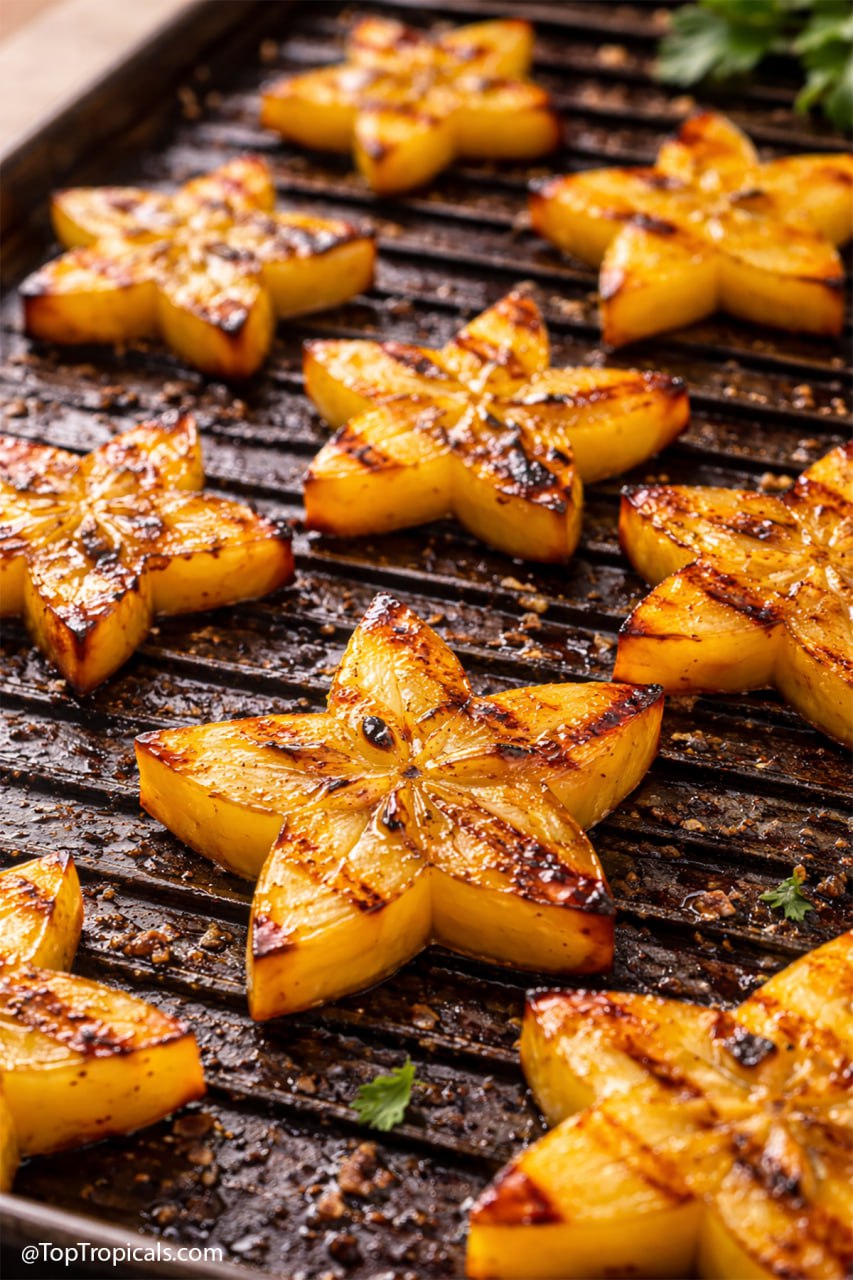
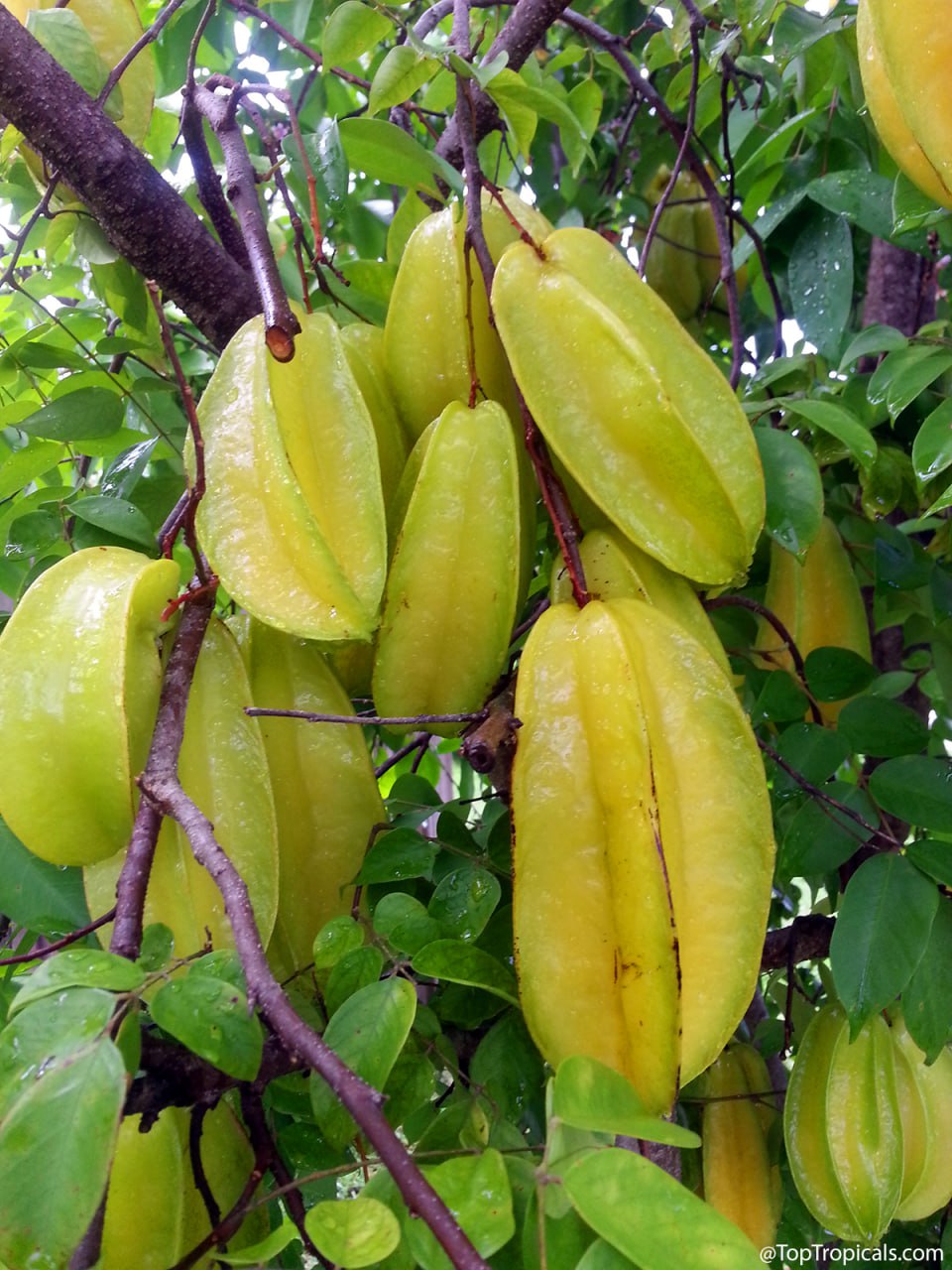
Grilled star fruit slices: quick-n-fun exotic recipes

Grilled star fruit slices on grill pan

Grilled star fruit slices on grill pan

Averrhoa carambola - Star Fruit Carambola Tree

Averrhoa carambola - Star Fruit Carambola Tree

🍴 Grilled star fruit slices: quick-n-fun exotic recipes


Grilled Star Fruit Slices

Ingredients

  • 1 ripe star fruit (carambola)
  • 1 teaspoon honey
  • 1 teaspoon butter or coconut oil

Instructions

  1. Slice the star fruit crosswise into star-shaped pieces.
  2. Heat a grill pan or skillet and lightly grease with butter or coconut oil.
  3. Place the slices on the hot surface and grill briefly on each side.
  4. Drizzle lightly with honey as the edges begin to caramelize.
  5. Serve warm as a tropical side dish or dessert topping.


🌿 About the plant:


Carambola, or Star Fruit, is a small tropical tree with glossy leaves and crisp, juicy fruit that slices into perfect stars.

Carambola Plant Facts

Botanical name: Averrhoa carambola
Also known as: Carambola, Starfruit, Five-finger, Balimbing
USDA Zone: 9 - 11
Highligths Small tree 10-20 ftSemi-shadeFull sunWatering: Regular. Let topsoil dry slightlyEdible plantSubtropical plant. Mature plant cold hardy at least to 30s F for a short time
Get personalized tips for your region


🏡 In the garden:


Thrives in zones 9-11. Likes sun, regular water, and protection from strong winds. Dwarf varieties do well in large containers.

🛒 Plant Star Fruit Carambola Tree

📚 Learn more:


Averrhoa carambola in Plant Encyclopedia
How to gets lots of Star Fruit Carambola
Star Fruit from our garden
Grow your own Carambola
Top 10 fast-fruiting trees: #8. Carambola - Starfruit
Carambola Banana Whip
Carambola Jam recipe
When young Carambola trees are covered with fruit
Carambola tree is the Star of the orchard

#Food_Forest #Recipes

🟢 Join 👉 TopTropicals

Date: 26 Feb 2026

Stop Sugar Crashes: 5 Tropical Fruit Hacks for Healthy Dessert

Exotic Tropical Fruits for Blood Sugar Management. Stop the sugar crash cycle. Learn how to manage glucose levels and insulin spikes using tropical fruits, healthy fats, and metabolic hacks for healthy dessert.

Exotic Tropical Fruits for Blood Sugar Management. Stop the sugar crash cycle. Learn how to manage glucose levels and insulin spikes using tropical fruits, healthy fats, and metabolic hacks for healthy dessert.

🍨 Stop Sugar Crashes: 5 Tropical Fruit Hacks for Healthy Dessert


The smarter way to handle sugar cravings - no restriction required

Tired of the post-cookie slump? Sugar cravings are a physiological response to blood glucose fluctuations, not a lack of willpower. Refined sugars trigger an insulin spike followed by a hypoglycemic crash, trapping you in a cycle of fatigue and hunger.
The secret to metabolic health is managing glycemic load. By choosing nutrient-dense tropical fruits, you satisfy your sweet tooth while maintaining stable energy homeostasis.
The solution is not to give up dessert. It is to change what dessert means. Here is how to use tropical horticulture to hack your biology and regulate insulin:

🍭 1. Choose fruit that comes with fiber


Whole tropical fruits deliver sweetness wrapped in fiber, water, and nutrients. That slows sugar absorption and keeps energy steady.
Try:
· Mango, chilled and sliced

Mango Plant Facts

Botanical name: Mangifera indica
Also known as: Mango
USDA Zone: 9 - 11
Highligths Large tree taller than 20 ftSmall tree 10-20 ftFull sunWatering: Moderate. Water when top soil feels dryYellow, orange flowersPink flowersEdible plantSeaside, salt tolerant plant
Get personalized tips for your region

· Sapodilla - naturally caramel-sweet
· Mulberries by the handful
· Loquat halves straight from the fridge
· Dragon Fruit for light, clean sweetness Same pleasure. Less crash.

🍭 2. Pair sweet with fat to blunt the glucose spike


Healthy lipids are a biological hack for your metabolism. Fats slow gastric emptying, ensuring a steady glucose release rather than an inflammatory spike. Furthermore, lipids trigger cholecystokinin (CCK) - the hormone that signals satiety to the brain - effectively "turning off" cravings at the source.
· Avocado blended into a chocolate-style mousse: The monounsaturated fats create a creamy texture while blunting the sugar response.

Avocado Plant Facts

Botanical name: Persea americana, Persea gratissima
Also known as: Avocado, Alligator Pear, Aguacate, Abacate
USDA Zone: 9 - 11
Highligths Large tree taller than 20 ftSmall tree 10-20 ftFull sunWatering: Regular. Let topsoil dry slightlyEdible plantSubtropical plant. Mature plant cold hardy at least to 30s F for a short time
Get personalized tips for your region

· Banana with nut butter: Combining fast-acting fruit sugars with dense protein and fats.
· Pineapple with raw nuts: The bromelain in pineapple aids digestion, while the fats in nuts provide long-lasting satiety.

Pineapple Plant Facts

Botanical name: Ananas comosus
Also known as: Pineapple, Pina
USDA Zone: 9 - 11
Highligths Small plant 2-5 ftSemi-shadeFull sunWatering: Moderate. Water when top soil feels dryOrnamental foliageThorny or spinyEdible plantSubtropical plant. Mature plant cold hardy at least to 30s F for a short time
Get personalized tips for your region

· Mango mixed into full-fat yogurt: The combination of probiotics, protein, and lipids turns a simple fruit into a complete, low-glycemic snack. When fruit is balanced with fat, cravings calm down instead of escalating.

🍭 3. Use naturally rich fruits in place of sugar


Some tropical fruits taste like dessert already.
· Jackfruit has candy-like sweetness
· Sapote is creamy and custard-like
· Guava brings floral depth
· Cherries add brightness
· Mash Banana into baking instead of white sugar.
· Blend Mango into yogurt instead of syrup.
· Top oatmeal with Mulberry instead of brown sugar. Dessert stays. The crash disappears.

🍭 4. Balance sweet with tart


Adding contrast reduces the urge to overeat sweetness.
· Carambola adds crisp tang.
· Pineapple brightens the palate.
· Loquat gives gentle acidity. Balanced flavors satisfy faster.

🍭 5. Start the day right


Skipping breakfast increases late-day sugar cravings.
A morning smoothie with Avocado, Banana, and Mango prevents the afternoon energy dip. Hydration also matters - thirst often disguises itself as a sweet craving.

🍭 In essence


Dessert is not the enemy. Refined sugar is.
When sweetness comes from nature's bounty, it nourishes instead of draining energy.
You do not need to quit dessert.
You just need to let nature handle it.

Consult with a healthcare professional before making significant dietary changes, especially if you have diabetes or metabolic conditions

🛒 Start your tropical fruit journey

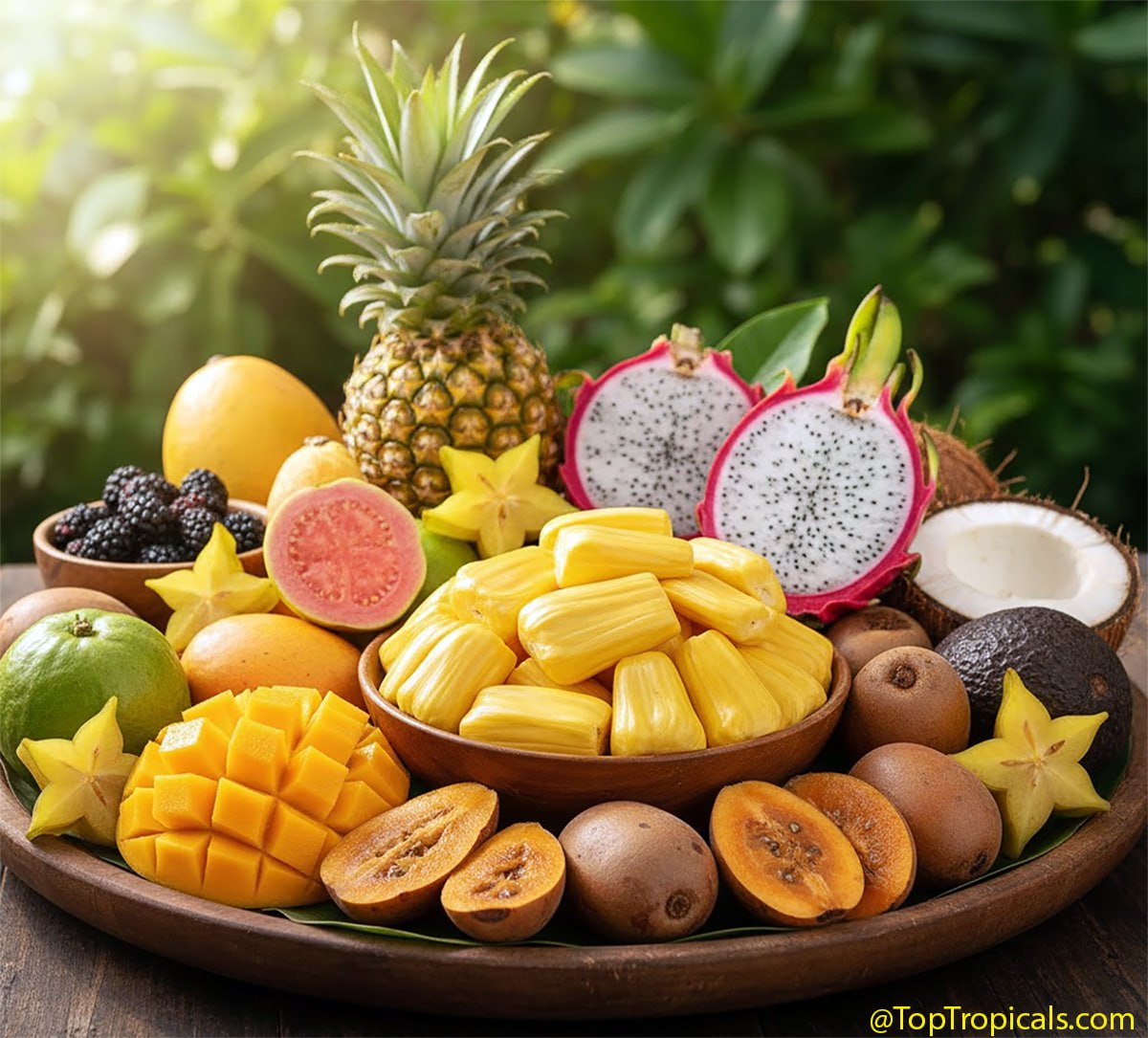
Annona · Guava · Mango · Sapodilla · Mulberry · Pineapple · Avocado · Banana · Loquat · Dragon fruit · Jackfruit · Sapote · Cherries · Carambola

📚 Learn more:


A leaf you grow, not a pill you buy: Insulin ginger - the plant people actually use
How to lose weight naturally with tropical fruit and plants
What's for breakfast? Guava versus Banana
11 tropical fruits to eat instead of taking a fiber supplement
How to make lots of Insulin Ginger plants quickly and get more health benefits
Truth about which fruit helps you lose weight faster: Mango or Papaya?
Five best tropical fruits to naturally boost your energy
Finally: a sugar that’s good for your health

#Food_Forest #Remedies #Discover

🟢 Join 👉 TopTropicals
Date: 23 Feb 2026

Macadamia nut oven crisp

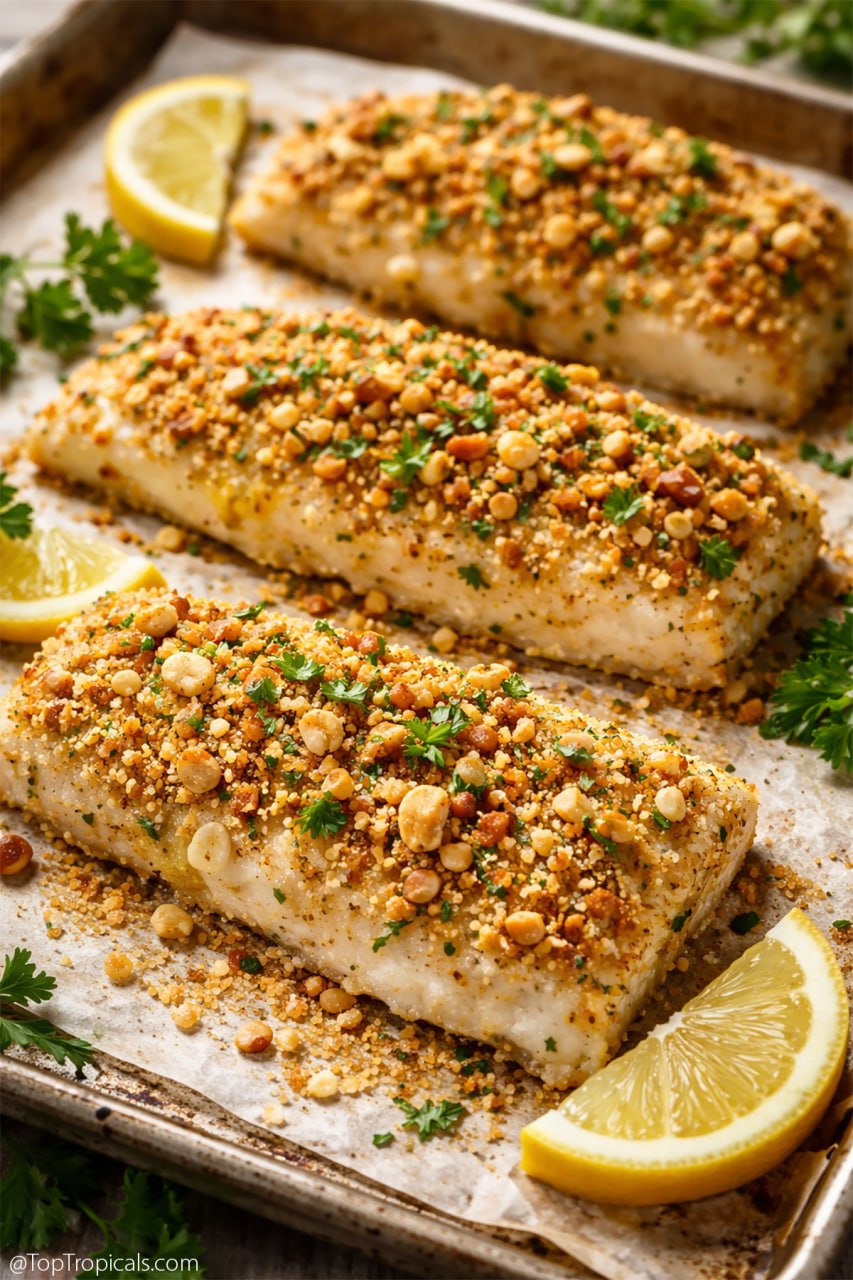
Golden macadamia-crusted fish fillet

Golden macadamia-crusted fish fillet

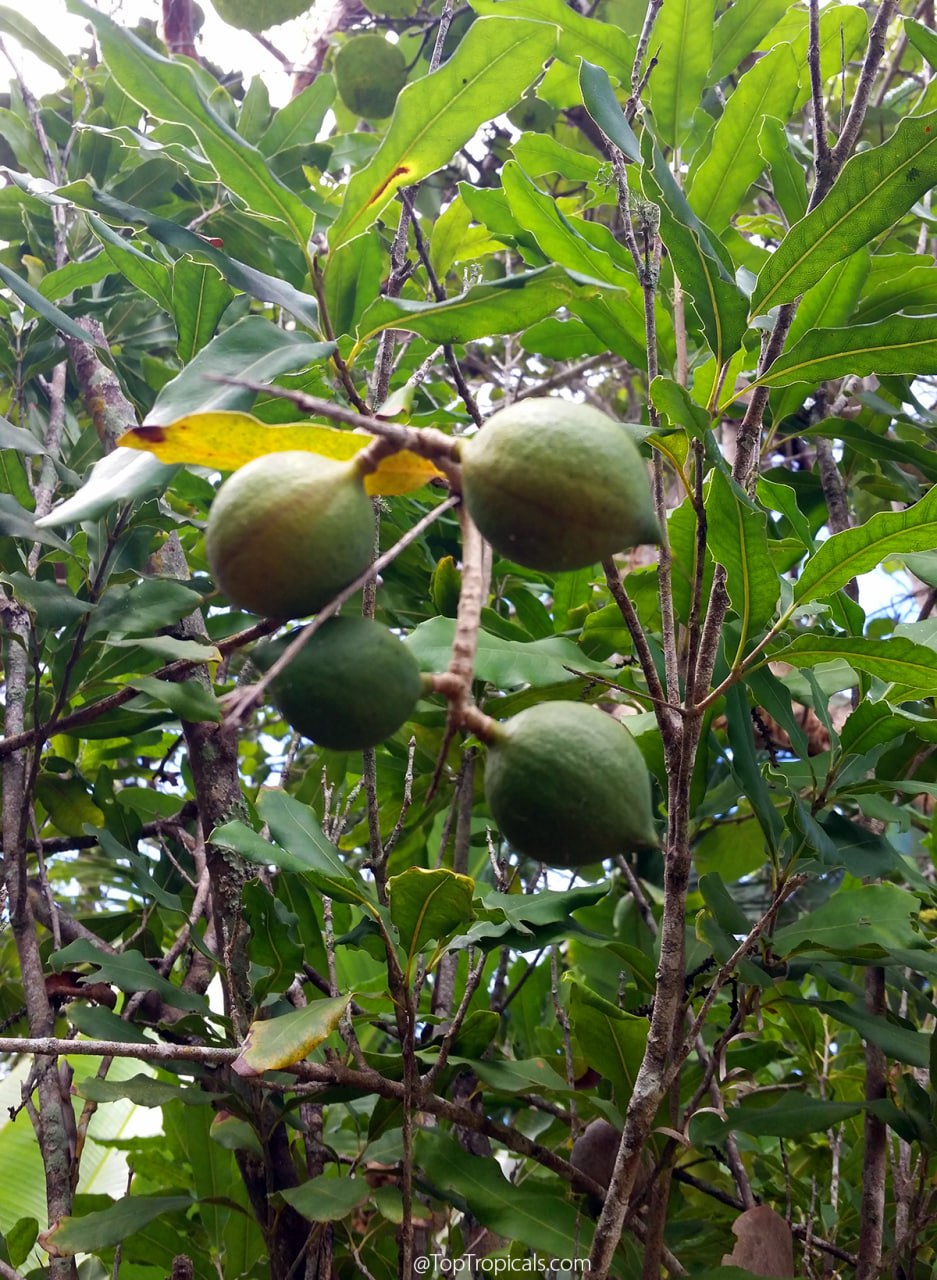
Macadamia integrifolia - Macadamia nuts and leaves on a tree

Macadamia integrifolia - Macadamia nuts and leaves on a tree

🍴 Macadamia nut oven crisp: quick-n-fun exotic recipes

Macadamia Nut Oven Crisp

Ingredients

  • 1 fish fillet (cod, tilapia, or snapper)
  • 1/3 cup crushed macadamia nuts
  • 1 teaspoon Dijon mustard
  • 1 teaspoon olive oil
  • Salt and pepper to taste

Instructions

  1. Preheat oven to 375°F.
  2. Spread a thin layer of mustard over the fish fillet.
  3. Press crushed macadamia nuts onto the top of the fillet.
  4. Drizzle lightly with olive oil.
  5. Bake until golden and crisp, about 12-15 minutes.


🌿About the plant:
Macadamia is an Australian rainforest tree that gives us one of the richest, creamiest nuts on earth. The shell is famously hard - you really earn that buttery crunch.

🏡 In the garden:


Best in warm climates, zones 9-11, cold hardy to light freeze. Needs full sun, good drainage, and patience - seedlings can take several years to start producing (grafted or air-layered trees start flowering right away). Once established, they are long-lived and productive.

🛒 Plant a hardy Macadamia tree to always have your nuts

📚 Learn more:

Macadamia nut Plant Facts

Botanical name: Macadamia sp.
Also known as: Macadamia nut
USDA Zone: 8 - 10
Highligths Large tree taller than 20 ftSmall tree 10-20 ftFull sunWatering: Regular. Let topsoil dry slightlyYellow, orange flowersWhite, off-white flowersPink flowersEdible plantSubtropical plant. Mature plant cold hardy at least to 30s F for a short timeFlood tolerant plant
Get personalized tips for your region

Macadamia integrifolia in Plant Encyclopedia
Macadamia nut crusted fish: quick-n-fun exotic recipes
Stop buying macadamias - plant this tree to enjoy your own nuts
Where do Macadamia nuts come from
What are the flowers of Macadamia nuts
Ten best fruit trees to grow in Florida and Southern landscapes. # 6: Macadamia Nut Tree.

How to grow your own Sweet Macadamia Nuts
Macadamia: Hard Sweet Nut and Hardy Tree
🎥 Growing Macadamia trees

#Food_Forest #Recipes

🟢 Join 👉 TopTropicals