Morus - Plant Encyclopedia Results
| Number of plants found: 7 |
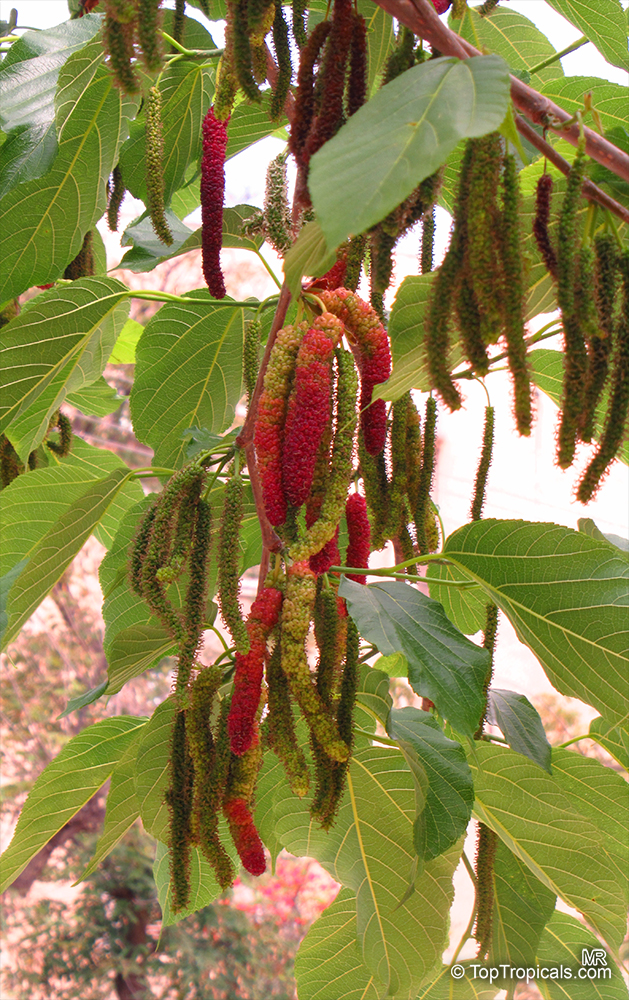
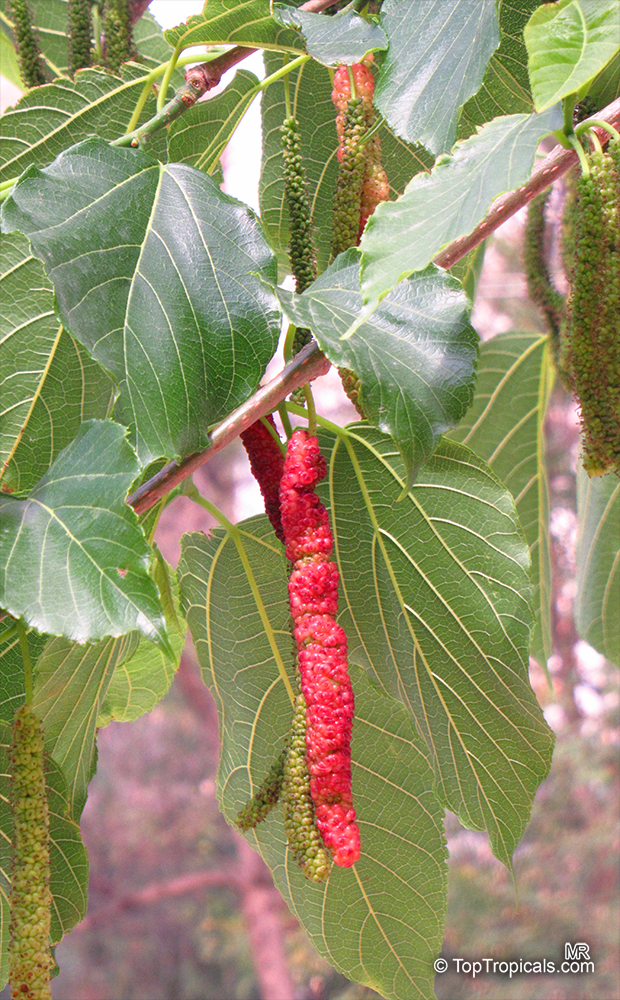
Botanical names: Morus macroura, Morus alba var. laevigata
Common names: King White Mulberry, Shahtoot Mulberry, Tibetan Mulberry, Long Mulberry
Family: Moraceae
Origin: Tibet, Himalayas, Indochina
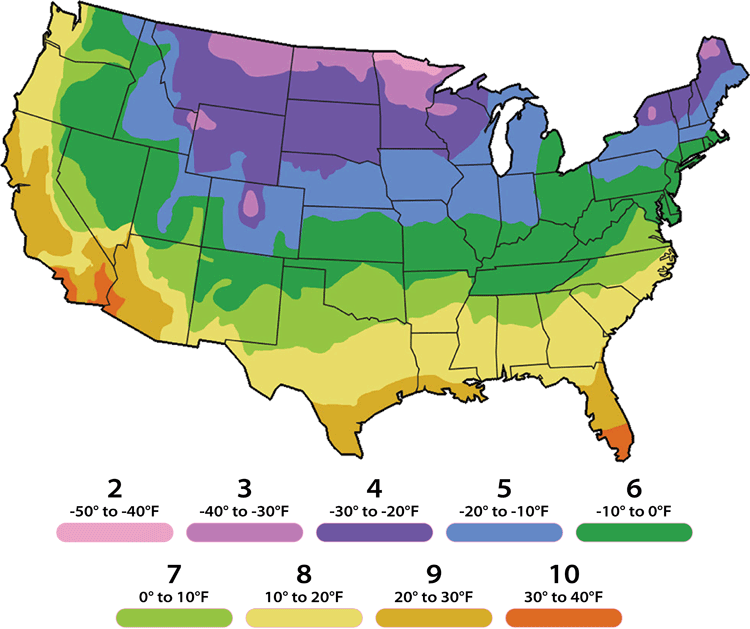
USDA Zone: 7-10


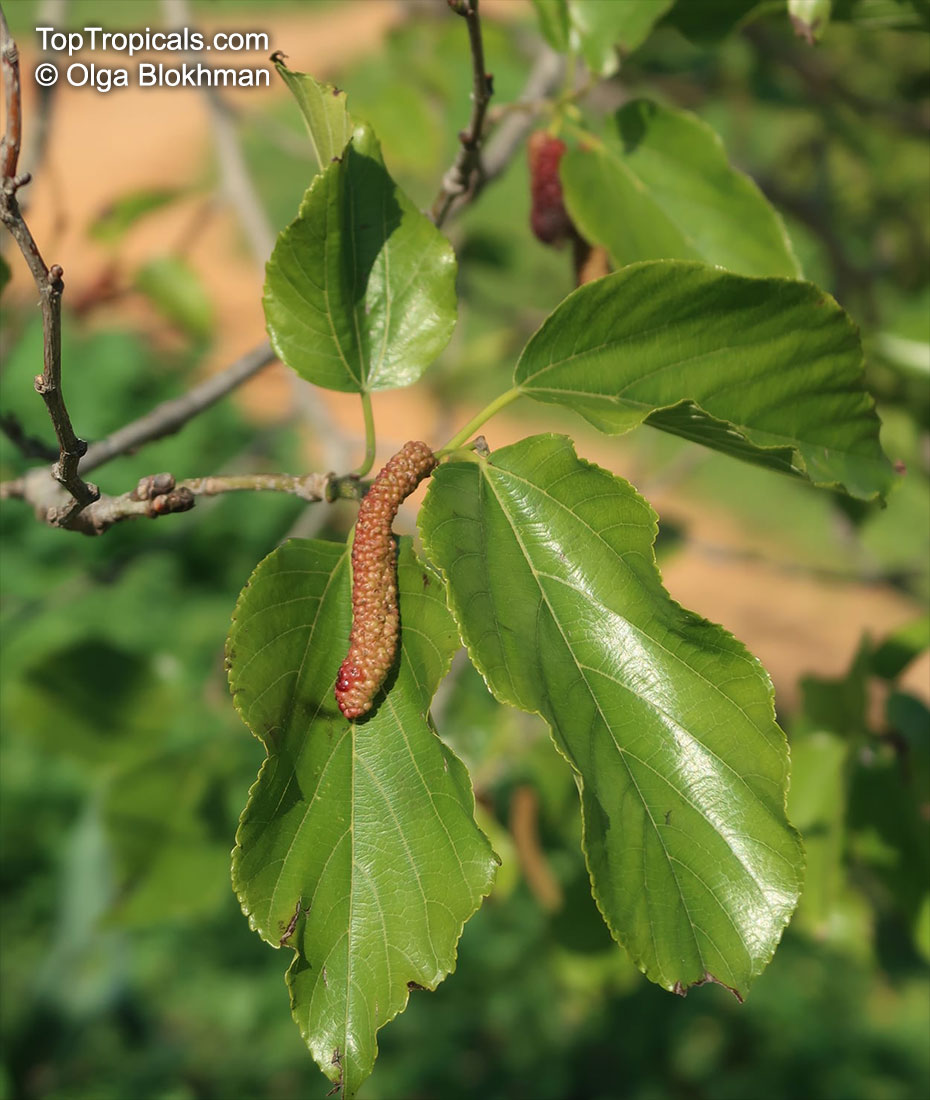
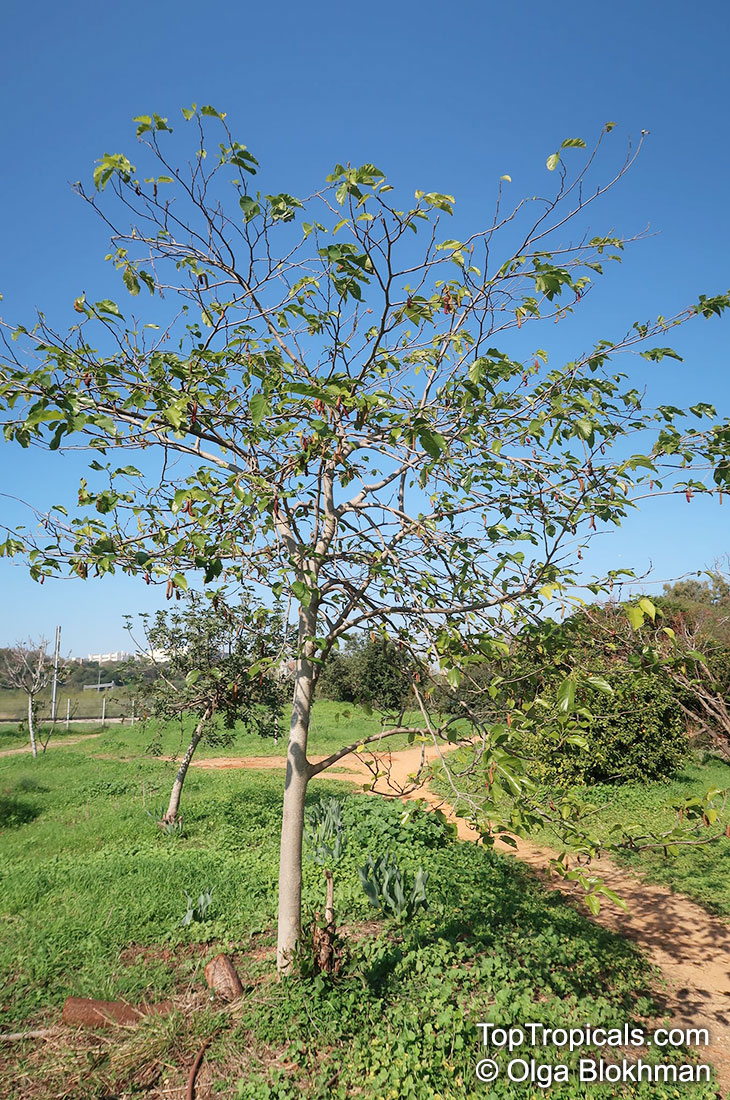
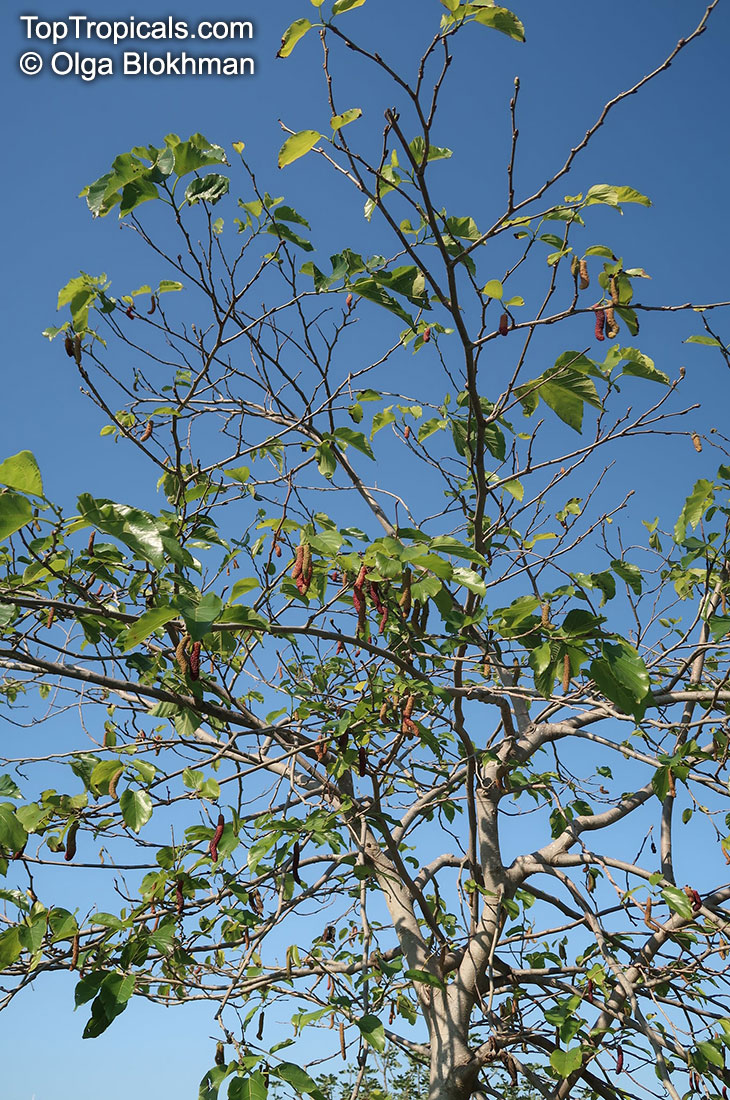
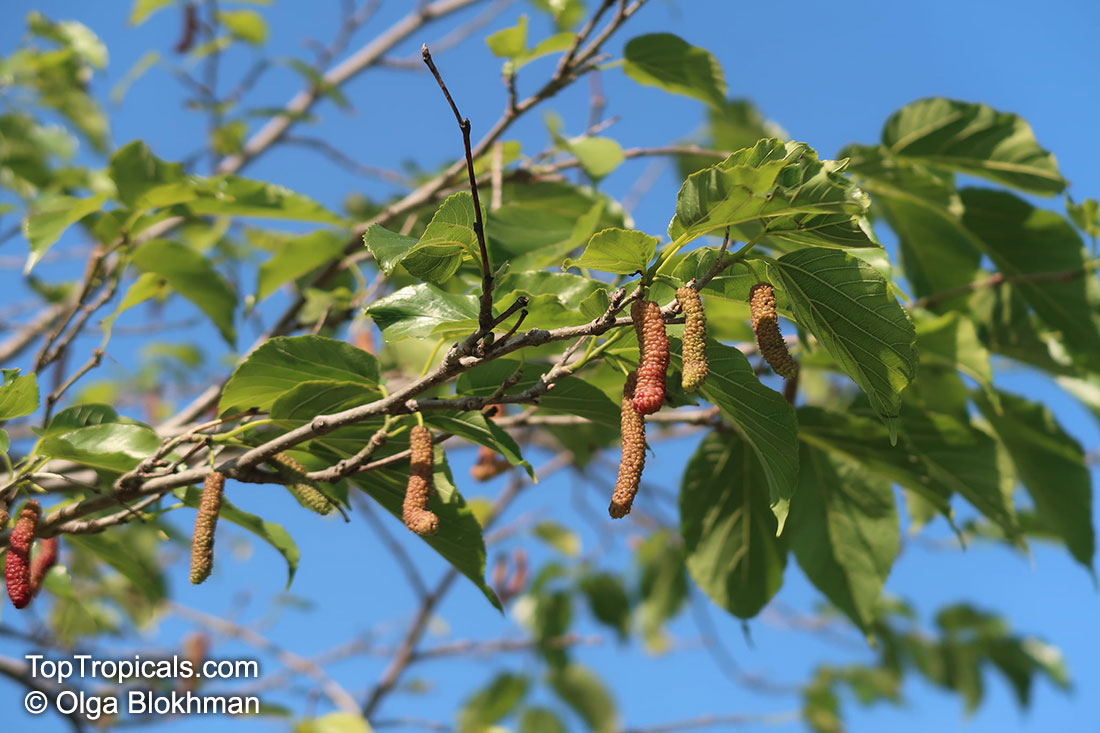
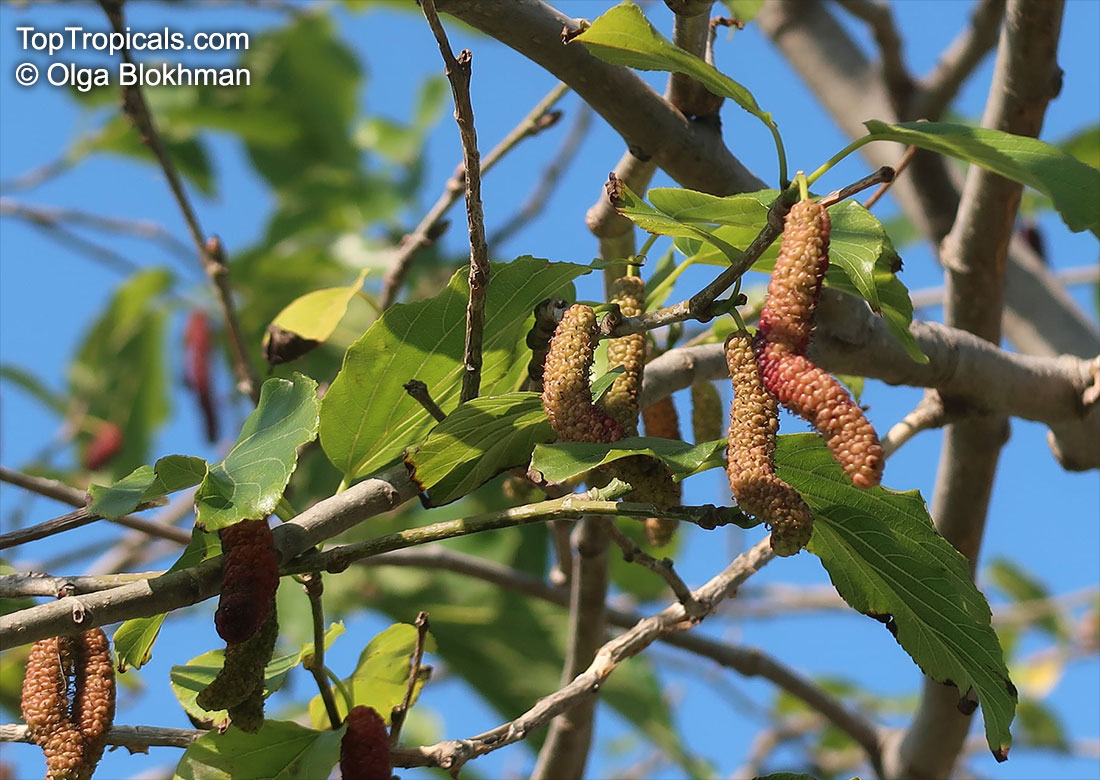
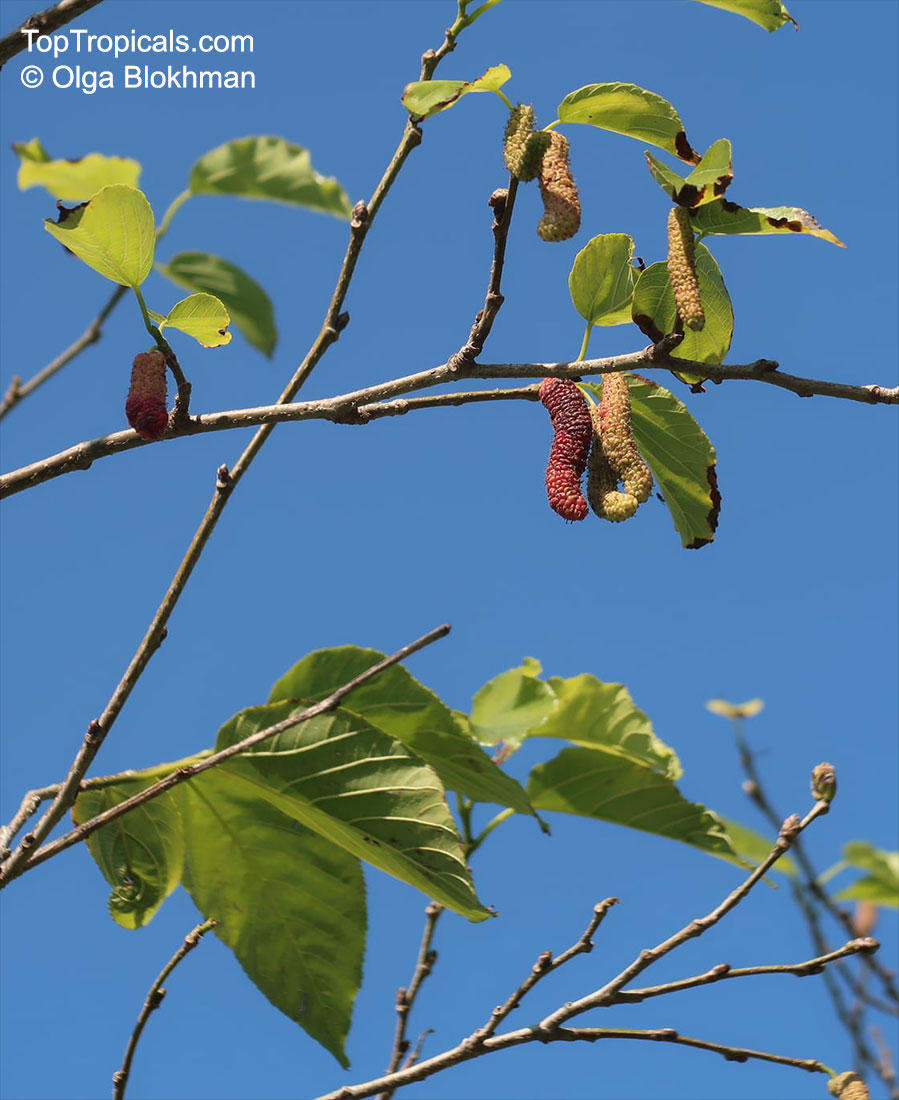
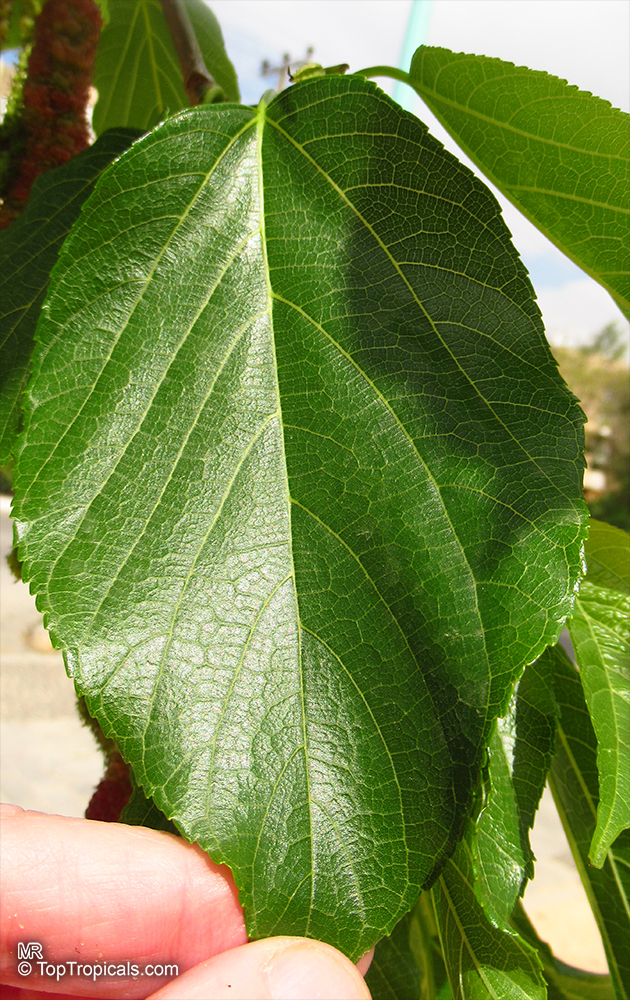
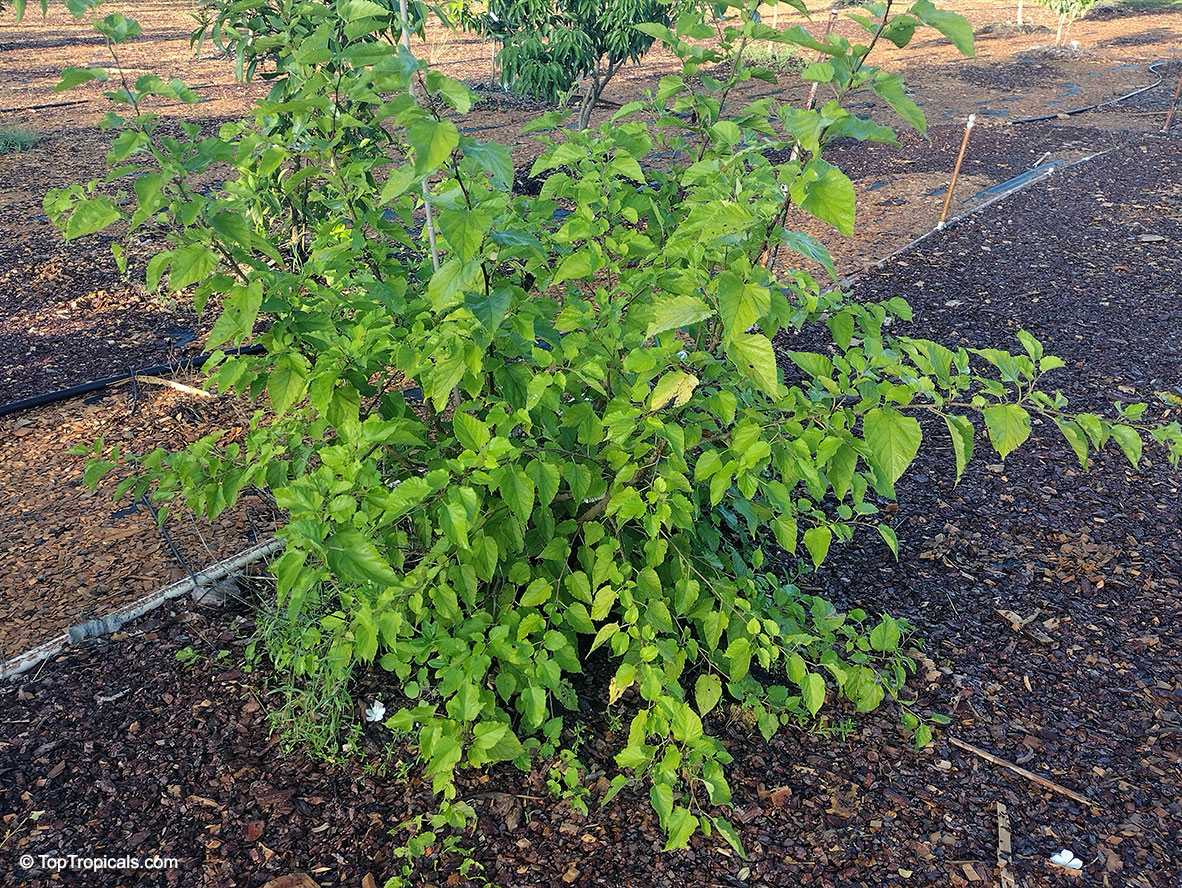
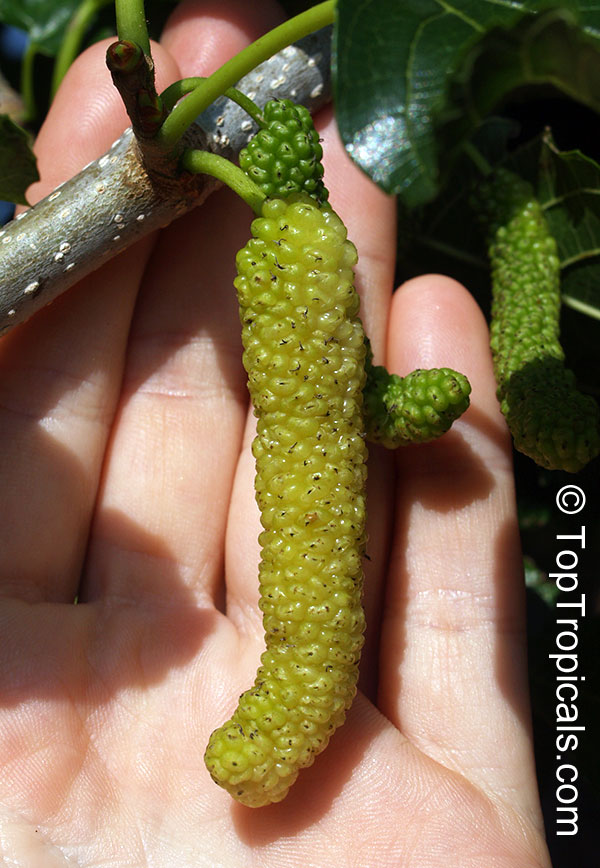
Morus macroura, or King White Mulberry, is a deciduous plant native to Tibet, Himalayas, and Indochina that can be used for bonsai. It is a small tree that typically reaches a height of 10-20 ft available in full sun or partial shade, and requires regular to moderate water. Not only is it an ethnomedical plant, but it is also edible. It is best grown in USDA hardiness zones 7 -10.
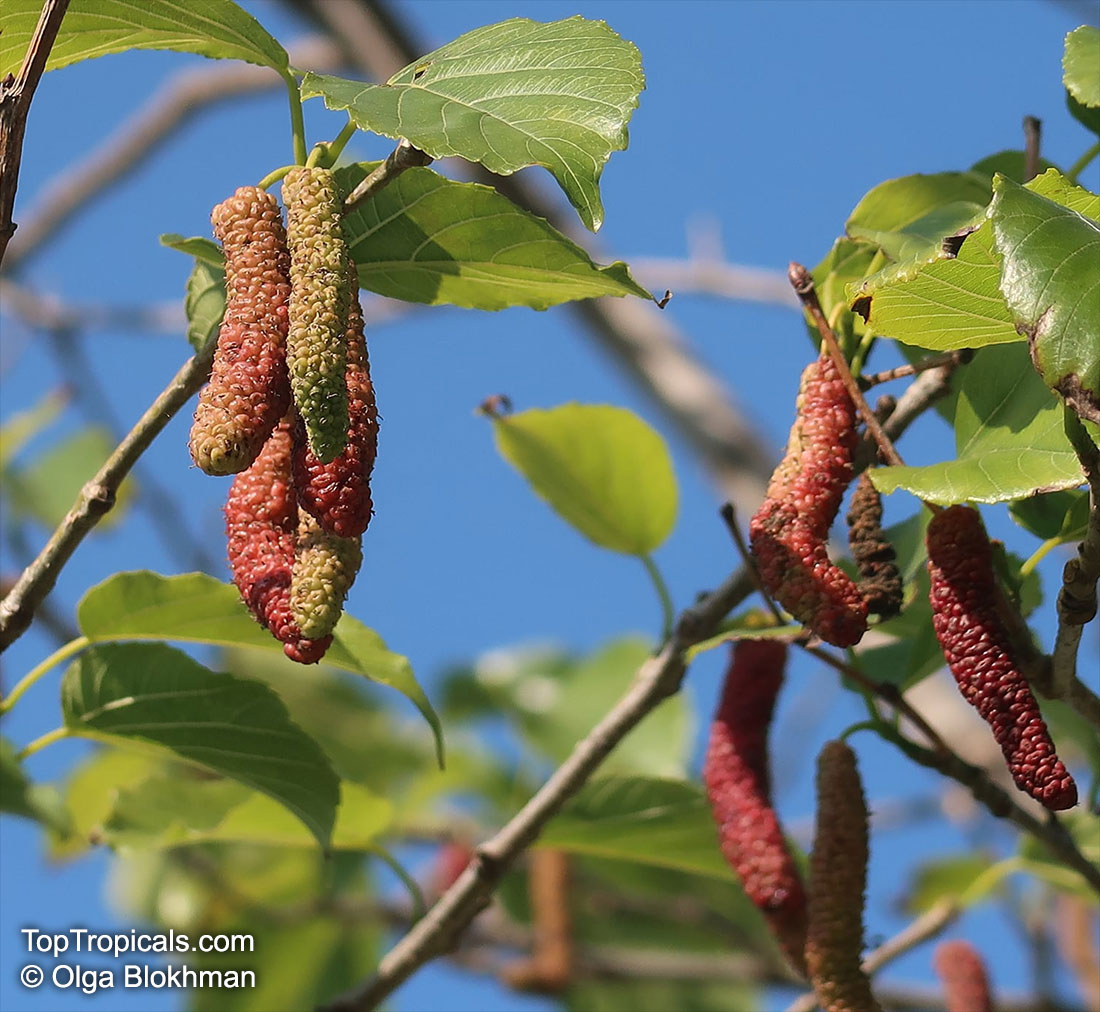
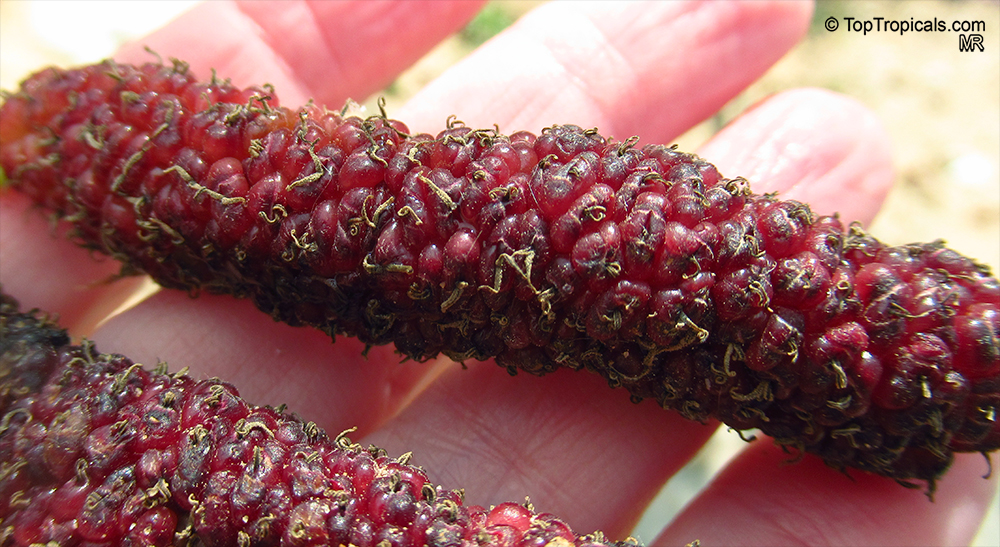
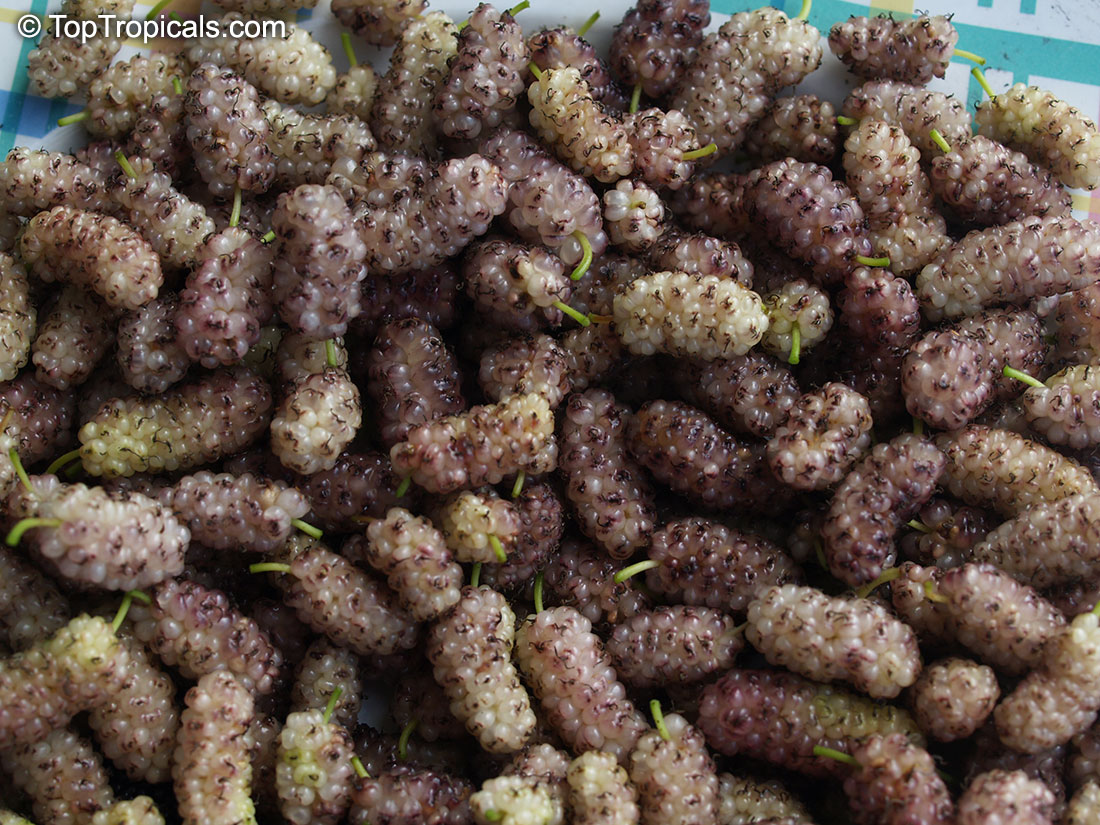
The King White Mulberry bears fruits, which vary in color from yellowish-white to almost black. The fruits can be up to 3-4 inches long and contain numerous small, yellowish drupelets that hold the sweet, edible pulp. Not only are the fruits edible, they are also very healthy. They are rich in antioxidants, vitamins, and minerals which can help support an overall healthy lifestyle. The juice of the bark is also used for medicinal purposes and applied to cuts and wounds.
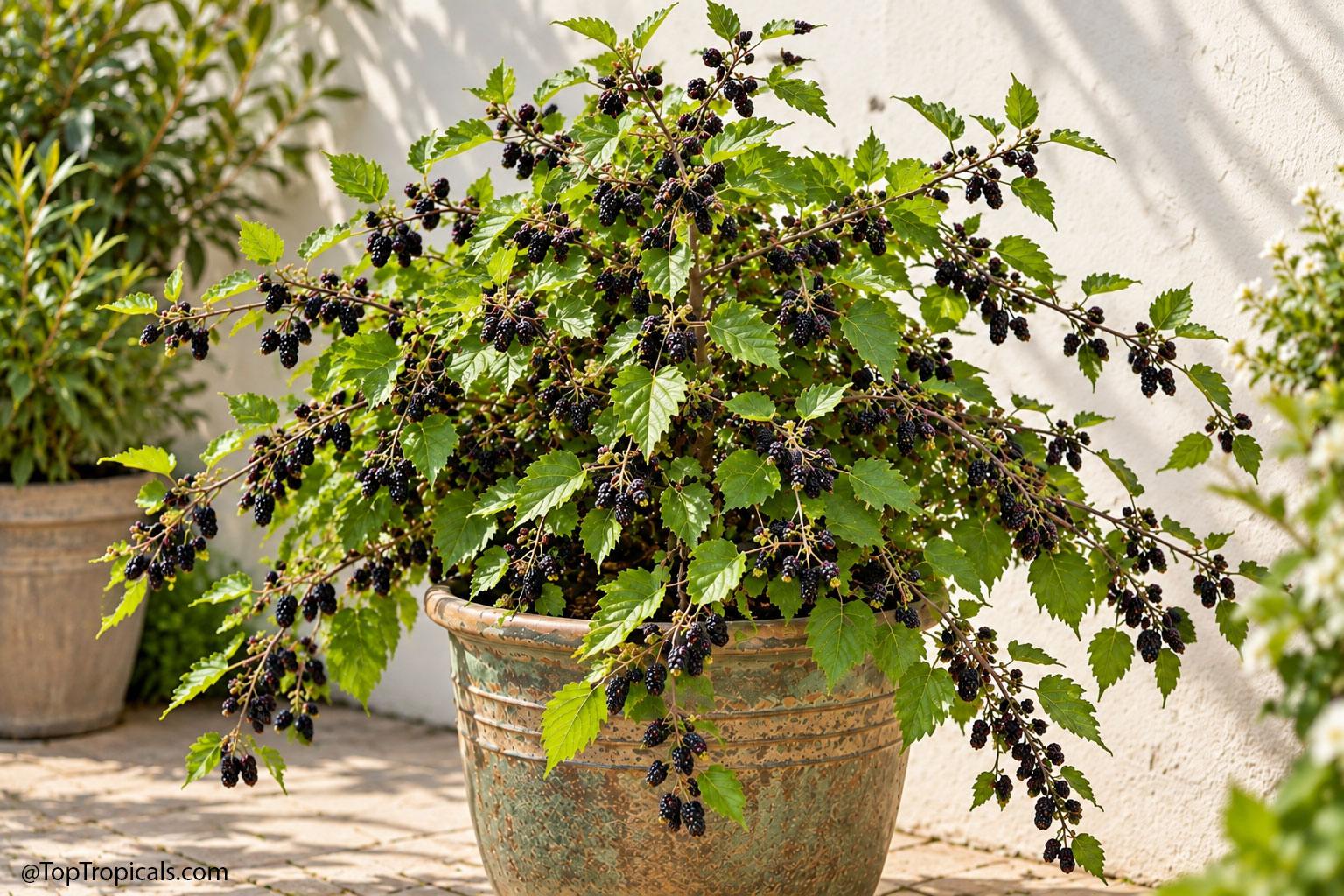
King White Mulberry tree is a fruitful tree that can produce several hundred pounds of fruit each year. If the tree is grown in a pot in cold regions, it will need to be moved indoors during the winter and then back outdoors once temperatures warm up. This can be done with proper preparation and care, including careful watering, proper soil, and pruning to keep the size of the tree manageable. It is important to also prune off any dead or dying branches as well as any overly vigorous growth. All of these elements will help create a strong, healthy tree with an abundant yearly crop.

Botanical name: Morus sp.
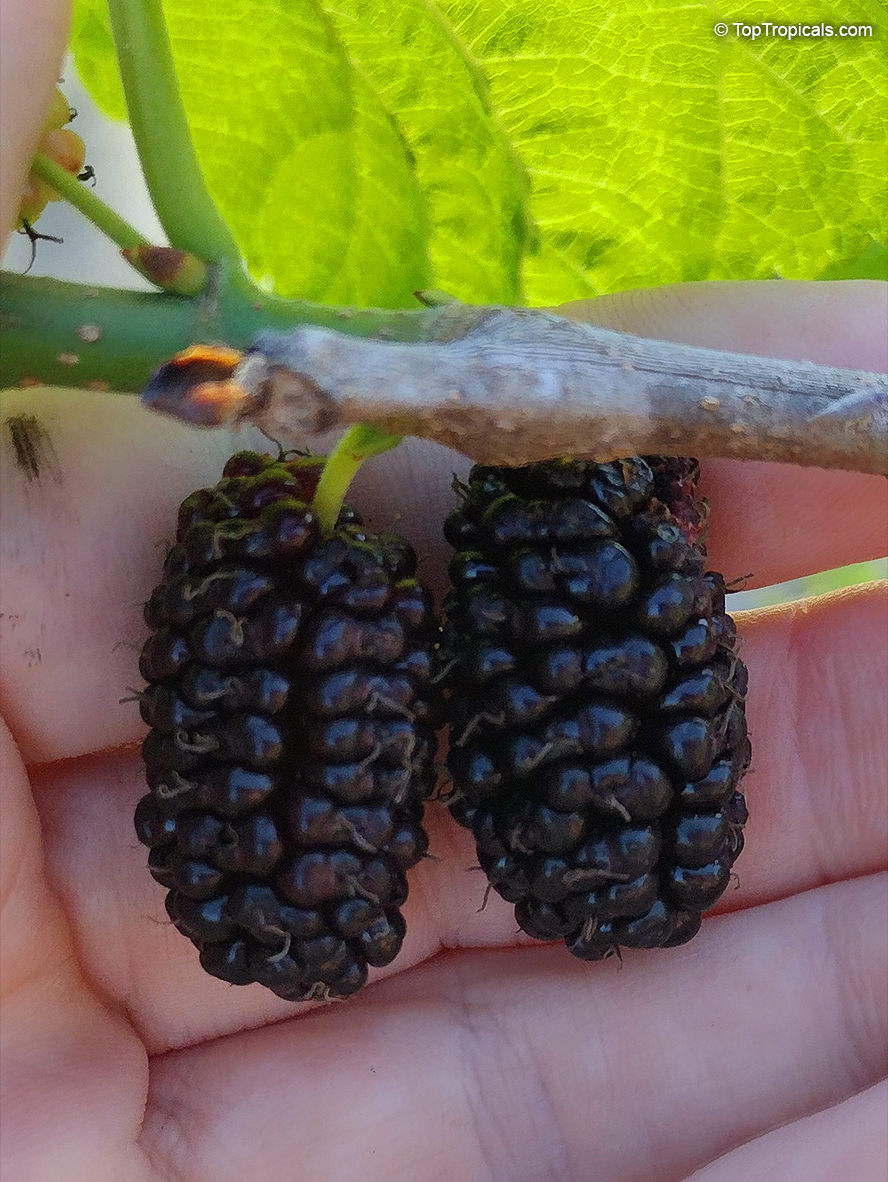
Common name: Tice Mulberry
Cultivar: Tice
Family: Moraceae
USDA Zone: 6-10

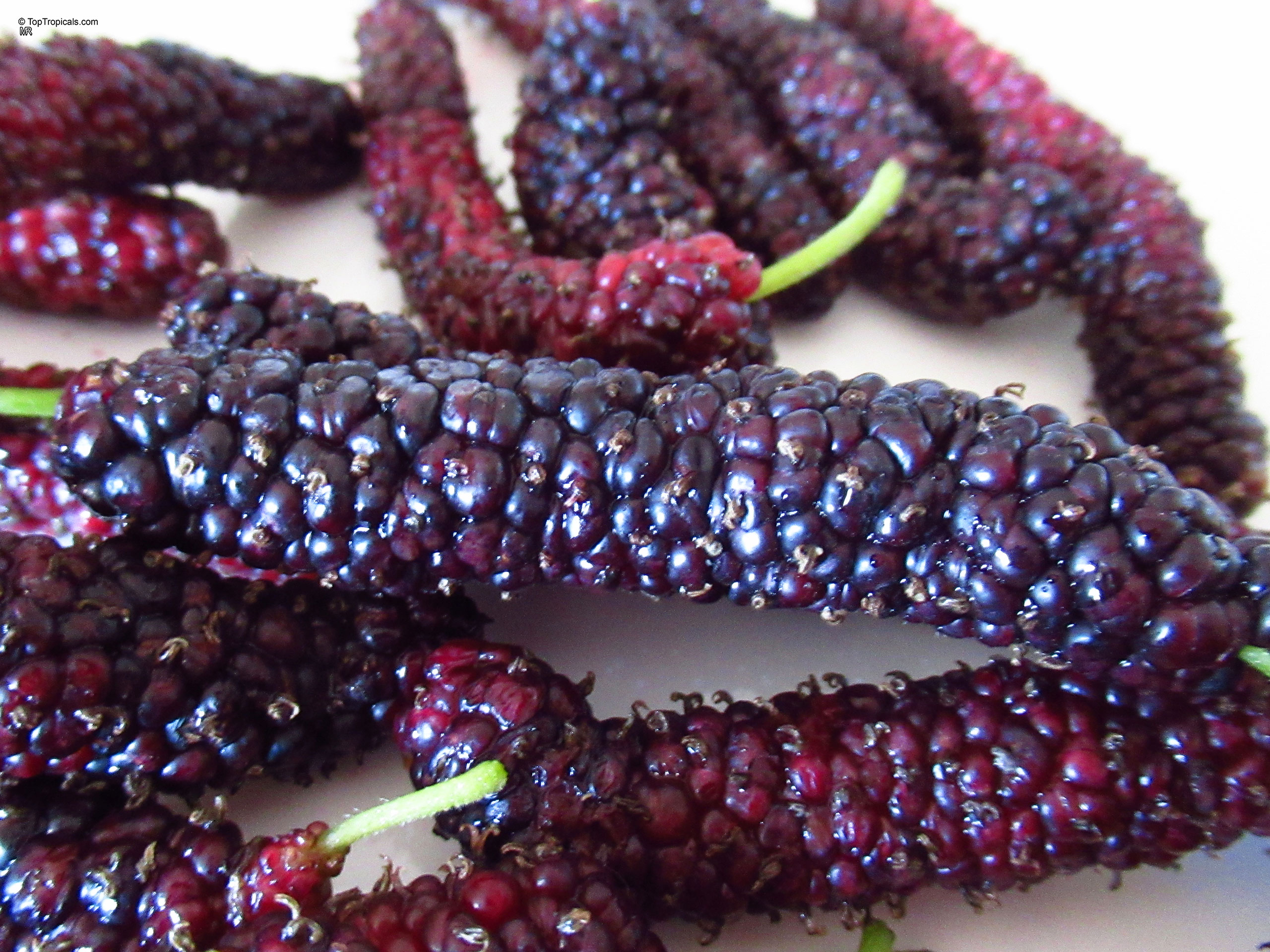
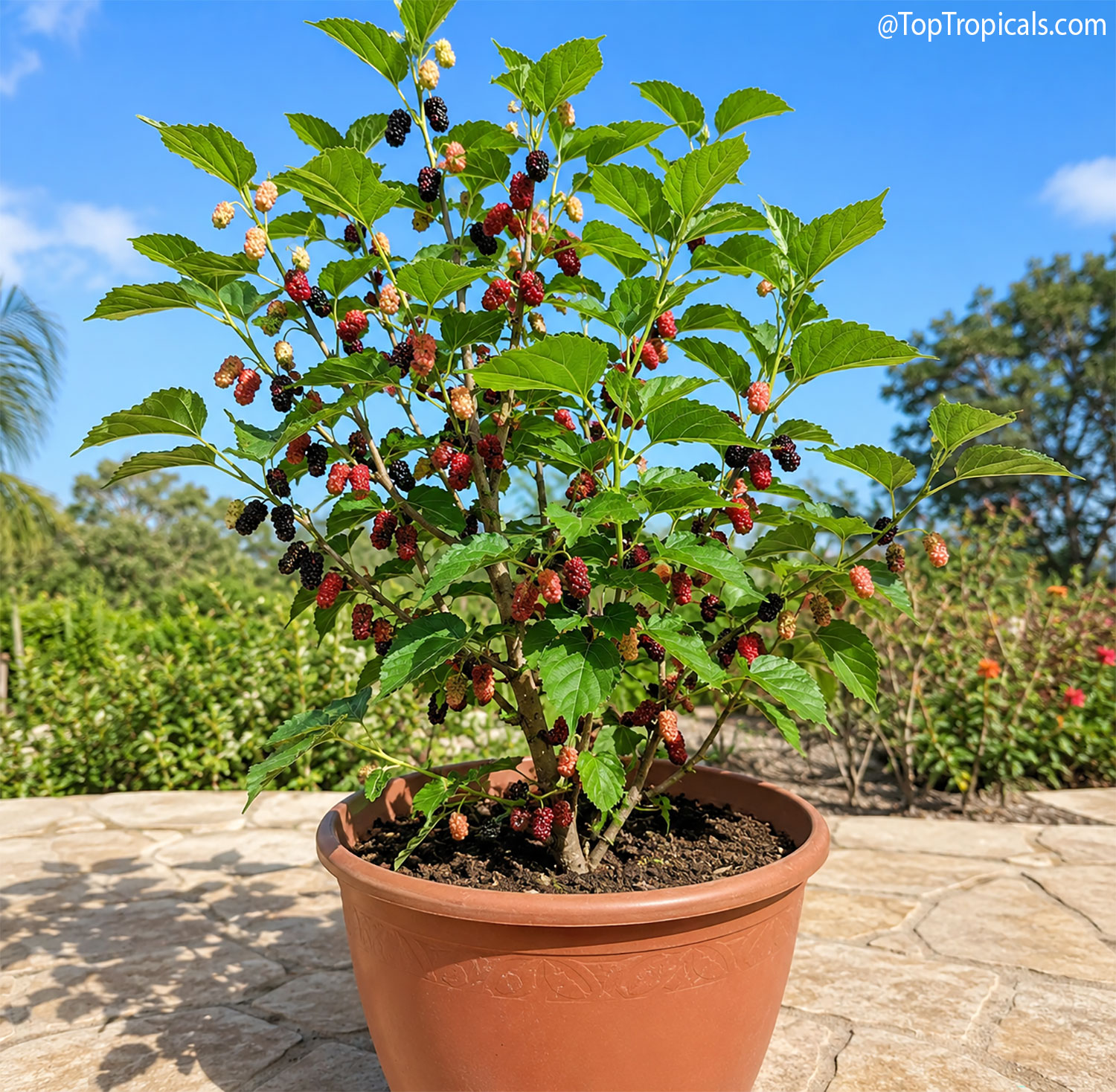
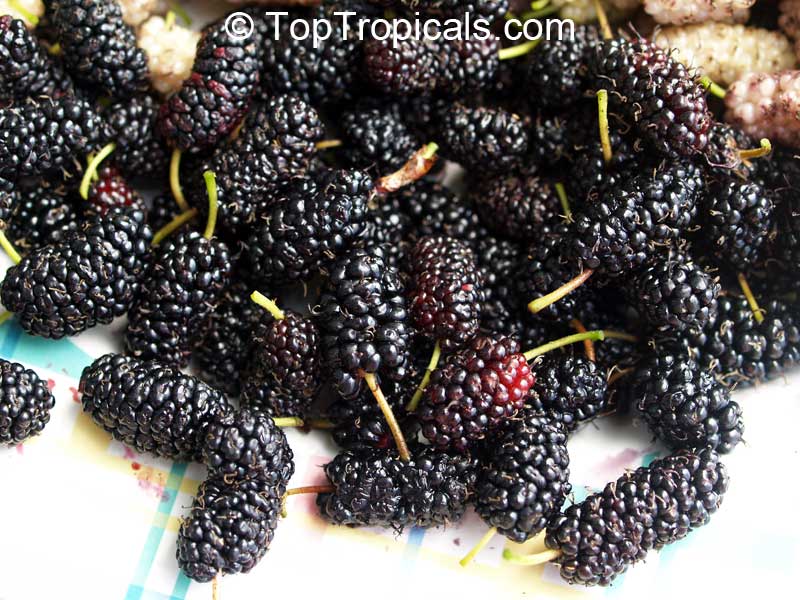
Morus 'Tice' is a productive mulberry cultivar selected in Florida and valued for its vigorous growth and reliable crops. It produces large, sweet dark berries with a rich flavor and is widely grown in warm climates for fresh eating.
Botanical name: Morus sp.
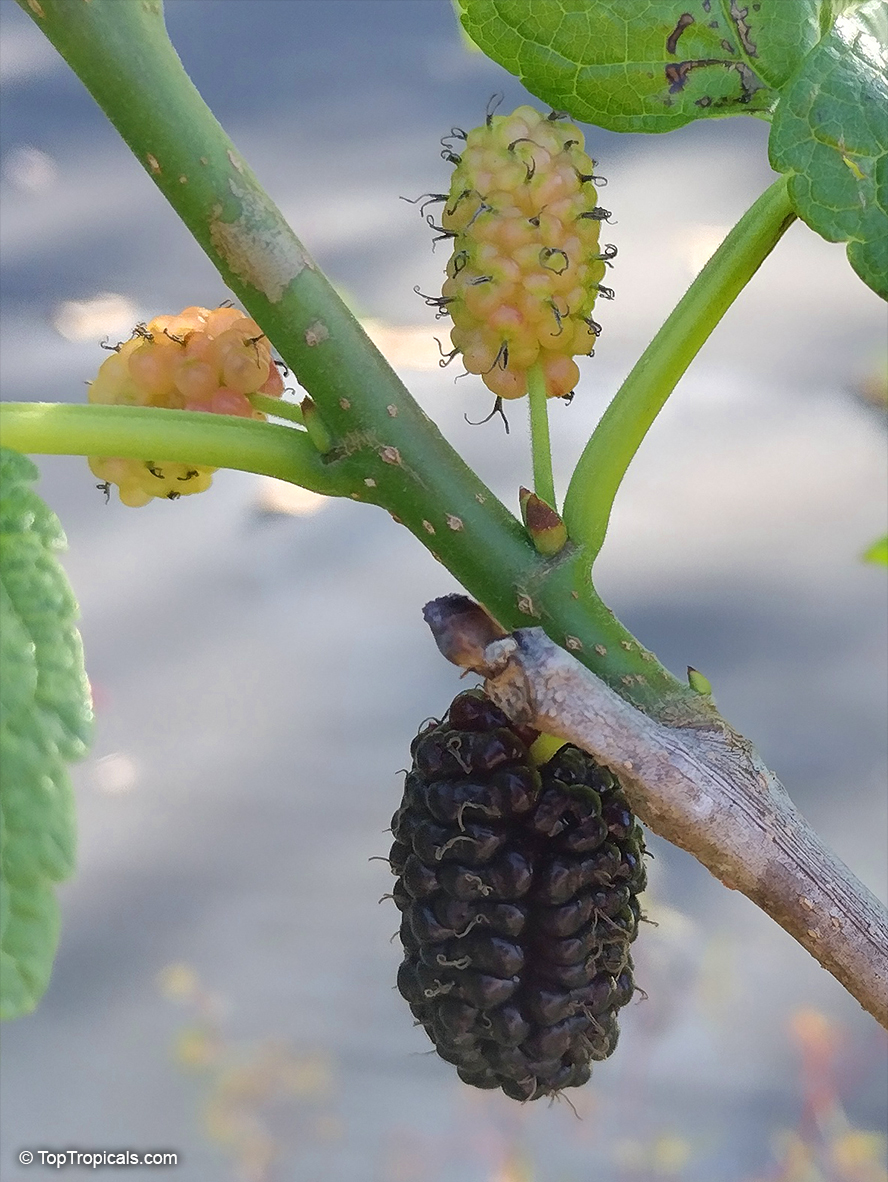
Common name: Issai Mulberry
Cultivar: Issai
Family: Moraceae
USDA Zone: 6-10
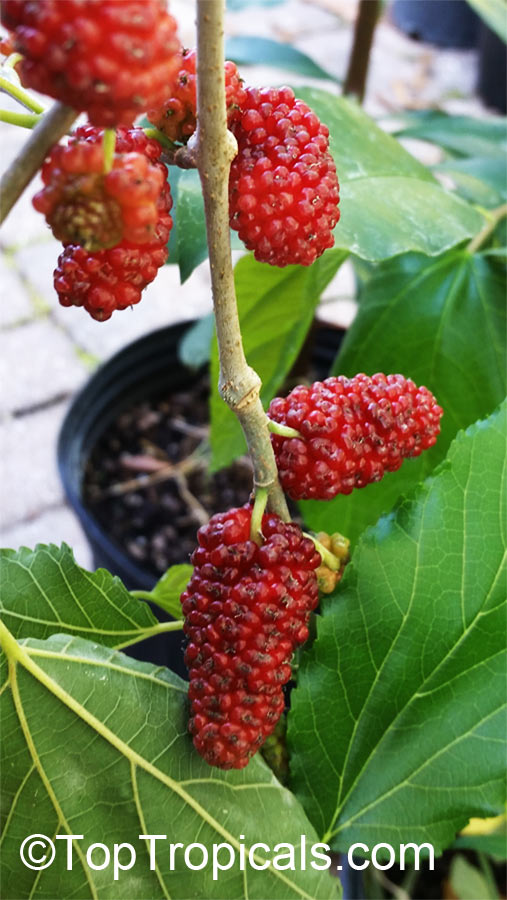
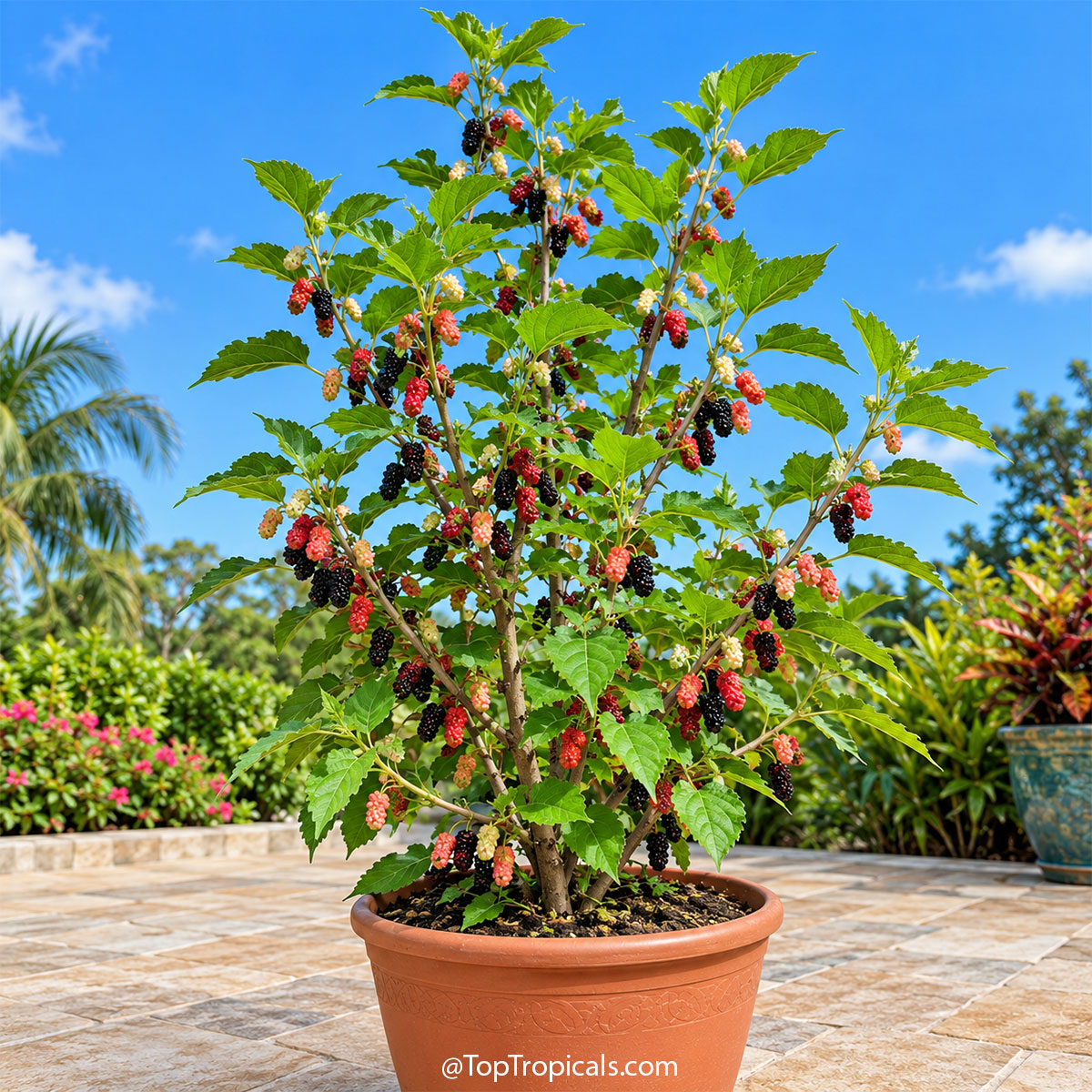
Morus 'Issai' is a compact mulberry cultivar valued for its early and reliable fruiting. It produces sweet, elongated dark berries and is well suited to small gardens and container growing due to its naturally dwarf growth habit.
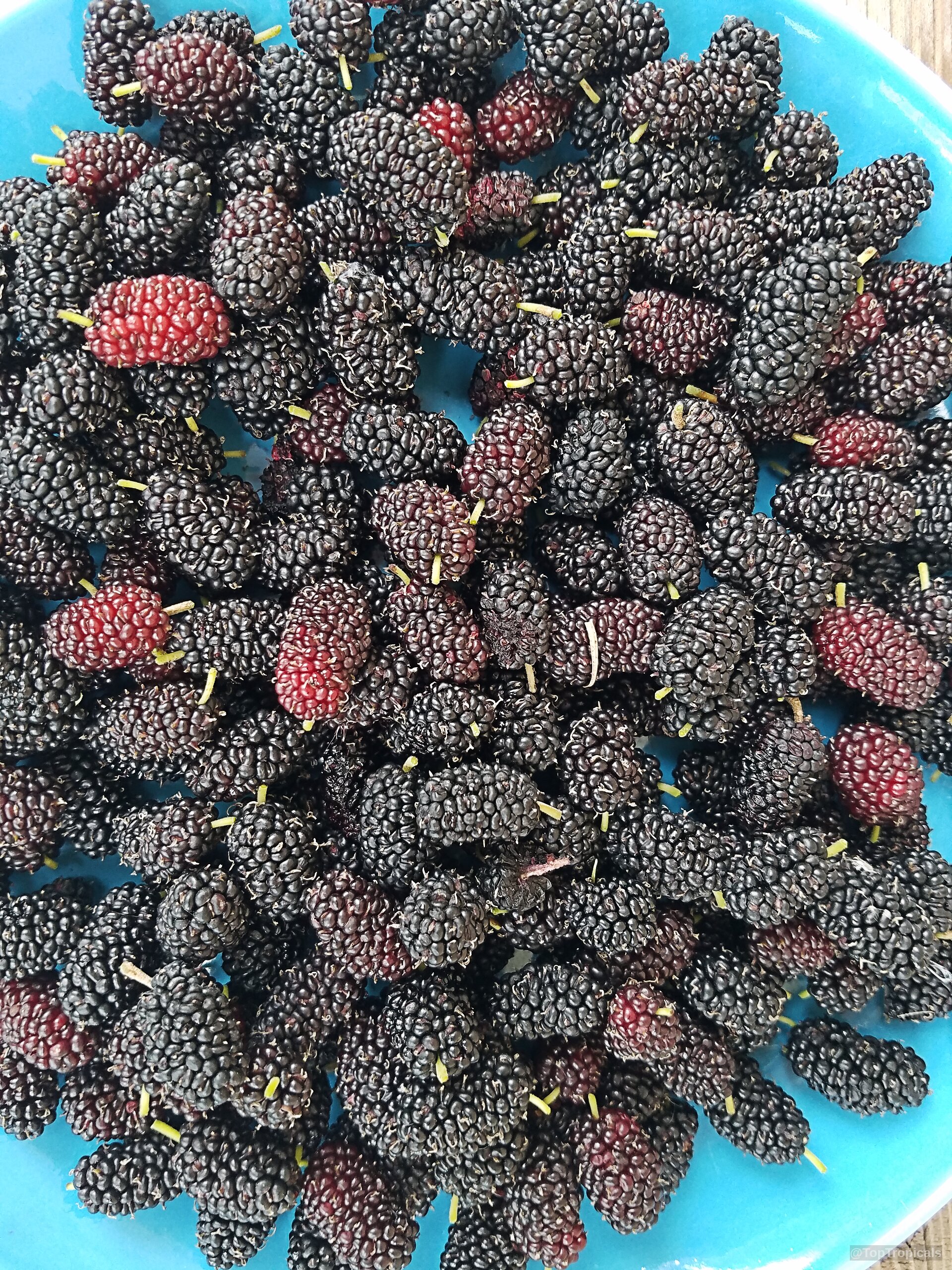
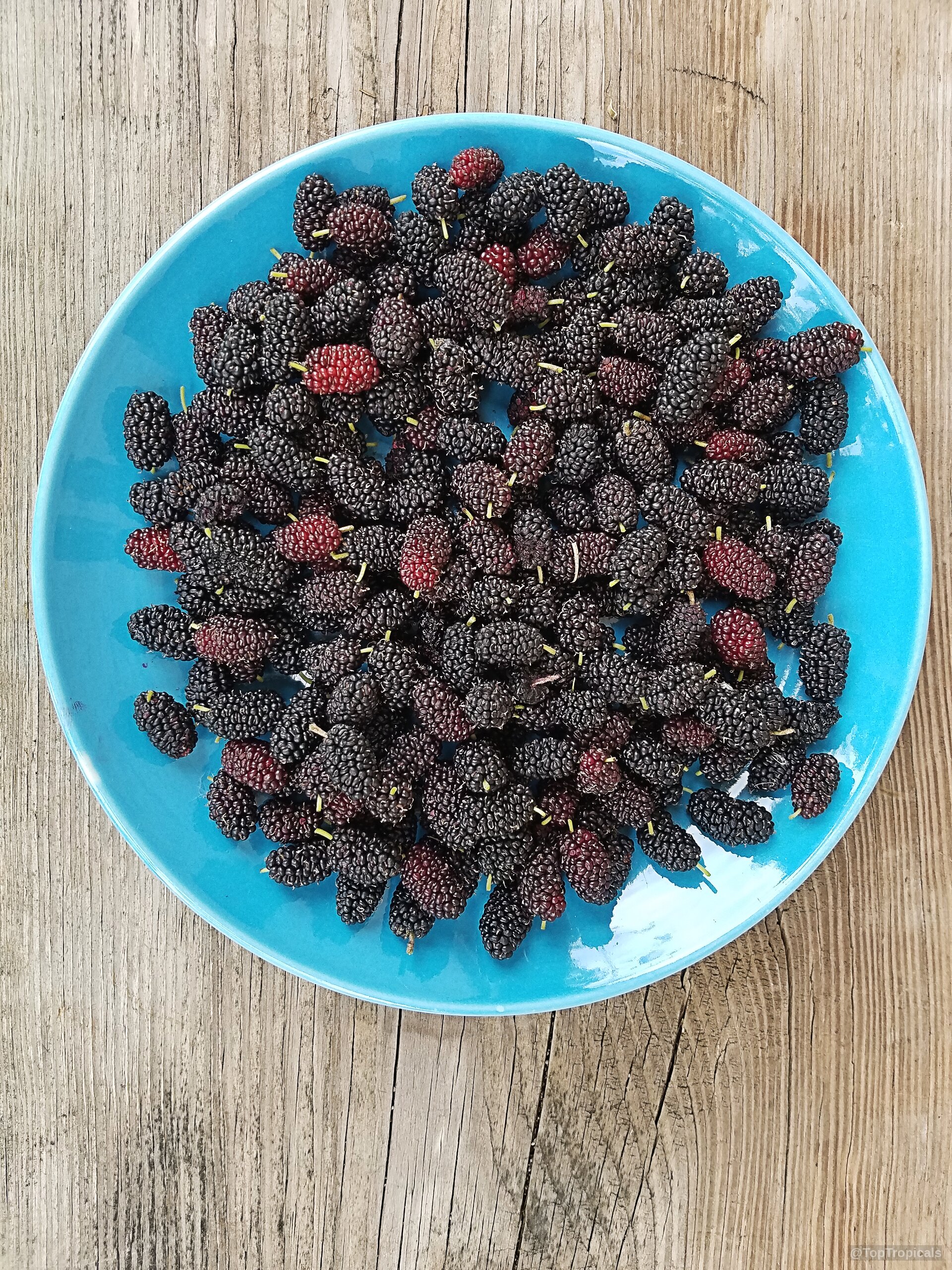
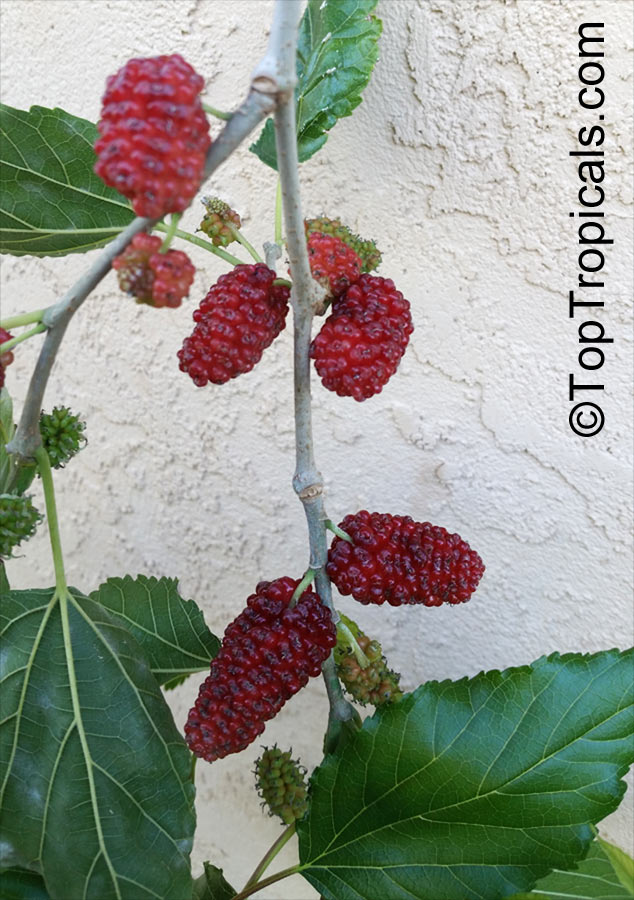
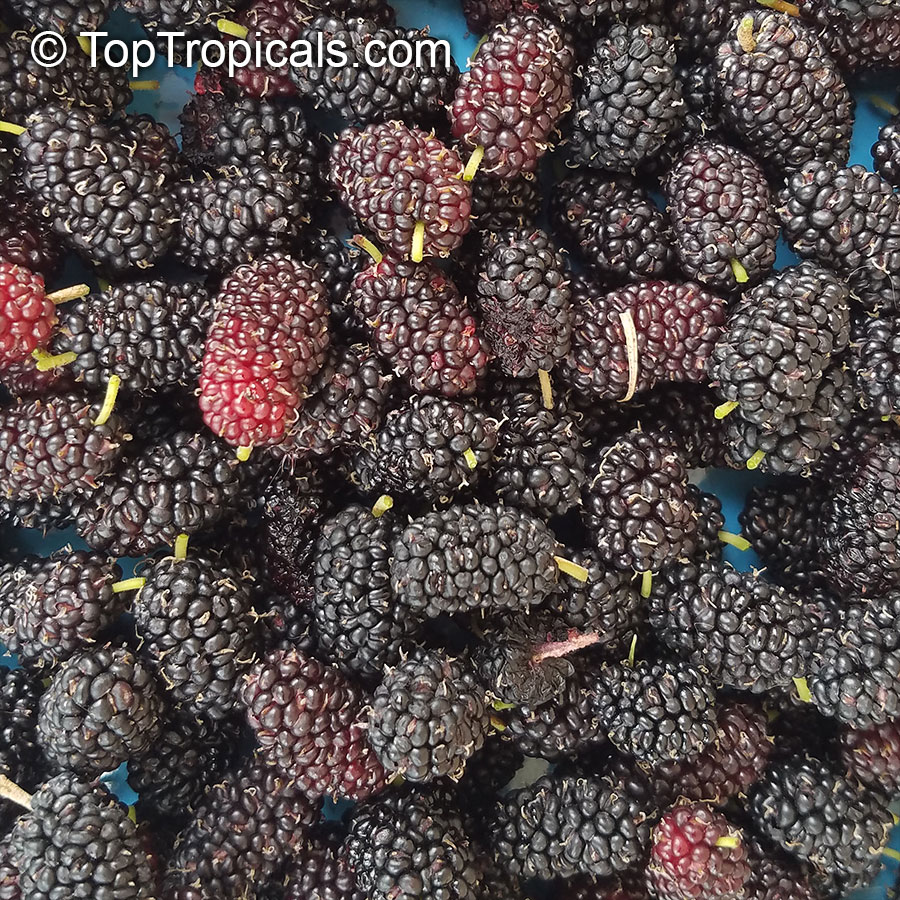

Botanical name: Morus sp.
Common name: Australian Green Mulberry
Cultivar: Australian Green
Family: Moraceae
USDA Zone: 6-10
Morus 'Australian Green' is a rare mulberry cultivar believed to originate from Australia and often associated with long-fruited Asian mulberries. It produces unusually long, very sweet berries, and some growers note that the flavor can resemble honeydew melon.

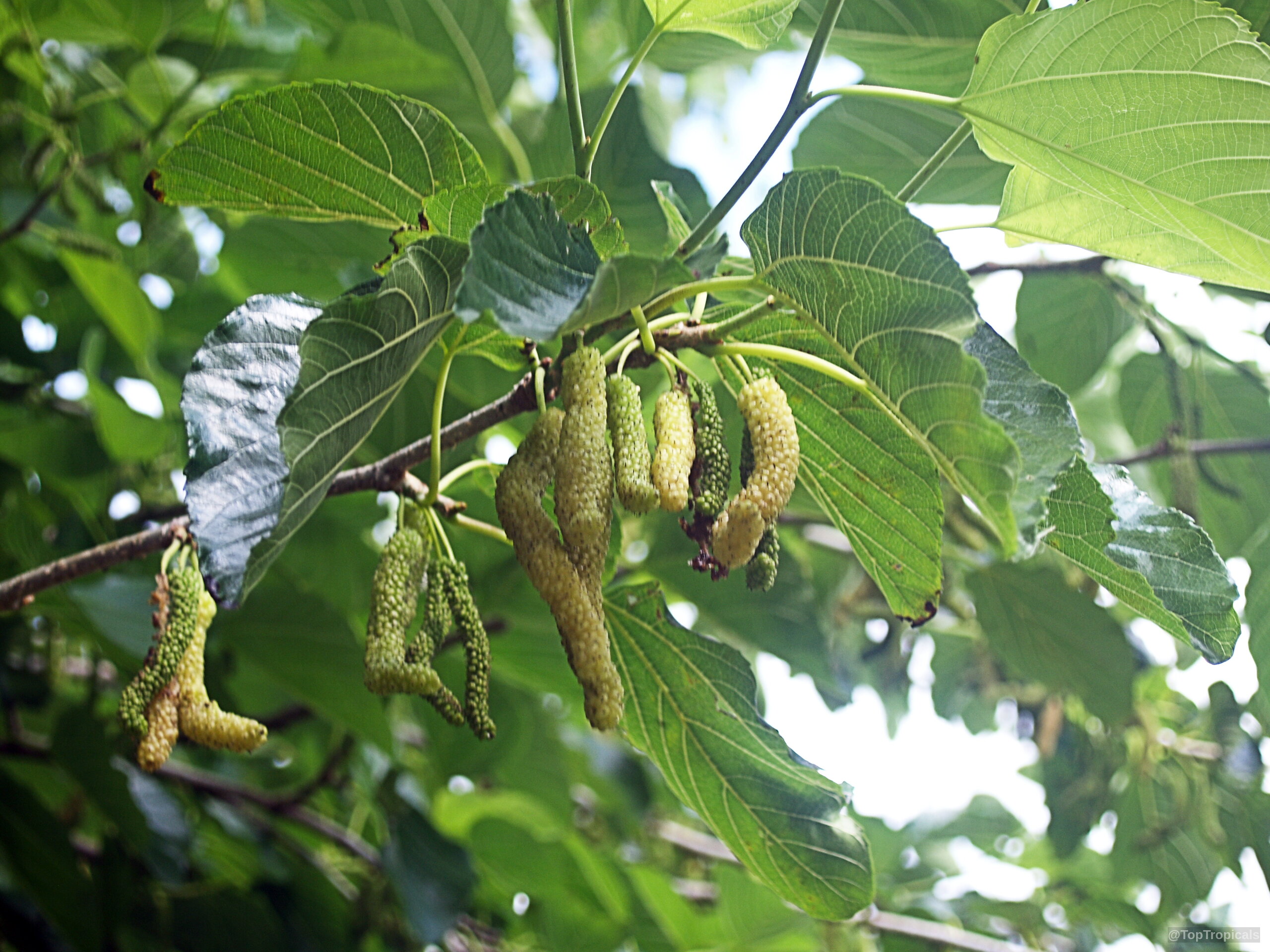
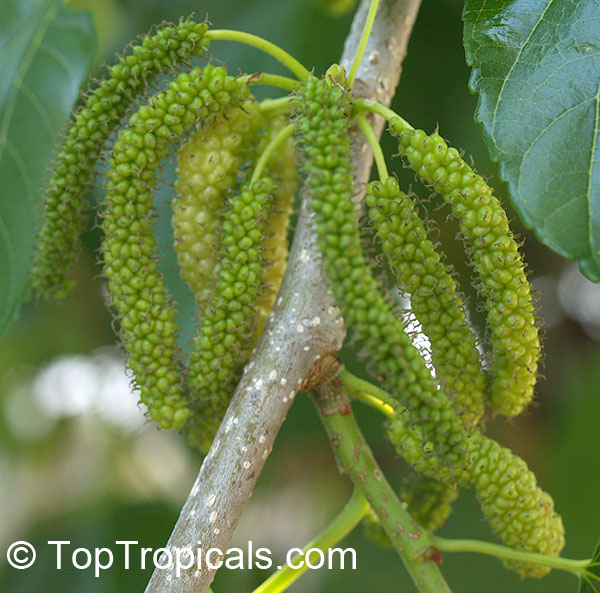
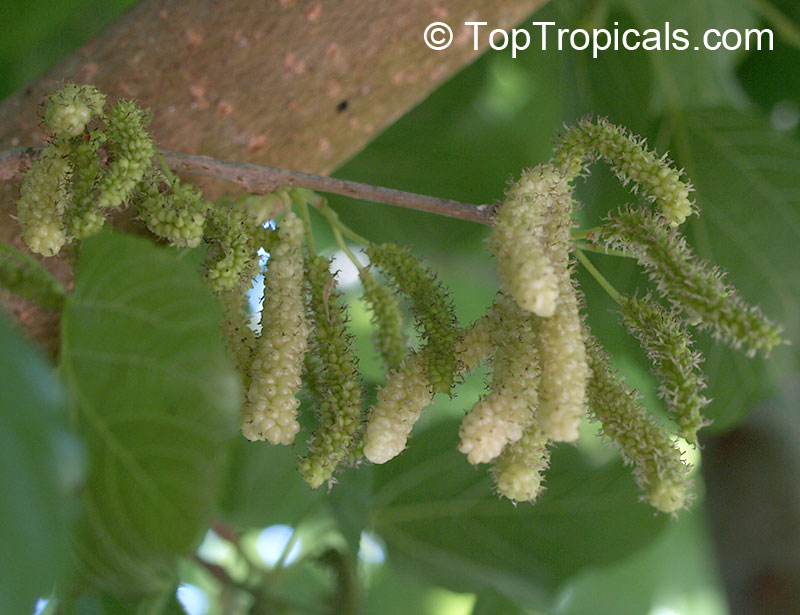
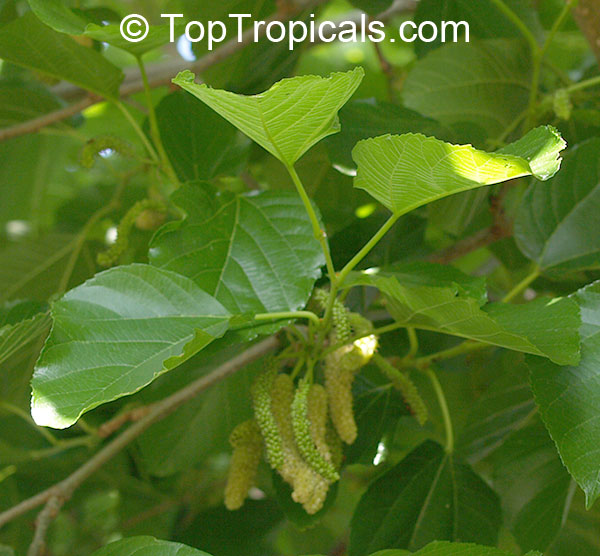
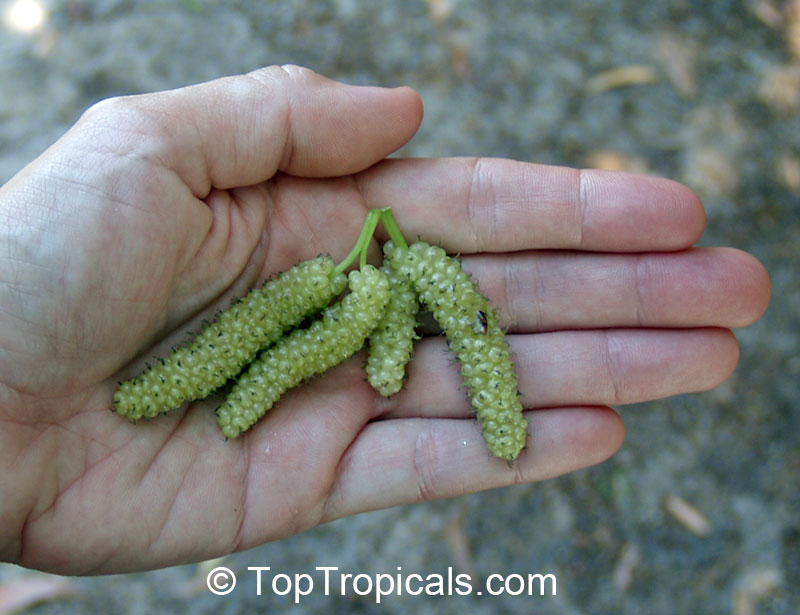

Botanical name: Morus sp.
Common name: Illinois Everbearing Mulberry
Cultivar: Illinois Everbearing
Family: Moraceae
USDA Zone: 6-10
Morus 'Illinois Everbearing' is a well known mulberry cultivar resulting from a cross between white mulberry (Morus alba) and red mulberry (Morus rubra), combining the hardiness and adaptability of one with the rich fruit flavor of the other. The tree grows vigorously and forms a broad crown that can reach about 20 to 30 ft when mature. Its foliage is also ornamental, with deeply lobed leaves often reminiscent of oak. Some young trees may begin producing fruit very early.
One of the defining features of this cultivar is its long, extended fruiting season. Berries about 1.5 inches long ripen gradually from mid summer into early fall rather than all at once. The fruits are sweet, juicy, and slightly tangy, often regarded among the best tasting mulberries. Trees are hardy in USDA Zones 5 to 10, tolerating temperatures down to about -20F while also performing well in summer heat and relatively poor soils. The cultivar is generally easy to grow, low maintenance, and capable of producing abundant crops once established.
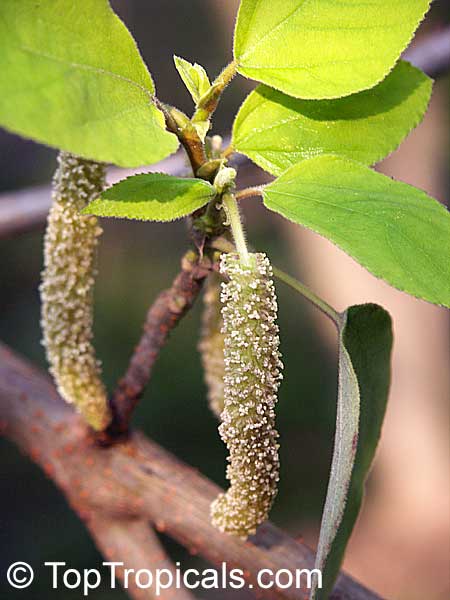
Botanical names: Broussonetia papyrifera, Morus papyrifera
Common name: Paper Mulberry
Family: Moraceae
Origin: Eastern Asia
USDA Zone: 6-10


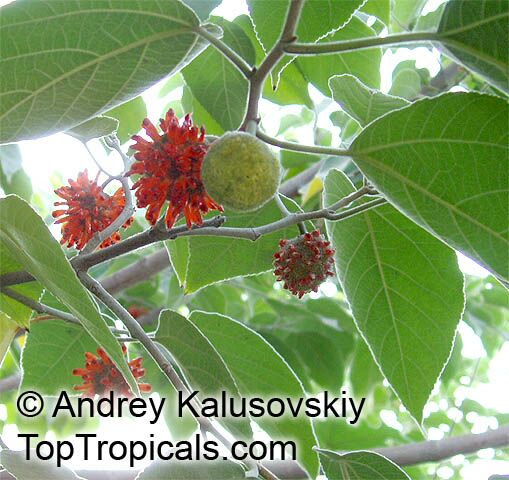
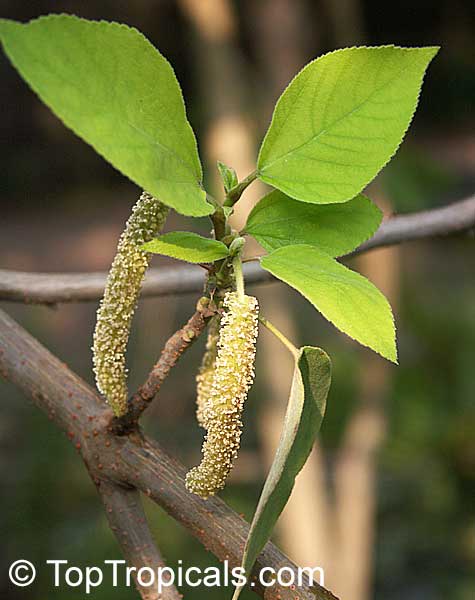
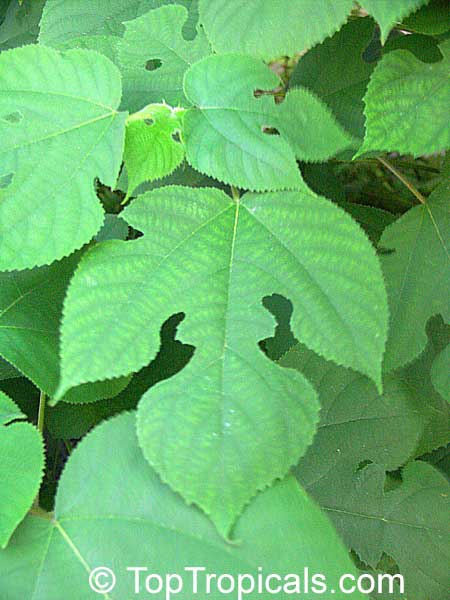
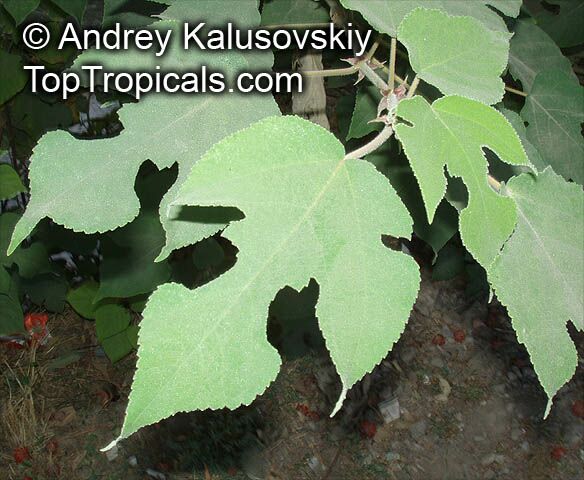
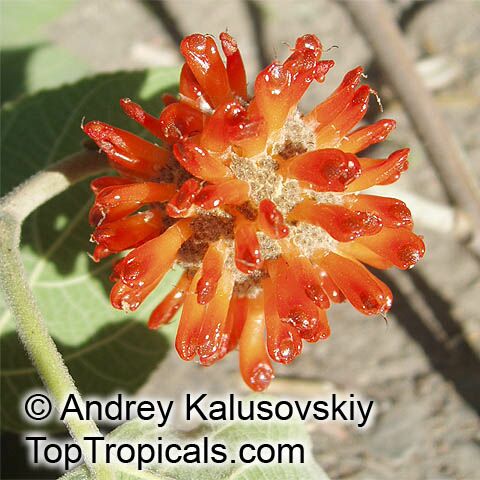
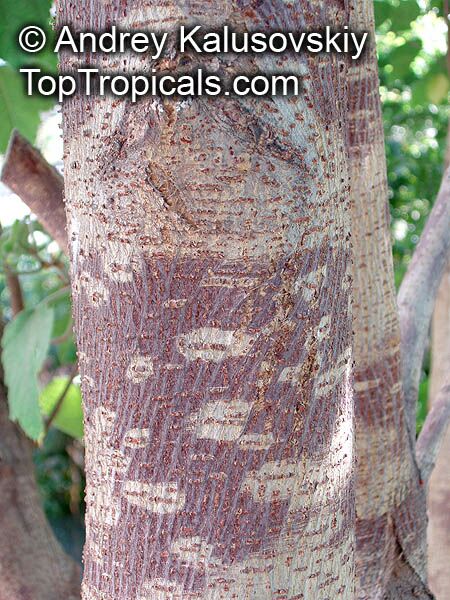
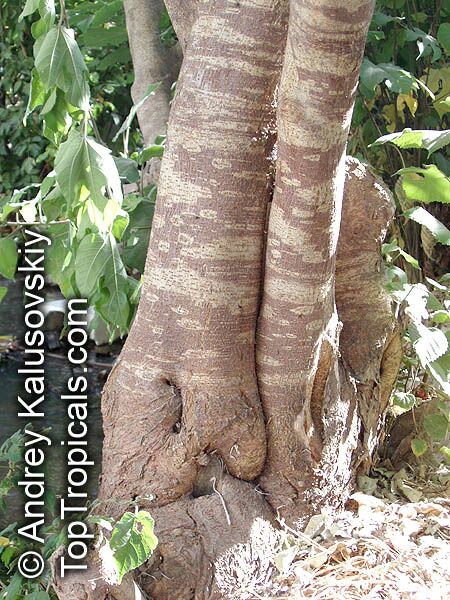
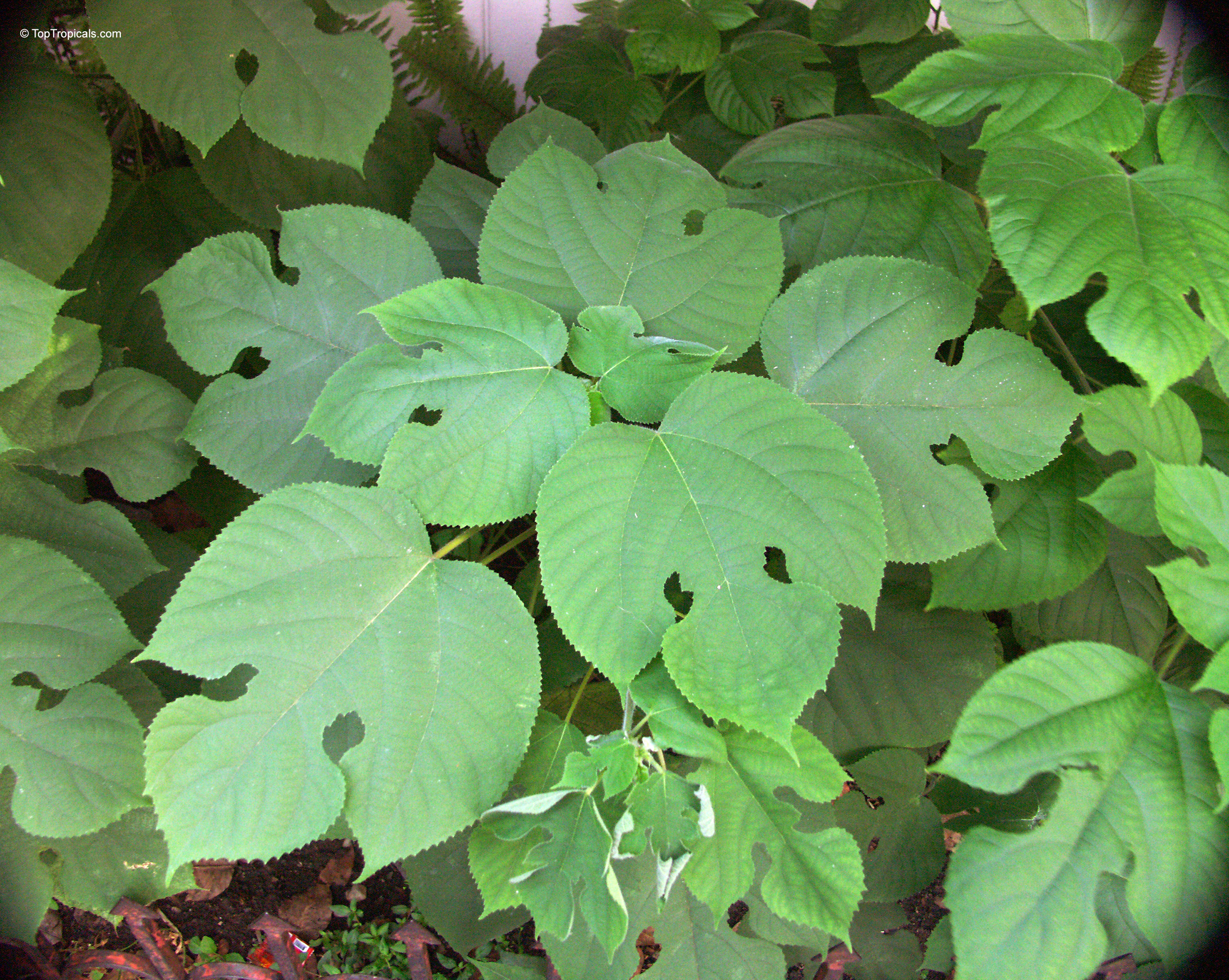
Broussonetia papyrifera, commonly known as paper mulberry, is a deciduous tree or large shrub in the Moraceae family, native to eastern Asia and widely introduced throughout warm temperate and tropical regions. It typically grows 20-40 ft tall and has rough, hairy leaves that are extremely variable in shape, even on the same plant, ranging from unlobed and broadly ovate to deeply three- or five-lobed. Plants are usually dioecious, with male and female flowers on separate trees. Male flowers occur in elongated catkins, while female flowers form rounded heads that develop into orange-red, ball-shaped multiple fruits. The inner bark has been used for centuries in Asia and the Pacific for making paper and traditional bark cloth.
Broussonetia papyrifera grows readily in full sun to partial shade and tolerates a wide range of soils, drought, heat, and urban conditions once established. It grows rapidly and spreads by seeds and vigorous root suckers, sometimes forming dense colonies. Because it can become invasive outside its native range, its behavior should be considered before planting. The tree is useful where a fast-growing screen or informal specimen is appropriate, but suckering may require control. It is generally hardy in USDA Zones 6-10.


Botanical name: Morus sp.
Common name: Mulberry
Family: Moraceae
Origin: Asia
USDA Zone: 8-11
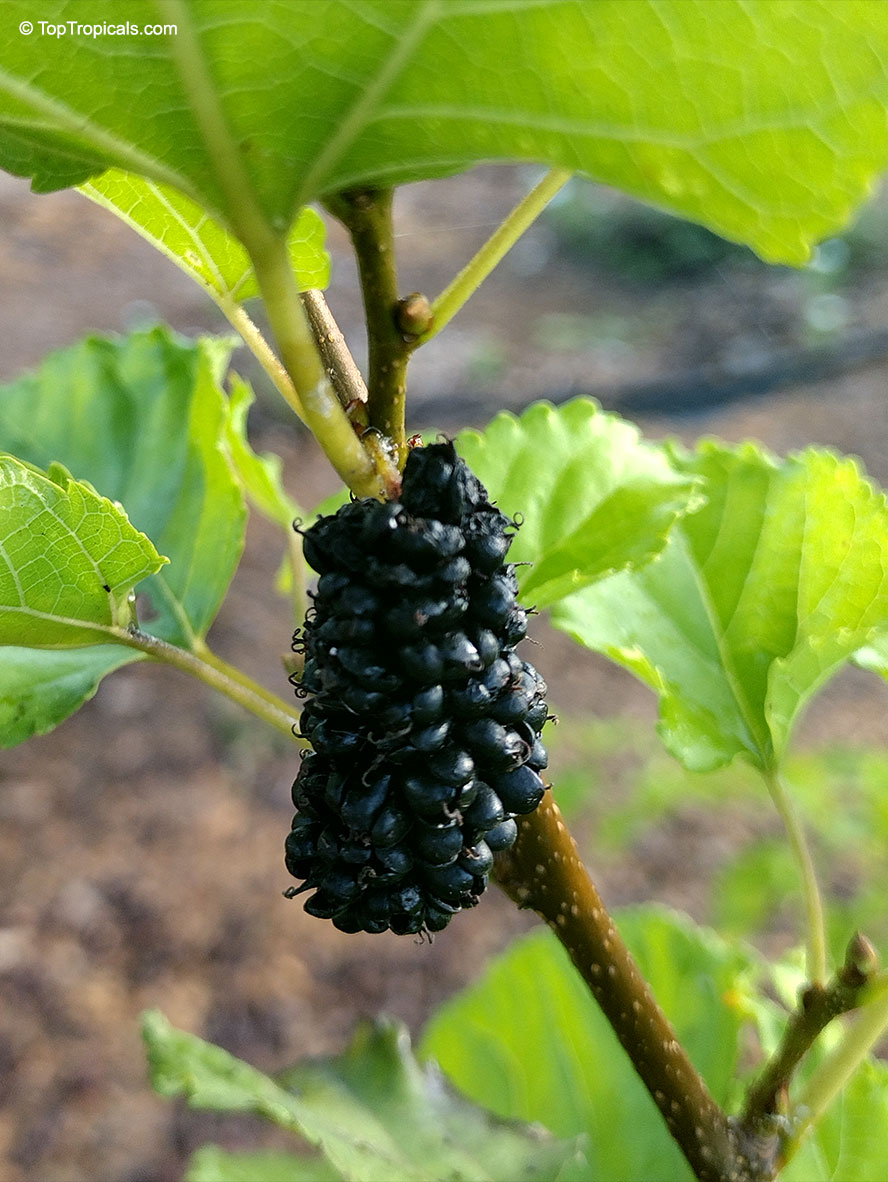
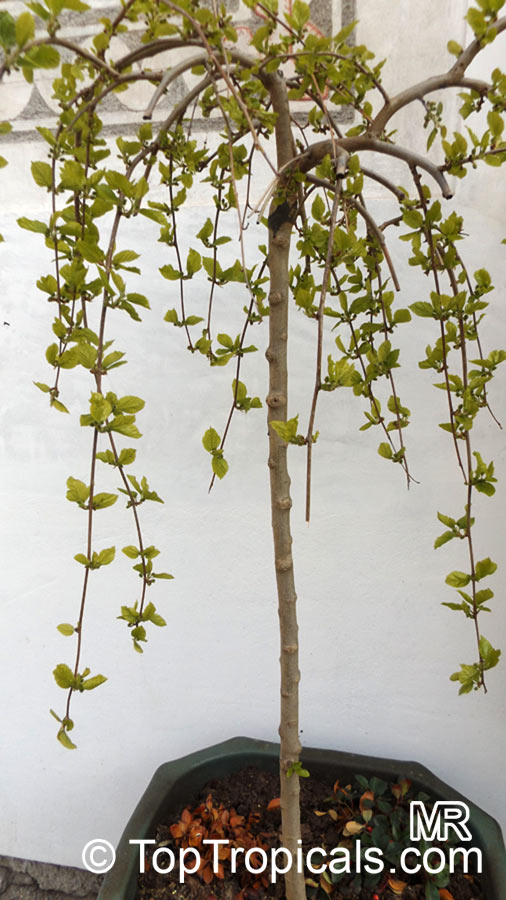
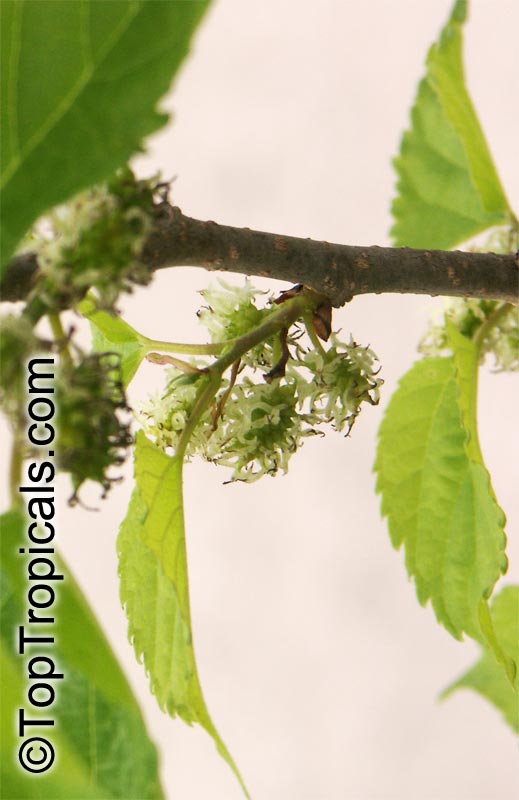
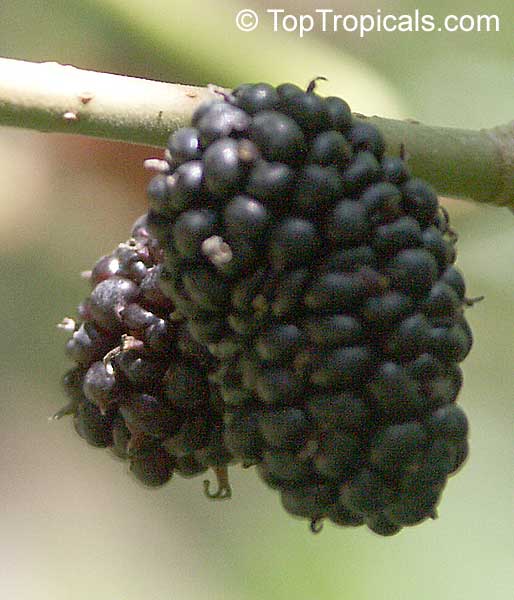
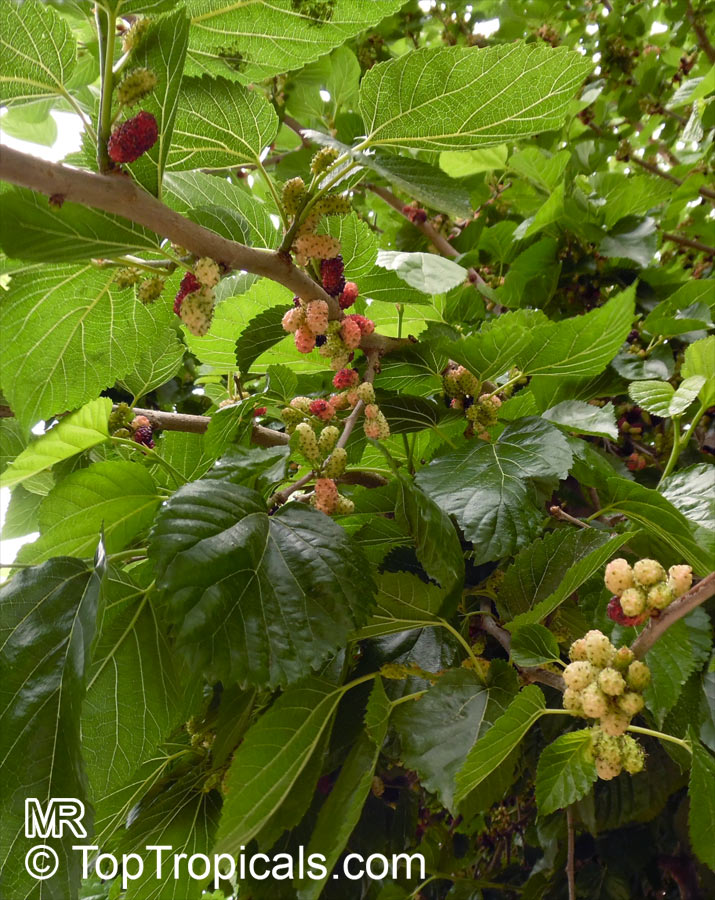
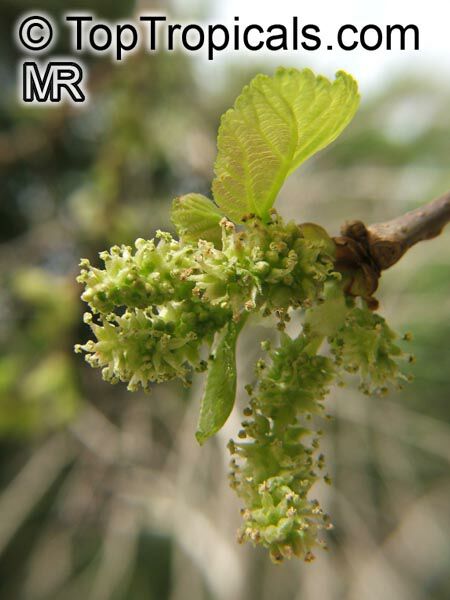
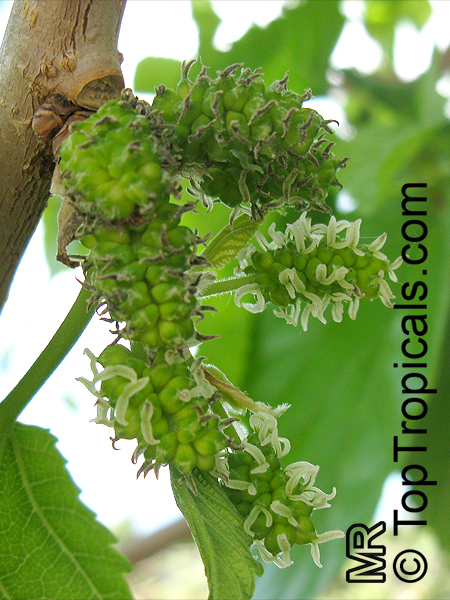
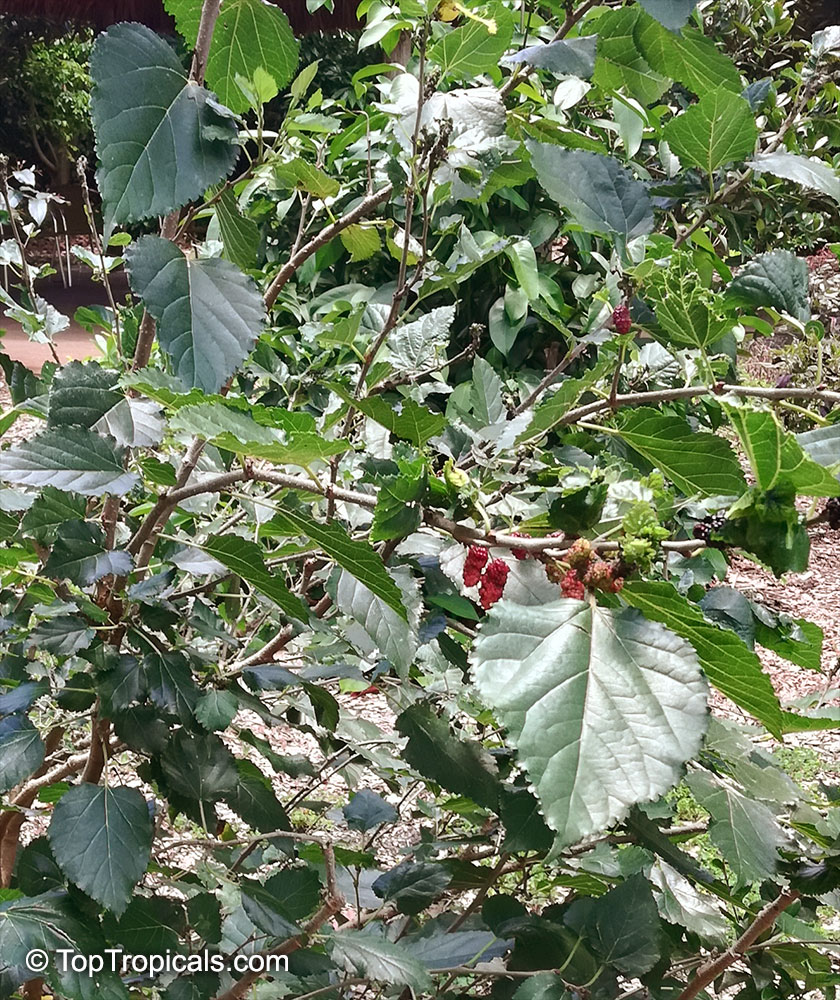
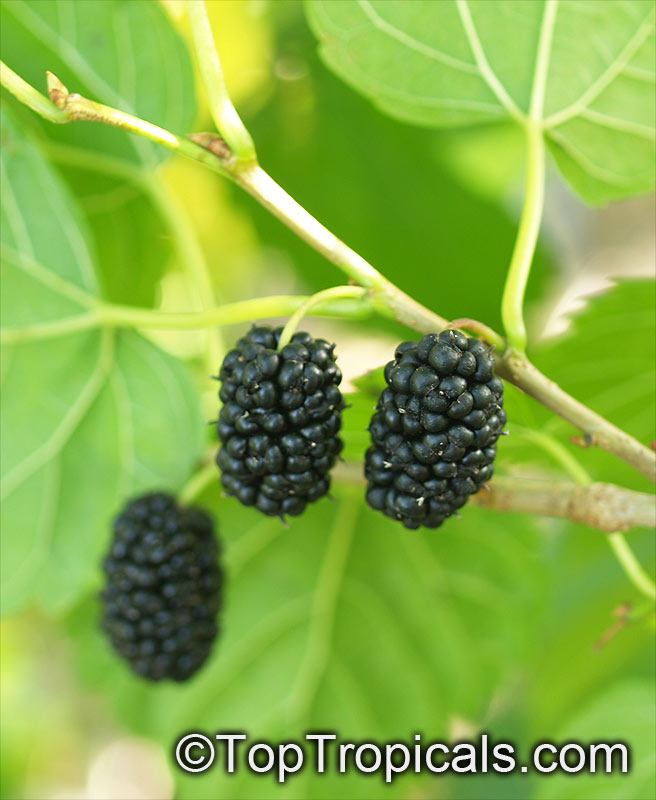
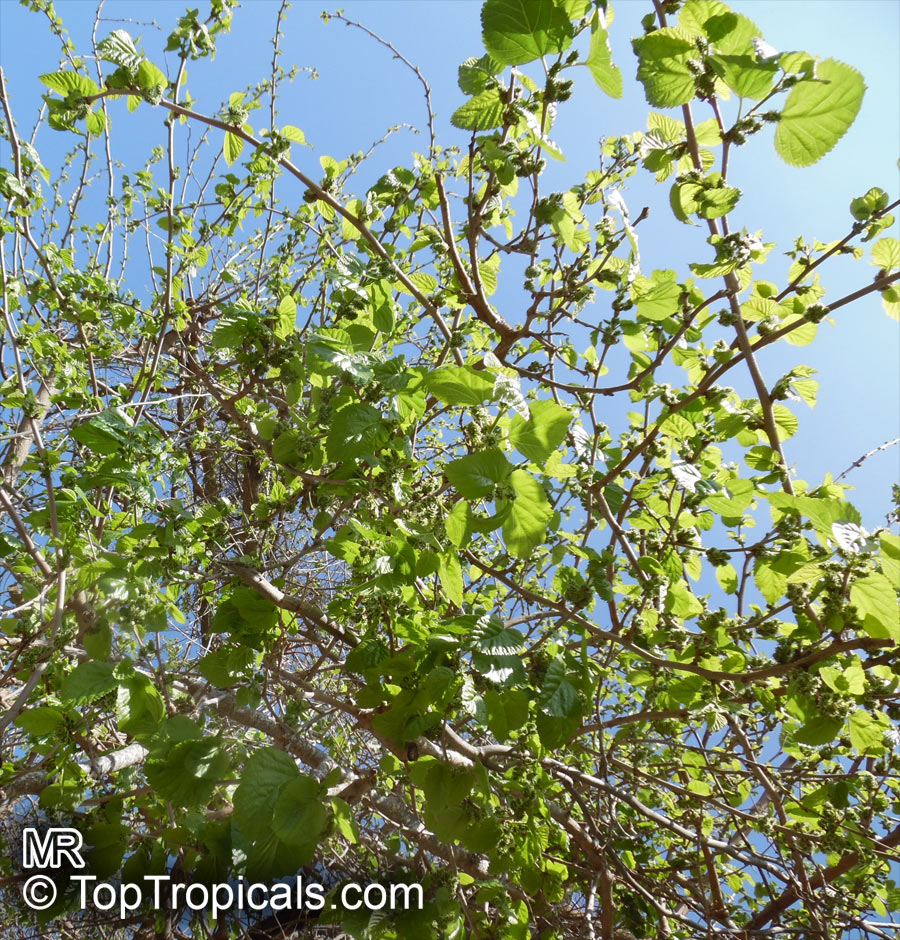
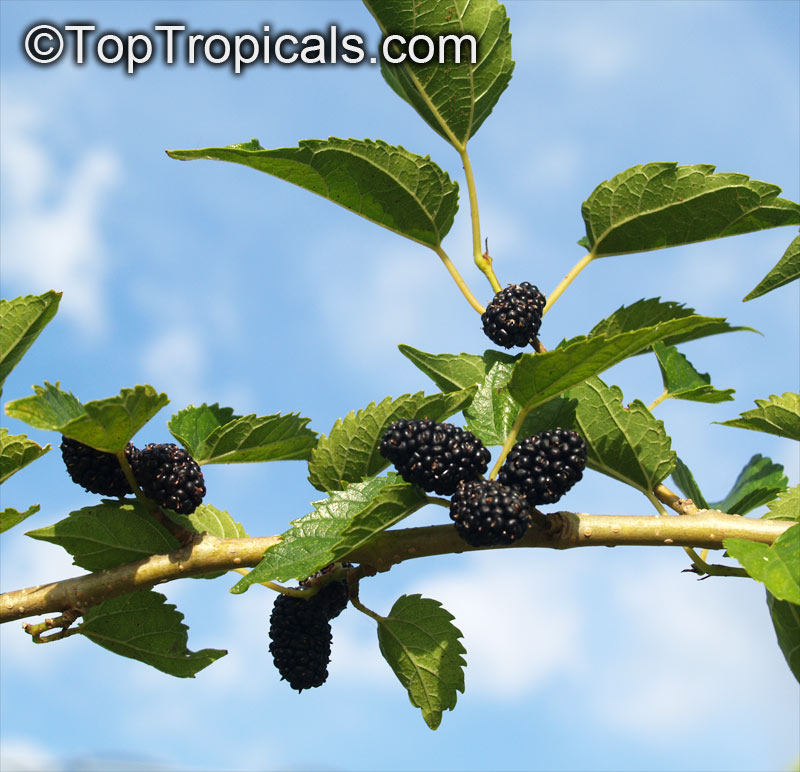
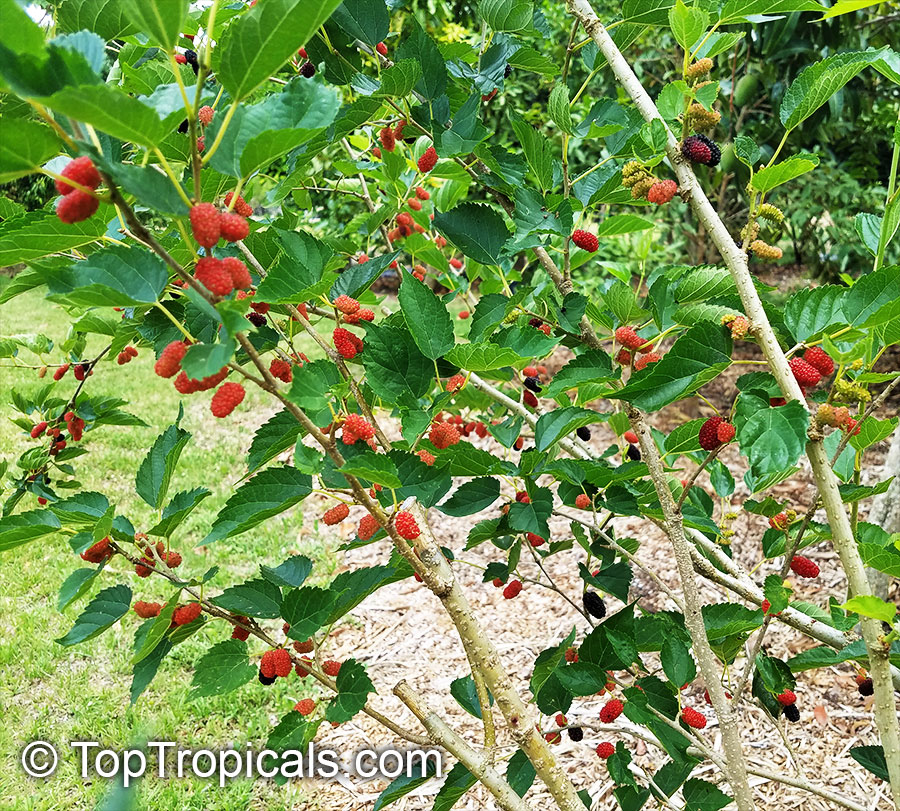
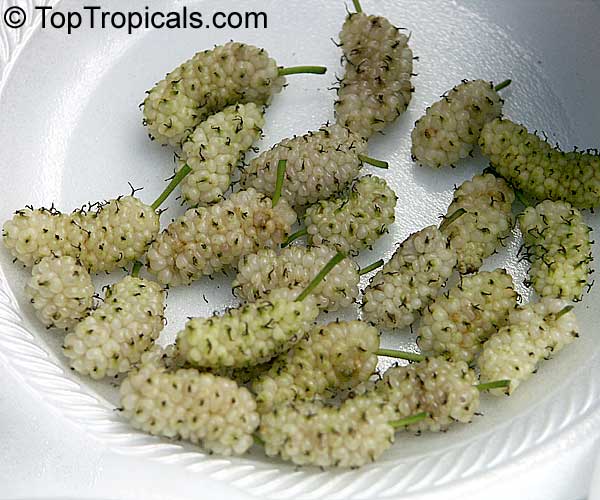
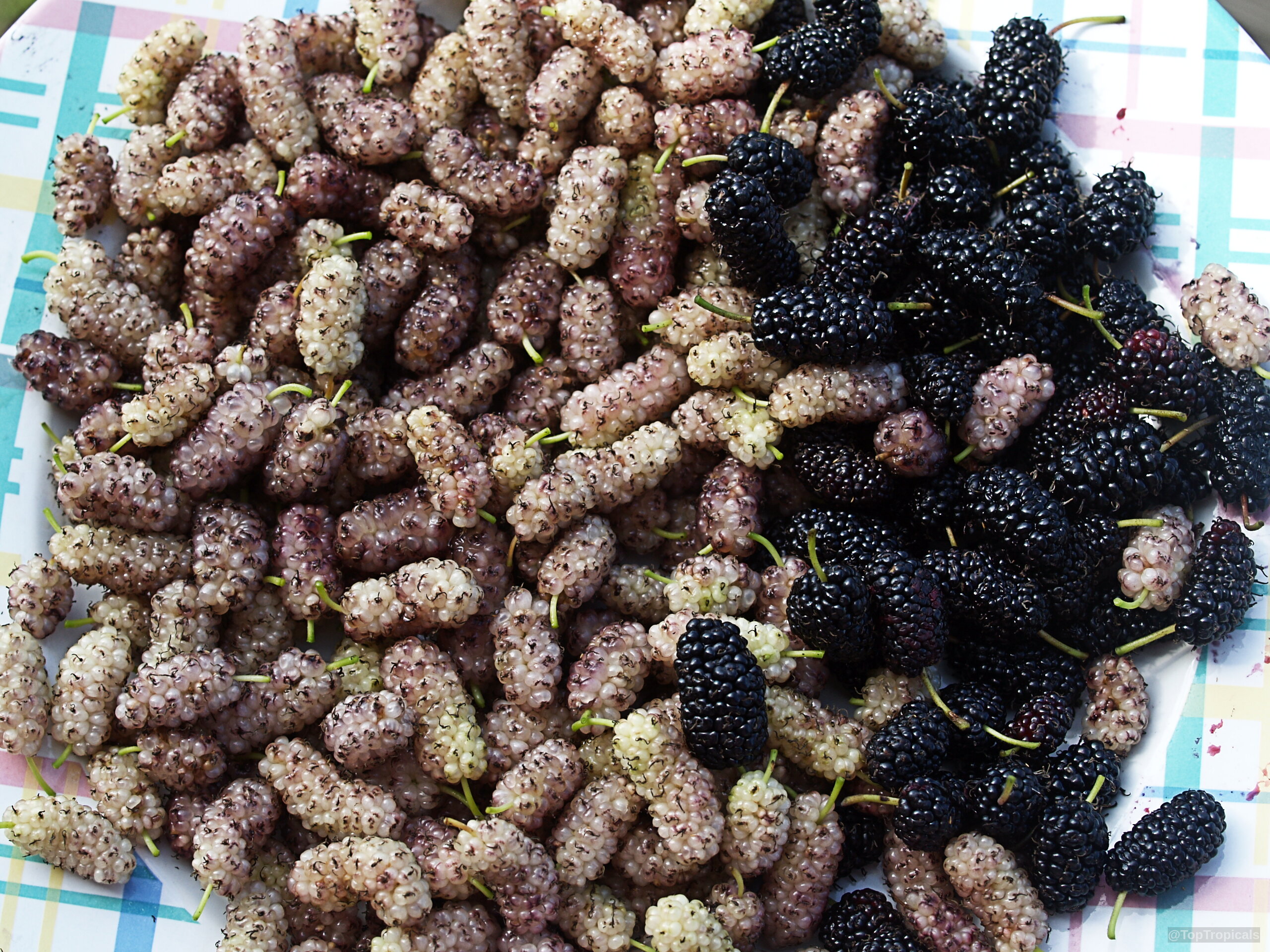
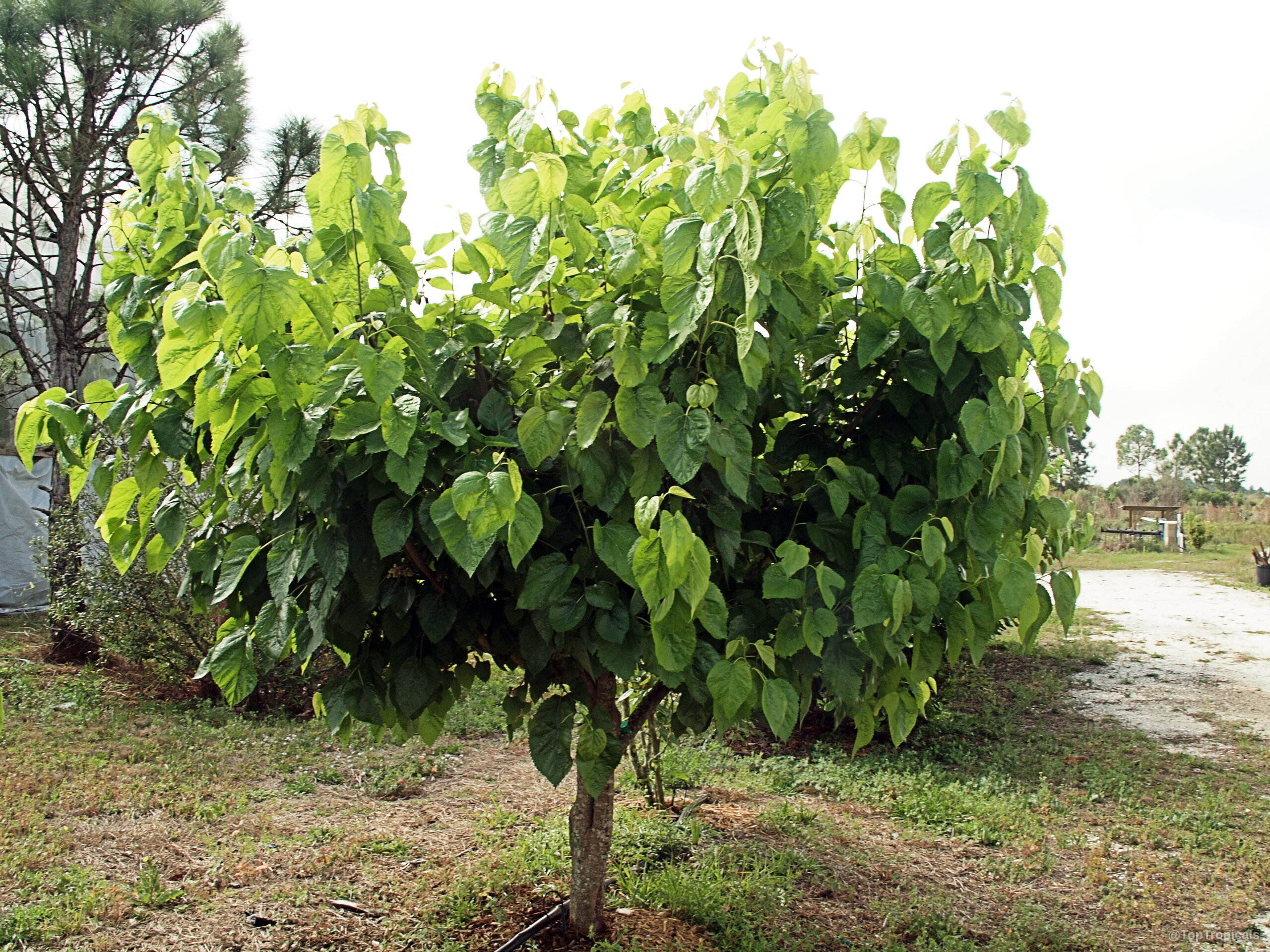
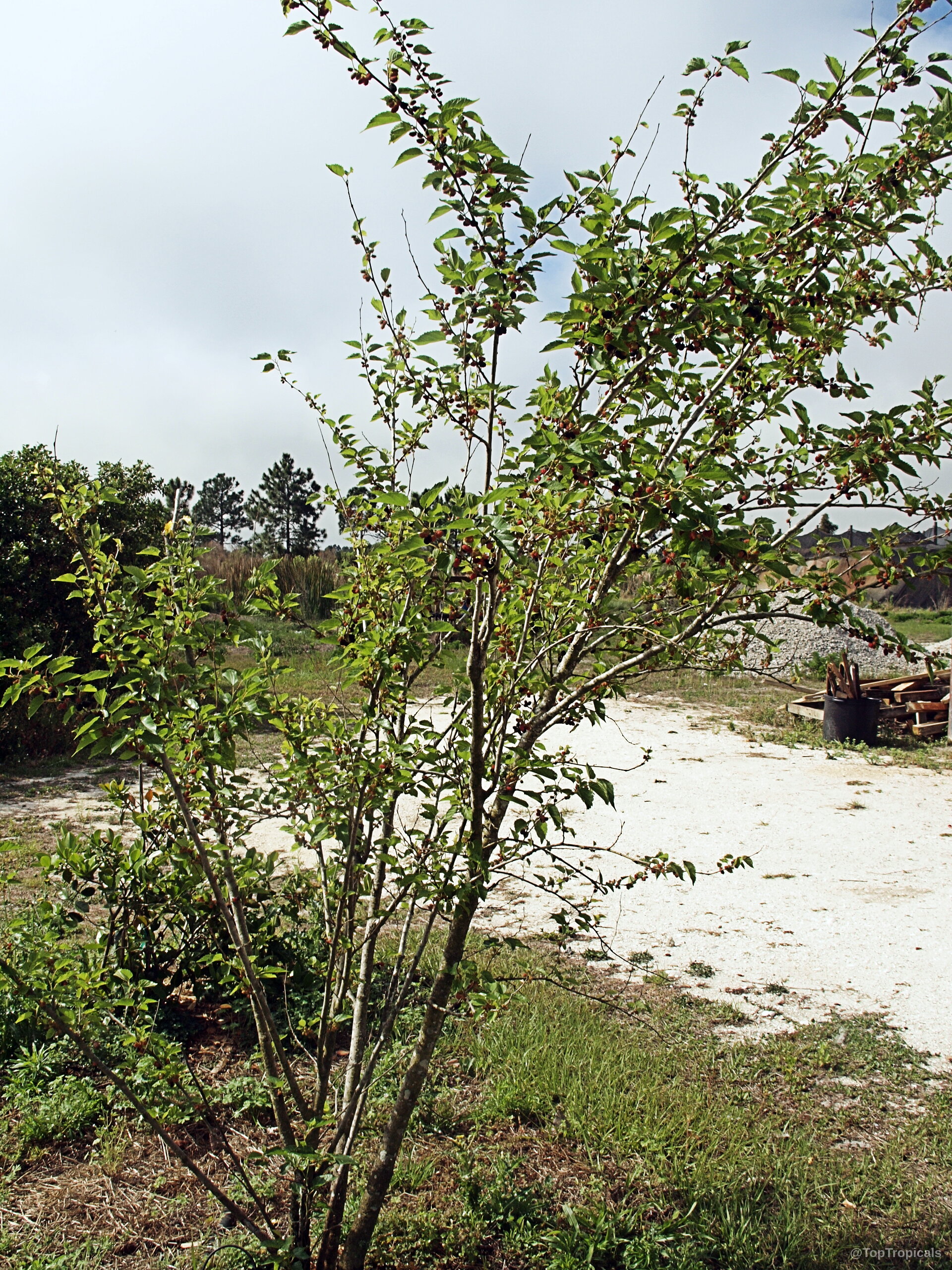
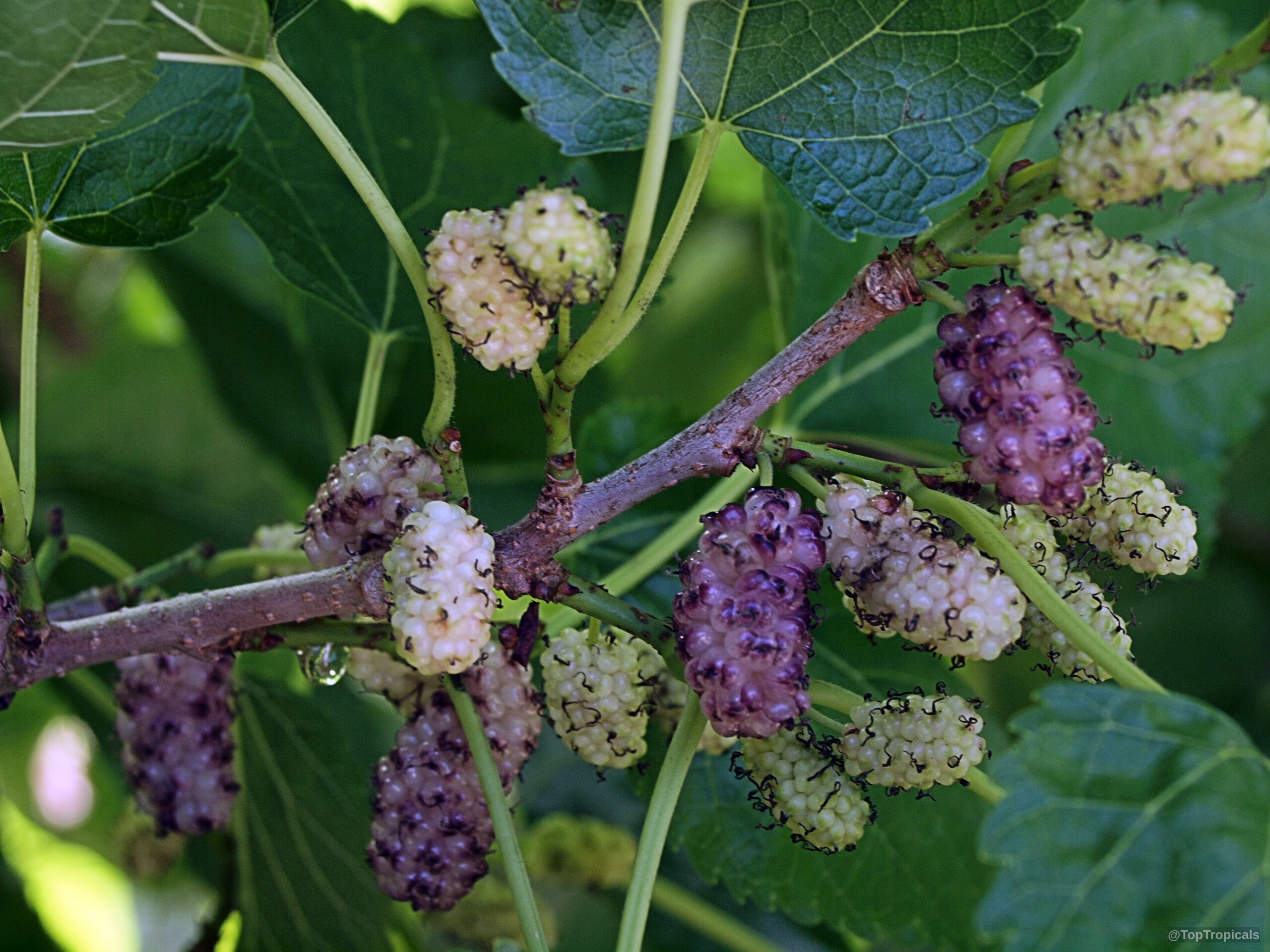
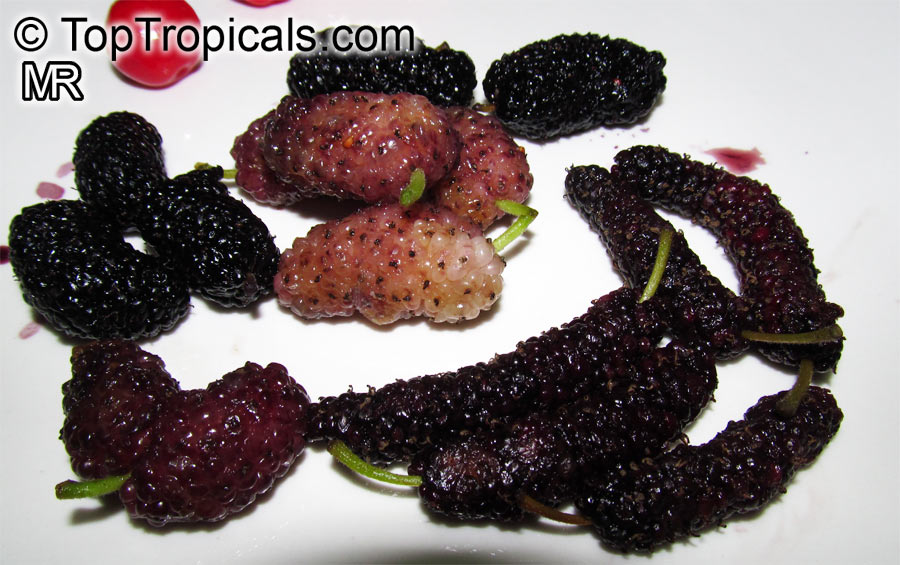
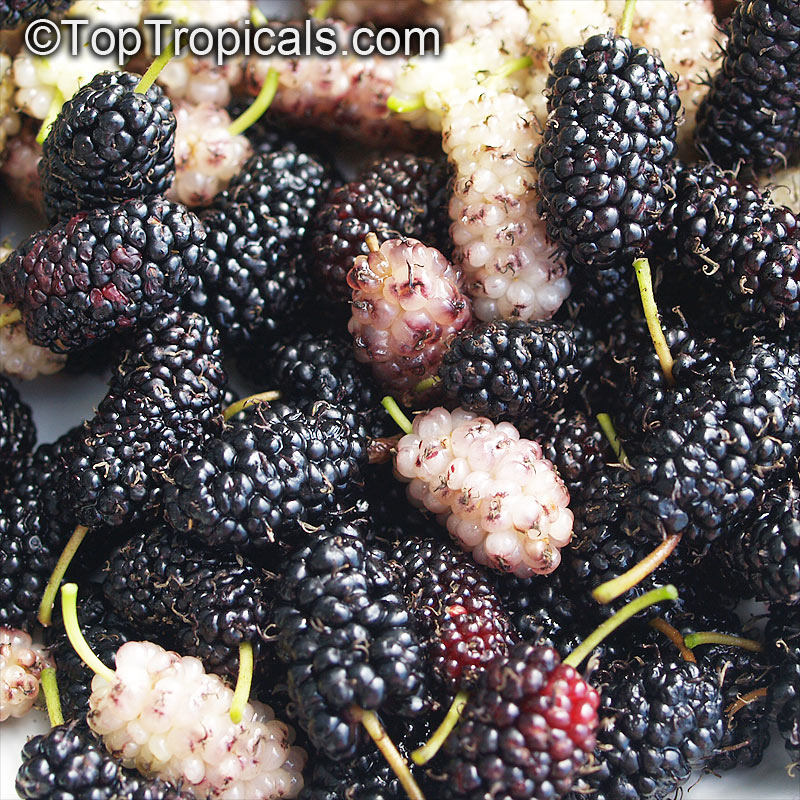
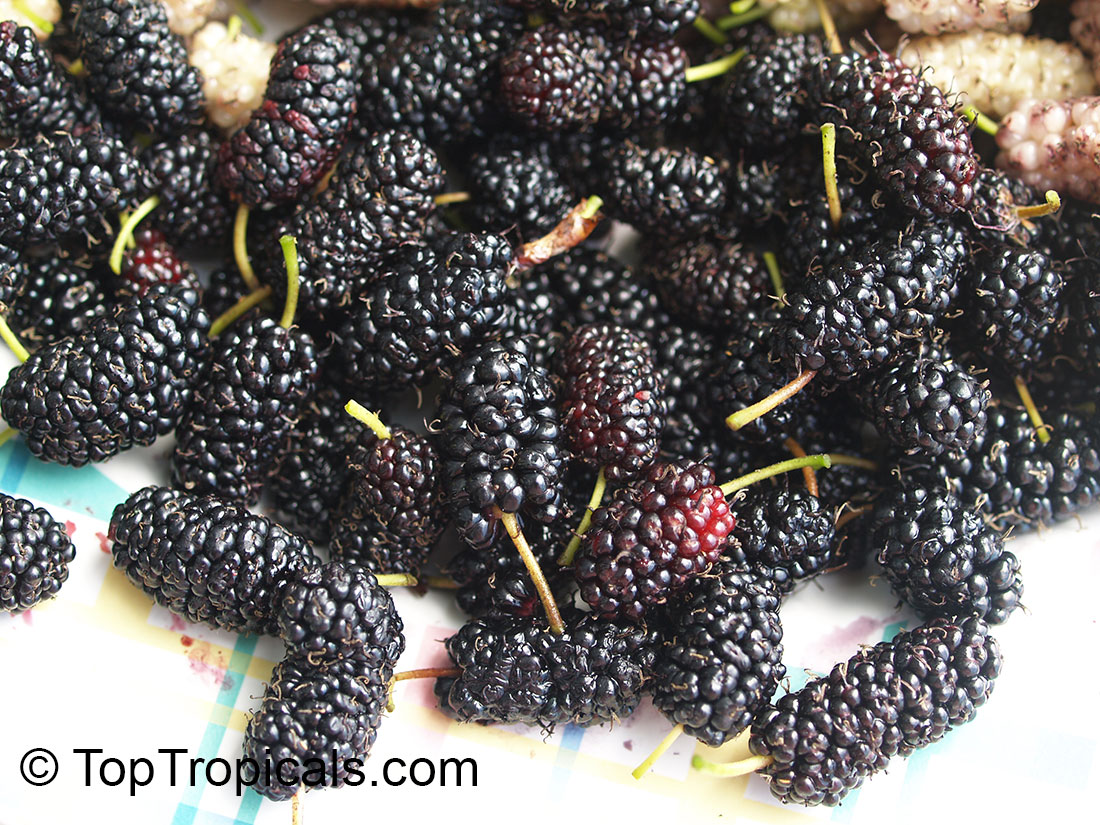
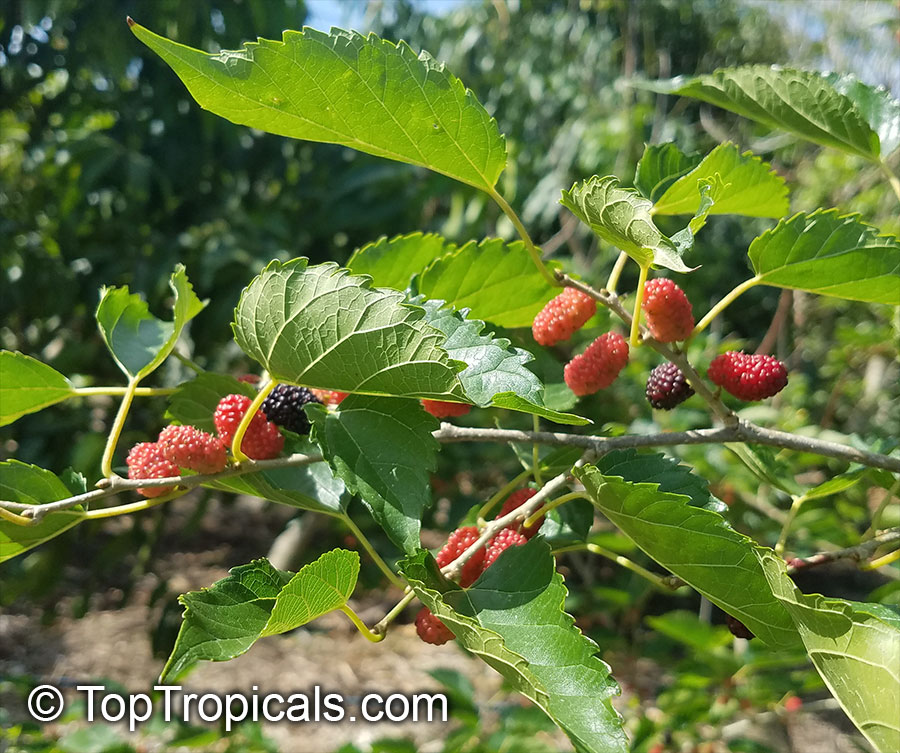
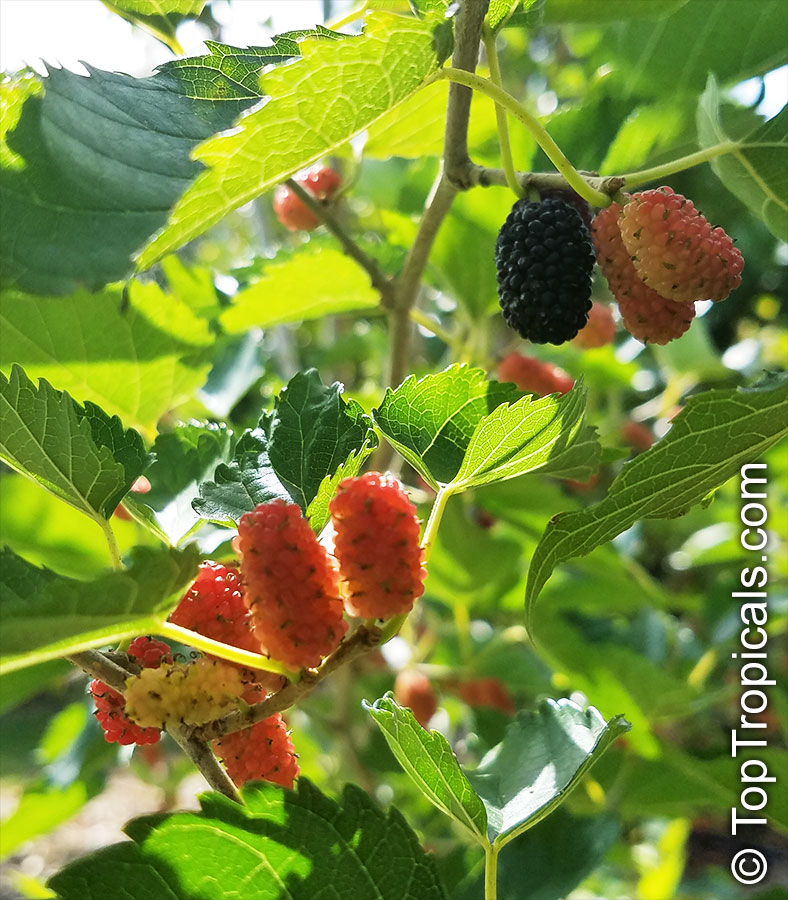
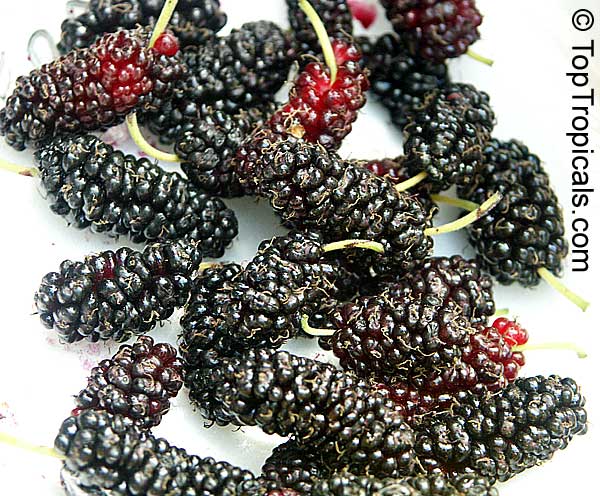
Varieties: Everbearing, Giant, Tice, Pakistani, White. Season: Spring, summer, Everbearing produces throughout the year. Simple heart-shaped leaves to 10. Leaves are cultivated in many parts of the world as food for silk worms. Fast growing, semi-deciduous, spreading tree. Inconspicuous green/white flowers 1/2 to 1 1/4 catkins appear in late Winter to early Spring. Fruit goes from red to black as it ripens, 3/4 to 8 long. Flower to fruit in 21-30 days.





Recommended Fertilizer: SUNSHINE C-Cibus - Crop Nutrition Booster
SUNSHINE-Honey - sugar booster
Recommended Fertilizer: SUNSHINE C-Cibus - Crop Nutrition Booster
SUNSHINE-Honey - sugar booster
Recommended Fertilizer: SUNSHINE C-Cibus - Crop Nutrition Booster
SUNSHINE-Honey - sugar booster
Recommended Fertilizer: SUNSHINE C-Cibus - Crop Nutrition Booster
SUNSHINE-Honey - sugar booster
Recommended Fertilizer: SUNSHINE C-Cibus - Crop Nutrition Booster
SUNSHINE-Honey - sugar booster
Recommended Fertilizer: SUNSHINE C-Cibus - Crop Nutrition Booster
SUNSHINE-Honey - sugar booster
Recommended Fertilizer: SUNSHINE C-Cibus - Crop Nutrition Booster
SUNSHINE-Honey - sugar booster
Recommended Fertilizer: SUNSHINE C-Cibus - Crop Nutrition Booster
SUNSHINE-Honey - sugar booster
Recommended Fertilizer: SUNSHINE C-Cibus - Crop Nutrition Booster
SUNSHINE-Honey - sugar booster
Recommended Fertilizer: SUNSHINE C-Cibus - Crop Nutrition Booster
SUNSHINE-Honey - sugar booster
Use link to repeat this search:
https://toptropicals.com/cgi-bin/garden_catalog/cat.cgi?find=morus&search_op=and&keyword_op=and&language=e&number=10
&no_change_lang=1&user=tt&sale=1&first=0