Garden Blog - Top Tropicals

Date: 19 Jan 2026

You dont need to buy Gin any more!

Gin Berry, Glycosmis pentaphylla, Orangeberry, Limonia

🍸 You don't need to buy Gin any more!

🍸Guess what is this fruit that tastes like Gin - it's Gin Berry, Glycosmis pentaphylla. It's also called Orangeberry, or Limonia, and is one of those plants that surprises people the moment they touch it. Crush a leaf or rub one of the ripe berries, and the scent is unmistakable - fresh, citrusy, pure gin! Just add tonic.

Ash sheora Plant Facts

Botanical name: Glycosmis pentaphylla, Limonia pentaphylla
Also known as: Ash sheora, Orangeberry, Rum Berry, Gin Berry
USDA Zone: 9 - 10
Highligths Small tree 10-20 ftFull sunWatering: Moderate. Water when top soil feels dryWatering: Regular. Let topsoil dry slightlyWhite, off-white flowersEthnomedical plant.
Plants marked as ethnomedical and/or described as medicinal, are not offered as medicine but rather as ornamentals or plant collectibles.
Ethnomedical statements / products have not been evaluated by the FDA and are not intended to diagnose, treat, cure, or prevent any disease. We urge all customers to consult a physician before using any supplements, herbals or medicines advertised here or elsewhere.
Get personalized tips for your region


🍸 Why the berries smell like gin?


The leaves and berries are packed with aromatic oils rich in citrus terpenes, similar to compounds found in juniper and citrus peel. That shared chemistry is what creates the gin-like fragrance. It smells clean, sharp, and refreshing - more aroma than sweetness.

🍸 A lesser-known citrus cousin


Gin Berry belongs to the Rutaceae family, the same plant family as oranges, lemons, limes, and Curry leaf. You can see it in the glossy leaves and smell it in the oils, but the growth habit is different. Instead of becoming a tree, Gin Berry stays a compact, evergreen shrub.

🍸 Edible, but fragrance-forward


The small berries are edible and lightly sweet-tart, though most people notice the aroma before the flavor. In parts of South and Southeast Asia, the fruit is eaten fresh, added to chutneys, or used to scent drinks and infusions. It is subtle and aromatic rather than juicy.

🍸 Traditional uses and health benefits


🔸Gin Berry has a long history in folk medicine, especially in in Hindu medicine.
🔸Leaves used in teas for digestion and fevers
🔸Roots traditionally used for inflammation and pain
🔸Modern studies note antimicrobial and antioxidant activity

🍸 Easy garden and container plant


🔸Evergreen shrub with shiny leaves
🔸Naturally compact and easy to prune
🔸Small white flowers with a light fragrance
🔸Clusters of decorative berries
🔸Excellent for pots, patios, and warm climates
🔸Attracts pollinators, and birds enjoy the berries.

🍸 Why Gin Berry stands out


Gin Berry sits right between ornamental and edible. It has the citrus-family fragrance people love, stays manageable in size, and offers a unique sensory experience that most gardeners have never seen - or smelled - before.

🛒 Add Gin Berry to your rare fruit collection

#Food_Forest #Fun_facts #Remedies

🟢 Join 👉 TopTropicals

Date: 12 Jan 2026

Watch how to squeeze natural shampoo from the Ginger!

Shampoo Ginger, Zingiber zerumbet, Pine Cone Ginger

💄 Watch how to squeeze natural shampoo from the Ginger!


🎆 Shampoo ginger uses and fragrance


Shampoo Ginger, also known as Zingiber zerumbet or Pine Cone Ginger, is one of those plants that sounds too good to be true - but isn’t. This tropical ginger has been used for centuries not just as an ornamental plant, but as a practical, fragrant, everyday resource.

Pine Cone Ginger Plant Facts

Botanical name: Zingiber zerumbet
Also known as: Pine Cone Ginger, Shampoo Ginger
USDA Zone: 8 - 10
Highligths Small plant 2-5 ftSemi-shadeShadeWatering: Regular. Let topsoil dry slightlyRed, crimson, vinous flowersOrnamental foliage
Get personalized tips for your region


🎆 Natural shampoo from a flower cone


The most famous use of shampoo ginger comes from its bright red, pine cone-shaped flower bracts. When the cones mature, they fill with a milky, slippery liquid. Simply squeezing the cone releases this natural cleanser, traditionally used as shampoo in Asia and Hawaii. It gently cleans hair, leaves it soft, and adds a light, fresh scent. Even today, extracts of shampoo ginger are still used in commercial shampoos and hair products.

🎆 Fragrance throughout the entire plant


Shampoo ginger isn’t just useful - it smells amazing. The leaves, stems, and cones all carry a warm, spicy fragrance typical of true gingers. The scent is fresh and clean, with earthy and slightly citrusy notes. Because of this, the plant has also been used in traditional body rinses, hair treatments, and natural perfumes.

🎆 More than hair care


Beyond shampoo, the cones are popular as long-lasting cut flowers, often used in tropical floral arrangements. The plant itself grows into a lush, leafy clump that adds strong tropical character to gardens, especially in warm, humid climates.

🎆 A plant with a traveling history


Shampoo ginger is also known as a “canoe plant.” Ancient Polynesian voyagers intentionally carried it across the Pacific as they settled new islands. Its usefulness, fragrance, and beauty made it valuable enough to earn a place on long ocean journeys.

Shampoo ginger is a rare mix of beauty, history, fragrance, and function - a plant that proves some of the most interesting garden plants are also the most practical.

🛒 Get your own natural shampoo from Pine Cone Ginger

📚 Learn more:


🔴Zingiber zerumbet in Plant Encyclopedia
🔴Do you have Shampoo Ginger in your garden?
🔴Free natural shampoo: squeeze it and see what comes out!
🔴What Ginger makes a natural shampoo
🔴5 most spectacular Ginger species

#Shade_Garden #Container_Garden #Remedies #Discover #Food_Forest

🟢 Join 👉 TopTropicals

Date: 11 Jan 2026

How to lose weight naturally with tropical fruit and plants

Fat orange cat on treadmill with tropical fruit that help lose weight naturally

Fat orange cat on treadmill with tropical fruit that help lose weight naturally

🍑 How to lose weight naturally with tropical fruit and plants


🏃‍♀️ Losing weight isn’t about starving yourself - it’s about supporting your body with the right nutrients and keeping things balanced. Plants can help by boosting your metabolism, keeping you full longer, improving digestion, and regulating blood sugar. When you build a food forest with the right plants, you’re investing in long-term health that tastes good and feels good.

🏆 15 TOP TROPICAL plants and fruits that naturally help with weight management:


💚 Papaya – Contains enzymes like papain that aid digestion, and it’s high in water and fiber—great for feeling full.
💚 Mango – Supports fat metabolism and reduces inflammation. Its fiber helps regulate appetite and digestion.
💚 Avocado – Full of healthy fats and fiber, avocado helps you feel satisfied longer and supports steady energy levels.
💚 Banana – Rich in resistant starch (especially when underripe), bananas help support gut health and fat metabolism.
💚 Jackfruit – High in fiber and low in fat, this fruit keeps blood sugar steady and supports slow, sustained energy.
💚 Yerba Mate – A natural tea with gentle stimulant properties that may help reduce appetite and increase fat burn.
💚 Moringa – Known as a superfood, moringa helps regulate blood sugar and boosts metabolism with powerful nutrients.
💚 Galangal (Thai Ginger) – Supports digestion and contains compounds that may help increase fat burning, like regular ginger.
💚 Cinnamon – Can improve insulin sensitivity and help with sugar cravings, making it easier to stay on track.
💚 Insulin Ginger (Costus igneus) – Traditionally used to manage blood sugar, it also supports digestion and energy. Chewing the spiraled leaves or brewing them as tea is a natural way to get more from your garden.
💚 Dragon Fruit – Extremely high in fiber, dragon fruit supports healthy digestion and helps regulate metabolism, which can aid weight loss.
💚 Pomegranate – Used for centuries in Ayurvedic medicine to improve metabolism. Its antioxidant-rich juice supports fat burning and digestion.
💚 Tea Leaf Tree (Camellia sinensis) – The source of green, black, and white tea. These teas are linked to metabolism boost, heart health, and appetite regulation.
💚 Noni – A powerhouse fruit traditionally used for inflammation, immune health, blood sugar balance, and metabolism support. It may also help reduce fat accumulation and boost overall vitality.
💚 Canistel (Eggfruit, Pouteria campechiana) is a naturally sweet, nutrient-dense fruit that helps curb sugar cravings while keeping you full longer. Its rich fiber content and slow-digesting carbs make it a great choice for supporting weight management without reaching for processed snacks.

❗️When you grow these plants in your home garden or food forest, you're not just planting food - you’re planting tools for better health.
And bonus: gardening itself keeps you active and stress-free, which is another win for your waistline.


🛒 Explore tropical fruit and edibles

📚 Learn more about natural weight loss with plants:


Tropical fruit health benefits guide: Part 1 and Part 2.
How to make lots of Insulin Ginger plants quickly and get more health benefits
Truth about which fruit helps you lose weight faster: Mango or Papaya?
Jambolan health and life benefits
Health benefits of dragon fruit
Weight loss with Noni
Healing drops of blood: why Pomegranate is a superfood

#Food_Forest #Remedies #Discover

🟢 Join 👉 TopTropicals

Date: 10 Jan 2026

How to grow Patchouli indoors

Patchouli - Pogostemon cablin

How to grow Patchouli indoors

Patchouli - Pogostemon cablin is easy to grow indoors if you give it what it likes. It is one of those plants that does double duty - it looks great and makes your home smell amazing. Those big, soft leaves release that deep, earthy scent just by being there.

☘️ Light and temperature


Patchouli loves bright shade. Think filtered light near a window, not harsh direct sun. Too much sun can burn the leaves, especially indoors. In lower light, it still grows well and keeps its fragrance. It is a tropical herb, so keep in warm - at room temperature.

☘️ Water and soil


This plant loves water. Use a well-draining soil mix and a pot with drainage holes, but do not let it dry out. Daily watering is usually fine in warm conditions. Good air circulation is important.
Growing patchouli is similar to growing herbs in containers - just be more generous with water than you would be with basil or oregano.

☘️ Containers and growth


Patchouli grows fast. Start in a 1-gallon pot, but plan to move it up to a 3-gallon container fairly quickly. More room means bigger leaves and a stronger scent.

☘️ Feeding


Feed regularly. You can use Sunshine Boosters Robusta with every watering, or apply Green Magic controlled-release fertilizer every 6 months and at each transplant. Patchouli responds quickly to feeding with lush growth.

☘️ Pruning and uses


Prune as the plant gets bigger to keep it full and bushy. Do not throw the leaves away - dry them for sachets or use fresh/dry leaves for tea.

☘️ Propagation


Patchouli roots very easily from cuttings. Snip a healthy stem, place it in water or moist soil, and it will root fast. It is one of the easiest plants to share with friends.

If you want a plant that grows fast, smells incredible, and actually does something useful indoors, patchouli is hard to beat.

🛒 Grow calming Patchouli Scent at home

📚 Learn more:

Patchouli Plant Facts

Botanical name: Pogostemon cablin, Pogostemon patchouli, Pogostemon heyneanous
Also known as: Patchouli, Pucha-pat
USDA Zone: 9 - 11
Highligths Groundcover and low-growing 2ft plantSmall plant 2-5 ftSemi-shadeFull sunWatering: Moderate. Water when top soil feels dryWatering: Regular. Let topsoil dry slightlyOrnamental foliageSpice or herb plantEthnomedical plant.
Plants marked as ethnomedical and/or described as medicinal, are not offered as medicine but rather as ornamentals or plant collectibles.
Ethnomedical statements / products have not been evaluated by the FDA and are not intended to diagnose, treat, cure, or prevent any disease. We urge all customers to consult a physician before using any supplements, herbals or medicines advertised here or elsewhere.Fragrant plant
Get personalized tips for your region

Patchouli - Pogostemon cablin in Plant Encyclopedia
Health Benefits of Pogostemon cablin (Patchouli, Pucha-Pat)
Patchouli: more than just a pretty scent
Archeologists found Patchouli perfume from Ancient Rome
Patchouli tea recipe

#Perfume_Plants #Remedies #Food_Forest #How_to

🟢 Join 👉 TopTropicals

Date: 10 Jan 2026

Long pepper curry: quick-n-fun exotic recipes

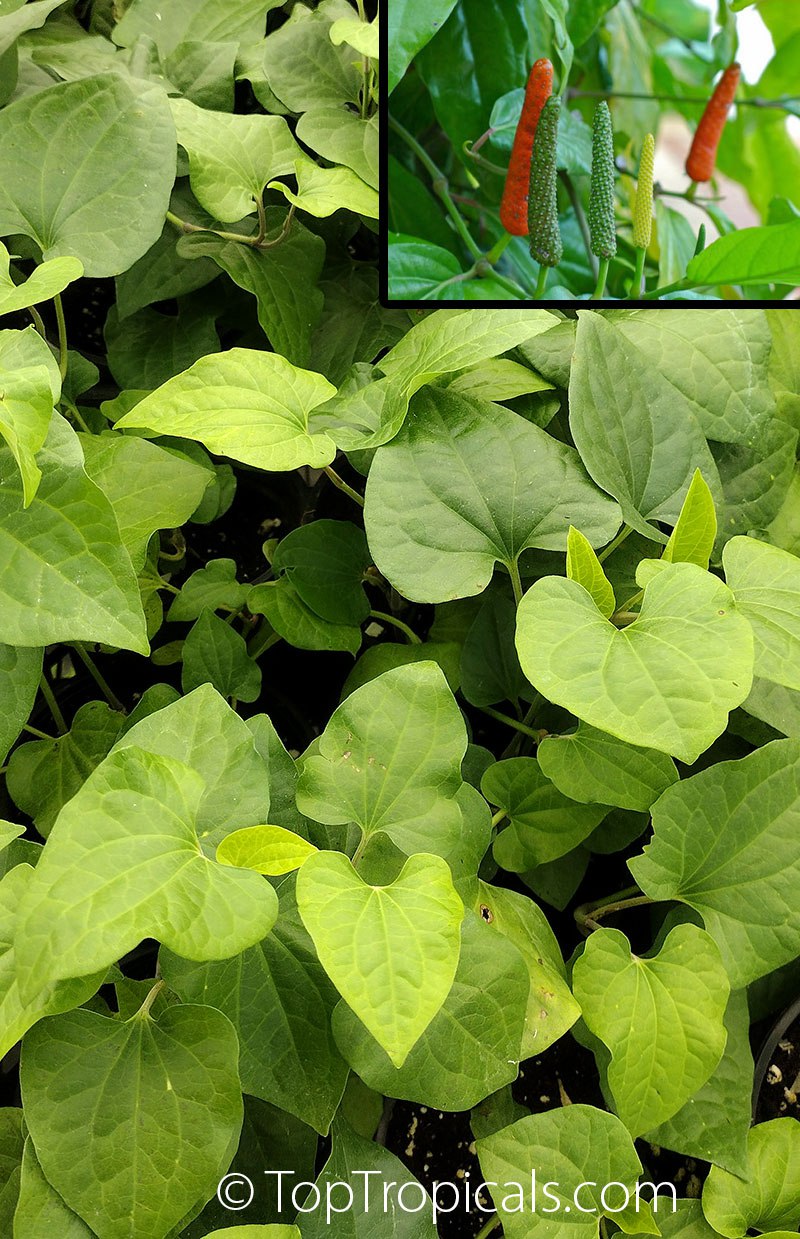
Long pepper curry

Long pepper curry

Piper longum - Indian Long Pepper, Bengal Pepper or Pippali

Piper longum - Indian Long Pepper, Bengal Pepper or Pippali

🍴 Long Pepper Curry (Quick-n-Fun Exotic Recipe)

Ingredients

  • 1 can (13.5 oz) coconut milk
  • 1/2 tsp crushed dried long pepper (Piper longum)
  • 1 tbsp vegetable or coconut oil
  • 1 small onion, finely chopped
  • 2 cloves garlic, minced
  • 1 tsp fresh grated ginger
  • 1/2 tsp turmeric
  • Salt to taste
  • Fresh cilantro for garnish (optional)

Instructions

  1. Heat oil in a pan over medium heat.
  2. Add onion and saute until soft and translucent.
  3. Add garlic, ginger, turmeric, and crushed long pepper. Stir for 30 seconds.
  4. Pour in coconut milk and bring to a gentle simmer.
  5. Cook for 8 to 10 minutes, stirring occasionally.
  6. Season with salt and garnish with cilantro before serving.

🌿 About the plant:


Indian long pepper, also known as Pippali or Bengal pepper (Piper longum), is an ancient spice and medicinal plant from South Asia. Closely related to black pepper, it has a warmer, slightly sweeter heat and a complex aroma. Long pepper has been used for centuries in traditional medicine for respiratory and digestive support, including coughs, congestion, and stomach discomfort.

🌱 In the garden:


Piper longum grows as a climbing vine or shrubby climber that can be trained on a trellis, fence, or tree. It prefers warm conditions, regular moisture, and shade to partial shade. The plant starts with heart-shaped leaves that become more elongated as it matures, making it both useful and ornamental in tropical and subtropical gardens.

🛒 Add an easy plant - Indian Long Pepper - to your garden

📚 Learn more:

Bengal Pepper Plant Facts

Botanical name: Piper longum
Also known as: Bengal Pepper, Indian Long Pepper, Pippali, Piplamul
USDA Zone: 9 - 11
Highligths Large shrub 5-10 ft tallVine or creeper plantFull sunWatering: Regular. Let topsoil dry slightlySpice or herb plantEthnomedical plant.
Plants marked as ethnomedical and/or described as medicinal, are not offered as medicine but rather as ornamentals or plant collectibles.
Ethnomedical statements / products have not been evaluated by the FDA and are not intended to diagnose, treat, cure, or prevent any disease. We urge all customers to consult a physician before using any supplements, herbals or medicines advertised here or elsewhere.
Get personalized tips for your region

Piper longum - Indian Long Pepper, Bengal Pepper or Pippali - in Plant Encyclopedia
How to grow your own Pepper plants. Five most valuable 'Pipers'

#Food_Forest #Recipes #Remedies

🟢 Join 👉 TopTropicals

Date: 9 Jan 2026

Moringa leaves made simple - daily benefits and 6 easy recipes

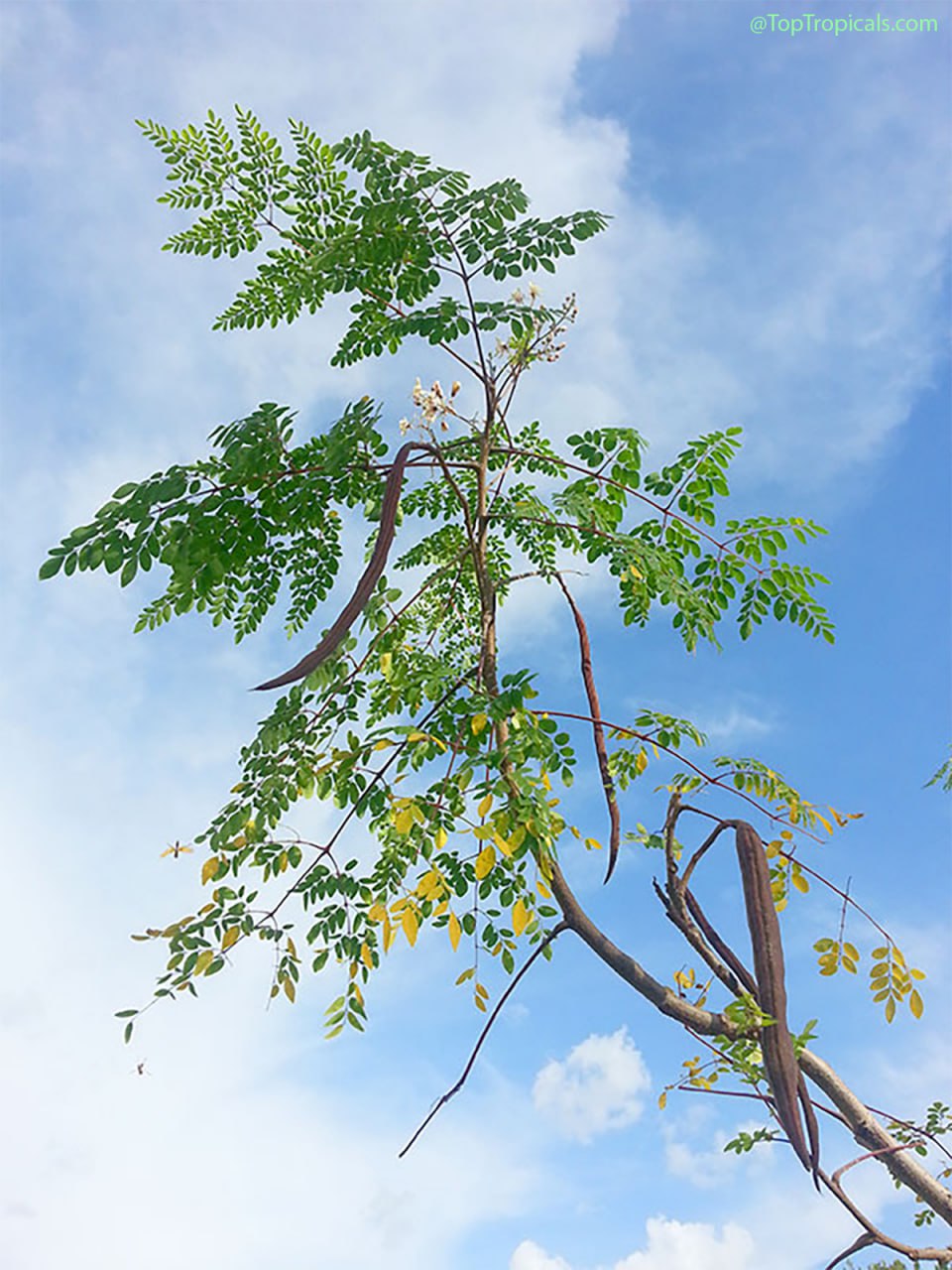
Moringa oleifera leaves and flowers

Moringa oleifera leaves and flowers

Moringa oleifera leaves on a branch

Moringa oleifera leaves on a branch

🌳 Moringa leaves made simple - daily benefits and 6 easy recipes


Moringa tree is called the Tree of Life for a reason. Moringa leaves, often called miracle greens, are packed with vitamins A, C, and E, calcium, iron, potassium, and plant protein. Regular use supports immunity, digestion, skin health, energy levels, and overall vitality. Traditionally, moringa has also been used to support blood sugar balance, heart health, and inflammation control thanks to its rich supply of antioxidants and bioactive compounds like flavonoids and polyphenols.

❤️ Key benefits of eating moringa leaves daily:


🌿 Supports blood sugar balance


Moringa may improve insulin sensitivity and help stabilize blood sugar, reducing sudden energy crashes. Regular intake has been linked to better glycemic control and reduced inflammation.

🌿 Improves digestion


High fiber supports gut health, while natural detoxifying compounds help liver function. Moringa may also promote healthy gut bacteria and improve digestion regularity.

🌿 Fights inflammation


Moringa leaves contain compounds that help reduce inflammatory markers in the body, supporting joint, heart, and overall cellular health.

6 easy moringa recipes to try


🌿 Moringa laddoo


Roast whole wheat flour in ghee, add fresh moringa leaves, jaggery, nuts, sesame seeds, and cardamom. Shape into laddoos and store airtight.

🌿 Moringa smoothie


Blend fresh moringa leaves, banana, curd, honey, and water. Top with soaked chia seeds and drink fresh.

🌿 Moringa dal


Cook toor dal with turmeric. Saute moringa leaves, onion, tomato, garlic, and chilies in ghee, mix into dal, and finish with cumin and asafoetida tempering.

🌿 Moringa paratha


Knead wheat flour with moringa leaves, onion, spices, and salt. Roll and cook on a hot tawa with oil or ghee.

🌿 Moringa chutney


Grind moringa leaves with coconut, green chilies, ginger, lemon juice, and salt. Serve fresh.

🌿 Moringa tea


Simmer fresh or dried moringa leaves in water for a few minutes, strain, and enjoy warm with honey or lemon if desired.

🛒 Grow your own Tree of Life - Moringa

📚 Learn more:

Horseradish tree Plant Facts

Botanical name: Moringa oleifera, Moringa pterygosperma
Also known as: Horseradish tree, Ben Oil Tree, Coatli, Drumstick tree, Bridal veil, Miracle Tree
USDA Zone: 9 - 11
Highligths Plant used for bonsaiLarge tree taller than 20 ftSmall tree 10-20 ftFull sunWatering: Moderate. Water when top soil feels dryWhite, off-white flowersEdible plantPlant attracts butterflies, hummingbirdsDeciduous plantEthnomedical plant.
Plants marked as ethnomedical and/or described as medicinal, are not offered as medicine but rather as ornamentals or plant collectibles.
Ethnomedical statements / products have not been evaluated by the FDA and are not intended to diagnose, treat, cure, or prevent any disease. We urge all customers to consult a physician before using any supplements, herbals or medicines advertised here or elsewhere.Fragrant plantSubtropical plant. Mature plant cold hardy at least to 30s F for a short time
Get personalized tips for your region

· Moringa oleifera in Plant Encyclopedia
· Moringa omelet recipe
· Moringa vs spinach: which one wins for nutrition?
· What edible plants and herbs can reduce your blood pressure
· Top 12 Eye-Supporting Fruit and Plants for Vitamin A - Retinol
· Memory & Cognitive Support (Brain Boosters) Edible Plants and Herbs
· How to grow drumsticks on a tree
· What is the most useful tree in the world?
· How to grow a happy Moringa Tree

#Food_Forest #Remedies #Discover #Trees #Recipes

🟢 Join 👉 TopTropicals

Date: 2 Jan 2026

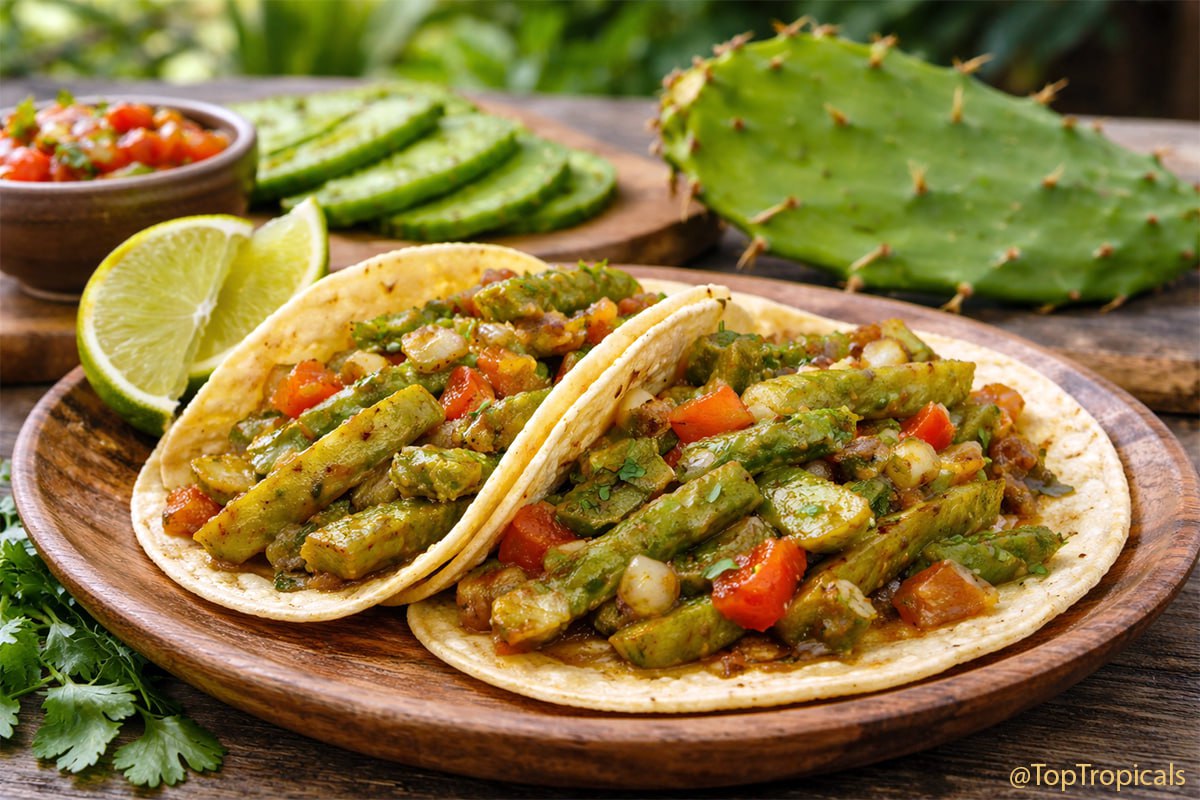
Velvet Nopal tacos: quick-n-fun exotic recipes

Velvet Nopal tacos

Velvet Nopal tacos

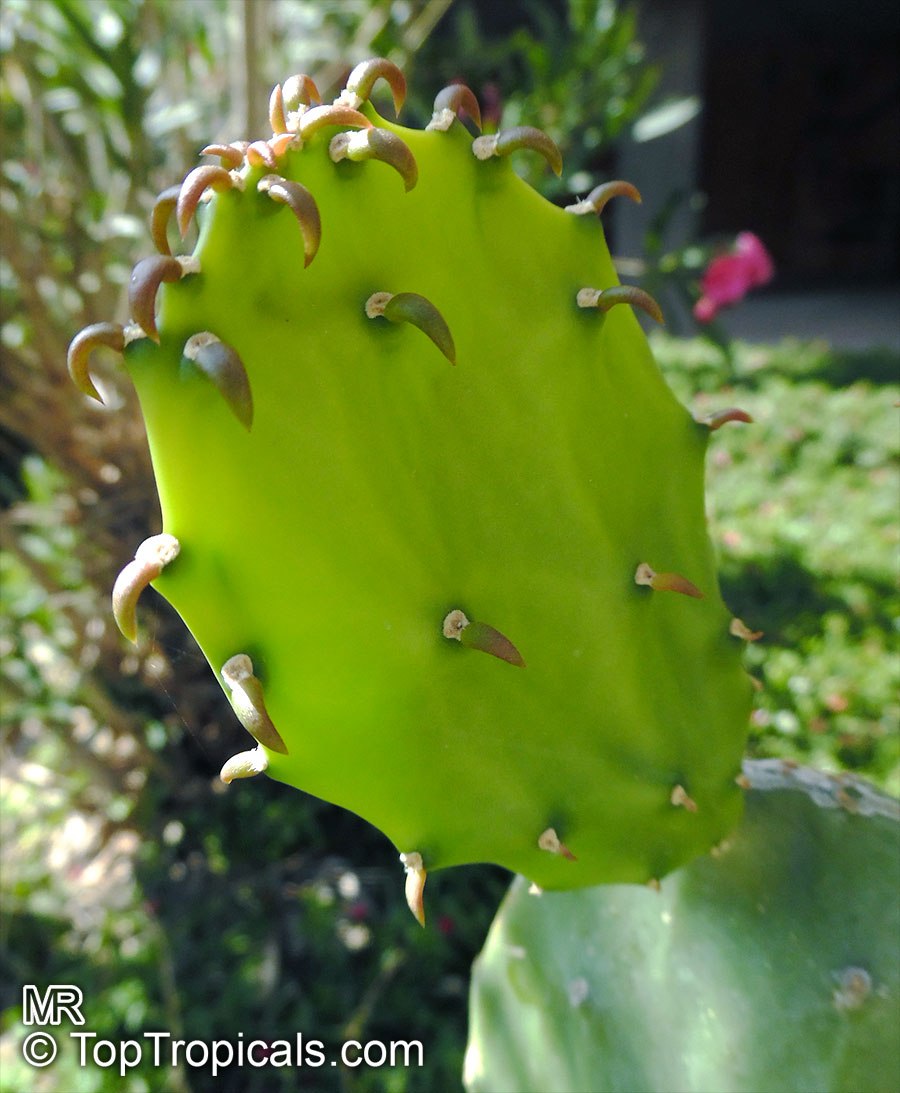
Opuntia cochenillifera - Velvet Nopal Cactus, Prickly Pear

Opuntia cochenillifera - Velvet Nopal Cactus, Prickly Pear

🍴 Velvet Nopal Tacos

Ingredients

  • 2 to 3 tender velvet nopal pads (Opuntia cochenillifera)
  • 1 small onion, diced
  • 1 small tomato, diced
  • 1 tablespoon vegetable oil
  • Salt to taste
  • Corn tortillas

Instructions

  1. Remove spines from nopal pads and slice into strips.
  2. Boil the sliced nopal for 5 minutes, then drain well.
  3. Heat oil in a pan and saute onion until soft.
  4. Add tomato and cooked nopal, season with salt, and saute until tender.
  5. Serve warm in corn tortillas.

🌵 About the plant:


Nopal Opuntia (prickly pear cactus pads) is a cornerstone vegetable in Mexican cuisine and a long-standing staple across Central and South America. It is valued both as food and medicine. Traditionally eaten sauteed, grilled, or stewed, nopal is rich in fiber, minerals, and antioxidants. It is especially well known for its role in blood sugar management - many people who eat it regularly report significant improvement in diabetes control.

🌱 In the garden:


Prickly pear is a fast-growing, tough desert plant with showy red flowers. It thrives on neglect, tolerates drought, and also handles Florida rain surprisingly well. Easy to grow, productive, and edible, it is one of the most practical food plants you can add to your landscape.

🛒 Add Nopal Cactus to your kitchen garden

📚 Learn more:

Cochineal Cactus Plant Facts

Botanical name: Opuntia cochenillifera, Nopalea cochenillifera, Opuntia nuda
Also known as: Cochineal Cactus, Warm hand, Velvet Opuntia, Nopales Opuntia, Nopal Cactus
USDA Zone: 8 - 11
Highligths Large shrub 5-10 ft tallSemi-shadeFull sunWatering: Moderate. Water when top soil feels dryRed, crimson, vinous flowersEdible plantSubtropical plant. Mature plant cold hardy at least to 30s F for a short time
Get personalized tips for your region

Opuntia cochenillifera - Velvet Nopal Cactus, Prickly Pear in Plant Encyclopedia
Edible cactus with health benefits that your tortoise will love too

#Food_Forest #Recipes #Remedies

🟢 Join 👉 TopTropicals

Date: 15 Dec 2025

Vietnamese pepper Lalot

🌿 Vietnamese pepper Lalot


🛒 Add Lalot to your kitchen windowsill

📚 Learn more:

Chaa-plu Plant Facts

Botanical name: Piper sarmentosum
Also known as: Chaa-plu, Vietnamese Pepper, Lalot, La Lot, Wild Betel Leaf
USDA Zone: 9 - 11
Highligths Vine or creeper plantSmall plant 2-5 ftSemi-shadeFull sunWatering: Moderate. Water when top soil feels dryWatering: Regular. Let topsoil dry slightlyOrnamental foliageSpice or herb plantEthnomedical plant.
Plants marked as ethnomedical and/or described as medicinal, are not offered as medicine but rather as ornamentals or plant collectibles.
Ethnomedical statements / products have not been evaluated by the FDA and are not intended to diagnose, treat, cure, or prevent any disease. We urge all customers to consult a physician before using any supplements, herbals or medicines advertised here or elsewhere.
Get personalized tips for your region

Piper sarmentosum in Plant Encyclopedia

#Food_Forest #Remedies #Container_Garden

🟢 Join 👉 TopTropicals

Date: 15 Dec 2025

9 tropical vegetables to grow indoors, or how to have garden-fresh produce all year

9 tropical vegetables to grow indoors

9 tropical vegetables to grow indoors

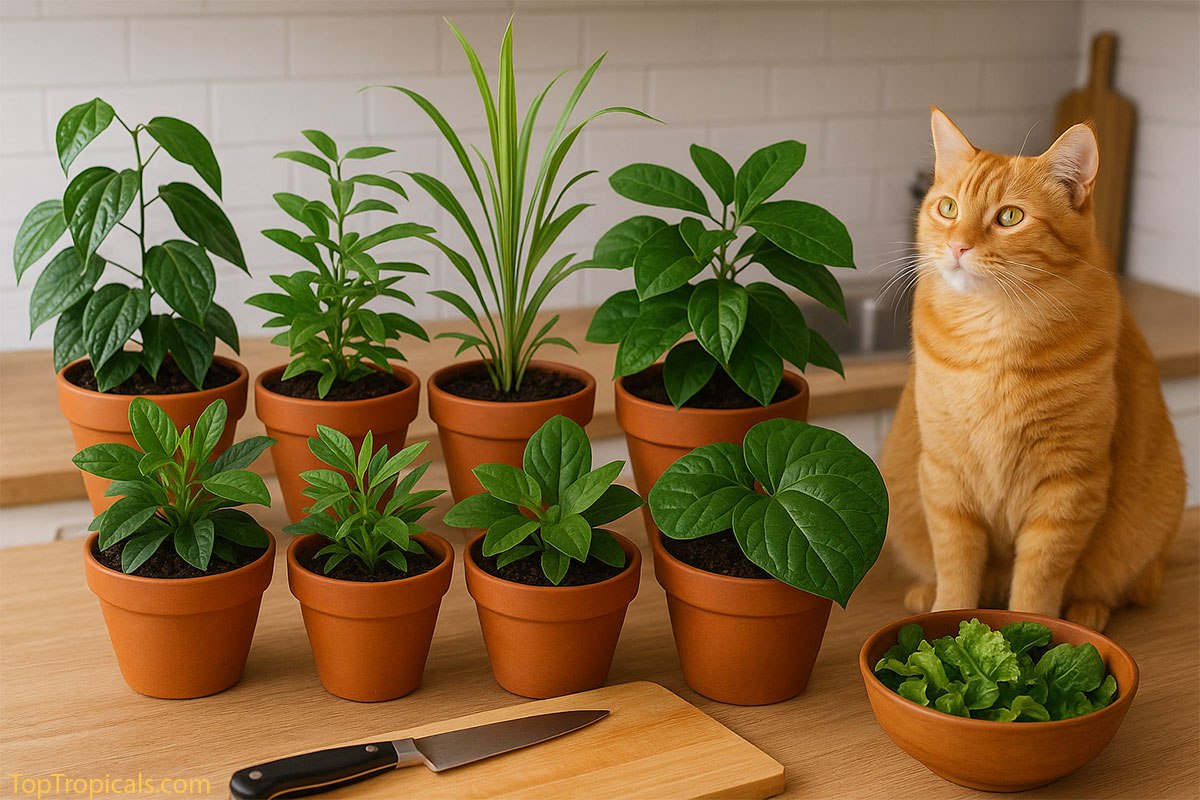
🌱 9 tropical vegetables to grow indoors, or how to have garden-fresh produce all year


Cold weather does not have to mean the end of homegrown food. According to Southern Living, vegetables like lettuce, carrots, and radishes can be grown indoors during winter. The downside is that most of these are annuals - you harvest once, then start over.

Tropical vegetables work differently. Many are perennial, long-living plants that grow well in containers and keep producing for years. Grow them indoors year-round, move them outside in summer for extra sun and growth, then bring them back indoors before cold weather. With enough light and regular care, these plants can provide fresh harvests in every season.

✅ Tips for growing tropical vegetables indoors


📍Place plants near a bright window or supplement with grow lights for steady growth
📍Use containers with good drainage and quality potting mix
📍Keep plants away from cold drafts and heating vents
📍Rotate pots and prune regularly to encourage fresh, tender growth
📍Feed regularly with natural Sunshine Boosters - they are formulated for edibles

✅ Tropical vegetables to grow indoors


🌿 Gynura procubens - Longevity Spinach, Cholesterol spinach - a fast-growing leafy green often called a superfood. The tender leaves are used fresh or lightly cooked and can be harvested repeatedly. This plant stays compact, handles containers easily, and regrows quickly after cutting.

🌿 Sauropus androgynus - Katuk, Tropical Asparagus. One of Southeast Asia’s most popular leafy vegetables. Katuk produces edible shoots and leaves that are cooked in soups and stews. It grows well indoors and rewards regular harvesting with constant new growth.

🌿 Cymbopogon citratus - Lemon grass: a tough, productive plant that adapts well to container growing. The stalks and leaves are used for teas, soups, and flavoring. Indoors, it grows more slowly but stays productive, especially when moved outdoors in summer.

🌿 Lippia dulcis - Aztec Sweet Herb, Sweetleaf: a low-growing herb with naturally sweet leaves. The foliage can be eaten fresh or used as a sugar substitute in teas and desserts. It stays compact, tolerates pruning, and performs well in pots indoors.

🌿
Piper sarmentosum - Vietnamese Pepper, Lalot: grown for its aromatic, edible leaves rather than peppercorns. The leaves are eaten fresh, cooked, or used as food wraps. This plant stays manageable indoors with light pruning.

🌿 Piper nigrum - Black Pepper: the true black pepper vine. Grows well indoors as a container vine with support. It prefers warm temperatures, steady moisture, and bright filtered light.

🌿 Piper auritum
- Root Beer Plant, False Kava-Kava: close relative of Piper methysticum (Kava-Kava) known for its large, fragrant leaves with a spicy, root beer-like aroma. The leaves are used for wrapping foods and flavoring dishes. Best grown indoors with room for its bold foliage.

🌿 Piper betle - Betel leaf: a traditional edible and medicinal leaf used widely in Asia. The glossy leaves are harvested continuously and used fresh or as wraps. This vine grows well indoors with warmth, humidity, and a small trellis.

🌿 Piper longum - Indian Long Pepper, Pippali, Bengal Pepper: A tropical pepper relative grown for its elongated spice fruits and edible leaves. Slower to fruit indoors but easy to maintain as a leafy spice plant in containers with bright light and regular feeding.

Tropical vegetables make indoor gardening more rewarding because they do not stop after one harvest. With containers, light, and basic care, these plants can become long-term food producers that move seamlessly between indoors and outdoors - keeping fresh flavors within reach all year.

🛒 Explore tropical edibles, herbs and spices

📚 Learn more:


· 5 most useful edibles for tropical garden
· Grow your own Pepper leaves: 5 most valuable Pipers

🎥 Karkade Tea
Longevity Spinach


#Food_Forest #Remedies #Container_Garden #How_to #Discover

🟢 Join 👉 TopTropicals

Date: 7 Dec 2025

Whats for breakfast? Guava versus Banana

Smokey: Guava for fiber, banana for power. Pick wisely.
Sunshine: I pick whatever requires zero effort.
Smokey: So... guava in a hammock. Perfect.

Smokey: Guava for fiber, banana for power. Pick wisely. Sunshine: I pick whatever requires zero effort. Smokey: So... guava in a hammock. Perfect.

🍉🍌 What's for breakfast? Guava versus Banana


Some mornings you want something light. Some mornings you want something that hits like a tiny energy bomb. That’s why people always compare guava and banana. Both are everywhere, easy to eat, and trusted since forever - from Ayurveda scrolls to modern nutrition charts.

But they’re not the same kind of morning fruit. Let’s walk through them like we’re in the kitchen deciding what to slice first.

🍉 Guava - the fiber champion


Guava looks innocent, but it’s one of the most nutrient-dense fruits.
Per 100 g: 68 calories, 5.4 g fiber, over 200 mg vitamin C, a little protein, and solid potassium.

Fiber does most of the work. It smooths digestion, keeps you full, and steadies blood sugar. Vitamin C boosts immunity, and antioxidants reduce inflammation. Studies suggest guava lowers LDL and triglycerides. Not bad for a tennis-ball-size fruit.

🍌 Banana - the quick energy classic


Bananas are the opposite personality: soft, sweet, ready in seconds.
Per 100 g: 89 calories, 22 g carbs, good potassium, and a little vitamin B6.

Bananas give fast energy without upsetting the stomach. Athletes eat them before workouts because carbs, sugars, and potassium wake up your muscles. Vitamin B6 helps mood and brain function, which is why a banana on a groggy morning works wonders.

They also pack antioxidants, polyphenols, and heart-protective compounds. Even the peel has nutrients (though not exactly breakfast-friendly).

📊 What studies say - quick notes


· Guava: anti-inflammatory, anti-hypertensive, anti-obesity, antioxidant, antidiabetic, antidiarrheal, boosts hemoglobin, supports dental health.
· Banana: antioxidants, fiber, vitamins C and E, carotenoids, flavonoids, and heart-protective compounds.

🔮 What Ayurveda says


· Guava calms Pitta and Kapha - great for acidity or sluggish digestion.
· Bananas balance Vata - grounding and nourishing - but can raise Kapha at night. Morning banana = good. Night banana = maybe skip.

🏆 Guava or banana - which one wins?


Both win, just in different ways:

🍉 Pick guava for:


· light, high-fiber start
· better digestion
· steady energy
· low calories
· weight control

🍌 Pick banana for:


· instant energy
· easy digestion
· pre-workout boost
· quick carbs
· soft, comforting fruit

🍉 Slow mornings love guava.
🍌 Busy mornings belong to banana.

For home growers


If you live in a warm climate, both fruits are incredibly rewarding to grow.

🍉 Why grow guava?


· Fruits in 1-2 years.
· Compact for small yards or containers.
· Super productive when mature.
· Needs only sun, warmth, and pruning.
· Homegrown flavor is sweeter and more aromatic.

🍌 Why grow banana?


· Grows fast and looks lush.
· One mat can feed a whole household.
· Dwarf varieties fit small gardens.
· Homegrown bananas taste richer and creamier.
· When a bunch ripens, breakfast is handled for a week.

Growing your own fruit means you’re never out of a healthy breakfast. Something is always ripening, always ready to pick, and always sweeter than anything you buy.

✍️ Scientific reference


· USDA National Nutrient Database: Banana, raw. Guava, raw.
· Journal of Food Biochemistry: Antioxidant and anti-atherosclerotic potential of Banana.
· International Journal of Pharmaceutical Sciences Review and Research: Guava (Psidium guajava). A brief overview of its therapeutic and health potential
· International Journal of Innovative Research in Engineering & Management: An analysis of health benefits of guava.

🛒 Grow your perfect breakfast for any day - Guava and Banana

📚 Learn more:


🟡More posts about #Bananas and #Guava
🟡From Plant Encyclopedia: Banana and Guava plants
🟡Guava beats banana in the potassium game

📱 Watch YouTube short videos:


' target="_blank" rel="noopener noreferrer">Six guava varieties that will keep you picking year-round.
' target="_blank" rel="noopener noreferrer"> Why every garden needs a Banana tree

#Food_Forest #Bananas #Guava #Remedies #Discover

🟢 Join 👉 TopTropicals