Date: 7 Dec 2024
The Girl with
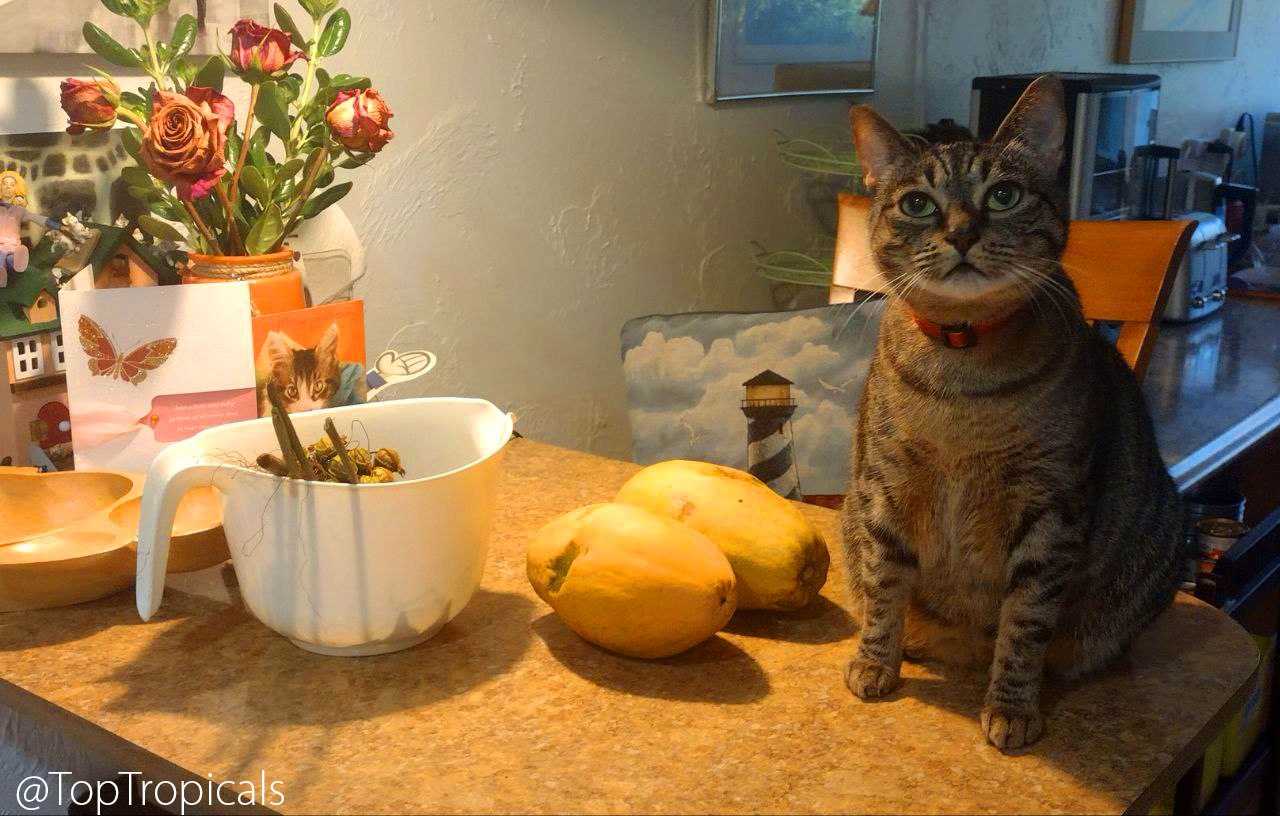
- 📸 Niki is showcasing Papaya fruit.
- 📸 🐈🐈🐈👇
Share your cats in comments!
🔠 More #PeopleCats in our Garden:
PeopleCats.Garden
#Food_Forest
🔴 Join 👉 TopTropicals
Garden Blog - Top Tropicals
Date: 7 Dec 2024
Date: 14 Apr 2025
Date: 2 Apr 2025
Date: 29 Nov 2023
Photo above: Christmas time in Ukraine (left) and Florida (right)
Q: Are there any tropical plants that will do well if I order them in Winter? We just bought a house in New Jersey with a large sunroom, and I can't wait to fill it with tropical beauties! Should I wait until Spring, or do you have something for a Winter start?
A: This is indeed a very good question, as many tropical plant collectors grow their treasures outside the tropics. The short answer is - yes! You can start filling your tropical sunroom any time of the year, but some plants are easier to deal with in Winter than others. Below are some guidelines.
Winter bloomers today, left to right: Jatropha, Champaka, Brunfelsia, Calliandra, Leonotis.
1. Plants that prefer Winter shipping to avoid overheating stress:
- All plants with lush foliage such as Philodendrons, Medinilla
- Trees with fine feathery leaves such as Moringa, Jacaranda, Poinciana
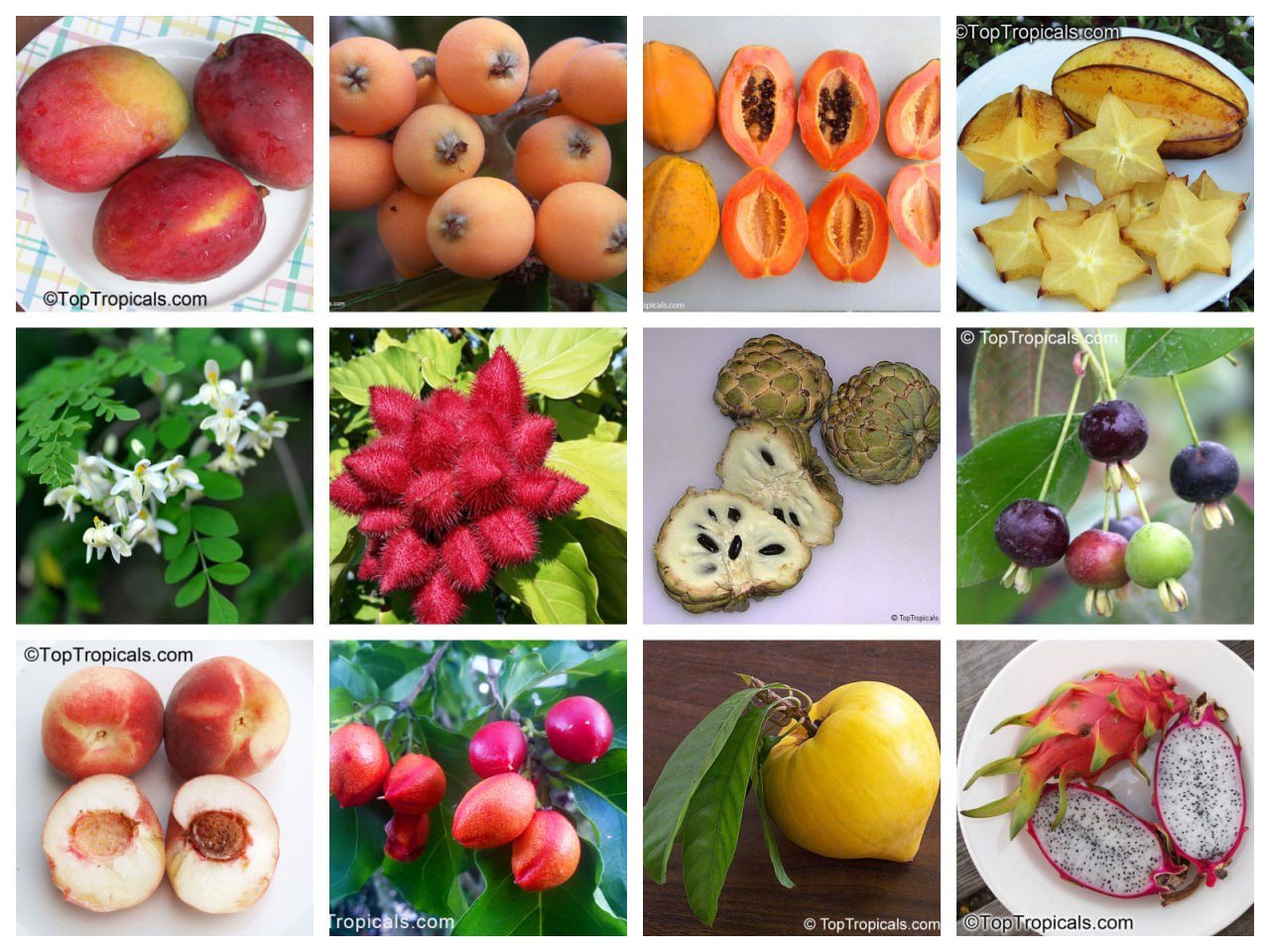
- Some fruit trees sensitive to overheating during shipping: Papaya, Stawberry Tree, Starfruit (Carambola), Bilimbi.
2. Subtropical plants that are relatively cold hardy
- Fruit trees:
Loquats, Olives, Avocados, Tropical Cherries: Eugenia, Malpighia, Noni (more cold
hardy than you may think),
Canistel.
- Flowering trees: Champaka, Tabebuia.
- All Bananas
- see all relatively cold hardy
plants
3. Winter-dormant and/or deciduous plants: Adeniums, Plumerias, Gingers, Sugar Apple
, Peaches and
Plums, June Plum and Hog Plum.
See all deciduous/winter dormant plants.
4. Orchids, including Ground Orchids.
5. Winter flowers. Keep in mind that many tropical plants are
winter bloomers, and their flowering is most profuse in Winter months, so you
can enjoy the blooms right away:
Dombeya,
Thunbergia,
Gloxinia, Brunfelsia, Calliandra, Tibouchina, Barleria, Leonotis, Clerodendrums, Chinese Hat (Holmskioldia).
See all Winter bloomers.
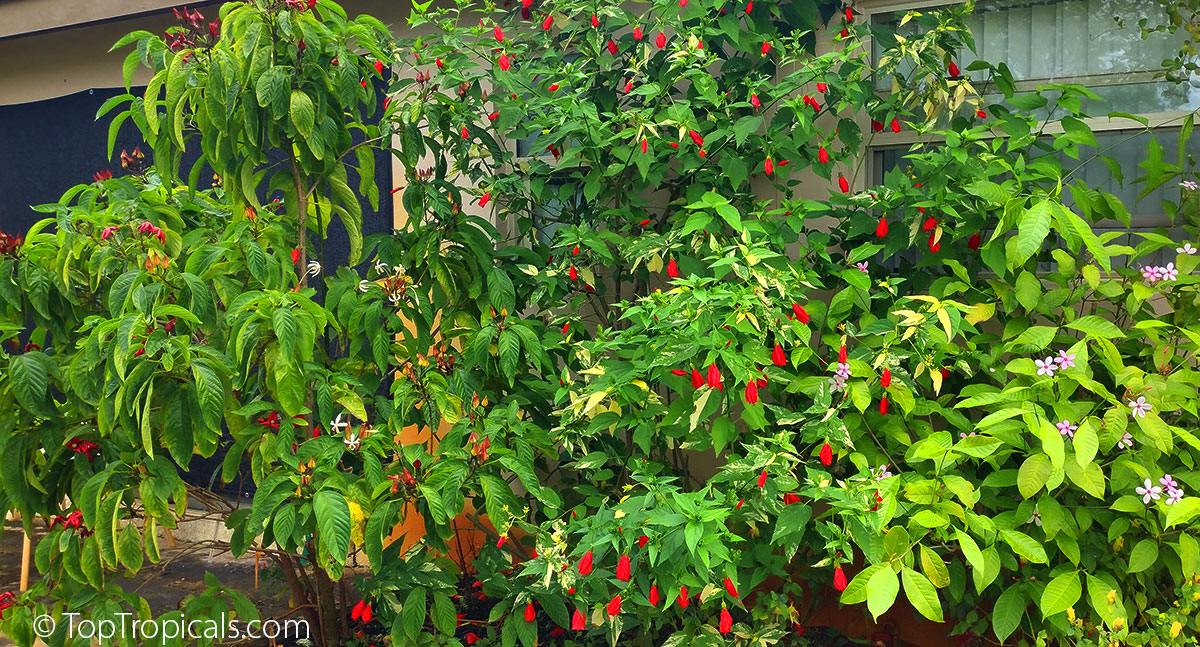
Winter bloomers today, left to right: Clerodendrum minahasse, Variegated Malvaviscus Summer Snow, Kopsia fruticosa
6. Winter plant care. During Winter the daylight is shorter and temperatures are
cooler.
- Reduce watering
- Use only liquid amino-acid based fertilizer Sunshine Boosters (safe to use year around)
- Monitor insects.
7. Shipping in Winter. We ship year around. However, if it gets below freezing in your area, you may use FedEx Hold location, they are temperature controlled so you don't have to worry about a box being dropped off at your cold porch outside.
8. A note for mild climate residents. Most tropical plants can be planted in the ground year around. Some ultra-tropical tender species such Chocolate tree, Ylang Ylang, or small size Mango trees can be grown in pots until Spring and planted out once chances of cold spell are gone. Until then, they can be moved indoors for cold nights.
Think outside the box and bring tropical paradise indoors during the time when we need warmth the most! Tropical plants will brighten your short winter days and help you to have truly HAPPY HOLIDAYS!
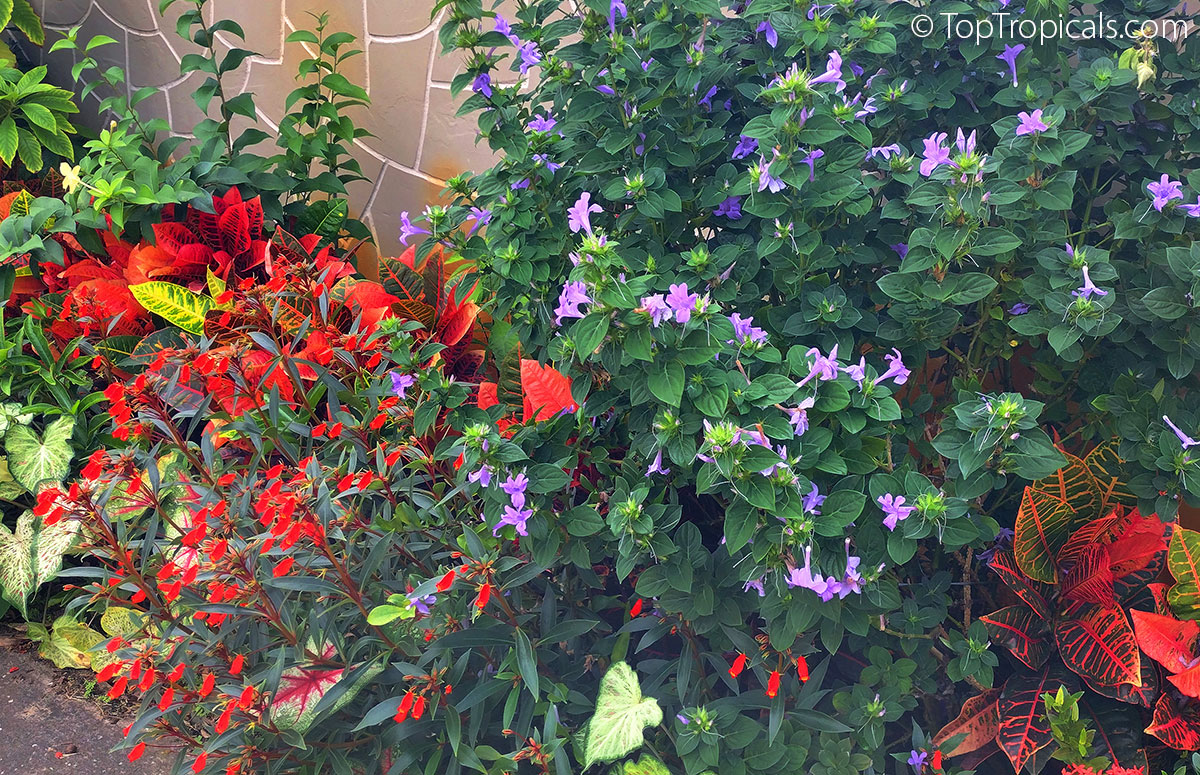
Winter bloomers today, left to right: Gloxinia, Barleria, and ever-bright Crotons...
Date: 26 Apr 2023
Q: What is companion planting?
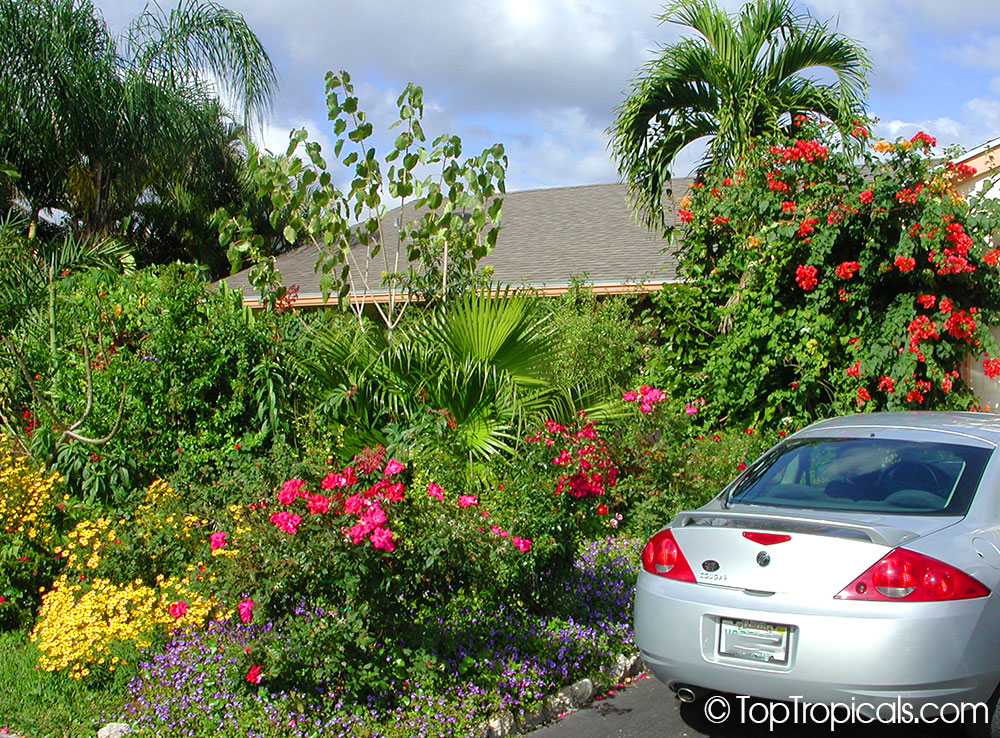
A: Companion planting is a gardening technique that involves planting different crops or types of plants together in a way that benefits all plants. This practice has been used for centuries, and it can be especially useful in tropical gardens where there is a diversity of plant life: trees, shrubs, vines and climbers, ground covers, fruit and edibles, and different flowering ornamentals. It is a great way to improve the health and yield of fruit tree crops while reducing the need for fertilizers and pesticides. By choosing the right companion plants and planning your garden layout carefully, you can create a vibrant and diverse ecosystem that will benefit both your plants and the environment.
Planting different crops together to repel insects: adding such plants as Lemon grass, Patchouli leaf, or Moujean Tea near your vegetables can deter aphids and other pests.
Attracting pollinators - Butterfly plants. Many tropical crops, such as passion fruit, papaya, mango, and avocado, rely on pollinators to produce fruit. Companion planting can help to attract pollinators such as bees, butterflies, and hummingbirds to your garden.
Providing nutrients to the soil, adding mulch and low growing plants (ground covers) to preserve moisture.
Planting a variety of different types of plants together in order to create a more resilient ecosystem that is less susceptible to pests and diseases.
To get started, plan your garden layout and choose companion plants with
similar water and light requirements.
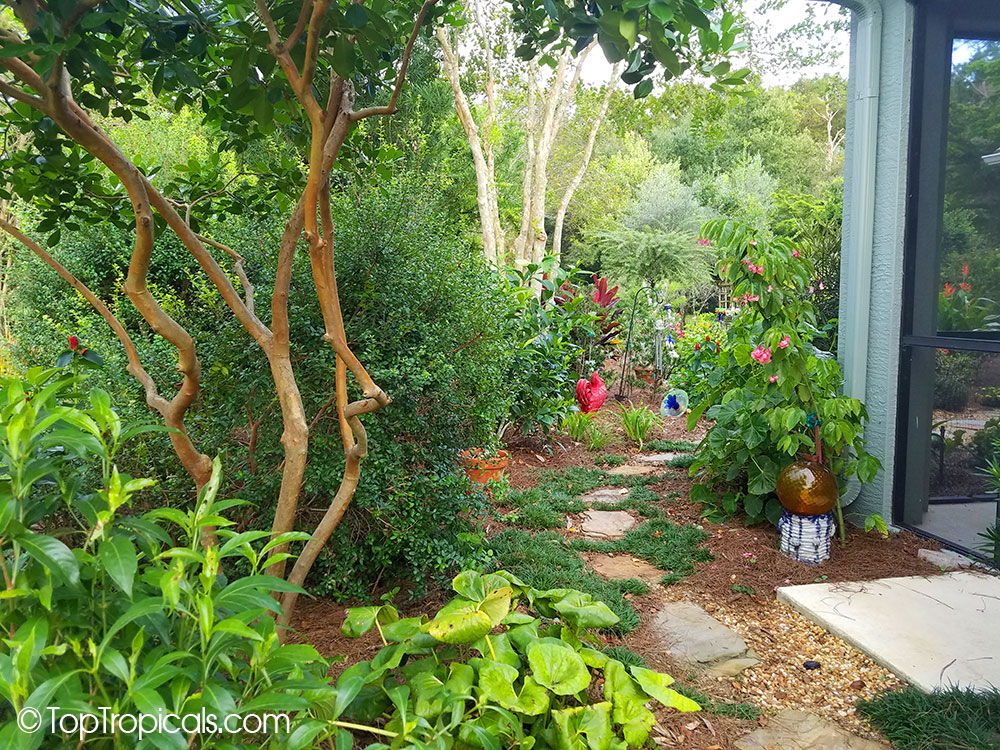
For example, plant in the same group lush foliage plants, gingers, and flowering brunfelsias in shady areas; plant jasmines and gardenias in full sun and very well-drained spots.
Rotate annual crops regularly and experiment with combinations to find what
works best. By doing this, you can create a thriving ecosystem that benefits
both your plants and the environment, reducing the need for harmful
chemicals.