Garden Blog - Top Tropicals

Date: 14 Apr 2025

See the Difference: Grow Plants That Protect Your Vision

See the Difference: Grow Plants That Protect Your Vision

👁 See the Difference: Grow Plants That Protect Your Vision


Your eyes work hard every day - give them the nutrition they deserve!
These tropical fruits and plants are rich in Vitamin A and beta-carotene, known to support clear vision, retinal health, and even help prevent age-related eye decline. Grow them in your garden and harvest real, living eye care.


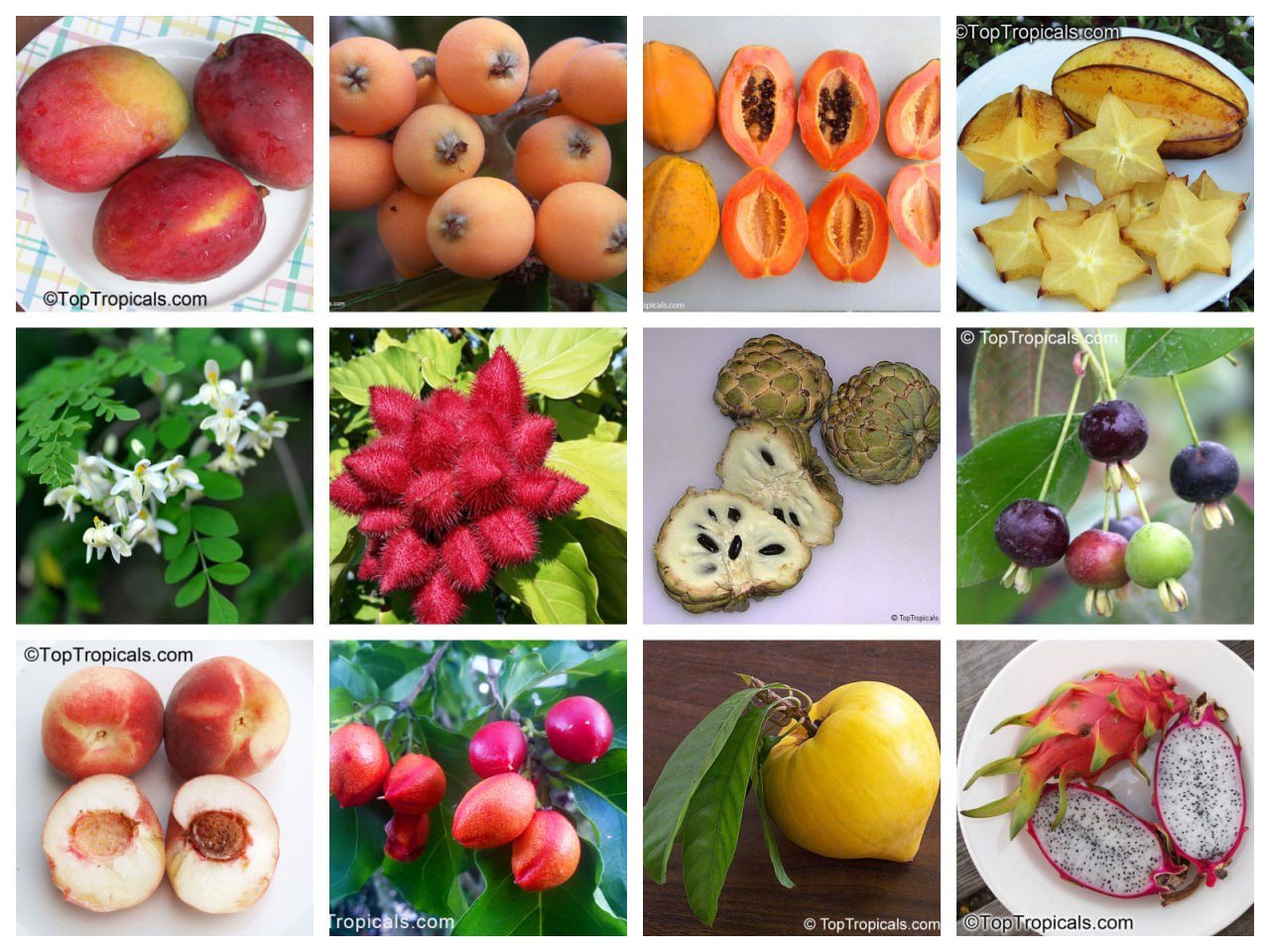
👁 Top 12 Eye-Supporting Fruit and Plants (Vitamin A - Retinol)

  • 🟡 Mango - Packed with beta-carotene, which your body converts into Vitamin A to support sharp, healthy vision.

  • 🟡 Loquat - Naturally rich in Vitamin A, known for supporting retina and eye tissue health.

  • 🟡 Papaya - A tasty source of beta-carotene, great for protecting your eyes and immune system.

  • 🟡 Carambola (Starfruit) - Offers a dose of Vitamin A, beneficial for maintaining clear eyesight.

  • 🟡 Moringa - A leafy powerhouse loaded with beta-carotene that helps support visual health.

  • 🟡 Annatto - High in carotenoids, especially bixin, which may support eye health and clarity.

  • 🟡 Annona - Contains antioxidants, including beta-carotene, to help nourish your eyes.

  • 🟡 Eugenia Cherry (Cherry of the Rio Grande, Brazilian Cherry, Surinam Cherry, Pitomba) – A sweet fruit rich in Vitamin A, promoting overall eye wellness.

  • 🟡 Peach - Supports both skin and eye health with its naturally high Vitamin A content.

  • 🟡 Peanut Butter Fruit - Contains beta-carotene, a powerful nutrient for eye and vision support.

  • 🟡 Canistel (Eggfruit) - Extremely high in beta-carotene, offering deep support for vision and skin.

  • 🟡 Dragon Fruit - Offers beta-carotene and antioxidants that may protect your retinas and night vision.


📚 Learn more about health benefits of tropical plants:


TROPICAL FRUIT HEALTH BENEFITS GUIDE - Part 1 and Part 2

🛒 Shop Vision-Boosting Plants - buy tropical fruit trees for your eye health

#Food_Forest #Discover #Remedies

🔴 Join 👉 TopTropicals

Date: 2 Apr 2025

TROPICAL FRUIT HEALTH BENEFITS GUIDE, Part 2:

TROPICAL FRUIT

TROPICAL FRUIT

🍑 What fruit and edibles can help with health issues and VITAMIN deficiencies

...Continued from previous post ⤴️

7. 💅 Beauty Enhancer

(Vitamin B7 - Biotin):

Banana, Avocado, Aloe Vera, Clitoria (Butterfly Pea), Patchouli.

8.Blood Builder
(Vitamin B9 - Folate):

Avocado, Guava, Papaya, Moringa, Chaya (Maya Spinach Tree), Mulberry.

9. Immunity Booster
(Vitamin C - Ascorbic Acid):
Guava, Pineapple, Carambola, Mango, Dragon Fruit, Loquat, Longevity Spinach (Gynura), Moringa, Allspice, Camphor Tree, Bay Leaf, Yerba Mate, Cherry, Peach, Passion fruit, Mulberry, Eugenia, Cinnamon, Piper sarmentosum (Vietnamese Pepper), Wiriwiri and Biquinho Pepper.

10. Skin Shield
(Vitamin E - Tocopherol):

Avocado, Sapote, Dragon Fruit, Moringa, Patchouli, Aloe, Annatto, Camphor Tree.

11. ❣️Clot Controller
(Vitamin K - Phylloquinol):

Moringa, Sauropus (Katuk), Chaya.

12. 🍲 Digestive Aid
(Enzymes):

Pineapple, Papaya, Ginger, Turmeric, Mango, Lemongrass, Cinnamon, Black Pepper, Bay Leaf, Betel Leaf, Peach, Eugenia, Jackfruit, Lippia dulcis, Allspice, Lippia alba (Poleo), Wiri wiri and Biquinho Pepper, Passion fruit.

📚 Learn more in our next posts about specific benefits of each fruit or plant...

🛒 Explore tropical fruit trees with benefits

#Food_Forest #Discover #Remedies #Bananas

🔴 Join 👉 TopTropicals

Date: 29 Nov 2023

What plants are good to order in Winter?

Christmas  dog  and  night  moon  with  snow

Photo above: Christmas time in Ukraine (left) and Florida (right)

Q: Are there any tropical plants that will do well if I order them in Winter? We just bought a house in New Jersey with a large sunroom, and I can't wait to fill it with tropical beauties! Should I wait until Spring, or do you have something for a Winter start?

A: This is indeed a very good question, as many tropical plant collectors grow their treasures outside the tropics. The short answer is - yes! You can start filling your tropical sunroom any time of the year, but some plants are easier to deal with in Winter than others. Below are some guidelines.

Winter  bloomers:  Jatropha,  Champaka,  Brunfelsia,  Calliandra,  Leonotis

Winter bloomers today, left to right: Jatropha, Champaka, Brunfelsia, Calliandra, Leonotis.

1. Plants that prefer Winter shipping to avoid overheating stress:
- All plants with lush foliage such as Philodendrons, Medinilla
- Trees with fine feathery leaves such as Moringa, Jacaranda, Poinciana
- Some fruit trees sensitive to overheating during shipping: Papaya, Stawberry Tree, Starfruit (Carambola), Bilimbi.

2. Subtropical plants that are relatively cold hardy
- Fruit trees: Loquats, Olives, Avocados, Tropical Cherries: Eugenia, Malpighia, Noni (more cold hardy than you may think), Canistel.
- Flowering trees: Champaka, Tabebuia.
- All Bananas
- see all relatively cold hardy plants

3. Winter-dormant and/or deciduous plants: Adeniums, Plumerias, Gingers, Sugar Apple , Peaches and Plums, June Plum and Hog Plum.
See all deciduous/winter dormant plants.

4. Orchids, including Ground Orchids.

5. Winter flowers. Keep in mind that many tropical plants are winter bloomers, and their flowering is most profuse in Winter months, so you can enjoy the blooms right away:
Dombeya, Thunbergia, Gloxinia, Brunfelsia, Calliandra, Tibouchina, Barleria, Leonotis, Clerodendrums, Chinese Hat (Holmskioldia).
See all Winter bloomers.

Winter  bloomers:  Clerodendrum  minahasse,  Malvaviscus  Summer  Snow,  Kopsia 
 fruticosa

Winter bloomers today, left to right: Clerodendrum minahasse, Variegated Malvaviscus Summer Snow, Kopsia fruticosa

6. Winter plant care. During Winter the daylight is shorter and temperatures are cooler.
- Reduce watering
- Use only liquid amino-acid based fertilizer Sunshine Boosters (safe to use year around)
- Monitor insects.

7. Shipping in Winter. We ship year around. However, if it gets below freezing in your area, you may use FedEx Hold location, they are temperature controlled so you don't have to worry about a box being dropped off at your cold porch outside.

8. A note for mild climate residents. Most tropical plants can be planted in the ground year around. Some ultra-tropical tender species such Chocolate tree, Ylang Ylang, or small size Mango trees can be grown in pots until Spring and planted out once chances of cold spell are gone. Until then, they can be moved indoors for cold nights.

Think outside the box and bring tropical paradise indoors during the time when we need warmth the most! Tropical plants will brighten your short winter days and help you to have truly HAPPY HOLIDAYS!

Winter  bloomers:  Gloxinia,  Barleria,  and  ever-bright  Crotons

Date: 26 Apr 2023

The Benefits of Companion Planting

Landscaped  garden  with  companion  planting

Q: What is companion planting?

A: Companion planting is a gardening technique that involves planting different crops or types of plants together in a way that benefits all plants. This practice has been used for centuries, and it can be especially useful in tropical gardens where there is a diversity of plant life: trees, shrubs, vines and climbers, ground covers, fruit and edibles, and different flowering ornamentals. It is a great way to improve the health and yield of fruit tree crops while reducing the need for fertilizers and pesticides. By choosing the right companion plants and planning your garden layout carefully, you can create a vibrant and diverse ecosystem that will benefit both your plants and the environment.

Companion planting involves:

Planting different crops together to repel insects: adding such plants as Lemon grass, Patchouli leaf, or Moujean Tea near your vegetables can deter aphids and other pests.

Attracting pollinators - Butterfly plants. Many tropical crops, such as passion fruit, papaya, mango, and avocado, rely on pollinators to produce fruit. Companion planting can help to attract pollinators such as bees, butterflies, and hummingbirds to your garden.

Providing nutrients to the soil, adding mulch and low growing plants (ground covers) to preserve moisture.

Planting a variety of different types of plants together in order to create a more resilient ecosystem that is less susceptible to pests and diseases.

To get started, plan your garden layout and choose companion plants with similar water and light requirements.
For example, plant in the same group lush foliage plants, gingers, and flowering brunfelsias in shady areas; plant jasmines and gardenias in full sun and very well-drained spots.
Rotate annual crops regularly and experiment with combinations to find what works best. By doing this, you can create a thriving ecosystem that benefits both your plants and the environment, reducing the need for harmful chemicals.

Landscaped  front  yard  with  companion  planting

Buddah  and  flowers

Date: 3 Aug 2019

Grafted or seedling?

Photo: Mr Barcy meditating before planting Nutmeg seeds

Q: I planted an avocado seed and it sprouted quickly, it has been only a couple months and I already have a small plant. How soon will it produce fruit? Can I grow other tropical fruit from seed?

A: Unfortunately, some fruit trees, including varieties of avocado, mango, lychee, as well as apples and peaches - must be either grafted or air-layered in order to produce, for 2 main reasons:
- seedlings may take a very long time until fruiting, up to 10-15 years
- seedling gives no guarantee on the quality of the fruit or variety
These fruit trees should be propagated as "clones" - both grafted material or cuttings are actually copies of the mother plant and will keep the same fruit qualities. Grafted trees usually start producing immediately.
However there is a number of fruit trees that come true from seed, and take a very short time to start flowering. Jackfruit, Annonas (Sugar Apple, Guanabana, etc), Papaya, Icecream Bean, Eugenias start producing at a young age (3-4 years from seed).

Recommended fertilizers for fruit trees:

Fruit Festival Plant Food - Super Crop Booster
Mango-Food - Smart Release Fruit Tree Booster
SUNSHINE-Honey - for sweeter fruit
SUNSHINE SuperFood - microelement supplement