Garden Blog - Top Tropicals

Date: 20 Oct 2025

11 tropical fruits to eat instead of taking a fiber supplement
Tropical fruits to eat instead of taking a fiber supplement

Tropical fruits to eat instead of taking a fiber supplement

🍑 11 tropical fruits to eat instead of taking a fiber supplement


When we think of tropical fruit, we picture sweetness, sunshine, and exotic flavors packed with vitamin C. But beneath all that juicy goodness lies another gift: dietary fiber - quietly working to support digestion, feed the gut microbiome, and help keep blood sugar steady.

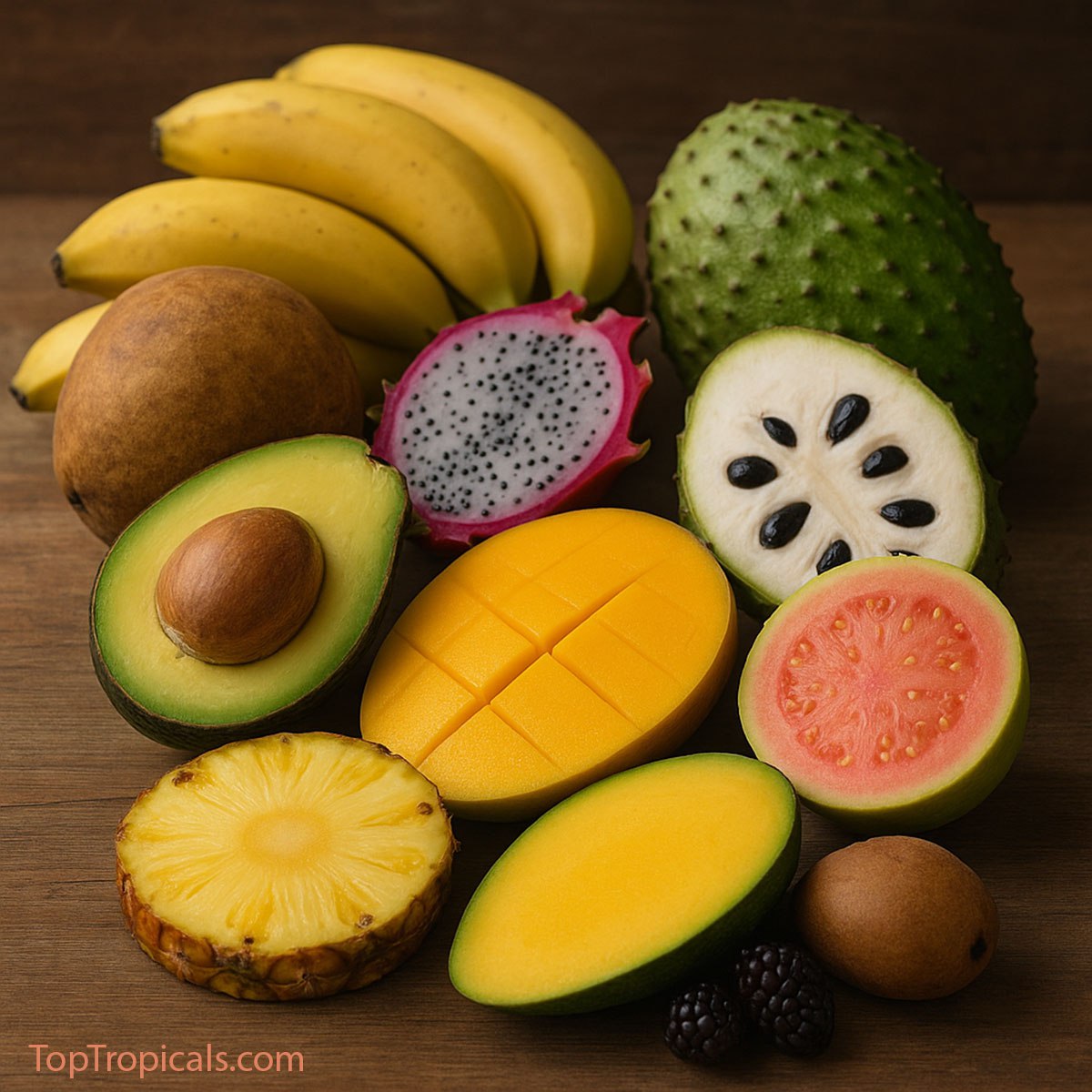
Avocado leads the pack among tropical fruits for fiber content. One creamy, ripe fruit can provide around 10 grams of fiber, roughly a third of an adult’s daily need. And there’s more to avocado than fiber - it’s also rich in healthy fats, micronutrients, and that silky texture everyone loves.

Other tropical fruits bring their own kind of fiber strength. Guava delivers up to 9 grams per cup, plus a burst of vitamin C.

Mango offers about 3 grams in half a fruit, especially when eaten with some of the skin.

Pineapple, though not always seen as a fiber powerhouse, still contributes around 2 grams per cup, along with bromelain, the enzyme that helps digestion.

Jackfruit’s fibrous pulp makes it another standout - it’s so meaty, it’s even used as a plant-based substitute in savory dishes.

Sapote fruit (Mamey, Canistel) and Sapodilla add fiber with a smooth, custard-like texture.

Adventurous tropical varieties like Annona (custard apple, soursop) may not top the charts in fiber numbers, but their soft, fibrous flesh still adds value: about 1.3 grams of fiber per 100 grams of fruit.

Bananas contain both soluble and insoluble fiber; the soluble part (mainly pectin) helps control blood sugar and appetite, while the insoluble fiber aids regularity.

Mulberries are rich in insoluble fiber, especially in their skin, supporting digestion and promoting healthy bowel movements.

Dragon fruit offers a mix of soluble fiber in its juicy flesh and insoluble fiber from its tiny edible seeds, which help support gut health and feed good bacteria.

These fruits aren’t just delicious - they help you meet your daily fiber needs in ways that are far more enjoyable (and sustainable) than taking supplements. And when home gardeners, farmers, or tropical communities grow and share them, it’s a double win: nutrition and tradition hand in hand.

✔️ Tropical fiber power: tips for getting more fiber from tropical fruits


⏺Eat whole, not juiced. Most of the fiber is in the pulp, skin, and seeds. Juicing removes much of that goodness.
⏺Mix it up. Tropical fruits are great, but balance them with legumes, whole grains, nuts, and veggies for a full fiber range.
⏺Take it slow. If your diet is low in fiber, increase gradually to avoid bloating or discomfort.
⏺Drink plenty of water. Fiber works best when paired with hydration.
⏺Mind the ripeness. Unripe fruits can have more resistant starch, another form of fiber.
⏺Get creative. Toss tropical fruits into smoothies, salsas, breakfast bowls, or even desserts - a tasty stealth-fiber strategy.

🛒 Plant a fruit tree to harvest your fruit tomorrow

📚 Learn more:


Tropical fruit health benefits guide - what fruit and edibles can help with health issues and vitamin deficiencies, Part 1 and Part 2.

#Food_Forest #Remedies #Discover #How_to

🟢 Join 👉 TopTropicals
Date: 9 Apr 2025

Can I Grow Avocado Outside the Tropics?

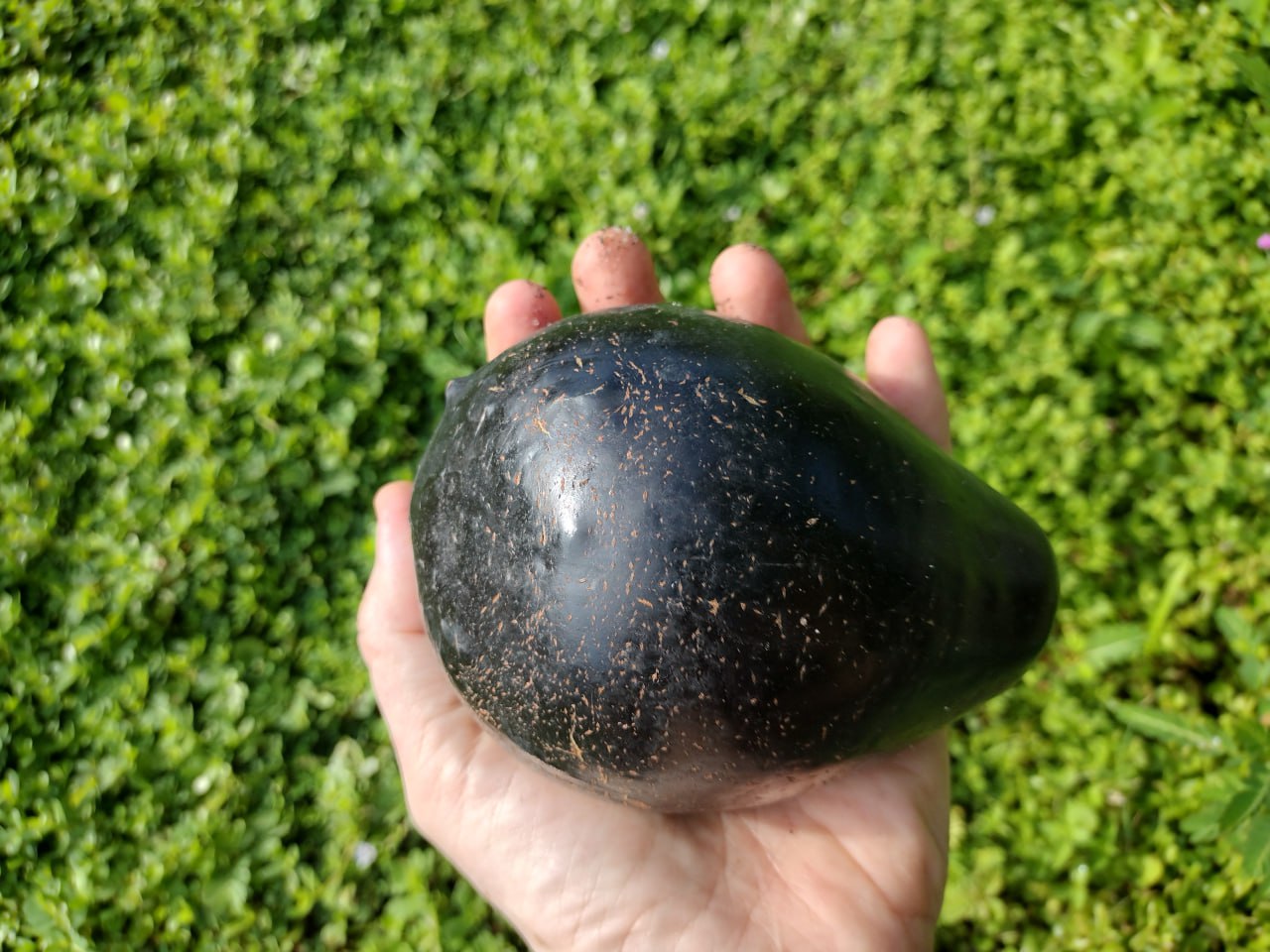
Mexican Avocado

Mexican Avocado

Can I Grow Avocado Outside the Tropics?


👍 Yes - with the right variety and care.
While avocados love tropical and subtropical climates, certain cold hardy Avocados types - especially Mexican varieties - can survive outside the tropics, even in USDA Zone 8b (like San Antonio, TX). Once established, some can handle short freezes down to 15F, even as low as 10F in dry climates.

Key Factors for Cold Hardiness:

🔤 Plant Size: Young trees are tender. Protect with mulch, blankets, and even Christmas lights during freezes. Mature trees are tougher.

🔤 Wind Protection: Wind chills do more damage than cold air alone. Plant near a south-facing wall or sheltered spot.

🔤 Tree Health: Healthy trees handle cold better. Fertilize regularly during the growing season.

🔤 Water & Humidity: Water less in winter. Avoid soggy soil - good drainage is a must. Trees in dry winter climates tolerate more cold than those in humid areas.

✏️ Tip: Always check the hardiness rating for your avocado variety. Protection matters most during the first 1-2 winters.

📚 More about Avocado:


Posts about #Avocado
Avocado Variety Guide


🛒 Shop cold hardy Avocados and grow your own guacamole

#Food_Forest #Discover #Avocado

🔴 Join 👉 TopTropicals

Date: 23 May 2025

How to grow cold-hardy avocados and how cold-hardy are they?

Cat is growing cold-hardy avocados

Cat is growing cold-hardy avocados

How to grow cold-hardy avocados and how cold-hardy are they?


Growing avocados in colder regions is possible with the right variety and care. By selecting Cold Hardy varieties, ensuring proper care, and taking protective steps during cold spells, you can successfully grow avocados outside of tropical climates.

The more established your tree, the better it will tolerate colder weather.

🌡 What is Avocado cold hardiness?


Avocados are sensitive to freezing temperatures but some Mexican varieties are cold-hardy, surviving temperatures as low as 15F once established. With proper care, some can endure brief cold snaps down to 10F.

👉 Cold hardiness depends on several factors, including:


🟢 Duration of cold: How long the tree is exposed to freezing temperatures.

🟢 Sun exposure: Trees with more sunlight tend to handle cold better.

🟢 Wind protection: Wind can make cold weather more damaging.

🟢 Tree health: Proper care, including fertilization, can improve cold tolerance.

❄️ How to protect avocados from cold


If you're growing avocados in a cooler climate, it's essential to protect them from harsh cold. Here are some tips:

🟢 Bigger is Better: Larger, more established trees are generally more cold-tolerant than young ones.

🟢 Wind Protection: Cold winds can be more damaging than the temperature itself. Plant your avocado in a sheltered spot, such as on the south or southeast side of a building, where it’s protected from strong winds.

🟢 Good Fertilization: A healthy tree is more likely to withstand cold. Make sure your avocado receives regular fertilization throughout the growing season to keep it strong.

🟢 Watering: Avocados need regular watering, but during winter, they require much less water. Avoid overwatering, as this can lead to root rot in cold conditions.

✍️ Specific protection for young plants


🟢 Covering and mulching: When a freeze is expected, mound mulch around the trunk to insulate the roots and cover the tree with a blanket for warmth. For extra protection, use Christmas lights or a small heater under the cover, following safety precautions.

🟢 Microclimates matter: Plant your tree closer to a building for better cold protection. Placing it in the warmest part of your landscape will help it get more heat during winter.

🟢 With proper care and protection, you can enjoy fresh avocados even in cooler climates!

🛒  Shop Cold Hardy Avocados

📚 Learn more:


· Can I Grow Avocado Outside the Tropics?
· Avocado Variety Guide
· Posts about #Avocado

#Food_Forest #Avocado #How_to

🔴 Join 👉 TopTropicals

Date: 4 Dec 2025

SOS!

Magnolia champaca, the Joy Perfume Tree

🆘 SOS! Why is my Champaka Tree dropping leaves?

✔️ Magnolia champaca, the Joy Perfume Tree, can look a little rough in Winter through early Spring. The leaves may yellow, drop, and make the whole tree look tired. Many gardeners think something went wrong, but this is completely normal. Champaka is semi-deciduous, which means it sheds leaves for a short period during cooler months, even in warm climates.

✔️ This is also the time when the tree sets its seeds for spring. As long as you keep your regular watering routine and don’t overreact with extra fertilizer or pruning, the tree rebounds in Spring. Within a few weeks it pushes fresh new foliage and starts blooming again, filling the air with that unmistakable sweet fragrance.

✔️ Champaka isn’t declining - it’s just taking a winter nap!

🛒 We always have them for you: Joy Perfume Champaka trees

📚
Learn more:
🟡Which Champaka tree is better - White or Golden?
🟡Golden and White Champaka side-by-side
🟡What does Joy Perfume flower smell like?
🟡What does a mature Champaka Tree look like? Practical Growing Guide
🟡How to grow Magnolia champaca and get some Joy
🟡When does Champaka tree start blooming?
🟡Why Champaka is such a popular perfume tree
🟡Flower of the most expensive perfume
🟡White Champaka
🟡Article about Champaka

📱

#Perfume_Plants #Container_Garden #Trees

🟢 Join 👉 TopTropicals

Date: 16 Feb 2026

Yes, you can grow a mango tree on your patio - here is how to do it right

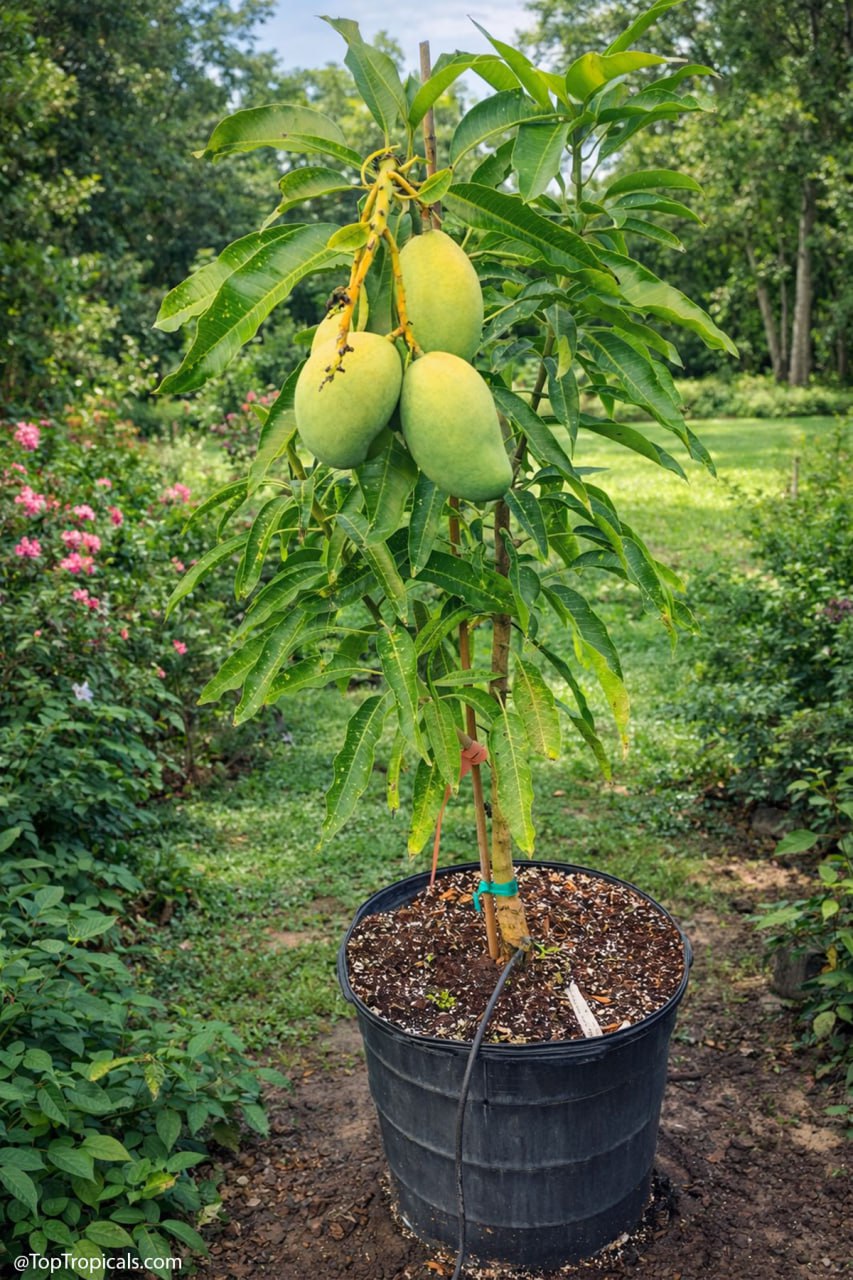
Mango fruiting in container

Mango fruiting in container

🥭 Yes, you can grow a container mango tree on your patio - here is how to do it right


Think you need a backyard orchard to grow mangoes? You don't. Mango trees grow very well in containers. Compact varieties, often called condo mangoes, stay naturally smaller and are well suited for pots, patios, and small yards. We grow and ship mango trees nationwide and have seen which varieties perform best in containers.

Mango Plant Facts

Botanical name: Mangifera indica
Also known as: Mango
USDA Zone: 9 - 11
Highligths Large tree taller than 20 ftSmall tree 10-20 ftFull sunWatering: Moderate. Water when top soil feels dryYellow, orange flowersPink flowersEdible plantSeaside, salt tolerant plant
Get personalized tips for your region


Growing mangoes in pots is also practical in cooler climates. The tree can be moved to protection during cold weather while still producing real fruit. Here is how to do it right.

🥭 Pick the right condo mango tree variety


Choose condo or semi-dwarf mango varieties that stay smaller and respond well to pruning. These mango trees usually stay 6 to 10 feet tall in containers with light pruning. Fruit size is full-size, just fewer than on large trees.

Good mango choices for pots include:
· Cogshall - compact and productive
· Pickering - naturally small and reliable
· Carrie - manageable size, great flavor
· Ice Cream - slow growing, narrow canopy
· Julie - classic Caribbean type
· more condo varieties...

🥭 Choose the right pot


Start small. Young mango trees do best in a 5- to 7-gallon pot. Oversized containers too early often cause overwatering and root issues.

Increase size gradually:
First pot: 5-7 gallons
Next size: 10-15 gallons
Mature container: 20-25 gallons

The pot must drain well. Mango roots dislike wet soil. Add holes if needed. Plastic, ceramic, and fabric pots all work.

🥭 Use fast-draining soil


Mango trees need air around their roots.
Use a loose, fast-draining mix, such as Abundance Professional Soilless Mix. Improve drainage with perlite, pine bark, or coarse sand. Avoid heavy or water-holding soils. Drainage matters more than fancy ingredients.

🥭 Water carefully


Mango trees prefer a wet-dry cycle.
Water deeply, then allow the top few inches of soil to dry before watering again. Always check with your finger first.
In warm weather, water once or twice a week. In winter, much less. Overwatering is the most common container mistake.

🥭 Give plenty of sun


Mango trees love sun and heat.
Place the pot in full sun with at least 8 hours daily. More sun improves growth and flowering.
If overwintered indoors, use the brightest window possible. Grow lights help, but outdoor sun is best when weather allows.

🥭 Fertilize lightly but consistently


Potted mango trees benefit from regular feeding during active growth.
Use a balanced mango or fruit tree fertilizer such as Sunshine Mango Tango (safe to use with every watering, year-around). Controlled-release fertilizer Green Magic (every 6 months) work well too. Avoid excess feeding, which promotes leaves over flowers.
If leaves pale, check watering first, then nutrition.

🥭 Prune to stay compact


Pruning is essential for mangoes in pots.
Light tipping and trimming control size, encourage branching, and increase flowering points. Keep the canopy open and balanced. Watch how simple tipping works in real life: .
Avoid heavy pruning before flowering. Most pruning is best right after harvest.

🥭 Protect from cold


Mango trees are tropical and cold-sensitive.
When temperatures drop below 40F, move the pot to protection or indoors. Young trees are especially vulnerable.
During winter, reduce watering and stop fertilizing. Growth slows and the tree rests.
When warm weather returns, reintroduce the tree to sun gradually to prevent leaf burn.

🥭 Final thoughts


Growing a mango tree in a pot is practical and rewarding. With the right variety, good drainage, full sun, and careful watering, a potted mango can thrive and fruit for years, even in small spaces.
Ready to start? Choose a compact mango variety.


🛒 Discover Condo Mango

📚 Learn more:
Mango in Plant Encyclopedia
Mango Tree for Zone 5: top 15 Condo Mango for growing in cold areas
How long does it take for a mango tree to bear fruit?
What are the Condo Mangos - a practical guide
Top 10 Dwarf "Condo" Mango, great for container culture
Yes, you can grow an avocado tree on your patio - here is how to do it right

Avocado Plant Facts

Botanical name: Persea americana, Persea gratissima
Also known as: Avocado, Alligator Pear, Aguacate, Abacate
USDA Zone: 9 - 11
Highligths Large tree taller than 20 ftSmall tree 10-20 ftFull sunWatering: Regular. Let topsoil dry slightlyEdible plantSubtropical plant. Mature plant cold hardy at least to 30s F for a short time
Get personalized tips for your region


#Food_Forest #How_to #Discover #Mango

🟢 Join 👉 TopTropicals