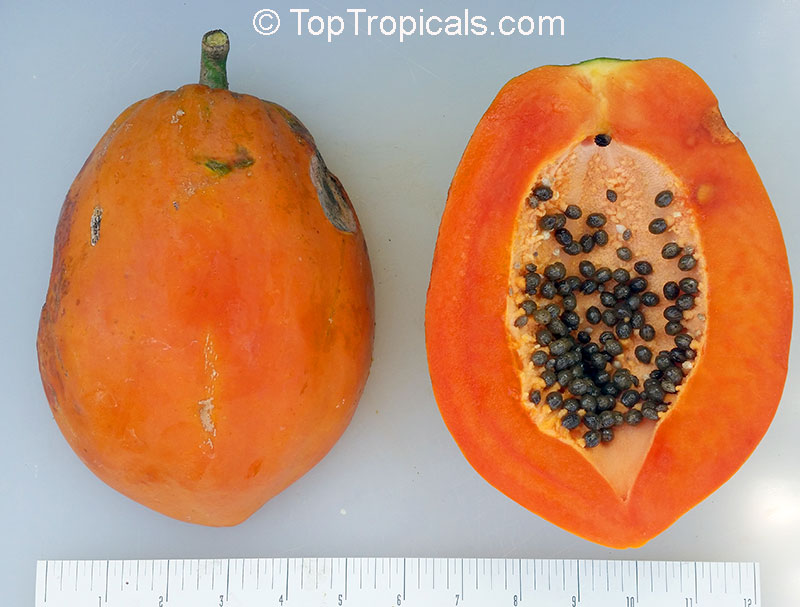
👀 Some Papaya trees really break the rules, and this one deserves its own headline. We have a true oddball in the garden - a male papaya tree that actually set a lot of fruit! Not just one fruit, but a whole cluster hanging from those long flower stalks.
👀 We all know that male papayas only make flowers but never set fruit. They only give us sweet fragrance from these flowers! By the way, thanks for the flowers, guys!
👀 The fruit comes from the female flowers that sit tight on the trunk. But every now and then, nature throws a curveball. It looks like a male tree forms perfect female flowers on its long stems and decides to become a parent after all!
👀 The result? Ripe, sweet papayas growing where they absolutely should not be. And yes, they even had seeds inside.
👀 Gardeners wait years for good surprises like this. A male papaya giving birth… that’s rare enough to give a Nobel prize!
Ten
top fruiting plants you'll ever need
for your health benefits
Q: I planted Mango and Avocado trees, and I still
have room for more trees but want to use the space wisely. What other trees
should I plant to get the most benefits out of the fruit?
A: Everyone loves planting Mango or
Avocado trees for their well-known benefits. But did you know that adding
a variety of other fruit trees to your garden can expand those benefits even
more? If you plant just one of each of these 10 trees, you'll have a
complete spectrum of nutrients and health-boosting ingredients you ever need. With a
diverse range of healthy fruits, you'll boost your diet, improve your
health, and elevate your lifestyle. Let's check out the TOP TEN most rewarding and
useful fruit...
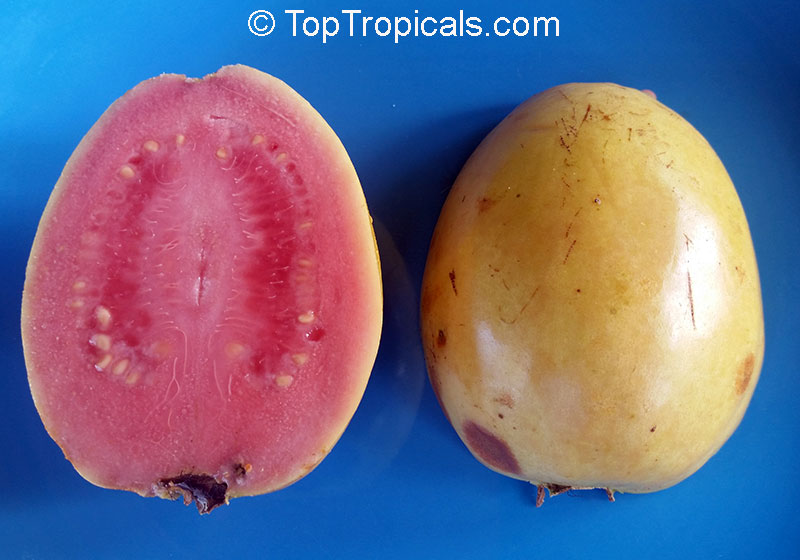
1. Guava
Guava is rich in vitamin C, which boosts the immune system and helps protect
against colds and infections.
Guava helps regulate blood sugar levels, making it a good option for people
with diabetes.
Its potassium content helps maintain healthy blood pressure.
Guava's antioxidants, like lycopene and vitamin C, contribute to glowing
skin and may reduce the risk of cancer.
Guava is eaten fresh, made into juices, jams, and jellies, or added to
desserts and smoothies.
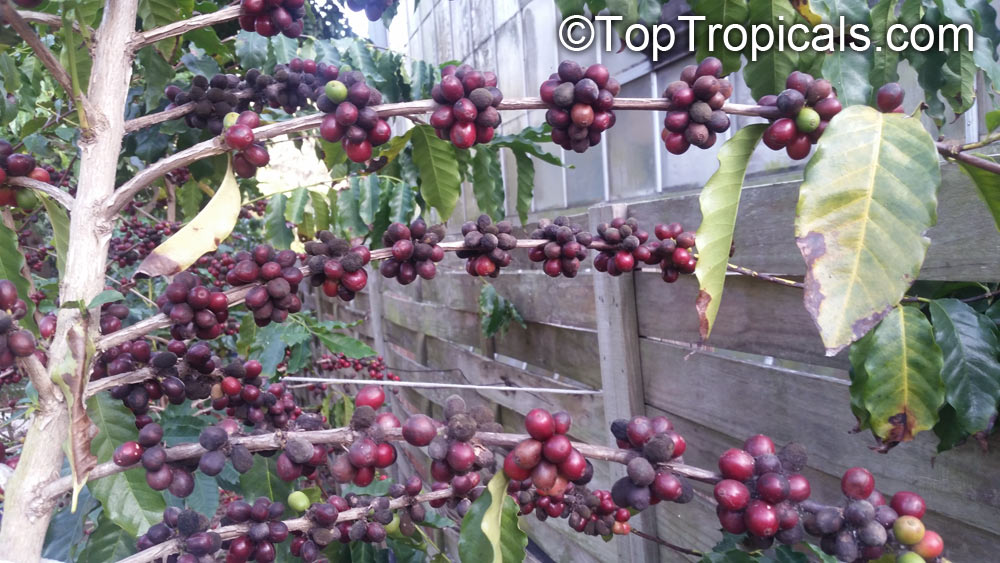
Coffeeis widely enjoyed as a beverage and is used in various desserts and
drinks.
It is rich in antioxidants, which may reduce inflammation and lower the
risk of chronic diseases.
It improves focus and mental alertness due to its caffeine content.
Coffee boosts metabolism and aid in fat burning, supporting weight
management.
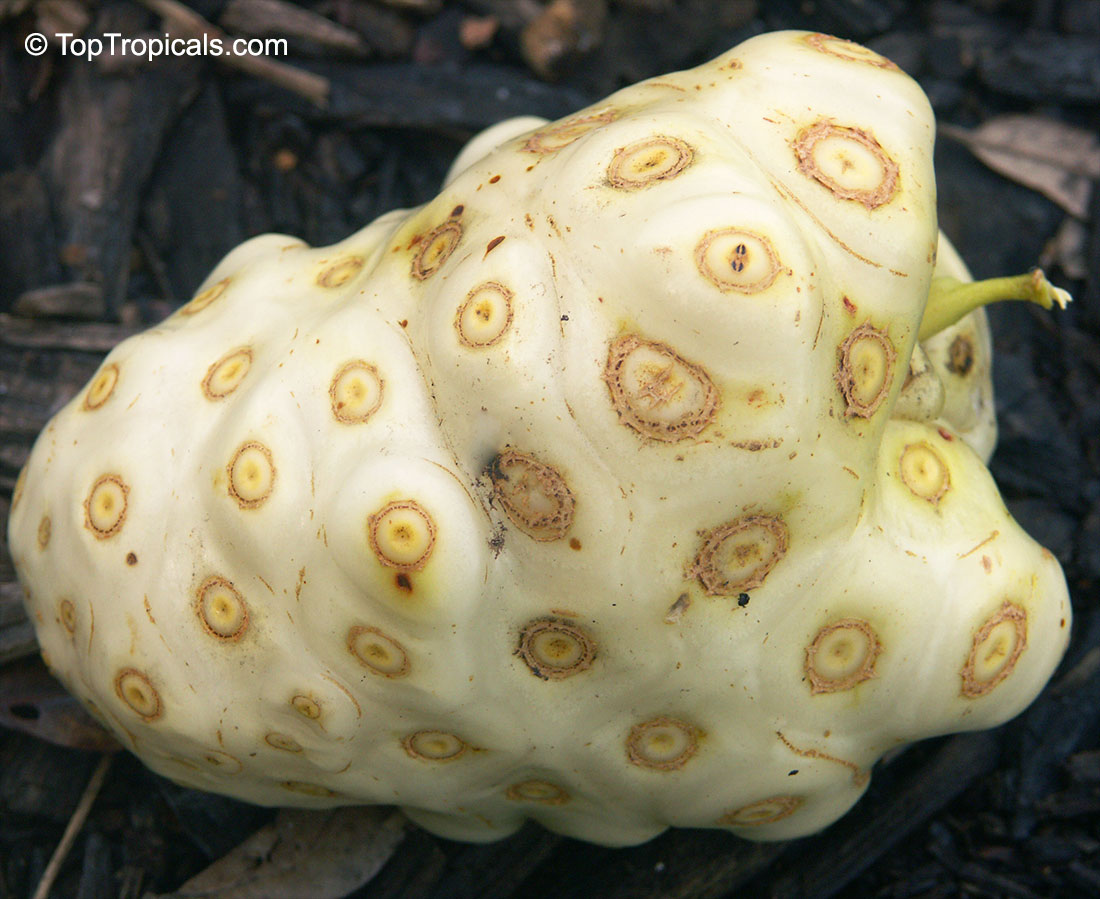
Noni is known for its anti-inflammatory properties and may help reduce joint
pain and arthritis symptoms.
Fresh noni fruit and juice are popular in traditional herbal medicine and
drinks.
It boosts the immune system due to its rich vitamin C content.
Noni juice is used traditionally to improve digestion and fight infections.
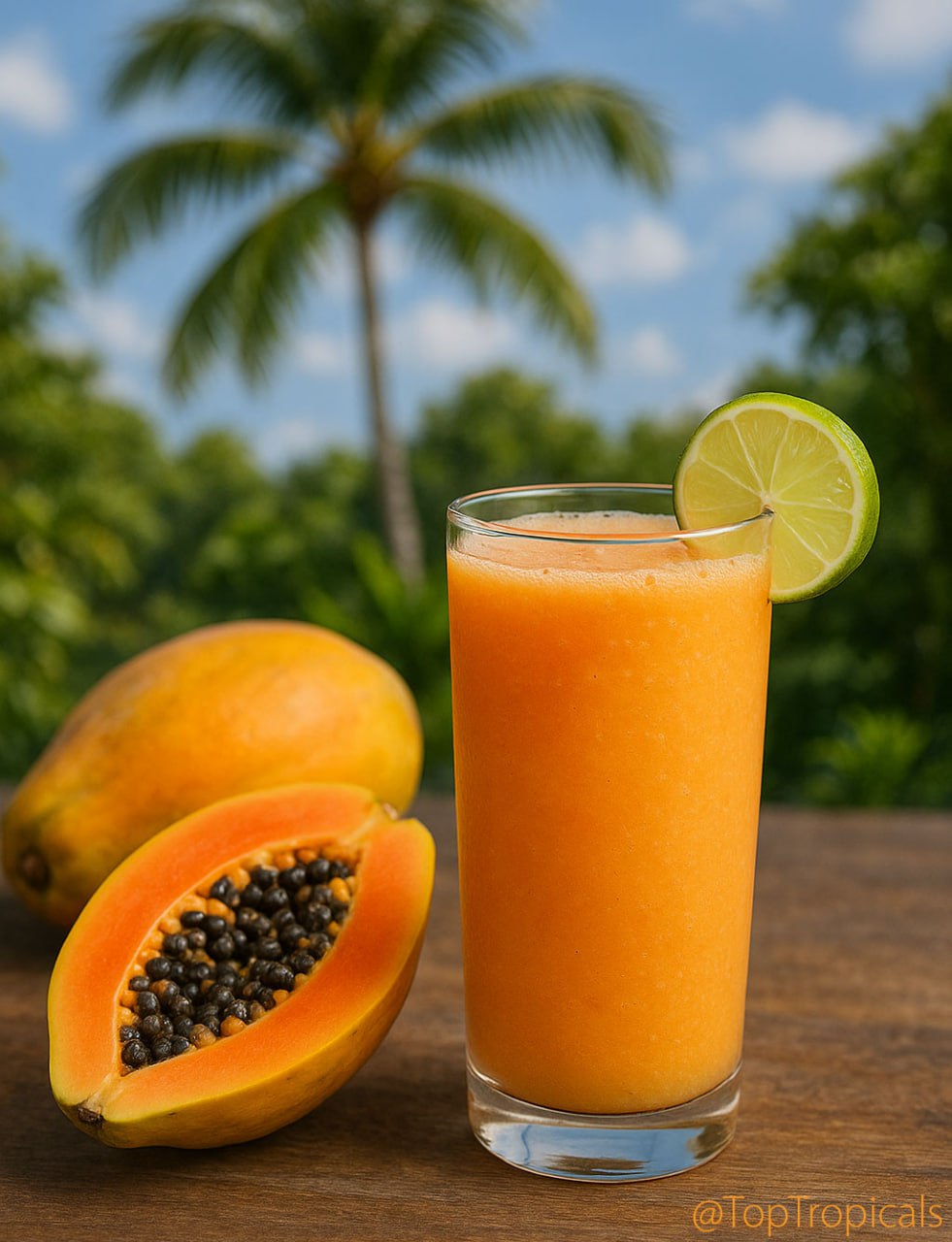
Papaya is a popular ingredient in salads, smoothies, and tropical desserts.
It contains enzymes like papain that aid digestion and reduce bloating.
It is high in vitamin C and vitamin A, the antioxidants in papaya may
protect against heart disease and reduce cancer risk.
Bananas are rich in potassium, which helps regulate blood pressure and supports
heart health.
They provide a quick source of energy and are great for post-workout
recovery.
The fiber in bananas aids digestion and promotes gut health.
East them fresh, add to smoothies, bake into breads and desserts, or use in
various savory dishes.
Dragon
fruit is often used in smoothies, fruit salads, and refreshing drinks.
It is high in fiber, aiding digestion and promoting gut health.
Low in calories and packed with nutrients, it's great for weight
management.
Tamarind is a common ingredient in sauces, chutneys, and beverages.
Rich in antioxidants, it protects the liver and reduces inflammation.
It contains natural compounds that help lower cholesterol and improve heart
health.
Tamarind has a mild laxative effect, aiding digestion and relieving
constipation.
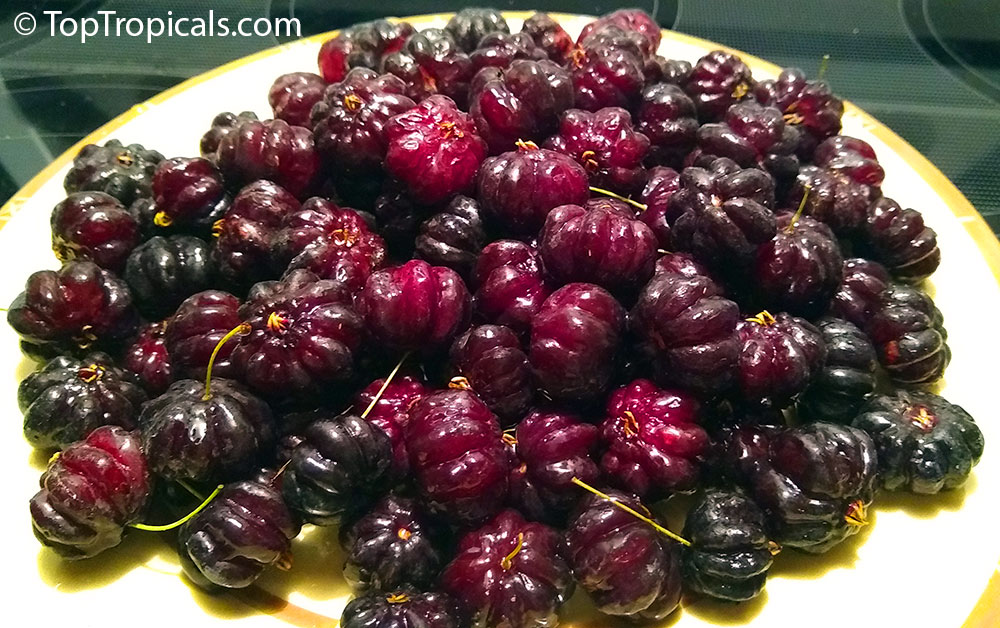
Surinam cherry is rich
in vitamin C, boosting the immune system and skin health.
Its antioxidants reduce inflammation and protect against free radical
damage.
It contains fiber, which supports healthy digestion.
Surinam cherries are used in jams, sauces, and desserts or eaten fresh.
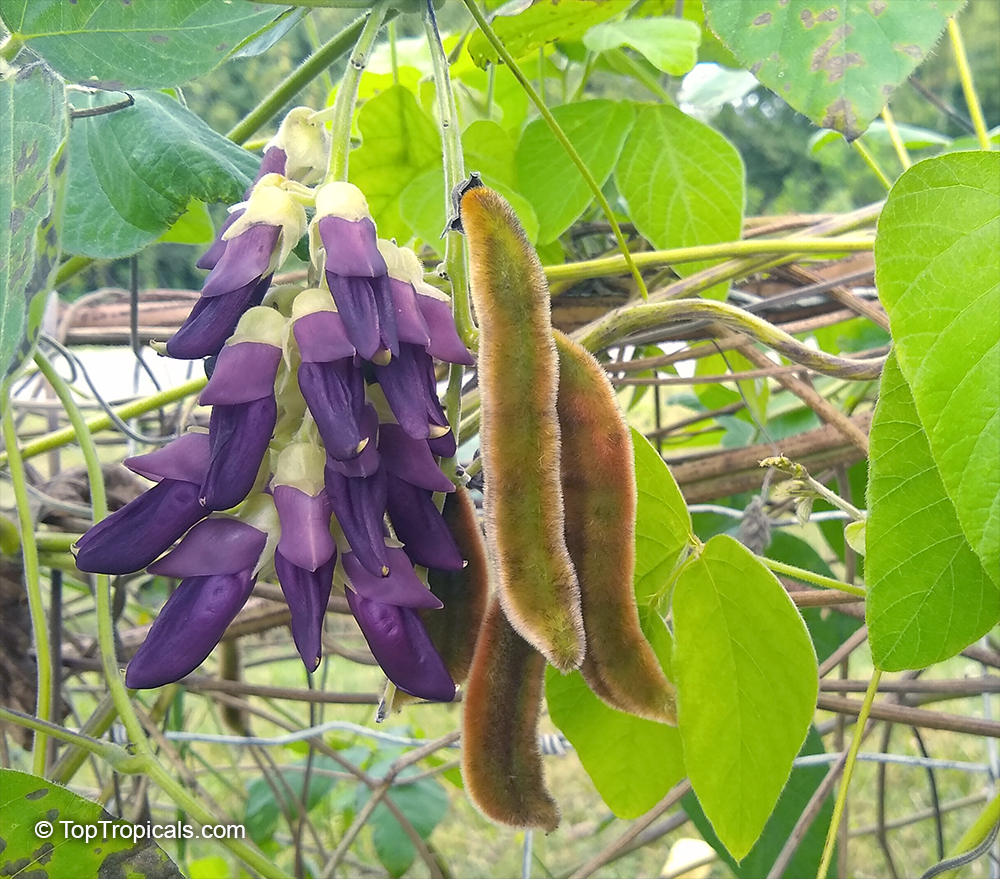
Nescafe - Mucuna pruriens - is used in herbal supplements or ground into powder for teas and health drinks.
It is known for its potential to boost dopamine levels, improving mood and reducing stress.
It supports cognitive function, muscle growth and increases energy levels.
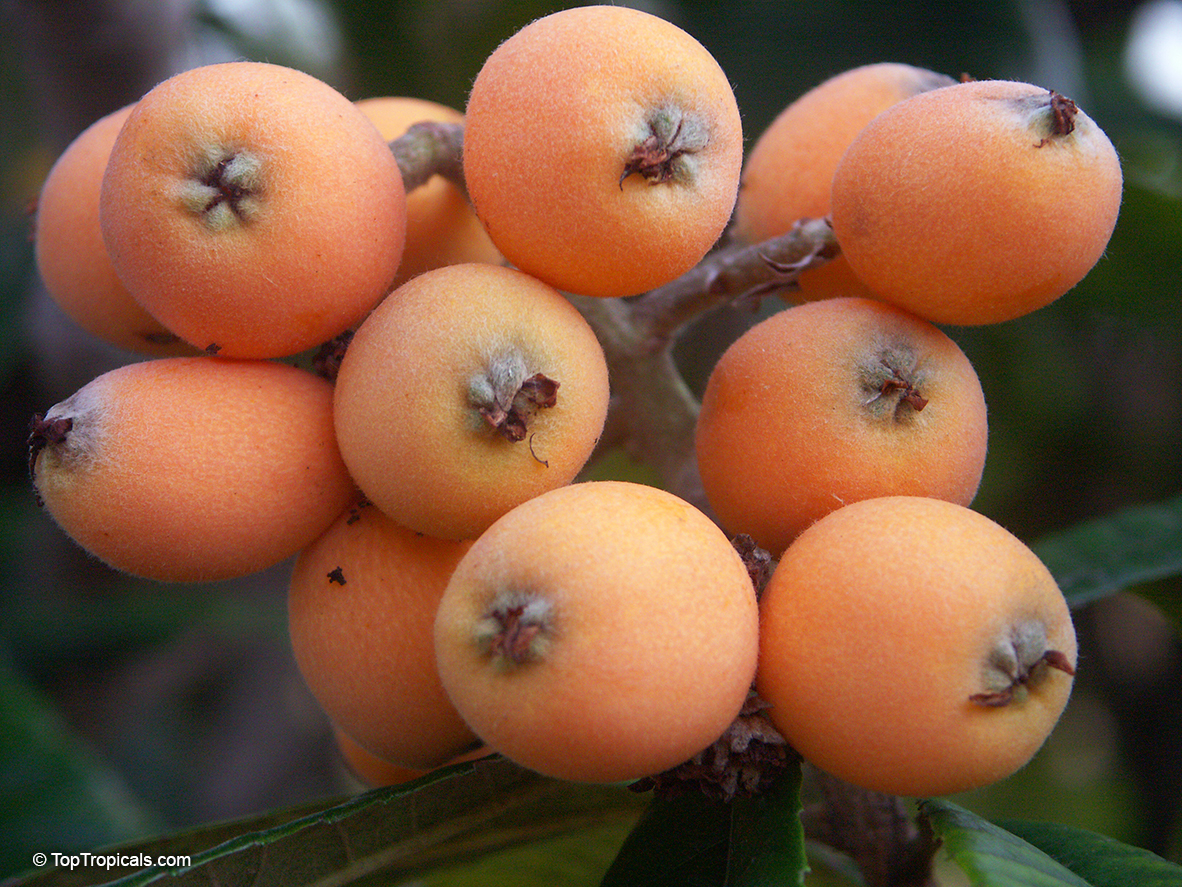
Loquat are very popular and are eaten fresh or used in making jams, jellies, pies, and fruit salads.
Loquat is rich in vitamin A, supporting eye health.
It contains antioxidants that help fight inflammation and reduce the risk of chronic diseases.
The fiber in loquats aids digestion and helps maintain healthy blood sugar levels.
By planting these 10 diverse fruit trees, you'll not only enjoy a delicious and abundant harvest but also ensure your garden provides all the nutrients needed for a healthier, more vibrant life.
Because Papaya Trees fruit year around! James Coconuts just harvested a big crop from his papaya trees. Varieties in fruit right now, in January: Wan Deng, Lady Red, Waimanalo, Sunrise, TR Hovey.
The Secret to a Sharper Mind Might Be Growing in Your Backyard
Harvesting tropical fruits
The Secret to a Sharper Mind Might Be Growing in Your Backyard
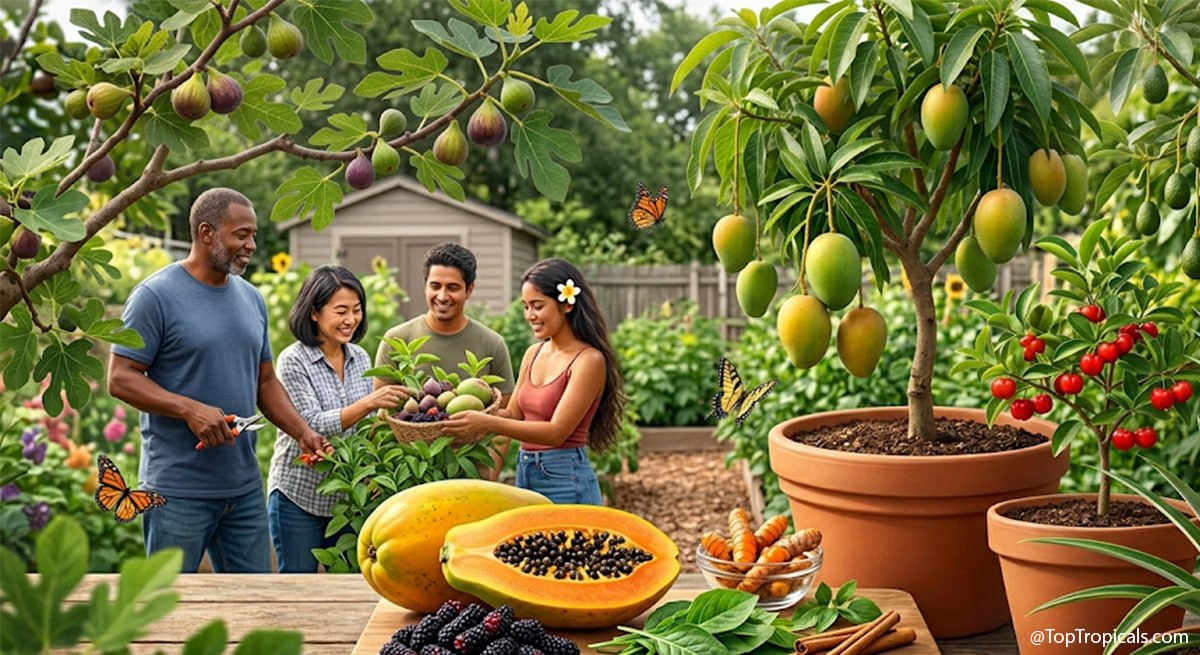
Your garden shed might hold a more powerful tool for brain health than your medicine cabinet. What if the best defense against cognitive decline isn’t found in a pill bottle - but right outside your door? While we often think of gardening as just a hobby, new research suggests that the combination of physical "zone-pushing" and harvesting your own nutrient-dense tropical fruit could be a literal life-saver for your brain.
🍒 What the Research Actually Says
A massive study recently published in the journal Neurology followed more than 92,000 people to see how diet impacts the mind. The findings were clear: the quality of the plant-based foods you eat plays a massive role in your risk of dementia. It isn't just about "eating your veggies" - it's about which ones you choose.
(The full study: Plant-Based Dietary Patterns and Risk of Alzheimer Disease and Related Dementias in the Multiethnic Cohort Study)
🍒 Why Growing Your Own Fruit Changes the Game
If you grow your own fruit, you quietly solve two problems at once. It turns a "diet plan" into a natural part of your day.
1. Effortless Nutrition
When a ripe mango, a handful of mulberries, or a fresh guava is hanging within arm's reach, you eat it. It replaces processed, sugary snacks without any "willpower" required. You are naturally moving toward the high-quality, whole-food diet the research supports.
Mango Plant Facts
Botanical name: Mangifera indica Also known as: Mango
USDA Zone: 9 - 11
Highligths
2. Functional Fitness
Gardening doesn't feel like a workout, but it is. Bending, pruning, carrying pots, and digging are all forms of functional movement. It’s steady, useful physical activity that supports your heart and brain while you’re focused on your plants.
3. The "Outdoor" Effect
Sunlight and fresh air are natural mood boosters. The mental focus required to manage tropical plants - especially when you’re protecting them from a surprise freeze - provides a level of mental engagement and stress relief that you just can't get from a treadmill.
🍒 What to plant if you are just starting
You don’t need a massive orchard to start investing in your brain health. One or two plants can shift your habits immediately.
Botanical name: Carica papaya Also known as: Papaya
USDA Zone: 9 - 11
Highligths
For Small Spaces:Dwarf Mango varieties and Cherries (Eugenias or Acerola), Pineapples thrive in containers and provide massive doses of antioxidants.
Pineapple Plant Facts
Botanical name: Ananas comosus Also known as: Pineapple, Pina
USDA Zone: 9 - 11
Highligths
For the "Zone Pusher":Figs and cold-hardy Avocados offer healthy fats and fiber that are essential for long-term health.
Fig Tree Plant Facts
Botanical name: Ficus carica Also known as: Fig Tree, Brevo
USDA Zone: 7 - 10
Highligths
Avocado Plant Facts
Botanical name: Persea americana, Persea gratissima Also known as: Avocado, Alligator Pear, Aguacate, Abacate
USDA Zone: 9 - 11
Highligths
🍒 Start Small, Start Now
The research makes one thing clear: improving your food quality matters, and you can see results no matter your age. Planting a fruit tree changes what you eat, how you move, and how often you step outside.
That’s more than just gardening - that’s a lifestyle shift your brain will thank you for.
🍒 FAQ
Does fruit really support brain health?
Yes. Diets rich in whole, high-quality plant foods are linked to a lower risk of dementia, especially when they replace processed snacks and added sugars.
Is gardening enough to count as exercise?
Absolutely. Regular gardening provides steady, functional movement that improves circulation and supports overall physical health.
Is it too late for me to start?
No. The study showed that even participants who improved their diet quality in their 60s and 70s saw a measurable reduction in dementia risk.