Date: 24 Feb 2019
Pisces Zodiac lucky plants
Pisces- 2/19 -
3/20. As a WATER sign ruled by both Jupiter and Moon (and Neptune, that
was not discovered until 1846, after the plant correspondences were
established; Neptune is considered a "higher octave" of the Moon), Pisces plants are
often large but hard to find, and may grow near the ocean. The most healing
plants for Pisces are those that strengthen the immune system or have an
antibacterial effect. Pisces plants may also catalyze expanded states of awareness
and be helpful in dream work.
Herbs connected to Pisces are ruled by its former ruler, the Moon
(Neptune, the current ruler, was not discovered until 1846, after the plant
correspondences were established; Neptune is considered a “higher octave†of
the Moon). Diseases of Pisces have traditionally included psychotic disorders,
various forms of substance addiction, lung diseases such as tuberculosis, and
ailments of the foot; contemporary herbalists also add immune system
diseases. Pisces is strengthened by rosemary's ability to promote an aura of
centered grounding. This protective herb helps strengthen boundaries and cultivate a
closer connection to the physical realm.
Pisces Zodiac
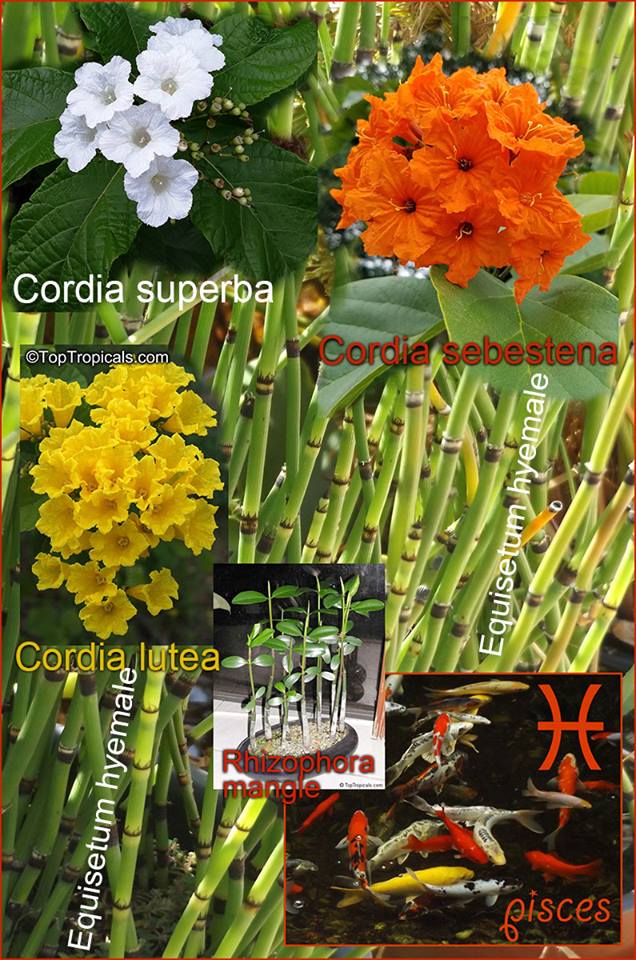
lucky plants: Water lily, Lotus, Clematis, Wisteria, Lisianthus, Brunfelsia, Echinacea, English Lavender, Rosemary, Coconut palm, Cranberry, Clove, Coccoloba, Sea Oats, Mangroves, Ochrosia, Aquatic plants, Colocasia, Alocasia, Aralia, Ficus trees, Banyan, Peepal, Banana, Mango, Mimosa, Olive, Anise, Vilca and Yopo, Kava-kava, Nutmeg, Anthuriums, Eucalyptus, Bauhinia,
Clusia, Caesalpinia, Callistemon, Bucida, Cassia fistula, Cordia, Calabash, Lipstick palm, Delonix, Elaeocarpus, Erythrina, Fatsia, Guaiacum, Mahoe, Koelreuteria, Kopsia, Macaranga, Pandanus, Peltophorum, Psychotria, Banesteriopsis, Tabebuia.
For other signs information, see Plant Horoscope Page
Date: 24 Oct 2024
What is the most popular fragrant Lady of the Night
✨ What is the most popular fragrant Lady of the Night
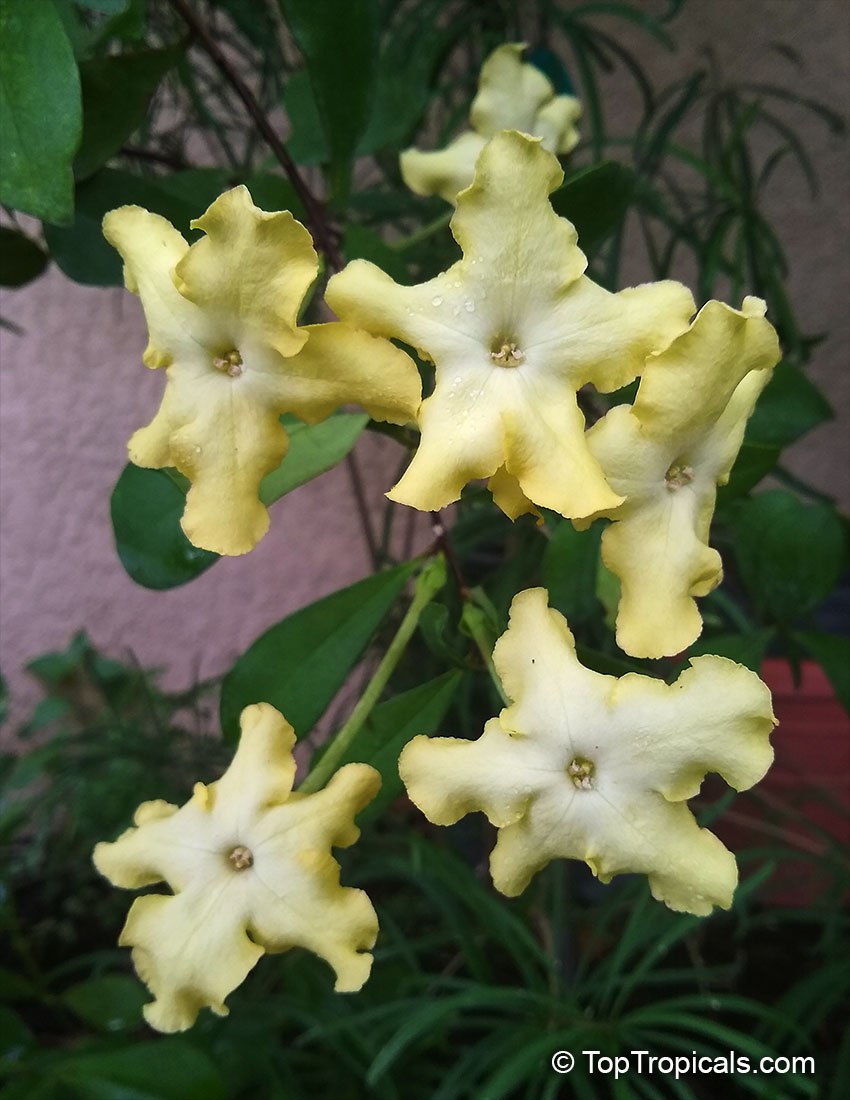
Looking to add a little magic to your garden? Brunfelsia americana - Lady of the night - is all time favorite of fragrant gardens.
This Brazilian beauty isn't your ordinary shrub - it grows compact, loves partial shade, and rewards you with creamy white flowers that release their sweetest fragrance under the cover of darkness. It's like nature's way of setting the mood for evening strolls!
Plus, its blooms are irresistible to butterflies and hummingbirds, turning your garden into a lively stage.
Lady of the Night is like having a fragrant garden party that starts when the sun goes down. Low-maintenance, pollinator-friendly, and elegant - what more could you want? Whether outdoors or in, this shrub will bring charm and excitement to any space, day or night!
🛒 Plant fragrant Brunfelsia
#Perfume_Plants #Shade_Garden
🔴 Join 👉 TopTropicals
Date: 12 Sep 2025
What flowers do NOT attract bees?
Butterfly on a flower that doesn't attract bees
❌ What flowers do NOT attract bees?
Most tropical flowers bring in pollinators, and bees are usually first in line. But what if you’d rather avoid them? Maybe you’re allergic, or just don’t want bees buzzing around. Good news: some flowers attract butterflies, hummingbirds, moths, or even flies - but not bees.
👉 Quick rules:
- ✔️ Night-blooming + strong fragrance = moths or bats, not bees.
- ✔️ Red tubular flowers with little scent = hummingbirds or butterflies, not bees.
- ✔️ Rotten or fermented smell = flies, not bees.
- ✔️ Carnivorous plants = trap insects, no bee nectar.
1.
Night-blooming, fragrant - moth and bat flowers
Bees forage by day, so many night-fragrant flowers skip them.
- Brugmansia - Angel’s Trumpet - big, hanging blooms, moth and bat pollinated.
- Cestrum nocturnum - Night-blooming Jasmine - powerful night scent, moths only.
- Hylocereus Dragon Fruit - huge cactus flowers, bats and moths.
- Brunfelsia - Lady of the Night - sweet fragrance at dusk, no bee interest.
2.
Hummingbird and butterfly flowers
Bees don’t see red well. Tubular reds, oranges, and yellows usually go to birds and butterflies.
- Hibiscus - hummingbirds and butterflies visit, bees less so.
- Heliconis and Gingers - designed for hummingbird beaks, bold tubes are for birds, not bees.
- More good picks: Ruellia, Sanchezia, Aeschynanthus, Aphelandra, Anisacanthus, Cuphea, Fuchsia, Iochroma, Justicia, Lonicera, Hamelia, Russelia, Odontonema, Tecomaria, Bougainvillea.
3.
🐱 Fly-pollinated oddballs
Some flowers smell bad to us but irresistible to flies.
- Amorphophallus (Voodoo Lily) - rotting meat scent.
- Tacca (Bat Head Lily) - spooky black flowers, fly-pollinated.
- Stapelia (Carrion Flower) - also fly-pollinated.
- Aristolochia (Pelican Flower) - giant, bizarre fly-traps.
4.
🌸 Specialized orchids
Not all orchids rely on bees. Many use moths, butterflies, or beetles instead.
- Vanilla orchid - its natural bee pollinator is absent in most regions, so no bee appeal elsewhere.
- Brassavola nodosa and others - open at night for moths, not bees.
5.
🕷 Bonus: carnivorous curiosities
Carnivorous plants don’t offer nectar. They trap insects instead, so bees stay away.
Nepenthes (Pitcher Plant) - uses pitchers of liquid to lure and digest insects.
These flowers keep the beauty, fragrance, and wildlife appeal - but without making your garden a bee hotspot.
🛒 Explore butterfly attractors
#Butterfly_Plants #How_to #Discover
🟢 Join 👉 TopTropicals
Date: 2 Jul 2023
Three colors of flowers
for 4th of July
Q: Our anniversary is on the 4th of July. Do you have anything that might be a good gift? Maybe something flowering that has red, white and blue flowers... I know that is a lot to ask but maybe you have an idea?
A: We appreciate your intriguing question and extend our heartfelt congratulations on your approaching anniversary. Numerous tropical plants lend themselves beautifully to a captivating blend of red, blue, and white hues. Here are our top recommendations for the most delightful combination:
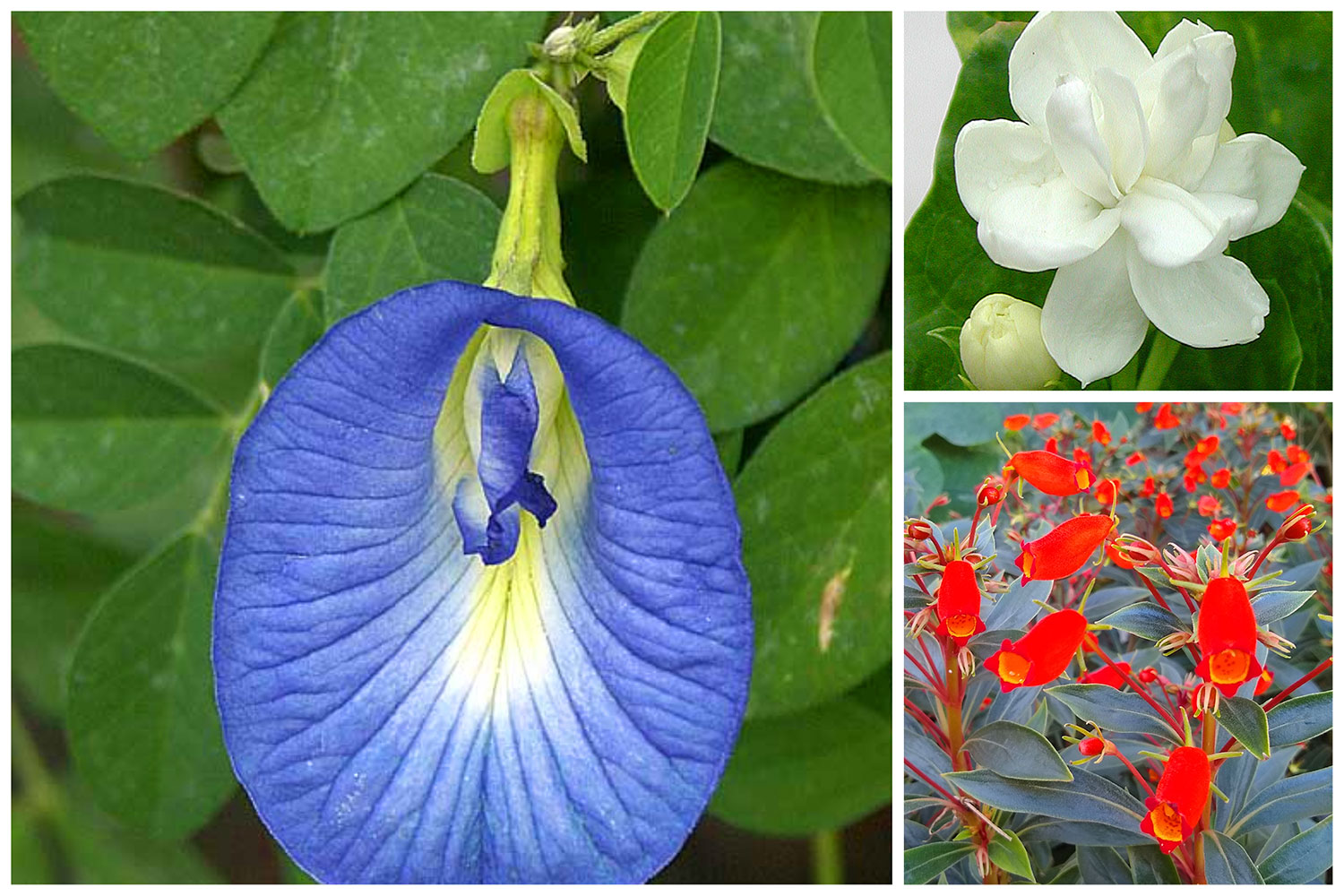
White: Jasmine sambac fragrant bush (var. Arabian Nights is our favorite, it's a free-bloomer and easy to grow)
Blue: Clitoria Vine, it is fast growing controllable vine, everbloomer. There is also a White variety of Clitoria, you can plant them together!
Red: Gloxinia, a smaller perennial that perfectly fits into this combination of three.
More flowers for white-blue-red colors:
White: Gardenias, Jasmines, Almond Bush, Brunfelsia, Clerodendrum Bridal Veil, fragrant Cashmere Bouquet, White Brazilian Plume Flower, Montanoa - Tree Chrysanthemum
Blue: Blue Sage Lead Flower, Blue Butterfly Clerodendrum, Weeping Blue Ginger, Duranta, Thunbergia erecta - Kings Mantle, and its white variety Alba, Blue Sky vine
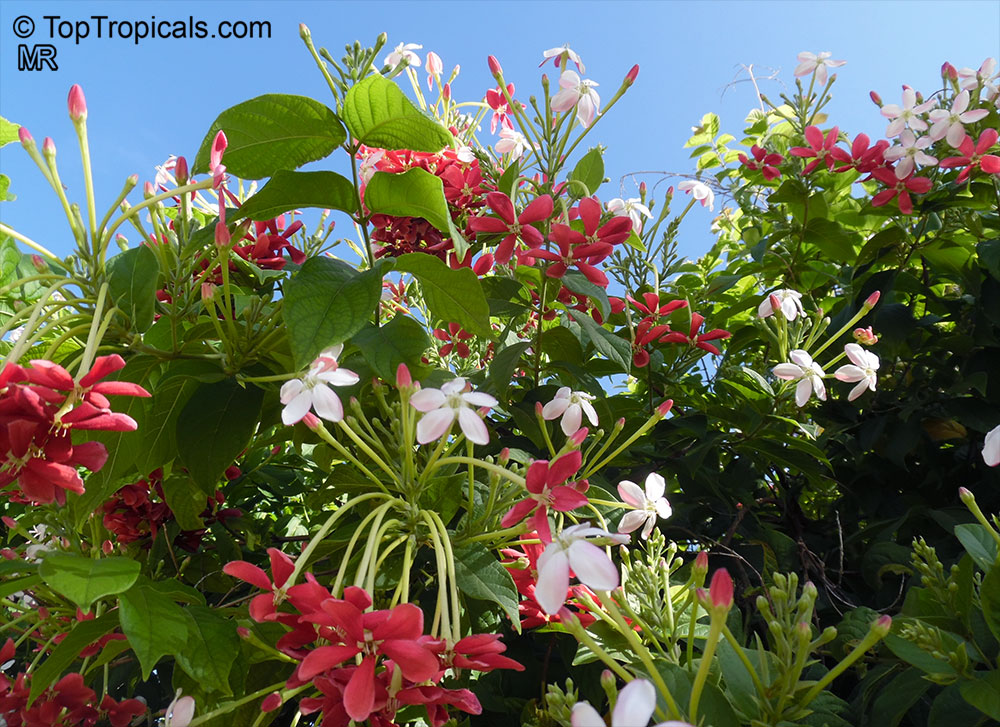
Red: Cat Tail Acalypha, Dwarf Poinciana, Red Bottlebrush, Pavonia multiflora - Brazilian Candles (it's actually red-and-blue), Red Button Ginger - French Kiss, Brazilian plume, Firespike , Scarlet Flame Passion Flower, Quisqualis (has white and red flowers on the same plant).
Date: 19 Dec 2025
13 festive shrubs with bright flowers that bring color to your Winter Garden when everything else is dormant
💐 13 festive shrubs with bright flowers that bring color to your Winter Garden when everything else is dormant
Southern Living points to colorful berries as winter garden standbys. Tropical plants take it a step further, filling the cool season with real flowers, not just fruit. From vivid reds to electric blues, these plants prove winter does not have to be dull.
🌈 1. Gloxinia sylvatica - Bolivian Sunset
This plant waits for cool weather, then suddenly lights up the shade with fire-red blooms. Flowers appear almost overnight and continue through fall and winter. It rests in summer, returns in fall, spreads gently, and makes an easy, festive ground cover that is perfect for sharing.
👉 Learn more
🌈 2. Pereskia aculeata - Barbados gooseberry
An unusual vine that surprises in cool weather with delicate, star-shaped blooms followed by tasty fruit. It flowers steadily from fall through winter, adding light, airy color to fences and trellises when most vines are quiet.
👉 Learn more
🌈 3. Mansoa alliacea - garlic vine
Best known for its garlicky scent, this vine really shines in winter. Cooler temperatures bring clusters of lavender-purple flowers that brighten fences and trellises with very little effort.
👉 Learn more
🌈 4. Dombeya wallichii - tropical hydrangea
Large pink pompom blooms hang from bare branches in winter, creating a true holiday look. Lightly fragrant and impossible to miss, it brings hydrangea-style drama to the cool season.
👉 Learn more
🌈 5. Brunfelsia pauciflora Compacta - dwarf yesterday-today-tomorrow
Compact and cheerful, this shrub opens purple flowers that fade to lavender and white. The color shift makes it look like several plants blooming at once, perfect for pots or small garden spaces.
👉 Learn more
🌈 6. Clerodendrums
Long, cascading sprays of white flowers of Clerodendrum minahassae - fountain clerodendrum - spill from the plant during the cooler months. It brightens shaded areas and adds movement when the garden slows down. Most clerodendrums bloom through Winter!
👉 Learn more
🌈 7. Tibouchina multiflora - glory bush
Soft, fuzzy purple blooms cover this shrub in winter, backed by velvety leaves that look good year-round. It adds strong color and texture during the cool season.
👉 Learn more
🌈 8. Holmskioldia sanguinea - Chinese hat
Bright red, orange or yellow, hat-shaped bracts surround small flowers and hold their color through the cool months. The shape alone makes this shrub a standout in winter.
👉 Learn more
🌈 9. Barleria cristata - Philippine violet
This tough shrub blooms heavily in winter with rich purple flowers. It delivers dependable color when many plants take a break. There is a golden variety too!
👉 Learn more
🌈 10. Eranthemum pulchellum - blue sage, lead flower
Few plants offer true blue in winter. Electric-blue flower spikes appear in cool weather, adding rare color with minimal care.
👉 Learn more
🌈 11. Petrea volubilis - queen's wreath
In winter, this woody vine erupts into cascading sprays of lavender star-shaped flowers. It creates a wisteria-like effect right when the garden needs it most.
👉 Learn more
🌈 12. Tabebuia varieties - dwarf golden and dwarf pink
These trees save their show for winter, blooming on bare branches. Golden forms glow yellow, while pink varieties cover themselves in soft trumpet-shaped flowers.
👉 Learn more
🌈 13. Bauhinia trees - pink butterfly and Hong Kong orchid trees
Butterfly-shaped blooms open on leafless branches, giving bauhinias their signature winter elegance. The Hong Kong orchid tree stands out with especially large, vivid flowers.
🛒 Explore Winter bloomers
📚 Learn more:
- 8 best flowering trees that will bloom for you in Winter
- Ten shrubs you need to have for winter colors
- Cassia vs Bauhinia: which is better as an everblooming container tree?
#Hedges_with_benefits #Discover
🟢 Join 👉 TopTropicals