Date: 9 Mar 2026
Dont Wait Years: 8 Fruit Plants You Can Harvest the Same Season
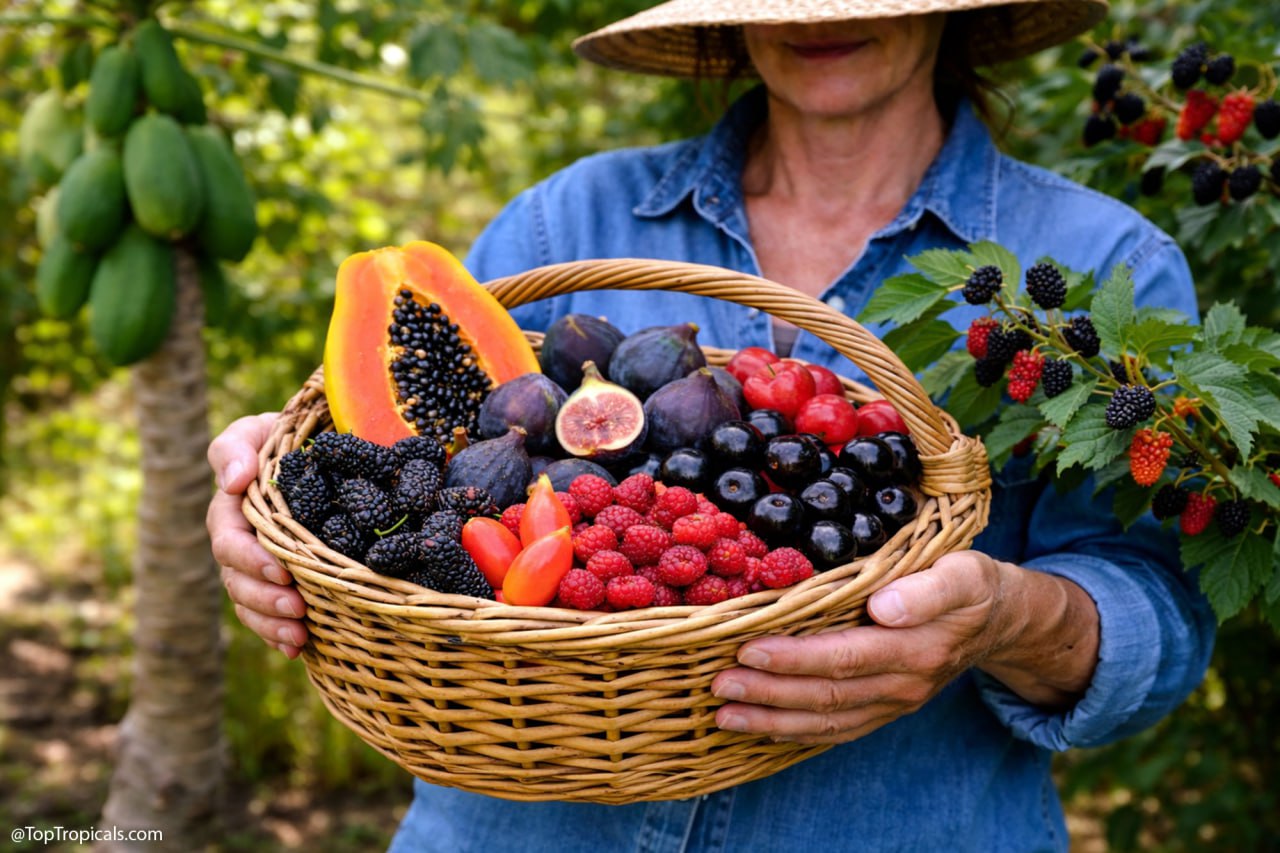
Don't wait years for fruit! Harvest papayas, berries, figs, and more in the very same season you plant them with these fast-growing varieties.
Don't Wait Years: 8 Fruit Plants You Can Harvest the Same Season 🍒
Growing fruit at home usually requires years of patience. Most gardeners view fruit trees as a long-term investment that may not pay off for a decade.
But you don't have to wait.
Certain tropical and subtropical plants are "fast-track" growers. In warm climates like Florida, choosing the right varieties means you can see flowers and fruit within months of planting - often in the very same season.
If you want a backyard harvest without the wait, here are the fastest-producing fruits you can plant today.
A compact shrub perfect for containers. It produces star-shaped flowers and dark purple fruit that tastes exactly like blackberry preserves. Established plants often fruit in their first season.


This fast-growing large shrub produces orange pulp with the uncanny flavor and texture of peanut butter. Expect flowers and bright red berries within months of planting in warm conditions.
The "giant herb" of the fruit world. Papayas are legendary for their speed, often flowering just months after planting and providing sweet, vitamin-rich fruit within the same year.


A stunning Brazilian evergreen. Grafted plants can fruit the same season they are planted, offering glossy, dark cherries with a sweet, mild finish.

The 'Lolita' cultivar is a game-changer. It grows quickly as an edible hedge and produces nearly black, resin-free fruit that is significantly sweeter than the common red varieties.


Unlike traditional berries that require chill hours, these Rubus species thrive in the heat. Their vigorous canes grow rapidly, often fruiting the same season they hit the soil.


Mulberries are incredibly generous. Everbearing varieties produce sweet berries over an extended window and often begin fruiting the very first year they are planted.

Figs are the champions of container gardening. They are highly drought-tolerant and famous for setting honey-sweet fruit even at a very young age—often just months after being established.


🏡 Where to plant them?
• Start Large: Buy "nursery-established" plants rather than seeds.
• Feed the Need: Use high-quality organic fertilizer to support rapid growth.
• Sun is Fuel: Most of these varieties require at least 6-8 hours of direct sunlight to trigger flowering.
🛒 Plant these fruits now - some can produce within months
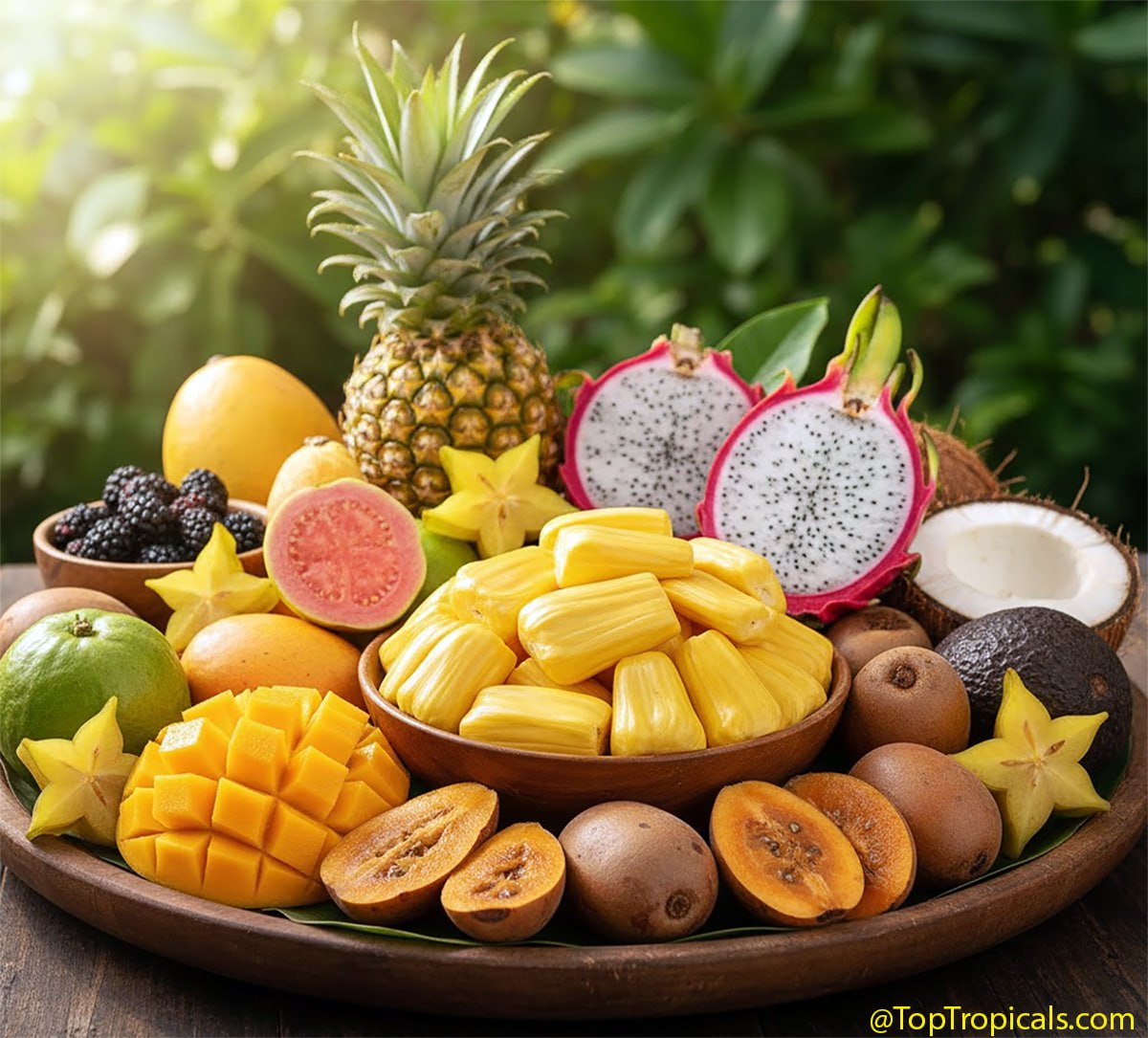
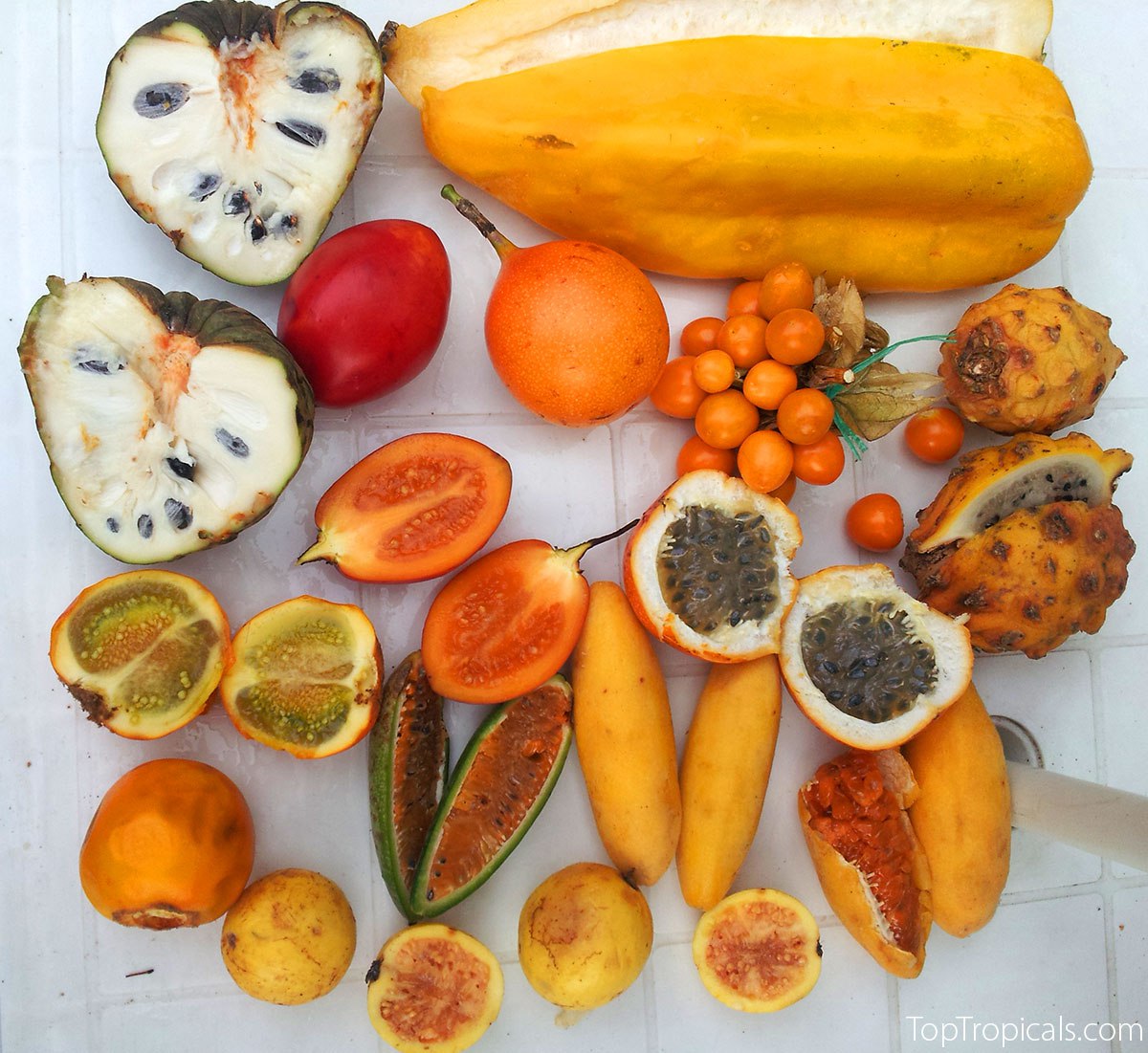
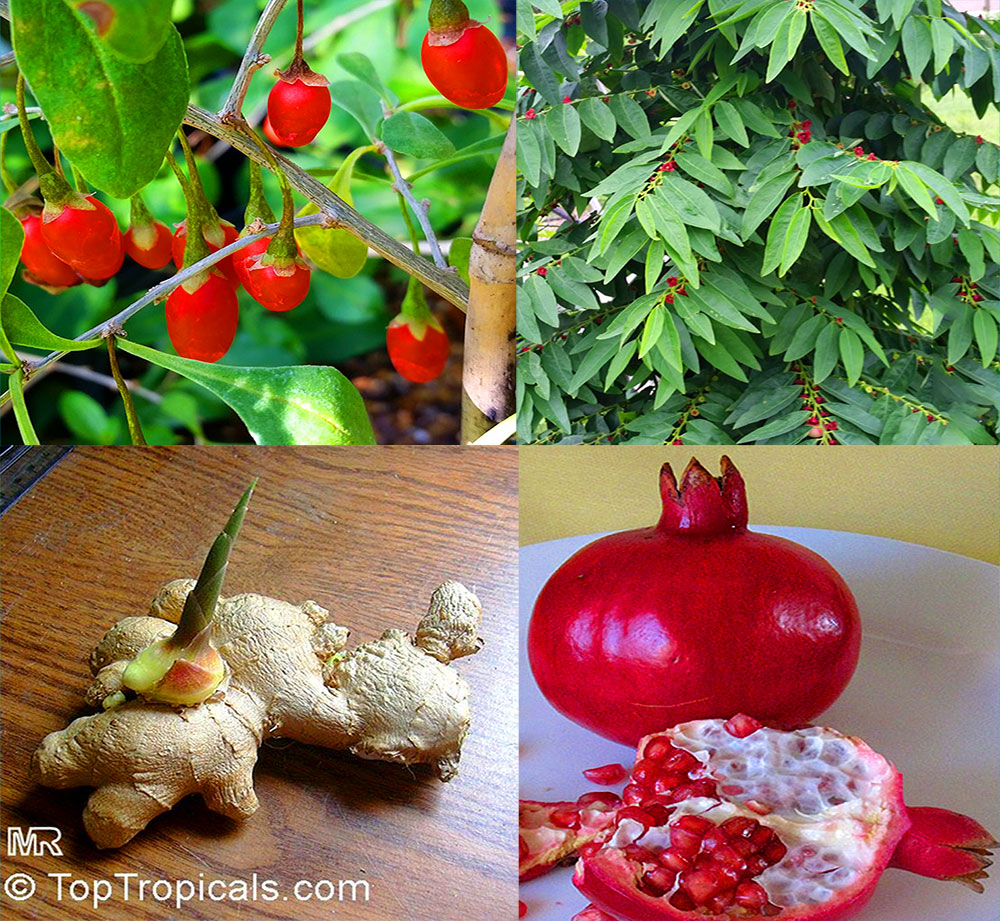
📷 Freshly picked tropical fruit bounty: don't wait years for fruit! Harvest papayas, berries, figs, and more in the very same season you plant them with these fast-growing varieties.
#Food_forest #How_to #Discover
🟢 Join 👉 TopTropicals
Growing fruit at home usually requires years of patience. Most gardeners view fruit trees as a long-term investment that may not pay off for a decade.
But you don't have to wait.
Certain tropical and subtropical plants are "fast-track" growers. In warm climates like Florida, choosing the right varieties means you can see flowers and fruit within months of planting - often in the very same season.
If you want a backyard harvest without the wait, here are the fastest-producing fruits you can plant today.
🍓 1. Blackberry Jam Fruit (Randia formosa)
A compact shrub perfect for containers. It produces star-shaped flowers and dark purple fruit that tastes exactly like blackberry preserves. Established plants often fruit in their first season.
🍓 2. Peanut Butter Fruit (Bunchosia)
This fast-growing large shrub produces orange pulp with the uncanny flavor and texture of peanut butter. Expect flowers and bright red berries within months of planting in warm conditions.
🍓 3. Papaya (Carica papaya)
The "giant herb" of the fruit world. Papayas are legendary for their speed, often flowering just months after planting and providing sweet, vitamin-rich fruit within the same year.
🍓 4. Grumichama Cherry (Eugenia brasiliensis)
A stunning Brazilian evergreen. Grafted plants can fruit the same season they are planted, offering glossy, dark cherries with a sweet, mild finish.
🍓 5. Black Surinam Cherry (Eugenia uniflora var. Lolita)
The 'Lolita' cultivar is a game-changer. It grows quickly as an edible hedge and produces nearly black, resin-free fruit that is significantly sweeter than the common red varieties.
🍓 6. Mysore Raspberry and Tropical Blackberries (Rubus sp.)
Unlike traditional berries that require chill hours, these Rubus species thrive in the heat. Their vigorous canes grow rapidly, often fruiting the same season they hit the soil.
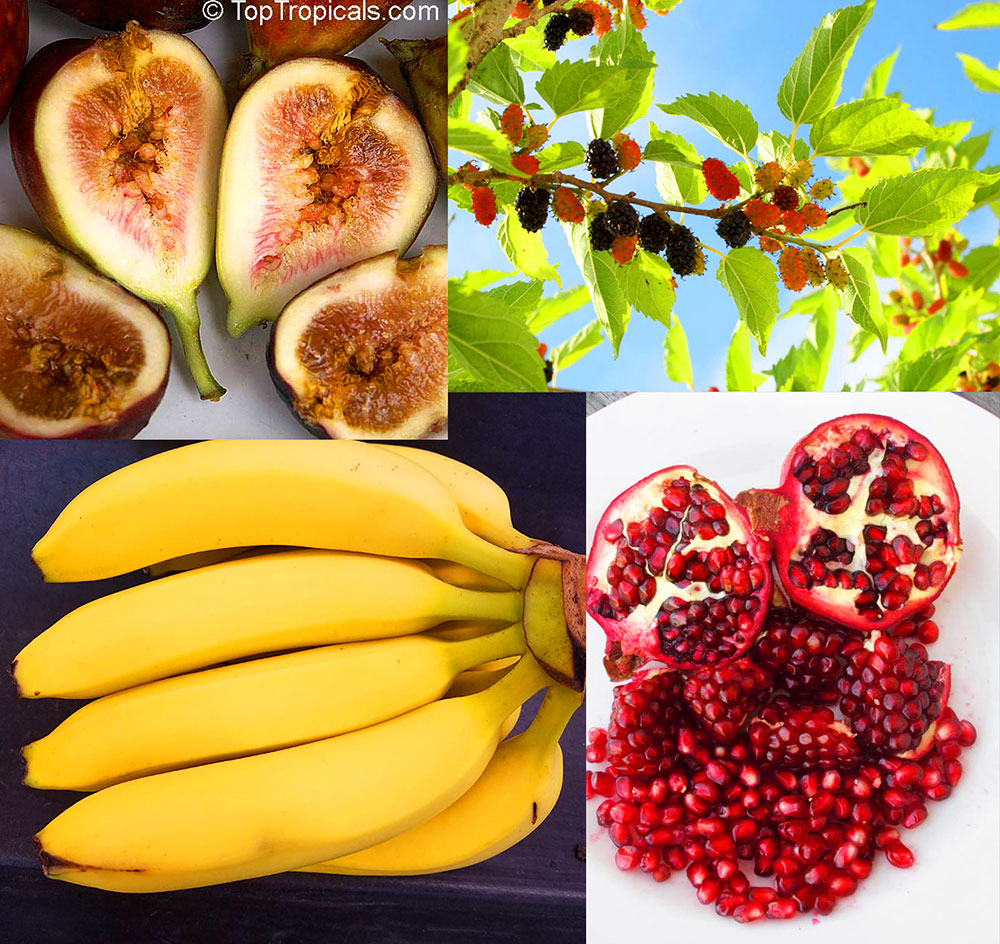
🍓 7. Everbearing Mulberry (Morus sp.)
Mulberries are incredibly generous. Everbearing varieties produce sweet berries over an extended window and often begin fruiting the very first year they are planted.
🍓 8. Fig Trees (Ficus carica)
Figs are the champions of container gardening. They are highly drought-tolerant and famous for setting honey-sweet fruit even at a very young age—often just months after being established.
🏡 Where to plant them?
- Small patio? Try Blackberry Jam Fruit - tastes like gourmet preserves.
- Looking for a kid favorite? Plant Peanut Butter Fruit - a manageable shrub with fun flavor.
- Want fast growth? Choose Papaya - the quickest grower on this list.
- Need an ornamental edible? Go with Grumichama Cherry - beautiful and sweet.
- Like Surinam cherries? Upgrade to Lolita Surinam Cherry - sweeter and darker.
- Hot climate berry lovers: Mysore Raspberry thrives in southern heat.
- Want fruit almost year-round? Plant an Everbearing Mulberry.
- Growing in containers? Fig trees are the drought-tolerant champions.
👉 Tips for Faster Results
• Start Large: Buy "nursery-established" plants rather than seeds.
• Feed the Need: Use high-quality organic fertilizer to support rapid growth.
• Sun is Fuel: Most of these varieties require at least 6-8 hours of direct sunlight to trigger flowering.
🛒 Plant these fruits now - some can produce within months
📷 Freshly picked tropical fruit bounty: don't wait years for fruit! Harvest papayas, berries, figs, and more in the very same season you plant them with these fast-growing varieties.
#Food_forest #How_to #Discover
🟢 Join 👉 TopTropicals