Garden Blog - Top Tropicals

Date: 23 Nov 2025

🏡 To Use Your Garden Or Be Used By It

Two  cats  in  a  garden  planting  a  young  tree.  Smokey,  a  black-and-white 
 tuxedo  cat,  holds  a  small  shovel  and  works  the  soil,  while  Sunshine,  a 
 fluffy  orange  tabby,  sits  smiling  beside  a  bag  of  garden 
 soil.

Smokey and Sunshine November Planting.

Smokey: Winter roots make spring easy. Keep that plant straight.
Sunshine: I am keeping it straight by not touching it at all.
Smokey: That is exactly what I was afraid of.

November is the month when the garden finally stops yelling at you. The heat backs off, the bugs calm down, and the weeds take a breath. This is when we get to take control again. And as gardeners, we know the truth: Either you use your garden, or your garden will use you in spring. Let me walk you through this, gardener to gardener.

"November is when the garden finally listens. Give it a little direction now, shape it, guide it, and prepare it for spring. It will reward you all year." - Tatiana Anderson, Top Tropicals Plant Expert

🌴 When The Garden Uses You

We have all lived this scene:

  • March weeds appear, and two days later it looks like a jungle.
  • One missed watering turns into five wilted plants and a full week of recovery.
  • A skipped feeding shows up as yellow leaves and panic searching online.
  • Bugs return fast, and suddenly you are washing leaves every other day.
  • Random plant purchases fill your yard with chaos and mismatched care needs.
  • When the garden takes control, spring feels like hard work, not joy.

An  overgrown  tropical  garden  with  dense  foliage  and  vines  spilling  over
    a  walkway,  showing  how  a  garden  can  take  over  when  not  maintained.

Overgrown Tropical Garden Showing How a Garden Can Use You

📊 When You Use Your Garden

November flips the script. Plants slow down. Soil stays warm. This is the safest month to experiment, move plants, fix mistakes, and redesign.

What you do now pays off huge in March.

  • You map out sun zones and shade zones.
  • You mulch now so weeds do not explode later.
  • You move plants to better positions without heat stress.
  • You remove the high-drama plants before they start another season of complaints.
  • You pick what you want for next year instead of letting impulse buys rule you.

Spring becomes smooth instead of overwhelming. And honestly? It feels good to walk outside in March and see order instead of chaos.

A  neat,  organized  tropical  garden  with  trimmed  plants,  open  pathways, 
 and  balanced  landscaping,  showing  how  a  gardener  can  use  and  direct  the 
 garden.

In the photo: Every garden starts in small steps. Biquinho Pepper (front) in the garden.

What Benefit Do You Get Personally?

  • Less watering.
  • Fewer bugs.
  • Bigger fruit.
  • Better flowering.
  • Less money wasted.
  • Less time fixing problems you could have prevented now.

This is why experienced tropical gardeners adore November.

Garden

In the photo: Organized Tropical Garden. Firebush (lemon gold variety) and Cordylines (Ti Leaf) make colorful spots in the garden.

🐭 Start With Something Small Today (5 Minutes)

Pick one:

  • Add mulch to the driest spot in your yard.
  • Cut one dead branch from any tree.
  • Move one pot to a better sun angle.
  • Pull three weeds from the worst area.
  • Water deeply once this week.

Small steps now save hours later.

⭐ One Short Story

Last year we planted a Star Fruit in November. By March, it was already covered in flowers, and have been harvesting fruit non-stop since then! That is what winter planning does: it gives plants a head start you can actually see.

Young  Carambola  Star  Fruit  tree  fruiting

🐍 Plants That Will Use You If You Let Them

These are great plants, but only if you plan before planting them:

  • Banana (thirsty)
  • Hibiscus (hungry)
  • Brugmansia (sensitive)
  • Passion vine (takes over anything it touches)

Place them wrong, and they become full-time jobs.

An  overgrown  passion  vine  covering  a  garden  swing,  showing  how  a 
 fast-growing  plant  can  take  over  when  not  maintained.

In the photo: Passion Vine taking over the swing.

🐰 Plants That Work For You

These feel like free upgrades to the yard:

Pick even one of these and your garden starts giving back.

A  landscaped  garden  path  with  a  Cattley  Guava  tree  featuring  a  twisted 
 multicolor  trunk,  surrounded  by  trimmed  tropical  plants  and  decorative 
 garden 
 elements.

In the photo: Cattley Guava brings not only tasty fruit but also a wonderful character with its amazing multi-color twisted trunk.

🌡️ November Advantage

You cannot ruin anything in November. This is the safest, calmest month to shape your garden the way you want. If you act now, spring becomes a victory lap. If you wait, spring becomes a rescue mission.

A  landscaped  tropical  garden  with  a  potted  Adenium  in  full  bloom,  red 
 Cordylines  behind  it,  and  neat  mulched  beds  with  decorative  garden 
 elements.

In the photo: Adenium is a colorful accent in the garden.

💐 Thanksgiving Tie-In

This is the season to reset, breathe, and be thankful for your outdoor space. A garden that works for you is one of the best gifts you can give yourself going into the new year.

Start your November plan today. Use your garden. Do not let it use you.

A  neatly  designed  tropical  garden  bed  featuring  Megaskepasma,  iris, 
 Colocasia,  colorful  Crotons,  Dracaena,  and  Ti  Leaf  plants  arranged  in 
 mulched 
 landscaping.

In the photo: Megaskepasma, Iris, Colocasia, Crotons, Dracaena and Ti Leaf bring instant tropical look to your garden.

Shop Fruit trees

Shop Flowering shrubs

Date: 19 Nov 2025

5 fruits that help manage gout (high uric acid)

5 fruits that help manage gout

5 fruits that help manage gout

🍒 5 fruits that help manage gout (high uric acid)


💥 High uric acid, hyperuricemia, also called gout, causes painful swelling in joints and can affect kidney health over time. Medicine helps, but so does what you grow and eat. Some fruits can naturally flush out excess uric acid and reduce inflammation. Here are five easy fruit trees and plants that can help:

🍋 Citrus


Citrus trees are great to grow in pots or sunny yards. Lemons and oranges are rich in vitamin C, which helps kidneys remove uric acid and keeps the body’s pH balanced. A glass of lemon water in the morning or a fresh orange during the day can help. Studies in Science Direct show lemon juice lowers uric acid levels in the blood.

Berries (mulberries, blackberries, blueberries, strawberries)


Berries are packed with antioxidants that fight inflammation and support kidney health. Mulberry trees are perennial trees and bushes that produce berries year after year. They grow well in both temperate and warm areas, and are an easy choice for all backyard gardeners. Mulberry high water content helps flush out toxins. Research from the National Institute of Health shows berries rich in polyphenols can lower uric acid naturally.

🍒 Cherries


Cherries are one of the best fruits for gout. They’re rich in anthocyanins, compounds that reduce inflammation and uric acid levels. National Institute of Health studies have found regular cherry intake helps lower gout attacks. Dwarf cherry trees can grow in large pots if space is limited.

🍌 Bananas


Bananas are rich in potassium, which helps the kidneys remove uric acid more efficiently, according to PubMed central. They’re also low in purines, the compounds that form uric acid. Dwarf banana varieties grow well in containers and add a tropical look while supporting healthy digestion and uric acid balance.

🍍 Pineapple


Pineapple contains bromelain, a natural enzyme that eases swelling and pain caused by gout. It’s also refreshing and supports kidney function. Studies by global health science group show pineapple juice can help reduce inflammation and uric acid. It’s easy to grow in a pot or sunny garden bed.

These fruits won’t replace medicine, but they can support your body’s natural detox system. Grow them, eat them fresh, and enjoy both their flavor and health benefits.

🛒 Explore Fruit trees and grow your own natural remedies

📚
Learn more:
#Food_Forest #Mango #Remedies #Discover

🟢 Join 👉 TopTropicals

Date: 26 Feb 2026

Stop Sugar Crashes: 5 Tropical Fruit Hacks for Healthy Dessert

Exotic Tropical Fruits for Blood Sugar Management. Stop the sugar crash cycle. Learn how to manage glucose levels and insulin spikes using tropical fruits, healthy fats, and metabolic hacks for healthy dessert.

Exotic Tropical Fruits for Blood Sugar Management. Stop the sugar crash cycle. Learn how to manage glucose levels and insulin spikes using tropical fruits, healthy fats, and metabolic hacks for healthy dessert.

🍨 Stop Sugar Crashes: 5 Tropical Fruit Hacks for Healthy Dessert


The smarter way to handle sugar cravings - no restriction required

Tired of the post-cookie slump? Sugar cravings are a physiological response to blood glucose fluctuations, not a lack of willpower. Refined sugars trigger an insulin spike followed by a hypoglycemic crash, trapping you in a cycle of fatigue and hunger.
The secret to metabolic health is managing glycemic load. By choosing nutrient-dense tropical fruits, you satisfy your sweet tooth while maintaining stable energy homeostasis.
The solution is not to give up dessert. It is to change what dessert means. Here is how to use tropical horticulture to hack your biology and regulate insulin:
  • 🍭 1. Choose fruit that comes with fiber


    Whole tropical fruits deliver sweetness wrapped in fiber, water, and nutrients. That slows sugar absorption and keeps energy steady.
    Try:

· Mango, chilled and sliced
  • · Sapodilla - naturally caramel-sweet
  • · Mulberries by the handful
  • · Loquat halves straight from the fridge
  • · Dragon Fruit for light, clean sweetness
Same pleasure. Less crash.
  • 🍭 2. Pair sweet with fat to blunt the glucose spike


    Healthy lipids are a biological hack for your metabolism. Fats slow gastric emptying, ensuring a steady glucose release rather than an inflammatory spike. Furthermore, lipids trigger cholecystokinin (CCK) - the hormone that signals satiety to the brain - effectively "turning off" cravings at the source.

· Avocado blended into a chocolate-style mousse: The monounsaturated fats create a creamy texture while blunting the sugar response.
  • · Banana with nut butter: Combining fast-acting fruit sugars with dense protein and fats.
  • · Pineapple with raw nuts: The bromelain in pineapple aids digestion, while the fats in nuts provide long-lasting satiety.
  • · Mango mixed into full-fat yogurt: The combination of probiotics, protein, and lipids turns a simple fruit into a complete, low-glycemic snack.
When fruit is balanced with fat, cravings calm down instead of escalating.
  • 🍭 3. Use naturally rich fruits in place of sugar


    Some tropical fruits taste like dessert already.

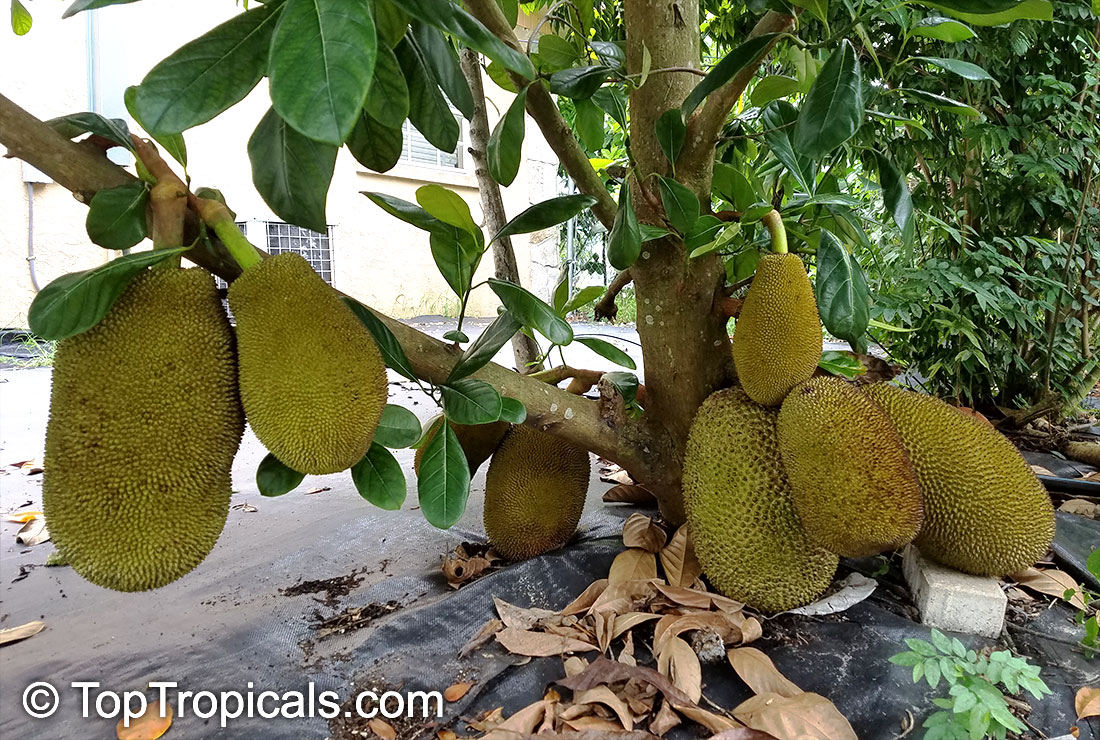
· Jackfruit has candy-like sweetness
  • · Sapote is creamy and custard-like
  • · Guava brings floral depth
  • · Cherries add brightness
  • · Mash Banana into baking instead of white sugar.
  • · Blend Mango into yogurt instead of syrup.
  • · Top oatmeal with Mulberry instead of brown sugar.
Dessert stays. The crash disappears.
  • 🍭 4. Balance sweet with tart


    Adding contrast reduces the urge to overeat sweetness.

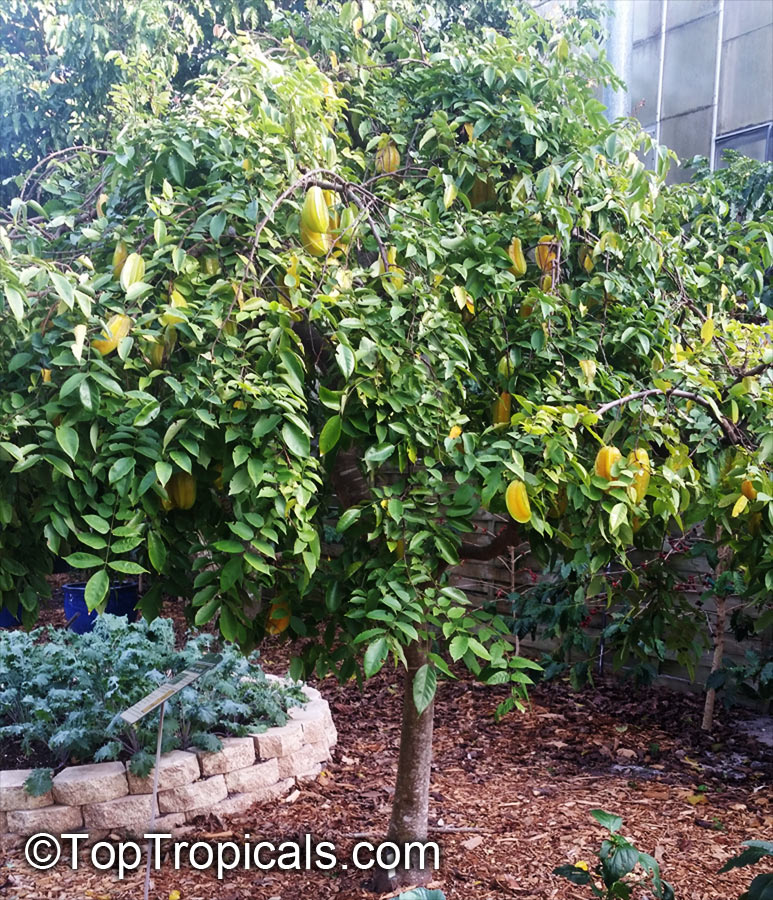
· Carambola adds crisp tang.
  • · Pineapple brightens the palate.
  • · Loquat gives gentle acidity.
Balanced flavors satisfy faster.
  • 🍭 5. Start the day right


    Skipping breakfast increases late-day sugar cravings.
    A morning smoothie with Avocado, Banana, and Mango prevents the afternoon energy dip. Hydration also matters - thirst often disguises itself as a sweet craving.
  • 🍭 In essence


    Dessert is not the enemy. Refined sugar is.
    When sweetness comes from nature's bounty, it nourishes instead of draining energy.
    You do not need to quit dessert.
    You just need to let nature handle it.

    Consult with a healthcare professional before making significant dietary changes, especially if you have diabetes or metabolic conditions


🛒 Start your tropical fruit journey

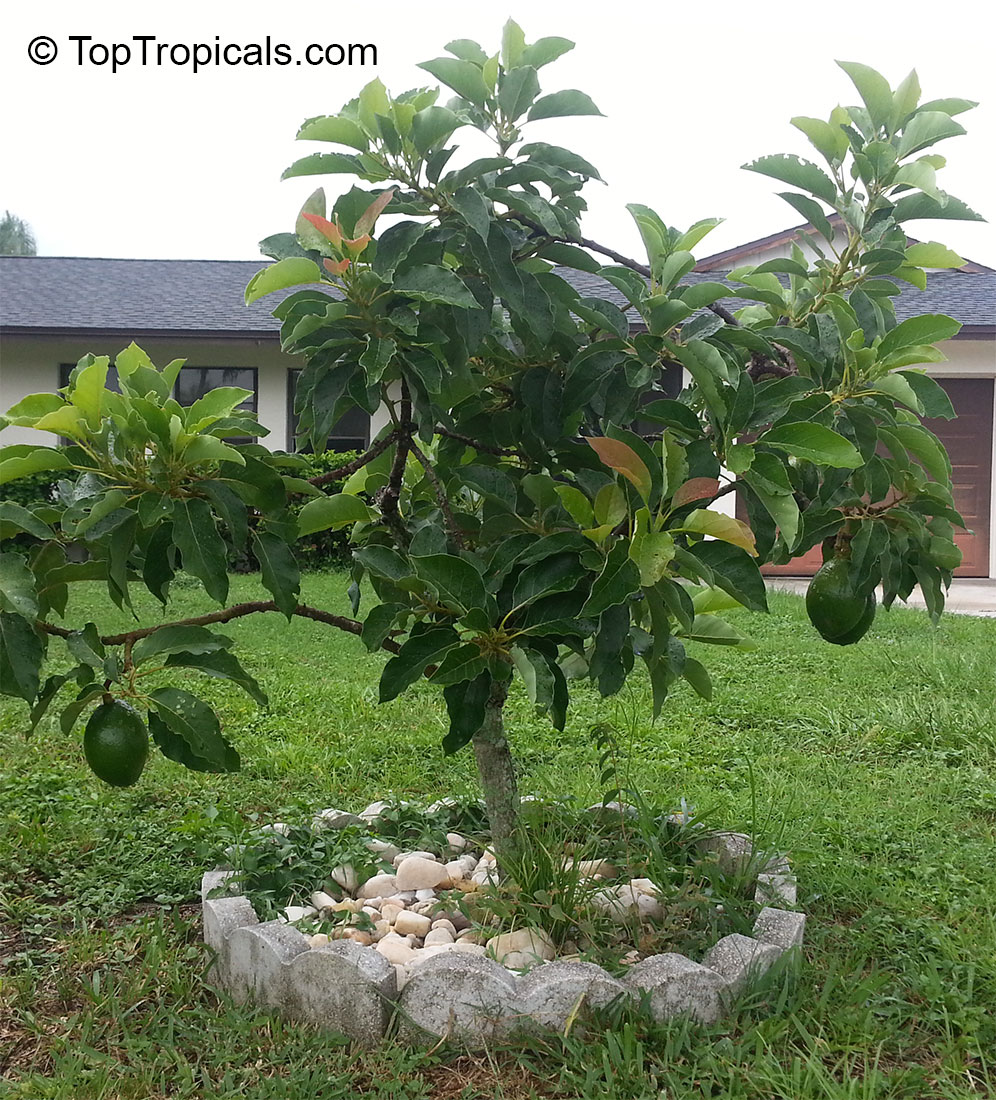
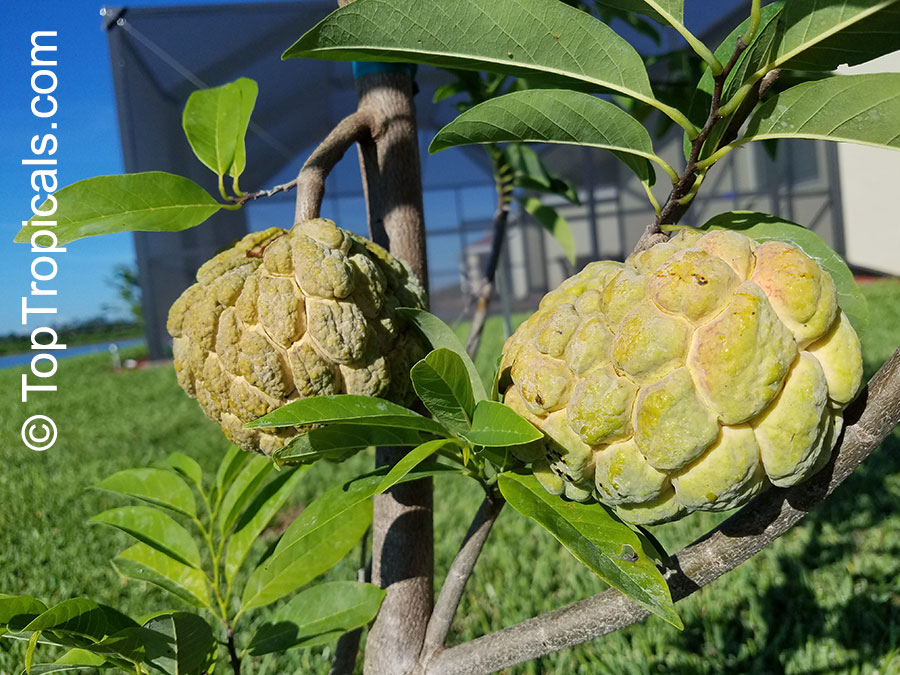
Annona · Guava · Mango · Sapodilla · Mulberry · Pineapple · Avocado · Banana · Loquat · Dragon fruit · Jackfruit · Sapote · Cherries · Carambola

📚 Learn more:


#Food_Forest #Remedies #Discover

🟢 Join 👉 TopTropicals

Date: 4 Feb 2017

Groundhog Day Feb 2

On Groundhog Day Feb 2: Groundhog Punxsutawney Phil saw his shadow on Thursday morning, predicting six more weeks of winter during Groundhog Day festivities at Gobbler's Knob, a small hill just outside Phil's hometown.
According to folklore, if it is cloudy when a groundhog emerges from its burrow on this day, then the spring season will come soon; if it is sunny, the groundhog will supposedly see its shadow and retreat back into its den, and winter weather will persist for six more weeks.
Phil promised long winter, however, we should not cry in despair but starting to get ready for Spring!

Spring Check List:
- Make sure min temperatures are above 45F before you start bringing potted plants outside.
- When active new growth appears from buds, after-winter pruning can be done.
- You may start weekly fertilizing as soon as night temperatures raise above 55F.
- Start planting in the ground as soon as there are no more chances of frost, until then keep newly arrived plants in pots so they get better established.
- Low chill cold hardy fruit trees including Peaches, Nectarines, Plums, Apples, Mulberry, Loquats go in the ground first, so you can enjoy their blooms and early fruit set. Plant Pomegranates, blueberries and cranberries, raspberries and blackberries, grapes.
- Water as needed, still keeping on dry side until afternoons get hot and plants start using more water.
- Start seeds indoors. The sooner the better, to give seedlings more time to establish before planting out in the ground.

Overwintering Magnolia (Michelia)

Michelia alba Question: I have a question about Michelia alba. My Michelia alba leaves turning yellow and losing leaves. When I brought it inside for the winter, after the leaves falling off new one grow back not all of them grow back and now the new the branches start to die. I water once a week.

A: Whenever moving a plant in or out of the home it is always best to do it gradually. Moving a plant all in one day will cause stress to the plant due to environmental changes such as, new humidity levels, new light levels and new watering requirements. Michelias usually loose their leaves once in the spring and once before winter but grow them back right away. Now that your plant is inside with less humidity, light and leaves, you only need to water once the soil as almost dried out. You will need to stick your finger in the soil to see if it is still wet as the top layer dries before the under layer. If the branches are starting to die at the tips this usually means too much water. Move the plant to a bright light window, decrease water and you may want to also use a humidifier.

Date: 28 Apr 2021

Cold hardy tropical fruit trees for Zone 9

Q: Can you suggest tropical fruit that can be grown (cold hardy) in Zone 9?

A: There are quite a few tropical/subtropical trees that will grow well in zone 9. Our favorites are: Figs - very cold hardy and drought tolerant.
Loquats - grafted trees that start fruiting right away, reliable producers.
Tropical Mulberry - very fast growing trees that can take freeze, heavy producers.
Macadamia - these trees are of a compact nature, very easy to grow and start producing nuts right away.
Many different varieties of Eugenias - tropical cherries - all-time favorites. Another tropical cherry - Malpighia, or Barbados cherry - starts fruiting in small size under one food tall! Great for containers.
Tropical (Low Chill) Peaches, Nectarines, and Plums. See full list of low-chill, relatively cold hardy fruit trees.
And of course - Bananas!

Don't forget to fertilize your fruit trees to improve their cold hardiness!