Date: 23 Sep 2024
Ten
top fruiting plants you'll ever need
for your health benefits
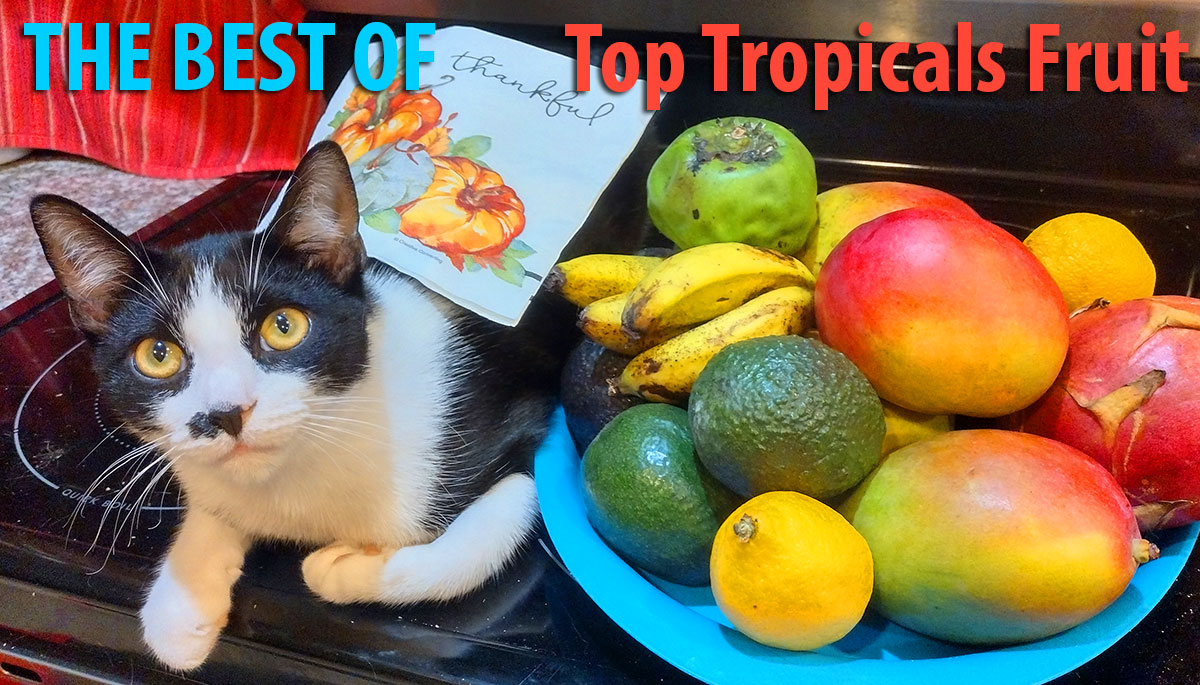
Q: I planted Mango and Avocado trees, and I still have room for more trees but want to use the space wisely. What other trees should I plant to get the most benefits out of the fruit?
A: Everyone loves planting Mango or Avocado trees for their well-known benefits. But did you know that adding a variety of other fruit trees to your garden can expand those benefits even more? If you plant just one of each of these 10 trees, you'll have a complete spectrum of nutrients and health-boosting ingredients you ever need. With a diverse range of healthy fruits, you'll boost your diet, improve your health, and elevate your lifestyle. Let's check out the TOP TEN most rewarding and useful fruit...
1. Guava
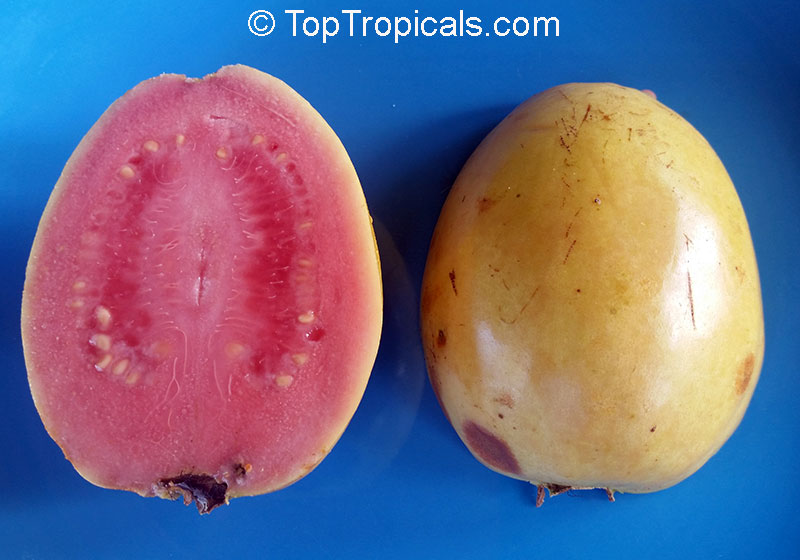
Guava is rich in vitamin C, which boosts the immune system and helps protect
against colds and infections.
Guava helps regulate blood sugar levels, making it a good option for people
with diabetes.
Its potassium content helps maintain healthy blood pressure.
Guava's antioxidants, like lycopene and vitamin C, contribute to glowing
skin and may reduce the risk of cancer.
Guava is eaten fresh, made into juices, jams, and jellies, or added to
desserts and smoothies.
2. Coffee
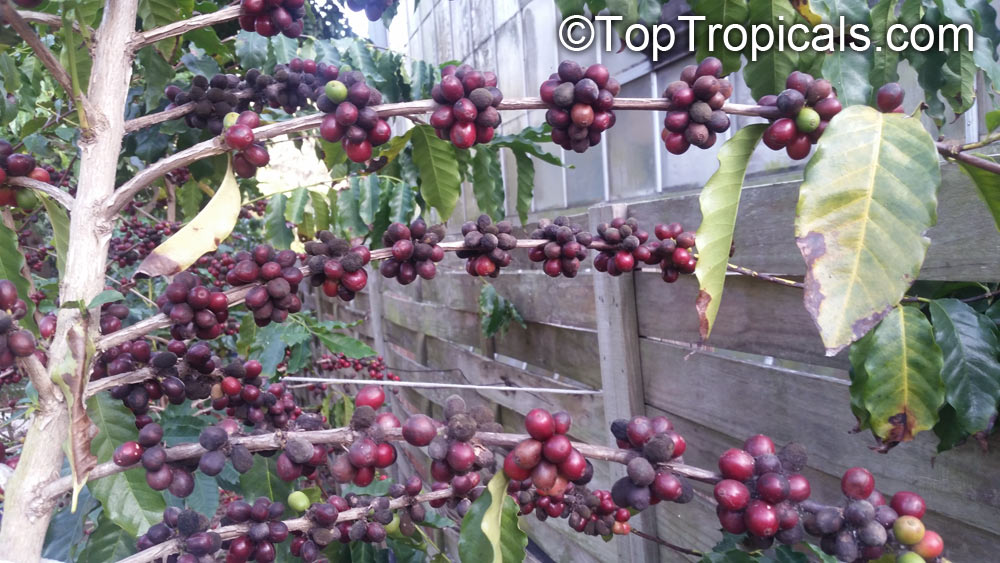
Coffee is widely enjoyed as a beverage and is used in various desserts and
drinks.
It is rich in antioxidants, which may reduce inflammation and lower the
risk of chronic diseases.
It improves focus and mental alertness due to its caffeine content.
Coffee boosts metabolism and aid in fat burning, supporting weight
management.
3. Noni
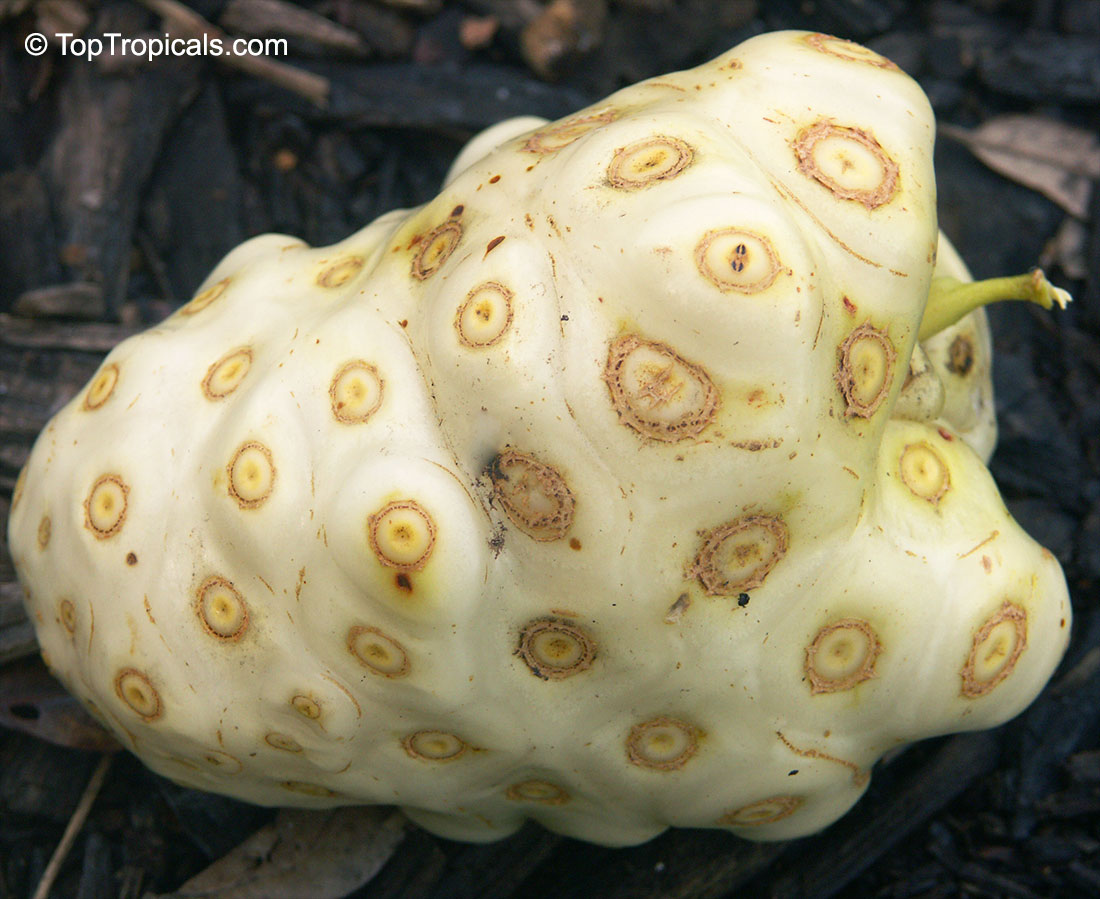
Noni
is known for its anti-inflammatory properties and may help reduce joint
pain and arthritis symptoms.
Fresh noni fruit and juice are popular in traditional herbal medicine and
drinks.
It boosts the immune system due to its rich vitamin C content.
Noni juice is used traditionally to improve digestion and fight infections.
4. Papaya
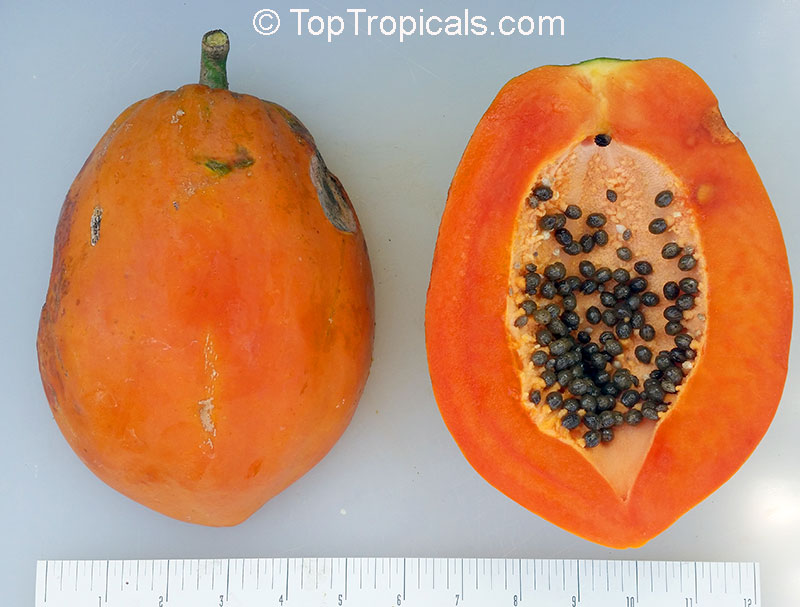
Papaya is a popular ingredient in salads, smoothies, and tropical desserts.
It contains enzymes like papain that aid digestion and reduce bloating.
It is high in vitamin C and vitamin A, the antioxidants in papaya may
protect against heart disease and reduce cancer risk.
5. Banana
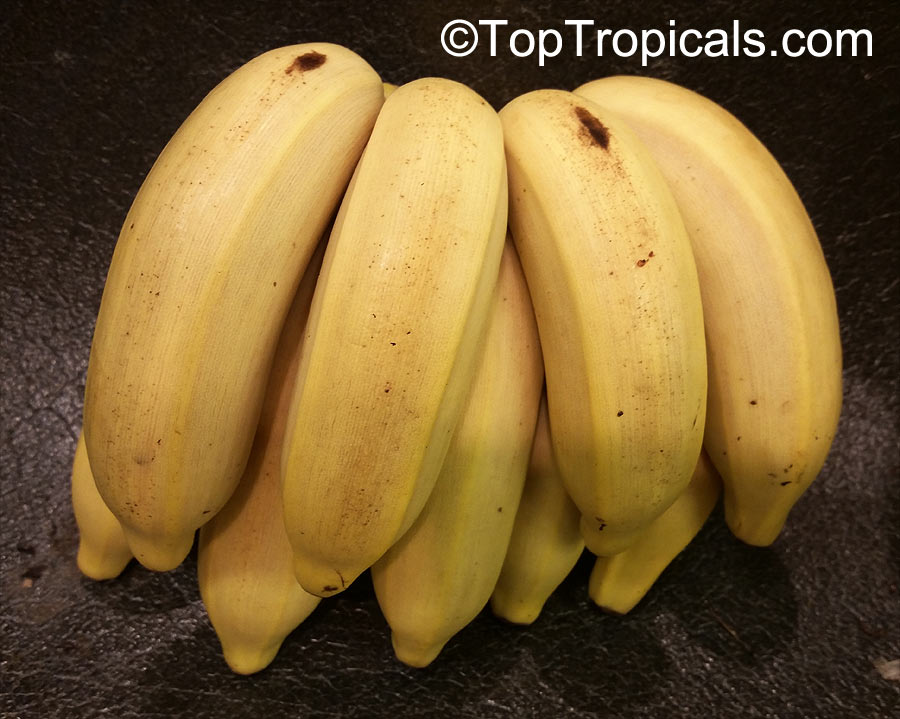
Bananas
are rich in potassium, which helps regulate blood pressure and supports
heart health.
They provide a quick source of energy and are great for post-workout
recovery.
The fiber in bananas aids digestion and promotes gut health.
East them fresh, add to smoothies, bake into breads and desserts, or use in
various savory dishes.
6. Dragon fruit
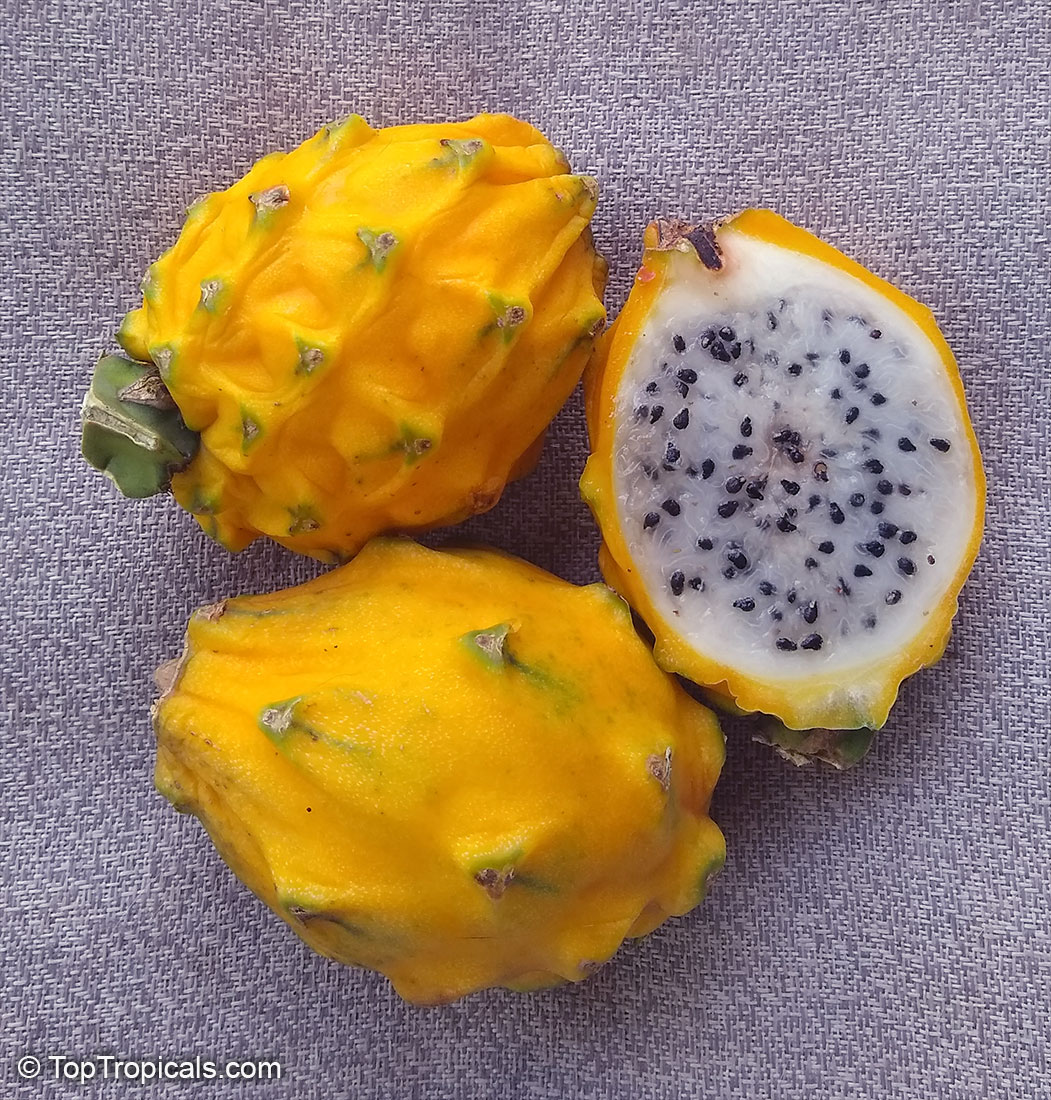
Dragon
fruit is often used in smoothies, fruit salads, and refreshing drinks.
It is high in fiber, aiding digestion and promoting gut health.
Low in calories and packed with nutrients, it's great for weight
management.
7. Tamarind
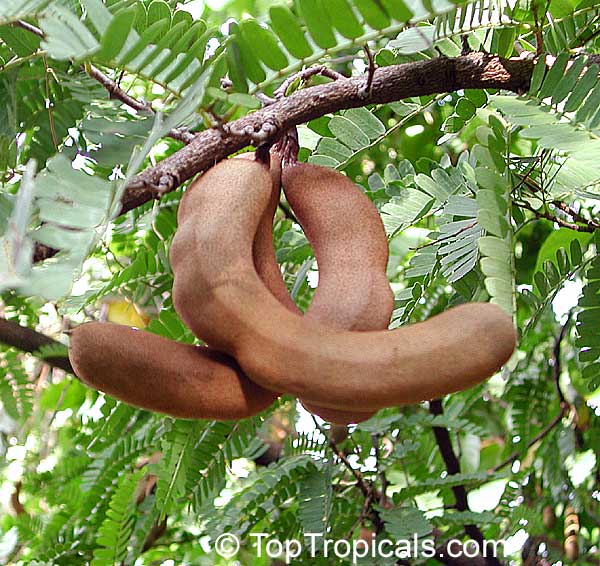
Tamarind is a common ingredient in sauces, chutneys, and beverages.
Rich in antioxidants, it protects the liver and reduces inflammation.
It contains natural compounds that help lower cholesterol and improve heart
health.
Tamarind has a mild laxative effect, aiding digestion and relieving
constipation.
8. Loilita (Surinam) Cherry
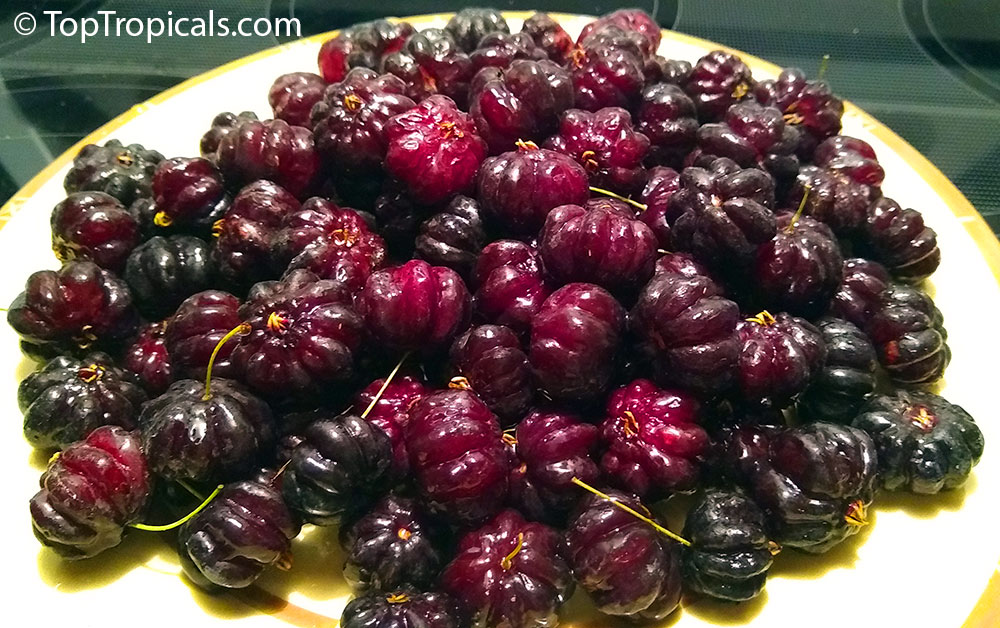
Surinam cherry is rich
in vitamin C, boosting the immune system and skin health.
Its antioxidants reduce inflammation and protect against free radical
damage.
It contains fiber, which supports healthy digestion.
Surinam cherries are used in jams, sauces, and desserts or eaten fresh.
9. Nescafe
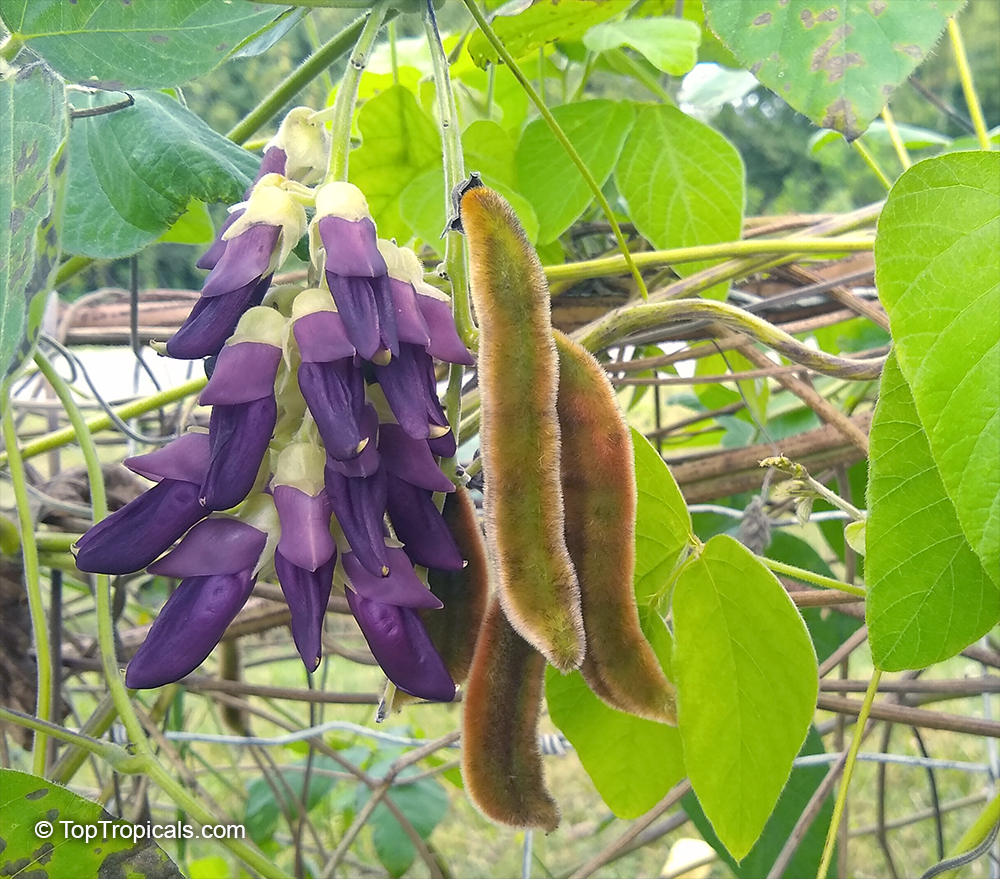
Nescafe - Mucuna pruriens - is used in herbal supplements or ground into powder for teas and health drinks.
It is known for its potential to boost dopamine levels, improving mood and reducing stress.
It supports cognitive function, muscle growth and increases energy levels.
10. Loquat
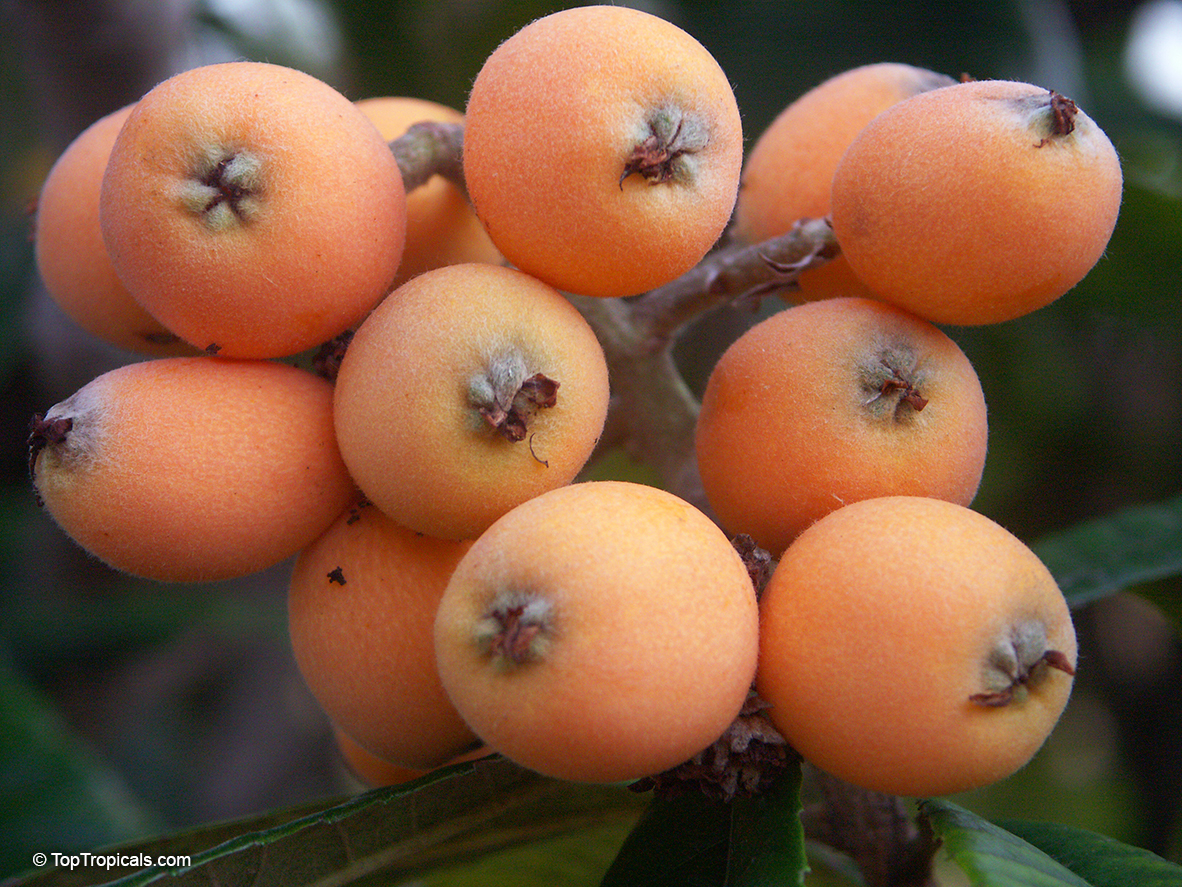
Loquat are very popular and are eaten fresh or used in making jams, jellies, pies, and fruit salads.
Loquat is rich in vitamin A, supporting eye health.
It contains antioxidants that help fight inflammation and reduce the risk of chronic diseases.
The fiber in loquats aids digestion and helps maintain healthy blood sugar levels.
By planting these 10 diverse fruit trees, you'll not only enjoy a delicious and abundant harvest but also ensure your garden provides all the nutrients needed for a healthier, more vibrant life.
Date: 27 Feb 2025
What
Fertilizer to Use Now and How?
Five important keys to healthy plants
Q: It's early Spring this year. Should I start fertilizing my plants sooner than usual?
A: Most fertilizer instructions recommend fertilizing tropical plants from March to November. This is because plants don't need as much food during the cooler months when many go dormant, and excess nutrients can burn the roots if not absorbed. However, for the most effective fertilizer program and healthy plants, consider these points:
1. Sunshine Boosters Year-Round
Liquid amino-acid-based fertilizers like Sunshine Boosters are safe to use year-round. Since watering is reduced in cooler weather, the intake of water-soluble fertilizer is also lower, providing plants with just the essential nutrients for their minimal needs.
2. Dry Fertilizer Schedule
Be cautious with dry fertilizers. Apply them only during active growth in the hot season.
3. Temperature Is Key
If March is still cold, delay dry fertilizer use. However, if nighttime temperatures in February stay above 65F, you can start a dry fertilizer program using slow-release, granulated plant food.
4. What Fertilizers to Use and How
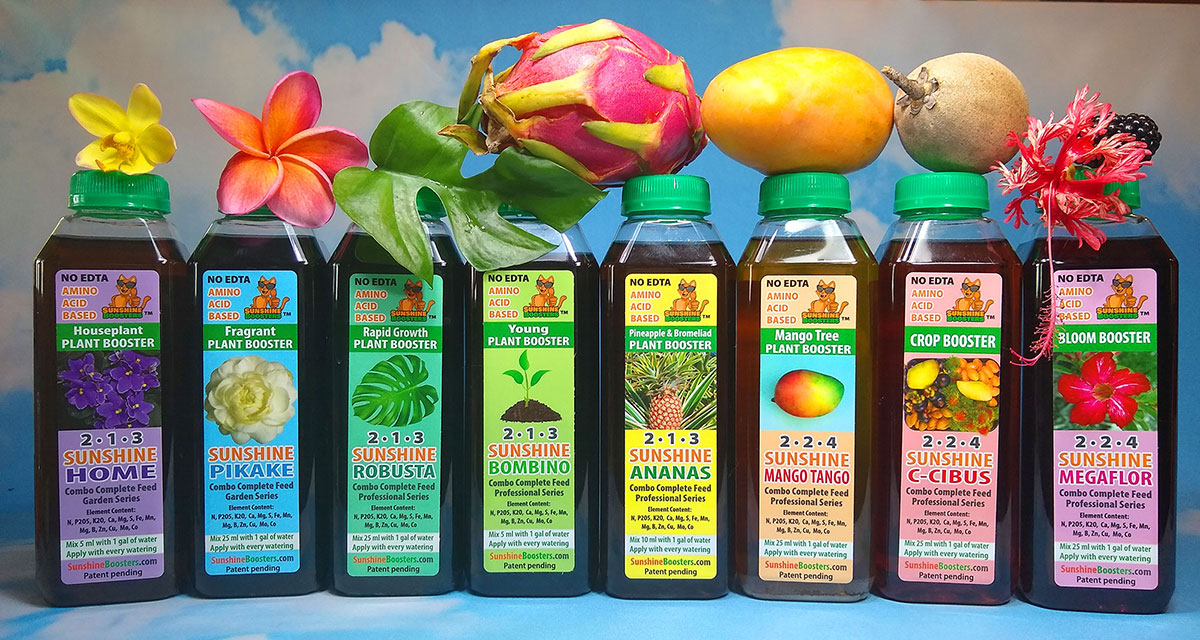
Check out our Sunshine Boosters selection for different types of plants and choose the right type for your needs. These can be applied as often as with every watering:
For Rapid Growth
Sunshine Robusta - Rapid Growth Booster: general fertilizer for both foliage
plants and small starters that need an extra boost.
For Flowers
Sunshine Megaflor - Bloom Booster: boosts flowers on established plants; and Sunshine Pikake - Fragrant Plant Booster: best for fragrant flowers.
For Fruit Trees
Sunshine C-Cibus - Crop Booster: contains all necessary elements for fruit trees and their production. Sunshine Mango Tango - specifically formulated for Mango and Avocado
trees, and Sunshine Citron - ideal for citrus trees.
For Tender Perennials
Sunshine Orchidasm - Orchid Total Feed and Sunshine Ananas - Pineapple and Bromeliad Booster: mild formulas for these tender perennials.
5. Microelement Supplements Are a Must
Besides macronutrients, plants need additional microelements, just like humans need vitamins. Be sure to apply these supplements along with your regular plant food:
For Green Leaves and Health
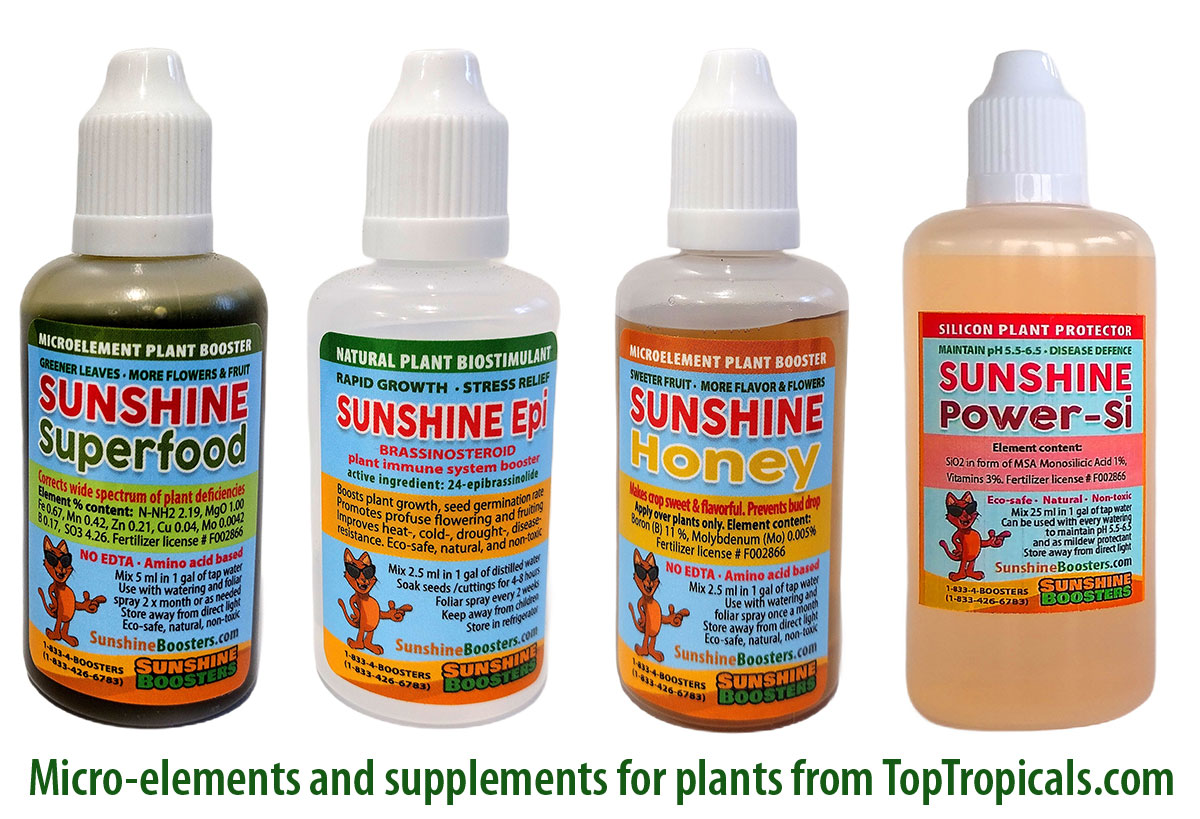
Sunshine SuperFood - Complex Microelement Supplement: a
must for healthy plants. Apply once a month.
For Stress Relief
Sunshine-Epi - Brassinosteroid Plant
Hormone: essential for plants recovering from stress (shipping, transplanting,
drought, insect damage, cold stress, etc.). Apply as needed.
For Sweeter, Bigger Fruit
Sunshine Honey - Fruit Sugar Booster: application on fruit trees will make
fruit bigger and sweeter by directing sugars to the fruit from other plant parts, and helps to prevent bud
drop. Apply 4 times a year: at bud setting, flowering, fruit setting, and
after harvesting.
For Better Resistance
Sunshine Power Si - Silicon Protector - enhances resistance to insects, diseases, drought, and frost, while boosting growth. Apply once a
month, along with Sunshine SuperFood.
Need Help? Our Plant Experts Are Ready to Assist!
Date: 11 Nov 2025
Fruits with the most vitamin E, according to dietitians

Fruits with the most vitamin E
🥭 Fruits with the most vitamin E, according to dietitians
- 🔛 Vitamin E works as an antioxidant that helps fight inflammation throughout the body. While nuts and seeds top the charts, some fruits quietly add their share to your daily needs - especially when eaten with a bit of healthy fat. According to New York City Nutrition, vitamin E anti-inflammatory action supports heart, brain, and skin health.
- 🔛 Vitamin E is a fat-soluble vitamin that acts as an antioxidant, meaning it fights inflammation in the body. Because of this anti-inflammatory role, vitamin E is beneficial for immune health, heart health, eye health, brain health, and skin health.
- 🔛 Adults need about 15 milligrams a day, according to the National Institutes of Health. Deficiency is rare, but it’s smart to get vitamin E from a variety of foods. Fruits alone don’t provide large amounts, but they can complement vitamin-E-rich foods like almonds or sunflower seeds.
- 🔛 Since vitamin E needs fat for absorption, pair fruit with something creamy or crunchy - like yogurt, olive oil, nuts, or seeds - for best results.
- 🔛 Here are some fruits that naturally offer vitamin E:
- 🍊 Sapote 1 cup = 3.7 mg vitamin E. A tropical favorite with rich orange flesh and a flavor somewhere between pumpkin pie and sweet potato, with hints of honey and almond, Sapote is great fresh, blended in shakes, or scooped over ice cream. It also packs calcium, iron, potassium, and vitamins A and C.
- Blackberries 1 cup = 1.7 mg vitamin E. Deep color, bold flavor, and plenty of antioxidants, Blackberries are high in fiber and low in calories. Dietitian Keri Glassman calls them her top fruit for fighting inflammation.
- 🥭 Mango 1 cup = 1.5 mg vitamin E. The “king of fruits” brings more than tropical sweetness, Mango supports digestion, helps you feel full longer, and delivers both vitamin A and E in one juicy package.
- 🍉 Guava 1 cup = 1.2 mg vitamin E. This fragrant fruit has a flavor that lands between strawberry and pear, Guava is also one of the highest-fiber fruits and surprisingly rich in protein for a fruit.
- 🍑 Persimmon 1 fruit = 1.2 mg vitamin E. An autumn favorite that looks like an orange tomato but tastes sweet and mellow, Persimmons are rich in vitamins A and C and make a colorful, fiber-filled snack or dessert.
- Avocado 1 fruit = 0.9 mg vitamin E. Creamy, mild, and versatile, Avocado’s healthy fats help your body absorb vitamin E while protecting heart health. Try it on toast, in salads, or as a smooth butter substitute in baking.
🛒 Plant more remedies in your food forest
📚 Learn more:
- Plant a fruit tree - and breathe easier: fruit might be the surprising key to healthier lungs
- 11 tropical fruits to eat instead of taking a fiber supplement
- Tropical fruit health benefits guide - what fruit and edibles can help with health issues and vitamin deficiencies, Part 1 and Part 2.
- Five best fruit trees to plant in Summer
- 10 best fruit trees to grow in Florida and Southern landscapes
- Top 10 fruiting plants you'll ever need for your health benefits
#Food_Forest #Remedies #Discover
🟢 Join 👉 TopTropicals
Date: 10 Aug 2025

🌺 Back to School and Back to Planting – Cats in the Garden
Back to School, Back to Planting – Why August Works for Tropicals
Planting Season Isn't Over Yet
August is still a good month for planting tropicals in warm climates. The soil stays warm enough to push root growth, and late-summer weather gives plants time to settle in before winter. In drier areas, regular watering will keep them moving along just fine.
Tropicals in warm climates aren't usually harmed by cooler Winter weather, but as days get shorter, growth may slow down. This is why planting in late Summer-Fall lets roots grow during this last warm stretch, so the plant enters winter already established.
By spring, those roots are ready to drive new shoots, flowers, and fruit. There's no lost time to transplant shock - plants can get straight to blooming and fruiting earlier in the season.
August Planting FAQ
How can heat be prevented from harming new tropicals?
Water in the morning so plants start the day hydrated. Warm soil is good for root growth, but don't let it dry out.
How should new plants be protected from strong sun?
For the first couple of weeks, use a shade cloth or even a white bed sheet to soften midday sun and prevent leaf scorch.
What fertilizer works best for planting in summer heat?
Controlled-release types are best. We use professional grade Green Magic. You may pair it with Sunshine Boosters for steady, gentle feeding through the warm months.
Which tropicals grow best when planted in August?
Most tropical plants do well when planted in warm end-of-summer conditions, including Mango, Avocado, Guava, Jackfruit, Annona, Bananas, Orchid Trees, Jasmines, Allamanda and most of flowering trees, shrubs and vines.
Can tropical trees planted in August produce fruit next year?
Many can, especially fast growers, since they have established roots by the time spring growth begins.
How can tropicals be kept healthy when planting in August?
Mulch around the base to help prevent soil from drying out too quickly. Water deeply in the morning to help plants handle the heat.
Date: 26 Aug 2024
Top ten fast-fruiting trees

Q: I would like to plant several fruit trees... I am 85 years old and hope to see them fruiting soon. What fruit trees can you recommend that will fruit quickly?
A: Most grafted fruit trees, such as Mango, Avocado, and Peaches, will fruit quickly - often within the same year or the next. There are also many wonderful tropical fruits that will produce for you within a year or two, even without the need for grafting. Below are the top 10 of most popular, most rewarding and easy to grow fast fruiting tropical trees:
1. Annona - Sugar Apple, Custard Apple.
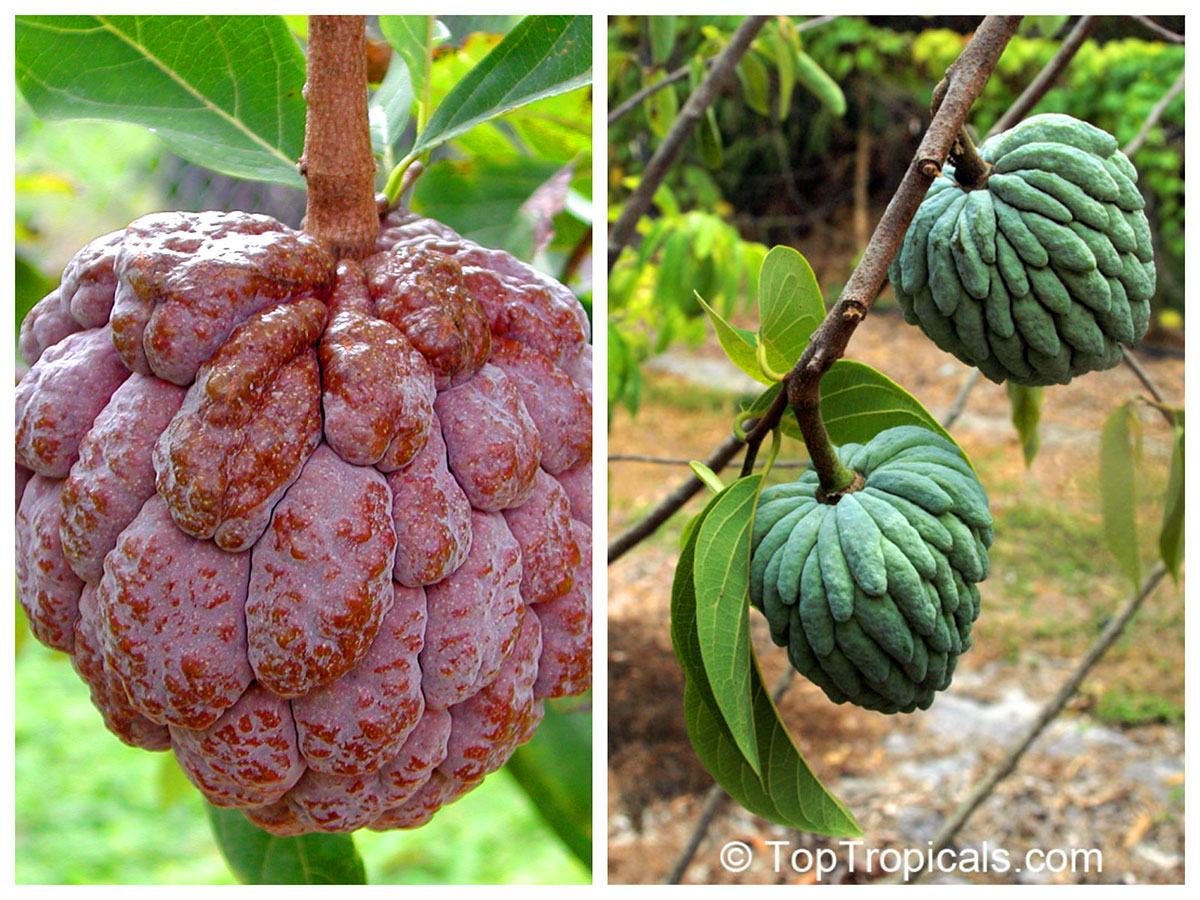
Annonas are the fastest fruiting trees: 2-3-4 years from seed to fruit, depending on species. They are the best tropical fruit trees suited for container growing, due to their small height and can be maintained within 6-8 ft tall.
2. Guava (Psidium sp.): Cattley and Tropical guava
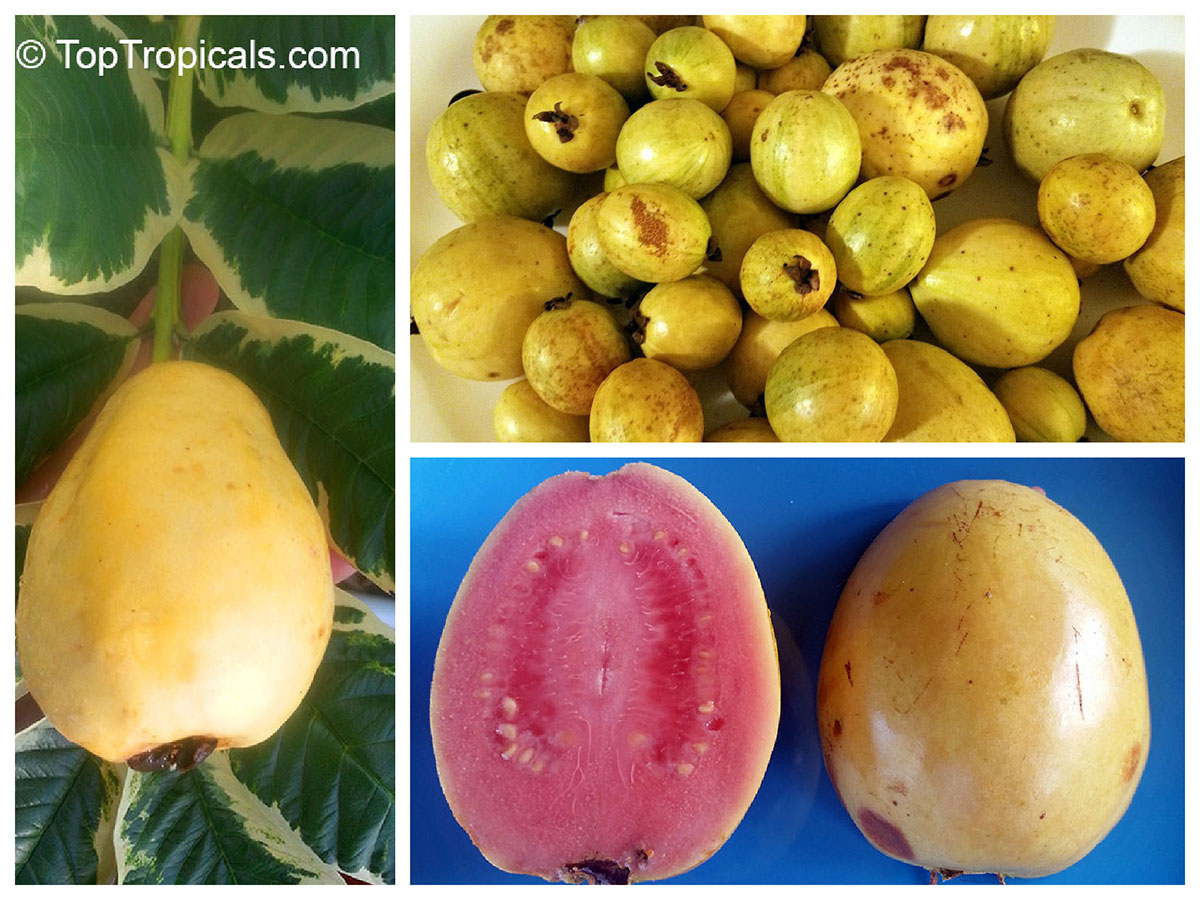
Guava is a reliable producer, starts fruiting in a pot at small size. Some varieties, especially Cattley guavas - Psidium littorale - are relatively cold hardy and can take some frost without damage. Guavas are fast growing small trees or large bushes.
3. Eugenia - Tropical Cherries
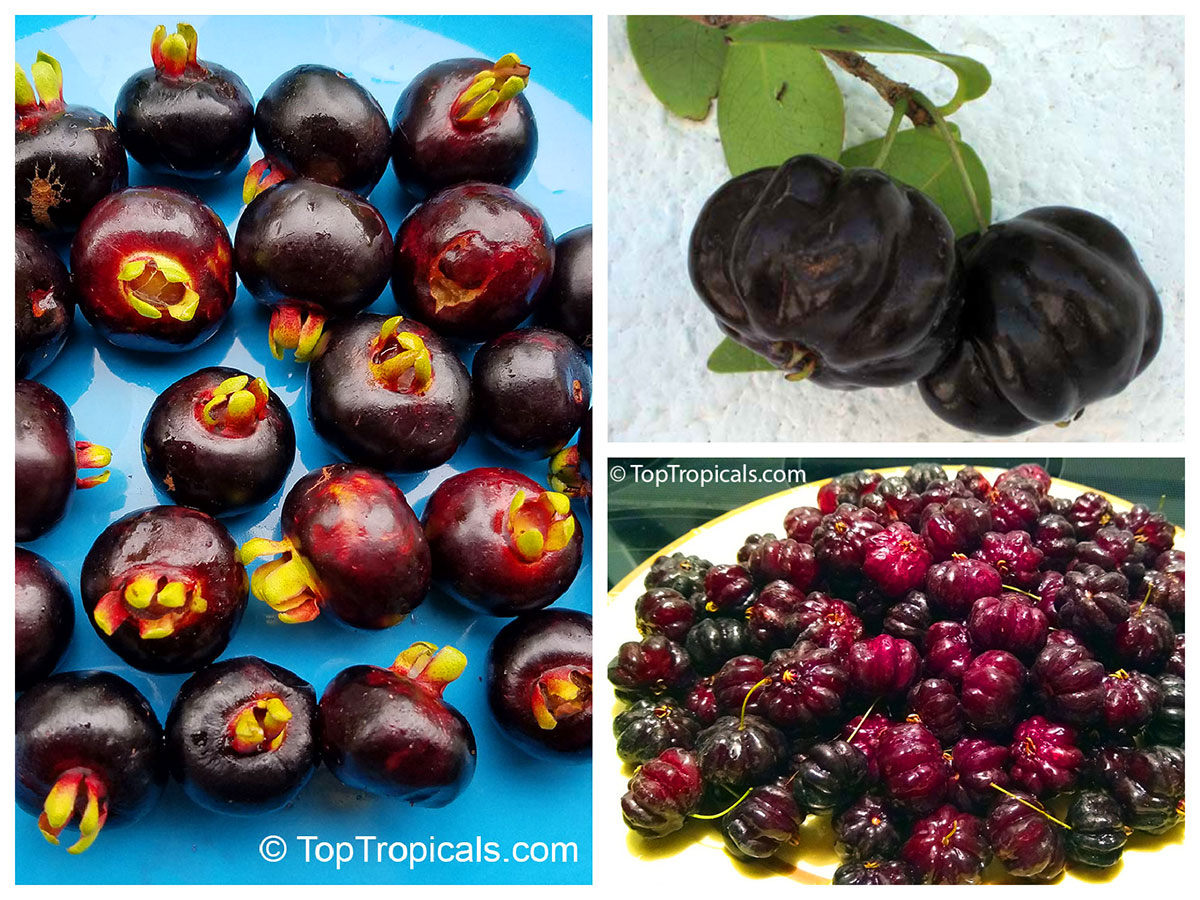
Eugenias are favorites of Southern gardens. They are relatively cold hardy and start producing right away. Black Surinam Cherry Lolita and Grumichama are our favorites!
4. Barbados Cherry (Malpighia glabra)
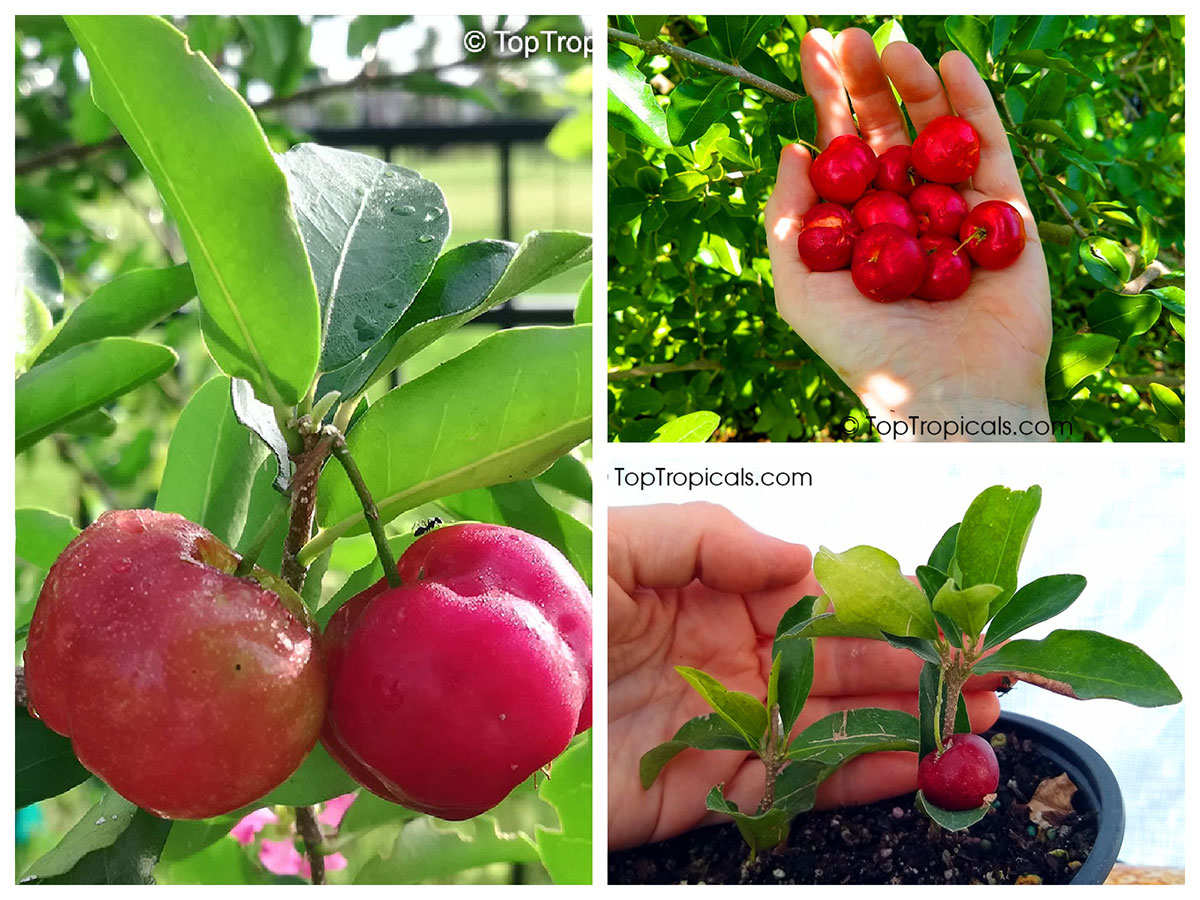
Another exceptional tropical cherry is Barbados Cherry. It is super popular as a heavy producer. The plant can start fruiting when it's only a few inches tall! If you are looking for a compact, but fast growing tree with colorful fruit that starts fruiting right away - plant Barbados Cherry. It will also happily fruit in containers.
5. Eriobotrya (Eriobotrya japonica)
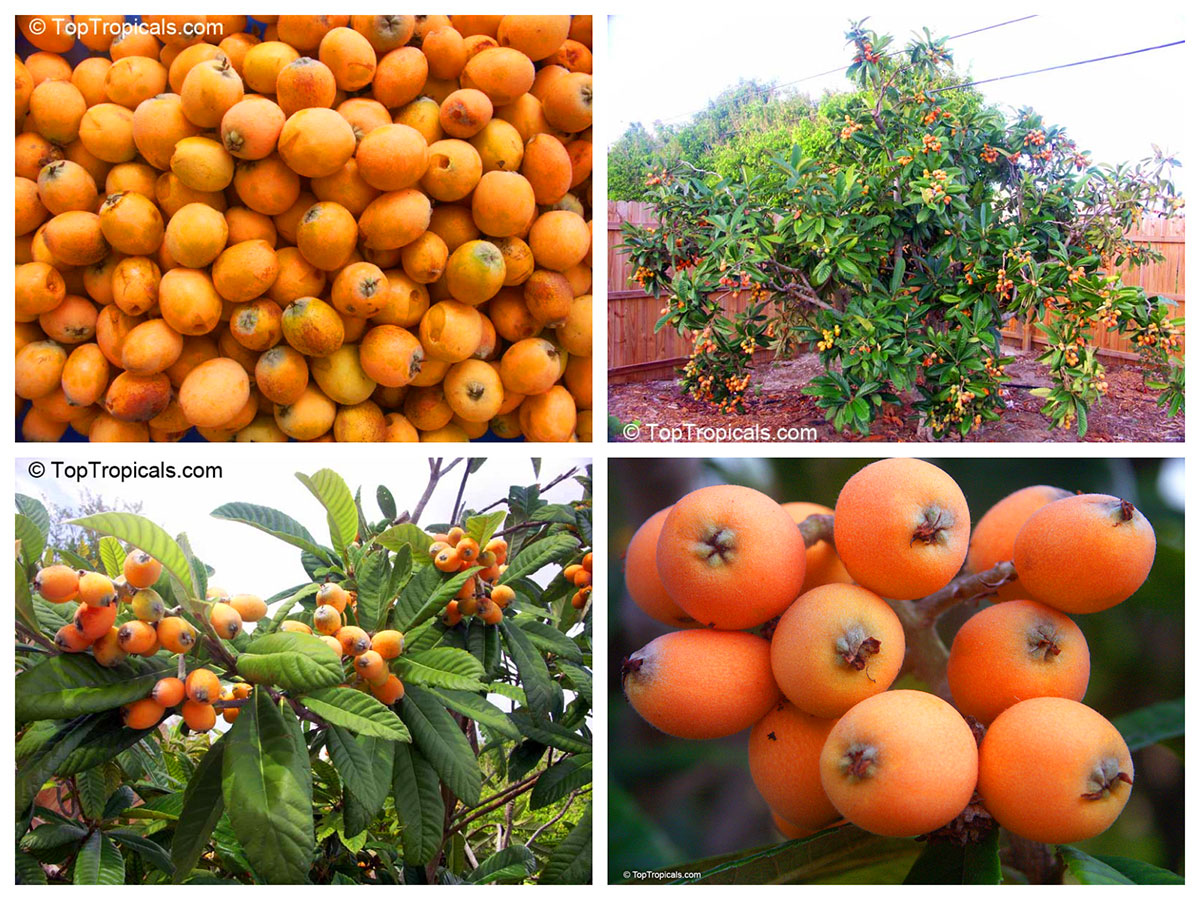
Loquat tree is fast-growing, drought-tolerant, cold-tolerant, compact tropical fruit tree. It is a heavy producer. Fruits are juicy, aromatic, and resemble apricots. Ripen from early Spring to early Summer. Ideal for small gardens, beginner fruit tree growers.
6. Papaya (Carica papaya)
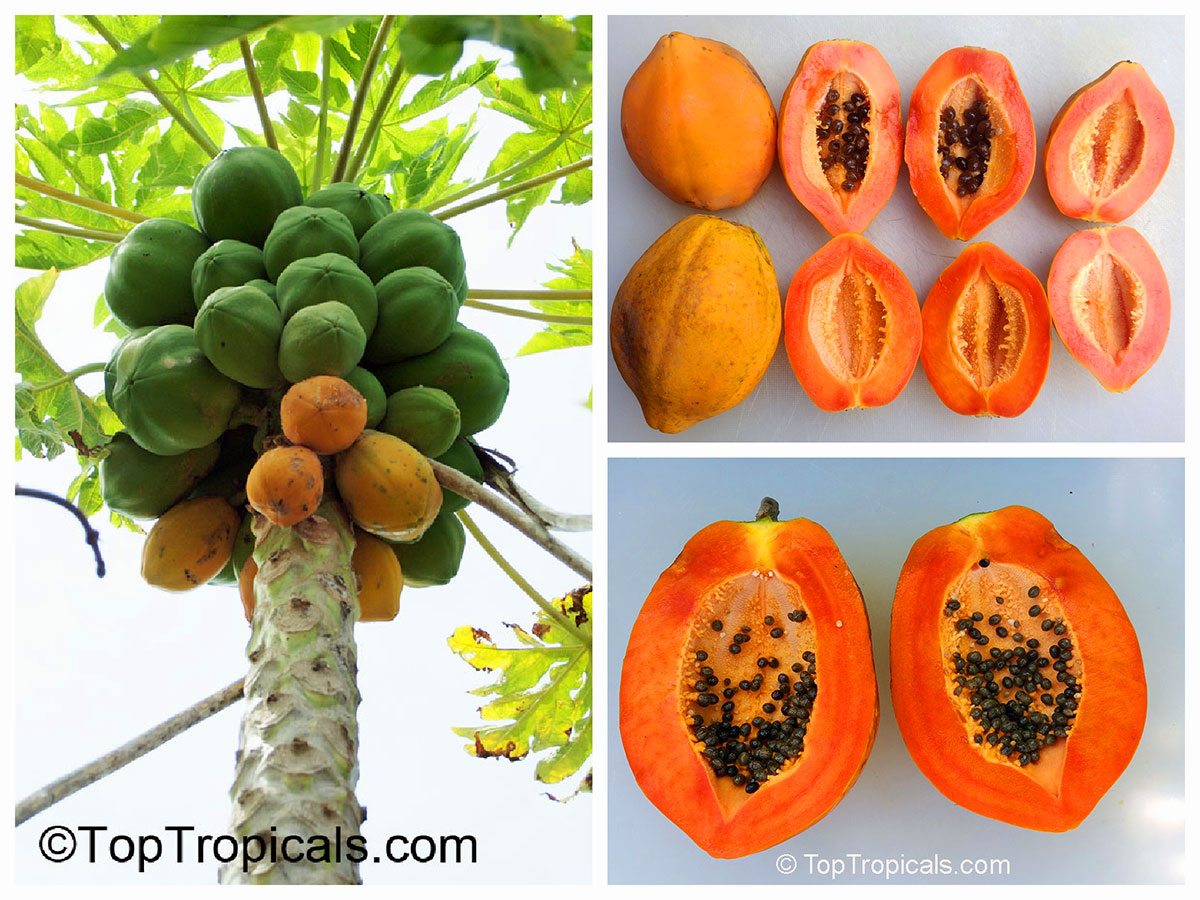
Papaya is probably the fastest fruiting tree that can start production the same year from planting a seed. Many dwarf varieties available in selection, reaching only 6-8 ft tall, but producing large crops of full size fruit - they are easy to harvest. Plant 2-3 Papaya trees of different cultivars that fruit at different times of the year and enjoy heavy crops of healthy fruit year around! Another benefit - this tree doesn't take much space in the garden, you can plant as many as you want.
7. Mulberry (Morus hybrids)
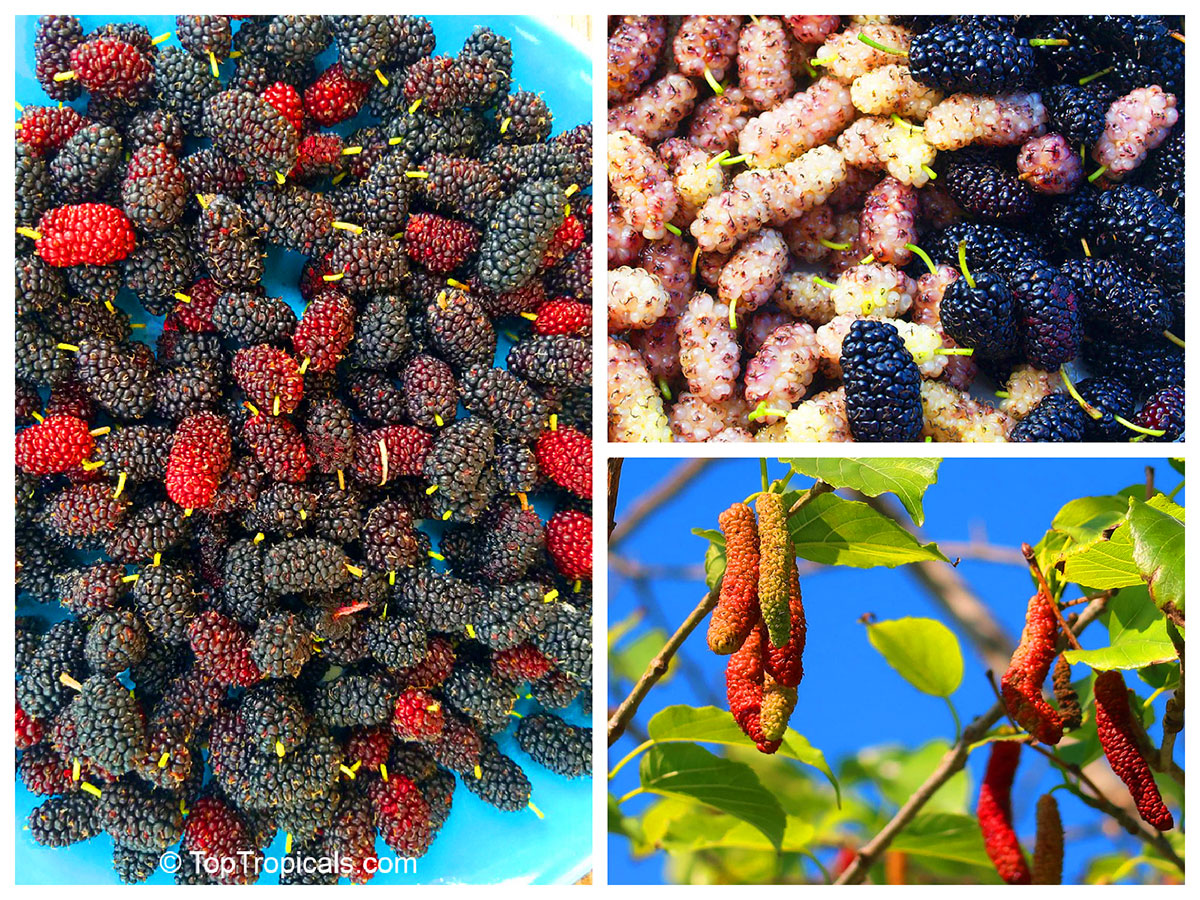
Mulberry is very cold hardy and can grow in wide range of climate zones, from USDA 5 to 10. Everyone knows this sweet, tasty, juicy fruit. The tree will produce right away, you will see fruit the next season after planting, and the tree grows fast.
8. Carambola - Starfruit (Averrhoa carambola)
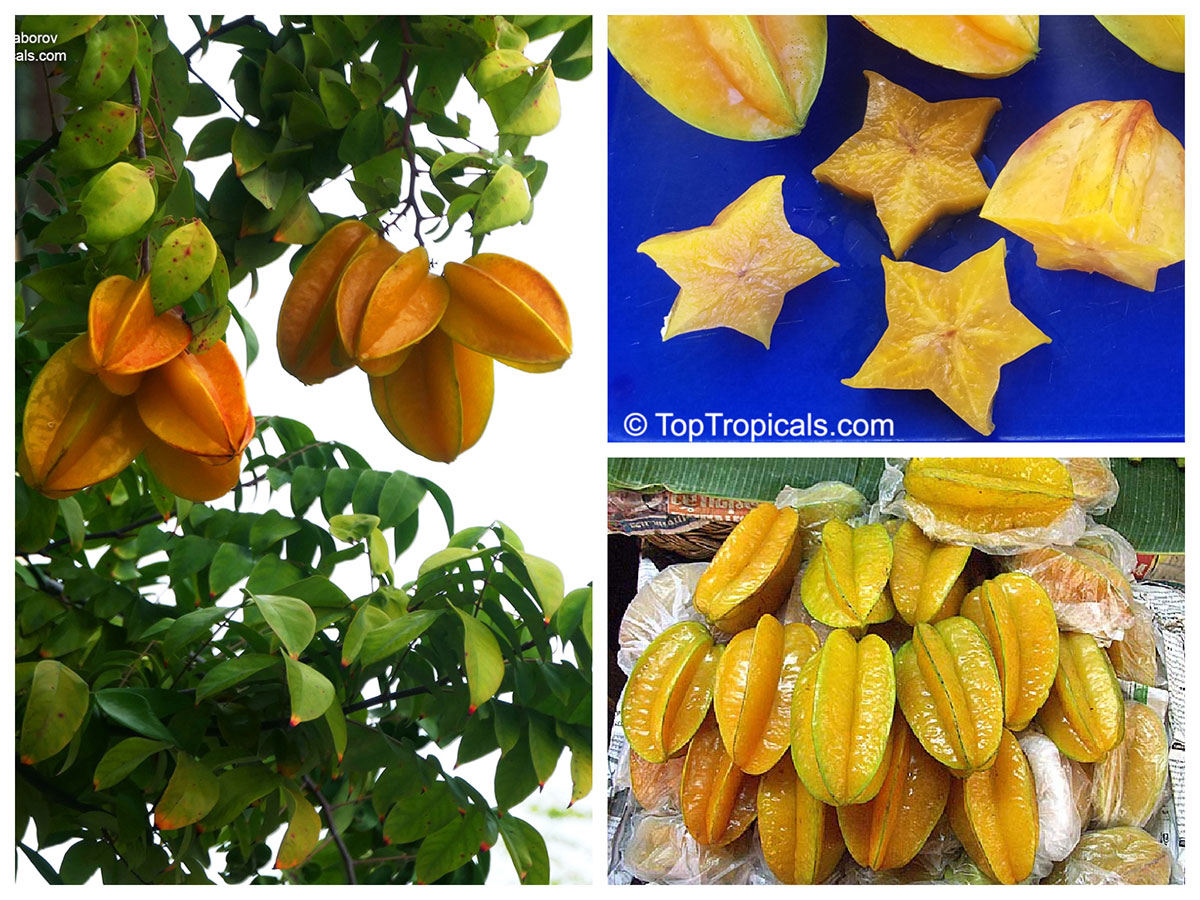
Growing Carambola tree is a fun and rewarding way to enjoy this unique star-shaped delicious fruit right at home. It fruits on the 3d year from seed. The tree is easy to grow and reliable producer, providing wind protection.
9. Blackberry Jam Fruit (Randia formosa)
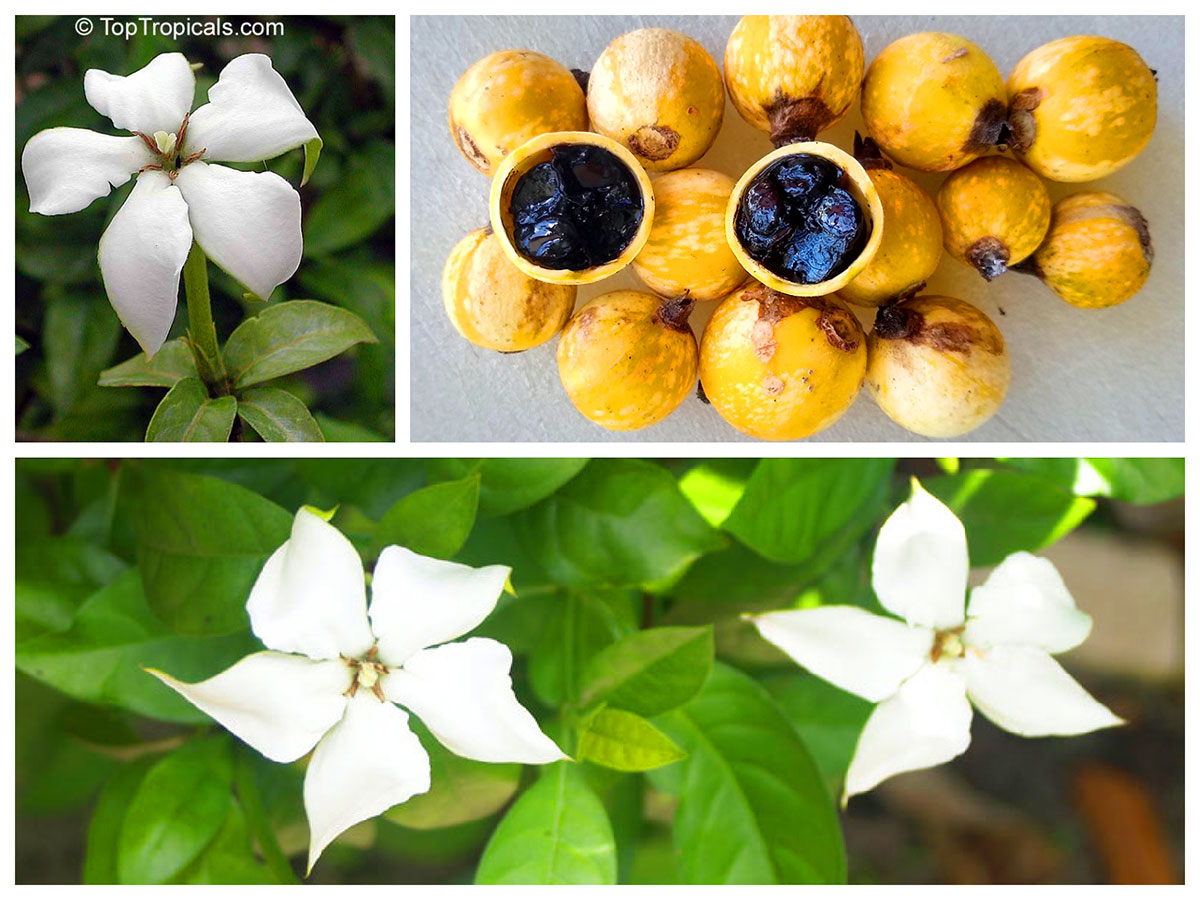
Blackberry Jam Fruit, Jasmin de Rosa is a curious small evergreen tree or bush that combines features of a fragrant flower and delicious dessert fruit which tastes like fresh Blackberry jam. Fragrant white flowers are similar to Gardenia.
10. Peanut Butter Tree (Bunchosia argentea)
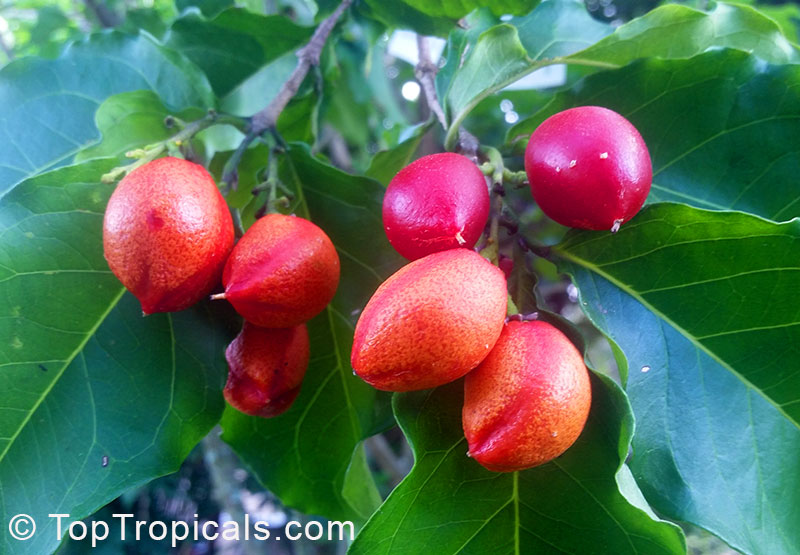
Peanut Butter Tree, earns its name from its fleshy fruits that boast a delightful peanut butter flavor. Compact in size, small tree reaching only 10-15 ft or kept as a bush, it's a perfect choice for limited spaces. Can thrive indoors, starting to fruit within just 2-3 years from seed.