Garden Blog - Top Tropicals

Date: 1 Mar 2026

Skip the lemon - 5 better fruits for a cough
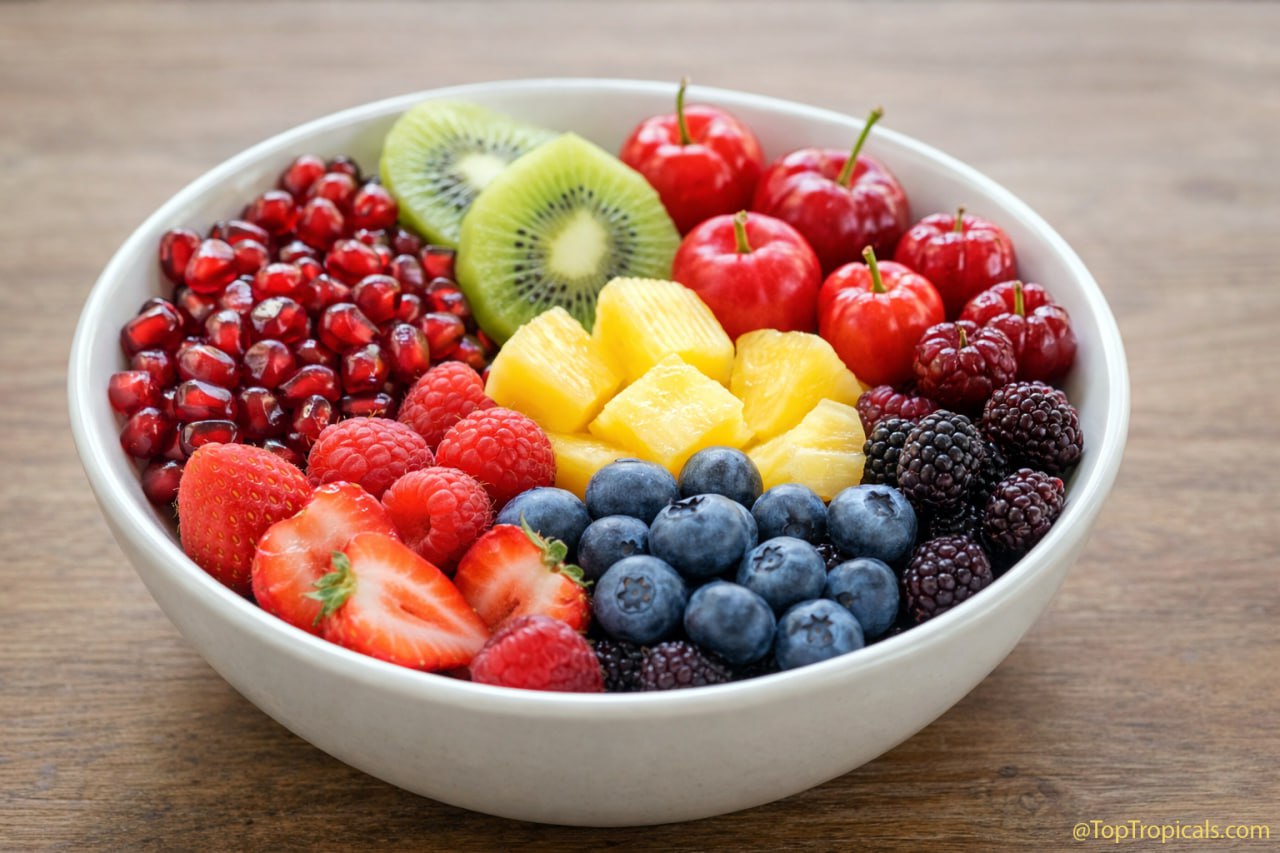
Best fruits for a cough

Best fruits for a cough

Skip the lemon - 5 better fruits for a cough 😰

5 fruits to eat when you have a cough or cold - backed by research

When you are fighting a cough or cold, your immune system works overtime. While no fruit can cure a viral infection, certain fruits contain nutrients and bioactive compounds that may help reduce inflammation, support immune defenses, and ease respiratory discomfort.
Here are five fruits supported by nutrition research that may help during cold season.

1. Pomegranate 🍅

Pomegranate is rich in polyphenols, especially punicalagin, known for antiviral activity.

Pomegranate Plant Facts

Botanical name: Punica granatum
Also known as: Pomegranate, Granada, Grenade, Pomegranate, Granada, Anar, Granaatappel, Pomo Granato, Romeira, Melo Grano
USDA Zone: 8 - 11
Highligths Large shrub 5-10 ft tallSmall tree 10-20 ftFull sunWatering: Moderate. Water when top soil feels dryRed, crimson, vinous flowersThorny or spinyEdible plantDeciduous plantEthnomedical plant.
Plants marked as ethnomedical and/or described as medicinal, are not offered as medicine but rather as ornamentals or plant collectibles.
Ethnomedical statements / products have not been evaluated by the FDA and are not intended to diagnose, treat, cure, or prevent any disease. We urge all customers to consult a physician before using any supplements, herbals or medicines advertised here or elsewhere.Subtropical plant. Mature plant cold hardy at least to 30s F for a short timeSeaside, salt tolerant plant
Get personalized tips for your region

According to a study published in PubMed, pomegranate polyphenol extract suppressed replication of influenza A virus in cultured cells and showed direct virucidal effects. Researchers identified punicalagin as a key compound involved in blocking viral RNA replication. These findings suggest pomegranate extracts may help reduce viral load during respiratory infections.

2. Kiwi

Kiwi is exceptionally high in vitamin C, a nutrient closely linked to immune function and respiratory health.
A study published in Antioxidants (MDPI) found that consuming two SunGold kiwifruit daily for six weeks restored adequate plasma vitamin C levels in adults with a history of severe respiratory infections. Researchers concluded that kiwi consumption can directly support antioxidant defenses during respiratory illness.

3. Tropical cherries 🍒

Instead of traditional lemon, consider tropical cherries such as Malpighia (acerola cherry) and Eugenia (Surinam cherry).
Acerola (Malpighia glabra - Barbados Cherry) is one of the richest natural sources of vitamin C. Clinical research shows that adequate vitamin C intake is associated with reduced duration and severity of common cold symptoms. Vitamin C supports immune cell function and helps maintain the respiratory tract's protective barrier.

Barbados Cherry Plant Facts

Botanical name: Malpighia glabra
Also known as: Barbados Cherry, Acerola, Malphigia, Cerejeira
USDA Zone: 9 - 11
Highligths Plant used for bonsaiLarge shrub 5-10 ft tallSmall tree 10-20 ftFull sunWatering: Moderate. Water when top soil feels dryPink flowersEdible plantSubtropical plant. Mature plant cold hardy at least to 30s F for a short time
Get personalized tips for your region

Eugenia species (Tropical Cherries) contain anthocyanins and phenolic compounds with antioxidant and anti-inflammatory properties, which may help reduce oxidative stress during illness.

4. Pineapple🍍

Pineapple contains bromelain, a group of proteolytic enzymes known for anti-inflammatory effects.
According to a study published in PubMed, bromelain significantly reduced inflammatory cell infiltration in the lungs in a mouse model of airway inflammation. These findings suggest bromelain may help ease airway inflammation and congestion.

5. Berries and including mulberries

Strawberries, blueberries, raspberries, blackberries and mulberries are rich in flavonoids and vitamin C.
Although direct clinical trials on berries for colds are limited, nutrition reviews highlight their immunomodulatory potential. Flavonoids such as quercetin, anthocyanins, and catechins have demonstrated antioxidant effects and possible antiviral activity in laboratory studies.
Mulberries provide additional anthocyanins and resveratrol-like compounds, offering strong antioxidant support during illness.

Practical tips when you are unwell ❤️‍�

🔻Choose room-temperature or lightly warmed fruit to avoid throat irritation.
🔻Prefer whole fruit over juice to retain fiber and stabilize blood sugar.
🔻Pair fruit with warm herbal tea or honey if appropriate.
🔻Rotate fruits to benefit from diverse phytonutrients.
🔻If symptoms persist, worsen, or include high fever or breathing difficulty, seek medical care.

🛒 Grow your own vitamin-rich fruit

📚 Learn more:


One bite, your whole day of vitamin C: Barbados Cherry that outdoes oranges!
What fruit can help with health issues and VITAMIN deficiencies
Top 10 fruit you'll ever need for your health benefits: Lolita (Surinam) Cherry

#Food_Forest #Remedies #Discover

🟢 Join 👉 TopTropicals
Date: 26 Feb 2026

Stop Sugar Crashes: 5 Tropical Fruit Hacks for Healthy Dessert

Exotic Tropical Fruits for Blood Sugar Management. Stop the sugar crash cycle. Learn how to manage glucose levels and insulin spikes using tropical fruits, healthy fats, and metabolic hacks for healthy dessert.

Exotic Tropical Fruits for Blood Sugar Management. Stop the sugar crash cycle. Learn how to manage glucose levels and insulin spikes using tropical fruits, healthy fats, and metabolic hacks for healthy dessert.

🍨 Stop Sugar Crashes: 5 Tropical Fruit Hacks for Healthy Dessert


The smarter way to handle sugar cravings - no restriction required

Tired of the post-cookie slump? Sugar cravings are a physiological response to blood glucose fluctuations, not a lack of willpower. Refined sugars trigger an insulin spike followed by a hypoglycemic crash, trapping you in a cycle of fatigue and hunger.
The secret to metabolic health is managing glycemic load. By choosing nutrient-dense tropical fruits, you satisfy your sweet tooth while maintaining stable energy homeostasis.
The solution is not to give up dessert. It is to change what dessert means. Here is how to use tropical horticulture to hack your biology and regulate insulin:

🍭 1. Choose fruit that comes with fiber


Whole tropical fruits deliver sweetness wrapped in fiber, water, and nutrients. That slows sugar absorption and keeps energy steady.
Try:
· Mango, chilled and sliced

Mango Plant Facts

Botanical name: Mangifera indica
Also known as: Mango
USDA Zone: 9 - 11
Highligths Large tree taller than 20 ftSmall tree 10-20 ftFull sunWatering: Moderate. Water when top soil feels dryYellow, orange flowersPink flowersEdible plantSeaside, salt tolerant plant
Get personalized tips for your region

· Sapodilla - naturally caramel-sweet
· Mulberries by the handful
· Loquat halves straight from the fridge
· Dragon Fruit for light, clean sweetness Same pleasure. Less crash.

🍭 2. Pair sweet with fat to blunt the glucose spike


Healthy lipids are a biological hack for your metabolism. Fats slow gastric emptying, ensuring a steady glucose release rather than an inflammatory spike. Furthermore, lipids trigger cholecystokinin (CCK) - the hormone that signals satiety to the brain - effectively "turning off" cravings at the source.
· Avocado blended into a chocolate-style mousse: The monounsaturated fats create a creamy texture while blunting the sugar response.

Avocado Plant Facts

Botanical name: Persea americana, Persea gratissima
Also known as: Avocado, Alligator Pear, Aguacate, Abacate
USDA Zone: 9 - 11
Highligths Large tree taller than 20 ftSmall tree 10-20 ftFull sunWatering: Regular. Let topsoil dry slightlyEdible plantSubtropical plant. Mature plant cold hardy at least to 30s F for a short time
Get personalized tips for your region

· Banana with nut butter: Combining fast-acting fruit sugars with dense protein and fats.
· Pineapple with raw nuts: The bromelain in pineapple aids digestion, while the fats in nuts provide long-lasting satiety.
· Mango mixed into full-fat yogurt: The combination of probiotics, protein, and lipids turns a simple fruit into a complete, low-glycemic snack. When fruit is balanced with fat, cravings calm down instead of escalating.

🍭 3. Use naturally rich fruits in place of sugar


Some tropical fruits taste like dessert already.
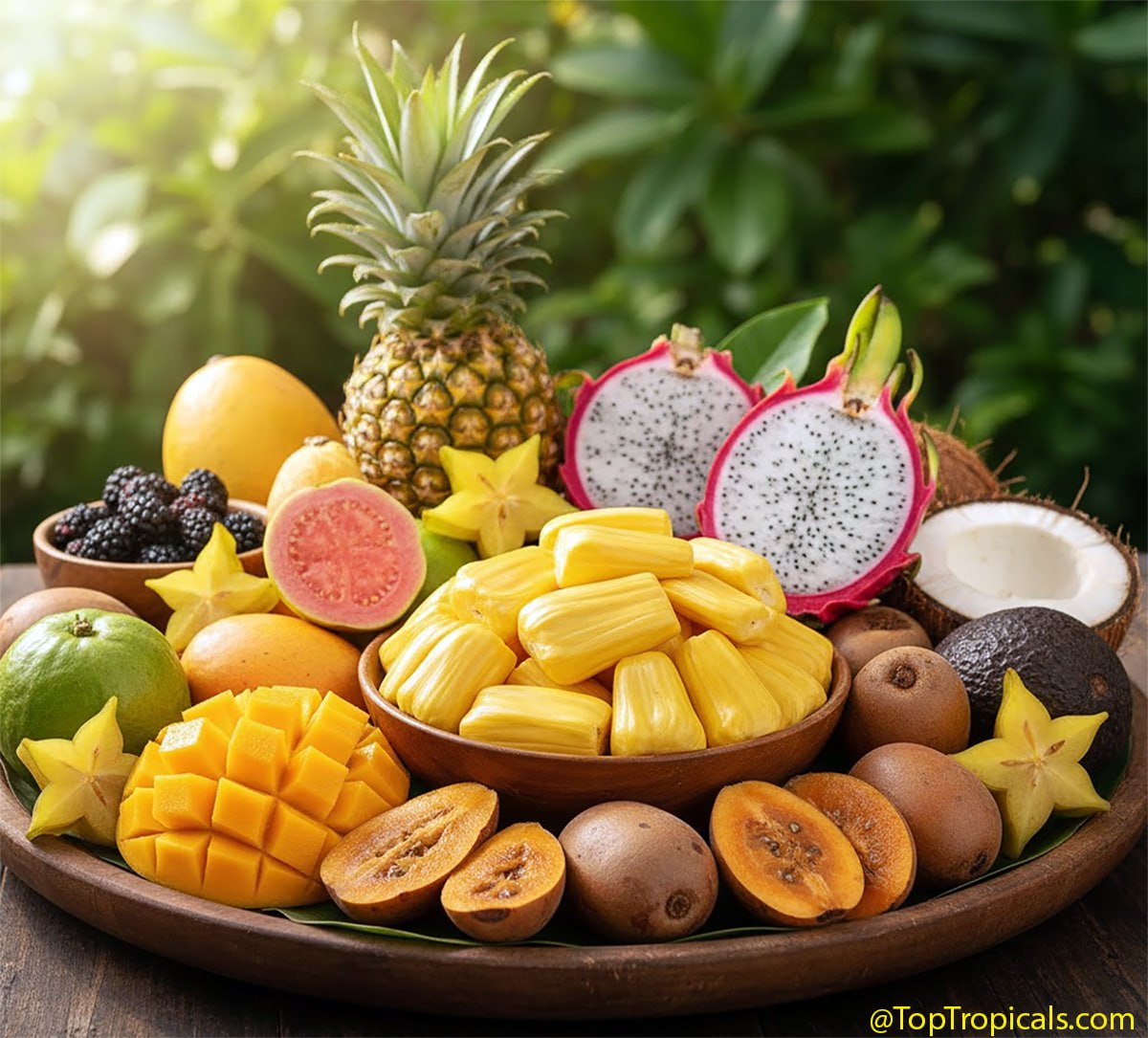
· Jackfruit has candy-like sweetness
· Sapote is creamy and custard-like
· Guava brings floral depth
· Cherries add brightness
· Mash Banana into baking instead of white sugar.
· Blend Mango into yogurt instead of syrup.
· Top oatmeal with Mulberry instead of brown sugar. Dessert stays. The crash disappears.

🍭 4. Balance sweet with tart


Adding contrast reduces the urge to overeat sweetness.
· Carambola adds crisp tang.
· Pineapple brightens the palate.
· Loquat gives gentle acidity. Balanced flavors satisfy faster.

🍭 5. Start the day right


Skipping breakfast increases late-day sugar cravings.
A morning smoothie with Avocado, Banana, and Mango prevents the afternoon energy dip. Hydration also matters - thirst often disguises itself as a sweet craving.

🍭 In essence


Dessert is not the enemy. Refined sugar is.
When sweetness comes from nature's bounty, it nourishes instead of draining energy.
You do not need to quit dessert.
You just need to let nature handle it.

Consult with a healthcare professional before making significant dietary changes, especially if you have diabetes or metabolic conditions

🛒 Start your tropical fruit journey

Annona · Guava · Mango · Sapodilla · Mulberry · Pineapple · Avocado · Banana · Loquat · Dragon fruit · Jackfruit · Sapote · Cherries · Carambola

📚 Learn more:


A leaf you grow, not a pill you buy: Insulin ginger - the plant people actually use
How to lose weight naturally with tropical fruit and plants
What's for breakfast? Guava versus Banana
11 tropical fruits to eat instead of taking a fiber supplement
How to make lots of Insulin Ginger plants quickly and get more health benefits
Truth about which fruit helps you lose weight faster: Mango or Papaya?
Five best tropical fruits to naturally boost your energy
Finally: a sugar that’s good for your health

#Food_Forest #Remedies #Discover

🟢 Join 👉 TopTropicals

Date: 4 Feb 2026

Top nine plants of love, desire, and the senses: aphrodisiacs and sensory connections

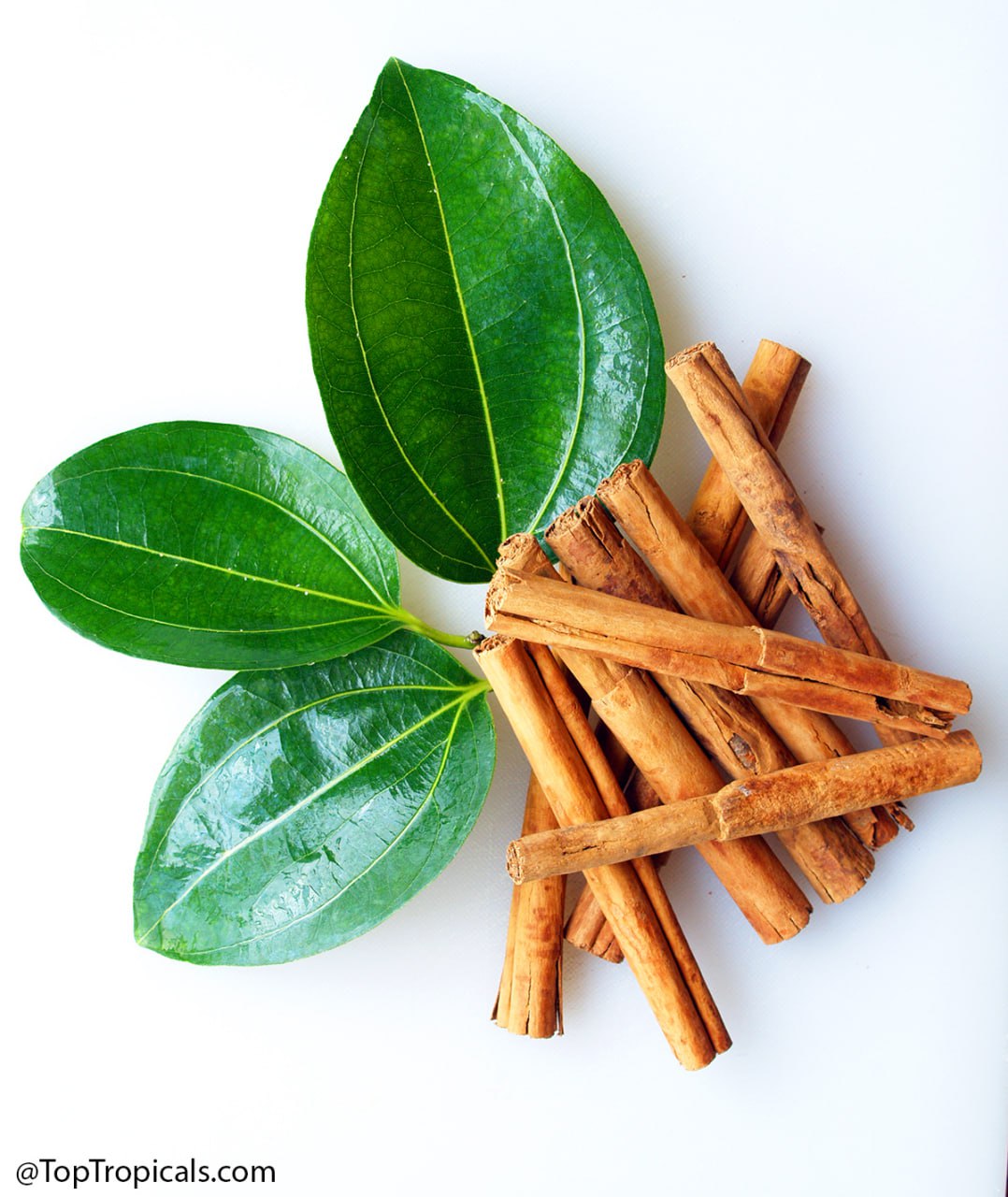
Cinnamon (Cinnamomum zeylanicum)

Cinnamon (Cinnamomum zeylanicum)

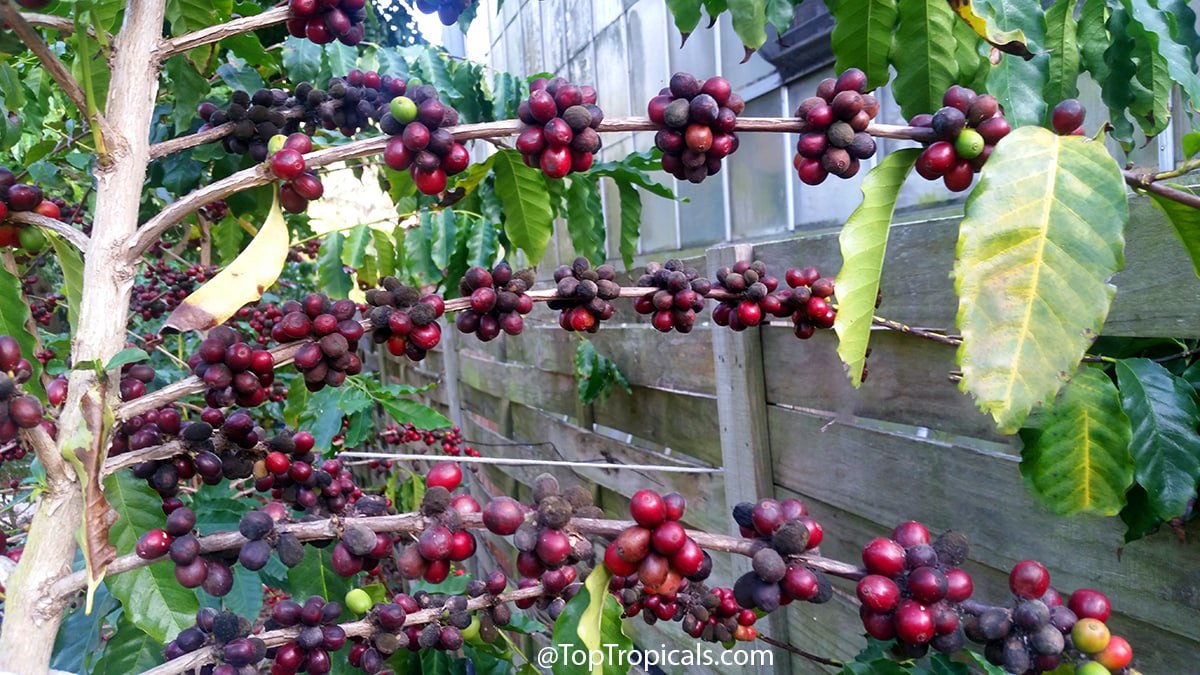
Coffee - Coffea arabica

Coffee - Coffea arabica

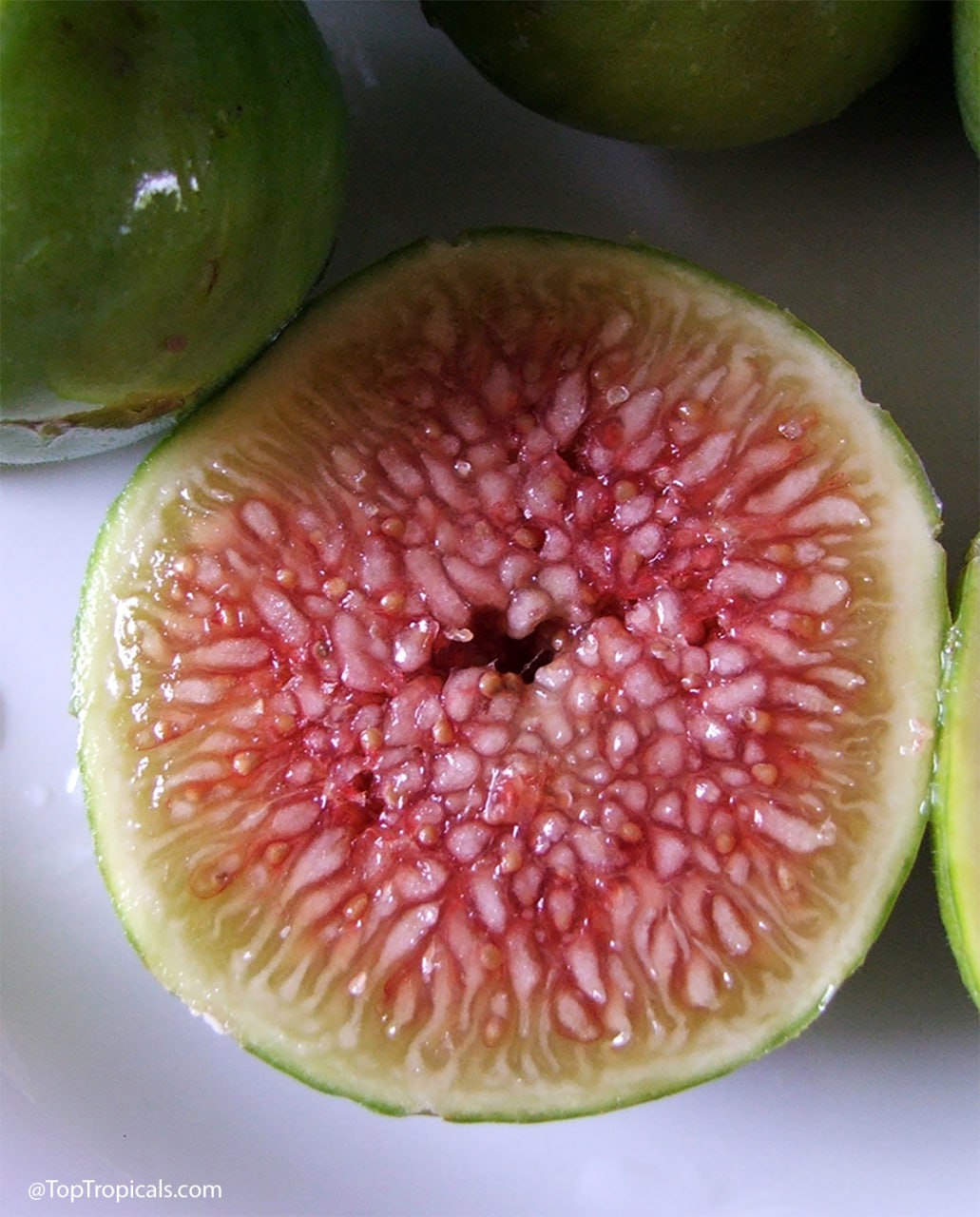
Fig tree fruit (Ficus carica)

Fig tree fruit (Ficus carica)

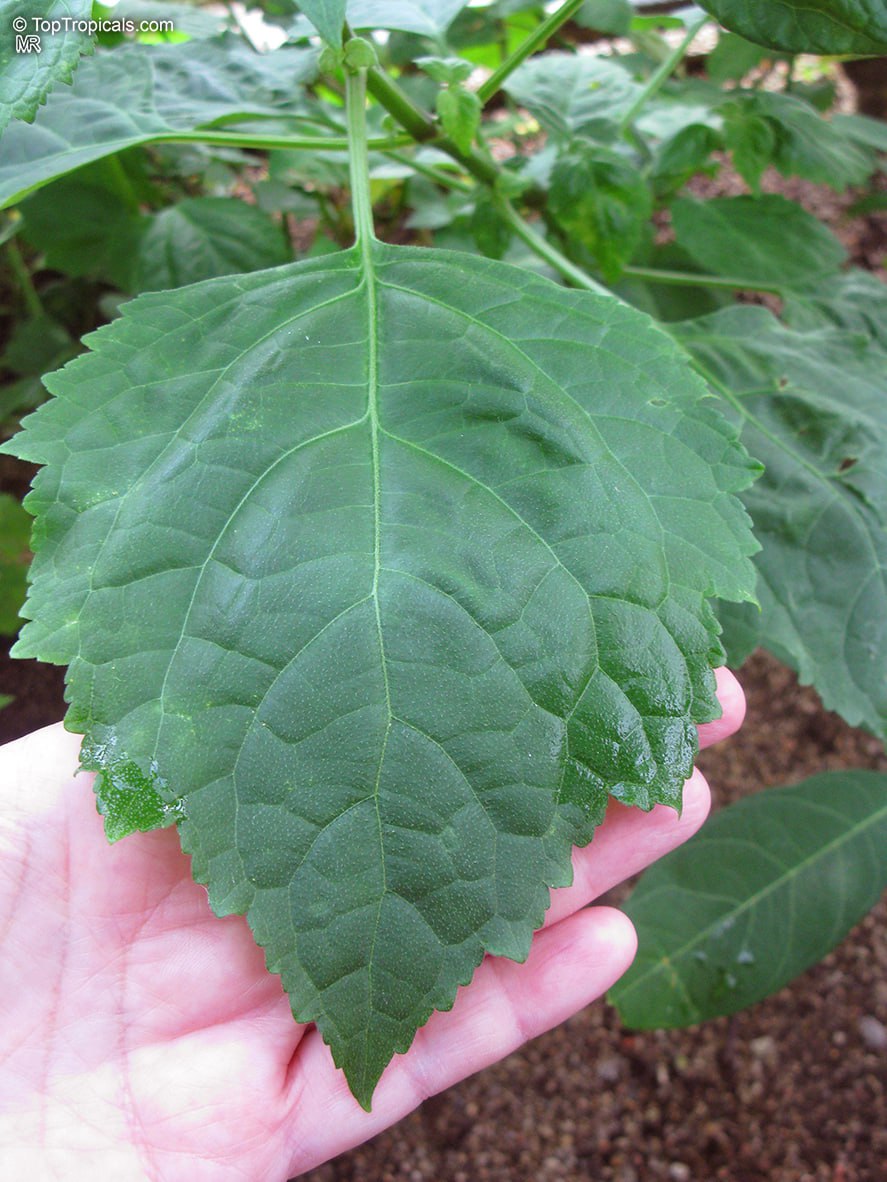
Patchouli - Pogostemon cablin

Patchouli - Pogostemon cablin

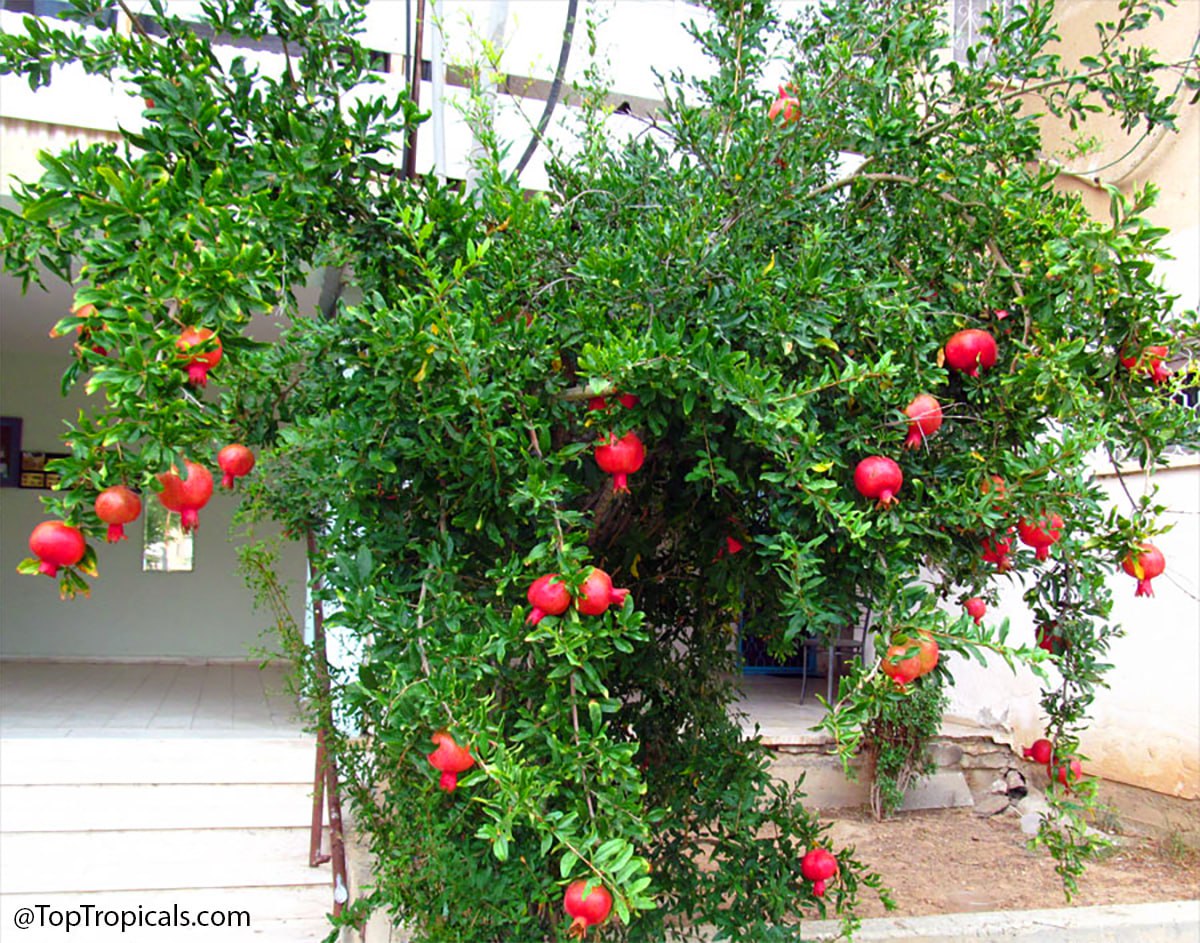
Pomegranate (Punica granatum)

Pomegranate (Punica granatum)

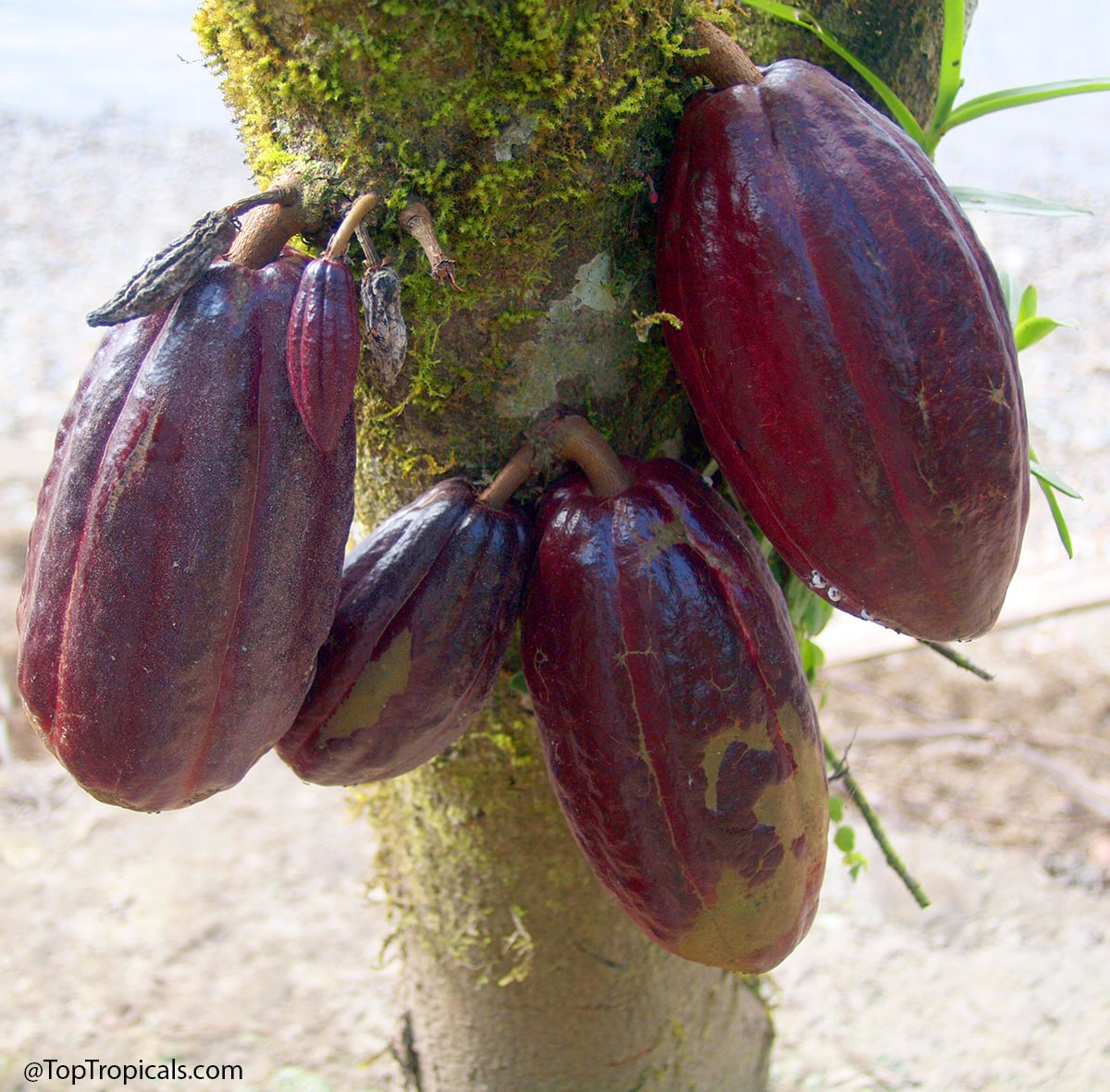
Cacao - Chocolate Tree (Theobroma cacao)

Cacao - Chocolate Tree (Theobroma cacao)

💖 Top nine plants of love, desire, and the senses: aphrodisiacs and sensory connections


Across cultures, love has also been expressed through taste, scent, warmth, and shared ritual. These tropical plants were valued not just for beauty, but for how they awaken the body and deepen connection.

💘 1. Cacao


Cacao - Chocolate Tree (Theobroma cacao) - has one of the strongest global associations with love. Revered by the Aztecs as a “food of the gods”, it was consumed to increase desire and emotional bonding. Chocolate contains compounds linked to feelings of pleasure and infatuation, making cacao a natural Valentine symbol.

Chocolate Tree Plant Facts

Botanical name: Theobroma cacao
Also known as: Chocolate Tree, Cacao, Cocoa Tree
USDA Zone: 10 - 11
Highligths Large shrub 5-10 ft tallSmall tree 10-20 ftSemi-shadeFull sunWatering: Regular. Let topsoil dry slightlyYellow, orange flowersWhite, off-white flowersPink flowersEdible plantEthnomedical plant.
Plants marked as ethnomedical and/or described as medicinal, are not offered as medicine but rather as ornamentals or plant collectibles.
Ethnomedical statements / products have not been evaluated by the FDA and are not intended to diagnose, treat, cure, or prevent any disease. We urge all customers to consult a physician before using any supplements, herbals or medicines advertised here or elsewhere.
Get personalized tips for your region

👉 Chocolate Tree gift

💘 2. Vanilla Orchid


Vanilla (Vanilla planifolia) is both an orchid and one of the most sensual plant aromas known. Historically paired with cacao in love remedies, vanilla represents intimacy, warmth, and attraction. Its fragrance alone carries powerful emotional associations.

Madagascar Bourbon Vanilla Bean Plant Facts

Botanical name: Vanilla planifolia, Vanilla fragrans
Also known as: Madagascar Bourbon Vanilla Bean, French Vanilla, Vanilla Orchid
USDA Zone: 9 - 11
Highligths Vine or creeper plantSemi-shadeWatering: Regular. Let topsoil dry slightlyYellow, orange flowersEdible plantSpice or herb plantFragrant plantSubtropical plant. Mature plant cold hardy at least to 30s F for a short time
Get personalized tips for your region

👉 Vanilla orchid gift

💘 3. Ginger


Ginger symbolizes heat, vitality, and passion. Used worldwide to stimulate circulation and warm the body, it represents spark, chemistry, and physical energy.
👉 Ginger gift

💘 4. Cinnamon


Cinnamon (Cinnamomum zeylanicum) has long been associated with attraction and stimulation. Its warm, lingering aroma makes it a classic plant of desire, comfort, and emotional warmth.

Cinnamon Plant Facts

Botanical name: Cinnamomum zeylanicum, Cinnamomum verum
Also known as: Cinnamon
USDA Zone: 9 - 11
Highligths Large shrub 5-10 ft tallSmall tree 10-20 ftFull sunWatering: Regular. Let topsoil dry slightlyOrnamental foliageEdible plantSpice or herb plantEthnomedical plant.
Plants marked as ethnomedical and/or described as medicinal, are not offered as medicine but rather as ornamentals or plant collectibles.
Ethnomedical statements / products have not been evaluated by the FDA and are not intended to diagnose, treat, cure, or prevent any disease. We urge all customers to consult a physician before using any supplements, herbals or medicines advertised here or elsewhere.Fragrant plantSubtropical plant. Mature plant cold hardy at least to 30s F for a short timeFlood tolerant plant
Get personalized tips for your region

👉 Cinnamon gift

💘 5. Pomegranate


Pomegranate (Punica granatum) has long symbolized love, fertility, and union, with its many ruby-red seeds representing abundance and deep connection. In ancient traditions, it was linked to goddesses of love and marriage and remains a symbol of passion balanced by continuity and commitment.

Pomegranate Plant Facts

Botanical name: Punica granatum
Also known as: Pomegranate, Granada, Grenade, Pomegranate, Granada, Anar, Granaatappel, Pomo Granato, Romeira, Melo Grano
USDA Zone: 8 - 11
Highligths Large shrub 5-10 ft tallSmall tree 10-20 ftFull sunWatering: Moderate. Water when top soil feels dryRed, crimson, vinous flowersThorny or spinyEdible plantDeciduous plantEthnomedical plant.
Plants marked as ethnomedical and/or described as medicinal, are not offered as medicine but rather as ornamentals or plant collectibles.
Ethnomedical statements / products have not been evaluated by the FDA and are not intended to diagnose, treat, cure, or prevent any disease. We urge all customers to consult a physician before using any supplements, herbals or medicines advertised here or elsewhere.Subtropical plant. Mature plant cold hardy at least to 30s F for a short timeSeaside, salt tolerant plant
Get personalized tips for your region

👉 Pomegranate gift

💘 6. Coffee


Coffee (Coffea arabica) represents connection through shared ritual. Sacred to African Sufis for its stimulating properties, coffee symbolizes conversation, alertness, and social bonding rather than purely romantic love.

Coffee Plant Facts

Botanical name: Coffea arabica
Also known as: Coffee
USDA Zone: 9 - 11
Highligths Large shrub 5-10 ft tallSmall tree 10-20 ftSemi-shadeShadeKeep soil moistWhite, off-white flowersEdible plantEthnomedical plant.
Plants marked as ethnomedical and/or described as medicinal, are not offered as medicine but rather as ornamentals or plant collectibles.
Ethnomedical statements / products have not been evaluated by the FDA and are not intended to diagnose, treat, cure, or prevent any disease. We urge all customers to consult a physician before using any supplements, herbals or medicines advertised here or elsewhere.Fragrant plantSubtropical plant. Mature plant cold hardy at least to 30s F for a short time
Get personalized tips for your region

👉 Coffee tree gift

💘 7. Fig Tree


Figs (Ficus carica) have ancient associations with fertility, sensuality, and indulgence. Their voluptuous form, sweet flesh, and rich texture made them symbols of desire and abundance in many cultures.

Fig Tree Plant Facts

Botanical name: Ficus carica
Also known as: Fig Tree, Brevo
USDA Zone: 7 - 10
Highligths Plant used for bonsaiSmall tree 10-20 ftFull sunWatering: Moderate. Water when top soil feels dryOrnamental foliageEdible plantDeciduous plantSubtropical plant. Mature plant cold hardy at least to 30s F for a short timeFlood tolerant plantSeaside, salt tolerant plant
Get personalized tips for your region

👉 Fig tree gift

💘 8. Betel Leaf and Betel Nut


Betel Leaf (Piper betle) is a powerful symbol of love, respect, and partnership across South and Southeast Asia. It is exchanged in courtship, weddings, and ceremonies, representing acceptance and shared experience. Its heart-shaped leaves reinforce its Valentine symbolism.
Betel nut (Areca catechu) - traditionally used as a stimulant and aphrodisiac, betel nut represents intensity, ritual, and sensory awakening. In this context, it is best presented as a cultural symbol rather than a casual love plant.

Betel Leaf Plant Facts

Botanical name: Piper betle
Also known as: Betel Leaf
USDA Zone: 9 - 11
Highligths Vine or creeper plantSemi-shadeShadeFull sunWatering: Moderate. Water when top soil feels dryOrnamental foliageSpice or herb plantEthnomedical plant.
Plants marked as ethnomedical and/or described as medicinal, are not offered as medicine but rather as ornamentals or plant collectibles.
Ethnomedical statements / products have not been evaluated by the FDA and are not intended to diagnose, treat, cure, or prevent any disease. We urge all customers to consult a physician before using any supplements, herbals or medicines advertised here or elsewhere.Subtropical plant. Mature plant cold hardy at least to 30s F for a short time
Get personalized tips for your region

👉 Betel gift

💘 9. Patchouli


Patchouli (Pogostemon cablin) represents deep attraction and emotional grounding. Its earthy, musky scent has long been associated with intimacy and physical presence. Unlike sweet florals, patchouli symbolizes mature, rooted love that lingers.

Patchouli Plant Facts

Botanical name: Pogostemon cablin, Pogostemon patchouli, Pogostemon heyneanous
Also known as: Patchouli, Pucha-pat
USDA Zone: 9 - 11
Highligths Groundcover and low-growing 2ft plantSmall plant 2-5 ftSemi-shadeFull sunWatering: Moderate. Water when top soil feels dryWatering: Regular. Let topsoil dry slightlyOrnamental foliageSpice or herb plantEthnomedical plant.
Plants marked as ethnomedical and/or described as medicinal, are not offered as medicine but rather as ornamentals or plant collectibles.
Ethnomedical statements / products have not been evaluated by the FDA and are not intended to diagnose, treat, cure, or prevent any disease. We urge all customers to consult a physician before using any supplements, herbals or medicines advertised here or elsewhere.Fragrant plant
Get personalized tips for your region

👉 Patchouli gift

🛒 Explore gift plants
🎁 Get a Gift Card

📚 Learn more:


Valentines day Best Gift Plant Ideas
Cacao: fruit of Money and Love
How to plant vanilla orchid
Most interesting edible gingers
Plants of Love: Aphrodisiacs of the plant world
How to increase libido?
How to Grow Your Own Cinnamon Tree
Healing drops of blood: why Pomegranate is a superfood
Don't drink your coffee until you see this!
The fruit tree that every garden must have: Figs
How to grow your own Pepper plants. Five most valuable Pipers
How to grow Patchouli indoors
Valentine’s plants from around the world that symbolize love, connection, and appreciation
Eight favorite plants of romance, affection, and emotional connection
Four popular plants of friendship, appreciation, and shared connection

🎥 Secret Sex Life of Vanilla Orchid: how to produce your own vanilla

#Shade_Garden #Container_Garden

🟢 Join 👉 TopTropicals

Date: 26 Jan 2026

Why Turmeric was named the 2026 Herb of the Year

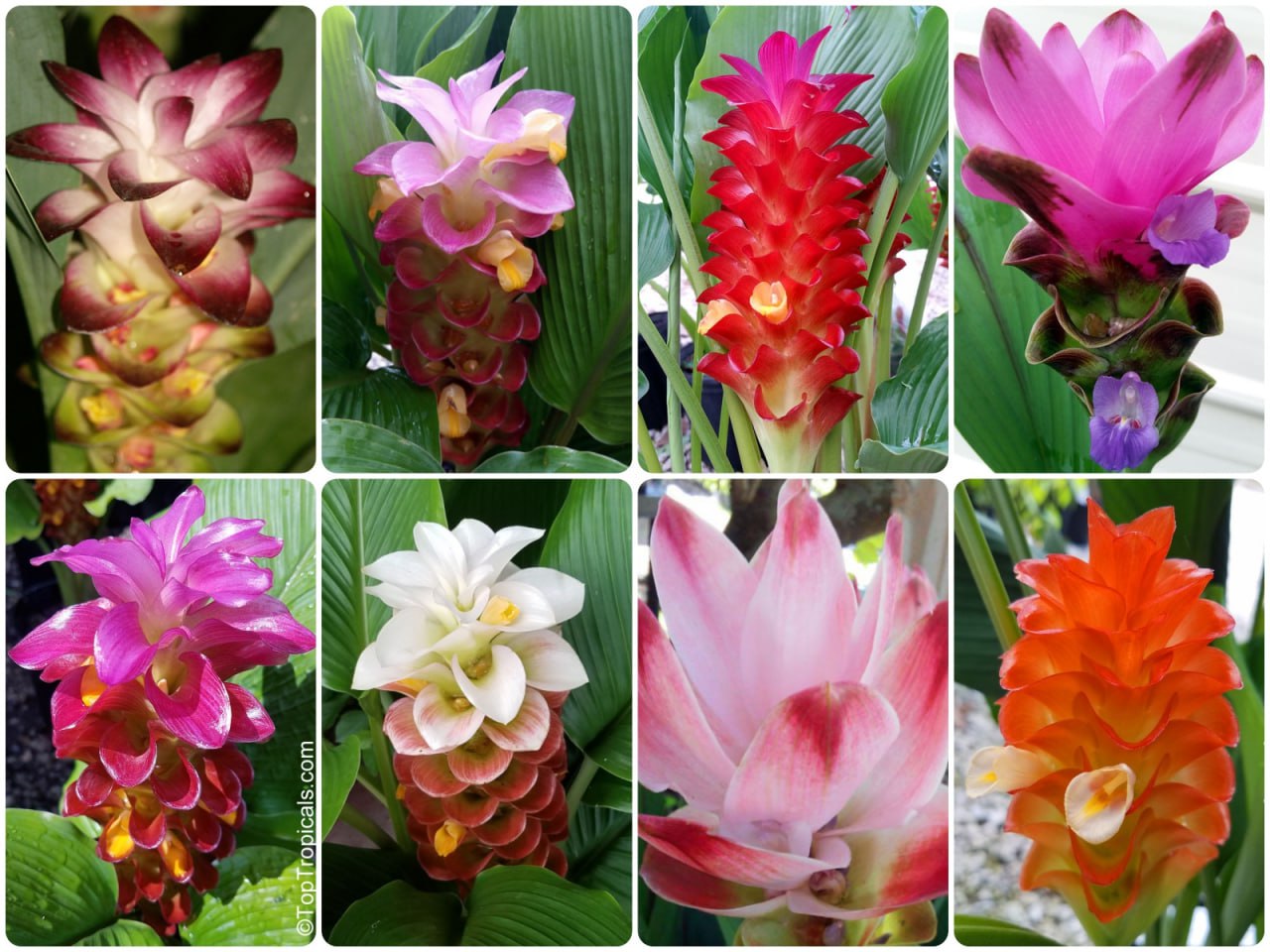
Turmeric - Curcuma

Turmeric - Curcuma

🌷 Why Turmeric was named the 2026 Herb of the Year


🌷 Turmeric was named the 2026 Herb of the Year by the International Herb Association, and it is easy to see why gardeners are paying attention. This tropical plant from the ginger family is best known for its bright orange underground rhizomes, used for centuries as a spice, natural dye, and traditional remedy.

🌷Native to India, Turmeric (Curcuma longa) is closely related to Ginger and Cardamom. Its rhizomes are a staple in curry and widely used in Asian, African, and Caribbean cuisines. In recent years, turmeric has also gained attention for potential anti-inflammatory properties.

Spice Turmeric Plant Facts

Botanical name: Curcuma longa
Also known as: Spice Turmeric, Longevity Spice, Indian Saffron, Tumeric
USDA Zone: 8 - 11
Highligths Small plant 2-5 ftSemi-shadeFull sunWatering: Regular. Let topsoil dry slightlyPink flowersSpice or herb plantDeciduous plantEthnomedical plant.
Plants marked as ethnomedical and/or described as medicinal, are not offered as medicine but rather as ornamentals or plant collectibles.
Ethnomedical statements / products have not been evaluated by the FDA and are not intended to diagnose, treat, cure, or prevent any disease. We urge all customers to consult a physician before using any supplements, herbals or medicines advertised here or elsewhere.Subtropical plant. Mature plant cold hardy at least to 30s F for a short time
Get personalized tips for your region


🌷 Herb, spice or flower?


• Botanically, turmeric is a spice, since it comes from the plant’s rhizomes rather than its leaves. In the kitchen, however, it often functions like an herb. Fresh turmeric can replace powdered turmeric in most recipes and delivers brighter flavor and color.
• Beyond edible Turmeric, there are many Curcuma hybrids grown purely for ornament. These selections produce striking, long-lasting flower spikes in shades of pink, white, orange, red, and purple, rising above lush tropical foliage. Ornamental curcumas are popular as patio plants and indoor accents, adding dramatic color and texture even where they are grown strictly in containers.

🌷 Growing turmeric anywhere - even in cool climates


Although Turmeric is a tropical perennial, it grows very well in containers, making it suitable for gardeners everywhere. When grown in pots, turmeric is treated as a warm-season plant that can be moved indoors as temperatures cool.

🌷 How to grow Turmeric


Turmeric is a compact, but bold plant, reaching 3-4 feet tall and wide, so it needs a roomy container. It prefers:

• Rich, well-drained soil
• Slightly acidic conditions (around pH 6–6.5)
• Consistent moisture
• Warm temperatures and bright, indirect light

The plant produces flowers that do not set seed, so turmeric is grown entirely from rhizomes.

🌷 Harvesting and using Turmeric


As the season ends, turmeric naturally goes dormant and the leaves yellow and dry. This signals harvest time. Dig the rhizomes, clean them, and dry them in a cool, shaded place.

Rhizomes can be:
• Boiled, dried, and ground into powder
• Frozen whole and grated as needed
• Pickled for long-term storage

Some healthy rhizomes can also be saved and replanted the following season, making turmeric both productive and renewable.

Compact, bold, and useful, turmeric proves that tropical plants can thrive well beyond the tropics - especially when grown in pots.

🛒 Plant Curcuma for both flowers, spice and herb

📚 Learn more :


Turmeric (Curcuma) in Plant Encyclopedia
Curcuma - the tropical tulip with a secret spice twist
Curcuma: one plant, two powers - color and spice!
How Curcuma Turmeric keeps blood pressure in balance.
Turmeric Curcuma: Grow Your Own Brain Boosters
The most interesting edible gingers?

#Food_Forest #Container_Garden #Remedies #Discover

🟢 Join 👉 TopTropicals

Date: 23 Jan 2026

A leaf you grow, not a pill you buy

Insulin Ginger (Chamaecostus cuspidatus)

Insulin Ginger (Chamaecostus cuspidatus)

❣️ A leaf you grow, not a pill you buy: Insulin ginger - the plant people actually use

❣️ Costus igneus (Chamaecostus cuspidatus) - Insulin Ginger, Fiery Costus or Spiral Flag - I love this plant! And that’s not something I say lightly.

Insulin Plant Facts

Botanical name: Costus igneus, Chamaecostus cuspidatus
Also known as: Insulin Plant, Fiery Costus, Spiral Flag
USDA Zone: 9 - 11
Highligths Large shrub 5-10 ft tallSmall plant 2-5 ftSemi-shadeShadeWatering: Regular. Let topsoil dry slightlyYellow, orange flowersEdible plantSpice or herb plantEthnomedical plant.
Plants marked as ethnomedical and/or described as medicinal, are not offered as medicine but rather as ornamentals or plant collectibles.
Ethnomedical statements / products have not been evaluated by the FDA and are not intended to diagnose, treat, cure, or prevent any disease. We urge all customers to consult a physician before using any supplements, herbals or medicines advertised here or elsewhere.Subtropical plant. Mature plant cold hardy at least to 30s F for a short time
Get personalized tips for your region


❣️ Customers often ask me about medicinal plants that may help with diabetes, and Insulin Ginger always comes up - for a good reason. This is one of those plants people grow on purpose, not just because it looks nice. Imagine stepping into your garden and picking a leaf instead of opening a pill bottle. That idea alone makes people pause.

❣️ In everyday use, Insulin Ginger is valued for supporting healthy blood sugar and helping the body respond better to insulin. It’s also packed with antioxidants, which gardeners like to think of as quiet helpers for organs that get stressed when sugar balance is off. No lab talk, no big claims - just a plant people have trusted and used for a long time.

❣️ From a gardener’s point of view, it’s hard not to love. You can harvest leaves year-round, and the more you pick, the better it grows. One plant quickly turns into many, which means you’ll have enough for yourself and extras to share with friends and family.

❣️ It’s one of those plants people don’t regret planting. Easy to grow. Easy to share. Easy to use.

🛒 Add Insulin Ginger to your medicinal herb garden

📚 Learn more:


Costus igneus (Chamaecostus cuspidatus) - Insulin Ginger in Plant Encyclopedia
How to make lots of Insulin Ginger plants quickly and get more health benefits
How to lose weight naturally with tropical fruit and plants
The fiery plant that fights sugar: Nature secret insulin?
Most interesting edible gingers

#Food_Forest #Remedies #Shade_Garden #Discover

🟢 Join 👉 TopTropicals