Garden Blog - Top Tropicals

Date: 10 Jan 2026

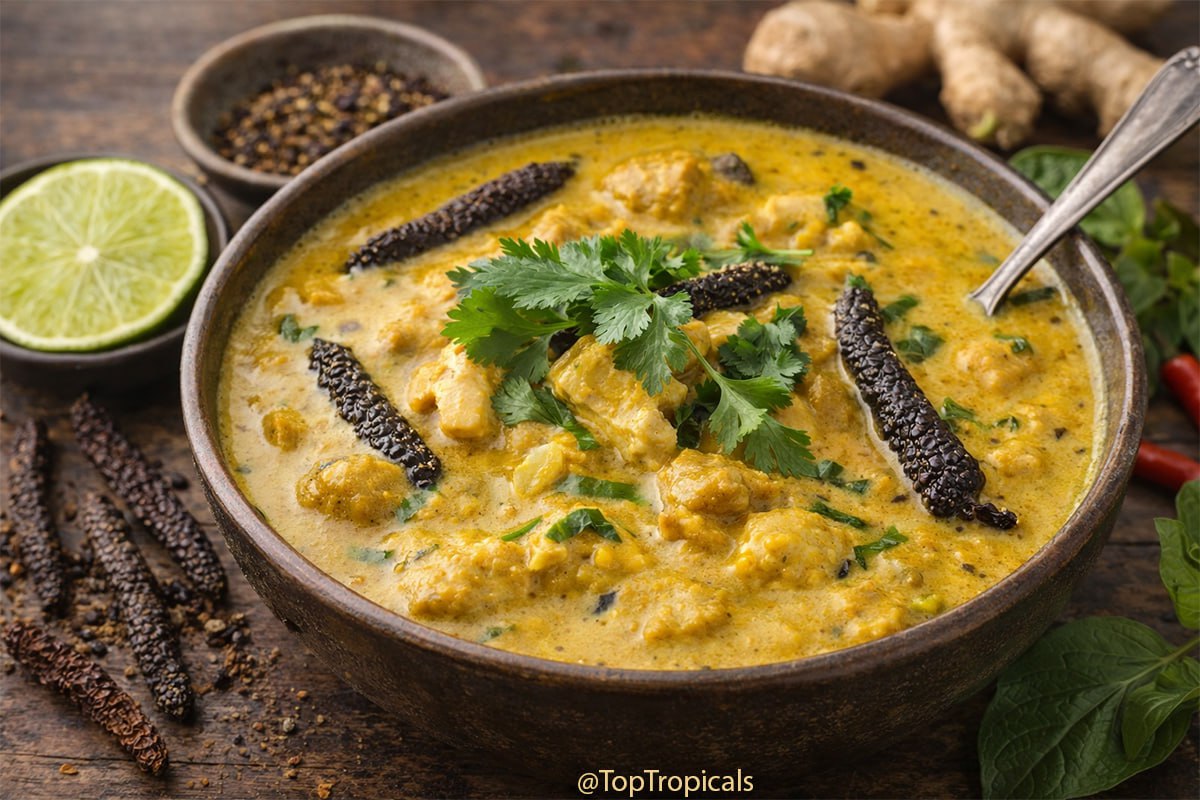
Long pepper curry: quick-n-fun exotic recipes

Long pepper curry

Long pepper curry

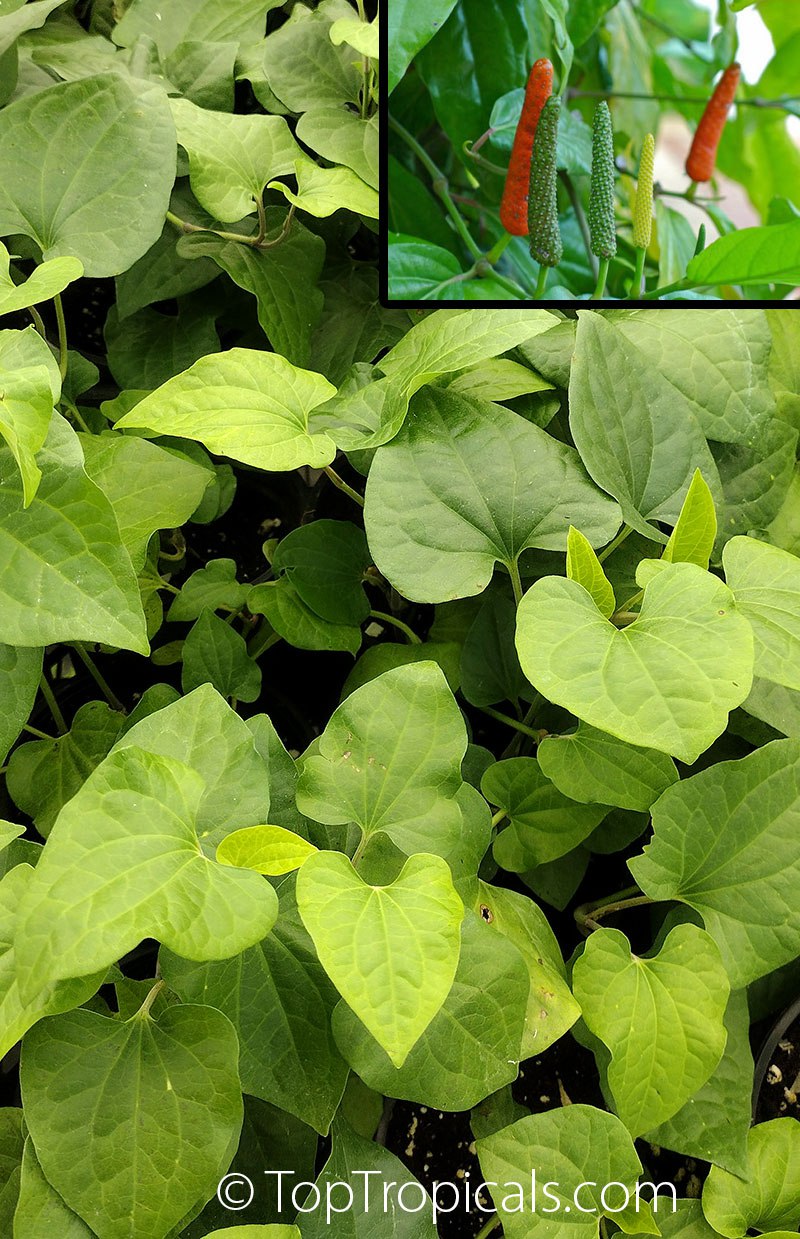
Piper longum - Indian Long Pepper, Bengal Pepper or Pippali

Piper longum - Indian Long Pepper, Bengal Pepper or Pippali

🍴 Long Pepper Curry (Quick-n-Fun Exotic Recipe)

Ingredients

  • 1 can (13.5 oz) coconut milk
  • 1/2 tsp crushed dried long pepper (Piper longum)
  • 1 tbsp vegetable or coconut oil
  • 1 small onion, finely chopped
  • 2 cloves garlic, minced
  • 1 tsp fresh grated ginger
  • 1/2 tsp turmeric
  • Salt to taste
  • Fresh cilantro for garnish (optional)

Instructions

  1. Heat oil in a pan over medium heat.
  2. Add onion and saute until soft and translucent.
  3. Add garlic, ginger, turmeric, and crushed long pepper. Stir for 30 seconds.
  4. Pour in coconut milk and bring to a gentle simmer.
  5. Cook for 8 to 10 minutes, stirring occasionally.
  6. Season with salt and garnish with cilantro before serving.

🌿 About the plant:


Indian long pepper, also known as Pippali or Bengal pepper (Piper longum), is an ancient spice and medicinal plant from South Asia. Closely related to black pepper, it has a warmer, slightly sweeter heat and a complex aroma. Long pepper has been used for centuries in traditional medicine for respiratory and digestive support, including coughs, congestion, and stomach discomfort.

🌱 In the garden:


Piper longum grows as a climbing vine or shrubby climber that can be trained on a trellis, fence, or tree. It prefers warm conditions, regular moisture, and shade to partial shade. The plant starts with heart-shaped leaves that become more elongated as it matures, making it both useful and ornamental in tropical and subtropical gardens.

🛒 Add an easy plant - Indian Long Pepper - to your garden

📚 Learn more:

Plant Facts

Piper longum
Bengal Pepper, Indian Long Pepper, Pippali, Piplamul
USDA Zone: 9-11
Large shrub 5-10 ft tallVine or creeper plantFull sunRegular waterSpice or herb plantEthnomedical plant.
Plants marked as ethnomedical and/or described as medicinal, are not offered as medicine but rather as ornamentals or plant collectibles.
Ethnomedical statements / products have not been evaluated by the FDA and are not intended to diagnose, treat, cure, or prevent any disease. We urge all customers to consult a physician before using any supplements, herbals or medicines advertised here or elsewhere.
  • Piper longum - Indian Long Pepper, Bengal Pepper or Pippali - in Plant Encyclopedia
  • How to grow your own Pepper plants. Five most valuable 'Pipers'

  • #Food_Forest #Recipes #Remedies

    🟢 Join 👉 TopTropicals

    Date: 2 Jan 2026

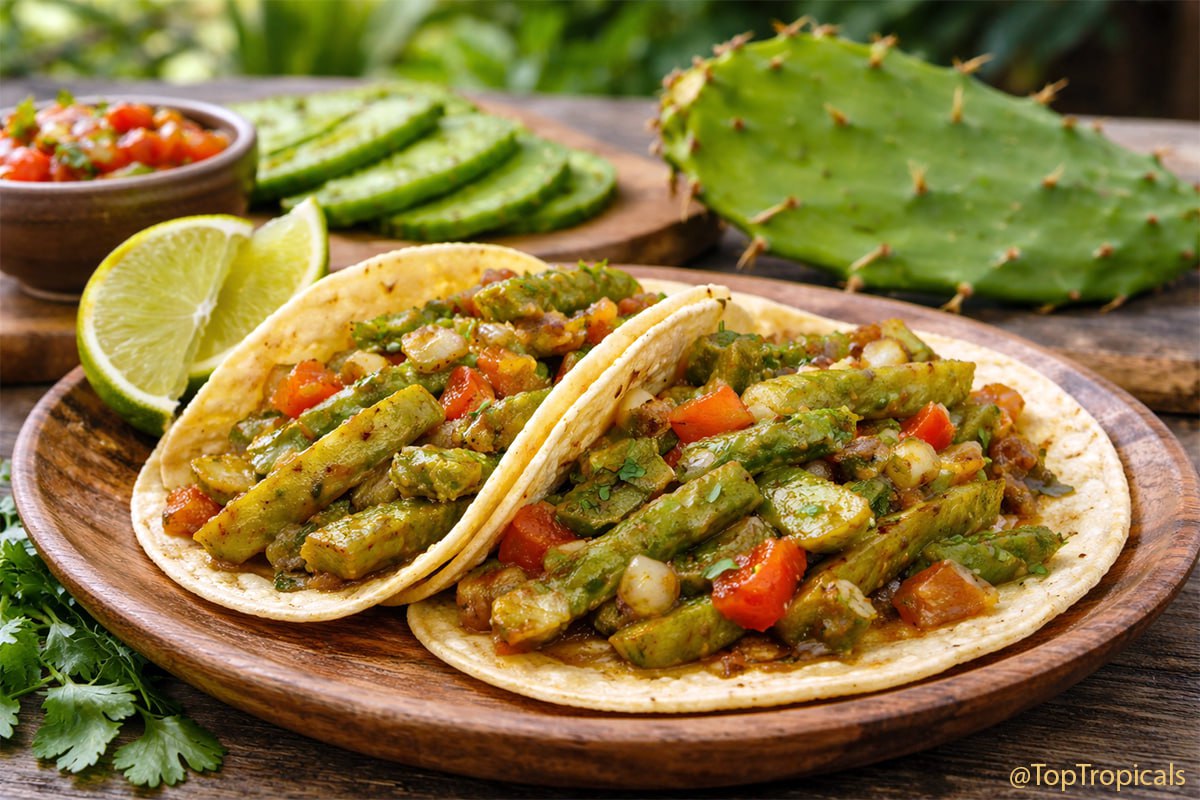
    Velvet Nopal tacos: quick-n-fun exotic recipes

    Velvet Nopal tacos

    Velvet Nopal tacos

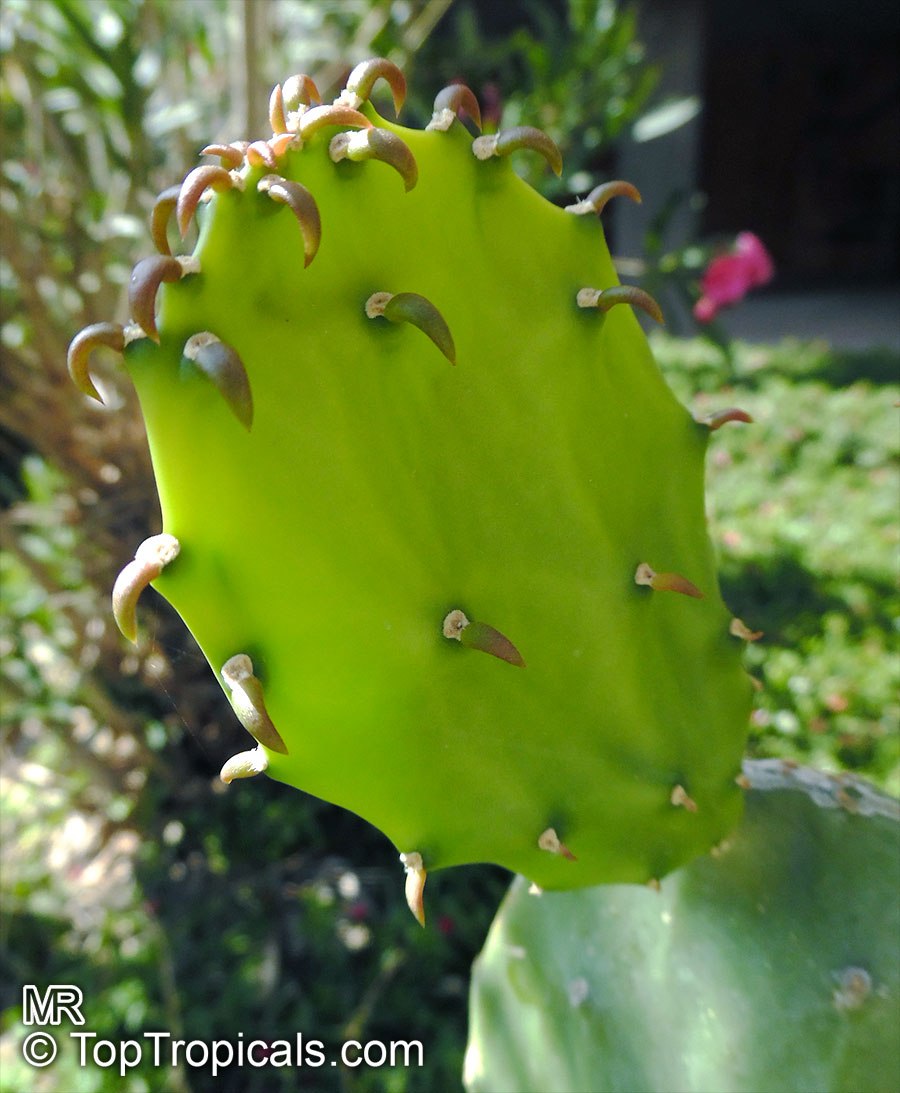
    Opuntia cochenillifera - Velvet Nopal Cactus, Prickly Pear

    Opuntia cochenillifera - Velvet Nopal Cactus, Prickly Pear

    🍴 Velvet Nopal Tacos

    Ingredients

    • 2 to 3 tender velvet nopal pads (Opuntia cochenillifera)
    • 1 small onion, diced
    • 1 small tomato, diced
    • 1 tablespoon vegetable oil
    • Salt to taste
    • Corn tortillas

    Instructions

    1. Remove spines from nopal pads and slice into strips.
    2. Boil the sliced nopal for 5 minutes, then drain well.
    3. Heat oil in a pan and saute onion until soft.
    4. Add tomato and cooked nopal, season with salt, and saute until tender.
    5. Serve warm in corn tortillas.

    🌵 About the plant:


    Nopal Opuntia (prickly pear cactus pads) is a cornerstone vegetable in Mexican cuisine and a long-standing staple across Central and South America. It is valued both as food and medicine. Traditionally eaten sauteed, grilled, or stewed, nopal is rich in fiber, minerals, and antioxidants. It is especially well known for its role in blood sugar management - many people who eat it regularly report significant improvement in diabetes control.

    🌱 In the garden:


    Prickly pear is a fast-growing, tough desert plant with showy red flowers. It thrives on neglect, tolerates drought, and also handles Florida rain surprisingly well. Easy to grow, productive, and edible, it is one of the most practical food plants you can add to your landscape.

    🛒 Add Nopal Cactus to your kitchen garden

    📚 Learn more:

    Plant Facts

    Opuntia cochenillifera, Nopalea cochenillifera, Opuntia nuda
    Cochineal Cactus, Warm hand, Velvet Opuntia, Nopales Opuntia, Nopal Cactus
    USDA Zone: 9-11
    Large shrub 5-10 ft tallSemi-shadeFull sunModerate waterRed, crimson, vinous flowersEdible plantSubtropical plant. Mature plant cold hardy at least to 30s F for a short time
  • Opuntia cochenillifera - Velvet Nopal Cactus, Prickly Pear in Plant Encyclopedia
  • Edible cactus with health benefits that your tortoise will love too

  • #Food_Forest #Recipes #Remedies

    🟢 Join 👉 TopTropicals

    Date: 26 Jan 2026

    Why Turmeric was named the 2026 Herb of the Year

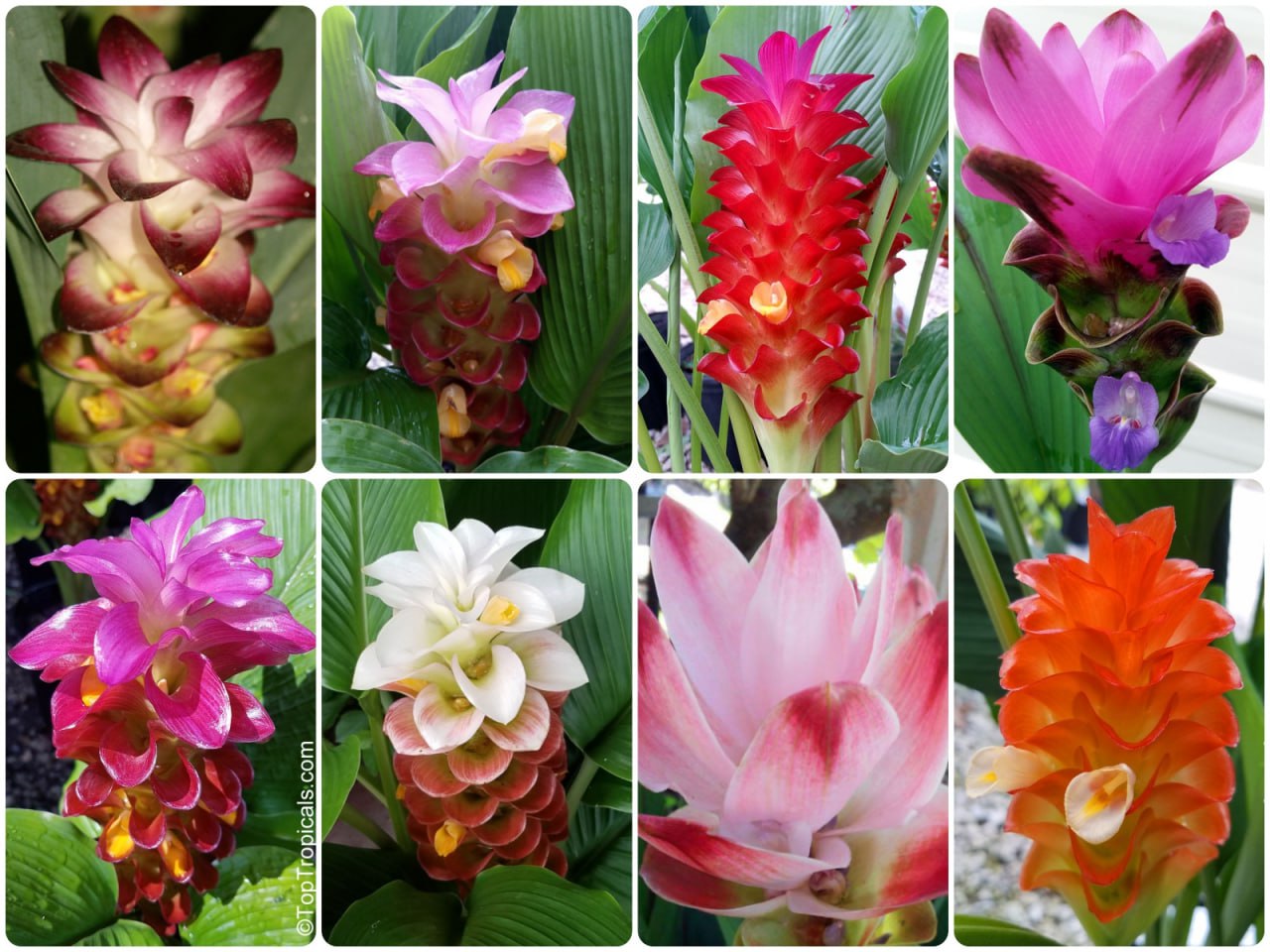
    Turmeric - Curcuma

    Turmeric - Curcuma

    🌷 Why Turmeric was named the 2026 Herb of the Year

    • 🌷 Turmeric was named the 2026 Herb of the Year by the International Herb Association, and it is easy to see why gardeners are paying attention. This tropical plant from the ginger family is best known for its bright orange underground rhizomes, used for centuries as a spice, natural dye, and traditional remedy.
    • 🌷Native to India, Turmeric (Curcuma longa) is closely related to Ginger and Cardamom. Its rhizomes are a staple in curry and widely used in Asian, African, and Caribbean cuisines. In recent years, turmeric has also gained attention for potential anti-inflammatory properties.
    • 🌷 Herb, spice or flower?


    • • Botanically, turmeric is a spice, since it comes from the plant’s rhizomes rather than its leaves. In the kitchen, however, it often functions like an herb. Fresh turmeric can replace powdered turmeric in most recipes and delivers brighter flavor and color.
    • • Beyond edible Turmeric, there are many Curcuma hybrids grown purely for ornament. These selections produce striking, long-lasting flower spikes in shades of pink, white, orange, red, and purple, rising above lush tropical foliage. Ornamental curcumas are popular as patio plants and indoor accents, adding dramatic color and texture even where they are grown strictly in containers.


    🌷 Growing turmeric anywhere - even in cool climates


    Although Turmeric is a tropical perennial, it grows very well in containers, making it suitable for gardeners everywhere. When grown in pots, turmeric is treated as a warm-season plant that can be moved indoors as temperatures cool.
    • 🌷 How to grow Turmeric


      Turmeric is a compact, but bold plant, reaching 3-4 feet tall and wide, so it needs a roomy container. It prefers:

    • • Rich, well-drained soil
    • • Slightly acidic conditions (around pH 6–6.5)
    • • Consistent moisture
    • • Warm temperatures and bright, indirect light

    The plant produces flowers that do not set seed, so turmeric is grown entirely from rhizomes.

    🌷 Harvesting and using Turmeric


    As the season ends, turmeric naturally goes dormant and the leaves yellow and dry. This signals harvest time. Dig the rhizomes, clean them, and dry them in a cool, shaded place.

    Rhizomes can be:
    • • Boiled, dried, and ground into powder
    • • Frozen whole and grated as needed
    • • Pickled for long-term storage

    Some healthy rhizomes can also be saved and replanted the following season, making turmeric both productive and renewable.

    Compact, bold, and useful, turmeric proves that tropical plants can thrive well beyond the tropics - especially when grown in pots.

    🛒 Plant Curcuma for both flowers, spice and herb

    📚 Learn more :

    Plant Facts

    Boesenbergia rotunda, Curcuma rotunda
    Chinese Keys, Fingerroot, Lesser Galangal, Chinese Ginger
    USDA Zone: 9-11
    Small plant 2-5 ftSemi-shadeModerate waterRegular waterWhite, off-white flowersPink flowersEdible plantSpice or herb plantEthnomedical plant.
Plants marked as ethnomedical and/or described as medicinal, are not offered as medicine but rather as ornamentals or plant collectibles.
Ethnomedical statements / products have not been evaluated by the FDA and are not intended to diagnose, treat, cure, or prevent any disease. We urge all customers to consult a physician before using any supplements, herbals or medicines advertised here or elsewhere.
  • Turmeric (Curcuma) in Plant Encyclopedia
  • Curcuma - the tropical tulip with a secret spice twist
  • Curcuma: one plant, two powers - color and spice!
  • How Curcuma Turmeric keeps blood pressure in balance.
  • Turmeric Curcuma: Grow Your Own Brain Boosters
  • The most interesting edible gingers?

  • #Food_Forest #Container_Garden #Remedies #Discover

    🟢 Join 👉 TopTropicals
    Date: 4 Feb 2026

    Top nine plants of love, desire, and the senses: aphrodisiacs and sensory connections

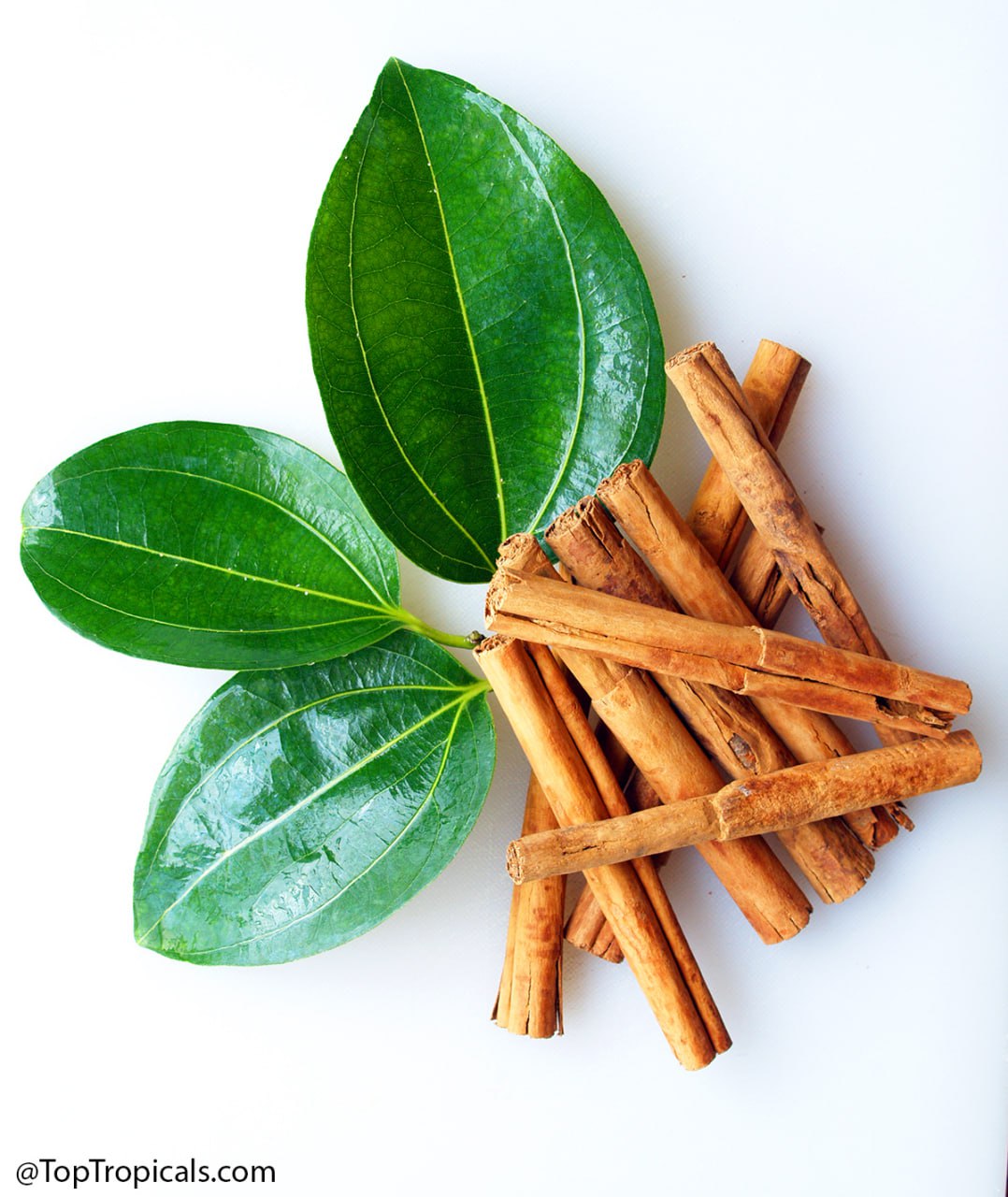
    Cinnamon (Cinnamomum zeylanicum)

    Cinnamon (Cinnamomum zeylanicum)

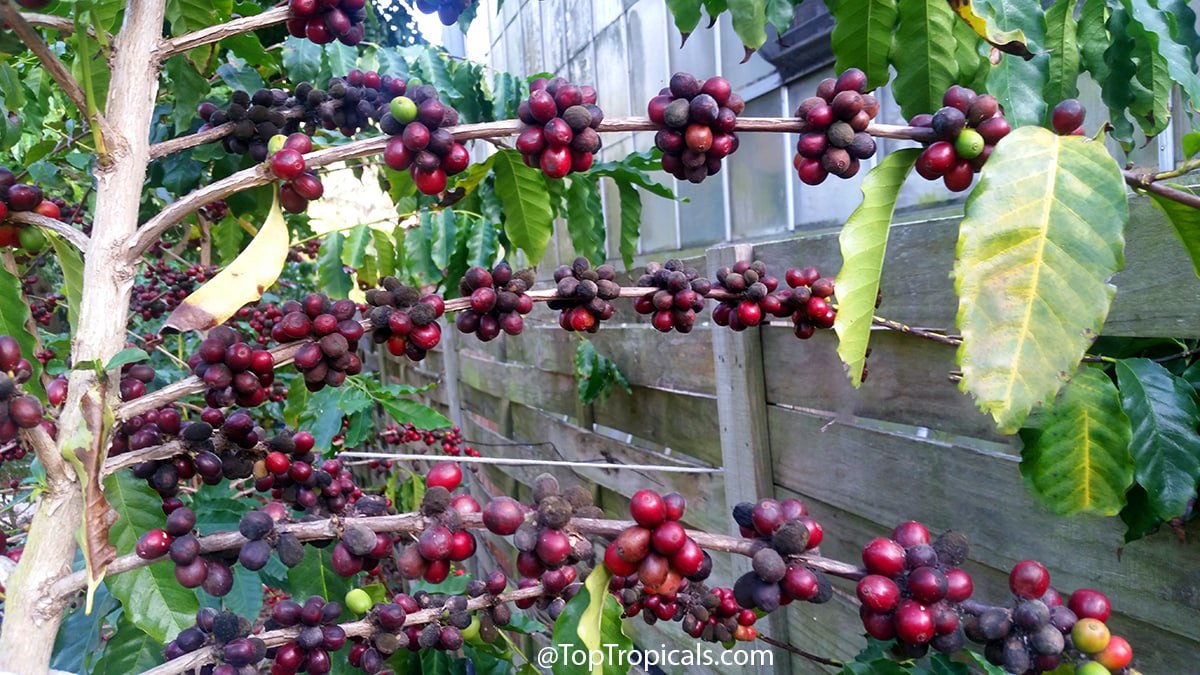
    Coffee - Coffea arabica

    Coffee - Coffea arabica

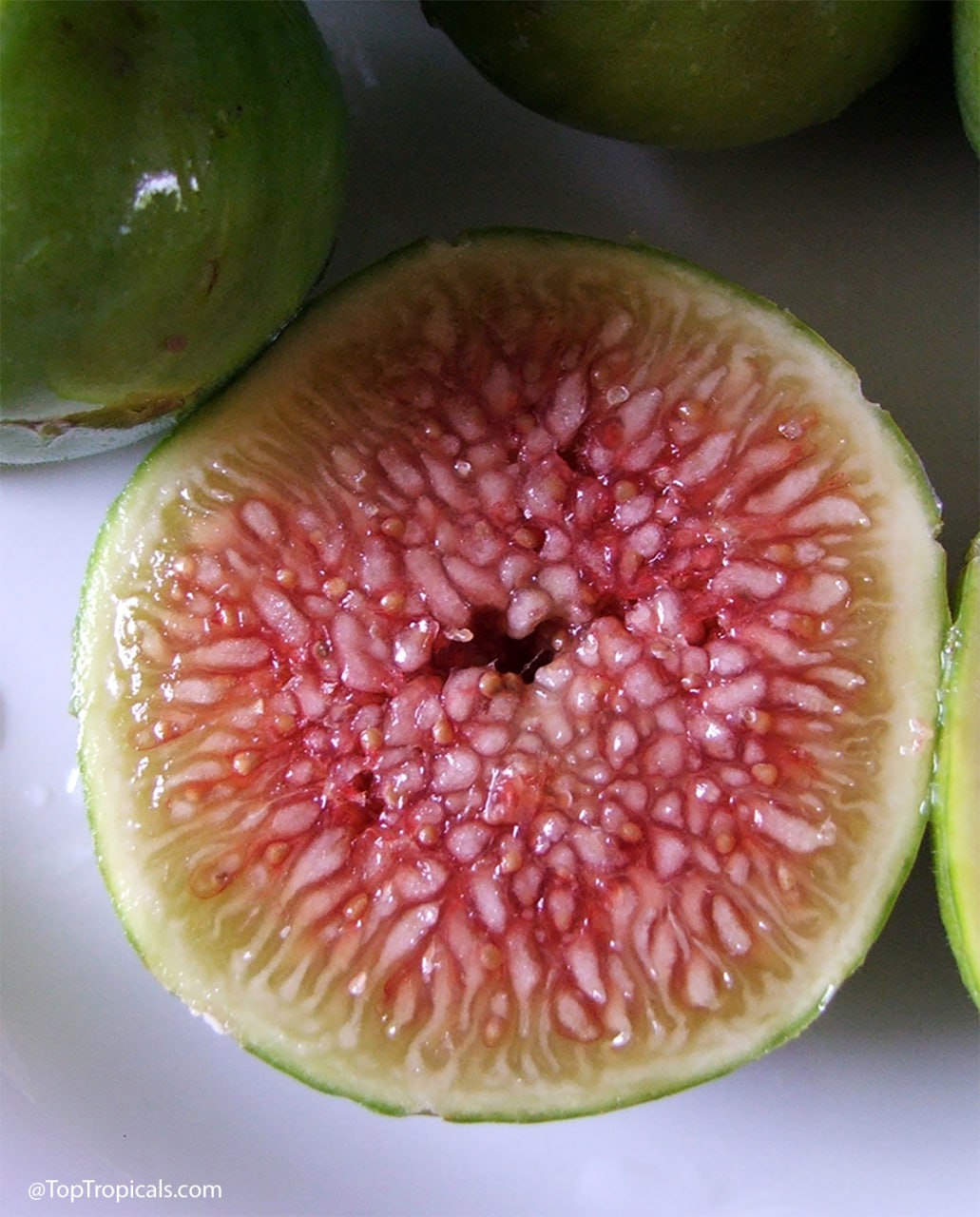
    Fig tree fruit (Ficus carica)

    Fig tree fruit (Ficus carica)

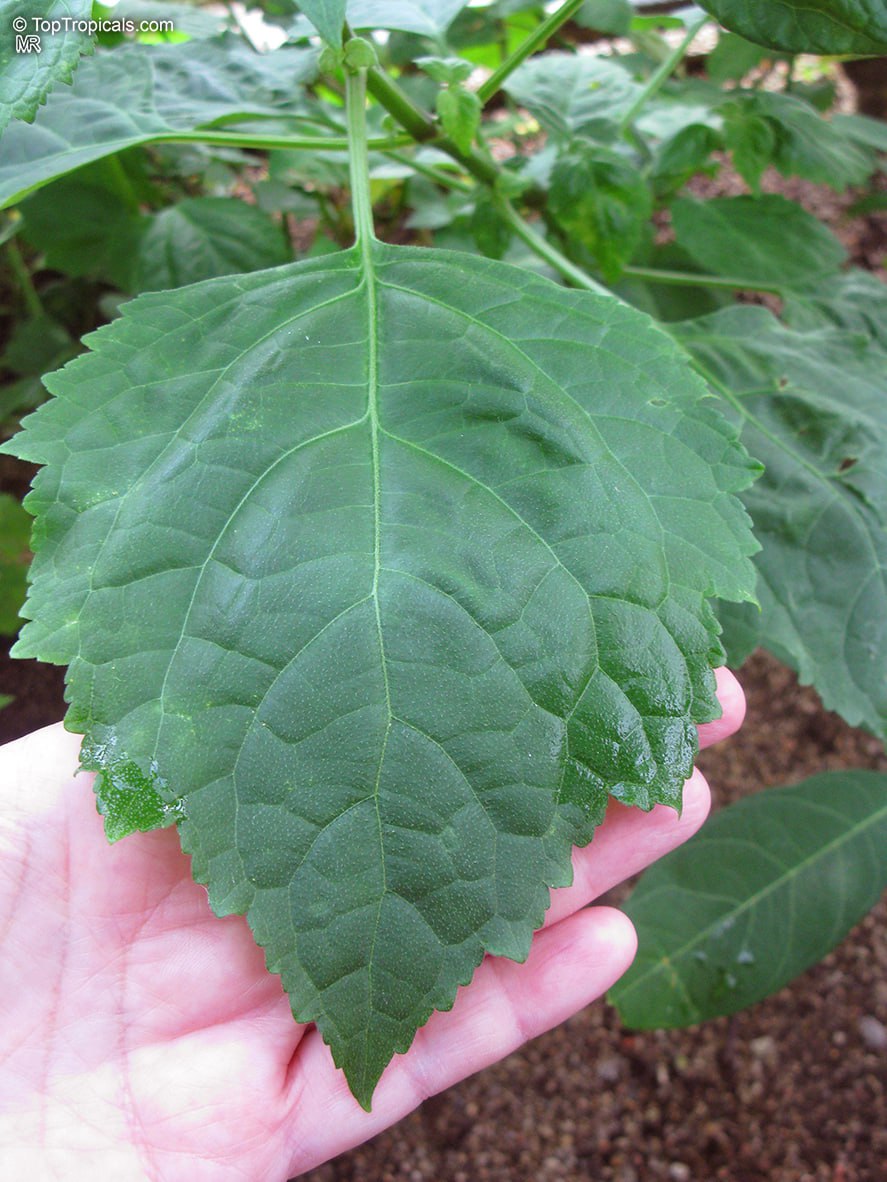
    Patchouli - Pogostemon cablin

    Patchouli - Pogostemon cablin

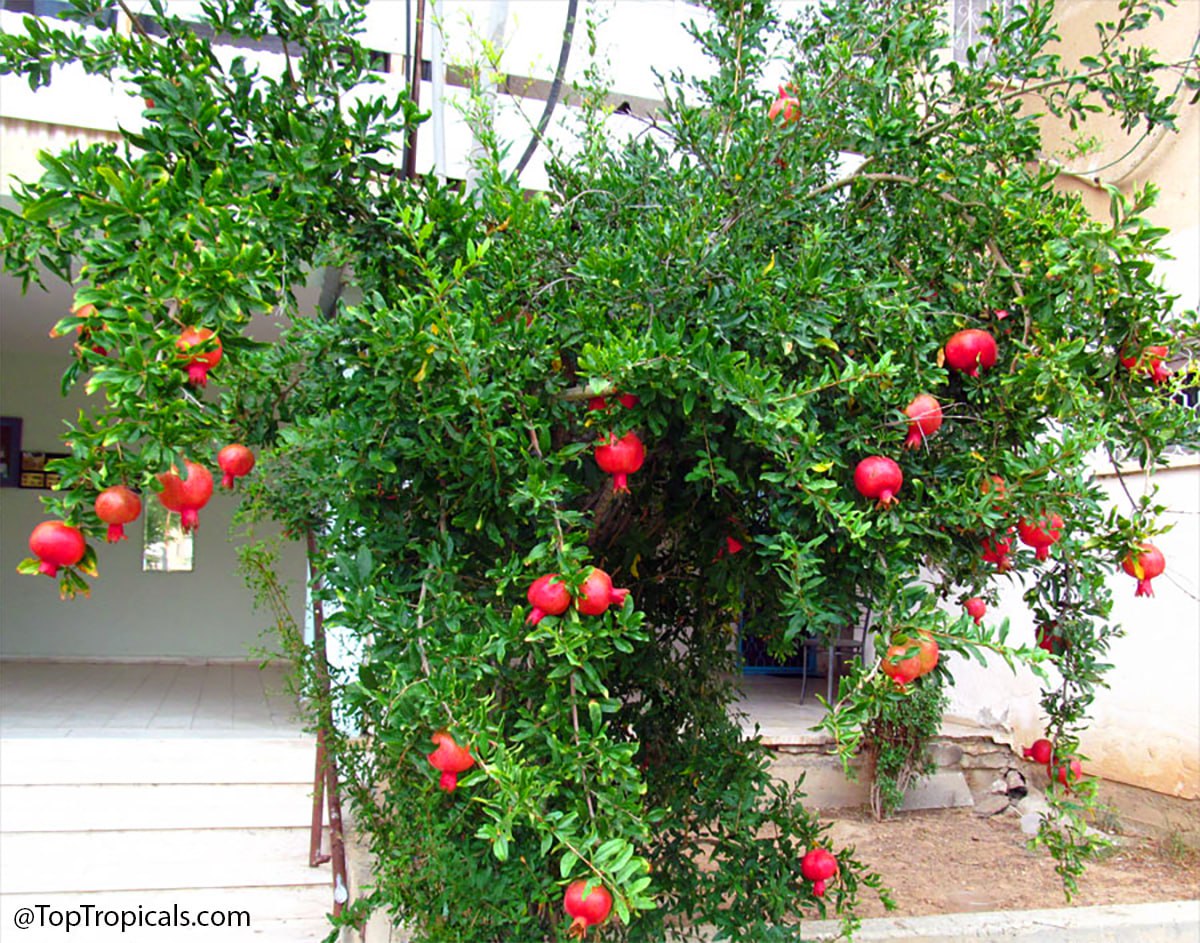
    Pomegranate (Punica granatum)

    Pomegranate (Punica granatum)

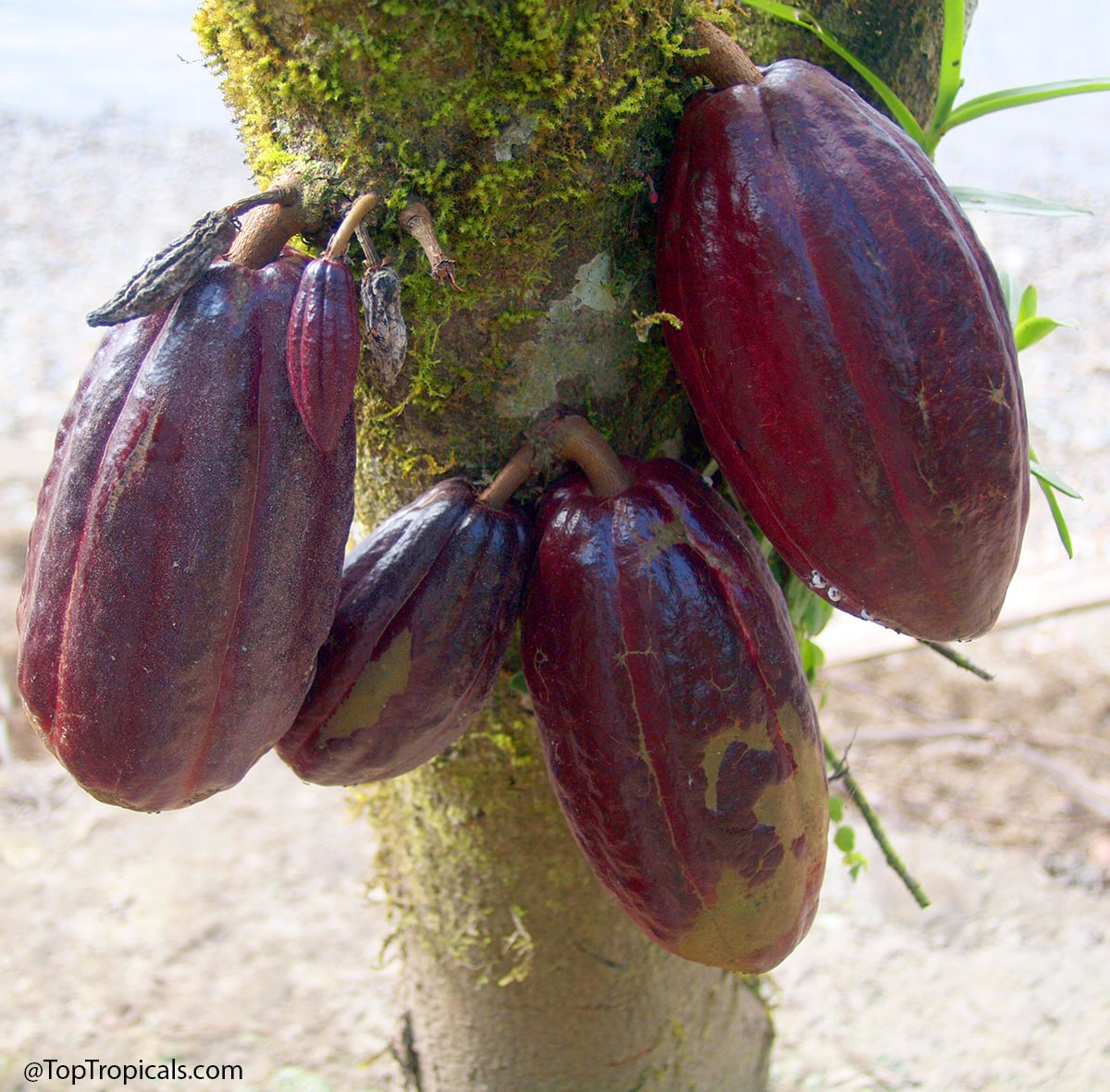
    Cacao - Chocolate Tree (Theobroma cacao)

    Cacao - Chocolate Tree (Theobroma cacao)

    💖 Top nine plants of love, desire, and the senses: aphrodisiacs and sensory connections


    Across cultures, love has also been expressed through taste, scent, warmth, and shared ritual. These tropical plants were valued not just for beauty, but for how they awaken the body and deepen connection.
    • 💘 1. Cacao


      Cacao - Chocolate Tree (Theobroma cacao) - has one of the strongest global associations with love. Revered by the Aztecs as a “food of the gods”, it was consumed to increase desire and emotional bonding. Chocolate contains compounds linked to feelings of pleasure and infatuation, making cacao a natural Valentine symbol.

    👉 Chocolate Tree gift
    • 💘 2. Vanilla Orchid


      Vanilla (Vanilla planifolia) is both an orchid and one of the most sensual plant aromas known. Historically paired with cacao in love remedies, vanilla represents intimacy, warmth, and attraction. Its fragrance alone carries powerful emotional associations.

    👉 Vanilla orchid gift
    • 💘 3. Ginger


      Ginger symbolizes heat, vitality, and passion. Used worldwide to stimulate circulation and warm the body, it represents spark, chemistry, and physical energy.

    👉 Ginger gift
    • 💘 4. Cinnamon


      Cinnamon (Cinnamomum zeylanicum) has long been associated with attraction and stimulation. Its warm, lingering aroma makes it a classic plant of desire, comfort, and emotional warmth.

    👉 Cinnamon gift
    • 💘 5. Pomegranate


      Pomegranate (Punica granatum) has long symbolized love, fertility, and union, with its many ruby-red seeds representing abundance and deep connection. In ancient traditions, it was linked to goddesses of love and marriage and remains a symbol of passion balanced by continuity and commitment.

    👉 Pomegranate gift
    • 💘 6. Coffee


      Coffee (Coffea arabica) represents connection through shared ritual. Sacred to African Sufis for its stimulating properties, coffee symbolizes conversation, alertness, and social bonding rather than purely romantic love.

    👉 Coffee tree gift
    • 💘 7. Fig Tree


      Figs (Ficus carica) have ancient associations with fertility, sensuality, and indulgence. Their voluptuous form, sweet flesh, and rich texture made them symbols of desire and abundance in many cultures.

    👉 Fig tree gift
    • 💘 8. Betel Leaf and Betel Nut


      Betel Leaf (Piper betle) is a powerful symbol of love, respect, and partnership across South and Southeast Asia. It is exchanged in courtship, weddings, and ceremonies, representing acceptance and shared experience. Its heart-shaped leaves reinforce its Valentine symbolism.
      Betel nut (Areca catechu) - traditionally used as a stimulant and aphrodisiac, betel nut represents intensity, ritual, and sensory awakening. In this context, it is best presented as a cultural symbol rather than a casual love plant.

    👉 Betel gift

    💘 9. Patchouli


    Patchouli (Pogostemon cablin) represents deep attraction and emotional grounding. Its earthy, musky scent has long been associated with intimacy and physical presence. Unlike sweet florals, patchouli symbolizes mature, rooted love that lingers.

    🛒 Explore gift plants
    🎁 Get a Gift Card

    📚 Learn more:


    🎥 Secret Sex Life of Vanilla Orchid: how to produce your own vanilla

    #Shade_Garden #Container_Garden

    🟢 Join 👉 TopTropicals

    Date: 1 Mar 2026

    Skip the lemon - 5 better fruits for a cough

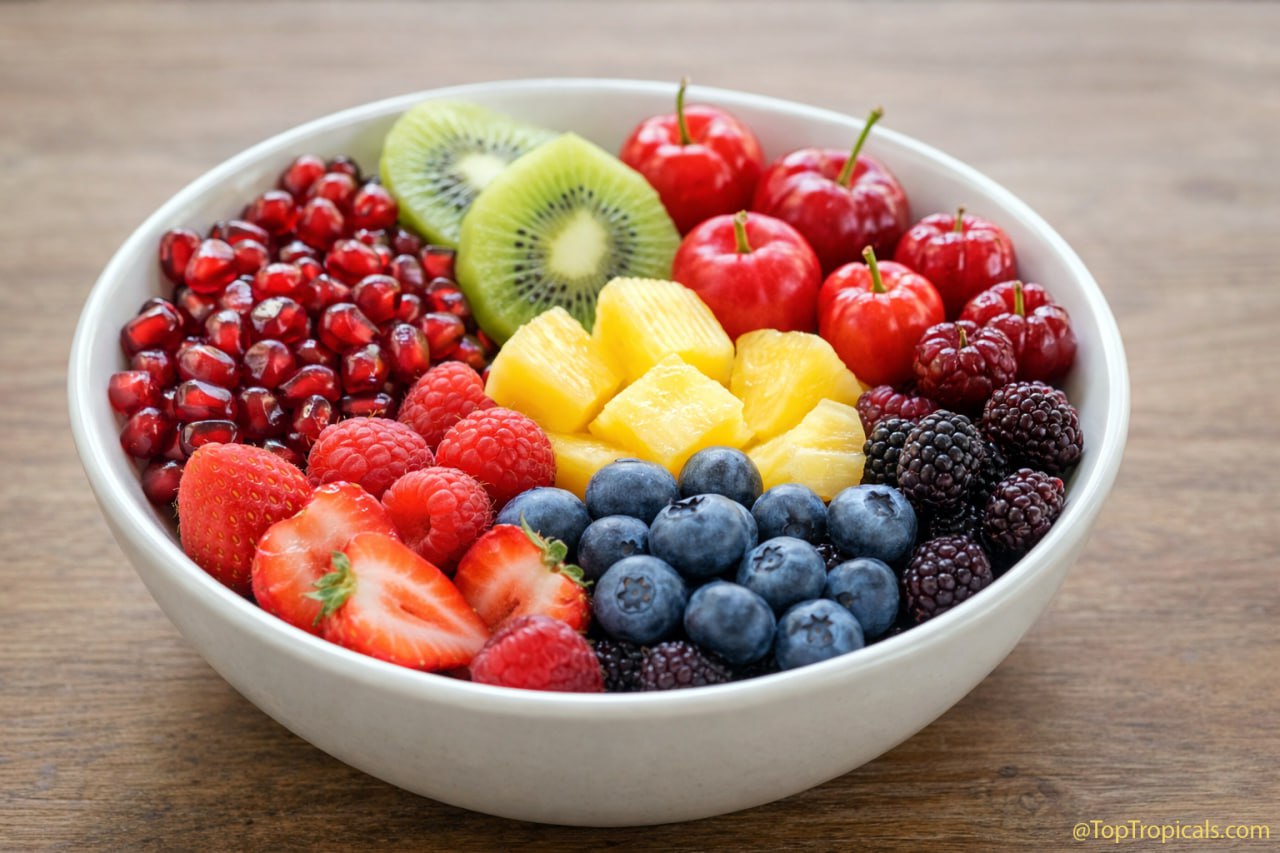
    Best fruits for a cough

    Best fruits for a cough

    Skip the lemon - 5 better fruits for a cough 😰

    5 fruits to eat when you have a cough or cold - backed by research

    When you are fighting a cough or cold, your immune system works overtime. While no fruit can cure a viral infection, certain fruits contain nutrients and bioactive compounds that may help reduce inflammation, support immune defenses, and ease respiratory discomfort.
    Here are five fruits supported by nutrition research that may help during cold season.

    1. Pomegranate 🍅

    Pomegranate is rich in polyphenols, especially punicalagin, known for antiviral activity.
    According to a study published in PubMed, pomegranate polyphenol extract suppressed replication of influenza A virus in cultured cells and showed direct virucidal effects. Researchers identified punicalagin as a key compound involved in blocking viral RNA replication. These findings suggest pomegranate extracts may help reduce viral load during respiratory infections.

    2. Kiwi

    Kiwi is exceptionally high in vitamin C, a nutrient closely linked to immune function and respiratory health.
    A study published in Antioxidants (MDPI) found that consuming two SunGold kiwifruit daily for six weeks restored adequate plasma vitamin C levels in adults with a history of severe respiratory infections. Researchers concluded that kiwi consumption can directly support antioxidant defenses during respiratory illness.

    3. Tropical cherries 🍒

    Instead of traditional lemon, consider tropical cherries such as Malpighia (acerola cherry) and Eugenia (Surinam cherry).
    Acerola (Malpighia glabra - Barbados Cherry) is one of the richest natural sources of vitamin C. Clinical research shows that adequate vitamin C intake is associated with reduced duration and severity of common cold symptoms. Vitamin C supports immune cell function and helps maintain the respiratory tract's protective barrier.
    Eugenia species (Tropical Cherries) contain anthocyanins and phenolic compounds with antioxidant and anti-inflammatory properties, which may help reduce oxidative stress during illness.

    4. Pineapple🍍

    Pineapple contains bromelain, a group of proteolytic enzymes known for anti-inflammatory effects.
    According to a study published in PubMed, bromelain significantly reduced inflammatory cell infiltration in the lungs in a mouse model of airway inflammation. These findings suggest bromelain may help ease airway inflammation and congestion.

    5. Berries and including mulberries

    Strawberries, blueberries, raspberries, blackberries and mulberries are rich in flavonoids and vitamin C.
    Although direct clinical trials on berries for colds are limited, nutrition reviews highlight their immunomodulatory potential. Flavonoids such as quercetin, anthocyanins, and catechins have demonstrated antioxidant effects and possible antiviral activity in laboratory studies.
    Mulberries provide additional anthocyanins and resveratrol-like compounds, offering strong antioxidant support during illness.

    Practical tips when you are unwell ❤️‍�
    • 🔻Choose room-temperature or lightly warmed fruit to avoid throat irritation.
    • 🔻Prefer whole fruit over juice to retain fiber and stabilize blood sugar.
    • 🔻Pair fruit with warm herbal tea or honey if appropriate.
    • 🔻Rotate fruits to benefit from diverse phytonutrients.
    • 🔻If symptoms persist, worsen, or include high fever or breathing difficulty, seek medical care.


    🛒 Grow your own vitamin-rich fruit

    📚 Learn more:


    #Food_Forest #Remedies #Discover

    🟢 Join 👉 TopTropicals