Q: I want
to grow a Dragon Fruit. Should I use cuttings or seed? What varieties do you
recommend? How difficult it is to grow? How soon does it start flowering and
fruiting?
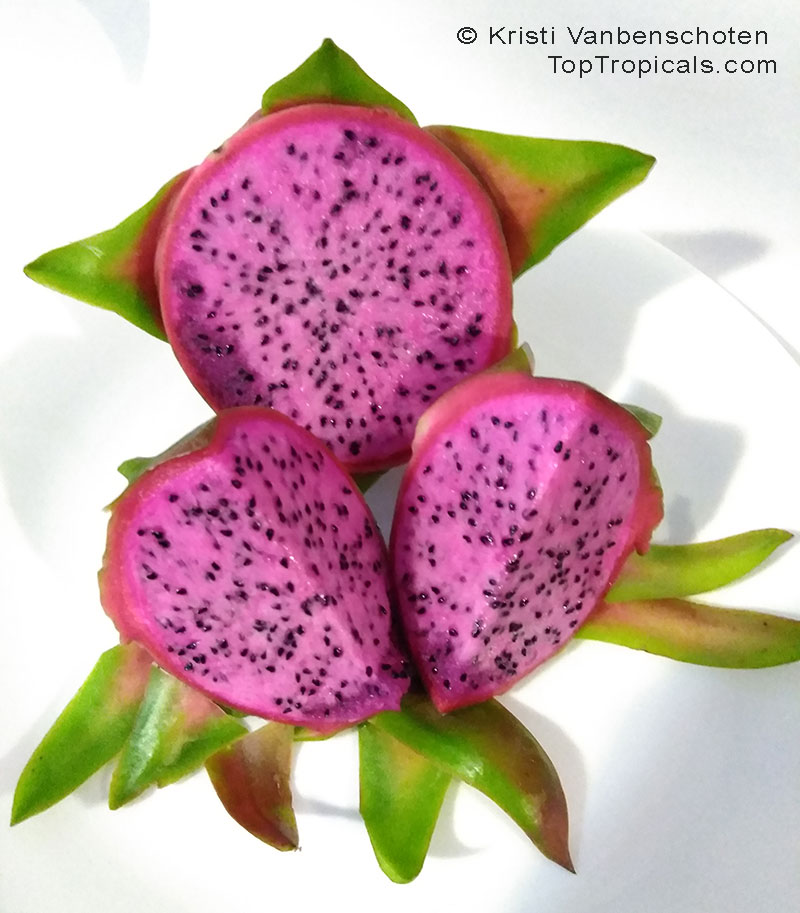
A:Dragon Fruit, or Pitaya is a highly prized, vining, fruit bearing
cactus, extremely unusual terrestrial/epiphytic plant. It has magnificent flowers,
stunningly beautiful fruit with an intense color, curious shape, and a
delicious taste. The night blooming white flowers can be up to 14 inches in
length. The fruit is most often eaten chilled and cut in half so the flesh may be
spooned out. The juice is used in frozen drinks and it is in a new Tropicana
Twister flavor. It is a must have for any collector or gardener with the flair
for the unusual.
It takes 2-3 years for seedlings to fruit, besides the variety pay not
come true to seed. We grow our plants from cuttings that are easy to root.
We offer many selected varieties, most of them self-pollinating. The plants are
ready to flower and fruit this year, or the next year.
Dragon Fruit Cactus is easy to grow, doesn't need much other than strong
support, full sun, well-drained soil - adenium soil mix works great - and fertilizer during hot months, and SUNSHINE-Honey applications for growing sweeter fruit. For larger fruit
bud thinning is recommended.
Q:
I have a large fruit garden here in Florida with many
mango trees, avocadoes, guavas, and other tropical fruit.
Last year hurricane Irma and flooding killed a few avocado
trees, but mangos and guavas survived OK, but the sad part
is, very few flowers this year and almost no fruit
setting. I noticed on your website your Superfood and
Sunshine-Honey boosters that supposedly help fruiting? But
I am afraid it is too late now as your instructions say
first application must be in early Spring? I wish I
discovered earlier that my trees wouldn't want to fruit
this year...
A:
First of all, it is never late to give the food! You may
start applications of SUNSHINE products at any time
of the year. The best results will be achieved once you
treat your plants on regular basis throughout the whole
year cycle of metabolism.
Couple weeks ago we started harvesting our 2 guava trees.
These two are the same variety (Variegated Honeymoon),
planted within 20 ft from each other and growing in the
same conditions. The only difference was, one was treated
with SUNSHINE-Honey and SUNSHINE-SuperFood, and another
one didn't get any treats in order to have a control
plant.
Results are very interesting, see the picture. Both trees
were heavily covered with fruit. However the one with
treatments developed fruit that is much larger, much
sweeter and juicier, and the most interestingly - with
less seeds, almost no seeds!
To answer your question: yes, you can start feeding your
fruit trees right now. It is still a Springtime. Many
mango varieties have late season; even early varieties may
delay their fruiting if flowering triggered by
miscro-elements. Guavas have very long season and most
varieties can have multiple crops throughout Summer-Fall.
Here is a simple and affordable feeding schedule to
help your fruit garden recover from last year hurricane
stress, and establish reliable production:
1) SUNSHINE-E - for boosting
metabolism - once a month
2) SUNSHINE-Honey - for bringing
sugars to the heart of the tree and boosting fruit
sweetness and quality - now and in 2 weeks
3) SUNSHINE-SuperFood - for
overall health, recovering from hurricane and fixing root
damage from flood - now and every 2 weeks throughout warm
season.
4) You may apply regular balanced fertilizer NPK as
usual (we apply once a month, a handful per in-ground
tree)
It's that simple. Just try and watch your trees produce
again!
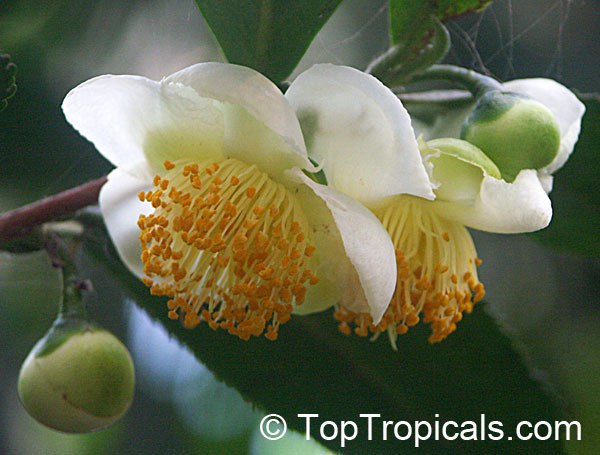
🍃 Tea Leaf is a small evergreen tree, usually pruned back to shrubs in cultivation.
🍃 In the fall and winter, the plant will produce small white flowers with a lovely fragrance.
🍃 Tea is the second most commonly drank liquid on earth after water. It has numerous medicinal benefits mainly due to its antibacterial and antioxidant properties.
🍃 To grow Tea Leaf Plant, make sure to pick an area of your landscape where it does not flood or remain wet during our rainy season. Camellia sinensis do not like wet feet at all. They prefer well-drained, sandy and slightly acidic soil.
Four must-have herbal edibles for your instant Food
Forest
Q: What attractive and useful edibles or herbs
can I grow in my yard landscape without needing dedicated garden beds?
A: When we think of an "herb garden," parsley and
chives often come to mind -plants that aren't particularly showy and
typically require a dedicated vegetable garden, space, and regular maintenance.
However, creating a food forest in your yard doesn't have to be a complex
project. Useful edibles and medicinal herbs can also be exotic and beautiful,
enhancing the charm of your landscape. Here are some examples of unusual tropical edibles that are not only stunning ornamentals but also bring
delicious goodness to your kitchen.
1. For drinks: Jamaica Tea flower - Karkade
Hibiscus
Hibiscus
sabdariffa - Flor de Jamaica, Karkade Sorrel, Roselle, or Jamaica Tea flower
(Karkade Tea) - yes, many hibiscus species are edible!
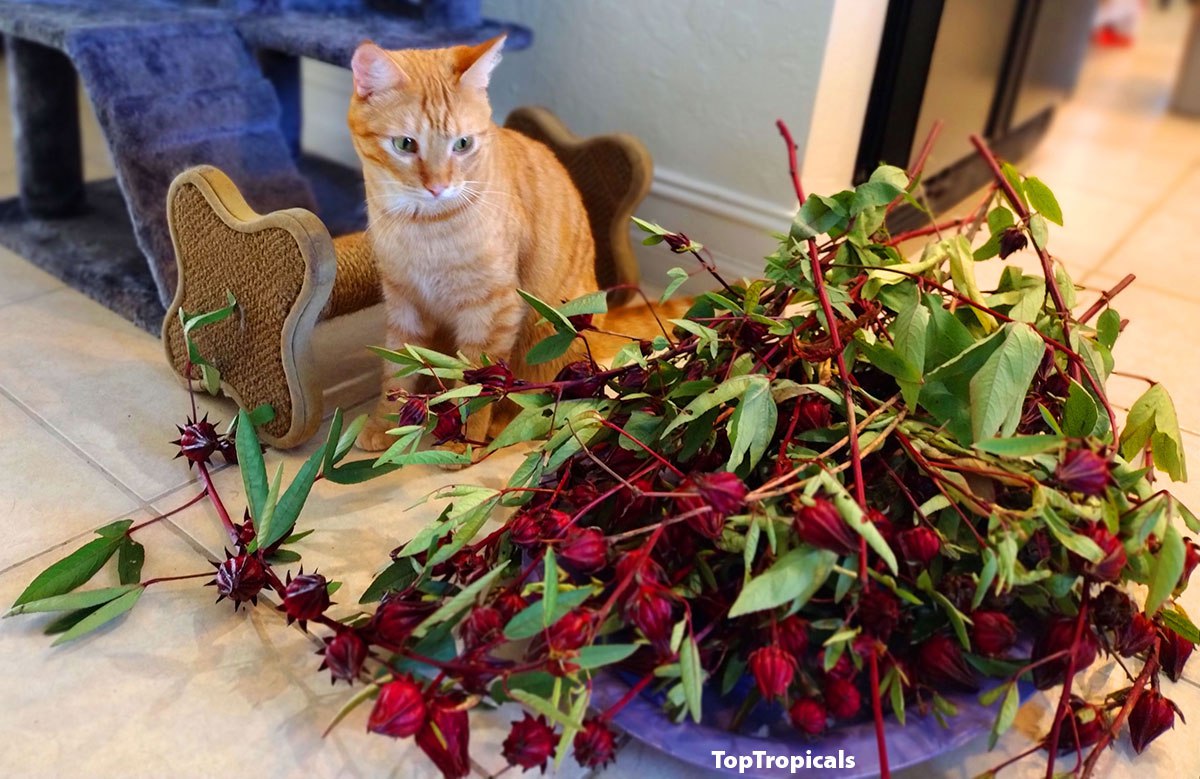
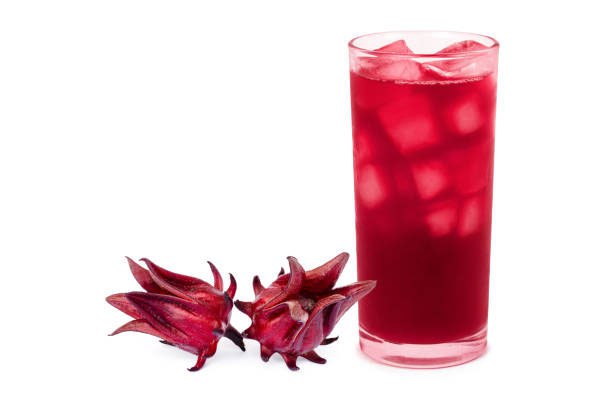
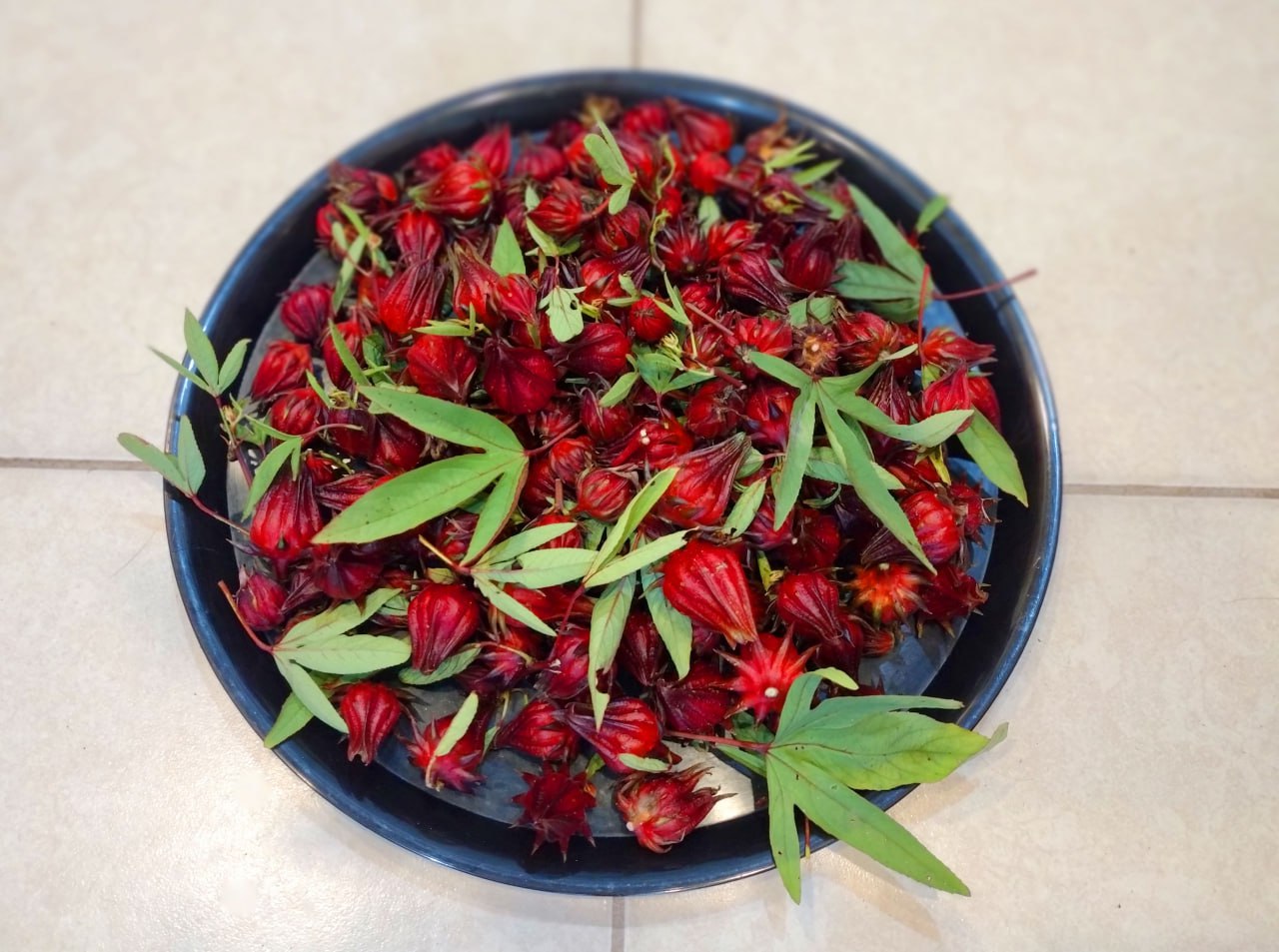
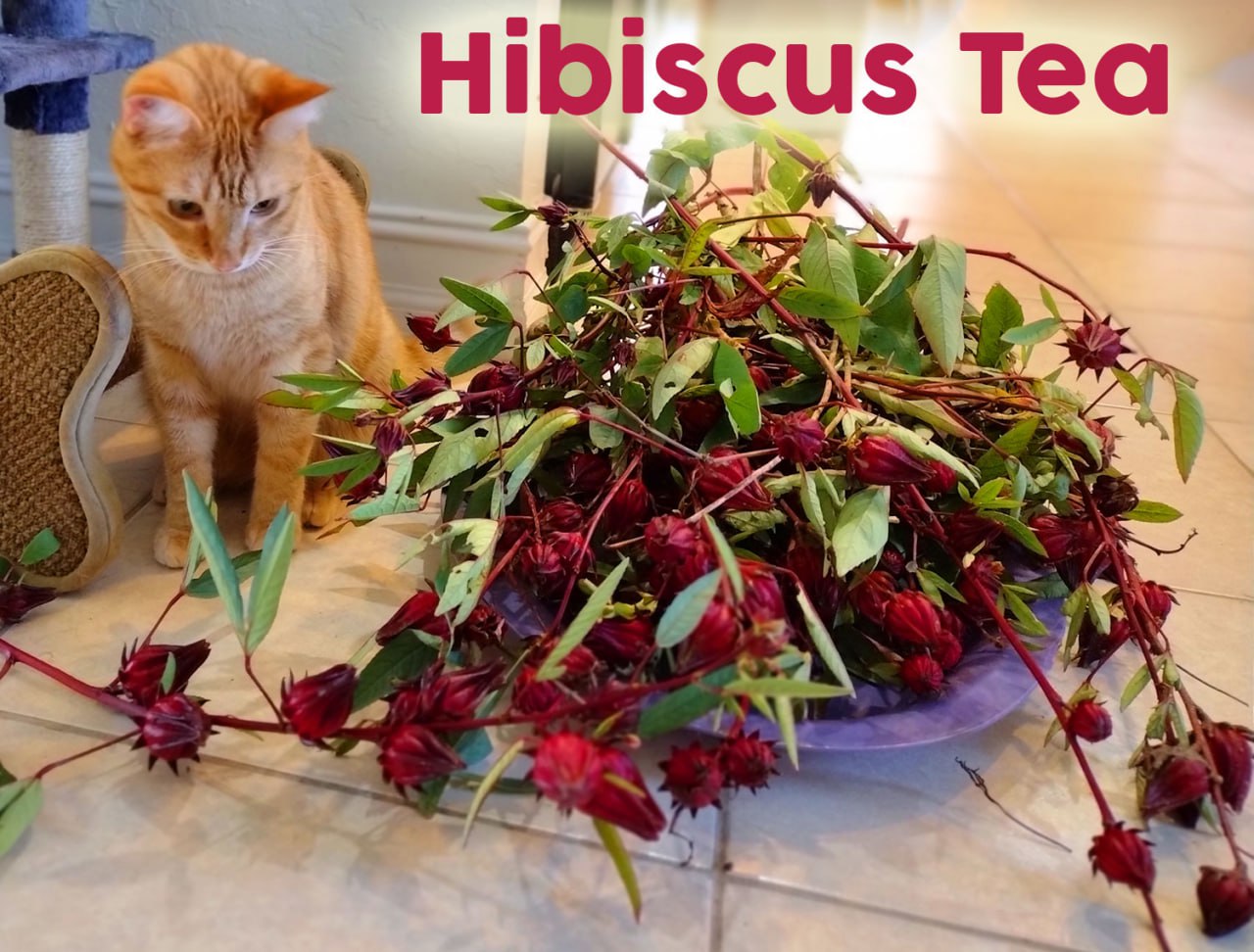
- Flowers of Roselle hibiscus are used to make a tea "Agua de Flor de
Jamaica". To be exact, those are flower bracts around flowers and seed pods.
- Medical studies show that it lowers blood pressure and has diuretic
effects.
- The pleasant flavor is similar to a cranberry juice and it's so good, you
may not even want to add any sugar. We make this cold tea every day -
perfect for hot summer.
- Karkade Hibiscus grows into a large bush within just one season from
seed! Lots of flowers to harvest will last you the whole winter. It can be
treated as annual in cooler areas due to its fast growth and same-year harvest.
Thrives in full sun.
- Short video:
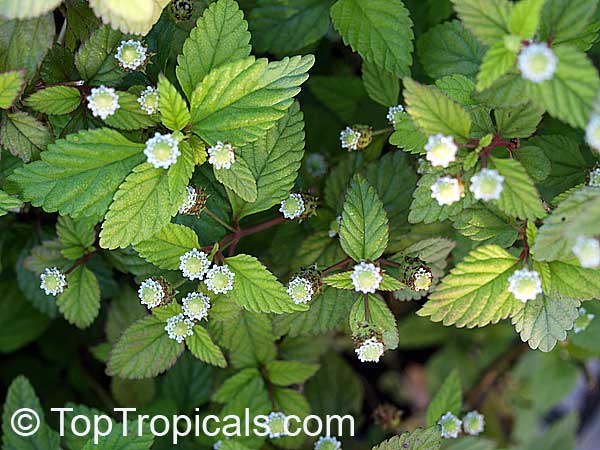
Lippia dulcis
- Aztec Sweet Herb, Sweetleaf is a wonderful fragrant groundcover.
- Fragrant Mexican herb with incredibly sweet and aromatic leaves.
- The fresh leaves can be eaten from the plant like candy or tossed into
fruit salads for an unusual addition, or used for making a healing tea.
- It has been used since the time of the Aztecs for coughs and colds.
- The sweetness tastes great, and can be used by diabetic patients. We add
this herb to Karkade or Mint tea as a sweetener, instead of sugar or
honey.
- Grows like a ground cover, in shade or semi-shade, great perennial
container plant.
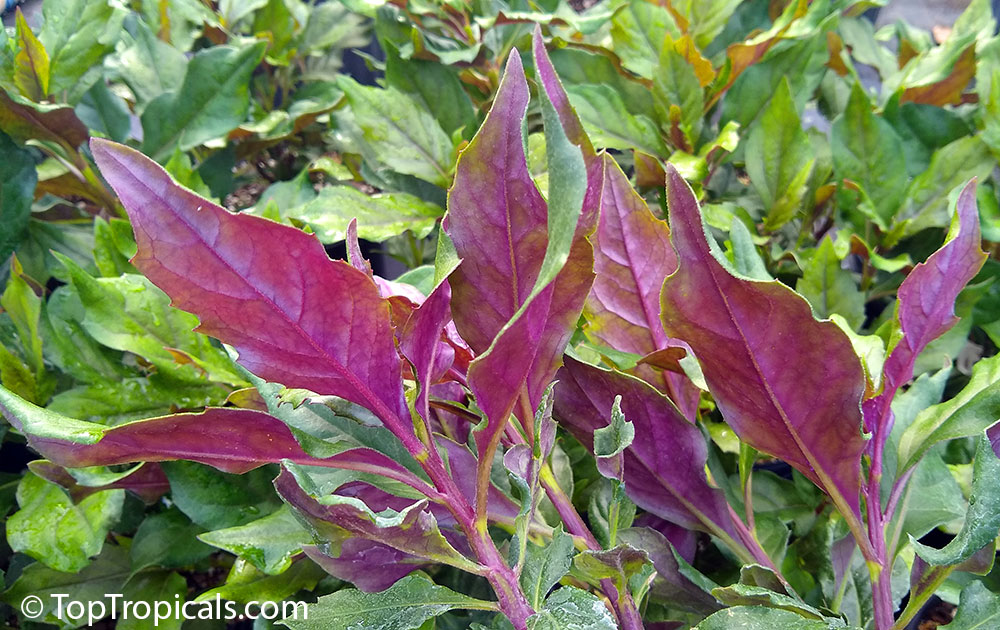
3. For salads and stews: Longevity Spinach, or
Cholesterol spinach
Gynura
procubens - Longevity Spinach, or Cholesterol spinach is a perennial spinach, and
once you plant it, you have it for many years, and can grow many more easily
from cuttings!
- Longevity Spinach is one of the Superfoods, and there are many claims
that it lowers cholesterol.
- We use Longevity Spinach in our cooking all the time and so far we are
all alive, so it works! :)
- Longevity spinach can be eaten raw in salads or cooked wherever you would
use a regular spinach.
- Grows as a large spreading herbal bush, in full sun.
- See some recipes with more pictures
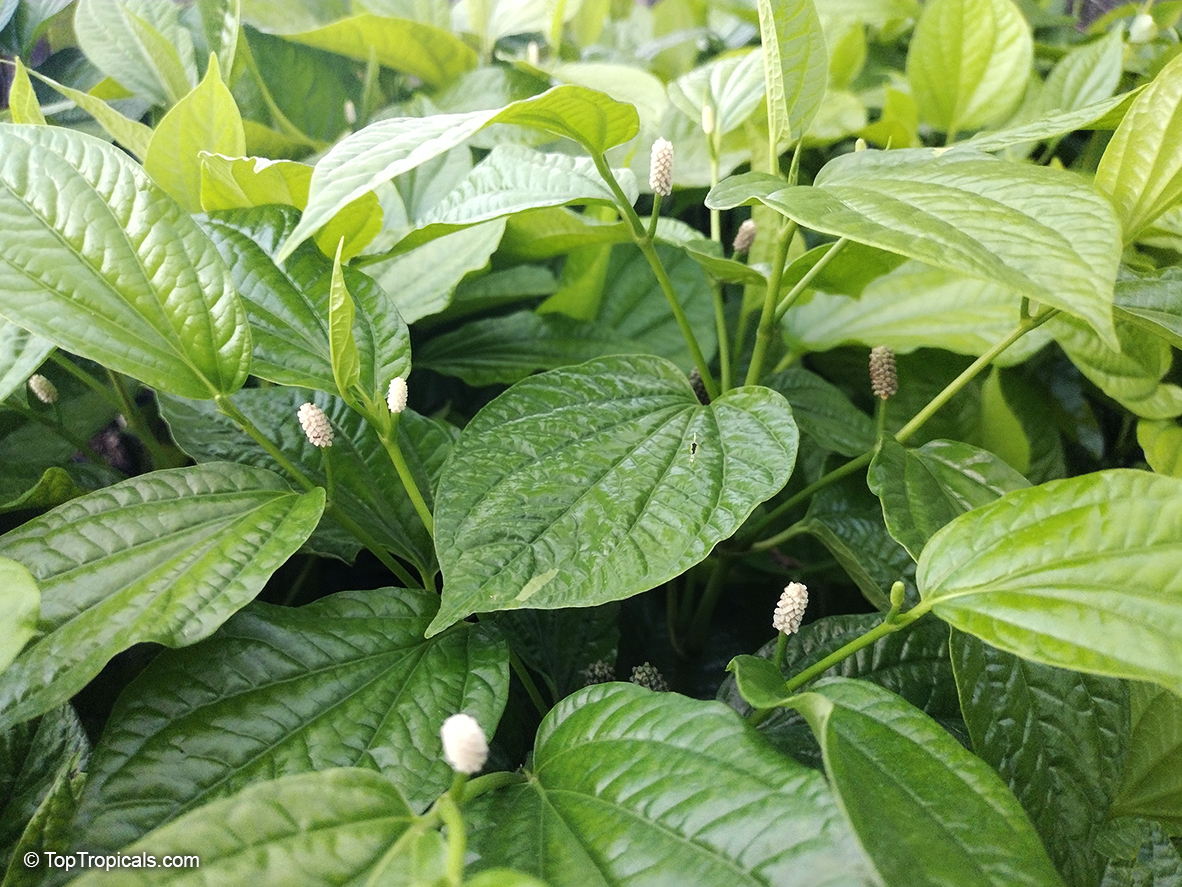
4. For meat wraps: Vietnamese Pepper or Wild Betel
Leaf
Piper
sarmentosum - Vietnamese Pepper, Lalot, Wild Betel Leaf, Chaa-plu adds wonderful
peppery flavor to meats and is great for wrapping meats and cooking in the oven,
on a stove or grill. We use it all the time, wrapping ground beef of turkey
and putting wraps on a grill or on a frying pan, very easy!
- Vietnamese Pepper leaves are eaten raw in salads or cooked with other
greens or dishes.
- The leaves are used as food wraps in Vietnam. It is used medicinally in
India and SE Asia.
- It is also chewed with Betel Nut as a tonic and medicine, very similar to
Betel Leaf (Piper Betel) which is very popular tonic in Indian culture.
- Vietnamese Pepper grows as a vining herbaceous shrub or ground cover, in
both sun or shade, and spreads with runners so you can have plenty if you
want to have more. Can be grown in container and indoors, too.
- Check out recipes of meat wraps for grilling
Did you know that you can eat and drink Hibiscus plants?
Hibiscus sabdariffa - Flor de Jamaica
Hibiscus sabdariffa - Flor de Jamaica
Hibiscus sabdariffa - Flor de Jamaica
Hibiscus sabdariffa - Flor de Jamaica
Hibiscus sabdariffa - Flor de Jamaica
🌺 Did you know that you can eat and drink Hibiscus plants?
Who doesn't adore hibiscus flowers? But guess what? Some hibiscus species are not only gorgeous but also surprisingly practical. They can jazz up your garden and your dinner plate!
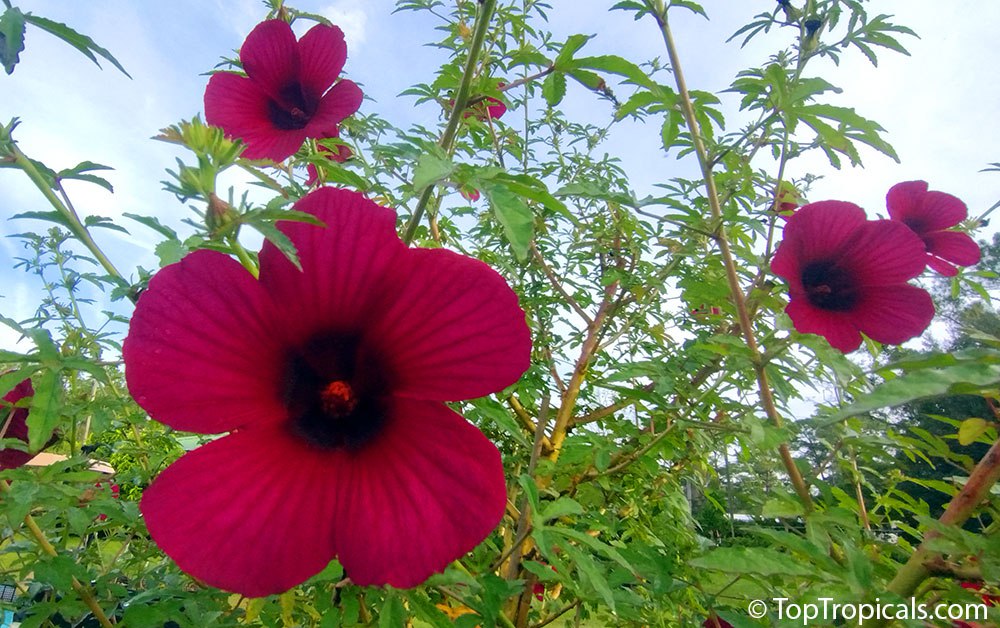
Hibiscus cannabinus - Salad Hibiscus - flowers and leaves used in tasty healthy salads and teas.
Hibiscus sabdariffa - Flor de Jamaica, Karkade Sorrel, Roselle - flowers and used for famous beverage "Agua de Flor de Jamaica" and Karkade Tea.
Hibiscus acetosella - Cranberry hibiscus - cranberry-colored flowers and leaves are also tasty and healthy in salads and teas.