Garden Blog - Top Tropicals

Date: 28 Jun 2026

Which Pomegranate Is Right for You - Top 5 Amazing Varieties
Which Pomegranate Is Right for You - Top 5 Amazing Varieties Which Pomegranate Is Right for You - Top 5 Amazing Varieties
🍎 Which Pomegranate Is Right for You - Top 5 Amazing Varieties


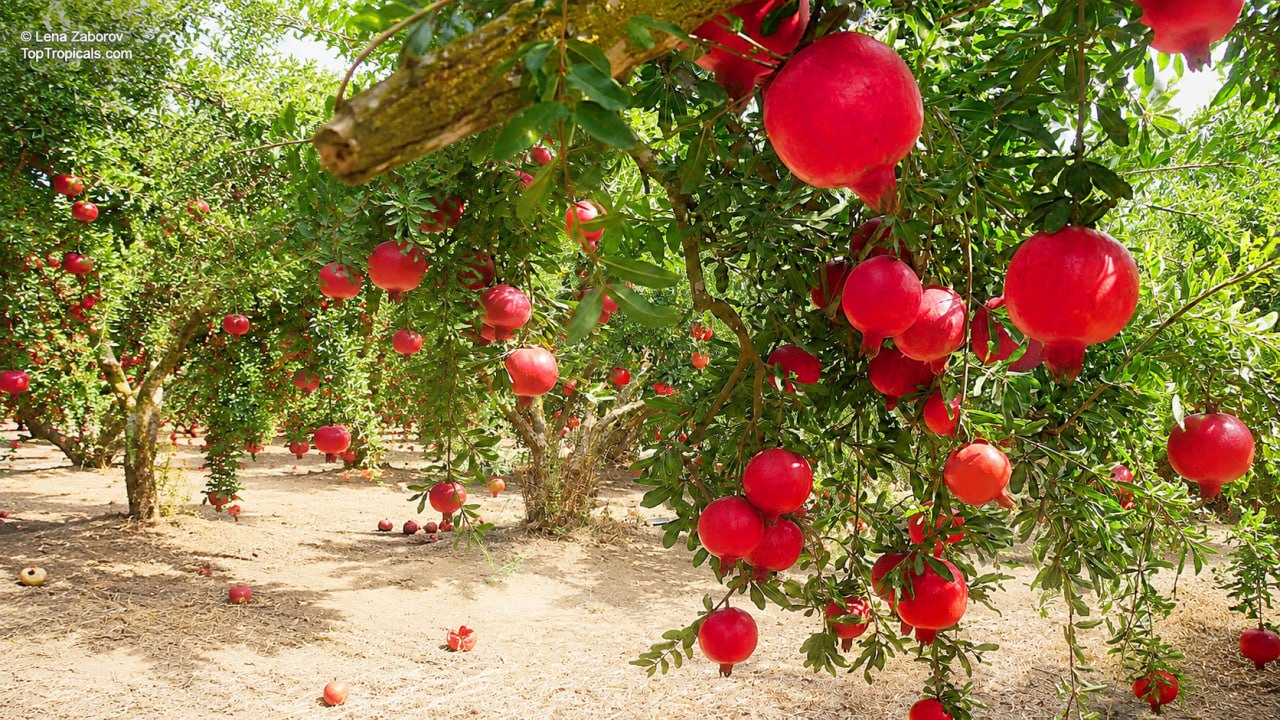
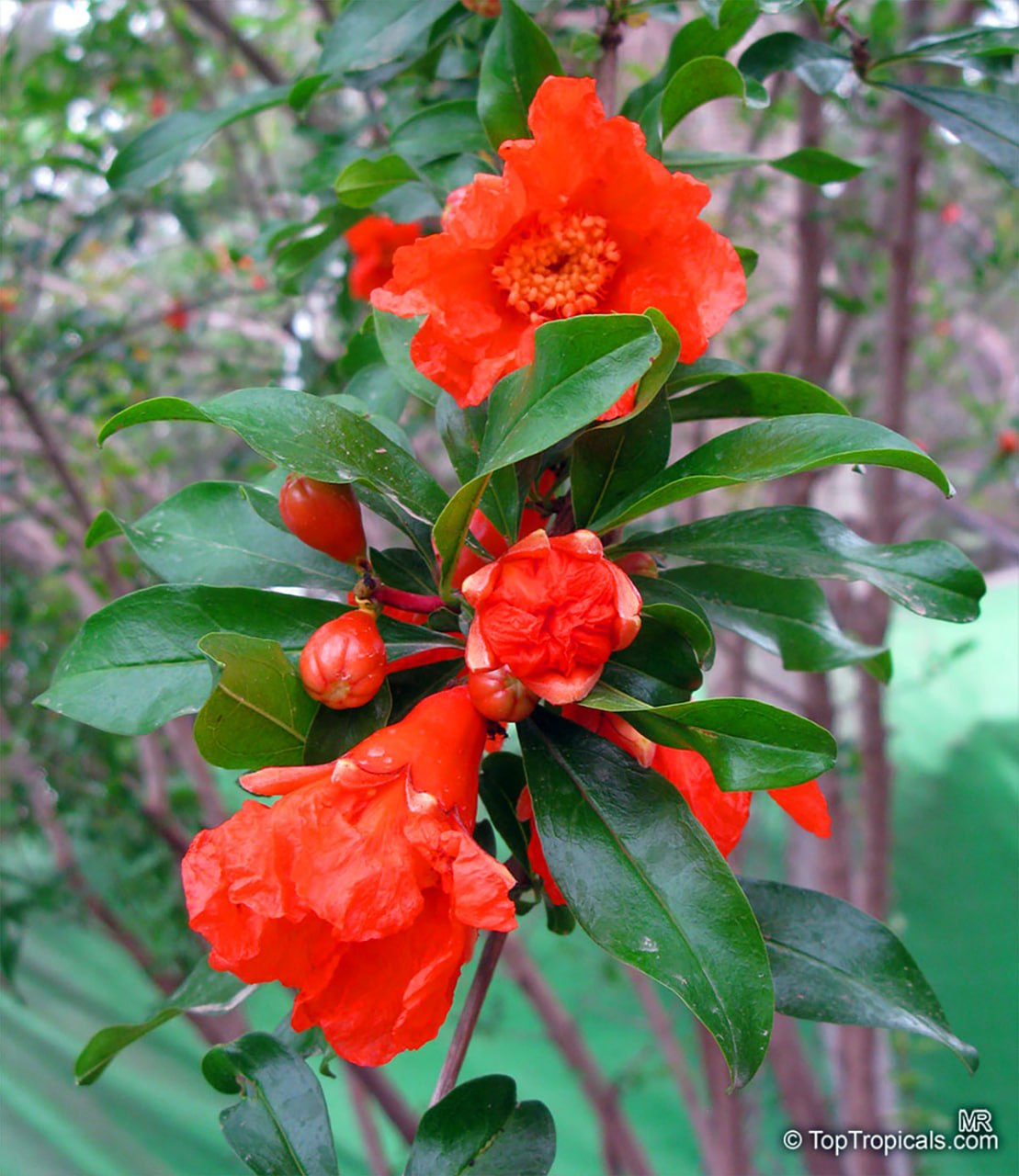
Pomegranate trees (Punica granatum) deserve a place in almost every garden. They are among the easiest fruit trees to grow, rewarding you with months of brilliant orange-red flowers followed by jewel-like fruit packed with sweet, refreshing arils. Beautiful enough to use as an ornamental and productive enough to fill your kitchen with fresh fruit, they have been cultivated for thousands of years and are still one of the healthiest fruits you can grow.
Which variety should you choose? They all produce delicious fruit, but each has its own personality.

  • ❣️ Angel Red: the biggest fruit and the juicing champion
    Large fruit with tender, edible seeds and exceptionally juicy ruby-red arils. Ripens earlier than Wonderful and is one of the best varieties for fresh juice.
  • ❣️ Eversweet: sweet before it's even ripe
    A unique variety with clear, non-staining juice and very soft seeds. Even slightly immature fruit is sweet, making it an excellent choice for cooler climates.


❣️ Eves: did Eve eat an apple, or was it a pomegranate? Rich flavor for fresh eating
Very large fruit with deep red arils and an outstanding sweet, cherry-like flavor. A favorite for eating fresh right off the tree.

❣️ Vietnam: evergreen and everbearing tropical producer


An evergreen, everbearing variety that flowers and fruits repeatedly in warm climates. Produces very large fruit with soft seeds and long harvest seasons.

❣️ Wonderful: the world's most famous classic favorite
The world's best-known pomegranate and the leading commercial variety. Famous for its rich, sweet-tart, wine-like flavor and outstanding juice quality.

🏡 Easy to grow, hard to beat


No matter which variety you choose, pomegranates are remarkably easy to grow.
· They are self-fertile, highly productive, drought tolerant once established, and thrive in full sun.
· They tolerate poor soils, salt, and heat, are cold hardy to about 15F, and grow beautifully as shrubs, small trees, or large container plants.
· Their long blooming season attracts pollinators, while the colorful fruit adds beauty to the landscape for months.

✨ A fruit treasured for thousands of years


According to Asian legend, the pomegranate was the "Tree of Life" in the Garden of Eden. Some historians even believe the famous forbidden fruit may have been a pomegranate rather than an apple.

The ruby-red arils have been treasured since ancient times, and an old Hindi saying reminds us: "One pomegranate can serve one hundred sick people." Rich in antioxidants, vitamins, and beneficial plant compounds, pomegranates remain one of the healthiest and most rewarding fruits you can grow in your own backyard.

🛒 Ready to grow One... or five?

📚 Learn more:

Pomegranate Plant Facts

Botanical name: Punica granatum
Also known as: Pomegranate, Granada, Grenade, Pomegranate, Granada, Anar, Granaatappel, Pomo Granato, Romeira, Melo Grano
USDA Zone: 8 - 11
Highligths Large shrub 5-10 ft tallSmall tree 10-20 ftFull sunWatering: Moderate. Water when top soil feels dryRed, crimson, vinous flowersThorny or spinyEdible plantDeciduous plantEthnomedical plant.
Plants marked as ethnomedical and/or described as medicinal, are not offered as medicine but rather as ornamentals or plant collectibles.
Ethnomedical statements / products have not been evaluated by the FDA and are not intended to diagnose, treat, cure, or prevent any disease. We urge all customers to consult a physician before using any supplements, herbals or medicines advertised here or elsewhere.Subtropical plant. Mature plant cold hardy at least to 30s F for a short timeSeaside, salt tolerant plant
Get personalized tips for your region

Punica granatum in Plant Encyclopedia
Healing drops of blood: why Pomegranate is a superfood
15 "Bulletproof" Fruit Trees for Tough Ground
Skip the lemon - 5 better fruits for a cough
Top Ten Fruit Tree Winners of Florida 2026 Record Freeze
Top nine plants of love, desire, and the senses: aphrodisiacs and sensory connections
Why you should grow your own Pomegranate Tree

#Food_Forest #Discover

🟢 Join 👉 TopTropicals
Date: 12 Sep 2019

Helping Citrus and other fruit trees with Nutritional Supplements

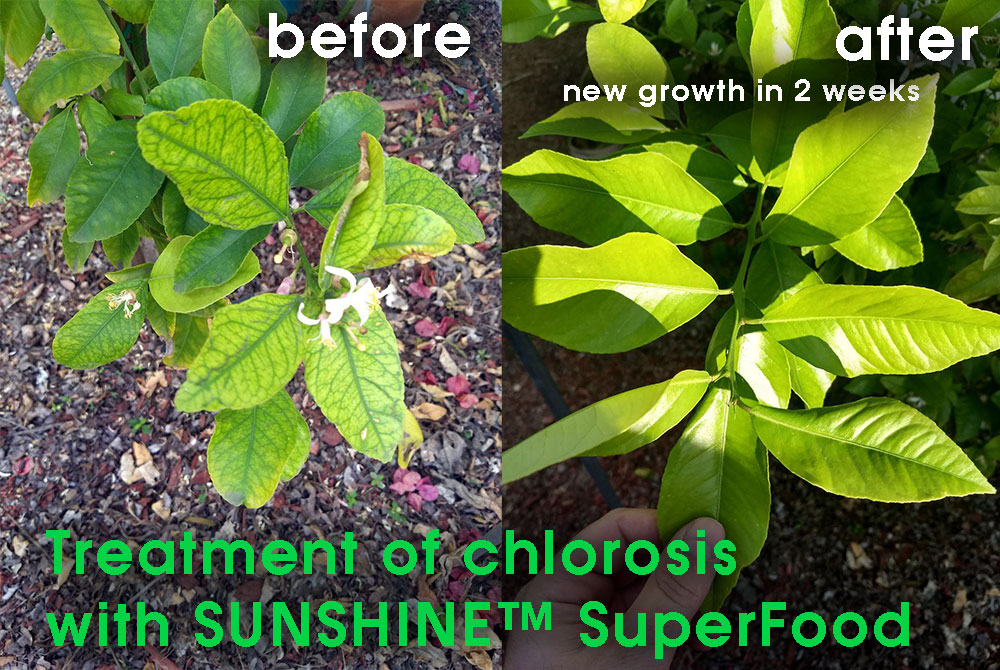
Q: Can you recommended a product to help with my citrus? Combating greening and chlorosis.

A: Citrus greening is spread by an insect called the Asian citrus psyllid. The psyllid feeds on the stems and leaves of the trees, infecting the trees with the bacteria that causes citrus greening. Florida Citrus growers dedicated the last decade to researching citrus greening. Officially, currently there is still no cure, however, some Nutritional solutions have shown promising results. To slow the progression of citrus greening in infected trees, nutrients are applied to the leaves and to the roots. Providing better nutrition helps trees fight against citrus greening and enables them to continue to produce quality fruit.

We recommend the following products for use on regular basis:

SUNSHINE Epi is a natural Brassinosteroid plant hormone and a bio-stimulant that may be very effective as citrus greening treatment. It works through plant's immune system and shows amazing results of recovery of weak and sick plants.

SUNSHINE Superfood, a complex micro-element supplement, maintains plant's health and provides vigorous growth.

SUNSHINE-Honey is a basic nutritional complement, it contains essential plant micronutrients Boron (B) and Molybdenum (Mo). These elements are essential to vegetative and reproductive growth, cell expansion, tissue growth, and fertility. A very common problem for most unimproved garden soils is lack of Molybdenum and Boron as soil micro-component. This results in underdeveloped / low quality fruit and/or premature fruit drop. Applying SUNSHINE Honey on your fruit trees will fill that gap and help a fruit tree to form a healthy fruit.

Macro-nutrients should be applied in combination with micro-nutrients on regular basis:

Mango-Food - Smart Release Fruit Tree Booster (works great for all tropical fruit trees)
Fruit Festival Plant Food - Ideal blend designed to improve fruit trees health and vigor, and increase crop yield.

See SUNSHINE Boosters page for the complete list of plant boosters.

Date: 14 Sep 2024

How to make sour taste sweet and what causes the miracle?

Miracle Fruit, Synsepalum dulcificum

Miracle Fruit, Synsepalum dulcificum

Miracle Fruit, Synsepalum dulcificum

Miracle Fruit, Synsepalum dulcificum

Miracle Fruit, Synsepalum dulcificum

Miracle Fruit, Synsepalum dulcificum

🍋 🎂 How to make sour taste sweet and what causes the miracle?


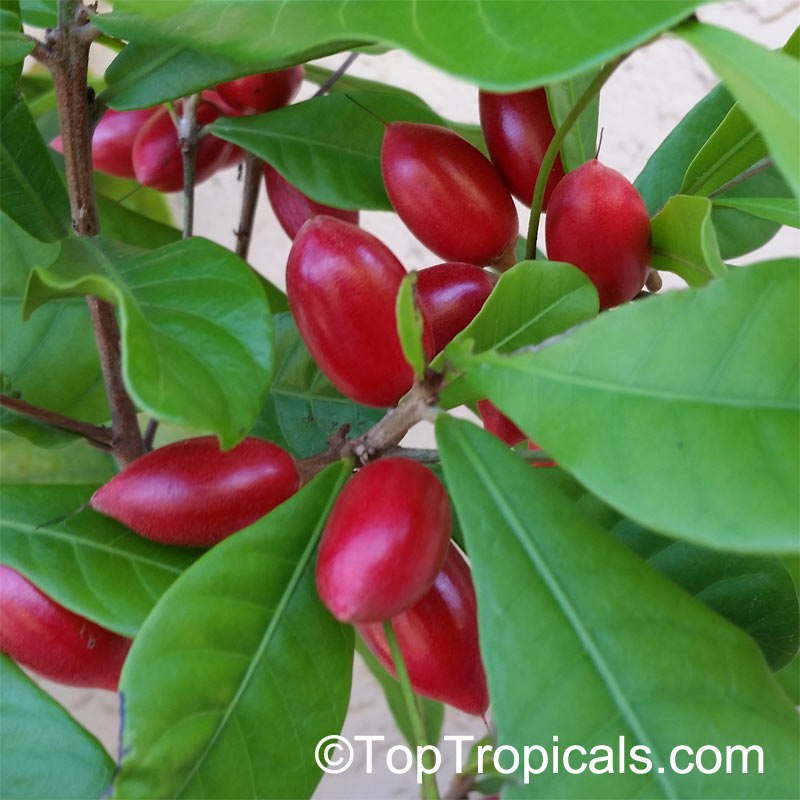
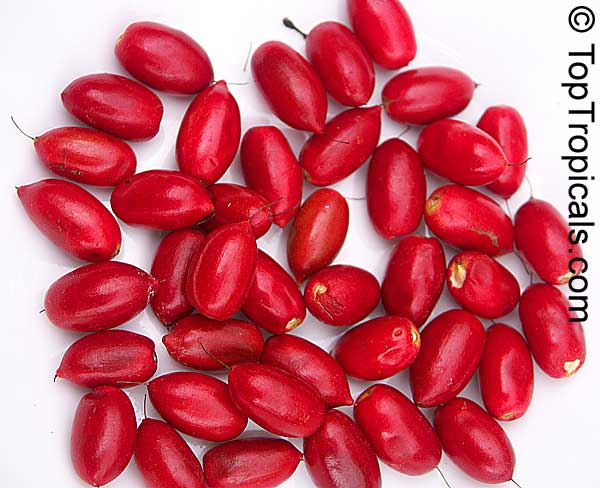
🍭Miracle Fruit, Synsepalum dulcificum - is one of the strangest tropical fruit that makes sour taste sweet!

🍭 The miracle is that if lemon or other sour food is eaten after the miracle fruit, the sour tastes sweet, as if sugar has been added. That kind of magical experience is unforgettable!

🍭 A natural chemical in the fruit masks the tongue sour taste buds so that lemons taste like lemonade or lemon pie, or lemon candy! The sweet sensation lasts for half an hour to a few hours.

🍭 Miracle fruit berries are valued as a food supplement for chemo-therapy patients to improve the taste of food.

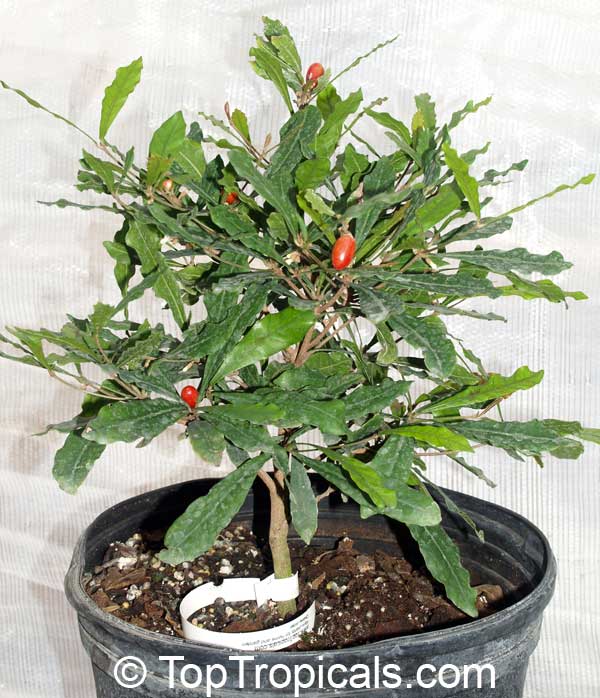
🍭 This small, evergreen shrub grows very slowly to a height of 4-6 ft in container, and 6-10 ft in natural habitat. A 10 years old plant might be easily only 4-5 feet tall. It forms an oval to pyramidal shaped bush or small tree.

🍭 Miracle fruit is a small compact bush, and can be a rewarding indoor plant. It can be grown in a 1-3 gal pot and produce most of the year. Seed to fruit in 2 to 3 years. Flower to fruit in 30 to 45 days.

📚 Learn more about Miracle fruit, its history, and how to grow it:
Everyday Miracle - Grow the Dream!

🛒 Plant your own Miracle Fruit

#Food_Forest #Nature_Wonders #Remedies

🔴 Join 👉 TopTropicals

Date: 28 May 2023

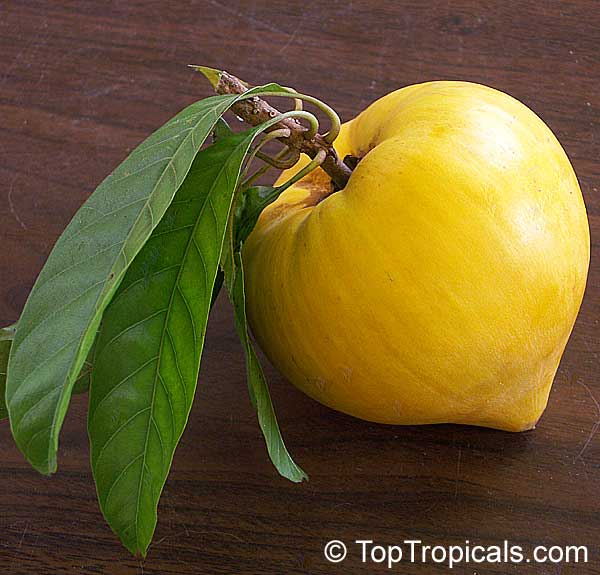
Benefits of Canistel tree and fruit

Canistel

Q: What is so good about Canistel fruit? Should I plant a Canistel tree in my garden?

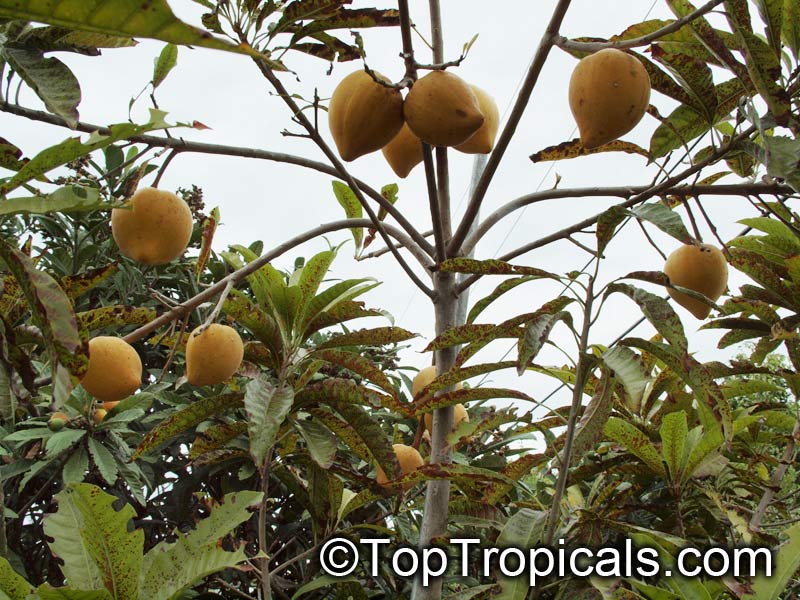
A: Canistel fruit, also known as Eggfruit, has several appealing qualities. It is highly regarded for its sweet, custard-like flavor and smooth, creamy texture. Additionally, canistel fruit is a good source of essential nutrients such as vitamin A, vitamin C, and dietary fiber, making it a nutritious choice for those seeking a unique and tasty fruit experience.

Planting a Canistel tree can be beneficial for a few reasons. Firstly, it allows you to enjoy the delectable fruit it produces right in your own backyard, providing a fresh and unique addition to your homegrown produce.

Secondly, Canistel trees are relatively low-maintenance and can thrive in warm climates, making them a suitable choice for tropical or subtropical regions.

Finally, by planting a Canistel tree, you contribute to the preservation and diversity of fruit-bearing trees, enriching the ecosystem and potentially attracting wildlife to your garden.

To learn more about Canistel tree, fruit, tasty recipes, and more - see this article:

Pouteria campechiana - Canistel, the curious heart-shaped Egg Super-Fruit

Canistel  tree  with  fruit

Date: 22 Aug 2022

What tree will fruit indoors?

Fruit  trees  for  indoor  containers

Q: I love your tropical fruit selection and I wish I lived in a warmer climate. Is there any fruit tree that can be happy indoors during winter and have fruit? I am not expecting a big crop but it would be fun to have a small piece of tropics at home. I don't have much gardening experience, can you suggest something easy for a start?

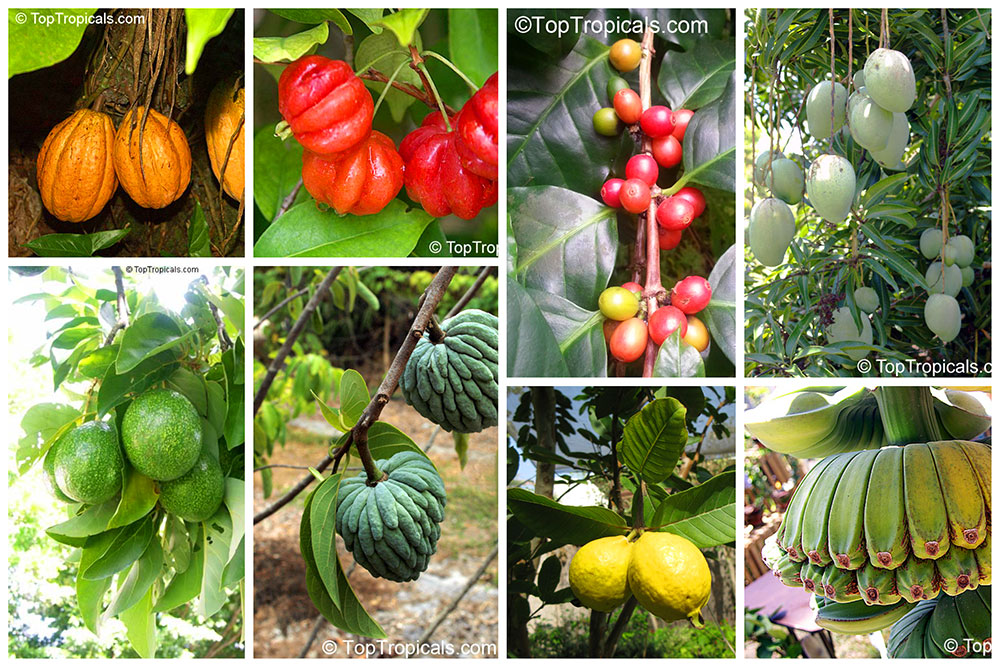
A: Several tropical fruit trees can be grown indoors, in pots, providing bright light that is necessary for flowering and setting fruit. Among them are many varieties of Bananas, Guavas, Annonas and tropical Cherries - these can be easily maintained in containers. Even dwarf varieties of Avocado and Mango are good candidates for indoor culture. You can bring containers indoors for winter and take outside into full sun during warm months so your plants can store lots of energy in Summer.
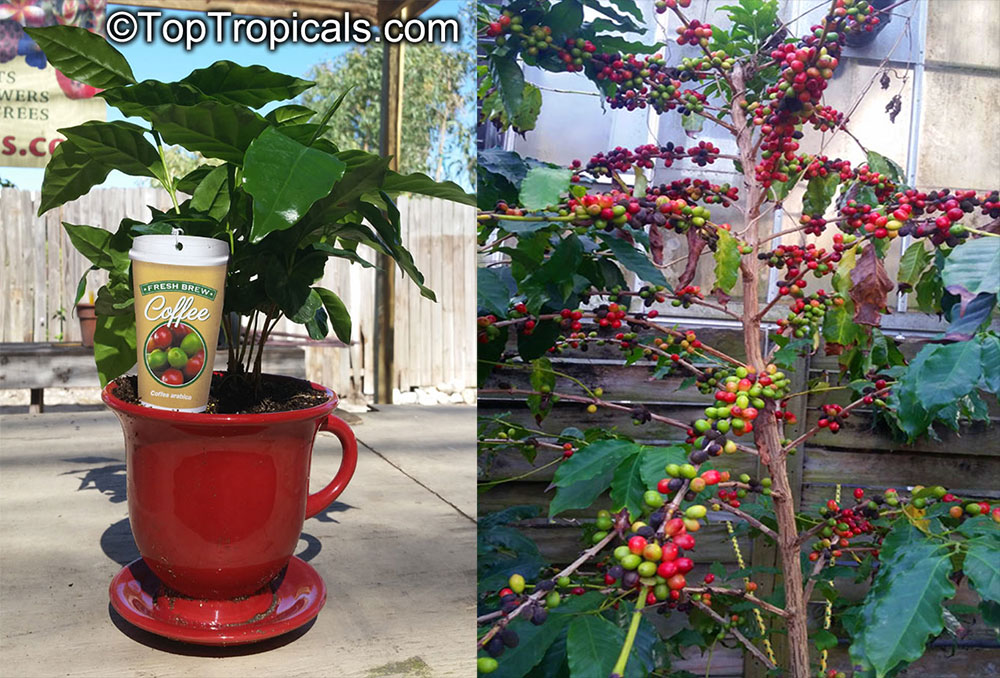
The easiest fruit tree for indoor culture that doesn't require bright light and can be grown indoors year around is a Coffee tree. Start with it, it is on sale today! Once you gain some experience, you can upgrade to a Chocolate tree!
Remember, all container grown plants need balanced nutrition program. It can be easily provided with Sunshine Boosters your around. For fruit trees, just add some Sunshine C-Cibus Crop Booster to your cart.

Coffee  video