Garden Blog - Top Tropicals

Date: 14 Sep 2024

How to make sour taste sweet and what causes the miracle?
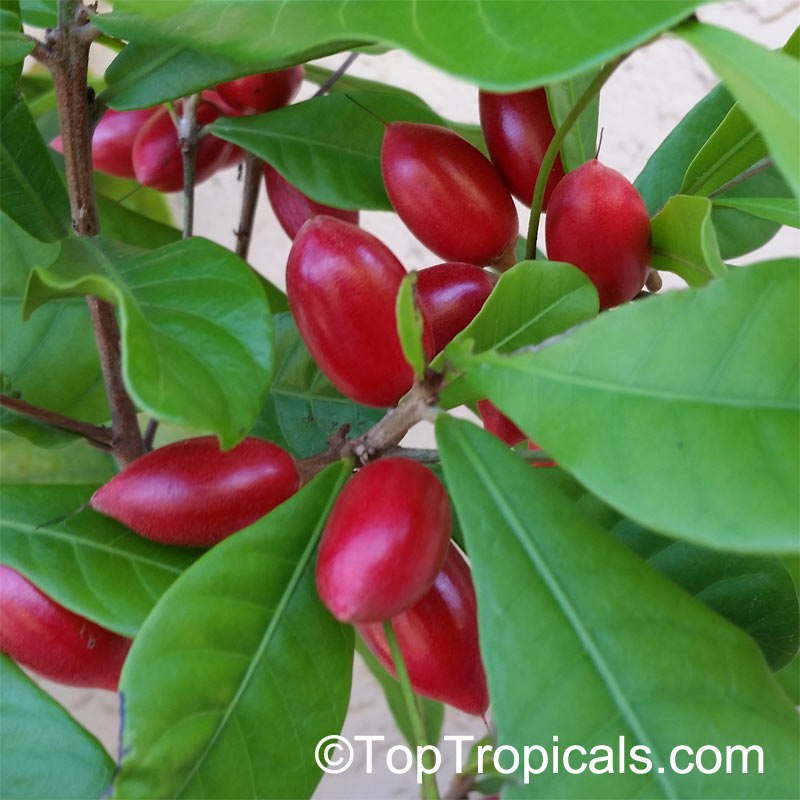
Miracle Fruit, Synsepalum dulcificum
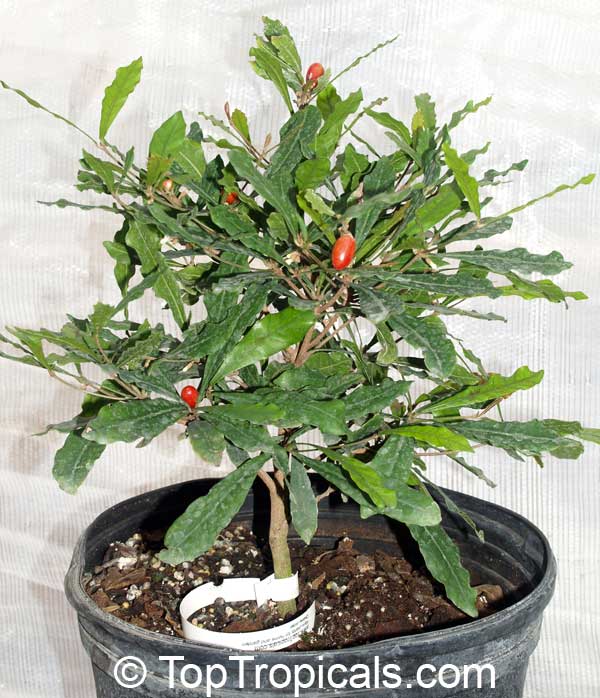
Miracle Fruit, Synsepalum dulcificum
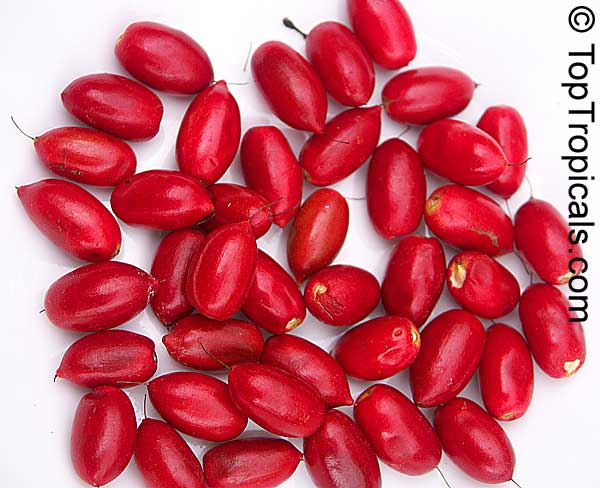
Miracle Fruit, Synsepalum dulcificum

Miracle Fruit, Synsepalum dulcificum

Miracle Fruit, Synsepalum dulcificum

Miracle Fruit, Synsepalum dulcificum

🍋 🎂 How to make sour taste sweet and what causes the miracle?

  • 🍭Miracle Fruit, Synsepalum dulcificum - is one of the strangest tropical fruit that makes sour taste sweet!
  • 🍭 The miracle is that if lemon or other sour food is eaten after the miracle fruit, the sour tastes sweet, as if sugar has been added. That kind of magical experience is unforgettable!
  • 🍭 A natural chemical in the fruit masks the tongue sour taste buds so that lemons taste like lemonade or lemon pie, or lemon candy! The sweet sensation lasts for half an hour to a few hours.
  • 🍭 Miracle fruit berries are valued as a food supplement for chemo-therapy patients to improve the taste of food.
  • 🍭 This small, evergreen shrub grows very slowly to a height of 4-6 ft in container, and 6-10 ft in natural habitat. A 10 years old plant might be easily only 4-5 feet tall. It forms an oval to pyramidal shaped bush or small tree.
  • 🍭 Miracle fruit is a small compact bush, and can be a rewarding indoor plant. It can be grown in a 1-3 gal pot and produce most of the year. Seed to fruit in 2 to 3 years. Flower to fruit in 30 to 45 days.


📚 Learn more about Miracle fruit, its history, and how to grow it:
Everyday Miracle - Grow the Dream!

🛒 Plant your own Miracle Fruit

#Food_Forest #Nature_Wonders #Remedies

🔴 Join 👉 TopTropicals
Date: 28 May 2023

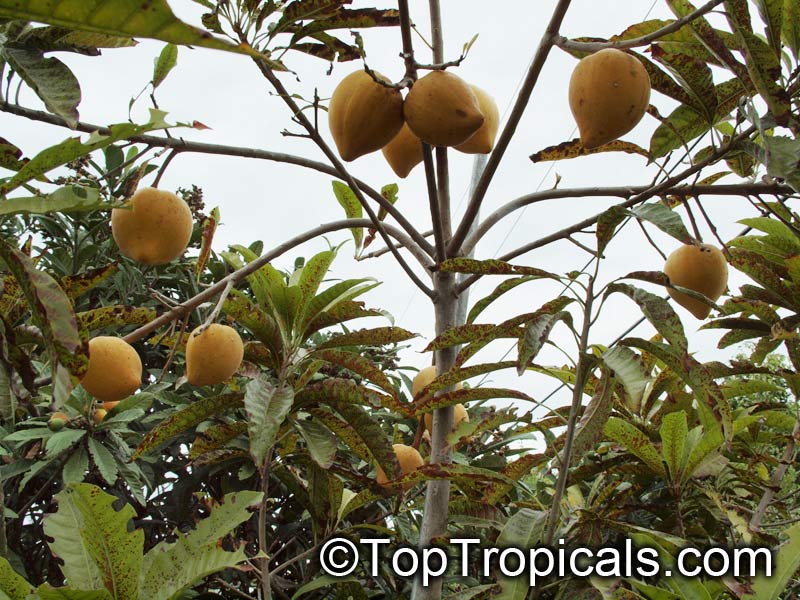
Benefits of Canistel tree and fruit

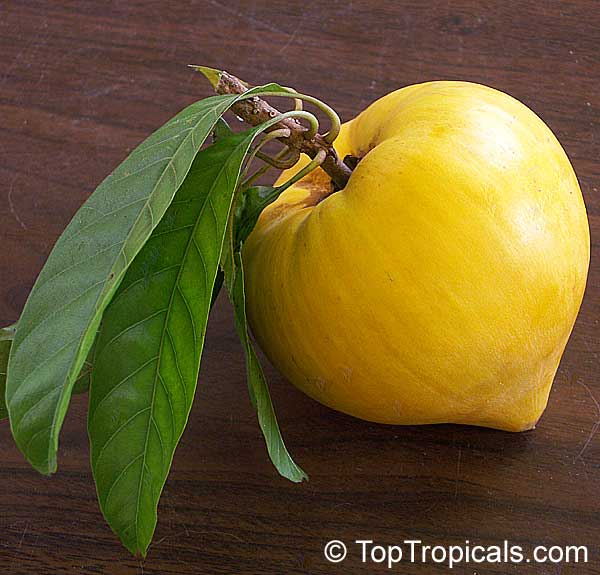
Canistel

Q: What is so good about Canistel fruit? Should I plant a Canistel tree in my garden?

A: Canistel fruit, also known as Eggfruit, has several appealing qualities. It is highly regarded for its sweet, custard-like flavor and smooth, creamy texture. Additionally, canistel fruit is a good source of essential nutrients such as vitamin A, vitamin C, and dietary fiber, making it a nutritious choice for those seeking a unique and tasty fruit experience.

Planting a Canistel tree can be beneficial for a few reasons. Firstly, it allows you to enjoy the delectable fruit it produces right in your own backyard, providing a fresh and unique addition to your homegrown produce.

Secondly, Canistel trees are relatively low-maintenance and can thrive in warm climates, making them a suitable choice for tropical or subtropical regions.

Finally, by planting a Canistel tree, you contribute to the preservation and diversity of fruit-bearing trees, enriching the ecosystem and potentially attracting wildlife to your garden.

To learn more about Canistel tree, fruit, tasty recipes, and more - see this article:

Pouteria campechiana - Canistel, the curious heart-shaped Egg Super-Fruit

Canistel  tree  with  fruit

Date: 22 Aug 2022

What tree will fruit indoors?

Fruit  trees  for  indoor  containers

Q: I love your tropical fruit selection and I wish I lived in a warmer climate. Is there any fruit tree that can be happy indoors during winter and have fruit? I am not expecting a big crop but it would be fun to have a small piece of tropics at home. I don't have much gardening experience, can you suggest something easy for a start?

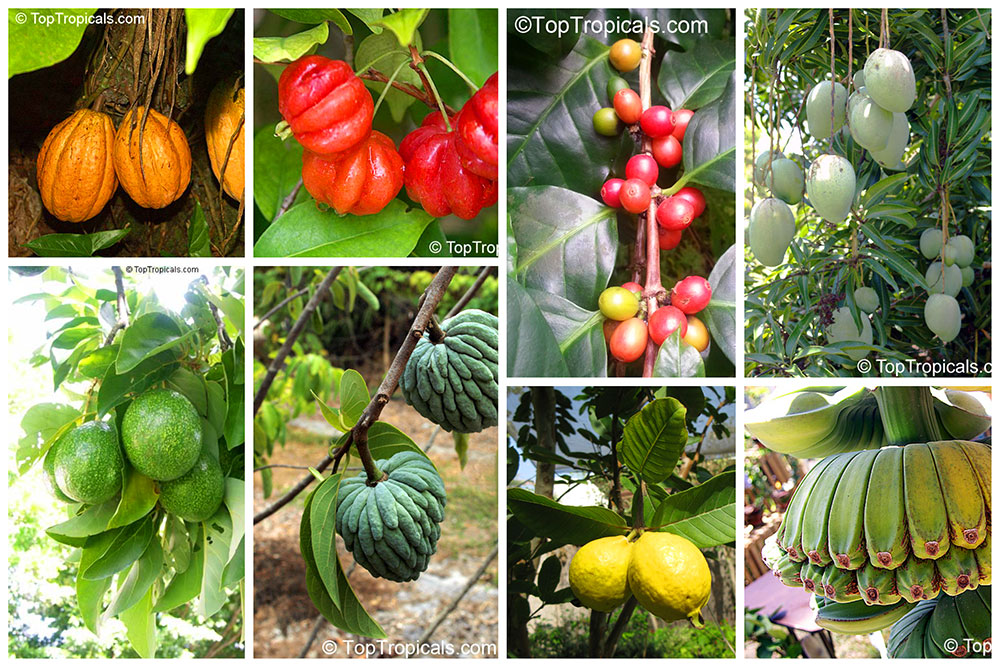
A: Several tropical fruit trees can be grown indoors, in pots, providing bright light that is necessary for flowering and setting fruit. Among them are many varieties of Bananas, Guavas, Annonas and tropical Cherries - these can be easily maintained in containers. Even dwarf varieties of Avocado and Mango are good candidates for indoor culture. You can bring containers indoors for winter and take outside into full sun during warm months so your plants can store lots of energy in Summer.
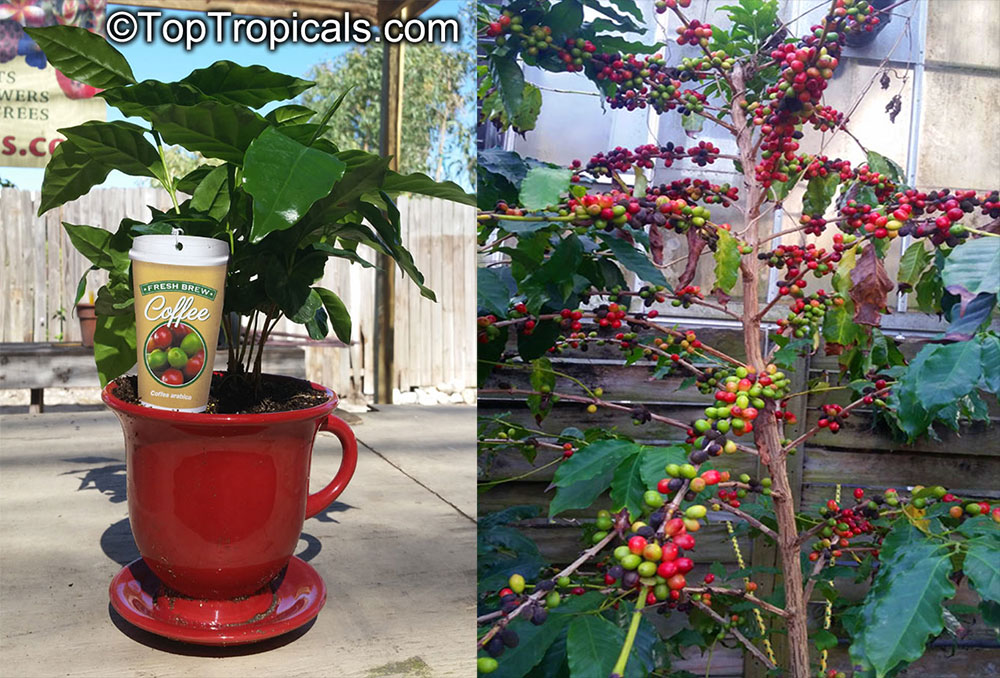
The easiest fruit tree for indoor culture that doesn't require bright light and can be grown indoors year around is a Coffee tree. Start with it, it is on sale today! Once you gain some experience, you can upgrade to a Chocolate tree!
Remember, all container grown plants need balanced nutrition program. It can be easily provided with Sunshine Boosters your around. For fruit trees, just add some Sunshine C-Cibus Crop Booster to your cart.

Coffee  video

Date: 24 Jun 2018

TopTropicals

Fruitful Fruit and SuperFood...

Q: I have a large fruit garden here in Florida with many mango trees, avocadoes, guavas, and other tropical fruit. Last year hurricane Irma and flooding killed a few avocado trees, but mangos and guavas survived OK, but the sad part is, very few flowers this year and almost no fruit setting. I noticed on your website your Superfood and Sunshine-Honey boosters that supposedly help fruiting? But I am afraid it is too late now as your instructions say first application must be in early Spring? I wish I discovered earlier that my trees wouldn't want to fruit this year...

A: First of all, it is never late to give the food! You may start applications of SUNSHINE products at any time of the year. The best results will be achieved once you treat your plants on regular basis throughout the whole year cycle of metabolism.
Couple weeks ago we started harvesting our 2 guava trees. These two are the same variety (Variegated Honeymoon), planted within 20 ft from each other and growing in the same conditions. The only difference was, one was treated with SUNSHINE-Honey and SUNSHINE-SuperFood, and another one didn't get any treats in order to have a control plant.
Results are very interesting, see the picture. Both trees were heavily covered with fruit. However the one with treatments developed fruit that is much larger, much sweeter and juicier, and the most interestingly - with less seeds, almost no seeds!
To answer your question: yes, you can start feeding your fruit trees right now. It is still a Springtime. Many mango varieties have late season; even early varieties may delay their fruiting if flowering triggered by miscro-elements. Guavas have very long season and most varieties can have multiple crops throughout Summer-Fall.
Here is a simple and affordable feeding schedule to help your fruit garden recover from last year hurricane stress, and establish reliable production:
1) SUNSHINE-E - for boosting metabolism - once a month
2) SUNSHINE-Honey - for bringing sugars to the heart of the tree and boosting fruit sweetness and quality - now and in 2 weeks
3) SUNSHINE-SuperFood - for overall health, recovering from hurricane and fixing root damage from flood - now and every 2 weeks throughout warm season.
4) You may apply regular balanced fertilizer NPK as usual (we apply once a month, a handful per in-ground tree)
It's that simple. Just try and watch your trees produce again!

Check out all SUNSHINE boosters... We offer FREE shipping on them, so you can make your plants happy!

Date: 11 Nov 2025

Fruits with the most vitamin E, according to dietitians

Fruits with the most vitamin E

Fruits with the most vitamin E

🥭 Fruits with the most vitamin E, according to dietitians

  • 🔛 Vitamin E works as an antioxidant that helps fight inflammation throughout the body. While nuts and seeds top the charts, some fruits quietly add their share to your daily needs - especially when eaten with a bit of healthy fat. According to New York City Nutrition, vitamin E anti-inflammatory action supports heart, brain, and skin health.
  • 🔛 Vitamin E is a fat-soluble vitamin that acts as an antioxidant, meaning it fights inflammation in the body. Because of this anti-inflammatory role, vitamin E is beneficial for immune health, heart health, eye health, brain health, and skin health.
  • 🔛 Adults need about 15 milligrams a day, according to the National Institutes of Health. Deficiency is rare, but it’s smart to get vitamin E from a variety of foods. Fruits alone don’t provide large amounts, but they can complement vitamin-E-rich foods like almonds or sunflower seeds.
  • 🔛 Since vitamin E needs fat for absorption, pair fruit with something creamy or crunchy - like yogurt, olive oil, nuts, or seeds - for best results.
  • 🔛 Here are some fruits that naturally offer vitamin E:

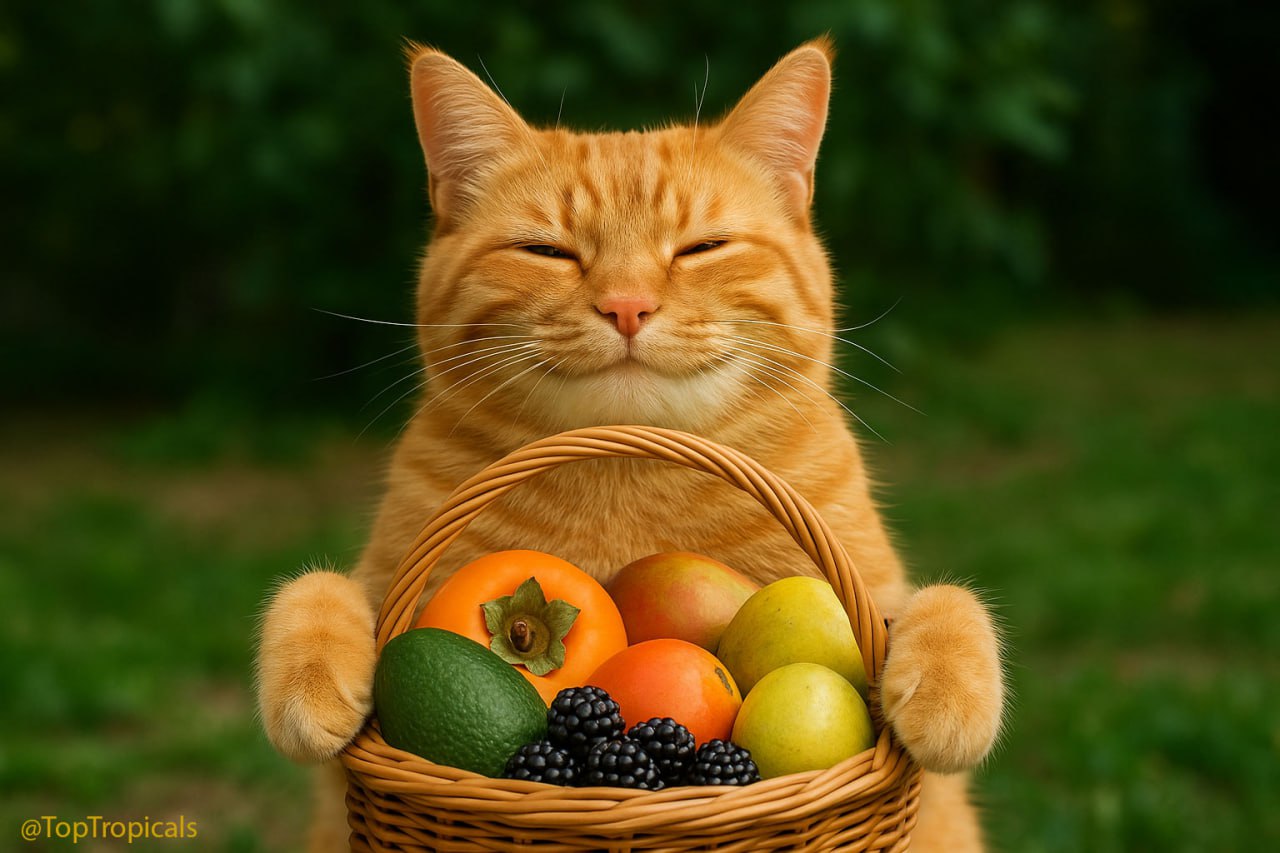
  • 🍊 Sapote 1 cup = 3.7 mg vitamin E. A tropical favorite with rich orange flesh and a flavor somewhere between pumpkin pie and sweet potato, with hints of honey and almond, Sapote is great fresh, blended in shakes, or scooped over ice cream. It also packs calcium, iron, potassium, and vitamins A and C.
  • Blackberries 1 cup = 1.7 mg vitamin E. Deep color, bold flavor, and plenty of antioxidants, Blackberries are high in fiber and low in calories. Dietitian Keri Glassman calls them her top fruit for fighting inflammation.
  • 🥭 Mango 1 cup = 1.5 mg vitamin E. The “king of fruits” brings more than tropical sweetness, Mango supports digestion, helps you feel full longer, and delivers both vitamin A and E in one juicy package.
  • 🍉 Guava 1 cup = 1.2 mg vitamin E. This fragrant fruit has a flavor that lands between strawberry and pear, Guava is also one of the highest-fiber fruits and surprisingly rich in protein for a fruit.
  • 🍑 Persimmon 1 fruit = 1.2 mg vitamin E. An autumn favorite that looks like an orange tomato but tastes sweet and mellow, Persimmons are rich in vitamins A and C and make a colorful, fiber-filled snack or dessert.
  • Avocado 1 fruit = 0.9 mg vitamin E. Creamy, mild, and versatile, Avocado’s healthy fats help your body absorb vitamin E while protecting heart health. Try it on toast, in salads, or as a smooth butter substitute in baking.

🛒 Plant more remedies in your food forest

📚
Learn more:
#Food_Forest #Remedies #Discover

🟢 Join 👉 TopTropicals