Garden Blog - Top Tropicals

Date: 23 Apr 2019

Fruit tree size and production

TopTropicals.com

Q: I am interested in a Strawberry Tree... does this tree produce fruit while still small or do I have to wait until it is large before it produces? Should I fertilize it so it produces sooner? I ask because my garden is not large and I prefer to keep my fruit growing trees in a smaller size. Also, how big is the fruit and does it have a seed?

A: Strawberry Tree, Muntingia Calabura, is one of those fascinating fruit trees that starts flowering and fruiting in small size. We have plants growing in 1 gal containers that already have flowers. This tree is nearly year-round producer providing warm conditions. It is a fast grower, although a compact tree when mature, and can be trimmed to desirable size without affecting production.
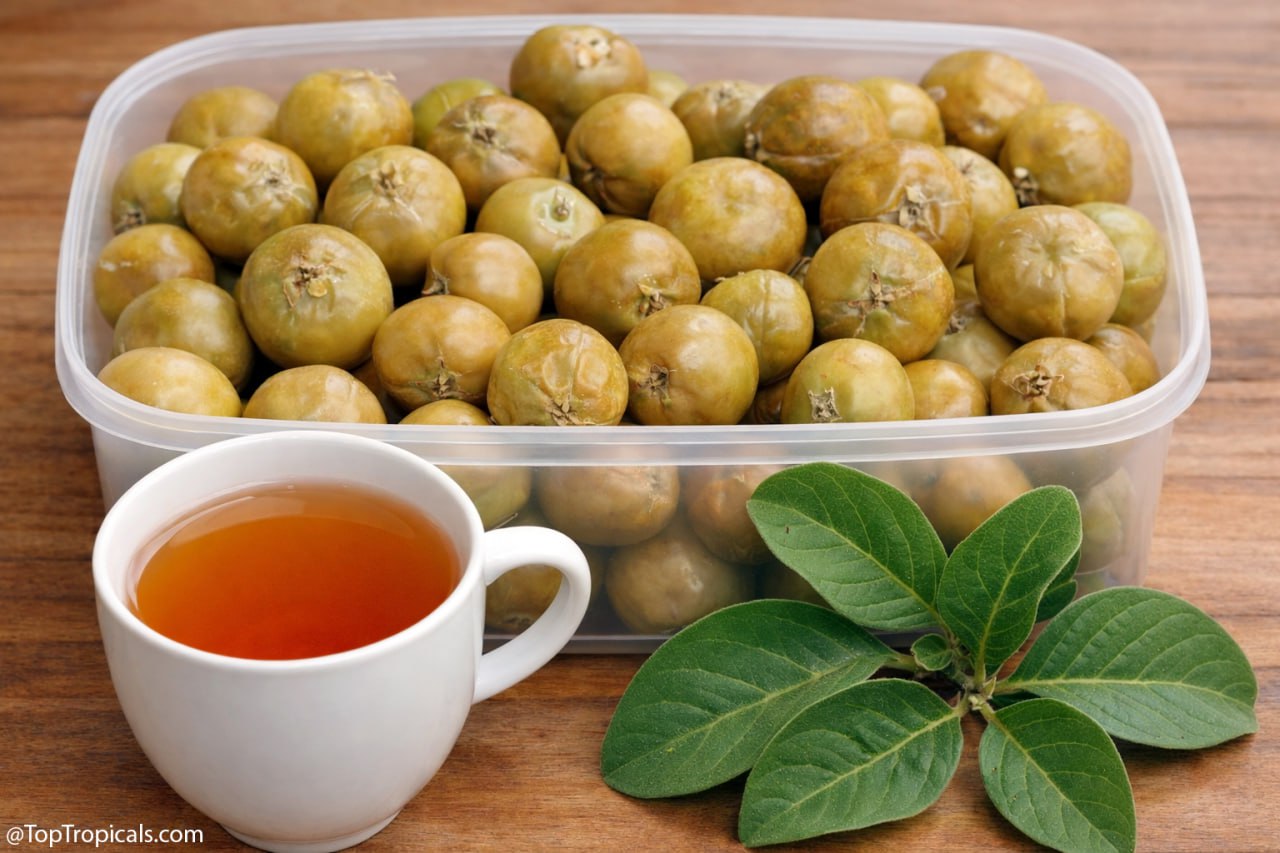
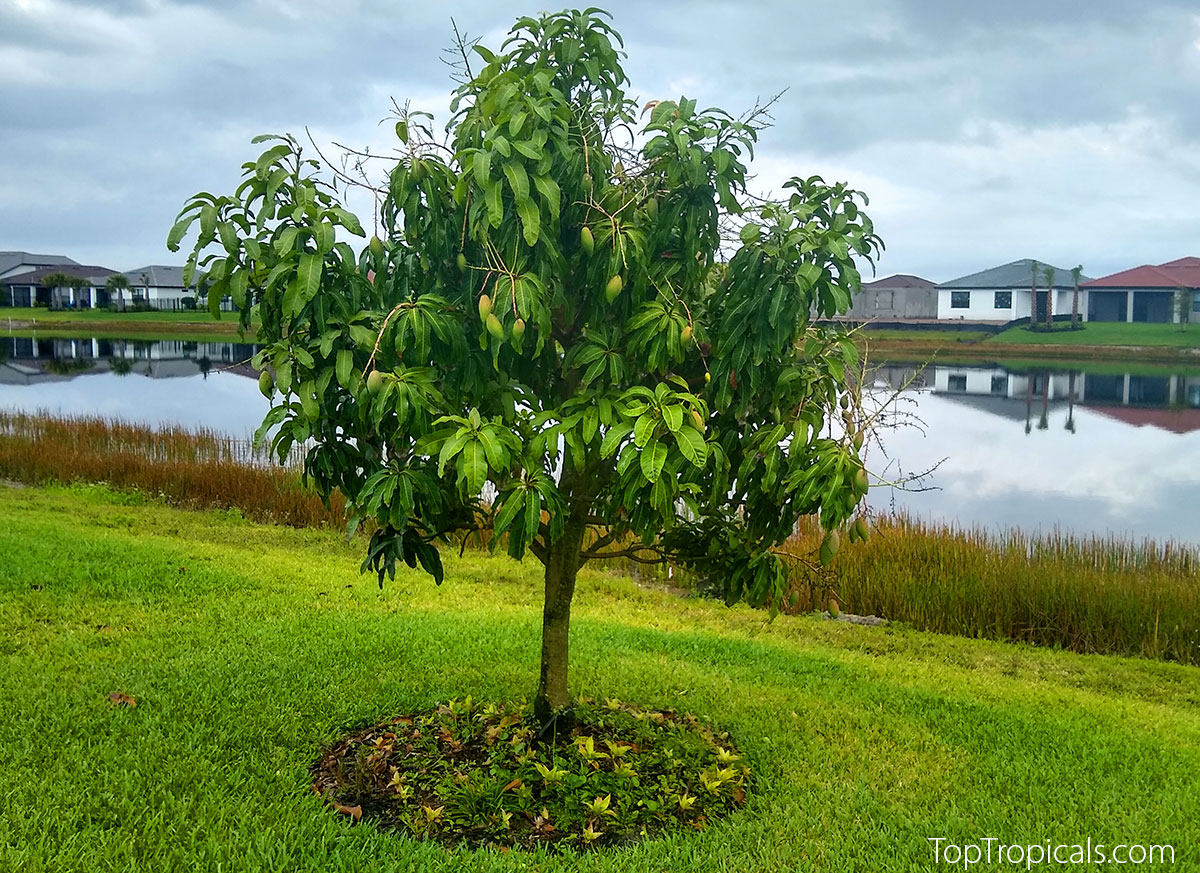
Muntingia fruit is one of our favorites. It is super sweet and juicy, and the seeds are tiny small, not bigger than the strawberry seeds, so you don't have to spit them out. The fruit size normally about 1/2 inch, but we have a tree in our garden that produces almost cherry-size fruit! See picture above. The secret is, good watering and using fruit booster - SUNSHINE honey micro-element supplement. We also fertilize our fruit trees using Fruit Festival and Mango-Food fertilizers.

Date: 8 Jul 2024

What is the best Avocado variety? Five most popular Avocado varieties

Avocado Brogdon

Avocado Brogdon

Avocado Hass

Avocado Hass

Avocado Fuerte

Avocado Fuerte

Avocado Oro Negro

Avocado Oro Negro

Avocado Winter Mexican

Avocado Winter Mexican

Five most popular Avocado varieties


"What is the best variety of Avocado?"
"Do you have the one with small black fruit and bumpy skin?"

"I have avocado with very large green fruit, what variety is it?"

These are frequently asked questions we get from our customers. This basic "classification" by black/green doesn't encompass all the wonderful qualities avocados have to offer. There are numerous hybrids in cultivation, and once you plant your first tree and taste the REAL fruit (not from the grocery store), you'll be eager to explore other varieties. While it's true that avocado fruit can vary in "butter" content, most superior varieties are equally delicious.

✅ We will guide you through Avocado varieties like we did with Mango varieties in earlier posts. First comes first -

🏆 The most popular Avocado varieties:


1. Brogdon - red-purple pear-shaped fruit, 7-15 oz. Skin is very thin, yellow buttery flesh. Fruit ripens in late summer-fall. Very cold hardy.

2. Hass - probably the most popular, but this tree prefers drier climate (Florida is humid, so we plant adaptable Florida Hass here). The fruit is dark-colored with a rough and bumpy skin, turns black when ripe.

3. Fuerte - a dwarf and a very cold hardy variety. Everybody's favorite "Condo Avocado": perfect for container culture and small yards. The mature tree in the ground is under 15 ft; 6-7 ft in containers.

4. Oro Negro - Oro Negro means "black gold" in Spanish, which is an incredibly appropriate name for this fruit. This Monroe hybrid (with big size fruit) is crossed with a Mexican type which would explain the black skin. The flesh is rich and buttery with a creamy texture.

5. Winter Mexican - one of most cold hardy varieties, Guatemalan x Mexican origin. Mature trees may withstand temperatures in the mid 20s. Oblong fruit, 12-18 oz, thick green skin. Very vigorous tree, bears heavily and regularly in December-January.

📚 Learn more: Avocado Variety Guide - check this out for interactive chart of Avocado varieties and sort them by flower type A or B, tree habit, fruit shape and quality, cold hardiness, origin, season and more!

🛒 Shop Avocado Trees

#Food_Forest

🏵 TopTropicals

Date: 23 Jun 2024

The best tropical fruit tree for container growing, and the fastest to fruit:

Rollinia (Rollinia deliciosa) - the biggest Annona fruit

Rollinia (Rollinia deliciosa) - the biggest Annona fruit

Sugar Apple (Annona squamosa)

Sugar Apple (Annona squamosa)

Guanabana (Annona muricata)

Guanabana (Annona muricata)

Pineapple Annona Golden (Annona costaricana)

Pineapple Annona Golden (Annona costaricana)

Custard Apple (Annona reticulata)

Custard Apple (Annona reticulata)

Mountain Soursop or Hedgehog (Annona montana)

Mountain Soursop or Hedgehog (Annona montana)

🏆 The best tropical fruit tree for container growing, and the fastest to fruit: Annona.

🍏 Annonas (Annona sp) are very much loved tropical fruit. The fruit has smooth, creamy flesh, just like a natural custard - hence one of the common names - "Custard Apple". Growing an Annona tree is a rewarding experience, its a small compact tree that will let you enjoy its creamy and exotic fruit right away.

The best tropical tree suited for container growing, due to its small height. It can be maintained within 6-8 ft tall.

The fastest fruiting tree: 2-3-4 years from seed to fruit, depending on species.

Most species are deciduous: drop leaves during winter-spring.

Thrives in frost-free climate. Some species are cold hardier than others. Container culture is a good way to cold protect these beautiful small trees.

❤️ 6 top most popular Annonas:

  • ▪️ Rollinia (Rollinia deliciosa) - the biggest Annona fruit and the most showy
  • ▪️ Sugar Apple (Annona squamosa) - the most popular
  • ▪️ Guanabana (Annona muricata) - the most cold sensitive but the fruit is so tasty!
  • ▪️ Pineapple Annona Golden (Annona costaricana) - cold hardy and easy to grow
  • ▪️ Custard Apple (Annona reticulata) - with red flesh
  • ▪️ Mountain Soursop or Hedgehog (Annona montana) - mentioned earlier, cold hardy


📚 Learn more:
Horoscope for Guanabana tree
Hedgehog Mountain Soursop - Annona montana
How to grow and hand-pollinate Guanabana Tree indoors (PDF)

🛒 Shop Annona varieties

#Food_Forest

🏵 TopTropicals

Date: 18 Aug 2024

What fruit tree is full of fruit year around

DWARF June plum, Ambarella (Spondias cytherea)

🍈 What fruit tree is full of fruit year around

Our Dwarf June Plum that we mentioned earlier is full of fruit again! Looks like this tree is fruiting year around. We always see either fruit on it, or both flowers and fruit. It is probably the heaviest producer we've ever seen!
  • ✳️ This exciting fruit tree will amaze you with its ability to fruit abundantly at a young age and small size. This is a DWARF variety of June plum, or Ambarella (Spondias cytherea).
  • ✳️ Compact 6-7 ft tree. Perfect container fruit tree.
  • ✳️ Very aromatic fruit, resembling that of a Mango (it's Mango's close relative) but with completely different, fragrant flavor.
  • ✳️ Expect heavy fruit production!


🛒Order Dwarf June Plum

#Food_Forest #Container_Garden

🔴 Join 👉 TopTropicals

Date: 29 Dec 2024

Carefree Garden:
How easy is it to grow a Papaya tree?

Cat  eating  Papaya  fruit

Q: What is the easiest to grow fruit tree? It must tolerate, heat, rains, and hurricanes! I live in Florida.

A: Papaya is the easiest to grow fruit tree. In our garden in Florida, newly planted Papaya trees survived several hurricanes, frosts, drought and heat, and keep producing year around!

We all enjoy eating Papaya fruit every day. It is great for digestion and is a perfect naturally sweet, healthy snack. Even our PeopleCats love Papaya. Check out this short video how our cat Cash is begging for his daily Papaya treat!

Cat  eating  Papaya  fruit

Why do we love Papaya? Fun facts about Papaya:

Not a tree: Papaya is technically a giant herb with a single, straight trunk that can grow up to 30 feet tall.

Gender flexible: Papaya plants can change their gender based on environmental conditions. This complex mechanism ensures better adaptability.

Cold and wind resistant: Papayas can withstand light freezes and strong winds, making them surprisingly hardy for a tropical plant.

Solo cultivars: These smaller, round or oval papayas are incredibly sweet and less susceptible to fruit flies.

Papaya  tree  and  fruit

How to grow a Papaya Tree: Practical Guide

Papaya is one of the fastest fruiting plants to grow. Often starting production the same year from planting a seed, papayas are ideal for gardeners seeking quick rewards. Many dwarf varieties reach only 6-8 feet tall, yet produce large crops of full-sized fruit that are easy to harvest. Papaya trees are space-efficient, making it possible to plant multiple trees in even small gardens. Plant 2-3 different cultivars to enjoy year-round harvests of healthy, delicious fruit.

How Easy Are Papaya Trees to Grow?
Papaya trees are exceptionally easy to grow. Technically a large herbaceous plant rather than a true tree, they are resilient and adaptable. They can tolerate light freezes and even hurricane winds without significant damage. Additionally, many varieties are self-fertile, but planting multiple trees encourages better pollination and higher yields.

What Light Levels and Soil Types Are Ideal?
Papayas thrive in full sunlight, so choose a sunny spot in your garden or balcony. They prefer well-draining, fertile soil enriched with organic matter. Add compost or manure to improve soil quality and ensure healthy growth. Avoid waterlogged areas as papayas are sensitive to standing water.

How Much Watering Is Required?
Papayas need some watering to thrive, especially during the growing and fruiting seasons. Water deeply once or twice a week, depending on your climate, ensuring the soil remains moist but not waterlogged. Mulching around the base helps retain moisture and regulate soil temperature.

Growing Papayas in Containers
Papayas can be successfully grown in large containers, making them ideal for gardeners in cooler regions or those with limited space. Choose a container at least 7 gallons in size with good drainage. Use a rich, well-draining potting mix, and place the container in a sunny location. Select dwarf varieties to keep the plant manageable and productive.

Health Benefits of Papaya
Papaya is considered a superfood due to its high nutritional value. Rich in the enzyme papain, it aids digestion and promotes gut health. Papaya is also an excellent source of vitamins A, C, and E, as well as antioxidants that boost immunity and overall wellness. Additionally, papaya leaves can be used as wraps for cooking meats, naturally tenderizing them.

Papayas are a low-maintenance, high-reward addition to a Southern garden or greenhouse collection, whether in the ground or in a container. Their fast growth, year-round fruiting potential, and health benefits make them a must-have for gardeners and fruit enthusiasts alike.

Papaya  tree  and  fruit

Photo above: For small gardens, limited space, or container culture, choose dwarf varieties that remain compact and short (5-8 ft tall) while producing a tremendous amount of fruit! Most productive dwarf varieties: Red Vietnam, Lady Red, TR Hovey, Wan Deng. Semi-dwarf: Waimanalo, Sunrise.