Garden Blog - Top Tropicals

Date: 31 Aug 2025

Zero Sugar fruit: forget lemonade - new perfect summer drink discovered!

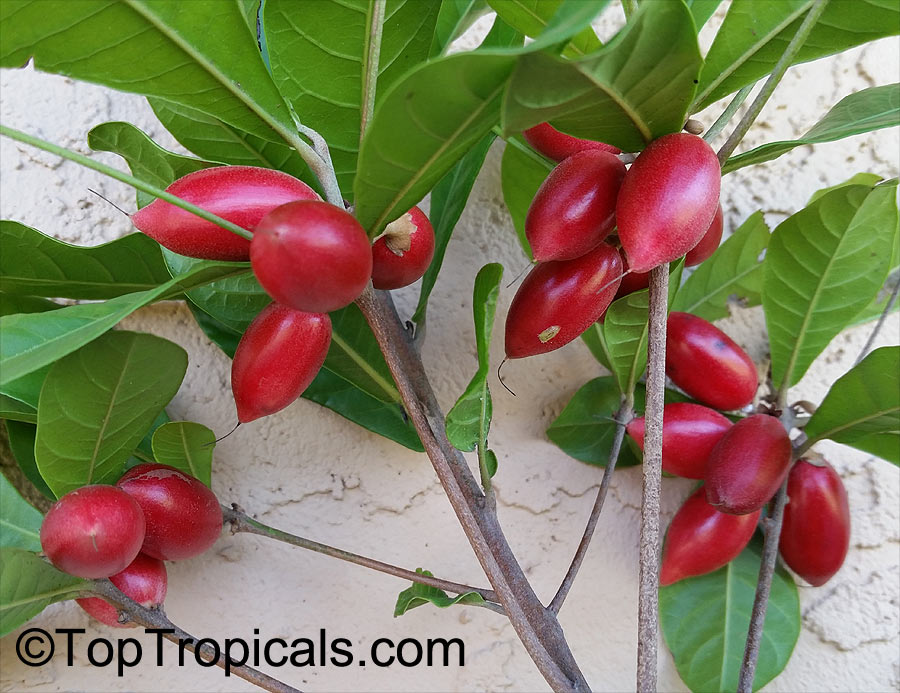
Costa Rican Guava, Cas Guava - Psidium friedrichsthalianum

Zero Sugar fruit: forget lemonade - new perfect summer drink discovered!

  • 🍋 Costa Rican Guava, or Cas Guava (Psidium friedrichsthalianum) is the boldest fruit you can grow for refreshing drinks. Its flavor is sharp, tangy, and unforgettable - perfect for anyone who loves acidic fruit. Cas Guava has sugar at all, unless you decide to add some.
  • 🍋 The trees are super prolific - even young ones fruit heavily, and we make gallons of juice at Top Tropicals.
  • 🍋 The best part? You can freeze the fruit or boil it into a concentrate with a bit of sugar. That drink lasts in the fridge for months without going bad, thanks to Cas Guava’s natural antibacterial punch.
  • 🍋 Cas Guava juice is Costa Rica’s traditional Agua de Cas - tart, refreshing, and perfect for summer heat. And if you save enough, you’ll still be sipping it through the winter.


♨️ Agua de Cas Quick Recipe


We boiled this fruit and the drink lasted for months!
  • Boil halved fruits in water with sugar to taste
  • Simmer 5-10 minutes, let sit, then mash the softened fruit to release all the flavor
  • Strain through a colander, bottle, and refrigerate - just dilute with water when serving


✔️ Why choose Cas Guava?

  • • Packed with vitamin C - four times more than lemons - for a powerful immune boost.
  • • Rich in antioxidants to combat stress and inflammation.
  • • Hardy and low-maintenance, thriving in poor soils and resisting pests.


🛒 Grow your own Cas Guava

📚 Learn more:


#Food_Forest #Recipes #Guava

🟢 Join 👉 TopTropicals

Date: 18 Sep 2025

Passion fruit fizz: Quick-n-Fun exotic recipes

Passion fruit fizz: Quick-n-Fun exotic recipes

🍴 Passion fruit fizz: Quick-n-Fun exotic recipes 🍹


  • 🔴Scoop passion fruit pulp into sparkling water with a squeeze of orange juice.
  • 🔴A bubbly, tangy tropical soda!
  • 🔴You may add a plash of Rum (optional)


🛒

Passion fruit fizz recipes

Ingredients

  • 2 passion fruits (pulp scooped)
  • 1 cup sparkling water
  • 1 tbsp orange juice
  • (Optional) 1 shot rum

Instructions

  1. Scoop passion fruit pulp into a glass.
  2. Add sparkling water and orange juice, stir gently.
  3. Optionally add a splash of rum.
  4. Serve chilled with an orange slice garnish.
Shop Passion fruit plants

#Food_Forest #Recipes

🟢 Join 👉 TopTropicals

Date: 2 Oct 2025

Peanut butter fruit smoothie: quick-n-fun exotic recipes

Peanut butter fruit smoothie

Peanut butter fruit smoothie

🍴 Peanut butter fruit smoothie: quick-n-fun exotic recipes

  • 🔴Peanut butter fruit (Bunchosia argentia) makes delicious shake!
  • 🔴Blend ripe peanut butter fruits with milk and honey.
  • 🔴A creamy shake that tastes like dessert straight from the tree!

Peanut Butter Fruit Smoothie

Ingredients

  • 1 cup ripe peanut butter fruit (Bunchosia argentea), seeded
  • 1 cup cold milk
  • 1–2 tablespoons honey
  • Ice cubes (optional)

Instructions

  1. Remove seeds from ripe peanut butter fruits.
  2. Blend fruits with milk and honey until smooth.
  3. Add ice cubes if desired for a chilled version.
  4. Serve immediately and enjoy a creamy shake that tastes like dessert straight from the tree!

🛒 Harvest Peanut Butter Fruit - the tree is fast fruiting!

#Food_Forest #Recipes

🟢 Join 👉 TopTropicals

Date: 14 Oct 2025

Yes, you can grow a tropical fruit tree in a pot!

Yes, you can grow a tropical fruit tree in a pot! Yes, you can grow a tropical fruit tree in a pot!

🥭 Yes, you can grow a tropical fruit tree in a pot!


  • 🍒 If you dream of picking fresh tropical fruit - Mango, Avocado, exotiс Annona and more - but only have a patio, balcony, or small yard, you’re not out of luck. Many tropical fruit trees grow perfectly well in large containers. The key is choosing the right variety, pot, and care routine.

  • 🍒 Pick a compact tree type

Start with a dwarf or semi-dwarf variety. Regular tropical trees can grow huge, but container-sized cultivars stay under 8–10 feet and are much easier to manage. For example, Condo varieties of Mango like Pickering or Ice Cream stay small and still produce full-sized fruit. The same goes for Dwarf Avocados like Wurtz (also called Little Cado) and Sugar apples. Blackberry Jam fruit tree (Randia formosa) and Peanut Butter Fruit tree (Bunchosia argentea) are also excellent choices.

  • 🍒 Choose the right pot

Begin with a 5-gallon container and move up as the tree grows. A mature plant will be happy in a 20–25-gallon pot. Drainage is critical - roots will rot if the pot stays soggy. Use a sturdy plastic, ceramic, or wooden container with multiple holes in the bottom.

  • 🍒 Soil and watering

These trees all like loose, well-draining soil. Mix potting soil with perlite or pine bark for better aeration. Water deeply but not too often - let the top few inches dry before watering again. Overwatering is the quickest way to kill a potted tropical.

  • 🍒 Light and feeding

Full sun is a must - aim for at least 6 hours daily. Fertilize during the growing season with a balanced fruit tree or slow-release fertilizer like Green Magic or liquid Sunshine Boosters. Many tropicals appreciate an extra boost of micronutrients like iron and magnesium to keep their leaves green.

🍒 Cold protection and pruning


If you live where winters get chilly, move the pot indoors or into a greenhouse before frost. Prune lightly in spring to keep shape and airflow. Container trees can fruit heavily if given light, warmth, and consistent care.

At the end of the day, container culture lets you grow the tropics anywhere - from a city balcony to a backyard deck.

Next: The best tropical fruit trees for containers...

📸 Growing and fruiting Soursop in apartment (PDF download)

🛒 Explore tropical fruit trees

#Food_Forest #How_to #Discover

🟢 Join 👉 TopTropicals

Date: 30 Sep 2023

Avocado Variety Guide: Snack or Guacamole?
Collector's inspiration

Avocado  Red  Russel

Photo above: It's NOT an egg plant! It's a Red Russell :)

A comprehensive guide to Avocado varieties by: flower type A or B, tree habit, fruit shape and quality, cold hardiness, origin, season and more!

Many gardeners who are eager to purchase their first avocado tree often wonder which variety to choose. Most people are familiar with two primary classifications commonly found in grocery stores: Small & Black or Large & Green.

Frequently, we hear customers ask, "Do you have the one I like, the smaller fruit with bumpy skin? Not that big, tasteless, and watery one!" What they may not realize is that this basic (but practical!) classification doesn't encompass all the wonderful qualities avocados have to offer. There are numerous hybrids in cultivation, and once you plant your first tree and taste the REAL fruit (not from the grocery store), you'll be eager to explore other varieties. It's a guarantee! While it's true that avocado fruit can vary in "butter" content and how "watery" or "buttery" it is, most superior varieties are equally delicious. Or perhaps we should say they are so versatile and distinct in taste that you'll start building your collection of these trees, much like fruit enthusiasts do with mango varieties.

Every garden has unique requirements based on climate, temperature, and property size. These factors must be considered before planning your avocado garden. Additionally, many gardeners may wonder about Type A vs. Type B classifications and whether they need more than one tree to yield fruit. You'll find all this valuable information in our Avocado Variety Guide.

Cat  with  avocados

Basic classifications of avocados

1) By flowering pattern and pollination behavior: Type A and Type B

2) By origin: Mexican, Guatemalan, and West Indian (along with many hybrids)

3) By fruit appearance, texture and taste: Guacamole Avocado ("Smooth skin") and Snack Avocado ("California" or "Hass" type)

4) By growth habit: full size trees, free branching or upright, semi-dwarf low growing, and dwarf ("condo avocados")

5) By cold hardiness: Cold sensitive (requiring frost-free conditions), cold tolerant (able to withstand light frost), and cold hardy (capable of enduring some hard freezes once established)

6) By ripening season: Early or Spring (March-June), Mid or Summer (July-September), and Late or Fall-Winter (October-February).

Cat  with  Red  Russel  Avocado