Piper longum - Indian Long Pepper, Pippali, Bengal Peppe
🔥 How to grow your own Pepper plants. Five most valuable 'Pipers'. ℹ️ Leafy Pepper plants - Pipers - are a source of black pepper and many other "peppery" flavors. These plants come from the Piperaceae family and are used as a spice for their pungent, peppery flavor. Don't confuse them with with Capsicum peppers, such as bell and chili peppers.
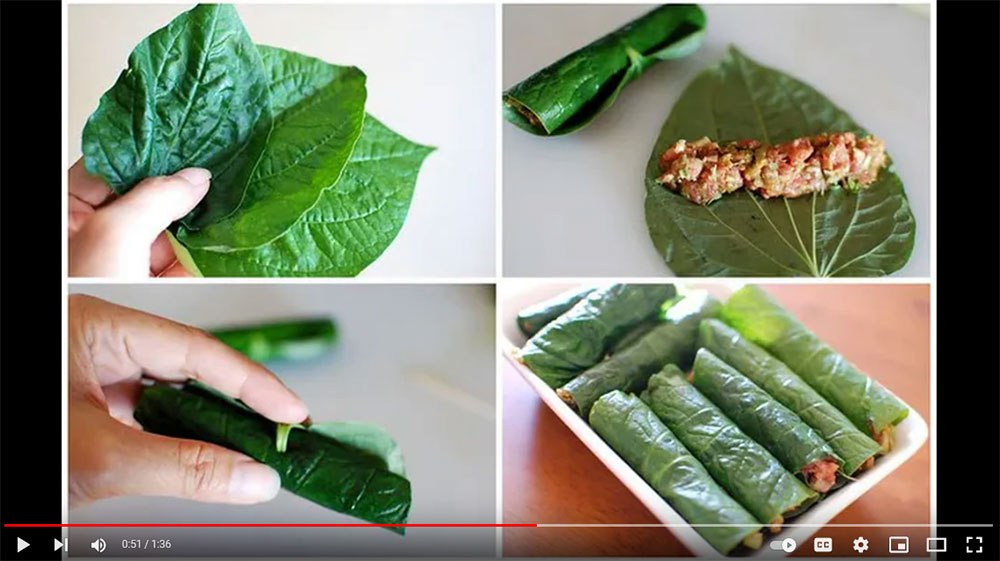
Piper sarmentosum - Vietnamese Pepper, Lalot: it is eaten raw in salads or cooked with other greens or dishes, or wrap meats and cook in oven or on stove or grill. It is used medicinally in India and SE Asia. The root is also chewed with Betel Nut as a tonic and medicine. The leaves are used as food (food wraps) in Vietnam.
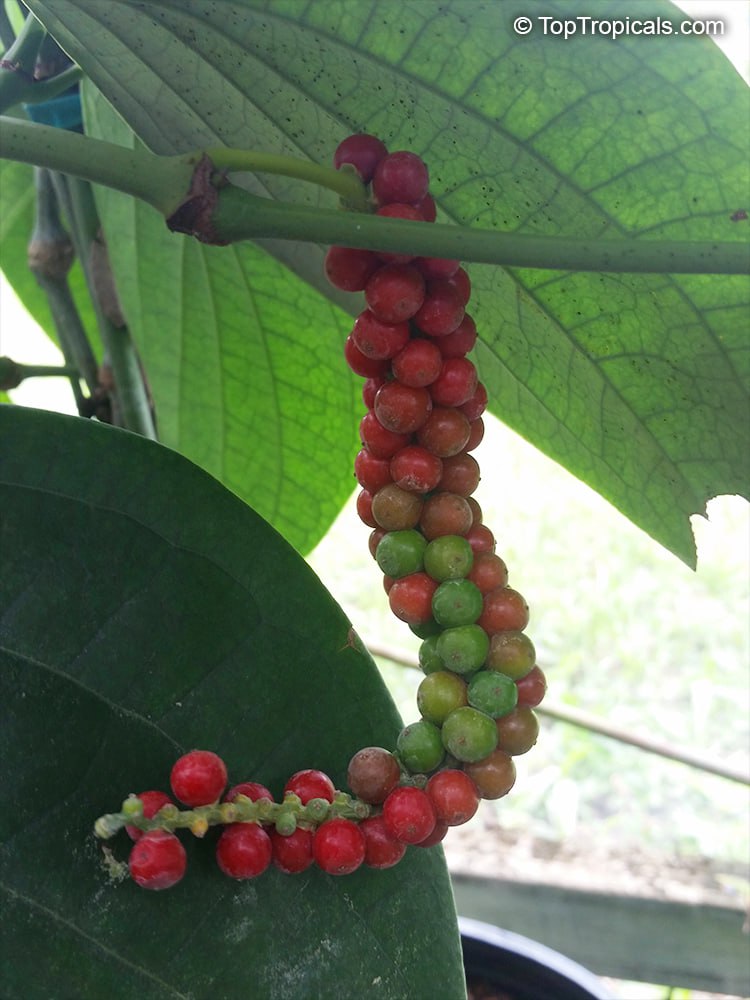
🔻Piper nigrum - Black Pepper: While black and white pepper were already known in antiquity, but green pepper (and even more, red pepper) is a recent invention. Pungent and aromatic. The pungency is strongest in white pepper and weakest in green pepper, while black and green pepper are more aromatic than the white one. Moderate growing vine that can be grown on a trellis. Prefers shade to semi-shade.
🔻 Piper auritum - Root Beer Plant, False Kava-Kava: close relative of Piper methysticum (Kava-Kava) and probably has some similar tonic effects. It is used for its spicy aromatic scent and flavor, liken to root beer, or to anise-clove. Huge leaves can grow over a foot long. The leaves are used for flavoring, as wrappings for meats and tamales.
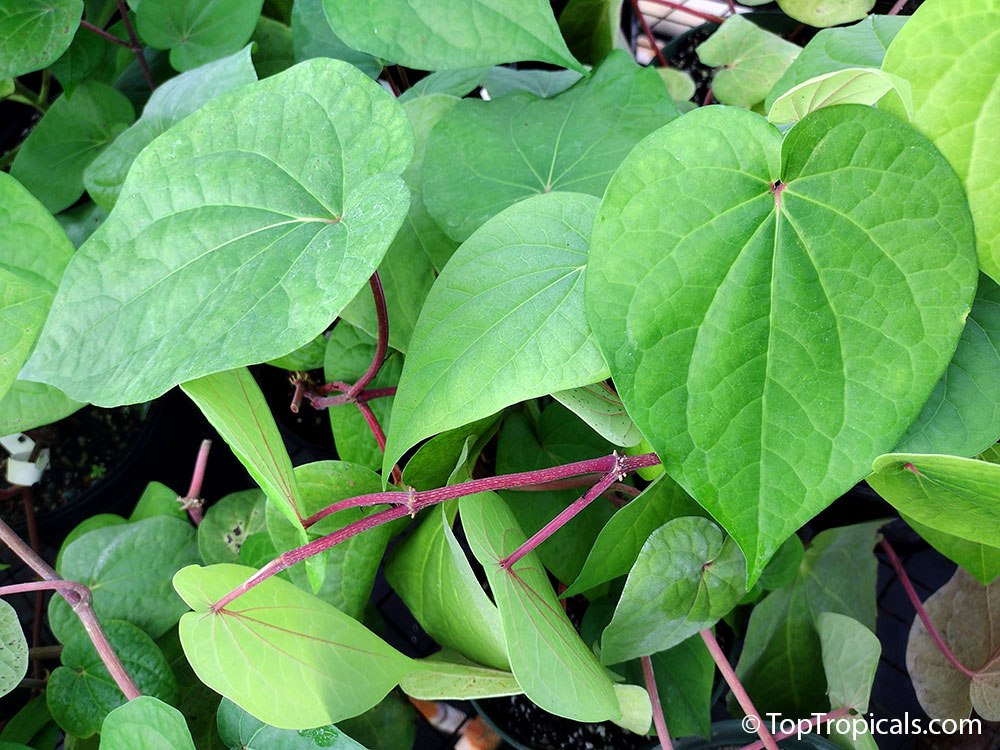
🔻 Piper betle - Betel leaf: very popular Indian spice with medicinal properties. Chewed with Betel Nut as a tonic and medicine. Great for wrapping food (similar to grape leaves).
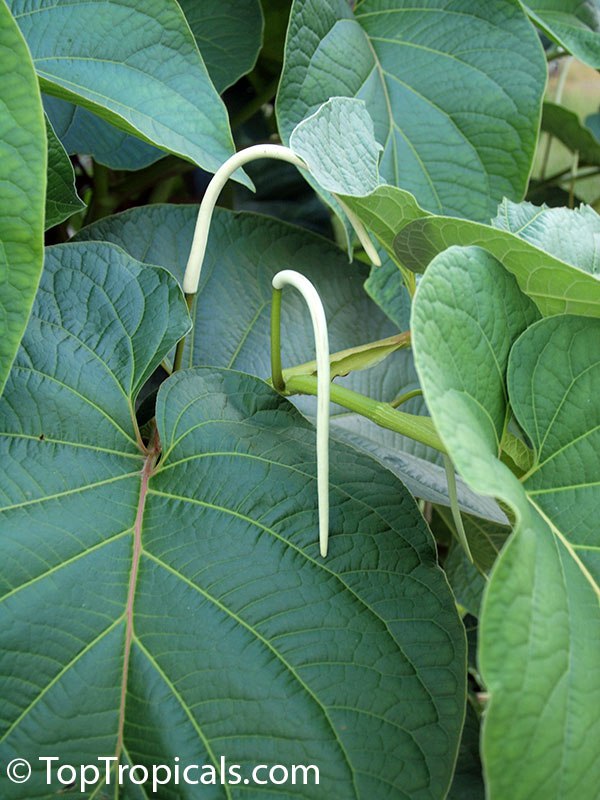
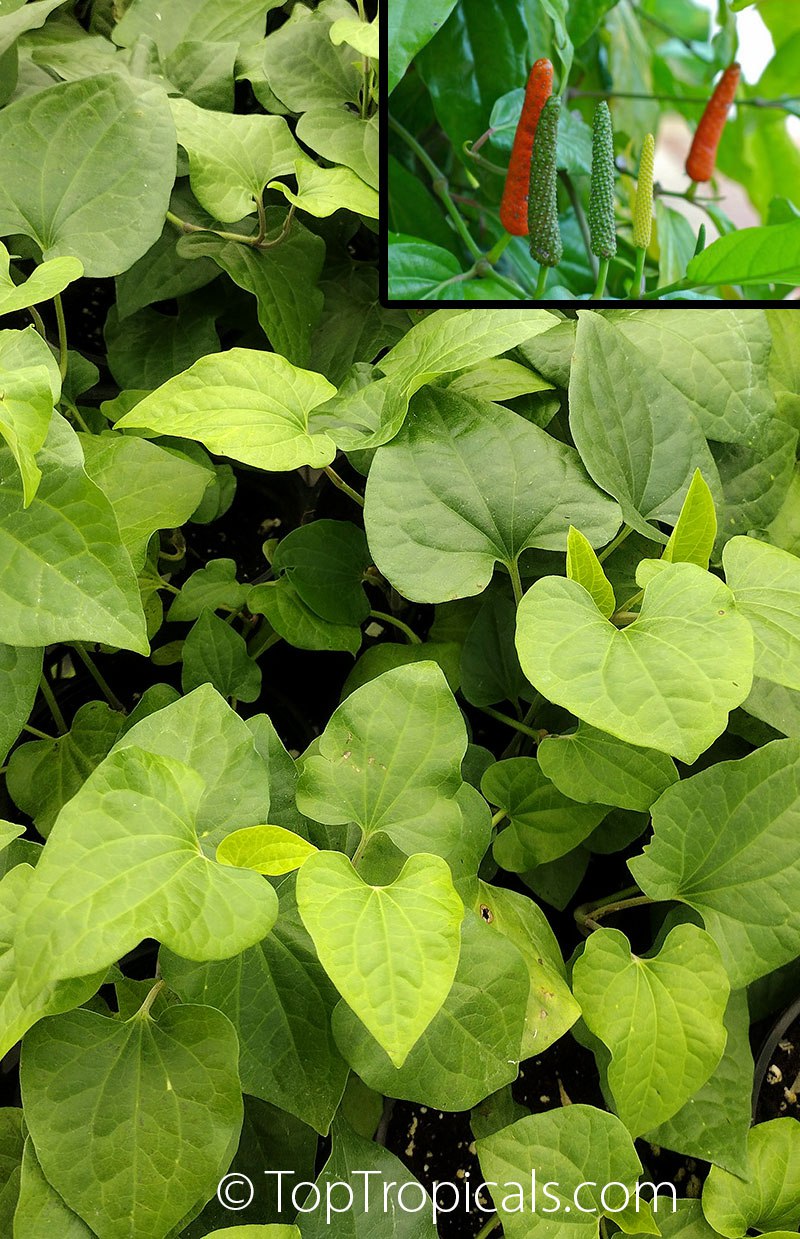
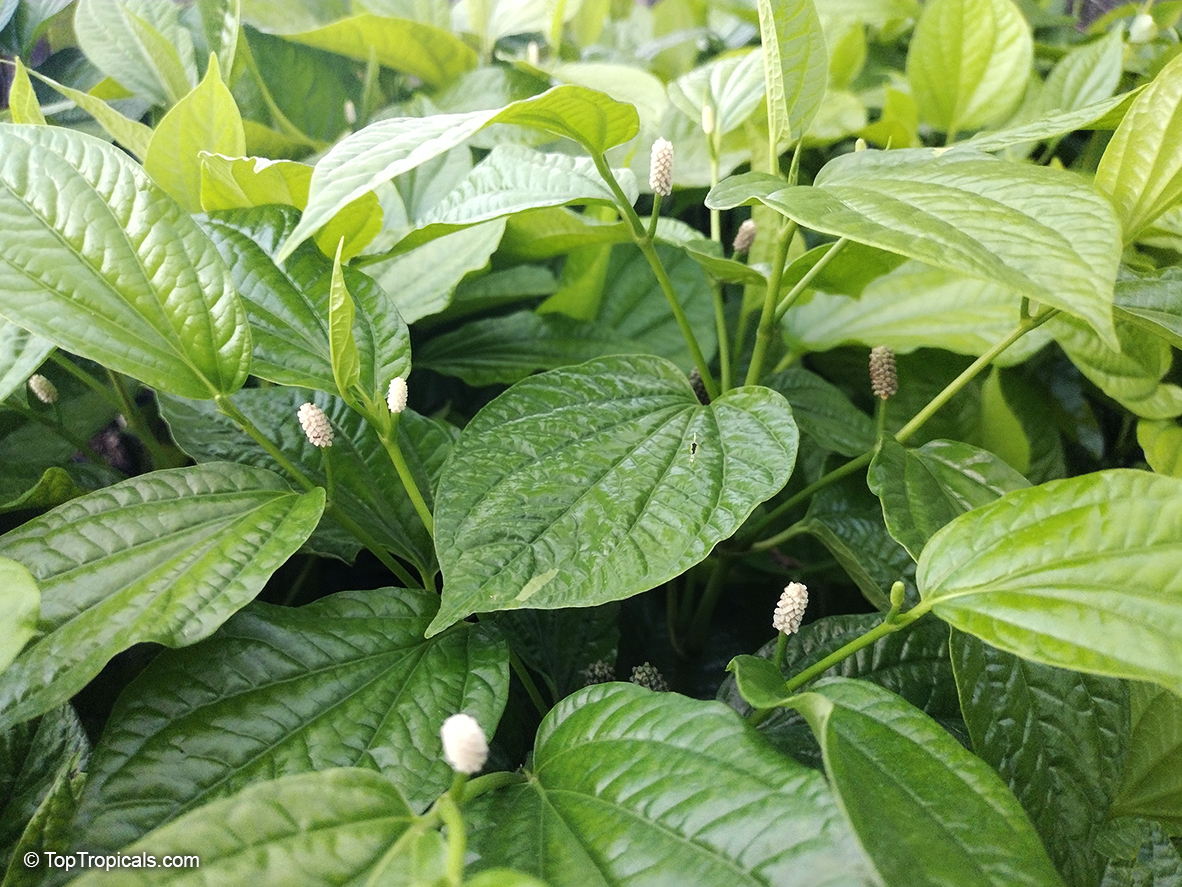
🔻Piper longum - Indian Long Pepper, Pippali, Bengal Pepper: edible and medicinal plant used as spice and in traditional Chinese medicine. Fruit used as a spice and seasoning. It has sweeter and less pungent taste than Black pepper. Highly valued medicinal plant used to treat respiratory infections, stomachache, bronchitis, cough, and much more.
What are 5 most useful edibles for tropical garden?
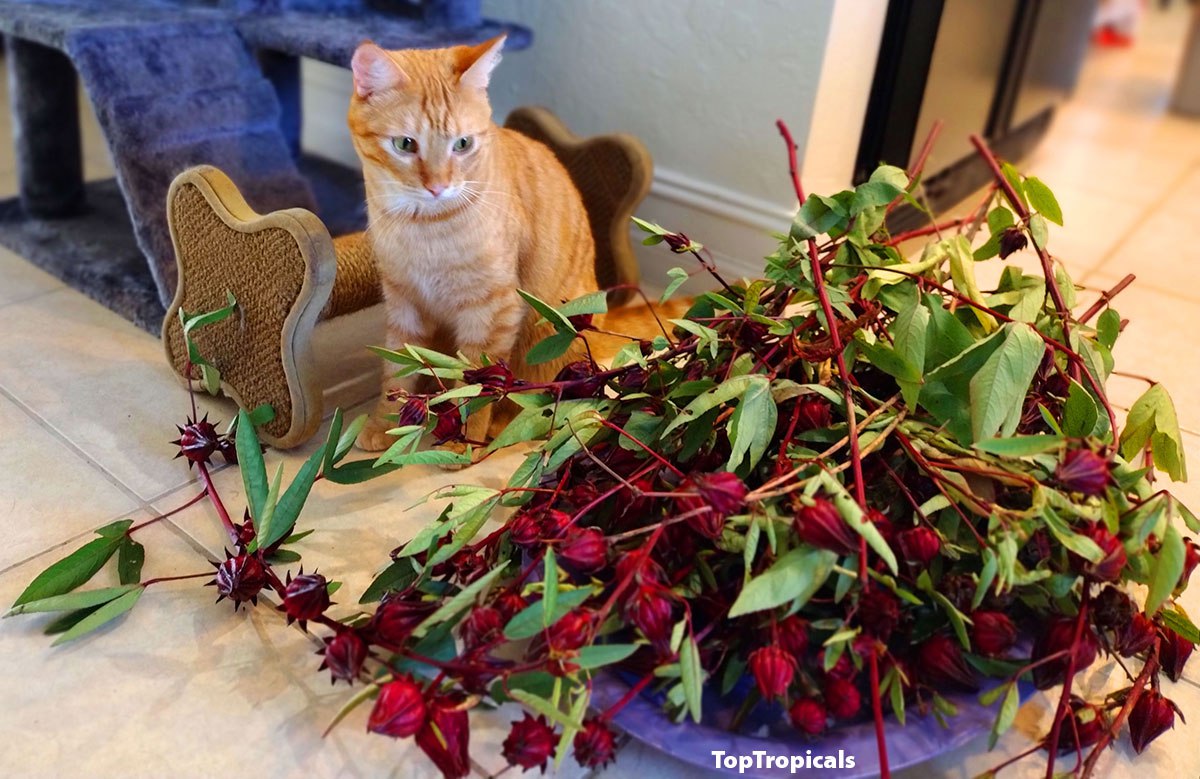
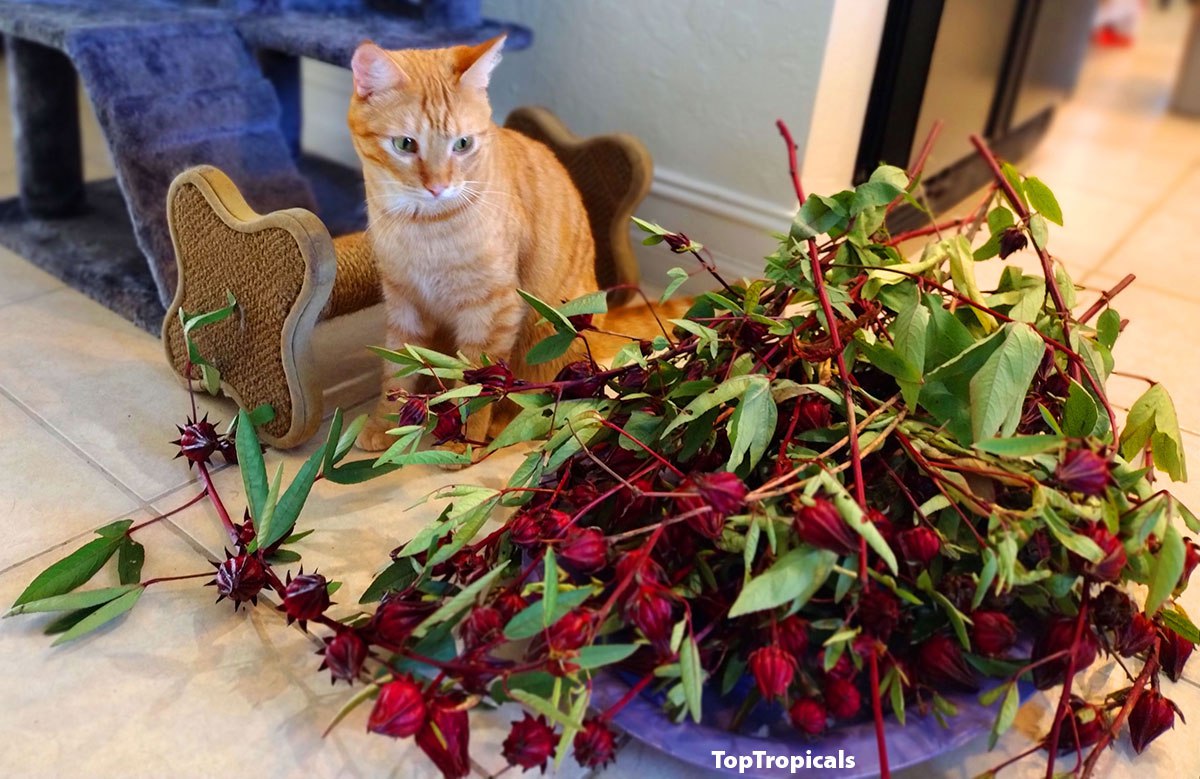
📍 1. Hibiscus sabdariffa - Flor de Jamaica, Karkade Sorrel - Flowers are used to make a tea "Agua de Flor de Jamaica". Medical studies show that it lowers blood pressure and has diuretic effects. The pleasant flavor is on the tart side similar to a cranberry juice. We make this cold tea every day - perfect for hot summer. Full sun ☀️
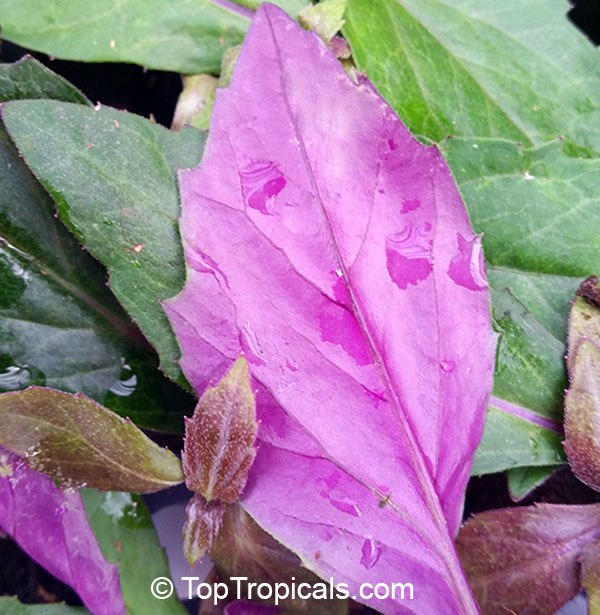
📍 2. Gynura procubens - Longevity Spinach, Cholesterol spinach - one of the Superfoods, and there are many claims that it lowers cholesterol. We use it in our cooking all the time and so far we are all alive! Full sun☀️
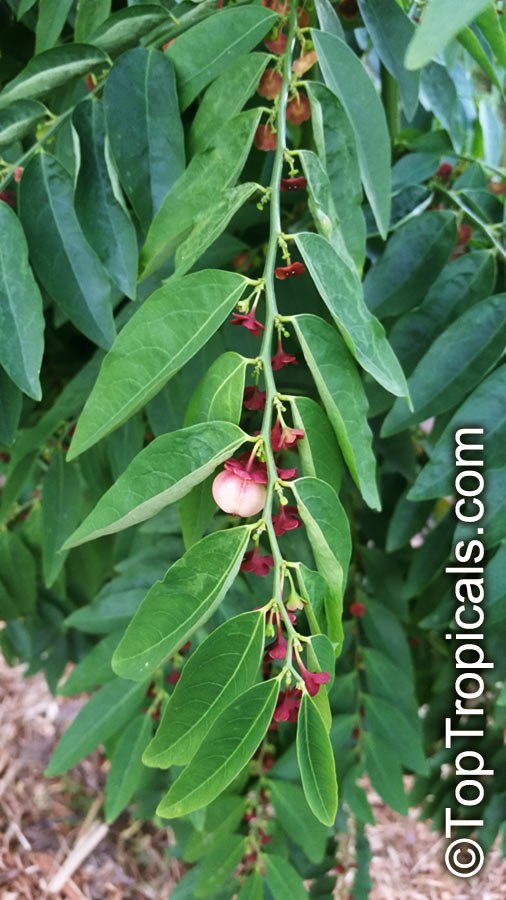
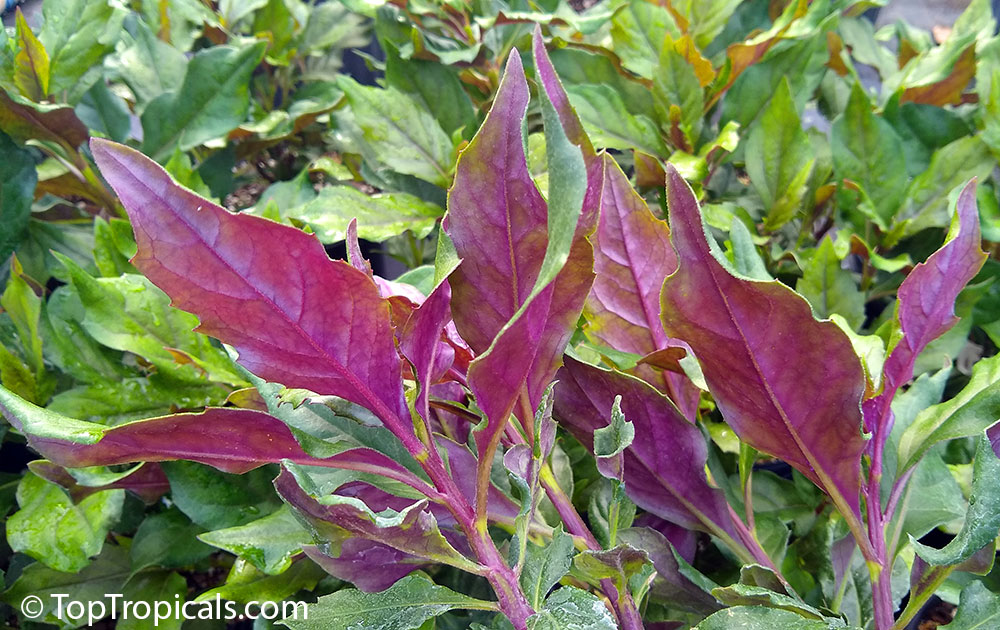
📍 3. Sauropus androgynus - Katuk, Tropical Asparagus. Delicious young shoots, one of the most popular leaf vegetables in Southeast Asia. In Vietnam, people cook it in stews and soups. It is among only a few flora containing vitamin K. Full sun or semi-shade☀️🌓
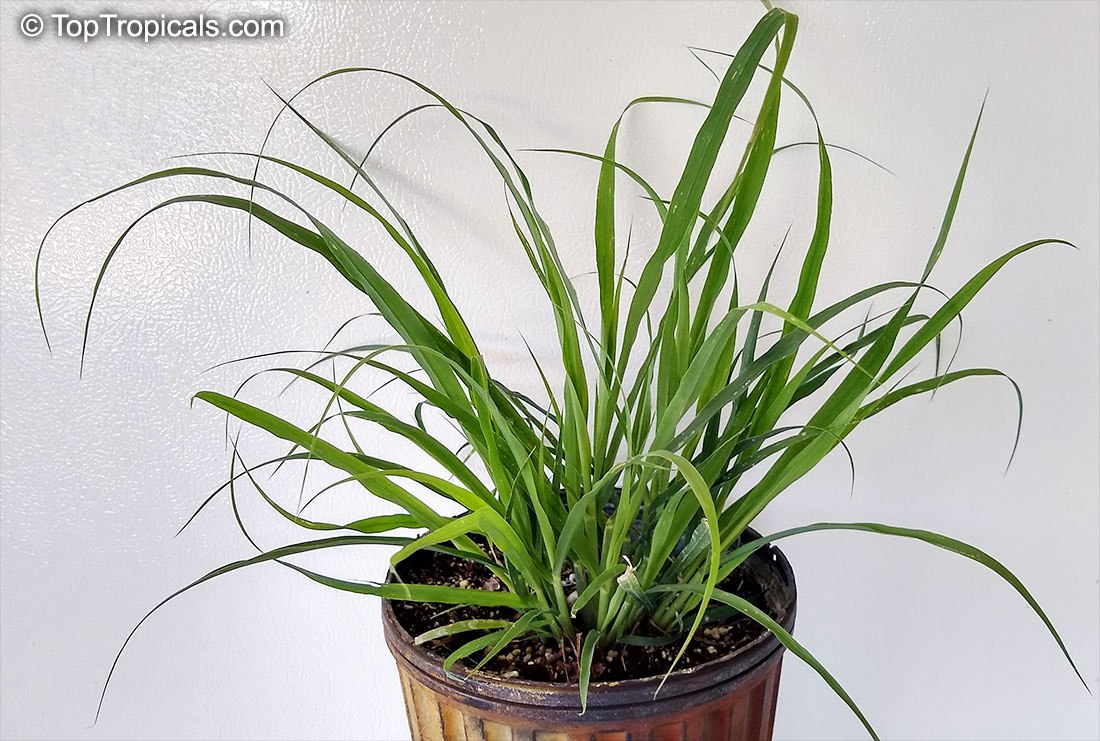
📍 4. Cymbopogon citratus - Lemon grass: Versatile performer in the kitchen where it can be used in teas, beverages, herbal medicines, Eastern inspired soups and other dishes. Full sun or semi-shade☀️🌓
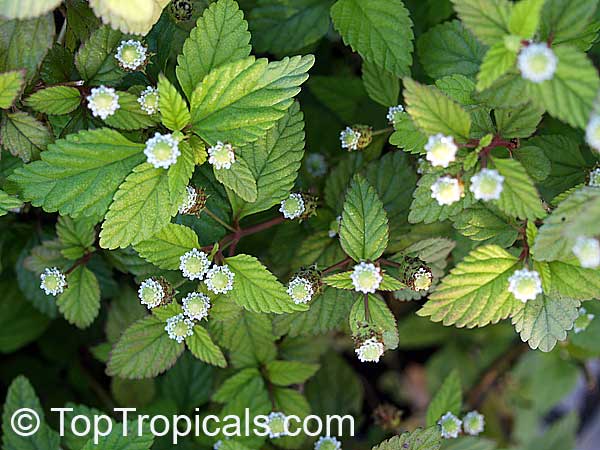
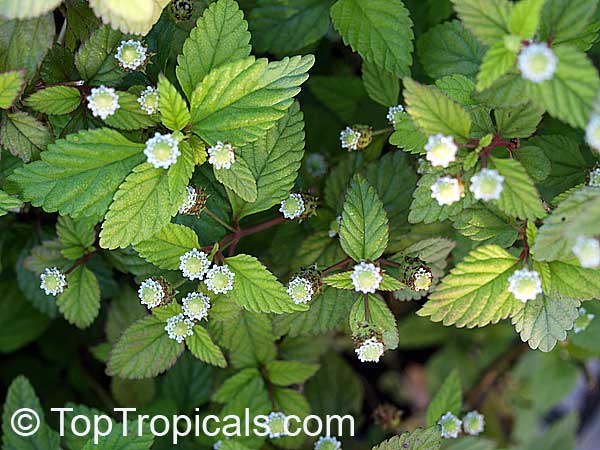
📍 5. Lippia dulcis - Aztec Sweet Herb, Sweetleaf: Mexican herb with incredibly sweet leaves that can be eaten from the plant like candy or tossed into fruit salads for an unusual addition. It has been used since the time of the Aztecs for coughs and colds. Tastes great, can be used by diabetic patients. We add this herb to Karkade or Mint tea as a sweetener. Shade or semi-shade ☁️ 🌓
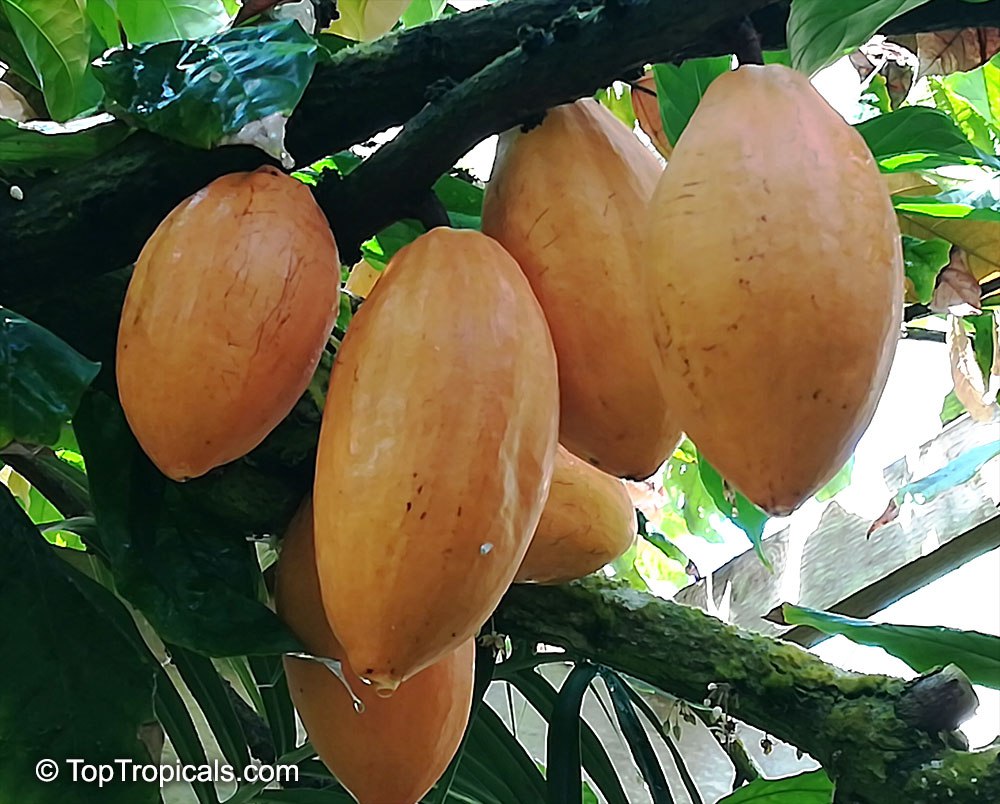
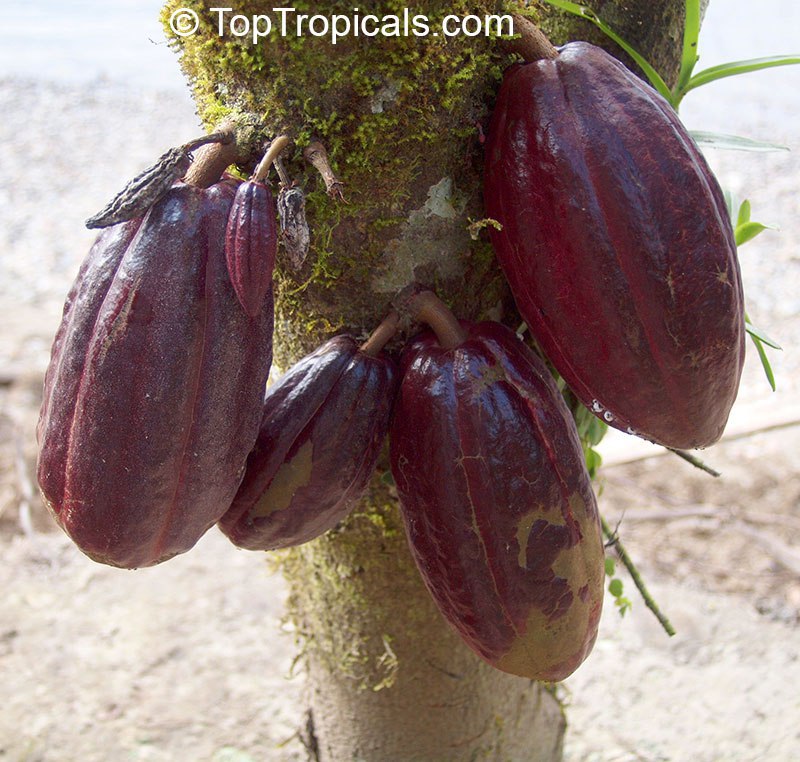
Theobroma cacao, commonly known as the Chocolate Tree or Cacao Tree, is very exciting plant and a superfood as we mentioned earlier.
💥 Theobroma means "food of the gods" in Greek. "Theo" means god, and "broma" means food.
💥 The Olmecs, Mayans, and Aztecs were among the first to cultivate cacao, using it to make a bitter beverage called xocoatl. It was often spiced with chili peppers and used in various rituals and ceremonies.
💥 Currency: in ancient Mesoamerican cultures, cacao beans were so valuable that they were used as a form of currency. For example, 100 beans could buy a slave or a turkey.
💥 The Aztecs believed that cacao had stimulating properties and used it as an aphrodisiac. Emperor Montezuma was said to consume a large amount of cacao before visiting his harem. We can't deny that chocolate's mood-enhancing properties, combined with cultural and psychological factors, contribute to its romantic allure! ❤️
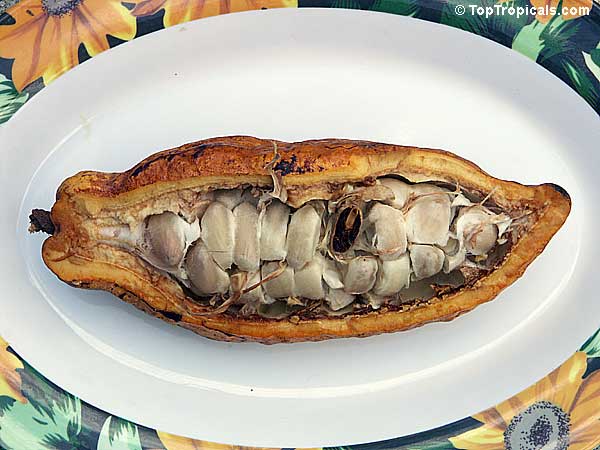
💥 A cacao pod contains 20 to 50 beans, each surrounded by a sweet, mucilaginous pulp. The pods grow directly on the trunk and larger branches of the tree, a feature known as cauliflory.
💥 After harvesting, cacao beans are fermented for several days, a critical step that develops the flavor precursors needed for chocolate production.
💥 The Cacao tree thrives in the humid, tropical regions around the equator. It can be grown as an exciting house plant.
💥 Health benefits: cacao beans are rich in antioxidants, magnesium, iron, and other minerals. They also contain flavonoids, associated with heart health benefits.
💥 There are three main varieties of cacao beans: Criollo, Forastero, and Trinitario. Criollo is considered the highest quality but is less common due to its susceptibility to disease. Forastero is the most widely grown, known for its hardiness. Trinitario is a hybrid of the two.
💥 It takes about 400 cacao beans to make one pound of chocolate. The beans undergo roasting, grinding, and mixing with sugar and other ingredients to produce the final chocolate product.
Four must-have herbal edibles for your instant Food
Forest
Q: What attractive and useful edibles or herbs
can I grow in my yard landscape without needing dedicated garden beds?
A: When we think of an "herb garden," parsley and
chives often come to mind -plants that aren't particularly showy and
typically require a dedicated vegetable garden, space, and regular maintenance.
However, creating a food forest in your yard doesn't have to be a complex
project. Useful edibles and medicinal herbs can also be exotic and beautiful,
enhancing the charm of your landscape. Here are some examples of unusual tropical edibles that are not only stunning ornamentals but also bring
delicious goodness to your kitchen.
1. For drinks: Jamaica Tea flower - Karkade
Hibiscus
Hibiscus
sabdariffa - Flor de Jamaica, Karkade Sorrel, Roselle, or Jamaica Tea flower
(Karkade Tea) - yes, many hibiscus species are edible!
- Flowers of Roselle hibiscus are used to make a tea "Agua de Flor de
Jamaica". To be exact, those are flower bracts around flowers and seed pods.
- Medical studies show that it lowers blood pressure and has diuretic
effects.
- The pleasant flavor is similar to a cranberry juice and it's so good, you
may not even want to add any sugar. We make this cold tea every day -
perfect for hot summer.
- Karkade Hibiscus grows into a large bush within just one season from
seed! Lots of flowers to harvest will last you the whole winter. It can be
treated as annual in cooler areas due to its fast growth and same-year harvest.
Thrives in full sun.
- Short video:
Lippia dulcis
- Aztec Sweet Herb, Sweetleaf is a wonderful fragrant groundcover.
- Fragrant Mexican herb with incredibly sweet and aromatic leaves.
- The fresh leaves can be eaten from the plant like candy or tossed into
fruit salads for an unusual addition, or used for making a healing tea.
- It has been used since the time of the Aztecs for coughs and colds.
- The sweetness tastes great, and can be used by diabetic patients. We add
this herb to Karkade or Mint tea as a sweetener, instead of sugar or
honey.
- Grows like a ground cover, in shade or semi-shade, great perennial
container plant.
3. For salads and stews: Longevity Spinach, or
Cholesterol spinach
Gynura
procubens - Longevity Spinach, or Cholesterol spinach is a perennial spinach, and
once you plant it, you have it for many years, and can grow many more easily
from cuttings!
- Longevity Spinach is one of the Superfoods, and there are many claims
that it lowers cholesterol.
- We use Longevity Spinach in our cooking all the time and so far we are
all alive, so it works! :)
- Longevity spinach can be eaten raw in salads or cooked wherever you would
use a regular spinach.
- Grows as a large spreading herbal bush, in full sun.
- See some recipes with more pictures
4. For meat wraps: Vietnamese Pepper or Wild Betel
Leaf
Piper
sarmentosum - Vietnamese Pepper, Lalot, Wild Betel Leaf, Chaa-plu adds wonderful
peppery flavor to meats and is great for wrapping meats and cooking in the oven,
on a stove or grill. We use it all the time, wrapping ground beef of turkey
and putting wraps on a grill or on a frying pan, very easy!
- Vietnamese Pepper leaves are eaten raw in salads or cooked with other
greens or dishes.
- The leaves are used as food wraps in Vietnam. It is used medicinally in
India and SE Asia.
- It is also chewed with Betel Nut as a tonic and medicine, very similar to
Betel Leaf (Piper Betel) which is very popular tonic in Indian culture.
- Vietnamese Pepper grows as a vining herbaceous shrub or ground cover, in
both sun or shade, and spreads with runners so you can have plenty if you
want to have more. Can be grown in container and indoors, too.
- Check out recipes of meat wraps for grilling