Garden Blog - Top Tropicals

Date: 2 Jan 2025

Why this pepper is different?

Piper longum - Indian Long Pepper, Pippali

🍲 Why this pepper is different?

  • 🍀 Piper longum - Indian Long Pepper, Pippali - is a sweeter, less pungent cousin of black pepper, prized for its unique flavor and healing powers.
  • 🍀 Its leaves start out heart-shaped, then lengthen as the plant matures. Originating from South Asia, Pippali is a fun and exotic choice for any spice lover seeking a fresh twist on classic pepper.
  • 🍀 Its dried fruit makes a tasty seasoning, while traditional medicine loves it for soothing coughs, easing congestion, and calming upset stomachs.
  • 🍀 This vining shrub can climb a trellis or fence, preferring shady spots with regular watering.


📚 Learn more from previous post:


What is Pepper Made From? Black, white, green, and red...
How to grow your own Pepper plants. Five most valuable 'Pipers'
Article about Pipers

🛒 Grow your own Pippali Pepper

#Food_Forest #Shade_Garden #Remedies

🔴 Join 👉 TopTropicals
Date: 13 Nov 2024

Could Mango be the secret to youthful skin?

Could Mango be the secret to youthful skin?

🥭 Could Mango be the secret to youthful skin?


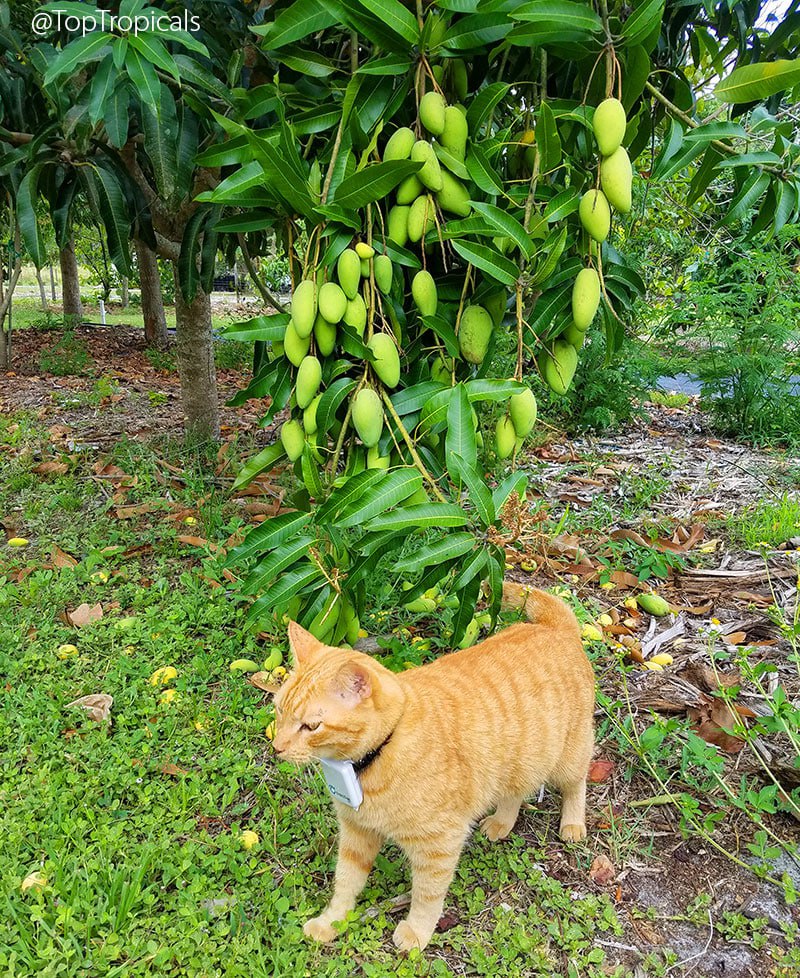
🙂 Packed with anti-aging and immune-boosting benefits, could this tropical fruit be the key to your skin's natural glow?

  • 😊 Mango for Rejuvenation: Mangoes promote rejuvenation and improve skin condition, according to the research.

  • 😊 Anti-Inflammatory and Anti-Aging Effects: Mango contains components with anti-inflammatory and rejuvenating properties.

  • 😊 Vitamin C Boost: Mango is rich in Vitamin C and ascorbic acid, which strengthen the immune system.

  • 😊 Better Iron Absorption: Mango fruit supports improved iron absorption in the body.

  • 😊 Collagen Support: Mango helps maintain collagen levels in connective tissues for healthy skin.


🔥 Plant a mango tree today and start growing your own path to health and vitality!

👍 What other fruit or plants are good for skin? Share in comments⬇️

🛒 Shop Mango Trees

#Food_Forest #Remedies #Mango

🔴 Join 👉 TopTropicals

Date: 22 May 2024

Did you know that you can eat and drink Hibiscus plants?

Hibiscus sabdariffa - Flor de Jamaica

Hibiscus sabdariffa - Flor de Jamaica

Hibiscus sabdariffa - Flor de Jamaica

Hibiscus sabdariffa - Flor de Jamaica

Hibiscus sabdariffa - Flor de Jamaica

Hibiscus sabdariffa - Flor de Jamaica

Hibiscus sabdariffa - Flor de Jamaica

Hibiscus sabdariffa - Flor de Jamaica

Hibiscus sabdariffa - Flor de Jamaica

🌺 Did you know that you can eat and drink Hibiscus plants?


Who doesn't adore hibiscus flowers? But guess what? Some hibiscus species are not only gorgeous but also surprisingly practical. They can jazz up your garden and your dinner plate!

Hibiscus cannabinus - Salad Hibiscus - flowers and leaves used in tasty healthy salads and teas.

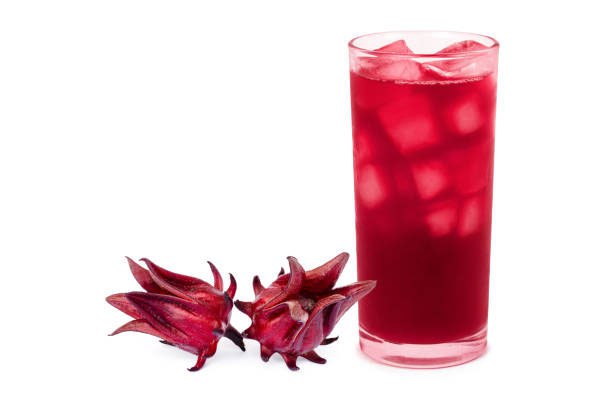
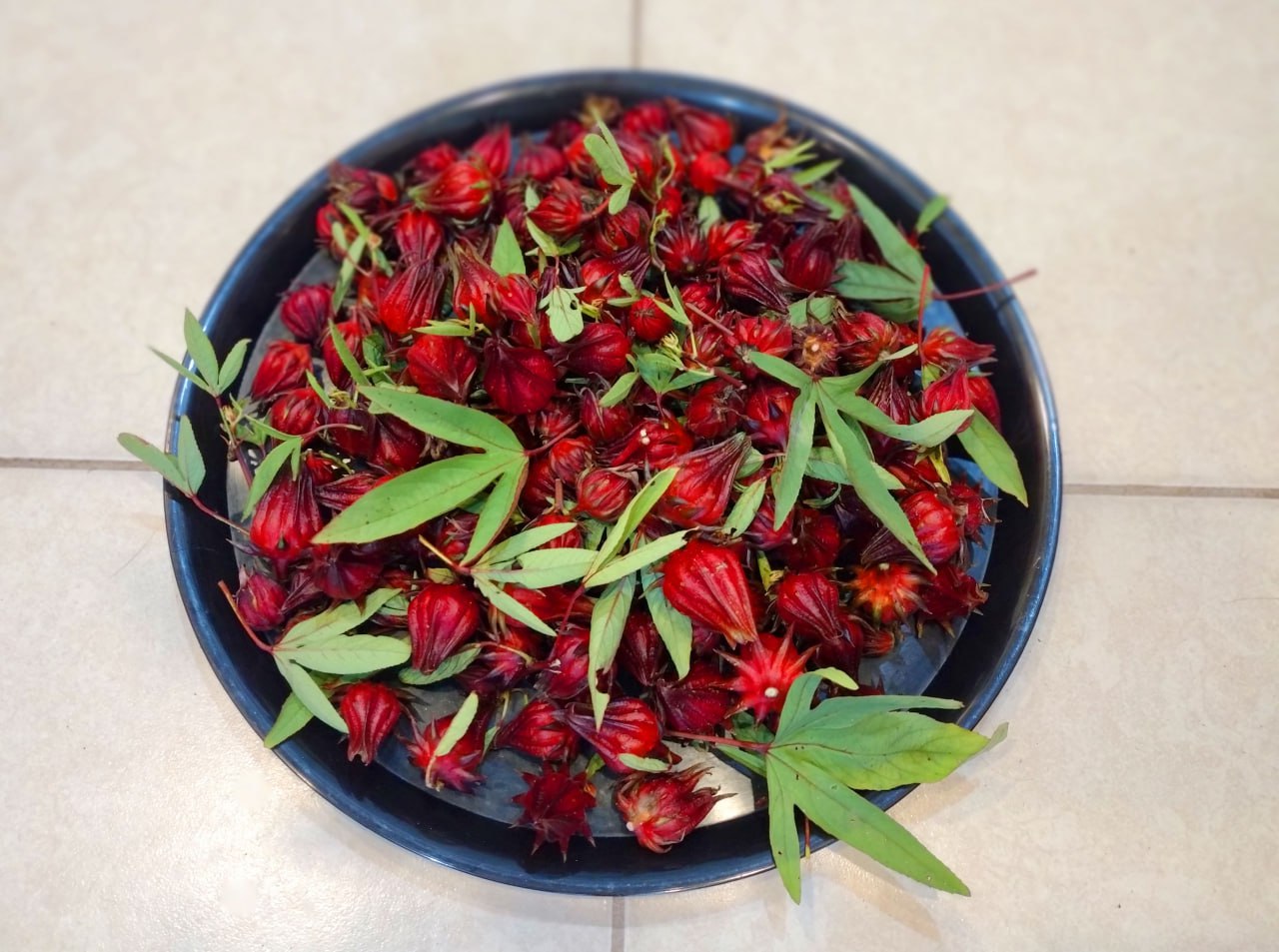
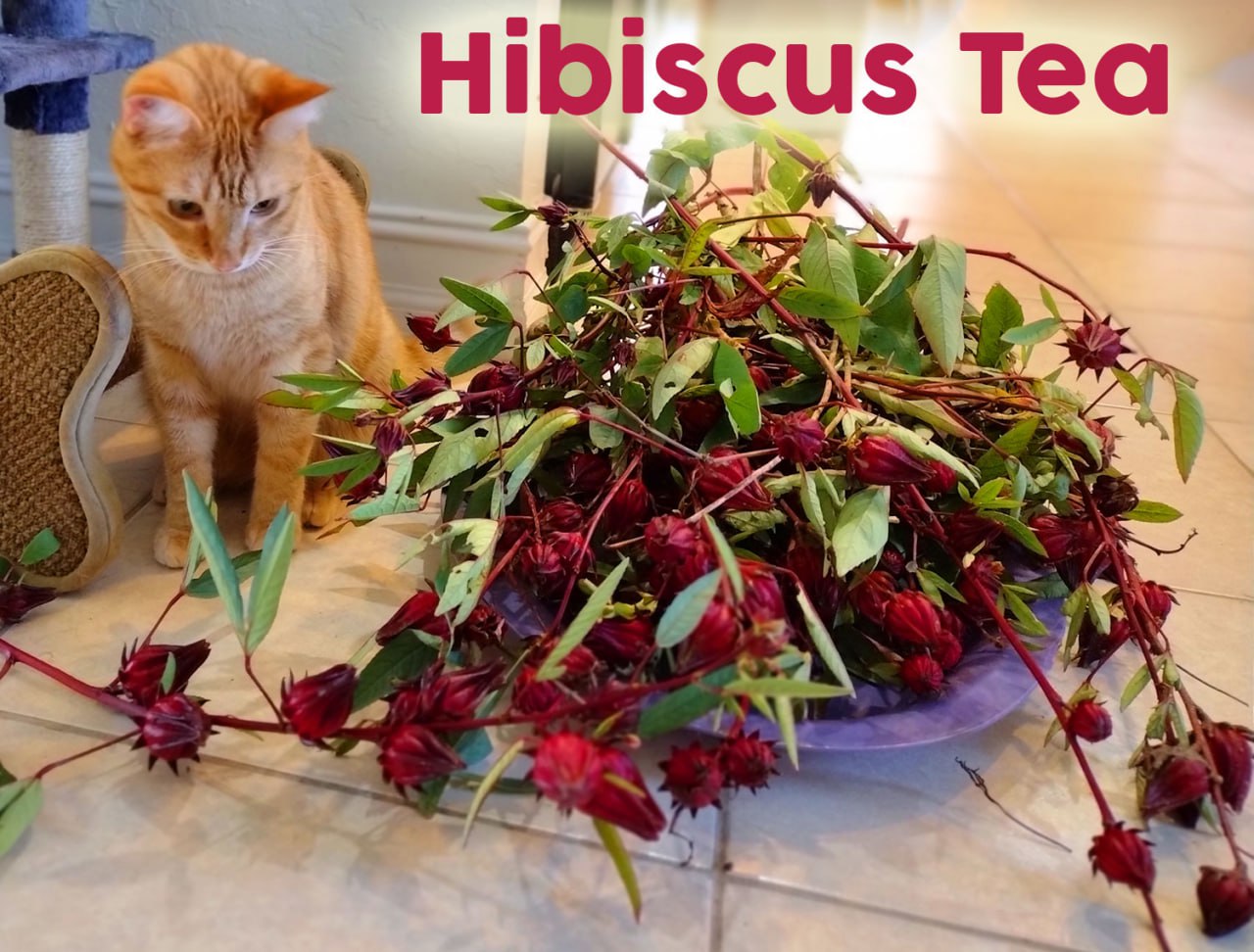
Hibiscus sabdariffa - Flor de Jamaica, Karkade Sorrel, Roselle - flowers and used for famous beverage "Agua de Flor de Jamaica" and Karkade Tea.

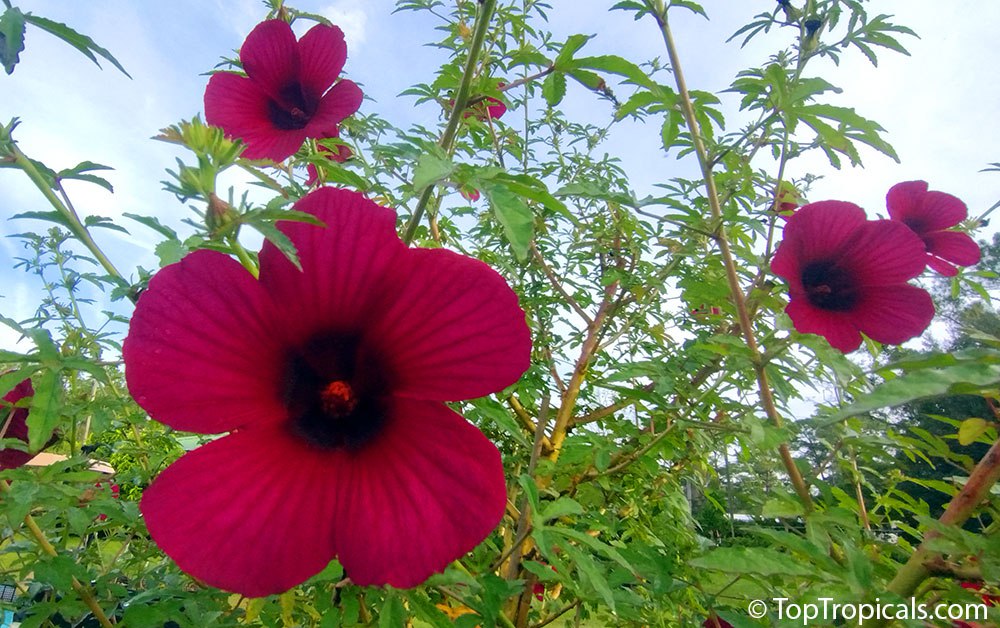
Hibiscus acetosella - Cranberry hibiscus - cranberry-colored flowers and leaves are also tasty and healthy in salads and teas.

Grow your edible flower landscape in no time!

📚 Learn more, with recipes: Most useful Hibiscus plants
🎥 YouTube video:

🛒
Shop Edible Hibiscus

#Food_Forest #Remedies #Recipes

🏵 TopTropicals

Date: 20 May 2024

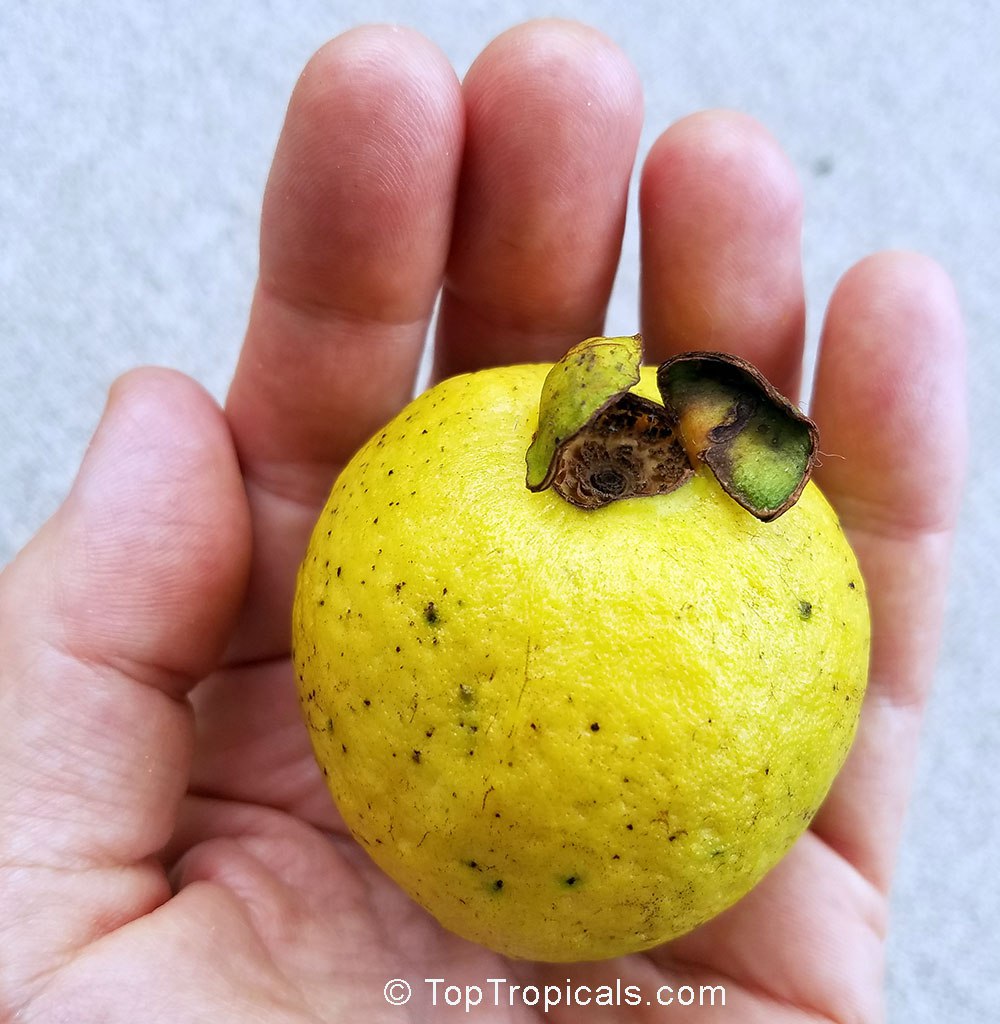
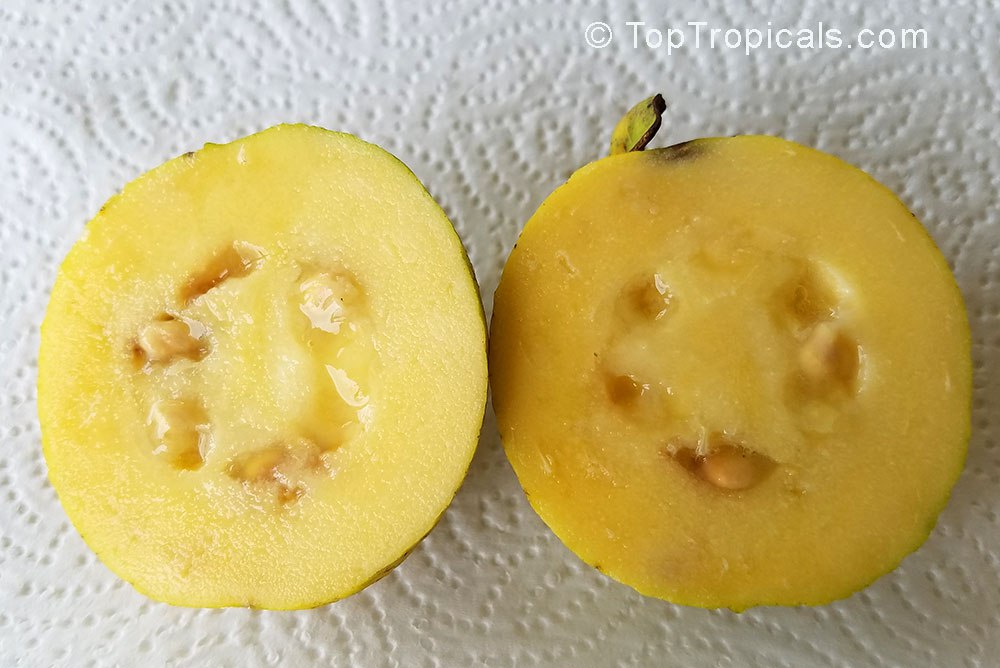
What fruit can you drink? Costa Rican Cas is the Guava for Drinking, yet with a bonus of health benefits!

Cas Guava (Psidium friedrichsthalianum)

Cas Guava (Psidium friedrichsthalianum)

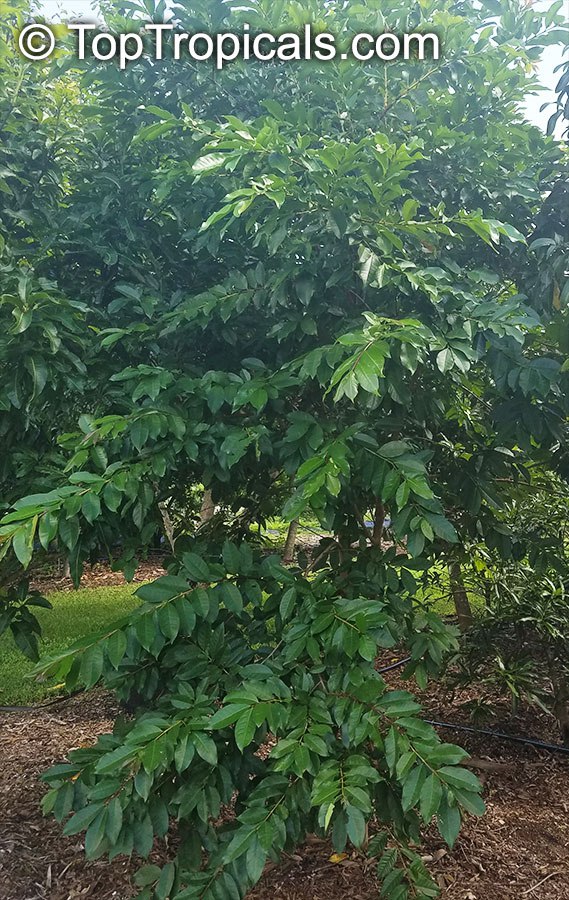
Cas Guava (Psidium friedrichsthalianum)

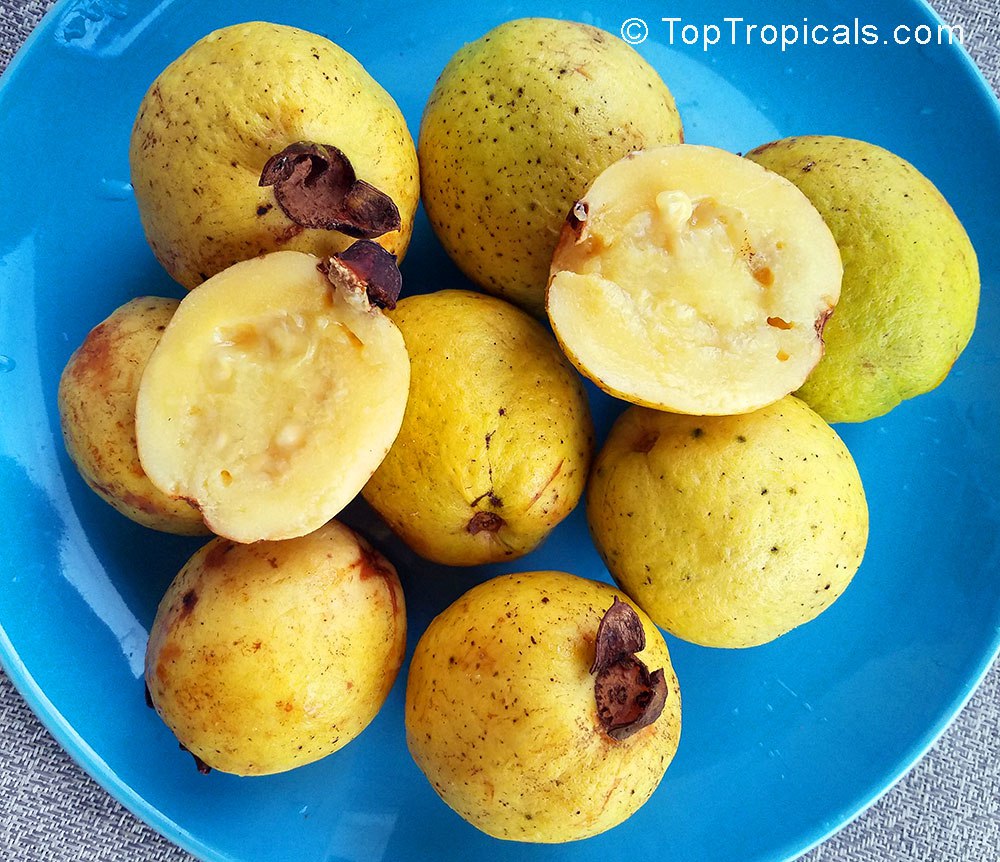
Cas Guava (Psidium friedrichsthalianum)

Cas Guava (Psidium friedrichsthalianum)

Cas Guava (Psidium friedrichsthalianum)

Cas Guava (Psidium friedrichsthalianum)

Cas Guava (Psidium friedrichsthalianum)

What fruit can you drink? Costa Rican Cas is the Guava for Drinking, yet with a bonus of health benefits!

  • The fruit of Cas Guava (Psidium friedrichsthalianum) has unusual tart flavor with passionfruit and pineapple tones, more pronounced than common Guava🍍
  • Cas Guava used in pies, salads, fresh juices, ice-cream, jams, and as a base for the refreshing drink Fresco de Cas!🍹
  • High pectin content makes firm jellies.
  • Hydrating and low glycemic index, suitable for those mindful of sugar consumption.
  • Rich source of fiber, vitamin C, antioxidants, phosphorus, potassium, copper, vitamin A, and folic acid.
  • This small tree or bush is very fast growing and undemanding, usually pest free (unlike most Guavas that can be very bugsy).
  • Tolerates hot summers and short frosts, appreciates well-drained soils.
  • Easy to grow, drought-tolerant once established, suitable for container cultivation.
  • Seedlings start flowering and fruiting at a young age, typically 2-3 years old from seed.


📚 Learn more about Cas Guava

🛒Order Cas Guava

#Food_Forest #Remedies

🏵 TopTropicals

Date: 18 May 2024

What was discovered in the Pyramids: Pigeon Pea - an Ancient Superfood

Cajanus cajan - Pigeon Pea and Egyptian pyramids

Cajanus cajan - Pigeon Pea and Egyptian pyramids

Cajanus cajan - Pigeon Pea

Cajanus cajan - Pigeon Pea

Cajanus cajan - Pigeon Pea

Cajanus cajan - Pigeon Pea

Cajanus cajan - Pigeon Pea

Cajanus cajan - Pigeon Pea

What was discovered in the Pyramids: Pigeon Pea - an Ancient Superfood...

  • Cajanus cajan - Pigeon Pea - existed for more than 4800 year! It's been widely consumed in South Asia, South East Asia, Africa, and Latin America. Documented in India since 2,800 BC; reached Ancient Egypt around 2,200 BC.
  • Provides flavorful, nutritious, and healthy food, with potential to become widely popular like Japanese sushi 🍱
  • It is a showy perennial woody shrub or small tree, 4-8 ft tall, with soft leaves. Can be grown in container
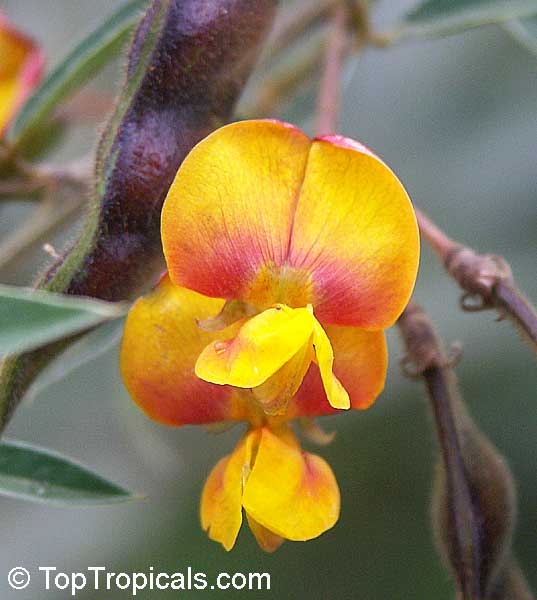
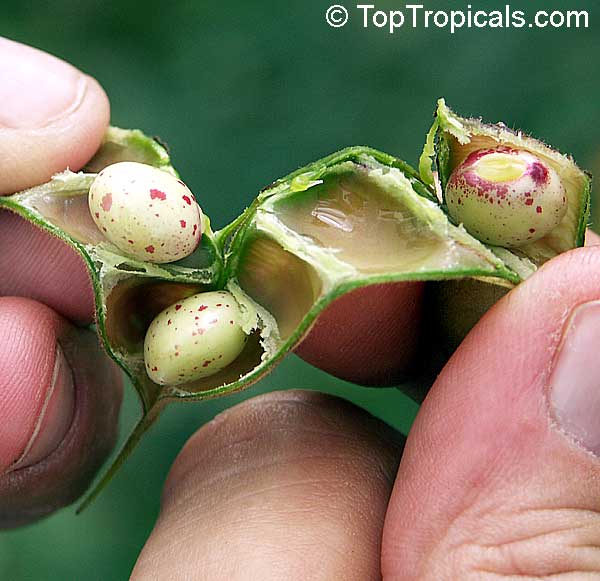
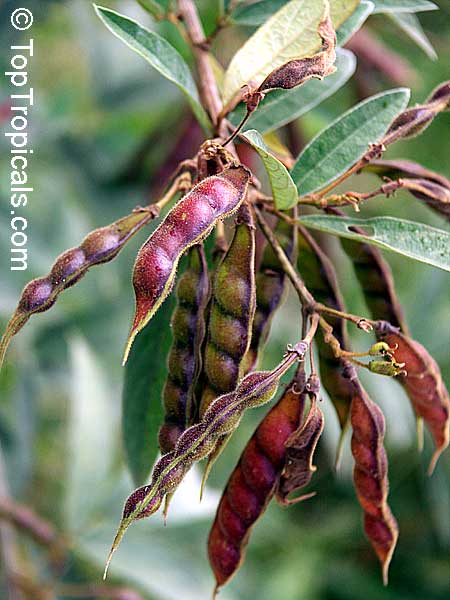
  • Pretty flowers are yellow, with purple or red streaks, pods containing oval to round seeds.
  • Many culinary uses: the tasty and healthy beans used in rice dishes, soups, stews, tempeh, tofu. Unripe pods eaten in curries, leaves and young shoots cooked as a vegetable.
  • Rich source of fiber, protein, vitamins (B, C, E, K), and minerals (calcium, iron, magnesium, manganese, phosphorus, potassium, zinc).
  • Medicinal value: various folk medicinal uses for sores, bladderstones, jaundice, skin irritations, bronchitis, coughs, pneumonia, toothache, dysentery, and more.
  • Everyone can grow it! The plant is super easy, tolerates poor soils, drought tolerant, improves soil quality like many other beans.


📚 Learn more about Pigeon Pea

🛒Grow your own Pigeon Pea Superfood

#Food_Forest #Remedies #Container_Garden #Fun_Facts

🏵 TopTropicals