Garden Blog - Top Tropicals

Date: 19 May 2016

Care of mail-order plants during hot summer
Q: I live in California and about a month ago ordered several plants from you, including fruit trees (Carambola, Mango, Avocado) and flowering trees (Xanthostemon, Adeniums, Champaca, Ylang Ylang). They were all doing well until I tried to move them into full sun, when they got leaf burn immediately. Ylang Ylang was doing great in a shade, but I repotted it from 1 gal into 3 gal and it is drooping leaves now. It has been very hot (over 100F) and dry (humidity is less than 25%). Any suggestions?

A: Hot summer can be pretty challenging time for establishing new plants. These are some guidelines to make your summer gardening more successful and rewarding.

1. You can order plants at any time, but keep your eye on your local weather forecast and try to chose cooler periods to schedule your plant shipments. Here at TopTropcals we monitor weather at destinations, and we can also delay shipment per your request until more favorable conditions.

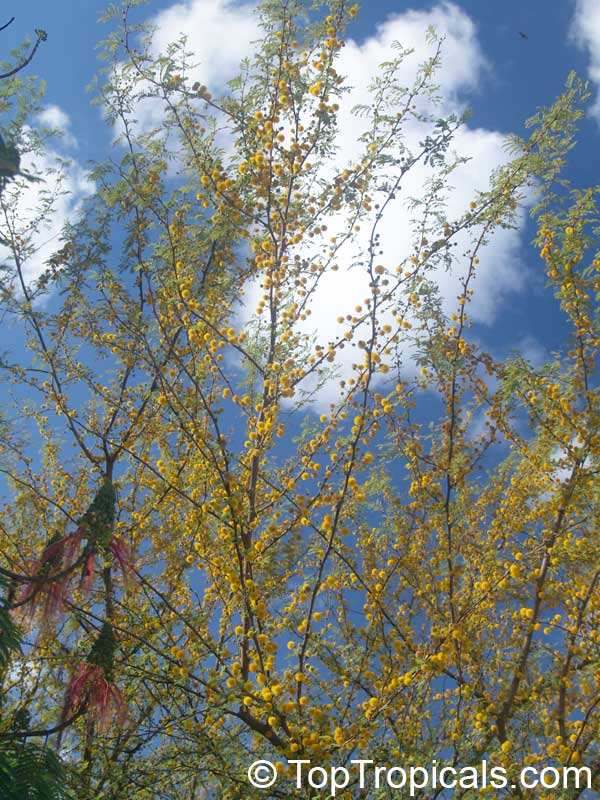
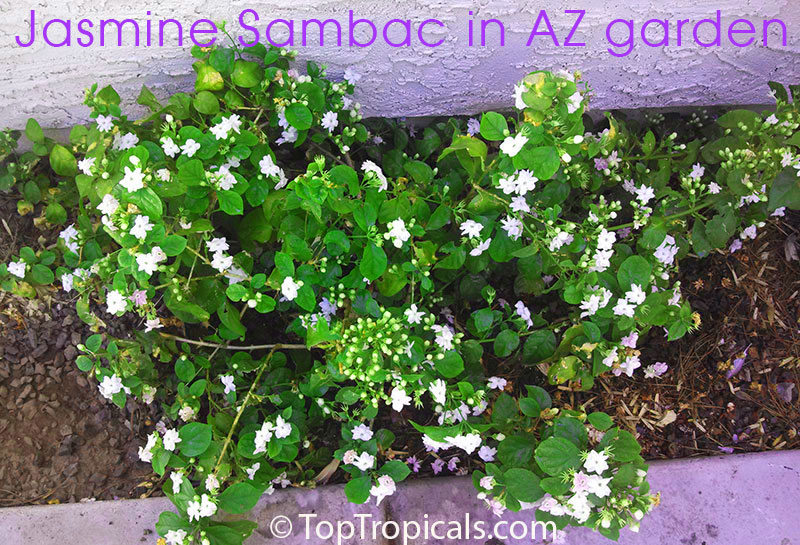
2. During hot Summer months, many plants are still OK to ship, and to be planted, many species are heat tolerant. It's usually safe to ship most succulents, including Desert roses and Euphorbias. Some fruit trees are pretty easy too, like Loquats, Mango, Eugenias. Many flowering trees can take heat: Acacias, Clusias, Jatropha, Sausage Tree, Plumerias and many others. Check our full list of plants suitable for hot and dry conditions. Most jasmines, including Jasmine Sambac and Trachelospermum make also a safe choice for hot weather planting.

3. Use shade cloth or simply white sheets to protect young plants and new plantings from hot sun.

4. When establishing mail ordered plants during hot weather, keep them in shade for longer period of time than average recommended 1-2 weeks. Give them a chance to establish really well. In areas with low air humidity, try to create a simple mist system. It can be purchased in your local Home Depot for only $20 and set up takes only 10 minutes! It makes a big difference and can help you save many plants from hot weather stress.

5. Although it may seem that during hot weather plants need more water due to high evaporation, be careful with watering, and check soil with your finger before watering - don't water if it is still wet. Combination of "hot and wet" can be as harmful for the root system as "cold and wet" during winter. Protect root systems from overheating: covering black pots with white cloth will work. Remember when temperature is above 90F, most of plants slow down their metabolism, which means roots slow down or even stop pumping water and become more vulnerable to overwatering. For the same reason, do not hurry to step up into bigger container if roots haven't filled yet the existing pot.

Date: 4 Jun 2019

Plants for South Texas and other hot states

Q: Pretty much adore last newsletter. Haven't been buying because our weather here in deep south Texas is so bad it is stunting and killing even the Tamaulipan Scrub! Do you have a cure for that? :) I have every expectation the new grafted Plumeria I purchased from you last year will bloom soon. One of my favorite plants. Thanks again and keep up the good works.

A: Yes, there is a "cure" - using biostimulants that improve drought- and heat- resistance (SUNSHINE boosters), plus the right plant selection. In fact, there is a large number of tropical rare plants that can be successfully grown in hot climates like yours. One of our partners lives in hot and dry Arizona area and has an amazing tropical garden that includes many fruit trees (Mango, Persimmons, Pomegranates, Loquats, etc). Here you can see a few pics from his garden.
Your choice is absolutely right about plumerias. Other easy plants would be Desert roses - Adeniums, and Fancy Euphorbia millii - all these come in so many varieties of colors and bloom throughout most of the year. Our special recommendations for you would be also:

Bougainvillea Dwarf Pixie
Jasmine sambac
Calliandra selloi Pink Lilian
Dracaena marginata Tricolor - Colorama, Money Tree
Hamelia patens Lime Sizzler - Variegated Fire Bush
Jatropha berlandieri - Buddah Belly
Pedilanthus tithymaloides - Devils Backbone
Trachelospermum asiaticum Mandaianum - Dwarf Confederate Jasmine

See full list of more plants that are suitable for hot and dry landscapes.

Apply fertilizers, miscroelements, and plant stimulants for improving heat tolerance

Date: 4 Feb 2017

Groundhog Day Feb 2

On Groundhog Day Feb 2: Groundhog Punxsutawney Phil saw his shadow on Thursday morning, predicting six more weeks of winter during Groundhog Day festivities at Gobbler's Knob, a small hill just outside Phil's hometown.
According to folklore, if it is cloudy when a groundhog emerges from its burrow on this day, then the spring season will come soon; if it is sunny, the groundhog will supposedly see its shadow and retreat back into its den, and winter weather will persist for six more weeks.
Phil promised long winter, however, we should not cry in despair but starting to get ready for Spring!

Spring Check List:
- Make sure min temperatures are above 45F before you start bringing potted plants outside.
- When active new growth appears from buds, after-winter pruning can be done.
- You may start weekly fertilizing as soon as night temperatures raise above 55F.
- Start planting in the ground as soon as there are no more chances of frost, until then keep newly arrived plants in pots so they get better established.
- Low chill cold hardy fruit trees including Peaches, Nectarines, Plums, Apples, Mulberry, Loquats go in the ground first, so you can enjoy their blooms and early fruit set. Plant Pomegranates, blueberries and cranberries, raspberries and blackberries, grapes.
- Water as needed, still keeping on dry side until afternoons get hot and plants start using more water.
- Start seeds indoors. The sooner the better, to give seedlings more time to establish before planting out in the ground.

Overwintering Magnolia (Michelia)

Michelia alba Question: I have a question about Michelia alba. My Michelia alba leaves turning yellow and losing leaves. When I brought it inside for the winter, after the leaves falling off new one grow back not all of them grow back and now the new the branches start to die. I water once a week.

A: Whenever moving a plant in or out of the home it is always best to do it gradually. Moving a plant all in one day will cause stress to the plant due to environmental changes such as, new humidity levels, new light levels and new watering requirements. Michelias usually loose their leaves once in the spring and once before winter but grow them back right away. Now that your plant is inside with less humidity, light and leaves, you only need to water once the soil as almost dried out. You will need to stick your finger in the soil to see if it is still wet as the top layer dries before the under layer. If the branches are starting to die at the tips this usually means too much water. Move the plant to a bright light window, decrease water and you may want to also use a humidifier.

Date: 5 Oct 2024

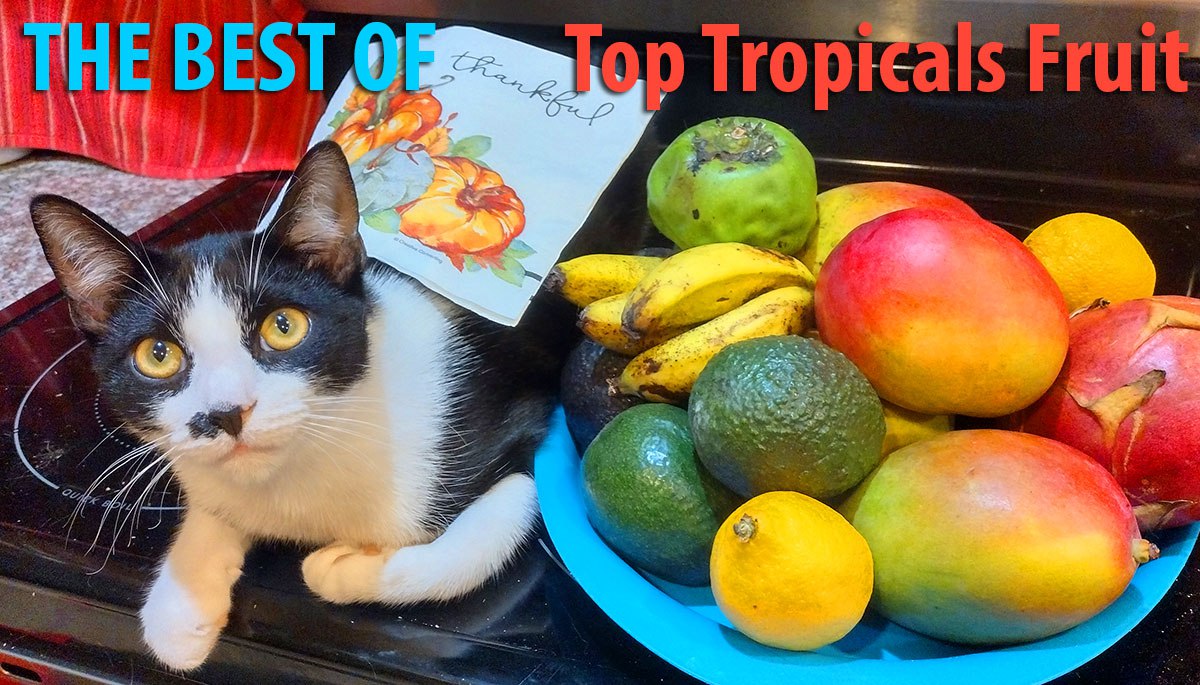
Discover top 10 fruiting plants youll ever need for your health benefits

Discover top 10 fruiting plants youll ever need for your health benefits
🔍 Discover top 10 fruiting plants you'll ever need for your health benefits.

⁉️ I planted Mango and Avocado trees, and I still have room for more trees but want to use the space wisely. What other trees should I plant to get the most benefits out of the fruit?

✅ Everyone loves planting Mango or Avocado trees for their well-known benefits. But did you know that adding a variety of other fruit trees to your garden can expand those benefits even more? If you plant just one of each of these 10 trees, you'll have a complete spectrum of nutrients and health-boosting ingredients you ever need. With a diverse range of healthy fruits, you'll boost your diet, improve your health, and elevate your lifestyle.

By planting these 10 diverse fruit trees, you’ll not only enjoy a delicious and abundant harvest but also ensure your garden provides all the nutrients needed for a healthier, more vibrant life:

1. Guava
2. Coffee
3. Noni
4. Papaya
5. Banana
6. Dragon fruit
7. Tamarind
8. Surinam Cherry
9. Nescafe
10. Loquat

⚠️ Learn more about these 10 top fruit you'll ever need for your health benefits in our following posts... Stay with us and make sure to subscribe! ⬇️

🛒 Shop fruit trees

#Food_Forest #Remedies

🔴 Join 👉 TopTropicals

Date: 14 Apr 2025

See the Difference: Grow Plants That Protect Your Vision

See the Difference: Grow Plants That Protect Your Vision

👁 See the Difference: Grow Plants That Protect Your Vision


Your eyes work hard every day - give them the nutrition they deserve!
These tropical fruits and plants are rich in Vitamin A and beta-carotene, known to support clear vision, retinal health, and even help prevent age-related eye decline. Grow them in your garden and harvest real, living eye care.


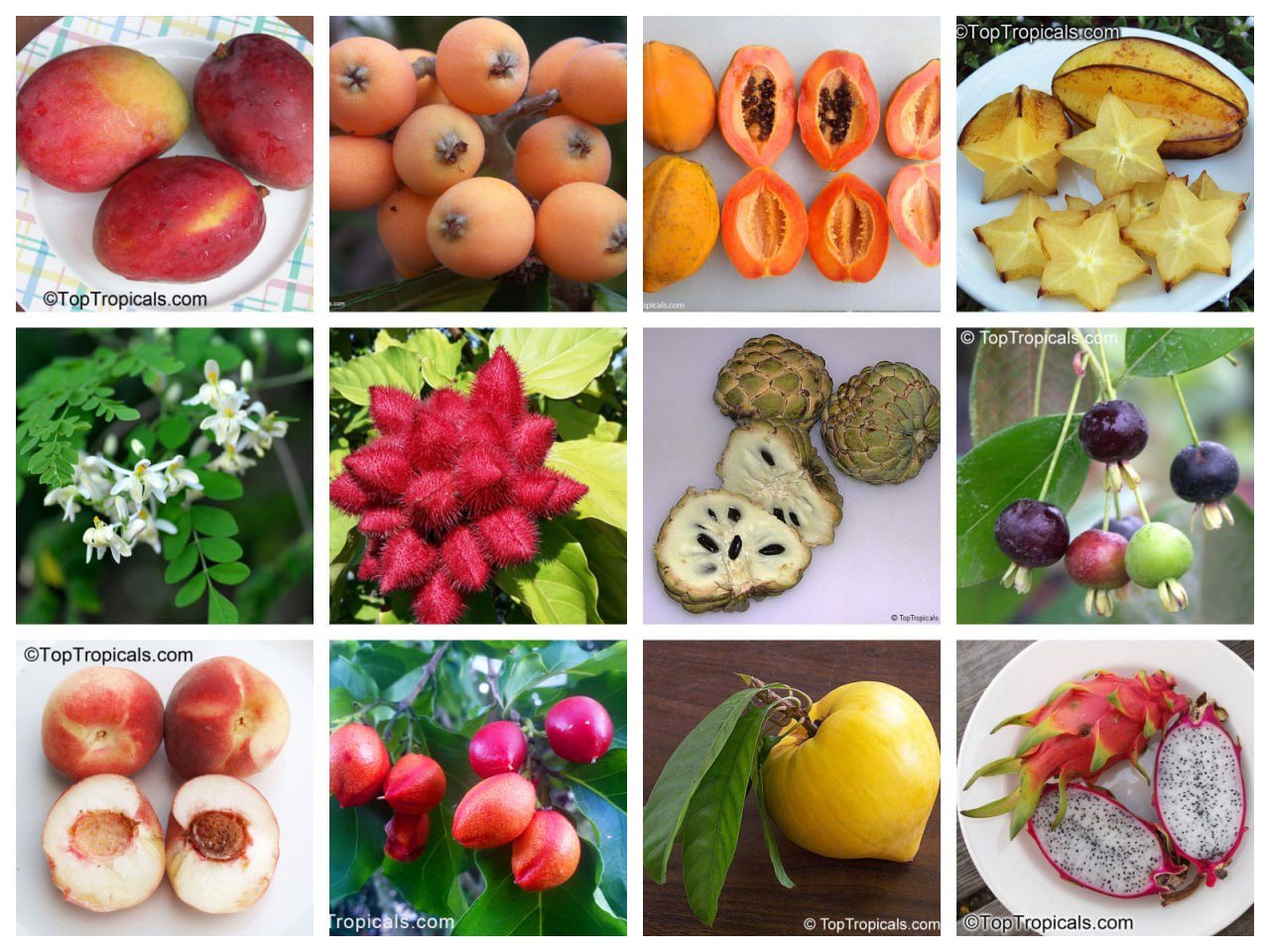
👁 Top 12 Eye-Supporting Fruit and Plants (Vitamin A - Retinol)

  • 🟡 Mango - Packed with beta-carotene, which your body converts into Vitamin A to support sharp, healthy vision.

  • 🟡 Loquat - Naturally rich in Vitamin A, known for supporting retina and eye tissue health.

  • 🟡 Papaya - A tasty source of beta-carotene, great for protecting your eyes and immune system.

  • 🟡 Carambola (Starfruit) - Offers a dose of Vitamin A, beneficial for maintaining clear eyesight.

  • 🟡 Moringa - A leafy powerhouse loaded with beta-carotene that helps support visual health.

  • 🟡 Annatto - High in carotenoids, especially bixin, which may support eye health and clarity.

  • 🟡 Annona - Contains antioxidants, including beta-carotene, to help nourish your eyes.

  • 🟡 Eugenia Cherry (Cherry of the Rio Grande, Brazilian Cherry, Surinam Cherry, Pitomba) – A sweet fruit rich in Vitamin A, promoting overall eye wellness.

  • 🟡 Peach - Supports both skin and eye health with its naturally high Vitamin A content.

  • 🟡 Peanut Butter Fruit - Contains beta-carotene, a powerful nutrient for eye and vision support.

  • 🟡 Canistel (Eggfruit) - Extremely high in beta-carotene, offering deep support for vision and skin.

  • 🟡 Dragon Fruit - Offers beta-carotene and antioxidants that may protect your retinas and night vision.


📚 Learn more about health benefits of tropical plants:


TROPICAL FRUIT HEALTH BENEFITS GUIDE - Part 1 and Part 2

🛒 Shop Vision-Boosting Plants - buy tropical fruit trees for your eye health

#Food_Forest #Discover #Remedies

🔴 Join 👉 TopTropicals