Date: 4 Jun 2019
Plants for South Texas and other hot states
Q: Pretty much adore last newsletter. Haven't been buying because our weather here in deep south Texas is so bad it is stunting and killing even the Tamaulipan Scrub! Do you have a cure for that? :) I have every expectation the new grafted Plumeria I purchased from you last year will bloom soon. One of my favorite plants. Thanks again and keep up the good works.
A: Yes, there is a "cure" - using biostimulants that improve drought- and heat- resistance (SUNSHINE
boosters), plus the right plant selection. In fact, there is a large number of
tropical rare plants that can be successfully grown in hot climates like yours.
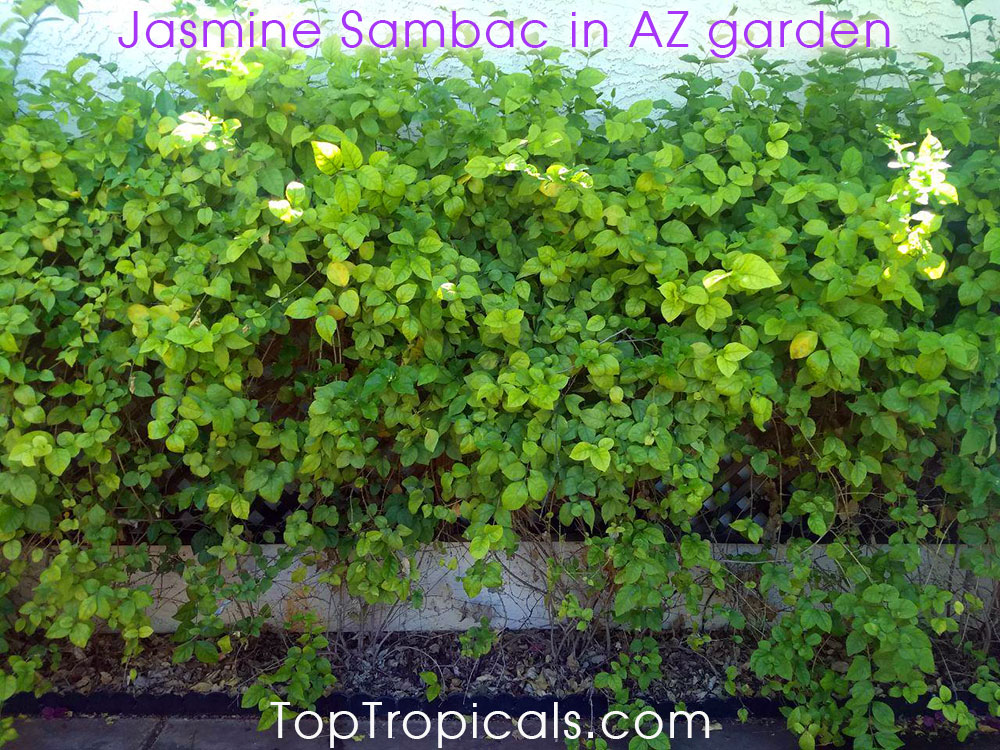
One of our partners lives in hot and dry Arizona area and has an amazing
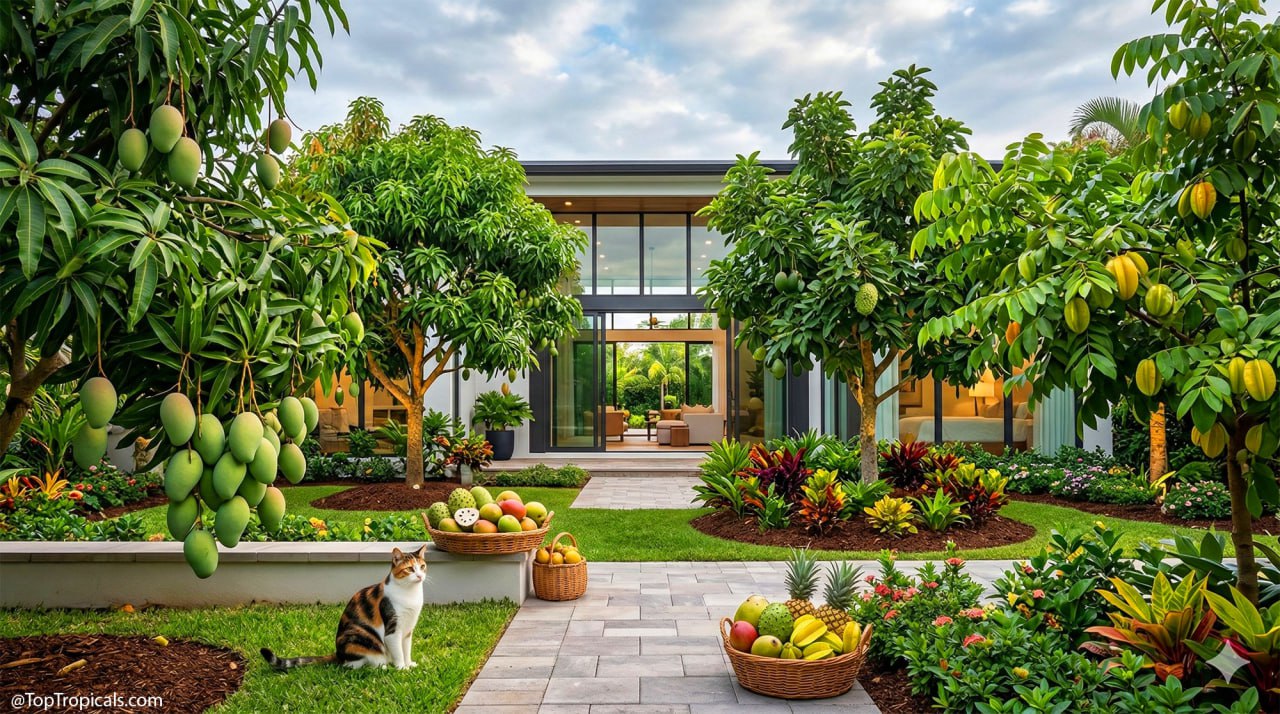
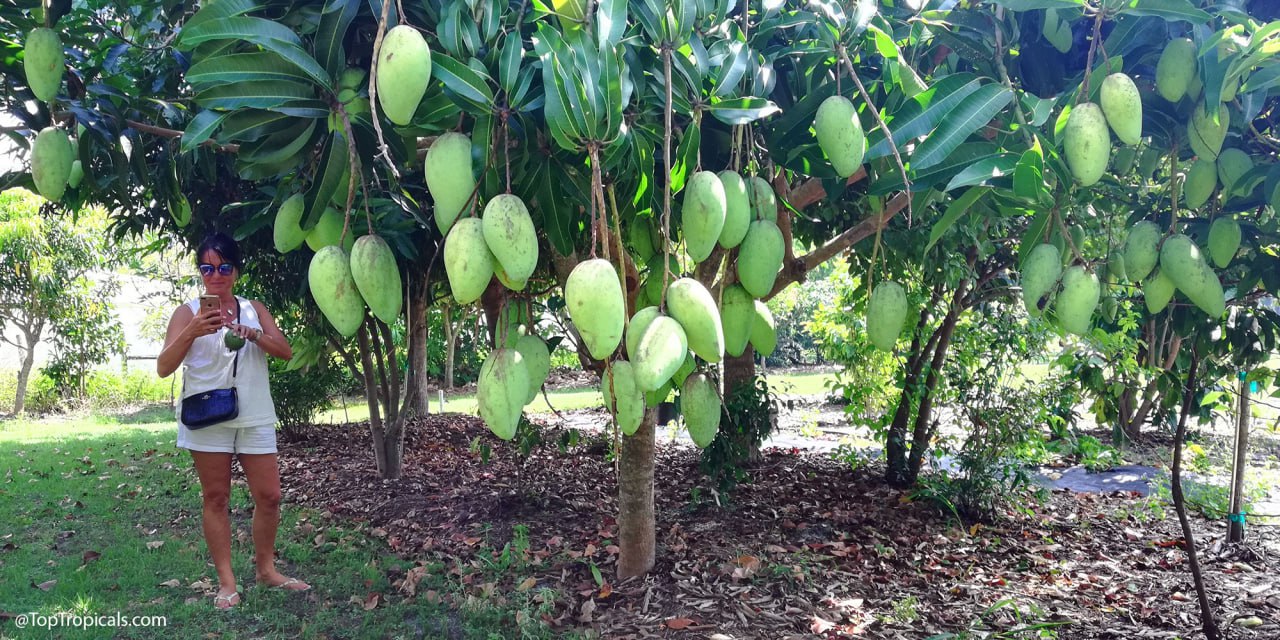
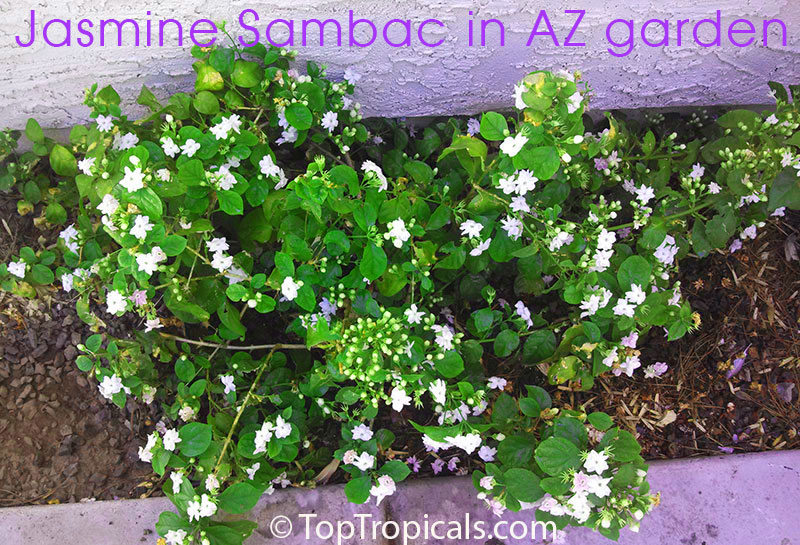
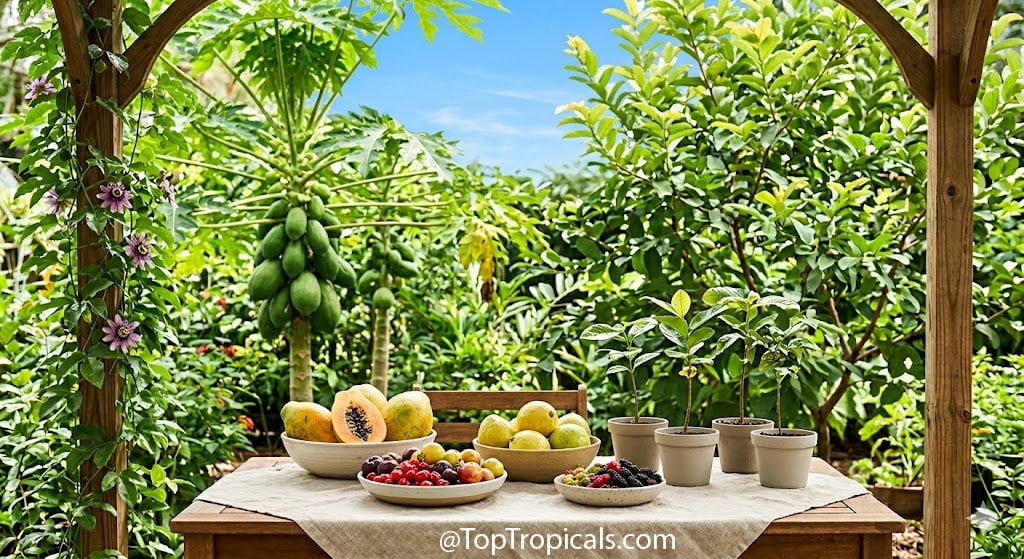
tropical garden that includes many fruit trees (Mango, Persimmons, Pomegranates, Loquats, etc). Here you can see a few pics from his garden.
Your choice is absolutely right about plumerias. Other easy plants would be Desert roses - Adeniums, and Fancy Euphorbia millii - all these come in so many varieties of colors
and bloom throughout most of the year. Our special recommendations for you
would be also:
Bougainvillea Dwarf Pixie
Jasmine sambac
Calliandra selloi Pink Lilian
Dracaena marginata Tricolor - Colorama, Money Tree
Hamelia patens Lime Sizzler - Variegated Fire Bush
Jatropha berlandieri - Buddah Belly
Pedilanthus tithymaloides - Devils Backbone
Trachelospermum asiaticum Mandaianum - Dwarf Confederate Jasmine
See full list of more plants that are suitable for hot and dry landscapes.
Apply fertilizers, miscroelements, and plant stimulants for improving heat tolerance
Date: 4 Feb 2017
Groundhog Day Feb 2
On Groundhog Day Feb 2: Groundhog Punxsutawney Phil saw his shadow on Thursday morning, predicting six more weeks of winter during Groundhog Day festivities at Gobbler's Knob, a small hill just outside Phil's hometown.
According to folklore, if it is cloudy when a groundhog emerges from its burrow on this day, then the spring season will come soon; if it is sunny, the groundhog will supposedly see its shadow and retreat back into its den, and winter weather will persist for six more weeks.
Phil promised long winter, however, we should not cry in despair but starting to get ready for Spring!
Spring Check List:
- Make sure min temperatures are above 45F before you start bringing potted plants outside.
- When active new growth appears from buds, after-winter pruning can be done.
- You may start weekly fertilizing as soon as night temperatures raise above 55F.
- Start planting in the ground as soon as there are no more chances of frost, until then keep newly arrived plants in pots so they get better established.
- Low chill cold hardy fruit trees including Peaches, Nectarines, Plums, Apples, Mulberry, Loquats go in the ground first, so you can enjoy their blooms and early fruit set. Plant Pomegranates, blueberries and cranberries, raspberries and blackberries, grapes.
- Water as needed, still keeping on dry side until afternoons get hot and plants start using more water.
- Start seeds indoors. The sooner the better, to give seedlings more time to establish before planting out in the ground.
Overwintering Magnolia (Michelia)
Michelia alba Question: I have a question about Michelia alba. My Michelia alba leaves turning yellow and losing leaves. When I brought it inside for the winter, after the leaves falling off new one grow back not all of them grow back and now the new the branches start to die. I water once a week.
A: Whenever moving a plant in or out of the home it is always best to do it gradually. Moving a plant all in one day will cause stress to the plant due to environmental changes such as, new humidity levels, new light levels and new watering requirements. Michelias
Date: 22 Mar 2017
Condo Mango
Q: I was curious about indoor fruiting mango trees. I live in upstate New York and was thinking about trying to grow an indoor tree for fruit. I have a small heated greenhouse. Is there a variety that can be grown from seed that would suit my purposes and if not what is the most economical way I could obtain a cutting or small grafted plant? I keep my greenhouse around 60F in the winter and have no supplemental lighting. Are there any varieties that may work in a sunroom or other well lit indoor location?
A:
There are many dwarf varieties of mango suitable for container culture. They
are called "condo mangoes".
The most popular condo varieties are: Carrie, Cogshall, Cushman, Fairchild,
Graham, Ice Cream, Julie
, Mallika, Nam Doc Mai,
Pickering. You may read more about them in our online
catalog. You may also look into variety
Lancetilla which is also a compact tree, and produces one of the biggest size
fruit, up to 5 pounds. If you want some rare variety that hardly anyone else has -
try Baptiste, an exotic Haitian dessert
mango.
Your greenhouse should work for the winter time. Mango trees can take
as low as mid 40s during winter and even lower as long as that cold is
occasional. If you keep the temperature around 60, this should work well for over
wintering. Just make sure to reduce watering to a minimum, because cool
temperatures, low light and wet soil - is a bad combination for tropical plants,
especially for mango trees which prefer to be kept on a dry side.
Many indoor gardeners have fruiting mango trees in their collection. However,
keep in mind that the most important requirement for a mango is full sun.
While you may over winter the plant for a few months in a low light conditions,
in order for it to flower and produce fruit it needs lots of light. If moving
the tree into full sun your yard during the summer is possible, this would
be the best solution.
We always recommend
SUNSHINE boosters for both over wintering tropical plants in colder
climates, and for indoor gardening. SUNSHINE applications will help your tree to
cope with cool temperatures and low light conditions. This will also
dramatically increase flowering and fruiting performance. Another important factor for
keeping your container plant healthy is quality of your potting soil. We
offer a special
professional mix that contains lots of good stuff: coconut fiber, peat moss, pine
bark, and perlite. Fertilizing potted plants
is also very important during the warm season, because this is the only way
for them to get nutrients (which in the ground can be reached by spreading
root system).
As far as seedlings vs. grafting - the only way to
have a nicely fruiting mango tree is to plant a grafted variety. Seedlings start
producing only after 8-15 years, and the quality of such fruit may be
questionable. Only grafted plants can guarantee the desired taste of a variety.
Besides, grafted mangoes start producing immediately - you may see fruit forming
on plants as small as 3 ft, in 3 gal containers. However, during the first
1-2 years you will need to remove extra fruit and leave only 1-2 fruit so the
plant doesn't get exhausted and has enough energy to establish strong root
system.
For fun stories about growing mango, check out our Radio
Show recording YO Tango Mango!
Date: 5 Oct 2024
Discover top 10 fruiting plants youll ever need for your health benefits
⁉️ I planted Mango and Avocado trees, and I still have room for more trees but want to use the space wisely. What other trees should I plant to get the most benefits out of the fruit?
✅ Everyone loves planting Mango or Avocado trees for their well-known benefits. But did you know that adding a variety of other fruit trees to your garden can expand those benefits even more? If you plant just one of each of these 10 trees, you'll have a complete spectrum of nutrients and health-boosting ingredients you ever need. With a diverse range of healthy fruits, you'll boost your diet, improve your health, and elevate your lifestyle.
By planting these 10 diverse fruit trees, you’ll not only enjoy a delicious and abundant harvest but also ensure your garden provides all the nutrients needed for a healthier, more vibrant life:
1. Guava
2. Coffee
3. Noni
4. Papaya
5. Banana
6. Dragon fruit
7. Tamarind
8. Surinam Cherry
9. Nescafe
10. Loquat
⚠️ Learn more about these 10 top fruit you'll ever need for your health benefits in our following posts... Stay with us and make sure to subscribe! ⬇️
🛒 Shop fruit trees
#Food_Forest #Remedies
🔴 Join 👉 TopTropicals
Date: 14 Apr 2025
See the Difference: Grow Plants That Protect Your Vision
👁 See the Difference: Grow Plants That Protect Your Vision
Your eyes work hard every day - give them the nutrition they deserve!
These tropical fruits and plants are rich in Vitamin A and beta-carotene, known to support clear vision, retinal health, and even help prevent age-related eye decline. Grow them in your garden and harvest real, living eye care.
👁 Top 12 Eye-Supporting Fruit and Plants (Vitamin A - Retinol)
🟡 Mango - Packed with beta-carotene, which your body converts into Vitamin A to support sharp, healthy vision.
🟡 Loquat - Naturally rich in Vitamin A, known for supporting retina and eye tissue health.
🟡 Papaya - A tasty source of beta-carotene, great for protecting your eyes and immune system.
🟡 Carambola (Starfruit) - Offers a dose of Vitamin A, beneficial for maintaining clear eyesight.
🟡 Moringa - A leafy powerhouse loaded with beta-carotene that helps support visual health.
🟡 Annatto - High in carotenoids, especially bixin, which may support eye health and clarity.
🟡 Annona - Contains antioxidants, including beta-carotene, to help nourish your eyes.
🟡 Eugenia Cherry (Cherry of the Rio Grande, Brazilian Cherry, Surinam Cherry, Pitomba) – A sweet fruit rich in Vitamin A, promoting overall eye wellness.
🟡 Peach - Supports both skin and eye health with its naturally high Vitamin A content.
🟡 Peanut Butter Fruit - Contains beta-carotene, a powerful nutrient for eye and vision support.
🟡 Canistel (Eggfruit) - Extremely high in beta-carotene, offering deep support for vision and skin.
🟡 Dragon Fruit - Offers beta-carotene and antioxidants that may protect your retinas and night vision.
📚 Learn more about health benefits of tropical plants:
TROPICAL FRUIT HEALTH BENEFITS GUIDE - Part 1 and Part 2
🛒 Shop Vision-Boosting Plants - buy tropical fruit trees for your eye health
#Food_Forest #Discover #Remedies
🔴 Join 👉 TopTropicals