Garden Blog - Top Tropicals

Date: 6 Dec 2025

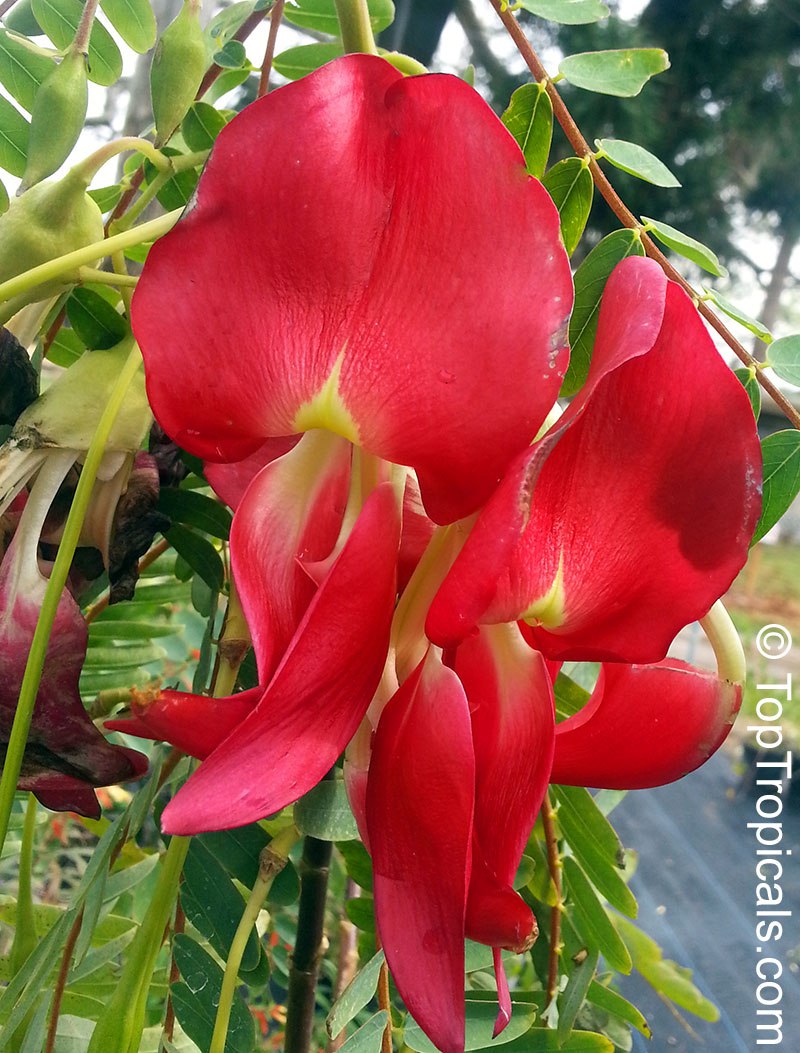
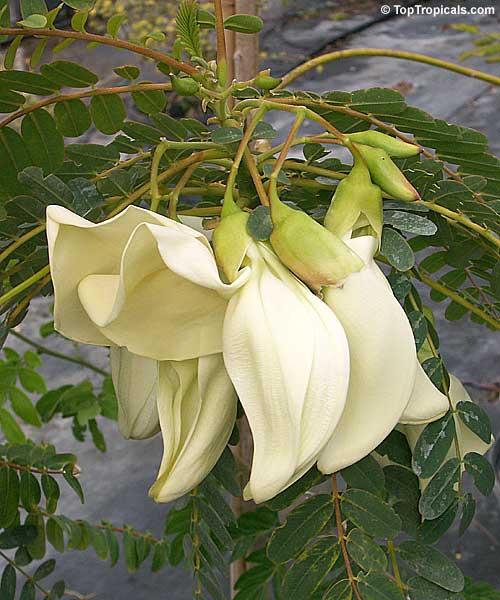
Sesbania flower fritters: quick-n-fun exotic recipes

Sesbania flower fritters: quick-n-fun exotic recipes Sesbania flower fritters: quick-n-fun exotic recipes Sesbania flower fritters: quick-n-fun exotic recipes

🍴 Sesbania flower fritters: quick-n-fun exotic recipes

🔴Delicate, floral, and fun to snack on.

Sesbania Flower Fritters

Ingredients

  • 1 cup fresh Sesbania flowers (Sesbania grandiflora), washed and trimmed
  • 1/2 cup all-purpose flour
  • 1/2 cup cold water
  • 1/4 teaspoon salt
  • Oil for frying

Instructions

  1. Rinse Sesbania flowers thoroughly and remove tough stems.
  2. In a bowl, mix flour, salt, and cold water to form a light batter.
  3. Heat oil in a pan over medium heat.
  4. Dip each flower into the batter, letting excess drip off.
  5. Fry until golden and crisp, about 1-2 minutes per side.
  6. Remove and drain on paper towels. Serve warm.

🛒 Add Hummingbird tree edible flowers tree to your garden

📚 Learn more:

Plant Facts

Sesbania grandiflora, Agati grandiflora
Hummingbird Tree, Butterfly Tree, Agati
USDA Zone: 9-11
Small tree 10-20 ftSemi-shadeFull sunRegular waterRed, crimson, vinous flowersWhite, off-white flowersEdible plantPlant attracts butterflies, hummingbirdsDeciduous plantEthnomedical plant.
Plants marked as ethnomedical and/or described as medicinal, are not offered as medicine but rather as ornamentals or plant collectibles.
Ethnomedical statements / products have not been evaluated by the FDA and are not intended to diagnose, treat, cure, or prevent any disease. We urge all customers to consult a physician before using any supplements, herbals or medicines advertised here or elsewhere.Flood tolerant plant

#Food_Forest #Recipes

🟢 Join 👉 TopTropicals

Date: 2 Jan 2026

Why white-flesh Dragon fruits deserve more attention?

White Dragon fruit varieties (Hylocereus undatus)

🏆 Why white-flesh Dragon fruits deserve more attention?

  • ✔️ Fast growers, heavy producers.


    White-fleshed Dragon fruits are often overlooked, but they are the real workhorses of the Pitaya world. These varieties tend to be more vigorous, faster growing, and less demanding than red-fleshed types. They establish quickly, handle a wider range of conditions, and are usually heavier producers.
  • ✔️ Juicy, light, and refreshing.


    Flavor-wise, white-flesh types are milder and juicier, with higher water content and lower sugar. That makes them refreshing, hydrating, and a good choice for people watching sugar intake. Because they set fruit more reliably and produce larger crops, white-fleshed dragon fruits are often the best option for beginners and for anyone who wants dependable harvests without fuss.
  • ✔️ The sweetest of them all.


    Yellow-skinned dragon fruit with white flesh takes things one step further. While the plant itself is a bit slower and more selective, the fruit is the sweetest and most flavorful of all dragon fruits, often described as honeyed or tropical with pineapple notes.


✍️ The best white-fleshed Dragon fruit varieties:

  • 🔴 ⚪️ Red skin, white flesh (Hylocereus undatus): the most common and productive group. These plants are vigorous, fast-growing, and known for large fruit size. Flavor is mildly sweet and very refreshing, often compared to kiwi or pear. Excellent choice for heavy production and easy care.
  • Varieties: David Bowie, Delight, Hana, Lake Atitlan, Seoul Kitchen, Vietnamese Jaina, Hana

  • 🟡⚪️ Yellow skin, white flesh (Hylocereus, or Selenicereus megalanthus) - Smaller fruit but unmatched sweetness. Crisp, juicy flesh with honey, pineapple, or tropical notes. Less productive than red-skin whites, but prized for flavor above all else.
  • Varieties: Amarilla (Kirin), Colimbiana, Godlen Dragon, Palora, Thai Gold (Hawaiian)

    Quick Takeaway:


⚪️ White-flesh reds = most vigorous, most productive, easiest to grow
🟡 Yellow with white flesh = sweetest and most flavorful
🔴 Red-flesh types = richer flavor but usually slower and less productive

🛒 Explore and collect Dragon Fruit varieties

📚 Learn more:

Plant Facts

Hylocereus sp.
Pitaya, Pitahaya, Dragon Fruit, Strawberry Pear
USDA Zone: 9-11
Large shrub 5-10 ft tallVine or creeper plantSemi-shadeFull sunModerate waterWhite, off-white flowersThorny or spinyEdible plantSubtropical plant. Mature plant cold hardy at least to 30s F for a short timeSeaside, salt tolerant plant

  • 📱 How to grow Dragon Fruit
  • 📱
  • 📱

#Food_Forest #Dragon_Fruit #Discover

🟢 Join 👉 TopTropicals

Date: 31 Dec 2025

Year of the Fire Horse - what should you grow in 2026?

Year of the Fire Horse

Year of the Fire Horse

🐎 Year of the Fire Horse - what should you grow in 2026?


✔️ Here are the top lucky plants to grow, gift, or decorate with during the Year of the Fire Horse - each one chosen for its symbolism, element balance, and ability to channel that galloping energy in a positive direction:

🌿Anthuriums

Symbolizes: Elegance, passion, transformation
Why it's lucky: Its bold, vigorous leaves and exotic flowers are perfect for 2026.
Where to use it: Place in the southeast corner of your home, office, or garden to draw prosperity and charisma.
  • 🛒 What to plant: Exotic Anthuriums - Anthurium Black Dragon, Anthurium hookeri - Giant Birds Nest, Anthurium veitchii - King Anthurium, Anthurium vittariifolium - Long Leaf Anthurium


💮 Jasmines and Gardenias


Symbolizes: Love, luck, beauty
Why it's lucky: Horses are social and affectionate - jasmine’s sweet scent supports romance and good vibes.
Where to use it: Grow near entrances or windows; use jasmine oil in bedrooms to boost relaxation and harmony.
  • 🛒 What to plant: Fragrant Jasmines - Sambac, French Perfume, Night Blooming, and many varieties of Gardenias.


🌻 Sunflowers and sunny-yellow flowers


Symbolizes: Optimism, vitality, success
Why it's lucky: Bright yellow blooms reflect Fire energy and attract recognition.
Where to use it: Display in the east or south part of your home; great for creative spaces or work areas.

🎋 Lucky Bamboo, Money Trees and Bonsai


Symbolizes: Growth, flexibility, fortune
Why it's lucky: Combines Wood (growth) with Fire (motivation) - a perfect combo for 2026.
Where to use it: Place arrangements with 3 or 9 in the southeast to promote health and wealth.

Edible Greens with Fire-Friendly Energy


Symbolizes: Nourishment, healing, grounded action
Why they're lucky: Green leafy herbs support Wood energy, which fuels Fire. Think fresh, healthy, juicy, and nourishing.
🛒 What to plant: Tropical herbs, spices and edibles, including -
  • · Chaya (Maya spinach tree)
  • · Gynura (Longevity spinach)
  • · Lippia dulcis (Aztec sweet herb)
  • · Lemongrass and Citronella
  • · Alspice and Baurum
  • · Pepper Vines (Pipers) and Chili Peppers (Capsicums)
Grow them near the kitchen, patio, or sunny balcony for both beauty and bite.

❌ What to avoid?


Poisonous or sharp plants. The Horse is a plant lover - but not a fan of painful surprises. Keep the Fire Horse energy smooth, not spiky.

✍️ Final tip: Let the Fire Horse run wild - but not out of control


2026 is your chance to charge ahead - but keep your hooves on the ground. Plants can help you stay focused, bring balance, and add a little luck along the way. So get planting, stay bold, and let the good energy gallop in!

📚 Learn more:

  • More #Horoscope info for plants and cats
  • 2026: Year of the Fire Horse - time to grow bold, live free, and plant lucky

#Horoscope

🟢 Join 👉 TopTropicals
Date: 5 Jan 2026

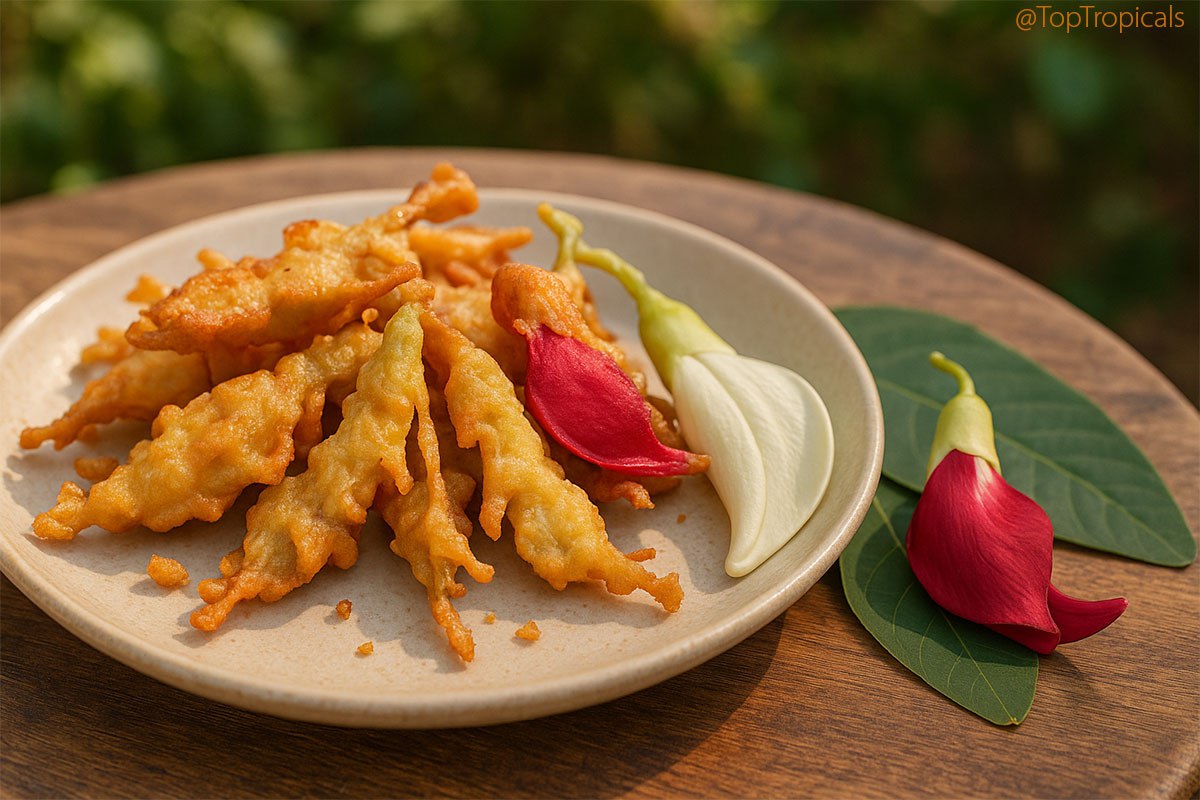
A  tuxedo  cat  planting  a  small  shrub  in  a  tropical  garden  while  a  ginger
    cat  relaxes  nearby  with  coffee  and  donuts,  illustrating  winter  planting  in 
 a  warm 
 climate.
Sunshine: January might feel warm, but its still winter. Wool socks, scarf, hot coffee.
Smokey: You get warm when you work. Plant now so roots are established before spring growth starts.
Sunshine: Alright. Lets see who stays warmer - you digging or me with coffee.

🌴 Why winter planting works in a warm climate

By our plant expert Tatiana Anderson

We are lucky to live in a warm climate. This is how I think about the seasons here. Winter is for roots. Spring is for growth. Summer is for managing heat and water.

So if we want plants that handle summer better, we plant them in the season that gives them the best start. Winter here is comfortable. The soil stays workable. The days are mild. And plants are not being stressed by heat. That is exactly why winter is the best time to plant in Florida and other warm areas.

If we use this season well, plants go into spring already settled instead of trying to catch up. This is what I like to plant now, and why.

🟢 Trees first. Anything that will be in the ground for years. Fruit trees, shade trees, flowering trees. When we plant them in winter, they can focus on roots before the spring growth surge starts. By the time spring arrives, the tree is anchored and ready to grow on top.
Examples: mango, avocado, Eugenia cherries, jackfruit, sapodilla, longan, lychee, canistel.

🟢 Shrubs next. Shrubs establish faster than trees, but winter still gives them an advantage. They settle in quietly before the spring flush and bloom cycles begin. That usually means steadier growth and fewer problems once heat returns.
Examples: gardenia, jasmine, brunfelsia, hibiscus, clerodendrums.

🟢 Vines are often overlooked. Vines want to grow fast when spring starts. If the root system is not ready, you get weak growth and frustration. Planting vines in winter gives them time to build a foundation first, so spring growth has support.
Examples: Rangoon creeper, stephanotis, Petrea, Mexican Flame Vine.

🛒 Explore cold tolerant plants

Date: 17 Jan 2026

Ti plant leaf color meaning

Hawaiian Ti plant (Cordyline fruticosa)

Hawaiian Ti plant (Cordyline fruticosa)

🌈 Ti plant leaf color meaning


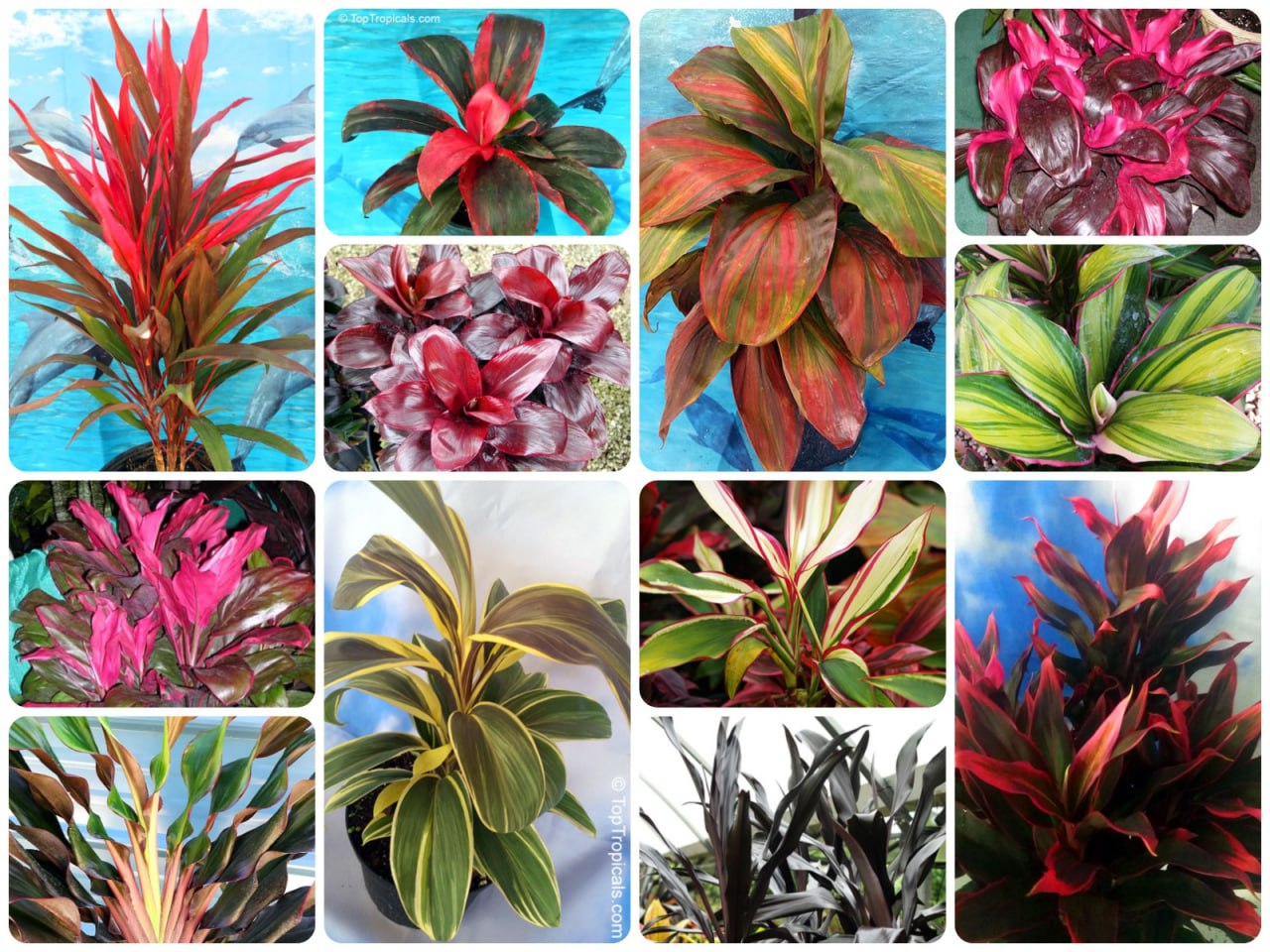
The Hawaiian Ti plant (Cordyline fruticosa) is more than just a colorful tropical accent. Across Polynesian, Hawaiian, and Southeast Asian cultures, the color of ti plant leaves has long been associated with different meanings, moods, and uses - both symbolic and practical.
  • 🌈 Green leaves
  • Green ti plants are linked to peace, balance, and steady growth. Traditionally, they were planted around homes for protection and good fortune. In the garden, green varieties are usually the toughest and most shade-tolerant.
  • 🌈 Red and deep burgundy leaves
  • Red ti plants are associated with strength, power, and protection. In Hawaiian tradition, red ti leaves were believed to ward off negative energy and were often used in ceremonies. Garden-wise, deeper reds usually mean more sun exposure and stronger pigmentation.
  • 🌈 Pink, magenta, and multicolor leaves
  • These colorful ti plants symbolize joy, celebration, and creativity. They are often used as ornamental focal points and in festive plantings. Variegated and pink types tend to prefer brighter light to keep their colors sharp.
  • 🌈 Purple and dark-toned leaves
  • Purple ti plants are linked to mystery, spirituality, and transformation. Their dramatic color comes from high anthocyanin levels and usually intensifies in bright light with good nutrition.
  • 🌈 Yellow or light variegation
  • Yellow tones often represent optimism and new beginnings. Plants with lighter variegation may grow a bit slower and need protection from harsh sun, but they add a softer contrast in tropical landscapes.
  • 🌈 One practical note
Leaf color is influenced not just by variety, but also by light, temperature, and nutrition. Fading color usually means too little light or depleted soil, while rich, bold tones signal a happy plant.

Ti plant colors tell a story - part cultural tradition, part plant health, and part personal style in your garden.

🛒 Ti plants rainbow: collect them all

📚 Learn more:

Plant Facts

Cordyline fruticosa, Cordyline terminalis
Hawaiian Ti Leaf
USDA Zone: 9-11
Large shrub 5-10 ft tallSmall plant 2-5 ftSemi-shadeShadeFull sunRegular waterOrnamental foliageUnusual colorPink flowersSubtropical plant. Mature plant cold hardy at least to 30s F for a short time

#Container_Garden #Hedges_with_benefits #Shade_Garden #Discover #Horoscope

🟢 Join 👉 TopTropicals