Date: 23 Sep 2020
Fast-fruiting trees?
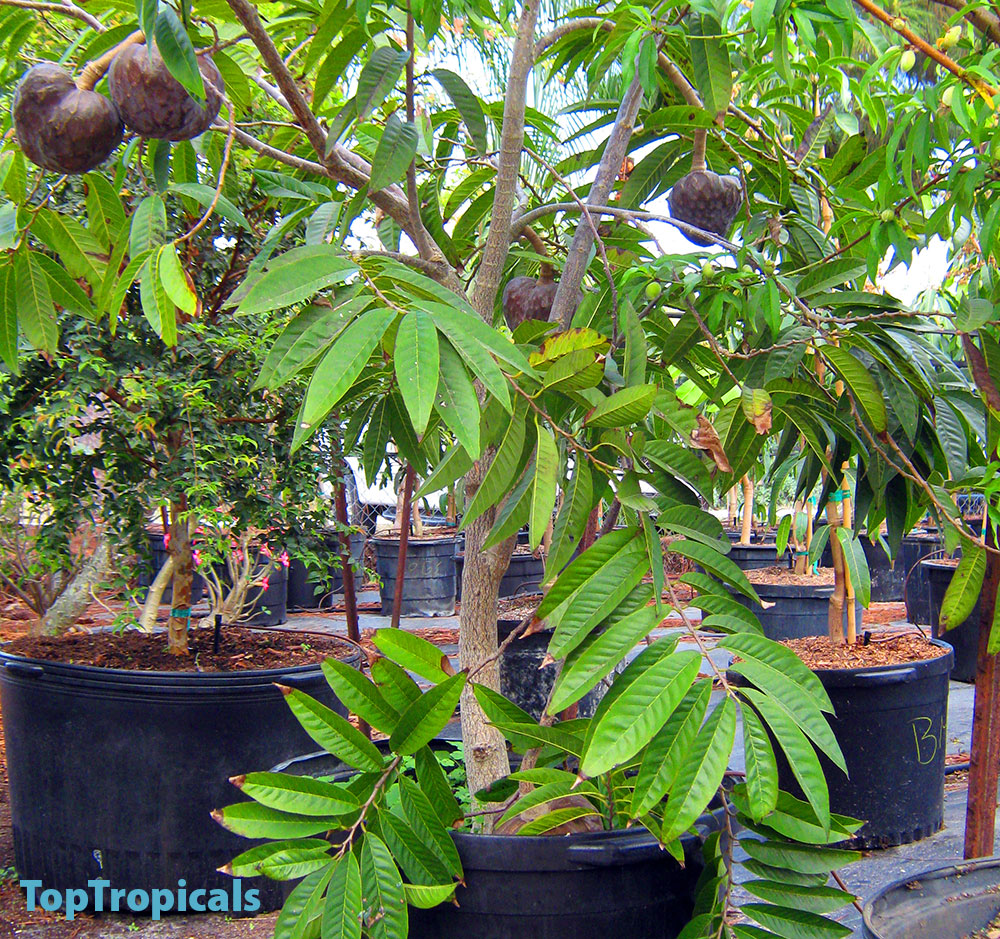
Photo above: Annona reticulata - Red Custard Apple
Q: More of a question than a review, but a review regarding your catalog, it would be easier for us buyers, if we could search for plants that produce fruit in 2 years or less, I don't have the patience to wait longer than that for fruit. I'm trying to buy for a fairly good sized garden but want some fast growers and fruit produced in 2 yrs. Can you help me out?
A: Fruiting time depends on many factors (established size,
growing conditions, fertilizing, and even specific variety), this is why we can
not just put a simple icon "will fruit within 2 years".
However, most grafted and air-layered fruit trees, including all Mango, Avocado, Loquat, Sapote, Sapodilla, Lychee/Longan, Peaches and Nectarines - will fruit right away. If you see in our store
"grafted" or "air-layered" in plant description - these trees will fruit
soon. Some of them already flowering and fruiting.
Some non-grafted trees or seedlings like Annona, Artocarpus (Jackfruit), Eugenia, Guava, Banana, Dragon fruit, Mulberry, Blackberry/Raspberry - will fruit within 3-4 years from seed or even
sooner (Banana, Mulberry, Dragon fruit, Blackberry-Raspberry - within a year).
Usually it says in description that this plant can produce fruit soon.
Bigger size plants are more established and have more energy to produce, so
try to get larger size plants if your budget permits, and especially if you can
pick up bigger plants rather than shipping them - obviously, shipping has size
limitations.
In addition, all spice trees like Bay Leaf, Bay Rum, Allspice and many more - they will
produce spice for you right away, so you don't need to wait at all!
If you have questions about fruiting time on any specific plant you put
your eye on, don't hesitate to ask!

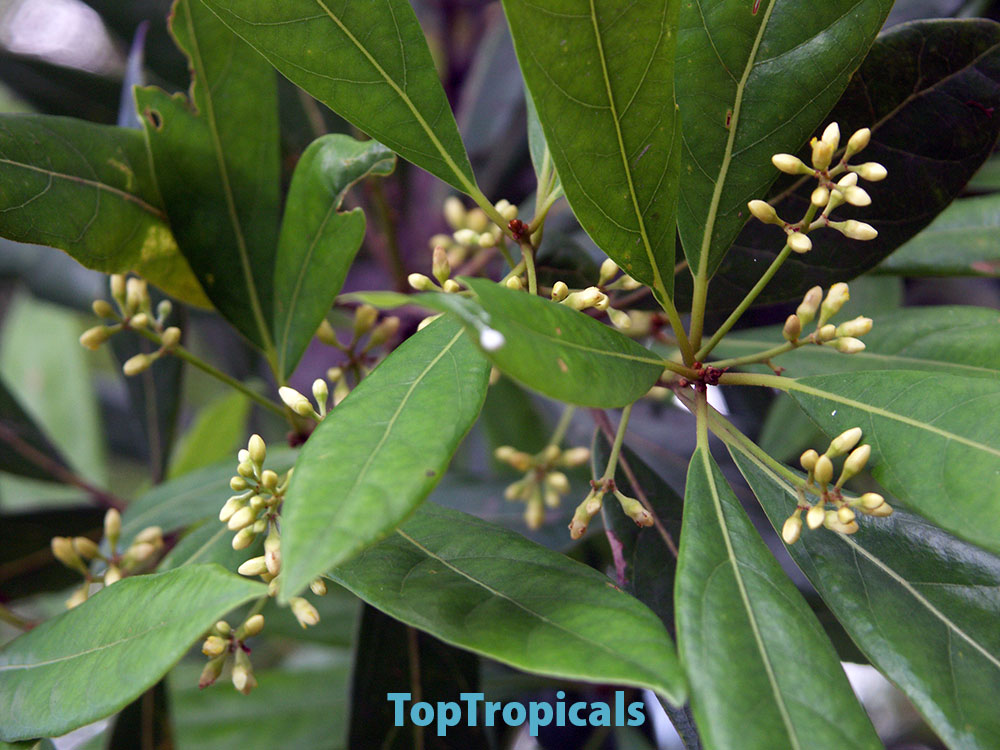
Photo above: Pimenta dioica - Allspice
Date: 24 Jun 2018
Cleanest fruit?
"Dirty" fruit: According to the Environmental Working Group research, Strawberries are top the list of the 12 "dirtiest" fruits and vegetables grown commercially. Spinach is the second, followed by (in order of contamination) nectarines, apples, grapes, peaches, cherries, pears, tomatoes, celery, potatoes and sweet bell peppers. Each of these foods tested positive for pesticide residues and contained higher concentrations of pesticides than other produce. This causes of course chronic health implications. Children are of special concern as younger bodies have greater susceptibility to pesticides than adult bodies, the report emphasizes. Pesticides may induce chronic health complications in children, including neuro- and behavioral problems, birth defects, allergies, asthma, and even cancer...
"Clean
15": Avocados lead 2018's clean fruits and
veggies list, that also includes: mangoes, papayas, pineapples, kiwi, sweet corn, cabbage,
onions, frozen sweet peas, asparagus, eggplant, honeydew
melon, cantaloupe, cauliflower and broccoli.
Obviously, home grown fruit and vegetables are even
better. Such fruit as Custard Apples, Sapodilla, Sapote, Jackfruit, Dragon Fruit, Passion Fruit and other rare
varieties of tropical fruit, are even better for you
because they are not grown commercially, and the choice
from your own organic garden is the healthiest for
yourself and your family!
Plant them today and get your cleanest fruit tomorrow!
Check out all tropical fruit trees and all tropical spice plants
Date: 24 Jun 2018
Plant Horoscope. Gemini Zodiac lucky plants: Ferns and Aralias
Gemini
- 5/21-6/20. Ruled by the mutable, changeable
planet Mercury (also patron of the art of medicine),
Gemini is an AIR sign. Plants ruled by Mercury tend to
have ferny or highly-divided leaves or stems (like the
bronchi of lungs), hairy or fuzzy leaves (related to the
cilia in the lungs), or subtle odors.
Gemini rules the lungs, shoulders, arms, and hands. Its
plants help to strengthen the lungs and respiratory
system, relax the nervous system, strengthen ears and
hearing, the tongue and speaking, the vocal cords, lungs
and thyroid, as well as the shoulders, arms, and hands.
Gemini has so much going on mentally that they may need a
little help to digest all the information they're
constantly absorbing. Herbs that have clean, pure flavor
not only help physical digestion, but assist spiritual and
mental intake as well.
Gemini Zodiac lucky plants: Ferns, Blechnum, Tree ferns and Cyatheas, Fern Tree, Aralias, Jackfruit and Breadfruit, Paulownia, Anthurium, Philodendron, Philadelphus, Clerodendrums, Anise, Lavender, Myrtle, Nut trees, Macadamia, Ficus, Piggyback plant - Tolmiea menziesii, Aloe vera, Fig , Honeysuckle, Azalea, Mint Tree Satureja, Vitex, Ironwood, Mulberry, Osmoxylon, Acalypha, Allamanda, Aphelandra, Iboza, Ruda, Kiwi, Caesalpinia, Cyphomandra, Monstera, Kalanchoe , Magnolia, Oregano, Ocimum, Naranjilla, Zamia, Delionix, Acacias, Calliandra, Patchoili, Palms, Geranium, Grevillea, Eucalyptus.
For other signs information, see full Plant Horoscope
Date: 13 May 2022
New Video:
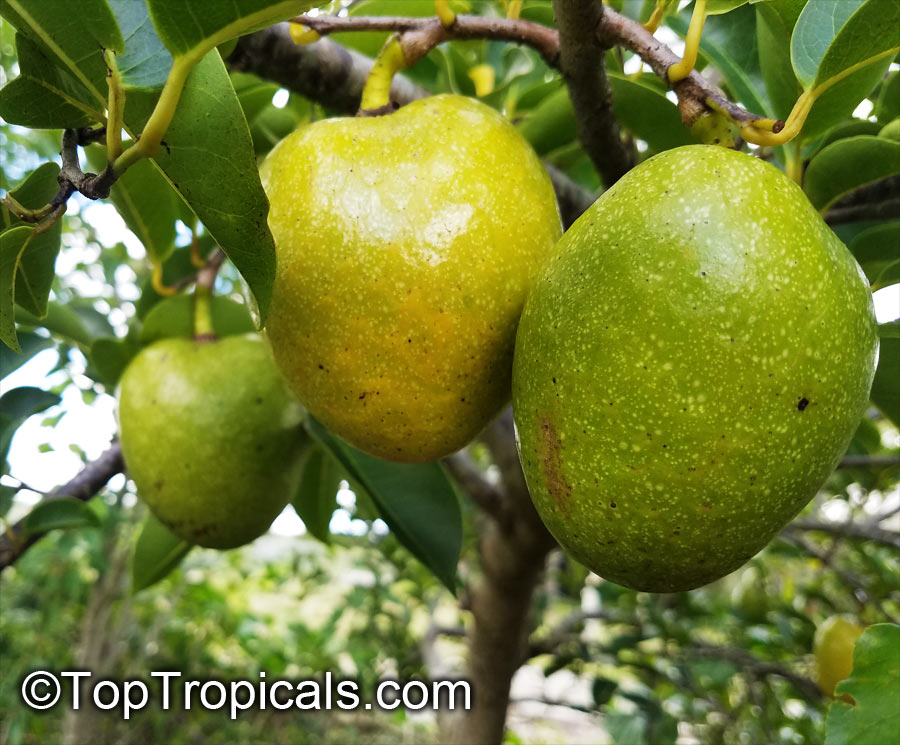
Golden Sugar Apple - Pineapple Annona
In this video we talk about a rare hybrid of Annona - Golden Sugar
Apple. This rare Annona is a species originally brought to us from Costa Rica. We
believe it to be a natural hybrid between A. muricata and A. glabra...
Fast growing, it forms a nice bushy specimen. It has a large, up to 1 lb
fruit, green when unripe, turning dark yellow to orange on ripening. The pulp
is golden to orange when ripe, with a strong Pineapple scent, and resembling
Jackfruit in texture. Flavor is like the custard apple but with pineapple,
papaya, apricot and melon overtones. Note that some people dislike the taste,
others find it good...
The tree tolerates flooding. It is also cold hardy! The plant would be very
interesting for rare fruit collectors as it offers a large, exotic fruit of
unusual color and taste, and appears to be much more hardy and water tolerant
than similar looking but sensitive A. muricata, A. montana and Rollinia.
Subscribe to our Channel:
Stay updated with TopTropicals Videos by subscribing to our channel at YouTube.com/TopTropicals and get our latest video news of what is fruiting and blooming!
Date: 20 Oct 2025
11 tropical fruits to eat instead of taking a fiber supplement
🍑 11 tropical fruits to eat instead of taking a fiber supplement
- When we think of tropical fruit, we picture sweetness, sunshine, and exotic flavors packed with vitamin C. But beneath all that juicy goodness lies another gift: dietary fiber - quietly working to support digestion, feed the gut microbiome, and help keep blood sugar steady.
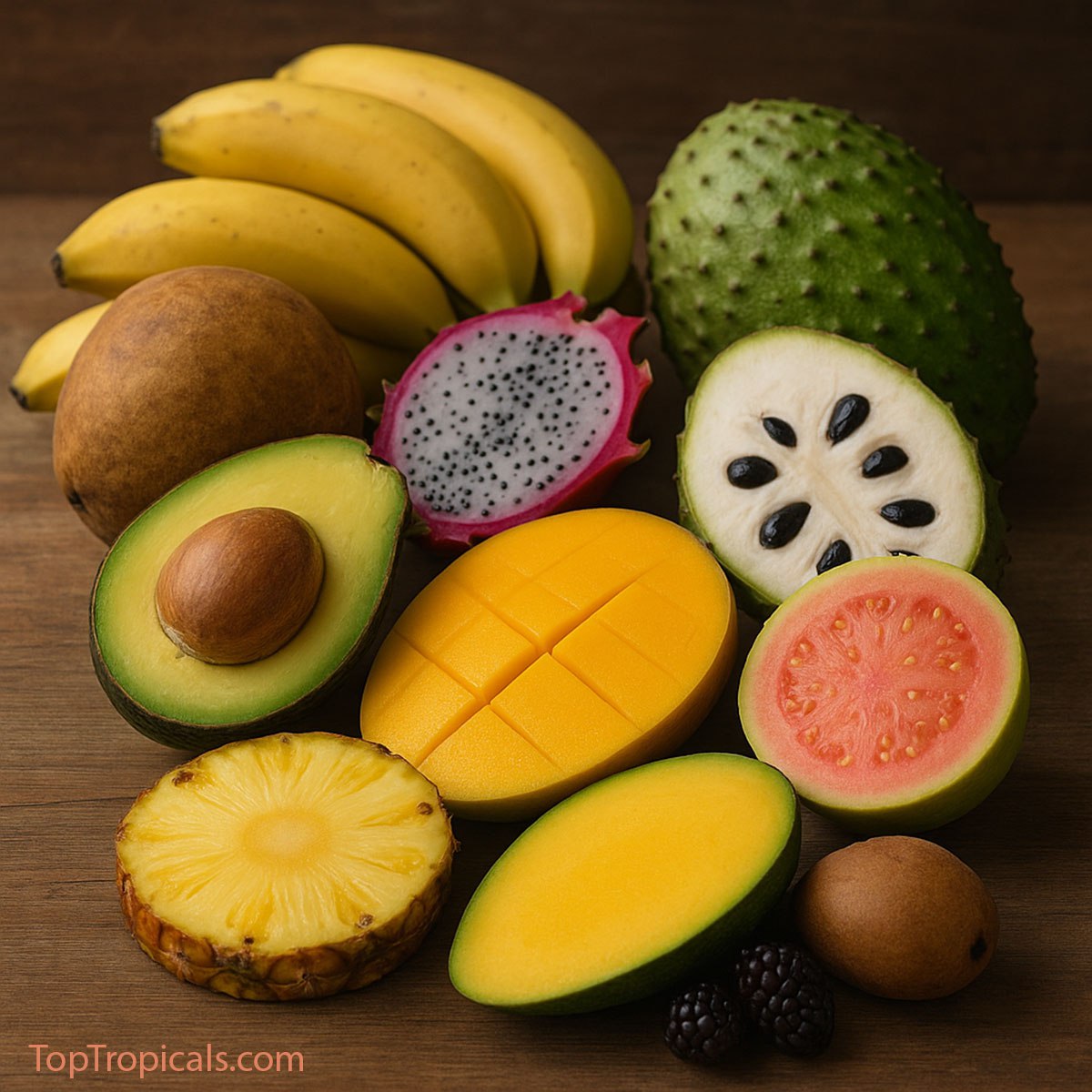
- Avocado leads the pack among tropical fruits for fiber content. One creamy, ripe fruit can provide around 10 grams of fiber, roughly a third of an adult’s daily need. And there’s more to avocado than fiber - it’s also rich in healthy fats, micronutrients, and that silky texture everyone loves.
- Other tropical fruits bring their own kind of fiber strength. Guava delivers up to 9 grams per cup, plus a burst of vitamin C.
- Mango offers about 3 grams in half a fruit, especially when eaten with some of the skin.
- Pineapple, though not always seen as a fiber powerhouse, still contributes around 2 grams per cup, along with bromelain, the enzyme that helps digestion.
- Jackfruit’s fibrous pulp makes it another standout - it’s so meaty, it’s even used as a plant-based substitute in savory dishes.
- Sapote fruit (Mamey, Canistel) and Sapodilla add fiber with a smooth, custard-like texture.
- Adventurous tropical varieties like Annona (custard apple, soursop) may not top the charts in fiber numbers, but their soft, fibrous flesh still adds value: about 1.3 grams of fiber per 100 grams of fruit.
- Bananas contain both soluble and insoluble fiber; the soluble part (mainly pectin) helps control blood sugar and appetite, while the insoluble fiber aids regularity.
- Mulberries are rich in insoluble fiber, especially in their skin, supporting digestion and promoting healthy bowel movements.
- Dragon fruit offers a mix of soluble fiber in its juicy flesh and insoluble fiber from its tiny edible seeds, which help support gut health and feed good bacteria.
These fruits aren’t just delicious - they help you meet your daily fiber needs in ways that are far more enjoyable (and sustainable) than taking supplements. And when home gardeners, farmers, or tropical communities grow and share them, it’s a double win: nutrition and tradition hand in hand.
✔️ Tropical fiber power: tips for getting more fiber from tropical fruits
- ⏺Eat whole, not juiced. Most of the fiber is in the pulp, skin, and seeds. Juicing removes much of that goodness.
- ⏺Mix it up. Tropical fruits are great, but balance them with legumes, whole grains, nuts, and veggies for a full fiber range.
- ⏺Take it slow. If your diet is low in fiber, increase gradually to avoid bloating or discomfort.
- ⏺Drink plenty of water. Fiber works best when paired with hydration.
- ⏺Mind the ripeness. Unripe fruits can have more resistant starch, another form of fiber.
- ⏺Get creative. Toss tropical fruits into smoothies, salsas, breakfast bowls, or even desserts - a tasty stealth-fiber strategy.
🛒 Plant a fruit tree to harvest your fruit tomorrow
📚 Learn more:
Tropical fruit health benefits guide - what fruit and edibles can help with health issues and vitamin deficiencies, Part 1 and Part 2.
#Food_Forest #Remedies #Discover #How_to
🟢 Join 👉 TopTropicals