Garden Blog - Top Tropicals

Date: 21 Nov 2025

How to keep your house plants beautiful all year by feeding them right
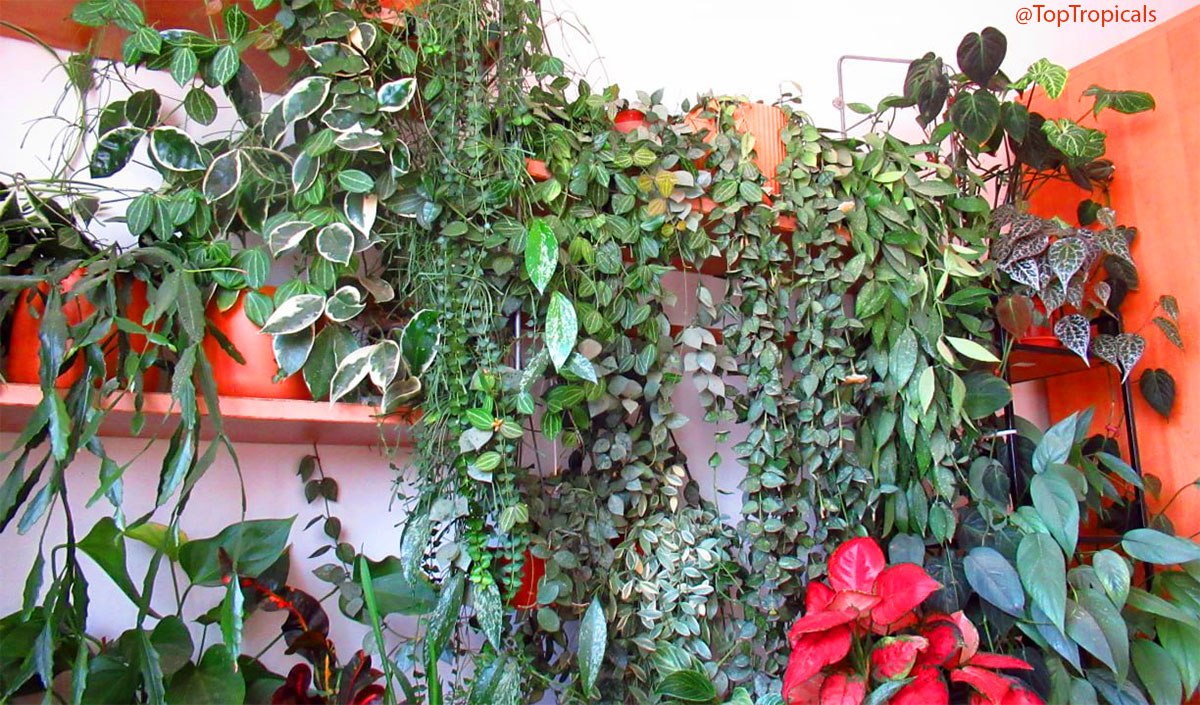
Indoor garden

Indoor garden

🍀 How to keep your house plants beautiful all year by feeding them right

  • 🌱 Healthy house plants are not just about light and water. They need food, just like we do. A good fertilizer routine keeps them green, strong, and blooming through every season. Here is a simple guide to feeding indoor plants the right way.
  • 🌱 General rules for fertilizing house plants


  • ▪️Feed lightly but regularly. Indoor plants grow in limited soil, so nutrients run out faster. Small, frequent feedings work better than one heavy dose.
  • ▪️Never fertilize dry soil. Water first, then feed.
  • ▪️Reduce feeding in winter when growth slows.
  • ▪️Watch your leaves. Pale, yellow, or slow-growing plants are asking for nutrients.
  • ▪️Use a complete formula. House plants need both macro-elements (N-P-K) and micro-elements, not just nitrogen.


🌱 What fertilizer to use


Sunshine Boosters - the everyday diet.
Sunshine Boosters are simple, balanced liquid fertilizers you mix with water. They give your plants everything they need for steady, healthy growth. They contain the right blend of nitrogen, phosphorus, potassium, and trace minerals. They do not contain harsh chemicals, so they are safe for homes with pets and kids. Regular use keeps plants growing faster, stronger, and more resilient to stress.

Sunshine Superfood - the vitamin supplement.
If a plant turns yellow or looks weak, it often needs micronutrients. These are the plant version of vitamins, including iron, zinc, copper, and manganese. Sunshine Superfood delivers these quickly and in the right proportions. Mix it with water and apply when you notice yellowing or slow growth. It corrects deficiencies fast and keeps leaves lush and green.

Green Magic - the long-term slow feeder.
Green Magic is a controlled-release fertilizer that works for six months. It uses poly-on coating technology to release nutrients slowly, without burning roots. It is perfect for repotting or for plant owners who want a set-it-and-forget-it option. Mix one teaspoon per gallon of soil during repotting or every six months. Excellent for container fruit trees and ornamentals that need steady feeding.

🌱 The simple routine

  • ▪️For regular watering: use Sunshine Boosters.
  • ▪️Once a month: add Sunshine Superfood to prevent yellowing.
  • ▪️Every six months: mix Green Magic into the soil for long-term support.

With the right diet, your house plants stay green, strong, and beautiful year-round. Feed them well, and they reward you every day.

📸 In the photo: Indoor garden of Marina Rybka, Israel, the Editor of TopTropicals.

🛒 Get your plants some food

📚 Learn more:
📱 What are Sunshine Boosters

#Fertilizers #How_to
🟢 Join 👉 TopTropicals
Date: 25 Nov 2025

What Avocado is better - Type A or Type B?

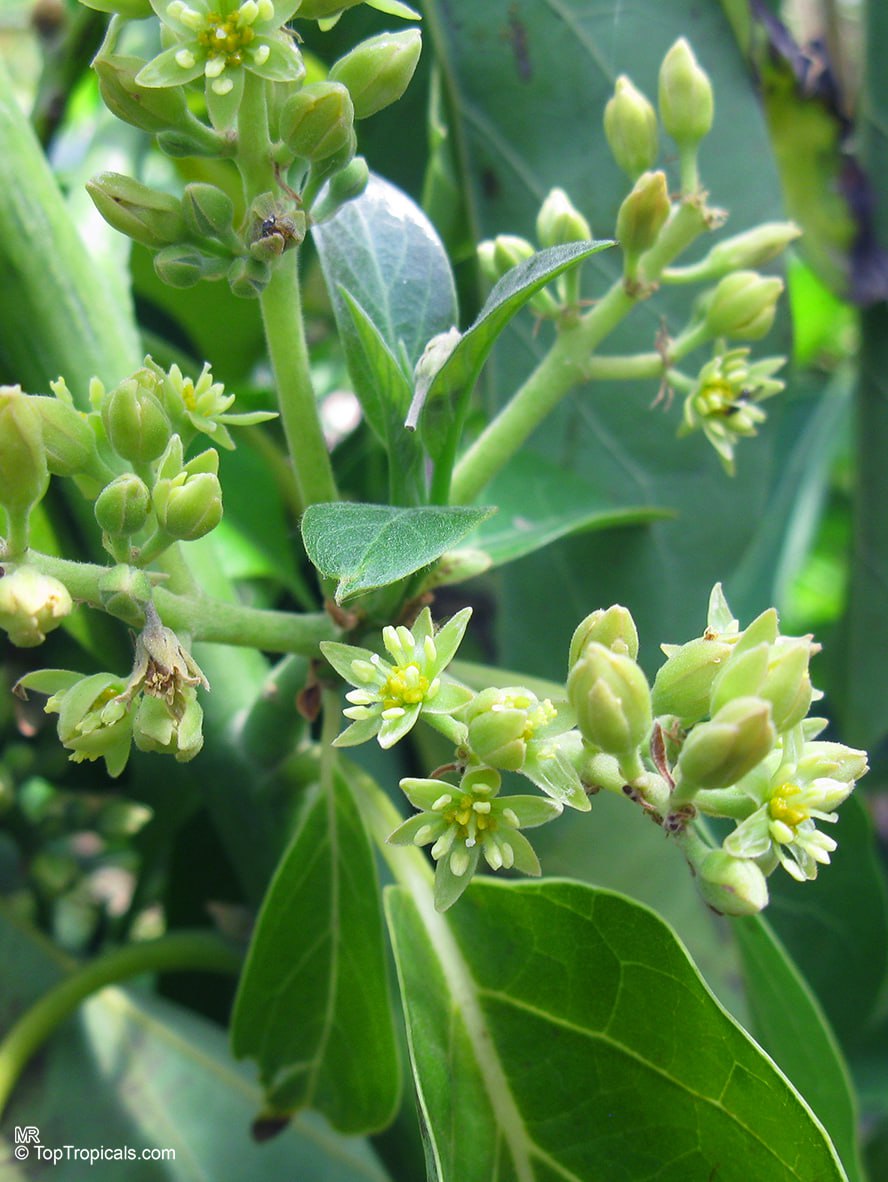
Avocado tree flowers

Avocado tree flowers

What Avocado is better - Type A or Type B?


Avocados are divided into two types based on how their flowers open - Type A and Type B. This has nothing to do with how the fruit looks, only with how the flowers work.

TYPE A:
The flowers open as female in the morning of the first day, then close. On the afternoon of the second day, they reopen as male.

The most popular type A avocado varieties:
Bernecker, Black Prince, Catalina, Choquette, Day, Donnie (Doni), Fantastic, Florida Hass (Haas), Lila (Opal), Loretta, Lula, Mexicola, Mexicola Grande, Red Russell, Reed, Russell, Simmonds, Ulala (Oh La La, Super Hass) , Waldin, Wurtz (Dual Type, A&B).

TYPE B:
The flowers open as female in the afternoon of the first day, then close. The next morning, they reopen as male.

The most popular type B avocado varieties:
Anise, Bacon, Beta, Booth 8, Brazos Belle (Wilma), Brogdon (Brogden), Buck, Ettinger, Fuerte, Hall, Hardee Red, Hialeah Red, Joey, Kampong (Sushi), Marcus Pumpkin, Maria Black, Miguel, Monroe, Nishikawa, Oro Negro, Pollock, Poncho (Pancho), Thomson Red, Tonnage, Winter Mexican, Wurtz (Dual Type, A&B), Yamagata.
  • 🟢 Each tree can make its own fruit (it’s self-fertile), but if you plant both types together, they will help each other make more fruit. The flowers of A and B types open at opposite times, so bees can carry pollen between them more easily. This means better pollination and a bigger harvest.
  • 🟢 For home gardeners, one tree is enough to get fruit, but having both A and B types nearby will give you a larger crop. If you grow avocados in pots, it’s a good idea to have at least one of each type.


✍️ In short:
One tree = some fruit
Two trees (A + B) = lots more fruit!

✔ ️Check out Avocado Variety Guide interactive chart. Sort them by flower type A or B, tree habit, fruit shape and quality, cold hardiness, origin, season and more!

🛒  Explore Avocado varieties

📖 Our Book: Avocado Variety Guide, Snack or Guacamole?


Hard copy
PDF File Download

📚 Learn more:


How Avocado trees flower and set fruit
Avocado Variety Guide
#Avocado #Food_Forest #How_to

Join 👉 TopTropicals

Date: 28 Nov 2025

What is the best Red Dragon fruit and what does it taste like?

Red Dragon Fruit - Halley's Comet

🔴 What is the best Red Dragon fruit and what does it taste like?

  • 🍉 Red dragon fruit might look similar on the outside, but the flavors are all over the place once you start trying different varieties. Halley's Comet is one of the reds that actually tastes rich - sweet, juicy, and full of that deep berry-like flavor people hope for in dragon fruit. It ripens fast, so you have to catch it at the right moment or it turns soft overnight.
  • 🍉 Red-fleshed types are also loaded with antioxidants, which is why the juice stains everything it touches. If you like bold flavor, check out other good reds below. These are some of the top varieties growers recommend for sweeter, stronger taste:

  • 🔴🔴 Red skin, red flesh(Hylocereus costaricensis) - Sweeter, juicier, and more intense in flavor. The deep red juice can stain, but it’s loaded with antioxidants.
  • Varieties: American Beauty, Bloody Mary, Eureka Red, Costa Rican Sunset, Mac Edwin, Halley's Comet, Makisupa, Mega Red, Physical Graffiti, Sweet Red
  • 🔴🟣 Red flesh, purple/magenta flesh(Hylocereus x costaricensis) - Hybrids, usually between red and white varieties.
Varieties: Cosmic Charlie, Edgar's Baby, Natural Mystic, Physical Graffiti, Purple Haze, Tricia, Voodoo Child, Zamorano

🛒 Bring a red dragon to your garden


📚 Learn more:

Plant Facts

Hylocereus sp.
Pitaya, Pitahaya, Dragon Fruit, Strawberry Pear
USDA Zone: 9-11
Large shrub 5-10 ft tallVine or creeper plantSemi-shadeFull sunModerate waterWhite, off-white flowersThorny or spinyEdible plantSubtropical plant. Mature plant cold hardy at least to 30s F for a short timeSeaside, salt tolerant plant

📱 How to grow Dragon Fruit
📱

#Food_Forest #How_to #Dragon_Fruit

🟢 Join 👉 TopTropicals

Date: 6 Dec 2025

See how Golden Rain turns pink overnight!

Golden Rain tree, Koelreuteria paniculata

🌸 See how Golden Rain turns pink overnight!

  • 🌸 Golden Rain tree, Koelreuteria paniculata, is one of those plants you can drive past a hundred times without realizing you’re looking at a seasonal firework show. In early summer it loads itself with long, bright yellow flower clusters that drip from every branch. Then, just when you think the show is over, the tree shifts into its second act: paper-thin pink seed lanterns that cover the canopy through fall.
  • 🌸 It’s surprisingly tough for such a delicate-looking tree. Cold hardy, drought tolerant, and fast growing, it fits easily into Florida and other warm climates where people want a shade tree that also puts on a real spectacle. The foliage stays elegant and airy, and the lantern pods look good long after the flowers fade.
  • 🌸 If you’re into trees that change looks through the seasons and don’t need pampering, Golden Rain tree is one of the most rewarding additions you can plant.


🛒 Plant impressive Golden Rain tree - hardy and beautiful

📚 Learn more:

Plant Facts

Koelreuteria paniculata
Golden Rain Tree, Varnish tree, Chinese Flame
USDA Zone: 9-11
Small tree 10-20 ftSemi-shadeFull sunModerate waterYellow, orange flowersPlant attracts butterflies, hummingbirdsEthnomedical plant.
Plants marked as ethnomedical and/or described as medicinal, are not offered as medicine but rather as ornamentals or plant collectibles.
Ethnomedical statements / products have not been evaluated by the FDA and are not intended to diagnose, treat, cure, or prevent any disease. We urge all customers to consult a physician before using any supplements, herbals or medicines advertised here or elsewhere.Subtropical plant. Mature plant cold hardy at least to 30s F for a short timeSeaside, salt tolerant plant
#Trees

🟢 Join 👉 TopTropicals

Date: 15 Dec 2025

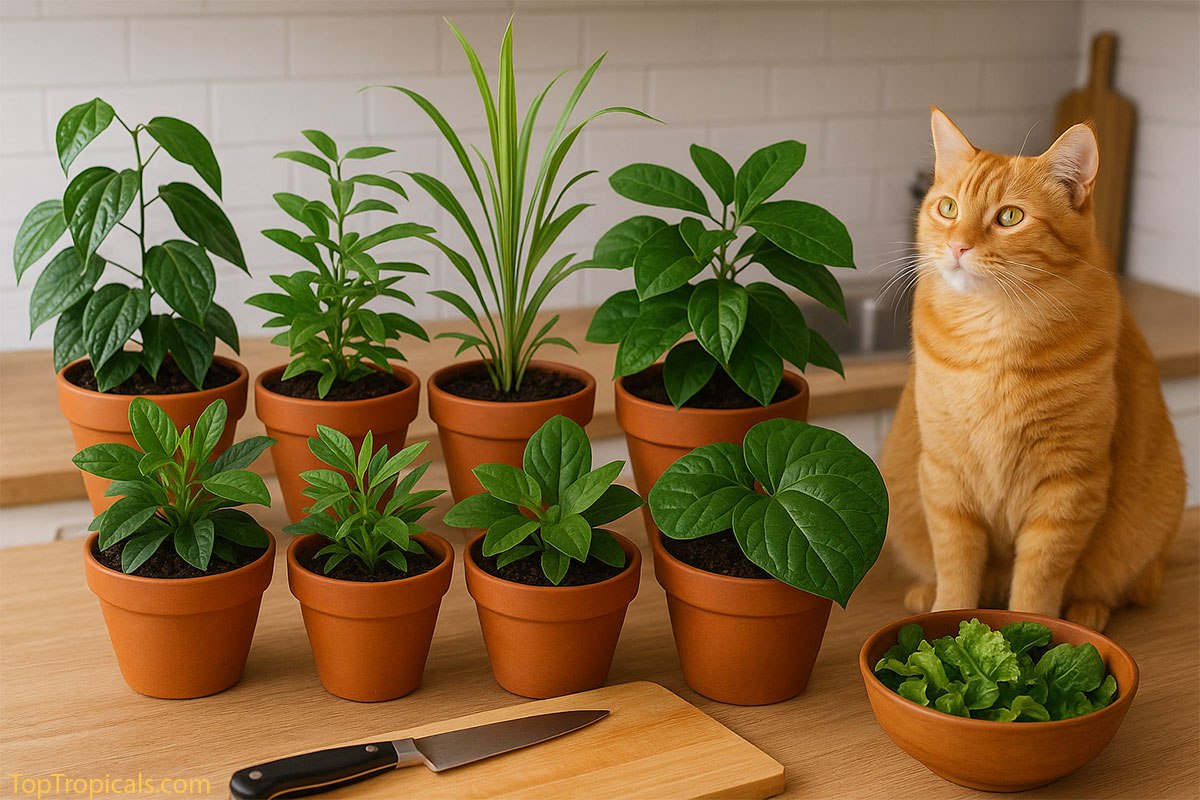
9 tropical vegetables to grow indoors, or how to have garden-fresh produce all year

9 tropical vegetables to grow indoors

9 tropical vegetables to grow indoors

🌱 9 tropical vegetables to grow indoors, or how to have garden-fresh produce all year


Cold weather does not have to mean the end of homegrown food. According to Southern Living, vegetables like lettuce, carrots, and radishes can be grown indoors during winter. The downside is that most of these are annuals - you harvest once, then start over.

Tropical vegetables work differently. Many are perennial, long-living plants that grow well in containers and keep producing for years. Grow them indoors year-round, move them outside in summer for extra sun and growth, then bring them back indoors before cold weather. With enough light and regular care, these plants can provide fresh harvests in every season.
  • ✅ Tips for growing tropical vegetables indoors


  • 📍Place plants near a bright window or supplement with grow lights for steady growth
  • 📍Use containers with good drainage and quality potting mix
  • 📍Keep plants away from cold drafts and heating vents
  • 📍Rotate pots and prune regularly to encourage fresh, tender growth
  • 📍Feed regularly with natural Sunshine Boosters - they are formulated for edibles


✅ Tropical vegetables to grow indoors

  • 🌿 Gynura procubens - Longevity Spinach, Cholesterol spinach - a fast-growing leafy green often called a superfood. The tender leaves are used fresh or lightly cooked and can be harvested repeatedly. This plant stays compact, handles containers easily, and regrows quickly after cutting.
  • 🌿 Sauropus androgynus - Katuk, Tropical Asparagus. One of Southeast Asia’s most popular leafy vegetables. Katuk produces edible shoots and leaves that are cooked in soups and stews. It grows well indoors and rewards regular harvesting with constant new growth.
  • 🌿 Cymbopogon citratus - Lemon grass: a tough, productive plant that adapts well to container growing. The stalks and leaves are used for teas, soups, and flavoring. Indoors, it grows more slowly but stays productive, especially when moved outdoors in summer.
  • 🌿 Lippia dulcis - Aztec Sweet Herb, Sweetleaf: a low-growing herb with naturally sweet leaves. The foliage can be eaten fresh or used as a sugar substitute in teas and desserts. It stays compact, tolerates pruning, and performs well in pots indoors.
  • 🌿 Piper sarmentosum - Vietnamese Pepper, Lalot: grown for its aromatic, edible leaves rather than peppercorns. The leaves are eaten fresh, cooked, or used as food wraps. This plant stays manageable indoors with light pruning.
  • 🌿 Piper nigrum - Black Pepper: the true black pepper vine. Grows well indoors as a container vine with support. It prefers warm temperatures, steady moisture, and bright filtered light.
  • 🌿 Piper auritum - Root Beer Plant, False Kava-Kava: close relative of Piper methysticum (Kava-Kava) known for its large, fragrant leaves with a spicy, root beer-like aroma. The leaves are used for wrapping foods and flavoring dishes. Best grown indoors with room for its bold foliage.
  • 🌿 Piper betle - Betel leaf: a traditional edible and medicinal leaf used widely in Asia. The glossy leaves are harvested continuously and used fresh or as wraps. This vine grows well indoors with warmth, humidity, and a small trellis.
  • 🌿 Piper longum - Indian Long Pepper, Pippali, Bengal Pepper: A tropical pepper relative grown for its elongated spice fruits and edible leaves. Slower to fruit indoors but easy to maintain as a leafy spice plant in containers with bright light and regular feeding.

Tropical vegetables make indoor gardening more rewarding because they do not stop after one harvest. With containers, light, and basic care, these plants can become long-term food producers that move seamlessly between indoors and outdoors - keeping fresh flavors within reach all year.

🛒 Explore tropical edibles, herbs and spices

📚 Learn more:


🎥 Karkade Tea
Longevity Spinach


#Food_Forest #Remedies #Container_Garden #How_to #Discover

🟢 Join 👉 TopTropicals