Garden Blog - Top Tropicals

Date: 25 May 2026

Why Gardeners Are Secretly Obsessed With This Rare Brazilian Giant Walking Iris

Iris Regina - Neomarica caerulea

🔤 Why Gardeners Are Secretly Obsessed With This Rare Brazilian Giant Walking Iris


Meet Iris Regina - Neomarica caerulea: the rare, salt-tolerant Brazilian walking iris that blooms in under a year and thrives in shady, sandy soil where other tropicals fail.

One look at Iris Regina - and it's easy to see why tropical plant collectors quietly become obsessed with it. It pairs elegant, hand-painted blue-violet flowers with arching, sword-like leaves that instantly give your garden a lush, structural look.
But the real magic of this unusual Brazilian species isn't just its beauty - it's the fact that it thrives exactly where other tropicals fail.

The Plant That Thrives on Neglect (and Salt Air)


Originally discovered growing near the ocean in Brazil, Iris Regina naturally adapted to conditions that would frustrate most gardeners. Thriving in sandy soil, deep shade, and coastal salt spray, this plant is remarkably easygoing. While most flowering tropicals demand rich soil and perfect drainage, Iris Regina handles difficult planting zones with absolute grace.

👉 Quick Care Tip: While it loves moist, well-drained soil, overfeeding is a mistake. Too much fertilizer will give you massive leaves but fewer flowers!

Blooms in Less Than a Year


One of the most surprising traits of Iris Regina is how quickly it matures. Many rare ornamental plants test a gardener's patience for years before ever showing a bud. Fresh seedlings of this species, however, can reach blooming size in less than a year - an absolute rarity for a tropical perennial with such exotic flowers.

The blooms look like a cross between a rare orchid and a delicate iris. While individual flowers are short-lived, mature clumps continuously push out new blooms throughout the warm season, especially when kept evenly moist.

Light and Cold Tolerance: What You Need to Know


· Light: For the best foliage color and maximum blooming power, give it morning sun and afternoon shade. It can handle more sun, but only if you keep up with watering.
· Cold Hardiness: Iris Regina is comfortable down to about 30F. In warmer parts of Florida (Zones 9b-11), it performs beautifully outdoors year-round.
· Cold Climates: If you live in a freeze-prone zone, it makes an exceptional container plant. Just wheel it to safety when a freeze threatens.
Propagation: It's incredibly easy to divide, or you can grow it reliably fast from fresh seed.

25 Years of History: The Top Tropicals Connection


For us at Top Tropicals, Iris Regina isn't just another botanical listing - it carries a piece of our history. This specific variety was introduced by the legendary tropical plant collector Sid Gardino, who named it after his wife, Regina.

Sid and Regina have been longtime friends of Top Tropicals for over a quarter of a century. In fact, some of the very first plants in our nursery’s collection came from them more than 25 years ago. Plants like Iris Regina represent the early, passionate era of Florida plant collecting - treasures shared between friends long before rare plants became viral internet trends.

Today, Iris Regina still feels like a hidden gem compared to flashy orchids or massive aroids. But if you are looking for something elegant, salt-tolerant, and surprisingly easy to grow, this Brazilian walking iris might just become your favorite plant in the garden.

🛒 Get Iris Regina for a low-maintenance, always-blooming showstopper

📚 Learn more:

Walking Iris Plant Facts

Botanical name: Neomarica caerulea
Also known as: Walking Iris, Twelve apostles, Apostle Plant, Iris Regina
USDA Zone: 8 - 11
Highligths Small plant 2-5 ftSemi-shadeShadeFull sunWatering: Regular. Let topsoil dry slightlyBlue, lavender, purple flowersSubtropical plant. Mature plant cold hardy at least to 30s F for a short timeFlood tolerant plantSeaside, salt tolerant plant
Get personalized tips for your region

· Neomarica caerulea - Iris Regina in Plant Encyclopedia
· What flower is perfect for coastal gardens
· What is the best plant for a carefree flower border

#Container_Garden #Shade_Garden #How_to #Discover


🟢 Join 👉 TopTropicals
Date: 24 May 2026

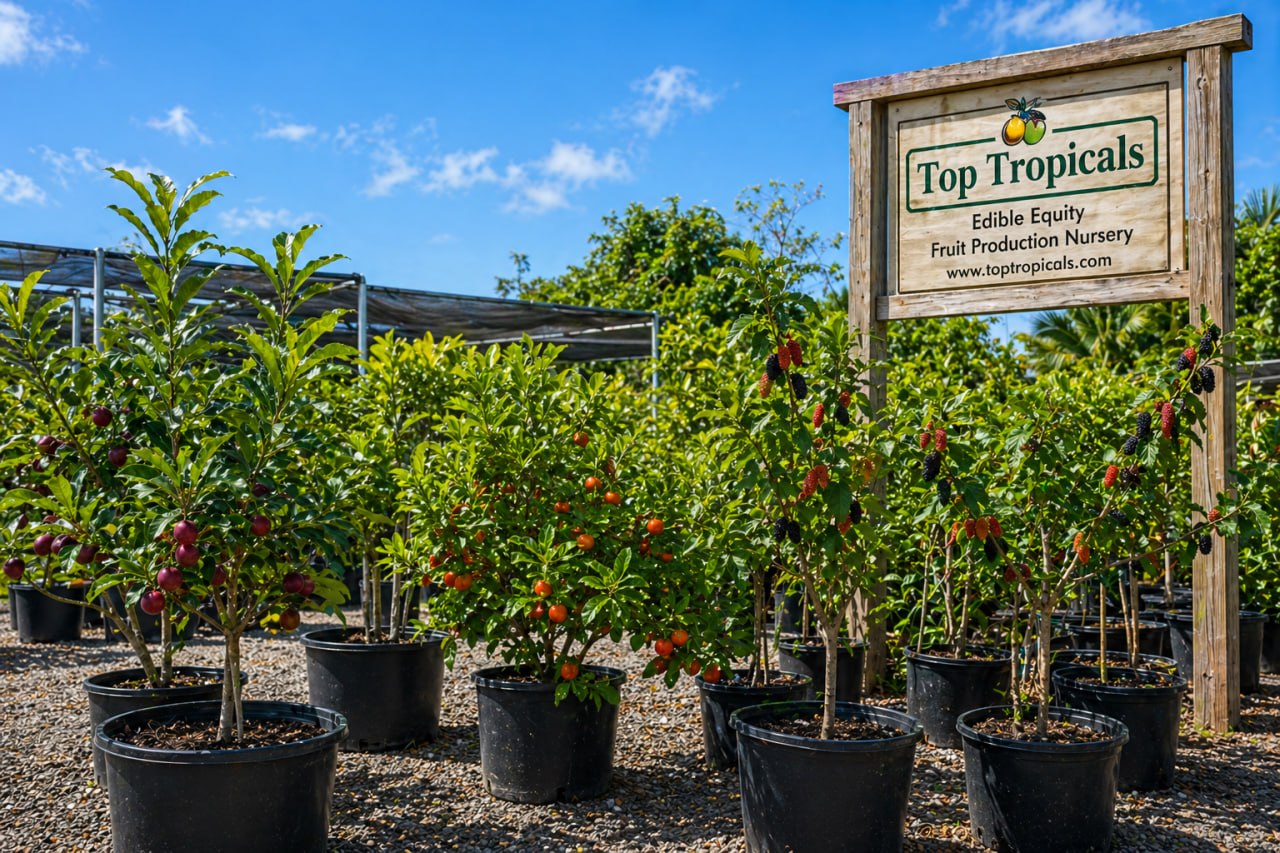
Fruit Tree Hacks: 5 High-Yield Fruit Trees You Can Buy for Under $50

High-Yield Fruit Trees You Can Buy for Under $50

High-Yield Fruit Trees You Can Buy for Under $50

💲 Fruit Tree Hacks: 5 High-Yield Fruit Trees You Can Buy for Under $50


Starting a home orchard doesn’t have to cost a fortune. While high-end grafted Mangoes or Avocados can easily set you back $100 or more, there is a "secret category" of fruit plants that are affordable, fast-growing, and perfect for beginners. If you have a $40-50 budget and a small sunny spot, these five options provide the best "bang for your buck" in terms of growth speed and flavor.

1. Dragon Fruit: The Vertical Speedster


Dragon Fruit is the ultimate budget win. Because it grows from cuttings easily, nursery prices stay low.
The Payoff: It grows incredibly fast. In a single season, a small pot can turn into a massive climbing cactus.
Space Saver: It grows vertically on a post or trellis, making it perfect for side-yards or balconies.
👉 More...

2. Peanut Butter Fruit (Bunchosia)

This is the ultimate conversation starter for your garden.
The Flavor: The fruit has a dense, sticky texture that tastes exactly like sweet peanut butter.
Why it’s a Bargain: It stays naturally compact (shrub-sized) and often begins fruiting in its second or third year - much faster than traditional fruit trees.
👉 More...

3. Blackberry Jam Fruit (Randia formosa)

If you love gardening in containers, this is your best friend.
The Experience: You don't pick a bucket of these; you enjoy them as a garden snack. The pulp inside is black and gooey, tasting remarkably like high-quality preserves.
The Price Point: Because it is technically a woody shrub, you can often find "ready-to-fruit" sizes for very reasonable prices compared to large-canopy trees.
👉 More...

4. The "Eugenia" Group (Surinam, Grumichama, Rio Grande)

Professional landscapers love this family of plants because they double as "Edible Hedges."
Surinam Cherry: Extremely tough. It handles poor soil and neglect while producing star-shaped, ribbed fruits.
Grumichama: Often called the "Brazilian Cherry," it produces a fruit that looks and tastes strikingly like a true Bing cherry but grows in warm climates where cherries usually fail.
Cherry of the Rio Grande: A beautiful, upright grower with attractive peeling bark. It produces dark purple, teardrop-shaped fruits that are among the best tasting of all the tropical cherries. The tree is the most cold hardy of all eugenias.
👉 More...

5. Mulberries

While not on every list, a Mulberry is a budget powerhouse. They are often sold in small 3-gallon pots for $30-40 and will literally start popping out berries the same week you plant them.
👉 More...

👉 Pro Tip: How to Save Even More


To keep your costs down, look for these plants in 3-gallon containers.
Why? 3-gallon plants are the "sweet spot" for value. They are large enough to be established and hardy, but they haven't reached the premium price point of 7 or 15-gallon "instant landscape" trees.

🛒 Shop Budget-Friendly Fruit Trees

📚 Learn more:

Murta Plant Facts

Botanical name: Blepharocalyx salicifolius, Eugenia salicifolia
Also known as: Murta
USDA Zone: 9 - 10
Highligths Small tree 10-20 ftSemi-shadeFull sunWatering: Regular. Let topsoil dry slightlyWhite, off-white flowers
Get personalized tips for your region

· Eugenia cherries in Plant Encyclopedia
· 3 Best Trees for a "Fast-Fruit" Garden
· 10 best fruit trees to grow in Florida and Southern landscapes
· Top 10 fast-fruiting trees
· 5 fast-growing fruit trees and shrubs for quick, low-effort harvests (Top Tropicals experts for Martha Stuart)

#Food_Forest #How_to #Discover

🟢 Join 👉 TopTropicals

Date: 3 Aug 2025

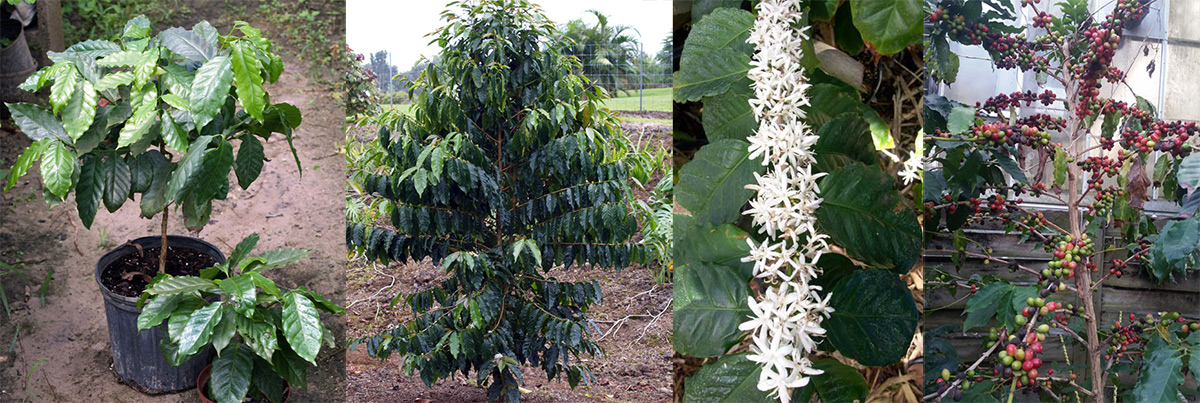
Four  stages  of  Coffee  Tree  growth:  a  young  potted  plant,  a  mature  tree  in  the  ground,  white  star-shaped  blooms,  and  a  branch  full  of  ripening  red  and  green  coffee  cherries.

What is the most popular and easiest tropical fruit tree to grow indoors?

No doubt about it - it's the Coffee Tree.

  • Coffee is shade-loving and easy to grow with regular water
  • It grows into a dark green shrub or small tree (about 3 to 5 feet tall in a pot)
  • Its fragrant, star-shaped flowers resemble gardenias
  • The whole fruit is edible and turns green to yellow to red
  • The seeds are real "coffee beans" that can be dried, roasted, and ground at home.

Five Reasons to Grow a Coffee Plant

  • Perfect Indoor Fruit Tree: Thrives in filtered light and stays compact
  • Low Maintenance: Forgiving, adaptable, and ideal for new gardeners
  • Aesthetic Appeal: Glossy green leaves and clusters of white blooms
  • Homegrown Coffee: Yes, you can roast your own beans.
  • Year-Round Beauty: Evergreen with seasonal fragrance

Coffee Plant Care Tips

  • Light: Bright, indirect light is best. Avoid harsh afternoon sun.
  • Water: Keep soil lightly moist but not soggy. Let the top inch dry out before watering again.
  • Humidity: Loves higher humidity. Mist regularly or place on a pebble tray.
  • Fertilizer: Use a balanced, gentle fertilizer like Sunshine Boosters C-Cibus every few weeks during growing season.
  • Soil: Loose, rich, and well-drained. High in organic matter and slightly acidic. For potted plants, use a quality indoor tropical mix, such as Top Tropicals Abundance mix
  • Repotting: Refresh soil and size up the pot every 1–2 years to keep roots healthy.
  • Can I grow it outdoors?: Yes - bring it outside in warm months and back indoors before frost. It's best suited for USDA zones 10-11, but container growing gives you flexibility in cooler climates.
  • How long until I get beans?: Expect flowers and fruit within 3 to 4 years from seedling stage - often sooner if you start with a young tree.
  • What does the fruit taste like?: Mild and sweet-tart, like a mix between a cherry and a cranberry. You can eat it fresh.

How to Make Coffee from Your Own Tree

  • Harvest: Pick the ripe red cherries
  • Pop and Soak: Squeeze out the beans and ferment 1-2 days to remove pulp
  • Dry: Spread out to dry for 1-2 weeks until hard and papery
  • Husk: Remove the thin shell to reveal green beans
  • Roast: Use a dry skillet or oven until fragrant
  • Grind and Brew: Cool, grind, and enjoy the freshest coffee you've ever had.
    Learn more: How to make your own coffee from homegrown beans

Coffee Health Benefits

  • Rich in antioxidants - supports heart and brain health
  • Boosts focus and mental alertness
  • Supports metabolism and fat-burning

Why Coffee Makes the Perfect Gift Plant

  • Long-living and beautiful
  • Symbolic, useful, and personal
  • Great for coffee lovers, gardeners, and the "person who has everything"

Read Garden Blog about Coffee

Shop Coffee Plants

Date: 6 Oct 2025

Hot Pepper pickles: quick-n-fun exotic recipes

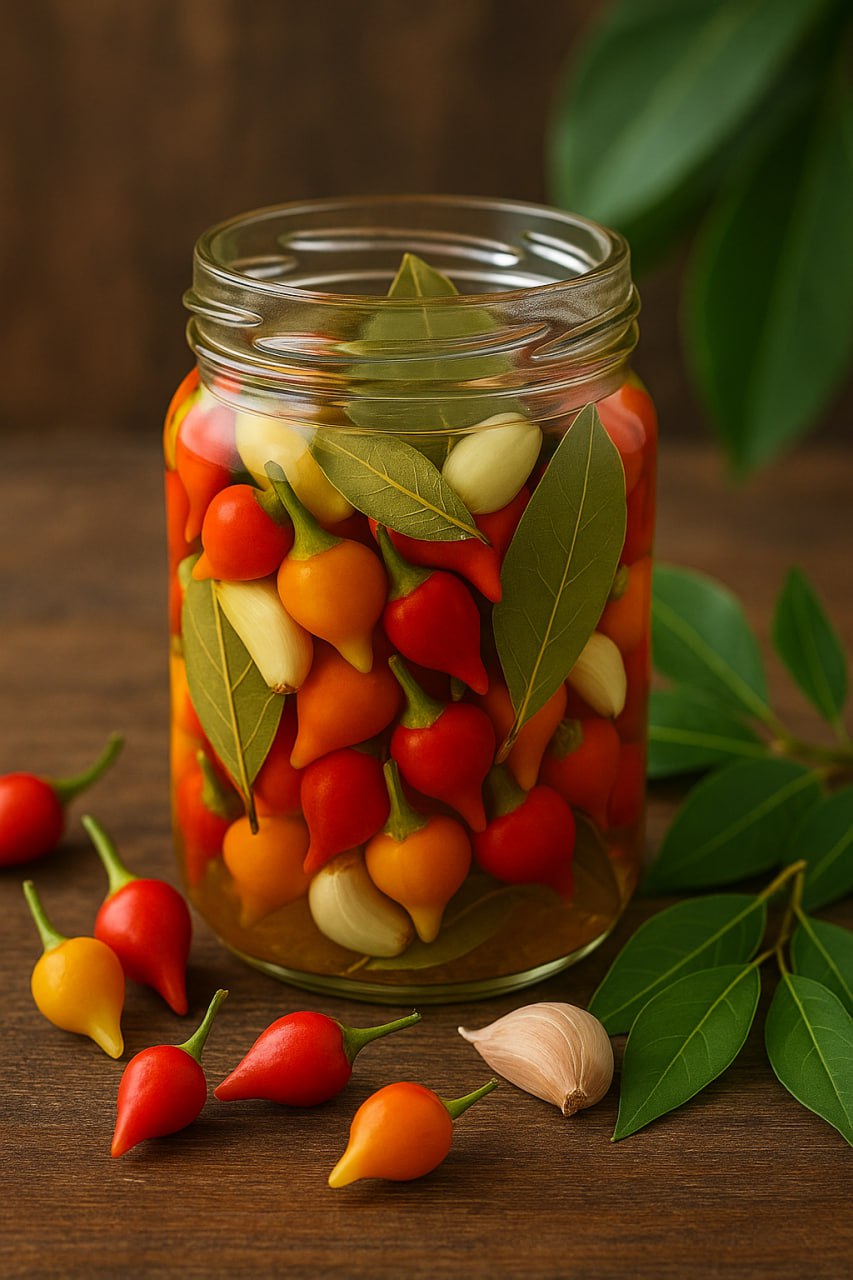
Hot Pepper pickles with hot and spicy pickles - Biquinho and Wiri Wiri peppers

Hot Pepper pickles with hot and spicy pickles - Biquinho and Wiri Wiri peppers

🍴 Hot Pepper pickles: quick-n-fun exotic recipes


🔴If you like hot and spicy pickles - Biquinho and Wiri Wiri peppers (Capsicum) are perfect for new experiments!
🔴Pickle whole little peppers in vinegar, garlic, Bay leaves (Laurus nobilis) and sugar.
🔴Sweet, tangy, and spicy little bites! Perfect as appetizers, chasers and hot parties! 🔥

Hot Pepper pickles: quick-n-fun exotic recipes

🍲 Ingredients

🔥 Instructions

  • 🔴 Place whole peppers, garlic, and Bay leaves into sterilized jars.
  • 🔴 Boil vinegar with sugar and salt, then pour over the peppers.
  • 🔴 Seal and let cool. Store in the refrigerator for a few days before enjoying.
  • 🔴 Sweet, tangy, and spicy — perfect for appetizers, chasers, and hot parties!

🛒 Invite Biquinho, Wiri Wiri peppers and Bay Leaves to your kitchen

#Food_Forest #Recipes

Yellow Lantern Chili Plant Facts

Botanical name: Capsicum chinense
Also known as: Yellow Lantern Chili
USDA Zone: 9 - 11
Highligths Small plant 2-5 ftSemi-shadeFull sunWatering: Regular. Let topsoil dry slightlyWhite, off-white flowersSpice or herb plantIrritating plant
Get personalized tips for your region
🟢 Join 👉 TopTropicals

Date: 21 Mar 2023

How to grow Calathea indoors

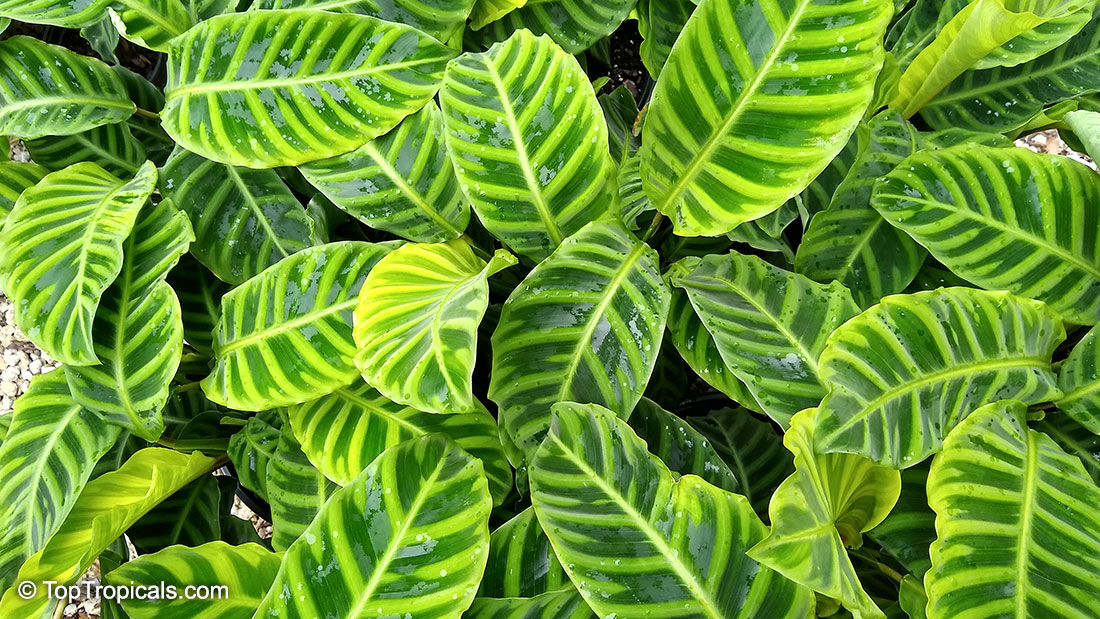
Calathea  zebrina  -  Zebra  Plant

In the photo: Calathea zebrina - Zebra Plant

Calathea is a beautiful and popular houseplant known for its unique and colorful foliage. Here are the steps to grow calathea indoors:

1. Choose a suitable location: Calathea plants prefer bright, indirect sunlight, so choose a location near a window with filtered light. Avoid direct sunlight as it can scorch the leaves.
2. Select a pot that is slightly larger than the plant's root ball and has drainage holes. Fill the pot with a well-draining potting mix that is rich in organic matter. Plant at the same depth as it was in its previous pot.
3. Water: Keep the soil consistently moist but not waterlogged. Water when the top inch of soil feels dry to the touch. Use room temperature water and avoid using hard water or water that contains high levels of minerals.
4. Provide humidity: Calathea plants thrive in humid conditions, so provide them with regular misting or place a tray of water near the plant to increase humidity. You can also use a humidifier to maintain optimal humidity levels.
5. Fertilize: Apply Sunshine Boosters liquid fertilizer. It is safe to feed the plant with Rubusta formula with every watering and year around. Feeding plants is especially important in Spring when active growth starts.
6. Prune any yellow or damaged leaves regularly to keep the plant healthy and attractive. Use clean, sharp scissors to make clean cuts.

By following these steps, you can successfully grow a beautiful and healthy Calathea plant and any beautiful container plant indoors.

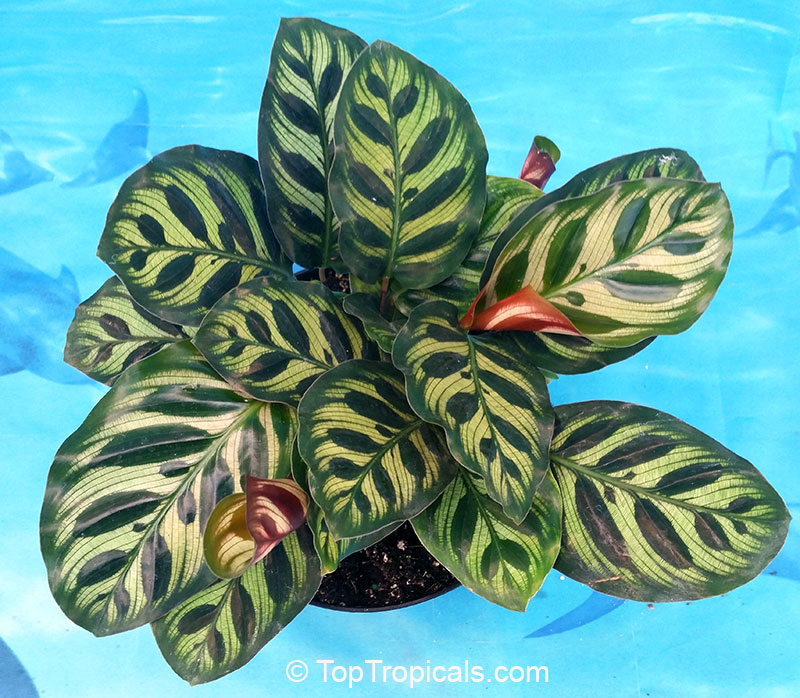
Calathea  makoyana  -  Peacock  plant

In the photo: Calathea makoyana - Peacock plant