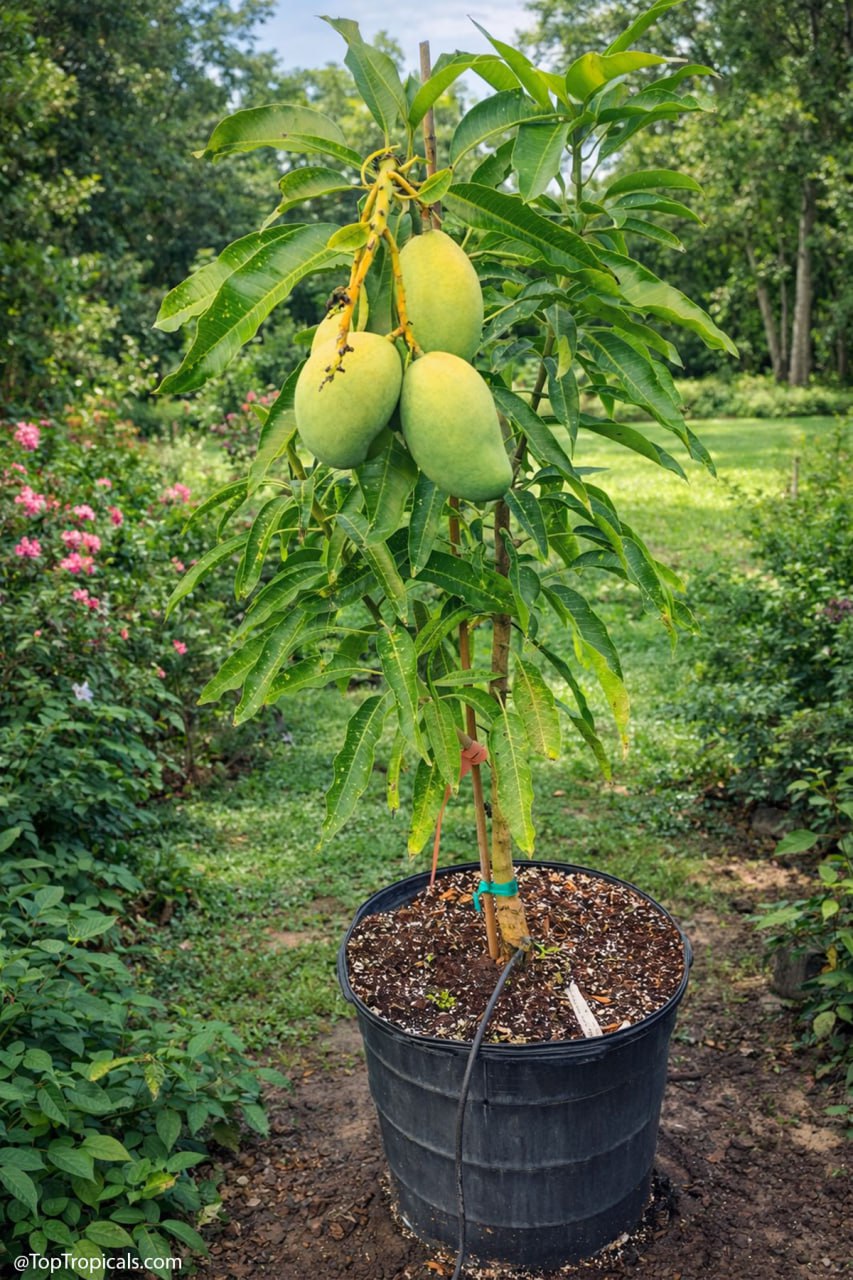
Large Grafted Mango Trees - Plant Now Before
Winter!
"Next Time We'll Specify - A TREE!" - Smokey and
Sunshine Plant a Giant Mango
🌡️ Why plant now?
Fall is the perfect time to plant tropical fruit trees. The
soil is still warm, the air is mild, and your trees can quietly build strong
roots. By spring, they’ll already be settled and ready to grow
fast.
Imagine walking outside next summer and picking your own
mangoes from a tree you planted this fall!
You always wanted an avocado tree. Not in Miami - right there in Central
Florida, in your own yard. You planted one, it grew well for a few years,
and it felt like you finally figured it out. Then 2026 hit. A few cold
nights, temperatures dropped below what your area usually sees, and the tree
was gone.
Avocado Plant Facts
Botanical name: Persea americana, Persea gratissima Also known as: Avocado, Alligator Pear, Aguacate, Abacate
USDA Zone: 9 - 11
Highligths
Here is the part most people miss: USDA zones are based on average minimums,
not the worst freezes. One bad night can erase years of growth.
That does not mean avocado will not work. It means you planted the wrong
variety. Cold hardy avocados are built for exactly this kind of
surprise.
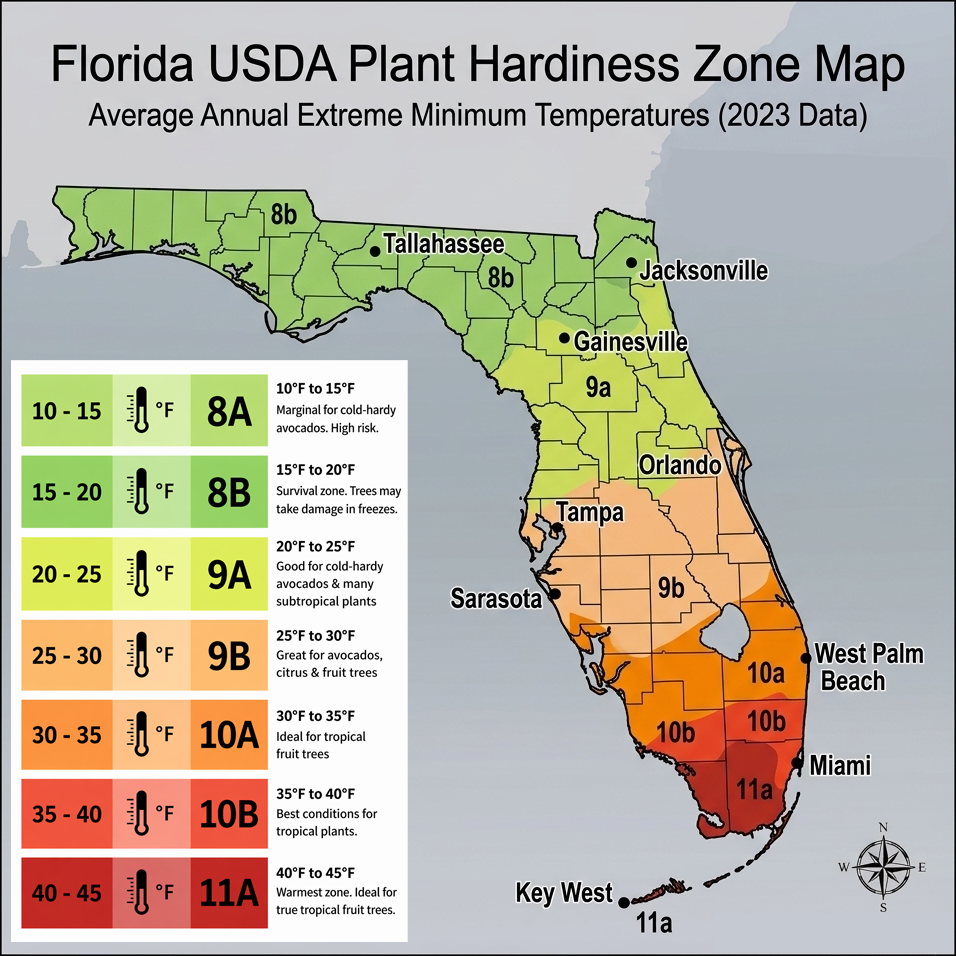
USDA zone map
This USDA Zone map makes one thing clear: all of Florida can grow
avocado. The question is not if - it is which variety. From North Florida
(8b) to South Florida (11a), there is always an option that fits your
conditions.
If you are outside Florida - in Texas, Louisiana, California, or anywhere
else - the same rule applies. Start with your USDA zone, then choose the
right type of avocado for it. You can check your local zone here
So what does this mean for your yard? It is not about trying again and
hoping for a warmer winter. It is about choosing a tree that actually
matches your zone.
Cold Hardy Avocado Varieties for Reliable
Harvests
Swipe left/right to see all data <->
🌡️ Threshold
🛡️ Resistance Profile
Primary Varieties & Type
Culinary Profile
📍 Geographic Best Fit
15°F+
High Resistance: Mexican-type selections. Short freezes
near 15°F are
survivable with minor leaf burn.
Microclimate matters more than your zone. The same yard can have warm and
cold pockets. Plant near a south-facing wall, under light
canopy, or in a spot protected from wind, and you gain a few critical
degrees on cold nights.
Young avocado trees need protection during their first winters. They have
not built enough wood or root strength yet, so even a short cold snap can
damage them. Simple steps like frost cloth, wind protection, or temporary
covers can make the difference between a setback and a
loss.
You may see avocados labeled as Type A or Type B. This refers to how the
flowers
open, not cold hardiness. Some people mix both types to improve pollination,
and while a single tree can still produce fruit, having two different types
is beneficial and can increase your harvest.
Practical Planting Advice
Plant on a mound
Raise the root zone 4-8 inches for fast drainage.
Avoid low spots
Standing water is worse than drought for avocados.
Full sun
Maximum light = stronger growth and better recovery.
Use microclimate
South-facing wall, light canopy, or wind protection adds critical
warmth.
Do not overwater
Let the top layer dry slightly between watering.
Protect first winter
Cover young trees during cold nights.
✅ Stop Guessing. Plant What Works.
Cold hardy avocados are not theory - they are proven to handle real
conditions. Choose the right variety for your zone, plant it correctly, and
you stop replacing trees after every cold snap.
Get
10% off when you buy 2 or more 3 gal avocado trees. Mix
varieties, combine Type A and Type B, and set yourself up for better
pollination and bigger harvests.
Offer valid through 04/15/2026. No code needed - discount
applied automatically at checkout.
Discount
applies to 3 gal avocado plants only. Not valid on previous purchases and
cannot be combined with other promotions or discounts. Offer subject to
change without notice.
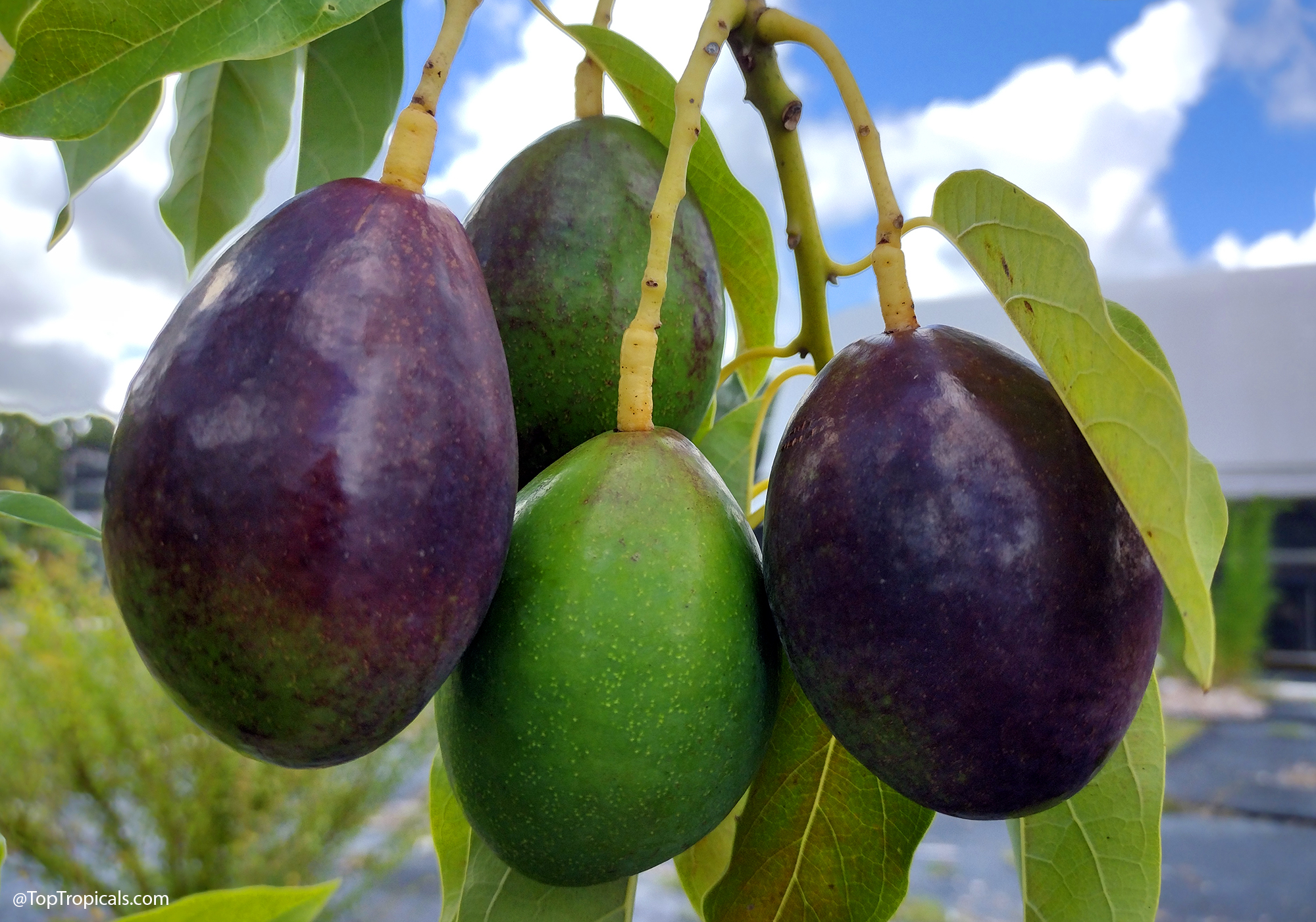
Joey is one of the most cold hardy Avocado trees with
a compact habit and very pretty fruit. The flesh is nutty, smooth, and
mildly sweet.
Date: 30 Mar 2026
How big does the Condo Mango grow?
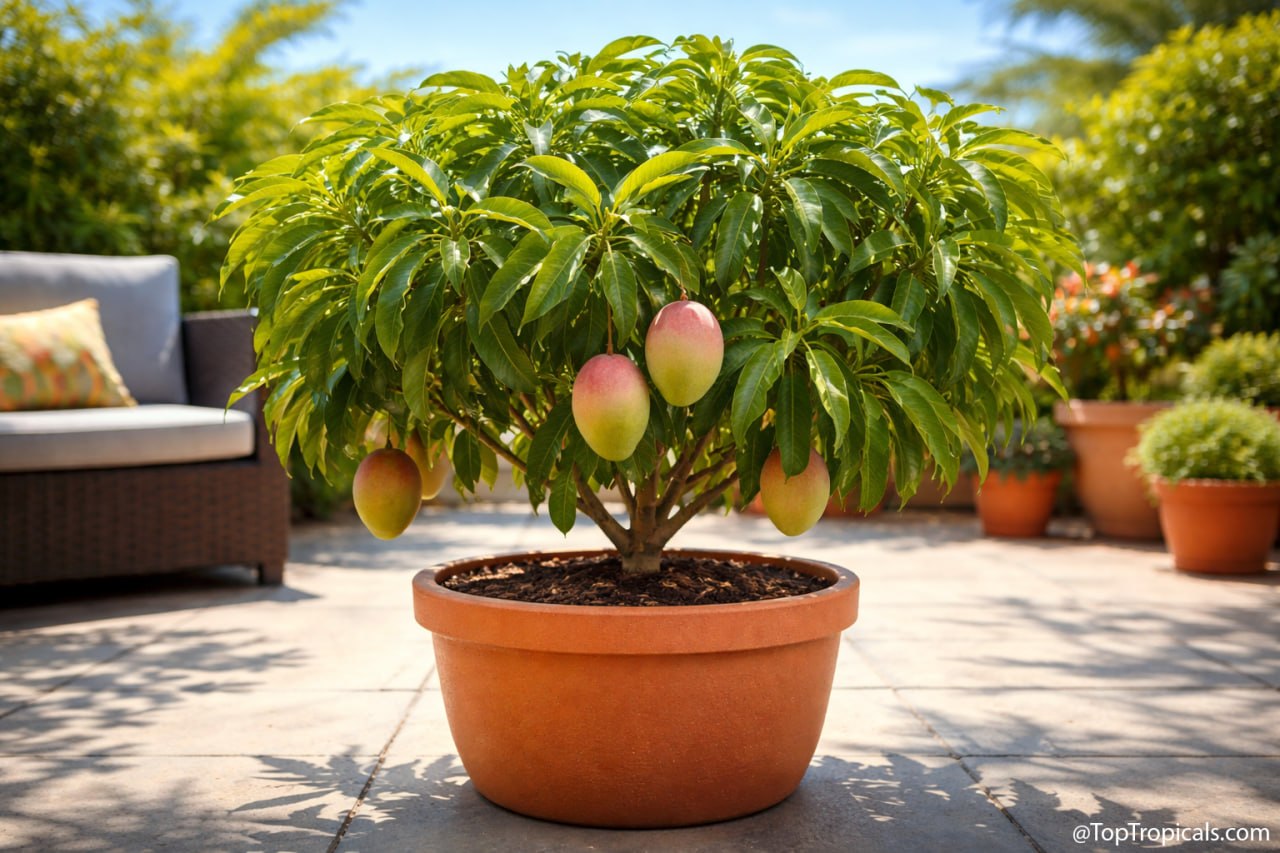
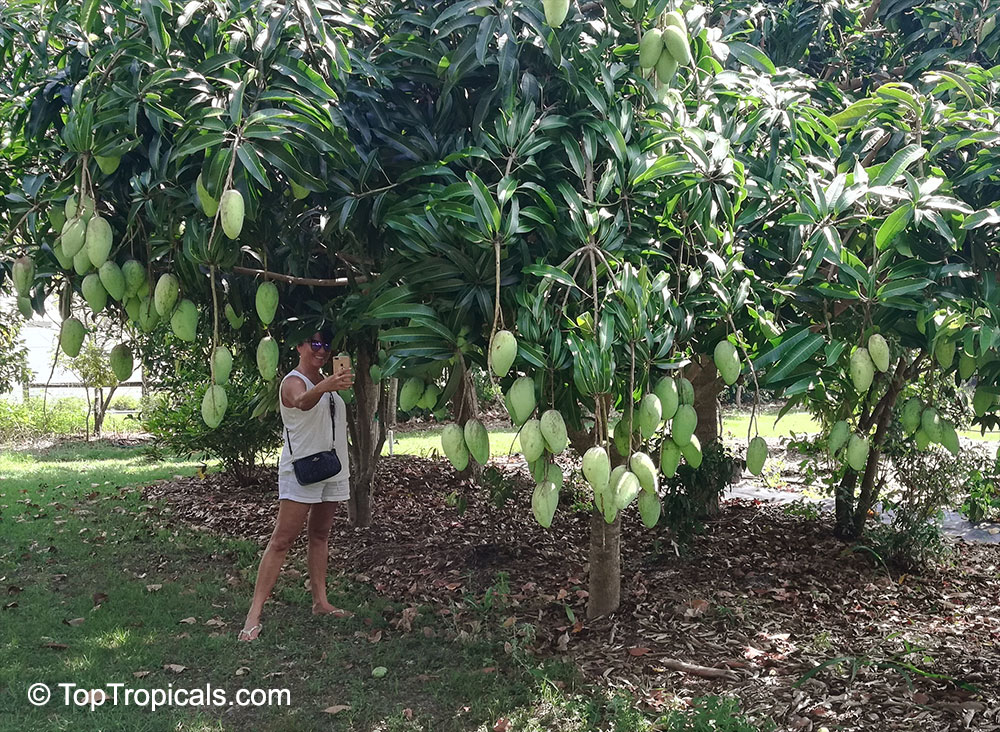
Mango tree fruiting in container
How big does the Condo Mango grow? 🥭
Mango Plant Facts
Botanical name: Mangifera indica Also known as: Mango
USDA Zone: 9 - 11
Highligths
All mango trees are naturally vigorous and, if planted in the ground, they all can grow into full-size trees reaching 15-20 ft or more. The term "Condo Mango" refers to varieties with a more compact growth habit that can be kept small in containers with light pruning. In a pot, their size is controlled by root space and regular trimming, allowing them to stay manageable and productive for many years. Here is how:
🥭 Condo mango = mango trees that stay compact in containers with light pruning.
✔️ In ground: 15–20+ ft ✔️ In pots: keep them 6–8 ft
🥭 Best pot sizes
· 3-7 gal - starter (3–6 months) · 7-5 gal - young tree (1–2 years) · 15-25 gal - ideal long-term · 25-40 gal - faster growth, more pruning
👉 Smaller pot = easier care 👉 Bigger pot = more growth + more work
🥭 Best mango types for containers
True dwarf (easiest)
Minimal pruning, perfect patio trees
· Keep tree 6–8 ft with pruning · Use fast-draining soil (critical) · Full sun = fruit · Feed regularly - Green Magic + Mango Tango · Repot or root-prune every few years
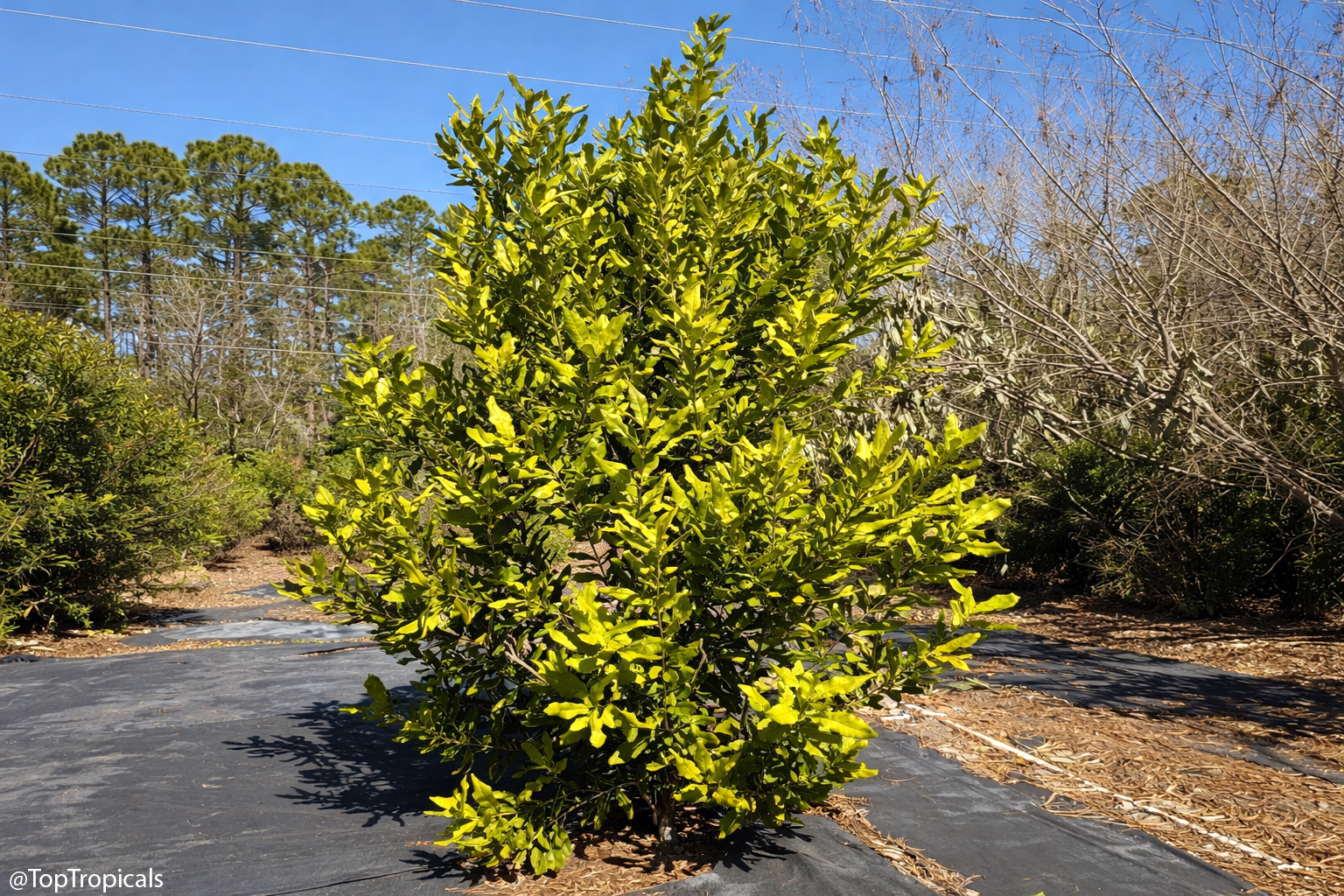
3 year old macadamia tree after 3 nights of hard
freeze in February 2026 - standing strong.
Earlier in early February we had a rough stretch at the B-Farm in Sebring. Three nights around 25°F with steady wind. Weather like that quickly shows which plants actually belong in Zone 9 and which ones only look good on paper.
Once things warmed up and we could see the real results, a few clear winners stood out. All of the macadamias handled the cold surprisingly well. The grumichamas stayed solid. And the cold-hardy avocado varieties again proved why gardeners rely on them in borderline climates.
Avocado Plant Facts
Botanical name: Persea americana, Persea gratissima Also known as: Avocado, Alligator Pear, Aguacate, Abacate
USDA Zone: 9 - 11
Highligths
Instead of listing every tropical plant that might survive a freeze, we decided to keep things practical and focus on the ones that actually went through this cold spell and that we currently have in stock.
If you garden in USDA Zone 8b-9, these are the kinds of trees that make winter a lot less stressful.
Yes, you can grow a mango tree on your patio - here is how to do it right
Mango fruiting in container
🥭 Yes, you can grow a container mango tree on your patio - here is how to do it right
Think you need a backyard orchard to grow mangoes? You don't. Mango trees grow very well in containers. Compact varieties, often called condo mangoes, stay naturally smaller and are well suited for pots, patios, and small yards. We grow and ship mango trees nationwide and have seen which varieties perform best in containers.
Mango Plant Facts
Botanical name: Mangifera indica Also known as: Mango
USDA Zone: 9 - 11
Highligths
Growing mangoes in pots is also practical in cooler climates. The tree can be moved to protection during cold weather while still producing real fruit. Here is how to do it right.
🥭 Pick the right condo mango tree variety
Choose condo or semi-dwarf mango varieties that stay smaller and respond well to pruning. These mango trees usually stay 6 to 10 feet tall in containers with light pruning. Fruit size is full-size, just fewer than on large trees.
Good mango choices for pots include:
· Cogshall - compact and productive
· Pickering - naturally small and reliable
· Carrie - manageable size, great flavor
· Ice Cream - slow growing, narrow canopy
· Julie - classic Caribbean type
· more condo varieties...
🥭 Choose the right pot
Start small. Young mango trees do best in a 5- to 7-gallon pot. Oversized containers too early often cause overwatering and root issues.
Increase size gradually:
First pot: 5-7 gallons
Next size: 10-15 gallons
Mature container: 20-25 gallons
The pot must drain well. Mango roots dislike wet soil. Add holes if needed. Plastic, ceramic, and fabric pots all work.
🥭 Use fast-draining soil
Mango trees need air around their roots.
Use a loose, fast-draining mix, such as Abundance Professional Soilless Mix. Improve drainage with perlite, pine bark, or coarse sand. Avoid heavy or water-holding soils. Drainage matters more than fancy ingredients.
🥭 Water carefully
Mango trees prefer a wet-dry cycle.
Water deeply, then allow the top few inches of soil to dry before watering again. Always check with your finger first.
In warm weather, water once or twice a week. In winter, much less. Overwatering is the most common container mistake.
🥭 Give plenty of sun
Mango trees love sun and heat.
Place the pot in full sun with at least 8 hours daily. More sun improves growth and flowering.
If overwintered indoors, use the brightest window possible. Grow lights help, but outdoor sun is best when weather allows.
🥭 Fertilize lightly but consistently
Potted mango trees benefit from regular feeding during active growth.
Use a balanced mango or fruit tree fertilizer such as Sunshine Mango Tango (safe to use with every watering, year-around). Controlled-release fertilizer Green Magic (every 6 months) work well too. Avoid excess feeding, which promotes leaves over flowers.
If leaves pale, check watering first, then nutrition.
🥭 Prune to stay compact
Pruning is essential for mangoes in pots.
Light tipping and trimming control size, encourage branching, and increase flowering points. Keep the canopy open and balanced. Watch how simple tipping works in real life: .
Avoid heavy pruning before flowering. Most pruning is best right after harvest.
🥭 Protect from cold
Mango trees are tropical and cold-sensitive.
When temperatures drop below 40F, move the pot to protection or indoors. Young trees are especially vulnerable.
During winter, reduce watering and stop fertilizing. Growth slows and the tree rests.
When warm weather returns, reintroduce the tree to sun gradually to prevent leaf burn.
🥭 Final thoughts
Growing a mango tree in a pot is practical and rewarding. With the right variety, good drainage, full sun, and careful watering, a potted mango can thrive and fruit for years, even in small spaces.
Ready to start? Choose a compact mango variety.


 Practical Planting Advice