 |
Top Tropicals Garden Center and Nursery
13890 Orange River Blvd, Ft Myers, FL 33905 Phone: 239-689-5745, Toll-free: 866-897-7957 https://toptropicals.com |
 |
2026 Freeze Guide: Cold-Hardy Avocados and Fruit Trees
Which tropical fruit trees survive a 25°F freeze? During a cold spell in 2026 at our B-Farm location in Sebring, Florida, temperatures dropped to 25F with strong wind for three consecutive nights. The plants listed below showed little or no damage under those conditions.
Which Fruit Trees Survived the 2026 Florida Freeze?
Eugenia
- Cherry of the Rio Grande (Eugenia aggregata)
- Grumichama (Eugenia Brasiliensis)
- Surinam Cherry (Eugenia uniflora)
Other Fruit Trees
- Fig (Ficus carica)
- Jaboticaba (Myrciaria cauliflora)
- Loquat (Eriobotrya japonica)
- Macadamia (Macadamia sp.)
- Mulberry (Morus sp.)
- Olive (Olea europea)
- Low Chill Peach (Prunus persica)
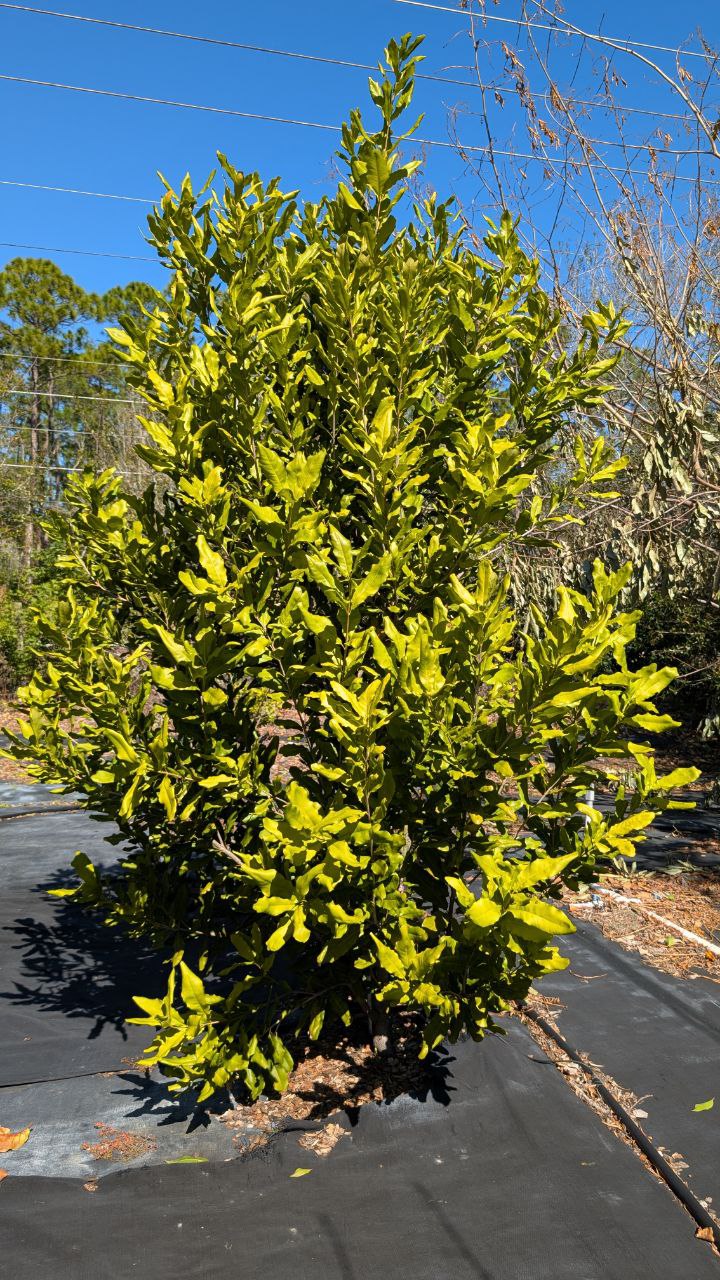
A macadamia tree growing at the Top Tropicals B-Farm location in Sebring, Florida. The tree remained healthy after a 2026 cold spell that brought temperatures down to 25F with strong wind for three consecutive nights, demonstrating the surprising cold tolerance of established macadamia trees in Central Florida conditions.
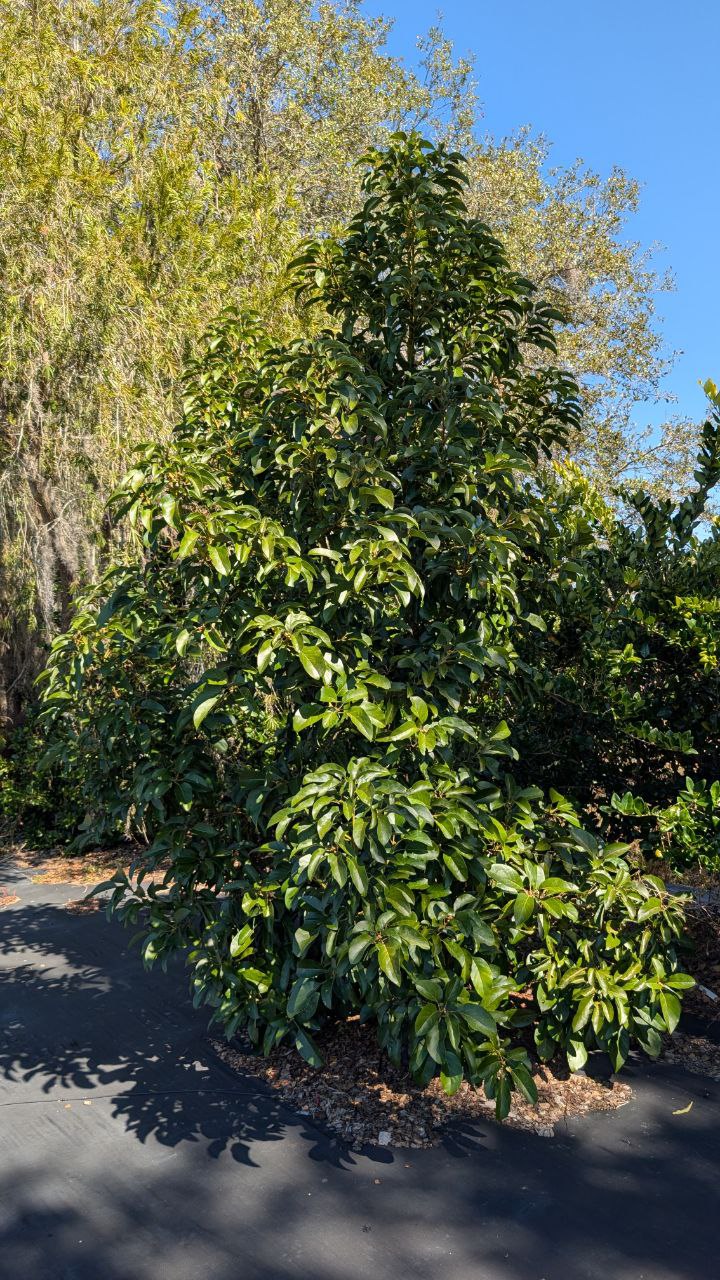
Mature Day avocado tree growing at the Top Tropicals B-Farm in Sebring, Florida. This Mexican-type avocado cultivar is known for improved cold tolerance and was observed after the 2026 cold spell when temperatures dropped to 25F for three consecutive nights with strong wind.
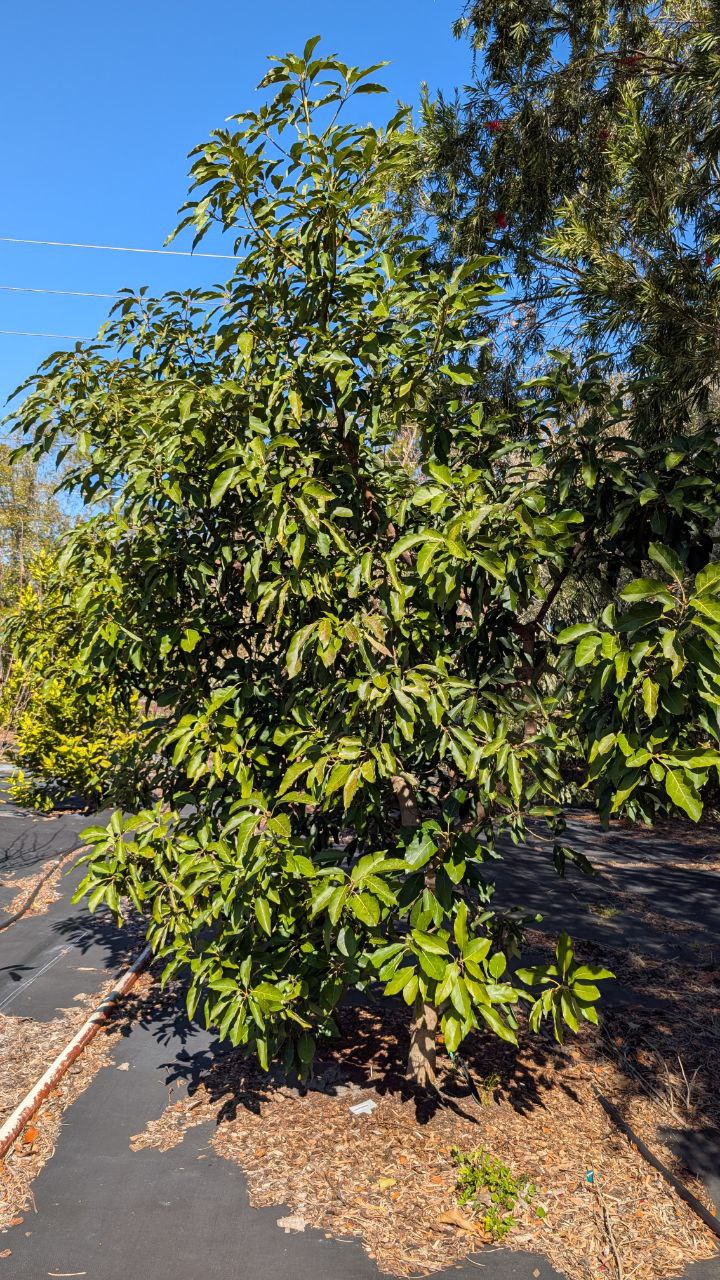
Mature Lila avocado tree growing at the Top Tropicals B-Farm in Sebring, Florida. This Mexican-type avocado cultivar is known for improved cold tolerance and was observed after the 2026 cold spell when temperatures dropped to 25F for three consecutive nights with strong wind.
Top Cold-Hardy Avocado Varieties for Zone 9
These avocado varieties are known for improved cold tolerance.
Selected cold hardy avocado vaieties
| Variety | Cold Hardiness | Type | Fruit Size | Color | Season | Shape | Use |
|---|---|---|---|---|---|---|---|
| Anise | 20°F | B | 12-16 oz | Green/Black | Jul-Sep | Pear | Snack |
| Brogdon | 20°F | B | 7-20 oz | Black | Sep-Oct | Pear | Snack |
| Day | 20°F | A | 8-16 oz | Green | Jul-Sep | Pear | Guacamole |
| Fantastic | 15°F | A | 6-8 oz | Green | Aug-Oct | Pear | Snack |
| Joey | 15°F | B | 6-10 oz | Purple/Black | Sep-Oct | Pear | Snack |
| Lila | 15°F | A | 16-12 oz | Green | Jul-Sep | Pear | Snack |
| Mexicola | 20°F | A | 4-7 oz | Black | Aug-Oct | Ovoid | Snack |
| Mexicola Grande | 20°F | A | 6-10 oz | Black | Aug-Oct | Pear | Snack |
| Poncho | 15°F | B | 6-8 oz | Green/Red | Jul-Sep | Pear | Snack |
| Stewart | 20°F | A | 6-10 oz | Purple/Black | Sep-Nov | Pear | Snack |
| U-la-la | 20°F | A | 6-10 oz | Purple/Black | Nov-Feb | Pear | Snack |
| Winter Mexican | 20°F | B | 12-18 oz | Green | Dec-Jan | Pear | Snack |
Full list of Avocado varieties
Guacamole or Snack
Some avocados are dense and creamy, making them ideal for guacamole. Others have firmer flesh that slices cleanly for salads, sandwiches, or snacks.
Growing Tips and Sub-Freezing Temperatures Protection for Avocado Trees in USDA Zone 8b-9
Pollination (Type A and Type B)
- Avocados are divided into two flowering groups: Type A and Type B.
- Having both types nearby improves cross-pollination.
- Better pollination usually means more fruit and more reliable harvests.
- In Florida, a single tree can still produce fruit because flowering times often overlap. However, planting two trees (A and B) gives better results.
Planting Location and Microclimate
- Choose a warm, sunny location.
- Plant on the south or southeast side of a house or building for extra warmth.
- Buildings and walls help block cold wind and release heat at night.
- Avoid low spots where cold air settles.
- Even a few degrees of extra warmth can reduce freeze damage.
Protecting Young Trees
- Young avocado trees are very sensitive to cold. Protect them during the first few winters.
- Use frost cloth, blankets, or plant covers when freezing weather is expected.
- Small heat sources such as incandescent lights under the cover can add protection.
- As trees mature, their cold tolerance improves significantly.
📚 Learn more:
- Avocado Variety Guide: Snack or Guacamole?
- Avocado varieties (Persea americana)
- Avocado: Four great reasons to grow your own Avocado tree in Florida
- 📝 Read Top Tropicals Garden Blog about Avocado
Expert Guide: Tropical Plant Cold Management
Protecting tropical fruit trees in USDA Zone 8b-9 requires a balance of cultivar selection and strategic protection. Below are the most common questions regarding cold-hardy tropicals.