Prunus persica (Peach)
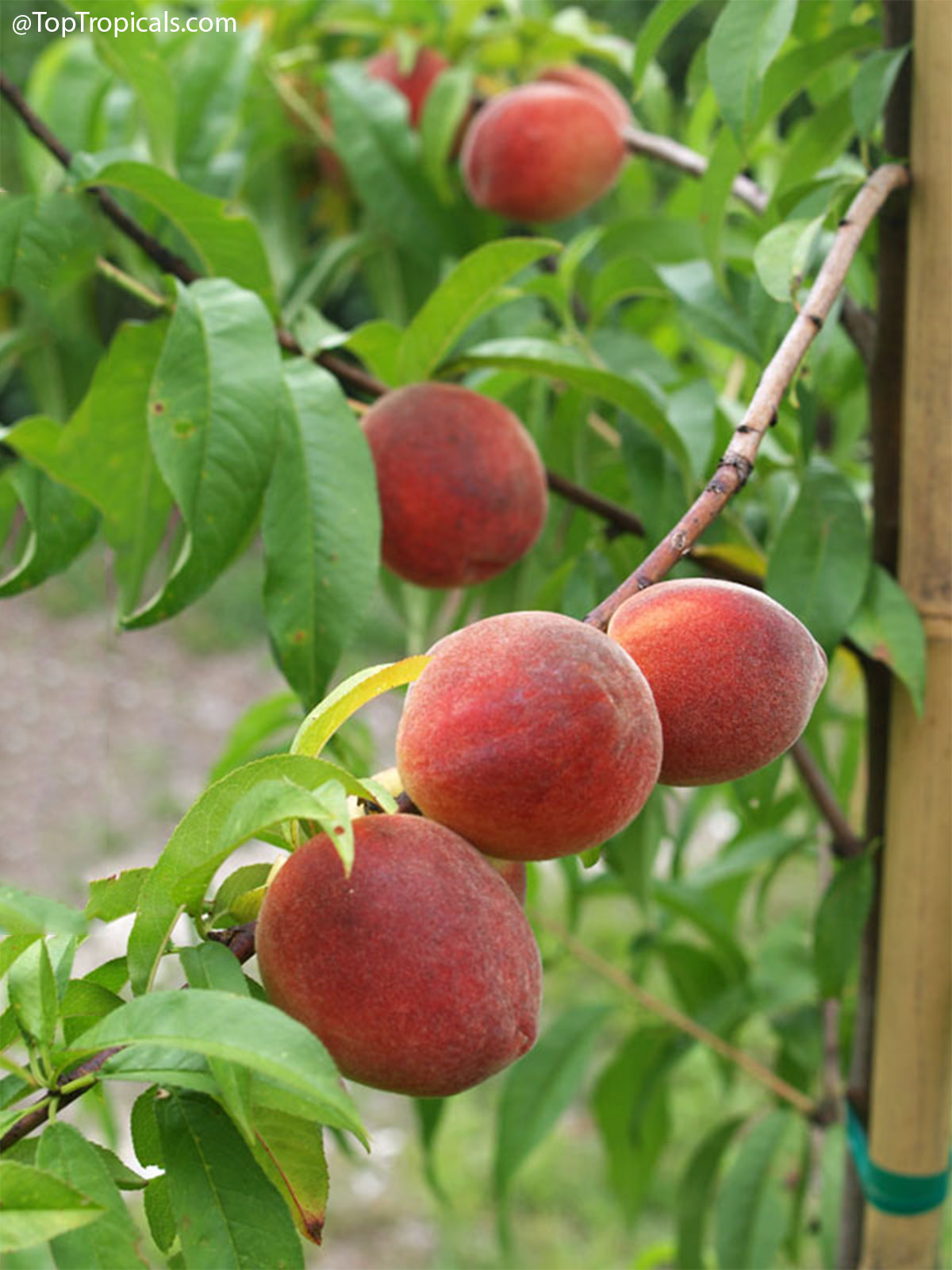
Botanical names: Prunus persica, Amygdalus persica
Common name: Peach
Family: Rosaceae
Origin: Northwestern China
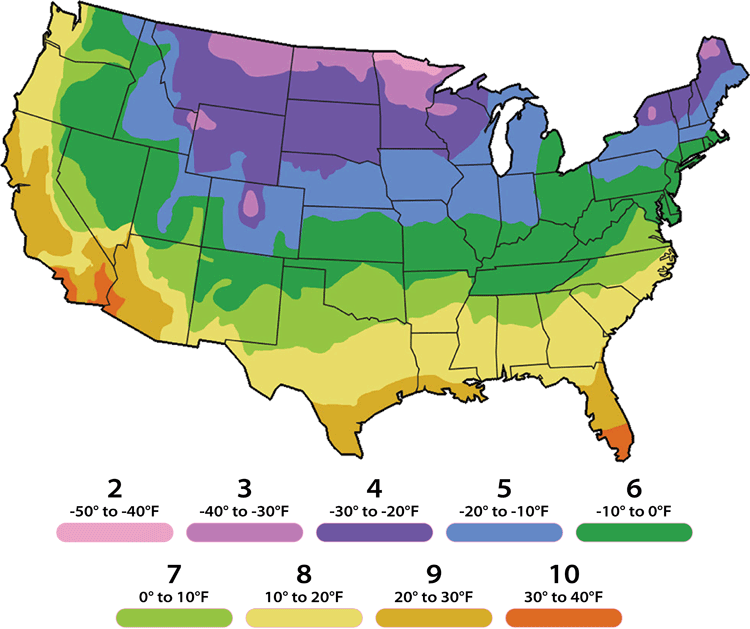
USDA Zone: 5-10
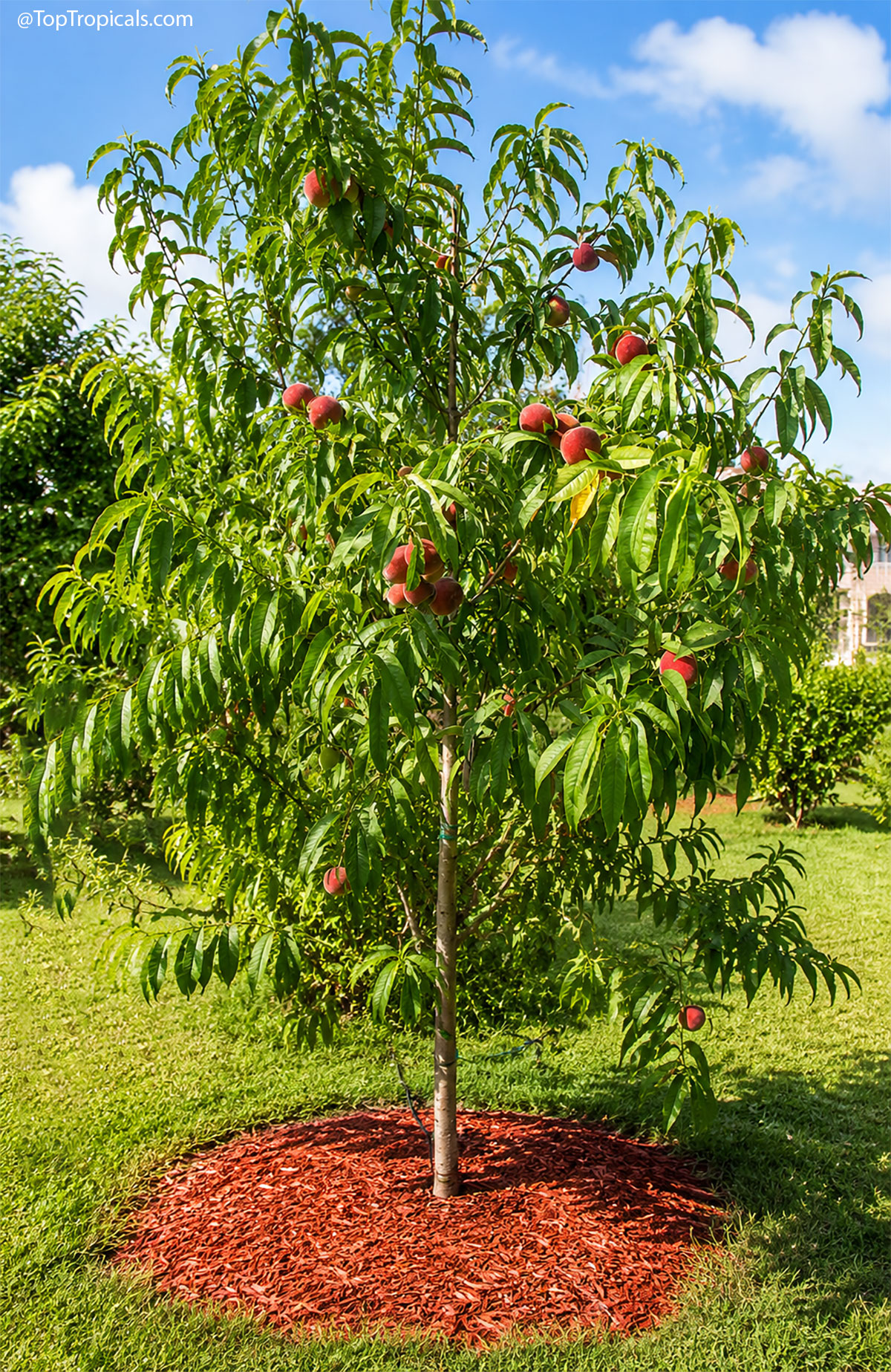
 Plant form: Small tree
 Mature height: 10-20 ft
 Sun exposure: Full sun or bright light indoor
 Cold tolerance: Tolerates light freezing to about 30°F for short periods (mature plants). Young plants must be protected.
 Watering: Regular
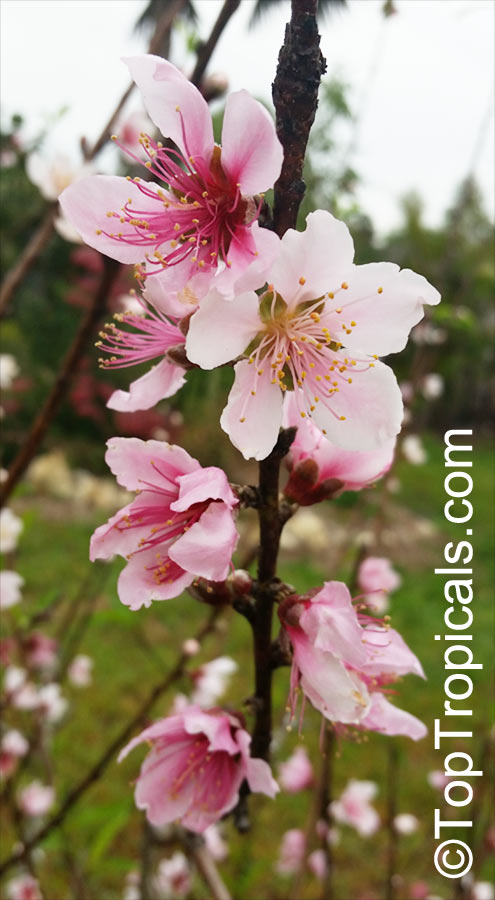
 Flower color: Pink; white and off-white
 Suitable for: Outdoors in the suitable USDA zone; small gardens, containers, and indoor growing
 Foliage: Deciduous
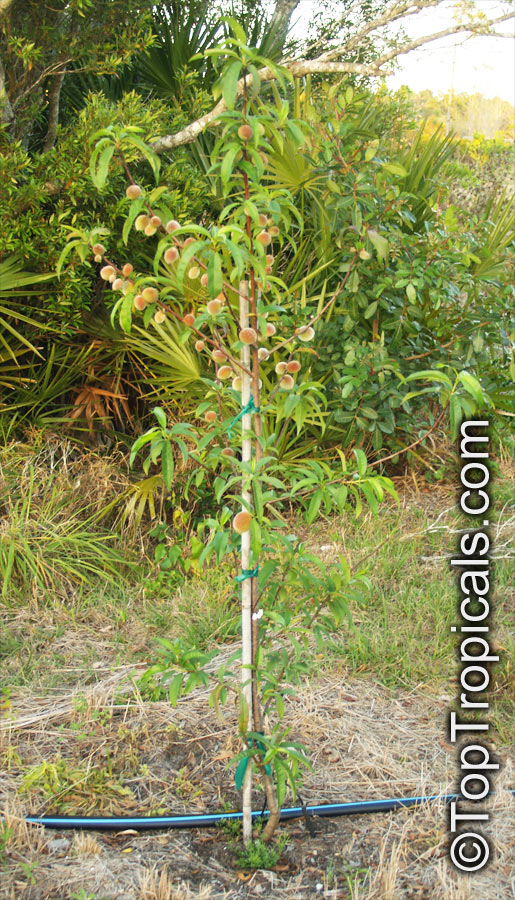
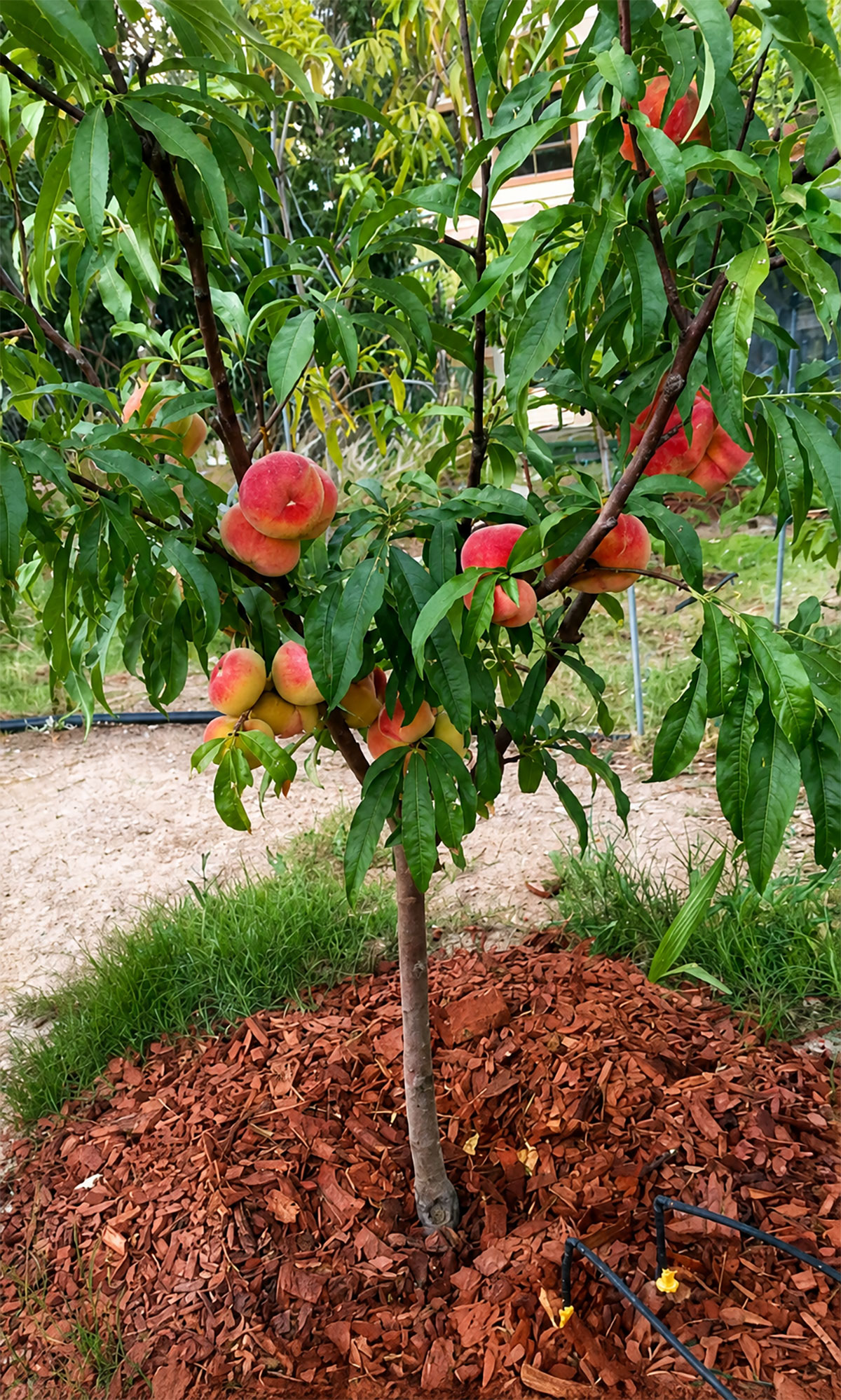
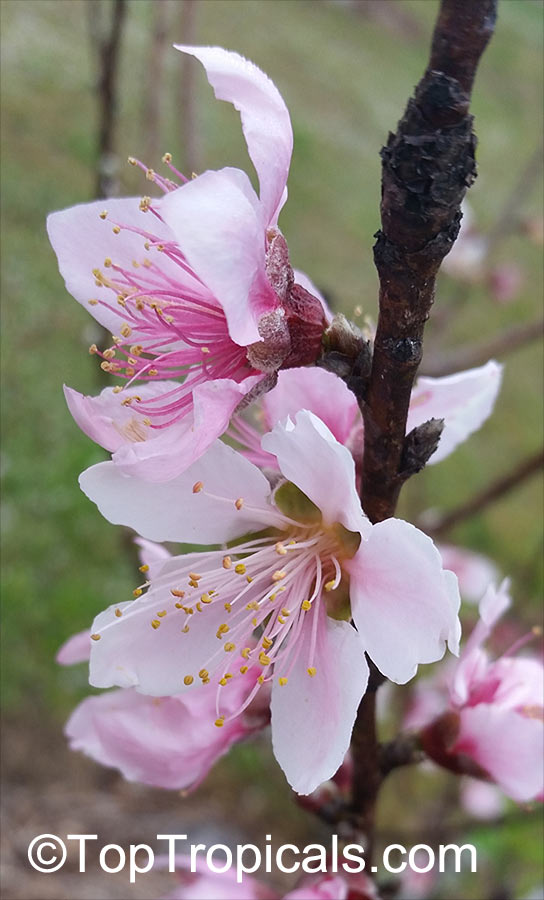
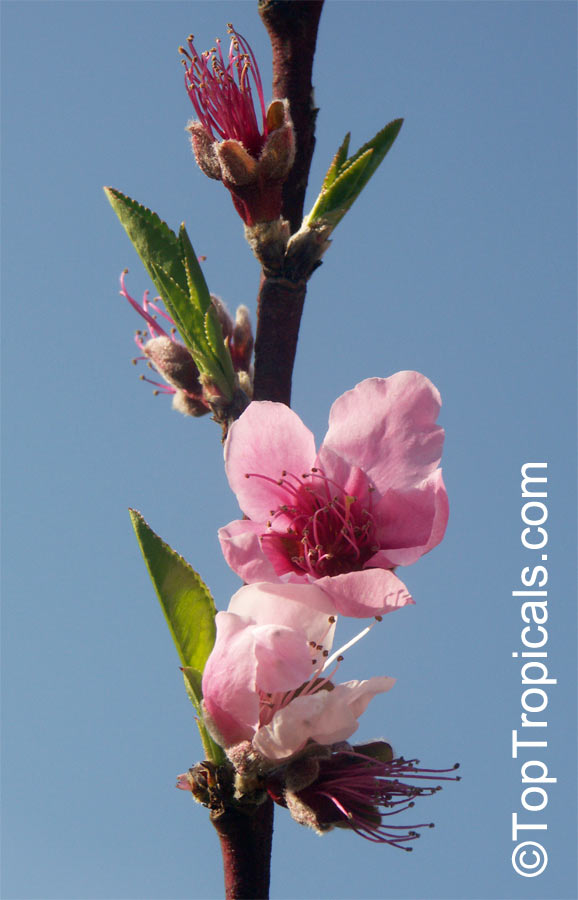
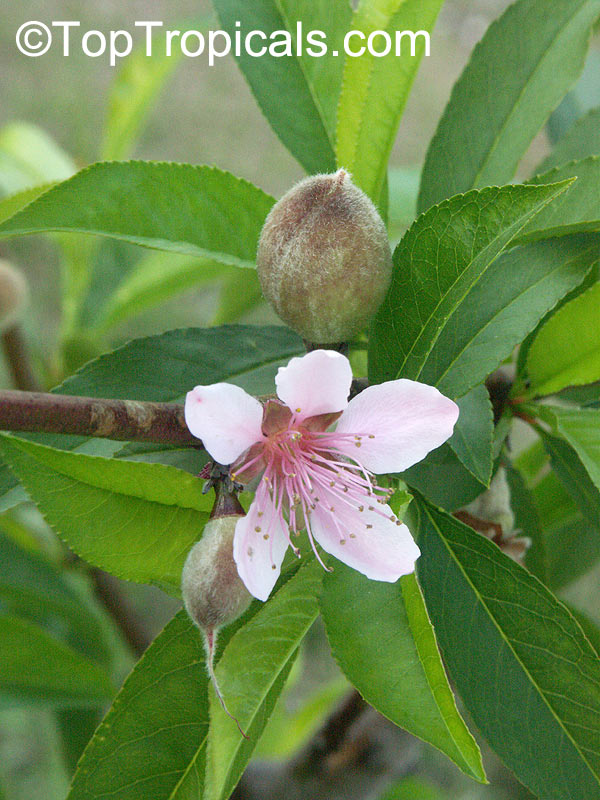
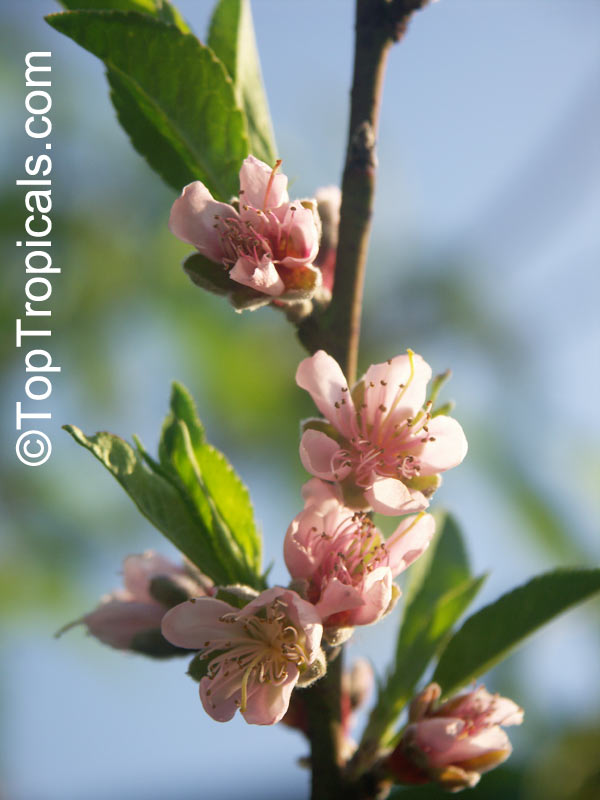
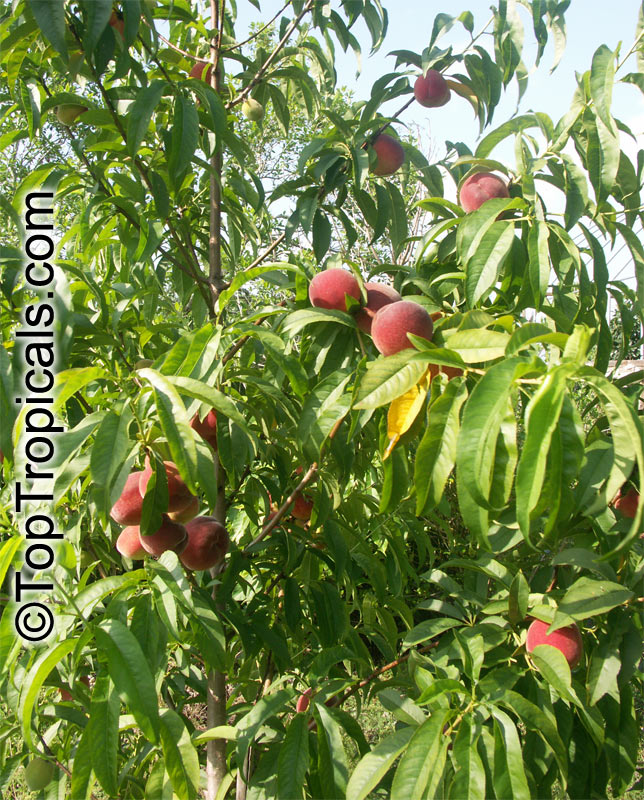
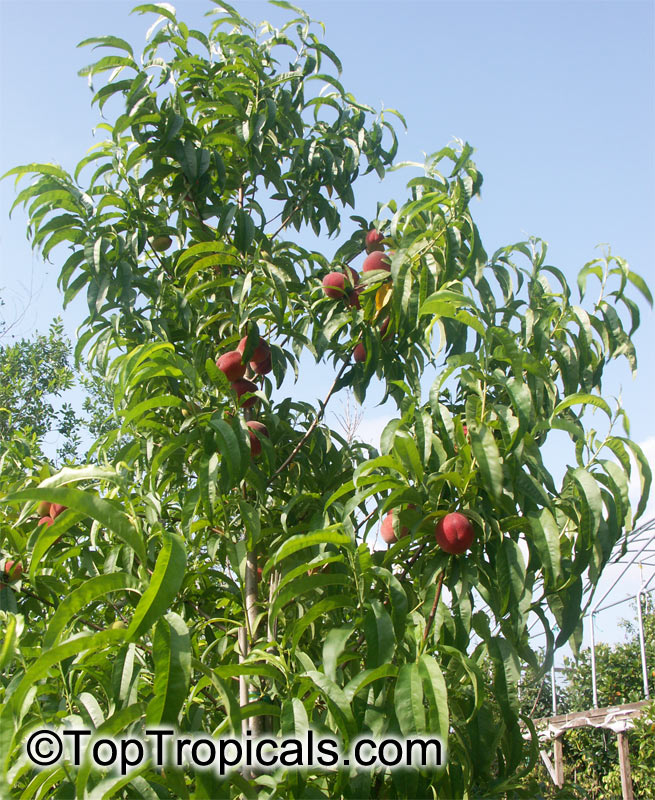
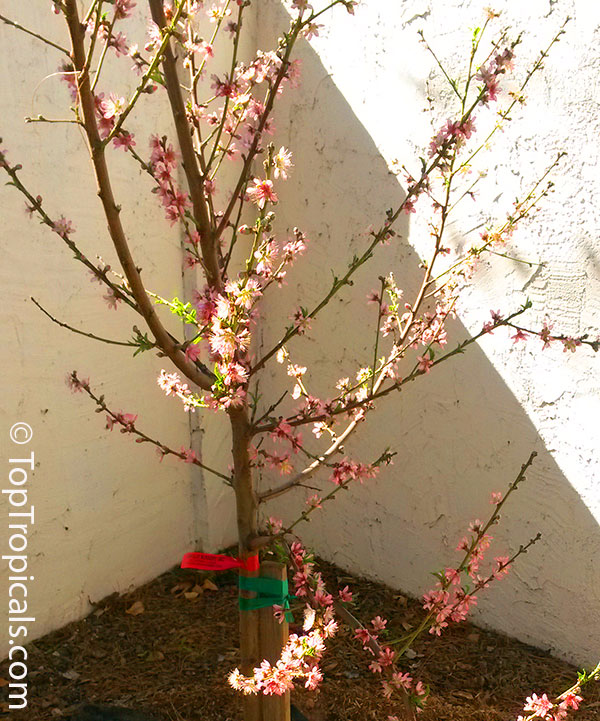
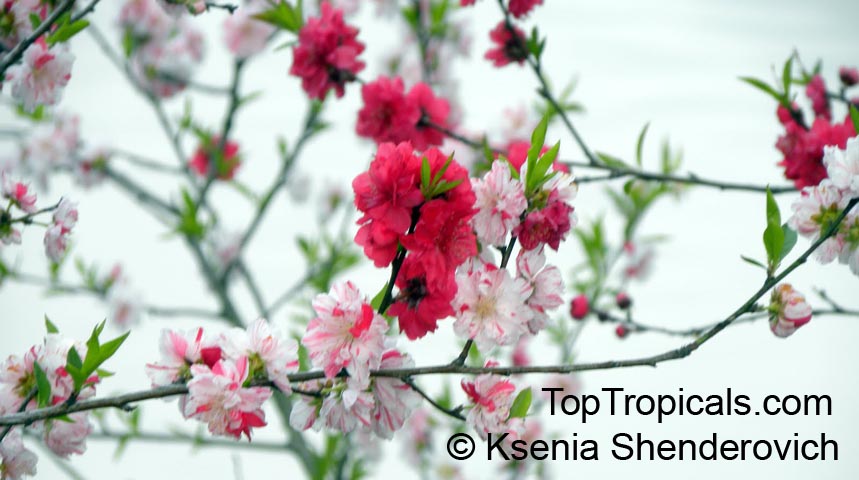
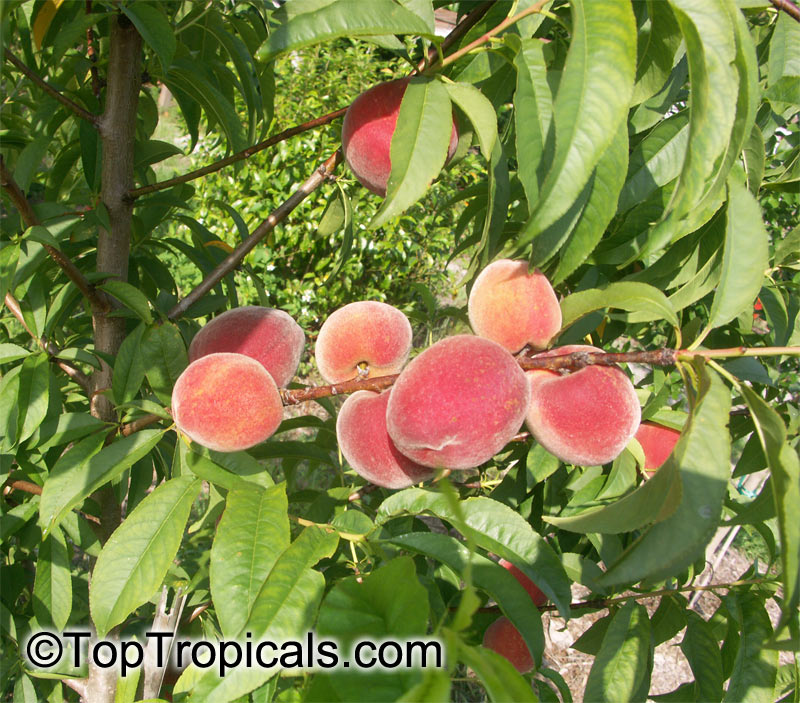
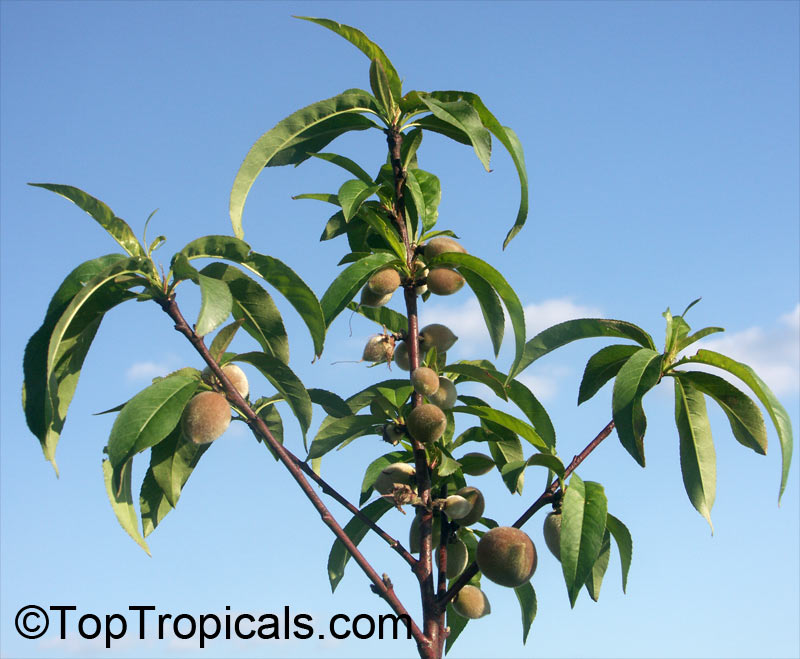
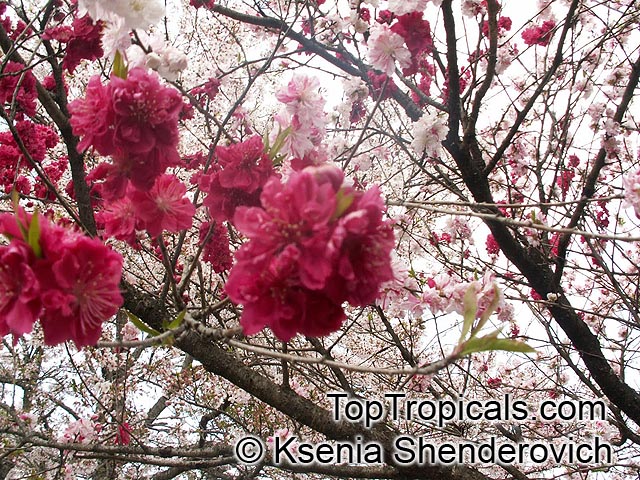
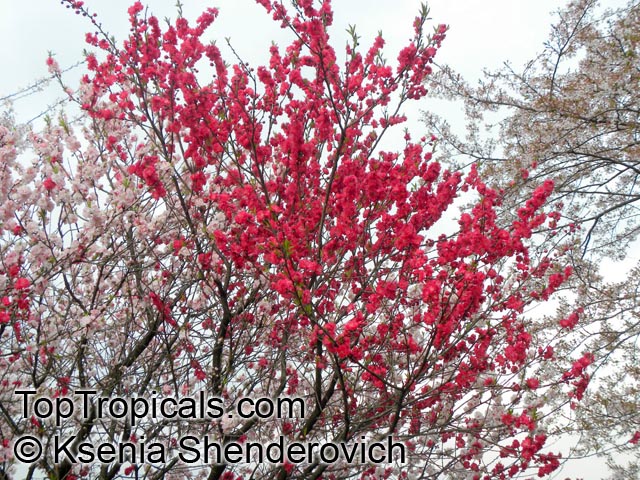
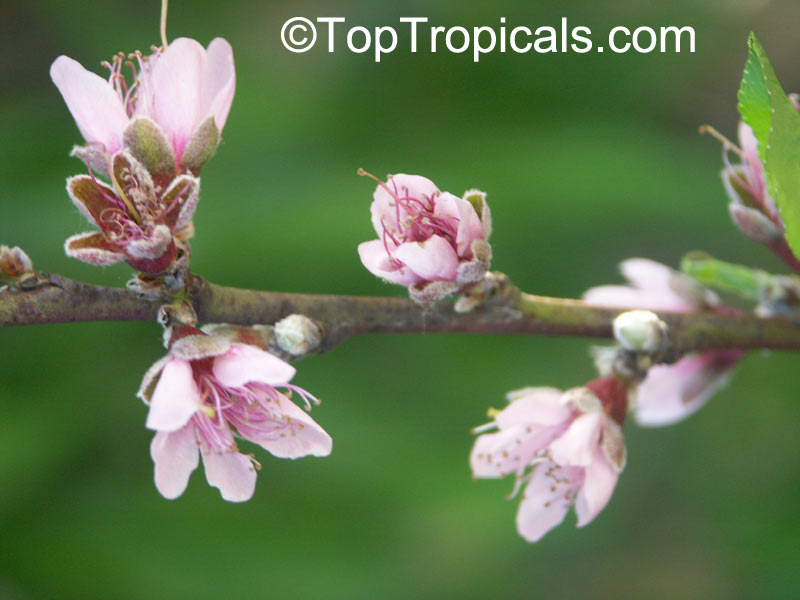
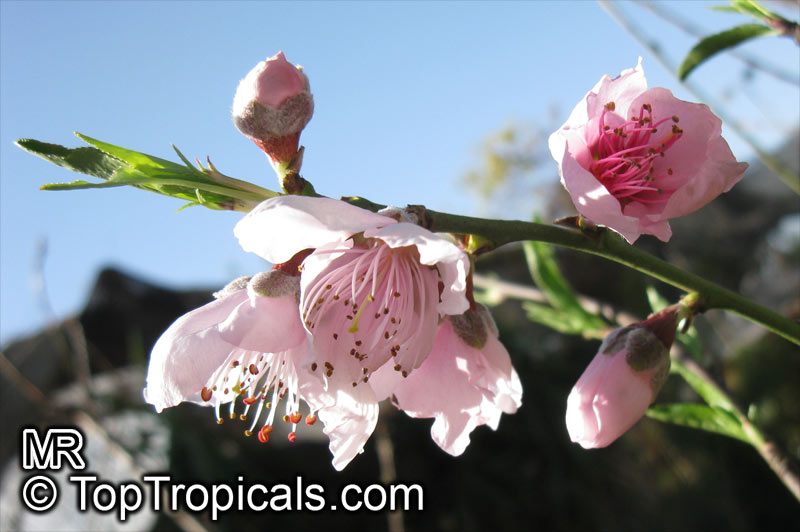
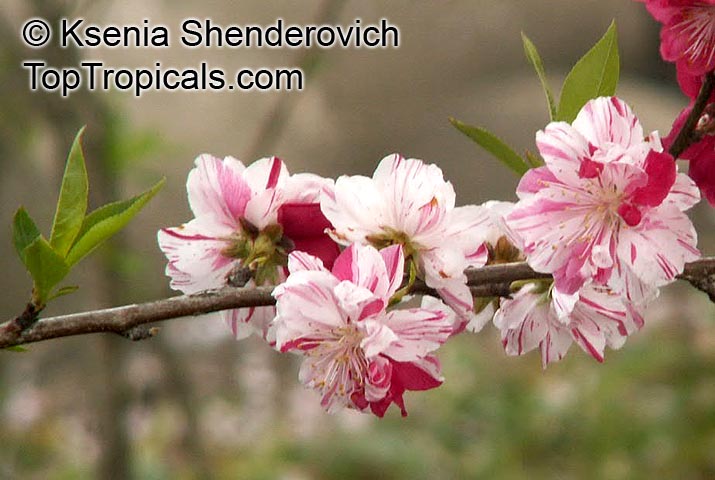
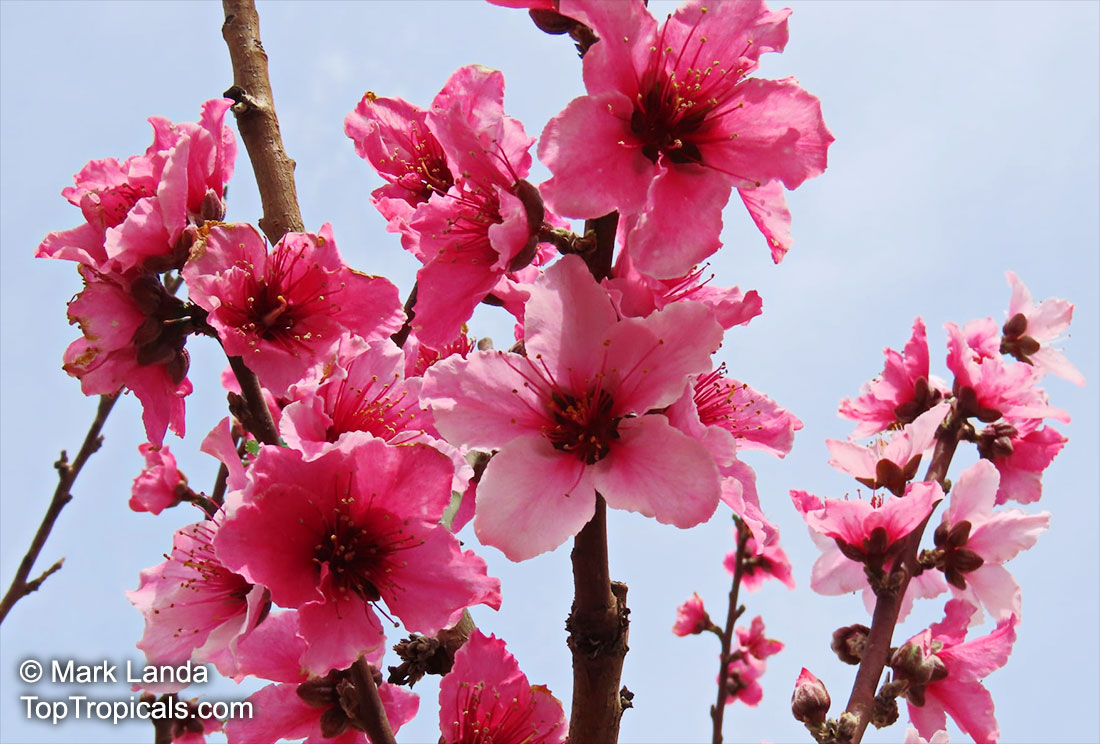
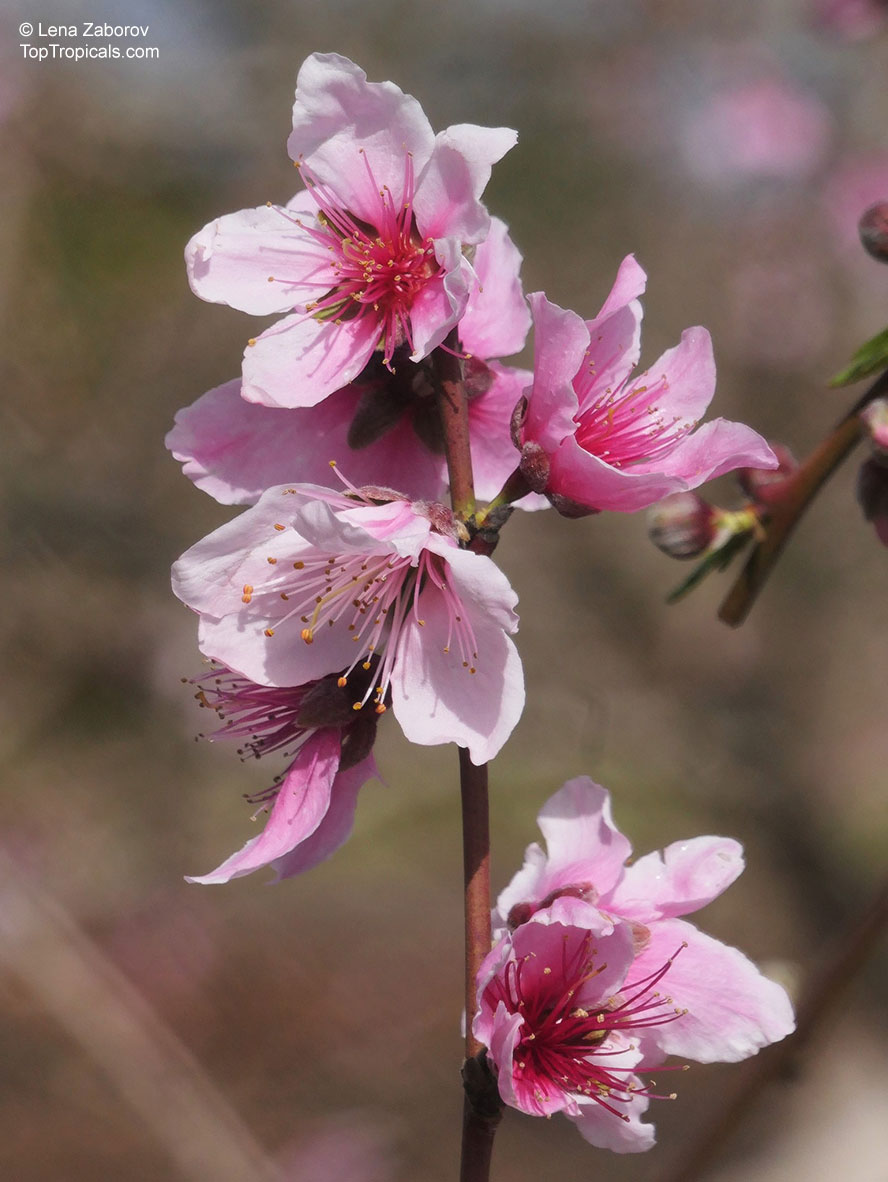
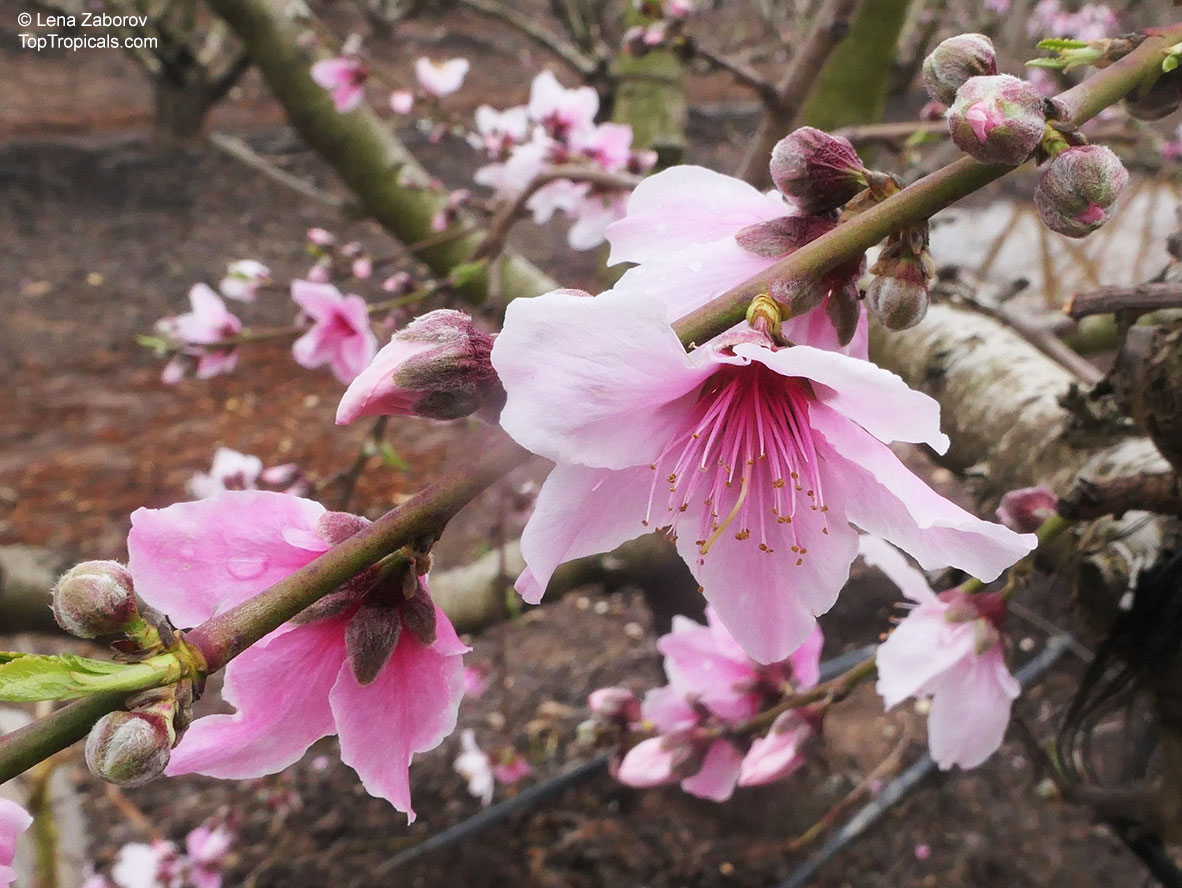
Prunus persica, commonly known as Peach, is a deciduous fruit tree in the Rosaceae family native to China, where it has been cultivated for thousands of years before spreading throughout Asia, Europe, and eventually the rest of the world. Despite its scientific name, the species did not originate in Persia but was introduced to Europe through ancient trade routes. Depending on the cultivar, peach trees typically grow 10 to 25 feet (3 to 8 m) tall with an open, rounded canopy and produce a spectacular display of pink flowers in early spring before the leaves emerge.
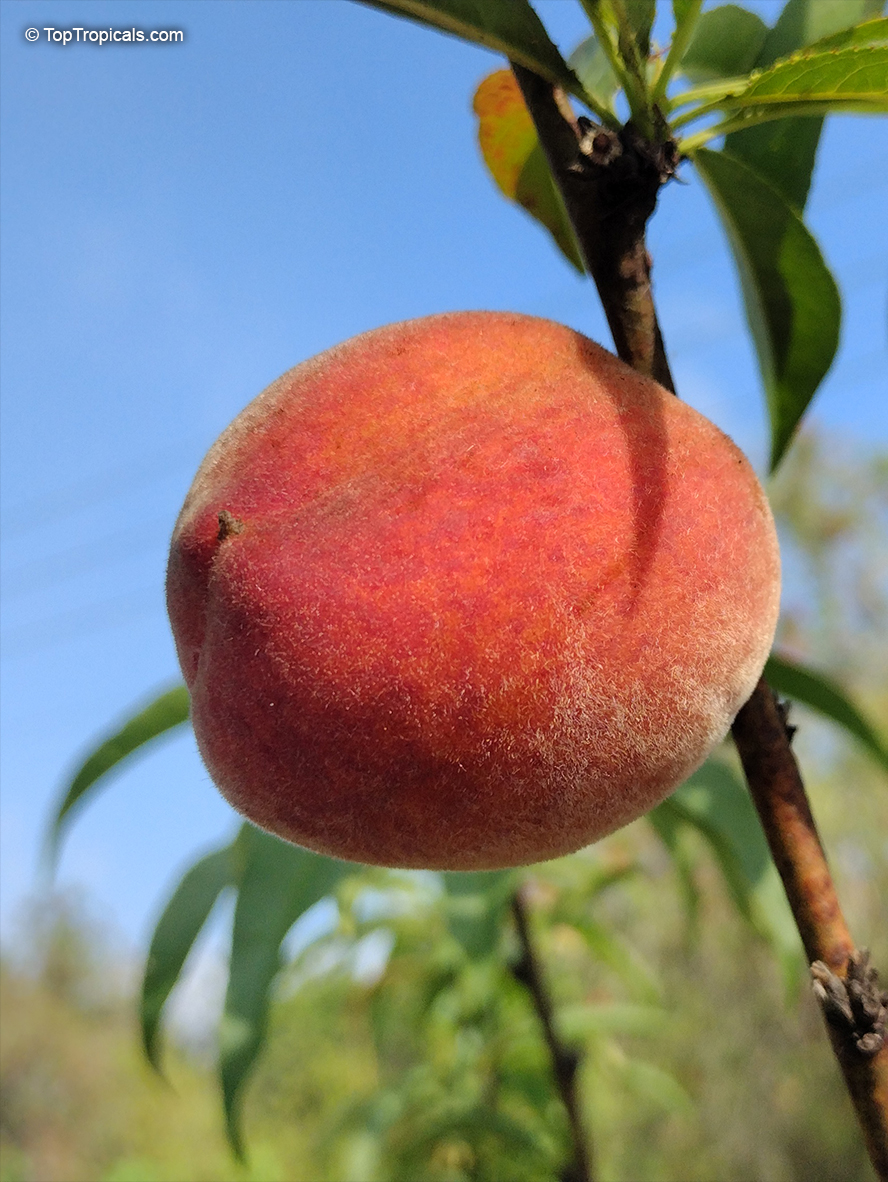
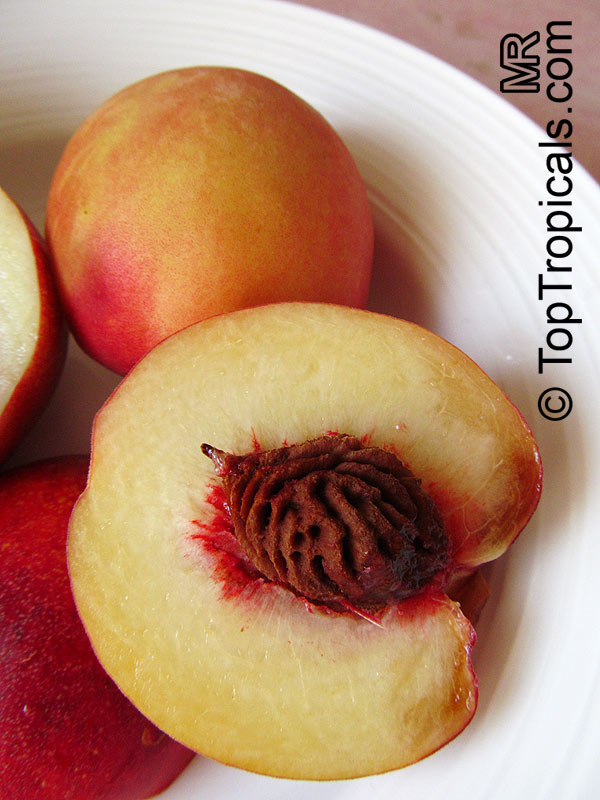
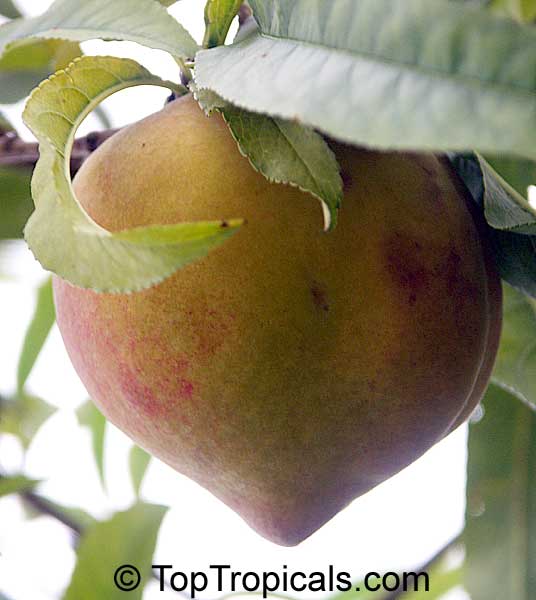
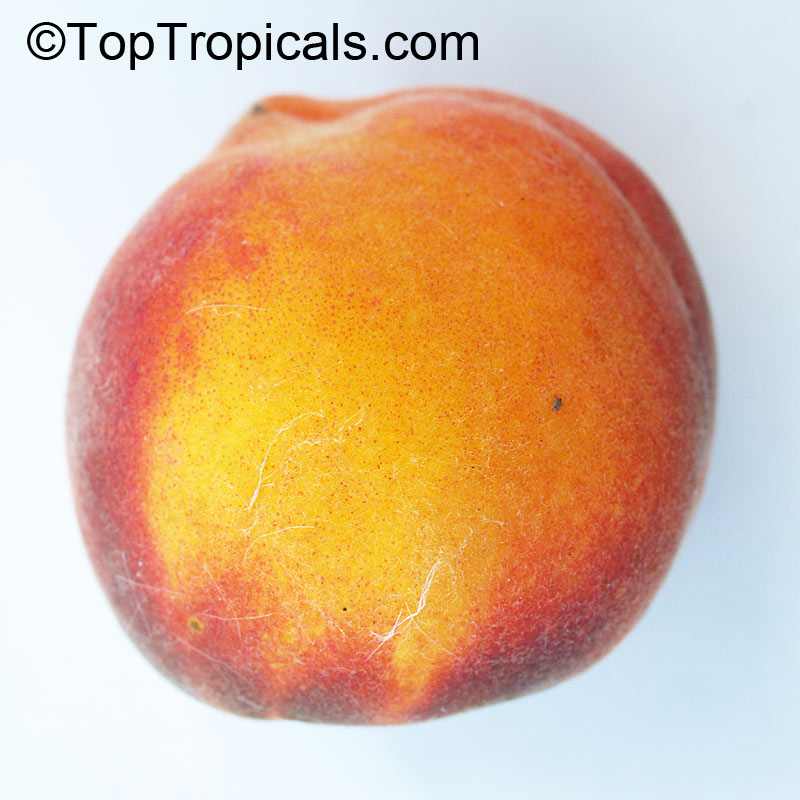
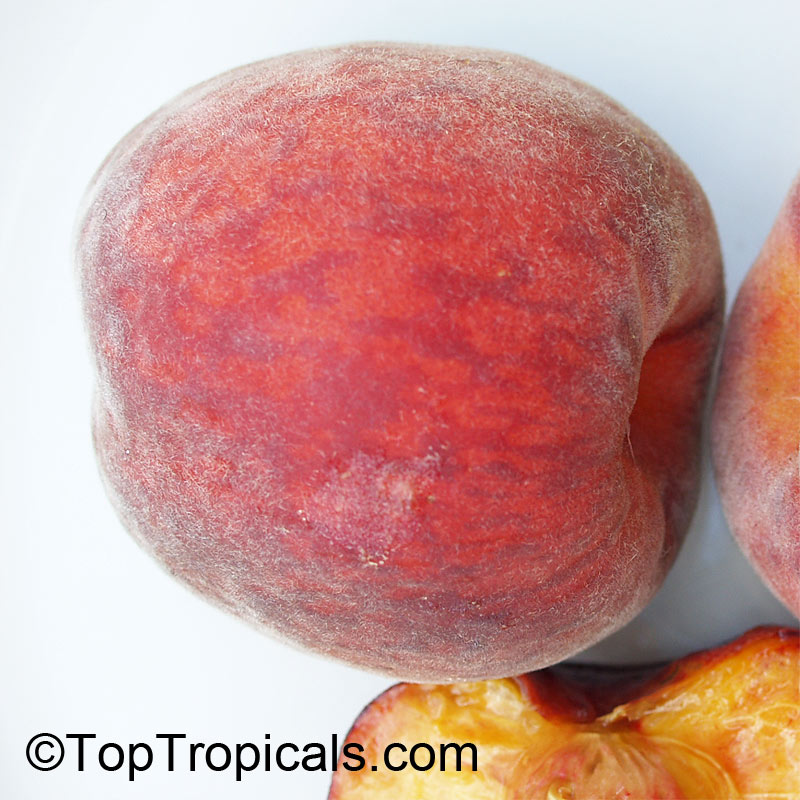
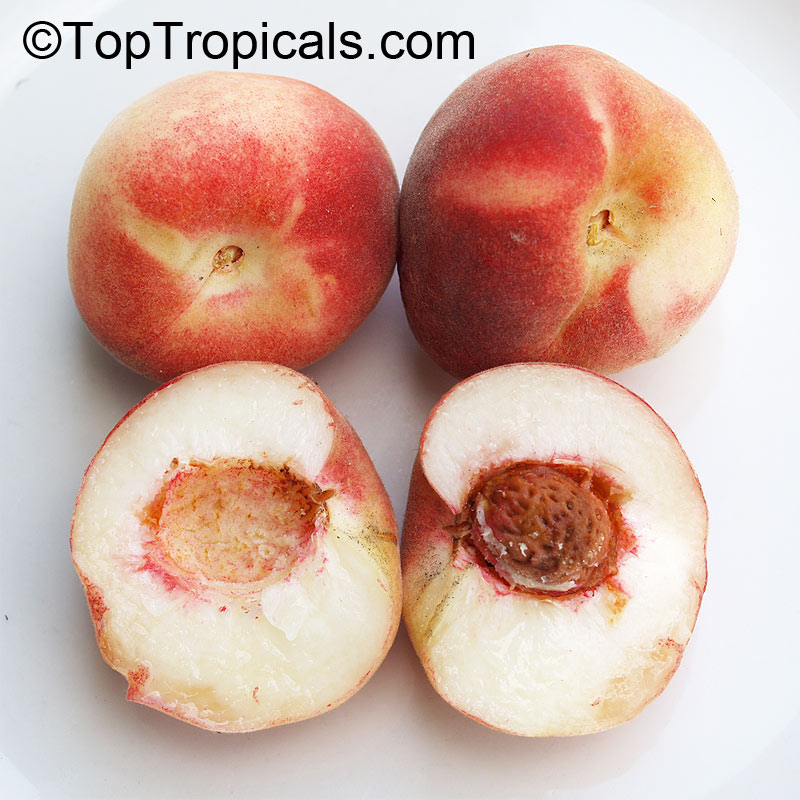
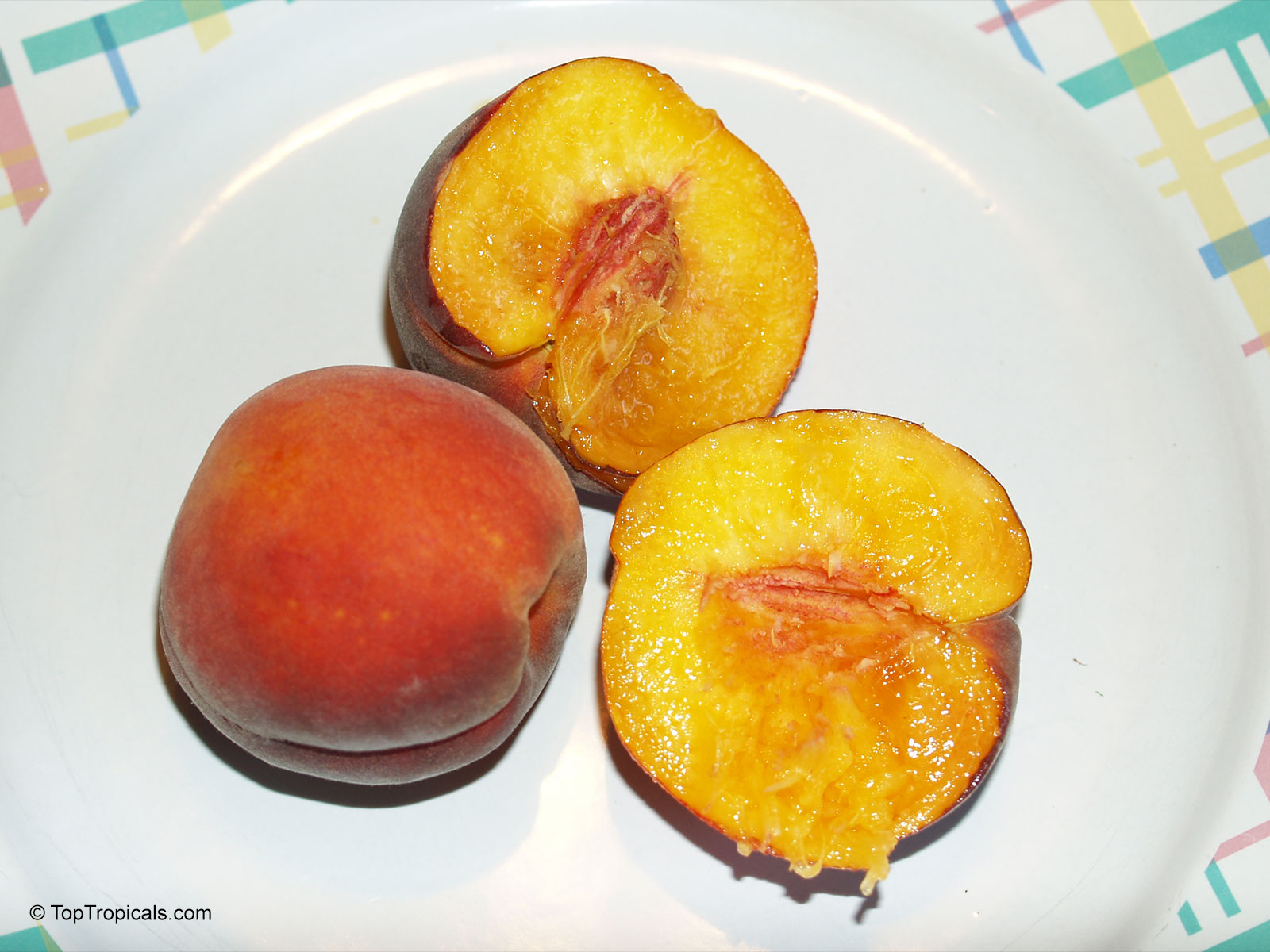
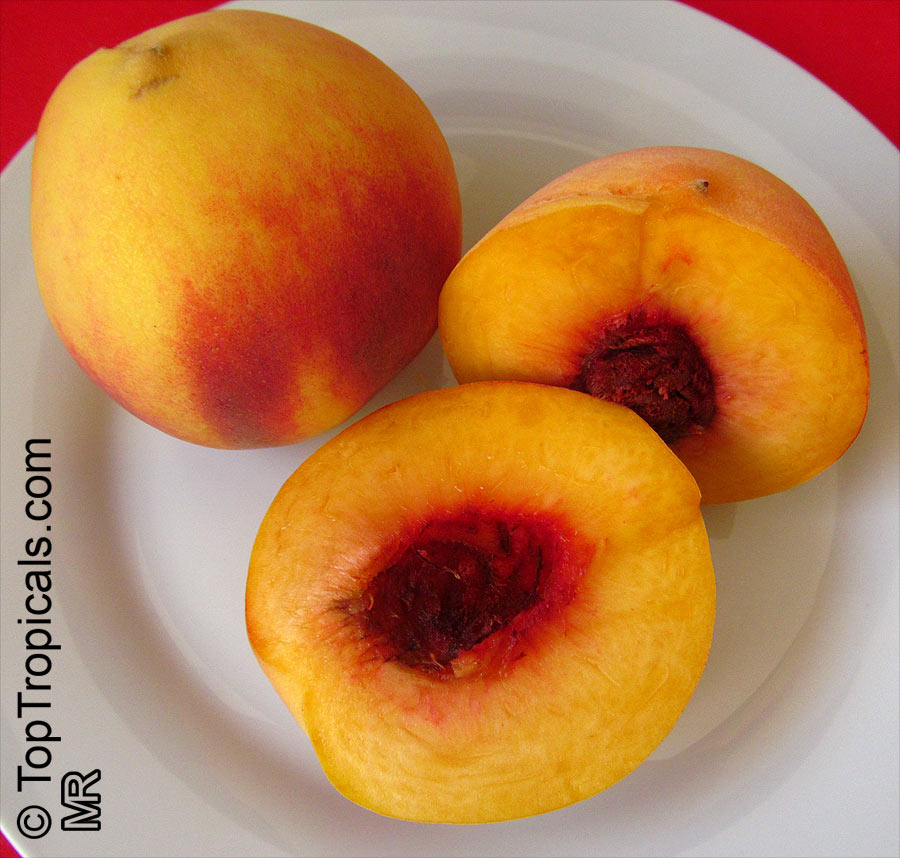
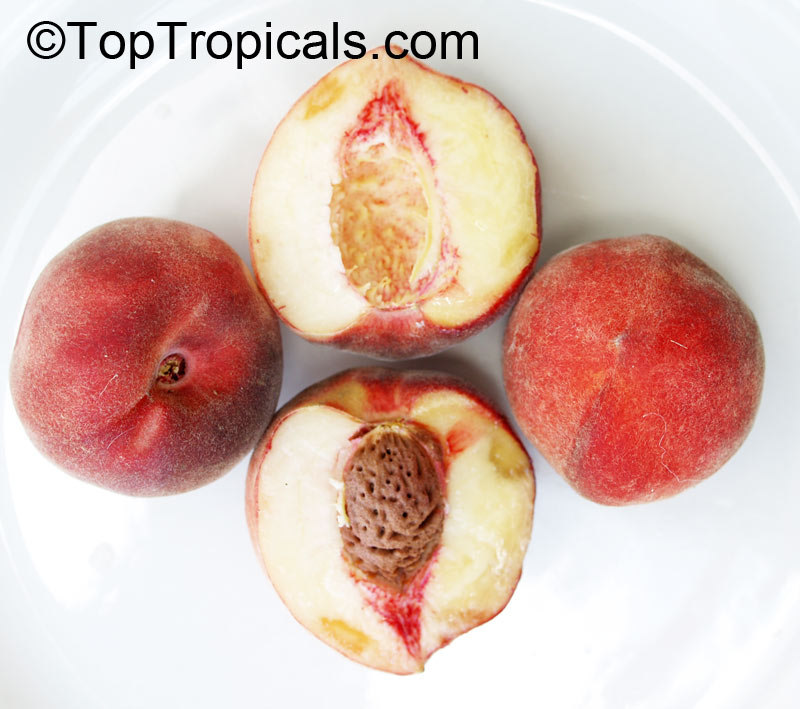
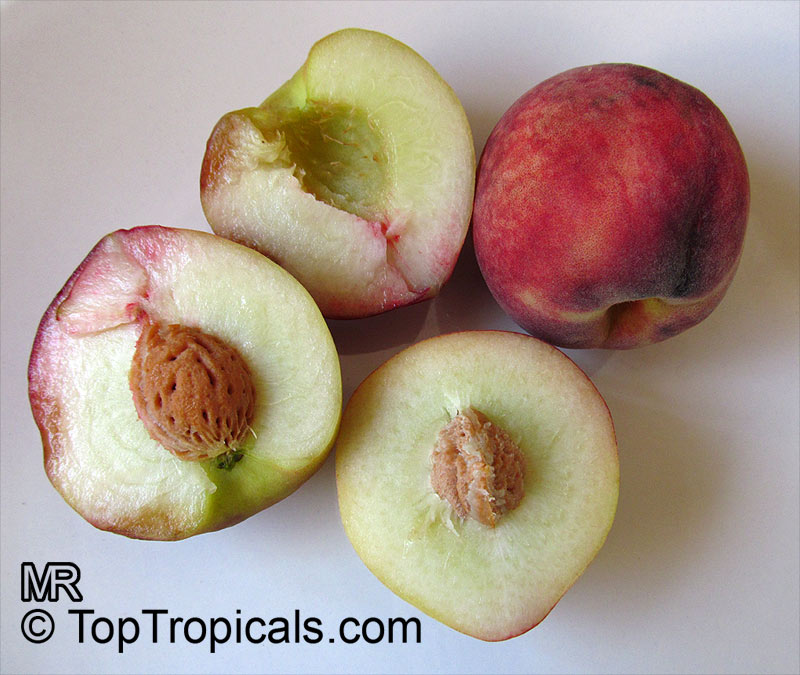
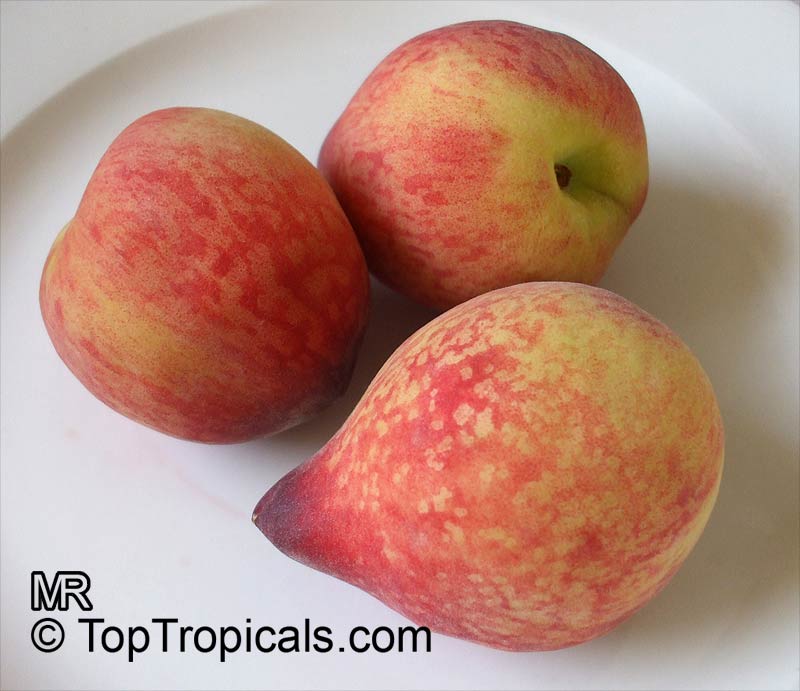
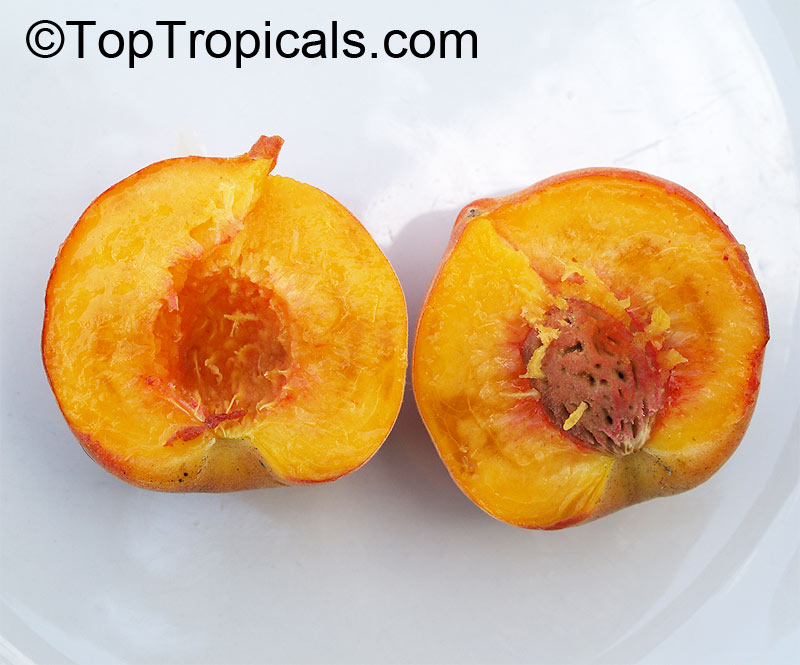
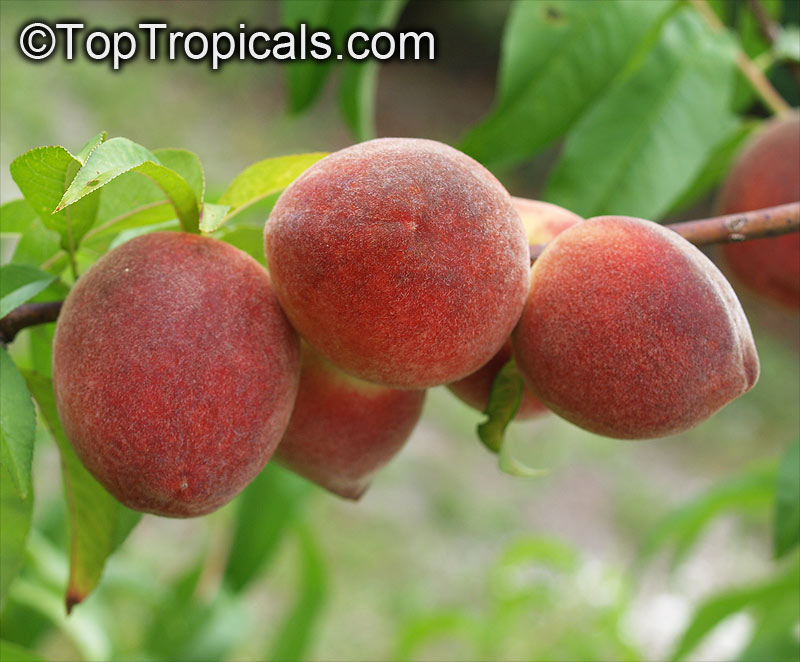
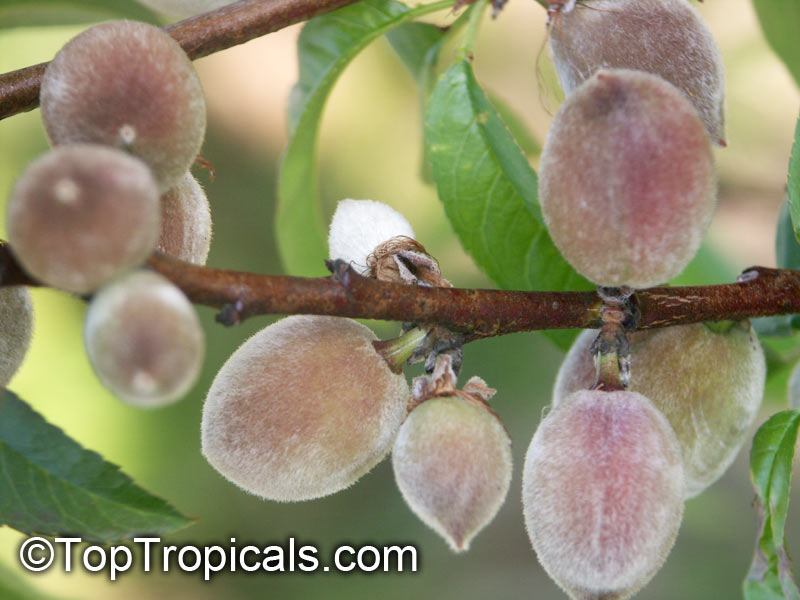
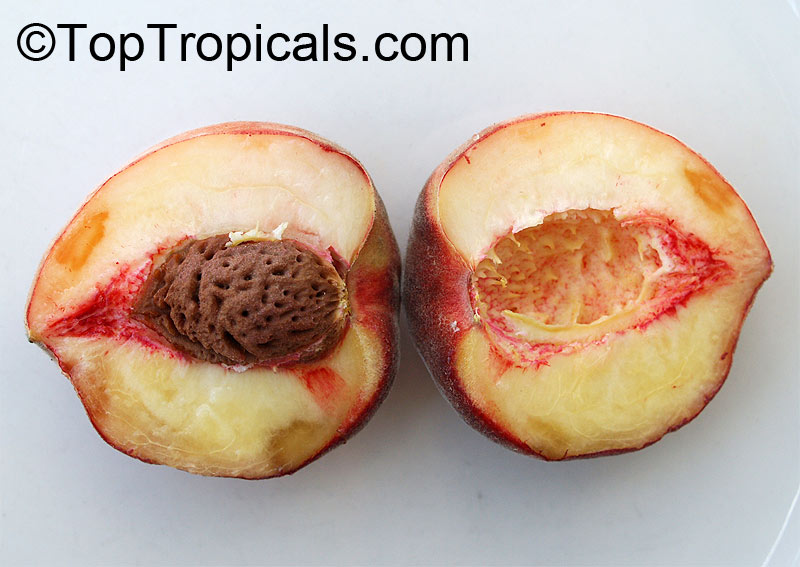
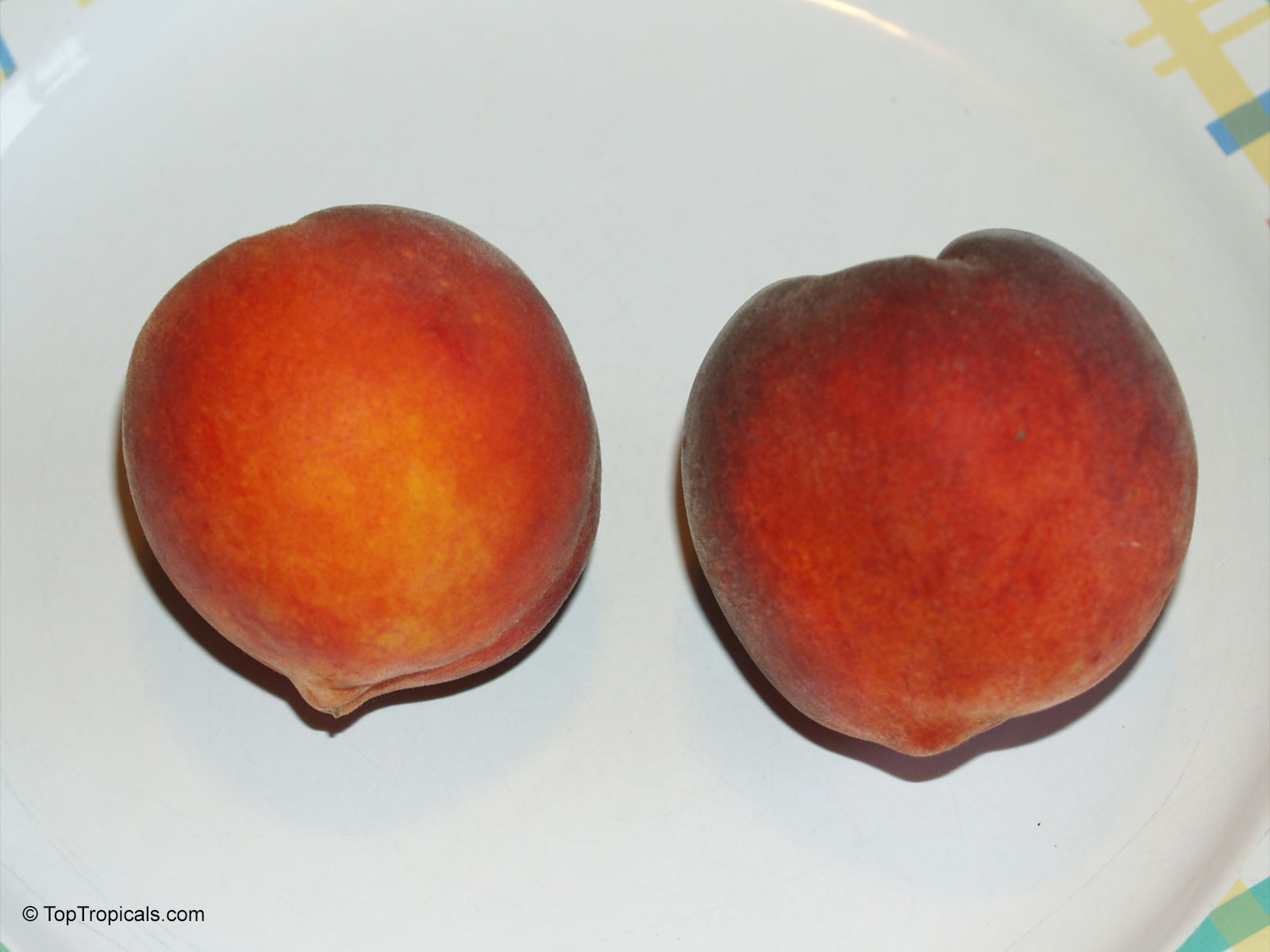
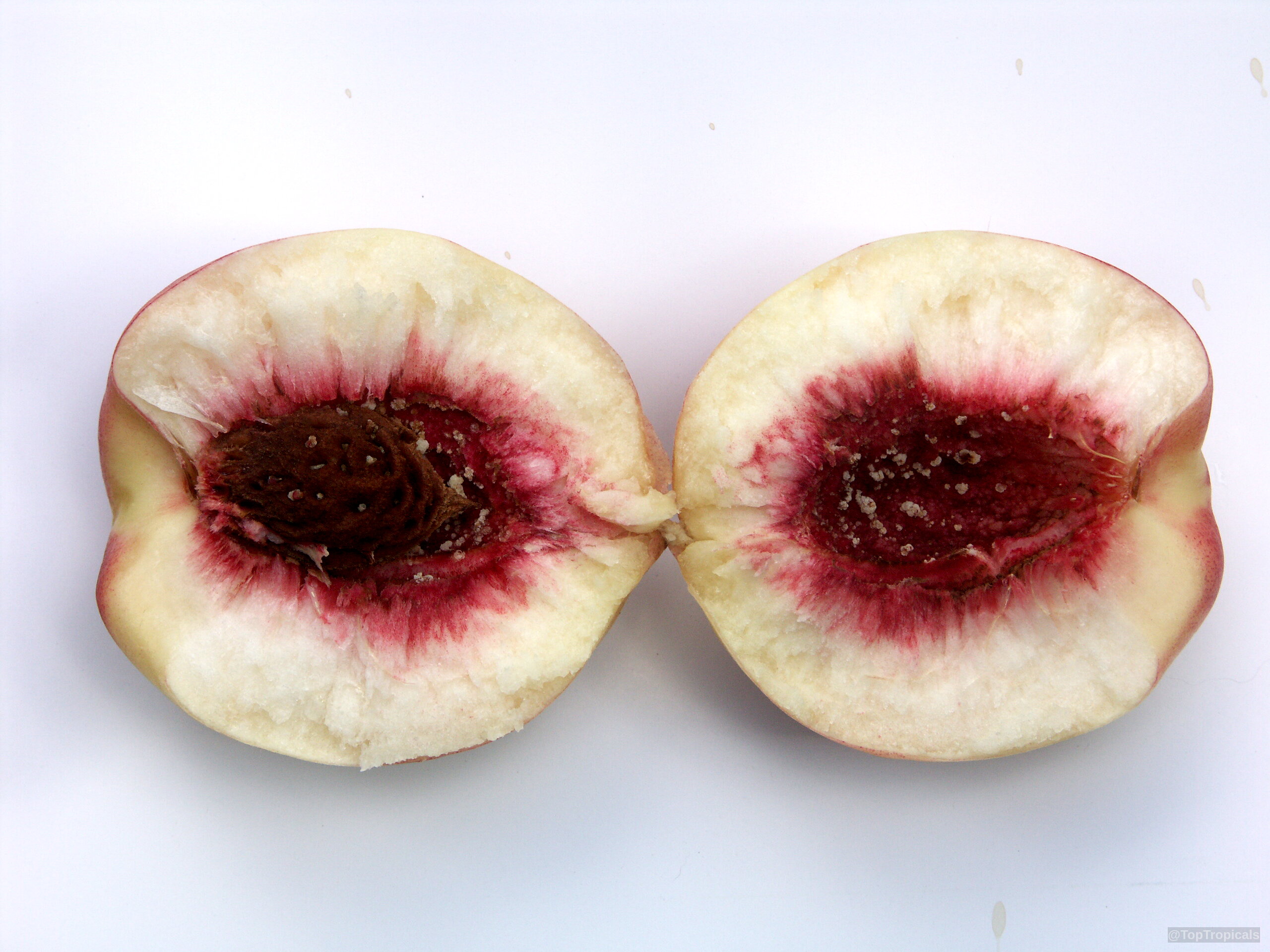
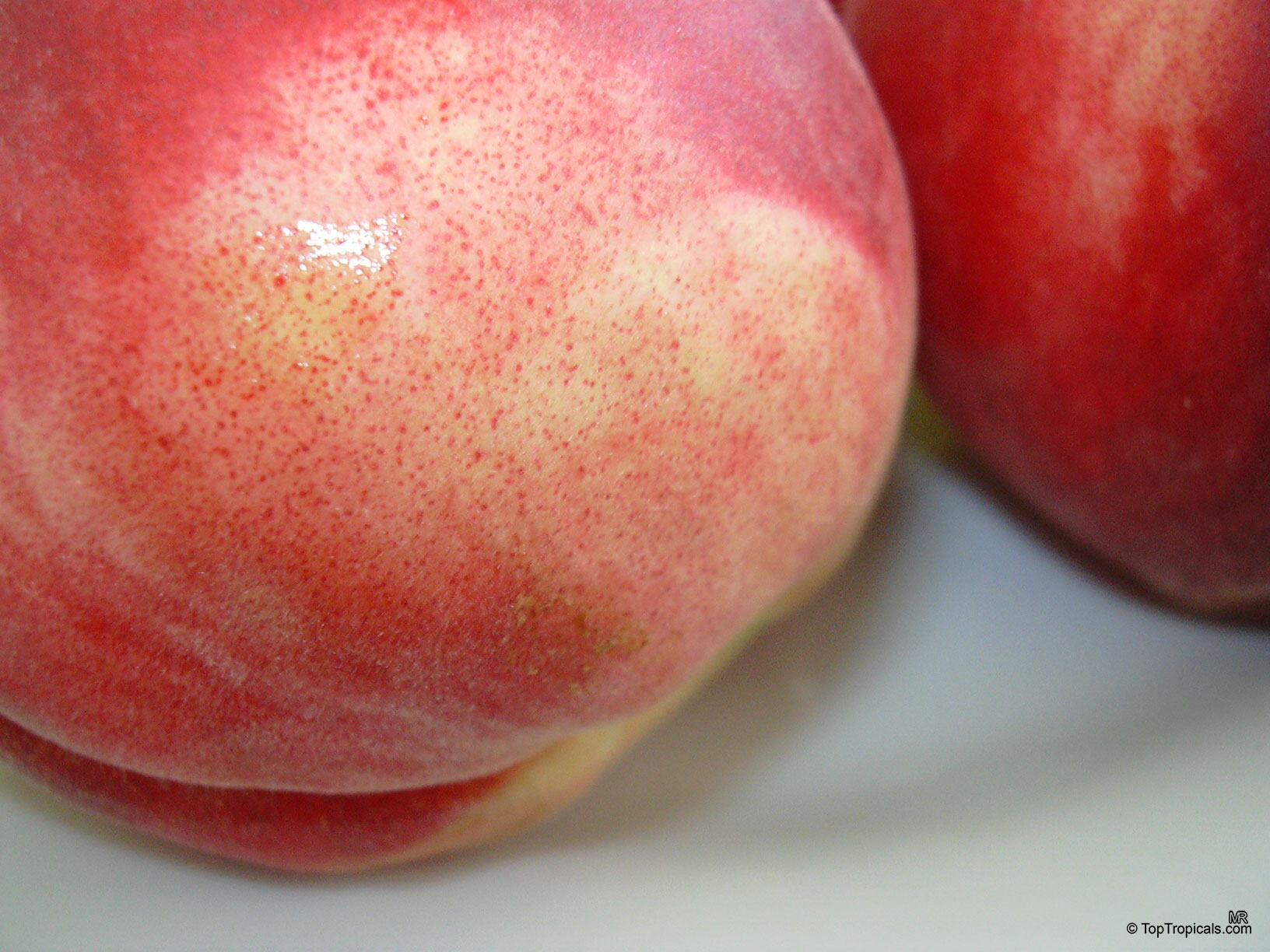
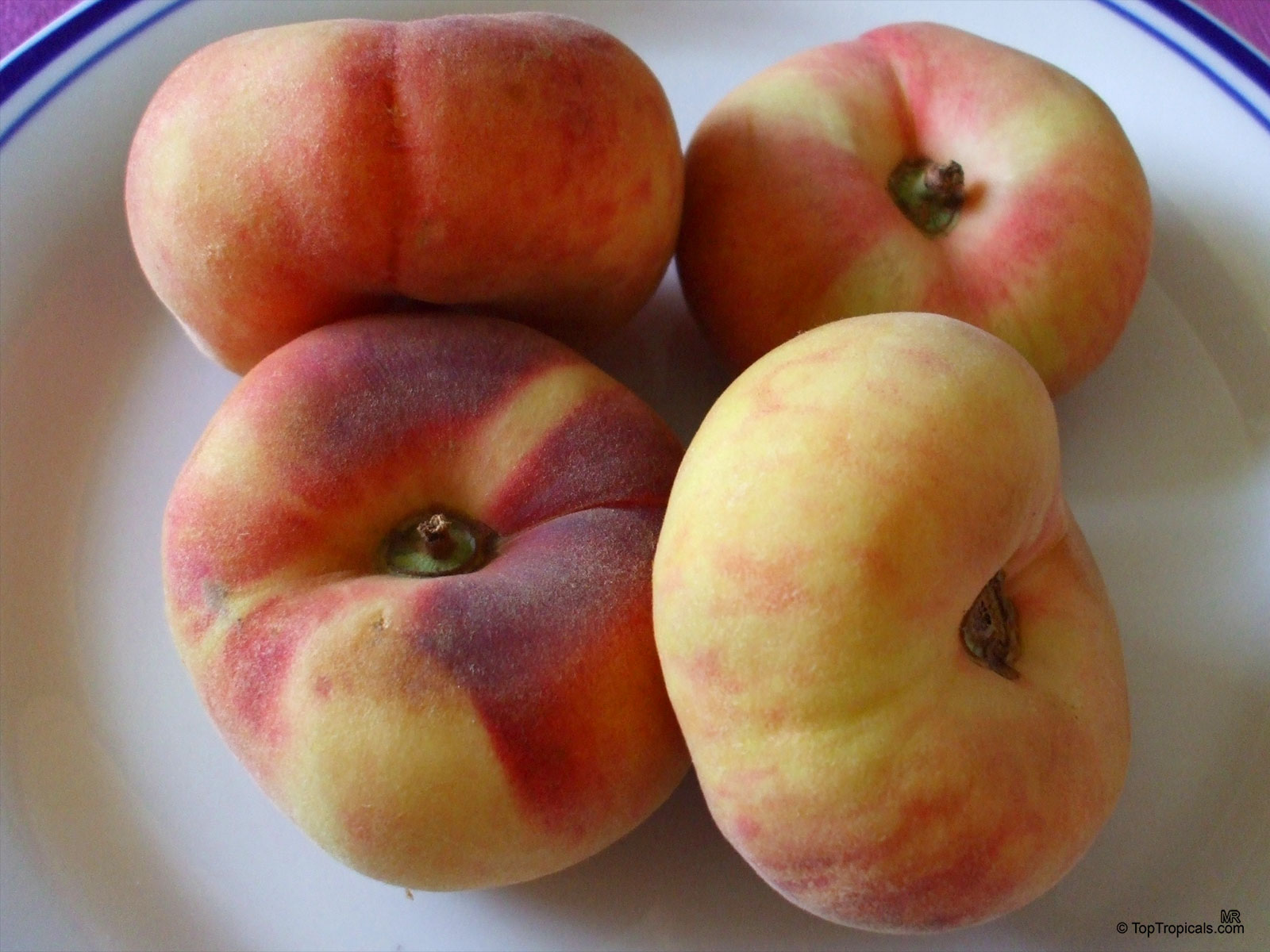
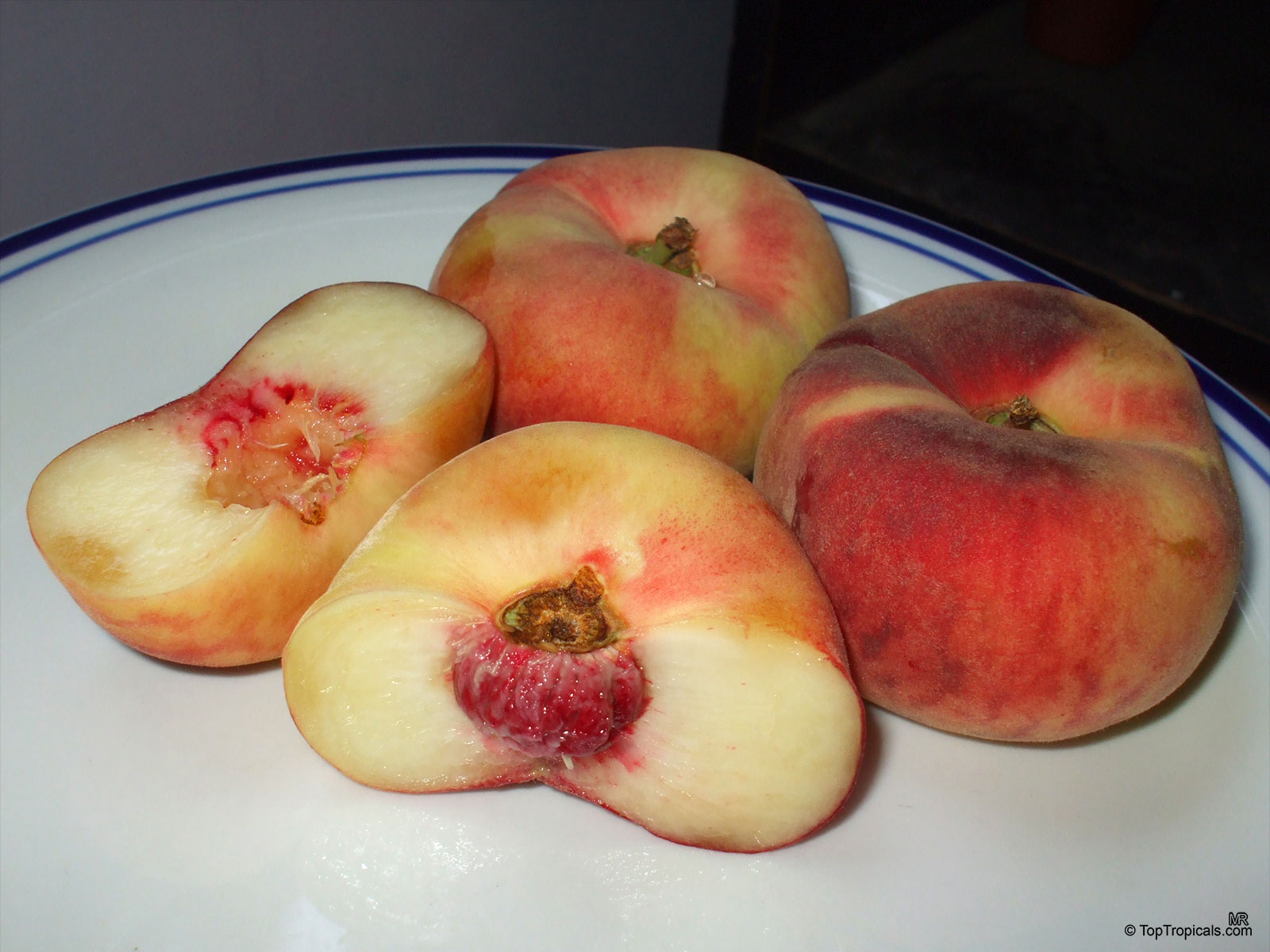
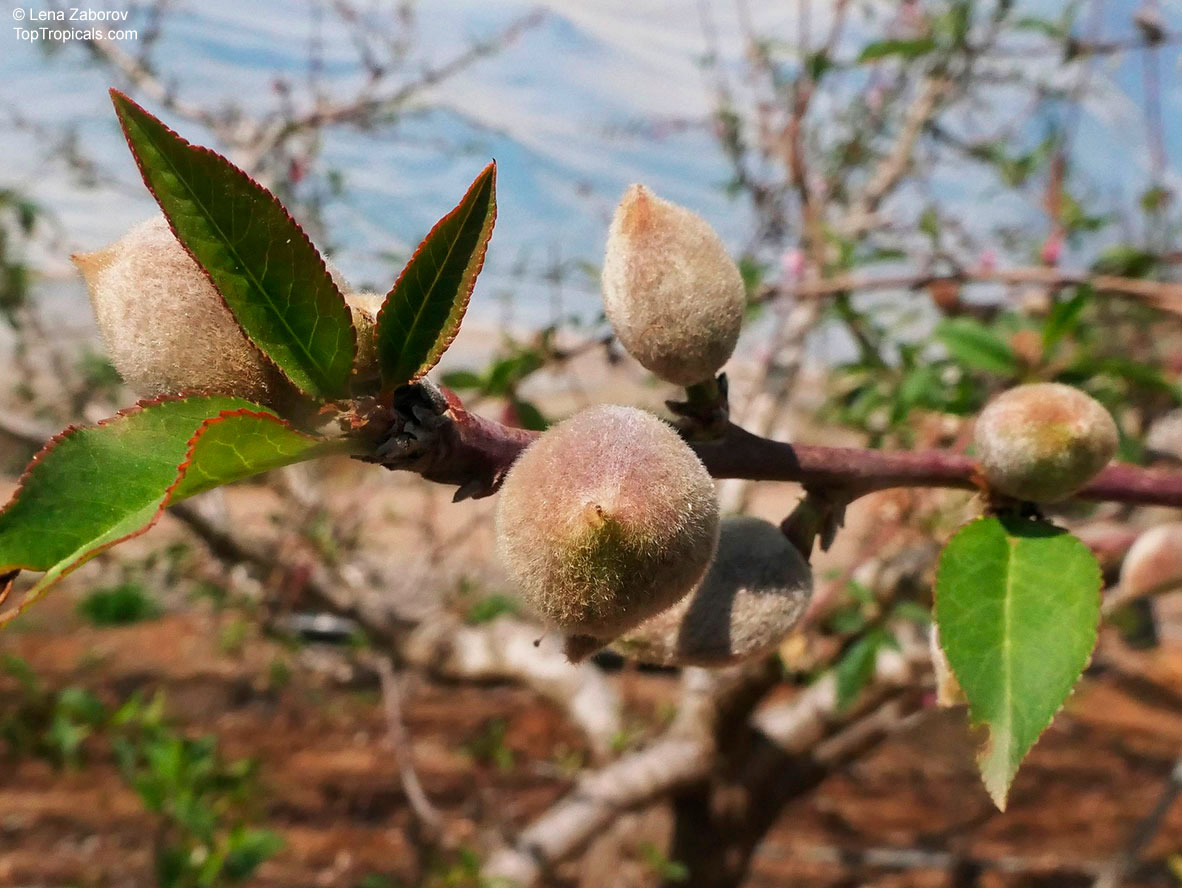
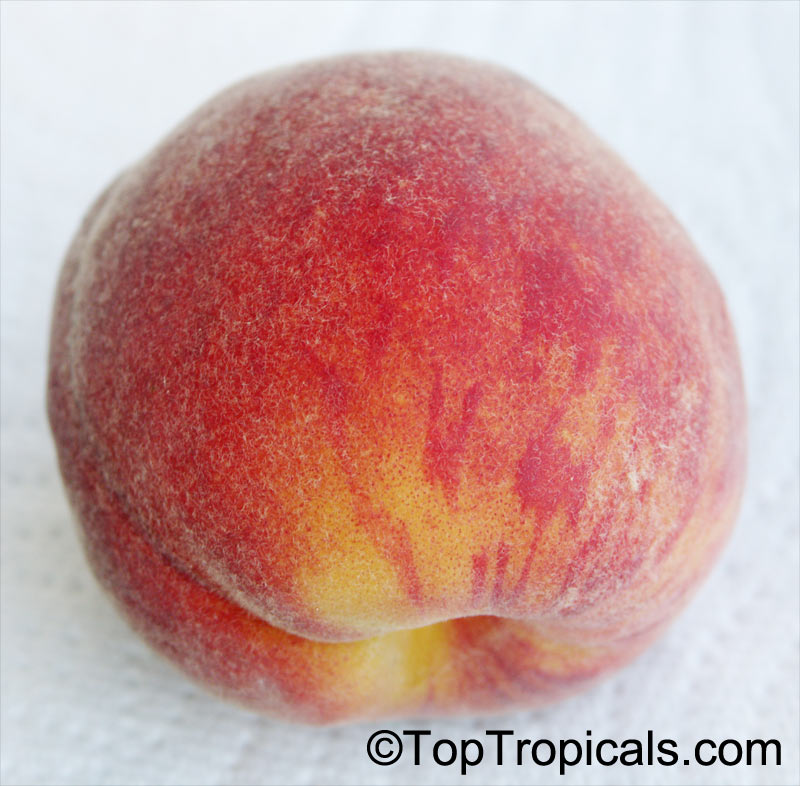
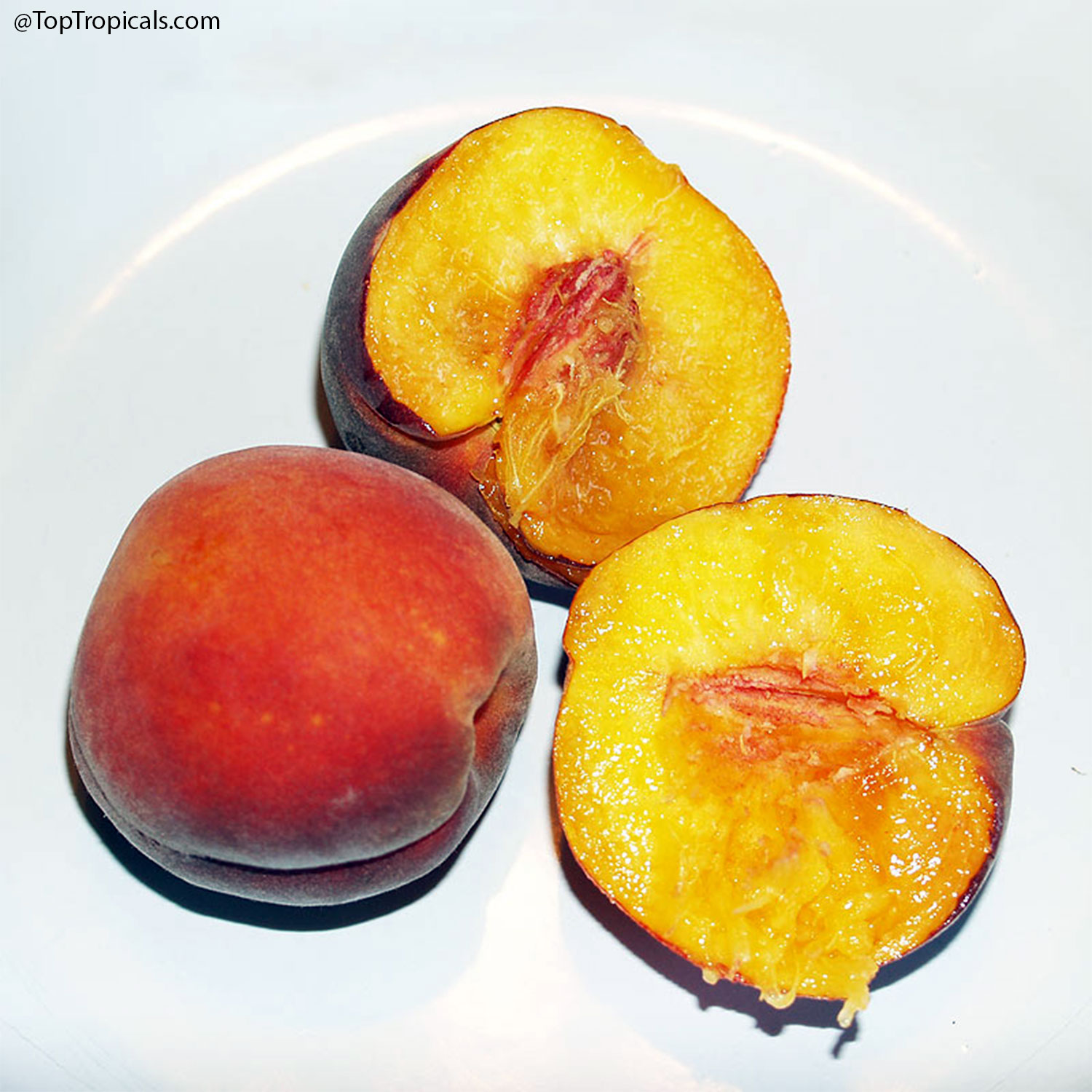
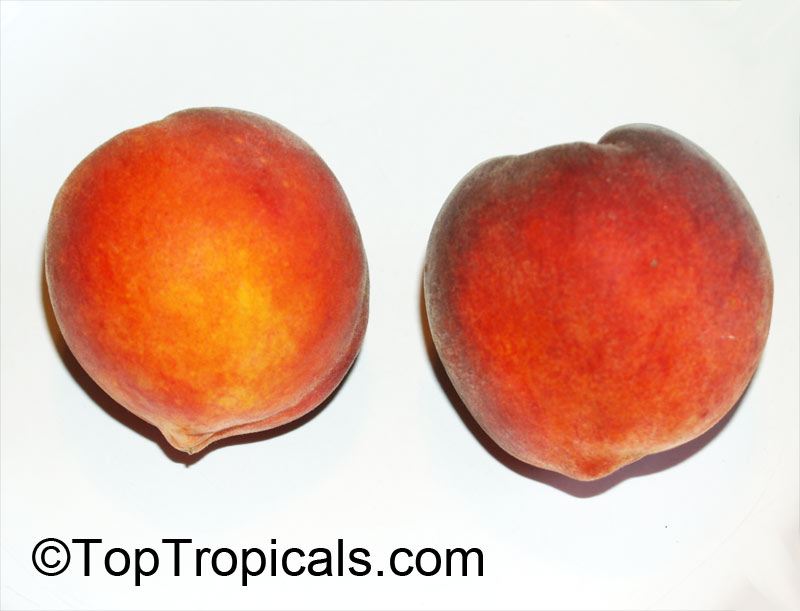
The velvety fruits are prized for their juicy, fragrant flesh, which ranges from white to yellow and may cling to or separate easily from the pit, depending on the cultivar. Thousands of cultivars have been developed for fresh eating, canning, and cooking, including both high-chill and low-chill selections suitable for a wide range of climates. Peach trees grow best in full sun and fertile, well-drained soil with regular moisture during the growing season. Most cultivars require winter chilling to produce abundant crops, although low-chill varieties perform well in subtropical regions. Hardy selections are generally suitable for USDA Zones 5-9, with some low-chill cultivars thriving in Zones 8-10. In addition to their delicious fruit, peach trees are valued as ornamental landscape plants for their beautiful spring blossoms and attractive seasonal display. Prunus persica var. nectarina is almost identical to the Peach in habit and flowers but its fruit are smooth skinned, mostly smaller and with a subtly different flavor.
Cultivars: Prunus persica (Peach)
Similar plants: Prunus persica (Peach)
- Prunus armeniaca (Apricot)
- Prunus dulcis (Almond)
- Prunus webbii (Wild Almond tree )
- Prunus avium (Wild Cherry)
- Prunus campanulata (Taiwan Cherry)
- Prunus cerasifera (Cherry Plum)
- Prunus cerasoides (Himalayan flowering cherry)
- Prunus glandulosa (Chinese Bush Cherry)
- Prunus ilicifolia (Hollyleaf Cherry)
- Prunus laurocerasus (Cherry Laurel)

Recommended Fertilizer: SUNSHINE C-Cibus - Crop Nutrition Booster
SUNSHINE-Honey - sugar booster
Recommended Fertilizer: SUNSHINE C-Cibus - Crop Nutrition Booster
SUNSHINE-Honey - sugar booster
Last one
Recommended Fertilizer: SUNSHINE C-Cibus - Crop Nutrition Booster
SUNSHINE-Honey - sugar booster
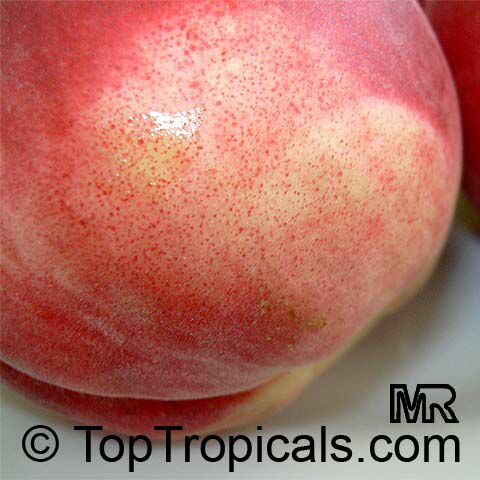
Requires about 100 chill hours. A sweet, low acid peach for South Florida, with large fruit. Ripens mid-May. Self-pollinating.
Recommended Fertilizer: SUNSHINE C-Cibus - Crop Nutrition Booster
SUNSHINE-Honey - sugar booster
Local pickup only. This item is not available for shipping. Local delivery may be available in Ft. Myers or Sebring, Florida. Contact us for an estimate. Non-pickup orders are subject to restocking fees.

Recommended Fertilizer: SUNSHINE C-Cibus - Crop Nutrition Booster
SUNSHINE-Honey - sugar booster
Recommended Fertilizer: SUNSHINE C-Cibus - Crop Nutrition Booster
SUNSHINE-Honey - sugar booster
Recommended Fertilizer: SUNSHINE C-Cibus - Crop Nutrition Booster
SUNSHINE-Honey - sugar booster
Recommended Fertilizer: SUNSHINE C-Cibus - Crop Nutrition Booster
SUNSHINE-Honey - sugar booster