Top nine plants of love, desire, and the senses: aphrodisiacs and sensory connections
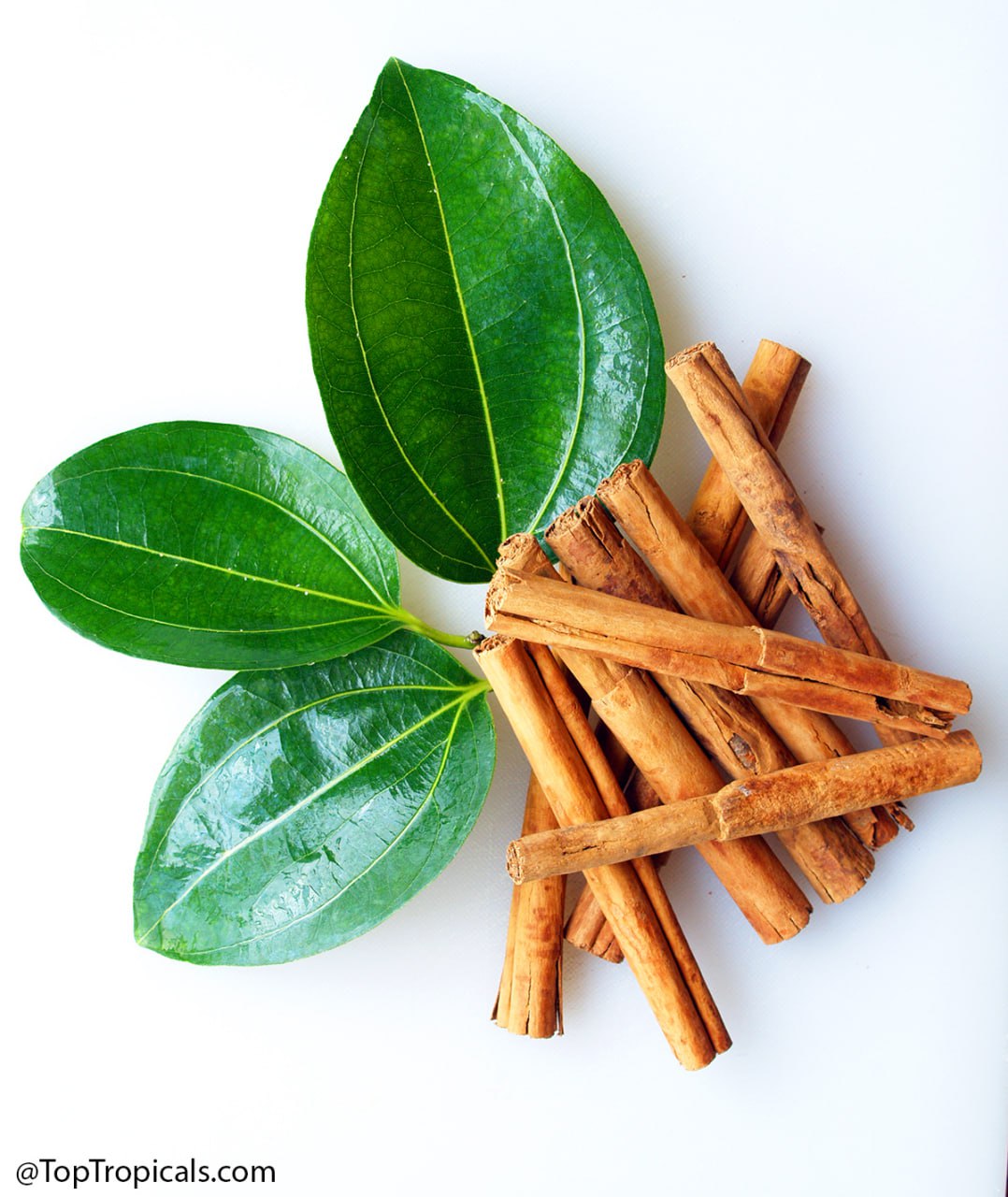
Cinnamon (Cinnamomum zeylanicum)
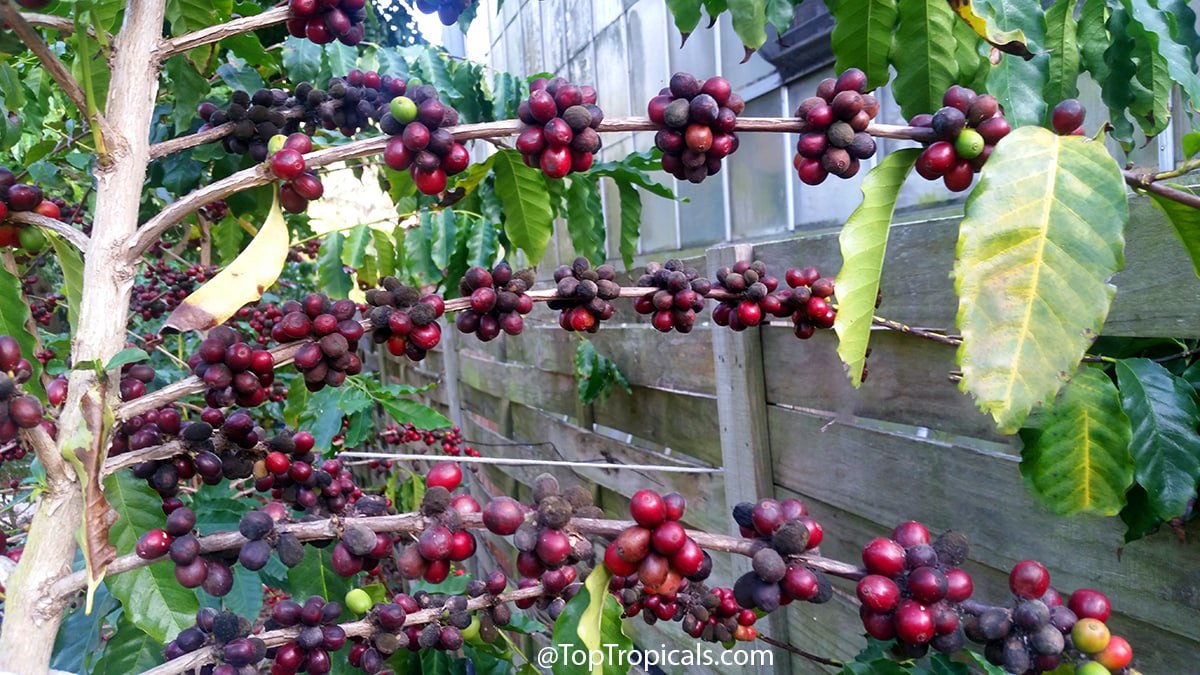
Coffee - Coffea arabica
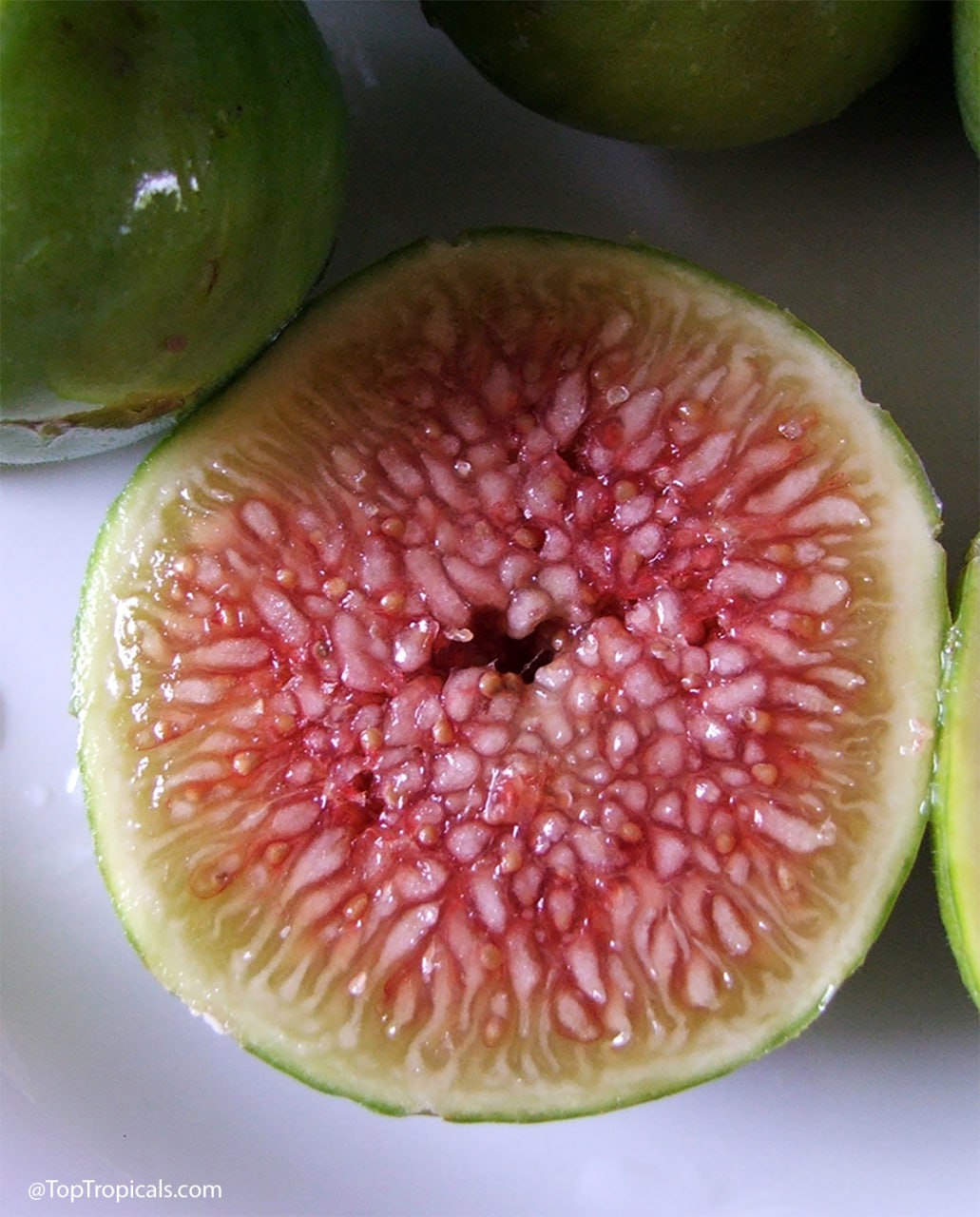
Fig tree fruit (Ficus carica)
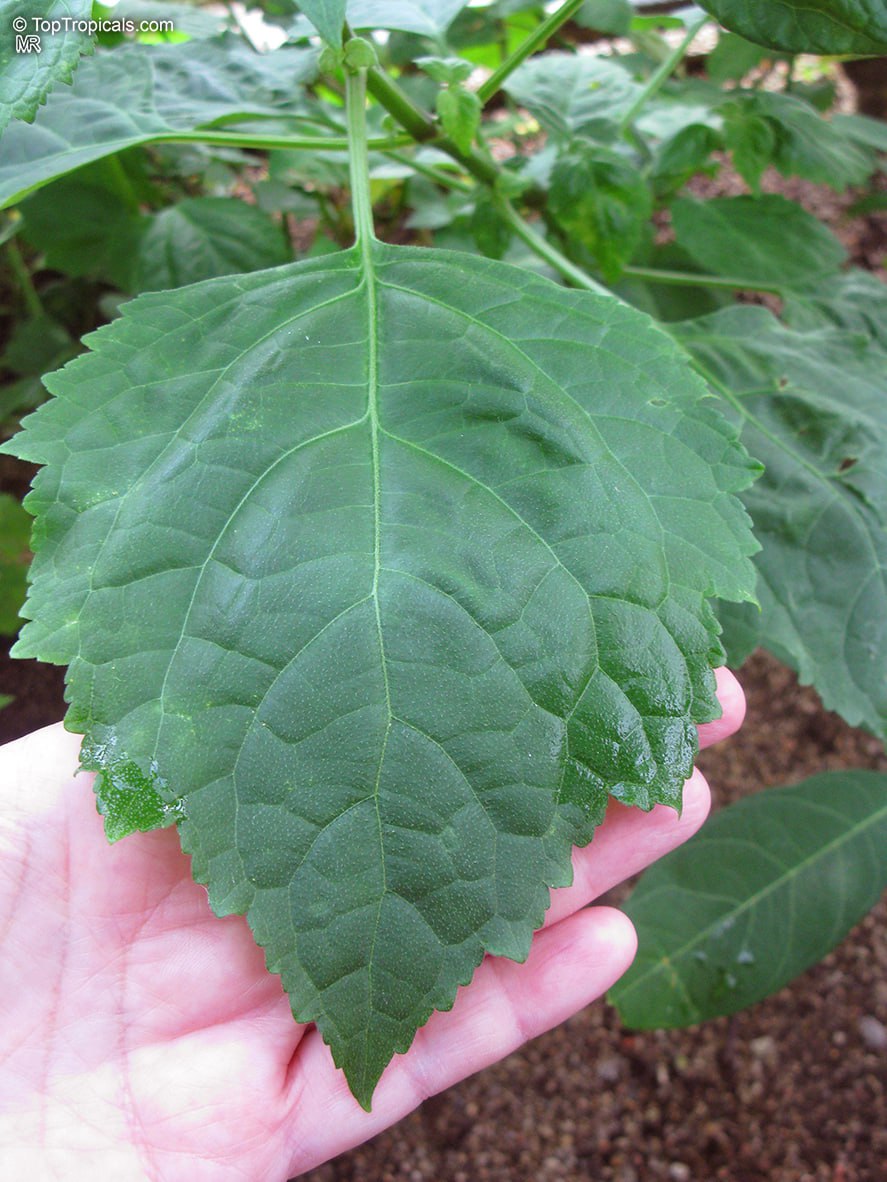
Patchouli - Pogostemon cablin
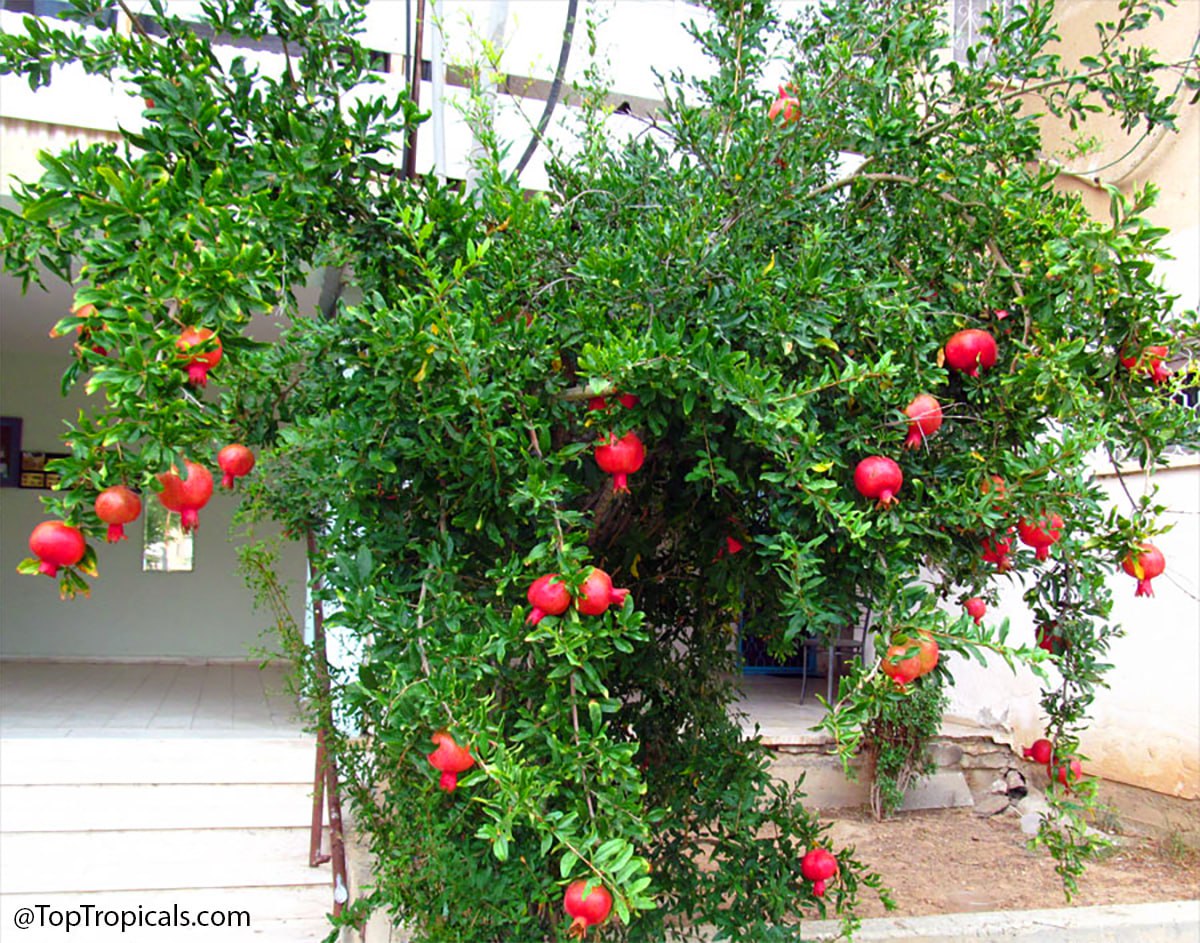
Pomegranate (Punica granatum)
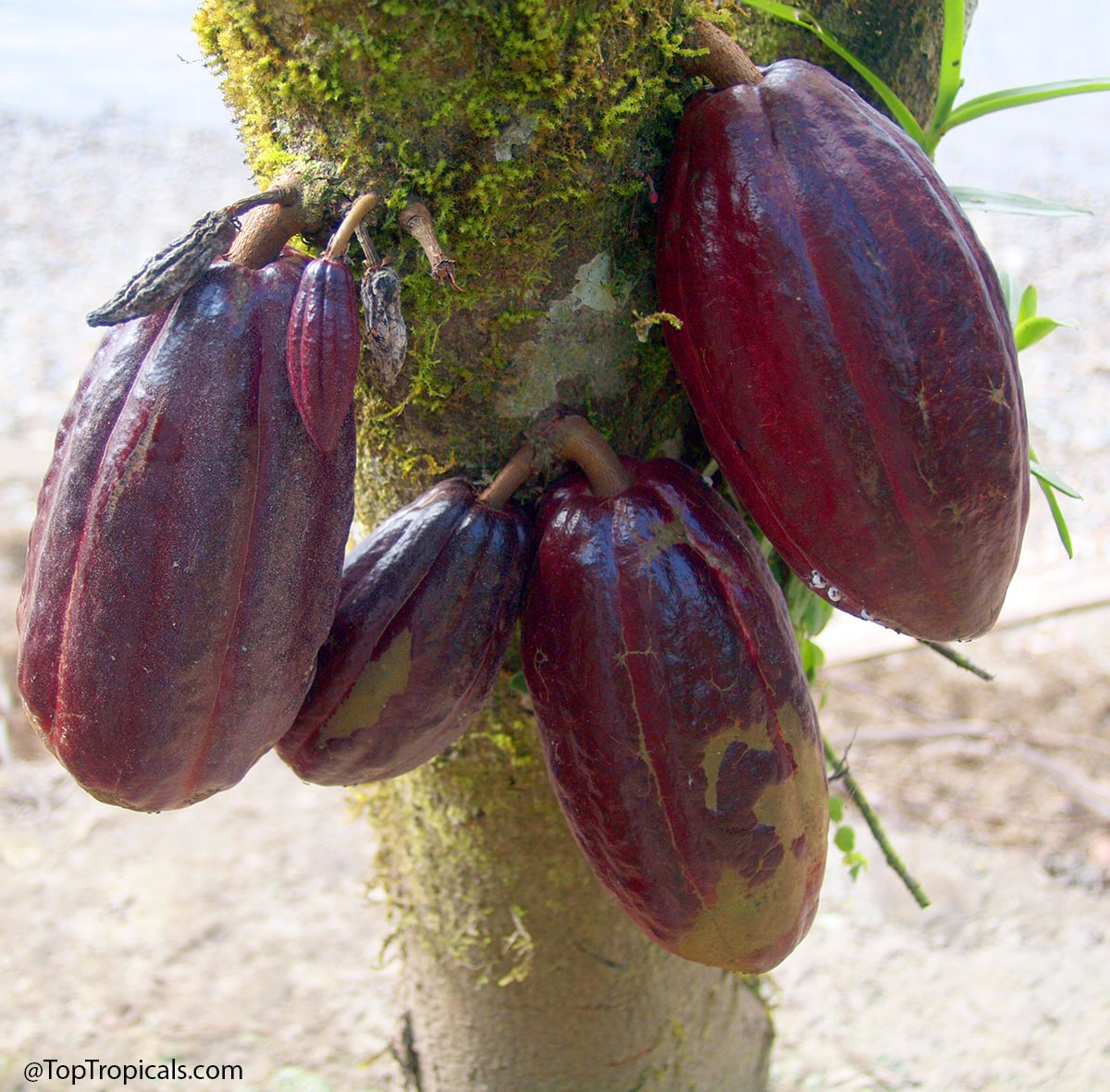
Cacao - Chocolate Tree (Theobroma cacao)
💖 Top nine plants of love, desire, and the senses: aphrodisiacs and sensory connections
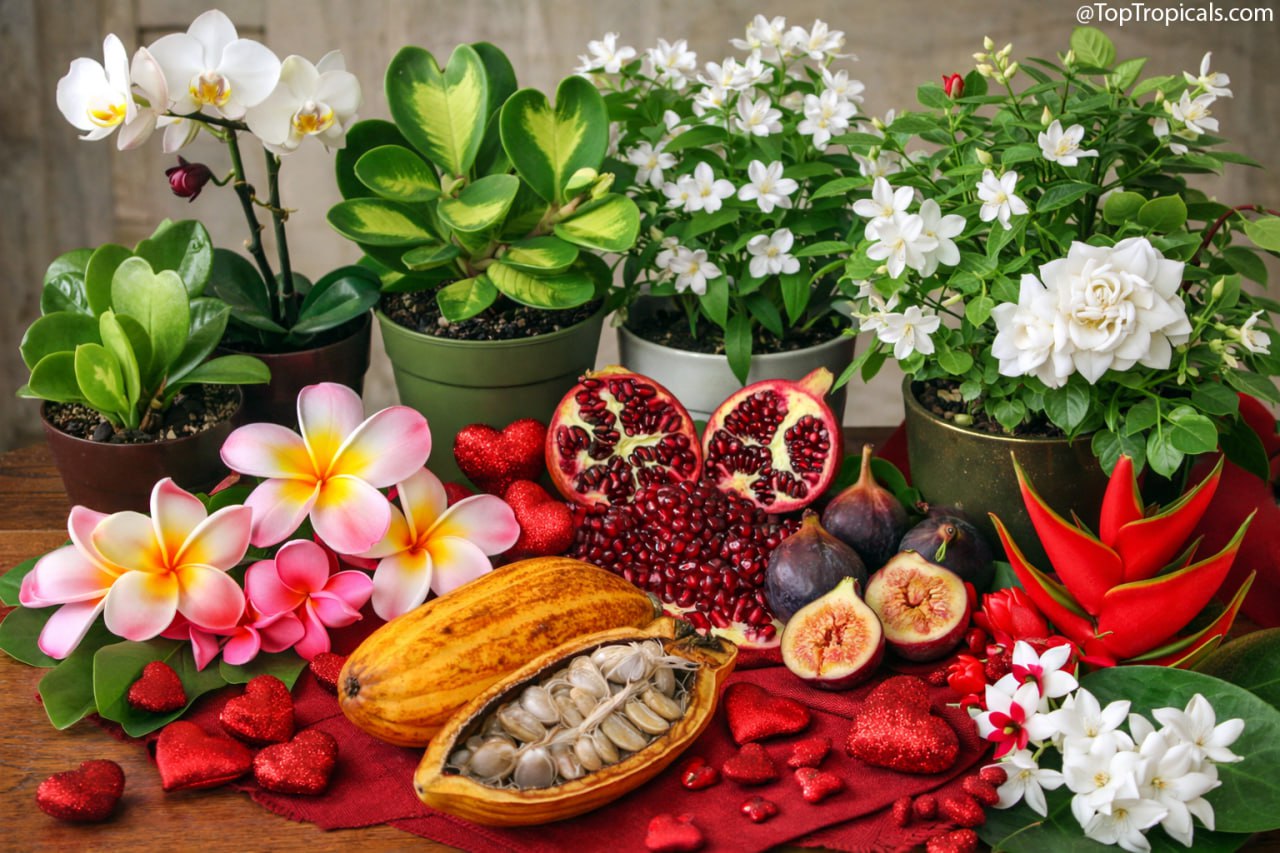
Across cultures, love has also been expressed through taste, scent, warmth, and shared ritual. These tropical plants were valued not just for beauty, but for how they awaken the body and deepen connection.
💘 1. Cacao
Cacao - Chocolate Tree (Theobroma cacao) - has one of the strongest global associations with love. Revered by the Aztecs as a “food of the gods”, it was consumed to increase desire and emotional bonding. Chocolate contains compounds linked to feelings of pleasure and infatuation, making cacao a natural Valentine symbol.
Chocolate Tree Plant Facts
Botanical name: Theobroma cacao Also known as: Chocolate Tree, Cacao, Cocoa Tree
Vanilla (Vanilla planifolia) is both an orchid and one of the most sensual plant aromas known. Historically paired with cacao in love remedies, vanilla represents intimacy, warmth, and attraction. Its fragrance alone carries powerful emotional associations.
Madagascar Bourbon Vanilla Bean Plant Facts
Botanical name: Vanilla planifolia, Vanilla fragrans Also known as: Madagascar Bourbon Vanilla Bean, French Vanilla, Vanilla Orchid
Ginger symbolizes heat, vitality, and passion. Used worldwide to stimulate circulation and warm the body, it represents spark, chemistry, and physical energy. 👉 Ginger gift
💘 4. Cinnamon
Cinnamon (Cinnamomum zeylanicum) has long been associated with attraction and stimulation. Its warm, lingering aroma makes it a classic plant of desire, comfort, and emotional warmth.
Cinnamon Plant Facts
Botanical name: Cinnamomum zeylanicum, Cinnamomum verum Also known as: Cinnamon
Pomegranate (Punica granatum) has long symbolized love, fertility, and union, with its many ruby-red seeds representing abundance and deep connection. In ancient traditions, it was linked to goddesses of love and marriage and remains a symbol of passion balanced by continuity and commitment.
Pomegranate Plant Facts
Botanical name: Punica granatum Also known as: Pomegranate, Granada, Grenade, Pomegranate, Granada, Anar, Granaatappel, Pomo Granato, Romeira, Melo Grano
Coffee (Coffea arabica) represents connection through shared ritual. Sacred to African Sufis for its stimulating properties, coffee symbolizes conversation, alertness, and social bonding rather than purely romantic love.
Coffee Plant Facts
Botanical name: Coffea arabica Also known as: Coffee
Figs (Ficus carica) have ancient associations with fertility, sensuality, and indulgence. Their voluptuous form, sweet flesh, and rich texture made them symbols of desire and abundance in many cultures.
Fig Tree Plant Facts
Botanical name: Ficus carica Also known as: Fig Tree, Brevo
Betel Leaf (Piper betle) is a powerful symbol of love, respect, and partnership across South and Southeast Asia. It is exchanged in courtship, weddings, and ceremonies, representing acceptance and shared experience. Its heart-shaped leaves reinforce its Valentine symbolism.
Betel nut (Areca catechu) - traditionally used as a stimulant and aphrodisiac, betel nut represents intensity, ritual, and sensory awakening. In this context, it is best presented as a cultural symbol rather than a casual love plant.
Betel Leaf Plant Facts
Botanical name: Piper betle Also known as: Betel Leaf
Patchouli (Pogostemon cablin) represents deep attraction and emotional grounding. Its earthy, musky scent has long been associated with intimacy and physical presence. Unlike sweet florals, patchouli symbolizes mature, rooted love that lingers.
Patchouli Plant Facts
Botanical name: Pogostemon cablin, Pogostemon patchouli, Pogostemon heyneanous Also known as: Patchouli, Pucha-pat
💕 Valentine’s plants from around the world that symbolize love, connection, and appreciation
💘 When we think of Valentine’s plants, roses usually steal the spotlight. But in many parts of the world, love has long been expressed through tropical plants - not only through flowers, but also through scent, ritual, shared food, and sensory experience.
💘 Across cultures, tropical plants have symbolized romance, friendship, devotion, fertility, desire, and emotional connection. Some speak through heart-shaped leaves and fragrant blooms. Others through taste, warmth, and the way they bring people together.
💘 Love beyond flowers? Together, these tropical plants show that love is expressed in many ways - through beauty, scent, taste, ritual, warmth, and shared moments. Valentine’s traditions around the world remind us that love is not only something we see, but something we experience with all our senses.
💘 In our upcoming collection we will explore Valentine’s plants from the tropics, grouped by how they express love:
🍴 Jackfruit golden hash: quick-n-fun exotic recipes
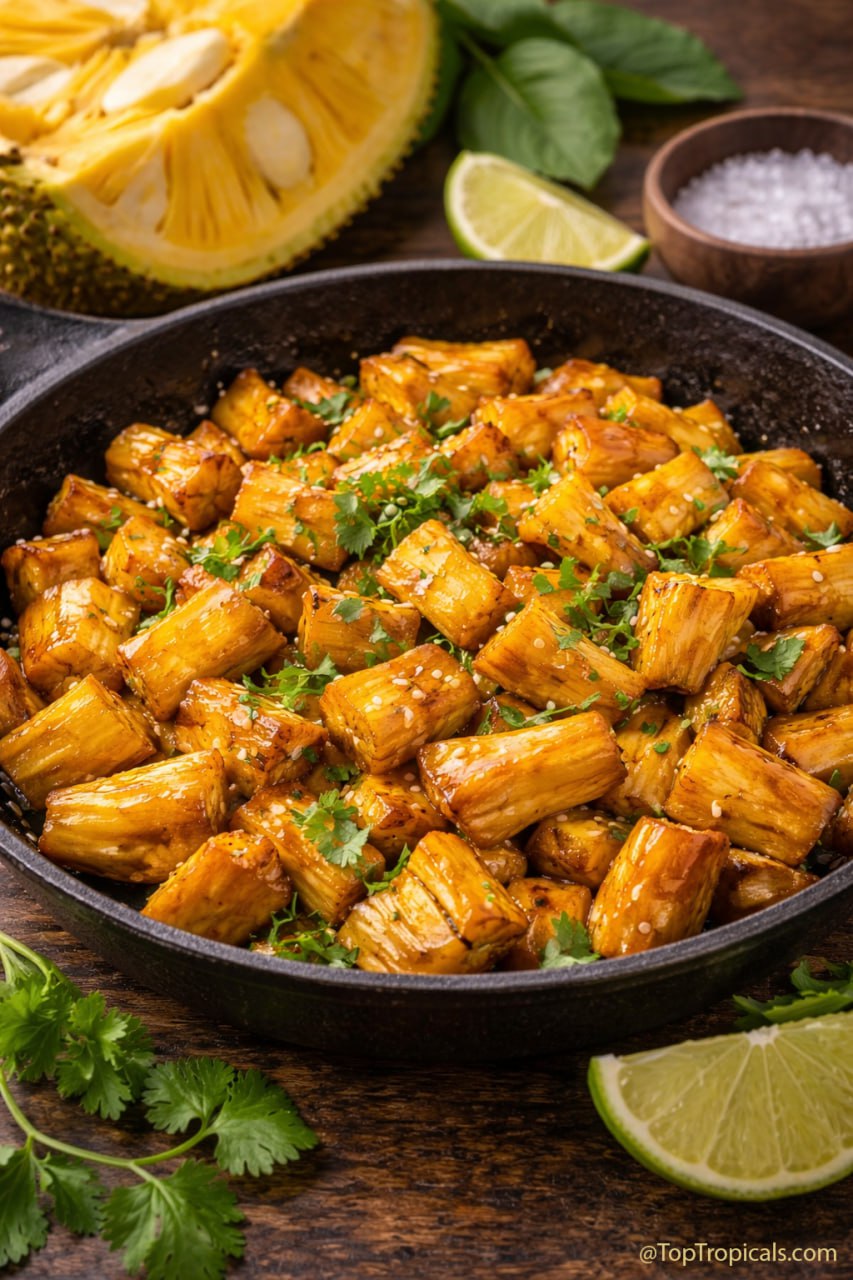
Jackfruit Golden Hash
Ingredients
1 cup ripe jackfruit pods, chopped
1 teaspoon coconut oil or butter
1 pinch salt
Fresh lime juice (optional)
Instructions
Chop ripe jackfruit pods into small pieces.
Heat coconut oil or butter in a frying pan over medium heat.
Add the chopped jackfruit and pan-sear until the edges begin to caramelize.
Toss with a tiny pinch of salt.
Finish with a squeeze of lime juice and serve warm.
🌿 About the plant:
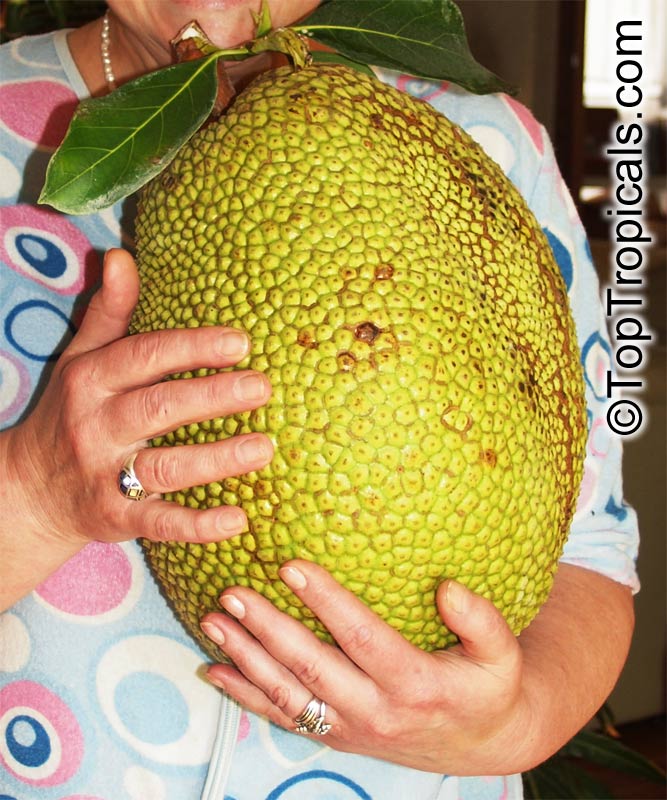
Jackfruit is the world’s largest tree-borne fruit, native to South and Southeast Asia. When ripe, its golden pods are sweet, fragrant, and naturally caramelize when cooked. It has been a staple food for centuries, used both ripe and unripe in desserts and savory dishes.
🌱 In the garden:
Jackfruit is a fast-growing tropical tree that thrives in warm climates with full sun and good drainage. It loves regular water and fertile soil, it's a heavy feeder. Best suited for USDA zones 9b-11, it can be grown in large containers when young and makes a bold, architectural fruit tree in the landscape. The fruit forms at the base of the tree, so trimming it under 7-8 ft makes it easier for cold protection.
This old-school tropical fruit is making a quiet comeback: Eggfruit - Canistel
Canistel - Pouteria campechiana, Egg Fruit
💛 This old-school tropical fruit is making a quiet comeback: Eggfruit - Canistel
❓✔️ The tropical fruit that feels like dessert but isn’t junk: FAQ
💛 What is canistel fruit?
Canistel is the fruit of Pouteria campechiana, often called Egg Fruit because its texture resembles a cooked egg yolk. It has dense, yellow flesh and a naturally sweet, custard-like flavor.
💛 Is canistel a high-energy fruit?
Yes. Canistel contains complex carbohydrates that provide steady, long-lasting energy instead of quick sugar spikes. It is a good choice for active days or when you need sustained fuel.
💛 Does canistel help you feel full?
It does. The thick texture and fiber content make canistel very satisfying, helping you feel full with smaller portions.
💛 Can canistel support weight management?
Canistel is filling and naturally sweet, which can help reduce cravings for processed desserts and snacks.
💛 Is canistel easy to digest?
Yes. Its soft, pasty texture is gentle on the stomach and often well tolerated by people with sensitive digestion.
💛 How does canistel benefit skin health?
Canistel provides beta-carotene and vitamin C, which support skin renewal, elasticity, and overall skin appearance.
💛 Does canistel help with muscle function?
Yes. It contains potassium and other minerals that support muscle function and help reduce fatigue after physical activity.
💛 Is canistel good for brain health?
Canistel supplies iron and B vitamins that support oxygen delivery and mental clarity, especially during periods of fatigue.
💛 Does canistel support healthy aging?
Its antioxidants help protect cells from oxidative stress, which plays a role in aging and long-term wellness.
💛 Is canistel just a snack fruit?
Not at all. Canistel is a functional fruit used in custards, smoothies, baked goods, spreads, and even savory dishes, offering both nutrition and comfort-food satisfaction.
🛒 Plant Egg Fruit - Canistel Tree
📚 Learn more:
Canistel Plant Facts
Botanical name: Pouteria campechiana Also known as: Canistel, Eggfruit, Chesa