Tamarindus indica (Tamarind)
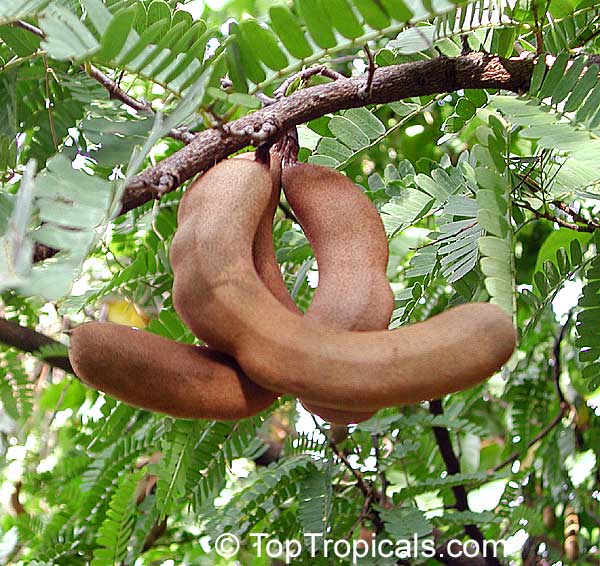
Botanical name: Tamarindus indica
Common names: Tamarind, Sampalok
Family: Fabaceae
Subfamily: Caesalpinioideae
Origin: Tropical Africa, South Asia
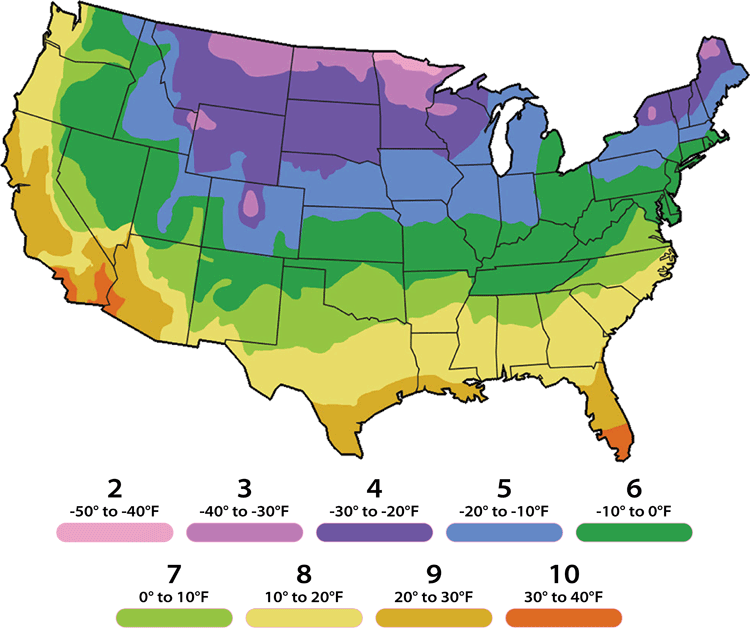
USDA Zone: 10-11
 Plant form: Large tree
 Mature height: 20 ft or more
 Sun exposure: Full sun or bright light indoor
 Cold tolerance: Tolerates light freezing to about 30°F for short periods (mature plants). Young plants must be protected.
 Watering: Moderate
 Suitable for: Outdoors in the suitable USDA zone; large gardens
 Flood tolerance: High
Tamarindus indica, commonly known as Tamarind, is a long-lived, evergreen to semi-evergreen tree in the Fabaceae family, native to tropical Africa and widely cultivated throughout tropical Asia and other warm regions. It develops a dense, spreading crown, typically reaching 40-60 feet tall, with mature trees sometimes growing considerably larger. The foliage consists of delicate, pinnately compound leaves with numerous pairs of small, oblong leaflets that fold at night. Small, pale yellow to cream flowers, marked with reddish or orange veins, appear in loose clusters. The distinctive brown, brittle-shelled pods contain sticky, fibrous pulp surrounding several hard, glossy seeds. The pulp has a characteristic sweet-sour flavor, varying considerably among cultivars, from intensely acidic to pleasantly sweet. Tamarind is widely used in beverages, sauces, chutneys, candies, and traditional cuisines.
Tamarindus indica thrives in full sun and well-drained soil, tolerating poor soils, heat, and prolonged seasonal drought once established. Young trees benefit from regular watering, while mature specimens are exceptionally drought-resistant. It grows relatively slowly but can remain productive for many decades. Suitable for USDA Zones 10-11, it is sensitive to frost, particularly when young, although established trees may survive brief light cold. Tamarind is cultivated both as a fruit tree and as an ornamental shade tree, valued for its graceful foliage, broad crown, and abundant edible pods.Read more about Tamarind Tree and how to grow it:


Recommended Fertilizer: SUNSHINE C-Cibus - Crop Nutrition Booster
SUNSHINE-Honey - sugar booster
Recommended Fertilizer: SUNSHINE C-Cibus - Crop Nutrition Booster
SUNSHINE-Honey - sugar booster