Garden Blog - Top Tropicals

Date: 21 Mar 2026

How to start your dream collection: Adenium rainbow

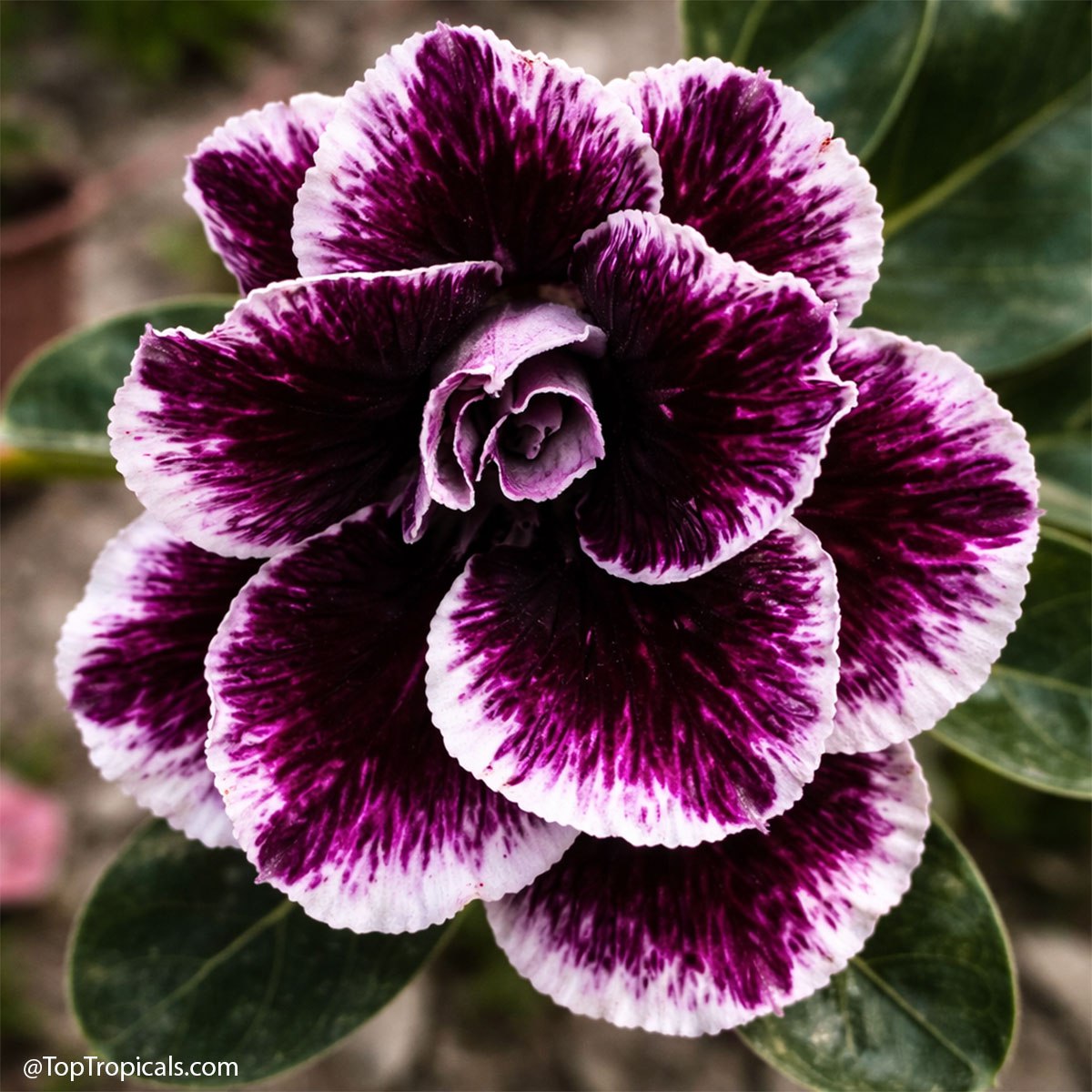
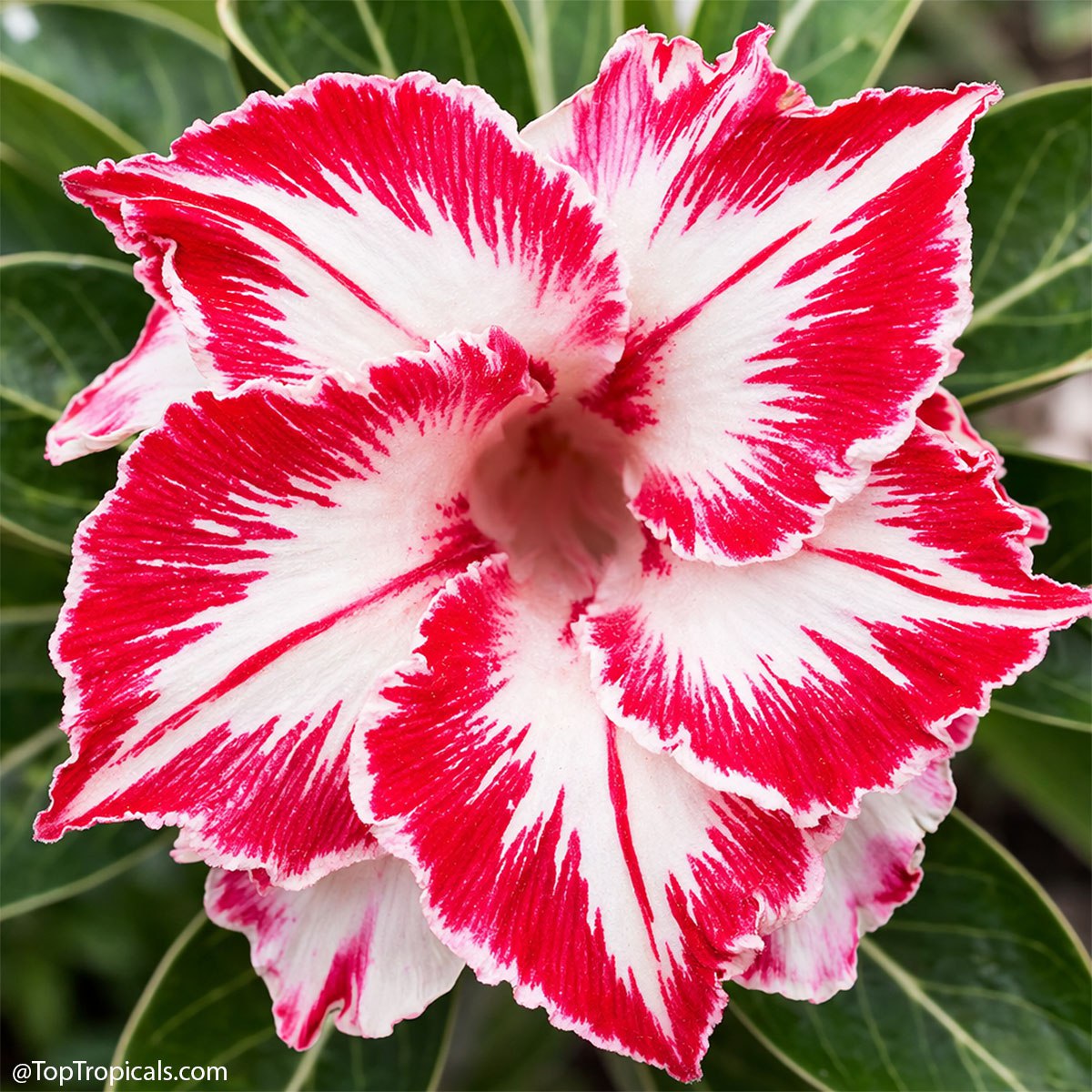
Adenium Amaryllis

Adenium Amaryllis

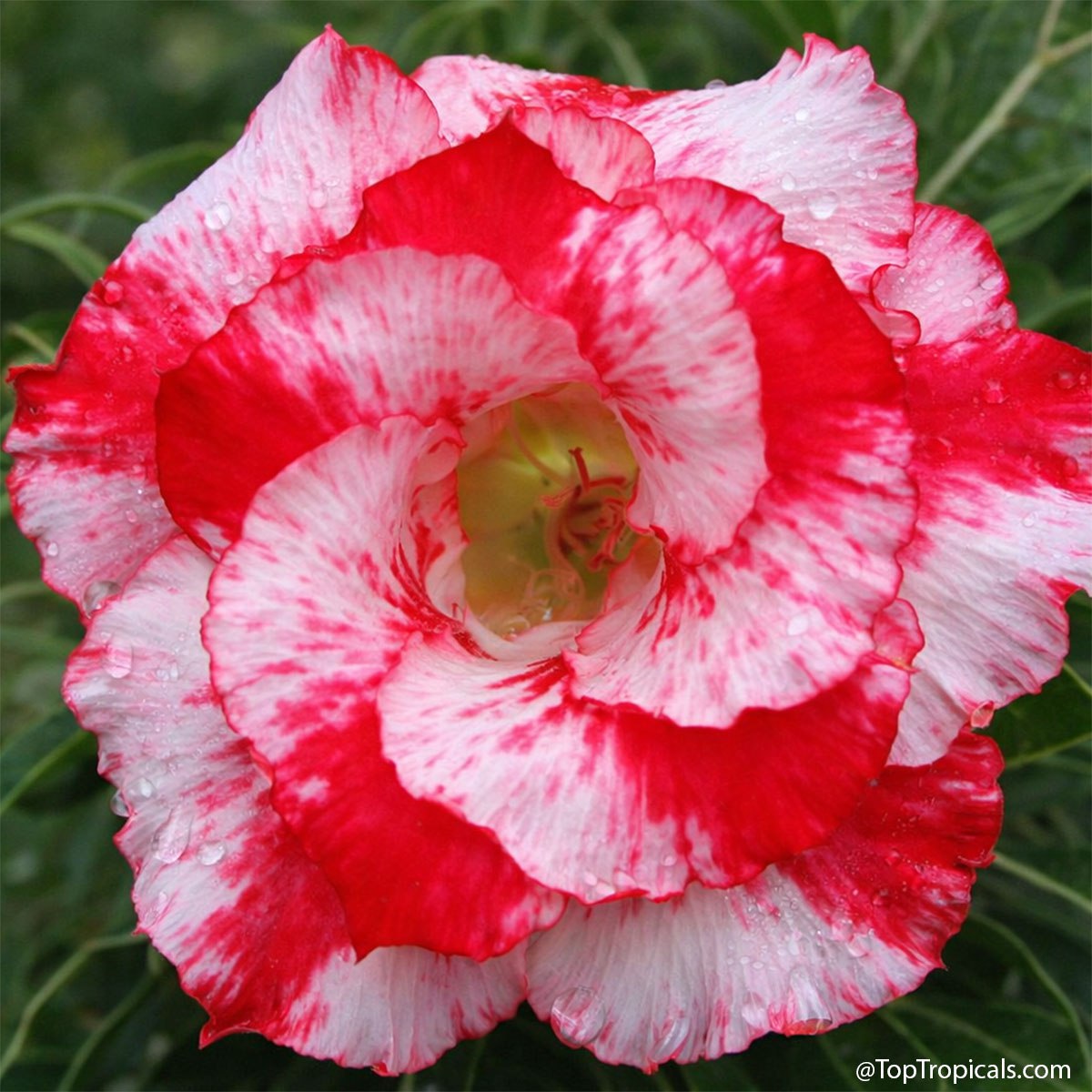
Adenium Win

Adenium Win

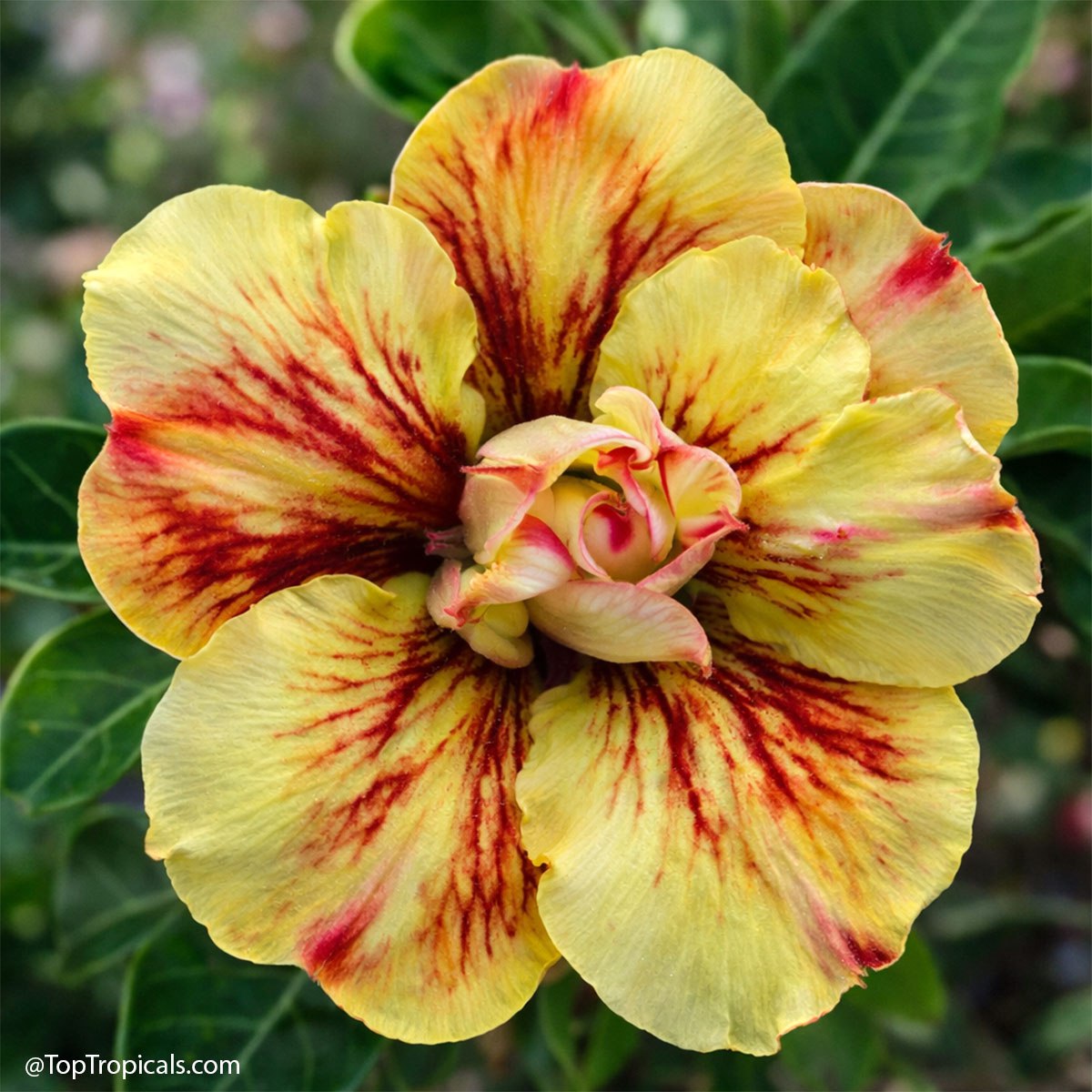
Adenium Butterfly Yellow

Adenium Butterfly Yellow

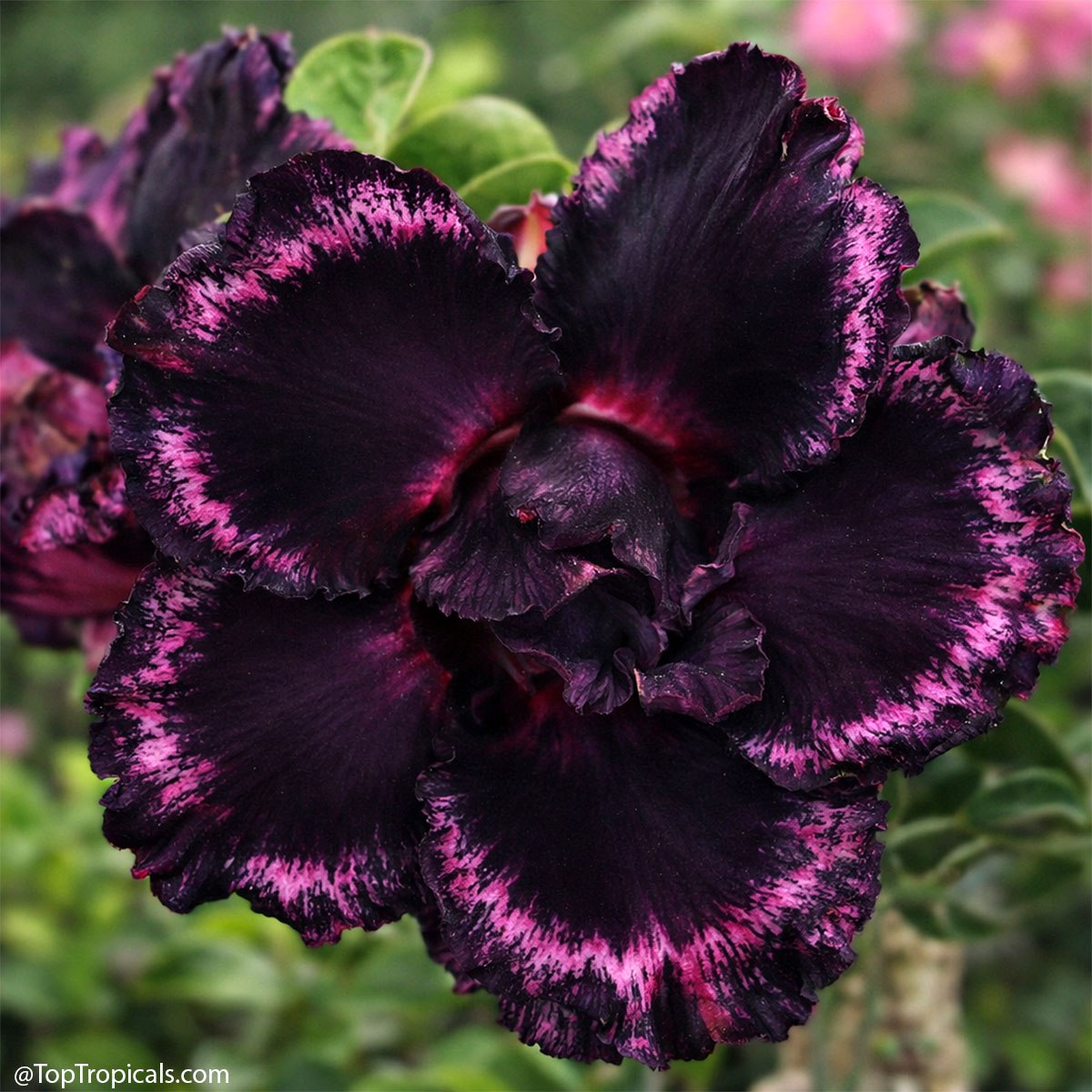
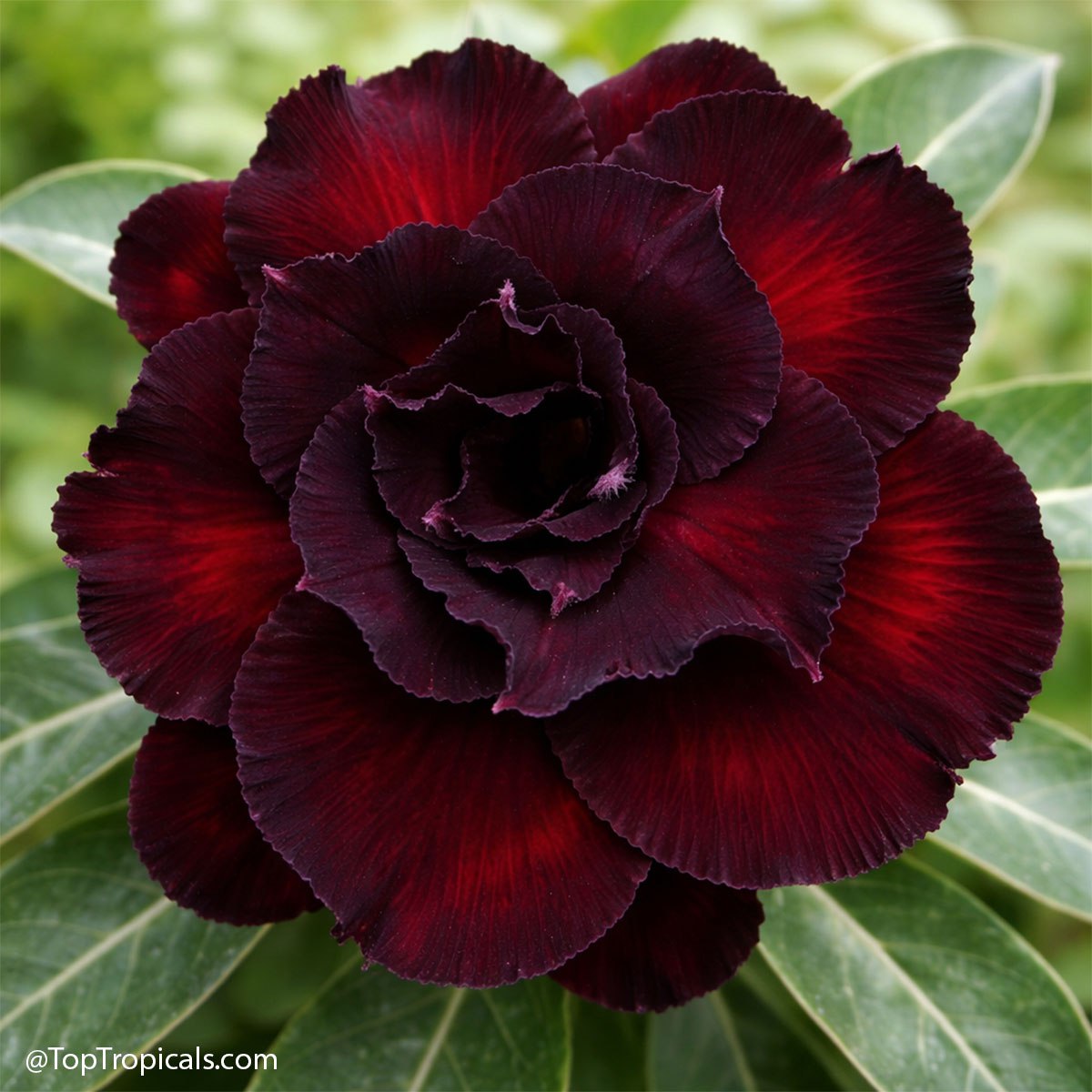
Adenium Black Butterfly

Adenium Black Butterfly

Adenium Good Morning

Adenium Good Morning

Adenium Good Night

Adenium Good Night

How to start your dream collection: Adenium rainbow 🌈

👉 Thinking about adeniums? Read this before you buy one!
How to start an adenium collection without wasting money


If you’ve ever seen a tray of different blooming adeniums, you probably had the same thought: "I want them all." And honestly - we get it.

Adenium Plant Facts

Botanical name: Adenium sp.
Also known as: Adenium, Desert Rose, Impala Lily
USDA Zone: 9 - 10
Highligths Plant with caudexLarge shrub 5-10 ft tallSmall tree 10-20 ftFull sunWater Requirement: Low. Allow soil to dry out between wateringsWatering: Moderate. Water when top soil feels dryYellow, orange flowersRed, crimson, vinous flowersUnusual colorBlue, lavender, purple flowersWhite, off-white flowersPink flowersToxic or Poisonous
Get personalized tips for your region


But with hundreds of varieties out there (and only so much space on your patio), the real trick isn’t collecting everything… it’s choosing the right ones and growing them well so they actually bloom like the photos.

Let’s make it simple.

💡 Before you start your adenium collection


A few basics that make all the difference:

🔸 Light. Bright light is key. The more light, the better the blooms.
🔸 Water. Water deeply, then let soil dry out. Adeniums hate sitting wet.
🔸 Fertilizer. Adeniums prefer liquid food. Light, regular feeding with Sunshine Megaflor Bloom Booster during active growth = stronger growth, bigger caudex, and better flowering.
🔸 Trimming. Prune after flowering to shape and encourage branching. More branches = more flowers.
🔸 Soil. Fast-draining mix is a must. No heavy, soggy soil. Use Adenium Soilless Mix.
👉 How to grow a happy Adenium

🌸 Today's featured adeniums


A few standout varieties to start (or expand) your collection:

 ✦ Amaryllis: Large, bold blooms with a classic floral shape - one of those that always catches attention.
 ✦ Win: Clean, bright blooms with a balanced form - simple and very satisfying.
 ✦ Butterfly Yellow: Soft yellow tones with a delicate, airy look - light and cheerful.
 ✦ Black Butterfly: Dark, velvety tones with a winged pattern feel - rich and dramatic.
 ✦ Good Morning: Bright, fresh tones that feel clean and uplifting - a nice contrast in any group.
 ✦ Good Night: Dark, moody tones - a completely different vibe from typical bright adeniums.

If you’re just starting, pick a few different styles - light, dark, bold, soft. That contrast is what makes a collection feel alive.

And fair warning… It rarely stops at six! 😀

🛒 Explore Exotic Thai Adeniums

📚 Learn more:


· Adenium varieties in Plant Encyclopedia
· About #Adenium Rainbow - fantastic varieties

· How to grow a happy Adenium
#Container_Garden #Adeniums #How_to #Discover

🟢 Join 👉 TopTropicals

Date: 16 Mar 2026

🌞 Spring Nutrition Strategy: How to Identify and Fix Plant Nutrient Starvation

Smokey  the  tuxedo  cat  holding  a  golden  mango  trophy  next  to  a  giant  mango  while  Sunshine  the  ginger  cat  relaxes  with  coffee  and  donuts  in  a  tropical  garden  contest  scene
Sunshine: Smokey, I knew from the start you would win. You used Sunshine Boosters and Green Magic. They are named after me, so I had insider knowledge. But my organic program is still good.

Smokey: Yes, it is good. However, it managed to grow your waistline, not the mango. Starting tomorrow, you begin exercising.

Sunshine: Exercising? Like running?

Smokey: No. Pulling weeds.

Read more about Smokey & Sunshine

🌱 The Spring Fertilizer Rush

It's the middle of March. The weather warms up, plants wake up, and gardeners rush to Home Depot to buy fertilizer. We see this every spring: one big feeding, then weeks or months of nothing.

Tatiana Anderson, horticultural expert from Top Tropicals, reminds gardeners that plants do not eat that way. They grow best when nutrients arrive little by little, not in one giant spring dump. That idea is the science behind Green Magic controlled-release fertilizer usage.

🎢 The Fertilizer Roller Coaster

After that big spring feeding, plants usually respond quickly. Leaves turn greener, growth speeds up, everything looks great. But a few weeks later something strange happens. Growth slows down. Leaves lose color. The plant looks hungry again. So gardeners fertilize again.

This cycle of nutrient spikes followed by starvation is very common with traditional fertilizers. Plants do not like roller coasters. They grow best with steady nutrition.

🚽 Where Traditional Fertilizers Go

Traditional fertilizers are usually made from soluble nutrient salts. When you water the soil or when it rains, part of those nutrients dissolve and become available to plants.

But plants cannot absorb everything at once. The unused portion continues moving with water through the soil. In gardens and container plantings, that excess often travels through drainage and eventually reaches nearby canals, lakes, or rivers causing algae growth.

These dissolved salts are also the reason gardeners sometimes see what is called "fertilizer burn". When too many salts accumulate around the roots, they can pull water out of plant tissues and damage sensitive roots and leaf edges.

It is also important to understand that traditional fertilizers are not the same as slow-release fertilizers. Traditional fertilizers dissolve quickly, while slow or controlled-release fertilizers are designed to release nutrients gradually over time.

This is why large fertilizer applications often lead to two problems: a short nutrient spike for plants and nutrient pollution.

⏳ The Idea Behind Slow Release

Gardeners and scientists recognized this problem a long time ago. If nutrients dissolve too quickly, plants receive a spike and the rest is washed away before roots can use it. The obvious solution was to slow things down. Instead of dumping nutrients all at once, slow-release fertilizers were developed to feed plants gradually over time.

The goal is simple: keep nutrients in the soil longer and deliver them to plants little by little, closer to the way plants actually grow.

⚖️ Slow Release vs Controlled Release

Not all gradual fertilizers work the same way. There is an important difference between slow-release and controlled-release fertilizers.

Slow-release fertilizers rely on natural processes such as moisture, temperature changes, soil microbes, or simple coatings that slowly break down. The release rate can vary depending on weather, soil conditions, and watering.

Controlled-release fertilizers use engineered coatings that regulate how nutrients leave the fertilizer granule. The coating acts like a membrane, allowing nutrients to move out gradually in a more predictable way.

In simple terms, slow-release fertilizers slow things down, while controlled-release fertilizers are designed to control how nutrients are delivered over time.
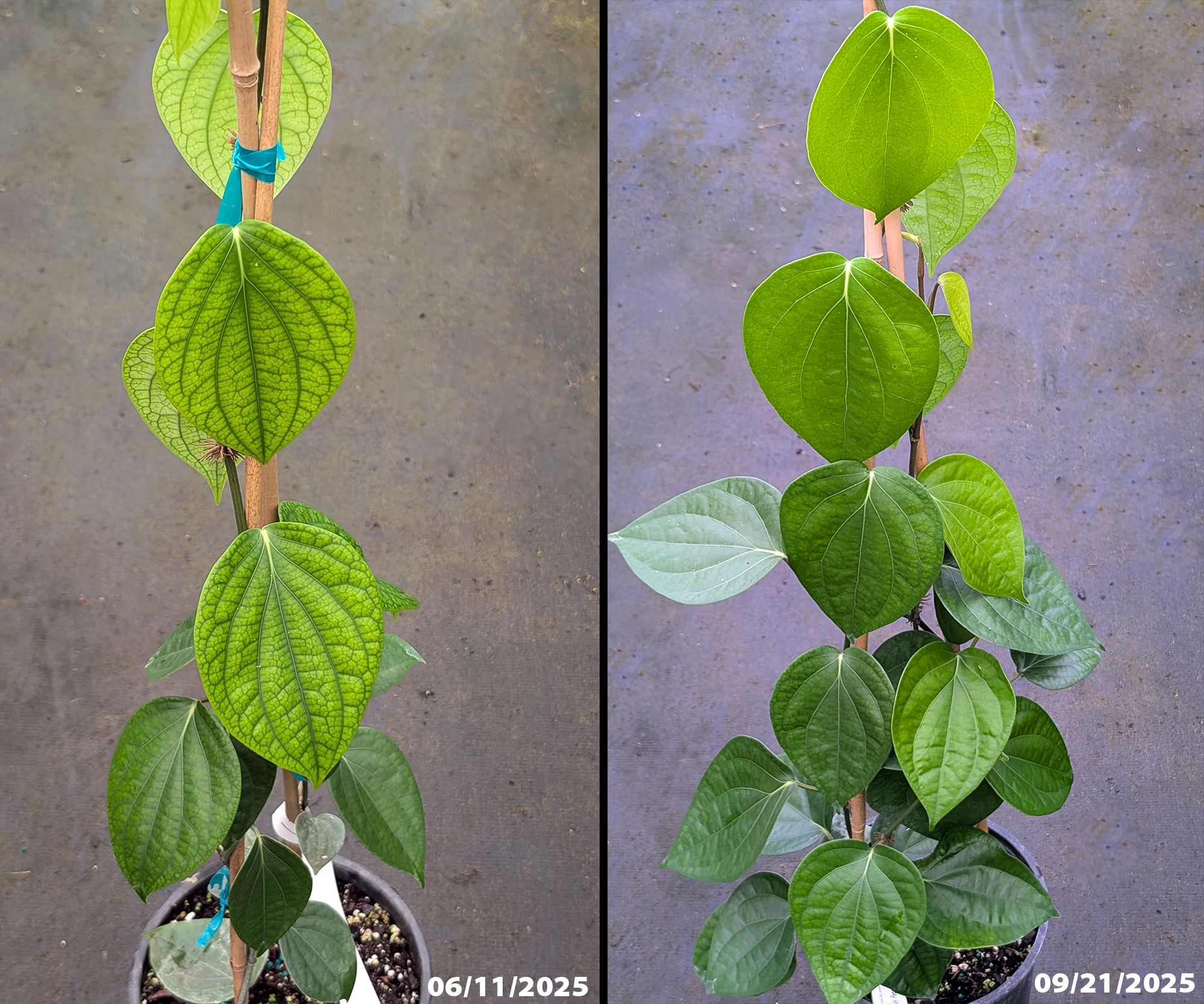
Black  Pepper  plant  (Piper  nigrum)  showing  nutrient  deficiency  before 
 treatment  and  healthy  green  leaves  after  correction  using  Green  Magic 
 fertilizer.

Black Pepper (Piper nigrum): nutrient deficiency corrected with Green Magic fertilizer.

🌡️ The 75°F Trap

Most controlled or slow-release fertilizers are tested under laboratory conditions where soil temperature is around 75°F. But in real gardens, especially in warm climates, soil temperatures can be much higher. Container soil in full sun can easily reach 90°F or more. Higher temperature speeds up chemical and biological processes, including nutrient release from fertilizer coatings.

As a result, a fertilizer labeled 6-month release at 75°F may actually finish releasing nutrients in about 3 months in hot soil. That means plants receive nutrients too quickly early in the season and then may run short of food later, right when growth is strongest.

At 90°F and above, the issue is not only faster feeding. The fertilizer coating can release nutrients so quickly that the soil solution becomes highly concentrated with dissolved salts. In containers especially, this sudden surge of salts can pull water away from the roots through osmotic pressure, effectively dehydrating the roots at the exact moment when the plant needs water most. Instead of steady nutrition, the plant experiences a brief nutrient spike followed by stress.

⚙️ Why Release Mechanisms Matter

Different fertilizers use different coating technologies. Some rely on simple coatings that release nutrients mainly in response to moisture. When it rains or the soil stays wet, nutrients are released faster. When the soil dries, release slows down. This moisture-driven mechanism can be unpredictable because it depends heavily on rainfall and watering patterns.

More advanced fertilizers use membranes designed to regulate nutrient movement based primarily on temperature. Because plant metabolism is closely tied to temperature, this creates a much more scientific and predictable feeding process. As temperatures rise and plants grow faster, nutrients are released more actively. When temperatures drop and plant activity slows, the release rate also slows.

This scientific, temperature-based mechanism helps deliver nutrients gradually and predictably, reducing the large spikes and sudden shortages that often occur with simpler fertilizer coatings.

Controlled Release Technology

Modern controlled-release fertilizers use polymer coatings that act like a thin membrane around each granule. Water enters the granule, nutrients dissolve inside, and then slowly move through the coating into the soil.

The speed of this process is influenced mainly by soil temperature, which generally follows the plant's natural growth rate.

Polyon coating technology is known for its very consistent polymer layer, which helps deliver nutrients more evenly from granule to granule. This consistency is one reason controlled-release fertilizers are widely used in professional nurseries and container plant production.

Green Magic fertilizer uses advanced Polyon controlled-release technology to provide steady background nutrition for plants without the large nutrient spikes common with traditional fertilizers.

⚠️ The Calcium Gap

One nutrient that is often missing from many controlled-release fertilizers is Calcium. Calcium is essential for plant cell structure. It strengthens cell walls and supports healthy development of new leaves, roots, and fruit. In many ways, its role is similar to how calcium supports bone structure in the human body.

Unlike many other nutrients, Calcium is not mobile inside plants. The plant cannot move it from older leaves to support new growth. This is why calcium deficiency usually appears first in the newest leaves and growing tips. When plants lack calcium, new growth may become distorted, weak, or fail to develop properly because the cells cannot form strong walls.

Another important detail is that Calcium is not mobile inside plants. Once it becomes part of plant tissue it cannot move to new growth, which is why fresh leaves are the first to show deficiency symptoms.

No matter how much NPK fertilizer is added, plants cannot grow properly without enough Calcium because new cells simply cannot build their structure.

Calcium is difficult to include inside polymer-coated fertilizer granules because many calcium salts are highly soluble and can interfere with the stability of the coating.

For this reason most controlled-release fertilizers focus on delivering nitrogen, phosphorus, and potassium, while assuming that Calcium will come from irrigation water or soil amendments such as gypsum.

Garden advice often recommends bone meal as a Calcium source. While bone meal does contain Calcium, it releases very slowly and depends on soil biology and acidity, so it may take months before plants can actually use it. A more reliable Calcium source for many growers is gypsum, which supplies Calcium. However, adding it to container mixes is risky because the correct amount is difficult to control.

The most reliable way to supply Calcium is simple: use Sunshine Boosters. These liquid fertilizers deliver readily available Calcium directly to plants in soil and in containers, supporting strong new growth and preventing the hidden deficiencies that often limit plant development. We explained this approach in detail in our previous newsletter.

The Two-Layer Feeding System

Professional growers rarely rely on a single fertilizer. The most stable approach is combining controlled-release nutrition with targeted liquid feeding.

Green Magic provides steady background nutrition through Polyon controlled-release technology, supplying nitrogen, phosphorus, potassium, and essential microelements gradually over time.

Sunshine Boosters complement this base feeding by delivering Calcium and additional micronutrients in a form plants can absorb quickly when growth is most active.

Together they create a balanced system: Green Magic feeds plants continuously, while Sunshine Boosters provide the nutrients that controlled-release fertilizers cannot easily deliver.

Green Magic builds the foundation, Sunshine Boosters power the growth.
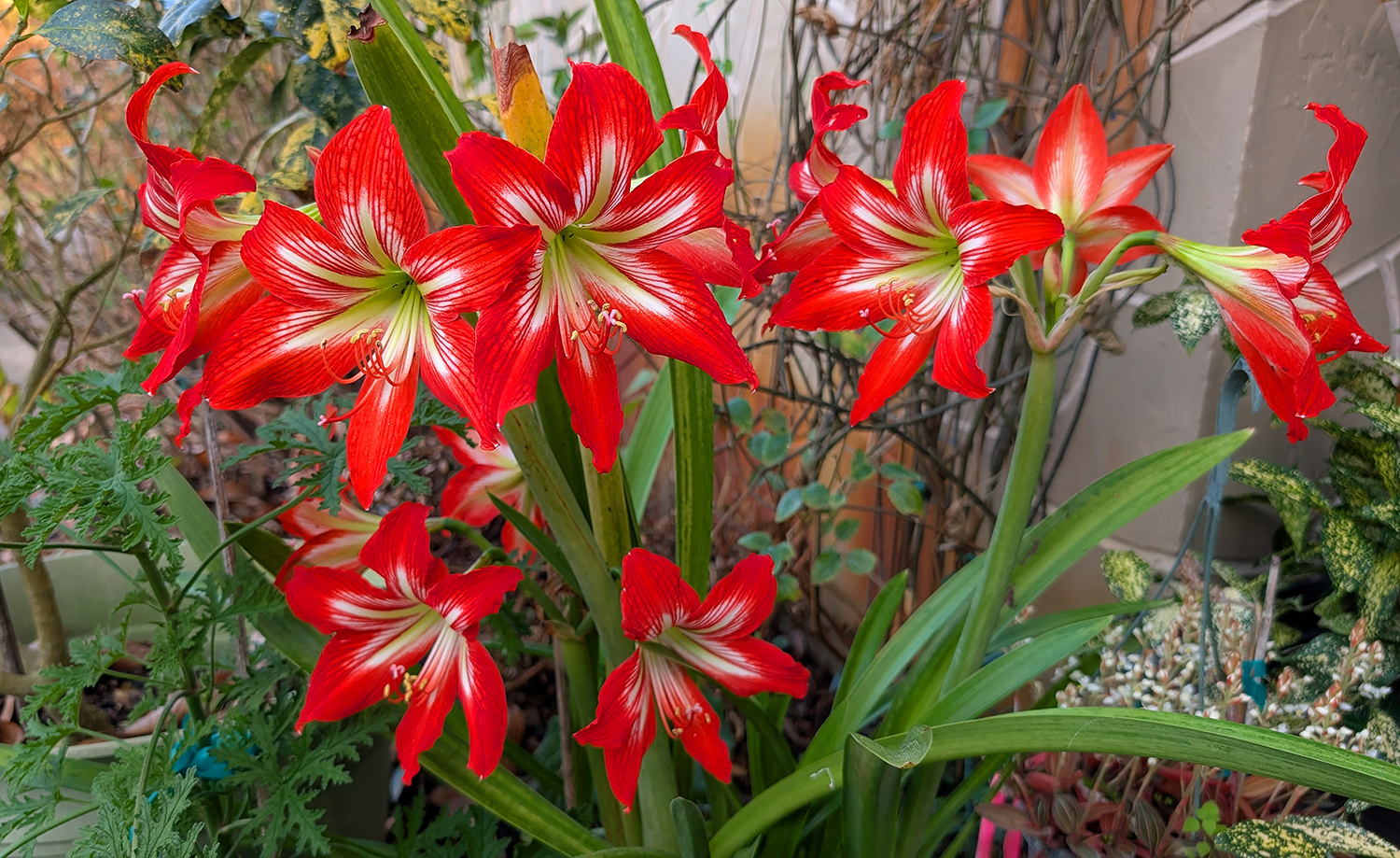
Amaryllis  'Minerva'  producing  multiple  bright  red  and  white  striped 
 flowers  after  feeding  with  Green  Magic  and  Sunshine  Megaflor  bloom  booster.

Amaryllis 'Minerva' flowering profusely after feeding with Green Magic and SUNSHINE Megaflor bloom booster.

🛒 Feed your plants
Date: 23 Feb 2026

❄️ The Hardiness Report: February 2026 ❄️

🐾 Smokey & Sunshine’s real-world survival data from our Sebring, Florida Research Gardens. Smokey analyzed the data. Sunshine just stayed happy. Here is what they found.

Macadamia  tree  surviving  25F  freeze  as  Smokey  inspects  leaves  and 
 Sunshine  holds  steaming  coffee  in  frosty  garden.
Sunshine: Twenty five degrees. Wind chill fourteen. And it is still standing... like nothing happened?
Smokey: This is macadamia strength.
Sunshine: I should put a macadamia nut in my coffee and borrow some of that strength.
Smokey: Do not get too nutty yet. It still needs curing and cracking.

📊 Weather Data – February 1–6, 2026

Sebring, Florida – 132 years of recorded observations
This was not a light frost. It was a prolonged, windy, penetrating hard freeze.

  • 🌡 Minimum temperature: 25F
  • ❄️ Wind chill: 14F
  • ⏳ Duration: 3 nights of 8–10 hour hard freeze
  • ☀️ Daytime temperatures: around 50F for 7 days
  • 🌀 Wind: sustained 20 mph, gusts 40–50 mph

While all our plants in pots were protected in greenhouses, our in-ground plantings faced the freeze outdoors. We covered what we could. Even so, some plants were damaged, some died, and some surprised us by surviving.

In the next few newsletters, we will share the real survivors - the plants that proved themselves in the ground, under real conditions. Smokey and Sunshine have been out in the fields assessing the damage from the February 1–6 freeze. While many plants struggled, the Macadamia proved to be a true standout. This is how we grow them to handle the tough years.

Why does this matter? Because we have gotten used to warm winters, and this freeze was a rude awakening. Not everyone lives in Miami. If you garden in places where a real cold event can happen, you have to be prepared - and you have to plant what can take it.

🌰 Macadamia: Freeze Tested and Standing

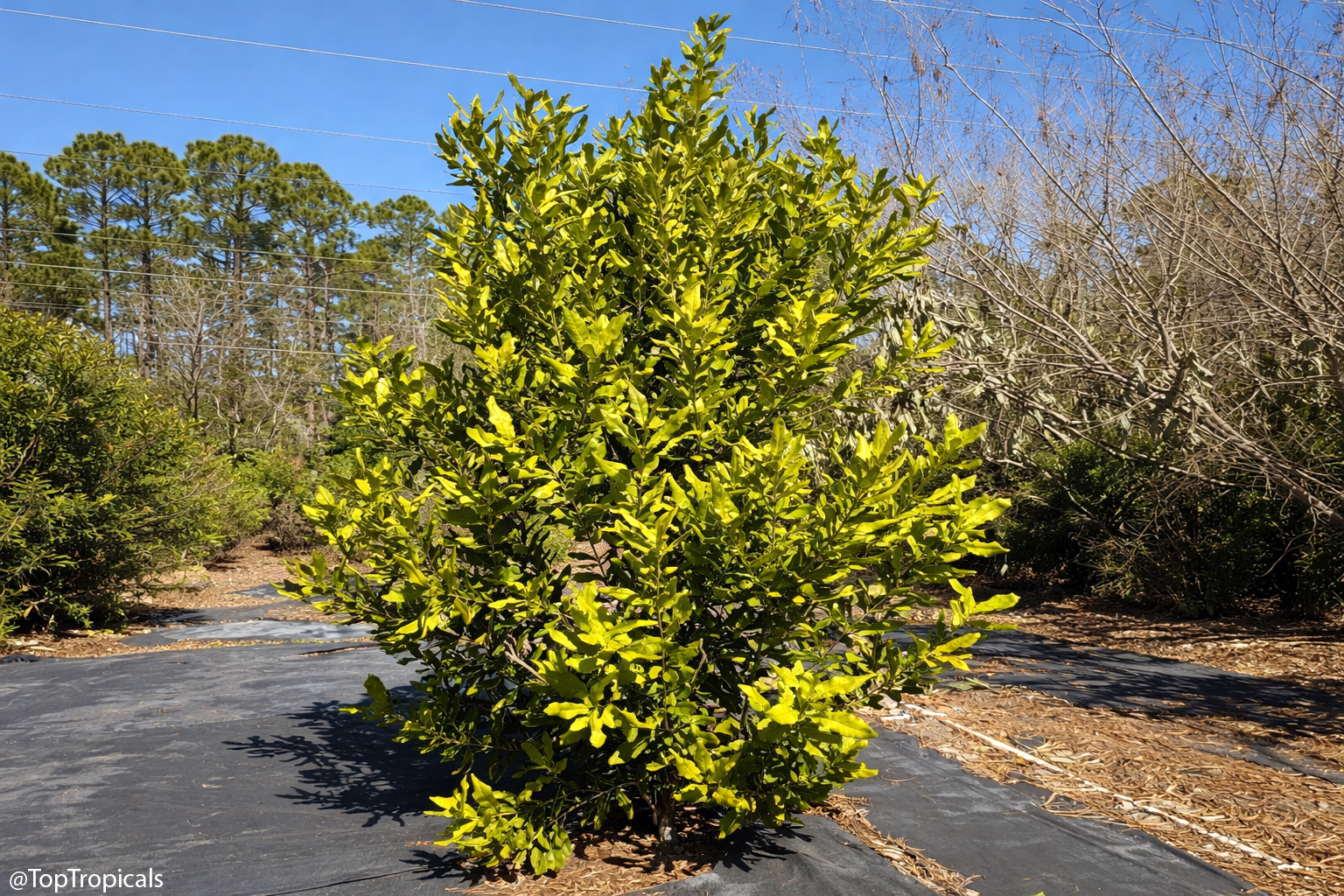
Three  year  old  macadamia  tree  after  three  nights  of  25F  hard  freeze  in 
 February  2026,  showing  healthy  foliage.

3 year old macadamia tree after 3 nights of hard freeze in February 2026 - standing strong.

When temperatures dropped to 25F with wind chill near 14F, our established macadamia trees remained upright, green, and structurally intact. Leaves held. Branches stayed firm. No collapse, no panic.

That is not luck. That is macadamia hardiness.

Often considered a "tropical luxury nut," macadamia proved it can handle more than many gardeners expect. In USDA Zones 9b-11, with proper drainage and site selection, it is not just ornamental - it is a long-term food tree with real resilience.

In a winter that reminded us not to take warmth for granted, macadamia earned its place on the survivor list.

The nut itself is famous for its strength. The shell is among the hardest in the nut world, requiring serious pressure to crack. Inside, the kernel is creamy, buttery, rich, and deeply satisfying. High in monounsaturated fats and naturally low in sugar, macadamias have long been valued both for flavor and for nutrition.

The tree is equally impressive. An evergreen with tough leaves and elegant spring flowers, it matures into a productive, manageable canopy. Nuts develop slowly over six to seven months. Production begins in a few years and increases steadily as the tree matures. Plant it once, and it can reward you for decades.

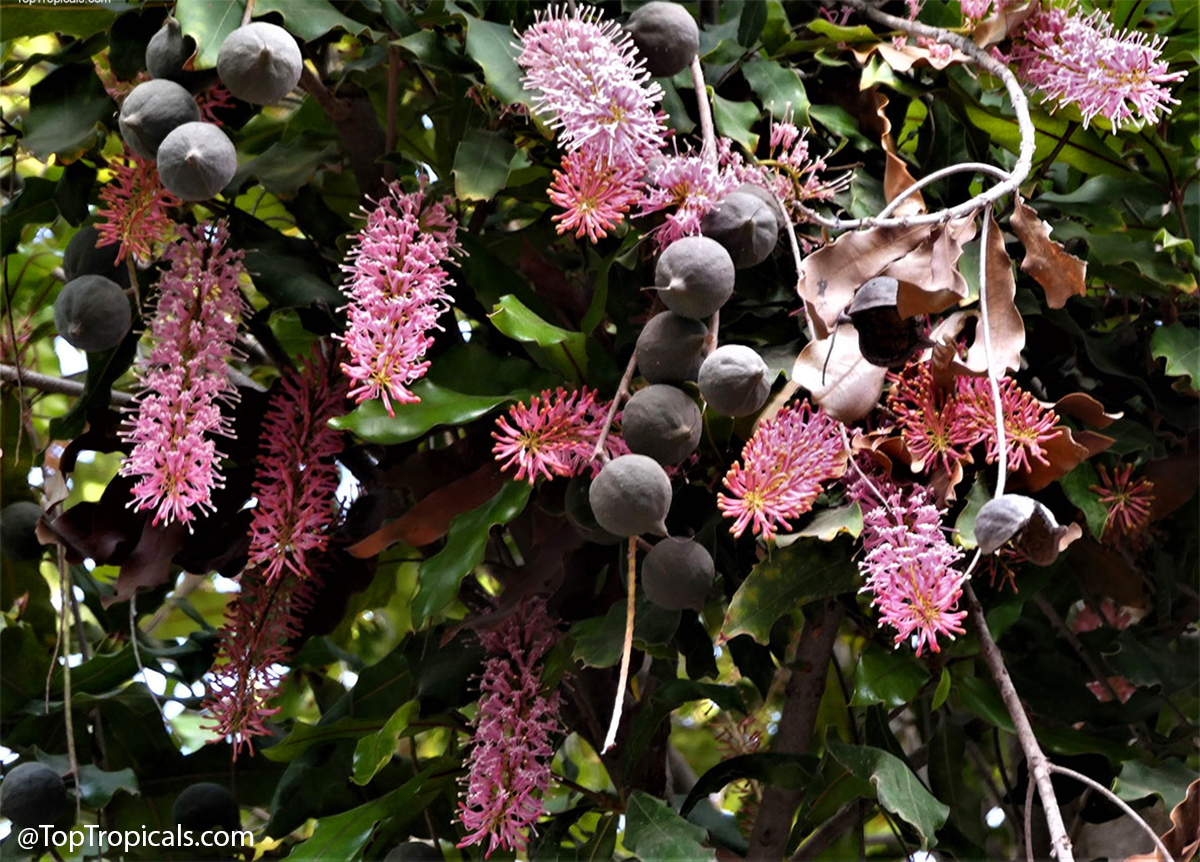
Macadamia  tree  with  pink  flower  racemes  and  developing  round  green  nuts
   on  branches.

Macadamia flowers and developing nuts on the tree.

Cold will come again. It always does. The question is not whether winter will test your garden. The question is whether your trees are ready. Macadamia proved it is. If you are building a garden that feeds you for decades, this is a tree worth planting.

🛒 Add Macadamia Tree to your garden

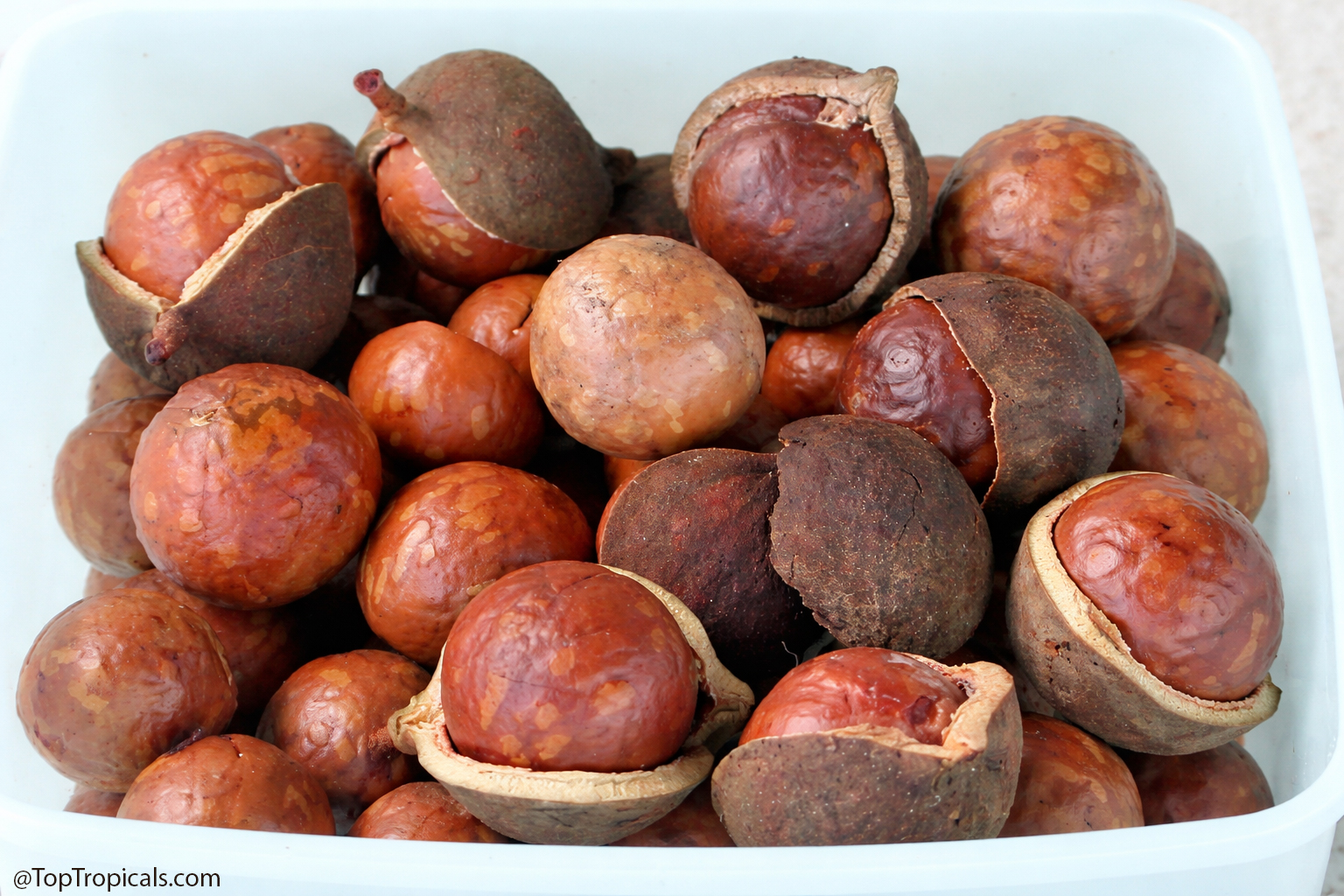
Fresh  macadamia  nuts  with  outer  husks  removed  and  hard  brown  shells 
 exposed  in  a  container.

Freshly harvested macadamia nuts with husk removed and hard shells visible.

Date: 15 Feb 2026

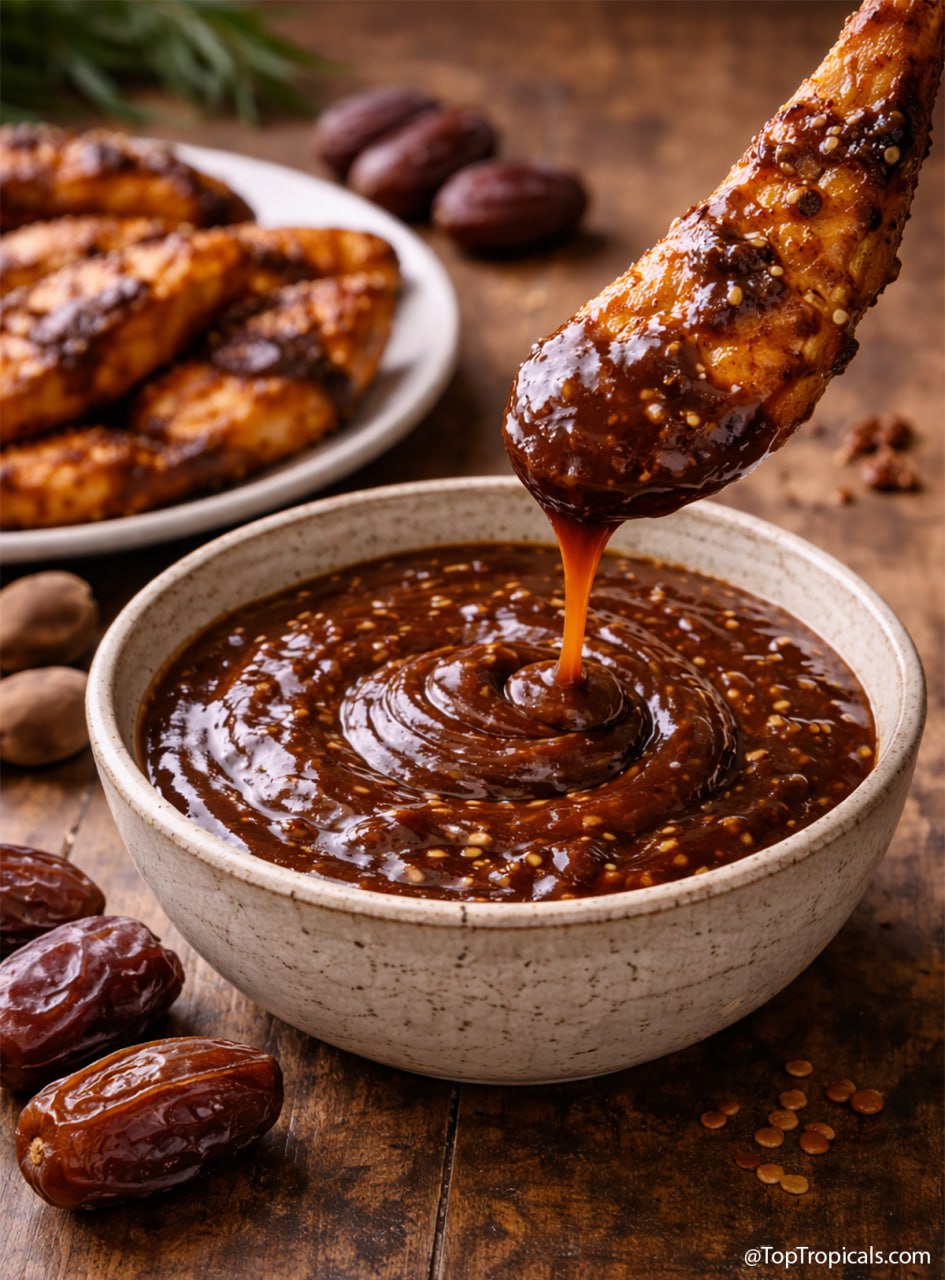
Tamarind date dipping sauce, quick-n-fun exotic recipes

Tamarind date dipping sauce

Tamarind date dipping sauce

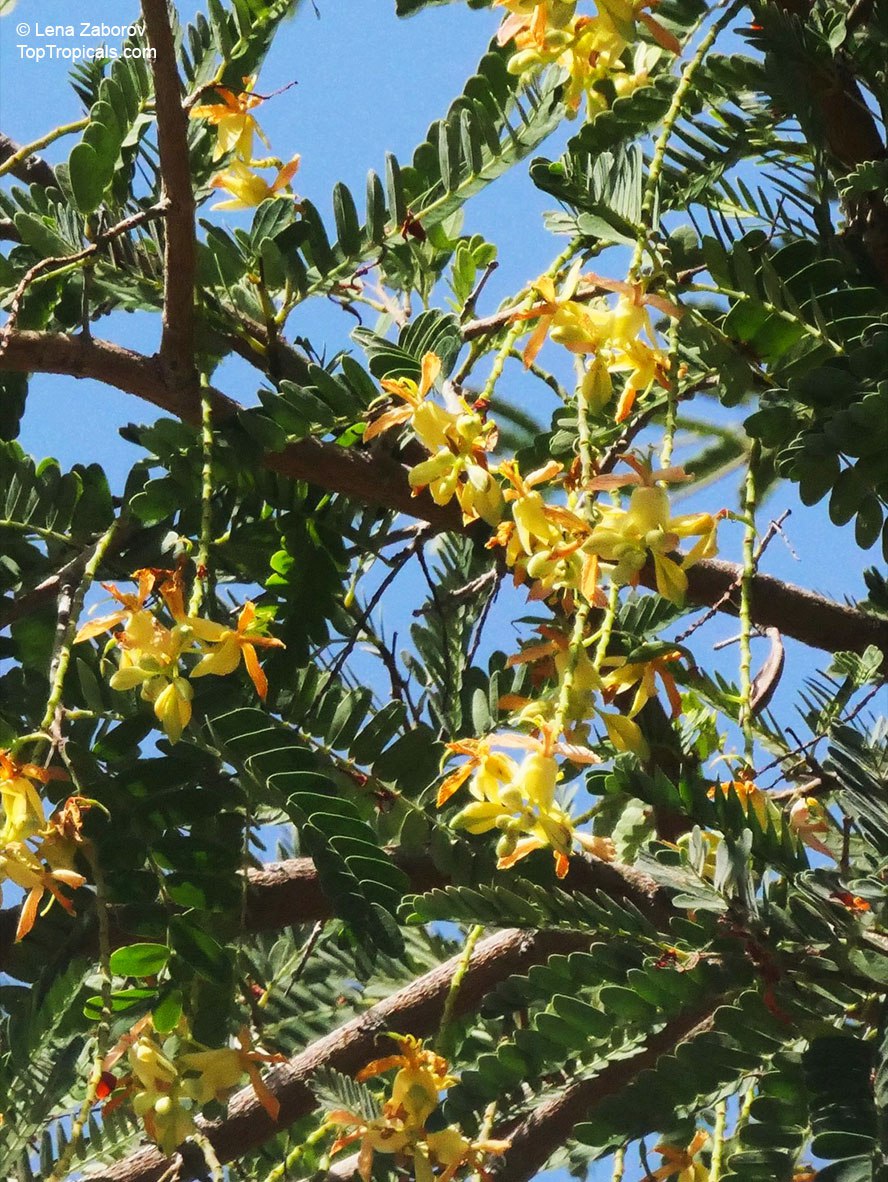
Tamarind - Tamarindus indica - flowers

Tamarind - Tamarindus indica - flowers

🍴 Tamarind date dipping sauce: quick-n-fun exotic recipes


Tamarind Date Dipping Sauce

Ingredients

  • 3 soft dates
  • 1 tablespoon tamarind pulp
  • 1 pinch salt
  • 2-3 tablespoons warm water

Instructions

  1. Soak the dates briefly in warm water if they are firm.
  2. Add the dates, tamarind pulp, and salt to a blender.
  3. Blend until smooth.
  4. Add warm water gradually until the sauce reaches dipping consistency.
  5. Serve with snacks, roasted vegetables, or grilled foods.


🌿 About the plant:


When combined with dates, tamarind transforms into a sweet-sour chutney common in Indian street food.

🏡 In the garden:


Tamarind (Tamarindus indica) flowering occurs in warm months with small yellowish blooms. Pollination leads to the familiar curved pods.

🛒 Add Tamarind tree to your garden

📚 Learn more:

Tamarind Plant Facts

Botanical name: Tamarindus indica
Also known as: Tamarind, Sampalok
USDA Zone: 9 - 11
Highligths Large tree taller than 20 ftFull sunWatering: Moderate. Water when top soil feels dryEdible plantSubtropical plant. Mature plant cold hardy at least to 30s F for a short timeFlood tolerant plantSeaside, salt tolerant plant
Get personalized tips for your region

Tamarindus indica in Plant Encyclopedia

#Food_Forest #Recipes

🟢 Join 👉 TopTropicals

Date: 4 Feb 2026

Top nine plants of love, desire, and the senses: aphrodisiacs and sensory connections

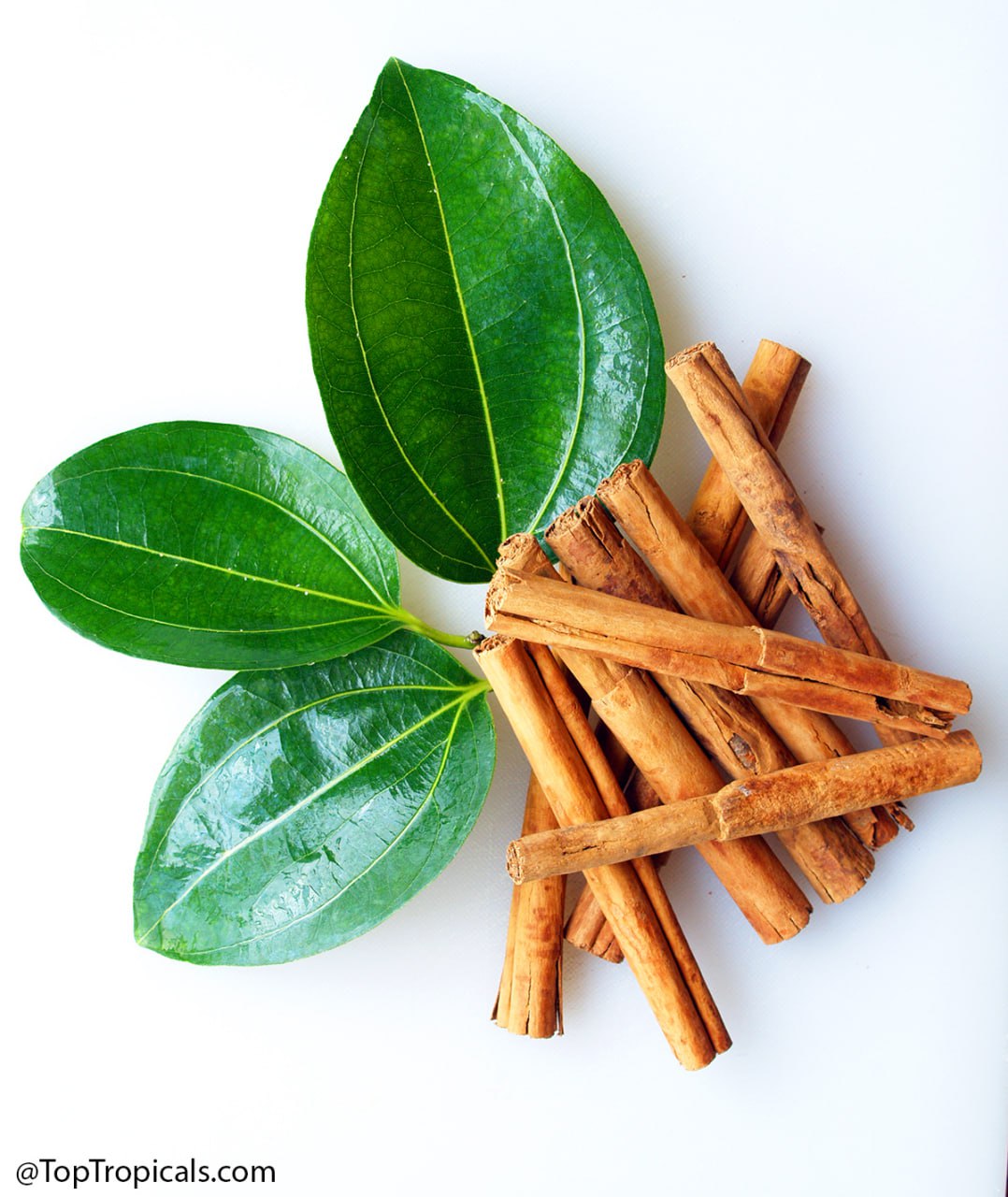
Cinnamon (Cinnamomum zeylanicum)

Cinnamon (Cinnamomum zeylanicum)

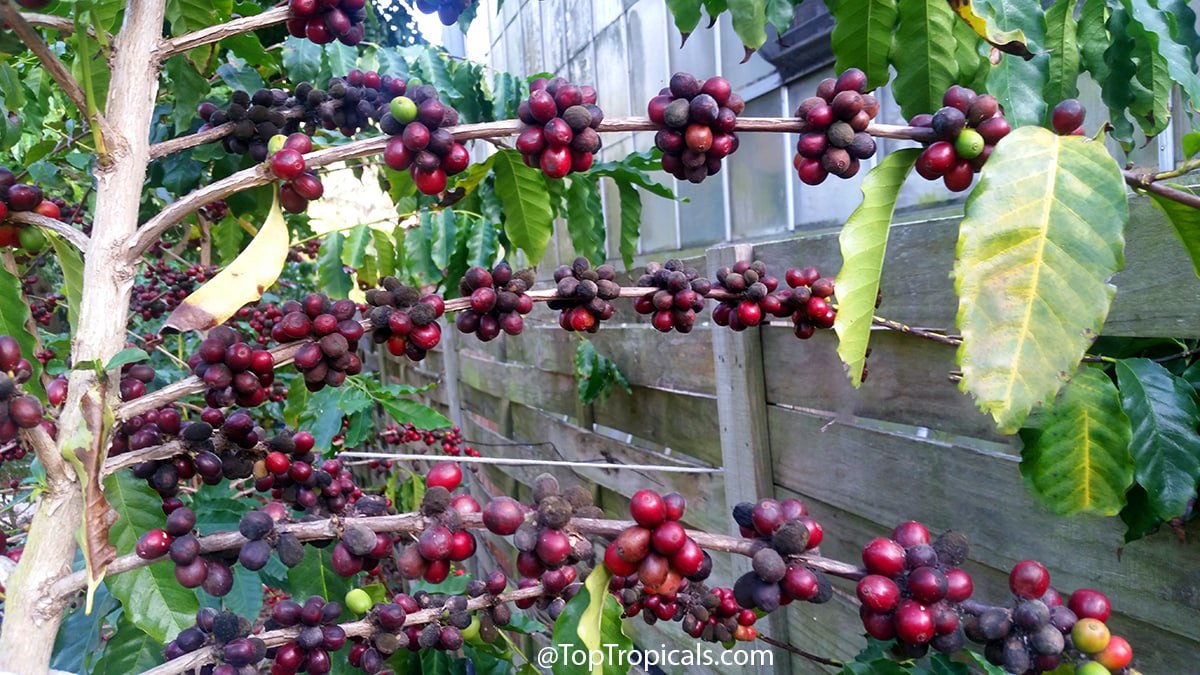
Coffee - Coffea arabica

Coffee - Coffea arabica

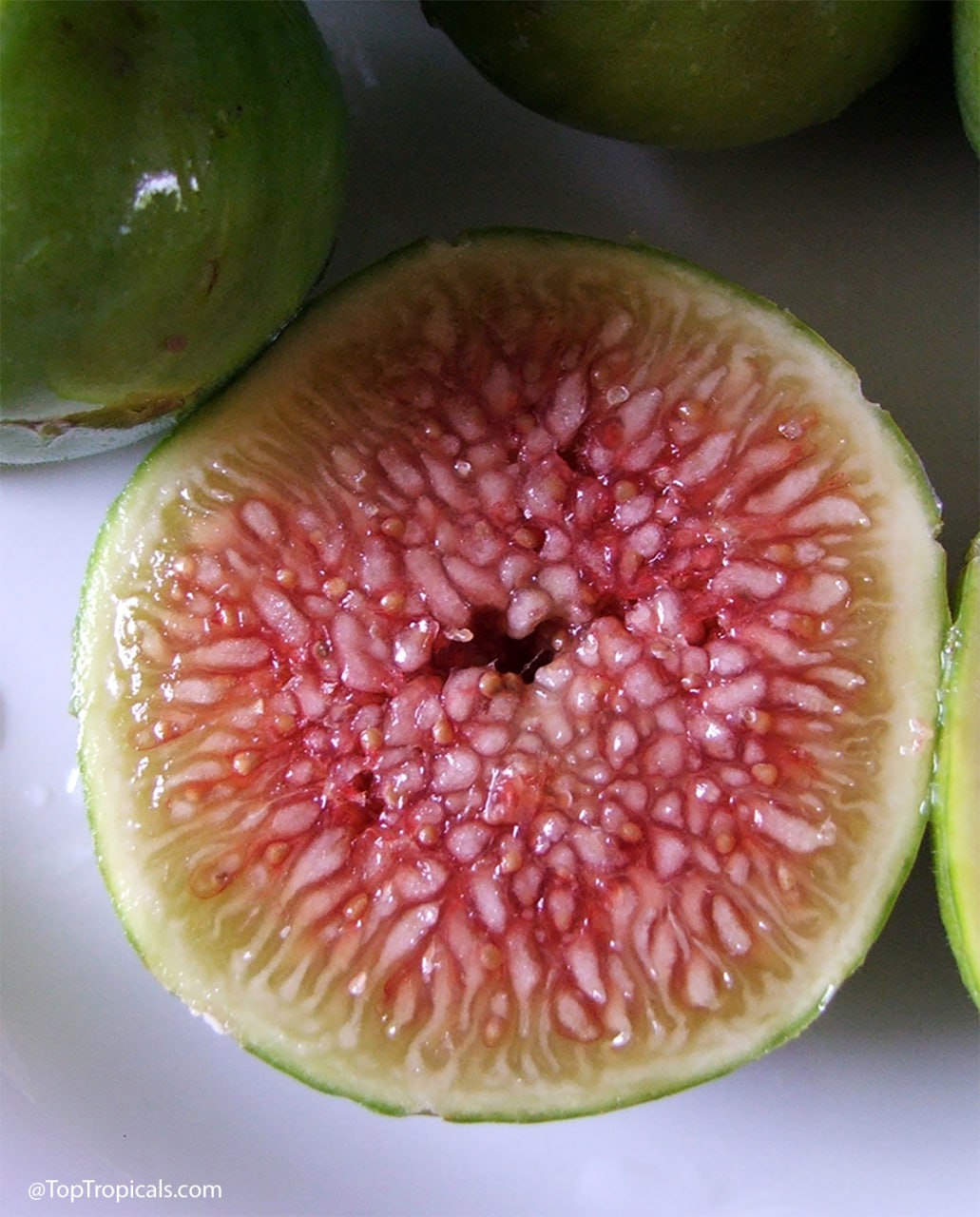
Fig tree fruit (Ficus carica)

Fig tree fruit (Ficus carica)

Patchouli - Pogostemon cablin

Patchouli - Pogostemon cablin

Pomegranate (Punica granatum)

Pomegranate (Punica granatum)

Cacao - Chocolate Tree (Theobroma cacao)

Cacao - Chocolate Tree (Theobroma cacao)

💖 Top nine plants of love, desire, and the senses: aphrodisiacs and sensory connections


Across cultures, love has also been expressed through taste, scent, warmth, and shared ritual. These tropical plants were valued not just for beauty, but for how they awaken the body and deepen connection.

💘 1. Cacao


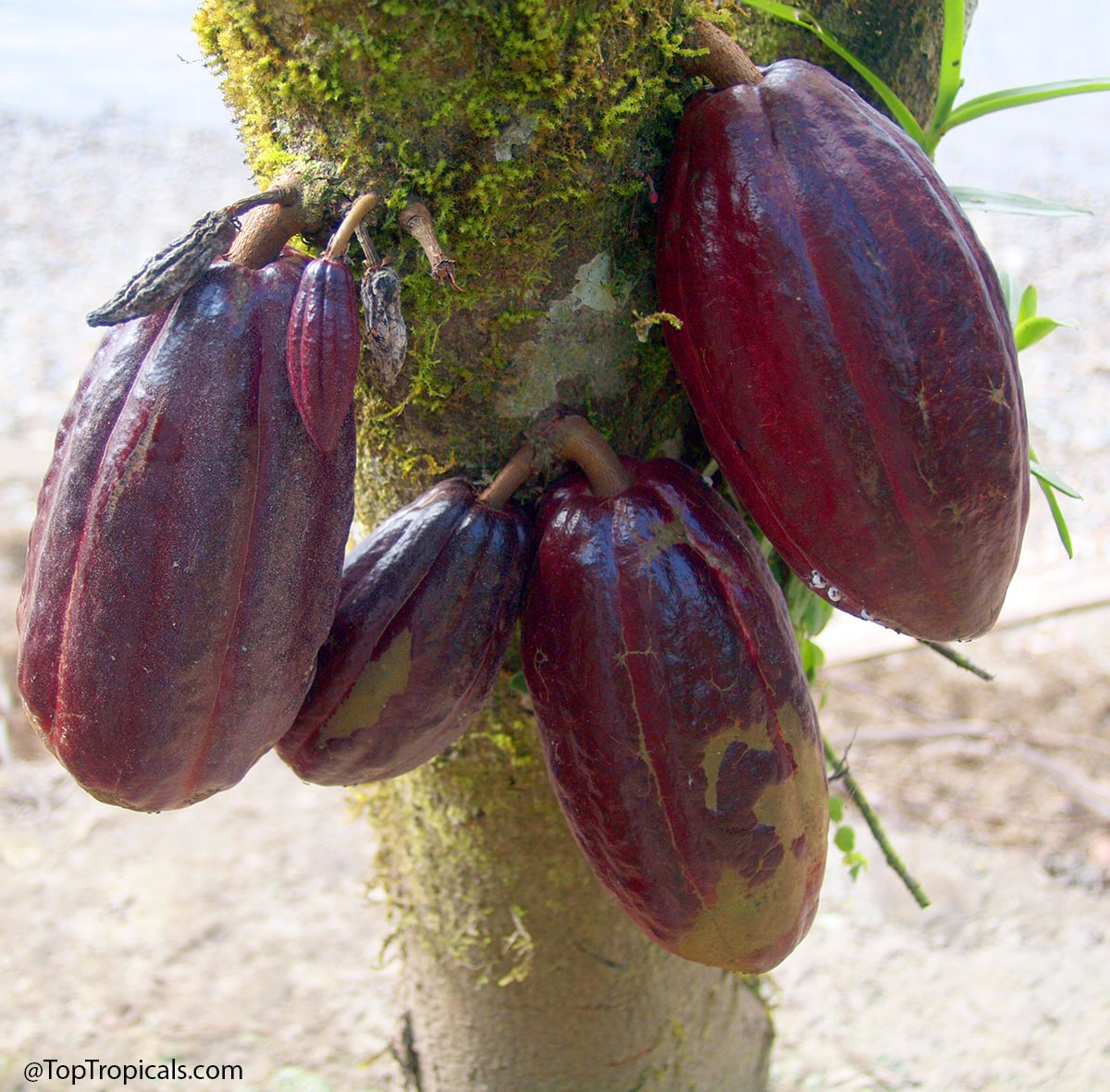
Cacao - Chocolate Tree (Theobroma cacao) - has one of the strongest global associations with love. Revered by the Aztecs as a “food of the gods”, it was consumed to increase desire and emotional bonding. Chocolate contains compounds linked to feelings of pleasure and infatuation, making cacao a natural Valentine symbol.

Chocolate Tree Plant Facts

Botanical name: Theobroma cacao
Also known as: Chocolate Tree, Cacao, Cocoa Tree
USDA Zone: 10 - 11
Highligths Large shrub 5-10 ft tallSmall tree 10-20 ftSemi-shadeFull sunWatering: Regular. Let topsoil dry slightlyYellow, orange flowersWhite, off-white flowersPink flowersEdible plantEthnomedical plant.
Plants marked as ethnomedical and/or described as medicinal, are not offered as medicine but rather as ornamentals or plant collectibles.
Ethnomedical statements / products have not been evaluated by the FDA and are not intended to diagnose, treat, cure, or prevent any disease. We urge all customers to consult a physician before using any supplements, herbals or medicines advertised here or elsewhere.
Get personalized tips for your region

👉 Chocolate Tree gift

💘 2. Vanilla Orchid


Vanilla (Vanilla planifolia) is both an orchid and one of the most sensual plant aromas known. Historically paired with cacao in love remedies, vanilla represents intimacy, warmth, and attraction. Its fragrance alone carries powerful emotional associations.

Madagascar Bourbon Vanilla Bean Plant Facts

Botanical name: Vanilla planifolia, Vanilla fragrans
Also known as: Madagascar Bourbon Vanilla Bean, French Vanilla, Vanilla Orchid
USDA Zone: 9 - 11
Highligths Vine or creeper plantSemi-shadeWatering: Regular. Let topsoil dry slightlyYellow, orange flowersEdible plantSpice or herb plantFragrant plantSubtropical plant. Mature plant cold hardy at least to 30s F for a short time
Get personalized tips for your region

👉 Vanilla orchid gift

💘 3. Ginger


Ginger symbolizes heat, vitality, and passion. Used worldwide to stimulate circulation and warm the body, it represents spark, chemistry, and physical energy.
👉 Ginger gift

💘 4. Cinnamon


Cinnamon (Cinnamomum zeylanicum) has long been associated with attraction and stimulation. Its warm, lingering aroma makes it a classic plant of desire, comfort, and emotional warmth.

Cinnamon Plant Facts

Botanical name: Cinnamomum zeylanicum, Cinnamomum verum
Also known as: Cinnamon
USDA Zone: 9 - 11
Highligths Large shrub 5-10 ft tallSmall tree 10-20 ftFull sunWatering: Regular. Let topsoil dry slightlyOrnamental foliageEdible plantSpice or herb plantEthnomedical plant.
Plants marked as ethnomedical and/or described as medicinal, are not offered as medicine but rather as ornamentals or plant collectibles.
Ethnomedical statements / products have not been evaluated by the FDA and are not intended to diagnose, treat, cure, or prevent any disease. We urge all customers to consult a physician before using any supplements, herbals or medicines advertised here or elsewhere.Fragrant plantSubtropical plant. Mature plant cold hardy at least to 30s F for a short timeFlood tolerant plant
Get personalized tips for your region

👉 Cinnamon gift

💘 5. Pomegranate


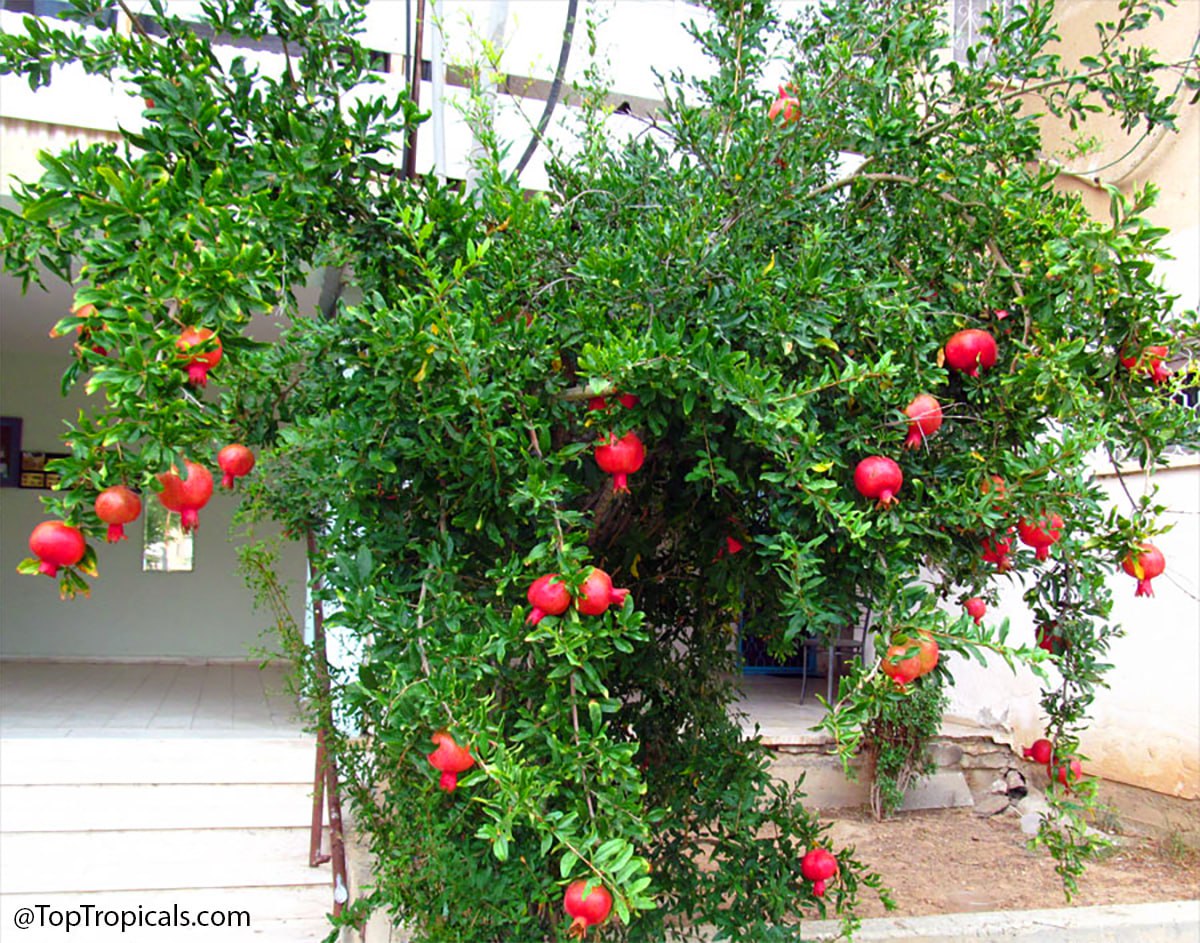
Pomegranate (Punica granatum) has long symbolized love, fertility, and union, with its many ruby-red seeds representing abundance and deep connection. In ancient traditions, it was linked to goddesses of love and marriage and remains a symbol of passion balanced by continuity and commitment.

Pomegranate Plant Facts

Botanical name: Punica granatum
Also known as: Pomegranate, Granada, Grenade, Pomegranate, Granada, Anar, Granaatappel, Pomo Granato, Romeira, Melo Grano
USDA Zone: 8 - 11
Highligths Large shrub 5-10 ft tallSmall tree 10-20 ftFull sunWatering: Moderate. Water when top soil feels dryRed, crimson, vinous flowersThorny or spinyEdible plantDeciduous plantEthnomedical plant.
Plants marked as ethnomedical and/or described as medicinal, are not offered as medicine but rather as ornamentals or plant collectibles.
Ethnomedical statements / products have not been evaluated by the FDA and are not intended to diagnose, treat, cure, or prevent any disease. We urge all customers to consult a physician before using any supplements, herbals or medicines advertised here or elsewhere.Subtropical plant. Mature plant cold hardy at least to 30s F for a short timeSeaside, salt tolerant plant
Get personalized tips for your region

👉 Pomegranate gift

💘 6. Coffee


Coffee (Coffea arabica) represents connection through shared ritual. Sacred to African Sufis for its stimulating properties, coffee symbolizes conversation, alertness, and social bonding rather than purely romantic love.

Coffee Plant Facts

Botanical name: Coffea arabica
Also known as: Coffee
USDA Zone: 9 - 11
Highligths Large shrub 5-10 ft tallSmall tree 10-20 ftSemi-shadeShadeKeep soil moistWhite, off-white flowersEdible plantEthnomedical plant.
Plants marked as ethnomedical and/or described as medicinal, are not offered as medicine but rather as ornamentals or plant collectibles.
Ethnomedical statements / products have not been evaluated by the FDA and are not intended to diagnose, treat, cure, or prevent any disease. We urge all customers to consult a physician before using any supplements, herbals or medicines advertised here or elsewhere.Fragrant plantSubtropical plant. Mature plant cold hardy at least to 30s F for a short time
Get personalized tips for your region

👉 Coffee tree gift

💘 7. Fig Tree


Figs (Ficus carica) have ancient associations with fertility, sensuality, and indulgence. Their voluptuous form, sweet flesh, and rich texture made them symbols of desire and abundance in many cultures.

Fig Tree Plant Facts

Botanical name: Ficus carica
Also known as: Fig Tree, Brevo
USDA Zone: 7 - 10
Highligths Plant used for bonsaiSmall tree 10-20 ftFull sunWatering: Moderate. Water when top soil feels dryOrnamental foliageEdible plantDeciduous plantSubtropical plant. Mature plant cold hardy at least to 30s F for a short timeFlood tolerant plantSeaside, salt tolerant plant
Get personalized tips for your region

👉 Fig tree gift

💘 8. Betel Leaf and Betel Nut


Betel Leaf (Piper betle) is a powerful symbol of love, respect, and partnership across South and Southeast Asia. It is exchanged in courtship, weddings, and ceremonies, representing acceptance and shared experience. Its heart-shaped leaves reinforce its Valentine symbolism.
Betel nut (Areca catechu) - traditionally used as a stimulant and aphrodisiac, betel nut represents intensity, ritual, and sensory awakening. In this context, it is best presented as a cultural symbol rather than a casual love plant.

Betel Leaf Plant Facts

Botanical name: Piper betle
Also known as: Betel Leaf
USDA Zone: 9 - 11
Highligths Vine or creeper plantSemi-shadeShadeFull sunWatering: Moderate. Water when top soil feels dryOrnamental foliageSpice or herb plantEthnomedical plant.
Plants marked as ethnomedical and/or described as medicinal, are not offered as medicine but rather as ornamentals or plant collectibles.
Ethnomedical statements / products have not been evaluated by the FDA and are not intended to diagnose, treat, cure, or prevent any disease. We urge all customers to consult a physician before using any supplements, herbals or medicines advertised here or elsewhere.Subtropical plant. Mature plant cold hardy at least to 30s F for a short time
Get personalized tips for your region

👉 Betel gift

💘 9. Patchouli


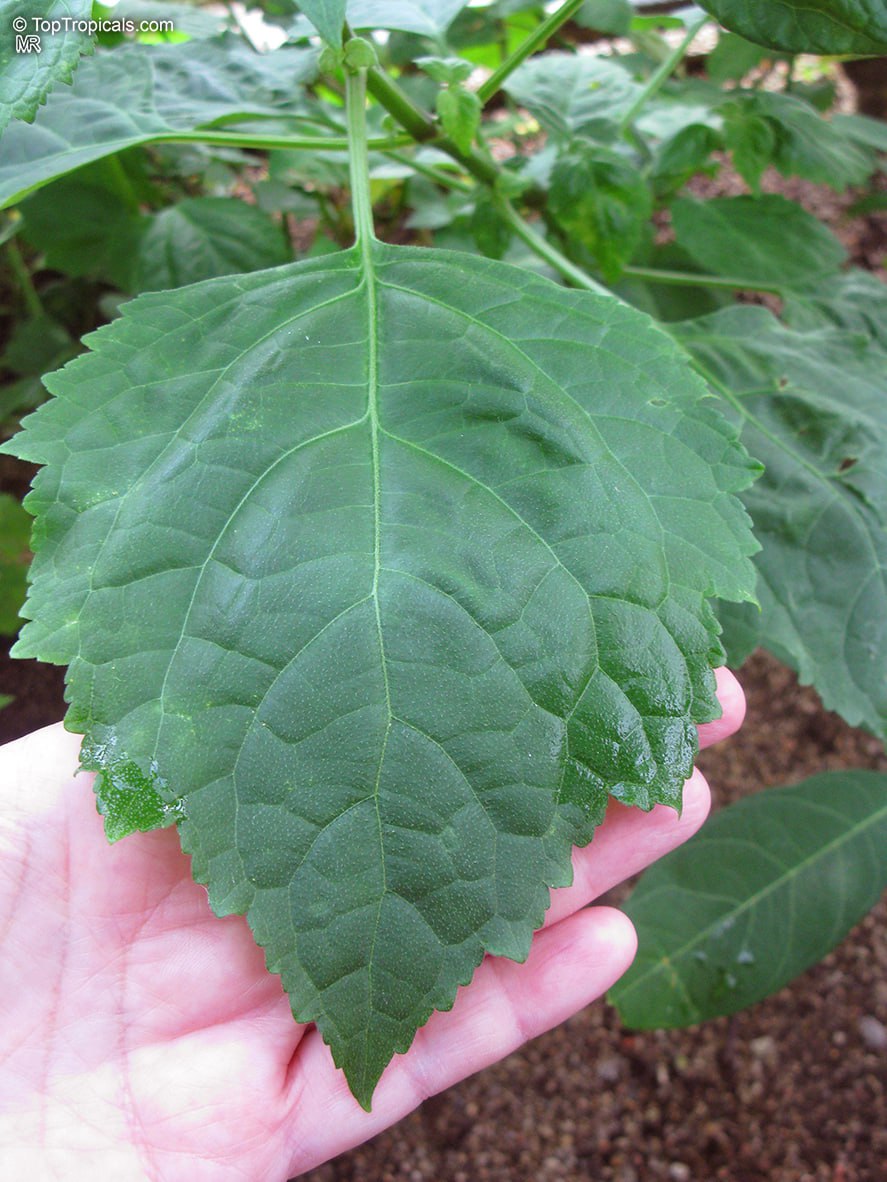
Patchouli (Pogostemon cablin) represents deep attraction and emotional grounding. Its earthy, musky scent has long been associated with intimacy and physical presence. Unlike sweet florals, patchouli symbolizes mature, rooted love that lingers.

Patchouli Plant Facts

Botanical name: Pogostemon cablin, Pogostemon patchouli, Pogostemon heyneanous
Also known as: Patchouli, Pucha-pat
USDA Zone: 9 - 11
Highligths Groundcover and low-growing 2ft plantSmall plant 2-5 ftSemi-shadeFull sunWatering: Moderate. Water when top soil feels dryWatering: Regular. Let topsoil dry slightlyOrnamental foliageSpice or herb plantEthnomedical plant.
Plants marked as ethnomedical and/or described as medicinal, are not offered as medicine but rather as ornamentals or plant collectibles.
Ethnomedical statements / products have not been evaluated by the FDA and are not intended to diagnose, treat, cure, or prevent any disease. We urge all customers to consult a physician before using any supplements, herbals or medicines advertised here or elsewhere.Fragrant plant
Get personalized tips for your region

👉 Patchouli gift

🛒 Explore gift plants
🎁 Get a Gift Card

📚 Learn more:


Valentines day Best Gift Plant Ideas
Cacao: fruit of Money and Love
How to plant vanilla orchid
Most interesting edible gingers
Plants of Love: Aphrodisiacs of the plant world
How to increase libido?
How to Grow Your Own Cinnamon Tree
Healing drops of blood: why Pomegranate is a superfood
Don't drink your coffee until you see this!
The fruit tree that every garden must have: Figs
How to grow your own Pepper plants. Five most valuable Pipers
How to grow Patchouli indoors
Valentine’s plants from around the world that symbolize love, connection, and appreciation
Eight favorite plants of romance, affection, and emotional connection
Four popular plants of friendship, appreciation, and shared connection
🎥 Secret Sex Life of Vanilla Orchid: how to produce your own vanilla

#Shade_Garden #Container_Garden

🟢 Join 👉 TopTropicals