Date: 5 Feb 2022
Easy Sunday Morning Deals: Fried Egg Tree and Giant Mafafa
Saving on your favorite plants is Easy.
Easy like Sunday Morning...
It's time for our favorite day and another Easy stroll through Top Tropicals Garden with savings of
up to 50% and MORE!
Fried Egg Tree and Giant Mafafa
How do you like your eggs for Sunday breakfast, sunny side up or over easy? We have an amazing Sunny flower for you that is Easy to get today - with Easy Sunday Morning Deals. And yet another plant that is not only amusing, but also edible and nutritious...
Fried Egg Tree
- Oncoba spinosa -
Oncoba spinosa - Fried Egg Tree, has beautiful white and yellow camellia-like flowers look like 'fried eggs'! Flowers are honey-sweet fragrant and attract butterflies and bees. The fruits have a sour, edible pulp.
Taro Root, Mafafa
- Colocasia Thailand Giant -
This Taro has the biggest leaf on planet, it is a conversation piece in every garden. Grown as a root vegetable for its edible starchy corm, and as a leaf vegetable. The corms are roasted, baked or boiled, and the natural sugars give a sweet nutty flavor. The starch is easily digestible, and since the grains are fine and small it is often used for baby food. The leaves are a good source of vitamins A and C and contain more protein than the corms.
Both plants are
large and developed, grown in 2-3 gal pots, regularly $42.95 each,
on Easy Sunday sale for only $21.95!
Combine the two and save even more!
2 plants total price: Reg. $85.95 - Easy Sunday Deal: $39.95
Remember, the Easy Sunday Deal expires on Monday February 7th.
Date: 7 Aug 2024
Florida native plants for Florida and beyond
If you live in Florida community with HOA, you may need these plants!
Did you know that we carry Native Florida plants?
At Top Tropicals, we have the biggest selection of tropical plants from around the World, with a special selection of Florida Natives. If you are looking for a particular Florida Native plant, just let us know - we can get them for you, because... we are here in Florida and we know them all!
If your Florida yard is regulated by a Homeowners Association, you may be required to plant native plants or those species on approved list. Why? These policies aim to promote sustainable landscaping practices and protect Florida's unique ecosystems. Although this may seem to limit your choices, there are plenty of Florida-friendly plants to choose from!
In general, native plants are adapted to the local climate and soil conditions, making them more resilient and requiring less water, fertilizer, and pesticides. This makes them easy to grow and great for beginners.
Native plants provide essential habitat and food sources for local wildlife, including birds, butterflies, and other pollinators. And Florida flora has a lot to offer for the wildlife!
If you live outside of Florida, our native plants may appear to you as much exotic and rare as those from Asia, S. America or Africa! Let's take a peak at some Natives...
In the photo above: Erythrina herbacea - Coral Bean. Coral trees - Erythrinas are very showy, red-flowering small trees that are perfect for locations with poor soil and limited irrigation, very easy to grow, great butterfly and hummingbird attractors..
In the photo above: Acacia farnesiana
Date: 24 Jun 2018
Plant Horoscope. Virgo Zodiac lucky plants: Crape Myrtle and Laurus nobilis
Virgo - 8/23-9/22. Virgo is an EARTH sign ruled by the planet Mercury, which also rules Gemini. Virgo is traditionally the Goddess of the Grain, and is associated with autumn. Her plants often have finely divided leaves or stems, subtle odors, or small, brightly-colored flowers. The most beneficial plants for Virgo are high in potassium and help to calm the nerves. In its rulership of Virgo, Mercury governs the abdomen and the lower intestinal tract and the entire digestive process. Herbs associated with Virgo assist in digestion (as do Cancer herbs) and help to reduce flatulence. The relaxing, calming scents help Virgo release stress and worries.
Virgo
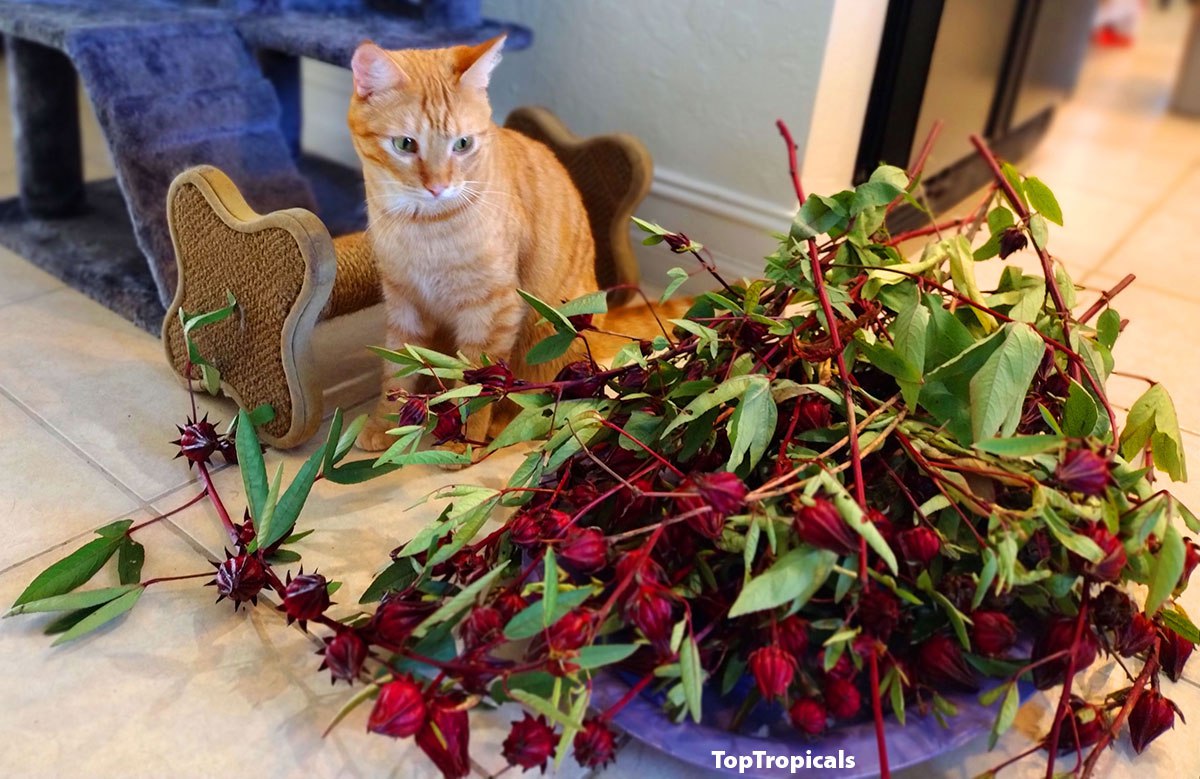
Zodiac lucky plants: Amorphophallus, Dill,
Barringtonia, Bolusanthus, Dioscorea, Grewia asiatica
(Falsa), Hibiscus Karkade, Iboza riparia, Lagerstroemia
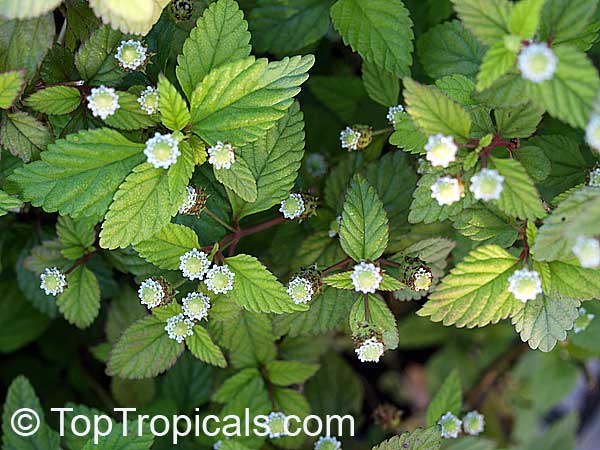
Queens Crape Myrtle, Laurus nobilis (Bay Leaf), Lippia,
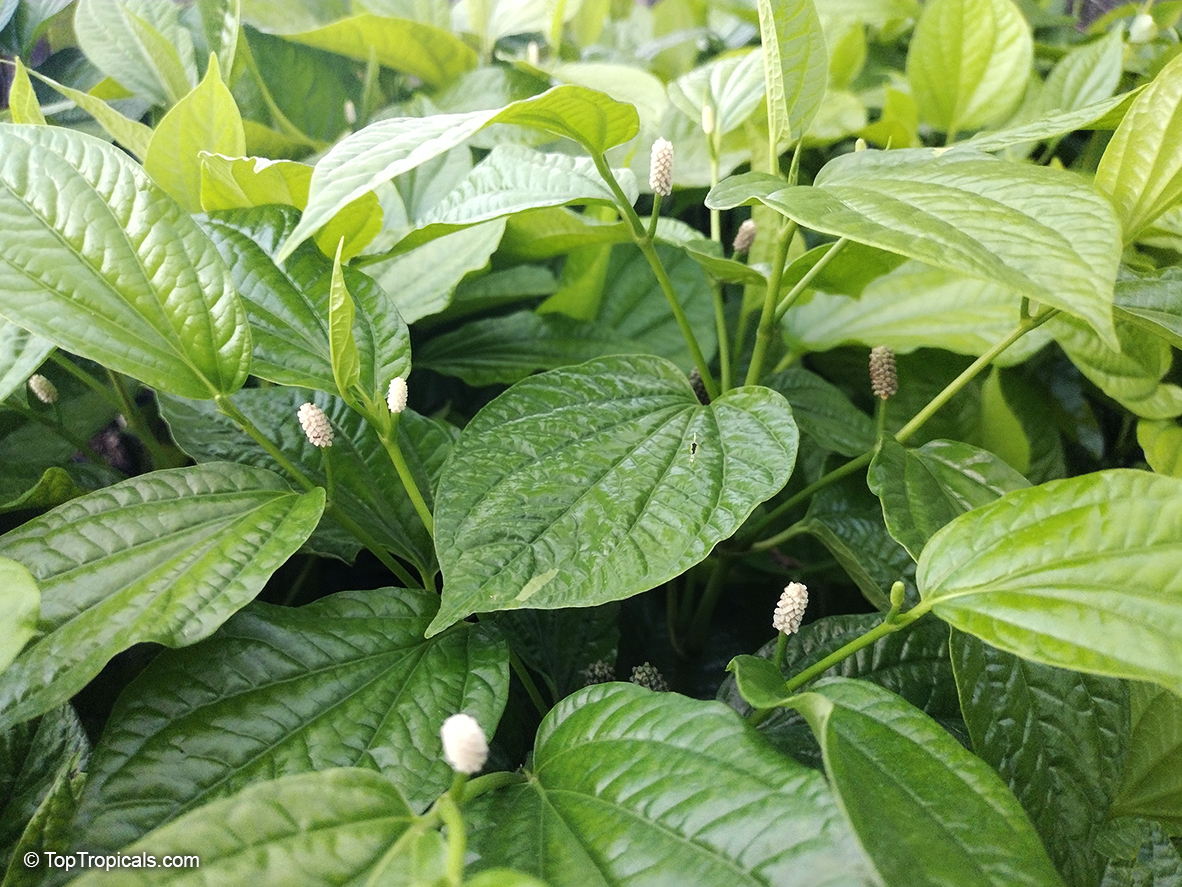
Melissa, Catnip, Mint, Arugula, Piper betle, Piper
sarmentosum, Psychotria, Clove, Banisteriopsis, Papaya,
Mesua ferrea (Ironwood), Assai Palm, Jacaranda, Pimenta
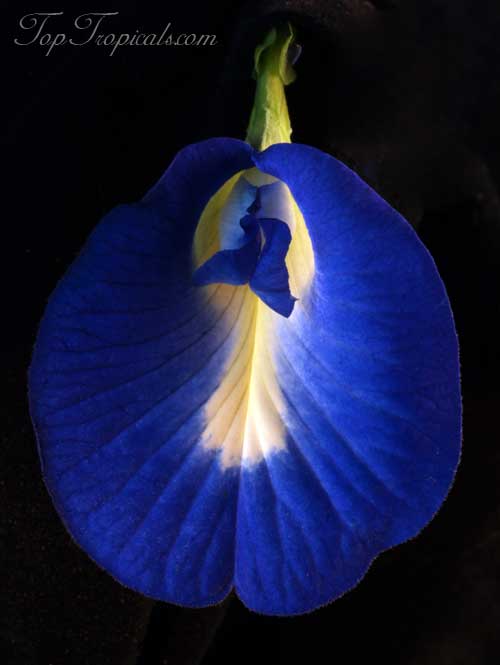
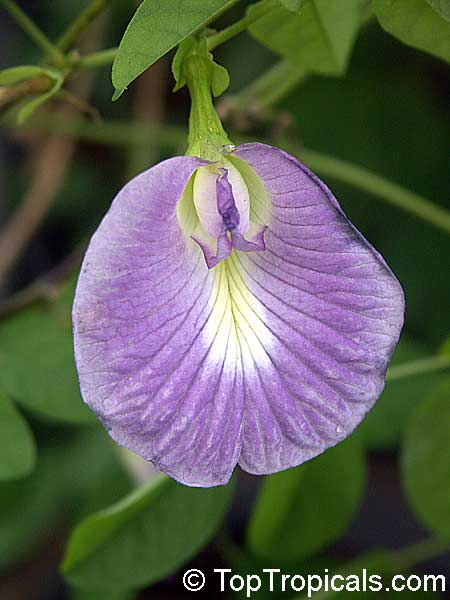
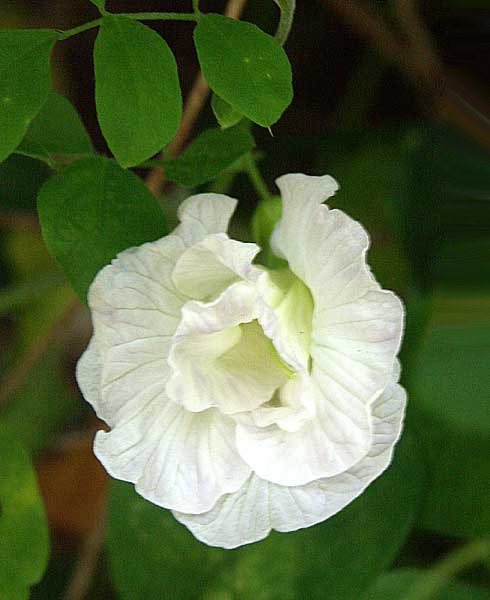
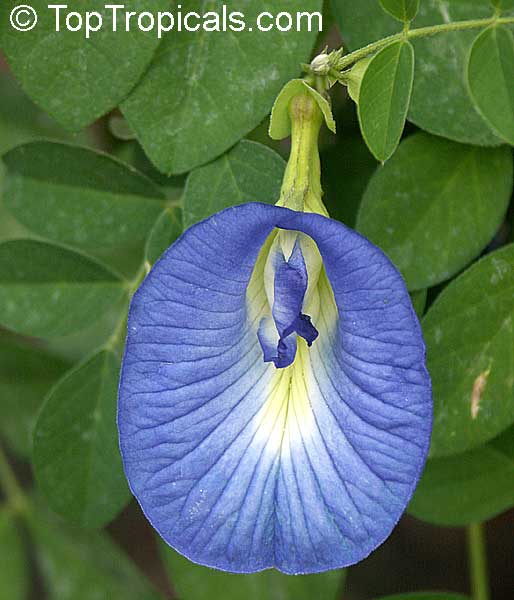
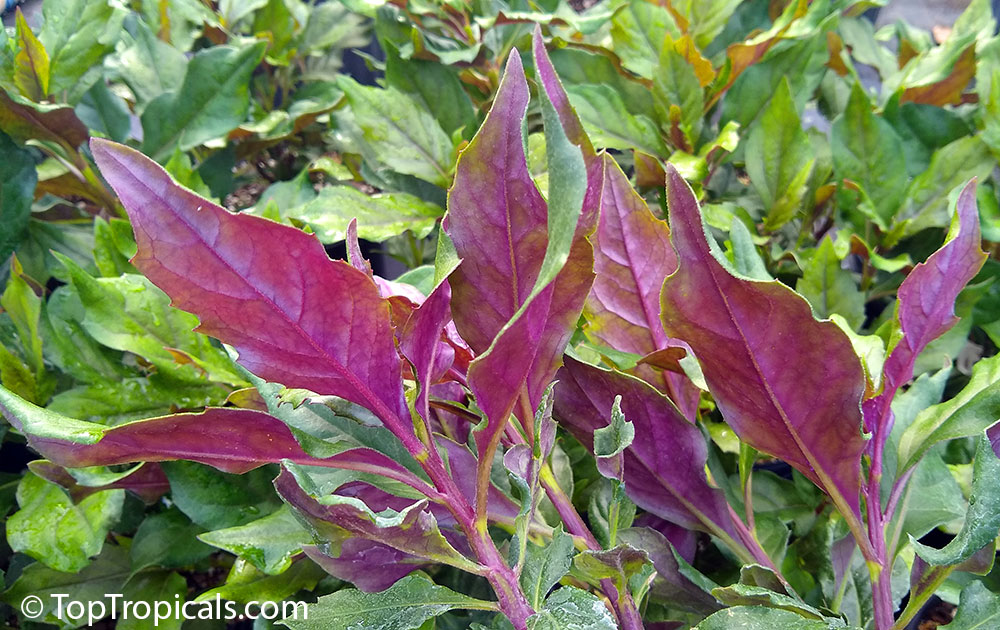
dioica (Allspice), Petrea, Plumbago, Clitoria, Eranthemum,
Litchi, Cashew, Pecan, Nut trees, Cherries, Lavender,
Sansiveria, Aloe vera, Blackberry, Honey suckle, Satureja,
Vitex, Mulberry, Elaeocarpus, Feronia elephantum (Bel
Fruit). On the photo: Sauromatum venosum - Voodoo Lily.
For links to these plants and other signs information, see
full Plant Horoscope
Date: 30 Oct 2025
Jaboticaba wine: quick-n-fun exotic recipes
A homemade tropical wine with rich berry flavor and a hint of earthiness. This traditional Brazilian recipe turns fresh Jaboticaba fruit into a deep purple wine with a unique aroma and flavor somewhere between grape and plum. Easy to make, fun to share!
🍴 Jaboticaba wine: quick-n-fun exotic recipe
Ingredients
- 4 lb fresh ripe Jaboticaba fruits (Myrciaria cauliflora)
- 2 to 3 cups granulated sugar per gallon of pulp
- 1 gallon non-chlorinated water
- 1 tsp wine yeast (optional)
- 1 cinnamon stick or a few cloves (optional)
- Clean glass fermenting jar or food-grade bucket with loose cover
Instructions
- Wash and lightly crush Jaboticaba fruits. Do not remove skins; they add flavor and color.
- Mix crushed fruit with sugar and enough water to make about one gallon of pulp. Stir until sugar dissolves.
- Cover loosely and leave in a warm place (70-80F). Stir once or twice daily. Fermentation begins within 1-2 days.
- Let ferment 5-10 days, stirring daily. When bubbling slows, strain through cheesecloth into a clean jug.
- Seal loosely with an airlock or vented cap. Rest 2-4 weeks in a cool, dark spot (60-70F).
- Carefully pour clear wine into bottles, leaving sediment behind. Cork and let age a few more weeks.
- Chill before serving. Enjoy responsibly!
Tips
- Reduce sugar to 1.5 cups per gallon for a drier wine.
- Add more sugar after first fermentation for a sweeter dessert wine.
- Add a spoon of honey for a floral note.
- Save the skins to make Jaboticaba syrup or jam.
Grow your own exotic Jaboticaba fruit
📚 Learn more:
- What does Blue Jaboticaba taste like?
- How Blue Jaboticaba is different from regular Jaboticaba?
- What is Jaboticaba? I like the sound of this word!
#Food_Forest #Recipes
🟢 Join 👉 TopTropicals
Date: 11 Nov 2025
Fruits with the most vitamin E, according to dietitians
🥭 Fruits with the most vitamin E, according to dietitians
- 🔛 Vitamin E works as an antioxidant that helps fight inflammation throughout the body. While nuts and seeds top the charts, some fruits quietly add their share to your daily needs - especially when eaten with a bit of healthy fat. According to New York City Nutrition, vitamin E anti-inflammatory action supports heart, brain, and skin health.
- 🔛 Vitamin E is a fat-soluble vitamin that acts as an antioxidant, meaning it fights inflammation in the body. Because of this anti-inflammatory role, vitamin E is beneficial for immune health, heart health, eye health, brain health, and skin health.
- 🔛 Adults need about 15 milligrams a day, according to the National Institutes of Health. Deficiency is rare, but it’s smart to get vitamin E from a variety of foods. Fruits alone don’t provide large amounts, but they can complement vitamin-E-rich foods like almonds or sunflower seeds.
- 🔛 Since vitamin E needs fat for absorption, pair fruit with something creamy or crunchy - like yogurt, olive oil, nuts, or seeds - for best results.
- 🔛 Here are some fruits that naturally offer vitamin E:
- 🍊 Sapote 1 cup = 3.7 mg vitamin E. A tropical favorite with rich orange flesh and a flavor somewhere between pumpkin pie and sweet potato, with hints of honey and almond, Sapote is great fresh, blended in shakes, or scooped over ice cream. It also packs calcium, iron, potassium, and vitamins A and C.
- Blackberries 1 cup = 1.7 mg vitamin E. Deep color, bold flavor, and plenty of antioxidants, Blackberries are high in fiber and low in calories. Dietitian Keri Glassman calls them her top fruit for fighting inflammation.
- 🥭 Mango 1 cup = 1.5 mg vitamin E. The “king of fruits” brings more than tropical sweetness, Mango supports digestion, helps you feel full longer, and delivers both vitamin A and E in one juicy package.
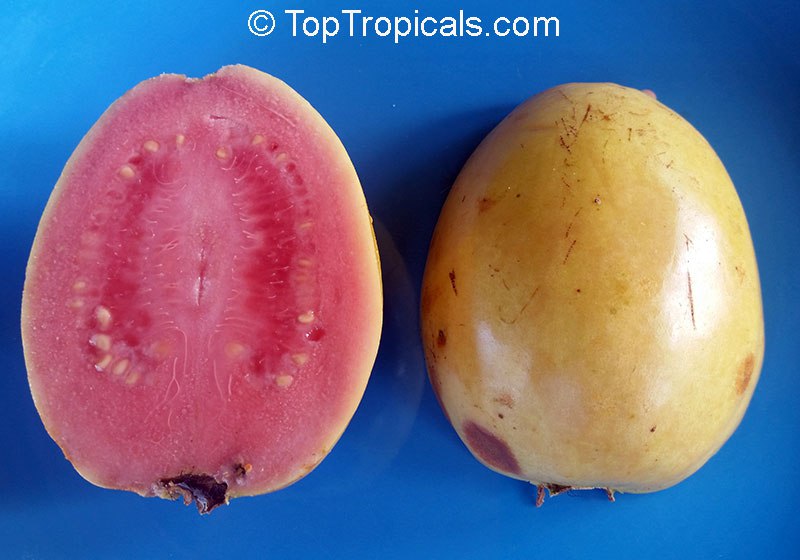
- 🍉 Guava 1 cup = 1.2 mg vitamin E. This fragrant fruit has a flavor that lands between strawberry and pear, Guava is also one of the highest-fiber fruits and surprisingly rich in protein for a fruit.
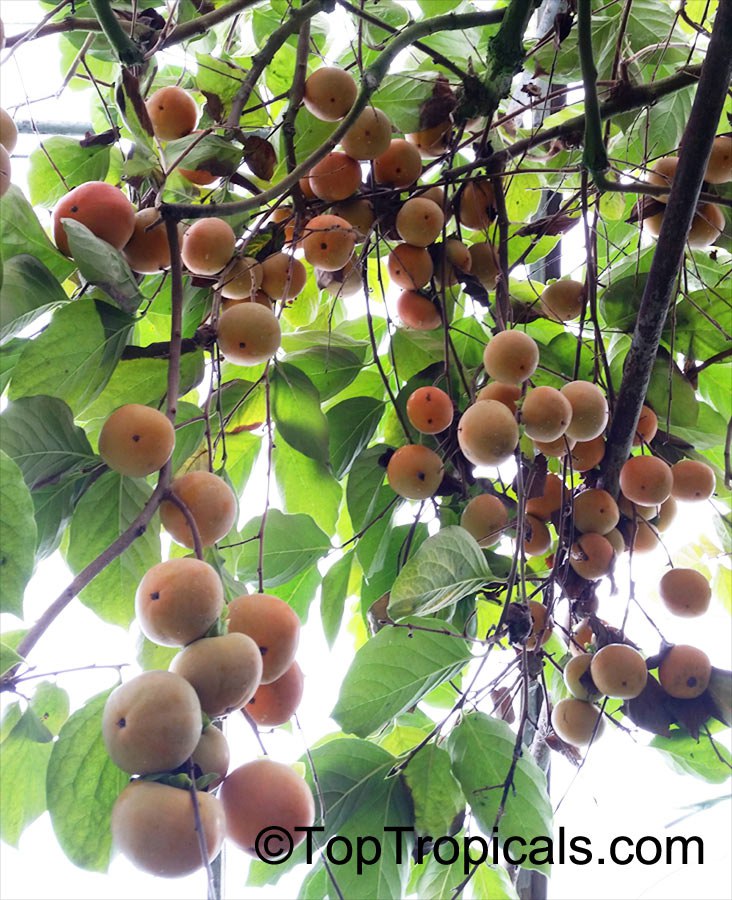
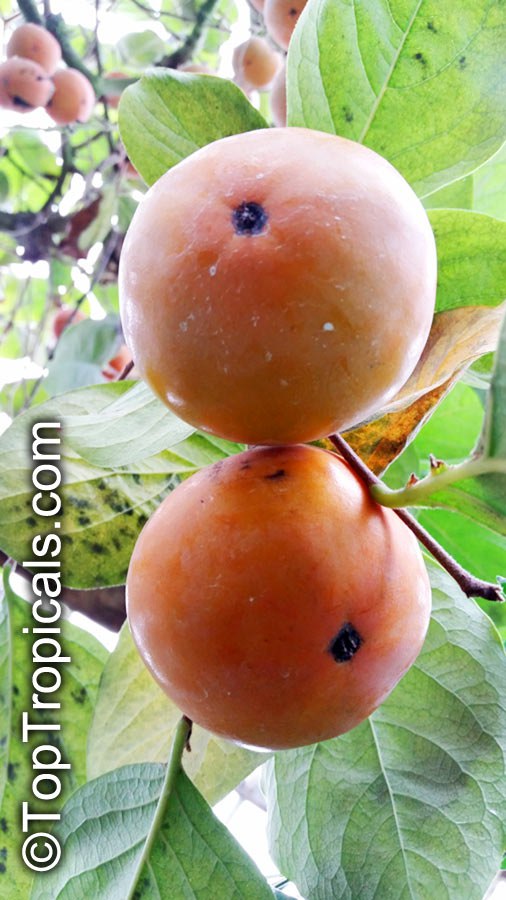
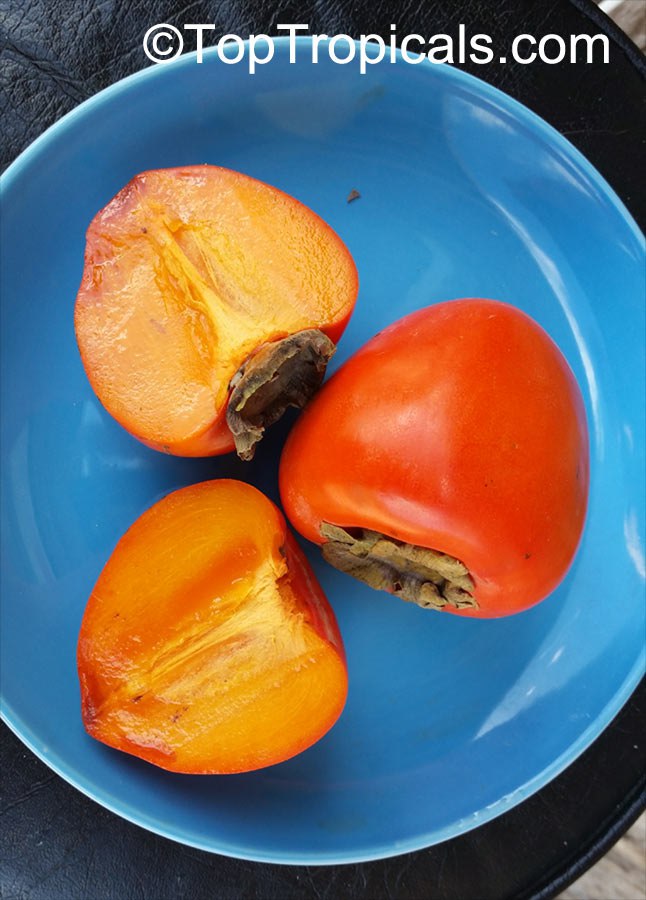
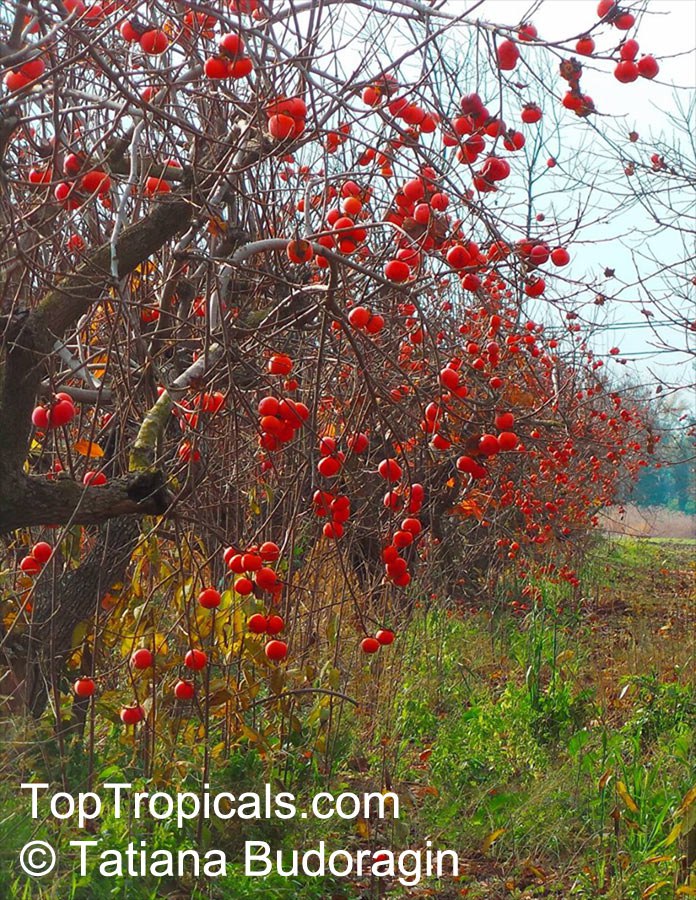
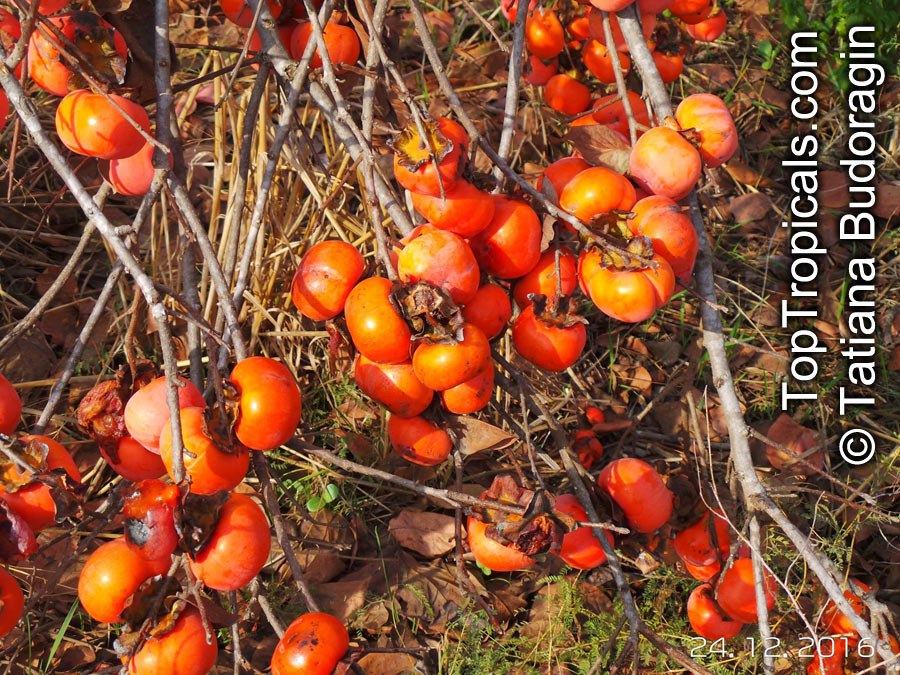
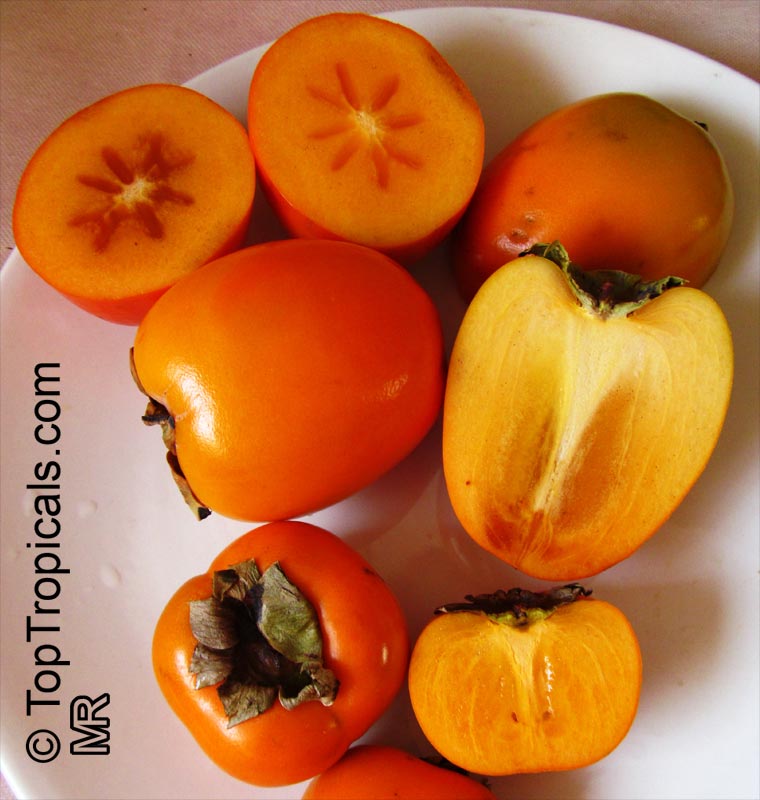
- 🍑 Persimmon 1 fruit = 1.2 mg vitamin E. An autumn favorite that looks like an orange tomato but tastes sweet and mellow, Persimmons are rich in vitamins A and C and make a colorful, fiber-filled snack or dessert.
- Avocado 1 fruit = 0.9 mg vitamin E. Creamy, mild, and versatile, Avocado’s healthy fats help your body absorb vitamin E while protecting heart health. Try it on toast, in salads, or as a smooth butter substitute in baking.
🛒 Plant more remedies in your food forest
📚 Learn more:
- Plant a fruit tree - and breathe easier: fruit might be the surprising key to healthier lungs
- 11 tropical fruits to eat instead of taking a fiber supplement
- Tropical fruit health benefits guide - what fruit and edibles can help with health issues and vitamin deficiencies, Part 1 and Part 2.
- Five best fruit trees to plant in Summer
- 10 best fruit trees to grow in Florida and Southern landscapes
- Top 10 fruiting plants you'll ever need for your health benefits
#Food_Forest #Remedies #Discover
🟢 Join 👉 TopTropicals