Garden Blog - Top Tropicals

Date: 25 Mar 2026

Forget the Tropics: These 5 Condo Mango Varieties Thrive in Your Living Room
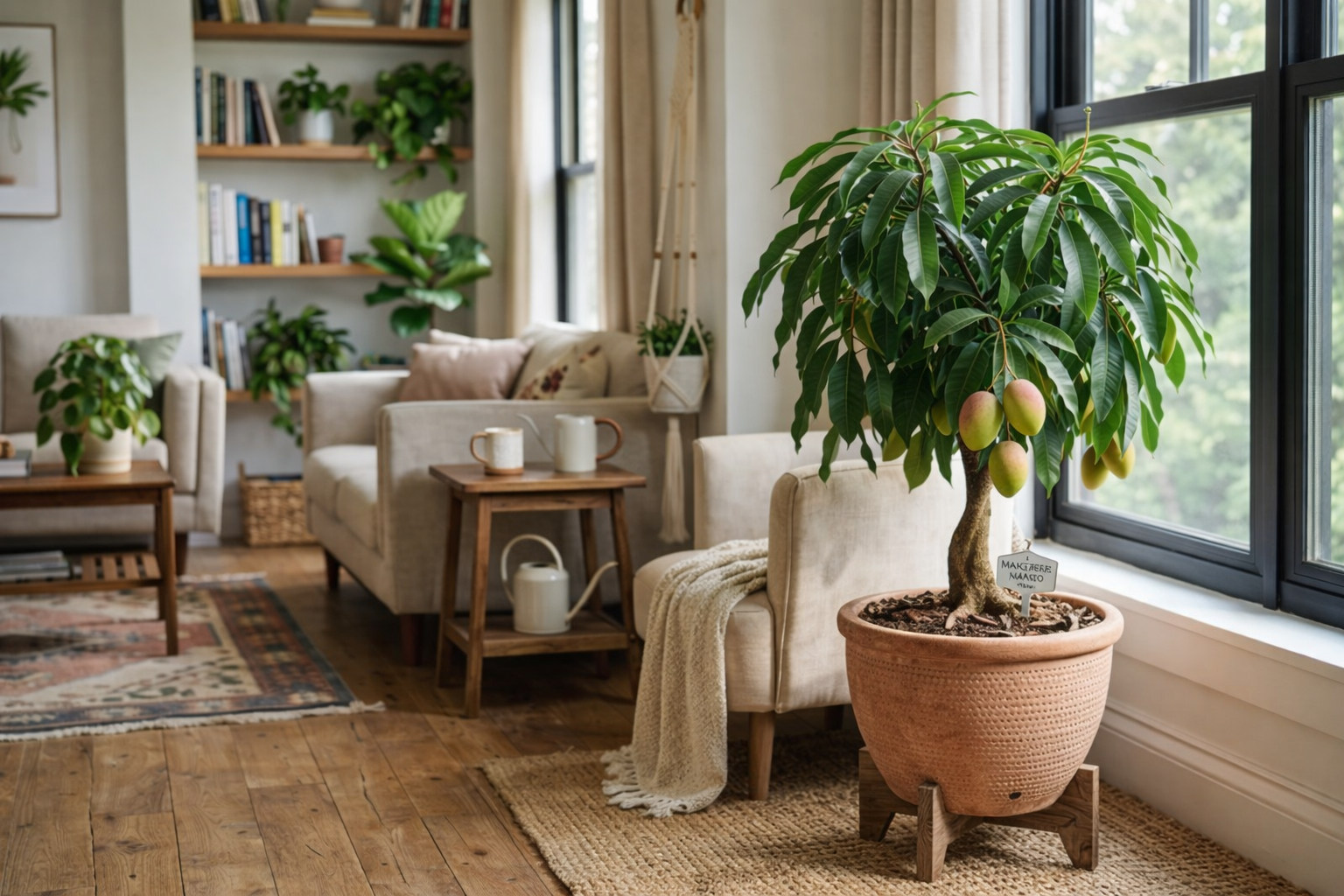
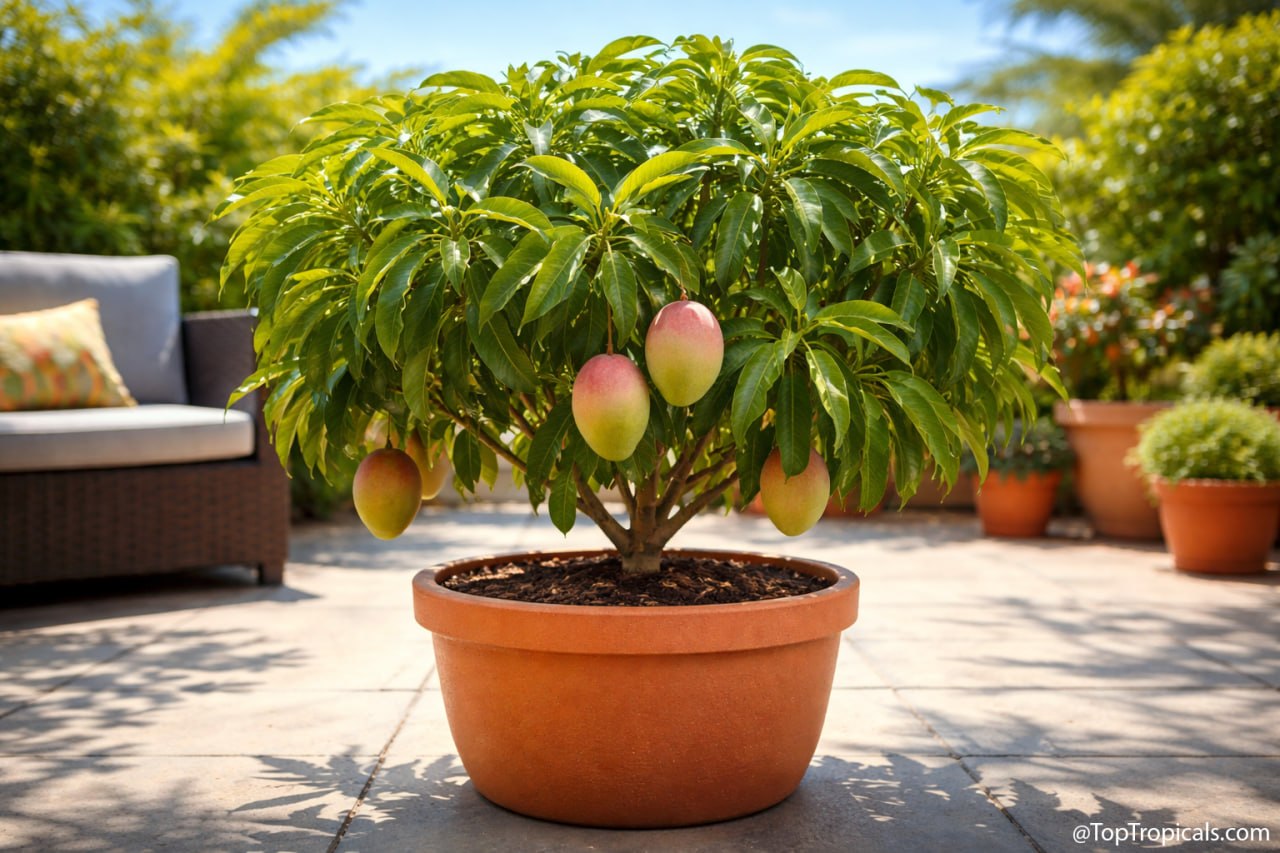
Mngo tree in a pot

Mngo tree in a pot

Forget the Tropics: These 5 "Condo Mango" Varieties Thrive in Your Living Room 🥭

A tropical orchard in your living room? It’s more possible than you think. While wild mango trees can tower at 60 feet, "condo mango" varieties allow you to harvest juicy, sun-ripened fruit right next to your sofa.
If you have a sunny window and a bit of patience, here is exactly how to grow a potted mango tree indoors.
  • 🌳 Why "Condo Mangoes" are the Secret to Success


    Most people fail because they plant a seed from a grocery store mango. Don't do that. Seeds take up to a decade to fruit and grow far too large.

    Instead, look for grafted, dwarf varieties. These are bred to:

•  Stay compact (6–10 feet).
  • •  Fruit within 1–3 years.
  • •  Thrive in the limited root space of a container.


🌳 The 5 Best Mango Varieties for Indoor Pots


Choosing the right cultivar is 90% of the battle. These five are the gold standard for indoor growers:
  • •  Pickering: The #1 choice for pots; naturally tiny. Rich, fiberless, and coconut-heavy.
  • •  Cogshall: Slow-growing and easy to prune. Classic, ultra-sweet tropical taste.
  • •  Ice Cream: Extremely compact; thrives in small spaces. Creamy texture, like mango sorbet.
  • •  Carrie: High disease resistance; very productive. intense, spicy-sweet aroma.
  • •  Mallika: A semi-dwarf Indian favorite. Exceptional, honey-like sweetness.


🌳 4 Essentials for Indoor Mango Care


1. Light: The "Make or Break" Factor

Mangoes are sun-worshippers. They need at least 8 hours of direct light daily.

The Pro Move: Place your tree in a south-facing window. If you live in a cloudy climate, a high-quality LED grow light isn't optional - it’s a necessity to prevent leaf drop and encourage flowering.

2. Strategic Watering

Mango trees hate "wet feet." Use a fast-draining potting mix and a pot with large drainage holes.

The Rule: Let the top 2 inches of soil dry completely before watering deeply.

3. Temperature & Humidity


Keep your room between 65F and 90F. If you are comfortable, the tree is likely comfortable. Avoid placing it near drafty AC vents or heaters that sap humidity.

4. The "Bee" Factor (Pollination)

Indoors, you lack wind and insects. When your tree flowers, gently shake the branches or use a small paintbrush to move pollen between blooms to ensure fruit sets.
  • 👉 Quick Tips for a Better Harvest


  • •  Pot Size: Start with a 15-inch wide container and "up-pot" every two years.
  • •  Pruning: Don't be afraid to snip! Pruning the tips encourages branching, and more branches mean more fruit.
  • •  Fertilizer: Use a balanced organic fertilizer with micronutrients (like magnesium and iron). We recommend Sunshine Mango Tango specifically formulated for mango trees, and a micro element supplement - Sunshine Superfood - these are safe to use with every watering.


🛒 Dicover Condo Mango

📚 Learn more:
#Food_Forest #How_to #Discover #Mango

Mango Plant Facts

Mangifera indica
Mango
USDA Zone: 9-11
Large tree taller than 20 ftSmall tree 10-20 ftFull sunModerate waterYellow, orange flowersPink flowersEdible plantSeaside, salt tolerant plant
🟢 Join 👉 TopTropicals

Date: 30 Mar 2026

How big does the Condo Mango grow?

Mango tree fruiting in container

Mango tree fruiting in container

How big does the Condo Mango grow? 🥭

All mango trees are naturally vigorous and, if planted in the ground, they all can grow into full-size trees reaching 15-20 ft or more. The term "Condo Mango" refers to varieties with a more compact growth habit that can be kept small in containers with light pruning. In a pot, their size is controlled by root space and regular trimming, allowing them to stay manageable and productive for many years. Here is how:
  • 🥭 Condo mango = mango trees that stay compact in containers with light pruning.

  • ✔️ In ground: 15–20+ ft
  • ✔️ In pots: keep them 6–8 ft


🥭 Best pot sizes

  • · 3-7 gal - starter (3–6 months)
  • · 7-5 gal - young tree (1–2 years)
  • · 15-25 gal - ideal long-term
  • · 25-40 gal - faster growth, more pruning

  • 👉 Smaller pot = easier care
  • 👉 Bigger pot = more growth + more work


🥭 Best mango types for containers


True dwarf (easiest)
Minimal pruning, perfect patio trees

Baptiste
Carrie
Cogshall
Diamond
Ice Cream
Julie
Little Gem
Mallika
Manilita
Nam Doc Mai
Pickering
Rapoza (Dwarf Hawaiian)

Semi-dwarf (manageable)
More growth, bigger harvest, need more pruning

Cushman
Fairchild
Florigon
Fralan
Glenn
Graham
Irwin
Ivory
Keitt
Lancetilla
Lemon Meringue
Maha Chinook
Mun Kun Si
Neelum
Okrung
Philippine (Manila)
Val Carrie
Van Dyke
Venus

✂️ Simple rules that matter

  • · Keep tree 6–8 ft with pruning
  • · Use fast-draining soil (critical)
  • · Full sun = fruit
  • · Feed regularly - Green Magic + Mango Tango
  • · Repot or root-prune every few years


🛒 Select from Condo Mango varieties

📚 Learn more:
#Food_Forest #How_to #Discover #Mango

Mango Plant Facts

Mangifera indica
Mango
USDA Zone: 9-11
Large tree taller than 20 ftSmall tree 10-20 ftFull sunModerate waterYellow, orange flowersPink flowersEdible plantSeaside, salt tolerant plant
🟢 Join 👉 TopTropicals

Date: 24 Sep 2023

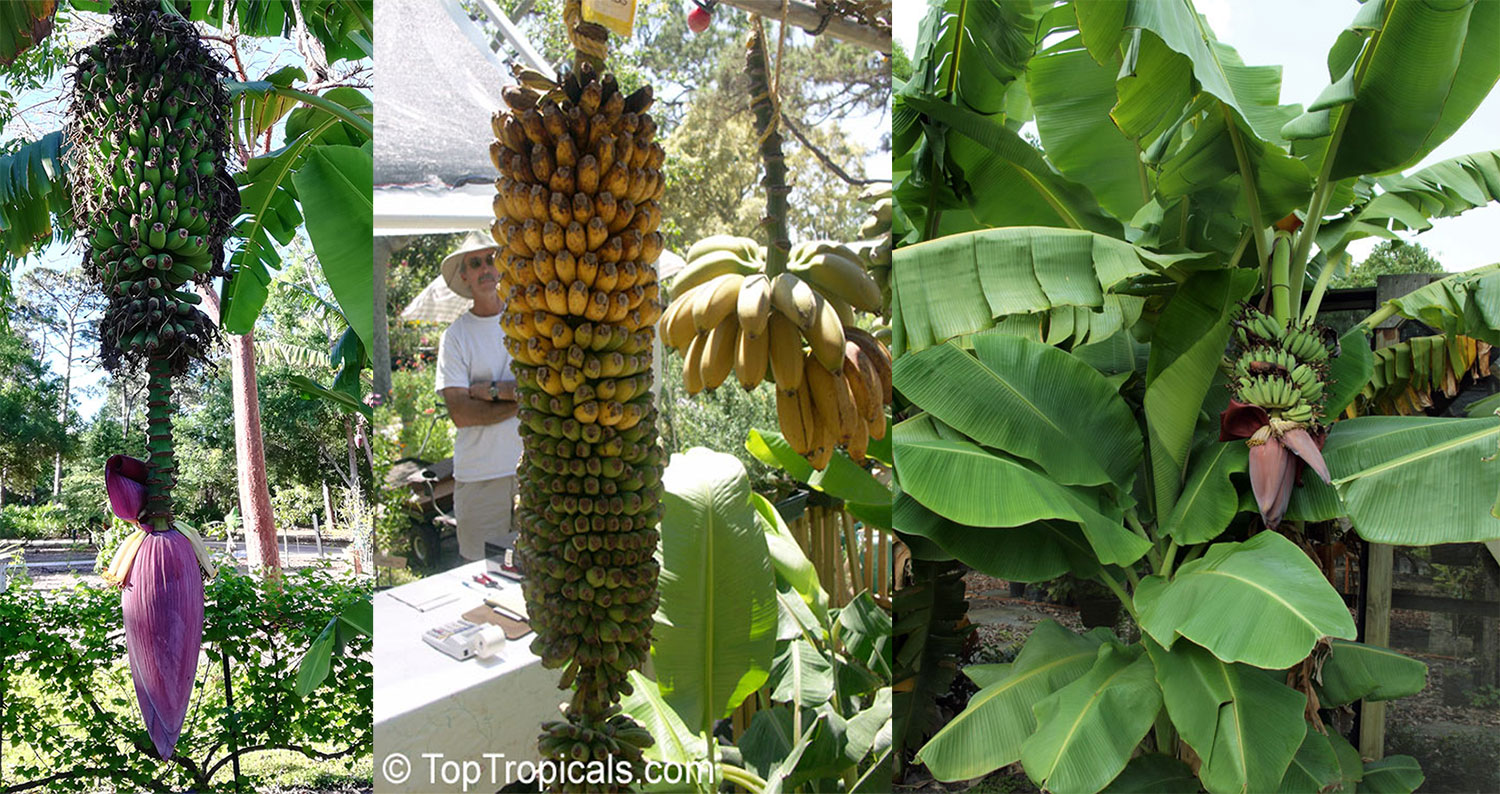
Go Bananas!
10 good reasons to plant bananas in your garden

Cat  with  bananas  in  refrigerator

Adding banana plants to your subtropical garden or plant collection can enhance the aesthetics of your outdoor and indoor space, provide fresh and nutritious fruits, and offer a fun gardening experience with relatively low maintenance requirements. It's a delightful way to connect with nature and enjoy the benefits of homegrown produce.

1. Tropical Ambiance: Banana plants bring a touch of the tropics to your subtropical garden. Their large, lush leaves create a lush and exotic atmosphere that can transform your garden into a tropical paradise.

2. Homegrown Flavor: Growing your own banana trees allows you to enjoy the freshest, most flavorful bananas right from your garden. Homegrown bananas often have a superior taste compared to store-bought varieties.

3. Nutritional Benefits: Bananas are packed with essential vitamins, minerals, and dietary fiber. By cultivating your own banana trees, you gain access to a nutritious and healthy snack option right in your backyard.

4. Quick Results: Banana plants are known for their fast growth. In subtropical climates, they can produce fruit in as little as one to two years. This means you don't have to wait long to savor the fruits of your labor!

5. Low Maintenance: Banana trees are relatively low-maintenance once established. They require regular watering, but their hardy nature makes them a relatively easy addition to your garden. They are not messy in a landscape.

6. Versatility: Bananas offer versatility in your garden. You can choose from dessert bananas for snacking, cooking bananas like plantains for culinary experiments, or even ornamental banana varieties to enhance your garden's aesthetics. There are so many varieties to enjoy! You can't find this big selection in a grocery store.

7. Sustainable Living: Growing your own bananas reduces your reliance on store-bought produce, contributing to a more sustainable lifestyle. It also minimizes the carbon footprint associated with transporting fruits to market.

8. Educational Value: Cultivating banana plants can be an educational experience for both adults and children. It offers insights into tropical horticulture and can foster an appreciation for gardening and botany.

9. Landscaping Appeal: Beyond their fruit-bearing potential, banana plants add visual interest to your garden. Their unique form and striking leaves make them an excellent choice for landscaping and providing shade in your outdoor space.

10. Resilience: While bananas thrive in tropical conditions, many banana varieties are hardy enough to withstand cooler climates, making them a durable addition to your garden.

bananas  and  banana  trees

Date: 5 Oct 2022

Re-Leaf discount extended!

The prettiest plants of the month

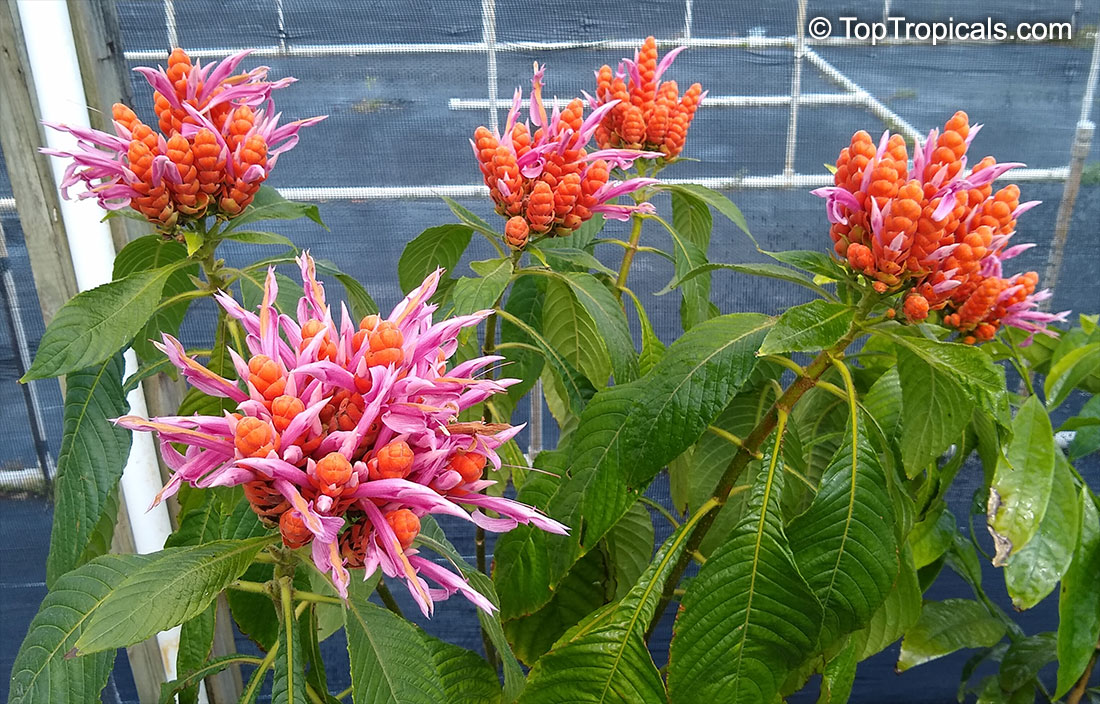
Aphelandra  sinclairiana  -  Panama  Queen

Aphelandra sinclairiana - Panama Queen

We thank everyone who made a purchase in the past few days, you made a big difference! We continue clearing debris and rebuilding our greenhouses. Thanks to your support, we will be able to get our plants ready for winter! This is what we are doing this month:

rebuilding woodframes for greenhouses
installing new shade cloth and plastic
cutting fallen trees
getting new equipment that suffered from flood
adding rock in the nursery to be ready for the Fall Festival

You help us - we help you!
Ask for more RE-LEAF specials when you visit our Garden Center!

Hurricane Ian re-leaf discount extended

For 10% off your entire order, use this code:

IANRELEAF

Use this code on top of our fantastic deals and make it a super deal:
As low as $5 sale of selected items
Secret Garden - 50% off

Min order $100. Exp. 10-08-22.

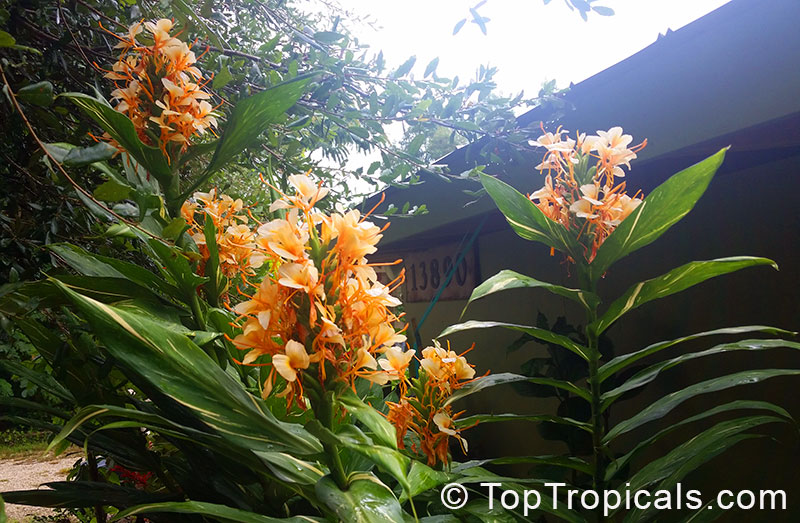
Hedychium  flavum  x  coccineum  Dr.  Moy  -  Variegated  Hardy  Ginger  Lily

Hedychium flavum x coccineum Dr. Moy - Variegated Hardy Ginger Lily

Date: 26 Nov 2024

What is the most rewarding hardy fruit tree suitable for hot climate

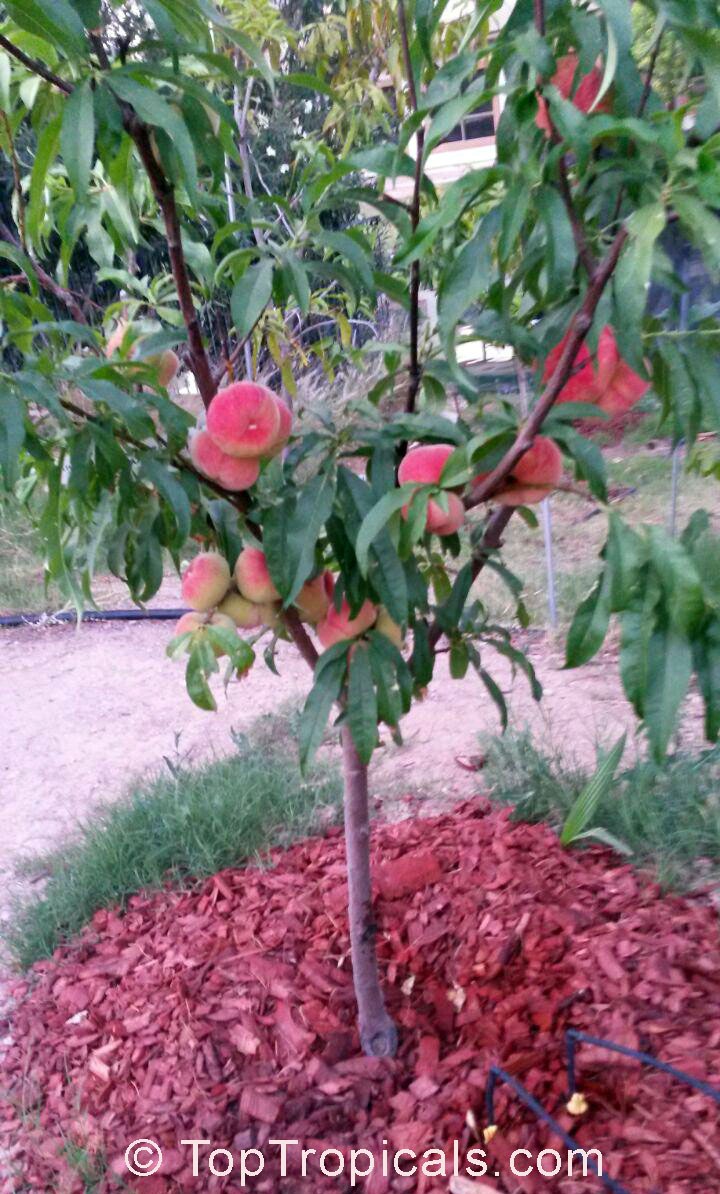
Low Chill Peach (Prunus sp.) tree

Low Chill Peach (Prunus sp.) tree

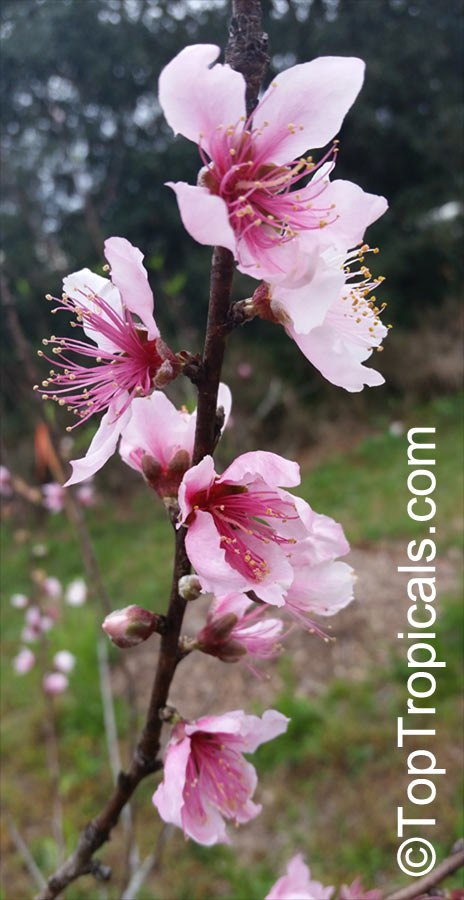
Low Chill Peach (Prunus sp.) flowers

Low Chill Peach (Prunus sp.) flowers

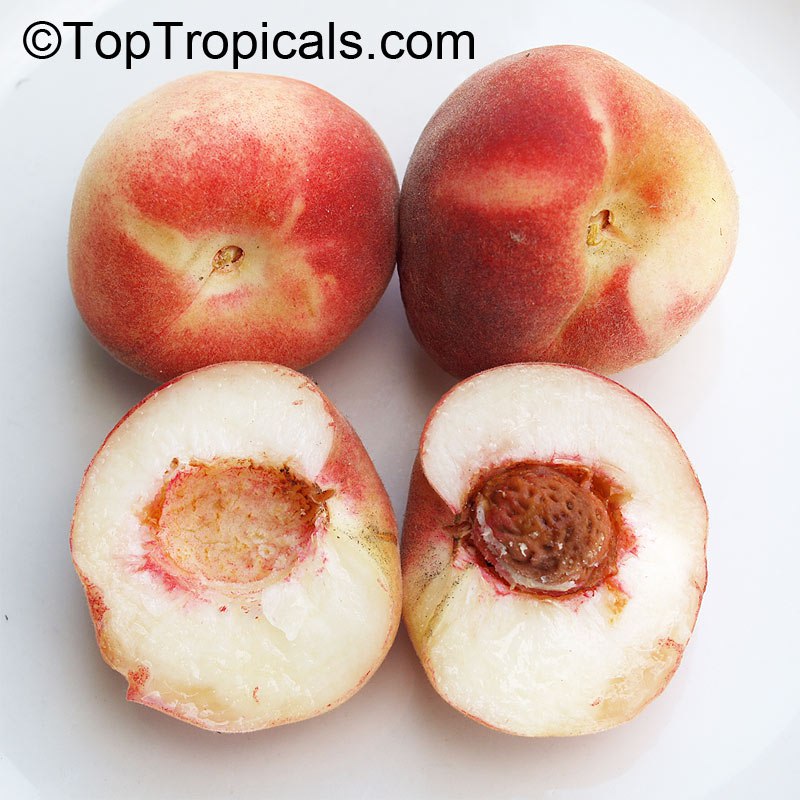
Low Chill Peach (Prunus sp.) fruit

Low Chill Peach (Prunus sp.) fruit

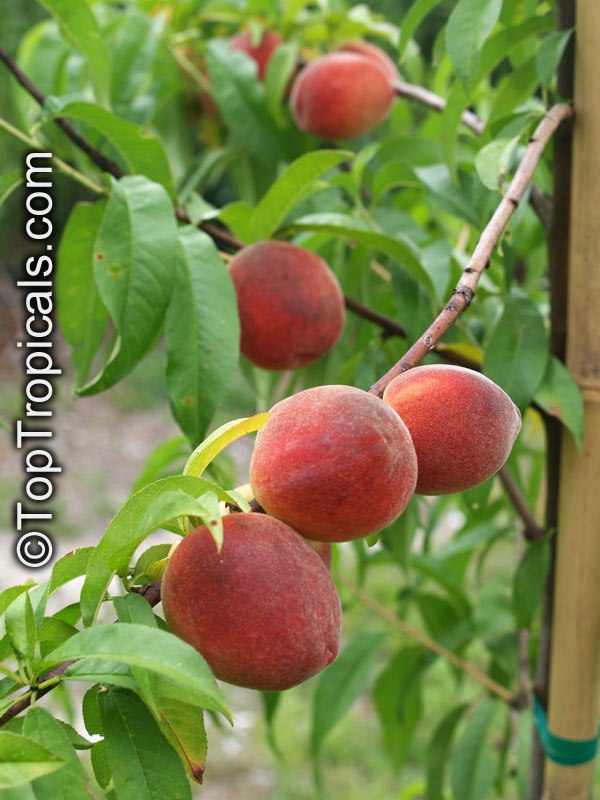
Low Chill Peach (Prunus sp.) fruit

Low Chill Peach (Prunus sp.) fruit

🍑 What is the most rewarding hardy fruit tree suitable for hot climate


💬 Can I grow peaches and plums in Florida?

✅ Yes, you can grow peaches, nectarines, apricots and plums in Florida, provided you choose low-chill varieties.
  • 🍑 These have been developed specifically for subtropical regions like Central and South Florida, where traditional temperate varieties struggle due to insufficient chill hours.
  • 🍑 Low-chill varieties require as little as 150–300 chill hours (temperatures below 45°F) and thrive in hot climates, making them perfect for Florida' warm winters and hot summers.
  • 🍑 These heat-tolerant fruit trees also perform well in other challenging climates, like Arizona.
  • 🍑 While apricots generally need more chill hours than Florida's climate can provide, hybridization efforts have made peaches, nectarines, and plums reliable options for gardeners in these areas.


🛒 Shop Low Chill Peaches (Prunus sp.)

#Food_Forest

🔴 Join 👉 TopTropicals