Garden Blog - Top Tropicals

Date: 25 Jan 2021

Healthy Plants: Q&A from Mr Booster

How to get Canistel tree to produce
without dropping flowers and fruit
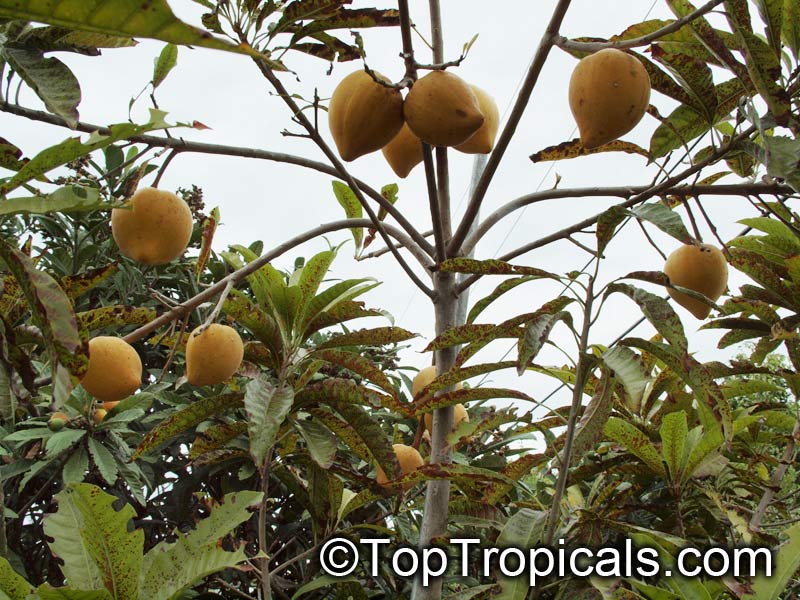
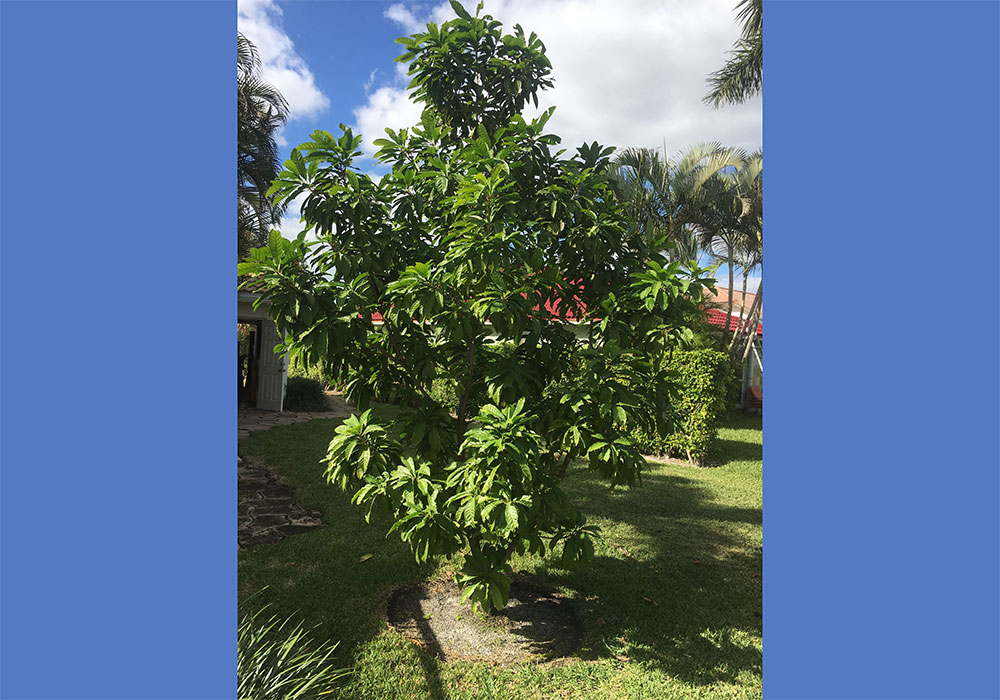
Q: My Canistel tree is 3 1/2 years old and is growing very well, see the picture below. It gets hundreds of pea sized "berries" but then they fall off. No canistel fruit. What's wrong?

A: You have such a nice looking tree, it is a shame you can't get any fruit to ripen.
In our experience, Pouteria trees dropping fruit prematurely is a very common problem. There may be one of the following reasons, or a combination of them:
- Cold winters may affect production, and while Canistel is generally pretty hardy tropical plant that can easily withstand short periods of chill, the fruit may never form properly if it had a cold winter.
- Lack of water. Canistel tree is pretty drought tolerant, but for the proper production cycle it needs regular irrigation. Especially during hot summer.
- The tree may be not strong enough; young trees drop fruit very often when they don't have enough "fruiting energy" built up in their system.
Your tree looks well established and vigorous, however, flower/fruit drop is often a sign of insufficient nutrients of particular kind, usually Boron (B) and/or Molybdenum (Mo): either when a tree is too young and not strong enough, or because of poor soils and lack of necessary elements.

Here is what can be done, considering you live in a warm, frost-free climate.

1. Provide regular fertilizing program. We recommend liquid fertilizers Sunshine Boosters that are safe to use with every watering and year around. It is beneficial to switch plants from traditional "slow-release" fertilizer to the liquid one because it makes a huge difference in plant growth and flower/fruit quality and quantity. See also:
- Why liquid fertilizers are better than dry
- Article about benefits of liquid fertilizers.

Use this plant food for your Canistel tree:
SUNSHINE C-Cibus - Crop Nutrition Booster

2. Apply micro-element remedies that are very effective for improving fruit production, especially when flower or fruit drop occurs:

SUNSHINE Honey - promotes more efficient blossoming and pollination, makes flowers bigger and reduces bud drop.
SUNSHINE SuperFood - improves plant vigor and quality and size of flowers These are all natural, eco-friendly supplements that work great for fruit trees and other edibles.

Date: 3 Jul 2025

Coral-blooming bonsai with a bottle-shaped trunk - perfect container plant

🔥 Coral-blooming bonsai with a bottle-shaped trunk - perfect container plant


  • Jatropha podagrica - Gout Plant - is a one-of-a-kind tropical showpiece with a knobby, swollen caudex, massive umbrella-like leaves, and bright coral-red flowers that pop like underwater treasures.

  • Compact and only 2-3 feet tall, it's perfect for containers, bonsai lovers, and small gardens craving something bold and unusual. It thrives in partial shade, grows giant leaves in low light, and needs little water to stay happy. Easy-care and eye-catching, it's more than a plant it’s a conversation starter.


🛒 Get your Gout plant - the plant with a personality

📚 Learn more:


Attention grabber: swollen trunk, giant leaves, and flowers just like corals

#Container_Garden #Nature_Wonders #Shade_Garden

🟢 Join 👉 TopTropicals

Date: 24 Jul 2023

Easy, stress-free plants
for Summer planting

Cat  with  Bananas

Q: With the rising temperatures, I'm concerned about shipping my plants safely. Can they withstand the heat during transit? Also, is it okay to plant them in the ground now, or should I wait for cooler Fall weather?

A: Your concern about shipping plants in hot weather is valid. For sensitive plants, we'll delay shipping until conditions are more favorable in your area. However, there are plenty of heat-tolerant tropical plants that handle shipping well with minimal stress. These plants adapt easily when planted during the hot summer months. Simply follow the included planting instructions, gradually acclimate them to full sun, and they should thrive.

Certain flowering tropical plants, such as Allamandas, Calliandras, Caesalpinias, Adeniums, and Clerodendrums, are excellent options for shipping and establishing during the summer. Flowering vines like Jasmines also adapt well. Consider using Sunshine Booster fertilizers to promote robust growth, they are safe to use right after planting.

Additionally, many fruit trees flourish in heat. Mangoes, Avocados, Pomegranates, Pineapples, Loquats, Eugenias - Tropical cherries, Bananas, Jackfruits, Dragon Fruit, and Olive trees are great choices for summer planting. Noni trees are hardy survivors and usually ship and grow well during the summer, in spite of their lush tropical leaves.

Feel free to check with us about the specific plant you plan to order for its suitability in summer shipping. We're here to take care of your green babies and address your year-round planting needs!

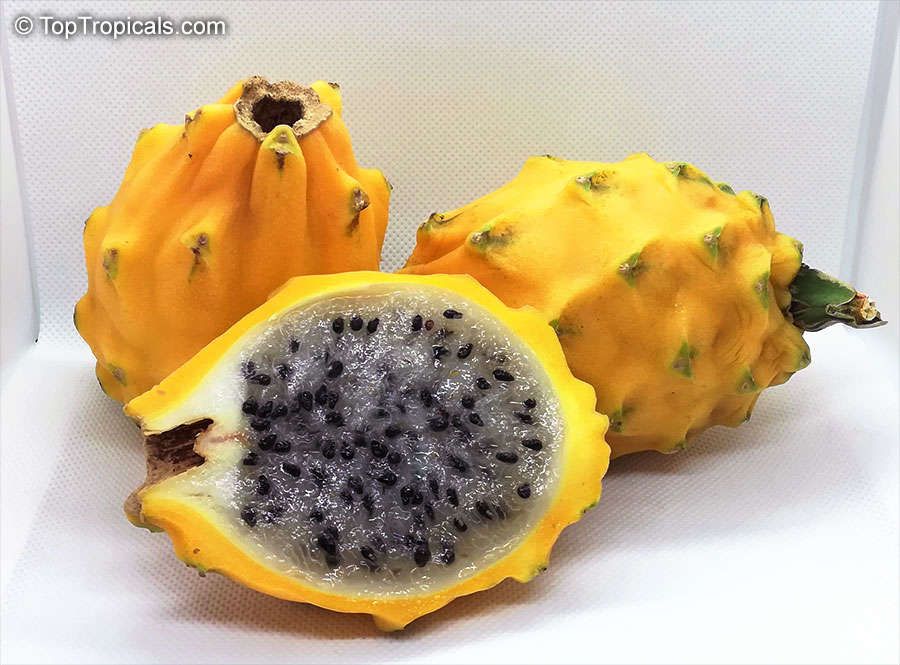
Pitaya  Yellow  Dragon  Fruit,  Selenicereus  megalanthus

Pitaya, Yellow Dragon Fruit, Selenicereus megalanthus

Cat  with  Bananas

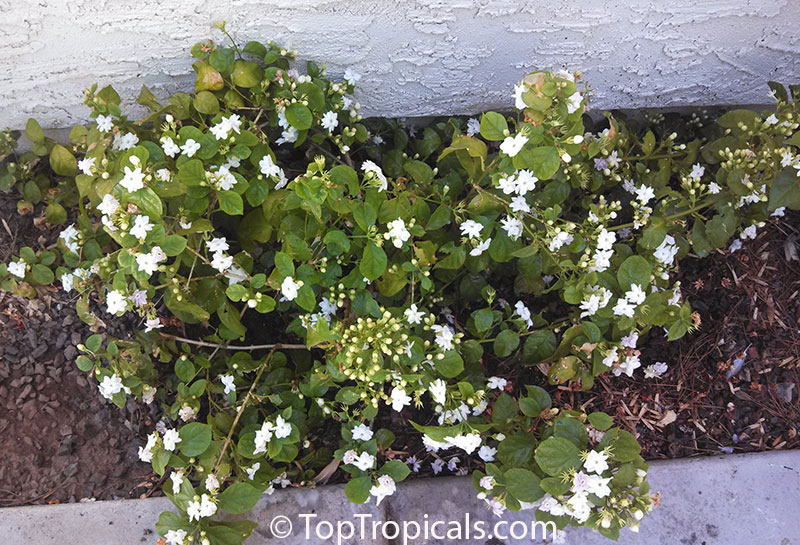
Jasminum sambac Maid of Orleans thrives and blooms in hot sun

Cat  with  Bananas

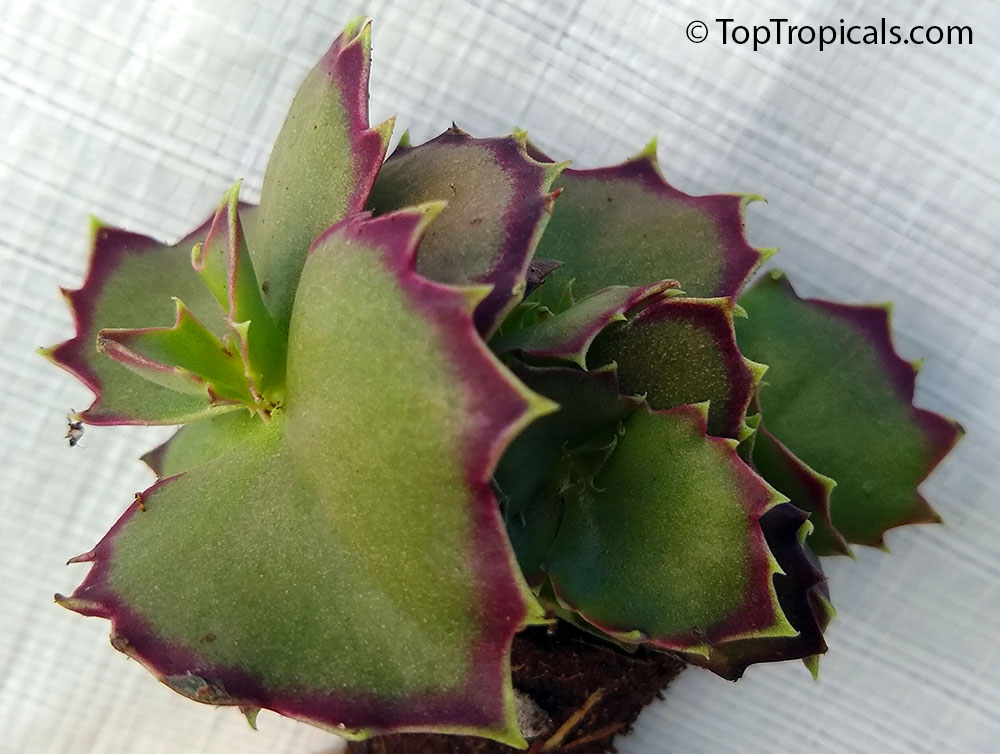
Kalanchoe synsepala Magnificent - Walking Cup Kalanchoe, spectacular plant, loves dry and hot conditions

Date: 16 Jun 2019

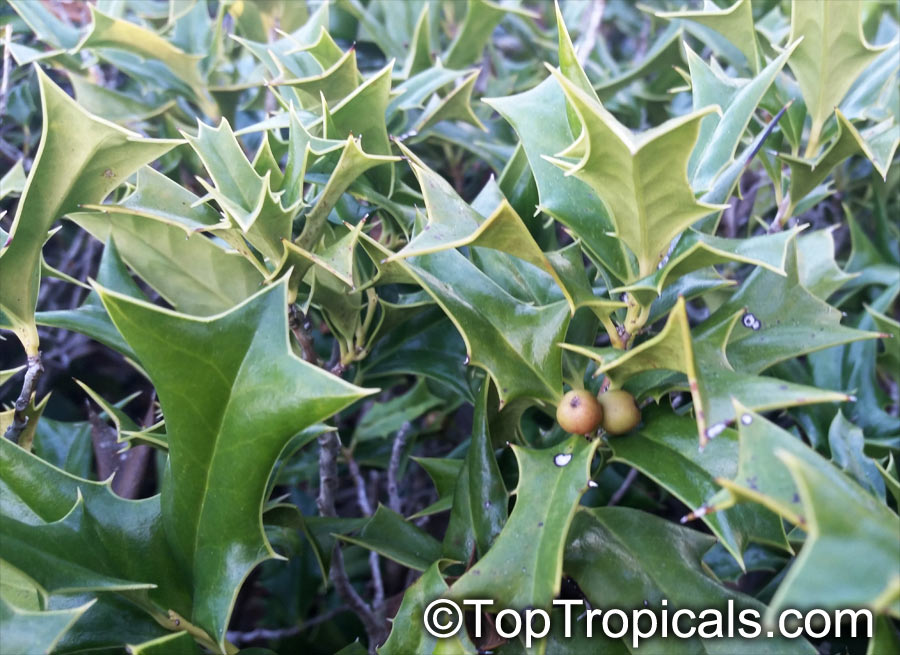
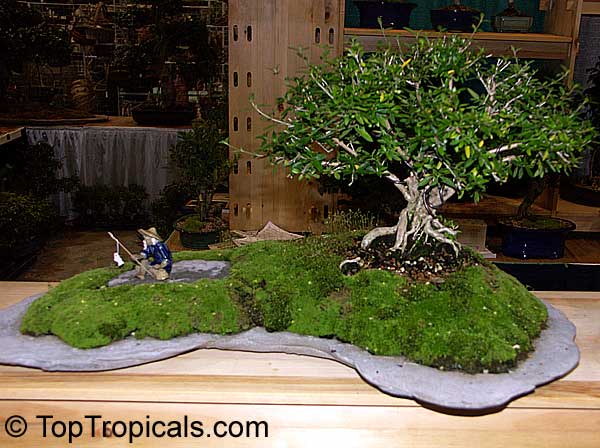
Horned Holly - a cool bonsai plant

By Onika Amell, tropical plant specialist

Q: I live in Chickasaw, Alabama. I am a beginner bonsai grower. I received a lovely little Horned Holly as a birthday present and I want to know if it is a suitable plant to bonsai?

A: The Ilex cornuta - Horned Holly, or Chinese Holly, is very popular as a bonsai species. It is loved for its very beautiful and distinctive rectangular foliage and for its small, white flowers which give way to large, red berries. The berries are larger than those of the European Holly. The leaves are rectangular and unusually shaped with three large spines at the apex. This bonsai will take both sun and shade, but semi-shade is preferred in midsummer. If indoors, give it plenty of bright light. When kept outdoors, your Horned Holly bonsai will need some frost protection and should be sheltered from strong or cold winds. It will need a fair amount of water and should not be allowed to completely dry out. Watering during the heat of summer is especially important, as well as in spring right before the fruit production, and should be reduced during winter. This species will also appreciate regular misting of the foliage. Repot this bonsai every 1 to 2 years in early spring, using bonsai soil - TopTropicals Adenium Soilless Mix. Fertilize the holly every two weeks throughout the growing season using either a balanced fertilizer diluted to half strength. We recommend for this purpose Tropical Greenhouse Plus - Plant Booster. Pruning should be done in early spring.
Horned Holly is also very popular as a hedge plant as it grows dense and compact. It will grow to between 3 and 5 feet tall and will spread to an equal distance, giving it a round, shrubby form. It is cold hardy! Zones 6 through 9. It will tolerate a wide variety of soils as long as it is well-drained. It likes sun or part shade. It is heat and drought tolerant once established, and are often used in xeriscaping. Its branches produce dark olive-green foliage that is often cut for indoor decorations during the holidays.

Limited time special offer:
buy 1 get 1 free for only $10!

Date: 31 May 2024

What is this shocking pink gardenia? Does it exist?

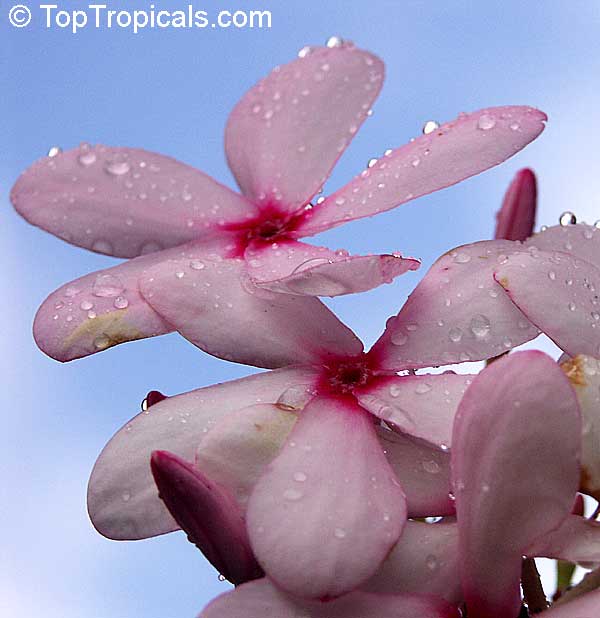
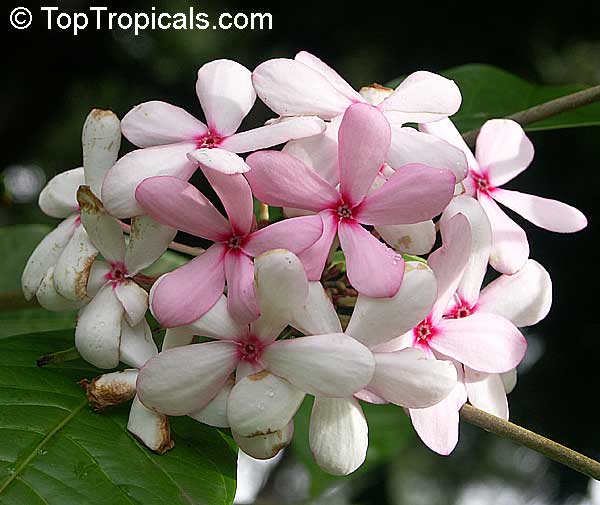
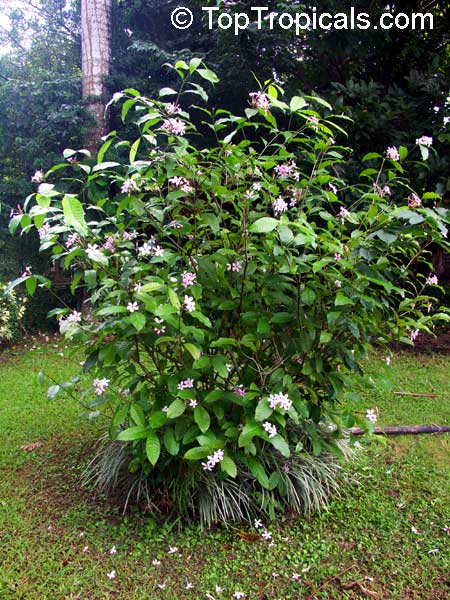
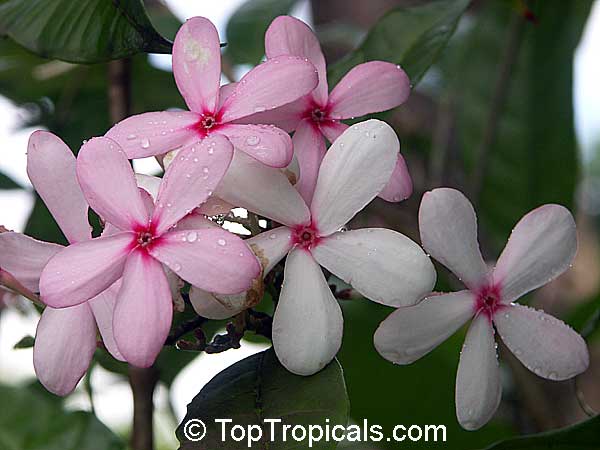
Kopsia fruticosa - Pink Gardenia

Kopsia fruticosa - Pink Gardenia

Kopsia fruticosa - Pink Gardenia

Kopsia fruticosa - Pink Gardenia

Kopsia fruticosa - Pink Gardenia

Kopsia fruticosa - Pink Gardenia

Kopsia fruticosa - Pink Gardenia

Kopsia fruticosa - Pink Gardenia

👁 What is this shocking pink gardenia? Does it exist?

  • 🌸 Kopsia fruticosa: fondly known as the "Pink Gardenia", this gem is one of nature's most exquisite and elusive treasures.
  • 🌸 Its flowers are a marvel, transitioning from delicate light pink to deep hues with crimson centers, emitting a subtle fragrance.
  • 🌸 Imagine our surprise when we stumbled upon this enchanting plant labeled as a Pink Gardenia during our expedition in Thailand!
  • 🌸 Intrigued, we delved deeper into its botanical identity. While technically not a Gardenia, this beauty is a close relative of Plumeria and Adenium we mentioned earlier, as well as Tabernaemontana (also often confused with Gardenia). All these beauties belong to the esteemed plant family Apocynaceae.
  • 🌸 It's no wonder this plant has captured our hearts; its beauty is simply irresistible, leaving us wanting more.
  • 🌸 With its compact growth habit, it's perfect for containers or in-ground planting, adding a touch of elegance to any garden space.


🛒
Treat yourself with a Pink Gardenia!

#Perfume_Plants #Nature_Wonders #Container_Garden

🏵 TopTropicals